Blog

  • Asia’s Largest Toys Fair to Open Next Week

    Asia’s Largest Toys Fair to Open Next Week

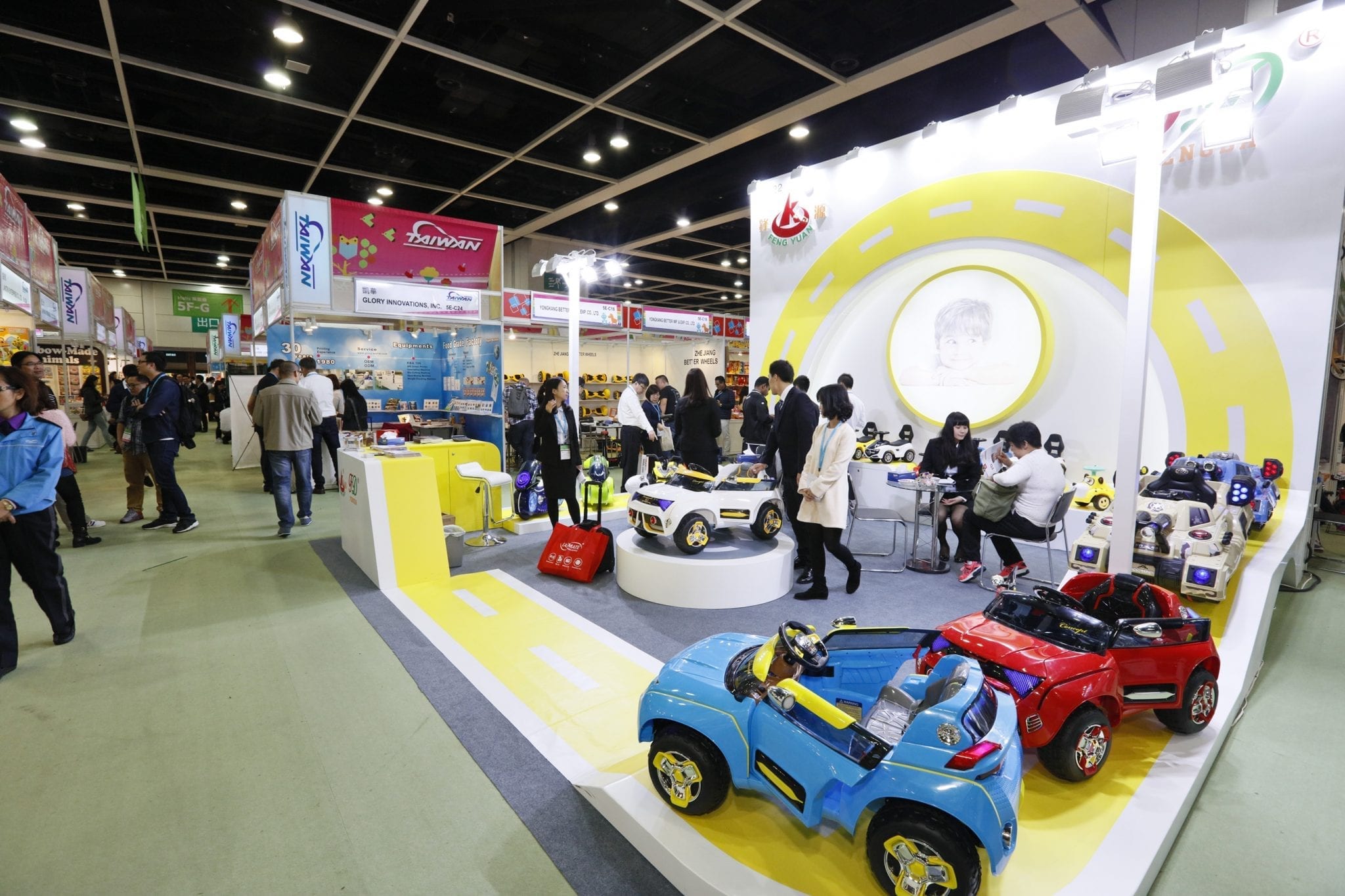
    The 43rd HKTDC Hong Kong Toys & Games Fair, the eighth HKTDC Hong Kong Baby Products Fair and the 17th Hong Kong International Stationery Fair are set to open at the Hong Kong Convention and Exhibition Centre (HKCEC) next week. Starting on 9 January and continuing through 12 January, the three fairs will feature more than 2,900 global exhibitors showcasing a dynamic range of innovative and high tech products.

    Hong Kong’s major export products, including toys, are still being affected by the lacklustre global economy. Speaking at today’s press conference, Benjamin Chau, Acting Executive Director, HKTDC, said that Hong Kong’s exports of toy products reached HK$33.8 billion in the first 11 months of 2016. He also noted that the toy industry is the only sector reporting a higher reading in the HKTDC Export Index for the fourth quarter of 2016, indicating growing confidence about the performance of toy exports in 2017. On the other hand, the Christmas sales performance recorded increases in major traditional markets such as the United States, the United Kingdom and Germany, as well as emerging markets including the Chinese mainland, Mexico, Chile, Hungary and the Czech Republic. Mr Chau added that under the mainland’s “Two-child Policy”, new opportunities are expected to emerge in the coming years for the toy and baby product markets on the mainland since the number of births is likely to rise considerably.

    “STEM toys – that strengthen the learning of science, technology, engineering and mathematics – as well as licensed products and toys applying virtual reality (VR) and augmented reality (AR) technologies are becoming more and more popular,” Mr Chau said. “Hong Kong companies can look into and explore these products.” He highlighted that the Hong Kong Toys & Games Fair gathers a wide range of products from around the globe. The hktdc.com Small Orders zone in the fair, along with the HKDC Small Orders Online Transaction Platform and business matching service offered by the HKTDC, will facilitate product sourcing and building business connections.

    Asia’s largest toys fair draws record exhibitors

    The HKTDC Hong Kong Toys & Games Fair will gather a record of more than 2,100 exhibitors from 42 countries and regions, with first-time participants from Bangladesh, Bulgaria and Denmark. The event is the largest of its kind in Asia and second-largest in the world.

    Five group pavilions will be featured in the fair this year, including the Chinese mainland, Korea, Spain, Taiwan and the UK, along with a “World of Toys” pavilion showcasing mainly European exhibitors and a global range of toy and game products. This year, the UK pavilion has doubled its exhibition space with 17 exhibitors, offering buyers more selections. The signature Brand Name Gallery will return with more than 220 renowned brands from 15 countries and regions. Among them will be 4M, Bburago, Eastcolight, Hape, VTech, as well as new exhibitors including Japanese building block brand nanoblock and Portuguese brand ELOU for educational toys made with cork.

    The acclaimed Smart-Tech Toys zone will feature a range of toys with innovative technology capabilities. Some of the exhibits have incorporated the increasingly popular AR and VR technologies in their designs, along with mobile apps to make products more interesting and interactive for users. To meet the growing demand for STEM toys in the market, a new STEM Toys Product Display area will be launched at the fair.

    Two new thematic zones, Pet Toys and Fireworks, will also be introduced this year. The Pet Toys zone will feature toys and daily supplies tailor-made for pets. The Fireworks zone will introduce festival fireworks, display shells, firecrackers as well as indoor and stage fireworks suitable for use in different events to industry buyers.

    One-stop sourcing at concurrent Baby Products and International Stationery fairs

    The HKTDC Hong Kong Baby Products Fair will be held alongside the Toys & Games Fair, featuring a record of close to 540 companies from 27 countries and regions, including first-time exhibitors from Qatar and Turkey. This year, the Korea pavilion will gather 32 exhibitors, an increase of more than 80 per cent compared with the last edition. Brand Name Gallery will feature close to 50 renowned quality brands from 14 countries and regions, while the Baby Tech zone, another highlight of the fair, will bring in 22 exhibitors to help visitors keep abreast of the high-tech product and smart living trends.

    The Hong Kong International Stationery Fair, jointly organised by the HKTDC and Messe Frankfurt (HK) Ltd, will feature over 250 exhibitors from 18 countries and regions, including new exhibitors from Bangladesh, Finland, India, the Netherlands and Spain. Exhibitors will showcase the latest art and craft supplies, back-to-school items, paper packaging and printing goods, office supplies and gift stationery.

    During the fair period, a series of industry events will be organised. The influential “Hong Kong Toys Industry Conference 2017” will be held on 10 January under the theme of “Grasp the Chance: What’s New in the Market and Our Industry?”. Experts will explore the trends and opportunities in the global market, especially those related to the Chinese mainland. Other seminars include “STEM Toys – Next Big Wave”, “The New Epoch of Virtual Toys”, and “A Closer Look into the Key Influencers in Baby Product Trends”. Masayuki Takabatake, the renowned “Stationery King” from Japan and a representative from one of Japan’s biggest stationery brands KOKUYO, will deliver a seminar on “A Glimpse into the Forthcoming Design Trend”.

    A number of product demonstrations and launch pads as well as buyer forums that explore opportunities in emerging markets and seminars analysing retail opportunities in the digital age will be organised during the fair. These events will enable industry players to exchange market information and keep abreast of the latest design and product trends.

    Another highlight will be the “Hong Kong Toys and Baby Products Awards 2017 Presentation Ceremony” to be held on the first day of the fair (9 January), with a winning products presentation taking place the following day. The award aims to uncover toy and baby products with unique designs, creativity and high quality, as well as to celebrate outstanding achievements in the industry. During the fair period, the winning products will be displayed at the Hall 3F-G Concourse.

    Held concurrently with the Toys & Games Fair, the Baby Products Fair and the Stationery Fair is the HKTDC Hong Kong International Licensing Show, which is the largest of its kind in Asia, and second-largest in the world. It will feature more than 370 exhibitors from 12 countries and regions and showcase over 900 brands and properties. The four parallel fairs will create abundant trading opportunities for crossover business activities among the participants from various sectors.
  • Tourism Lull Hits Hong Kong Jewelry Sales

    Tourism Lull Hits Hong Kong Jewelry Sales

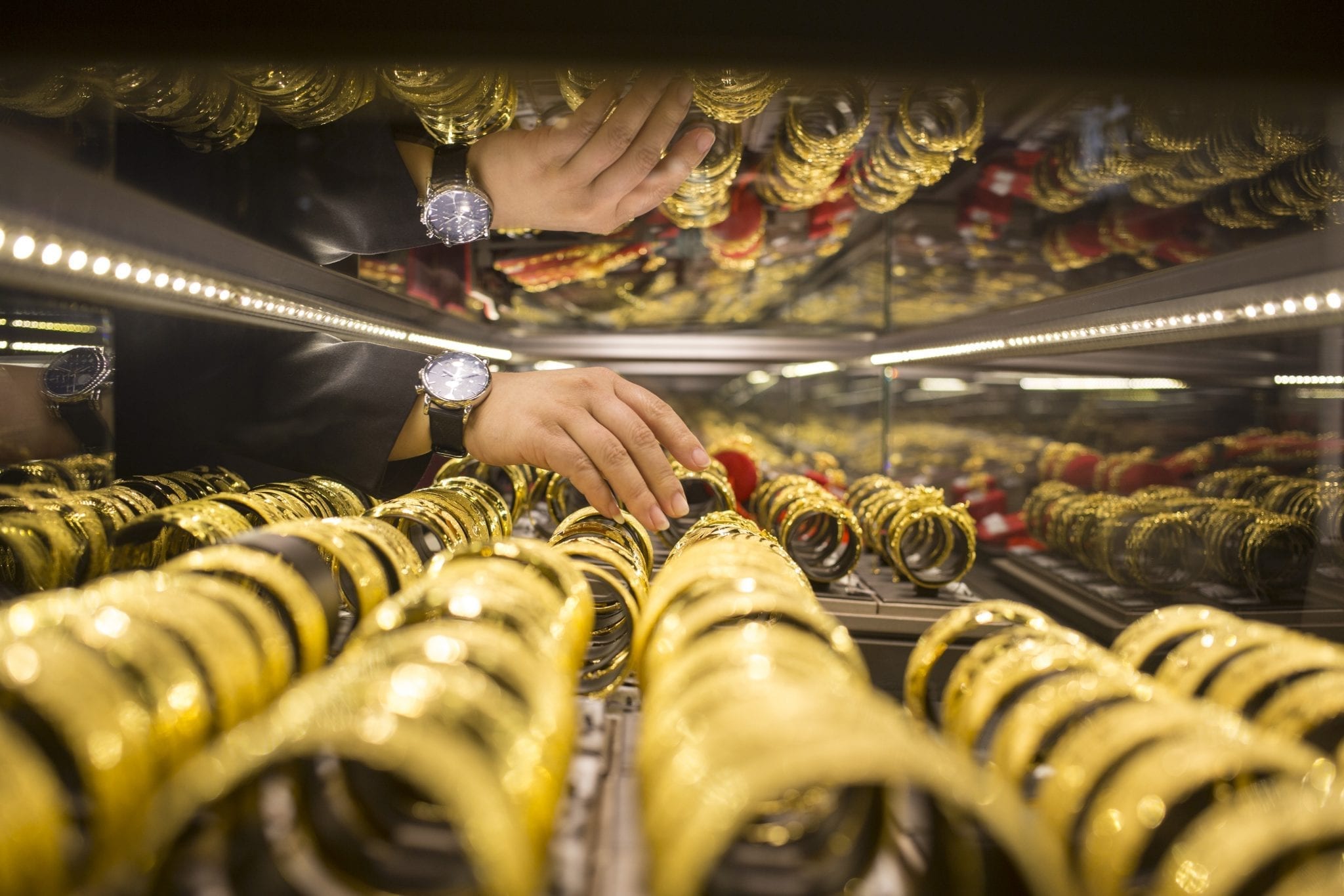
    Retail sales of jewelry and other luxury items in Hong Kong slumped in November as tourist arrivals continue to dwindle. Revenue from jewelry, watches, clocks and valuable gifts declined 14 percent to $731.6 million (5.67 billion) in November, according to provisional data from Hong Kong’s Census and Statistics Department. The number of tourists visiting Hong Kong fell 2 percent the same month, the Hong Kong Tourism Board reported.

    Hong Kong’s luxury retail sales suffered throughout most of last year as fewer tourists arrived. The data in October signaled a possible recovery as the growth in jewelry and luxury sales was flat from a year ago. However, the latest figures in November did not lend credence to any suggestion of an improvement, even as the drop in sales for that month was less steep than the 19 percent slump for the first 11 months combined.

    Overall retail sales slipped 5.5 percent, likely dragged down by lower tourist spending on select big-ticket items, a government spokesperson explained.

    “Looking ahead, the performance of retail sales will depend on whether inbound tourism will improve and whether the various external uncertainties will affect local consumer sentiment,” the spokesperson said.

  • Singapore Airlines rolling out more planes with premium economy cabins

    Singapore Airlines rolling out more planes with premium economy cabins

    Singapore Airlines (SIA) is banking on premium economy services to entice travelers to pay more for extra comfort.

    About four in 10 SIA planes now offer the service, slightly more than a year since it rolled out premium economy cabins, which offer perks such as more legroom and better food.

    And the carrier said it will continue to retrofit more aircraft with such cabins to meet travelers’ needs.

    Demand is especially strong on long-haul routes, said SIA spokesman Nicholas Ionides.

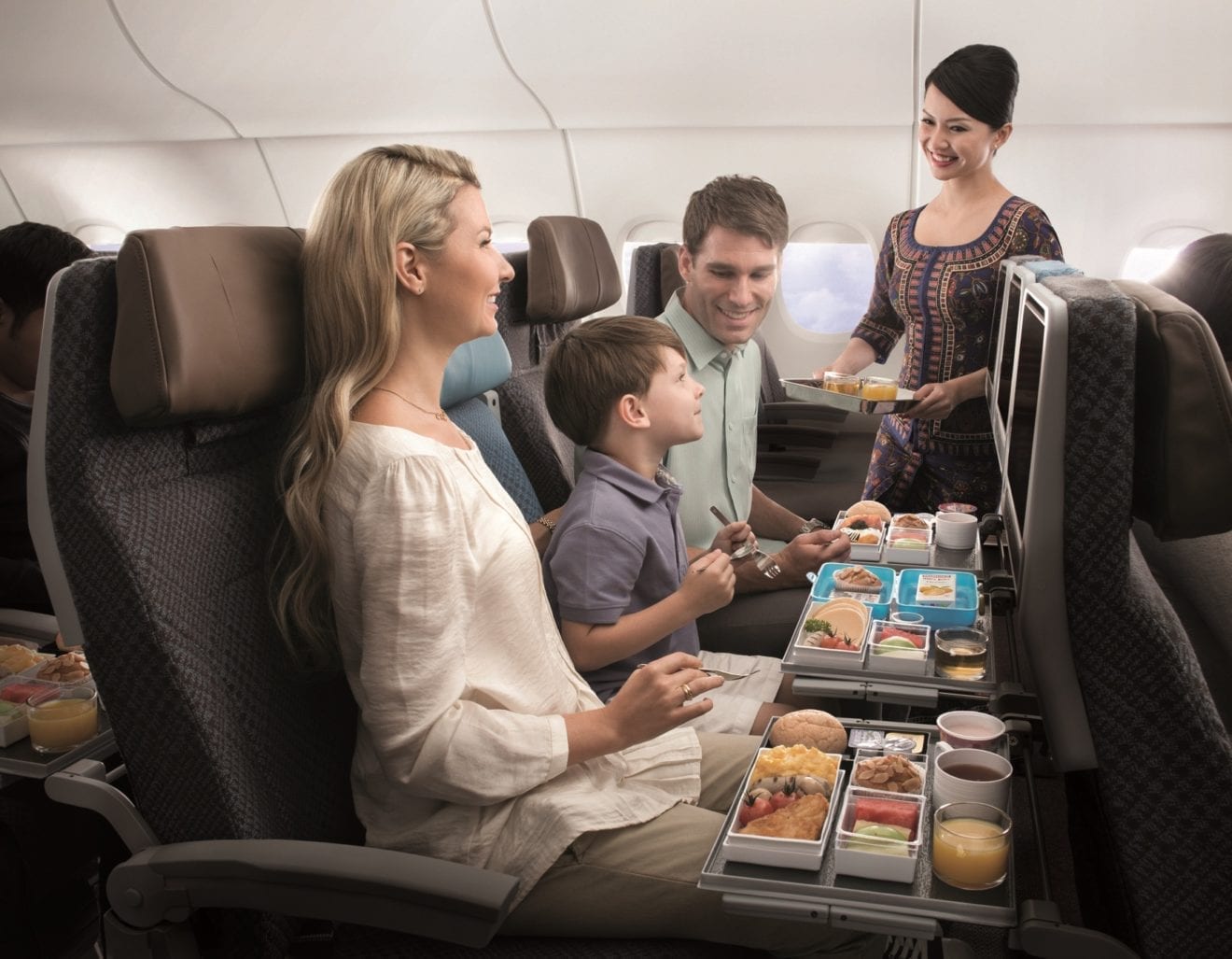
    The premium economy cabin includes features such as wider seats with greater recline and more legroom.

    First introduced more than two decades ago, such cabins are now found on more than 50 carriers worldwide, including American, European and Asian airlines.

    Apart from SIA, airlines that have rolled out such cabins in recent years include Hong Kong’s Cathay Pacific, which introduced them in 2012.

    Middle Eastern airlines, which have so far resisted the option, are now considering it as well.

    Premium economy services have caught on as they are popular with travelers who do not mind paying more for extra comfort, especially on long-haul flights.

    Cost-conscious businesses are also turning to them as an option for their executives on work trips, experts said.

    A premium economy ticket can cost up to 1 ½ times more than the economy fare, though this also varies depending on routes and time of travel.

    “The difference between the economy and premium economy fares for last-minute bookings can reduce significantly to just around 20 per cent to 30 per cent in some cases,” said Akshay Kapoor, director (Asia-Pacific) at CWT Solutions Group, which manages travel for corporate clients.

    While most airlines have taken a keen interest in the premium economy product, most tend to roll this out rather cautiously, he said.

    The number of premium economy seats is typically below 10 per cent of the total number of seats on the aircraft, said Kapoor.

    One concern that airlines have is that instead of economy travelers upgrading, business travelers could end up downgrading.

    Brendan Sobie, a Singapore-based analyst at the Centre for Aviation think-tank, said: “The idea is always to get economy class passengers to upgrade rather than to cannibalise business class.

    “However, there is always some cannibalisation – generally not a significant amount but there’s always the risk.”

    At Cathay Pacific and SIA, premium economy passengers are a mix of those who have downgraded from business and those who used to fly economy but are increasingly drawn to premium economy, especially on long-haul flights to North America and Europe, for example.

    However, given the uncertain global economic outlook, experts expect more business travelers to downgrade.

    Kapoor said: “With continued economic uncertainty expected over the next few quarters, we believe that organisations will increasingly be seeking avenues to drive savings in their travel spend without having to cut down on the amount they travel.

    “Taking premium economy over business class could save 60 to 70 per cent of the airfare and allow for more trips to a destination for the same dollar amount.”

    Rayman Som, 51, a human resource director who travels four to five times a year, has flown twice on SIA’s premium economy class on company expense.

    He said he took a short flight to Hong Kong the first time, so it did not make much difference. But he flew to Paris the second time and it proved a different experience.

    “The wider seat, more legroom and greater recline were much welcomed on the longer flight,” he said.

    He added: “Would I pay out of my own pocket for premium economy? For a short flight, no. For longer journeys, it makes sense if the price is right. I think 30 to 40 per cent more is reasonable.”

  • Vietnam retail e-commerce to earn US$10 billion by 2020

    Vietnam retail e-commerce to earn US$10 billion by 2020

    Data from the Association of Vietnam Retailers (AVR) indicates that in 2015, retail e-commerce surpassed US$4.07 billion, with a growth rate of 20%.

    Ho Thi Kim Thoa, Deputy Minister of Industry and Trade, told a forum on e-commerce and mobile phone technologies in Hanoi on December 8 that e-commerce was a vital development trend in the retail sector.

    Thoa said last year, the growth rate of the retail sector was 9.5%. Traditional retail made up 80%, while modern retail including supermarkets, convenience stores and e-commerce accounted for only 20%. “Notably, in the modern retail channels, the portion of e-commerce was at a low level of around 2.8%,” she added.

    The country had 217 e-commerce trading floors with total revenues of VND1.66 trillion in 2014, double the 2013 figure.

    “Vietnamese businesses have seen positive changes in e-commerce by big firms. The number of small- and medium-size enterprises (SMEs) participating in e-commerce was modest even though 97% of the country’s 600,000 firms are SMEs,” she said.

    The deputy minister noted that the Prime Minister had promulgated a decision on master planning of e-commerce in 2016-20.

    She gave the recent Online Friday on December 2 as an optimistic example of e-commerce development. The number of enterprises joining in the event this year was 3,000, higher than last year.

    She urged businesses to catch up with e-commerce trends and have plans to enhance e-commerce development.

    Dinh Thi My Loan, AVR’s chairwoman, said there were many factors promoting e-commerce development, including the popularity of mobile devices.

    Nguyen Thanh Hung, chairman of Vietnam E-commerce Association (VECOM), agreed that the development of mobile phones and applications had contributed to promoting purchasing activities.

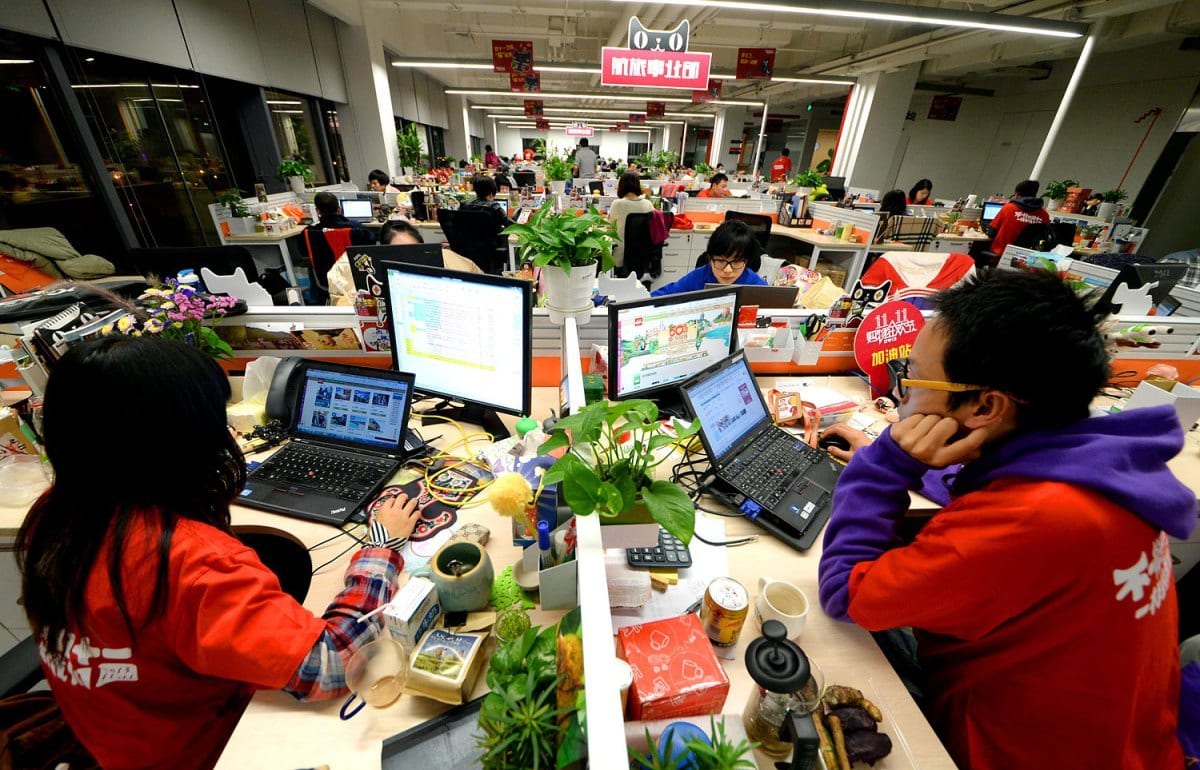
    Hung said the country’s e-commerce had been developing at a growth rate of 30% a year. “Businesses have quickly shifted from offline to online retail. Several are even totally doing business online,” he said.

    However, Pham Thanh Cong  from Nielsen said the sector should ha solutions to meet demand in rural areas as there are 1.3 million traditional shops, accounting for 85% of the retail sector’s revenue.

  • Maersk Line appoints new Greater China head

    Maersk Line appoints new Greater China head

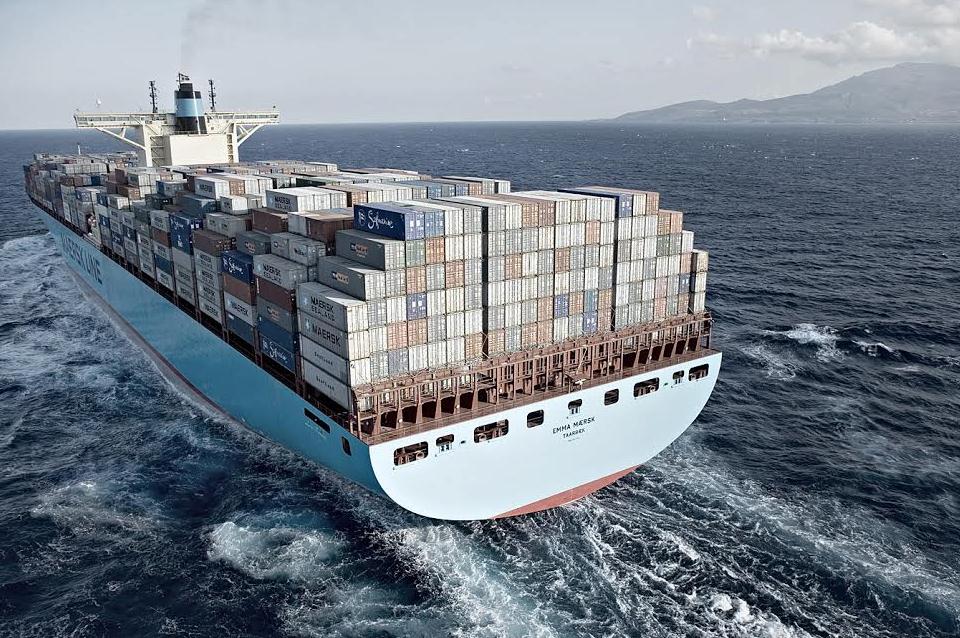
    Maersk Line has announced that effective from 1 January 2017, Mike Fang will take up new responsibilities in Shanghai as Head of Maersk Line Greater China.

    Commenting on his new position, Mike Fang said: “I feel privileged that I can take on this new role. Greater China Cluster contributes around 30% of Maersk Line business globally, this is where we have to win in the market place. I’m keen to explore further the opportunities and growth spots with my colleagues and to ‘Make Greater China Cluster Greater’”.

    Robbert van Trooijen, Maersk Line Asia Pacific Region CEO said: “I’m delighted that Mike has decided to take over as the Head of Maersk Line Greater China. Mike has a track record of outstanding performance in many leadership roles in Maersk Line. I believe that his extensive experience, passion for serving our customers and deep insight of the local market will bring great value to our Greater China organization.”

    Mike Fang joined Maersk Line as a sales representative in 1994. In the past 22 years, he has held a succession of leadership positions in Maersk Line’s business in China including leading Maersk Line’s North China and East China organizations respectively from 2012 to 2015. Most recently, he is the Head of Sales in Maersk Line Greater China.

    Mike Fang was born in 1968. He graduated from Hua Zhong University of Science and Technology with a Master degree in System Engineering in 1992 and earned an Executive MBA from the China Europe International Business School (CEIBS) in 2004.

    Mike Fang will take over from Silvia Ding, who is moving to Copenhagen to take the position as Head of Trade Management in Maersk Line. “Moving to headquarter and stretching myself into a job that can make a multiplying impact on our business, customers and organization has always been in my long term career plan in Maersk,” says Silvia Ding, “I can pass the baton to Mike’s capable hands. Together with the rest of the leadership team, I’m sure the performance of Greater China Cluster will be raised to the next level, building on a strong foundation we together created in 2016.”

  • Over 4.48 million tourists visit Bali

    Over 4.48 million tourists visit Bali

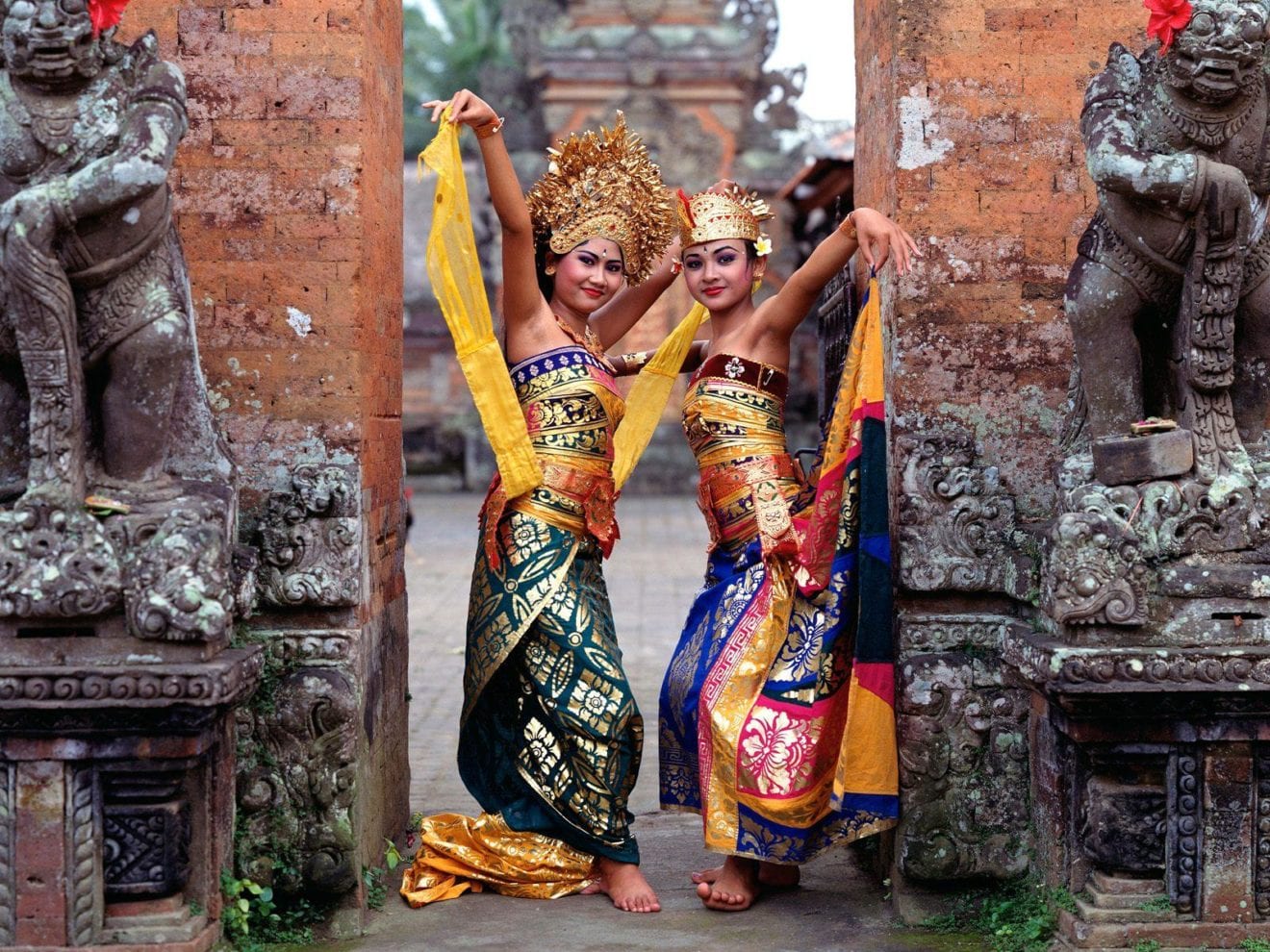
    More than 4.48 million foreign tourists visited Bali via the resort islands Ngurah Rai Airport from January to November 2016, up 23.52 percent from 3.63 million in the same period last year.

    Some 4.48 million tourists traveled to Bali by air, and 70,449 others by sea, Chief of the Central Statistics Agency (BPS) Office in Bali, Adi Nugroho said here Tuesday.

    The number of foreign tourists visiting the resort island from January to November 2016 exceeded the target of tourist arrivals for all of 2016 at 4.2 million, he said.

    Bali has set the target of tourist arrivals for 2017 at 5.5 million.

    In November 2016 alone, the number of tourist arrivals in Bali reached 413,232 consisting of 396,150 who traveled to the island by air and 17,082 by sea.

    The figure increased 52.52 percent compared to the same month a year earlier but declined 4.39 percent compared to the previous month.

    The number of tourists from eight out of top ten sources of tourist arrivals in Bali increased significantly, Nugroho said.

    The eight countries were Australia, China, Japan, Britain, India, France, the United States, and Germany, while the number of tourists from Malaysia and South Korea declined.

  • South Korea bans sales of some Nissan, BMW and Porsche models

    South Korea bans sales of some Nissan, BMW and Porsche models

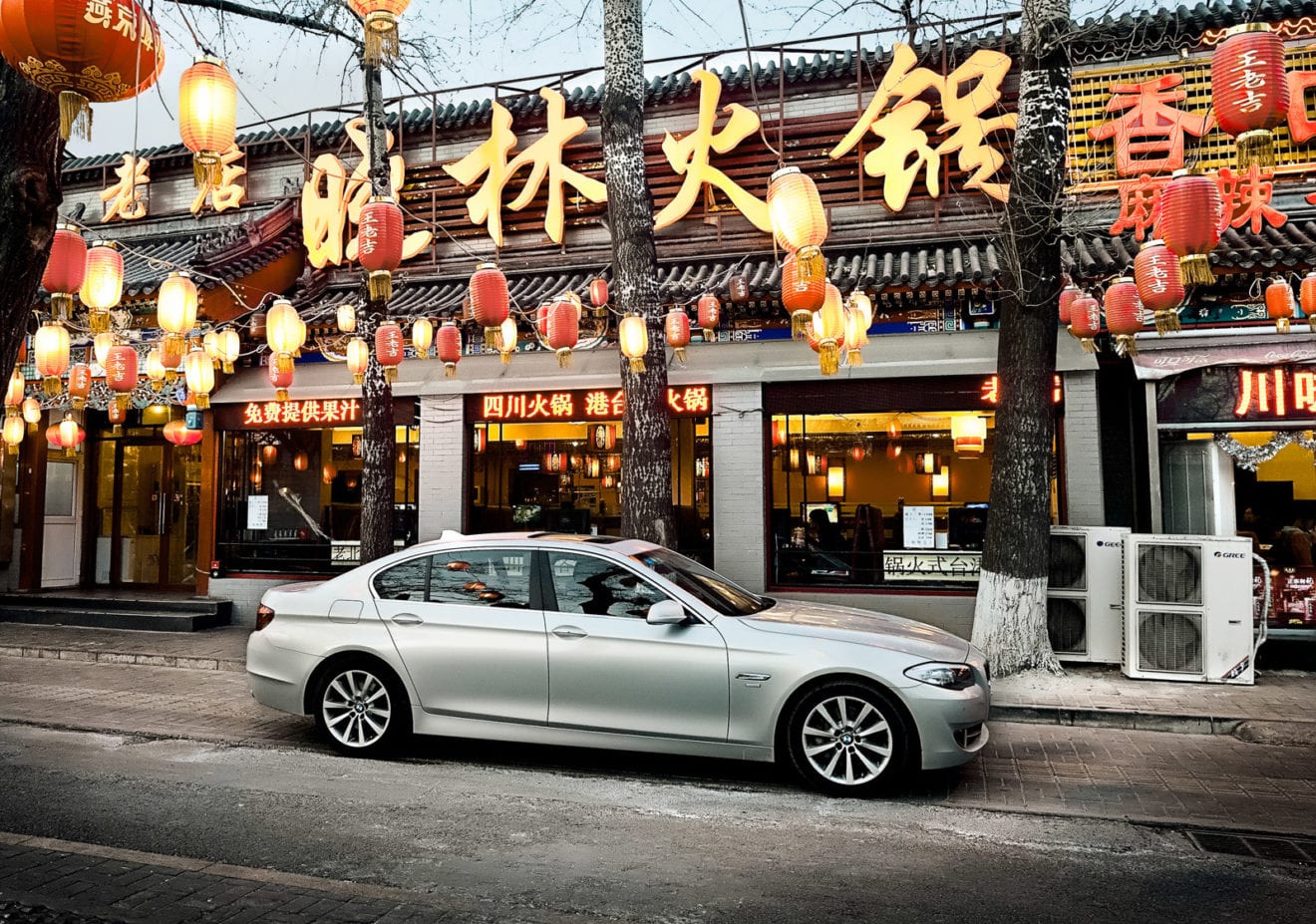
    South Korea has banned the sale of 10 models of Nissan, BMW and Porsche vehicles after the carmakers were found to have fabricated certification documents, in the latest fallout from the Volkswagen emissions scandal.

    The government announced in August that it would ban all 10 models after conducting an investigation into whether foreign carmakers besides Volkswagen AG falsified documents on emissions and noise-level tests.

    Nine of the models have been banned since last month and Nissan’s Qashqai diesel sport utility vehicle has been banned since June, the environment ministry said on Monday.

    It said it has also fined the carmakers’ local units a combined 7.17 billion won ($5.9 million) for the affected 4,523 vehicles already sold in South Korea.

    Spokespersons at the South Korean units of Nissan Motor Co Ltd and BMW AG acknowledged the findings in the government investigation, saying they would try to achieve certification for those affected models again. A spokesperson at Porsche AG, which is owned by Volkswagen, was not immediately available for comment.

    South Korea has been tough with Volkswagen, filing complaints against local executives, suspending sales of most of its models and imposing fines for alleged forging of documents on emissions or noise-level tests.

    In the latest move, South Korea said last month that it will file criminal complaints against five former and current executives at Volkswagen AG’s South Korean unit and fine the company a record 37.3 billion won for false advertising on vehicle emissions.

    South Korea’s sales of imported cars fell 7 percent in the first 11 months of last year, heading for their first annual sales decline since 2009.

  • AirAsia Philippines wants flights to India

    AirAsia Philippines wants flights to India

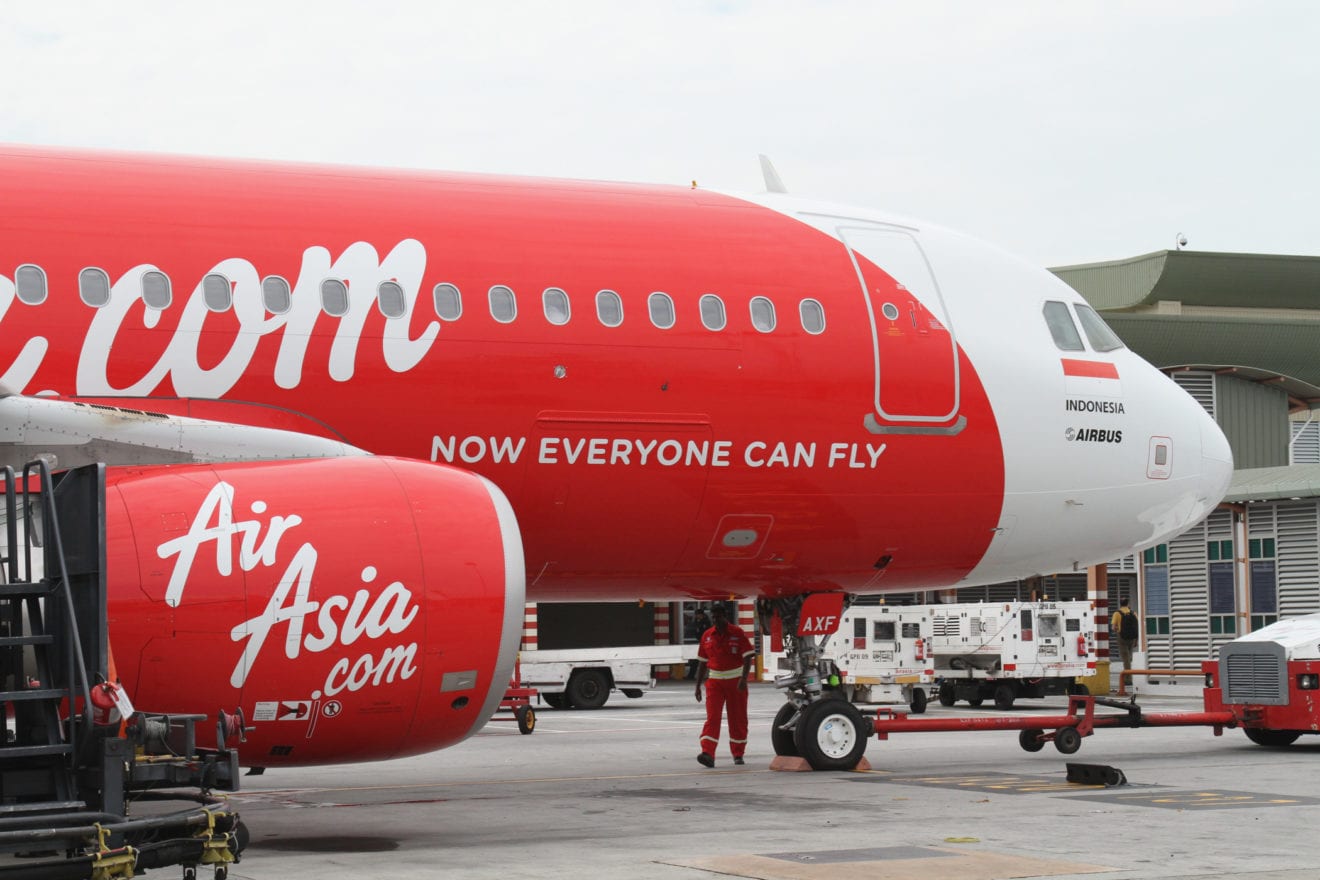
    Budget airline Philippines AirAsia wants flights to India and has sought the Philippine government’s approval for the right to launch a route to New Delhi.

    Philippines AirAsia, the domestic unit of Malaysian budget carrier giant AirAsia Berhad, filed an application with the Civil Aeronautics Board (CAB) last month, a regulatory filing showed.

    According to the filing, the airline was seeking an allocation of seven weekly flights to New Delhi’s Indira Gandhi International Airport, via Bangkok, Thailand. This was in accordance with the existing air services agreement between the Philippines and India, it said.

    The move was in step with a strategy to broaden its market share in the Philippines for both domestic and international markets.

    Philippines AirAsia, which took over Zest Airways, controls about 10 percent of the Philippine commercial aviation market, which is still dominated by Philippine Airlines and Cebu Pacific Air.

    AirAsia Bhd Group CEO Tony Fernandes said last month he remained bullish on their prospects in the Philippines. Philippines Air Asia, which has yet to post a full-year profit, would be back in the black by 2017, the airline said in a financial filing.

    Fernandes noted that the carrier would soon be able to finance its own expansion plans.

    He said Philippines  AirAsia would accelerate plans to hold an initial public offering in the Philippines, originally eyed in 2018, to next year. He said this would raise over $200 million.

    Philippines AirAsia, which still relies on AirAsia Bhd for financial support, has a fleet of 15 Airbus A320s, which it uses for domestic and regional routes.

    Philippines AirAsia reported a net operating loss of P914.8 million, lower by 2 percent, while net loss after tax narrowed 12 percent to P1.2 billion for the third quarter of 2016, a filing with the Malaysian Stock Exchange showed.

    The airline continued to grow, with revenues up 24 percent to P2.57 billion. Philippines AirAsia said this was due to an 8 percent increase in passenger volume, and increase in average fares by 21 percent to P2,245.

  • Huawei expects to report growth slowdown for 2016

    Huawei expects to report growth slowdown for 2016

    Huawei has revealed it expects to report a 32% revenue growth for 2016 to 520 billion yuan – a slowdown compared to the 35% growth recorded in 2015, but still a solid performance in a tight market.

    In a new year message, rotating CEO Eric Xu attributed the slower growth to the “flock of black swans – both political and economic” that swept across the globe during the year.

    This year is expected to bring even greater political and economic uncertainties and continued impact from the transformation of the ICT industry, he said. As a result, Huawei plans to take a series of measures to address the critical issues it could be facing.

    These measures will include business transformation and organizational restructuring efforts to position Huawei to better serve carrier customers.

    “Moving forward, we will work to enable carriers’ networks to support more connections; help them position video as a basic service and achieve business success; lead the transformation of their IT systems towards cloud architecture; and assist them in building digital operations that deliver a real-time, on-demand, all-online, do-it-yourself, and social (ROADS) user experience,” Xu said.

    “Where we stand now, Huawei must maintain a global view and adopt a wider perspective of the industry as we help carriers to transform and thrive with more revenue streams. This is a clear strategic decision for us in this new era.”

    The vendor will also strive for greater operational efficiency, develop a contingency plan to deal with financial crises and develop an oversight and accountability system for the company’s consumer business, among numerous other changes.

    “We are in an era of change, and change is opportunity. We must have strategic confidence and enhance our ability to adapt. Don’t cling to what has worked or what we’ve gained previously. Past success is not a reliable indicator of the future, and a long list of accomplishments might end up nothing more than an epitaph,” Xu concluded.

    “Moving forward, we need to hone our skills, step up to the plate, and aim for the stars. As long as we remain practical and stay focused, we will definitely be able to seize the opportunities before us and become an enabler of the intelligent world.”

  • Malaysia Fuel prices up 15-20 sen in January 2017

    Malaysia Fuel prices up 15-20 sen in January 2017

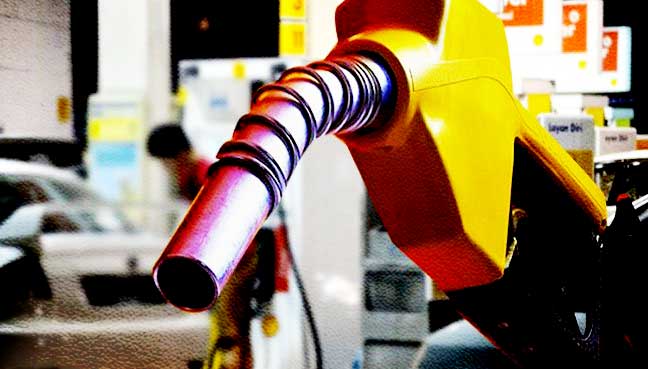
    Fuel prices will increase between 15 to 20 sen just as Malaysians usher in the New Year at midnight tonight, according to the Petrol Dealers Association of Malaysia (PDAM).

    The widely used RON95 petrol will cost RM2.10 per litre from tomorrow, and diesel RM2.05 per litre, an increase of 20 sen.

    The RON97 petrol will see an increase of 15 sen, to RM2.40 per litre.

    This comes after the Finance Ministry’s lengthy explanation yesterday justifying an increase in fuel prices in 2017 as inevitable.

    PKRs Rafizi Ramli had predicted a 30 sen increase in fuel prices following an 18% hike in world crude oil prices.

    “With the current strengthening of the US dollar against the ringgit, the cost of purchasing crude oil will also increase.

    “Hence, the surge of the retail fuel price in Malaysia,” said Finance Ministry strategic communications director, Lokman Noor Adam.

  • KIP REIT to list in Malaysia with portfolio of five retail properties

    KIP REIT to list in Malaysia with portfolio of five retail properties

    KIP REIT is set to list in Malaysia on 6 February 2017, with an initial portfolio of five retail properties across the peninsular.

    Documents lodged with the Securities Commission of Malaysia on 30 December indicate an initial public offering of 234.15 million units, of which 13.5 million units are open to retail investors.

    Of these, 10.2 million units are reserved for the Malaysian Public, with 50% of this tranche further demarcated for its Bumiputera nationals.

    The rest of the 220.65 million units will be offered to institutional and other qualified investors, said the REIT.

    KIP REIT is sponsored by Malaysian property developer Kepong Industrial Park (KIP) Group.

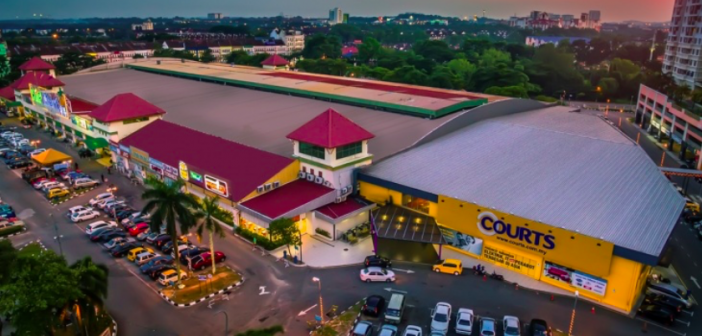
    The constituents of its initial portfolio are namely the KIP Mart outlets in Tampoi, Kota Tinggi, Masai, Melaka, Bangi, and Senawang.

    The properties are valued at MYR580 million (USD130 million), and feature an aggregrate occupancy rate of about 85.3% for the four-month period that ended in October 2016.

    In addition, KIP REIT will also have a right of first refusal (ROFR) on the sponsor’s malls at Kota Warisan, Sendayan, Sungai Buloh, Kuantan, and Sungai Petani.

    At the indicative price of MYR1.00 per unit, KIP REIT seeks to raise at least MYR234 (USD52 million) million from the offering.

    Final listing price for units of KIP REIT has been set for 17 January.

  • South Korea allows new ‘comfort women’ statue

    South Korea allows new ‘comfort women’ statue

    The southern South Korean port of Busan said on Friday (Dec 30) it would allow activists to place a statue symbolising victims of Japanese wartime sex slavery outside the city’s Japanese consulate.

    The municipal authorities had previously removed the “comfort woman” statue, but changed track after Japan’s hawkish defence minister offered prayers at a controversial war shrine in Tokyo.

    Tomomi Inada’s visit on Thursday to the Yasukuni Shrine, which honours millions of mostly Japanese war dead – but also senior military and political figures convicted of war crimes – swiftly drew flack from China and South Korea.

    Activists had first placed their statue outside the consulate on Wednesday – marking their opposition to a South Korea-Japan agreement reached a year ago to finally resolve the comfort women issue.

    Under the accord, which both countries described as “final and irreversible,” Japan offered an apology and a one-billion yen (S$12.4 million) payment to surviving Korean comfort women.

    Critics said the deal did not go far enough in holding Japan responsible for its wartime abuses.

    The statue – a copy of one that sits across the road from the Japanese embassy in Seoul – was swiftly removed from outside the Busan consulate by the authorities.

    But after Inada’s visit stoked an outpouring of public anger, they said it would be returned to the activists.

    “We won’t stop the civic group from setting up the statue there if they wish to do so,” Yonhap news agency quoted local official Park Sam Seok as saying.

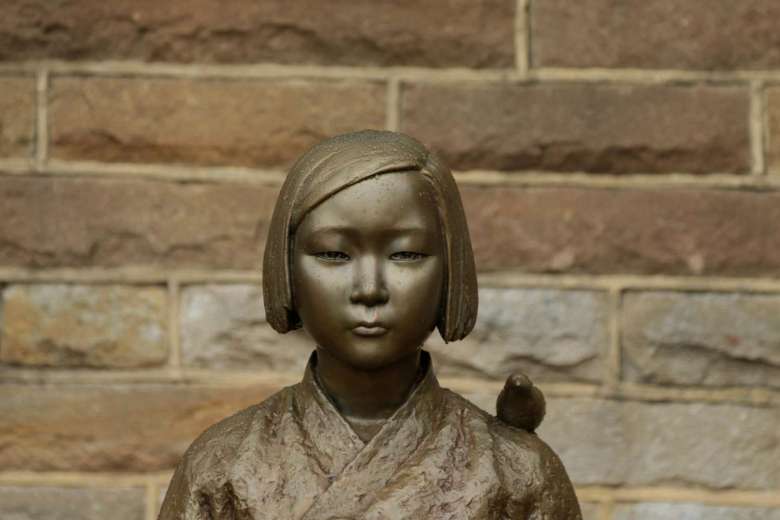
    The statue in Seoul – a bronze of a young, seated woman with a small bird on her shoulder – has proved an extremely potent and popular symbol.

    Japan says it should have been removed after the comfort-women accord was signed, but Seoul argued it had only agreed to look into the possibility of moving it.

    For the past year, activists have maintained a 24-hour vigil to prevent the statue being taken away.

    More than two dozen similar monuments have been erected around South Korea, and another dozen or so abroad in the United States, Canada and elsewhere.

  • South Korea Changes Rules On EV Cars

    South Korea Changes Rules On EV Cars

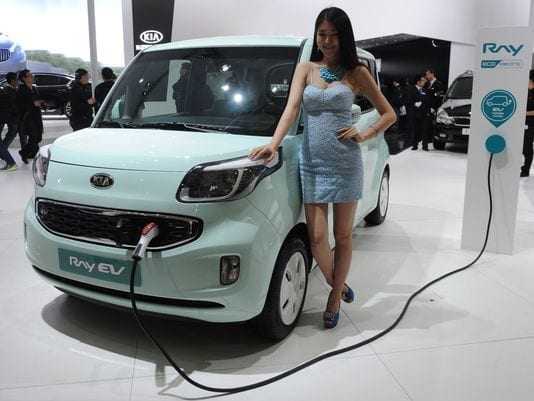
    EV or electronic vehicle is slowly rising to the competition in the automobile industry. South Korea already made changes to their rules to those who are interested in EVs.

    The South Korean government will change one of their rules when it comes to EVs. South Korea is known for having a market for premium cars. They’re even part of Tesla Motors’ reservation of the company’s upcoming vehicle model, the Model 3. According to Tesla’s website, the Model 3 is an affordable premium sedan. Model 3 is designed to achieve that highest rating when it comes to safety measures.

    South Korea will be removing subsidies when it comes to EVs with high-capacity batteries. This move could change the EV market in the country since this will allow other longer-ranged models to be available in the market. By removing the subsidies for the EV market, more and more models of the EV will be available at an affordable rate.

    This will also prove to be good for Tesla. The motors company will conduct their first Tesla showroom in South Korea this year. The exact date for the facility is to be revealed sometime soon. With the South Korean government changing their rules for subsidies when it comes to high-battery powered EVs, more and more models from Tesla will be available for the Korean market this year. Aside from Tesla, BYD, the world’s largest EV maker is also planning to enter the Korean market of EVs. BYD encountered a problem because their latest model doesn’t qualify for the subsidy, thus resulting in the delay of the company to join the market, according to Reuters.

    Currently, there are about four thousand electric vehicles roaming the streets of South Korea. Once the government implements this change, there might be a triple amount of EV cars in the country.

  • E-Land refutes credit downgrade

    E-Land refutes credit downgrade

    E-Land Group, headed by Chairman Park Sung-su, is fiercely refuting the Korea Investors Service’s latest credit downgrade of its holding firm, E-Land World, vowing to file a lawsuit against the ratings agency affiliated with the U.S.-based Moody’s.

    Officials at the mid-tier fashion-and-retail business group argued that the ratings agency’s assessment was flawed, calling on the company to retract its decision to cut the credit worthiness of E-Land World, which has a controlling stake in E-Land Retail and E-Land Park.

    E-Land Retail owns Kim’s Club and other retail outlets, while E-Land Park operates hotels, restaurants and other leisure-related businesses.

    On Monday, the Korea Investors Service lowered E-Land World’s credit ratings by one notch to BBB- from BBB, citing its deteriorating financial health as a result of snowballing debt. The agency maintained its negative outlook for the holding firm.

    “We see no improvement for E-Land Group’s financial conditions even though it has implemented self-rescue measures,” a company analyst said. “With E-Land’s struggling retail and fashion businesses, it would be difficult for the company to generate an operating profit. It is uncertain as to whether E-Land would be able to improve its financial health by executing self-rescue plans.”

    E-Land officials were furious over the credit downgrade, pledging to take the ratings agency to court.

    “It is absurd for the Korea Investors Service to cut the credit ratings for E-Land World when it has successfully been improving its financial soundness over the past few months,” an E-Land Group spokesman said. “The agency assessed the holding firm based on the data available in early September. But it should have included what happened in the fourth quarter of 2016. This is what they did wrong.”

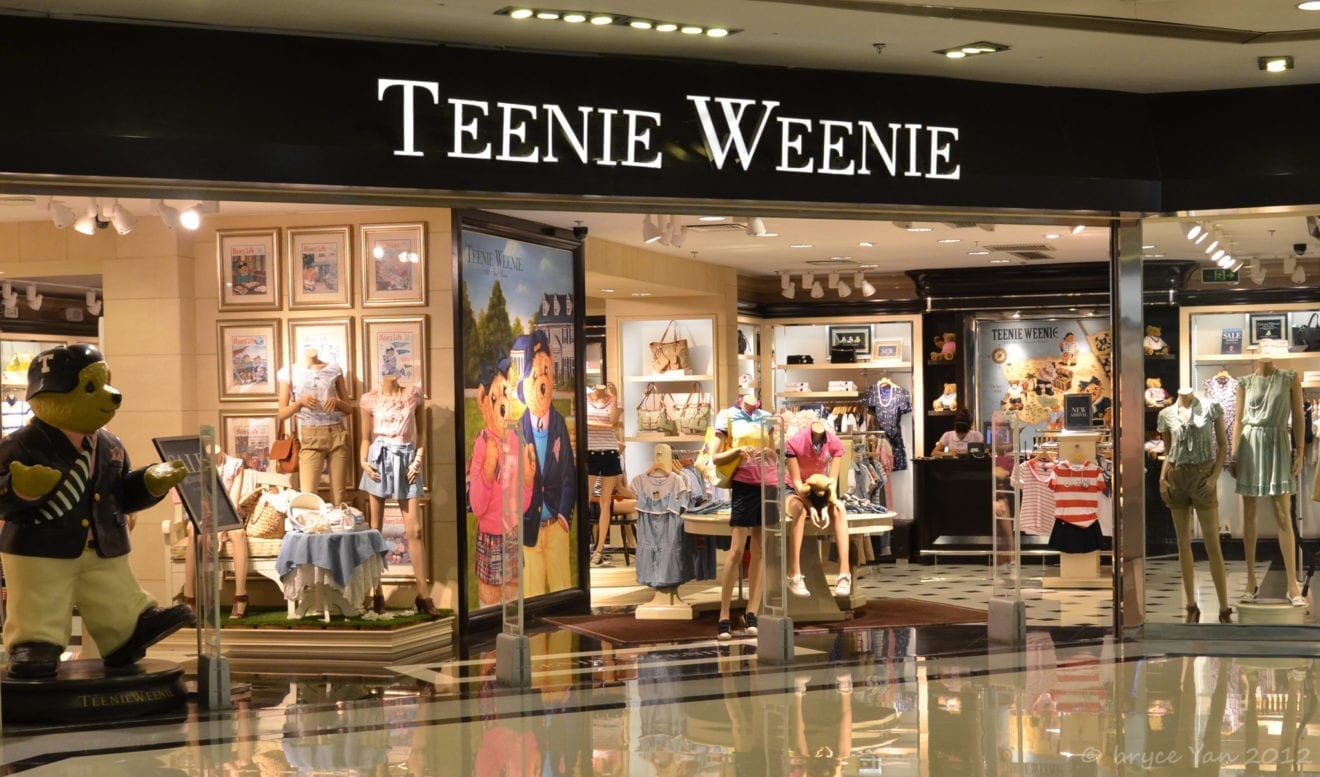
    In late September, E-Land, sold its casual clothing brand, Teenie Weenie, to Chinese fashion brand, V-GRASS, for 1 trillion won ($900 million). Teenie Weenie has about 1,200 stores in major department stores and shopping malls in China.

    The group, which has been desperate to raise cash over the past year, has also sold real estate and plans to list the shares of E-Land Retail in the first half of this year.

    “We believe that the Korea Investors Service has failed to reflect a series of self-rescue moves in its credit assessment of E-Land World. This is just irrational,” the spokesman said. “We will file a lawsuit against the agency to correct its irresponsible behavior.”

  • For 7-Eleven, its all on a par

    For 7-Eleven, its all on a par

    One yuan fetched HK$1.12 on the foreign currency market yesterday.

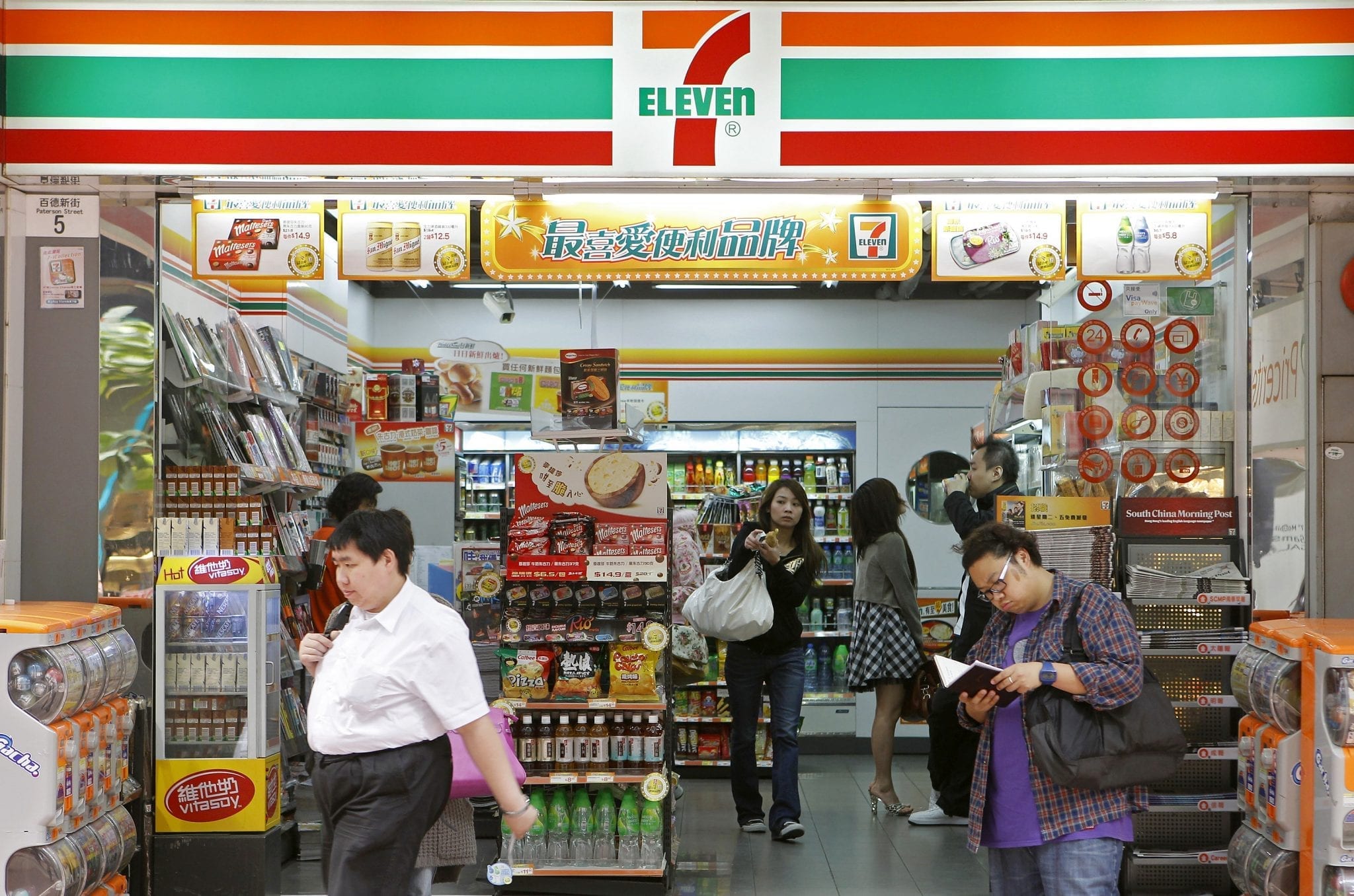
    While China’s currency would need to fall 10.7 percent to reach actual parity with the Hong Kong dollar, the exchange rate offered by the city’s largest operator of convenience stores shows how depreciation pressures are making the yuan less attractive to hold.

    “The recent sharp yuan depreciation has hurt local merchants’ willingness to accept yuan,” said Kevin Lai, chief economist for Asia excluding Japan at Daiwa Capital Markets in Hong Kong.

    “The fact that they demand a bigger premium in the exchange rate to accept yuan payments shows the outlook is pretty negative for the Chinese currency.”

    Trading the yuan at parity with the Hong Kong dollar by local retail chain may be a new norm to avoid foreign exchange risk amid a weakening Chinese currency, said Hang Seng Bank (0011) acting chief economist Thomas Shik Chun-sing, who expects the yuan to further soften 3-5 percent this year.

    7-Eleven adjusted its yuan rate in light of recent drastic fluctuations in the currency and will change it whenever necessary, a company spokesman said in an e-mailed reply to questions.

    The convenience store chain has more than 900 stores in Hong Kong and is part of Jardine Matheson Holdings’ Dairy Farm.

    Signs in Circle K, another major convenience store chain, offer an exchange rate of 100 yuan per HK$105. Rates at cosmetic retail chain Sa Sa and Mannings, a personal health retailer under Dairy Farm, are both 100 yuan per HK$110.

    The yuan plunged about 12 percent against the greenback last year.