Blog

  • Fujitsu partners with DHL to target wearable technology, IoT

    Fujitsu partners with DHL to target wearable technology, IoT

    The two companies plan to jointly develop IoT solutions designed to improve safety for emergency services. Japanese ICT firm Fujitsu announced a strategic partnership with DHL Supply Chain U.K. to develop new services based on wearable technology and the “internet of things.”

    Under terms of the partnership, Fujitsu will share its expertise to jointly develop solutions designed to improve safety for emergency services. Fujitsu and DHL also plan to use the partnership to drive the creation of new markets in other sectors, such as airline logistics.

    The use of wearable and IoT technology such as Fujitsu Ubiquitousware is said to enable emergency services to track the health of individuals in the field through a dashboard showing their status and location. This technology is also said to provide real-time tracking for the location of protective equipment.

    “As the global logistics leader, we constantly seek out innovations that improve our customers’ lives,” said Paul Richardson, MD for specialist services as DHL Supply Chain U.K. “Wearable technology is going to transform the way we work, helping us understand the dynamics of what’s happening around us and providing real-time insight on our environment as never before.”

    In a separate project, Fujitsu is working with DHL to support the deployment of GlobeRanger IoT scanning and sensor technologies for airline duty free logistics. Following a successful proof of concept, the project is forecast to deliver annual labor savings of more than $564,000 (530,000 euros) and a 59% return on investment for the organization.

  • PAL to launch international, domestic flights at Clark

    PAL to launch international, domestic flights at Clark

    Philippine Airlines (PAL) is launching on Dec. 16 its first regular international and domestic flights from Clark International Airport (CIA).

    This is PAL’s response to President Duterte’s call to decongest the Ninoy Aquino International Airport (NAIA) .

    Clark International Airport Corp. president Alexander Cauguiran said PAL president Jaime Bautista gave him the green light to announce that PAL is launching on Dec. 16 its first Clark-Caticlan daily flights.

    PAL will add more flights starting January 2017, including daily flights to Cebu, flights to Davao four times a week, weekly flights to Busuanga and flights to Cagayan de Oro thrice a week.

    PAL will also launch daily international flights to Incheon, South Korea in January 2017. Cauguiran said that PAL would have a total of 21 flights per week at ClA.

    Cebu Pacific Air earlier announced the increase of its flights at CIA, including flights to Hong Kong three to 10 times per week starting in December and Clark-Cebu flights six times per week.

    In a forum held here by the Bases Conversion Development Authority, Cauguiran warned that flight congestion at the NAIA has endangered passenger safety.

    “NAIA has four terminals designed for 13 million people per year. But last year, it processed 36 million passengers already, so long lines of waiting people often occurred,” he said.

    Cauguiran also noted that NAIA’s lone runway allows only 40 flights per movement or one hour for every 40 flights. “Beyond that, you are inviting trouble” because this requirement has often compelled incoming aircraft to stay in the air longer than scheduled before being allowed to land.

    Civil Aviation Authority of the Philippines director general Jim Sydiongco said the Legazpi, Dumaguete, Roxas and Caticlan airports could also now accommodate flights in the evening as such are night-rated.

    Direct flights to Mindoro Occidental

    Meanwhile, budget carrier Air Juan has launched direct flights between Manila and Mamburao, Mindoro Occidental’s capital.

    The province’s representative, former governor Josephine Sato, said yesterday the air service would “be a big boost to our efforts to promote Mindoro Occidental as a prime eco-tourism destination.”

  • Philippine Airlines firms order for five Q400s

    Philippine Airlines firms order for five Q400s

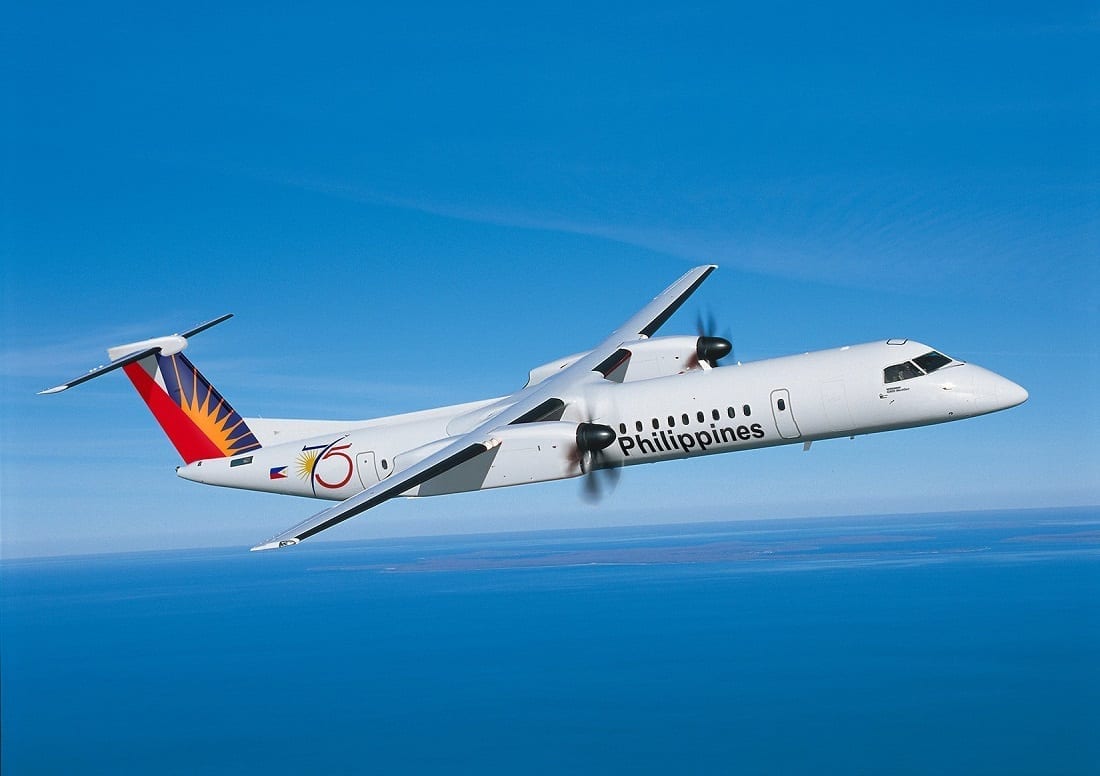
    Philippine Airlines has firmed an order for five Bombardier Q400 turboprops, with purchase rights for an additional seven aircraft.

    The five Q400s, which will be configured with 86 seats in two classes, will be delivered throughout 2017, says Bombardier in a statement. The deal is worth $165 million at list price.

    “The Q400 aircraft is the ideal solution for the airline as it develops its domestic operations network from secondary hubs and increases intra-island connectivity,” says Bombardier Commercial Aircraft president Fred Cromer.

    The Q400s will be operated by the Philippine flag carrier’s PAL Express unit, which currently operates four Q300s and four Q400s, largely on services to island destinations. It also has nine Airbus A320s and two A321s in its fleet.

    Its current Q400 fleet has an average age of 14 years, while its Q300s are 10 years old on average.

  • British wine merchants take stock in Hong Kong

    British wine merchants take stock in Hong Kong

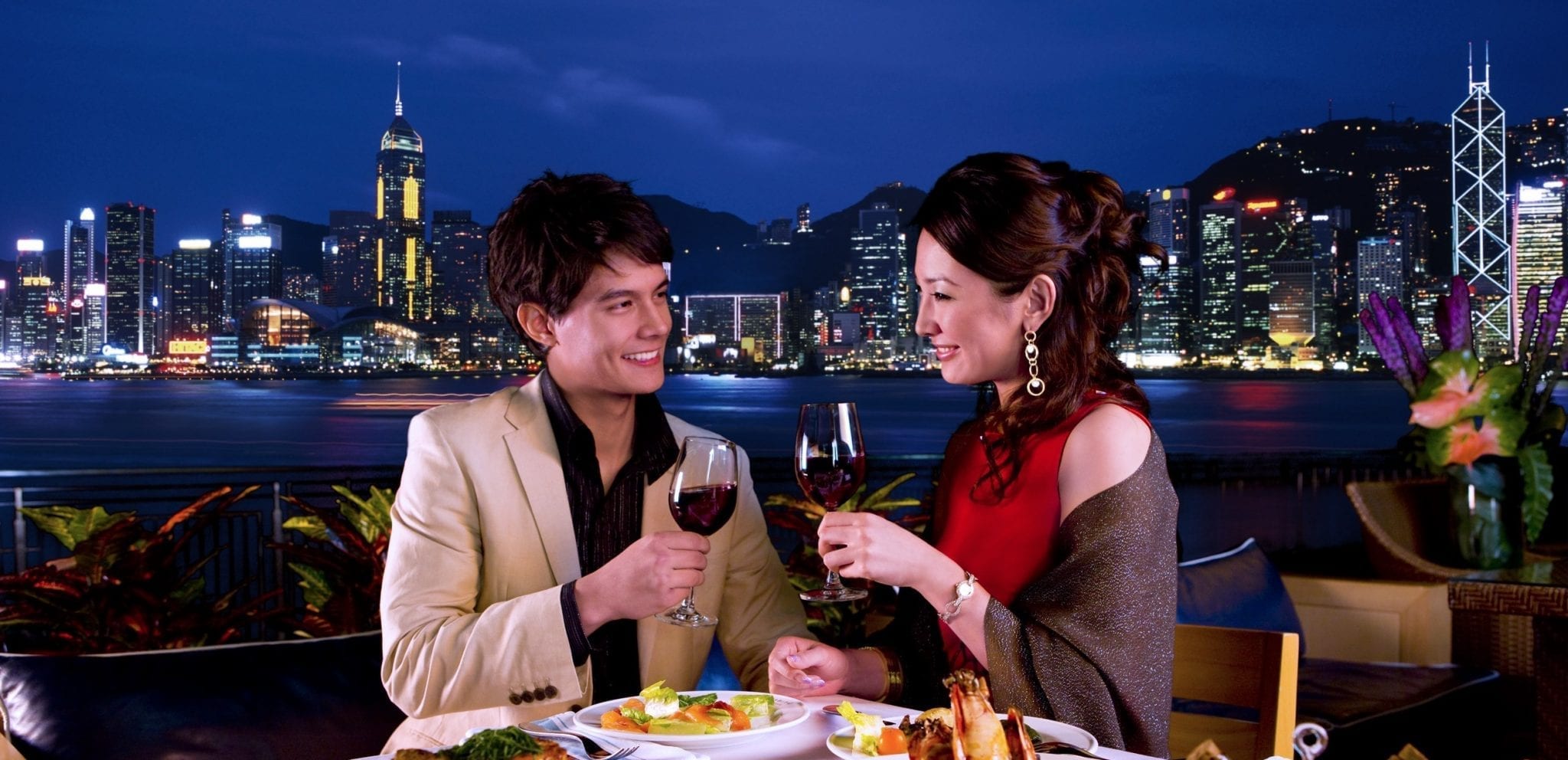
    It is 10,000km from Bordeaux to Hong Kong but for two decades now English fine wine merchants have helped Asian wine lovers solve the problem of distance. Berry Bros & Rudd and Farr Vintners were among the earliest to establish full-time businesses in Hong Kong in the late 1990s, alongside a handful of Chinese merchants. A decade later, market deregulation and the abolition of duties were catalysts for other European merchants to set up shop.

    Although relations have been convivial, competition is fierce. Some reported being disappointed by their entry into Hong Kong but those who endured were rewarded. Imports of wine in 2015 reached HK$10.8bn ($1.4bn), more than six times the value in 2007, according to research from the Hong Kong Trade Development Council. Euromonitor International forecasts the Chinese market will grow 7 per cent in volume each year to 2020. Today, well over a dozen of Hong Kong’s 350 importers are English and include some of the most prestigious brands.

    This healthy market, bursting with skilled local merchants who have access to the world’s best wines, begs the question of whether Hong Kong still needs England’s experts.

    For collectors, the argument for trusting the English is compelling. The top merchants have reputations and relationships that extend over more than 300 years. BBR, which was founded in 1698, holds royal warrants for supplying wine to the Queen and Prince Charles. Justerini & Brooks, founded in 1749, has an office in Hong Kong and holds a royal warrant. These merchants gain privileged access to wine at key times, such as when en primeur vintages (wines before they are bottled) are put on sale.

    Amanda Longworth, BBR’s head of marketing and wine services in Hong Kong, says the company’s reach extends beyond en primeur campaigns to unique fine wine parcels (one-off sales): “BBR has more than 9m bottles in warehouses in the UK. This opens up a world of wines generally unavailable in Hong Kong.”

    “Buying from a UK merchant is like being a kid in a candy store,” says Mathieu Thibaut, Asia general manager of merchants Corney & Barrow.

    Hong Kong’s wine collectors are significant players in the global luxury market and, according to a survey for the Guide to the Hong Kong Wine Trade, they represent some 37 per cent of merchants’ sales. Jo Purcell, managing director for Asia at Farr Vintners, says collectors represent the bulk of her business: “Our private customers are big buyers in their own right, some bigger than many wholesale accounts.”

    Private collector Roland Muksch buys more than half of his wine from English merchants. “The range of wines on offer is broad and there is a lot of depth in vintages,” he says. It is also an inducement to him that the merchants will keep his wines in their UK “cellars” (bonded warehouses) for years and that their online platforms, such as BBX (Berry Brothers Exchange), facilitate trading.

    The weak pound makes it especially attractive to buy from Britain: “The UK offers a price advantage of around 20-40 per cent,” Mr Muksch estimates.

    Ms Purcell concurs: “For volume buyers who are cellaring there, long-term, purchasing from an English merchant makes economic sense.”

    Cru World Wine benefits from the buying power of its global network, which has its roots in England. “UK merchants bring rich history and depth of relationships that are very helpful to Cru when it comes to sourcing and allocations,” says Sabrina Hosford, Hong Kong-based global head of retail sales and marketing for the online platform.

    Well-kept collections and access to en primeur wines are one thing but English merchants lack the advantage of speed. They can manage weekly or monthly air freights upon request and for a fee but sea shipments can take four to six weeks, a delay that deters some buyers. Hong Kong-based merchants have overcome this obstacle with local logistics and a wider selection of wines to hand.

    Jason Ginsberg, director at merchants Ginsberg+Chan, says: “Almost all our customers work with the UK trade, but they come to us when they need wines to drink immediately.”

    His clients appreciate the personal touch: “Local and regional customers like dialogue, tips on where to eat and what to drink and they are always looking for deals.”
  • Marikina shoes a hit in Indonesia

    Marikina shoes a hit in Indonesia

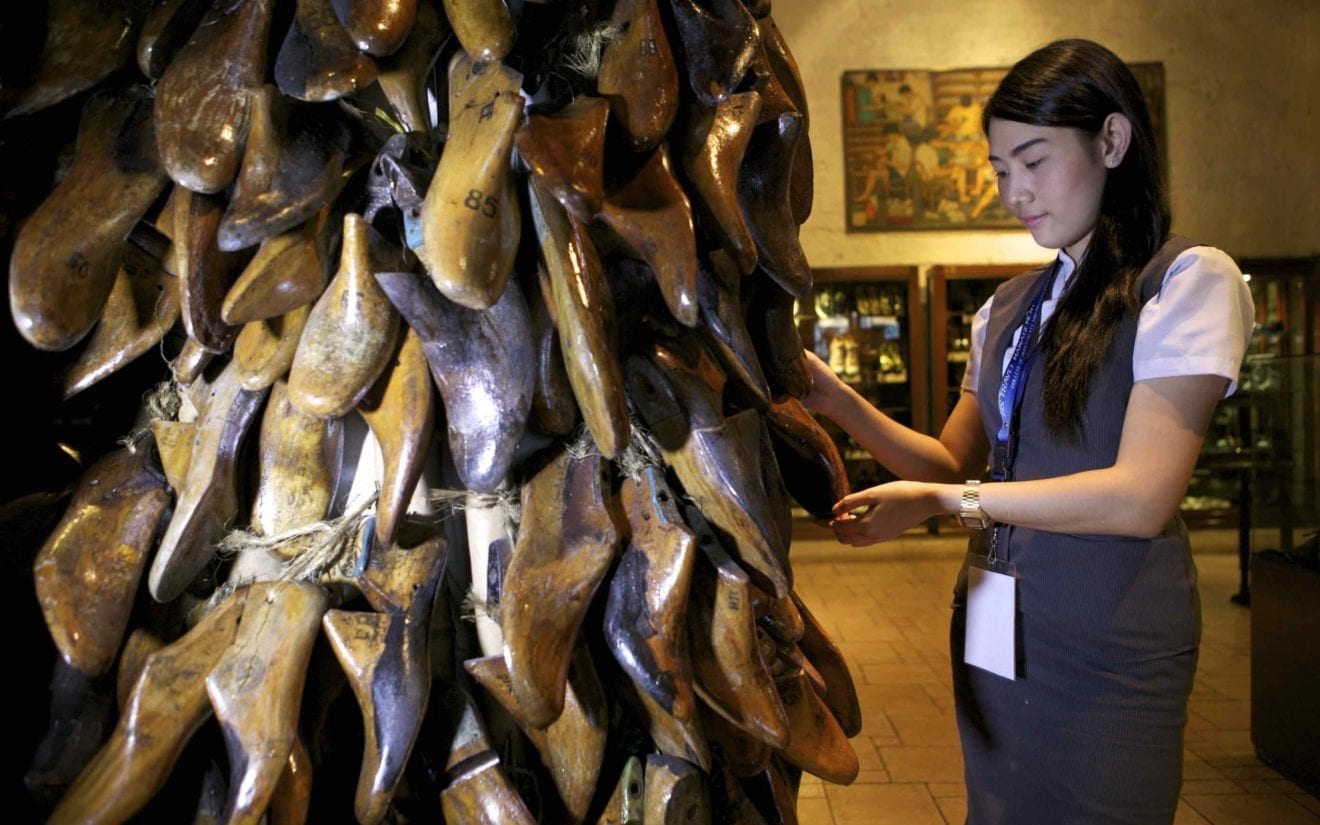
    Filipino fashion retail brand Rusty Lopez has recently opened a new store in Jakarta, featuring comfortable sandals and casuals made from Marikina City, the Philippines’ shoe capital known for producing durable and high-quality footwear, according to the Department of Trade and Industry’s Philippine Trade and Investment Center – Jakarta.

    The store in Sogo Lippo Mall Puri located in St. Moritz central business district is the brand’s ninth outlet following the opening of stores in Seibu Grand Indonesia, Sogo Emporium Pluit, Sogo Central Park, Sogo Alam Sutera, Lotte Shopping Avenue, Metro Plaza Senayan, Metro Gandaria City and Metro Taman Anggrek.

    Philippine commercial attaché to Indonesia Alma Argayoso said the sales of the newest collection during the opening were brisk. The other stores also received positive feedback.

    “It is exciting to bring to the Indonesian market the Philippines’ world-famous Marikina-made shoes. This affirms our belief on the potential of fashion retail products in Indonesia, Southeast Asia’s biggest economy,” Argayoso said.

    The first overseas store of Rusty Lopez opened in Jakarta on March 6, 2016 at the Seibu Department Store of Grand Indonesia Mall and featured carefully selected designs suited to the Indonesian market.

    DTI said the increased interest in Philippine-made shoes abroad helps revive the local shoe industry and is expected to open more opportunities for small enterprises to generate employment within their communities.

    As part of the DTI’s industry promotion group, PTIC-Jakarta said it would continue to support and assist Filipino homegrown brands in globalizing their products and accessing regional markets by continuously looking for potential partnerships.

    Aside from Rusty Lopez, other Filipino fashion retail brands in Indonesia are Karimadon, Penshoppe, Gingersnaps and Ann Ong Jewelry.

  • Retail sector key in attracting tourists

    Retail sector key in attracting tourists

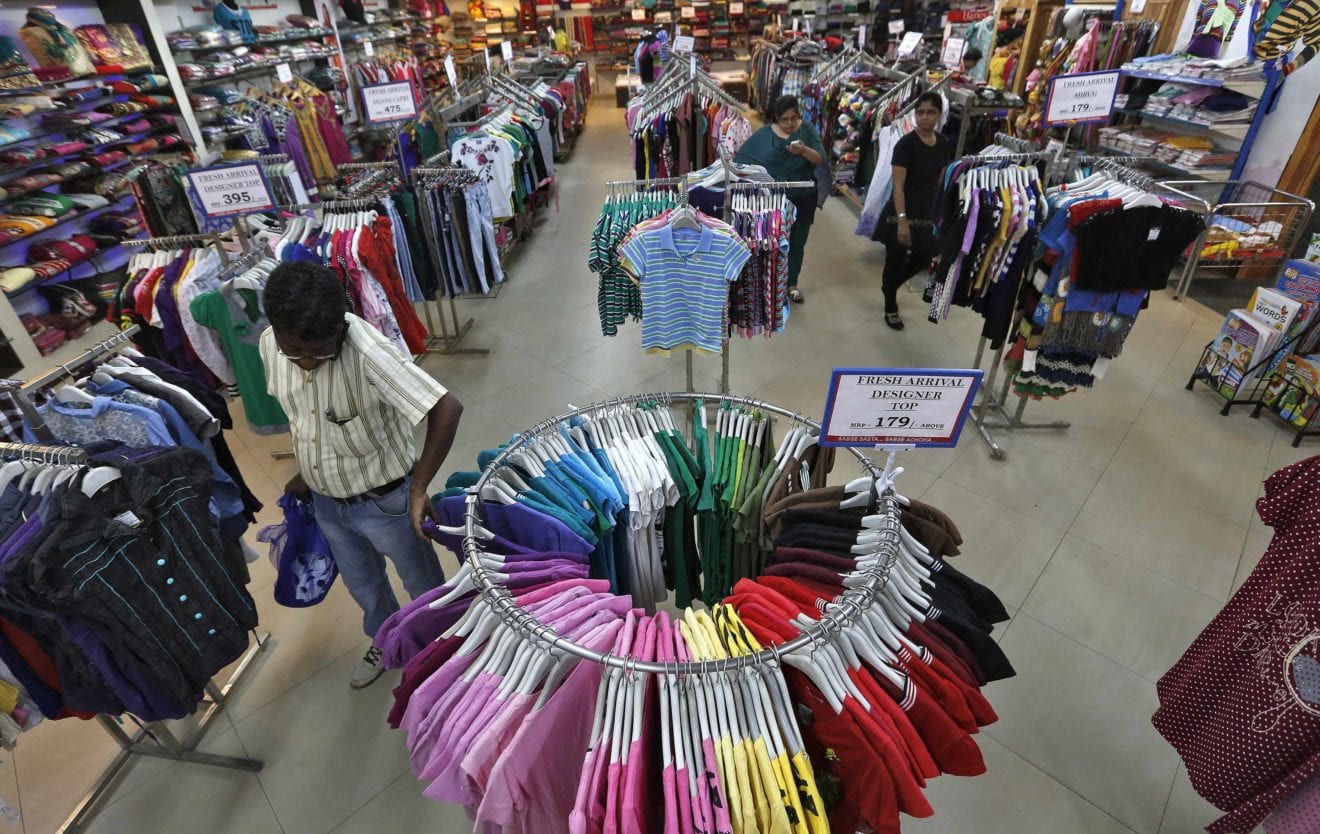
    It is the most wonderful time of the year as far as the retail scene is concerned. Shopping malls are busy once again, cash tills are ringing ever merrily and, perhaps more important, Singapore’s tourist numbers are rising. Despite the threat of online shopping to the domestic market and poor footfall numbers at certain malls, the Singapore retail scene has been a star performer in wooing the tourist dollar.

    A report reveals that for the first time since 2012, shopping has overtaken gambling as the biggest earner in Singapore’s tourism industry. Higher-spending visitors helped boost tourism receipts in the first half of this year. The readiness of tourists to spend more on shopping, accommodation, and food and beverage contributed, in fact, to offsetting a fall in sightseeing, entertainment and gaming. The Chinese, Indian and Indonesian markets played a strong role, with visitors from secondary cities such as Chongqing and Fuzhou attesting to the the vitality of the Singapore Tourism Board’s marketing efforts.

    Clearly, more attention could be paid to such markets within the broader imperative of attracting Asian visitors, given that more than one in four travellers at Changi Airport are either going to or coming from Jakarta, Bangkok, Kuala Lumpur or Hong Kong.

    Unavoidably, Singapore is running out of novelty factors to attract tourists: The integrated resorts and Gardens by the Bay, for example, are no longer new. The challenge for the tourism authorities, therefore, is to constantly create fresh reasons for visiting Singapore. The imaginative reworking of the retail scene could be useful here. As an indication of what is possible, this year’s Great Singapore Sale was held to coincide with China’s summer holidays. Livening up the retail scene is one way for Singapore to remain nimble in meeting the demands of tourists.

  • SoftBank launches cloud videoconferencing service

    SoftBank launches cloud videoconferencing service

    Japan’s SoftBank  has launched a new cloud-based videoconferencing service using PolyCom’s RealPresence Clariti infrastructure software.

    SoftBank’s new PrimeMeeting service will strengthen the company’s offerings to customers looking for a flexible video collaboration solution that is simple to purchase and implement.

    The service is built on RealPresence Clarity as well as SoftBank’s White Cloud ASPIRE Infrastructure-as-a-Service (IaaS) platform.

    As well as enabling collaboration from anywhere on any device, the service will support integration with Microsoft’s Skype for Business and traditional video conferencing systems.

    “We are happy to announce the launch of our cloud videoconferencing service, PrimeMeeting, provided in collaboration with Polycom. Customers who previously could not use a video conferencing service due to cost, location, or device issues will now be able to easily adopt this service,” SoftBank ICT innovation division director Sadahiro Sato said.

    “By combining Polycom’s strong market share and brand value in the video conferencing market together with our new cloud service, we can enable more flexible and richer communication options to more of our customers.”

  • Bally first step in India

    Bally first step in India

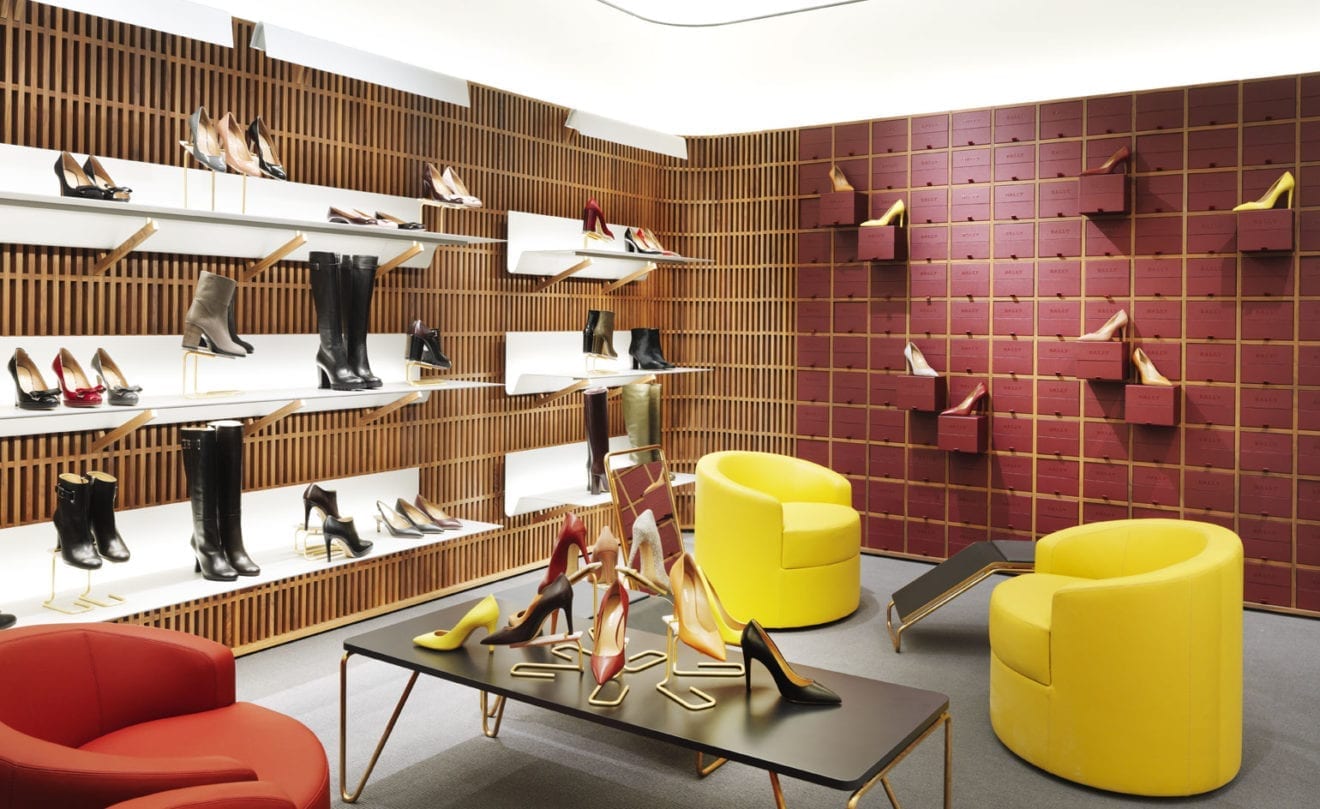
    Reliance Brands will launch Bally India after signing an exclusive distribution and marketing rights agreement with the Swiss luxury brand.

    Bally and Reliance plan to open a store in New Delhi next year and will look at further expansion afterwards in Chennai, Kolkata and Mumbai.

    “In collaboration with Reliance, we have identified a roadmap to develop the brand in proven retail locations,” says Bally CEO Frederic de Narp.

    Bally has embarked on a global expansion program, including the opening of two concept flagship stores in Tokyo’s Ginza and Los Angeles Rodeo Drive this year. Next year it will add two flagship stores – on New York’s Madison Avenue and in Beijing’s China World Mall.

  • First CIMBT 7-Eleven sub-branch opens

    First CIMBT 7-Eleven sub-branch opens

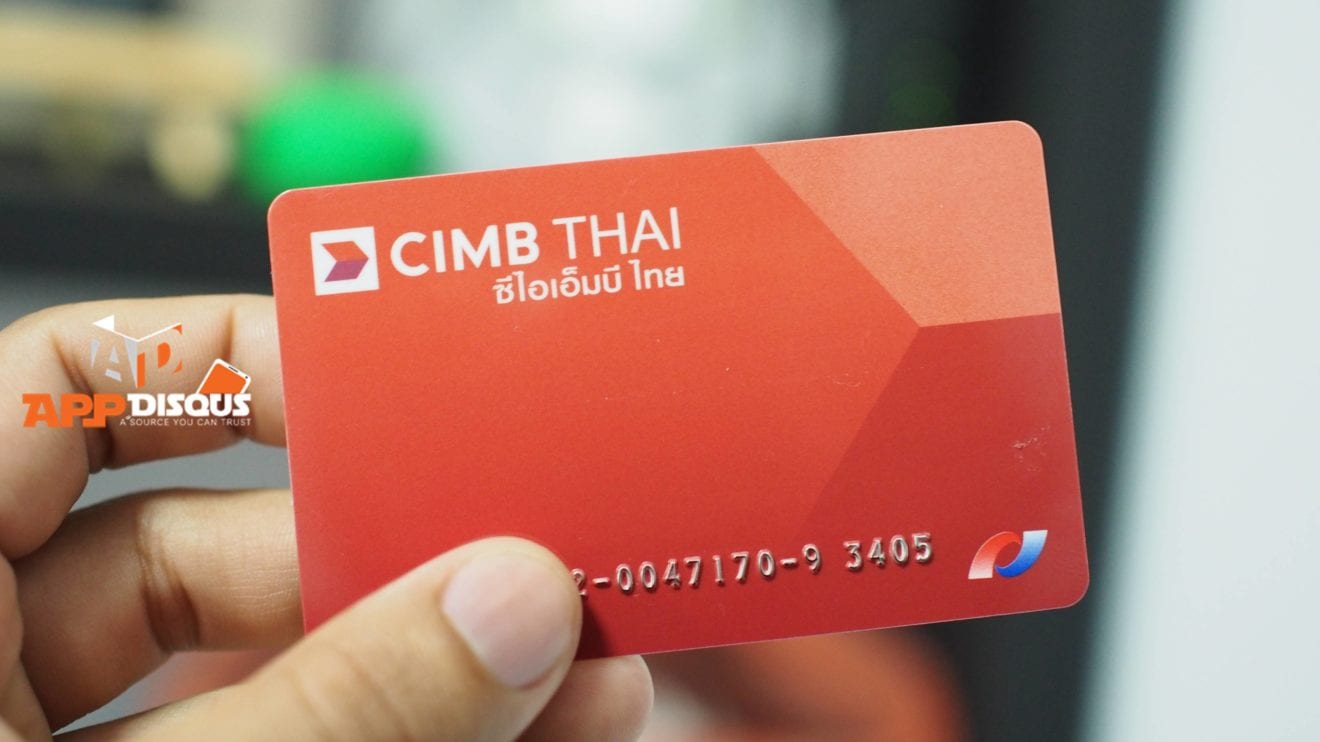
    Thai bank CIMB says it will open between 20 and 30 sub-branches inside 7-Eleven convenience stores within the next 12 months.

    The CIMB 7-Eleven branches are aimed at providing extra accessibility to bank services by co-locating in areas where a full-scale bank branch is not warranted.

    All of the new branches will open in the broader Metropolitan Bangkok area.

    The first sub-branch opened this week, on Rama I.

    Adisorn Sermchaiwong, senior executive vice-president of CIMBT’s Consumer Banking Group, says it marks the first time a Thai commercial bank has opened a sub-branch in a convenience store of any brand.

    Customers can use the branch to open and close accounts, deposit cash and exchange foreign currency as well as apply for loans or leasing. Cash withdrawals will not be permitted, however, with customers invited to use co-located ATMs.

    The branches will be open from 10.30am to 5.30pm daily.

    “Right now our lives are greatly linked with convenience stores from the start until the end of the day, and that’s why we chose to open our sub-branch in a convenience store,” said Sermchaiwong.

  • 2nd anniversary for IKEA Korea and how it grows

    2nd anniversary for IKEA Korea and how it grows

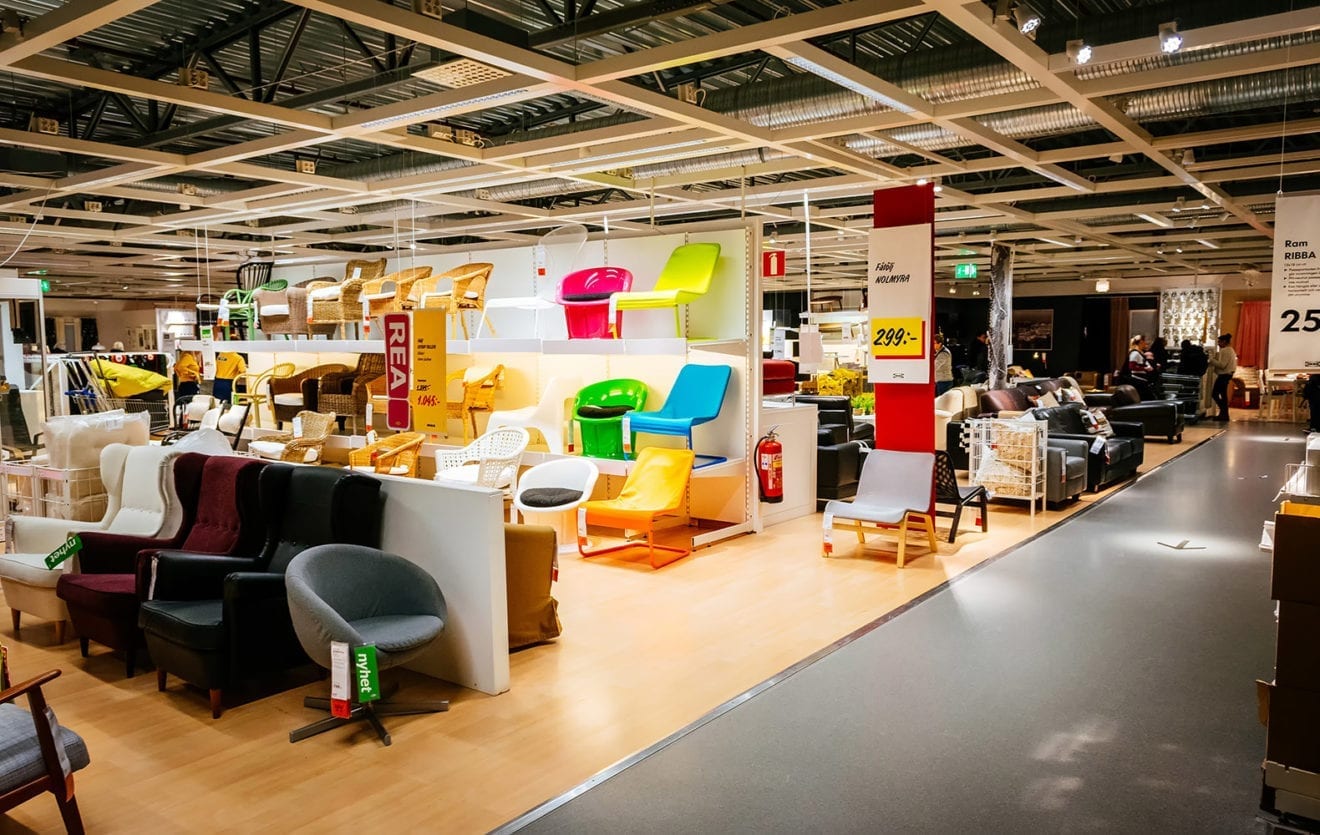
    December 18 will mark the second anniversary of Ikea Korea’s launch.

    According to Ikea’s Swedish head office, its Korean operations have been a success so far. Annual turnover for the 2016 fiscal year to August 2016 was 345 billion won (US$292.3 million), while this year’s sales from January to August, saw a 17 per cent year-on-year increase.

    Although the furniture giant was faced with a few setbacks, namely the controversial recall of its Malm dresser that was blamed in the deaths of at least six children (although none in Korea), Ikea has successfully established itself as a key player in the local market.

    “We’ve made fast progress since the launch of our first outlet here in Gwangmyeong on December 18, 2014,” a spokesman said.

    Ikea’s arrival brought about some positive changes too, particularly for medium to higher-priced furniture businesses.

    The store helped reignite consumer interest in what had been a stagnant Korean furniture market, helping to revitalise the industry, and considering the fact that Ikea targets consumers mainly with budget-friendly items, existing key players selling mid-priced or premium products didn’t have to compete so much with the Swedish giant.

    In fact, local furniture makers Hanssem and Iloom both saw positive growth, with sales for Hanssem, in particular, increasing by roughly 10 per cent as of the third quarter of 2016 to over $1.16 billion, compared to the first three quarters in 2015.

    “The target consumer group for Hanssem, which provides assembled furniture, differs from that of Ikea,” said a Hanssem spokesman, who admitted the company “did benefit a great deal from Ikea’s launch.”

    The Korean retail furniture market was worth $4.24 billion in 2015, a 7 per cent increase from the previous year, and the biggest jump since 2006. The unprecedented growth was viewed as exceptional by industry watchers, who pointed out that the industry appeared to reach its maturity after the 1990s.

    However, Ikea was bad news for furniture merchants at local markets and smaller businesses, who have now lost their biggest competitive advantage – low pricing.

    Over the past five years, the number of furniture companies operating in Korea – the majority of which are smaller enterprises – dropped by almost half, from 21,000 in February 2011 to 13,000 in February 2016.

    Retailers selling kitchen utensils and soft furnishings were also affected by Ikea’s entry, especially for stores in Gwangmyeong, 55 per cent of which said they experienced negative growth since December 2014.

    “There needs to be a way for smaller businesses to coexist alongside bigger players like Ikea and Hanssem,” said an industry official.

    “Given that non-branded furniture businesses make up about 70 per cent of the total Korean industry, small retailers are more than capable of making decent profits. But it seems necessary to implement some kind of official measures in order to help them differentiate themselves and  to better target consumers.”

    Ikea plans to establish five more outlets across the country by 2020, investing 1.2 trillion won ($1 billion).

  • How to grow for Luxury brands

    How to grow for Luxury brands

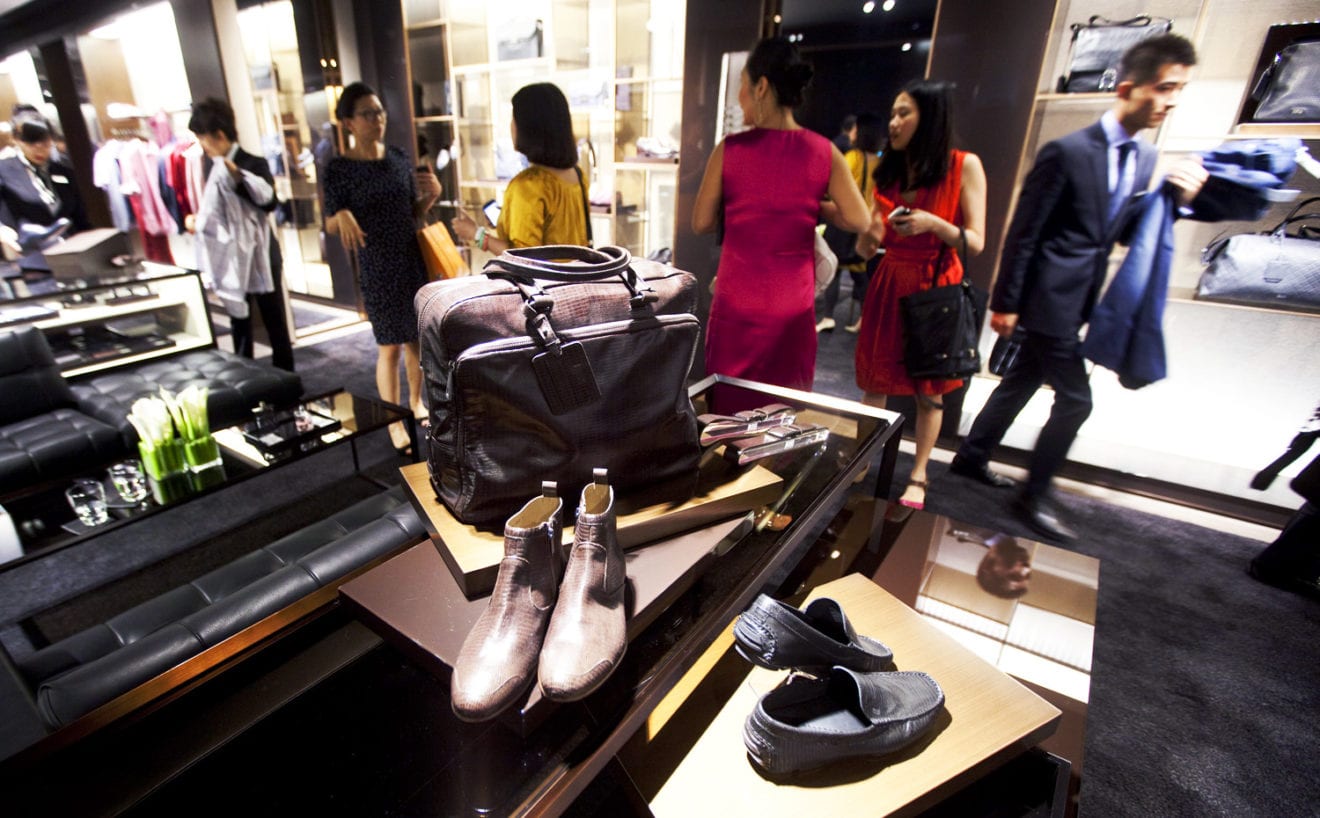
    Luxury brands need to use new technologies and offer experiences for their customers, the second Luxury Society keynote event in Shanghai has been told.

    UCO Cosmetics CEO Arthur Zhang told the event that the early-stage eCommerce model of simply providing a platform for selling products online is dead.

    He said key technologies being experimented and improved upon in China include augmented reality, virtual reality and live-streaming.

    “The millennial generation in China, which already numbers about 300 million people, seeks experiences and emotional connection – they are not just bystanders,” DLG China partner/MD Pablo Mauron told the audience of more than 150 luxury-industry brand executives. “As a result, live-streaming has become a medium for them to express themselves.”

    He told how brands such as Maybelline, Montblanc and Swarovski are taking advantage of these new opportunities.

    Underlining the key message of the event that eCommerce is changing, CEO Thibault Villet of luxury fashion eCommerce platform Mei.com told how a live-streamed show in collaboration with TMall resulted in 65 per cent of the products featured quickly selling out.

    Meaningful data

    Social customer-relationship management (CRM) makes highly targeted messaging and engagement possible, the event was told by Four Seasons Hotels Asia Pacific director of marketing communications John Hamilton. He said the luxury hotel chain has been gaining meaningful data about its customers, which in turn has driven growth. In the past year, through trial-and-error and optimisation, the group has defined a CRM-led content strategy on WeChat.

    Celebrity and key-opinion-leader partnerships can make a big impact in China, said East Entertainment commercial director Qing Dai, who spoke of her experience of partnering luxury brands with appropriate celebrities. One of Easy Entertainment’s most successful was in linking up Cartier with singer/actor Lu Han.

    Baidu GM for East China Wan (Grace) Zhang said Cartier was the most-searched luxury watch brand among the generation born between 1990 and 2000, linked to Cartier’s collaboration with Lu Han.

    Other speakers at the event included Four Seasons Hotel Pudong (Shanghai) GM Arthur Ho, writer Casey Hall of Women’s Wear Daily, Digital Luxury Group founder/CEO David Sadigh and MD for China Pablo Mauron, Baidu senior project manager Di Fu and Sephora China digital manager Vanessa Qian.

    Attendees included representatives of Alexandre de Paris, Baume & Mercier, Bottega Veneta, Bulgari, Cartier, Chanel, Chaumet, Conde Nast, De Beers, Dior, Hublot, Loewe, LVMH, Marc Jacobs, Massimo Dutti, Michael Kors, Montblanc, Nars, Net-a-Porter, Nike, Sephora, Shiseido, Swarovski, TAG Heuer, Tiffany & Co and Vacheron Constantin.

    Luxury Society, published by Digital Luxury Group, is an online destination for luxury-brand executives covering digital and technology matters and with more than 40,000 members across 150 countries.

  • HKT urges reforms to spectrum policy

    HKT urges reforms to spectrum policy

    HKT has publicly criticized the Hong Kong government over its handling of spectrum-related matters, asserting that the region risks becoming “a third-class citizen in mobile service development.”

    In an open letter to the government, HKT expressed concern over a range of issues, including a belief that the government is not doing enough to release more spectrum to the market, the failure to follow up on a pledge to introduce spectrum trading and insufficient public engagement over a planned spectrum reassignment exercise.

    HKT also expressed concern over the fact that spectrum prices have “increased astronomically over the years [to the extent that] Hong Kong spectrum prices are now the most expensive in the world.”

    Such high prices aren’t necessary when the government already has a huge budget surplus, HKT said. The charges are also inevitably passed on to consumers, who could see prices go up by more than HK$12 per month if the government sticks to its current pricing proposals.

    “What Hong Kong needs is a forward-looking, accommodating and holistic approach to spectrum policy, not a simplistic spectrum auction that is purely designed to maximize government revenues at the expense of the spectrum policy objectives,” HKT concluded.

  • Global average connection speed grows 2.3% in Q3

    Global average connection speed grows 2.3% in Q3

    The global average connection speed increased 2.3% sequentially and 21% year on year to 6.3 Mbps in the third quarter of 2016, Akamai’s latest State of the Internet report shows.

    South Korea maintained its lead with the highest average connection speed at 26.3 Mbps in the third quarter, but this was down from 27Mbps in Q2, which was itself down 7.2% compared to the first quarter.

    The global average peak connection speed increased 3.4% sequentially and 16% year-on-year to 37.2 Mbps in the third quarter, rising 16% year over year. Singapore continued to have the highest average peak connection speed, at 162 Mbps in the third quarter.

    Meanwhile, global 10 Mbps broadband adoption rose 5.4% quarter over quarter, and 15 Mbps and 25 Mbps broadband adoption rates increased 6.5% and 5.3%, respectively.

    Asia-Pacific region continued to lead the world in average peak connection speeds in the third quarter. Four of the Top 10 countries in average peak connection speeds were from the region.

    Singapore, Hong Kong and South Korea all had average peak connection speeds above 100 Mbps again, with Indonesia close behind at 99.3 Mbps.

    Eleven of the 14 qualifying surveyed Asia Pacific countries/regions posted increases in 15 Mbps adoption, ranging from 3.7% in Singapore to 94% in Vietnam.

    Global average mobile connection speeds meanwhile ranged from a high of 23.7 Mbps in the United Kingdom to a low of 2.2 Mbps in Venezuela.

    “The holiday season serves as one of the true tests of internet connectivity as consumers activate slews of connected devices at the same time and more families are at home collectively pushing their broadband capabilities to the limit,” said David Belson, editor of the State of the Internet Report.

    “The good news is those limits are getting higher as we have continued to observe positive long-term trends in both average and average peak connection speeds around the world. While ‘batteries not included’ may still cause unwelcome surprises, we’re optimistic that connection speeds won’t spoil the holidays this year.”

  • MOP$38,888,888 to Win at Galaxy Macau’s Golden CNY Celebration

    MOP$38,888,888 to Win at Galaxy Macau’s Golden CNY Celebration

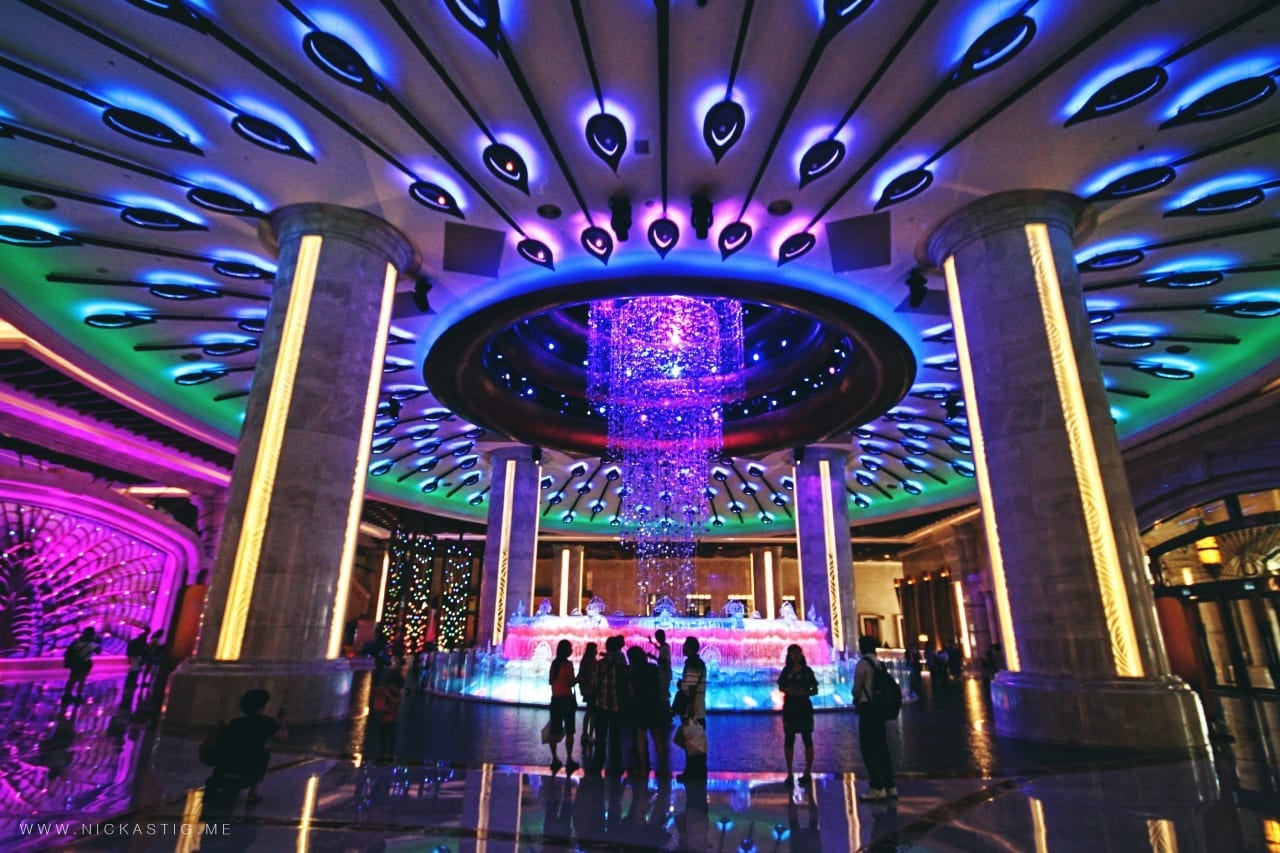
    This Chinese New Year, join a golden celebration that’s positively dripping with luck and fortunate, only at The Promenade Shops at Galaxy Macau™. From 9 January to 26 February 2017, Macau’s luxury shopping destination is hosting the “Love My Fortune” Chinese New Year Promotion, offering shoppers the resplendent opportunity to win instant shopping rewards across Galaxy Macau’s integrated resort offerings. What’s more, seven shoppers will receive the Lucky Draw glittering grand prize – MOP$88,888 to spend at The Promenade Shops, for a total prize value up to MOP$38,888,888.

    During the “Love My Fortune” promotion, every shopper who reaches the designated minimum spend will receive an instant reward! Instant rewards include food and beverage vouchers to Galaxy Macau’s vast collection of casual eateries, stylish cafes and Michelin-starred restaurants; gift certificates to The Promenade Shops; and a one-night stay in a Deluxe Room at the JW Marriott Hotel Macau and Galaxy Hotel.

    Simply shop MOP$8,000 or more across a maximum of two retail transactions at The Promenade Shops, then spin the fortune wheel to claim your prize. Shoppers are also automatically entered into the weekly Lucky Draw! Seven lucky draw winners will receive MOP$88,888 gift certificates to spend at The Promenade Shops.

    Kevin Clayton, Chief Marketing Officer of Galaxy Entertainment Group, said, “Galaxy Macau is ringing in the New Year with a festive promotion bringing luck and fortune to all! We’ve designed this gilded campaign with the knowledge that shoppers seek more than great deals and exclusive items, although of course The Promenade Shops has those too, shoppers also seek opportunities to indulge in the aspirational lifestyle, entertainment and culinary experiences of Galaxy Macau. In addition to the MOP$38,888,888 in total rewards up for grabs, including seven Lucky Draw winners each receiving MOP$88,888 gift certificates, The Promenade Shops also welcomes Cha Bei lifestyle cafe and The Apron oyster bar and grill. The Promenade is certainly shining bright with prosperity and joy this Chinese New Year.”

    The Promenade Shops will present the exclusive Chinese New Year fashion items and fashion lovers will radiate charm in the coming festival. At The Promenade Shops, visitors will find over 200 luxury and lifestyle brands, including top-name flagships, boutique designers and high-street favorites. Committed to delivering on the wants and needs of Macau’s most exclusive shoppers, The Promenade Shops has also brought a wide array of brands to Macau for the very first time. These first-to-Macau shops include the Korean art and fashion brand Youk Shim Won and the newly opened kp (new york) inc., showcasing beautifully crafted exotic leather goods at the brand’s first stand-alone store in the Greater China region.

  • Australia’s Thinxtra to launch IoT network in HK

    Australia’s Thinxtra to launch IoT network in HK

    Australia-based pure-play IoT infrastructure provider Thinxtra has expanded into Hong Kong, with plans to launch Sigfox low-power wide area (LPWA) network in the market early next year.

    The company is deploying a territory-wide open IoT LPWA network that connects to other networks based on Sigfox’s network technology in 28 countries.

    Ahead of the launch, Thinxtra has been working with Hong Kong’s Science Park on IoT R&D efforts as well as the design of devices, sensors and services for the network.

    Thinxtra is the exclusive Sigfox network operator for Australia, New Zealand and now Hong Kong, and also has LPWA networks covering 62% of the population in Australia and 73% in New Zealand.  Now the company is pursuing expansion into the APAC region.

    “We’re bringing our expertise and experience to Hong Kong to support its ongoing transformation into a smart city and a leader in IoT adoption and development,” Thinxtra Asia managing director Murray Hankinson said.

    “We also see great potential for Hong Kong to be a world-leading design and manufacturing hub for IoT innovation, and we’re investing here to support this growth.”

    Sigfox is working with partners to roll out a global LPWA network dedicated to the IoT, designed to meet the low energy consumption and long range requirements for IoT devices.