Blog

  • Skytrain ticketing goes smart

    Skytrain ticketing goes smart

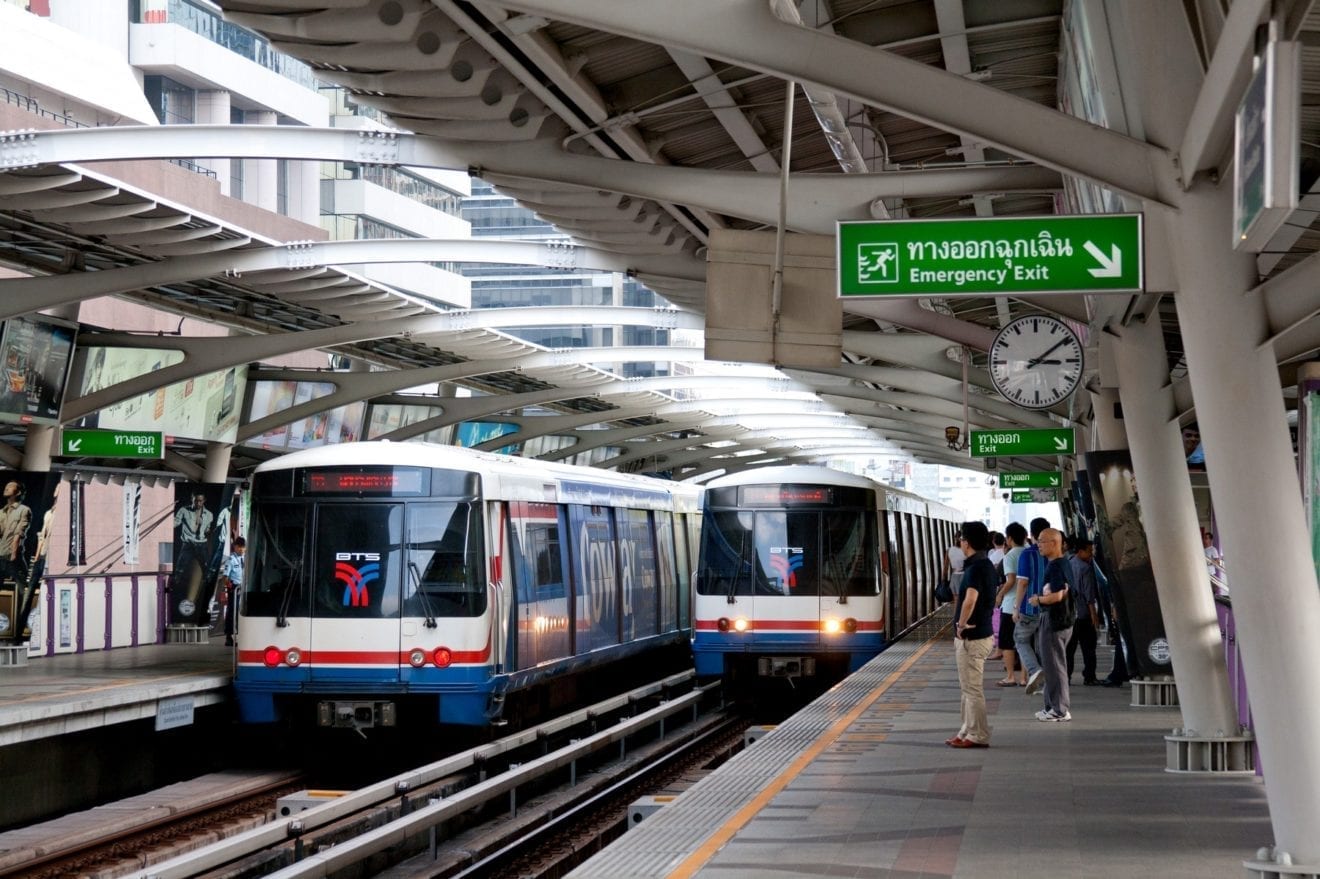
    The little tokens and even plastic smart cards now used in the mass transit systems will soon be outdated once the media business unit of BTS Group Holdings introduces new services that will enable skytrain fares to be paid with a smartphone.

    By the first quarter next year, BTS commuters will just have to swipe the barcode embedded in the Rabbit Line Pay application at the turnstile. No more queues to get change, tokens or cards.

    With the new mobile service, you just swipe your Rabbit Line Pay card and walk through the turnstile, says Mr Kavin.

    “Next year, we’re going to change the entire BTS system, enabling users of Rabbit Line Pay [a function embedded in the Line app] to cover skytrain fares via smartphones or mobile devices,” says Kavin Kanjanapas, chief executive of BTS Group, which owns a majority stake of VGI Global Media Plc.

    Line is the most popular instant messaging platform in Thailand with more than 33 million active users.

    “The new mobile ticketing service will be a great convenience to commuters and perfectly serve modern Bangkok lifestyles, as you just swipe your barcode embedded in the Rabbit Line Pay application and walk through the turnstile,” says Mr Kavin, also chairman of VGI’s executive committee.
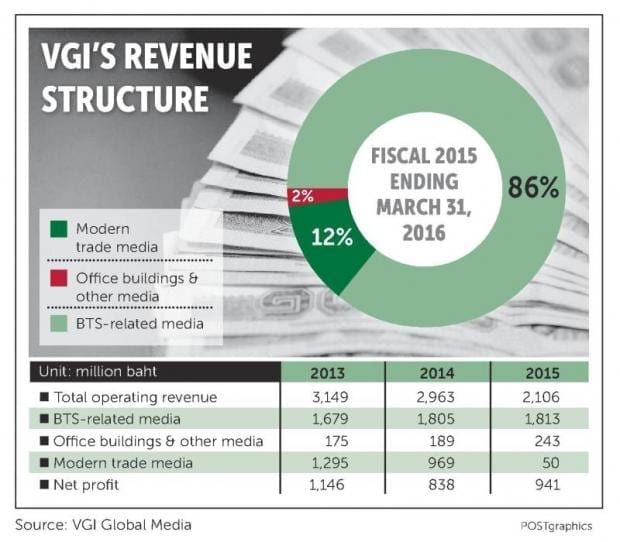
    The innovative mobile ticketing service shows just how far VGI has come since its humble beginnings. Founded in 1995 with initial registered capital of only 1 million baht, the company was intended to provide marketing and advertising services for the Bangkok Mass Transit System Plc (BTSC), which operates the skytrain.

    The company’s registered capital today is 858 million baht, with 686 million in paid-up capital. VGI is now Thailand’s major provider of out-of-home (OOH) media solutions, having more than 10,000 large still-image screens installed in the BTS skytrain network and at large retail stores nationwide.

    It also has more than 11,000 square metres of advertising space in the product display zones of large, modern stores and around 5,000 digital screens and other types of OOH advertising at BTS stations, Tesco Lotus, Big C and Watson stores, along with large office towers throughout Bangkok.

    It further holds licences to manage various forms of advertising at 13 airports operated by Airports of Thailand Plc and the Civil Aviation Department.

    In addition, the company runs retail shops in 23 BTS stations, on top of radio networks covering nearly 2,000 stores in Thailand.

    Like the BTSC, whose situation became critical in the wake of the 1997 financial crisis when passenger number was low due to a sharp decline in purchasing power, VGI struggled during its first three years of operations.

    After seeing low ridership number of fewer than 100,000 a day (in contrast with original projections of 600,000 a day), almost every advertiser who had booked space with VGI asked to scrap their deals and withdrew their deposits.

    As with the BTSC, VGI spent nearly 10 years battling financial constraints. It started seeing a glimmer of hope after the BTSC, which shared a huge portion of the group’s debt, exited its rehabilitation plan in 2008 and merged with Tanayong, the property development firm Mr Kavin’s father, Keeree Kanjanapas, founded in 1968.

    The merged company became BTS Group Holdings in 2010, which focuses on four core businesses: mass transit, property, media and services.

    After the group’s strong business revival, VGI itself has been successful in developing its lifestyle media network, mainly through active mergers and acquisitions (M&A) over the past couple of years, acquiring stakes in SET-listed Master Ad Plc, the country’s largest OOH advertising company, aviation media company Aero Media, and most recently Rabbit Card and its related online business.

    The latest acquisition will enable VGI to enter into an e-payment business that offers Rabbit Card as a payment tool for travelling on the skytrain and for purchasing merchandise from leading retailers nationwide.

    Rabbit Line Pay will also enable users to buy goods online and from brick-and-mortar retail stores. It also lets VGI extend its services to cover online payment for skytrain fares and retail purchases within Rabbit Card’s network of merchants nationwide through their mobile devices.

    Additional Rabbit businesses comprise other online ventures operated by Rabbit Internet, including Rabbit Daily, which provides lifestyle content through a web portal, and Rabbit Finance, which is a licenced, leading online financial products comparison website previously known as ASK Hanuman.

    This strategic move will allow VGI to raise the effectiveness and measurability of its advertising campaigns.

    VGI aims to create a new media advertising platform, Data-Centric Media Hypermarket, that can directly reach targeted audiences. It is projected to bring VGI’s daily audience from 1.9 million people to 25 million (mostly active Line users). It has also set a long-term revenue target of 8.2 billion baht over the next five years, up from 3.9 billion in 2015.

    To fulfil the ambitious new media advertising platform, Mr Kavin says VGI still needs to complete two to three acquisition deals.

    “Over the last 3-4 years, we’ve spent more than 3 billion baht on M&A, mainly on Master Ad, and most recently Rabbit Card,” said Mr Kavin. “From next year onwards, M&A will no longer be our focus. Rather, we will look to the integration of all our businesses to create the best synergy within VGI,” he says.

  • Reits: An attractive alternative form of property investment

    Reits: An attractive alternative form of property investment

    In just 14 years, the real estate investment trust (Reit) industry in Singapore has drastically transformed the country’s investment property landscape, making it one of the most admired in the Asia Pacific.

    The Singapore Reit industry now ranks third in size in the region, behind Japan and Australia. S-Reits have been actively contributing to the improvement of properties in Singapore, practically in all sectors of the rental market: retail, office, and industrial.

    As landlords, Reits are committed to maintaining and improving their properties and have consistently demonstrated this commitment by investing in extensive asset enhancement initiatives to refurbish and upgrade older properties in their portfolios, including introducing eco- technology into their properties.

    Such improvements have led to improved offerings for tenants and raised the quality of real estate in Singapore as a whole.

    The motive for Reits to continually upgrade their investment assets is driven by commercial interest doubtlessly, to generate return on investment for unitholders.

    But the resultant benefit is not confined to Reits, or else the progress could not be sustained.

    The other three key players in the game are tenants, consumers, and the Singapore economy at large.

    Unfortunately, this aspect of the impact of Reits has tended to be overlooked; instead, fingers have been pointed at Reits as the culprit causing the plight of tenants, especially the smaller enterprises, who bow out of the business citing rising high rent as a key reason.

    This has in fact caused the resurgence of the classic landlord/ peasant conflict.

    There will continue to be murmurings, especially from the quarter that has been ousted from their comfortable rented nests of many years until rentals made it untenable for them to continue with their business.

    Their lamentation is that Reits which appear to have taken over “most” of the rental properties in the country, have been regularly raising rental rates to maximise their yields and keep up with their distribution per unit (DPU) growth.

    Look at the big picture

    To be objective, one needs to look at the big picture.

    Many rental buildings here (both office and retail) have remained in the same state for 20-30 years and maybe even longer.

    Fortunately, many of the tired-looking buildings have also been rejuvenated and given a new lease of life after they were acquired by Reits.

    Someone once told me Singapore needs Reits to transform the investment property market the way the Urban Redevelopment Authority (URA) did the Singapore landscape over the last few decades; the difference is that Reits will have to do it on a fully commercial basis.

    The benefits of developing the Reit industry to the economy is perhaps more obvious in that it enables developers to recycle their capital for other investments, creates specialist professional jobs, generates high-value supporting services, etc.

    The best evidence of this are the aggressive measures many of our neighbours are taking to develop their own Reit industry.

    S-Reits are here to stay. S-Reits are celebrating their 14th anniversary since the first Reit, CMT, was listed in Singapore in 2002. Today, Singapore has succeeded in having 38 Reits listed on our stock exchange, with a total market capitalisation of S$74 billion.

    What is interesting is that, according to estimates, about 25 per cent of the shares of Reits are in the hands of retail investors. (The sponsor groups and controlling shareholders are estimated to hold some 35 per cent, while institutional investors own 40 per cent.)

    Assuming most of these retail investors are Singaporeans, the 25 per cent translates to a whopping S$18 billion in investment money.

    The government has put in measures to regularly improve the operating and regulatory environment for Reits, so that they can continue to grow, and at the same time operate under good corporate governance, and embrace best industry practices.

    We are fortunate that the listed Reits here are under the prudent supervision of the regulatory authorities, which should instil confidence among investors, both here and overseas.

    A stable and transparent tax infrastructure to support S-Reits helps to advance the goal of establishing Singapore as a fund management and asset management hub, and continue to fuel demand for expertise in these high-value financial areas.

    Specifically, it will allow S-Reits to maintain their competitive advantage over other regional markets and allow the Republic to position itself as the pre-eminent global hub for the listing of S-Reits.

    It will also allow Singapore to attract foreign capital and investment in S-Reits.

    Many Singaporeans are eager to find investment alternatives that give higher returns than banks’ fixed deposits or their CPF ordinary accounts. Reits are perhaps one such alternative.

    Some investors may have discovered that it is possible to turn Reits into personal ATMs that they can “withdraw” money from regularly.

    This is what Reits are in a nutshell: giving the investors a stable income on a regular basis (every three or six months), with potential upside that their price will go up over time.

    The ability to enter and exit Reits easily is another big contrast to direct investment in physical assets. Another benefit is the affordability of Reits, with outlay as low as a few hundred dollars.

    Perhaps the next exciting phase in Reit development here is brewing.

    This is the rising use of CPF and Supplementary Retirement Scheme (SRS) money for Reit investments – something that may significantly affect the growth of the Reits industry over the next few years.

    Looking at CPF statistics, as at March 31, 2016, Singaporeans had about S$308 billion in their CPF.

    This is after deducting the S$190 billion drawn down for housing purchases.

    Of the S$308 billion, S$113 billion is in the Ordinary Account, S$78 billion in the Special Account, and the rest is in Medisave and Retirement accounts.

    If we focus just on the Ordinary Account which CPF rules currently allow to be used for investments after setting aside S$20,000, the investible amount is estimated to be about S$73 billion. Since the rules allow up to 35 per cent of the investible money for share investment, this means a potential pool of S$25 billion available for investing in shares, including Reits.

    This is an enormous sum of money which is looking for higher returns than the 2.5 per cent that CPF gives.

    Over time, as people become more aware of the relative attractiveness of Reits, more of such CPF monies will flow into Reits.

    And that will be interesting because it will mean that more Singaporeans will be owners of investment properties both here and overseas.

    Even investing abroad

    Singaporeans, like most Asians, traditionally prefer to invest in brick-and-mortar assets.

    Some even venture to buy overseas properties.

    Reits present a new form of investment tool to meet such aspirations of Singaporeans to own investment properties with regular rental income, without having to deal with all the problems associated with investing directly in a property, especially in unfamiliar overseas markets.

    It is interesting that, currently, CPF rules do not allow Singaporeans to use their CPF money to buy overseas properties directly.

    But with Reits, one can effectively do that.

    For example, one can invest in German office buildings by buying IReit Global shares.

    One can own a stake in shopping malls or hospitals in Indonesia through Lippo Mall Trust and First Reit respectively.

    For exposure to China and Hong Kong properties, there are Mapletree Greater China Commercial Trust, EC World Reit, CapitaLand Retail China Trust and BHG Retail Trust to choose from.

    One can also access the US, India and Japan markets through Reits listed here.

    Today, some 30 per cent of the Reits’ assets are outside Singapore.

    Effectively, this means that the Reits are bringing properties from all over the world to the doorstep of Singaporeans for them to pick and invest in, with the added comfort that these overseas assets are owned and managed by Reits which are under the regulatory oversight of our government authorities.

    We may therefore see a stronger trend of Singaporeans sinking more of their excess investment money (including CPF and SRS money) into Reits, instead of pursuing the traditional approach of buying a physical property asset for investment.

    Best of all, one gets to keep 100 per cent of the dividends received from Reits without having to worry about the taxman’s share.


  • Equinix completes second phase of TY5 data center in Tokyo

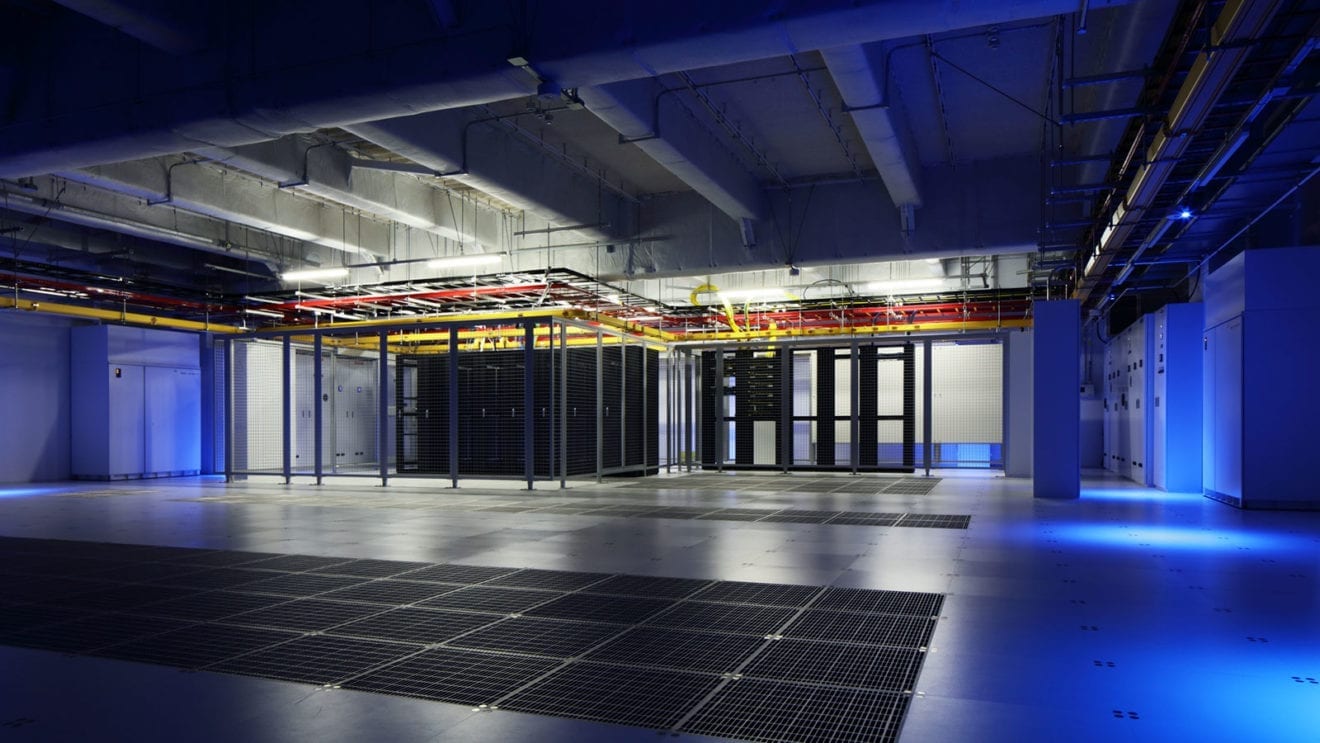
    Equinix completes second phase of TY5 data center in Tokyo

    Equinix has completed the second phase expansion of its 10th International Business Exchange (IBX) data center in Tokyo, the TY5.

    Phase two adds an additional 375 cabinets to the facility, bringing the total capacity of the data center to 725 cabinets. The second phase expansion follows the opening of TY5 in March of this year and brings the total investment in the facility to $43 million.

    This announcement highlights Equinix’s continued investment in Asia-Pacific, as well as demand from local and global companies wanting to benefit from leading interconnection services in Japan, particularly across the cloud and financial sectors.

    Equinix plays a critical role in supporting the interconnected era, underpinning digital economies and enabling businesses to accelerate their performance for continued success and growth. In 2016, it has opened four new IBX data centers in Dallas, São Paulo, Sydney and Tokyo, creating more capacity for global companies to connect with their partners, customers and employees.

    The expansion of TY5 follows Equinix’s acquisition of Bit-isle, a leading Japanese data center and managed service provider, which more than doubled the company’s footprint in Japan. The move means both domestic and international enterprise customers can now benefit from Equinix’s increased presence in the country, spanning 10 data centers in Tokyo and two in Osaka.

    The completion of the phase two expansion will support growing customer demand for carrier neutral data centers with direct connectivity to Equinix’s financial ecosystem in TY3. TY5 is in close proximity to the Japan Exchange and Tokyo Commodity Exchange, providing financial services companies with reliable, low-latency connectivity to key financial institutions and business partners.

    TY5 enables domestic and multinational companies to expand into the growing Japan market, providing them with access to over 1,400 domestic and international network providers within Platform Equinix.

    Platform Equinix now includes over 146 data centers in 40 markets around the world.

    TY5 was recently awarded the LEED Green Building Rating System Gold Certification for its high building standards.

    The award recognizes best-in-class building strategies and practices across seven categories: sustainable sites, water efficiency, energy and atmosphere, materials and resources, indoor environmental quality, innovation in design and regional priority.

  • Axiata has no plans to downsize regional operations

    Axiata has no plans to downsize regional operations

    Axiata Group has no plans to downsize its operations in any of its eight markets, according to CEO Jamaludin Ibrahim.

    Last months, reports suggested that the company is considering selling stakes in its Indonesian, Cambodian and Sri Lankan operations, leading to speculation that the company may seek to exit the markets.

    But Kamaludin said Axiata Group is a long-term investor in each of its operating countries, the Khmer Times reported. Regardless of if the company does plan to reduce its stakes in the regional operations, the group will maintain majority ownership.

    He also told  that if the company does decide to reduce its 83.3% stake in Sri Lanka’s Dialog Axiata, money raised will be reinvested back into Sri Lanka for another venture.

    We quote Axiata’s group chief strategy officer repeating the same sentiment for funds raised through any divestment of Cambodia’s Smart Axiata.

    According to last month’s reports, Axiata was said to be seeking buyers for stakes worth up to $700 million in the regional subsidiaries. The reports indicated that the potential sales are part of efforts to reduce the group’s debt, although Axiata executives are declining to comment on this aspect.

    But Kamaludin said Axiata Group invests around $600 million to $700 million per year in expanding its regional operations.

  • Shopping patterns in Singapore shift amid slowdown

    Shopping patterns in Singapore shift amid slowdown

    And yet, amid this gloom, consumers continue to spend – though there is a shift in the pattern and quantum of their spending.

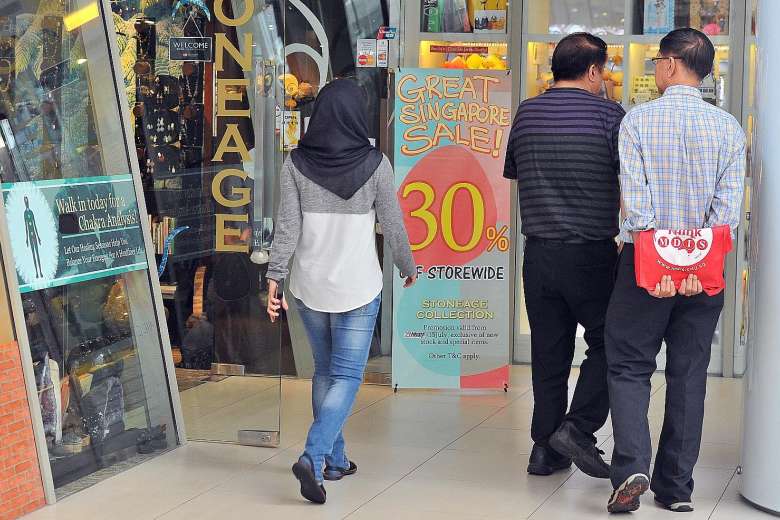
    In June, the first month of the Great Singapore Sale, retailer sales were down 3 per cent compared with the same month last year. It is not just tourists who are staying away, but local consumers are also looking more closely at price tags.

    The mood has not been helped by the fact that about 4,800 people were laid off in the second quarter, 48 per cent more than in the same period last year.

    Landlords are feeling the pinch as well. Average monthly gross rents for prime first-storey speciality retail shops dipped 1.2 per cent in the three months to September from the previous quarter, said property consultancy Edmund Tie & Company recently.

    Vacancies in the Orchard planning area rose again in the second quarter to 9.2 per cent, after reaching what was then a five-year high of 8.8 per cent in the first quarter.

    ANZ economist Ng Weiwen pointed out that home prices have fallen for 12 consecutive quarters, while bank lending has shrunk for 11 straight months. This has translated into weaker spending.

    However, the decline has been gentle across the board and there have been some bright spots. Those who find this surprising should look at the unemployment rate. While it rose from 1.9 per cent in March to 2.1 per cent in June, it remains quite low. Said OCBC economist Selena Ling: “When unemployment rate is anything below 3 per cent, it is effectively at full employment.”

    It could be one reason why consumers continue spending on mid-range goods and services, such as travel and at cafes, even as they cut back on luxury items and seek better deals for necessities.

    ANZ’s Mr Ng said: “For the different tiers of consumer spending, the high-end consumer segment will be more sensitive to changes in consumer income, so it’s not surprising.

    “The mid-range segment will still hold up in the near term as wages are still holding up.”

    In fact, more are paying their credit card bills on time. Only 32.25 per cent of card holders did not pay their bills in full for the second quarter, down from 33.91 per cent in the first quarter. Ms Ling said: “People have been turning slightly more cautious with spending.”

    They may spend less on fashion. And malls could take a hit if their offerings are the same as the ones available on Taobao and the like, she added.

    But cheaper options like house brands at supermarket chain FairPrice are seeing stronger demand.

    This is what a slowing economy looks like – in Singapore.


  • DBS debuts digital tokens in corporate m-payments

    DBS debuts digital tokens in corporate m-payments

    DBS Bank has launched a new mobile banking feature that eliminates physical tokens for corporate transactions.

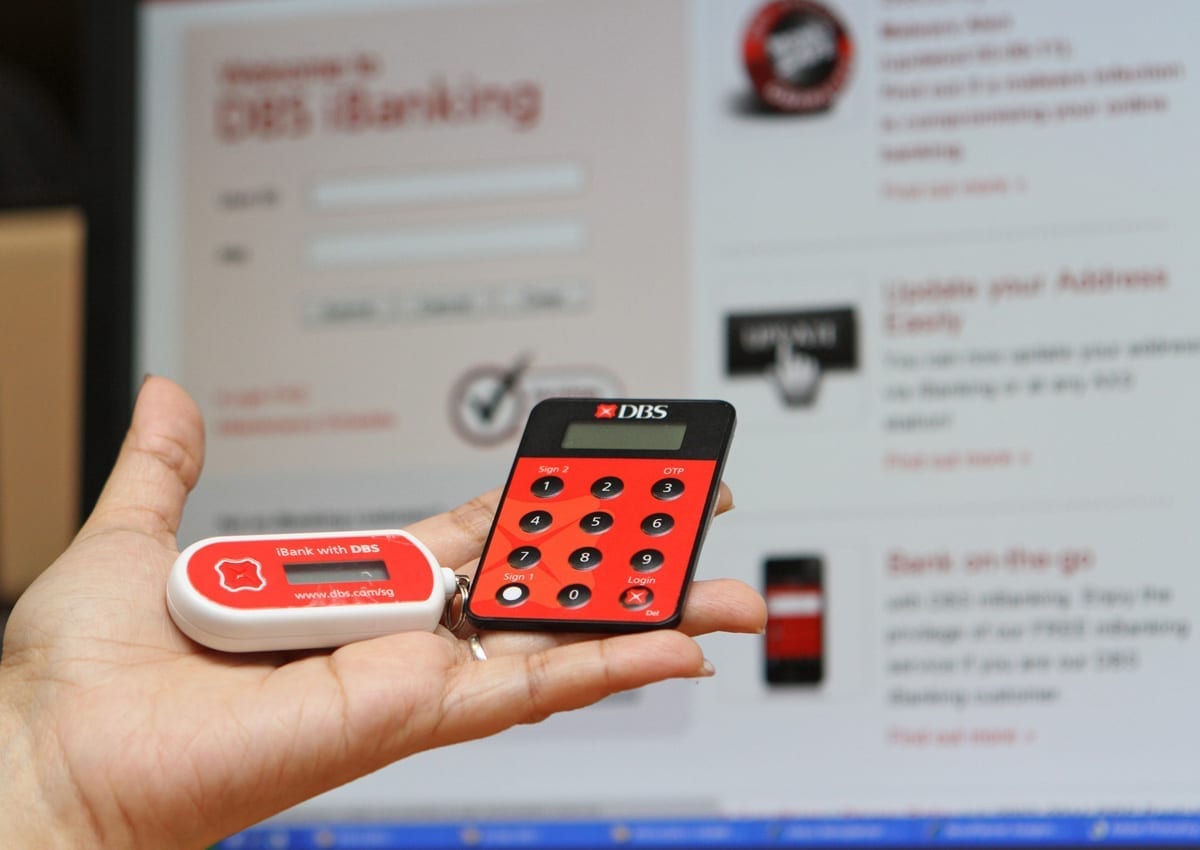
    The feature added to DBS IDEAL Mobile uses digital tokens to make banking on the go simpler and more convenient for corporate treasurers and small business owners.

    Available to both Apple and Android users, the bank claims to be the first Asian bank to offer this integrated service on one mobile platform.

    Currently, corporate treasurers often have to carry several security tokens to conduct their business banking, with some having up to six physical tokens with them at any one time.

    Specifically for iPhone users, the digital token utilises the user’s fingerprint to ensure identity confirmation and conduct secure online transactions. Android users will continue to key in their PIN to carry out transactions.

    This new service is available to over 140,000 DBS IDEAL and DBS IDEAL Mobile customers across 10 markets. Over 3 million transactions a month are conducted on DBS IDEAL.

    “As a bank that is shaping the future of banking, we want to provide an easy, more convenient and secure solution to our corporate customers. The new digital token feature on DBS IDEAL Mobile is a great example of how we are leveraging technology to help create a more intuitive and seamless banking experience for them,” DBS Bank head of global transaction services John Laurens said.

  • Telecoms billing market on pace to $14b in 2022

    Telecoms billing market on pace to $14b in 2022

    The global telecom billing and revenue management market is expected to reach$14.2 billion in 2022 with a CAGR of 8% from $7.6 billion in 2014.

    The factors that are favoring the market growth include, hastily growing telecommunication sector, deployment of innovative services and increasing number of customers, whereas factors such as quick growth of subscribers, network clogging, plunge in quality of services, and fallout of services area are inhibiting the market growth.

    North America and Europe have the highest adoption of billing and revenue management in the telecom ecosystem and regions such as Asia-Pacific, Middle East and Africa along with Latin America offer a lot of opportunities for the vendors.

    Countries in Asia Pacific such as China and India have large subscriber bases and ever changing regulatory scenarios, thus creating demand for billing and revenue management solutions.

    The global telecom billing and revenue management market is segmented on the basis of deployment type, service, software, and geography. On the basis of deployment, the market is segregated into on-site and cloud.

    On the basis of service, the market is categorized into system integration, planning and consulting services, operations and maintenance services, managed services and others. The market is segmented on the basis of software into negotiation, revenue assurance, partner management, fraud management, billing and charging and others.

    The key players in the global telecom billing and revenue management market include Accenture, Cisco, Oracle, Ericsson, Hewlett-Packard (HP), SAP, Huawei Technologies, NEC, Amdocs and Comverse.

  • Ericsson, Equinix enter hybrid cloud alliance

    Ericsson, Equinix enter hybrid cloud alliance

    Ericsson and Equinix have developed a joint offering designed to help enterprises capture the true benefits of hybrid and multi cloud adoption.

    The offering leverages the Equinix Cloud Exchange (ECX) and the Apcera platform from Ericsson.

    The initial target enterprises will be finance and insurance companies in Southeast Asia and Oceania to help solve their challenges on data compliance and regulation and at the same time give the agility that enterprises need.

    The finance and insurance industry have strict compliance regulations on data and this limitats their ability to pursue a multi-cloud strategy. Ericsson and Equinix’s joint offering will address this challenge by enabling enterprises to deploy any application on any cloud infrastructure with high performance and secure connections that meet compliance regulations.

    “To be able to meet the market demand for hybrid cloud and multi cloud, Ericsson is delighted to partner with Equinix,” commented Ludvig Landgren, VP for network applications and  cloud infrastructure at Ericsson Southeast Asia and Oceania.

    “We will jointly support enterprises, initially addressing South East Asia and Oceania customers, moving workloads and data across multiple clouds using one port with on-demand, automated connectivity.”

    The initial deployment is scheduled for December, 2016.

  • MasterCard deploys biometric verification

    MasterCard deploys biometric verification

    Mastercard has deployed Identity Check Mobile in Europe, a new payment technology application that uses biometrics like fingerprints or facial recognition to verify a cardholder’s identity.

    The technology is now being introduced across 12 markets in Europe including the UK, Germany Austria, Belgium, Czech Republic, Denmark, Finland, Hungary, the Netherlands, Norway, Spain, and Sweden.

    Aimed at simplifying online shopping, the deployment follows a series of successful trials in the Netherlands, the US, and Canada. The technology will be rolled out across the world in phases in 2017.

    The move comes after trials and research discovered European consumers prefer biometric payments to current systems that rely on passwords.

    While existing identity verification methods typically take shoppers away from a retailer’s website or mobile app, where they are often required to remember and enter a password, Mastercard Identity Check Mobile eliminates the need for cardholders to recall passwords, dramatically speeding up the digital checkout experience while also improving security. Instead, cardholders can verify their identities by using the fingerprint scanner on their smartphone or via facial recognition technology by taking a “selfie” photo.

    “We are relentlessly focused on making the online payment experience near frictionless, without making any compromises on safety and security,” said Ajay Bhalla, president of Enterprise Risk & Security, Mastercard.

    “This is a significant milestone in the evolution of payments. Shopping in person has been revolutionized thanks to advances like contactless cards, mobile payments and wearables, and now we are making Identity Check Mobile a reality for online shopping in Europe, and soon, the world.”

  • Singapore banks missing the boat in booming SE Asia

    Singapore banks missing the boat in booming SE Asia

    The three local banks are not having a good year, mostly due to forces beyond their control, but they seem to be also scoring own goals – missing opportunities right on their doorstep, our South-east Asian neighbours.

    The past two decades have been a waste in terms of what they should have done, formulating and working out a thoughtful strategy of expansion in ASEAN countries but efforts have been half-hearted and sometimes marred by ineptitude.

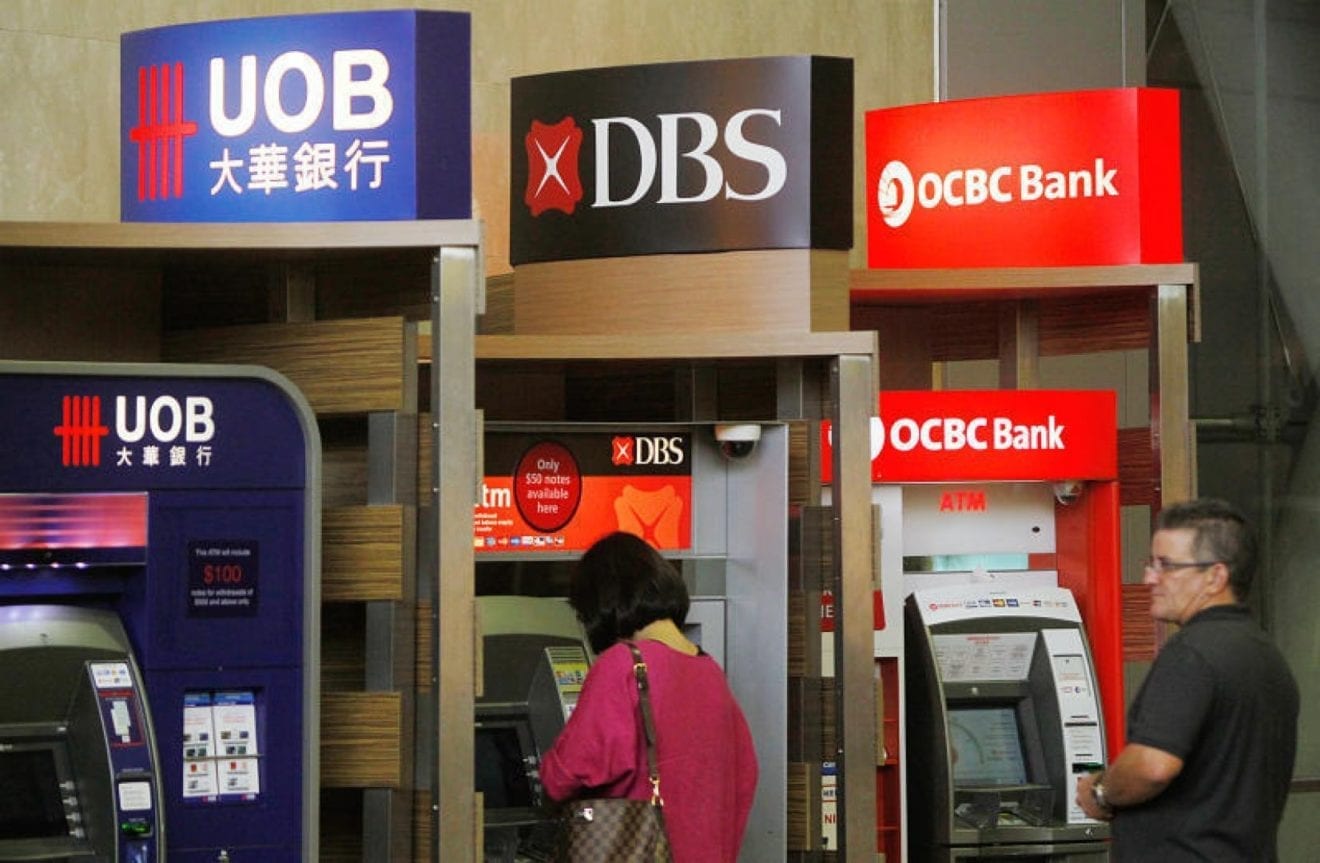
    Singapore contributes the bulk or the lion’s share of profits to DBS Group Holdings, OCBC Bank and United Overseas Bank (UOB) but domestic sluggish growth, a slump in the property market and a prolonged period of weak interest rates are translating to poorer earnings.

    What could have helped is if the banks have a larger presence in the region which is booming; some countries this year and the next are projected to grow more than 6 per cent against 1-2 per cent for Singapore.

    Year to date, the stockmarkets of Indonesia and Vietnam are posting double-digit gains while it’s in the high single digit for Thailand and the Philippines. Singapore equities by contrast is a minus 2 per cent.

    For various reasons, the banks have pretty much neglected the Philippines, Thailand and Vietnam, concentrating on expanding in Greater China.

    All three have Indonesian subsidiaries but progress in getting meaningful traction in ASEAN’s largest economy has been slow. And payback for their Greater China strategy is taking a very long time.

    In Q2, DBS said China recorded a net loss of S$15 million compared with a net profit of S$79 million a year ago and S$23 million in the previous quarter.

    Net profit for Hong Kong halved to S$161 million from S$320 million a year ago.

    OCBC’s Greater China pre-tax profit was unchanged at S$253 million in Q2; UOB posted a pre-tax profit of S$66 million for Greater China, down almost 30 per cent.

    From Malaysia, where OCBC and UOB are among the largest foreign banks, contributions there are somewhat underwhelming.

    In Q2, OCBC’s Malaysia pre-tax profit was up 11 per cent at S$214 million making up 19 per cent of total group earnings.

    UOB’s Q2 pre-tax profit from Malaysia fell almost 9 per cent to S$125 million, and contributed 13 per cent to group total.

    The banks had a golden opportunity to acquire banks in the debt-strapped ASEAN countries following the 1998 Asian financial crisis but they let that slip after some missteps.

    DBS tried with forays in Thailand and the Philippines but quit after huge losses.

    Today, it has some activities in Indonesia which are so small that the bank lumps it under South and South-east Asia. Still, Q2 net profit of South and South-east Asia of S$46 million from breakeven a year ago shows the potential.

    OCBC’s Indonesian business posted Q2 pre-tax profit of S$76 million, or 7 per cent of group total, and up from S$47 million a year ago.

    UOB, which has the most extensive operations in South-east Asia including 157 branches in Thailand and 190 in Indonesia, tried to buy a bank in the Philippines in 1999.

    But stymied by minorities, the bank pulled back in 2005, efforts which left its then chairman and chief executive “allergic” to the Philippines.

    UOB’s Q2 pre-tax profit from Thailand and Indonesia came to a combined S$78 million or 8 per cent of group earnings.

    For sure, it will never be smooth sailing to venture into these countries given that their sometimes chaotic domestic politics, frequent changes in policy, and weak adherence to rules, factors which deter all but the most stout-hearted foreign investors.

    Venturing out of Singapore will always be tough but our deep-pocket banks have the resources.

    The potential of South-east Asia is well documented: the 10 South-east Asian countries with a US$2.4 trillion (S$3.3 trillion) economy and population of 626 million forms one of the largest markets in the world which remains under-banked. It also has a burgeoning educated middle class that is receptive to financial services and products.

    What our banks need is staying power and agility to navigate these unwieldy markets, before they entirely miss the boat.

  • AirAsia Indonesia Gets ISO Certificate

    AirAsia Indonesia Gets ISO Certificate

    Indonesia AirAsia and Indonesia AirAsia Extra have obtained the quality management system certificate ISO 9001: 2015 for their performance in handling domestic flight delays.

    The certificate was awarded by TÜV Rheinland Indonesia, a certification agency based in Cologne, Germany, which has certification experience for more than 140 years in 69 countries.

    The certification process for Indonesia AirAsia and Indonesia AirAsia X lasted from February to June 2016. The results were issued on August 29.

    “This certificate is a prove of AirAsia Group’s real action and strong commitment in Indonesia to always provide the best service to customers,” AirAsia Indonesia Group CEO Dendy Kurniawan said in Jakarta, Thursday, October 13th.

    TÜV Rheinland Indonesia director Edmundus Wiharyono said that audit results showed that AirAsia Indonesia has well-implemented, good procedures for handling flight delays.

    “With the ISO 9001: 2015 quality management system certificate, we hope AirAsia can continue to improve their future performance and increase customers’ loyalty,” Wiharyono said.

    The certificate was given to AirAsia’s nine terminals in Jakarta, Medan, Surabaya, Denpasar, Pekanbaru, Palembang, Bandung, Yogyakarta, and Solo, which operate AirAsa Group Indonesia’s domestic flights.

  • Omantel taps Redknee for multi-play monetization

    Omantel taps Redknee for multi-play monetization

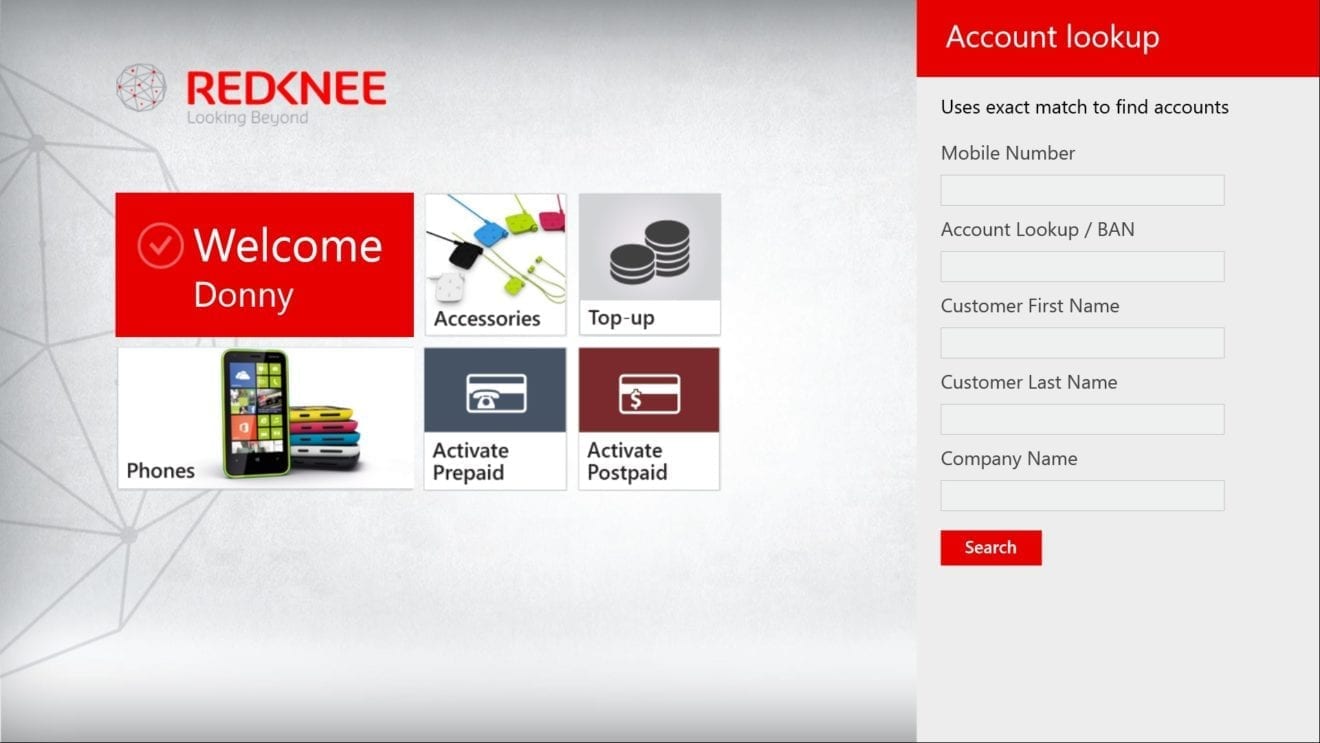
    Omantel, a communication service provider (CSP) in the Middle East, has implemented Redknee Unified, a converged multi-play billing, charging and customer care platform from Redknee Solutions.

    The successful implementation of Redknee Unified transformed Omantel’s IT infrastructure across multiple lines of business including mobile, fixed, IPTV, Internet, and cable.

    Redknee Unified reduces time to market and provides Omantel with the flexibility it needs to create new product offerings and connect with different customer groups to generate greater business value.

    Redknee said the solution is an agile, flexible and scalable real-time converged rating, charging and billing solution that is easy to deploy and which delivers an enriched customer experience across multiple industries including telecommunications, utilities, transportation, connected homes, and IoT.

    By leveraging Redknee’s experience with large scale BSS transformation projects, Omantel was able to consolidate multiple systems and processes onto one platform to create cost savings and operational efficiency.

    Redknee Unified also simplifies price plan configurations across the business and improves competitiveness by offering multi-play solutions that are tailored to Omantel’s customer base.

  • Daimler Trucks to increase its sales activities in core market Indonesia

    Daimler Trucks to increase its sales activities in core market Indonesia

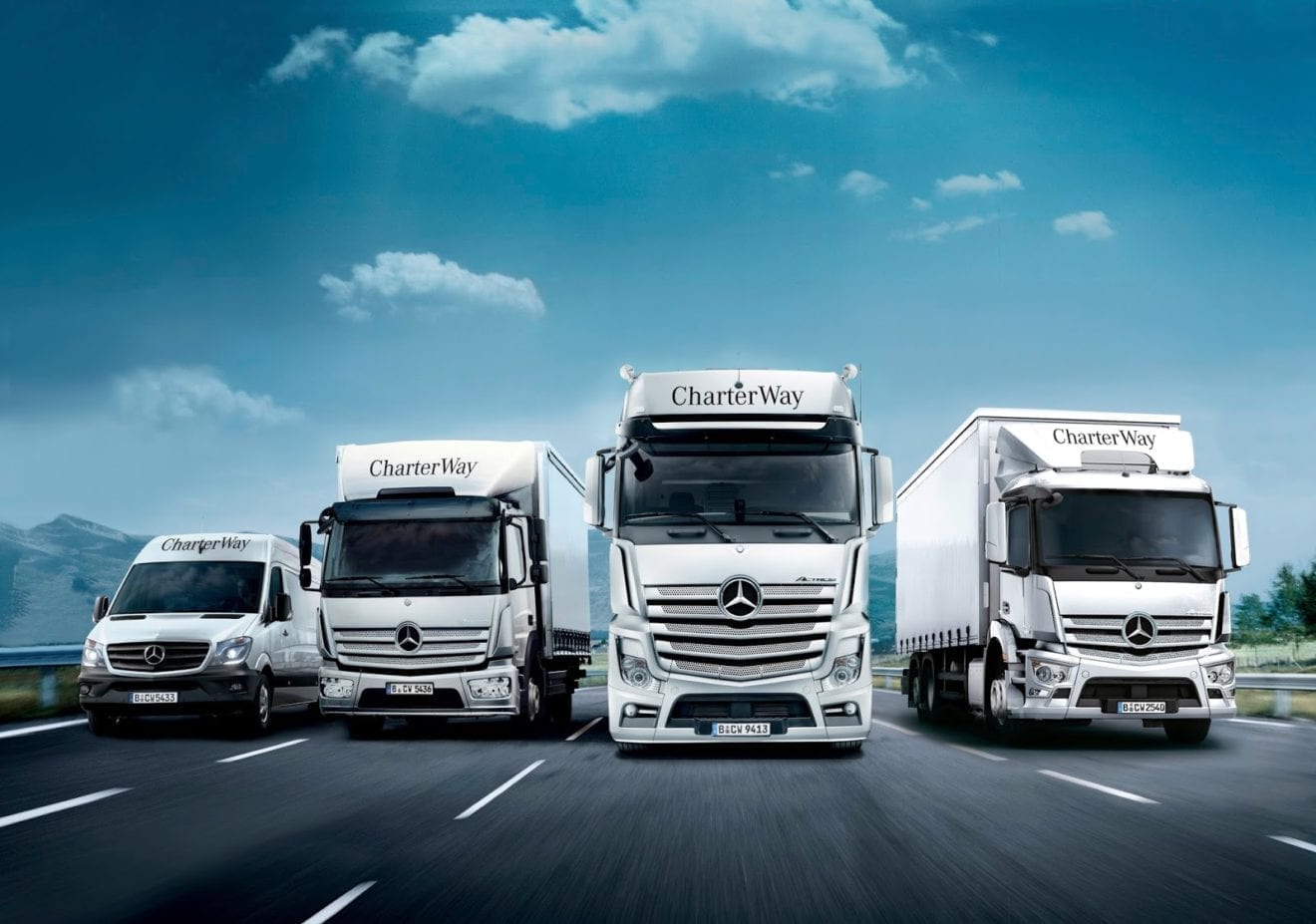
    Daimler Trucks, the world’s leading truck manufacturer with a strong foothold in Asia, is enhancing its position in commercial vehicles in its core market Indonesia. The Daimler Trucks subsidiary FUSO (Mitsubishi Fuso Truck and Bus Corporation, MFTBC), Mitsubishi Corporation (MC), Mitsubishi Motors Corporation (MMC), and the Indonesian company PT Krama Yudha (KY) have signed a respective framework agreement. As part of this agreement, the Indonesian trade and sales partner PT Krama Yudha Tiga Berlian Motors (KTB) will focus exclusively on selling FUSO brand commercial vehicles. KTB’s passenger car business will be transferred to an independent legal entity. At the same time, FUSO will increase its stake in the newly structured company KTB from 18 to 30 percent.

    Dr. Wolfgang Bernhard, Member of the Board of Management of Daimler AG for Daimler Trucks & Buses: “By increasing our stake in our partner KTB, we are underlining the importance of the Indonesian market and can be even more active locally. Concentrating our sales activities completely on the commercial vehicle market fits perfectly into our Daimler Trucks strategy of consistently focusing on the needs of our customers. With this shift, we as market leader are positioning ourselves in order to continue to tap market potential in Indonesia in the best way possible.”

    Marc Llistosella, President and CEO of Mitsubishi Fuso Truck and Bus Corporation and Head of Daimler Trucks Asia: “With our FUSO brand we have been the clear market leader in Indonesia for over 40 years. By increasing our stake in KTB, we can expand on our position even further.”

    With a current market share of about 47 percent, FUSO has been leading the Indonesian market for 46 years in a row since 1970. The country is the largest export market for the FUSO brand. The light duty truck Fuso Canter, which is sold under the name FUSO Colt Diesel, is the absolute top-seller in Indonesia.

    The current restructuring of KTB results in the following shareholder composition: FUSO (MFTBC) holds 30 percent, Krama Yudha (KY) 40 percent and Mitsubishi Corporation (MC) 30 percent. The overall transaction is subject to customary conditions precedent including merger control clearances.

    KTB will serve as dedicated wholesaler and distributor of FUSO vehicles in the Indonesian market and will continue to hold its stake in the related production business, which is responsible for vehicle assembly in Indonesia.

    For Daimler Trucks, this transaction is another important step forward in implementing its strategy of global and consistent orientation towards the requirements of commercial vehicle customers. To this end, Daimler Trucks is partially repositioning its sales and service organizations around the world with a clear focus on the commercial vehicle business. Daimler Trucks is thereby putting regional and national customer orientation at the center of its operations.

    Indonesia has a population of about 250 million people, of which 70 percent are under the age of 40. In 2016, the annual GDP growth rate is at 5.1 percent. The middle class is forecasted to expand to more than 140 million people by the year 2020. Indonesia is the world’s fourth most populous country with growth prospects, which are expected to be supported by a large number of infrastructure projects in the near future. It can be assumed that the infrastructure sector will expand further and result in an increasing demand for commercial vehicles.

  • New Mitsubishi Distributor to Boost Sales Operations in Indonesia

    New Mitsubishi Distributor to Boost Sales Operations in Indonesia

    Mitsubishi Motors Corporation (MMC) and business partners Mitsubishi Corporation (MC), PT Krama Yudha (KY) and Mitsubishi FUSO Truck and Bus Corporation (MFTBC) reached a basic agreement on restructuring MMC-brand vehicle sales operations in Indonesia in order to strengthen their Indonesian operating base.

    Under the basic agreement, the current distributor PT Krama Yudha Tiga Berlian Motors (KTB) will be split into MMC and MFTBC brands and a new distributor dedicated to the MMC brand will be set up. The new distributor will enhance MMC’s passenger car sales organization in Indonesia through promoting areas such as branding, sales personnel training, improving the quality of after-sales services and building up the dealer network. The new company is due to start sales operations in April 2017.

    MMC, in partnership with MC and KY began automobile production and sales in 1970 and since then business has grown focusing mainly on commercial vehicle sales.

    To meet further expected growth in the Indonesian passenger car market, MMC is preparing to commence production in April 2017 in a new factory at Mitsubishi Motors Krama Yudha Indonesia (MMKI). In October 2017, MMC also plans to start production of a new compact MPV segment model for which there is a large demand in Indonesia.

    MMC will work to further expand profits in Indonesia through expanding its model lineup, moving its focus from small commercial vehicles to passenger vehicles, strengthening the sales aspect with the new MMC brand-focused distributor in addition to production through the new factory at MMKI and new product.

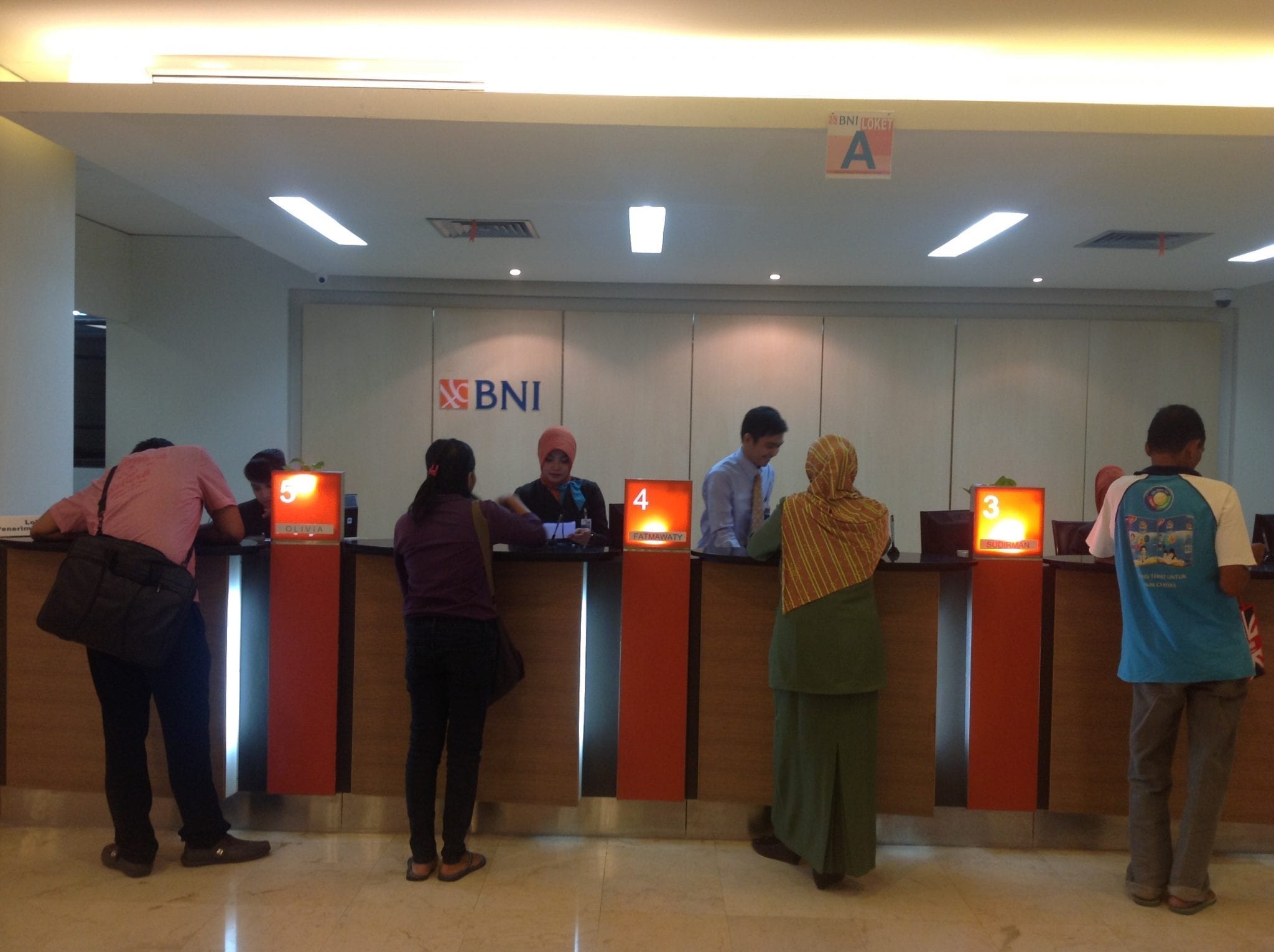
  • BNI posts net profit of Rp7.72 trillion in Q3

    BNI posts net profit of Rp7.72 trillion in Q3

    State lender Bank Negara Indonesia (BNI) posted a net profit of Rp7.72 trillion in the third quarter of 2016, up 28.7 percent from the same period last year.

    The double-digit profit growth was fueled by net interest income after credits grew by 21.1 percent or Rp372.02 trillion year on year, BNI President Director Ahmad Baiquni said here on Thursday.

    The net interest income grew 15 percent to Rp21.87 trillion in the July-September 2016 quarter, up from Rp19.02 trillion in the same quarter a year earlier, he noted.

    Fee-based income, meanwhile, rose 20 percent from the same quarter last year, he added.

    He informed that the BNI recorded a 6.2 percent net interest margin from the amount of credits channeled in the third quarter of 2016 .

    The bank also saw its non-interest income rising 20 percent to Rp6.24 trillion in the third quarter of 2016, fueled by a rise in commission on trade financing, account management and insurance marketing cooperation.

    The amount of credits extended in the third quarter of 2016 grew 21 percent as the bank focused on financing infrastructure projects run by state-owned companies, he pointed out.