Blog

  • CJ pulls out of McDonald’s Korea race

    CJ pulls out of McDonald’s Korea race

    CJ Group says it has withdrawn from the bidding process for franchise rights for McDonald’s Korea.

    The Korean multinational gave no reason for its loss of interest.

    McDonald’s US is seeking buyers for 20 year franchise rights for its business in China, Hong Kong and Korea as it moves to a franchise partnership model outside the US.

    CJ Group, whose interests include cinema chains in Asia and the Tous Les Jours bakery chain, said this week it had not entered the latest round of bidding for the business.

    That leaves a consortium including Maeil Dairy Industry and another group with KG Group and NHN Entertainment Corp as the last two potential buyers on the shortlist.

    McDonald’s hopes to earn about US$280 million from the Korean master franchise rights.

  • Multi Bintang Cancels Factory Expansion

    Multi Bintang Cancels Factory Expansion

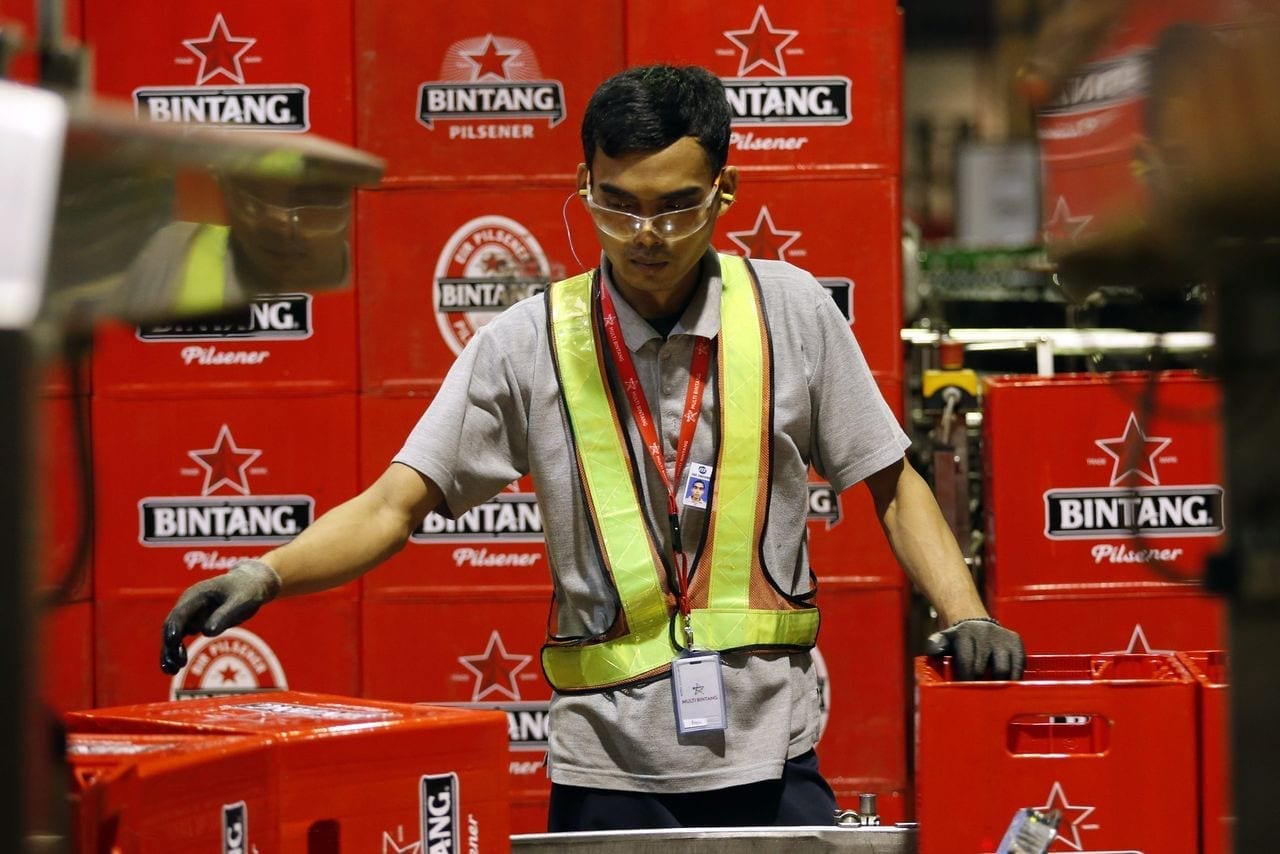
    PT Multi Bintang Indonesia (MLBI) has decided to postpone plans to expand its factory in Mojokerto. The decision was made as the company faced difficulties with Trade Minister Regulation on the distribution of alcoholic beverages and the Draft Bill on alcoholic beverages, which is still being discussed by the House of Representatives.

    Bambang Britono, Director of Corporate Relationship of the company said that the Trade Minister Regulation No. 6/M-DAG/PER/1/2015 on the Control and Supervision on Procurement, Distribution and License for Alcoholic Beverages have forced the company to reschedule its plant to expand production facilities.

    “It is actually depends on time and supply. Previously [our sales] had dropped because of the Trade Minister Regulation. So we have decided to do a reschedule,” Bambang said on Friday, September 23, 2016.

    In addition, the government’s plan to pass the Draft Bill on Alcoholic Beverages, which bans the production, distribution and consumption of alcoholic beverages with an alcohol level of one up to 55 percent have disrupted the company’s distribution activities. Nevertheless, Bambang is certain that the government will be able to come up with a just policy for alcoholic beverages company.

    “Because the [alcoholic beverages] industry has quite large [contribution], not only in terms of levy and taxes revenue, but also multiplier effect on other industries, such as tourism. So the government will consider its own discretion,” Bambang said.

  • Aceh wins three prizes in halal tourism category

    Aceh wins three prizes in halal tourism category

    Aceh Province has won three prizes in the National Halal Tourism Competition (KPHN) 2016, an official said.

    The three awards were in the categories of Muslim Friendly Airport–given to Sultan Iskandar Muda International Airport in Banda Aceh, as well as best Muslim friendly cultural destination, and best tourist attraction for Baiturrahman Grand Mosque, said Reza Fahlevi, head of the Aceh cultural and tourism office, on Thursday.

    He expressed his gratitude to the people of Aceh for helping develop halal tourism in the province, and to the Central Government for supporting Aceh in its participating in the World Halal Travel Awards 2016 in Abu Dhabi, the United Arab Emirates.

    “Alhamdulillah (Thank God), Aceh won prizes for three categories in competition with 117 nominees in 15 categories,” he remarked.

    The results of the competition were announced in Jakarta on Wednesday.

    The Aceh provincial administration seeks to improve its tourism industry to meet its 3As – Amenity, Accessibility, and Attraction– in order to transform the province into a world-class tourism destination.

  • Marketers prefer prudent spending on mobile advertising

    Marketers prefer prudent spending on mobile advertising

    While penetration of smartphones and mobile services continues to increase in Asian markets, mobile advertising is not as prevalent as is assumed. Brand owners still allocate a substantial amount of money to advertise on conventional media.

    According to data from the Asia Pacific branch of the Mobile Marketing Association (MMA), the average company in Asia will spend only 7 to 10 percent of their marketing budgets on mobile advertising despite rising smartphone usage across the region.

    This is particularly apparent in Indonesia as some companies increase focus on mobile advertising, but it does not necessarily translate to higher marketing dollars.

    MMA Asia Pacific managing director Rohit Dadwal explained that despite an increased percentage in mobile ad spending, the format would likely end up as the third-largest ad platform in Indonesia after television and radio in the coming years due to the size and reach of conventional media in the country.

    Dadwal explained that the average brand in Indonesia allocated between 14 and 15 percent of their marketing budget for mobile-based advertising and spent the remaining budget on broader platforms, such as television, which is considered the most popular advertising platform in Southeast Asia’s largest economy.

    Currently, in terms of an overall advertising budget, not a lot of local brands have moved into mobile marketing, as the share has yet to reach 5 percent of the marketing industry.

    “The main effect of the rise of mobile usage is that companies will start to allocate more money for mobile advertising from their budgets little by little, from 10 to 20 percent currently to about 30 percent in the near future,” Dadwal said during a recent discussion in Jakarta.

    A suitable strategy for mobile marketers, he added, is not to look at the landscape as a place where mobile advertising will triumph over other media but to see both mobile and more traditional media as integrated platforms where marketing campaigns can run parallel with each other.

    “It’s no secret that mobile advertising poses a threat to other forms of advertising. However, to succeed in marketing today, you shouldn’t use a completely mobile strategy. You need a marketing strategy that includes mobile because it will help you with your overall marketing objectives in the end,” Dadwal said.

    Previously, client leadership partner of Mindshare Indonesia media agency Wendy Soeweno commented that brands, conventional or digital, would still focus on television and radio advertising because of the scope and range television and radio provide in Indonesia.

    Television and newspapers used to be the biggest recipients of advertising spending. The tide is turning. Digital ads are poised to take 25 percent of ad spending in Indonesia by 2019 from 7.3 percent in 2015, according to forecasts by eMarketer.

    Digital ads almost tripled to US$835 million in 2015 from $234.2 million in 2013 and the figure is expected to increase more than four times to $4.9 billion by 2019.

    “We believe that communicating with consumers through the digital world is significant to building our brand,” corporate secretary of Unilever Indonesia Sancoyo Antarikso said recently.

    Unilever, one of the country’s biggest spenders on advertising, has been intensifying the placement of its product commercials through Google’s video sharing platform YouTube.

    In terms of strategies, Dadwal elaborated on how the integrated mobile-conventional approach was working currently and acknowledged that there could be a major shift to mobile marketing happening in the future.

    According to a joint study by Google and Singaporean investment company Temasek, Indonesia is poised to have the fourth-largest amount of internet users in the world with 215 million people connected by 2020. Meanwhile, smartphone usage in Indonesia currently includes approximately 43 percent of the population.

  • Spikes Asia set to ignite discussion as Festival begins

    Spikes Asia set to ignite discussion as Festival begins

    With a record number of entries, 1,850 delegates and the most diverse speaker line up yet, the first day of Spikes Asia is now underway at Suntec, Singapore.

    Shortlists have been announced for Design, Direct, Entertainment, Film, Healthcare, Innovation, Media, Outdoor, PR, Print & Outdoor Craft, Print & Publishing, Promo & Activation and Radio with the remaining shortlists to follow on Thursday and Friday.

    Whilst the judges deliberate over the winners a wide range of speakers will take to three stages and delegates have a unique opportunity to participate in two Guinness World Records attempts.

    “This year’s Festival is designed to push boundaries and stimulate debate. We are excited about facilitating these conversations and the ideas they will spark,” said Andrea Hayes, Festival Director, Spikes Asia.

    New this year are a series of Brand Breakfasts, powered by Edelman, designed to ignite discussion on issues being faced in the industry by some of its biggest brands, including Manulife, The Kellogg Company, Twitter and Unilever.

    Gavin Coombes, president of Edelman Digital Asia Pacific, Middle East & Africa will ask the expert panelists what the future holds, how much of what they do – and the people who do it – can be retained and where the competition of the future will come from.

    “In this unsettled world of opportunity and chaos, now is the time to understand how the brand mind set is evolving. Ultimately my hope is that we can come to a conclusion as to whether or not creativity as we know it today is in crisis,” said Coombes.

    Delegates of the Festival can make new connections and meet with industry experts from across the region at various Festival events and attend the highly anticipated Spikes Asia Awards Ceremony on Friday 23 September. The full programme and information on how to attend can be found on www.spikes.asia.

  • Pervasive Displays collaborates with Energia IDE to add ultra-low power e-paper

    Pervasive Displays collaborates with Energia IDE to add ultra-low power e-paper

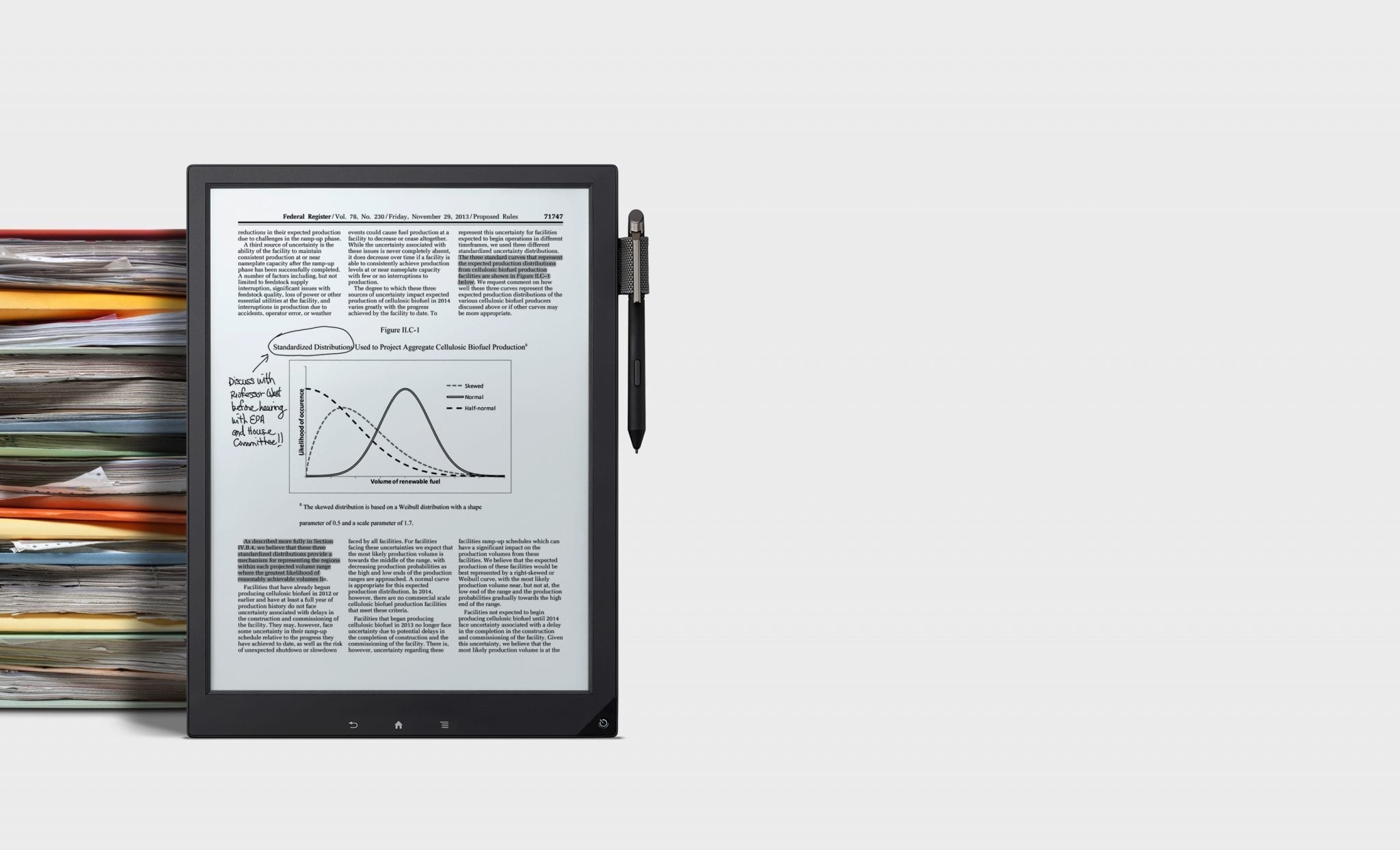
    Pervasive Displays (PDi), a world leader in e-paper displays today announced the results of its collaboration with community-driven and open source electronics prototyping platform provider Energia. The Energia integrated development environment (IDE) provides similar support for the Texas Instruments (TI) family of LaunchPad development platforms as the Arduino and Wiring IDE.

    Designed to bring the same Arduino-style application development simplicity to the LaunchPad ecosystem, the Energia IDE provides support across the range of MSP430™ microcontroller(MCU)-, MSP432™ MCU, SimpleLink™ Wi-Fi® CC3200 wireless MCU- and TM4C microcontroller boards.

    Within Energia IDE’s Library Manager all the necessary driver libraries for the range of Pervasive Displays 1.44 to 4.2 inch e-paper displays are built in. In addition, support for future three-color displays is accommodated. Full support is also provisioned for the recently announced EPD Extension Kit Gen (EXT2) extension board that is constructed in a TI LaunchPad kit and BoosterPack™ plug-in module-compliant format.

    By incorporating native IDE driver support, both Pervasive Displays and Energia are easing the development of designs that use e-paper displays. E-paper displays are ideal where power budget restrictions mean that driving an LCD display is not possible. E‑paper only requires energy to change the information displayed. Once changed, the power source can be removed and the information last displayed remains. This approach yields exceptionally long battery life; a single coin cell will power some applications for many years.

    Adrian Fernandez, microcontroller customer experience manager at TI commented, “Integrating ease of access to e-paper displays by providing full library support through our LaunchPad kit ecosystem and the Energia IDE gives developers every opportunity to trial their capabilities and incorporate them into their next design. Energia support for the e-paper BoosterPack module will enable the maker community in their various endeavours.”

    Robert Wessels, Founder of Energia said, “The LaunchPad kit is an ideal development environment ecosystem from which to prototype a wide range of applications and these advancements will enable rapid future prototyping. The addition of native Energia IDE support for Pervasive Displays’ range of e-paper displays further broadens the possible range of applications and expands into a number of sectors where extremely low power consumption and/or energy harvesting techniques are essential. The fact that the display continues to show an image after the power has been disconnected facilitates display-based developments not previously possible and we are getting very positive reviews on the second generation of the Pervasive Displays e‑paper extension kit with support for new screens and new LaunchPad kits.”

  • “In Style Hong Kong” Promotion Coming to Bangkok

    “In Style Hong Kong” Promotion Coming to Bangkok

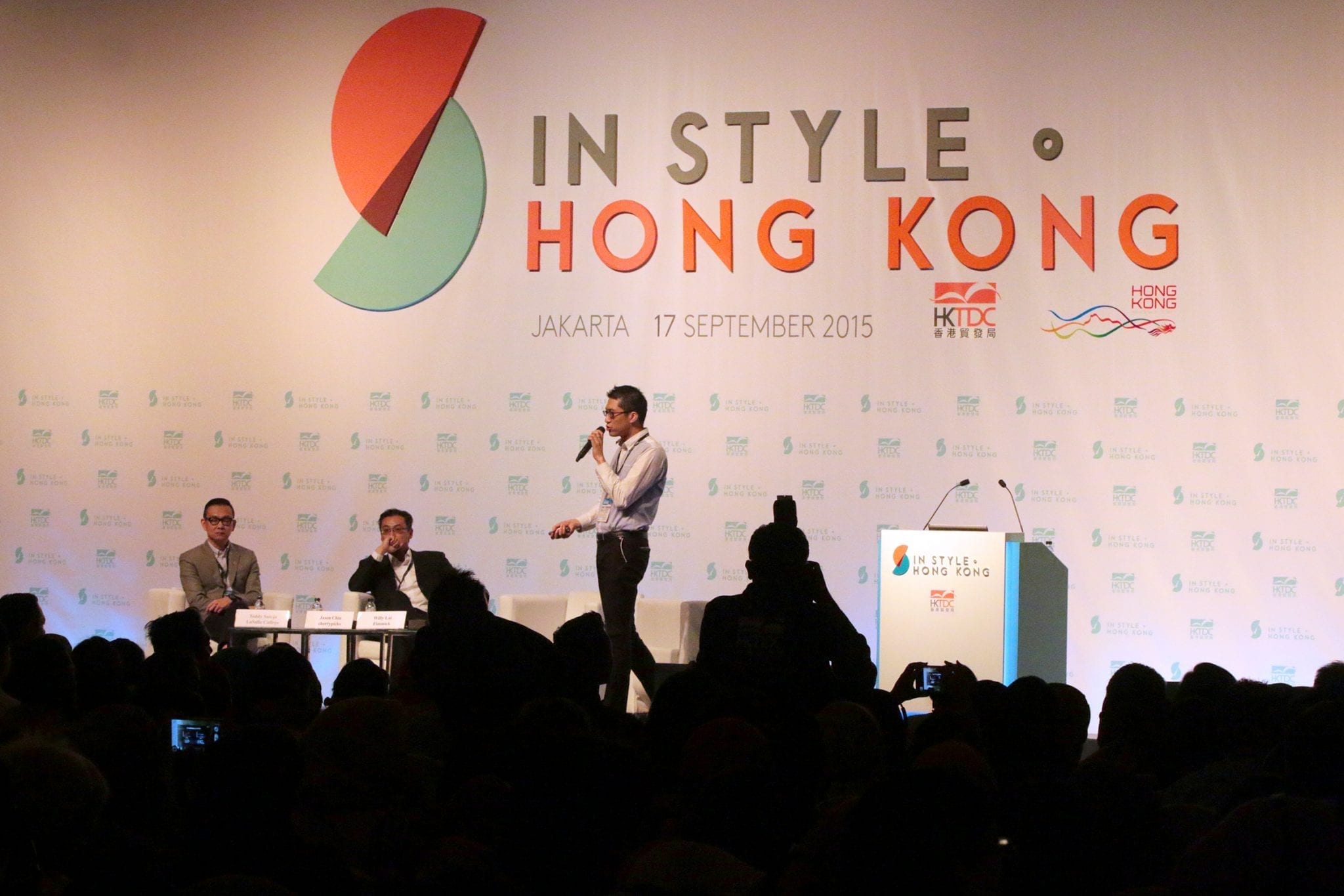
    The mega promotion, “In Style Hong Kong”, is making its debut in the Thai capital Bangkok, starting this month. Organised by the Hong Kong Trade Development Council (HKTDC), the campaign will engage business leaders and entrepreneurs, as well as consumers in Thailand to showcase Hong Kong’s vibrant lifestyle and creativity and explain how the city’s world-class services can help Thai companies expand overseas, especially to the Chinese mainland.

    “Thailand is the second-largest economy in Southeast Asia. As the country’s capital, Bangkok is a commercial hub in Asia with a thriving retail market,” said Dannie Chiu, Regional Director, Southeast Asia & India, HKTDC, at today’s press conference. “With the establishment of the ASEAN Economic Community (AEC), we can expect to see greater potential for cooperation between Hong Kong and Thailand. “In Style Hong Kong” aims to strengthen economic and trading ties between Hong Kong and Thailand, capitalising on all forms of growth opportunities. We look forward to bringing the best of Hong Kong’s services and products to Thailand as the HKTDC celebrates its 50th anniversary.”

    The “In Style Hong Kong” Symposium, on 6 October, will highlight Hong Kong’s advantages as a trendsetting hub, and reveal the potential of Hong Kong services sectors as partners for Thai companies. An invitation-only Gala Dinner will be held for 450 members of the business community, while a citywide promotion will combine retail and gourmet specials at venues across Bangkok for the public.

    The promotion aims to deepen the already strong trade links between Thailand and Hong Kong, which is consistently rated as the world’s freest economy by the United States-based Heritage Foundation. In 2015, bilateral trade between the two economies reached US$17.18 billion.

    Services under the spotlight

    Rimsky Yuen, Secretary for Justice of the Hong Kong Special Administrative Region (HKSAR) Government, will officiate at the opening session of “In Style Hong Kong” (6 Oct) at the Plaza Athenee Bangkok. Following the opening session, Hong Kong business leaders including Royce Yuen, CEO, MaLogic; Jason Chiu, CEO, cherrypicks; Dr King Fai Pang, Group President and Executive Director, VTech Holdings Ltd; and Chansak Fuangfu, Senior Executive Vice President and Director, Bangkok Bank Public Company Ltd, will offer insights on how Hong Kong can facilitate the business expansion of Thai companies.

    Services sector leaders and professionals from Thailand and Hong Kong will speak at five thematic sessions:

    – The Fast Track to E-commerce Logistics

    The establishment of the AEC is helping to fine-tune Asia’s supply chain network. Meanwhile, cross-border trade, particularly e-commerce development, is also driving huge changes in the traditional logistics industry and distribution networks. Hong Kong can facilitate Thai companies to tap these opportunities. Participants of this session will include moderator, Ruth Banomyong, Associate Professor, Department of International Business, Logistics & Transport, Thammasat University; and speakers Gary So, Deputy Managing Director, Kerry Logistics; Vincent Cheung, President, BPS Global Group; Michelle Leung, Senior Vice President, Fung Omni Services; and James Chang, Chief Operations Officer, Cross-border, Lazada Hong Kong.

    – RMB Internationalisation and Corporate Treasury

    As the premier offshore renminbi centre with proximity to the Chinese mainland, the session will explain Hong Kong’s advantages to attract companies to set up their corporate treasury centres in the city, in turn deepening the offshore renminbi capital markets. Speakers will include Yuthadej Putamanonda, Managing Director and Head of Transaction Banking, Standard Chartered Bank Thailand; Chen Shuang, Executive Director and CEO, China Everbright Ltd; Council Member, Financial Services Development Council, Hong Kong; and Kanit Si, Executive Vice President, Bangkok Bank Public Company Ltd.

    – The Belt and Road Initiative: Digital Framework for Connecting Smart Cities

    At this seminar, experts will share the latest developments in cross-border payment instruments, smart identity, smart-city infrastructure, interoperability and legal framework, which are essential in strengthening connectivity among smart cities. Eva Chan, Vice Chairperson, Hong Kong Public Key Infrastructure and Surangkana Wayuparb, Executive Director & CEO, Electronic Transactions Development Agency, Ministry of Information and Communication Technology, Thailand will deliver remarks. Speakers will include Clarence Hui, Senior Manager, Financial Infrastructure Development, Hong Kong Monetary Authority; Chaichana Mitrpant, Deputy Executive Director, Electronic Transactions Development Agency, Ministry of Information and Communication Technology, Thailand; and Eric Yeung, Convener, Smart City Consortium.

    – Integrating Creativity with Innovation

    Unlock Asia’s Business Success in the Digital Era with Jason Chiu, CEO, cherrypicks Ltd as the moderator and Tommy Li, Creative Director, Tommy Li Design Workshop Ltd; Keith Lam, co-founder, Dimension Plus; and Francis Kwok, founder and CEO, Radica Systems Ltd as speakers, Thai companies will gain insights into digital marketing, including innovative branding strategies, big data and new media with art and design.

    – Legal Risk Management: Key to International Trade and Investment

    Experts will share tips on how Thai enterprises can protect their intellectual property and settle cross-border business disputes through arbitration in Hong Kong. Speakers will include Denis Brock, Council Member, The Law Society of Hong Kong; Pui-Ki Emmanuelle Ta, Counsel of the Secretariat, International Court of Arbitration of the International Chamber of Commerce – Asia Office; Winnie Tam, SC, Barrister-at-law, Arbitrator and Mediator, Chairman of the Hong Kong Bar Association.

    Gala Dinner showcasing Hong Kong: “Day and Night”

    An invitation-only gala dinner, to be held on the evening of 6 October, at the Siam Kempinski Hotel Bangkok, will welcome about 450 business leaders from Thailand and Hong Kong. Under the theme, “Hong Kong: Day and Night”, a “Thai Silk Crossover” fashion parade will be a highlight of the gala dinner. Six Thai silk-themed fashion collections by celebrated Hong Kong designers, Doris Kath Chan, Bonita Cheung, Koyo William Cheung, Polly Ho, Henry Lau and Mountain Yam will be showcased during the parade. Miss Hong Kong 2015, Louisa Mak has been invited to be among the models in the fashion parade. The gala dinner will also feature “Lifestyle Chemistry”, an interactive display window graced by live models, to present selected lifestyle brands from the HKTDC Design Gallery. A unique culinary experience featuring Hong Kong and Thai star chefs: Albert KK Au, Group Executive Chef (Chinese Division), Lai Sun F&B Management Ltd and James Norman, Executive Chef, Siam Kempinski Hotel Bangkok, who will collaborate on a fusion menu with dedicated wine-pairing by the Hong Kong Sommelier Association.

    Hong Kong lifestyle for everyone

    The centrepiece of the citywide promotion is a Hong Kong galleria at the Siam Paragon shopping mall (3-9 October), spotlighting Hong Kong fashion, and lifestyle and gourmet products. Thai consumers can try on collections presented by the six Hong Kong designers and take photos using an e-wardrobe. Selected lifestyle products from the HKTDC Design Gallery via Lazada.co.th and hktdc.com Small Orders will also be featured, bringing a convenient O2O shopping experience to Thai consumers.

    Complimentary tea tasting by Hong Kong’s premium tea brands – Contact Design, Gianna, MingCha and OrTea(TM) – and food tasting sponsored by Lee Kum Kee, will also be available. As part of an extended In Style Hong Kong campaign, a range of products from the HKTDC’s Design Gallery will be sold at Betrend and The Selected from September to December 2016, offering local consumers a chance to experience Hong Kong’s design and creative excellence in lifestyle and household products.

    Meanwhile, a “Hong Kong Lifestyle Products” promotion is underway in Bangkok, with well-known Hong Kong fashion brands Bossini, Episode, Esprit, Giordano, G2000 and Jessica, as well as popular retail watch brand City Chain and optical boutiques eGG and Optical 88 offering discounts and other consumer incentives. To enjoy these offers, simply pick up a Citywide Promotion coupon booklet at more than 100 participating outlets across Bangkok, featuring over 30 Hong Kong and local brands from 1 September to 31 October, or visit Hong Kong Galleria in Siam Paragon from 3 to 9 October. More exciting Hong Kong products and gourmet can also be found at online retailer Lazada Thailand and gourmet website Openrice Thailand.

  • Ikea introduces line of kitchenware in Korea

    Ikea introduces line of kitchenware in Korea

    Swedish home furnishing company Ikea is launching kitchen products for the first time in Korea.

    “We have 700 articles in the cooking and eating area, completely new for the Korean market,” Andre Schmidtgall, country retail manager at Ikea Korea, said Thursday during a press briefing at the Times Square shopping mall in Yeongdeungpo District, southwestern Seoul.

    Although Ikea entered the Korean market in 2014, sales of kitchenware such as dishes and cups from the Swedish home decor maker were not permitted due to legal restrictions related to product labeling. After the Korea Food and Drug Administration eased up on the restrictions this year, the company was able to bring in the full set of its items to Korea.

    Ikea’s store in Gwangmyeong, Gyeonggi, includes a 1,000-square-meter (10, 764 square foot) space devoted to kitchen products and began sales on Sept. 9. The new promotional campaign for the product line begins next Tuesday and runs through Nov. 12 at Times Square. The mall will include a venue set up with an Ikea kitchen and allow visitors to cook food there.

    Even as the company rolls out its new products here, Ikea is still working on cleaning up its stained image in Korea after delaying a recall of drawer chests that killed several children after tipping over.

    “We have tested drawer chest products and suspended another 15 models a day before yesterday,” Schmidtgall said.

    The company already halted sales of 15 drawers including the MALM drawer on Sept. 9, following recall orders from the Korean Agency for Technology and Standards under the Ministry of Trade, Industry and Energy.

    “We put safety and security as the utmost priority,” Schmidtgall said. “Tipping risk is an industry-wide problem.”

    According to Ikea, particular models of its drawer chests are banned from sale only in three countries – the United States, Canada and Korea – and in other markets, the article is sold with recommendations that the drawer be anchored to the wall for safety.

    Ikea Korea in the latest financial year from Sept. 2015 to Aug. 2016 recorded 345 billion won ($309.4 million) in revenue. From January to August 2016 compared to the same period last year, revenue rose 17 percent.

    The company is working on a second Korea branch in Goyang, Gyeonggi, set to open by the latter half of next year. It plans to build up to six stores in Korea by 2020. Likely locations include the Seoul metropolitan area, Daejeon and Chungcheong in the country’s central region, and Busan in the southern region.

  • DJI Opens Its Third Flagship Store In Hong Kong

    DJI Opens Its Third Flagship Store In Hong Kong

    DJI, the world leader in unmanned aerial vehicle technology, will open the doors of its Hong Kong flagship store to the public this coming Saturday, September 24, making it the third DJI flagship store in the world.

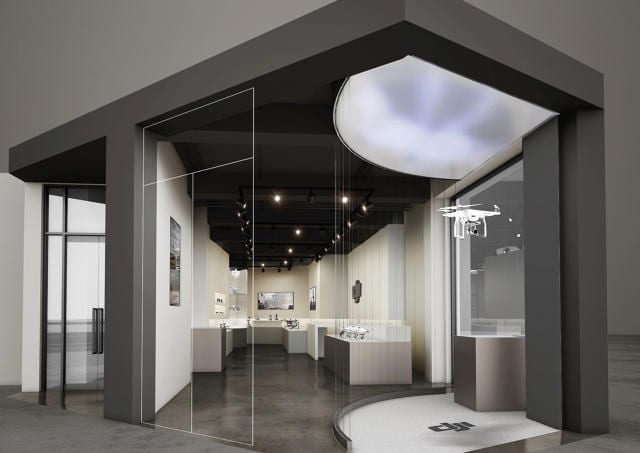
    Located at the center of Hong Kong’s busiest shopping district in Causeway Bay, the three-story, 10,000+ square-feet flagship store will display DJI’s full range of aerial and handheld products. The flight cage on the ground floor will allow visitors to see DJI drones in action even from outside the store. The SkyPixel Gallery on the first floor will showcase breathtaking examples of aerial photography from around the world. The second floor will house the technical support center* and a dedicated space for workshops, seminars and special events. Adding to Hong Kong’s iconic skyline is an animated display on the facade of the building, illuminating the instantly recognizable shapes of the DJI drones themselves.

    In celebration of the opening, there will be a series of activities and programs throughout the day including:

    • Life-size DJI Phantom and Osmo mascots will kickstart the day’s celebration with a street parade around the Causeway Bay area.
    • An outdoor flight cage and Virtual Reality experience zone will be set up just outside the World Trade Center for people who want to experience the thrill of being in the pilot’s seat.
    • For those who want to play the role of movie director, they can pick up an Osmo (a stabilized 4K handheld camera) to capture all the excitement and happenings in and around the neighborhood.
    • Workshops by aerial photographers, dance and music performances by local bands leading into the early evening.
    • Those who wish to tune in to the opening day activities remotely can watch the live stream at https://live.dji.com/hkstore/or join the Official DJI Hong Kong Facebook Page at https://www.facebook.com/DJIHKOfficial/.

    The DJI Hong Kong flagship store will open its doors to customers at 12 noon and the first 200 customers can enjoy a discount of up to 30% on selected DJI products purchased at the flagship store on opening day.

    “Whether you are a professional interested in the latest aerial-imaging equipment or just looking for your first drone, we welcome everyone to come and learn, discover the joys of flying and share your experience to inspire others,” said Frank Wang, DJI Founder & CEO. “We want to provide a truly unique experience for anyone who walks into our store and leave with a sense of curiosity, excitement or inspiration. We hope our technology can provide a new perspective and allow us to see the world differently.”

    On display and for sale will be DJI’s consumer products, including the latest Phantom 4 drone and Osmo Mobile stabilized handheld gimbal, as well as professional products, including the Inspire 1 and Matrice drone series, the Zenmuse Z3, X5R, and XT cameras, and the Ronin handheld three-axis camera gimbal line.

    The Hong Kong flagship store is DJI’s third foray into retail after the December 2015 opening of its first flagship store inShenzhen, China, followed by the Seoul, Korea flagship in March 2016. More than just a retail outlet, the Hong Kong flagship store will provide a location where the worldwide community can connect to share their experience of flight and discover the latest UAV products and aerial cameras.

    The Hong Kong flagship store is located at TOWER 535, Shop G07, 535 Jaffe Road, Causeway Bay, Hong Kong. Opening hours of the store are Mon – Sun, 10:00 – 22:00 and for after-sales service, Mon – Sun, 10:00 – 19:00.

    *The Hong Kong flagship store technical support center and online booking system will official open after the grand opening weekend on September 26, 2016 at 10:00. To make an appointment for repair or technical consultation, customers can visit https://www.dji.com/zh-tw/service/repair/reserve. For general after-sales inquiry, customers can call +852 3189 8979 to speak with one of our customer service representatives.

  • Drone maker DJI’s new Hong Kong store offer customers to fly

    Drone maker DJI’s new Hong Kong store offer customers to fly

    DJI, the world’s biggest maker of remote controlled drones, opens its first retail store in Hong Kong this weekend in the heart of Causeway Bay to give up-and-coming drone pilots hands-on experience of flying the machines.

    The 10,000 square foot site – over three storeys in the newly opened 535 Mall on Jaffe Road – marks a return to its roots by Da-Jiang Innovations Science & Technology Co, the formal name of DJI.

    Its founder Frank Wang, an alumnus of Hong Kong University of Science & Technology, established the company in Shenzhen a decade ago.

    It’s the company’s third Asia store, after opening outlets in Shenzhen, and Seoul over the past 10 months.

    Unlike customers in Europe and the US, the largest markets for DJI, Asian pilots haven’t had the opportunity yet to actually get their hands on flying one of its drone before buying it.

    “There’s a lot of growth potential in Asia and having a larger retail footprint will help expand that,” said Michael Perry, DJI’s director of strategic partnerships.

    The company’s top-of-the-line drone is the Phantom 4, which retails for HK$9,299.

    “Phantom 4 may not be an impulse buy, but what we’ve found is that a lot of people are very interested, they spend a lot of time researching but the key turning point in their decision is seeing their technology themselves,” Perry said.

    Research firm Teal Group predicts global sales of civilian drones will soar to US$10.9 billion by 2025, up from US$2.6 billion for this year.

    The ground floor of the new DJI shop displays the firm’s range starting from the hand held Osmo gimbals, which start at HK$2,299, right up to up to the Phantom 4 and Inspire drone models, as well as a large cage for trying out the aerial vehicles.

    DJI’s industrial series of drones and gimbals, including the Matrice 600, designed for professional aerial photography or applications such as surveying, are housed on the first floor alongside a gallery of images taken by DJI users. On the third floor are offices, technical support and space for workshops or seminars.

    Perry said there is huge global potential for the use of drones, adding that its community of users are constantly coming up with new ideas on how the devices can be improved, the latest example being a new sensor for use in warehouses to check inventory.

    “Anywhere that data collection or delivery is too time intensive, too costly, too dangerous, that’s where a drone can play a pretty critical role,” he said.

    DJI launched its first drone for the agriculture market last year. The DJI Agras MG-1 has eight rotors and can carry more than 10 kilograms of liquid for crop spraying, with the ability to spray up to four hectares an hour.

    Perry said the company’s technological strength and control systems such as one that prevents collision gives it an edge over competitors, including Xiaomi’s Mi Drone, and GoPro’s Karma.

    GoPro, which makes action cameras, this week launched the Karma, a foldable model, for HK$6,300. Xiaomi’s Mi Drones sell for less than HK$3,550, and are aimed at competing with DJI’s Phantom 3 model.

  • Apple Looks to Open First Store in Samsung’s Backyard

    Apple Looks to Open First Store in Samsung’s Backyard

    Apple Inc. has made inquiries about opening its first retail store in South Korea, in a signal that the technology company might be looking to step up competition in the backyard of smartphone rival Samsung Group.

    Apple looked at sites across the street from the group’s longtime headquarters in Seoul, according to people familiar with the matter.

    The Cupertino, Calif., company, which is Samsung Electronics Co.’s biggest rival in the mobile-phone market as well as a major customer of its smartphone components, is looking at locations near the South Korean company’s own three-story global flagship store in Seoul’s upscale Gangnam neighborhood, the people said. The company has sent retail executives to South Korea in recent months to check out potential sites for the store, they said.

    The people warned that Apple’s plan hasn’t been completed and a store opening could take about a year.

    “We have made no announcements about a store there,” a spokesman for Apple said.

    A spokeswoman for Samsung Electronics declined to comment.

    South Korea, Asia’s fourth-largest economy, has long been a tough market for Apple. Smartphone sales are dominated by hometown favorites Samsung and LG Electronics Inc., who together account for about 80% of the smartphone market in the country. Apple doesn’t break out sales for South Korea separately.

    After the launch of the larger-screen iPhone 6 and iPhone 6 Plus in late 2014, Apple jumped to about one-quarter of the market, before its share fell below 10% in the second quarter of 2016, according to data tracker Strategy Analytics.

    Opening a glitzy flagship store would send a message that Apple intends to compete hard on Samsung’s home turf.

    From a glass cube on New York City’s Fifth Avenue to a Norman Foster-designed store in Istanbul, Apple has used its prominently placed retail stores to attract buzz for the brand and to sell premium handsets. In Seoul, Apple has scouted potential locations around the Gangnam subway station, Seoul’s busiest and home of the headquarters of Samsung Group, as well as another site on Seoul’s fashionable Garosu-gil shopping street, according to the people.

    In South Korea, Apple relies on third-party retailers who apply for licenses to operate as authorized Apple resellers, as well as carrier partners.

    In mainland China, a critical market for Apple, the company has opened 36 Apple stores, including in Shanghai and in second-tier cities such as Nanning, Fuzhou and Jinan. It has six Apple stores in Hong Kong and seven in Japan.

    Apple’s hunt for retail real estate in Seoul comes as Samsung grapples with a recall of its latest smartphones amid reports of batteries in the Galaxy Note 7 catching fire. Analysts estimate the recall of 2.5 million devices could cost

    Samsung more than $1 billion.Before the Note 7 recall, Samsung reported its most profitable quarter in two years in July as Apple suffered a 27% drop in quarterly net profit compared with a year earlier.

    Samsung’s share of the global smartphone market rose to 22.3% in the most recent quarter from 21.8% a year earlier, according to research firm Gartner. Over the same period, Apple’s share fell to 12.9% from 14.6%.

  • Ben Sherman China new stores in Shanghai

    Ben Sherman China new stores in Shanghai

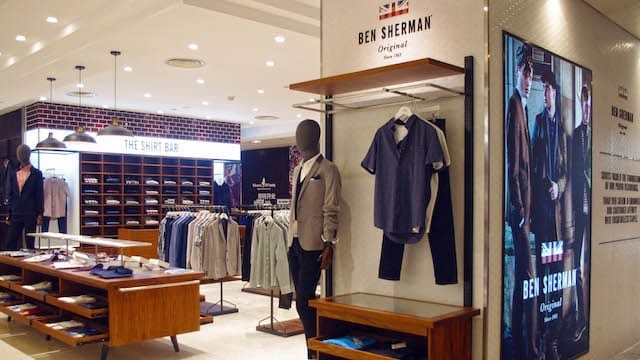
    British menswear brand Ben Sherman has opened for the first time in Shanghai – at two locations.

    The Ben Sherman China stores are in the Hopson Mall and Sogo department store.

    “These distinct retail destinations are prime for Ben Sherman, with an influential core of millennial consumers,” says group GM Stanley Chou of MRH Sparotica Groupe, which oversees Ben Sherman China.

    Billy Du, Stanley Chou (Groupe General Manager MRH Sparotica Groupe), Richard Kisembo (CEO MRH Sparotica Groupe), Allen Hua, at the ribbon cutting ceremony for Ben Sherman’s expansion in Shanghai.

    Billy Du, Stanley Chou (Groupe General Manager MRH Sparotica Groupe), Richard Kisembo (CEO MRH Sparotica Groupe), Allen Hua, at the ribbon cutting ceremony for Ben Sherman’s expansion in Shanghai.

    He says Sogo is among the top five department stores in China. It is in the Jing’An district in central Shanghai, on China’s most influential fashion street, Nanjing Road.

    In the Yang’Pu district in the city’s north, the Ben Sherman Hopson One store is close to the new Apple Hopson One store. The mall is tailored to upper-middle-class residents, drawing on a population of more than 1.3 million residents within a 5km radius.

    ben-sherman-shanghai

    Ben Sherman signed on for its China expansion in June.

  • Pei Wei Asian Diner plans 11 Korean stores

    Pei Wei Asian Diner plans 11 Korean stores

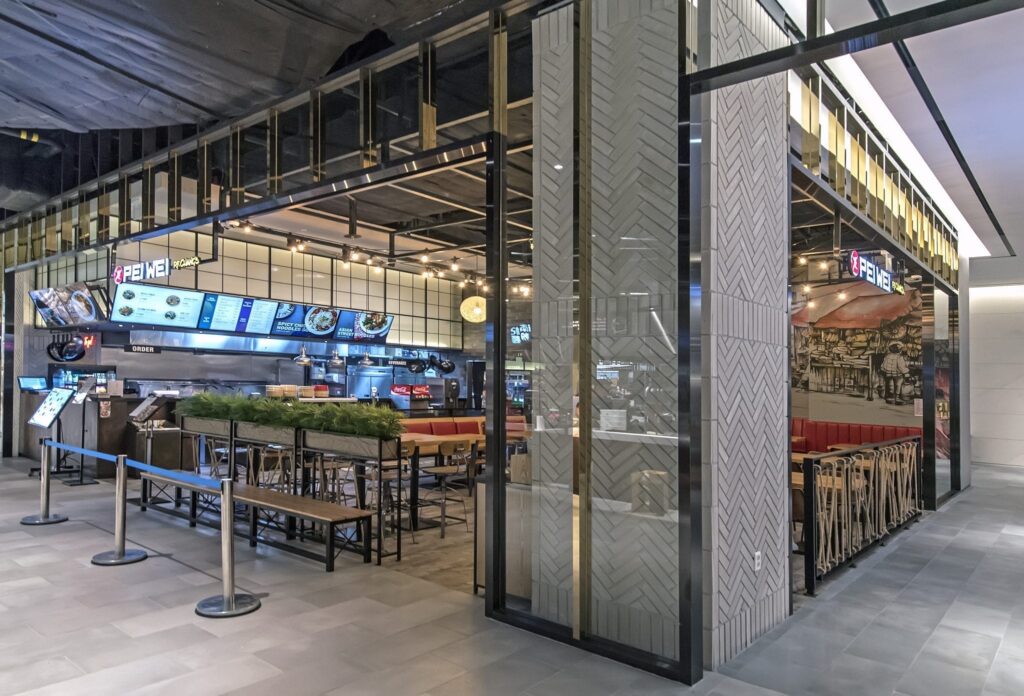
    Pei Wei Asian Diner, the fast casual pan-Asian US restaurant chain, has opened the first of 11 restaurants planned for South Korea.

    Known for bold flavors and an affordable Asian-inspired menu, the US company has partnered with ELX Food & Beverage, led by chef Justin Choi for its first foray into Asia.

    The inaugural store has opened at Starfield Hanam, the country’s largest shopping mall. The company is planning to open 10 more Pei Wei locations by end of 2017 including Daejeon Galleria Department Store and Busan Seomyun Lotte Department Store.

    pei-wei-outlet

    Choi will supervise the brand in Korea and Pei Wei will offer its characteristic ‘scratch and open kitchen’, which allows customers to see the cooking process that includes Chinese woks.

    Pei Wei is the second brand of the globally popular P F Chang’s which was brought by ELX F&B to the South Korean market.

    “South Korea’s sophisticated yet practical customers are a perfect target for Pei Wei’s simple, yet healthy and high-quality dishes,” said Kwak Ki-hoon, CEO of ELX F&B. “Through our insights and experience behind our successful launch of P F Chang’s, I look forward to leading local dining trends through Pei Wei’s flavorful selection and fresh offerings.”

    The Pei Wei menu in Korea will feature the same items popular in the US, including its signature Lo Mein and Quinoa & Fire Chicken, in addition to the ‘Wok Classics’ Noodle & Rice bowl options, soups, salads and Small Plate offerings.

    Founded in 2000, in Scottsdale, Arizona, Pei Wei owns and operates more than 200 restaurants in the US, Middle East, South Korea and airports.

  • DBS to offer digibank service in Indonesia

    DBS to offer digibank service in Indonesia

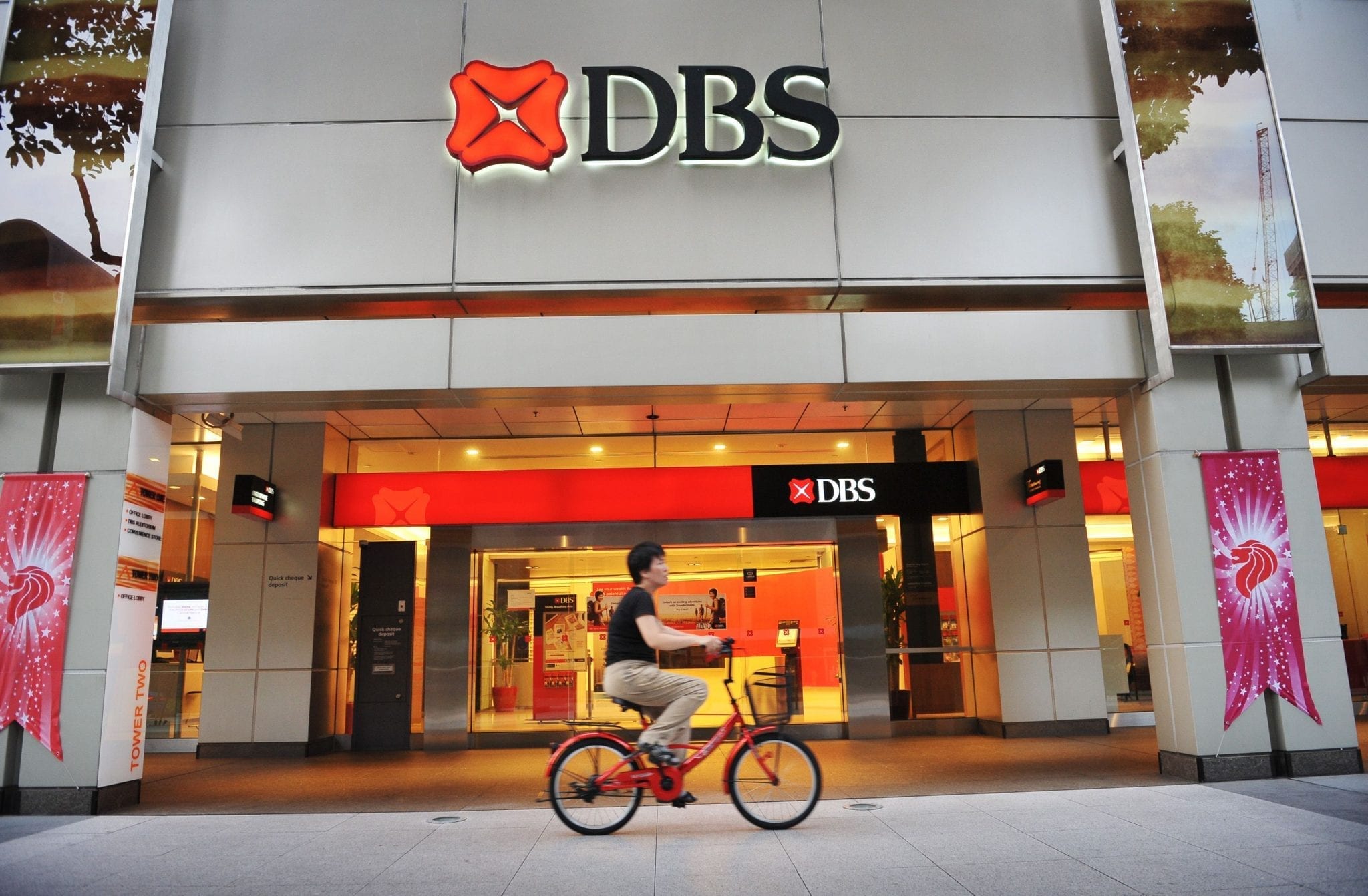
    DBS Bank plans to launch a mobile-only banking service in Indonesia by the end of the year.

    DBS Group chief executive Piyush Gupta told the Sweden-Southeast Asia Business Summit on Wednesday that the bank is targeting Indonesia to capitalise on the young, tech-savvy consumers among its 260 million population.

    “Indonesia is an important market with its size and scale, and the economic reforms taking place in the country,” he said. “There is great potential for business as we see a pickup in the country’s economy under the leadership of President Joko Widodo.”

    DBS’s digibank offering, which includes an e-wallet and a savings account, will be available to customers in addition to its consumer and corporate banking services at its 34 branches in 13 Indonesian cities. DBS opened its first branch in Indonesia – an outlet in Jakarta – in 1989.

    DBS hopes to replicate the success it is seeing in India since it started its digibank service there in April – the first mobile-only banking facility in the sub-continent, said a DBS spokesman.

    The service has attracted more than 250,000 new clients in the first four months of its operation.

    A digibank account can be opened in India with just a 12-digit Aadhaar number, which provides a unique biometric identification for all resident Indian citizens.

    More than a billion Indians have been issued with Aadhaar cards by the government. With over 200 million smartphone users in the country, the market for digibank is huge.

    The service’s e-wallet can be used for making payments, including telephone and electricity bills. Customers can also use a Visa virtual debit card to shop at over 100,000 online merchants.

    “While we continue to invest in growing our existing network in India, we also believe that with the digital revolution, the future of banking will be very different,” said the spokesman.

    “Increasingly, many customers want to be able to do their banking digitally and on the go. A successful digital banking strategy will meet changing customer needs, while enabling us to accelerate our reach in large geographies without the need for a large brick-and-mortar footprint.”

    Indonesian clients will be able to use their biometric national identity card to open digibank accounts.

    DBS said it intends to launch digibank in other markets after its introduction in Indonesia.

  • Garuda targeting Rp386 billion transactions during travel fair

    Garuda targeting Rp386 billion transactions during travel fair

    PT Garuda Indonesia is targeting transactions of up to Rp386 billion in ticket sales during the Garuda Travel Fair (GATF) Phase II in 2016, to be held in 18 cities in Indonesia.

    Commercial Director of Garuda Indonesia A. Toni Soetirto said at a press conference here on Thursday that for Jakarta alone, the company targets sales transactions amounting to Rp225 billion and 80 thousand visitors.

    “The implementation of GATFs second phase provides an opportunity for service users to receive attractive offers,” he stated.

    In addition, he targeted a 3 to 4 percent increase in occupancy rate (load factor) compared with the off-season or low season.

    “In the third quarter, the interest of the public is higher,” he remarked.

    The overall target for transactions, he added, was higher than that of GATF Phase I, which raised Rp350 billion, and in Jakarta alone raised Rp179 billion, with 69 thousand visitors.

    Soetirto said GATF Phase II will be held in 18 major cities: Jakarta, Bandung, Medan, Lampung, Palembang, Semarang, Solo, Yogyakarta, Surabaya, Denpasar, Lombok, Kupang, Balikpapan, Makassar, Manado, Ambon, Timika, and Jayapura.

    “Through this travel fair, the customers get the best prices and attractive packages,” he stated.

    Soetirto said Garuda Indonesia is also working with its subsidiary, Citilink Indonesia, as well as a number of travel agents to participate in the exhibition being held at the Jakarta Convention Center for three days from October 7 to 9.

    For the seventh time, Garuda will collaborate with Bank Negara Indonesia (BNI) as its bank partner in organizing the exhibition.

    On the same occasion, Director of Consumer Banking BNI Anggoro Eko Cahyo said BNI would offer a variety of promotions and convenient services for customers at the exhibition.

    Among them, BNI credit card holders will receive 600 cashback tickets per day with a value up to Rp1 million, while the banks debit card holders will have a similar offer.

    “We appreciate Garuda Indonesias invitation to partner with them again and share profits, values, and so on,” Cahyo noted.