Blog

  • Singapore e-commerce market to exceed S$7b in 2025

    Singapore e-commerce market to exceed S$7b in 2025

    The e-commerce market in Singapore is expected to be worth US$5.4 billion (S$7.46 billion) by 2025, according to a report by Temasek and Google released on Tuesday (May 24).

    This is larger than the casino industry in 2015, which was valued at about US$4 billion.

    The report found that Singapore’s e-commerce market was valued at US$1 billion in 2015, with online shopping making up 2.1 per cent of retail sales – the highest proportion of all Southeast Asian countries surveyed.

    Come 2025, Singapore’s e-commerce market is expected to make up 6.7 per cent of all retail sales, behind Indonesia’s 8 per cent, the report stated.

    Southeast Asian e-commerce markets in 2015 and projected figures for 2025. (Chart: Google, Temasek)

    Countries covered in the report included Indonesia, Vietnam, the Philippines, Thailand, Malaysia and Singapore.

    The report also highlighted the growth of ride-sharing services such as Grab and Uber. It noted that in 2015, the Singapore market was valued at US$800 million, tying with Indonesia. Overall, the region’s ride-sharing market was worth US$2.5 billion in 2015, with the figure expected to exceed US$13 billion by 2025.

    Ride-sharing market in 2015 and projected figures for 2025. (Chart: Google, Temasek)

    It added that Singapore will continue to record the highest fare per trip, three times that of the average fare in Southeast Asia.

    The report, which also looked at the venture capital and startup landscape in Southeast Asia, also found that as of 2015, Singapore is the most active country with 37 per cent of deal quantity and 72 per cent of deal value. Activity was mainly driven by two startups – Grab and Property Guru, which recorded investments of about US$350 million and US$130 million, respectively.

    It found that Southeast Asia is the world’s fastest growing Internet region, with an existing Internet user base of 260 million. This is expected to grow to 480 million users by 2020. Consequently, the Internet economy in Southeast Asia is expected to exceed US$200 billion by 2025, driven mostly by the growth of the e-commerce market, followed by online media and online travel, the report said.

    Driving growth are three factors unique to the region: A young population, with 70 per cent under the age of 40, a lack of big-box retail, as well as a rapidly growing middle-class, the report said.

  • Child labour used in Indonesian tobacco production, says NGO

    Child labour used in Indonesian tobacco production, says NGO

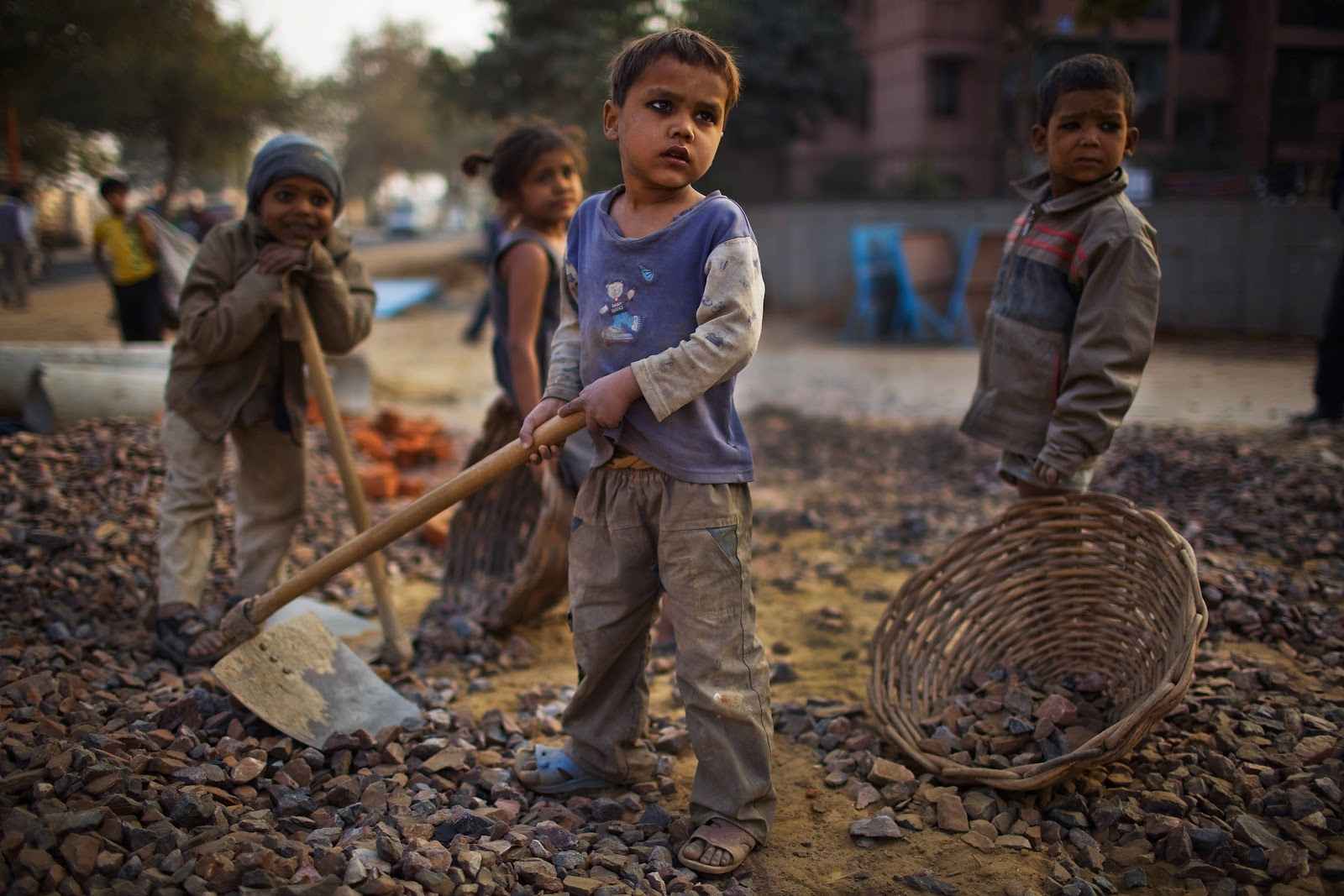
    International non-governmental organisation Human Rights Watch (HRW) said on Wednesday that child labour is used in tobacco plantations in Indonesia, whose harvest supplies local and foreign tobacco companies.

    Children, some of whom are just eight years old, are exposed to nicotine, handle toxic chemicals or use dangerous tools in extreme heat, HRW said in a report titled ‘The Harvest is in My Blood: Hazardous Child Labour in Tobacco Farming in Indonesia’, EFE news reported.”Tobacco companies are making money off the backs and the health of Indonesian child workers,” HRW researcher and report co-author Margaret Wurth said in a statement.Wurth and her team interviewed 132 children working in plantations in four Indonesian provinces, half of whom reported symptoms of acute nicotine poisoning from absorbing nicotine through their skin.The children are also exposed to pesticides and other chemicals which are linked to respiratory problems, cancer and depression.

    HRW urged companies to ban suppliers from employing children and called on the Indonesian government to regulate the tobacco industry and launch an education campaign to spread awareness about the health risks faced by children.Indonesia is the world’s fifth largest producer of tobacco, with over 500,000 plantations which employ more than 1.5 million children aged between 10 to 17 years, according to International Labour Organization data.Although Indonesia’s laws stipulate the minimum age for work at 15 and forbids those under the age of 18 from carrying out hazardous work, the tobacco industry still flouts these rules, according to HRW.

  • Panasonic Healthcare Indonesia Upbeat Over Export Opportunities

    Panasonic Healthcare Indonesia Upbeat Over Export Opportunities

    Panasonic Healthcare Indonesia, a local producer of equipment used in the health care industry, has set a target to increase sales by 70 percent over the next four years on the back of growing exports.

    The company, which is a subsidiary of the Japanese business group, eyes $88 million in sales by 2020, up from $51 million last year, it said in a statement on Thursday (19/05).

    Panasonic Healthcare also seeks to increase its workforce to 799 from 611 currently during the same period to raise production on blood glucose monitors, medical imaging monitors, dental intraoral cameras, heated incubators, and ultra-low temperature freezers.

    Parent company Panasonic Healthcare Holdings has acquired Bayer Diabetes Care, a leading global producer of blood glucose monitoring systems, earlier this year. The acquisition has opened more opportunities for the local unit to tap offshore markets.

    “Panasonic Healthcare Indonesia has great potential to increase exports,” the company said in a statement.

    Exports currently account for 88 percent of the company’s sales.

    Gobel International, which is controlled by former trade minister Rahmat Gobel, has a 5 percent stake in Panasonic Healthcare.

  • Ducati eyes gold in Indonesia’s big bike market

    Ducati eyes gold in Indonesia’s big bike market

    With the opening of its flagship store in Jakarta, Italian-based luxurious motorcycle manufacturer Ducati expects it will be able to tap into Indonesia’s growing big motorcycle market.

    The store, located in an elite area of Kemang, South Jakarta, opened up for the public on Monday and will serve as Ducati’s complete dealership, one-stop service, spare parts provider and certified used-bike re-seller in Indonesia.

    Garansindo Euro Sports, the new sole distributor of the Italian motorcycles, has allocated at least Rp 80 billion ( US$6 million ) in investment to finance the store and other sales supporting facilities including after-sale services.

    The store has started selling Ducati’s products such as the Monster 795, the Hypermotard, Multistrada, as well as Scrambler Ducati bikes like the Icon, Classic and Urban Enduro.

    The motorcycles carry an off-the-road price tag of between Rp 199 million and Rp 899 million. The Ducati Monster 1100, for example, sells for Rp 345 million, excluding taxes and other levies.

    Garansindo’s managing director Dhani Yahya said the 3,000 square-meter store was Ducati’s largest dealership in the world after the company’s distribution outlet in New Delhi, India.

    “This ambitious investment is expected to expand our market, which was previously considered inaccessible for our potential buyers and customers,” he said on Monday.

    Ducati’s service workshop is part of the flagship store and is able to handle up to 16 bikes per day. The workshop provides original Ducati spare parts imported directly from its plant in Thailand.

    Despite the country’s weak motorcycle sales, which continue to face pressures due to the country’s economic slowdown, Ducati is optimistic about the Indonesian market, given the country’s growing middle class.

    Dhani said that the market response toward Ducati motorbikes was positive so far as seen from the 2016 Indonesian International Motorshow, held in Jakarta last month. During the two-week exhibition, Garansindo managed to sell 52 Ducati motorbikes, a number Dhani said was a sizable one for premium bike sales.

    “The high number of purchased bikes last month proved that we can still generate large enthusiasm in this country,” he said.

    The opening of the flagship store is Garansindo’s first Ducati dealership after the distributor took over from PT Supermoto Indonesia last January. Dulcati’s sales declined last year and its old dealerships in Jakarta stopped operating after Supermoto Indonesia failed to maintain the business.

    To reverse Ducati’s mediocre sales history in Indonesia, Garansindo plans to open at least 12 branches across the archipelago by 2019.

    “Of course at present we will focus on developing this Kemang flagship store, but by 2019 we expect to add 12 more dealerships in places like Jakarta, Surabaya, Bandung and Bali,” Garansindo president director Mohammed El Abdullah said.

    One of Ducati’s customers, Firman Saladdin, said he expected better aftersales services after the dealership opening.

    “As a loyal customer, I want Ducati to improve its services and add more exclusive spare parts,” the Jakarta-based business consultant said.

  • Astra car sales down 2.7 percent to 208,804 units in Q1

    Astra car sales down 2.7 percent to 208,804 units in Q1

    The countrys largest automotive company PT Astra International recorded a 2.7 percent decline year-on-year in car sales to 208,804 units in the first four months of the year.

    Based on data at the Indonesian Association of Motor Vehicle Industries (Gaikindo), Low Cost Green Cars (LCGC) contributed 34,209 units to the total sales by Astra Group.

    The sales in the first four month, however, was on the rise from 47,159 units in January to 49,933 units in February, to 54,508 units in March and to 57,204 units in April.

    The Astra group produces and sells Toyota, Daihatsu, Isuzu, Peugeot cars and UD Trucks. Sales have continued to be dominated by Toyota with sales reaching 111,710 units in the January-April period.

    Peugeot sales were the lowest in number reaching only 14 units. Sales of Daihatsu cars totaled 56,854 units, Isuzu 5,490 units, and UD Trucks 527 units.

    Sales of motorcycles produced by PT Astra Honda Motor (AHM) reached 1,439,241 units, down 13.5 percent from 1,664,395 units in the same period last year.

    Sales of non Astra cars in the first four months of the year totaled 177,316 units down 1.67 percent from 180,340 units in the same period last year.

    Sales of non Astra motorcycles totaled 543,263 units.

  • AirAsia, budget carrier set to soar in Asean open skies

    AirAsia, budget carrier set to soar in Asean open skies

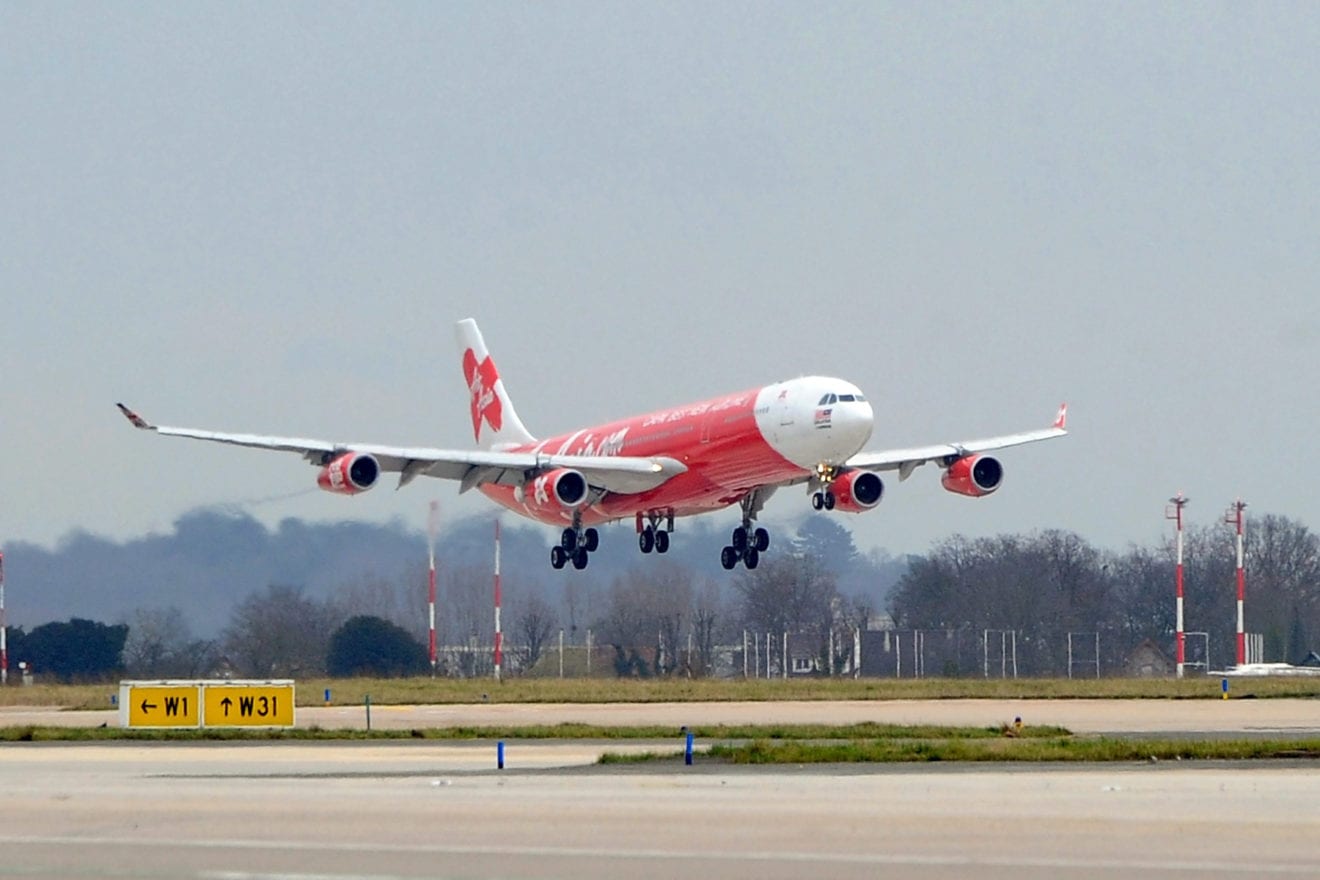
    Low-cost airline groups and manufacturers of smaller passenger aircraft will be among the main winners after Southeast Asia’s open skies agreement finally came into effect last month, although airport capacity constraints could limit the benefits.

    Ratification of the Association of Southeast Asian Nations (ASEAN) open skies agreements by Indonesia and Laos in April lifts restrictions on capacity and competition, allowing airlines to launch unlimited flights from their home to any point in the region subject to airport slot availability.

    Hubs like Singapore, which have a clear expansion plan, could gain from an increase in air services, as will budget carriers which are ideal for a region where no two points are more than a few hours apart, say analysts.

    “Airlines can launch any number of international flights as the market can support,” said Alan Tan, an aviation law professor at the National University of Singapore. “Travellers can thus look forward to more flights at more competitive prices.”

    Dominant low-cost airlines like Malaysia’s AirAsia , Indonesia’s Lion Air, and Philippine carrier Cebu Pacific plan to do just that.

    AirAsia, for example, wants more international flights from the Philippines and Indonesia, a spokeswoman said. This will help its affiliates, which have found it tough to break into the domestic market in those countries.

    “Improved connectivity in the region will be a boon to tourism and strengthen ASEAN as an economic union,” the spokeswoman said.

    Full service airlines like Thai Airways, Garuda Indonesia and Philippine Airlines, which have lost market share to budget carriers over the last decade, say they plan to use their long-haul network to connect passengers to their Southeast Asia services.

    The Singapore Airlines group has an additional advantage, given its ability to operate services using two premium brands and two low-fare subsidiaries, analysts say.

    The opening up of regional destinations can also boost manufacturers of 70-130 seater aircraft, like Brazil’s Embraer , Canada’s Bombardier and ATR, a joint venture between Airbus and Italy’s Finmeccanica.

    These planes can serve some routes more profitably than the larger Airbus A320s and Boeing 737s, they say.

    “Many of the region’s airlines are beginning to recognise the potential advantage of right-sizing and the ratification of ASEAN open skies, we feel, will simply accelerate the process,” said Mark Dunnachie, who leads Embraer’s aircraft sales in the Asia-Pacific.

    HUBS LIMIT GROWTH

    While there will clearly be winners from the open skies deal, the full gains could be limited by airport constraints.

    Bangkok’s Suvarnabhumi Airport, Ninoy Aquino International Airport in Manila, and Jakarta’s Soekarno-Hatta International Airport serve Southeast Asia’s three biggest domestic markets of Thailand, the Philippines and Indonesia respectively.

    All have reached full capacity with congestion and delays the norm, creating spillover problems for smaller airports in those countries as well.

    “Unlimited flight capacity is meaningless if airport and slot congestion remains unaddressed by governments,” Tan said.

    Singapore’s Changi Airport is the exception. Despite having relatively little domestic traffic, it has three terminals which can handle 66 million passengers and served 55 million in 2015, the most in Southeast Asia. Work has begun on two more terminals.

    Such long-term national aviation policies are needed due to the lengthy gestation period for terminals and runways, said Vinoop Goel, Asia Pacific director for airports at the International Air Transport Association (IATA), a global airline trade body.

    IATA estimates that ASEAN countries can add almost 25 million jobs and $298 billion to the region’s GDP by 2035 if they invest in aviation infrastructure. This is up from 11.6 million jobs and $144.4 billion to GDP in 2014.

    “Clearly, failing to tackle airport infrastructure will have an economic cost,” Goel said.

  • Woori Bank to offer insurance products in Indonesia, Vietnam

    Woori Bank to offer insurance products in Indonesia, Vietnam

    South Korea’s commercial bank Woori Bank will join hands with local insurance companies to provide insurance service and products from its global outlets starting with its local unit in Indonesia.

    According to bank sources, the bank will be able to sell insurance products of Hanwha Life Insurance Co. through its Indonesian unit Bank Woori Saudara in the second half of this year. The bank wants to establish up to 300 outlets across the globe and decided to add insurance service, a bank official said.

    Hanwha Life Insurance’s Indonesian operation was established in October 2013 and currently has eight branches and 1,200 insurance planners. It will sell savings insurance products like variable annuity through 131 Bank Woori Saudara outlets. The partnership will be a win-win arrangement for the two since they can save costs by mixing business and sharing business.

    Depending on demand, Woori Bank will also sell non-life insurance products of Samsung Fire & Marine Insurance Co. and KB Insurance Co. via its Indonesian operation.

    Woori Bank will also target Vietnamese bancassurance market in partnership with Hanwha Life Insurance. The bank has two branches in Ho Chi Minh and Hanoi in Vietnam. Since the branches have the license to sell bancassurance products, it plans to sell saving insurance products of Hanwha Life Insurance and later products of Samsung Fire & Marine.

    Hanwha Life ranked eighth in terms of new insurance contracts in Vietnam last year. The insurer has 12,500 insurance planners in 54 branches.

    According to Woori Bank, the Indonesian life insurance market has almost doubled from $5.3 billion in 2010 to $9.8 billion in 2014. Vietnam showed similar growth.

  • Shinhan Bank officially launches its Indonesian operations

    Shinhan Bank officially launches its Indonesian operations

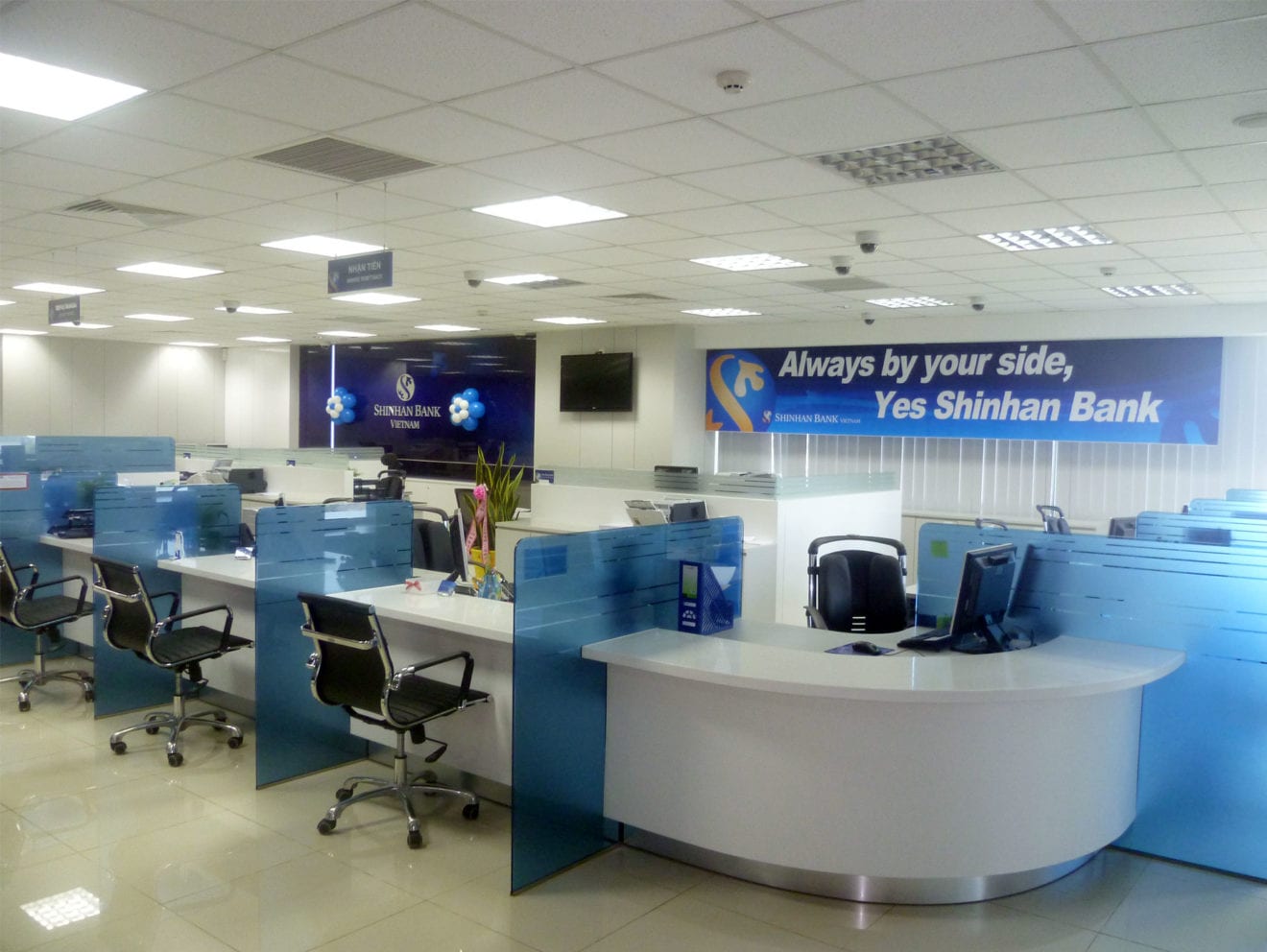
    South Korea’s Shinhan Bank has embarked on operations in Indonesia via Shinhan Bank Indonesia, a move that is expected to help the Korean bank expand its presence not only in the Southeast Asian country but also across Asia.

    Shinhan Bank said on Tuesday it officially launched Shinhan Bank Indonesia, which was renamed from Bank Metro Express (BME), a Jakarta-based bank with 19 branches that was acquired by the Korean bank last year. Shinhan Bank Indonesia is newly headquartered in the International Financial Center Tower 2 in Jakarta, the capital city of Indonesia.

    The kickoff of Shinhan Bank Indonesia’s operations follows a series of launches of the Korean bank’s overseas operations in other Asian countries such as Japan, China and Vietnam in recent years. The latest overseas operation is expected to help Shinhan Bank achieve its ambitious goal to build an extensive financial network across Asia.

    The Korean bank also aims to merge Shinhan Bank Indonesia with Centratama Nasional Bank (CNB), another Indonesian bank that it took over last December, later this year. The Indonesian bank has 41 branches across Surabaya, the second biggest city in Indonesia, and other cities in Java Island.

    Once the merger is complete, the Korean bank would have 60 networks across Indonesia, the world’s fourth most populous country. It currently has 141 overseas networks across 19 countries. It would also be the first in the Korean banking industry to purchase two offshore banks and merge them.

    Cho Yong-byung, the president of Shinhan Bank said at the launching ceremony on Tuesday that he expects the merger of the two Indonesian banks would set a new milestone in Indonesia.

  • Globe trials use of TV white space for broadband

    Globe trials use of TV white space for broadband

    The Philippines’ Globe Telecom has become the first operator in the nation to pilot using TV white space frequency for mobile broadband.

    The operator is collaborating with the ICT office of the Department of Science and Technology to trial use of the spectrum for broadband service delivery in multiple areas of the Philippines.

    Globe senior vice president for network technologies strategy Emmanuel Estrada said building additional cell sites to meet demand has proven to be a major challenge, with construction of a single site typically involving around 25 permits and at least 8 months of lead time.

    “We hope that making use of available spectrum would enhance bandwidth capacities and allow our network to transmit enormous amount of data at faster speeds,” he said.

    Estrada added that TV white space technology is also expected to help Globe roll out broadband to rural areas with low population density, where it is not economically viable to used fixed broadband technology.

    TV white spaces are the unused frequencies between UHF and VHF broadcast TV channels, located in the range of 54-MHz to 806-MHz. The long range and strong signal penetration of these frequencies make them well suited to telecoms services.

  • Mujosh Malaysia home to first international concept store

    Mujosh Malaysia home to first international concept store

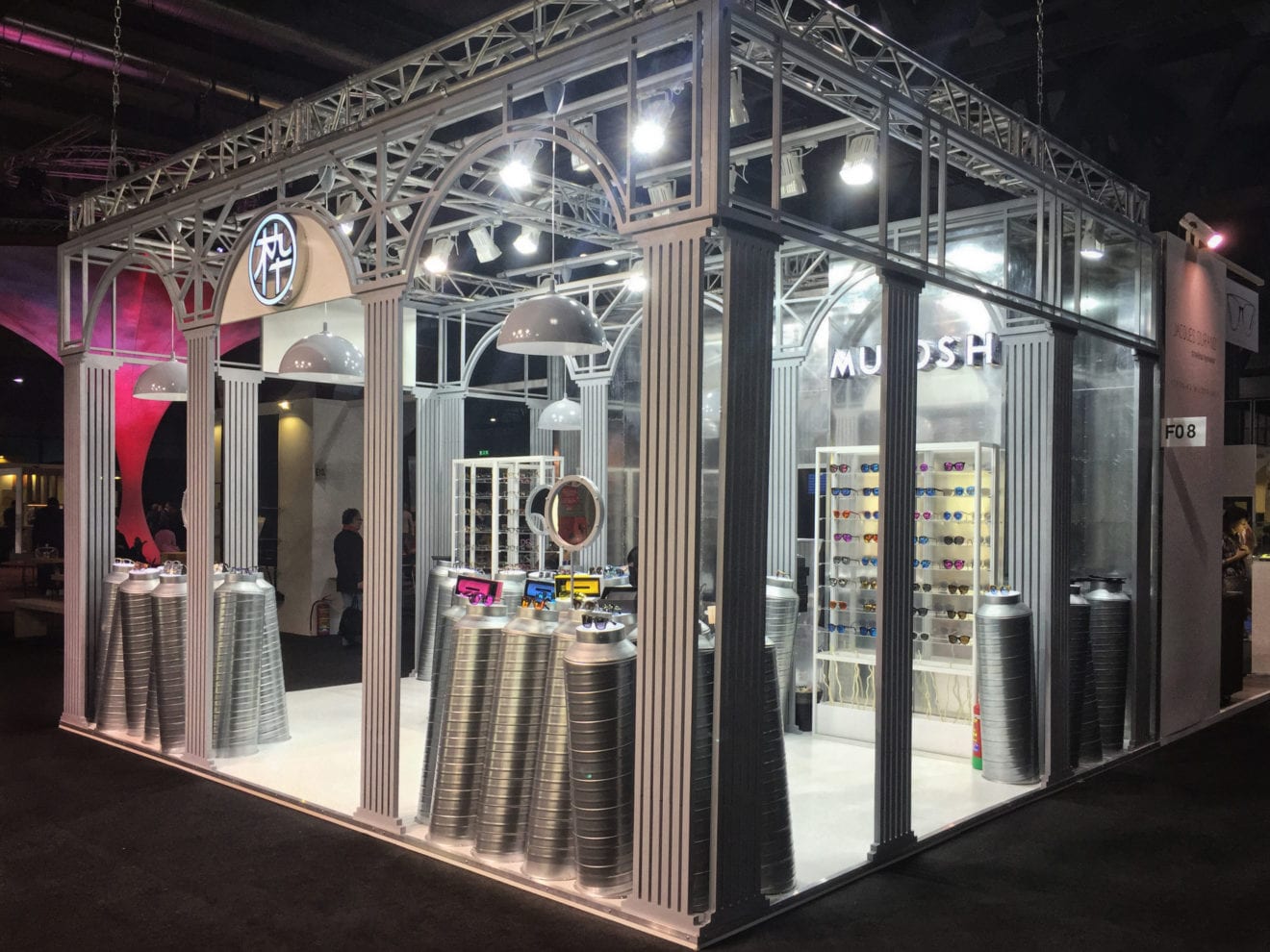
    Hong Kong eyewear retailer Mujosh has opened its first overseas concept store in Kuala Lumpur.

    The Mujosh Malaysia store is located in the Pavilion Kuala Lumpur at the heart of the Bukit Bintang retail district.

    Mujosh says by combining “industrial chic, nature and retro design style”, the concept store is aiming to bring a unique experience to customers.

    Owned by Photosynthesis Group, Mujosh is the first brand to go international since its parent company started its international business expansion at the beginning of 2015.

    “Malaysia is the first place we chose after deciding to expand into the international market,” said Grace Zhang, GM of international business division of Photosynthesis Group.

    “We are pleased to achieve another ‘first’ for the company here. We are still in search of international business partners with the goal of bringing our brands to more places and customers in the world.”

    Founded in 2010 by a group of young creatives who believe glasses are not only tools to improve eyesight, but also fashion accessories to differentiate wearers and make them stand out from the crowd, Mujosh has been growing steadily in Asia. Last month it opened a smaller store in Singapore.

  • Brightcove unveils product enhancements

    Brightcove unveils product enhancements

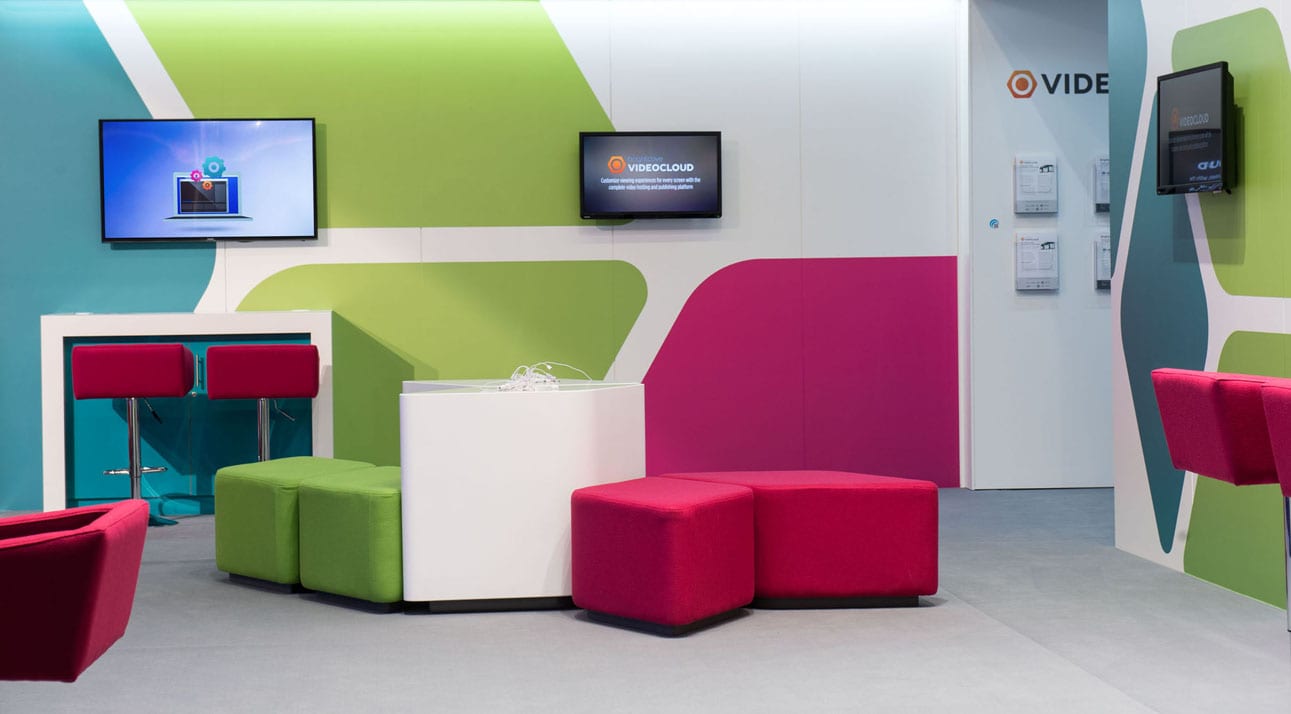
    Brightcove unveiled a series of product enhancements and technology innovations for its video platform and gave a sneak peek of its upcoming roadmap for the remainder of the year at its annual conference, PLAY 2016.

    The following products and enhancements were announced. First, the turnkey OTT solution for media companies and content owners — OTT Flow — which enables customers to rapidly deploy high-quality, direct-to-consumer, live and on-demand video services across platforms with no up front development costs.

    Second, Zencoder UHD Support now provides media companies with the ability to deliver 4K UHD content to devices of all types by adding support for UHD features.

    Third, Brightcove Audience has added a Salesforce integration that alerts sales teams about the viewership behavior of  individual prospects and customers. It also now enhances marketers’ ability to drive conversion and ROI from their video marketing initiatives by delivering new custom forms with call-to-action capabilities.

    Fourth, Brightcove customers can now easily provide their viewers with personalized programming to grow audiences and increase engagement through a new partnership between Brightcove and IRIS.TV.

    Fifth, the Brightcove Player now features support for 360 video. The feature is available now in beta for desktop browsers including Chrome, Firefox, Edge, and IE 11/Windows 8.1.

    And sixth, media companies can now expand their content libraries and create incremental revenue streams through a new content marketplace integrated into Video Cloud.

  • AccuWeather expands reach via Apple TV app

    AccuWeather expands reach via Apple TV app

    AccuWeather launched the all-new AccuWeather app for Apple TV, which further expands AccuWeather’s global reach across platforms by enabling users access across devices and locations.

    Apple TV users can now quickly and easily zoom in and out on radar conditions locally or anywhere in the world.  The enhanced AccuWeather app for Apple TV also provides highly detailed weather forecasts including AccuWeather’s patented MinuteCast minute-by-minute forecast with precipitation type and intensity for the next two hours, as well as start and end times, hyper-localized by Apple TV location.

    Additional new features include AccuWeather’s Day by Day 15-Day Forecast, expanded view of hourly weather forecasts, and AccuWeather RealFeel Temperature.

    The app offers an expansive variety of weather HD video content available from any news and information provider.

    “AccuWeather continues to demonstrate its commitment to an expansive global digital strategy with this application,” said Steve Smith, President of Digital Media for AccuWeather.  “Viewers can rely on AccuWeather’s personalized, exclusive weather experience on Apple TV, in addition to the AccuWeather iOS app, for weather information and updates with Superior Accuracy.”

    AccuWeather is the only app in the weather category to offer expanded language support on Apple TV, meeting localization needs with more than 100 languages and dialects. The app also provides real-time global severe weather alerts and warnings for Apple TV users.

  • StarHub, MCC launch Mandarin edutainment channel

    StarHub, MCC launch Mandarin edutainment channel

    StarHub TV and MyChinaChannel (MCC) have launched a dedicated Mandarin edutainment channel for kids aged three to 12, with a mix of cartoons and live action shows.

    In addition to offering carefully curated content from China, MaxToon—which is owned and distributed by MCC—will also develop locally produced content to cater to the needs of Singaporean audiences.

    The content will emphasize the importance of character development and values such as kindness and care for others. Young viewers can look forward to catching MaxToon from 6am to 12 midnight, with four hours of fresh content everyday. There will be Chinese subtitles made available for selected programmes.

    In June, a brand new variety talk show called Kids’ Talk, will be the first locally produced program to debut on MaxToon. In Kids’ Talk, the host will engage its young guests on various topics of the day.

    Through the eyes of these innocent, young minds, viewers will be able to enter the children’s world—as these young guests assume different roles such as a parent, a Member of Parliament, or as themselves—and give their interpretations and perspectives on the topics.

    To ensure a good lineup of educational yet entertaining content, MCC will also be partnering Marshall Cavendish Education to co-create a kids’ reality programme in the last quarter of this year.

    Called Young Runners, the series will see kids race against one another in a game where the pedagogy and content advice will be mapped to the MOE curriculum, testing kids on their Mandarin proficiency.

  • Thailand’s AIS launches prepaid broadband

    Thailand’s AIS launches prepaid broadband

    Thailand’s AIS has launched the nation’s first prepaid fixed broadband service, introducing a 15Mbps speed plan for a 500 baht ($14) monthly top-up fee.

    AIS has set a target of becoming Thailand’s second largest broadband player by 2019, citing comments from a senior executive at the company.

    The operator launched commercial fixed broadband services in April last year and had 450,000 subscribers as of December. AIS plans to increase this to 1 million by 2018 and 2 million by 2019.

    In order to achieve its growth ambitions AIS has allocated 7 billion baht to extend its fiber network to cover 24 provinces this year, and a further 10 billion baht to expand this to 40 provinces in 2017.

    Meanwhile rival Jasmine International, whose subsidiary Triple T Broadband operates landline broadband services under the 3BB brand – has retaliated by slashing the price of its 50Mbps plans to 700 baht per month, from 2,500 baht.

  • Ooredoo Myanmar launches 4G services

    Ooredoo Myanmar launches 4G services

    Ooredoo Myanmar has become the nation’s first operator to launch 4G services as part of a staged rollout.

    The operator has introduced 4G in parts of Yangon, NayPyiTaw and Mandalay, according to an FAQ on the company’s website.

    The company plans to cover half of Yangon’s townships, around 90% of NayPyiTaw’s townhips and all of Mandalay with the service.

    Over the next couple of months, Ooredoo Myanmar plans to upgrade around a quarter of its more than 3800 cell sites to 4G.

    But further rollouts will require more spectrum and cell sites, according to CEO Rene Maza. Ooredoo Myanmar plans to continue to expand its 4G network as it acquires these assets.

    Myanmar’s new Ministry of Transport and Communications recently revealed plans to auction 2600-MHz spectrum as part of its 100-day plan.

    Ooredoo Myanmar is offering 4G services at the same price as its existing 3G offerings.

    The operator’s main rival Telenor Myanmar is also gearing up to launch 4G services following successful tests in Yangon, Mandalay, Myawaddy and Muse.