Blog

  • GM Korea Posts Worst-ever Net Loss of 986.8 Billion Won in 2015

    GM Korea Posts Worst-ever Net Loss of 986.8 Billion Won in 2015

    According to industry sources on April 10, GM Korea reported 594.4 billion won (US$515.30 million) in operating losses and 986.8 billion won (US$855.48 million) in net losses last year. It is the worst-ever performance since its establishment in 2002.

    Industry watchers think that it is largely due to 186.9 billion won (US$162.03 million) of the equity method loss caused by its decision to shut its local factory following the withdrawal of the Chevrolet brand from Russia. GM Korea halted sales of the Chevrolet products in Russia last year.

    Last year’s poor performance is also attributed to the fact that the automaker had sold its mid-size sedan Cruze with a 1.8-liter engine for exaggerated fuel economy claims in the domestic market for five years. As GM Korea decided to pay Cruze owners up to 430,000 won (US$373) per person to cover the difference between the stated fuel economy and the actual one, the total amount of compensation reached as high as 37 billion won (US$32.08 million) last year.

    Moreover, higher labor costs despite the decrease in car sales also added to its worst-ever performance. The automaker shipped a total of 621,872 units at home and abroad last year, down 1.4 percent from the previous year. However, its labor union has strongly protested the company’s decision to continue importing all units of its full-size sedan Impala from the United States for sales in Korea despite strong sales at home.

    GM Korea is looking for various ways to improve its financial state. The automaker has decided to organize a special task force team with staffs across the company, including labor union and management, in a bid to prepare measures to revitalize sales in the local market. Starting in January, it has introduced a direct sales system that guides individual dealerships to sign direct contracts with the automaker unlike in the past when they were in touch with regional dealers. This change has simplified the overall retail structure of GM Korea and is expected to cut tens of billions of won of annual costs.

  • Ford Malaysia notches up 650 units in sales in March

    Ford Malaysia notches up 650 units in sales in March

    Ford Malaysia has announced its retail sales figures in the country for the month of March 2016, which grew 24% from the previous month to 650 units. In February, the company managed to shift 524 units.

    The sales performance was largely contributed to by the Ranger. While 432 units of the pick-up truck were sold in February, the month of March saw a 19% increase to 513 units. Even discounting the Ranger, Ford’s sales of the rest of the line-up rose from 92 units in February to 137.

    Ford Focus 1.5L EcoBoost quick drive 3

    “As the most capable, most powerful and smartest truck in the market today, the Ranger stays true to ourBuilt Ford Tough heritage, and we’re pleased that demand continues to grow across both Peninsula and East Malaysia,” said David Westerman, managing director, Malaysia and Asia Pacific Emerging Markets, Ford Motor Company.

    As for the remaining units sold in March, they are represented by the other models in the line-up, including the recently-introduced Focus facelift with its 1.5 litre EcoBoost engine. We already had a go in the C-segment model, where we praised the car’s revised dynamics and easy-to-use assisted parking features.

  • Smart starts deployment of LTE-Advanced

    Smart starts deployment of LTE-Advanced

    The Philippines’ PLDT, through wireless subsidiary Smart, has commenced the rollout of LTE-Advanced carrier aggregation.

    The operator has initially deployed the technology in the popular tourist destination of Boracay, marking the first implementation of the technology in the Philippines.

    Smart said the Boracay LTE-A network has posted speeds of up to 250Mbps. The company started testing the technology in Boracay and other locations in 2013, and has commenced the rollout now commercial devices that support LTE-A are available.

    “Combined with our other network improvement initiatives for both our mobile and fixed line networks, the introduction of LTE-A will help boost internet services in the country and enable more Filipinos to enjoy and benefit from the fast-growing range of digital services that PLDT and Smart offer,” PLDT and Smart CTO and information adviser Joachim Horn said.

    These initiatives include a program to integrate the networks of PLDT mobile brands Smart and Sun to improve network quality for subscribers of both. This is expected to improve the effective coverage for subscribers by anywhere from 50% to 100% depending on service area.

    Horn said particular attention is being paid to enhancing 3G coverage because 90% of Smart and Sun’s mobile internet users have 3G handsets.

    “We are also planning ahead, in anticipation of future advances in technology. Our current investments in network facilities are already being done in a way that will enable us to be ready for 5G when it arrives sometime in 2020. For this purpose, we are working closely with NTT DoCoMo, which is one of the global pace-setters in the development of 5G,” Horn added.

  • LinkedIn opens data center in Singapore

    LinkedIn opens data center in Singapore

    LinkedIn has opened its first data center in Singapore, spanning 23,500 square feet in Jurong. This is one of six data centers for LinkedIn globally, and the first outside the United States.

    LinkedIn has invested S$80 million ($587.4 million) so far in the new data center, which was established to enhance the experience for the fast-growing base of LinkedIn members and clients across the Asia-Pacific region.

    With the facility the enterprise social media company aims to imrpove speed and reliability of APAC members’ access to LinkedIn’s services as they connect to professional opportunities on the network.

    Since January 2013, the number of LinkedIn members in APAC more than doubled to reach over 85 million members at the end of 2015. This includes more than 1 million members in Southeast Asia (of which more than 1 million are in Singapore), 34 million in India and 7 million in Australia.

    LinkedIn also counts prominent leaders as its influencers, including Narendra Modi (Prime Minister of India), Piyush Gupta (CEO of DBS Bank), Tony Fernandes (Group CEO of AirAsia), Shinzo Abe (Prime Minister of Japan) and Andrew Penn (CEO of Telstra). Over the same period, LinkedIn’s revenue in the region more than tripled.

    The new data center in Singapore processes all of LinkedIn’s online traffic in the Asia Pacific region and will also handle about a third of global traffic. It will also complement the continuing growth in LinkedIn’s storage and processing needs globally – in 2015, this growth was 34%.

    The smart design features are also expected to reduce the annual energy consumption of the data centre by a magnitude that is equivalent to powering about 100 private homes in Singapore. For more information about the data centre, please click here.

    “Asia Pacific is our fastest growing region in terms of member base outside of the US,” said Olivier Legrand, managing director of LinkedIn in Asia Pacific. “Singapore is the natural choice for us to locate this new data center, as it is already our Asia Pacific headquarters, and it offers the cutting-edge infrastructure and talent we need,” said Legrand.

  • Spotify Launched in Indonesia

    Spotify Launched in Indonesia

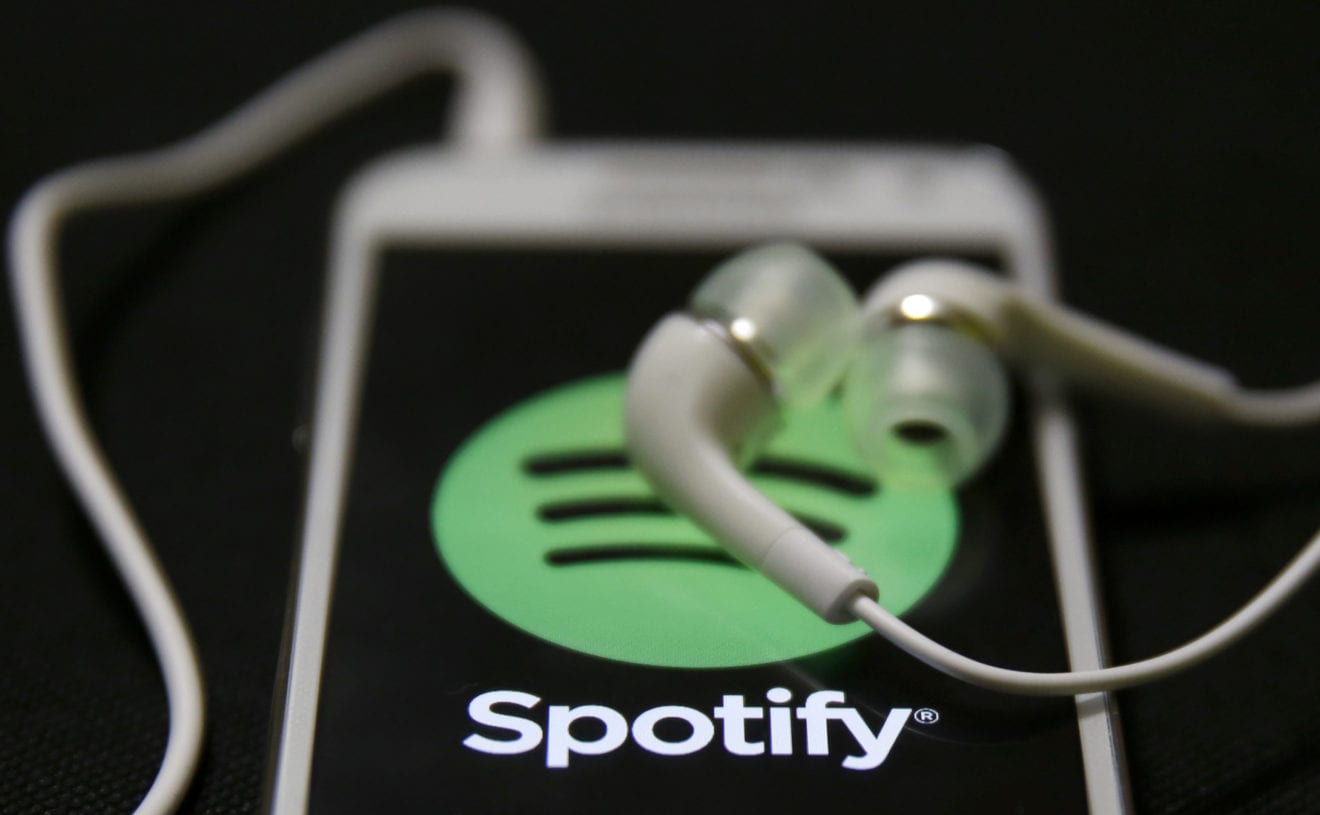
    Spotify is finally kicking back into expansion mode in Asia. Nearly two years after its last country launch in the region and close to four years after it first stepped into Asia, the music streaming service has confirmed plans to go live in Indonesia at the end of March.

    Indonesia could have serious potential for Spotify. The fourth most populous country on the planet, Indonesian smartphone sales are projected to grow by 20 percent this year as its population of 250 million becomes increasingly more affluent and connected to technology.

    Last October, we reported that Spotify was close to launch in Indonesia and Japan, too, and the company has been quietly upping its efforts in Tokyo, where it established an office some time ago. In one sign of its imminent arrival, Spotify inked a partnership with Japan’s top messaging app Line which, similar to its agreement with Facebook, lets users share Spotify tracks through the Line app.

    Beyond that deal, which is only available in markets where Spotify has launched (i.e. not Japan right now), and in another big hint at an impending launch, Spotify is currently hiring for 12 roles in Japan — including telling positions like head of consumer marketing, head of communications, social media marketing manager — while its central team tasked with market expansions has made trips to the Tokyo office.

    TechCrunch understands that, as was the case in October, the challenging landscape for music streaming services in Japan — where CDs still rule for music sales — has delayed Spotify’s Japan launch longer than the company would have liked. Already, though, Apple Music and a competing music service from Line (both a friend and rival, it seems) are among the services available in the country. Thus Spotify wants to act quickly and join them.

    Spotify declined to comment on its launch plans in Asia, Indonesia aside, when we asked. But we have come to learn from a source close to the company that it has begun to look at India.

    That interest is exploratory at this point, but Spotify would enter a challenging race were it to bring its service to India. Apple entered the country last summer when Apple Music launched globally, but local services like Tiger Global-backed Saavn and Times Internet’s Gaana lead the mobile music space. We haven’t heard much about how Apple Music is faring in India, but Spotify could be a better fit for the country since it offers a free version of its service and has a more robust Android app — both of which are essential in India.

    Asia marks a potentially important focus for Spotify, which recently hit the 30 million paying user milestone. Large swathes of the region are mobile-first or mobile-only, with many consumers reliant on their phone to provide all of their entertainment options. That opens an obvious window for mobile music services, but monetization is a huge challenge since Asia is less developed when it comes to paying for digital content and piracy reigns supreme.

    Spotify’s initial foray into Asia saw it land in small and fairly Western-influenced countries like Hong Kong and Singapore, markets where it was likely to see uptake, but now the Swedish company appears to have its sights set on larger challenges, starting with Indonesia.

  • IFC to extend $21m debt to half a dozen MFIs in Myanmar

    IFC to extend $21m debt to half a dozen MFIs in Myanmar

    IFC will extend from $3 million to $6 million financing to each selected MFI as a kyat-denominated loan. The move will deepen access to finance to the bottom of the pyramid market.

    The move will also enable the microfinance industry to commercially operate in the country.

    The IFC loan is expected to enable disbursal of 112,500 to 127,500 loans to low income households in the country, improving the underserved segment’s access to finance and create jobs, according to the IFC disclosure.

    “Microfinance in Myanmar has grown up on a lot of donor funding. IFC is trying to help formalise the sector and provide sustainable local currency debt to MFIs to expand their loan portfolios,” said Julie Earne, Lead, Financial Institutions Group of IFC in Myanmar.

    IFC is working across the financial sector with banks, microfinance institutions and digital finance companies to ensure all segments of the market are served.

    IFC stated that there are about 250 microfinance institutions in Myanmar that are yet to commercially operate. The proposed loan facility will provide the scarce and much needed commercial funding to those institutions. It is also into providing advisory services to the candidates to build internal capacity.

    Some of IFC’s existing microfinance clients include Acleda, Fullerton, Proximity Designs, Pact Global Microfinance Fund (PGMF) and VisionFund Myanmar.

    “We are looking at our existing investment and advisory relationships (on microfinance), as well as other clients that we were not working with yet, to put together a diverse group of institutions,” said Earne.

    IFC is currently in the process of reviewing the MFIs for participation in the debt facility.

    Back in 2014, the IFC launched The Myanmar Microfinance Development Programme with the funding support from the Canada Department of Foreign Affairs, Trade and Development and funding from Livelihood and Food Security Trust Fund (LIFT). It expects to improve financial access for over 270,000 clients with an aggregate loan of over $70 million by 2017.

    “Our existing programme provides technical assistance focused on formalising microfinance institutions, building capacity in treasury management, human resources, risk management, product development, assisting key players in the market to mature as they look to grow and scale their operations,” said Earne.

    Building on this programme, IFC is supporting MFIs to borrow local currency Kyat funding.

    “Right now the most critical issues for microfinance in Myanmar is to help facilitate local currency financing to MFIs so that they can expand their portfolios. We need to also crowd in and enable local banks to lend to MFIs. Local banks have kyat liquidity and it is important to facilitate them to lend to MFIs,” said Earne.

    The Central Bank of Myanmar just issued a mobile financial service rules and telecom operators like Telenor are in talks with some MFIs to use their mobile financial service for microfinance lending.

    IFC is engaged in the MFI operations for Myanma Awba, an agri-based business in Myanmar, in an advisory role, giving corporate governance assessment and drafting and implementing policies and training. Myanma Awba received a finance facility of $10 million in February 2016.

    IFC has been active in debt and equity investment to Myanmar corporations. Some recent involvements include a $-million support for Myanmar Industrial Port enhancement, a $25-million financing to retail group City Mart and $40-million funding to Sembcorp and MMID Utilities Pte Ltd’s gas turbine project.

  • Garuda Indonesia, Switzerland strengthen cooperation on airplane maintenance

    Garuda Indonesia, Switzerland strengthen cooperation on airplane maintenance

    The Indonesian flag carrier, Garuda Indonesia, and the Government of Switzerland will strengthen cooperation in the field of aircraft maintenance through a subsidiary of Garuda Maintenance Facilities (GMF).

    Director of Engineering and Information Technology of Garuda Indonesia, Iwan Joeniarto, said here on Friday (April 1) that the cooperation has been established in the form of arrangements for exchange of knowledge about aircraft maintenance, aircraft mechanic training and provision of maintenance, repair and overhaul (MRO) equipment.

    In the initial phase, the cooperation arrangement will be for five years for Boeing 737 New Generation.

    “Later, we will develop this arrangement further,” he said.

    According to Iwan, the Swiss authority is interested in cooperating with the GMF because the company is very competitive and has qualified human resources.

    “We have lands that are widespread, although we still lack in infrastructure,” he said.

    The Vice President of Switzerland, Doris Leuthard, appreciated the facilities owned by Garuda Indonesia Group and hoped that the existing cooperation could be improved and continued in the future.

    “The meeting today has provided us with new insights regarding a very positive synergy between Garuda and GMF as a subsidiary,” he said.

    Vice President Leuthard assessed that Garuda and GMF together form for a great potential in Indonesia in the face of the competition in the aviation world globally.

    The official working visit of the Swiss Vice President, who is also the Minister of Environment, Transport, Energy and Communications (DETEC), is part of a series of diplomatic visits to Indonesia.

    The Director of GMF, Juliandra Nurtjahjo, said the visit of the Vice President of Switzerland was an excellent opportunity and valuable for GMF. Also, it was in line with the companys target to be among the top 10 MROs in the world by 2020.

    “This is a very good opportunity for GMF because we can introduce our facilities and explore other areas for potential cooperation,” he said.

    Juliandra remarked that the MRO market is currently growing, including in Indonesia. There are at least 700 aircrafts that require MRO services with a market value of approximately US$ 900 million. So far, the GMF has been able to claim only about 30 percent of the market opportunity.

    Leuthard also met the Indonesian Minister of Transport, Ignasius Jonan, on Thursday (March 31).

    Both the officials renewed an agreement between Indonesian government and the Swiss Federal Council related to Scheduled Air Services in Jakarta.

    The renewal agreement aims to accommodate a wider mutual interest in the Air Service Agreement (ASA).

    The minister said although currently no Indonesian airlines flies to Switzerland, the agreement is the first step to open up opportunities in the future for Indonesian airlines to serve flights to the country.

  • Malang city expected to go intl through digital technology development

    Malang city expected to go intl through digital technology development

    The Minister of Trade, Thomas Lembong, expects Malang to go global, thanks to its digital technology-based development, and by introducing the world to its potential, especially in creative products.

    “Malang must go global. I believe Malang and its people can go global in the digital age through internet and social media,” Lembong said here on Friday (April 1).

    He added that the potential that Malang city offers, particularly in culture, creativity and innovation, should be introduced to the world through digital technology.

    Moreover, the community of Malang City is a creative community, he said.

    “Malang has creative people with modern ways of thinking. I wonder if the creative industries are well developed here?” Lembong said.

    According to the minister, the use of digital technology in everyday life in Malang can act as a strong resource to face regional and international economic competition.

    A life style based on digital technology is key to development in the 21st century when competition is more about human resources.

    “Any modern city should attract innovation and be inspirational. I can see that Malang will be very good in these aspects,” he said.

    In accordance with the governments program of Nawacita (the nine goals), it will build or revitalize 5,000 traditional markets by 2019.

    The Ministry of Trade prioritizes the development of local markets which are older than 25 years, and those which were destroyed by fire, natural disasters and post-conflict.

    In addition, the markets which are located in disadvantaged areas and border areas that lack trading facilities, or those with a huge trade potential, will also be developed.

    Since 2011-2016, the Ministry of Trade has revitalized or built 43 markets in East Java province with a budget of Rp250 billion.

  • Pertamina cooperates with state firms to develop solar power stations

    Pertamina cooperates with state firms to develop solar power stations

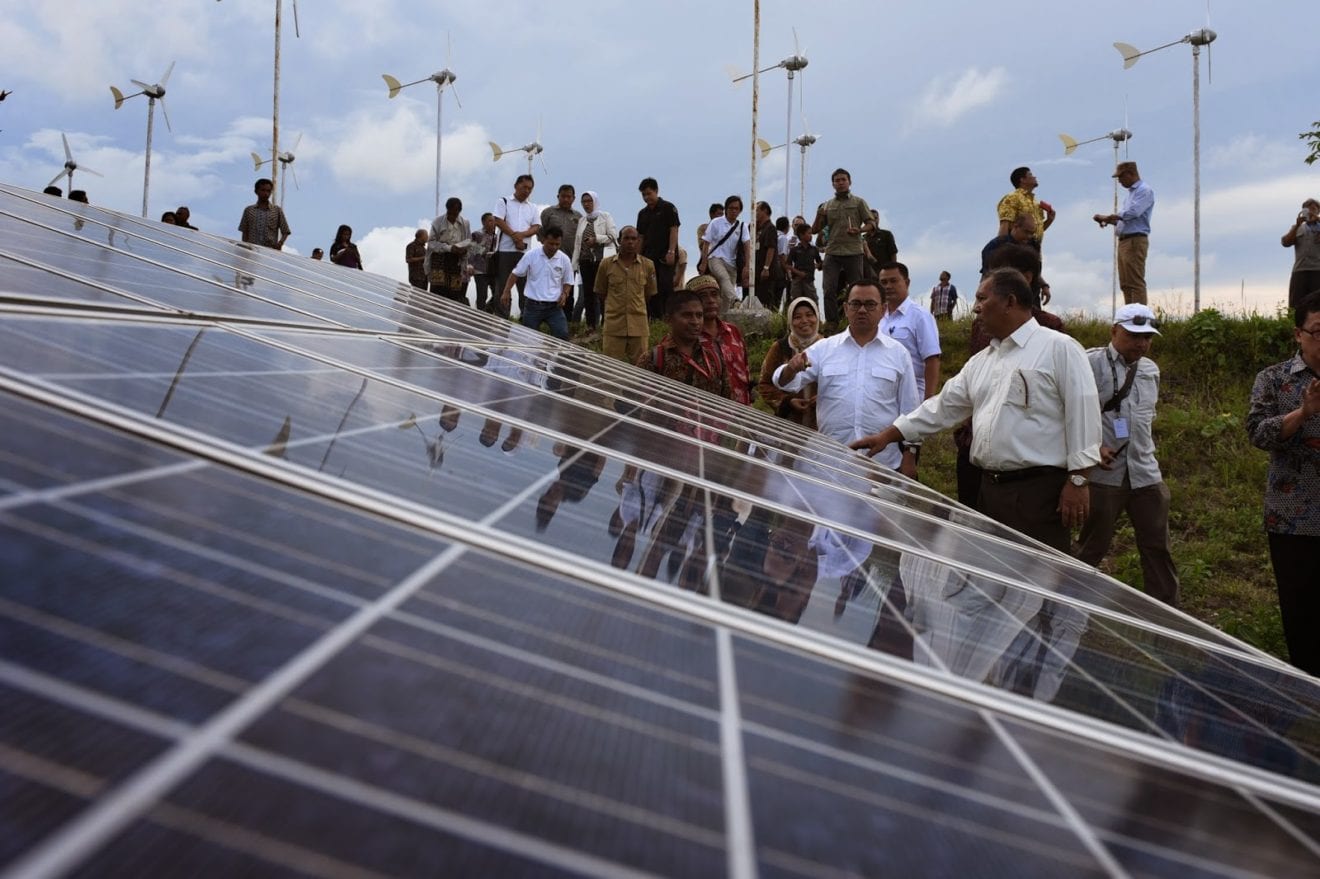
    State oil and gas company PT Pertamina is teaming up with three other state firms in developing solar power generating stations (PLTS), a Pertamina spokesperson said.

    The development of new and renewable energy projects will use the idle land owned by Pertamina and the other state firms, Pertamina Vice President for Corporate Communication Wianda Pusponegoro said here Friday.

    The three state firms are PT LEN Industri, PT Energi Management Indonesia and PT Sarana Multi Infrastruktur.

    The cooperation between Pertamina and the firms is relevant to the governments target of developing 35 gigawatt capacity power plants by 2019.

    Hopefully, 25 percent or 8.8 gigawatts of the electrical power will come from renewable energy sources, he said.

    The government has set itself the target of developing power plants with an installed capacity of 5 gigawatts or 5,000 megawatts by 2020. Pertamina has committed itself to building solar power stations with a combined capacity of 1,000 megawatts.

    “The synergy among the state owned companies can hopefully encourage the realization of new and renewable energy projects in Indonesia, which will be started in North Sumatra with a target of up to 60 megawatts in 2017. The projects will be continued in the next three years to reach the target of 200 megawatts by using the idle land owned by Pertamina in several parts of Indonesia,” he said.

  • Access to credit card transactions needed to check taxpayers` profiles

    Access to credit card transactions needed to check taxpayers` profiles

    Regulations are required to access taxpayers credit card transactions data, particularly of individual tax payers (WP OP), without violating banking laws, Finance Minister Bambang Brodjonegoro said.

    “We need the data for WP OP profiles because we cannot access their bank accounts as the banking law prohibits that. Therefore, we want access to their credit card transactions in order to check their tax profiles,” said Bambang here on Friday.

    Bambang said that if a taxpayer reported his or her monthly income at Rp5 million but his/her expenditure through credit cards reached Rp20 million per month, the tax officials will know that he or she has made an incorrect annual tax report (SPT).

    “This means that while he/she has claimed to have a monthly income of Rp5 million through the SPT, but his/her tax liability should be corrected. We will compare his or her transactions undertaken though credit cards with his or her annual tax report and see if these match,” the minister said.

    Bambang said the plan to put in place a regulation to access credit card transaction reports was discussed long back with the Financial Service Authority (OJK). The OJK will popularize it among banks and credit card issuers.

    Indonesian central bank (BI) Deputy Governor Ronald Waas said bringing in regulations to access credit card transactions will be problematic since the law on banks does not allow access to this information.

    “We can look at the banks confidentiality regulations to see if the credit card detail or information about savings has to be kept confidential. But all laws which regulate the confidentiality of data allow access to the same if it concerns national interest, but with the approval of the OJK,” the finance minister remarked.

    The Finance Ministry has issued a regulation which requires 22 banks and credit issuer institutions to report credit card data and transactions to the Directorate General of Taxations.

    The matter was regulated vide the Finance Ministers Decree No. 39/PMP.03/2016 on the Type of Data and Information as well as the Report Procedure of Data and Information which concerns taxation. It came into effect on the day of its enactment on March 22, 2016.

  • Swiss-Belhotel International extends Indonesian footprint with opening of Swiss-Belhotel Jambi

    Swiss-Belhotel International extends Indonesian footprint with opening of Swiss-Belhotel Jambi

    Swiss-Belhotel International continues its growth in all segments of the Indonesian hospitality industry with the opening of the four-star Swiss-Belhotel Jambi, Central Sumatra.

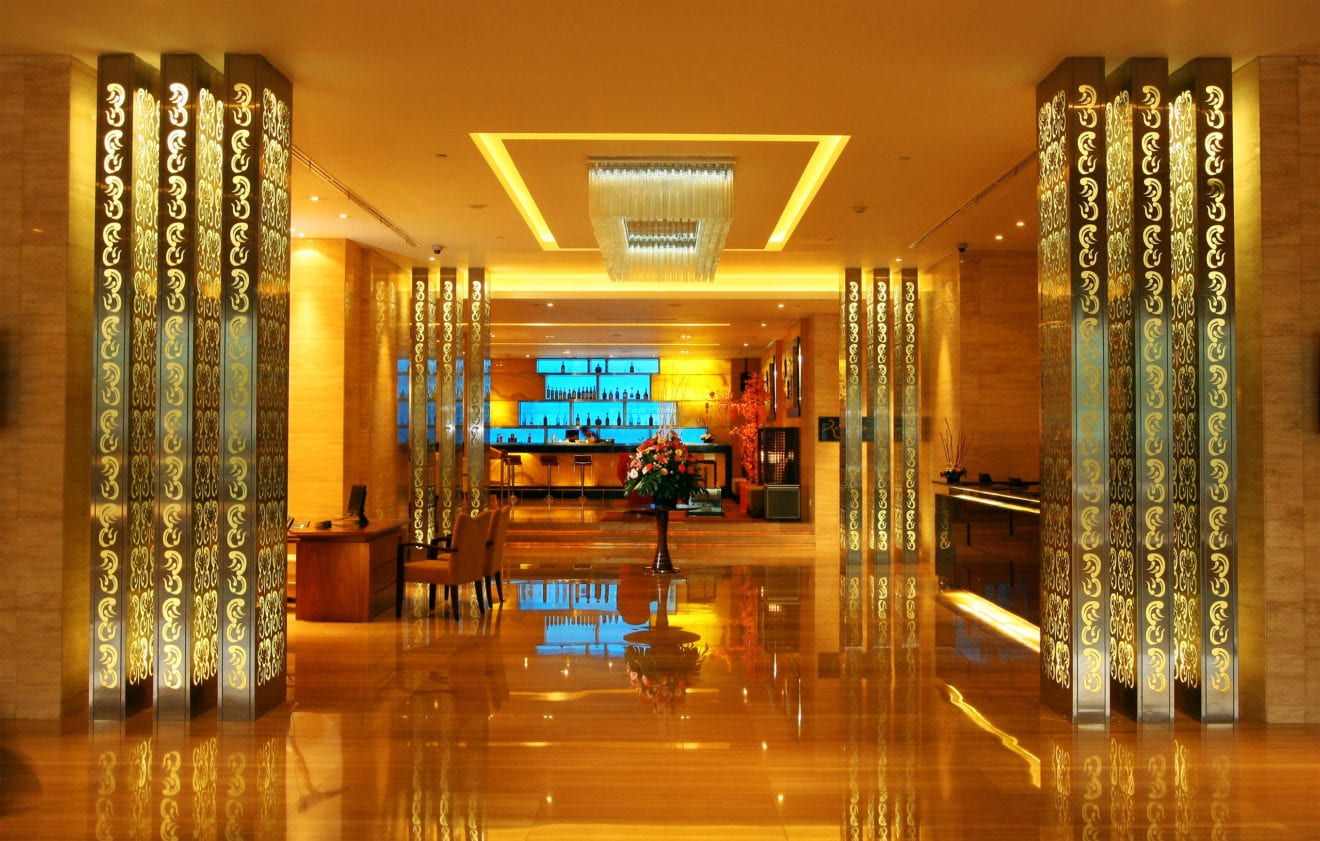
    The hotel is the first international property in Jambi with an impressive grand ballroom with seven-metre high ceilings, capable of hosting over 1,200 guests.

    The opening ceremony was led by the Mayor of Jambi, H. Syarif Fasha, ME who was accompanied by PT Selaras Jaya Indah Hotelindo President Commissioner Bapak Begawan Kamto, Swiss-Belhotel International Chairman and President Mr. Gavin M. Faull and Senior Vice President of Operations and Development Mr. Emmanuel Guillard.

    Swiss-Belhotel International Chairman and President Mr. Gavin Faull said: “Swiss-Belhotel International is delighted to welcome Swiss-Belhotel Jambi to our global portfolio of hotels and further strengthen our business in Sumatra.”

    Swiss-Belhotel Jambi offers 136 rooms with a minimum size of 31 square metres.

    “The property is ideally located in the business district and caters ideally to the local business community as well as leisure travellers who can now enjoy international standards of hospitality and service in the city.”

    As well as offering extensive function space, Swiss-Belhotel Jambi, boasts the largest lobby in town, extensive parking, rooms starting at a minimum size of 31 square metres and exceptional dining experiences highlighted by The View Café and signature rooftop outlet, Resto.

    The 136-room Swiss-Belhotel Jambi offers international standard amenities and facilities including individual air-conditioning units, in-room refrigerators, an IDD/NDD telephone system, laptop size in-room safety deposit box, tea and coffee making facilities, wifi internet access, in-room dining, five meeting rooms and ballroom, swimming pool, gym and business centre.

    Strategically located in the central business district, the hotel provides convenient access to a variety of local attractions, shopping malls and culinary options, making it an ideal choice for business or leisure travellers to Jambi.

  • Story-i to supply Indonesia schools

    Story-i to supply Indonesia schools

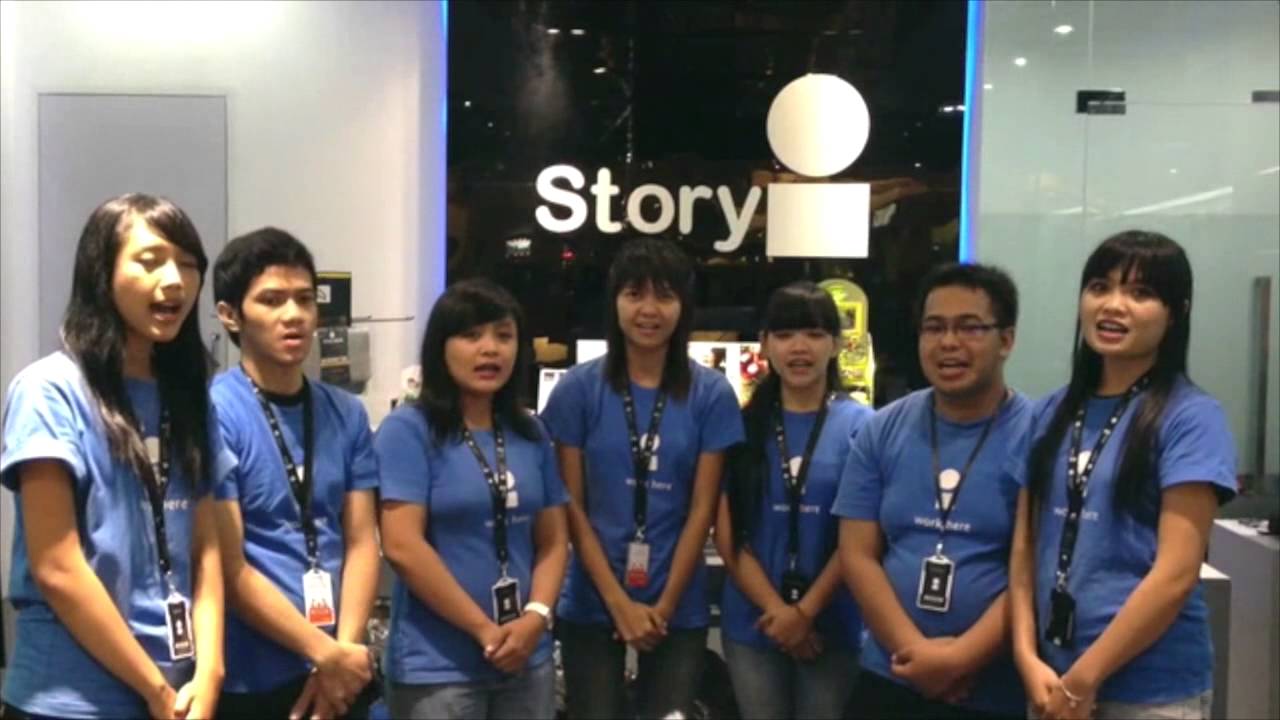
    Story-i will supply new Apple devices bundled with customised applications across Perkumpulan Sekolah Kristen Djakarta’s (PSKD) 16 schools in Indonesia.

    The contract extends to annual hosting and software maintenance fees, and service and maintenance of PSKD’s network infrastructure, potentially delivering $500,000 in sales.

    The rollout of devices, bundled education software and hosting services under the contract with BPK Penabur continues to progress on schedule.

  • Indonesia Best eMark Award 2015 goes for Hypermart

    Indonesia Best eMark Award 2015 goes for Hypermart

    SWA-Business Digest Magazine and Telkom University hold the Indonesia Best eMark Award 2015 to celebrate the 2nd Anniversary of Telkom University on September 10, 2015. During the ceremony, Hypermart as the core modern retail business of PT Matahari Putra Prima Tbk, received the prestigious award at the main event of “Bandung ICT Expo 2015” which was awarded by the Rector of Telkom University, Prof. Mohamad Ashari in Telkom University Campus.

    Director of Communications and Public Relations MPPA, Danny Kojongian stated “We are honored to receive this prestigious award from SWA Magazine and Telkom University, which show positive feedback from our valued customers toward our Hypermart’s services and operation, related in particular to the appropriate utilization of information technology toward our marketing and sales activities.”

    “This Award not only reflects an important milestone for MPPA, but more importantly confirms that our modern retail business strategy has been performing in the right direction and received splendid recognition from customers and other industry practitioners. Going forward, we will ensure that our service quality will be enhanced and strengthened to give the best practices of world-class standards to the growing markets and consumers in Indonesia,” he continued.

    Indonesia Best eMarK Award 2015 was awarded to Hypermart since it successfully managed to become one of the companies with improved business performance from the management and utilization of information and communication technology (ICT) in a right, smart and efficient way in the marketing and sales fields.

    Hypermart is expected to become an inspired role model for other companies in using the application and utilization of ICT systems in the marketing and sales area which are getting better over the time.

  • Indonesia’s ‘king of feature phones’ wants to copy AirAsia to beat Samsung

    Indonesia’s ‘king of feature phones’ wants to copy AirAsia to beat Samsung

    These are exciting times in Indonesia’s handset market. As smartphone prices drop and interest in entry-level devices surges, there’s a window of opportunity for local brands to carve out their spot in a market dominated by Samsung.

    The incentive to participate in this race is high. Data from market research group Counterpoint shows the smartphone segment is currently growing at 30 percent annually, while overall phone unit shipments remain steady. It means that Indonesians are now willing to spend on replacing their feature phones with smartphones, and are doing so in droves. Smartphone shipments reached 9 million units in Q2 2015, the study found.

    A growing long tail of local and foreign brands is competing for first-time smartphone buyers, and the figures show that local brand Evercoss is in a strong position.

    In Q2 2015, for the first time, Evercoss overtook Samsung in overall handset shipments – which includes feature phones and smartphones. The two brands have been in a fairly close race in the past three quarters. However, last quarter’s win for Evercoss can be in part attributed to Samsung’s significant losses.

    The bulk of Evercoss’s overall market share is carried by feature phones. Looking only at smartphones over that same period of time, Samsung’s market share is still dominant. But Evercoss is slowly closing the gap, with a little over 1 percent growth for its smartphone shipments in the previous quarter as Samsung continues to drop.

    Local brands in the smartphone era

    This is an interesting development to follow. If Evercoss continues to nibble away at Samsung’s spot in the smartphone segment, it would prove that local brands can take their feature phone buyers by the hand and lead them into the smartphone era without switching brands.

    ‘Graduating’ to an entry-level Samsung from their local brand may have been the obvious choice for Indonesians until recently, but it’s not as simple as that anymore. A multitude of devices are vying for buyers’ attention. Since there is less room to stand out in terms of hardware and design – many lower-end smartphones are manufactured in the same Chinese facilities anyway – standing out is now a matter of highlighting the right details.

    Evercoss CMO Ricky Tanudibrata is well aware of this. He’s directing the move to turn his brand from a commodity into an affordable yet aspirational product. In Ricky’s words, Evercoss wants to shed the image of being the “king of feature phones” to become the “AirAsia of smartphones.” AirAsia is his role model because the low-cost airline was able to make flying an option for a larger segment of people, and is perceived as the reliable option among its low-cost competitors.

    Evercoss’s strategy, Ricky tells he has been to stay true to the lower-end price segment, and to collaborate with globally recognized brands to increase its own appeal. It was one of the partners for Google’s Android One release in Indonesia. (Other local brands selling Android One versions were Mito and Nexian). Evercoss also recently cozied up with browser-maker Opera in a co-branding campaign.

    So far, the strong brand recognition – due to Evercoss’s ‘king of feature phones’ status – paired with a more global positioning seems to have done decently in terms of smartphone sales. Decently, but not great.

    Take another look at the Counterpoint chart: next to Evercoss, local brands Advan and Smartfren as well as Taiwanese Asus deserve mention; all three have shown strong performance in smartphone shipments last quarter. Advan has been consistently strong with a broad range of smartphones reaching from the low end into the middle segment. Smartfren stands out with its recent Cyanogen-based Andromax Q series. Asus in particular had a successful run with the introduction of its Zenfone series at the beginning of the year and shot from nothing to 8 percent market share – which is much more impressive growth than Evercoss can boast.

    To be a Samsung killer, Evercoss needs to innovate

    Clearly, Evercoss’s status as most likely contestant to be a Samsung-killer in Indonesia is not set in stone. Ranks fluctuate, often tied to the release of new models. What we see is a game of mimicry and differentiation in a dynamic market. Evercoss’s next move, according to Ricky, is a partnership with Intel in its soon-to-be launched new line of phones and tablets. The popular Zenfone uses the same chipset.

    Following releases such as Smartfren’s affordable IDR 1,3 million (US$81) Andromax Q, which supports 4G LTE, Evercoss badly needs to launch its own 4G smartphone in the low-price segment. Ricky says the launch of such a device is in fact imminent and even showed us a prototype, without going into the specs.

    A major event in the mobile market last quarter was the passing into law of a much-talked about draft regulation: the ‘local content’ rule. In an attempt to limit the import of shelf-ready devices from China and elsewhere, the Indonesian government wants 4G LTE devices sold in Indonesia to be locally produced to a certain extent. The agreed figure is 30 percent by the beginning of 2017.How local brands are coping with the ‘local content’ law
    Compliance will be a challenge for foreign brands who don’t have any production facilities in Indonesia (Samsung proved its commitment by investing in factories). But it’s also a challenge for brands like Evercoss, who don’t make it a secret that a significant share of their manufacturing process takes place in China.

    “Obviously we think about this,” Ricky says. But he also doesn’t seem stressed out about it. “So far, it has not been finally decided how that 30 percent will be calculated.” What’s known is that ‘local content’ is going to include a range of factors, including investment, software, and labor, not just the hardware components. Ricky seems confident that Evercoss will be able to meet the standards when the time comes.

    The upcoming release and subsequent adoption of Evercoss’s Intel-powered new generation of phones and tablets is definitely something to watch. If Evercoss’s strategy to continue to upsell new devices to their existing customer base works out, and if the ‘local content’ law keeps out some newcomer brands from abroad who find it too difficult to comply, we may have ourselves a Samsung killer.


  • Jakarta hits airlines with restrictions

    Jakarta hits airlines with restrictions

    Indonesia has banned Thai-registered airlines from increasing their flights or changing the types of aircraft that fly into the country, Transport Minister Prajin Juntong said Monday.

    The Transport Ministry received the notification from its Indonesian counterpart on June 16, ACM Prajin said.

    ACM Prajin said the measures will not impede Thai Airways International(THAI) as the Thai-flagged carrier has no plans to increase flights toIndonesia.

    THAI currently operates seven flights out of Suvarnabhumi airport to Baliper week and 10 flights out of the airport to Jakarta per week.

    The Indonesian Transport Ministry said it would also ask to check airlines’ operation certifications for chartered flights to see if they are in line with required standards, ACM Prajin said.

    The minister said no Thai carrier currently operates chartered flights toIndonesia.

    He said the move by Indonesia came after an audit by the International Civil Aviation Organisation (ICAO), which on June 18 red-flaggedThailand over its failure to fix shortcomings in the Department of Civil Aviation (DCA).

    The shortcomings identified by the ICAO centred on failures to meet aviation safety standards in regards to regulating aviation businesses and granting air operator certificates.

    The safety concerns showed a lack of sufficient oversight to ensure implementation of ICAO standards, the organisation said after its audit.

    ACM Prajin said the Indonesian authorities will conduct frequent checks on Thai-registered airlines, but this should not be a cause for concern as the measure is also applied to flights to Japan.

    DCA director-general Parichart Khotcharat yesterday said Indonesia’srestrictions started on May 29, but it took time for the notification to be relayed from the Foreign Affairs Ministry to the Transport Ministry.