Blog

  • Singlife Pioneers Ai Integration In Singapore’s Insurance Industry With Salesforce’s Agentforce

    Singlife Pioneers Ai Integration In Singapore’s Insurance Industry With Salesforce’s Agentforce

    Singapore’s leading insurer, Singlife, has become the trailblazer in its field as it has integrated Agentforce, an Artificial Intelligence (AI) platform developed by Salesforce, into its operations. This collaboration is noteworthy as it is the first in Singapore that an insurance company has adopted the Agentforce technology.

    Unlocking AI Capabilities

    The new AI assistant will aid customer service executives by providing swift and accurate responses to diverse product-related inquiries. This will eliminate the need for manual search, thereby enhancing efficiency and precision in customer interaction.

    Enhancing Customer Service with AI

    Singlife has leveraged the Data Cloud of Salesforce, a high-capacity data engine built into the platform, to consolidate its vast internal resources, including product manuals, training materials, and FAQs, into a single, coherent system. In the past, customer service representatives had to manually peruse these resources to extract the needed information. Now, with the help of Agentforce, they can receive answers almost instantaneously, ensuring a faster, more dependable, and seamless customer experience.

    AI as a Key Business Strategy

    Romil Sharma, Singlife’s Group Head of Technology and Operations, has expressed that AI is more than just a tool, it is a vital component of their business strategy. The partnership with Salesforce enables Singlife to use AI practically, aiding their customer service executives in providing faster and more accurate responses. Sharma also noted that this integration marks the beginning of Singlife’s broader strategy to adopt AI across all its operations, including customer service, underwriting, claims, and distribution.

    Sharma further emphasised that Singlife’s primary goal is to establish AI as a crucial driver of growth, efficiency, and customer-centricity throughout its operations.

    Redefining customer engagement

    Arun Kumar Parameswaran, Executive Vice President & Managing Director, South and Southeast Asia at Salesforce, expressed his excitement over their partnership with Singlife. He believes that by using Agentforce and Data Cloud, businesses like Singlife can enhance their service efficiency, creating trusted and seamless experiences that result in lifelong customer loyalty.

    Empowering Financial Advisors with AI

    Following the successful implementation of Agentforce among its customer service executives, Singlife plans to extend the use of this AI technology to its network of financial advisor representatives. The goal is to equip advisors with timely, accurate, and reliable information that will enable them to serve their customers better.

    This initiative reflects Singlife’s ongoing investment in AI-driven transformation, underscoring its commitment to deliver faster, smarter, and more personalised service. It also sets a new standard for digital innovation in the insurance industry.

    Questions & Answers

    What is the significance of Singlife’s partnership with Salesforce?
    The collaboration signifies Singlife’s adoption of Agentforce, becoming the first insurer in Singapore to integrate this advanced AI technology into its operations.

    How does Agentforce enhance the work of customer service executives?
    Agentforce assists customer service executives by providing real-time, accurate responses to a variety of product-related inquiries, thereby improving efficiency and accuracy in customer interactions.

    What are Singlife’s future plans with AI technology?
    After the successful integration of Agentforce among its customer service executives, Singlife plans to extend its usage to its network of financial advisor representatives, aiming to empower them with reliable information to better serve their customers.

  • Standard Chartered Expands Reach In Singapore: Strategic Partnerships To Boost Global Indian Operations

    Standard Chartered Expands Reach In Singapore: Strategic Partnerships To Boost Global Indian Operations

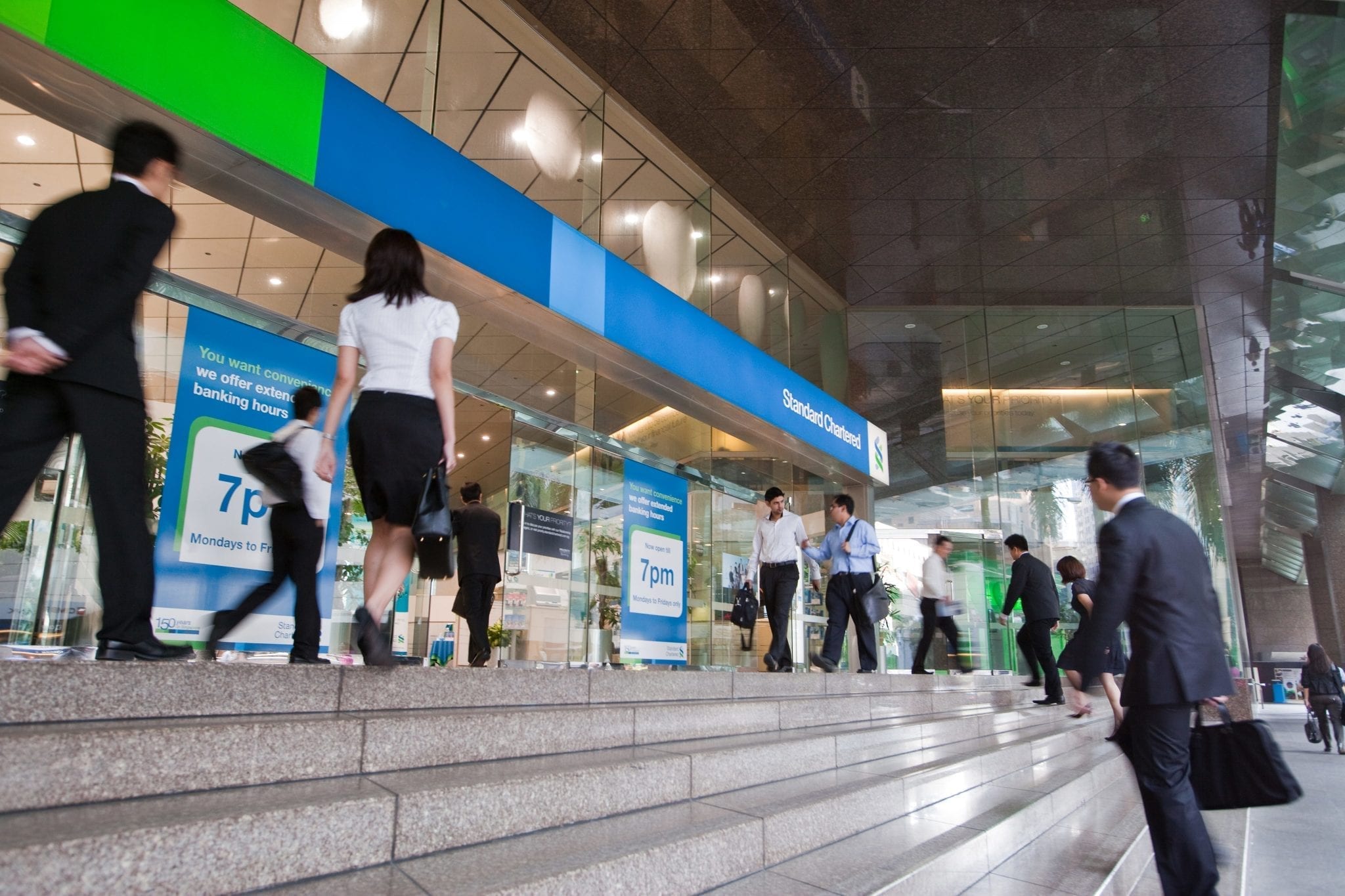
    Standard Chartered, a London-based financial institution, has recently entered into strategic agreements intended to increase its reach within Singapore’s business networks and boost the growth of its global India operations. These partnerships are with the Singapore Indian Chamber of Commerce & Industry as well as with the Institute of Chartered Accountants of India in Singapore.

    Unlocking Indian Networks

    The primary aim of these collaborations is to strengthen Standard Chartered’s global Indian proposition. This will be achieved by expanding its access to Indian business networks in Singapore and increasing its involvement within these communities.

    According to Standard Chartered, the number of high net worth individuals in India has doubled over the past decade. This demographic is projected to expand to 1.6 million individuals by the year 2027.

    James Lye, Standard Chartered’s Global and Singapore International Banking Head, has stated that these local partnerships will bolster the bank’s relevance in critical markets. It will also solidify its unique proposition and place the bank in a position where it can support and grow alongside the significant wealth creation occurring within these communities. He noted an increasing demand within the global Indian community for cross-border banking and wealth management solutions.

    Continuing the 2024 Initiative

    These new agreements are a continuation of broader efforts initiated in 2024 to update Standard Chartered’s global Indian proposition. The initial phase of this initiative involved enhancing connectivity with the bank’s hubs in various locations such as Singapore, Hong Kong, the United Arab Emirates, and the United Kingdom. This also included the development of a comprehensive set of global solutions and the provision of access to a new affluent wealth center in Mumbai, as well as various lifestyle experiences.

    Celebrating Deepavali

    A notable example of these lifestyle experiences was an exclusive Deepavali celebration recently hosted by the bank in Singapore. The event saw more than 200 clients from priority, private, and corporate banking sectors in attendance. This celebration was headlined by acclaimed Hindi playback singer Sonu Nigam and featured a traditional Diya lighting ceremony, as well as a classical sitar and tabla performance.

    Questions & Answers

    What is the aim of Standard Chartered’s recent strategic agreements?
    The aim is to strengthen the bank’s global Indian proposition by expanding its access to Indian business networks in Singapore and increasing its involvement within these communities.

    What demographic trends have been noted by Standard Chartered in India?
    The number of high net worth individuals in India has doubled over the past decade, and it is projected to continue growing, reaching 1.6 million individuals by 2027.

    What was the 2024 initiative by Standard Chartered?
    Initiated in 2024, the project aimed at updating Standard Chartered’s global Indian proposition. This included enhancing connectivity with the bank’s hubs across the globe, developing comprehensive global solutions, and providing access to an affluent wealth center in Mumbai, along with various lifestyle experiences.

  • First Brands’ Bankruptcy Exposes $500 Million UBS Exposure: Unsecured Creditors Unearthed Amid Complex Financing Structure

    First Brands’ Bankruptcy Exposes $500 Million UBS Exposure: Unsecured Creditors Unearthed Amid Complex Financing Structure

    On September 29, 2025, First Brands Group, a formerly profitable manufacturer and distributor of automotive aftermarket parts, filed for Chapter 11 protection in the U.S. Bankruptcy Court for the Southern District of Texas. The company reported over $10 billion in liabilities against an annual revenue of approximately $3.5 billion.

    A Shift in Financial Structure

    First Brands Group, once a standard parts supplier, progressively developed into a complex system of layered financing and circular cash flows. This intricate evolution involved multiple originators factoring receivables, inventory collateral purportedly mixed or pledged to several lenders, and substantial payables securitized off the balance sheet. As liquidity evaporated, the company’s creditors grappled with identifying legitimate collateral.

    UBS Hedge Fund Solutions and UBS O’Connor Funds

    In the midst of this financial turmoil, the UBS Hedge Fund Solutions platform and UBS O’Connor funds surfaced as First Brands’ most substantial unsecured financial creditors. The two entities held a total of $349.8 million in supply-chain-finance claims and additional secured exposures, pushing the total beyond $500 million. No other major bank was identified in the list of unsecured creditors. However, indirect involvement through the financing of working-capital originators or conduits might still transpire as the bankruptcy proceedings continue.

    Potential Misunderstood Risks

    UBS’s involvement in the case was unexpected, casting an unfavorable spotlight on the small player in U.S. corporate finance. Even though the immediate impact on shareholders seems minimal, the situation recalls earlier controversies. UBS could once again face accusations of endorsing products with poorly understood risks and unreliable marketing strategies.

    In 2023, UBS Asset Management marketed a strategy to professional investors promising double-digit returns, using a presentation titled “UBS Working Capital Finance Strategy.” The presentation featured a North American auto-parts manufacturer with a 35 percent EBITDA margin and over $2.8 billion in revenue. The company was described as participating in an uncommitted supply-chain-finance program that started in August 2019, with a 17 percent fixed yield, a 60-day tenor, and a B2/B corporate rating.

    Alarming Economic Implications

    The economic implications of such a strategy were alarming. No financially stable industrial company would willingly surrender 17 percent of its margin merely to lessen supplier payments for two months. In the case of First Brands, their aggressive, debt-fueled acquisition strategy left the balance sheet perpetually low on cash. For credit investors, this pricing should have been viewed as a red flag rather than a lucrative opportunity, highlighting the dangers of adverse selection.

    Questions & Answers

    Q: What led to First Brands Group’s financial instability?
    A: An aggressive, debt-fueled acquisition strategy left First Brands’ balance sheet perpetually short of cash, leading to its financial instability.

    Q: Who were First Brands’ largest unsecured financial creditors?
    A: UBS Hedge Fund Solutions platform and UBS O’Connor funds emerged as First Brands’ largest unsecured financial creditors.

    Q: What could be the potential repercussions for UBS?
    A: UBS could face accusations of endorsing products with poorly understood risks and unreliable marketing strategies, similar to past controversies.

  • Adapting To Trade Changes: Fedex Bolsters Support For Asia Pacific Businesses Amid Market Shifts

    Adapting To Trade Changes: Fedex Bolsters Support For Asia Pacific Businesses Amid Market Shifts

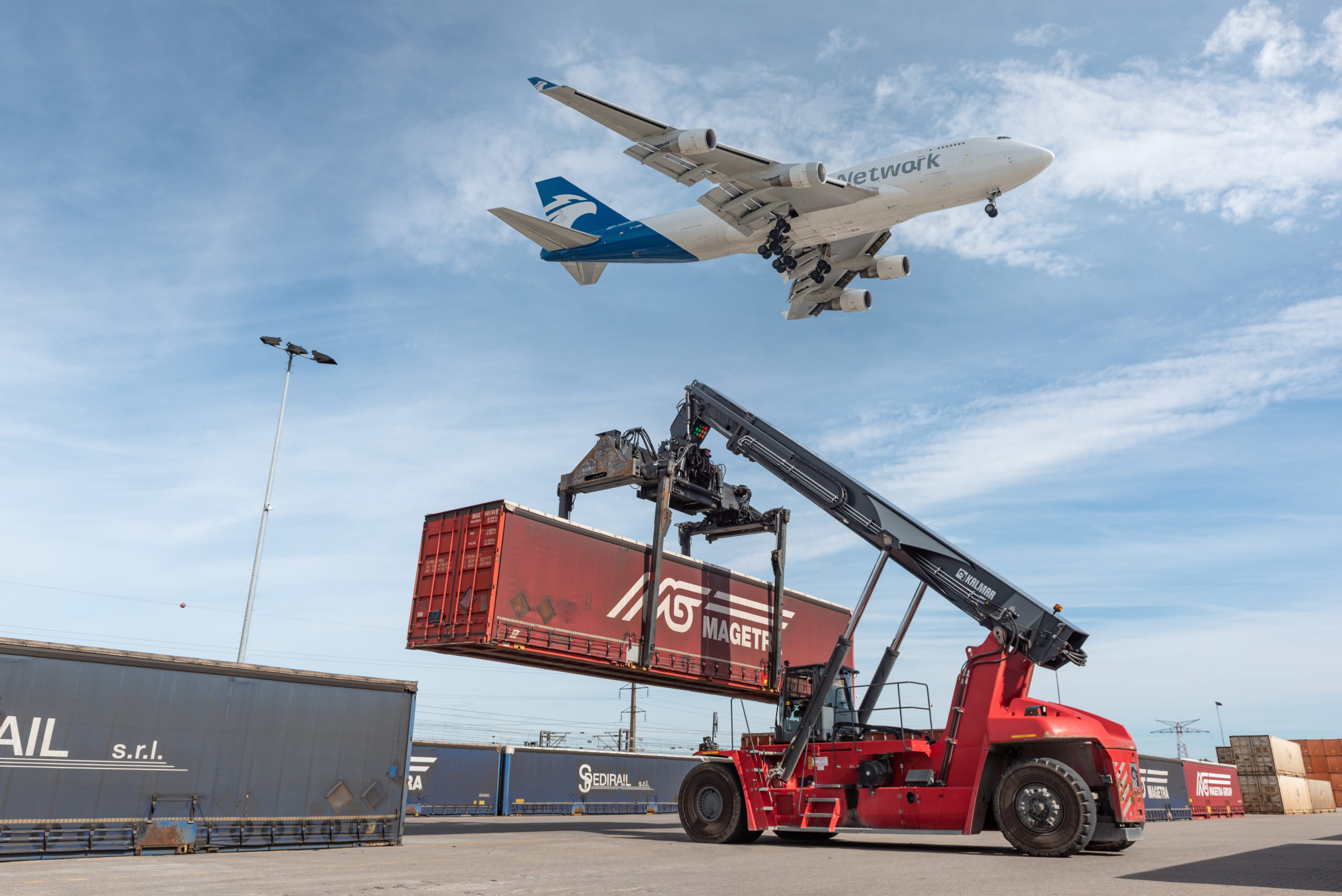
    Federal Express Corporation, a world-leading express transportation company, is enhancing its support for businesses throughout the Asia Pacific. This move is in response to adapt to shifting market priorities, alterations in tariffs, and changes in customs regulations.

    In response to recent modifications to the U.S. de minimis exemption rules, FedEx arranged a series of webinars across nine markets in the Asia Pacific. These sessions attracted over 3,800 customers ranging from small- and medium-sized enterprises to multinational corporations. The webinars offered valuable insights on maintaining operational efficiencies, customs clearance, avoiding unexpected costs, and enhancing shipping automation. This has equipped businesses with the necessary tools and guidance to navigate the intricate trade environment of today.

    Trade Priorities and Market Shifts

    Feedback received after the webinars underlined two significant trends in cross-border trade priorities: Delivered Duty Paid disbursement fees and shipment duties and taxes.

    Whilst one-fourth of the APAC businesses surveyed still regard the United States as their primary market, over 40% are planning to redirect their attention to Intra-Asia (22%) and Europe (21%) over the coming year.

    Cost control and duty visibility are key concerns, with 25% of APAC businesses emphasising the need for clear pre-regulatory volatility. The difficulty of keeping pace with ever-changing rules has been cited by 27% of businesses as a significant barrier to trade.

    Salil Chari, Senior Vice President of Marketing and Customer Experience for the Asia Pacific at FedEx, stated, “We are working closely with our customers to ensure they maintain efficient access to vital markets. We are leveraging our deep regulatory expertise, innovative digital tools, and the strength of our global network to help Asia Pacific businesses improve cost and duty transparency, reduce clearance friction, and unlock new growth opportunities across the region and Europe with confidence.”

    Strengthening Cross-Border Business

    In response to businesses’ increasing demand for greater trade guidance and digital solutions to support supply chain diversification and cross-border trade expansion, FedEx plans to expand its comprehensive suite of offerings.

    FedEx is one of the leading entry-filers in the U.S. and provides 24/7 support to ensure smooth shipment movement across more than 220 countries and territories. For U.S.-bound trade requiring particular attention, FedEx’s U.S. Tariff Hub offers updated guidance on tariffs, required documentation and customs policies.

    Furthermore, 27% of APAC businesses are seeking automated tools to expedite customs clearance. To this end, FedEx continues to invest in digital trade solutions, such as the industry-leading AI-enabled Harmonized Tariff Schedule code-lookup feature and a Customs AI chatbot.

    FedEx is also working to strengthen connectivity across critical intra-Asia and Asia-Europe trade corridors to support Asia Pacific businesses looking to diversify beyond the U.S.

    Questions & Answers

    What initiatives has FedEx introduced to support businesses in the Asia Pacific?
    FedEx has arranged a series of webinars providing insights on maintaining operational efficiencies, customs clearance, and cost management. They are also expanding their suite of offerings to include automated tools for customs clearance and strengthening connectivity across critical trade corridors.

    What are the top concerns of APAC businesses according to the feedback received by FedEx?
    The top concerns are cost control, duty visibility, and the difficulty of keeping pace with changing trade regulations.

    What digital solutions has FedEx introduced to support customs clearance?
    FedEx has introduced an AI-enabled Harmonized Tariff Schedule code-lookup feature and a Customs AI chatbot to help expedite the customs clearance process.

  • Pharma Leaders At Flypharma Highlight Air Cargo’s Role In Global Health

    Pharma Leaders At Flypharma Highlight Air Cargo’s Role In Global Health

    At the FlyPharma Amsterdam 2025 conference, leaders from the worldwide pharmaceutical industry gathered to highlight the importance of collaboration for the steady global transportation of essential healthcare items and life-saving medicines. The conference took place amidst the backdrop of rapidly changing regulations, shifting trade flows, and an uncertain geopolitical landscape.

    Growth in Pharma Sector Increases Demand for Specialised Air Cargo

    The global healthcare and pharmaceutical industry is projected to achieve a total worth of USD 1.77 trillion by 2025. This growth is primarily attributed to advances in biologics, digital health, and personalized medicine, along with increased patient access on a global scale.

    The industry’s momentum is directly reflected in increased demand for airfreight capacity, especially for temperature-sensitive, high-value shipments. The pharma airfreight segment alone is predicted to witness over 6 percent annual growth, as manufacturers and logistics providers prioritize speed, dependability, and adherence to Good Distribution Practice (GDP) standards.

    Air cargo carriers and airports are making significant investments in IoT tracking, cold-chain infrastructure, and digital visibility tools to cater to this growing vertical. The fastest growth is anticipated in corridors linking Asia, Europe, and North America. The pharma and healthcare logistics sector is emerging as a strong and premium segment within the global air cargo market.

    Schiphol: A Global Centre for Pharma Logistics

    Amsterdam Airport Schiphol is a crucial global hub for pharmaceutical logistics. With its central European location, advanced infrastructure, and robust network of logistics partners, the airport is essential for global pharmaceutical supply chains. Schiphol contributes significantly to the worldwide distribution of vaccines and medicines and enhances the Dutch economy, further establishing the Netherlands as a hub for international trade and innovation in life sciences.

    The pharmaceutical logistics ecosystem at Schiphol has considerable implications not only for global public health but also for the Dutch economy. In 2024, the Netherlands exported pharmaceutical products worth USD 38.49 billion, highlighting the sector’s role in driving trade, innovation, and high-value employment. Schiphol’s success as a pharma logistics hub encourages companies to invest, expand, and drive innovation in the Netherlands, making the country more competitive and appealing to life sciences entities.

    Schiphol’s importance as a global logistics hub was further underscored during the COVID-19 pandemic, during which it served as one of Europe’s primary gateways for vaccine transportation and temperature-sensitive pharmaceuticals.

    The Role of Air France KLM Martinair Cargo in Pharma Logistics

    Air France-KLM Martinair Cargo (AFKLMP Cargo) has positioned itself as a leading player and innovator in pharmaceutical logistics, being among the first airlines to receive IATA CEIV Pharma certification. The airline’s dual-hub structure in Amsterdam Schiphol and Paris Charles de Gaulle, situated in Europe’s “pharma belt,” provides unique resilience and adaptability in a fluctuating market.

    According to GertJan Roelands, SVP Commercial, AFKLMP Cargo, the company’s growth in the pharmaceutical and healthcare segment has been a strategic priority over the past five years. The airline has made considerable investments in infrastructure and introduced new digital solutions while optimizing processes to enhance resilience and transport quality. The airline’s commitment to this strategy is reflected in its record-breaking performance in the pharmaceutical and healthcare segment and its increasing market share.

    Innovation, Sustainability, and Excellence in Cool Chain

    AFKLMP Cargo continues to expand cool-room capacity, develop digital monitoring dashboards for operational visibility, and pioneer sustainable temperature-control solutions such as CO₂-based refrigerant technology at Paris CDG. As personalized medicine and advanced therapies gain traction, the airline collaborates closely with shippers, forwarders, and life science clusters, providing time-critical solutions that are fully compliant with GDP and CEIV.

    Despite market volatility and geopolitical pressures, AFKLMP Cargo remains steadfast in its focus on on-time delivery and maintaining the integrity of the cool chain supply. The resilience demonstrated during the pandemic continues to shape the airline’s long-term strategy.

    In the words of GertJan Roelands, “Pharmaceutical logistics is not just about transportation — it’s about trust, responsibility, and resilience. Our mission is to deliver healthcare products safely and reliably, adapting to new challenges while ensuring patients around the world receive the medicines they need.”

    Questions & Answers

    What are the main factors driving the growth of the global pharmaceutical industry?
    The main factors driving this growth include advances in biologics, digital health, and personalized medicine, along with increased patient access globally.

    What is the projected growth for the pharma airfreight segment?
    The pharma airfreight segment is predicted to grow more than 6 percent annually.

    What role has Schiphol played in global pharmaceutical logistics?
    Schiphol serves as a crucial global hub for pharmaceutical logistics, contributing significantly to the worldwide distribution of vaccines and medicines, and enhancing the Dutch economy.

  • Budget bakery boom as Koreans turn to convenience store bread

    Budget bakery boom as Koreans turn to convenience store bread

    In response to escalating prices in bakery franchises, that can exceed 10,000 won for just a few items, South Korean consumers are progressively seeking out more affordable private label (PB) bread. These are readily available in convenience stores and large retailers. As a consequence, the rise in sales of PB bread has prompted industry insiders to refer to the phenomenon as a ‘budget bakery boom’.

    The Surge of Private Label Bread

    Major convenience store chains report that PB bread now constitutes over 20 percent of all bakery sales. The market share of CU’s PB products has more than doubled from 9.4 percent in 2023 to 21 percent between January and September 2025. Similarly, GS25 experienced a rise from 21.1 percent to 24.9 percent, and 7-Eleven increased its PB ratio from 15 to 20 percent within the same timeframe.

    Due to this growing trend, retailers have been quick to introduce new in-house bakery brands. CU’s ‘Bakehouse 405’ launched in August 2023 and currently offers around 30 products. GS25 operates two PB lines, ‘Breadyque’ and ‘Seongsu’, which were launched in 2021 and 2024 respectively. These lines have sold 70 million and 3 million units to date. The ‘Seven Select’ range offered by 7-Eleven features approximately 40 varieties, and Emart24’s ‘Bakery of the Day’ (BOTD) was introduced in June with an initial selection of seven products.

    Price Versus Quality

    The primary attraction for consumers is the price tag. Items from CU’s Bakehouse 405, such as a sweet pastry, are priced at just 1600 won. Similarly, GS25’s bun is priced at 2100 won, and 7-Eleven’s honey hotteok is a mere 1500 won. Even on the higher end of the price scale, Emart24’s apple pie retails for 2400 won, which is less than a third of the price of similar pastries in high-end bakeries.

    In addition to the cost savings, the stores have also expanded their product ranges. Their selections now include a wide variety of items such as bagels, cream buns, baguettes, roll cakes, and even pizza rolls. Retailers stress that PB bread is not only affordable, but also of high quality. This is attributed to their partnerships with small manufacturers, which help to cut out middleman costs and marketing expenses.

    Supermarkets Join the Trend

    Large supermarkets are also following the trend. Homeplus runs ‘Mont Blagé’ bakery corners in over 120 stores nationally, offering traditional red bean, custard, and soboro buns for around 2000 won each. Lotte Mart’s ‘Poongmiso’, which was launched in 2022, is also growing its reach. Meanwhile, Emart has been selling imported ready-made cakes and dough under its ‘No Brand’ and ‘Peacock’ ranges since 2024, highlighting the advantages of affordability and convenience.

    Industry pundits believe that the popularity of PB bread highlights a shift in consumer thinking, driven by continuous inflation. Consumers are prioritising practicality and taste over brand prestige.

    Questions & Answers

    What is causing the ‘budget bakery boom’ in South Korea?
    The ‘budget bakery boom’ is due to rising prices in bakery franchises, prompting South Korean consumers to seek out more affordable private label bread from convenience stores and large retailers.

    How is the industry responding to the increased demand for private label bread?
    The industry is responding by introducing new in-house bakery brands. These brands offer a wide variety of products at a fraction of the cost of high-end bakeries.

    What are the advantages of buying private label bread?
    The main advantages of buying private label bread are affordability and quality. These breads are more inexpensive due to partnerships with small manufacturers that reduce costs. The quality of the bread also remains high, providing consumers with a cost-effective alternative to higher-priced branded products.

  • Apple’s First Foldable Iphone: Predicted Lower Hinge Costs May Impact Retail Price

    Apple’s First Foldable Iphone: Predicted Lower Hinge Costs May Impact Retail Price

    Apple is reportedly developing its first foldable iPhone, a topic that has been garnering significant interest in recent months. The latest inside information comes from industry analyst Ming-Chi Kuo, who has offered some insight into the potential cost of the phone’s integral component, the hinge.

    Predictions on Hinge Cost for the Foldable iPhone

    Ming-Chi Kuo suggests that the hinge for Apple’s foldable iPhone might be more cost-effective than currently expected, potentially by $20 to $40. The hinge is a crucial component in a foldable phone as it supports the flexible display, enabling it to open and close.

    Creating the ideal hinge for such devices can be challenging, often leading to high production costs. However, Kuo proposes that Apple’s choice of hinge design could reduce these costs significantly.

    Kuo predicts that when the hinge enters mass production, the average cost could be around $70 to $80 per piece. This estimation is considerably lower than the current market expectation of $100 to $120 or even more.

    Partnership for Hinge Production

    It is reported that the task of producing the hinge will be shared between two companies. Foxconn, a long-standing partner in Apple’s supply chain, and Shin Zu Shing are expected to jointly undertake the manufacturing process.

    This partnership is believed to have secured a significant portion of hinge orders from Apple, accounting for around 65% of the total. The remaining orders are anticipated to be fulfilled by Amphenol.

    There are rumors of a potential third manufacturer, Luxshare, joining the production chain. However, this is contingent on the success of the initial foldable iPhone and may not occur until after 2027.

    Expectations for the Foldable iPhone

    Earlier speculations suggested that the foldable iPhone might feature a frame composed of titanium and aluminum, enabling the phone to be both thin and robust. This contradicts Kuo’s previous assertions that stainless steel might be used.

    The launch of the first foldable iPhone is currently projected for late 2026. It remains uncertain whether the potential lower cost of hinge production might lead to a reduction in the retail price of the foldable iPhone. Apple considers various factors when pricing its products, and this approach will likely apply to the new foldable iPhone as well. Current estimates suggest the foldable iPhone could cost around $2,000 to $2,500.

    Questions & Answers

    What is the estimated cost for the hinge of the foldable iPhone?
    The estimated cost of the hinge, when it enters mass production, is around $70 to $80 per piece. This is considerably lower than the current market expectation of $100 to $120 or more.

    Which companies are rumored to produce the hinge for the foldable iPhone?
    Foxconn and Shin Zu Shing are expected to jointly produce the hinge, securing about 65% of the total orders from Apple. The remaining orders are likely to be fulfilled by Amphenol. There is also speculation about a third manufacturer, Luxshare, joining the production later.

    When is the foldable iPhone expected to be launched?
    The launch of the first foldable iPhone is currently projected for late 2026.

  • Google Unveils Eye-catching Farsight Faces For Nest Thermostat: Aesthetic Appeal Meets Functionality

    Google Unveils Eye-catching Farsight Faces For Nest Thermostat: Aesthetic Appeal Meets Functionality

    Google recently released an aesthetically pleasing update for its 4th Gen Nest Learning Thermostat, debuting four new “Farsight” faces. The innovative designs are intended to transform the smart thermostat’s sleek, borderless screen into an eye-catching feature, allowing it to blend more seamlessly into home interiors.

    New Designs for Nest

    The refreshing update introduces four new Farsight faces:

    1. Mathilde Loubes Seasonal Face: A “living canvas” that changes every month, this face displays 12 unique, animated illustrations of flowers and fruits. The design is a collaboration with animated film artist Mathilde Loubes.

    2. Classic Nest Face: This design harks back to the original Nest face, serving as a nostalgic reminder for those who prefer the traditional look.

    3. Minimalist Face: An understated and elegant option for homeowners looking for a clean, minimalistic look.

    4. Temperature Controller: A straightforward, easy-to-read face that allows for quick temperature adjustments.

    More Than Just an Aesthetic Upgrade

    Google’s move to introduce these new faces is seen as a strategic step to leverage design, its key strength against competitors such as the Ecobee Smart Thermostat. While both thermostats excel at regulating home climates, they adopt fundamentally different design philosophies.

    The Ecobee is designed for data enthusiasts, featuring a utilitarian touchscreen that displays temperature, humidity, and readings from various remote sensors. It functions like a compact command center on your wall.

    On the contrary, the Nest has always emphasized its aesthetic appeal, prioritizing design over functionality. These new faces, particularly the artistic Mathilde Loubes Seasonal Face, further reinforce this positioning. Google believes that a smart thermostat should be discreet or aesthetically pleasing. For those who value aesthetics and want their technology to blend into their home decor, the Nest is the obvious choice.

    Personal Reflection

    The direction Google is taking with these thermostat faces is commendable. We invest significant time and effort in curating our home interiors, so it is counterproductive to clutter the walls with plastic gadgets. These updates make the Nest feel more like a tastefully designed piece of decor that also happens to be technologically advanced. The collaboration with an artist is especially noteworthy.

    Being a part of the Google Home and Nest ecosystem, it is heartening to see Google continuously improving its product line. If one were to consider investing in a smart thermostat, the Nest, with these updates, would be a strong contender.

    Questions & Answers

    What are the new features in the 4th Gen Nest Learning Thermostat?
    Google has introduced four new Farsight faces in the latest update to the Nest Learning Thermostat, enhancing its aesthetic appeal.

    What makes the new designs unique?
    The new faces are not just visually appealing but are also functional. The unique designs range from animated seasonal illustrations to clean and minimalistic interfaces, catering to diverse aesthetic preferences.

    How does the Nest Learning Thermostat compare to its competitors?
    While the Nest Learning Thermostat and its competitors, like the Ecobee, are equally efficient in managing home climates, they differ in design philosophy. The Nest emphasizes aesthetic appeal and aims to blend into home decor, while the Ecobee focuses on providing detailed data through a utilitarian interface.

  • Adidas unveils flagship in Singapore’s Changi Airport

    Adidas unveils flagship in Singapore’s Changi Airport

    Adidas has unveiled its flagship store at Jewel Changi Airport in Singapore, offering experiential zones that seamlessly blend brand identity and local narratives.

    The shop offers both lifestyle and performance products in a unified space, aiming to provide shoppers with a comprehensive experience, according to the brand.

    Drawing inspiration from Singapore’s rich Peranakan heritage, the two-level flagship store boasts of innovative tile motifs throughout its interior. The store’s visual layout includes the Jewel Rain Vortex on its second level, serving as a captivating retail backdrop.

    The women’s collection of Adidas takes center stage on the first floor. Meanwhile, the second floor houses the men’s collection, coupled with interactive zones such as the ‘Made for You’ area. This space features a customization studio enabling customers to personally tailor Adidas’s iconic Three Stripes to their preference.

    The Y-3 Premium Corner showcases the brand’s collaboration with Yohji Yamamoto. Featuring mainly black shades and a minimalist presentation, this section strengthens Adidas’s high-end positioning.

    Naful Gani, Adidas’s Senior Manager of Brand Activation in Singapore, spoke about the innovative store design. “With the Jewel Changi Airport store, we’ve deliberately created a space that merges performance and lifestyle to mirror our current way of life – exercising in performance gear, living in Originals, transitioning between the two worlds every day,” he said.

    He further added, “Through the store’s locally-inspired interiors, international visitors get an immediate glimpse of Singapore’s distinctive heritage, while experiencing the comfort and familiarity of a globally recognized brand atmosphere.”

    Questions & Answers

    What is unique about the new Adidas flagship store at Jewel Changi Airport, Singapore?

    The store offers experiential zones that blend the brand’s identity with local storytelling. It houses both lifestyle and performance products under one roof, providing a comprehensive shopping experience. The store’s design draws inspiration from Singapore’s Peranakan heritage.

    What is the ‘Made for You’ zone at the Adidas store?

    The ‘Made for You’ zone is an interactive area featuring a customization studio. This space allows customers to personalize Adidas’s iconic Three Stripes to their liking.

    What is the Y-3 Premium Corner at the Adidas store?

    The Y-3 Premium Corner showcases the brand’s collaboration with designer Yohji Yamamoto. It features a predominantly black palette and minimalist presentation, reinforcing Adidas’s luxury positioning.

  • Google will allow you to hide ads in your search results, but only after scrolling

    Google will allow you to hide ads in your search results, but only after scrolling

    Google is modifying the display and functionality of text advertisements in search results. The biggest development is that Google will now give users the option to hide sponsored search results if they are uninterested. However, there is a small caveat to this new feature.

    Scroll to Hide Sponsored Results

    At present, paid search results on Google are individually tagged as “Sponsored”. Google has revealed that moving forward, text ads in search results will be collectively displayed in a collapsible section at the top of the search page. This section will carry a single, more noticeable label that remains apparent as you scroll through the results.

    Arguably the most significant change is a new feature that allows users to hide all sponsored results with just a single click. This button is located at the base of the text ad section. Once clicked, the advertisements will hide under the sponsored heading. With another tap, users can reveal these ads again if they choose.

    Changes to Search Result Appearance

    Over time, Google has made a series of adjustments to the appearance of paid search results, making them look similar to organic results. While these changes were not always popular among users, the new update is unlikely to elicit negative responses. Google’s aim, it says, is to “make navigation even easier”. However, this goal seems somewhat counterintuitive given the placement of the hide button at the bottom of the sponsored links.

    A constant feature in these developments is the escalating influence of artificial intelligence (AI) in Google Search results. Google has pointed out that the Sponsored results label will now appear above or below the AI Overviews. This means users might have to scroll even further to hide the ads.

    Global Rollout of Google Search Update

    The update to Google Search is already being rolled out worldwide to both desktop and mobile users.

    While hiding ads may improve the scrolling experience in search results, it does not address a central issue some users have: the diminishing usefulness of Google Search. This has led some to experiment with other search engines and AI tools to find the required information.

    Questions & Answers

    What is the main change in Google’s ad display?

    Google is grouping text ads into a collapsible section at the top of the search page with a single, noticeable label. Users can hide or reveal these sponsored results with a single click.

    How is AI affecting Google Search results?

    AI is playing an increasingly important role in Google Search results. The Sponsored results label will now appear above or below the AI Overviews, which may cause users to scroll further to hide ads.

    Are there any concerns with the new update?

    The main concern is that while hiding ads may improve the scrolling experience, it does not enhance the overall usefulness of Google Search, causing some users to explore other search engines and AI tools.

  • Chrome for Android, iOS, adds important summarization feature

    Chrome for Android, iOS, adds important summarization feature

    Have you ever found yourself struggling to comprehend the content of some webpages? For those using Chrome Browser for Android, a new tool might solve this problem. This feature, powered by artificial intelligence (AI), is set to enhance your browsing experience on Google’s browser – courtesy of Gemini.

    Introducing the Gemini Overlay with a Summarize Feature

    The Gemini overlay is available on the stable versions of Android 16 as well as the latest Android 16 QPR2 Beta 2 update. It kicks off with an intuitive prompt that allows you to input a question for Gemini to address. Following this, you will find the “ask about page” option. This feature enables Gemini to clarify or elaborate on a section of the webpage you’re currently viewing. You can also utilize this button to request Gemini to compare two specific items featured on the webpage. Lastly, the overlay comes equipped with a Summarize button that generates a brief synopsis of the webpage displayed on your screen.

    If you have the Gemini app installed on your Pixel device, initiating a long press on the power button should activate the Gemini overlay.

    How to Use the New Summarize Feature

    To make use of this feature, launch Chrome Browser on your Pixel phone and visit a website. Hold down the power button to bring up the Gemini Overlay. Tapping on the Summarize button will provide a concise summary of the webpage content on your screen. This feature can be utilized not only when reading a story on Chrome or viewing a Chrome custom tab like Discover, but it can also summarize Search results and stories read on the Google News app.

    Above the Summarize button, you’ll find the “Share screen with Live” option. Tapping on this, Gemini Live can view and interpret the content displayed on your phone’s screen, transforming Gemini into a powerful visual assistant. Whether you’re looking at a shopping app or directions on the screen, Gemini can provide additional information or help you comprehend complicated instructions.

    The Summarize button is accessible on both Android and iOS platforms. For iOS users, you can access this feature by opening the Chrome app and navigating to a website. Tap on the icon that looks like a stack of paper with text on it and a “+” sign, located on the left side of the Chrome address bar. A “Page tools” pop-up will appear from the bottom of your screen, offering two options: “Search screen” and “Ask Gemini”. Choose the “Ask Gemini” option, which will bring up the Gemini overlay. Click on the Summarize button to view a summary of the displayed content.

    Utilizing Gemini as Your Digital Assistant

    In order to take advantage of this feature, you should have the Gemini app installed on your device. Android phone users can install the app from the Play Store, while iPhone users can download it from the App Store.

    If you’re a Pixel user looking for more comprehensive responses to your queries, you might consider using Gemini as a replacement for Google Assistant. You can do so by opening the Gemini app, clicking on the profile icon in the upper right, and navigating to Settings > Digital assistants from Google. Here, you can choose between Gemini and Google Assistant.

    Questions & Answers

    What is the Gemini overlay?
    The Gemini overlay is a feature on Google’s Chrome browser that uses AI to help users better understand webpage content.

    How can I use the Summarize feature on my Android device?
    To use the Summarize feature, open a website using the Chrome Browser on your Android device. Long-press the power button to bring up the Gemini Overlay, then tap on the Summarize button to get a concise summary of the webpage content.

    Can I use Gemini as a replacement for Google Assistant?
    Yes, if you’re looking for more comprehensive responses to your queries, you might consider using Gemini as a replacement for Google Assistant. This can be done via the settings in the Gemini app.

  • How Casino Gaming Has Evolved In Asia

    How Casino Gaming Has Evolved In Asia

    Casino gaming is now one of the most popular pastimes in Asia, engaging men and women from multiple countries where the hobby is legalized, but it wasn’t always like this. Several technological advancements and evolutions have caused the popularity of gambling to flourish in Asia. In this article, we’ll explore what, exactly, some of these are.

    Cryptocurrency Integration

    One of the biggest factors contributing to the rapid rise in popularity of casino gaming in Asia comes from its integration of cryptocurrency. Crypto and the gambling world go hand-in-hand for countless different reasons, and crypto has improved the gambling experience for millions of gamblers across the globe.

    One only has to look at 99bitcoins top Tether casinos to see the multitude of benefits cryptocurrency has brought to the gambling world. Crypto integrations allow for rapid transaction speeds, low transaction costs, and heightened security, not to mention the additional wager on the volatility of crypto that these assets allow gamblers to make.

    The Rapid Evolution of Online Options

    Another way casino gaming has evolved in Asia, and a factor that has greatly contributed to its growing popularity across the continent, comes from the creation and evolution of online casino gaming. Gone are the days when gamblers needed to visit brick-and-mortar institutions in order to gamble; now, the thrill of the casino scene can be found right at their fingertips. By greatly improving the accessibility and ease of use of casino gaming in this way, online casino platforms have opened up the hobby to a much wider audience.

    Future Technologies

    Finally, one of the primary reasons casino gaming is so popular in Asia, and is certain to remain so, comes from the fact that it is continuously influenced by new and emerging technologies. Take virtual reality (VR), for example. Already, there are VR casino platforms in Asia that allow the gambler to fully immerse themselves in the glitz and glam of a traditional casino, no matter where in the world they are. This has led to a massive increase in popularity for casino gaming, as, by partnering it with new and emerging technologies like VR, the games are attracting a whole new audience of tech enthusiasts who might never have engaged with the casino realm were it not for the integration of this technology.

    On the other hand, the integration of artificial intelligence (AI) technologies into the casino gaming world in Asia has also led to a massive increase in its overall popularity. This technology can have multiple benefits for the casino gamer. For one, AI can greatly increase the security of both traditional and online casinos by continuously scanning for threats and breaches and responding to alerts in real time. Additionally, AI is also known for personalising the gamblers’ casino experience and providing intelligent opponents to practice games against.


  • Deloitte Under Scrutiny: Ai-generated Inaccuracies Found In Aud 440,000 Australian Welfare Report

    Deloitte Under Scrutiny: Ai-generated Inaccuracies Found In Aud 440,000 Australian Welfare Report

    A report commissioned by Australia’s Department of Employment and Workplace Relations, which was paid AUD 440,000 (around 231,200 Swiss francs), looked into an IT system intended to automate sanctions in the country’s welfare framework. The original report was published in July and was quietly updated on the ministry’s website last week. The updated version featured over a dozen deletions of non-existent references and footnotes, a refreshed reference list, and various typographical corrections.

    Report Inaccuracies

    Christopher Rudge, a researcher at the University of Sydney, discovered several inaccuracies in the report. He hypothesized that these inaccuracies could be due to instances of AI hallucinations, which occur when generative models fabricate information that appears to be factual.

    Findings Deemed Unreliable

    While the report now includes a disclaimer that generative AI was utilized to address “gaps in traceability and documentation”, the trust in the report’s findings has been undermined as a result of the reported inaccuracies. “The firm acknowledged the use of generative AI for a significant analytical task but did not initially disclose it,” said Rudge. He expressed concern that the recommendations made in the report could not be fully trusted.

    Nonetheless, the ministry maintained that “the essence of the independent review remains unchanged and there will be no alterations to the recommendations”. There are also reports that Deloitte forfeited the final payment for the report, although the amount was not specified.

    Impact on Deloitte

    This incident does more than just create a financial dent; it also represents a significant blow to Deloitte’s reputation. The firm, which advises corporations, governments, and institutions worldwide on the proper utilization of AI, is now facing scrutiny for the responsible use of these technologies.

    Questions & Answers

    What inaccuracies were found in the report?
    Christopher Rudge from the University of Sydney found several inaccuracies in the report, suggesting they could be the result of AI hallucinations – when generative models create information that appears factual.

    What was the initial reaction to these inaccuracies?
    While Deloitte admitted to using generative AI and added a disclaimer in the updated version of the report, there has been a decline in trust regarding the report’s findings. The ministry, however, maintained that the core of the review and its recommendations remain unaltered.

    What impact has this had on Deloitte?
    Beyond the financial implications, this incident represents a significant reputational setback for Deloitte, a firm that advises on the responsible use of AI worldwide.

  • Liege Airport records a strong growth of +23% in the third quarter of 2025

    Liege Airport records a strong growth of +23% in the third quarter of 2025

    Liege Airport (LGG) has been experiencing an upward trajectory in terms of both aircraft movements and cargo volumes during the third quarter. A robust 23% growth in tonnage was recorded for the months of July, August, and September in 2025 as compared to the same quarter in 2024, while aircraft movements increased by 9%.

    Unwavering Performance

    Liege Airport’s performance remains commendable not only in the short term but also over the past two years. The airport’s CEO, Laurent Jossart, shed light on the recent success, stating that the air cargo community processed a significant 334,956 tons of freight in Q3 2025. This figure represents an impressive 23% growth from the previous year’s Q3 tonnage of 272,210. In addition, a year-to-date growth of 14.4% was reported.

    The notable growth of the last quarter was primarily driven by a healthy uptick in e-commerce imports, as well as the robust European exports flown via Liege Airport, which saw a quarterly growth of 26% compared to the previous year. This substantial growth underscores the increasing significance of Liege Airport to the European export industry.

    Concerning aircraft movements, a total of 7,262 cargo flights were operated – a 9% rise from Q3 2024, which recorded 6,691 cargo flights.

    Europe’s Prominent Full Freighter Airport

    Further highlighting LGG’s success is its consolidation as the leading full freighter airport in Europe, a milestone reached in 2025. In the first nine months of the year, Liege Airport became the leading hub for three verticals – flowers, e-commerce, and horses. Jossart added that a total of 961,640 tons of air cargo passed through their facilities.

    Looking at a longer timeframe, from 2019 to 2024, a recent global air traffic survey positioned Liege Airport among the top 5 cargo airports worldwide in terms of freight growth, having experienced a 29% increase.

    Laurent Jossart concluded by stating that this performance solidifies Liege Airport’s strategy of being a sustainable, efficient, and multimodal European logistics hub.

    Questions & Answers

    What has been the growth rate of Liege Airport in Q3 2025 as compared to Q3 2024?
    The airport recorded a 23% increase in tonnage and a 9% rise in aircraft movements in Q3 2025 compared to the same period in 2024.

    What factors contributed to the significant growth of Liege Airport in the last quarter?
    The growth was primarily driven by the healthy flow of e-commerce imports and the robustness of the European exports flown via the airport.

    What leadership position did LGG consolidate in 2025?
    LGG consolidated its position as Europe’s leading “full freighter” airport in 2025, handling a total of 961,640 tons of air cargo in the first nine months of that year.

  • Google’s Gemini Vs Google Assistant: Exploring The Hotword Controversy On Pixel Phones

    Google’s Gemini Vs Google Assistant: Exploring The Hotword Controversy On Pixel Phones

    A loyal consumer recently expressed curiosity regarding Google’s decision to replace Google Assistant with Gemini, the new AI model, on Pixel phones. The user queried the need to continue using “Hey Google” as the activation hotword, despite the shift to Gemini. The question arises as even after replacing Google Assistant with Gemini, the hotword remains the same, causing some confusion among users.

    Exploring the “Hey Gemini” Hotword Debate

    The suggestion of a hotword change to “Hey Gemini” appears to be a reasonable request as it is more syllable-friendly in comparison to its predecessor. Even though it has more syllables (four) than “Hey Google” (three), users may find it easier to pronounce, eliminating the tongue-twister effect some experience with Google. This alteration could also minimize the cognitive dissonance created when activating Gemini but having to say “Hey Google.”

    Understanding the Current Assistant Activation

    For clarity, if you have set Gemini as your assistant on your Pixel, saying “Hey Google” will activate Gemini. Similarly, if you have the Google Assistant set, using the same hotword will activate Google Assistant. Switching between the two can be done through the Settings > Apps > Assistant pathway, followed by selecting your preferred digital assistant. Regardless of the choice made, the activation hotword remains as “Hey Google.”

    Alternate Activation Methods

    A potential solution to bypass the hotword confusion is the Quick Tap feature. This function allows users to activate their chosen assistant by double-tapping the back of the phone. To use this feature, one must navigate to Settings > System > Gestures > Quick Tap and activate the “Access your digital assistant” option. This way, users can avoid using the power button or saying “Hey Google” to activate their assistant.

    Disabling Power Button Activation

    If users find long-pressing the power button bothersome or confusing, this shortcut can be deactivated. This can be done through Settings > System > Gestures, with the Press & Hold power button toggled off. Users can then opt for a long press of the power button to open either the Power menu or the Digital assistant. The sensitivity of the long press can also be adjusted according to user preference.

    Impact of Google’s Shift to Gemini

    Regardless of the available activation techniques, the optimal way to access either Gemini or Google Assistant is no longer present on Pixel phones. Earlier models, such as the Pixel 2, featured an Active Edge function, which allowed users to squeeze the sides of their phone to activate Google Assistant. However, this feature was removed on later models, starting with the Pixel 5.

    The current debate emphasizes the need for Google to consider a hotword change for Gemini, perhaps to “Hey Gemini” or simply “Gemini.” As Google continues to substitute Google Assistant with Gemini on Android, this is likely to happen. Users are encouraged to make the switch to Gemini on their Pixel for a more seamless experience.

    Questions & Answers

    1. Why do users still have to say “Hey Google” to activate Gemini?
    This is due to Google not yet implementing a hotword change following the shift from Google Assistant to Gemini.

    2. What is the Quick Tap feature on Pixel phones?
    Quick Tap is a feature on Pixel phones that lets users double tap the back of their device to activate their digital assistant, bypassing the need to say the hotword.

    3. What was the Active Edge feature on previous Pixel models?
    The Active Edge feature allowed users to squeeze the sides of their Pixel phone to call up Google Assistant. However, this function was removed in later models, starting with the Pixel 5.