Blog

  • 1inch Exchange Aims to Revolutionize Retail Crypto with Bold New Market Strategy

    1inch Exchange Aims to Revolutionize Retail Crypto with Bold New Market Strategy

    Launched in 2019, 1inch has been on a mission to revolutionize the decentralized finance (DeFi) landscape by aggregating liquidity from various decentralized exchanges (DEXs). This enables users to execute token swaps at the best prevailing prices—swiftly, efficiently, and completely decentralized.

    Redefining Its Brand for a Broader Audience

    In a bold move, the innovative platform has unveiled a rebranding initiative at Token2049, showcasing a new visual and messaging identity along with a revamped web address: 1inch.com. This rebranding effort underscores the project’s significant growth ambitions, particularly its aspiration to bridge the gap between DeFi and traditional finance (TradFi), fostering greater integration with established financial systems.

    The new look comes with what the company describes as a “radically simplified design,” featuring clearer interfaces and streamlined products. By prioritizing user-friendliness, 1inch is aiming to make DeFi more approachable for both everyday users and institutional players. Their fresh slogan, “We move forward as 1,” encapsulates this direction.

    At the summit, which attracted 24,000 Web3 enthusiasts from all corners of the globe, co-founder Sergej Kunz (who prefers to forgo the traditional CEO title) expressed that “soon, DeFi will be indistinguishable from traditional finance—but that doesn’t imply centralization. It means traditional systems and users are coming on-chain. 1inch’s rebrand signals maturity—not a shift in our mission.”

    Channeling Bruce Lee’s Philosophy

    The expansion of 1inch’s software-as-a-service (SaaS) model has led to its non-custodial technology being integrated widely across the industry. Established platforms such as Binance, Coinbase, Ledger, MetaMask, and Trust Wallet now leverage 1inch’s technology to enhance their swap functionalities.

    Interestingly, the name “1inch” draws inspiration from Bruce Lee‘s iconic “one-inch punch,” embodying a philosophy centered on precision, coordination, and effectiveness. This foundational idea mirrors 1inch’s early vision: to connect fragmented liquidity sources with unparalleled efficiency, thereby offering users the most advantageous swap rates.

    A Showcase of Innovation at Token2049

    Token2049 in Singapore was not solely about rebranding; it also served as a platform for several groundbreaking product announcements over the two-day event. For instance, Hypersurface, a new DeFi venture, launched its protocol on HyperEVM, introducing covered calls—one of the most popular yield strategies from traditional finance—into the crypto realm. While covered calls represent a multi-billion dollar monthly volume in traditional markets, they’ve stayed largely out of reach for most crypto investors until now. Hypersurface is determined to change that, enabling users to earn higher yields on Ethereum, Bitcoin, HYPE, and other tokens.

    Additionally, the launch of XAUt0 on Celo marks the first instance of tokenized gold being made available on the platform. This omnichain variant of Tether Gold complements Celo’s existing USDT offerings, which are already utilized by millions. Consumers in over 150 countries can now easily access this ancient store of value directly on an Ethereum Layer 2 network.

    Furthermore, the Celo Foundation rolled out Nightfall, an open-source zero-knowledge privacy solution developed by EY. Operating as a Layer 3 on the Celo network, Nightfall offers low-cost, private, and auditable transactions across multiple token standards. This innovation represents the first application of the technology in a payments-centric blockchain context, poised to expand Celo’s functionalities into the B2B sector—an area projected to exceed $180 trillion in global cross-border flows. Talk about a financial jab that packs a punch!

    Questions & Answers

    What is the main purpose of 1inch?
    1inch aims to aggregate liquidity from multiple decentralized exchanges to provide users with the best available prices for token swaps, enhancing the efficiency and accessibility of DeFi.

    How does 1inch’s rebranding reflect its growth?
    The rebranding to 1inch.com and its simplified design signify a strategic shift towards integrating DeFi with traditional finance, aiming to attract both everyday users and institutional partners.

    What are some of the new products announced at Token2049?
    Key announcements included Hypersurface introducing covered calls to the crypto space, the launch of tokenized gold on Celo, and the Celo Foundation unveiling Nightfall for privacy-focused transactions.

  • Global Financial Institutions Highlight Vietnam as a Rising Star in Economic Growth

    Global Financial Institutions Highlight Vietnam as a Rising Star in Economic Growth

    September’s economic reports from major global institutions paint a glowing picture of Vietnam’s continued growth. While forecasts for 2025 to 2026 vary, reflecting a mix of optimism and caution regarding global risks, the overall sentiment is decidedly positive.

    A Bright Future Ahead

    The Asian Development Bank (ADB) has raised its 2025 growth forecast for Vietnam to 6.7%. This optimistic revision reflects a robust recovery in the industrial and construction sectors. Singapore’s United Overseas Bank (UOB) is even more bullish, predicting a 7.5% growth rate and suggesting that with ongoing reforms, Vietnam could sustain an average long-term growth rate of 7%.

    Conservative Outlooks Amid Global Tensions

    In contrast, the World Bank (WB) and the International Monetary Fund (IMF) maintain a more conservative stance, forecasting growth rates of 6.6% and 6.5% for 2025, respectively. The IMF further warns that growth could slip to 5.6% in 2026 due to the impact of new U.S. tariff policies.

    Starting August 7, 2025, the U.S. will impose 20% tariffs on goods directly imported from Vietnam and 40% on goods identified as “transshipped.” This nuanced distinction is creating waves of uncertainty in key export sectors, leading to concerns among industry stakeholders.

    If broadly interpreted, WB estimates suggest between 1.6% and 10.6% of Vietnamese exports to the U.S. could be affected. This potential disruption is already being felt, as exports dipped by 2% in August, notably harming the textiles, wood, and machinery sectors.

    Domestic Resilience Amid Global Challenges

    Vietnam’s robust economic landscape continues to showcase strong internal drivers. In the first half of 2025, exports soared by 14.2%, while Foreign Direct Investment (FDI) disbursements reached an impressive US$15.4 billion—the highest in five years. This influx, especially from Japan, South Korea, and Europe, not only fuels capital growth but also enhances domestic production value chains.

    Private consumption, which constitutes over 65% of GDP, remains a solid pillar, buoyed by modest inflation around 3.3%. The service sectors—spanning retail to tourism—are witnessing a vigorous recovery, with an influx of nearly 14 million international visitors in the first eight months of 2025, representing a remarkable 30% increase year-on-year.

    Though agriculture contributes less to GDP, it remains essential for social stability and food security. Reports, including those from the UK Investor Magazine, laud Vietnam’s agricultural successes as markers of its economic adaptability and resilience.

    Fiscal Confidence Fuels Infrastructure Growth

    Vietnam’s fiscal position receives accolades as the public debt remains comfortably below 34% of GDP, well beneath the 60% ceiling. This advantageous status allows the government significant leeway for fiscal stimulus, with an ambitious plan for $48 billion in infrastructure investments across over 250 projects set to accelerate disbursement and deliver widespread economic benefits.

    Monetary policy is expected to take a more accommodating turn later this year; some banks are even predicting interest rate cuts to bolster business growth. The IMF has suggested adopting a wider, more flexible exchange rate band to tackle external pressures while preserving overall stability.

    Aiming for Sustainable Growth

    International observers underscore that if Vietnam continues its trajectory of institutional reform and business environment enhancement, a long-term growth target of 7% is well within reach. Fostering domestic business competitiveness, reducing dependence on FDI, and increasing investment in education—particularly in STEM and R&D—are essential steps in this journey.

    With a commendable 7.5% GDP growth in the first half of 2025 and bolstered by international confidence, the government’s growth target of 8.3% to 8.5% for 2025 is viewed as ambitious yet attainable. Shantanu Chakraborty, ADB’s Country Director for Vietnam, emphasizes that effective fiscal and monetary coordination, along with addressing structural challenges such as climate change and energy transition, are pivotal in constructing a balanced and sustainable growth model.

    In summary, Vietnam’s unwavering resolve and strategic policy management position it to solidify its standing as one of Asia’s fastest-growing and most stable economies, ready to carve out its place on the global stage.

    Questions & Answers

    What are the current growth forecasts for Vietnam’s economy?
    The Asian Development Bank predicts a 6.7% growth for 2025, while Singapore’s UOB is even more optimistic at 7.5%. The World Bank and IMF have more conservative projections at 6.6% and 6.5%, respectively.

    What impact will the new U.S. tariffs have on Vietnamese exports?
    New tariffs, effective August 7, 2025, could affect between 1.6% to 10.6% of Vietnam’s exports to the U.S. if broad interpretations are applied, with sectors such as textiles, wood, and machinery already feeling the pinch.

    How is Vietnam managing its fiscal and monetary policy to ensure growth?
    Vietnam has a public debt below 34% of GDP, allowing for significant fiscal stimulus. Accommodative monetary policies and potential interest rate cuts are expected later this year to support business growth.

  • Quips Shakes Up Australian Alcohol Industry With Innovative Resealable Cocktail Pouches

    Quips Shakes Up Australian Alcohol Industry With Innovative Resealable Cocktail Pouches

    In a first for the Australian alcoholic beverages industry, cocktail brand Quips has launched a novel range of cocktails housed in a unique pouch packaging.

    Unique Cocktail Packaging

    The pioneering Quips cocktail pouch range boasts an impressive 11 percent ABV. Adding to its distinctiveness, the packaging is resealable, marking a significant industry innovation. This new product line from Quips is launched with three delightful flavours: Margarita, Daiquiri, and Passionfruit Martini.

    Quips’ co-founder, Calvin Koder, underscored that the brand’s offerings provide safer alternatives for consumers, particularly during social gatherings. Key features such as a tamper-proof resealable lid, convenient portability, and options that are devoid of carbonation, ensure enhanced consumer safety and satisfaction.

    Wide Availability

    Quips pouches are currently available for purchase at bottle shops, bars, and public festivals across New South Wales and Victoria. The company also revealed its ambitious plans for a nationwide distribution expansion.

    Questions & Answers

    What is unique about the Quips cocktail pouch range?
    The Quips cocktail pouch range is the first of its kind in Australia’s alcoholic beverage market. It boasts a high ABV of 11 percent and comes with resealable packaging.

    What flavours are available in the Quips cocktail pouch range?
    The Quips cocktail pouch range is launched with three flavours: Margarita, Daiquiri, and Passionfruit Martini.

    Where can Quips pouches be purchased?
    Quips pouches are currently available in bottle shops, bars, and public festivals across New South Wales and Victoria. The company has plans to expand distribution nationally.

  • Monclos Unveils Flagship Store In Seoul: A Sensory Experience In Farm-to-beauty Retail Innovation

    Monclos Unveils Flagship Store In Seoul: A Sensory Experience In Farm-to-beauty Retail Innovation

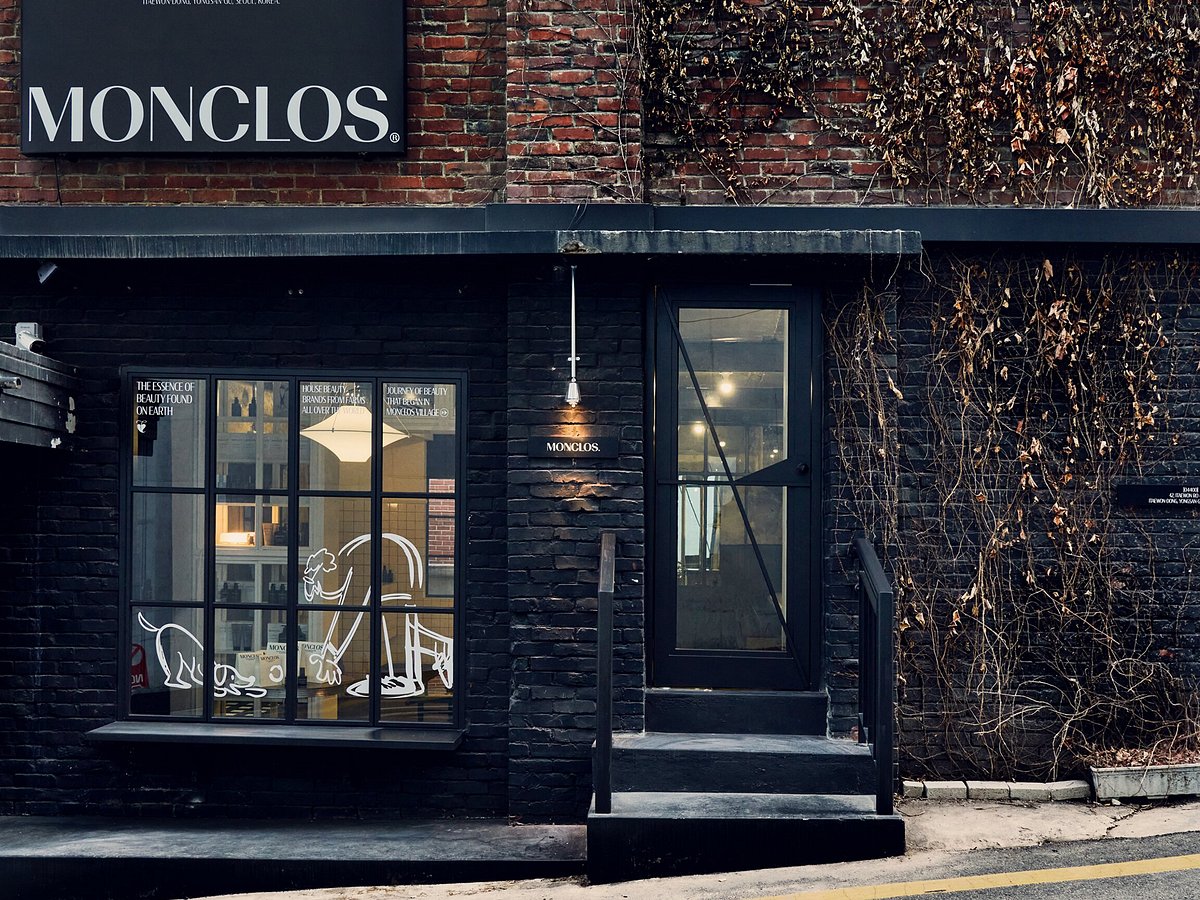
    Monclos, a renowned South Korean beauty brand, recently announced the unveiling of its premiere flagship store, located in the bustling neighborhood of Hannam-dong in Seoul.

    Store Design and Layout

    The store’s design is a reflection of Monclos’ unique farm-to-beauty ethos, with its exterior adorned with a lush curtain of vines, an industrial-style framework, and domestic-style tiles. The interior of the store is partitioned into three distinct areas: a product testing zone dedicated to hair and body care items, a home fragrance section, and a gift area.

    Monclos places a strong emphasis on sensory engagement, creating an inviting environment where products are artfully displayed to mimic common home settings, a departure from the more traditional retail shelving approach.

    Unique Features and In-Store Experience

    The home fragrance zone offers a stunning view of a seasonal mini-garden that transforms throughout the year, adding a dynamic touch of nature to the shopping experience. Additionally, elements of the brand’s farm-inspired characters are subtly integrated into the store’s design.

    The store also offers customers the chance to put a personalized touch on their shopping experience, with the ability to create their own customized hand creams while in-store.

    A Living, Evolving Space

    Monclos describes its Hannam flagship store as a vibrant, living entity that evolves and matures with its visitors. The company emphasizes that the products on offer are not merely for purchase but are designed to infuse everyday life with a refreshing touch and awaken the senses in new and exciting ways.

    Questions & Answers

    What are the unique features of Monclos’ flagship store?
    Monclos’ flagship store features a design inspired by their farm-to-beauty ethos, with areas dedicated to product testing, home fragrances, and gifts. The store is also home to a seasonal mini-garden and offers customers the opportunity to create personalized hand creams.

    How does Monclos’ new flagship store differ from traditional retail spaces?
    Monclos’ new flagship store veers away from conventional retail layouts, instead featuring product displays that mimic everyday home settings. This creates an engaging, sensory shopping experience that offers a refreshing departure from more traditional retail environments.

    What is the vision behind Monclos’ Hannam flagship store?
    Monclos views its new flagship store as a dynamic and evolving space that grows and matures with its visitors. Products are presented not just as items for purchase, but as elements designed to rejuvenate daily life and awaken the senses.

  • Spinneys Expands Into Southeast Asia: Partners With Ayala For Philippine Supermarket Venture

    Spinneys Expands Into Southeast Asia: Partners With Ayala For Philippine Supermarket Venture

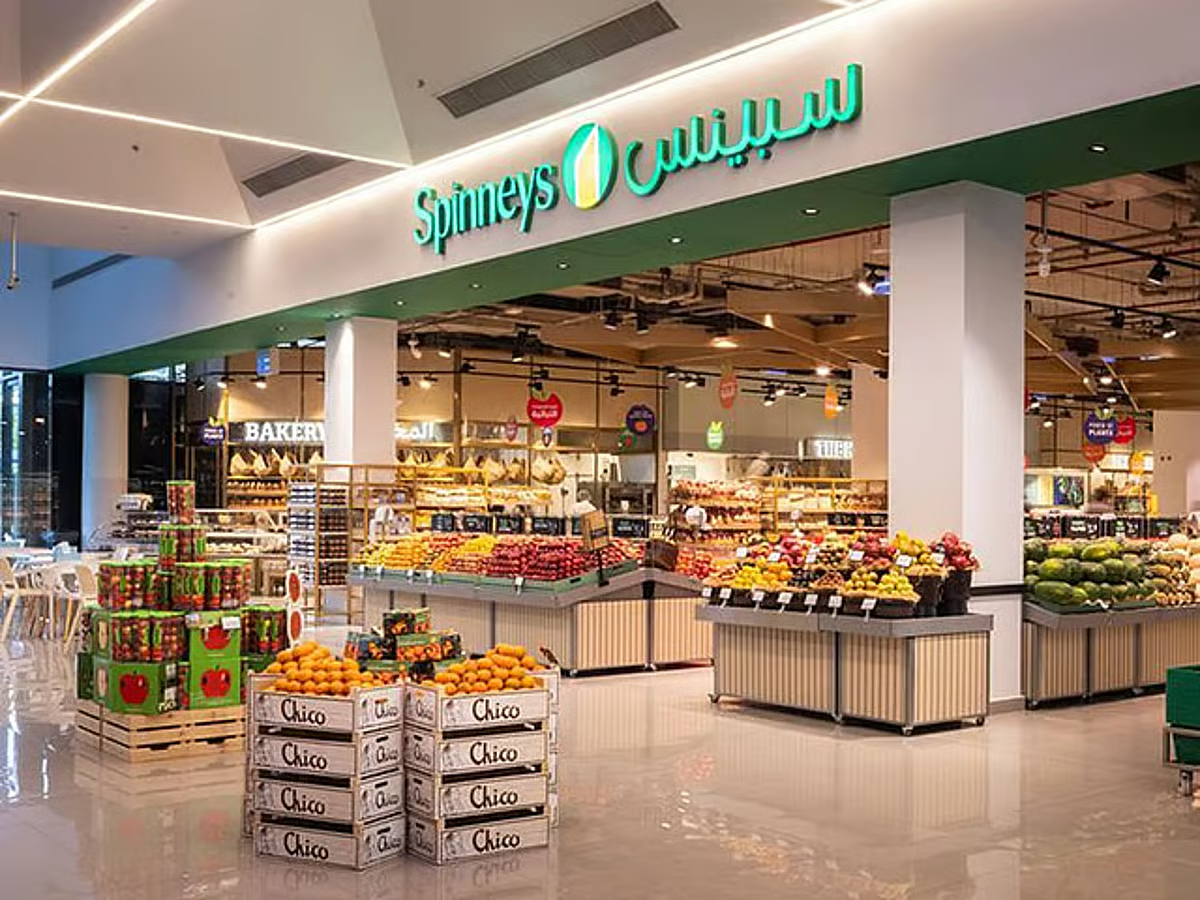
    Spinneys, a thriving fresh food supermarket chain, has made a strategic move into Southeast Asia by partnering with Ayala Corporation to open new stores in the Philippines. This marks the supermarket chain’s first entry into the region.

    According to the terms of the deal, Ayala Corporation will control a majority stake of 60%, while Spinneys will hold 40% in the new venture.

    The rollout of the new stores is planned in two stages. Spinneys will initially manage operations before control transitions to the joint venture fully.

    A Strategic Move into Southeast Asia

    The President and CEO of Ayala Corporation, Cezar Consing, mentioned that this deal underscores the corporation’s expanding role in the Philippines’ retail industry.

    He stated, “This investment is expected to stimulate trade and investment between the Philippines and the GCC.”

    Expressing a similar sentiment, Sunil Kumar, the CEO of Spinneys, said the long-term growth potential in the Philippines is promising. The increasing number of middle and upper-income populations is fuelling the demand for premium food retail in the country.

    Kumar expanded on this by saying, “The Philippines has significant long-term growth potential, with strong economic fundamentals, a growing affluent population, and increasing demand for high-quality offerings. Our partnership with Ayala pairs their deep local knowledge with our operational expertise. This combination provides a strong foundation for measured growth. We are thrilled to introduce our fresh food offerings to a new region.”

    Spinneys has made consistent progress in expanding its footprint in recent years. It opened 10 new stores in the UAE this year and also announced plans to enter the Kuwaiti market.

    Questions & Answers

    What is the stake distribution between Spinneys and Ayala Corporation in the new venture?
    Ayala Corporation will hold a majority stake of 60%, while Spinneys will hold the remaining 40%.

    Who will initially oversee the operations of the new stores in the Philippines?
    The operations of the new stores will initially be managed by Spinneys.

    What factors make the Philippines a promising market for Spinneys?
    The strong economic fundamentals, a growing affluent population, and increasing demand for high-quality offerings make the Philippines a market with significant long-term growth potential for Spinneys.

  • Meta, Volvo and Writers at Work lead the conversation on WhatsApp with Omnichat

    Meta, Volvo and Writers at Work lead the conversation on WhatsApp with Omnichat

    The Commerce Leadership Forum 2025 Series, organized by Omnichat, a frontrunner in omnichannel AI customer experience platforms, recently took place at the Meta offices in Singapore and Malaysia. The event brought together key figures from companies such as Meta, Volvo Car Malaysia, and Writers At Work to delve into the transformative influence of AI, data-driven insights, and the WhatsApp Business Platform on customer engagement.

    The Power of Messaging for Business

    The global trend of businesses using messaging platforms is growing, as evidenced by over 1 billion people interacting with business accounts weekly on Meta’s messaging services. Vicky Yiu, APAC Strategic Partnership Manager at Meta, highlighted the effectiveness of messaging as a means of customer engagement.

    Latest research suggests that 79% of global online adults engage with businesses through messaging on a weekly basis. The WhatsApp Business Platform, including its ‘WhatsApp Flows’ tool, provides interactive chat experiences, facilitating efficient and user-friendly exchanges such as data collection and appointment scheduling.

    Albert Tiong, Regional Program Manager of Meta, demonstrated how Meta Business Messaging can lead to better results across the entire customer lifecycle, compared with traditional channels. From discovery and awareness to consideration, purchase, and re-engagement, two-way conversations enhance marketing, sales, and support outcomes. Businesses that have started using paid messaging products have seen a doubling in numbers year-on-year.

    Integrating WhatsApp into Business Communications

    Patricia Yaw, Director of Marketing Operations and PR at Volvo Car Malaysia, is spearheading the brand’s digital transformation, illustrating that even traditional sectors can progress through conversational commerce. By implementing a centralized chat strategy, Volvo Car Malaysia has been able to deliver a personalized customer experience exclusively through WhatsApp. This strategic shift to a unified WhatsApp Business Platform took place during the brand’s EX30 launch, which set new records for the brand in terms of test drive bookings, media impressions, and PR share of voice.

    WhatsApp has demonstrated impressive performance metrics, including a staggering 93% read rate and a click-through rate seven times higher than that of email. Further, the chatbot effectively handles one out of every four discovery questions, underscoring its efficiency in managing user inquiries.

    AI-Driven Conversational Commerce

    Alan Chan, founder and CEO of Omnichat, highlighted the transformative effect of AI-driven conversational commerce. He discussed how businesses can use automation and personalization to boost sales and improve customer satisfaction.

    “AI-powered conversational agents are revolutionizing how businesses interact with customers,” he said. “Omni AI allows businesses to create tailored AI agents for various purposes, train them by uploading documents and resources, and enable them to deliver faster and more accurate responses. From providing round-the-clock instant support to sending hyper-personalized recommendations, AI enables companies to engage customers effectively at all touchpoints.”

    WhatsApp for Operations and Engagement

    Ang Kai Ning, HR and Finance Director at Writers at Work, revealed how their education center strategically uses the WhatsApp Business Platform, facilitated by Omnichat, to improve various aspects of their operations. WhatsApp has become more than just a messaging app, transforming into a dynamic platform for interactive engagement, promotional messaging, efficient announcement scheduling, and responsive customer service.

    They achieved a 77.71% read rate and an 11.85% click-through rate on webinar promotions, resulting in a 90% turnout. Moreover, chatbot automation handled 75,000 customer messages last year, with 99% of these on WhatsApp, demonstrating the platform’s role in optimizing communications, boosting engagement, and driving results.

    The Commerce Leadership Forum 2025 Series highlighted the value of collaboration and innovation in business growth. By uniting thought leaders and industry experts, the event inspired attendees to adopt new technologies, use data-driven insights, and rethink customer engagement strategies for the digital age.

    Questions & Answers

    What is the significance of the WhatsApp Business Platform for customer engagement?
    The WhatsApp Business Platform provides interactive chat experiences that enable efficient and user-friendly exchanges such as data collection and scheduling. This platform has demonstrated high engagement rates, with a remarkable 93% read rate and a click-through rate seven times higher than that of email.

    How can AI-driven conversational commerce benefit businesses?
    AI-driven conversational commerce allows businesses to create custom AI agents for various purposes. These agents provide faster and more accurate responses, offer round-the-clock instant support, and send hyper-personalized recommendations. This technology revolutionizes customer interactions, enhancing engagement at all touchpoints.

    What role does WhatsApp play in an organization’s operations?
    Besides being a platform for messaging, WhatsApp can also be used for promotional messaging, efficient announcement scheduling, and responsive customer service. It has been effective in streamlining communications, boosting engagement, and driving results, as evidenced by a high turnout rate for webinar promotions.

  • Vietnamese Chain Pizza 4p’s Brings Unique Fusion Flavors To U.s. With Brooklyn Outpost

    Vietnamese Chain Pizza 4p’s Brings Unique Fusion Flavors To U.s. With Brooklyn Outpost

    Pizza 4P’s, a notable Vietnamese restaurant chain, is poised to enter the U.S. market with a premier spot nestled in Brooklyn, New York. This marks a significant stride in the company’s continuing global expansion efforts.

    The restaurant chain is well-regarded for its commitment to a farm-to-table approach and in-house cheese production. With these unique offerings, combined with a distinct fusion of Japanese Omotenashi hospitality and artisanal pizza, the group is set to make its mark in one of the globe’s most fiercely competitive gastronomic landscapes.

    The Brooklyn branch is the fifth overseas establishment for Pizza 4P’s, following its successful foray into Japan, Cambodia, Indonesia, and India. Coinciding with the U.S. inauguration, the group has initiated the search for a General Manager to oversee this flagship outlet.

    Established in 2011 in Ho Chi Minh City, Pizza 4P’s has since blossomed into a regional favorite, boasting over 30 branches sprinkled across Asia.

    This Brooklyn outpost is projected to act as a proving ground for the brand’s operational blueprint and customer allure in the U.S. market. The prospects for further growth and expansion are likely to depend on the market’s reaction and acceptance.

    Questions & Answers

    What is Pizza 4P’s known for?
    Pizza 4P’s is known for its farm-to-table philosophy and homemade cheese, blended with a unique take on Japanese Omotenashi hospitality and artisanal pizza.

    Where is Pizza 4P’s planning to open its first U.S. location?
    Pizza 4P’s is set to make its U.S. debut in Brooklyn, New York.

    How will the Brooklyn location contribute to Pizza 4P’s growth strategy?
    The Brooklyn store is intended to serve as a testbed for the brand’s operational strategies and customer appeal in the U.S., potentially paving the way for further expansion based on market response.

  • Altina Launches Avec Flowstate: A Revolutionary Non-alcoholic Wine With Functional Ingredients

    Altina Launches Avec Flowstate: A Revolutionary Non-alcoholic Wine With Functional Ingredients

    Altina, a producer of non-alcoholic wines, has introduced Avec FlowState to the market. This innovative beverage fuses dealcoholised wine with functional ingredients.

    The Avec FlowState Range

    The Avec FlowState range includes two distinct varietals. One is the FlowState Shiraz, a full-bodied red wine that boasts a rich blend of dark berries, soft tannins, and delicate spice. The other offering is FlowState Mango Spritzer, a light and tropical spritz that combines the flavors of mango and citrus.

    These unique beverages feature a special blend of L-theanine and magnesium. According to Altina, this combination of ingredients has been designed to support mental clarity and balance the nervous system.

    Christina Delay, Altina’s co-founder, has shared her excitement about the new product line. “FlowState is more than just another non-alcoholic wine,” she stated. “It represents a completely new category. Not only does it provide the depth and pleasure of premium wine without the downsides like hangovers or foggy minds, it also adds functional ingredients instead of simply eliminating alcohol. This redefines what a celebratory drink can be.”

    Production and Availability

    Each Avec FlowState bottle is filled with wine that is delicately dealcoholised to retain its flavour and character. This is then combined with botanicals to enhance its complexity.

    The Avec FlowState collection is priced at a recommended retail price of $150 for a set of six bottles. Customers can purchase the range online, as well as at independent bottle shops and grocery stores across the country.

    Questions & Answers

    What is the Avec FlowState range?
    The Avec FlowState range is a line of non-alcoholic beverages produced by Altina. It includes two varietals: FlowState Shiraz, a full-bodied red wine, and FlowState Mango Spritzer, a light, tropical spritz.

    What makes Avec FlowState different from other non-alcoholic wines?
    Avec FlowState is unique as it combines dealcoholised wine with functional ingredients, like L-theanine and magnesium, to promote mental clarity and balance in the nervous system.

    Where can the Avec FlowState range be purchased?
    The Avec FlowState collection can be bought online and is also available in independent bottle shops and grocery stores nationwide.

  • Walmart To Eliminate Synthetic Dyes From Food Brands By 2027 Amid Health Initiative

    Walmart To Eliminate Synthetic Dyes From Food Brands By 2027 Amid Health Initiative

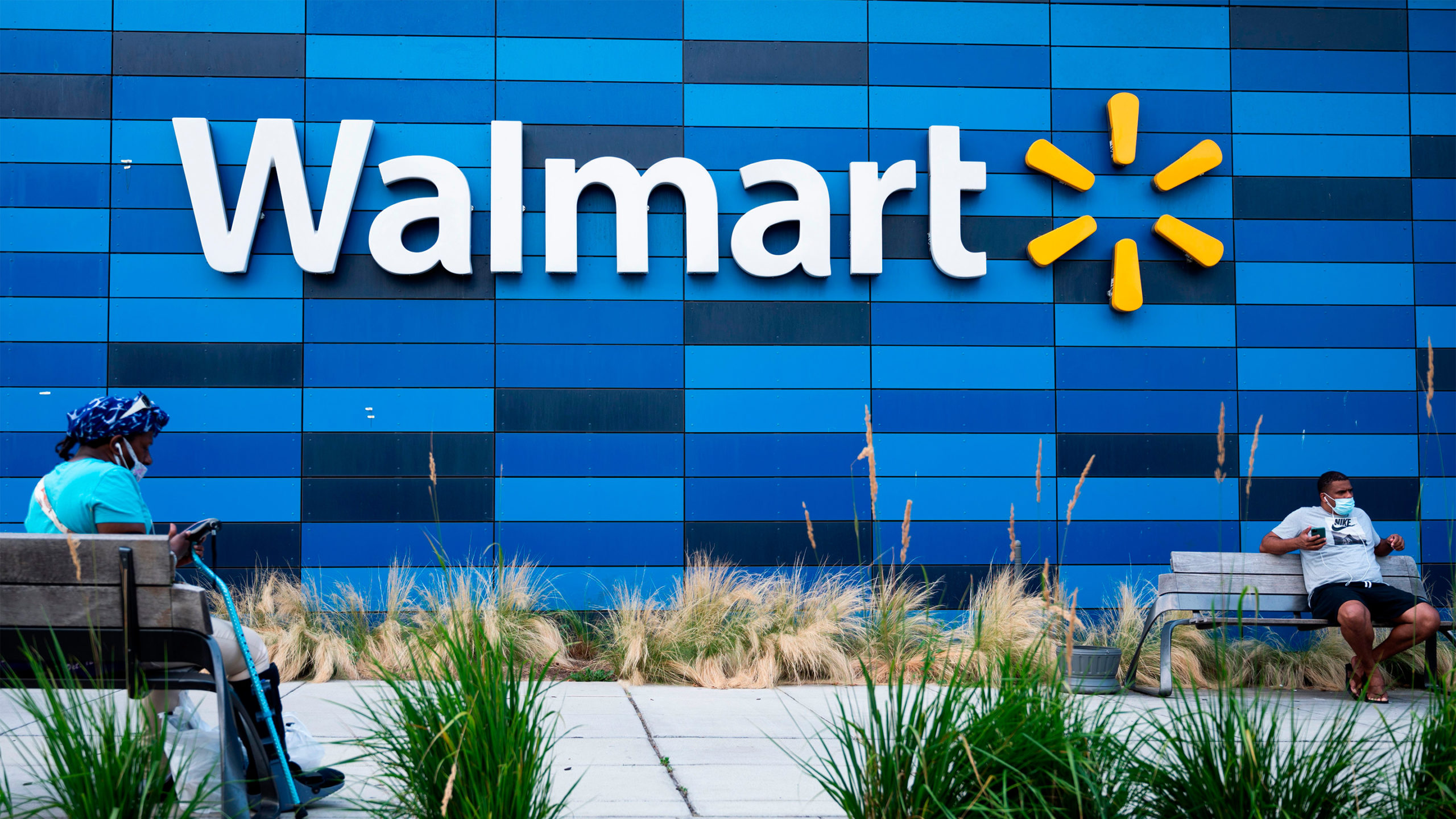
    In a move towards healthier food options, Walmart announced on Wednesday its plans to eliminate synthetic dyes from all its private-label food products in the United States. Products under its Great Value and bettergoods brands will be free of these dyes by January 2027, with this change aligning with efforts from other major corporations.

    Industry Trends Towards Healthier Options

    In response to the Trump administration’s “Make America Healthy Again” initiative, several renowned packaged food producers, including PepsiCo, Campbell’s, and Conagra Brands, have already declared similar intentions. According to Health Secretary Robert F Kennedy Jr., the move is aimed at curbing the adverse effects of ultra-processed food and chemical additives, which have been linked to various health issues such as childhood obesity, diabetes, cancer, mental health disorders, allergies, and neurodevelopmental conditions like autism.

    More Than Just Dyes

    Walmart, recognized as the world’s largest retailer in terms of sales, also intends to ban over 30 other ingredients. These include preservatives, artificial sweeteners, and fat substitutes from its private-label product range.

    “Our consumers have clearly expressed a preference for products made from simpler, more recognizable ingredients, and we are taking their feedback seriously,” said John Furner, President of Walmart US.

    The corporation manages six in-house food brands that enjoy considerable popularity among cost-conscious American consumers. Walmart reported that currently, 90% of its private-brand foods are already free from synthetic dyes.

    A Natural Substitution

    The company plans to replace artificial coloring with natural alternatives such as beetroot, turmeric, black carrots, spinach, and hibiscus. Despite the challenges in substituting blues and greens, Walmart remains committed to this health-conscious transition, a company representative explained.

    Specific changes include replacing yellow #6 and red #40 dyes in their “Great Value” brand gelatin products with Beta Carotene to achieve an orange color. For a cherry hue, the previously used red #40 and blue #1 dyes will be substituted with a blend of carrot, radish, hibiscus, blueberry, and spirulina.

    Impact on the Market

    Brian Ronholm, Director of Food Policy at the non-profit Consumer Reports, believes that as the leading grocer in the US, Walmart’s decision will significantly influence the market and enhance the safety of the food purchased by many Americans.

    The move extends beyond Walmart, as the Walmart-owned warehouse club chain Sam’s Club announced in June. They committed to remove artificial colors and aspartame from its Member’s Mark brand by the end of this year.

    Questions & Answers

    What is Walmart’s timeline for removing synthetic dyes from its private-label foods?
    Walmart plans to remove synthetic dyes from all its private-label foods in the US by January 2027.

    Why is Walmart removing synthetic dyes and other ingredients from its food products?
    The move is in response to consumer demand for products made with simpler, more familiar ingredients. It also aligns with a wider industry trend towards healthier food options, in line with the “Make America Healthy Again” initiative.

    What natural alternatives is Walmart using to replace synthetic dyes?
    Walmart plans to replace synthetic dyes with natural alternatives like beetroot, turmeric, black carrots, spinach, hibiscus, carrot, radish, blueberry, and spirulina. For example, Beta Carotene will replace yellow #6 and red #40 dyes in their gelatin products.

  • Southeast Asia Poised for Wind Power Surge: 26 GW of Onshore Capacity Expected by 2030

    Southeast Asia Poised for Wind Power Surge: 26 GW of Onshore Capacity Expected by 2030

    Onshore wind capacity in Southeast Asia is set for a remarkable transformation, with projections indicating a surge to 26 gigawatts (GW) by 2030, according to Rystad Energy. This figure represents an impressive leap of 19.5 GW from the current 6.5 GW anticipated in 2024.

    Supportive Policies Fuel Expansion

    This soaring expansion is primarily driven by a combination of short-term policy initiatives, including auctions and project awards, paired with attractive feed-in tariffs (FITs). Additionally, the growing acceptance of mainland Chinese wind turbines is playing a significant role in this renaissance of onshore wind energy.

    Technological Advancements Empower Competition

    Raksit Pattanapitoon, lead renewables and power analyst for APAC at Rystad Energy, highlights that “with more mature technology, falling equipment costs, and improved performance at lower wind speeds, onshore wind is increasingly a competitive option for meeting renewable energy targets.”

    Vietnam Leads the Charge

    Currently, Vietnam stands out as the largest market in the region, despite facing some policy-induced fluctuations. It is trailed by the Philippines and Thailand in the onshore wind race. Notably, Laos has just made its entrance into this dynamic market with the commissioning of Southeast Asia’s largest wind project in August, designed specifically for power export to Vietnam.

    Learning from Regional Experiences

    Rystad emphasizes that countries such as Laos, Cambodia, and potentially Indonesia, have much to gain from the experiences of their more established neighbors like Vietnam, Thailand, and the Philippines. The experience in these countries has seen an initial rapid rollout of projects—around 4 GW in Vietnam, 1.5 GW in Thailand, and 400 MW in the Philippines—only to be followed by a frustrating drought of new developments. This stagnation occurred due to inconsistent policy frameworks, leaving Vietnam with no new construction since 2021, Thailand since 2019, and the Philippines since 2015.

    Strategies for Long-Term Success

    Looking forward, Rystad acknowledges that the long-term success of onshore wind in Southeast Asia will be contingent on several factors: consistent policies, stronger grid integration, and the establishment of local supply chains. As they aptly put it, “continued government support and collaboration within the industry are crucial to building a resilient wind market and ensuring wind energy becomes a key pillar of the region’s renewable transition.”

    Questions & Answers

    What is the projected onshore wind capacity in Southeast Asia by 2030?
    Southeast Asia’s onshore wind capacity is projected to reach 26 gigawatts (GW) by 2030, a significant increase from the current estimate of 6.5 GW in 2024.

    Which country currently leads in onshore wind energy development?
    Vietnam is currently the largest market for onshore wind energy in Southeast Asia, followed by the Philippines and Thailand.

    What factors are crucial for the long-term success of onshore wind in the region?
    Consistent government policies, improved grid integration, and the establishment of local supply chains are essential for the sustained growth of onshore wind energy in Southeast Asia.

  • Singapore’s Investment Banking Fees Surge 31.5% in First Nine Months of 2025

    Singapore’s Investment Banking Fees Surge 31.5% in First Nine Months of 2025

    In a remarkable surge, Singapore’s investment banking landscape has shown robust growth, with estimated fees reaching $683 million in the first nine months of 2025, marking a notable 31.5% increase from the same period last year, according to data from the London Stock Exchange Group (LSEG). This uptick is underpinned by a significant rise in equity capital markets (ECM) underwriting and merger and acquisition (M&A) advisory fees, both of which more than doubled.

    Bright Spots in the ECM and M&A Arenas

    Equity capital markets underwriting fees soared to a four-year high of $140.1 million, showcasing the renewed confidence among investors. This rise indicates a flourishing ecosystem where companies are more eager to tap into public capital. Meanwhile, the advisory fees from M&A transactions rocketed 105.3% to reach $238.9 million, illustrating a vigorous appetite for deal-making in the region.

    Debt Market Gains and Lending Declines

    The Debt Capital Market (DCM) also experienced growth, with fees climbing 44.5% to $126.8 million. However, it’s a mixed bag for the syndicated lending sector, which saw fees decline by 29.3%, down to $177.2 million, reflecting a cooling in that particular area of finance.

    Citi and Morgan Stanley Dominate the Landscape

    In terms of institutional leaders, Citi proudly secured the top spot in Singapore’s investment banking fee rankings, commanding an 8.3% share of the wallet with $57 million in fees. Morgan Stanley, not to be outdone, led the M&A league table, with transactions totaling $4.4 billion, representing an 8.2% market share. It’s almost like they are competing for the title of “Investment Banking Champion” in Singapore’s bustling financial arena.

    Singapore’s Banking Giant Takes Charge

    DBS Group Holdings has also made significant strides, topping both the equity and bond underwriting league tables. Singapore’s largest bank by assets reported an impressive $661.3 million in equity-linked proceeds alongside $4.7 billion in bond underwriting proceeds. This solid performance affirms DBS’s dominant position in the financial sector, as it continues to set benchmarks for competitors in the market.

    Questions & Answers

    What factors contributed to the increase in investment banking fees in Singapore?
    The rise in fees is largely driven by a doubling of ECM underwriting and M&A advisory fees, signaling increased investor confidence and a robust appetite for acquisitions.

    How did Citi and Morgan Stanley perform in the investment banking sector?
    Citi led in overall investment banking fees with an 8.3% market share, while Morgan Stanley topped the M&A table, handling $4.4 billion in transactions, showcasing their strong foothold in Singapore’s competitive environment.

    What trend is evident in the syndicated lending fees?
    Syndicated lending fees experienced a notable decline of 29.3%, suggesting a potential cooling off in that segment, possibly due to changing market conditions and investor preferences.

  • Japan Airlines Enhances Liver Function Checks and Suspends High-Risk Pilots Amid Drinking Incidents

    Japan Airlines Enhances Liver Function Checks and Suspends High-Risk Pilots Amid Drinking Incidents

    Following a string of concerning incidents involving pilots and alcohol consumption, Japan Airlines is revamping its safety protocols by introducing stricter measures aimed at safeguarding passengers and restoring public confidence in air travel.

    This week, the airline announced new regulations in response to a reprimand from the Transport Ministry, which mandated improvements in their safety procedures. Among the most significant changes is the suspension of pilots whose liver functions fall below acceptable levels, part of an initiative to prevent future violations.

    As a direct consequence of this review, six pilots have been suspended, as reported by Kyodo News. These measures come in the aftermath of several high-profile incidents where pilots were found drinking before flights, blatantly defying an internal ban instituted last December. Recent events have raised alarms, most notably a case where a pilot consumed alcohol prior to a flight from Hawaii, leading to delays impacting three flights for up to 18 hours, according to the Japan Times.

    This particular incident highlighted a troubling pattern; the pilot, already in hot water, had previously disregarded the no-drinking policy and even tampered with the settings of a sobriety testing device. Japan Airlines responded swiftly, dismissing the offending pilot and implementing pay cuts for the airline’s president and several executives.

    Despite the December ban designed to curb such behaviors, communication lapses within the company have allowed these issues to persist, according to Nikkei Asia. Pilots at Japan Airlines typically earn around 20.05 million yen (approximately US$135,000) annually, standing in stark contrast to the significantly lower salaries of ground staff and cabin crew, which average 6.43 million yen and 5.92 million yen, respectively.

    Interestingly, some pilots argue that moderate drinking provides a necessary release after grueling long-haul flights compounded by the stress of busy schedules as travel demand surges. Japan Airlines, acknowledging its past failures in enforcing the drinking ban, has committed to collaborating with labor representatives to explore more effective safety measures moving forward.

    Questions & Answers

    What prompted Japan Airlines to implement stricter safety measures?
    The airline was mandated to enhance its safety protocols following a reprimand from the Transport Ministry in light of several drinking incidents involving pilots.

    How many pilots have been suspended due to these incidents?
    Six pilots have already faced suspensions as a direct result of the airline’s new safety regulations.

    What are some of the challenges Japan Airlines faces regarding pilot behavior?
    Despite having a drinking ban in place, some pilots have disregarded it, with communication gaps within the company contributing to ongoing issues related to alcohol consumption before flights.

  • “Swiss Watchmaking Hits the Global Stage: A Journey from Shanghai to Dubai”

    “Swiss Watchmaking Hits the Global Stage: A Journey from Shanghai to Dubai”

    The highly anticipated 2025 edition of the Grand Prix d’Horlogerie de Genève (GPHG) world tour kicked off yesterday in Shanghai, with the iconic Bund 33 serving as a stunning backdrop for the exhibition’s launch. Running until October 8, the showcase features 84 nominated watches and six mechanical clocks vying for top honors this year.

    In collaboration with Hantang Culture, the event showcases over 50 prestigious brands, presenting a curated display that pays homage to the Chinese cyclical understanding of time. This year’s exhibition is not just a highlight of watchmaking artistry but also commemorates 75 years of diplomatic relations between China and Switzerland.

    “For more than two decades, Hantang Culture has evolved alongside the fine watchmaking industry,” remarked Jessica Yu, Founder and President of Hantang Culture. Hosting the GPHG in Shanghai, she described it as both a “cultural rediscovery” and “a powerful statement of renewed confidence within the industry.”

    Raymond Loretan, President of the GPHG Foundation, emphasized the significance of China as a key player in the global watch market. “Launching our world tour in Shanghai holds special importance,” he stated, expressing gratitude to Hantang Culture for bridging the worlds of Swiss watchmaking and Chinese time concepts.

    From Shanghai to Dubai: A Global Journey

    Following its Shanghai debut, the exhibition will make its way to Istanbul for the first time from October 15 to 20. Afterward, it will transition to Geneva’s Musée d’Art et d’Histoire from October 29 to November 16. The prestigious awards ceremony is set for November 13 in Geneva, marking the 25th iteration of the GPHG and will be broadcast live on gphg.org at 6 p.m. CET. The winning timepieces will then be showcased at Dubai Watch Week from November 19 to 23.

    This year’s GPHG spotlights 90 nominated creations competing for 20 awards, including the coveted “Aiguille d’Or” Grand Prix. The exhibition not only highlights the creativity and craftsmanship of contemporary horology but also serves as a fascinating cultural bridge spanning both East and West—who knew time could be such an art form?

    Questions & Answers

    What is the significance of the GPHG world tour starting in Shanghai?
    The tour’s Shanghai launch highlights China’s dynamic market and its growing influence in the global watch industry, marking a cultural exchange between Swiss craftsmanship and Chinese perspectives.

    How many nominated pieces are featured in this year’s GPHG?
    This year, the GPHG has gathered 90 nominated timepieces competing for 20 prestigious awards.

    When will the awards ceremony take place, and where?
    The awards ceremony will be held in Geneva on November 13, coinciding with the 25th edition of the GPHG, and will be broadcast live for global watch enthusiasts to tune in.

  • Alibaba: Innovations And Investments Fueling Growth Amid Asia’s Retail Revolution

    Alibaba: Innovations And Investments Fueling Growth Amid Asia’s Retail Revolution

    The retail landscape in Asia is undergoing a transformative shift, with e-commerce platforms rapidly evolving to meet the dynamic demands of consumers. Amid this digital revolution, Alibaba Group has emerged as a titan, showcasing impressive financial results that underscore its pivotal role in the region’s retail ecosystem.

    Alibaba’s Surprising Resilience

    In its recent earnings report, Alibaba announced a staggering 14% year-on-year growth in revenue for the third quarter, generating approximately $38.7 billion. Much of this momentum can be attributed to a strategic focus on enhancing customer experience through artificial intelligence and tailored services. As more consumers turn to online shopping, Alibaba’s innovations are making it easier and more enjoyable than ever to browse and buy.

    Cultural Resonance Drives Unique Trends

    What sets Alibaba apart from its competitors isn’t just its technological prowess; it’s also its ability to tap into the cultural zeitgeist. By integrating local festivities and trends into its marketing strategies, Alibaba captivates customers across diverse demographics. The recent Double Eleven shopping festival, celebrated annually, saw sales skyrocket, proving once again that when it comes to combining commerce with culture, Alibaba knows how to throw a digital party that people want to attend.

    Investments Point to a Bright Future

    Looking ahead, Alibaba is doubling down on investment in logistics and digital infrastructure. With plans to channel these resources into improving customer service and expanding product offerings, the retail giant is clearly committed to maintaining its leadership role. Analysts suggest this forward-looking strategy will not only bolster Alibaba’s market position but also attract new partnerships and opportunities.

    In a surprising twist, the company plans to introduce a novel shopping experience that merges augmented reality with traditional retail. Imagine trying on clothes from the comfort of your home—who says innovation can’t be fun?

    Challenges Ahead

    However, Alibaba’s journey is not without obstacles. Intense competition from rivals like JD.com and Pinduoduo continues to heat up, as these companies also strive to innovate and capture a slice of the consumer pie. Balancing growth with regulatory challenges is another hurdle Alibaba must navigate carefully, particularly in light of increasing scrutiny from government bodies across Asia.

    Despite these challenges, Alibaba remains an indomitable force. Its ongoing investments and strategic collaborations suggest that the retail giant is preparing to not just survive but thrive in a fast-evolving market.

    Questions & Answers

    What factors contributed to Alibaba’s recent revenue growth?
    Alibaba’s 14% year-on-year revenue increase can largely be attributed to its focus on enhancing customer experience through innovative technologies, particularly artificial intelligence, which has made shopping more convenient and engaging for consumers.

    How does Alibaba leverage cultural trends in its marketing?
    Alibaba cleverly integrates local cultural events, such as the Double Eleven shopping festival, into its marketing campaigns, engaging consumers by resonating with their lifestyle and traditions, which significantly boosts sales.

    What future strategies is Alibaba implementing to maintain its market position?
    The company plans to invest heavily in logistics and digital infrastructure, while also developing new shopping experiences combining augmented reality and traditional retail, indicating a commitment to innovative customer engagement and expanding its offerings.

  • 950,000+ Singaporean Households Set to Enjoy Utility Rebates Up to $150 This October!

    950,000+ Singaporean Households Set to Enjoy Utility Rebates Up to $150 This October!

    Over 950,000 households in Singapore’s public Housing and Development Board (HDB) flats are set to receive utility bill rebates ranging from S$110 to S$190 (US$86 to US$150) this October, aimed at easing the financial burden of rising living costs. In addition to these rebates, eligible families will also benefit from service and conservancy charge (S&CC) rebates, potentially equating to one month of waived fees.

    A striking 80% of Singapore’s residents call HDB flats their home. The S&CC fees collected contribute to essential services such as cleaning, landscaping, waste management, pest control, and the upkeep of electrical systems within the community. The specific amount of rebates depends on the type of HDB unit. For instance, residents of one- and two-room flats will enjoy the maximum rebate of S$190 alongside a full month’s worth of S&CC rebates. Conversely, those residing in larger executive or multi-generation units will see utility rebates of S$110 and about half a month’s S&CC rebate.

    To qualify for these rebates, households must meet certain criteria, such as not owning more than one property, and at least one member must be a Singaporean owner or occupant. Importantly, these rebates will be credited automatically to recipients’ accounts managed by local town councils and the national energy provider.

    These utility and S&CC rebates are part of Singapore’s ongoing GST Voucher scheme, designed to support lower- and middle-income families facing the challenges of escalating living expenses and a higher goods and services tax. Payments are made quarterly in April, July, October, and January.

    Looking ahead to the upcoming fiscal year from April 2025 to March 2026, eligible households could receive up to S$760 in utility rebates and as much as three and a half months of S&CC rebates. The recent announcement comes at a time when Singaporeans are bracing for a slight rise in electricity costs; shortly, the national grid operator SP Group reported a modest increase of 0.3% in electricity tariffs, resulting in an additional monthly cost of about S$0.31 for a typical family in a four-room HDB flat.

    As the cost of living continues to rise, this financial support is a crucial lifeline for many families navigating the urban landscape of Singapore.

    Questions & Answers

    How many households in Singapore will benefit from the utility rebates?
    More than 950,000 households living in HDB flats will receive the utility bill rebates this October.

    What factors determine the amount of the utility rebate?
    The amount of the rebate varies based on the type of HDB flat, with one- and two-room units receiving up to S$190, while larger executive or multi-generation units will receive S$110.

    What is the GST Voucher scheme?
    The GST Voucher scheme is a government initiative to assist lower- and middle-income households with rising living costs, providing support through utility and service charges, disbursed quarterly.