Blog

  • Cyberattack Paralyzes Production At Asahi Group: Operations And Timeline In Question

    Cyberattack Paralyzes Production At Asahi Group: Operations And Timeline In Question

    Asahi Group Holdings, a prominent Japanese beer and beverage corporation, has been unable to restart production at its domestic factories following a cyberattack, according to a company spokesperson. The timeline for resuming operations remains uncertain.

    Production Halted

    The company has a network of 30 manufacturing facilities throughout Japan, all engaged in the production of beer, beverages, and food products. Currently, the company is conducting a thorough investigation to determine if all of its plants have ceased production, the spokesperson revealed.

    Operations Suspended

    Asahi Group Holdings, the company behind popular brands such as Asahi Super Dry Beer, Nikka Whisky, and Mitsuya Cider, announced that due to a system outage caused by a cyberattack, its Japanese group companies have temporarily suspended operations. This includes tasks like order processing, shipping, and call centre functions. Fortunately, the company has confirmed that there has been no leakage of personal information as a result of the cyberattack.

    Questions & Answers

    What impact has the cyberattack had on Asahi Group?
    The cyberattack has forced Asahi Group to halt production at its domestic factories, suspend order processing, shipping, and call centre operations. The company is currently unable to predict when normal operations can be resumed.

    Has all production been stopped at Asahi Group’s plants?
    The company is investigating to establish whether all its 30 factories in Japan have suspended production in the aftermath of the cyberattack.

    Was any personal information leaked as a result of the attack?
    According to the company’s spokesperson, no personal information has been leaked due to the cyberattack.

  • Dutch Retail Giant Makro Revives Philippine Presence Through Thai-ayala Alliance

    Dutch Retail Giant Makro Revives Philippine Presence Through Thai-ayala Alliance

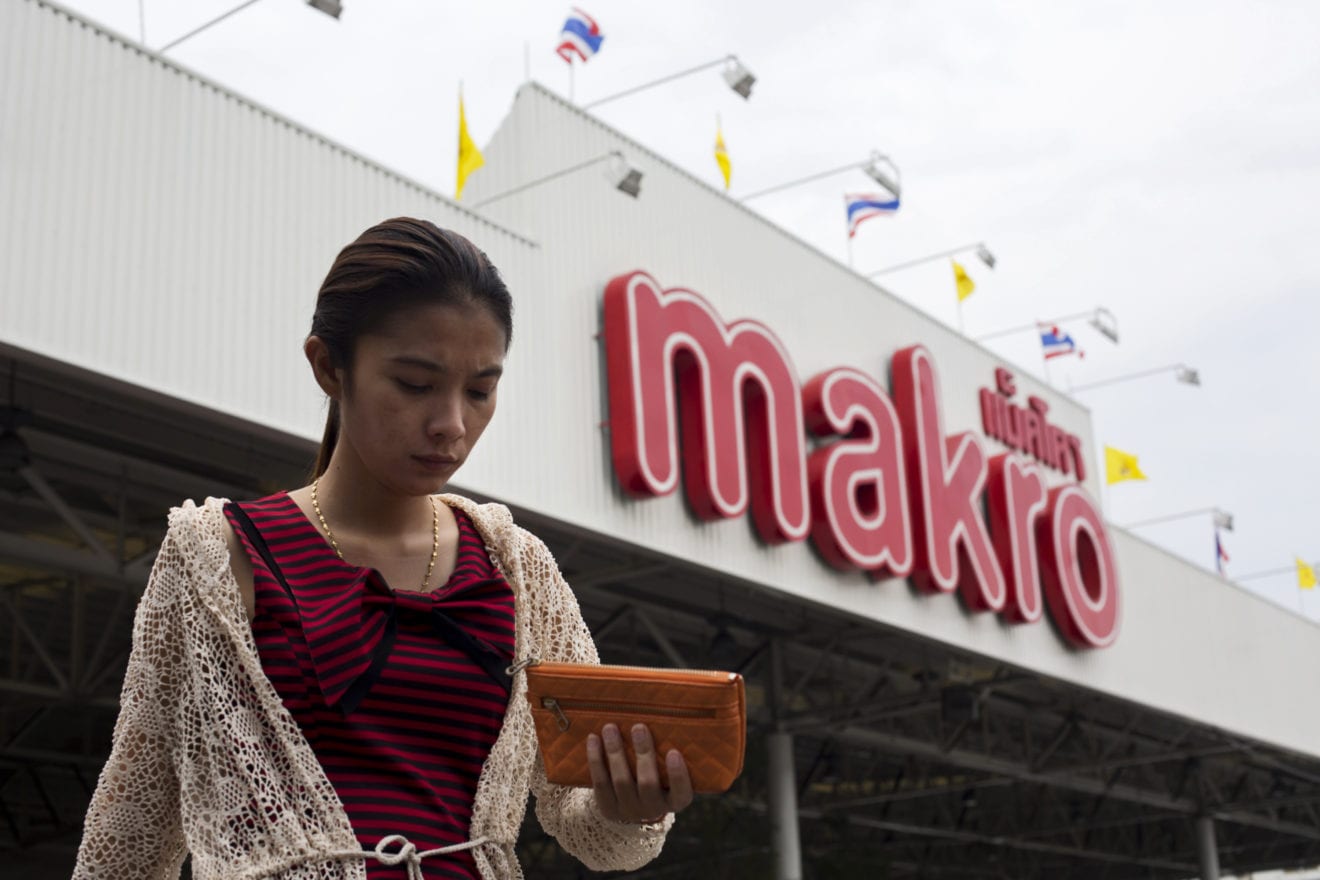
    After more than a decade of absence, Dutch wholesale retailer Makro is poised to make a comeback in the Philippine market. This return is made possible through an alliance between Thailand’s CP Axtra and Ayala Corporation.

    New Business Venture

    The collaboration has led to the creation of a new enterprise named M&Co Corp, which is tasked with running Makro stores throughout the country. The stores’ approach will prioritize offering a broad selection of both food and non-food items, catering to the needs of ordinary consumers and small business operators alike.

    Makro originally made its debut in the Philippines in 1996 through a joint effort involving SHV Holdings, Ayala, and SM Investments. Ayala subsequently sold its 28% stake to the SM Group, which then transformed the Makro outlets into its own hypermarket and supermarket formats in 2009.

    In the years since, SHV has relinquished its Asian Makro operations to CP Axtra, a subsidiary of Thailand’s Charoen Pokphand Group.

    Expansion Strategy

    Tanit Chearavanont, the group chief wholesale business officer at CP Axtra, expressed that this venture aligns with the company’s overarching goal to extend its operations across Southeast Asia. He noted that the Philippines stands as one of the most vibrant and rapidly developing markets within the region.

    Chearavanont elaborated, “Through this partnership, our proficiency in wholesale and retail management merges with Ayala Corp’s robust market presence, well-established customer base, and comprehensive experience in land and mall development.”

    However, further details about this business endeavor, such as its rollout plans, have yet to be revealed.

    Questions & Answers

    What is the new venture that Makro is involved in?
    The Dutch retailer is re-entering the Philippine market through a partnership with Thailand’s CP Axtra and Ayala Corporation, operating under a newly formed entity called M&Co Corp.

    What is the main focus of the Makro stores in the Philippines?
    The stores will focus on providing a wide variety of food and non-food products to meet the needs of both individual consumers and small business operators.

    What is CP Axtra’s broader strategy that this venture aligns with?
    This partnership is part of CP Axtra’s wider strategy to extend its operations across the rapidly growing and dynamic markets of Southeast Asia.

  • H&M Eyes Expansion In Ho Chi Minh City Amid Southeast Asia Growth Strategy

    H&M Eyes Expansion In Ho Chi Minh City Amid Southeast Asia Growth Strategy

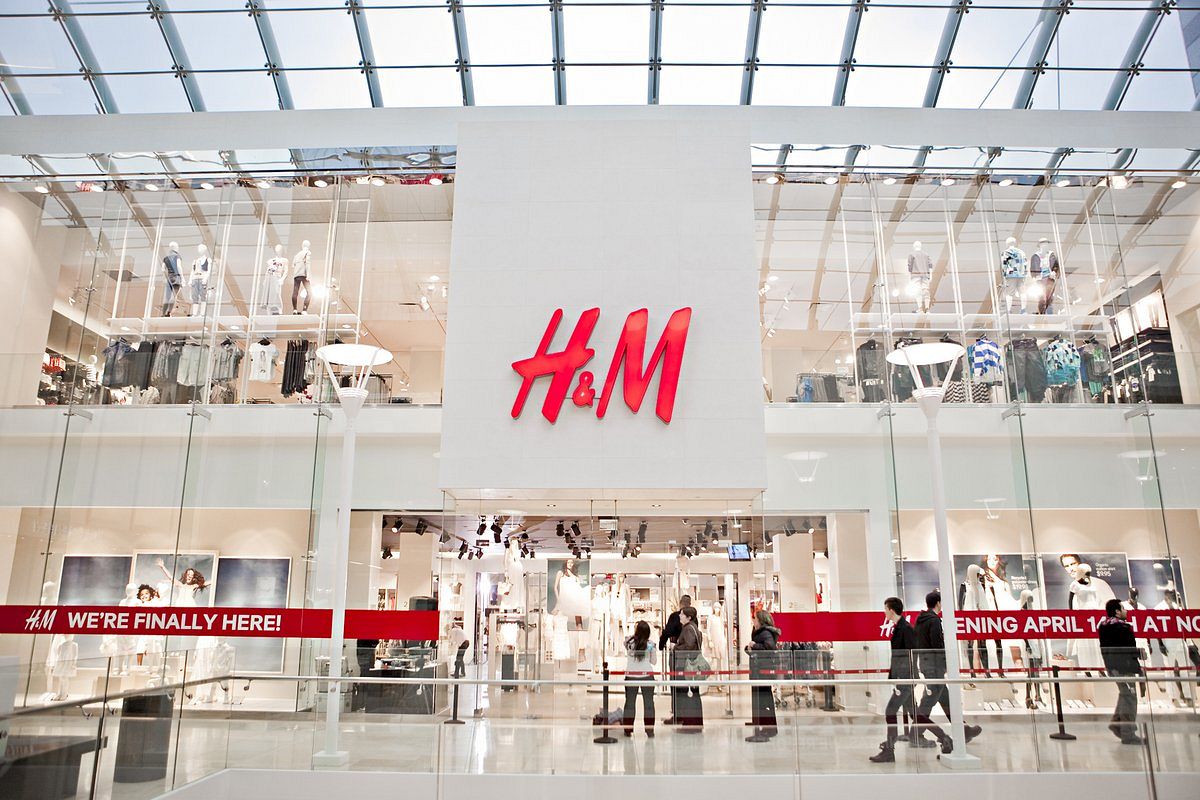
    The Swedish fast-fashion behemoth, H&M, is set to broaden its reach in Ho Chi Minh City, a bustling retail hotspot in Vietnam, as a crucial part of its larger growth strategy for Southeast Asia.

    Expansion Plans for H&M in Vietnam

    According to local sources, H&M Vietnam is actively scouting for opportunities to inaugurate new stores in the city’s prime commercial hubs. As it stands, the brand runs 14 stores throughout the country, with plans to increase this to 20 in the upcoming years. A significant emphasis is being placed on the city center of Ho Chi Minh City for these new store openings.

    In order to ensure a smooth expansion, H&M is diligently navigating local lease processes and adhering to regulatory requirements.

    H&M’s Growth in Vietnam and Beyond

    H&M ventured into the Vietnamese market in 2017. Despite this, its store count remains small when stacked against other markets in the region, such as Malaysia, Thailand, and the Philippines.

    However, it’s worth noting that the brand is experiencing a global resurgence, with its operating profit witnessing a 40 percent surge to US$523 million in this year’s third quarter. Additionally, their operating margin has also seen a rise, going up from 5.9 to 8.6 percent.

    Questions & Answers

    When did H&M first enter the Vietnamese market?
    H&M first entered the Vietnamese market in 2017.

    How many stores does H&M currently operate in Vietnam?
    At present, H&M operates 14 stores across Vietnam.

    What are H&M’s expansion plans in Vietnam?
    H&M plans to grow its presence in Vietnam by increasing its store count from 14 to 20 in the coming years, with a particular focus on central Ho Chi Minh City.

  • Billionaire Boys Club And Tuborg Debut Music-inspired Streetwear Collection In China

    Billionaire Boys Club And Tuborg Debut Music-inspired Streetwear Collection In China

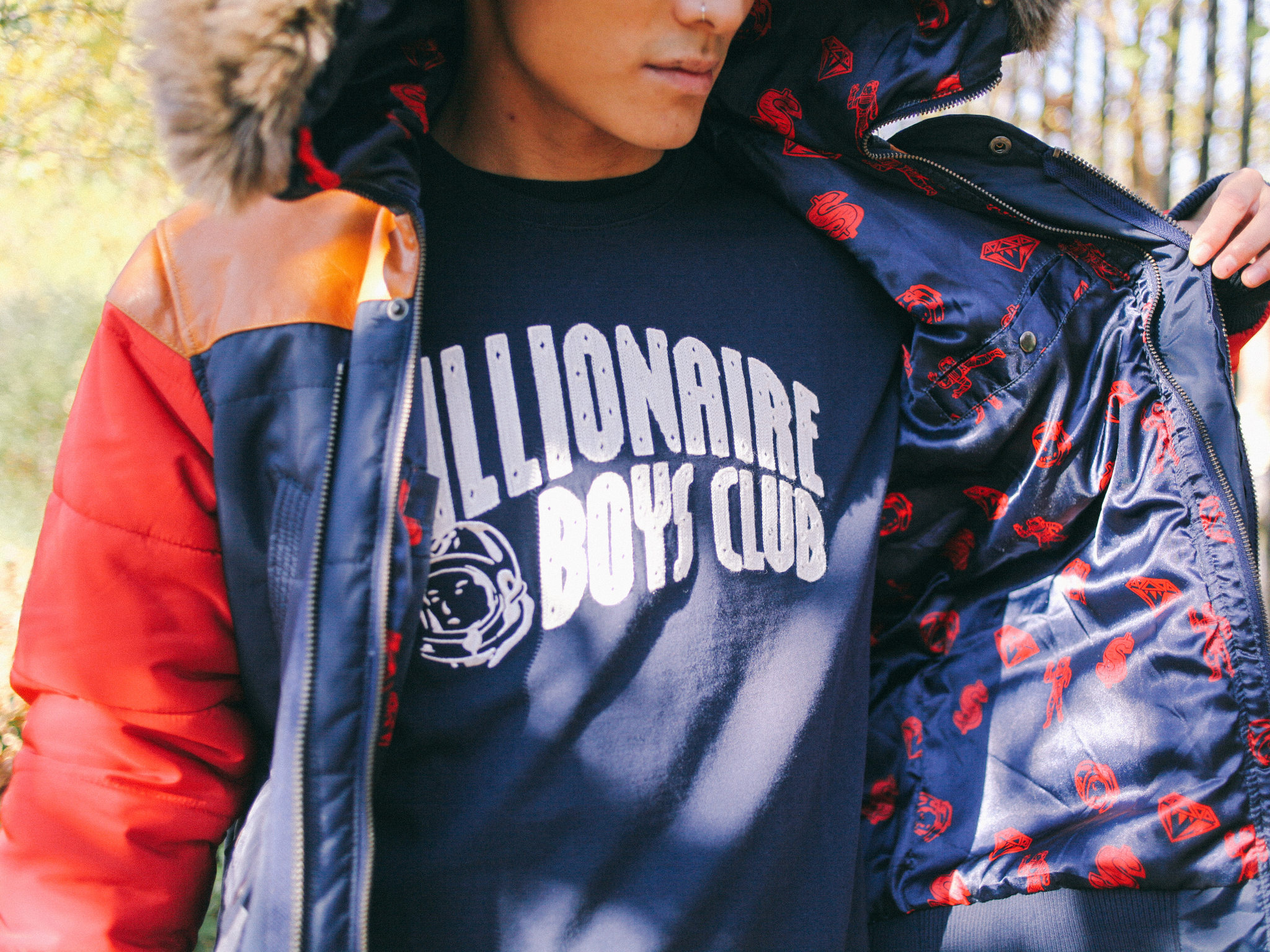
    Esteemed New York-based streetwear label, Billionaire Boys Club (BBC), has announced a unique partnership with the noteworthy Dutch lager brand, Tuborg, to launch an exclusive limited-edition collection.

    The collaboration will be introduced to China via dedicated pop-up stores in the cities of Guizhou and Zhengzhou. Under the compelling theme “Live a Billion Lives Again,” the pop-ups will provide a first-hand look at this much-anticipated collection.

    Billionaire Boys Club, co-founded by globally recognized artist and singer, Pharrell Williams, has cultivated a reputation for its luxury streetwear pieces that are deeply influenced by music. The new capsule collection features an exciting range of products that showcase this unique music-inspired aesthetic including graphic T-shirts, caps, keychains, and playing cards that channel the essence of urban street art.

    Jeff Chong, a leading executive of international premium brands at Carlsberg Asia, the parent company of Tuborg, acknowledged the significance of the collaboration. According to him, the partnership underscores Tuborg’s ongoing commitment to music culture and its aspiration to resonate with a younger demographic of consumers.

    Chong further emphasized, “This collaboration reflects the shared vision and synergy between two brands that genuinely connect with the spirit of youth.”

    Tuborg has confirmed plans to expand the launch of the capsule collection to other Asian markets. At the same time, BBC has committed to promoting the line on a global scale through its extensive retail network in the United States.

    Questions & Answers

    Who are the collaborators for the exclusive capsule collection?
    Billionaire Boys Club, a New York streetwear label, and Tuborg, a Dutch lager brand, are the collaborators for this collection.

    Where will the collaboration debut, and what is the theme of the launch?
    The collaboration will debut in China through pop-up stores in Guizhou and Zhengzhou, under the theme “Live a Billion Lives Again.”

    What does the capsule collection include?
    The collection includes products like graphic T-shirts, caps, keychains, and street art-inspired playing cards.

  • Lilysilk Marks 15th Anniversary With Debut Hong Kong Store, Championing ‘conscious Elegance

    Lilysilk Marks 15th Anniversary With Debut Hong Kong Store, Championing ‘conscious Elegance

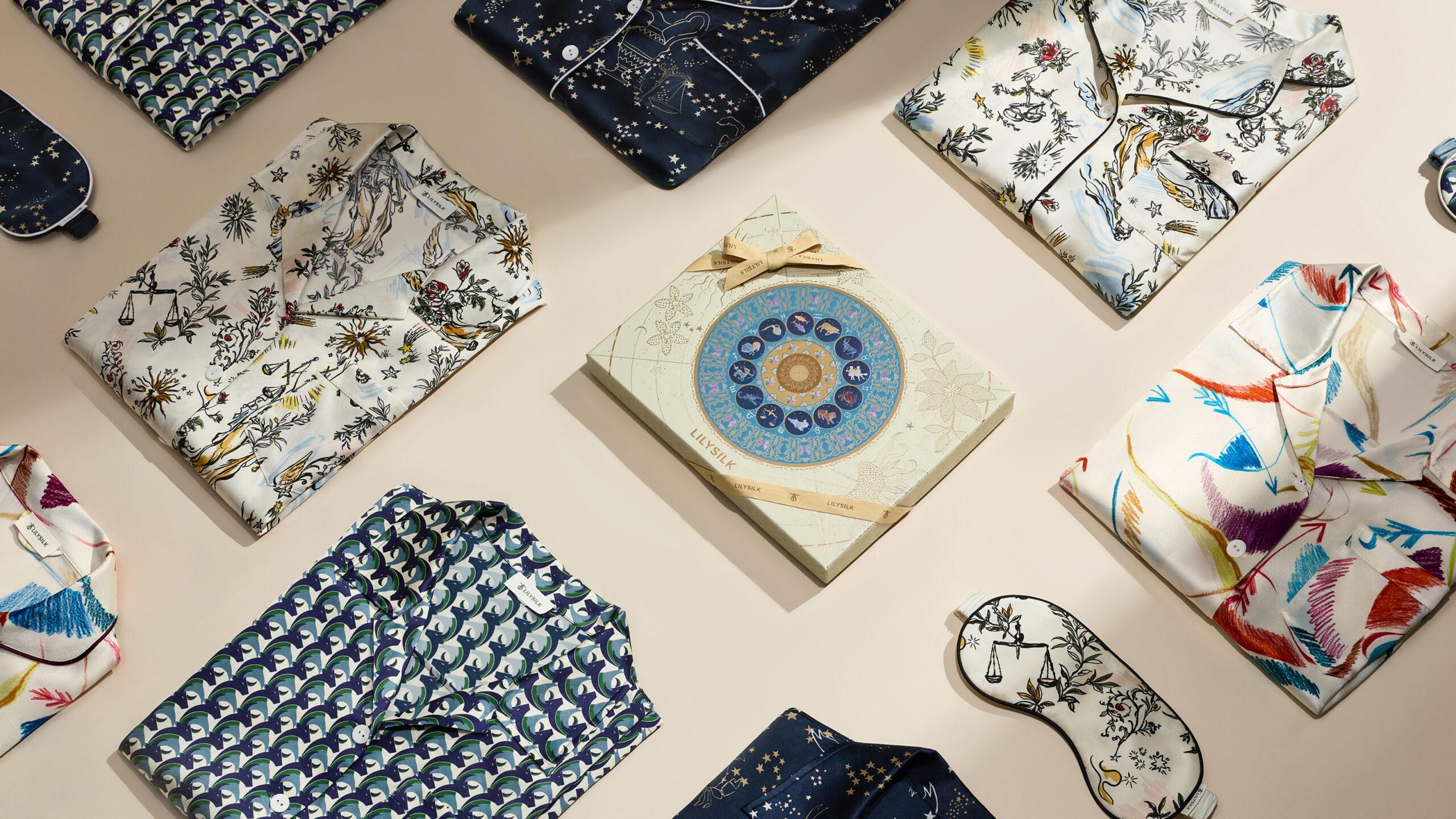
    Renowned silk clothing retailer, Lilysilk, recently launched its debut store in the Harbour City of Hong Kong, situated in the bustling shopping region of Tsim Sha Tsui.

    Gateway Arcade Welcomes Lilysilk

    Located on the second floor of the Gateway Arcade, the grand opening of the store coincided with Lilysilk’s 15th anniversary celebrations. The store brings a fresh shopping experience for locals and tourists alike, offering a plethora of clothing, accessories, homewares, and bedding. The merchandise, made predominantly from mulberry silk and other organic materials, highlights the brand’s commitment to sustainability and ‘conscious elegance.’

    Lilysilk’s Commitment to Sustainability

    Lilysilk ensures its fabrics are not only luxurious but also sustainable. The company prides itself on promoting ‘conscious elegance,’ a philosophy rooted in sustainable and environmentally-friendly practices. This is reflected in its commitment to using organic materials and ensuring its products are certified for sustainability.

    Celebrating a Significant Milestone

    David Wang, the CEO of Lilysilk, expressed his exhilaration about the significant milestone. “The opening of our very first flagship store in Asia is not just a milestone, but the start of an exhilarating new journey,” Wang stated.

    Since its inception in 2010, Lilysilk has established a strong foothold in North America and Europe. It ventured into the Chinese market in 2022 and earlier this year, the brand launched its first concept store in New York’s Meatpacking District.

    Questions & Answers

    Where is the new Lilysilk store located in Hong Kong?
    The new Lilysilk store is located on the second floor of the Gateway Arcade in the Harbour City of the Tsim Sha Tsui shopping district.

    What kind of products does the Lilysilk store offer?
    The store offers an array of products including clothing, accessories, homewares, and bedding. All products are predominantly made from mulberry silk and other organic materials.

    What does the philosophy ‘conscious elegance’ mean to Lilysilk?
    The philosophy ‘conscious elegance’ implies Lilysilk’s commitment to sustainability and environmentally-friendly practices. They ensure their fabrics are not only luxurious but also sustainable, using organic materials and obtaining necessary sustainability certifications.

  • Kao Corporation Targets $2.68b In Sales With Major Cosmetics Business Revamp

    Kao Corporation Targets $2.68b In Sales With Major Cosmetics Business Revamp

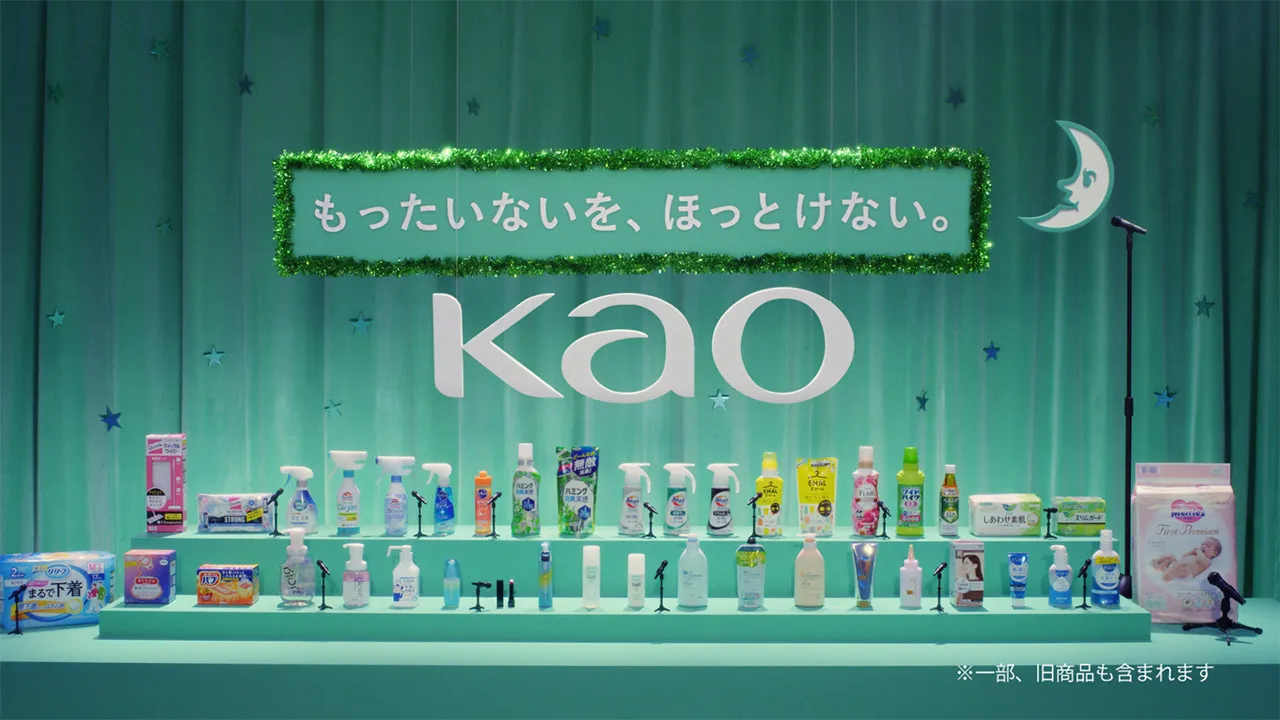
    Kao Corporation, a Tokyo-based company specializing in chemicals and cosmetics, has recently revealed plans to revamp its cosmetics business. The strategy will focus on the growth and expansion of its six core brands.

    The New Strategy

    Kao’s primary goal is to achieve a net sales target of 400 billion yen (US$2.68 billion), alongside an operating margin of 15 percent, as early as possible after 2030. To this end, the company will concentrate its growth and development efforts on six brands: Sensai, Molton Brown, Kanebo, Sofina, Curel, and Kate. The expansion strategy will be tailored to the specific markets where these brands meet consumer demands.

    As part of this reorganization, skincare brand Curel is expected to experience accelerated growth. The company plans to increase Curel’s store presence in Europe by sixfold, aiming to generate 50 percent of the brand’s total sales outside Japan by 2027.

    Focusing on the European and Asian Markets

    Sensai and Molton Brown, two brands that have proven successful among European consumers, will pivot their growth strategy to target the Asian luxury market. The company’s ambitious aims include a 150 percent increase in Sensai sales and a doubling of Molton Brown sales in Asia by 2027.

    For Kanebo and Kate, Kao plans to adapt their expansion to the distinctive characteristics of each Asian market, using Thailand as the initial target market. The company hopes to boost sales of these two brands by 150 percent in Thailand by 2027.

    In a simultaneous move, Kao intends to consolidate Sofina and its sub-brands under one umbrella. The aim is to enhance Sofina’s sales in Asia by 50 percent by 2027.

    Enhancing Profitability and Long-Term Growth

    Beyond brand-specific expansion plans, Kao’s revamp includes a broader focus on improving profitability and fostering long-term growth. This will involve the implementation of core technologies, cost reductions through improved supply chain management, and the application of digital and AI technologies.

    The restructuring process will be spearheaded by Tomoko Uchiyama, executive officer and president of global consumer care – cosmetics business, who began her role in January.

    Uchiyama emphasized the company’s adaptability in the face of change, explaining, “Our cosmetics business has the flexibility to respond to changing times and market dynamics with a diverse portfolio of brands.” She assured that, coupled with the robust foundation of the Kao Group, the company is well-positioned to pioneer advancement of globalization.

    In addition to cosmetics, Kao’s business segments also include hygiene living care (which counts Attack and Laurier among its brands), health beauty care (owner of Biore, among others), and chemical products.

    Questions & Answers

    What are the core brands Kao Corporation is focusing on?
    Kao Corporation will be focusing on the expansion of Sensai, Molton Brown, Kanebo, Sofina, Curel, and Kate.

    What are the business goals of Kao Corporation under the new strategy?
    The company aims to achieve a net sales target of 400 billion yen (US$2.68 billion) and an operating margin of 15 percent, as early as possible after 2030.

    Who will be leading the restructuring process at Kao Corporation?
    The restructuring process will be led by Tomoko Uchiyama, executive officer and president of global consumer care – cosmetics business.

  • Gmarket Joins Forces With Lazada For Southeast Asian Expansion: A Strategic Alliance To Ease Global Trade

    Gmarket Joins Forces With Lazada For Southeast Asian Expansion: A Strategic Alliance To Ease Global Trade

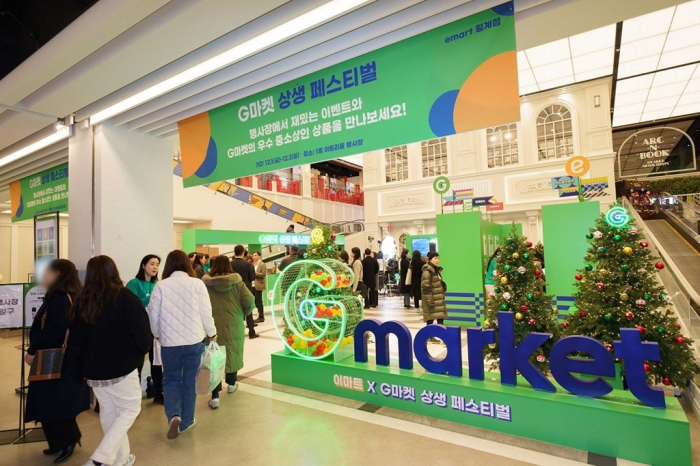
    Gmarket, an e-commerce platform owned by Shinsegae, has entered into a strategic alliance with Lazada, a leading online marketplace in Southeast Asia, to facilitate its expansion on the international front.

    Expanding Horizons

    The partnership allows sellers using Gmarket to add over 20 million items directly to Lazada’s platform. This will potentially reach about 160 million users all over Singapore, Malaysia, Vietnam, Thailand, and the Philippines. This signifies Gmarket’s inaugural foray into the Southeast Asian market using a local platform.

    Smooth Integration

    The integration, which is designed for ease and convenience, allows Korean sellers to participate via Gmarket’s ESM Plus system. This system enables synchronized product information, order processing, and logistics on both platforms.

    Sellers only need to ship their products to Lazada’s warehouse in Incheon as product listings are automatically translated into local languages. Both Gmarket and Lazada will jointly manage international shipping and customer support.

    Commitment to Sellers

    A representative from Gmarket emphasized that the cooperation with Lazada aims to assist domestic sellers in their efforts to enter foreign markets in a more stable and straightforward way. They further stressed the platform’s commitment to support its high-quality sellers in tapping opportunities to increase sales in overseas markets.

    Future Expansion

    In addition to its Southeast Asian initiative, Gmarket is planning to expand to Europe, South Asia, Latin America, and the US. The ultimate goal is to reach more than 200 countries and regions within Alibaba’s global network.

    Questions & Answers

    What does the strategic partnership between Gmarket and Lazada entail?
    The partnership enables Gmarket’s sellers to list their products directly on Lazada, reaching its approximately 160 million users across Southeast Asia.

    How will the integration of the two platforms work?
    Gmarket sellers can opt in via the ESM Plus system for synchronized product data, order processing, and logistics across both platforms. Listings are automatically translated, and the products are shipped to Lazada’s Incheon warehouse.

    What are Gmarket’s future expansion plans?
    Gmarket aims to broaden its reach to Europe, South Asia, Latin America, and the US, with the ultimate goal of targeting more than 200 countries and regions within Alibaba’s global network.

  • Siam Paragon Unveils $39m Investment In Three New World-class Attractions

    Siam Paragon Unveils $39m Investment In Three New World-class Attractions

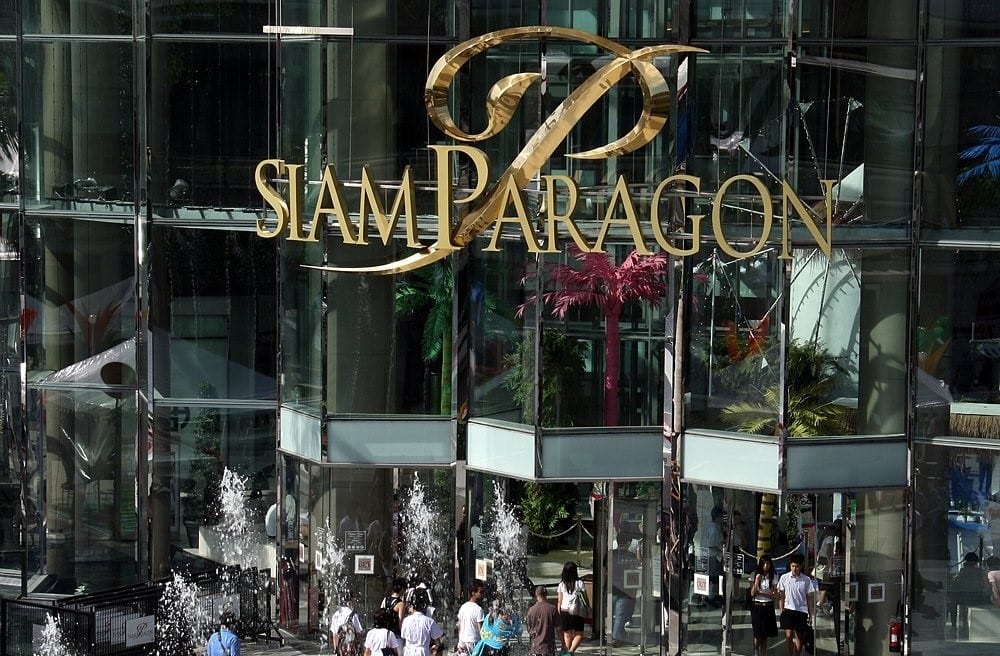
    Siam Paragon, a well-known retail destination situated in Bangkok, Thailand, is set to launch three new world-class attractions later this year.

    The initiative, which represents an investment exceeding THB 1.25 billion (approximately US$39 million) and a marketing budget of THB 200 million (US$6 million), is aligned with Siam Paragon’s objective to provide unique attractions that attract international visitors and boost footfall to its retail spaces.

    For instance, the Sea Life Bangkok, one of the largest aquariums in Southeast Asia, nestled within the basement of Siam Paragon, covers an area of 10,500 sqm and attracts over 2.5 million visitors each year.

    Upcoming Attractions

    Following the success of the aforementioned aquarium, Siam Paragon plans to expand its range of attractions by introducing two additional world-class features. These attractions, spanning across 20,000 sqm, consist of MeLand, the first indoor theme park in Thailand, occupying 5000 sqm, and Nextopia, a unique 15,000 sqm prototype representing the ‘world of tomorrow’.

    The inclusion of these new attractions will integrate a total of 30,500 sqm of unique attractions, making Siam Paragon the most diverse entertainment destination in Thailand, catering to a broad spectrum of visitors.

    Furthermore, the center is preparing to launch Siam Paragon Dining Phenomenal, a vibrant dining hub with a selection of over 700 global and local restaurants, cafes, dessert bars, and kiosks.

    A Sneak Peek into Nextopia and MeLand

    Nextopia, supported by an investment of THB 850 million (approximately $26.3 million), is a collaborative endeavor with 50 ‘innovation partners’ and 30 ‘friends’ of Nextopia communities. This endeavor aims to create a better world that brings meaning, joy, entertainment, and a commitment to quality and sustainable living.

    MeLand, to be constructed on the fifth floor of Siam Paragon with an investment of THB 400 million (approximately US$12.5 million), promises to provide families with a world of boundless imagination, play, and discovery, boasting over 100 attractions and 500 edutainment experiences.

    Siam Paragon Dining Phenomenal: Culinary Delights Await

    Siam Paragon is confident that the launch of Siam Paragon Dining Phenomenal will cement its reputation as Asia’s largest and most comprehensive culinary destination, bringing together over 700 restaurants across every level of the mall.

    Starting from the newly renovated Paragon Food Court and Food Hall, visitors can explore over 100 renowned street food eateries that encapsulate the vibrant flavors of Bangkok. The culinary journey continues with legendary Thai eateries, globally-recognized chefs, and unique international introductions.

    A new zone named Eatelier Dining Entertainment, featuring 30 restaurants, offers an artistic touch to every dining experience. Customers can enjoy live performances by bands and DJs, creating a captivating ambience suitable for both day and night.

    A Significant Step for Siam Paragon

    The unveiling of these three attractions in the last quarter of the year represents a significant step in Siam Paragon’s journey as it celebrates its 20th anniversary.

    A representative from Siam Paragon emphasized that the new developments underscore the center’s commitment to delivering “unparalleled experiences to over 100 million visitors annually” and will further elevate Bangkok’s stature as a top destination for global visitors.

    Questions & Answers

    What are the new attractions at Siam Paragon?
    Siam Paragon is set to launch three new attractions: Nextopia, MeLand, and Siam Paragon Dining Phenomenal.

    What is Nextopia?
    Nextopia is a unique prototype that represents a future world. It aims to inspire every step of life with meaning, joy, entertainment, and a commitment to quality and sustainable living.

    What can visitors expect at MeLand?
    MeLand, an indoor theme park, promises to provide families with a world of boundless imagination, play, and discovery with over 100 attractions and 500 edutainment experiences.
  • Hong Kong’s Ambitious $13 Billion Airport City Project Faces Development Hurdles Amid Cash Crunch Challenges

    Hong Kong’s Ambitious $13 Billion Airport City Project Faces Development Hurdles Amid Cash Crunch Challenges

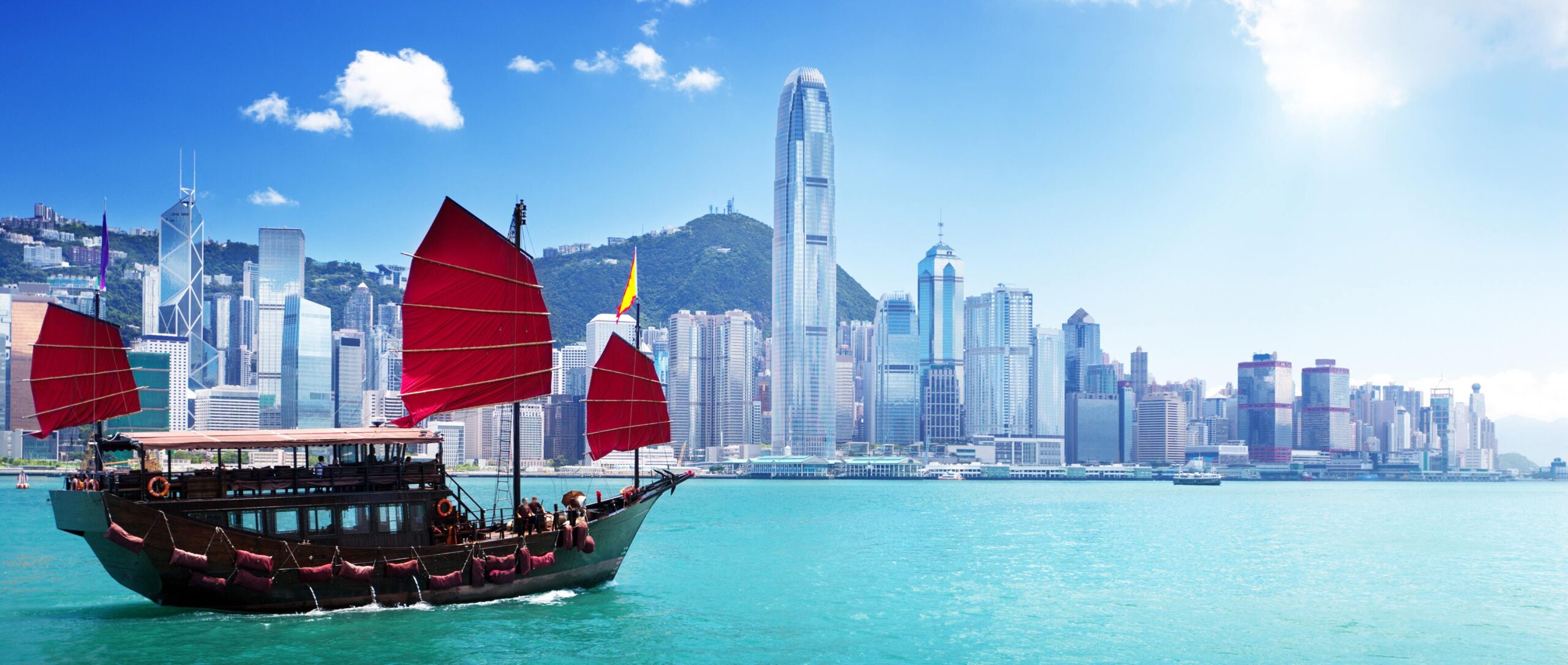
    An ambitious 100 billion Hong Kong dollar (approximately $12.8 billion) urban development project near Hong Kong’s international airport is facing significant challenges. At the heart of this venture lies 11 Skies, a massive shopping mall that has struggled to attract tenants as the developer, New World Development, finds itself in a precarious financial position.

    Despite its grand ambitions, which included creating a shopping destination touted as one of the largest in Hong Kong, the project has been plagued by setbacks. New World Development’s mounting debts have led to speculation that the company may be considering a sale of 11 Skies to alleviate its financial burdens. The mall, with its mix of retail, dining, and entertainment options, was once envisioned as a vibrant hub but is currently finding itself in a race against time to secure a successful launch.

    Industry insiders note that while retail real estate in Hong Kong has generally been recovering, the particular challenges faced by 11 Skies could potentially set it apart, particularly if it fails to strike deals with key brands. As competitors thrive in the evolving market, many are left wondering whether 11 Skies can rise to its original promise or if it will remain an empty shell.

    The scale of New World Development’s financial woes undoubtedly complicates the situation; the company has been grappling with extensive debts, leaving little room for missteps in a market where consumer confidence remains fragile. In the midst of all this, the question arises: could 11 Skies end up as a monument to unfulfilled dreams rather than a bustling retail paradise?

    Questions & Answers

    What is the status of the 11 Skies shopping mall?
    11 Skies, a centerpiece of a major urban development project in Hong Kong, is struggling to attract tenants as the developer, New World Development, faces significant financial difficulties.

    Why is New World Development considering selling 11 Skies?
    The company is grappling with extensive debts, prompting speculation that selling the mall could help alleviate its precarious financial position.

    How are industry experts viewing the future of 11 Skies?
    Experts express concerns that without securing key retail partnerships, 11 Skies may not fulfill its original vision and could falter in the competitive Hong Kong retail landscape.

  • Alibaba And Jd.com: Transforming China’s Retail Landscape Amidst Rising Consumer Expectations

    Alibaba And Jd.com: Transforming China’s Retail Landscape Amidst Rising Consumer Expectations

    China’s retail sector is experiencing a transformative moment, marked by the strategic rise of two formidable players: Alibaba and JD.com. This dynamic shift mirrors broader trends reshaping the region’s e-commerce landscape, where Chinese consumers are becoming increasingly discerning and adept at navigating their shopping choices.

    The Rise of Online Retail Titans

    As the pandemic prompted significant changes in consumer habits, both Alibaba and JD.com have consolidated their positions, further entwining themselves in the daily lives of shoppers across the nation. Alibaba reported a staggering 15% growth in annual revenue, further highlighting the platform’s ability to adapt to the evolving market conditions. Meanwhile, JD.com showed its mettle, achieving a 10% increase in retail sales during the same period, which underscores its commitment to enhancing customer satisfaction through improved delivery services and product offerings.

    Aligning with Consumer Trends

    As Chinese consumers increasingly gravitate towards convenience and quality, these giants are innovating to meet those expectations. Alibaba’s focus on integrating online and offline shopping experiences has proven vital. The company’s ‘New Retail’ strategy, which seamlessly blends digital and traditional retail, is resonating well with tech-savvy consumers. This approach has not only driven sales but has also increased the frequency of consumer spending.

    A Competitive Landscape

    The competition is fierce. Both Alibaba and JD.com are racing to capture the hearts (and wallets) of a rapidly evolving customer base. While Alibaba has successfully leveraged its vast data analytics capabilities to personalize shopping experiences, JD.com is not far behind with its focus on logistics and delivery efficiency; it’s not just about what you buy, but how quickly you can get it. In this digital age, waiting days for a package is as antiquated as using a typewriter.

    Future Prospects: What Lies Ahead

    Looking to the future, these retail titans are aware that innovation is crucial. Both companies are investing heavily in artificial intelligence and other emerging technologies to streamline operations and enhance user experience. Analysts predict that this power struggle will only intensify, as consumer expectations continue to rise, pushing both brands to new heights in the quest for market supremacy. Whether it’s through AR-driven shopping experiences or drone deliveries, one thing is clear: the race is just getting started.

    Questions & Answers

    How are Alibaba and JD.com adapting to changing consumer preferences?
    Both companies are embracing innovation, with Alibaba focusing on a seamless integration of online and offline experiences, while JD.com emphasizes logistical efficiency and fast delivery times to enhance customer satisfaction.

    What impact has the pandemic had on the retail landscape in China?
    The pandemic has accelerated the shift towards e-commerce, leading to significant revenue growth for both Alibaba and JD.com as consumers increasingly prefer online shopping.

    What future developments can we expect from these retail giants?
    Expect continued investment in emerging technologies, such as artificial intelligence and augmented reality, as both companies strive to enhance user experiences and meet rising consumer demands.

  • Digital Transformation Accelerates In Asian Financial Services: The Rise Of Ai, Tokenisation, And Real-time Infrastructure

    Digital Transformation Accelerates In Asian Financial Services: The Rise Of Ai, Tokenisation, And Real-time Infrastructure

    Financial services in Asia are undergoing a seismic shift driven by the rapid adoption of digital technologies, notably artificial intelligence (AI), tokenisation, and advanced real-time infrastructure, according to insights from KPMG. Sinchan Banerjee, a Partner for Financial Services Consulting at KPMG Singapore, highlights that these technologies are more than just trendy terms—they are catalysts for significant transformation within the industry. “These aren’t just buzzwords. They are driving fundamental changes across the financial services landscape,” he asserts.

    A New Age of AI Adoption

    The trend toward AI integration is picking up speed. Banerjee observes that in Singapore, financial institutions are moving beyond experimental pilot programs to implement AI in real-world applications. “We see firms increasingly embedding AI across their value chains,” he notes, with diverse use cases ranging from enhancing customer engagement to improving risk management and compliance. It seems that for some companies, AI isn’t just a tool; it’s becoming the proverbial golden child of innovation.

    The Rise of Digital Assets

    With digital assets gaining momentum, regulatory bodies are actively cultivating this burgeoning sector. Banerjee points out the growing interest among institutional investors eager to delve into this emerging asset class. “Regulators are taking the lead on crucial initiatives, bringing together policymakers and industry stakeholders to drive efforts like asset tokenisation,” he explains.

    Navigating Real-time Market Trends

    The march towards real-time markets, exemplified by T+1 settlements and near-instantaneous payment options, is intensifying the pace of disruption. “This shift compresses timelines and places enormous pressure on existing operating models and legacy systems,” Banerjee elaborates. It’s as if the clock has been sped up in a game where the rules keep changing, demanding agility from every player involved.

    Redefining Risk and Compliance

    In this fast-evolving environment, Banerjee emphasizes the urgent need for firms to modernise their risk and compliance frameworks. “Reframing risk as a catalyst for opportunity rather than a constraint is essential,” he advocates. Modernising these aspects shouldn’t merely mean layering on more controls; it should involve redesigning them to be intelligent, adaptive, automated, and seamlessly integrated into the business model.

    Cultivating a Resilient Culture

    Equally pivotal to this transition is cultivating a culture that embraces innovation while maintaining risk awareness. Banerjee notes, “The foundation of successful digital transformation lies in fostering a culture of collaboration, accountability, and agility. The most resilient and successful organisations are those that nurture this mindset.” In a world where change is the only constant, ensuring your team is equipped to adapt can feel like arming them with a digital superhero cape.

    Questions & Answers

    What role does AI play in the transformation of financial services?
    AI is increasingly being embedded across various value chains in financial services, with applications that improve customer engagement, risk management, and compliance.

    Why is digital asset regulation important?
    With the rising interest from institutional investors, effective regulation is essential to foster confidence and enable the growth of this emerging asset class within the financial sector.

    How can firms achieve a successful digital transformation?
    By fostering a culture that balances innovation with risk awareness, organisations can position themselves as resilient and dynamic players in the evolving financial landscape.

  • Uniqlo To Open Largest Flagship Store In Shanghai: A Fusion Of Fashion, Sustainability, And Technology

    Uniqlo To Open Largest Flagship Store In Shanghai: A Fusion Of Fashion, Sustainability, And Technology

    Once again, China’s industrial landscape is buzzing with activity as renowned fast-fashion brand Uniqlo makes its latest move to capture the hearts of local consumers. The company has announced plans to open its largest flagship store in Shanghai this Friday, covering an impressive 4,000 square meters in the bustling heart of Huaihai Road, a district synonymous with style and culture. This flagship store is set to become a mecca for fans of the brand, equipped with an extensive range of offerings that reflect the latest in apparel trends while keeping Uniqlo’s signature simplicity and comfort in mind.

    New Heights in Urban Retail

    Uniqlo is not merely expanding its footprint; it is embracing a new era of urban retail. This forthcoming flagship store promises a shopping experience tailored to both local tastes and global trends. “Shanghai exemplifies the forward-thinking spirit of urban life,” said a Uniqlo spokesperson, adding a poetic twist to the brand’s commitment to innovation. With the new store, Uniqlo aims to provide both aesthetics and functionality that resonate with the fast-paced lifestyle of city dwellers.

    Focus on Sustainability and Local Culture

    True to its mission, Uniqlo is putting sustainability at the forefront of its operations. Many of the items in the new flagship will feature eco-friendly materials, reinforcing the brand’s dedication to reducing its environmental impact. In addition, the store will showcase local artists through engaging displays, blending fashion with cultural creativity. Customers can expect to encounter a vibrant mural that reflects the city’s spirit and diversity, an artful touch that adds flair to the shopping environment.

    A Store Like No Other

    What’s particularly striking about this store, however, is its integration of technology. With interactive kiosks and augmented reality elements enhancing the shopping experience, customers are invited to engage with products in new, imaginative ways. It almost feels as if the store could come alive and recommend outfits based on your mood, adding an element of whimsy to the retail journey.

    As Uniqlo gears up for this grand opening, it’s clear that the brand is not just setting up a new retail outlet but is making a bold statement about the future of shopping in a rapidly evolving market. The store not only serves as a retail location but as a cultural hub, bringing together fashion, technology, and sustainability under one roof.

    Questions & Answers

    What is unique about Uniqlo’s new flagship store in Shanghai?
    The flagship store stands out with its massive 4,000 square meters of space, interactive technology, and a focus on sustainability, offering customers a distinctive shopping experience that integrates fashion with local culture.

    How does Uniqlo plan to incorporate local culture into its flagship store?
    Uniqlo is incorporating local culture by featuring displays from local artists and a vibrant mural that reflects the city’s spirit, blending fashion with the rich cultural tapestry of Shanghai.

    What are some of the eco-friendly initiatives within the new store?
    The flagship will showcase items made from sustainable materials, aligning with Uniqlo’s commitment to reducing its environmental impact and promoting responsible consumption.

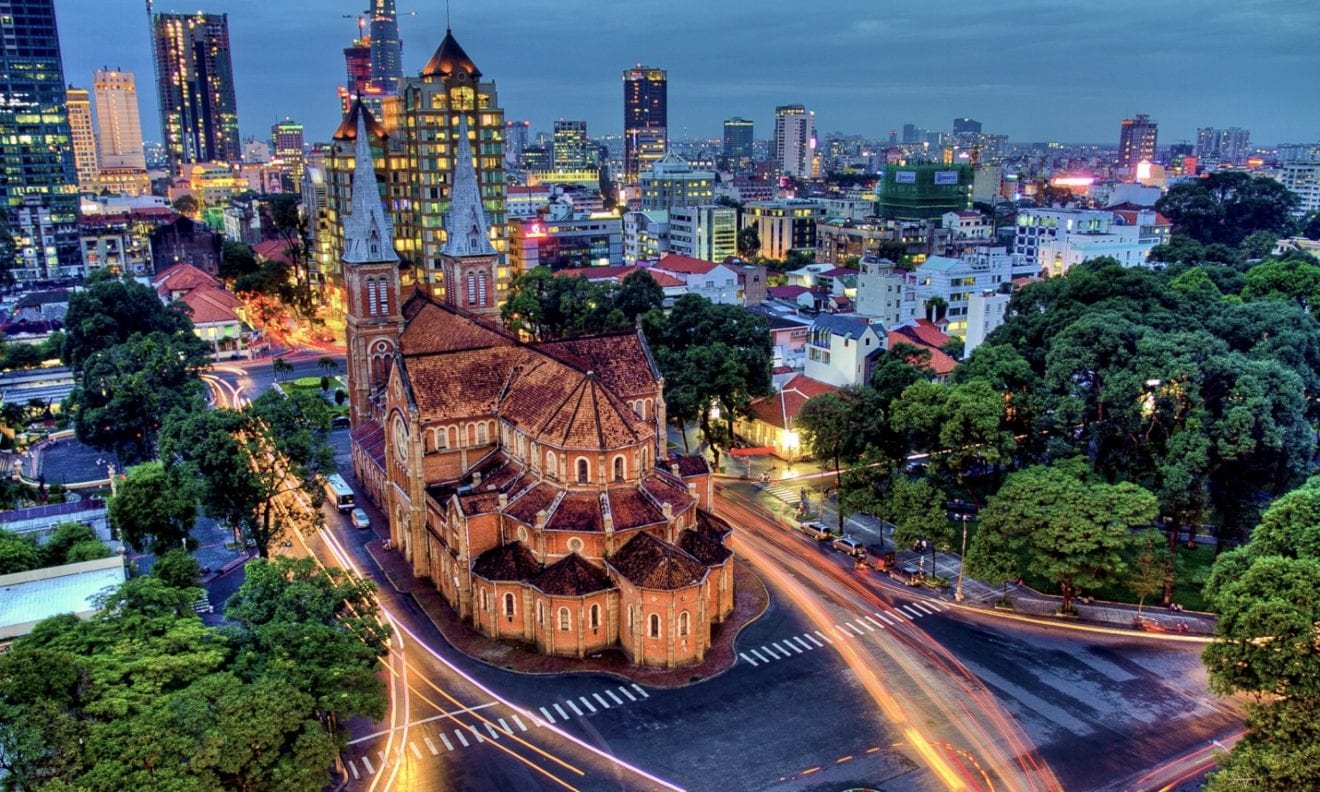
  • HCMC Soars in Global Financial Center Rankings, Surpassing Bangkok to Claim an Impressive 3rd Place!

    HCMC Soars in Global Financial Center Rankings, Surpassing Bangkok to Claim an Impressive 3rd Place!

    Ho Chi Minh City (HCMC) has reached a significant milestone, achieving its highest ranking in the Global Financial Centers Index (GFCI) since its inception in 2022. This notable rise, documented in the latest GFCI report released last week, sees HCMC score 664, a jump of 10 points from March’s assessment.

    A Comprehensive Evaluation of Financial Hubs

    The GFCI evaluates 135 financial centers worldwide, using a nuanced matrix of indicators that includes business environment, reputation, infrastructure, human capital, and development of the financial sector. Each city’s score is derived from inputs provided by reputable third-party organizations such as the UN, World Economic Forum, and Transparency International, complemented by feedback from 4,877 financial services sector professionals.

    Forecasting Financial Growth

    With its burgeoning score, HCMC is among the 15 financial centers anticipated to exhibit robust growth over the next two to three years—a promising outlook that contrasts with Bangkok’s decline from 96th to 102nd place.

    Vietnam’s Ambitious Financial Hub Plans

    In a bold move to enhance its financial stature, Vietnam is developing an international financial hub that spans HCMC and Da Nang. Announced in a government resolution passed in June, the hub will feature a diverse array of services, from banking to capital markets associated with asset and fund management. Notably, experimental mechanisms for fintech innovation, specialized trading platforms, and derivatives are also part of the plan. The government aims to have the HCMC section operational by 2025, with full completion expected within five years—making HCMC not just another city, but a potential playground for financial progress.

    Regional and Global Financial Rankings

    Other Southeast Asian cities making their mark in the rankings include Singapore at a respectable 4th, Kuala Lumpur at 45th, Jakarta at 91st, and Manila at 104th. Meanwhile, the global top 10 list remains steadfast, with New York maintaining its lead with a score of 766, cushioning its position against the competition from London, Hong Kong, and Singapore.

    Questions & Answers

    What factors contribute to HCMC’s rise in the GFCI ranking?
    HCMC’s improved ranking is attributed to its competitive business environment, strong infrastructure, and ongoing developments in human capital and financial sector growth.

    When is the financial hub in HCMC expected to be operational?
    The HCMC section of the new financial hub is projected to be operational by 2025, with the entire development completed within five years.

    How does HCMC’s ranking compare to other Southeast Asian cities?
    HCMC ranks significantly higher than other Southeast Asian cities like Bangkok, which dropped to 102nd, while Singapore remains the leader in the region at 4th globally.

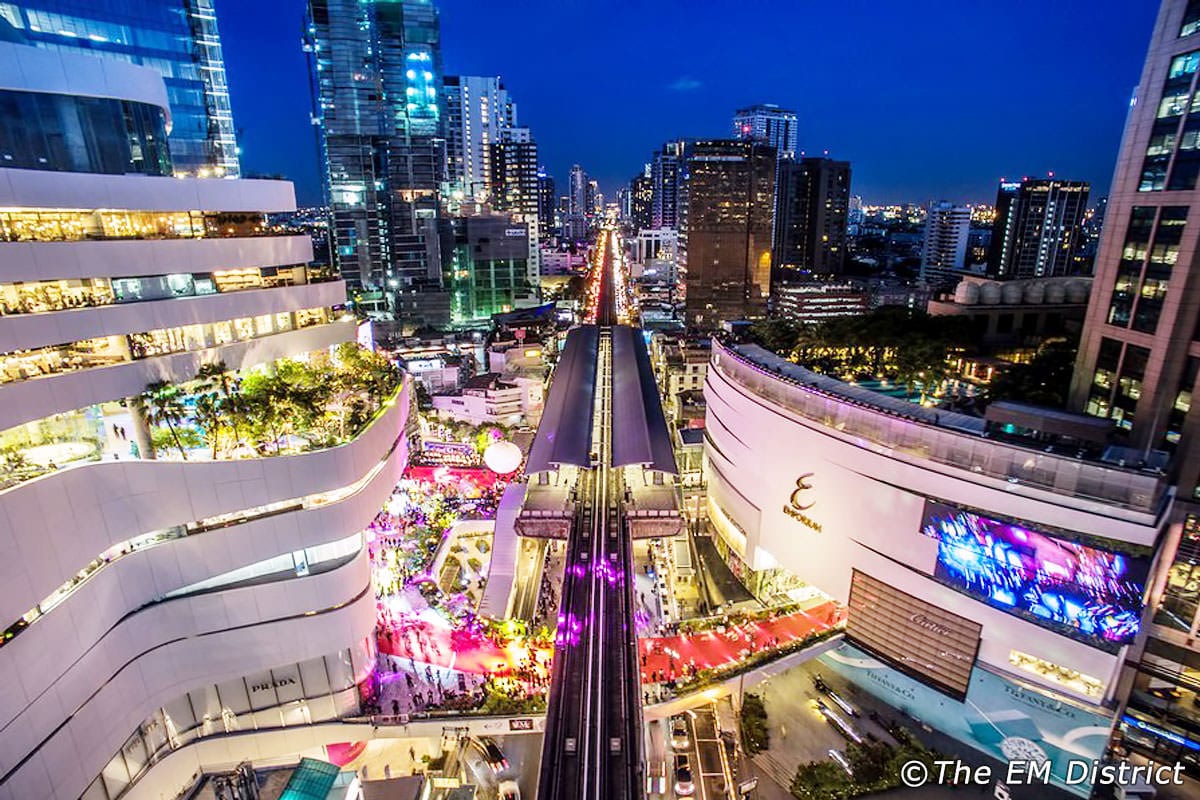
  • Bangkok Set to Unveil Over 427,000 sqm of New Industrial Space This Year!

    Bangkok Set to Unveil Over 427,000 sqm of New Industrial Space This Year!

    Amid a rapidly evolving logistics landscape, Thailand’s Greater Bangkok market is poised for significant changes in warehouse rental dynamics. According to a recent report from JLL, the prime grade warehouse rental rate is expected to experience a slight decline in the near to medium future. This decline comes as over 427,000 square meters of leasable space is scheduled for completion in 2025, accompanied by an additional 378,000 square meters planned for 2026 and 2027.

    Developers Strategize in a Competitive Arena

    The JLL report emphasizes that developers are likely to diversify their asset classes and strategies within the logistics and industrial sectors as competition heats up. The anticipated growth in manufacturing is set to drive demand for solutions that effectively capture both logistics and industrial needs.

    Net Absorption Hits New Low

    In a development that might raise eyebrows, net absorption of prime warehouse space recorded a meager 66,100 square meters in Q2, marking the lowest figure since Q1 2024. This dip is attributed to reduced occupancy rates in the Eastern Economic Corridor (EEC), despite the completion of major built-to-suit projects in Wang Noi, Ayutthaya.

    Vacancy Rates on the Rise

    Consequently, the market vacancy rate surged by 1.0%, reaching 11.4% in Q2 2025. The increase can be traced back to negative take-up in select EEC projects, underscoring the evolving challenges within this critical area of Thailand’s logistics scene.

    New Projects Fuel Growth in Northern Vicinity

    The completion of three significant projects in Q2 2025 added 125,500 square meters of net leasable area to the market. These include SCX Logistics Bangna Km.20 – Phase 1, ESR Asia Bowin (W1/W2), and the Big C Bang Pa-in Distribution Centre. Notably, the 89,000-square meter built-to-suit Big C facility in Ayutthaya reflects the surging demand in the Northern Vicinity among consumer goods retailers.

    Rental Rates Struggle Amidst Tough Competition

    Amidst this backdrop, rental rates have dipped slightly to 159 THB per square meter per month, maintaining a rather static average over the past two years. This stagnation is largely due to intensified competition from several newcomers entering the market. The overall market capital value showed a marginal quarter-on-quarter decline of 0.2%, now averaging THB 31,505, as a result of rental rate compression.

    Questions & Answers

    What are the trends affecting warehouse rental rates in Greater Bangkok?
    JLL’s report highlights an expected slight decline in prime grade warehouse rental rates, driven by the upcoming completion of a significant amount of new leasable space.

    How has net absorption in the warehouse market changed?
    Net absorption fell to 66,100 square meters in Q2, marking the lowest since early 2024, influenced largely by reduced occupancy in the Eastern Economic Corridor.

    What impact do new projects have on the logistics market in Northern Vicinity?
    The recent completion of major projects, especially the Big C Bang Pa-in Distribution Centre, indicates a growing demand from consumer goods retailers in the Northern Vicinity.

  • Dollar Takes a Tumble Against the Dong: What Retailers Need to Know

    Dollar Takes a Tumble Against the Dong: What Retailers Need to Know

    In a fluctuating market, the U.S. dollar is showing signs of weakness against the Vietnamese dong and other major currencies this Monday morning. Vietcombank reported a slight decrease in the dollar selling rate to VND26,451, down by 0.008% since the weekend. Meanwhile, the currency was trading approximately at VND26,650 on the black market, showcasing the ongoing shifts in value.

    Fed on the Sidelines as Government Shutdown Looms

    The depth of the dollar’s decline is echoed worldwide, driven in part by investor anxiety about a potential U.S. government shutdown. Such a closure would delay the release of the September payrolls report and other critical economic indicators, according to Reuters. Analysts warn that an extended government shutdown would leave the Federal Reserve with little guidance on the economy ahead of its meeting scheduled for October 29.

    Market Analysis Indicates Cautious Optimism

    In a note from analysts at BofA, it was suggested that if the shutdown extends past the Fed meeting, policy decisions will shift to reliance on private data. “On the margin, we think this may lower the likelihood of an October cut, but only marginally,” they observed. The dollar index retreated by 0.2% to 97.952, after benefiting from positive economic news the previous week.

    Meanwhile, the euro made a modest gain, inching up to $1.1726, yet is still sitting comfortably in the lower half of its recent trading range between $1.1646 and $1.1918. The dollar also weakened against the yen, dropping 0.4% to 148.92, following a more than 1% rally last week and distancing from the September low of around 145.50. It’s almost as if the dollar is engaging in a very public game of dodgeball, as it avoids hitting its lowest points.

    Questions & Answers

    How has the U.S. dollar performed against the Vietnamese dong recently?
    The U.S. dollar has weakened against the Vietnamese dong, with the selling rate at VND26,451 as of Monday, reflecting a decrease of 0.008% since the weekend.

    What factors are contributing to the dollar’s decline?
    Investor concerns about a potential U.S. government shutdown are weighing heavily on the dollar, especially as it threatens to delay critical economic reports that influence Federal Reserve policy.

    What are analysts predicting regarding future Federal Reserve actions?
    Analysts suggest that if the government shutdown persists, the Federal Reserve may rely more on private data for its decisions, which could slightly reduce the likelihood of an interest rate cut in October.