Blog

  • Shangpin Home Collection to be listed in China

    Shangpin Home Collection to be listed in China

    The parent of Chinese furniture retailer Shangpin Home Collection has announced plans for an IPO to raise 2.5 billion yuan (US$402 million).

    Guangzhou Shangpin Home Collection Co Ltd will list on the Growth Enterprise Market of Shenzhen Stock Exchange, China’s version of the US Nasdaq exchange.

    Shangpin Home Collection operates 969 stores, 901 of them franchised, the balance self-run.

    The company makes customised furniture which it sells through Shangpin Home Collection stores and online, where it ranks 42nd in China’s top 500 internet retailers.

    The company was founded in 2004. It says it plans to use the funds to upgrade it manufacturing systems, online services and fulfilment centres.

    Last year, Shangpin Home Collection boosted profit by 63 per cent, the vast majority of that growth reportedly coming from its eCommerce business on its own site Homekoo.com and on Tmall and JD.com.

    Physical stores, however, currently still account for the majority of sales.

  • Orchard Rd rents slide gains momentum

    Orchard Rd rents slide gains momentum

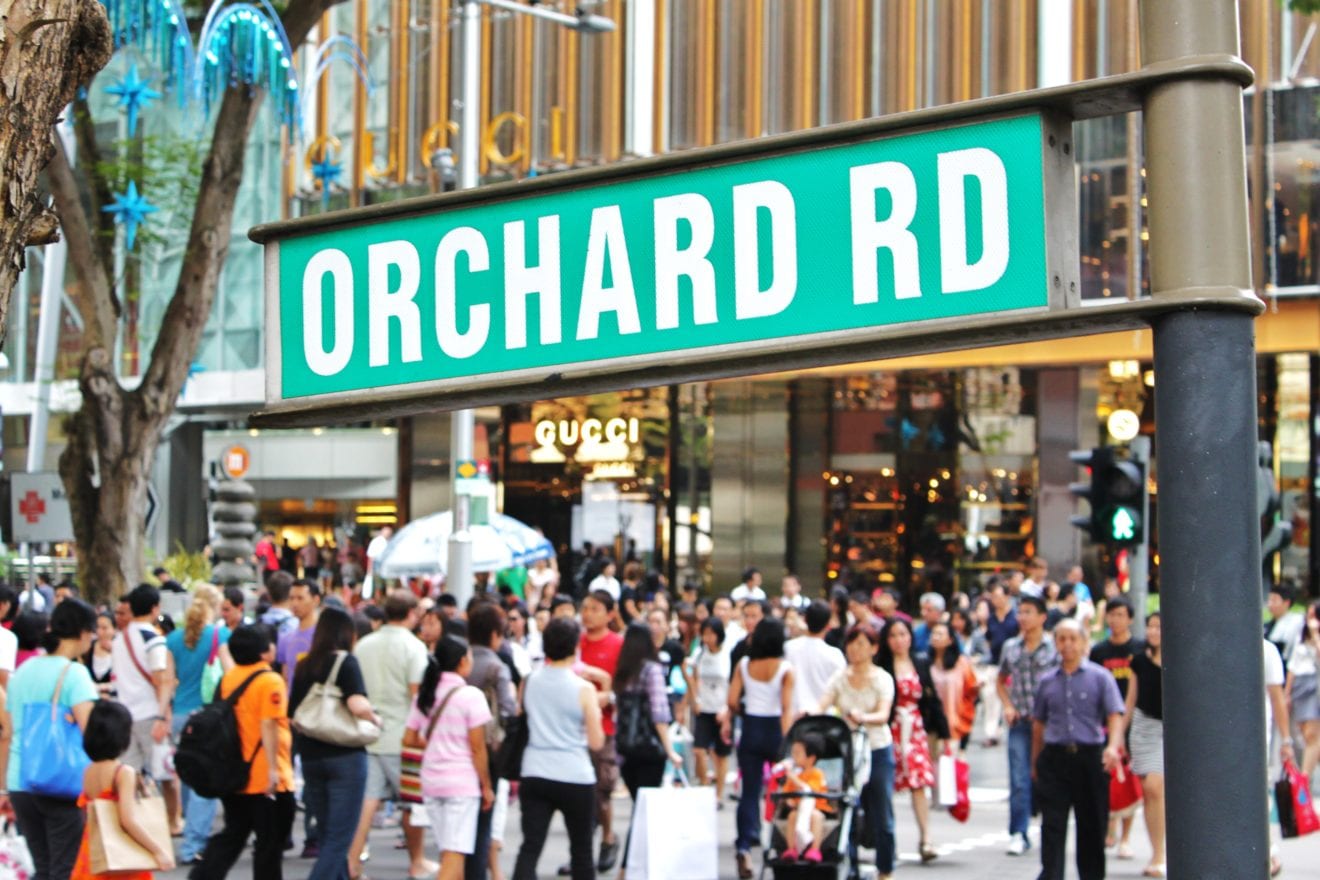
    Retail rents on Singapore’s prime retalstrip, Orchard Rd, slipped by 1.6 per cent in the latest quarter.

    But worse is yet to come according to Colliers International in its quarterly review of Singapore retail rents, tipping a full year decline as high as five per cent.

    The average monthly gross rent for Orchard Rd retail space fell to S$35.25 per sq ft in Q2 2015 from S$35.83 per sq ft in the previous quarter. That 1.6 per cent drop follows a 0.9 per cent fall in the first quarter, showing the decline is already gaining momentum.

    Colliers says Orchard Rd rents are being dragged down by tougher competition from suburban malls which are drawing locals away from the heart of the city.

    And an apparent oversupply of space on the fringe of Orchard Rd is unlikely to be helping either.

    Complicating the picture is spirited competition for domestic and visitor spending.

    In contrast, prime rents in the city state’s regional centres were steady at S$33.94 per sq ft.

    “The retail property sector has continued to experience attrition, with reports on closure of shops and certain malls in Orchard Rd suffering from poor shopper traffic and pedestrian footfalls,” Colliers’ deputy MD Calvin Yeo said.

    “However, given the demand for more retail variety by an increasingly more affluent consumer base, new-to-market F&B and retail operators continue to set up shops in Singapore. This has helped to shore up occupancy rates of retail malls and cushion rental falls.”

    Colliers says while a five per cent decline in Orchard Rd rents is likely this year, rents in regional centres could grow by up to one per cent, based on current trends.

  • Hangzhou Joy City marks No 8 for HK developer

    Hangzhou Joy City marks No 8 for HK developer

    Hong Kong’s Joy City Property will open an eighth Joy City mixed use development in Hangzhou.

    The company says the urban complex and commercial property project will become a lifestyle hot spot for the Hangzhou residents.

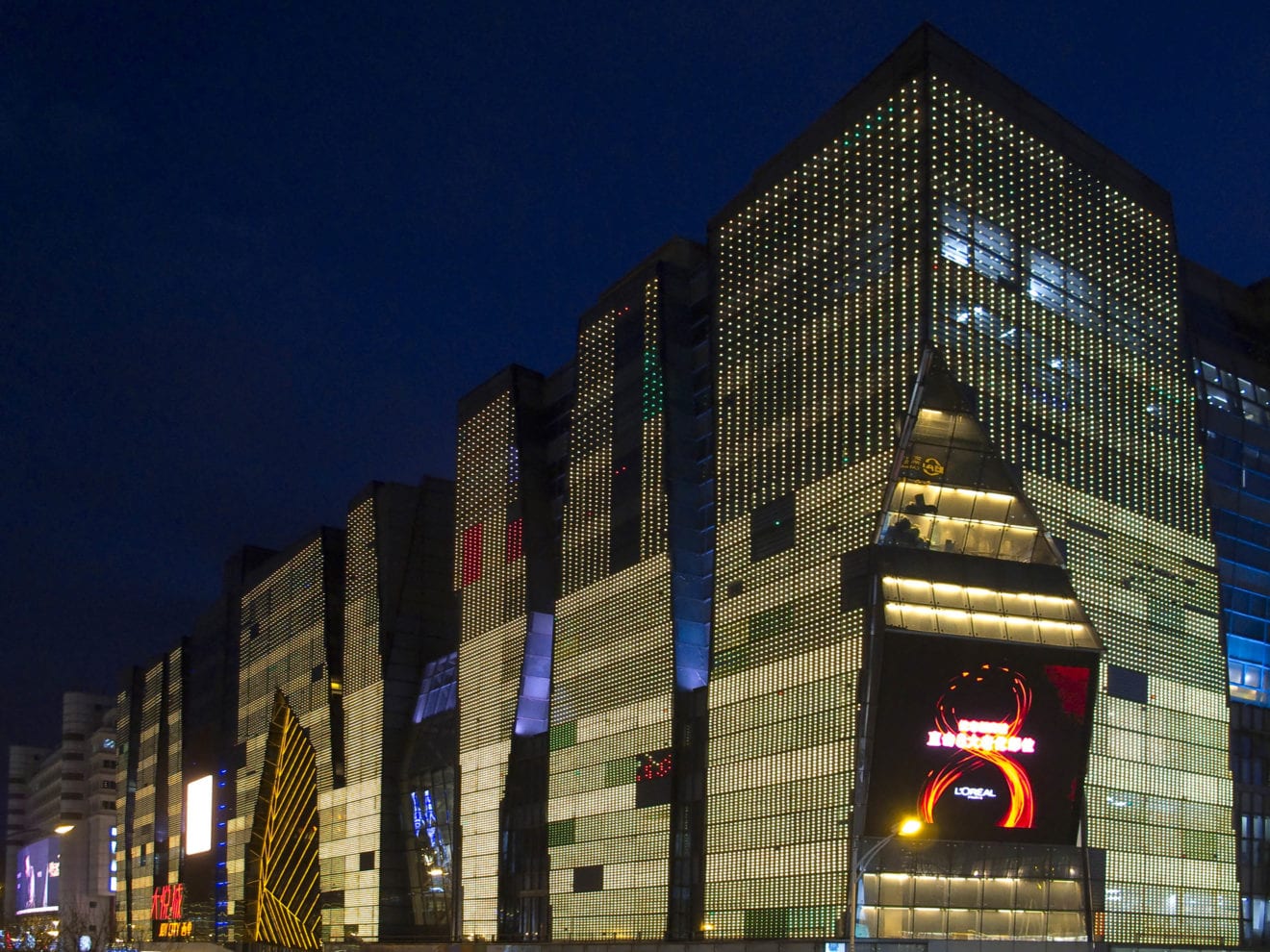
    Alas it has not released any images of the planned development (the image above is of an exciting Joy City project).

    Brands which have already proven successful in other Joy Cities will have an option to open in the new Hangzhou project.

    Hangzhou Joy City will replicate the Joy City brand’s unique architectural style, featuring sky walkways and an open atrium to project a “youthful, fashionable, trendy and quality” image of the brand. It will target the city’s middle-class customers aged between 18 and 35.

    The project will also adopt characteristics peculiar to Hangzhou’s culture while positioning itself as a mecca for the local trendy shoppers, introducing new brands into Hangzhou, the Yangtze River Delta and even Mainland China.

    Hangzhou Joy City comprises an urban complex and commercial properties with a combined gross floor area of 500,000 sqm. At the southern side of the project, a port will be built at the bank of the Grand Canal, which links Beijing with Hangzhou and is a UNESCO World Heritage Site. Consumers will be able to start a boat trip at the port to reach Wulinmen port and Xixi National Wetland Park directly, allowing them to enjoy shopping at Hangzhou Joy City and a boat tour of the park.

    In addition, Hangzhou Joy City will be the first Joy City to launch an outdoor commercial district where all types of shops will be opened for business round the clock.

    Representatives of retailers I.T., Zara, Uniqlo, China Film, Waipojia and Starbucks attended the inauguration ceremony for Hangzhou Joy City.

    Zhou Zheng, VP of COFCO and chairman of Joy City Property said Hangzhou has always been strategically important to Joy City.

    “We hope that Hangzhou Joy City will not only become the lifestyle destination of the city but will also drive consumption and improve the shopping experience in the Hangzhou Bay area. Hangzhou Joy City aspires to be a dazzling pearl in the southern Yangtze River Delta and will work with Shanghai Joy City to reshape the commercial real estate sector in the region.”

  • New mall planned for Sukhumvit 101

    New mall planned for Sukhumvit 101

    Thai property developer Magnolia Quality Development Corporation has unveiled a stunning, futuristic mixed use development plan for Sukhumvit 101.

    Whizdom 101 is a massive 30 billion baht US$883 million project which when complete will comprise 340,000 sqm of space: a 20,000 sqm retail shopping centre, 30,000 sqm of office space, 10,000 sqm for a sports and wellness facilities. The balance of the space will house 1800 residential units in three high rise towers.

    The first tower – Whizdom Connect Sukhumvit – will house 600 apartments, 60 per cent of which have already been reserved since they were placed on the market a fortnight ago. Construction is scheduled to commence from october this year and be completed mid-2018.

    Suttha Ruengchaipaiboon, an executive vice president of Magnolia, said the company is targeting younger people from Thailand, China and Asean. A roadshow promoting the project will visit Hong Kong, Malaysia, Singapore and Indonesia during the second half of this year.

    Magnolia is a partner in the massive IconSiam mixed use project in partnership with Siam Piwat, under construction on the banks of the Chao Praya River.

  • Garuda cancels all flights to Denpasar due to volcanic ash

    Garuda cancels all flights to Denpasar due to volcanic ash

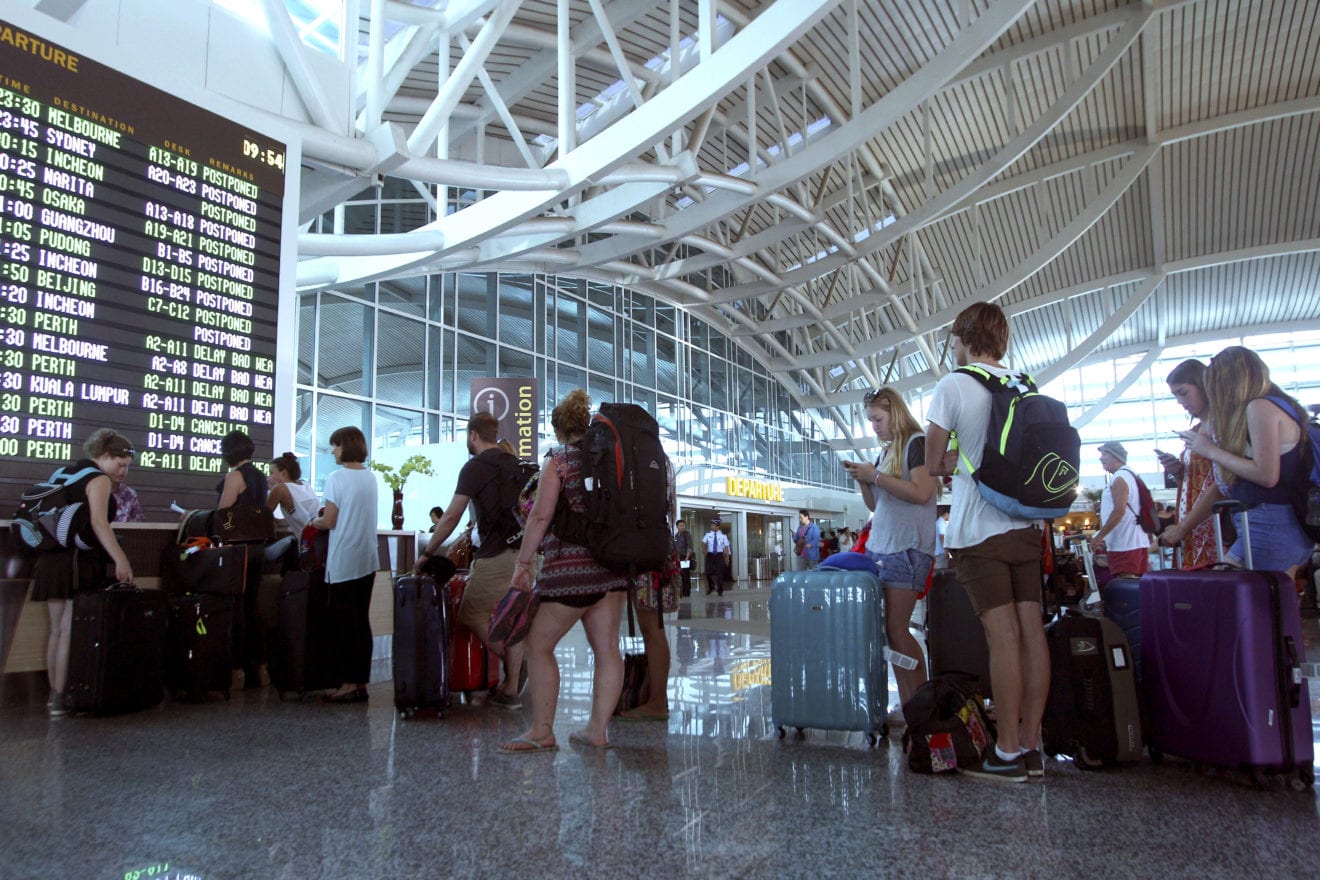
    Garuda Indonesia Airlines on Sunday cancelled all flights to Balis Nurah Rai International Airport following its closure again at 9.30 a.m local time on Sunday.

    The flights cancellation was aimed to avoid aviation hazards and to ensure passenger safety due to the volcanic ash being spewed by Mount Raung in East Java Province.

    “Due to the rising eruption of Mount Raung in Bondowoso, East Java, this volcano was closed again on Sunday, that makes Garuda temporarily canceled all flights to Denpasar,” Executive Vice President Corporate Communications PT Garuda Indonesia M Ikhsan Rosan said in his press statement received here on Sunday.

    The Garuda flights were cancelled after a notice was issued to airmen (Notam) “No.A1423/15 which was issued by the Briefing Office of Ministry of Transportation.

    In addition, Garuda also cancelled its flights from Balis Nurah Rai International Airport pending further announcement which will be issued by the Briefing Office.

    Rosan further said that with regard to the mount eruption, Garuda issued policy such as the exemptions of cancellation fee, administration fees, re-booking or reroute fee, refund fee, and other ticket change fees for passengers scheduled to fly to Denpasar on the day.

    Garuda also called flights for the passengers who will fly to and from Denpasar to immediately make changes to ticket reservation through the Call Center Garuda Indonesia (24 hours) at numbers 021-2351 9999 and 0804 1 807 807.

    Apart from that Garuda will continue to update the information on the current situation through www.garuda-indonesia.com and TwitterIndonesiaGaruda,

    On Friday (July 10) Garuda cancelled 112 flights to avoid aviation hazards and to ensure passenger safety due to volcanic ash being spewed by the Mount Raung.

  • Reprieve for AirAsia

    Reprieve for AirAsia

    No further risk to IAA’s licence but bigger re-rating depends on ability to become sustainably profitable

    IT has been a topsy-turvy time for AirAsia Group Bhd’s share price.

    After investor sentiment was rocked by a damaging report by GMT Research report on June 10 that questioned the financials of the low-cost airline, AirAsia’s share price came under pressure when Indonesia threatened to pull back its licence in its 49% owned unit, Indonesia AirAsia (IAA), if its finances and that of 12 other airlines are not improved by July 31.

    Indonesia’s Transport Ministry wants the 13 airlines to shore up their shareholders’ equity to 500 billion rupiah if they operated 70 seater planes by July 31 or face being stripped of their licence.

    That punitive measures were later softened with the ministry changing its mind.

    On Thursday, the ministry issued a statement saying it would “assist and support” the 13 airlines with negative shareholders’ equity to improve their equity positions if they were unable to meet the July 31 deadline.

    “The wording suggests that the ministry has performed a gentle face-saving U-turn and the airlines’ licences will not be at risk after all. With no further risk to IAA’s licence, the recent share price sell-off may partially reverse, although a bigger re-rating depends on IAA’s ability to become sustainably profitable,’’ says CIMB Research senior analyst Raymond Yap.

    AirAsia share price has thus far rebounded and closed on Friday at RM1.34, marginally up from Wednesday’s close of RM1.30, which was the recent low.

    From the beginning of this year, it has lost RM4.11bil in market capitalisation and both the GMT report and the Indonesian directive were much of the culprits for the drop.

    Maybank Investment Bank senior analyst Mohshin Aziz described the ruling as “unexpected surprise.’’

    “About half of the airlines globally have negative equity and anyone in the airline industry knows that safety is not about negative equity. It is about discipline, cashflow and enforcement,’’ he adds.

    An airline executive felt that the ruling was not enforceable, adding that “do you honestly think Indonesia will close an airline which hires 2,000 people and brings in most tourists?’’

    According to World Bank data, international tourism receipts totalled US$10bil for Indonesia for the 2010-2014 period.

    But Shukor Yusof, the founder of Endau Analytics, felt that the Indonesian Transport Minister is making a concerted effort to overhaul and clean up the domestic aviation.

    “A good number of Indonesian carriers can barely stay solvent, with the exception of the major ones like Lion Air group and Garuda. But it is unlikely they will shut them (the 13 players) down though.’’

    Apart from IAA and Rusdi Kirana’s Batik Air (a unit of Lion Air Group), the others affected by the new ruling are Cardig Air, Trans Wisata Prima Aviation, Istindo Services, Survei Udara Penas, Air Pasifik Utama, John Lin Air Transport, Asialink Cargo Airline, Ersa Eastern Aviation, Tri MG Intra, Nusantara Buana and Manunggal Air.

    Indonesia is the world’s fourth most populous nation with demand for air travel growing every quarter. From 2010 to 2014, about 95 million passengers took to the skies. There are 65 domestic airlines in the country.

    AirAsia has a 49% stake in IAA and its share of the Indonesian market is below 10%, though IAA has the largest market share in international air travel segment in Indonesia. The market is controlled by Garuda and Rusdi Kirana’s Lion Air group.

    Despite the threat of suspension, AirAsia boss Tan Sri Tony Fernandes says the airline is not pulling out of Indonesia.

    This can be explained as the market potential is huge and an initial public offering (IPO) is being planned for IAA, which operates with 29 planes in Indonesia.

    According the International Air Transport Association (IATA), by 2034, Indonesia is expected to be the sixth largest market for air travel. By then, some 270 million passengers are expected to fly to, from and within the country. That’s three times the size of today’s market.

    Short-term reprieve

    Though IAA got a reprieve, affected airlines in Indonesia will still have to improve their balance sheet if they want new routes. New routes are important for low-cost carriers as growth in traffic comes with more destinations.

    All the 13 players also need to submit their business plan by month end.

    Fernandes was reported to have said that “We were going to comply anyway. We have already set that process in motion.”

    As at end March this year, IAA had a negative equity position of 3 trillion rupiah (RM860mil) and paid-up capital of 180 billion rupiah. Hong Leong Research estimates that IAA needs at least RM1bil injection and this includes the additional paid-up capital of 320 billion rupiah or RM90mil.

    Yap of CIMB points out that the fundamental issue of IAA’s long-term future will still weigh heavily on investors minds.

    “At the moment, IAA is still some distance away from securing the subscribers for its proposed US$100mil-US$150mil convertible bonds.”

    Even if those are secured, most likely with a guarantee issued by AirAsia, it would only buy AirAsia two years of time. IAA will need to be reasonably and sustainably profitable before AirAsia’s share price can recover convincingly.

    But Fernandes told that “we have resolved and have no worries about our licences and we are confident of a profitable airline in Indonesia.’’

  • Uber Takes The eCommerce Route In Indonesia

    Uber Takes The eCommerce Route In Indonesia

    After being recently shut down in multiple countries over its controversial “tech company” status, Uber seems to have found a workaround at least in Indonesia.

    The company has announced plans to register itself as an eCommerce business so as to avoid taxes, and taxi-medallion regulations, which has brought troubles to its door in almost all of its major business markets.

    With the registration, the company plans to establish itself as a foreign-owned entity registered as an Internet portal, said Uber Indonesia’s Country Head Alan Jiang.

    “Indonesia is a super-key market for us,” he said.

    The ride-hailing company has been cutting corners in its everlasting struggles against local and national laws in all of its market, but in Indonesia the plans come after the local police in Jakarta arrested five Uber drivers as part of a wider investigation in a case filed by other taxi companies accusing Uber for challenging market rates with its predatory pricing scheme.

    For expanding its business in the country, Uber has not only been offering its service for 30 percent less than the main local taxicab companies, but has also not been charging commission on rides, Jiang said.

    “In the future we will take a service fee and when we do we will pay all the applicable taxes on that,” he said. “I don’t have a specific timeline for when.”

    As it struggles to keep its business open in several markets, the company has repeatedly justified its business model. “Uber is a technology company,” the company said. “We do not own, operate vehicles or employ drivers.”

  • Louis Vuitton snaps up Singapore start-up

    Louis Vuitton snaps up Singapore start-up

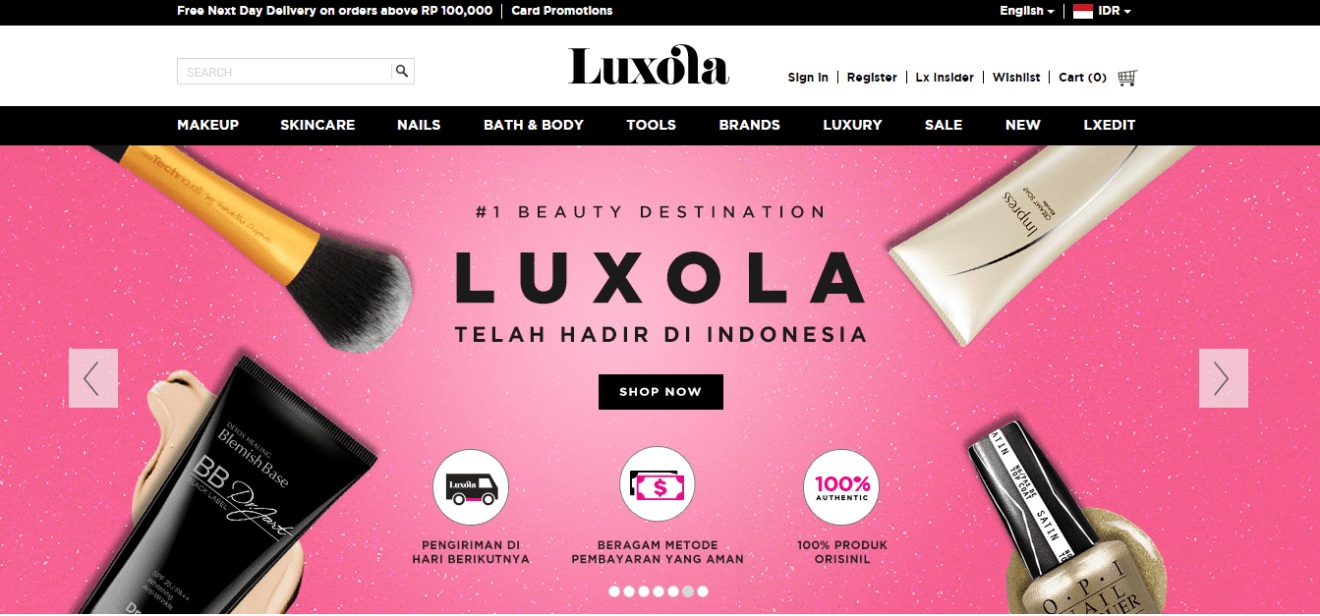
    Louis Vuitton has bought Singapore online cosmetics retailer Luxola and LVMH’s subsidiary Sephora has made a further investment in the business.

    Few details of the transactions have been revealed, including the size of the investments, howeverCrunchbase reports Luxola raised US$15.6 million in four earlier rounds of venture funding.

    Luxola was launched in 2011 by Alexis Horowitz-Burdick, has a staff of 120 and sells a wide variety of beauty products and accessories under 250 brands in 11 markets.

    Horowitz-Burdick, now Luxola CEO, said Sephora’s investment would allow the founders to take the company’s vision further.

    “With greater market reach and brand depth, we will offer an unparalleled customer experience.”

    Sephora Asia president Anne-Veronique Bruel said investing in Luxola gave her brand the opportunity to accelerate Sephora’s growth in Asia and penetrate the growing online beauty market.

    “We are thrilled to welcome Luxola to the Sephora family.”

  • Asia shares fall led by Shanghai as investors eye safety ahead of Greece

    Asia shares fall led by Shanghai as investors eye safety ahead of Greece

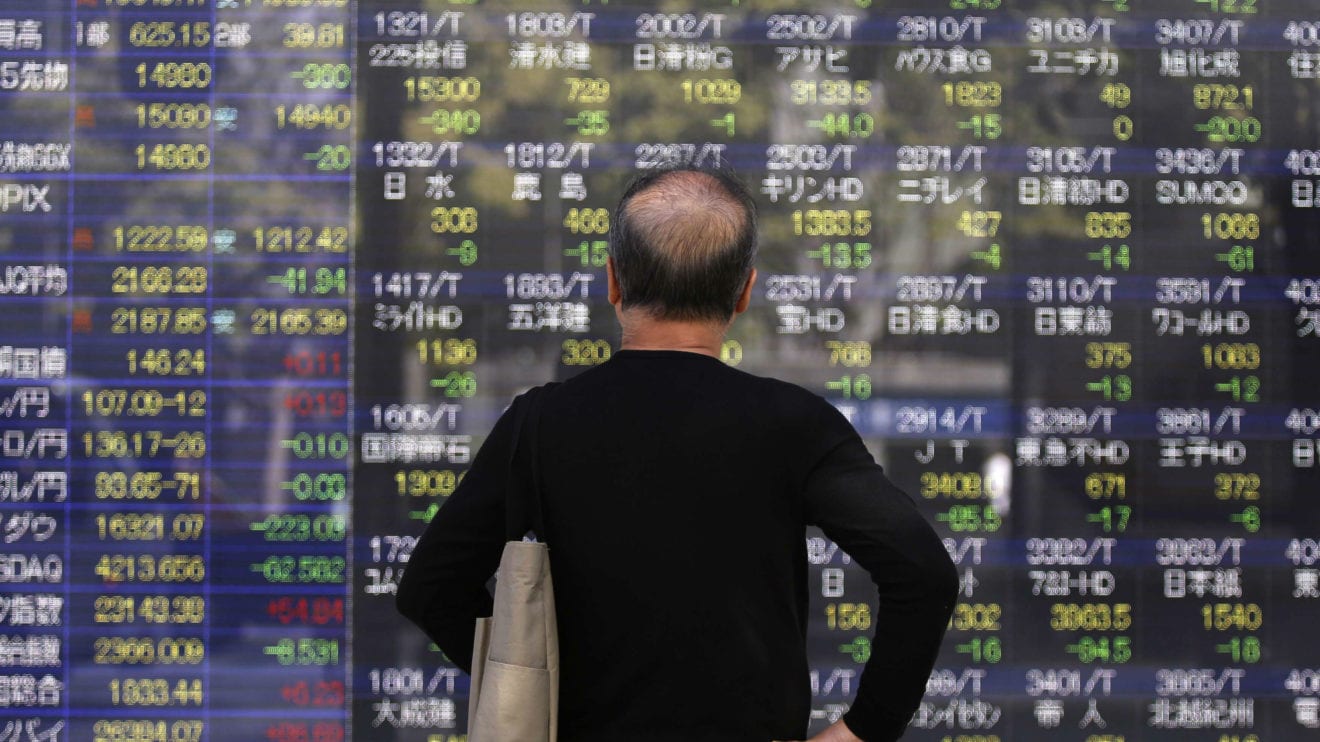
    Shares in Shanghai slumped on Friday, leading other Asian markets lower as investors headed for safety ahead of a weekend referendum that could decide whether Greece stays in the euro zone that is now too close to call.

    The Shanghai Composite fell 5.57% before the break, while the Hang Seng index eased 0.55% and the S&P/ASX 200 was down 1.78%. The Nikkei 225 was down 0.44%.

    Prime Minister Alexis Tsipras on Wednesday urged Greeks to reject an international bailout deal in a referendum due to be held on July 5, souring hopes of any breakthrough.

    Less than 24 hours before, Tsipras had written a conciliatory letter to creditors asking for a new bailout that would accept many of their terms.

    On Wednesday Greece became the first developed country to default on the International Monetary Fund after its second bailout program expired late Tuesday. The IMF confirmed that the Greek government failed to make a scheduled €1.6 billion loan repayment.

    In Australia, May retail sales data showed a 0.3% increase month-on-month, below a forecast for retail sales up 0.5% month-on-month.

    Earlier in Australia, the June AIGroup services index rose 1.6 points to 51.2.

    “The improvement in services-industry conditions so far this year has been concentrated in consumer services,” AI Group Chief Executive Innes Willox said.

    “Increased housing-market activity and very low interest rates are now assisting retail and personal and recreational services – although consumer-confidence and household-income growth are still below par. For the more business-oriented services subsectors weak business confidence, an uncertain outlook and low private and public investment are still weighing on demand across a range of design, consulting, personnel and administrative services.”

    U.S. markets are shut on Friday.

    Overnight, U.S. stocks were lower after the close on Thursday, as losses in the Financials, Healthcare and Basic Materials sectors led shares lower.

    At the close in New York, the Dow Jones Industrial Average lost 0.16%, while the S&P 500 index declined 0.03%, and the NASDAQ Composite index declined 0.08%.

    The best performers of the session on the Dow Jones Industrial Average were Intel Corporation (NASDAQ:NASDAQ:INTC), which rose 1.24% or 0.38 points to trade at 30.55 at the close. Meanwhile, Exxon Mobil Corporation (NYSE:NYSE:XOM) added 0.93% or 0.77 points to end at 83.14 and Visa Inc (NYSE:NYSE:V) was up 0.57% or 0.39 points to 68.24 in late trade.

  • HKIA retail growth halves to 10.8% but still flies high

    HKIA retail growth halves to 10.8% but still flies high

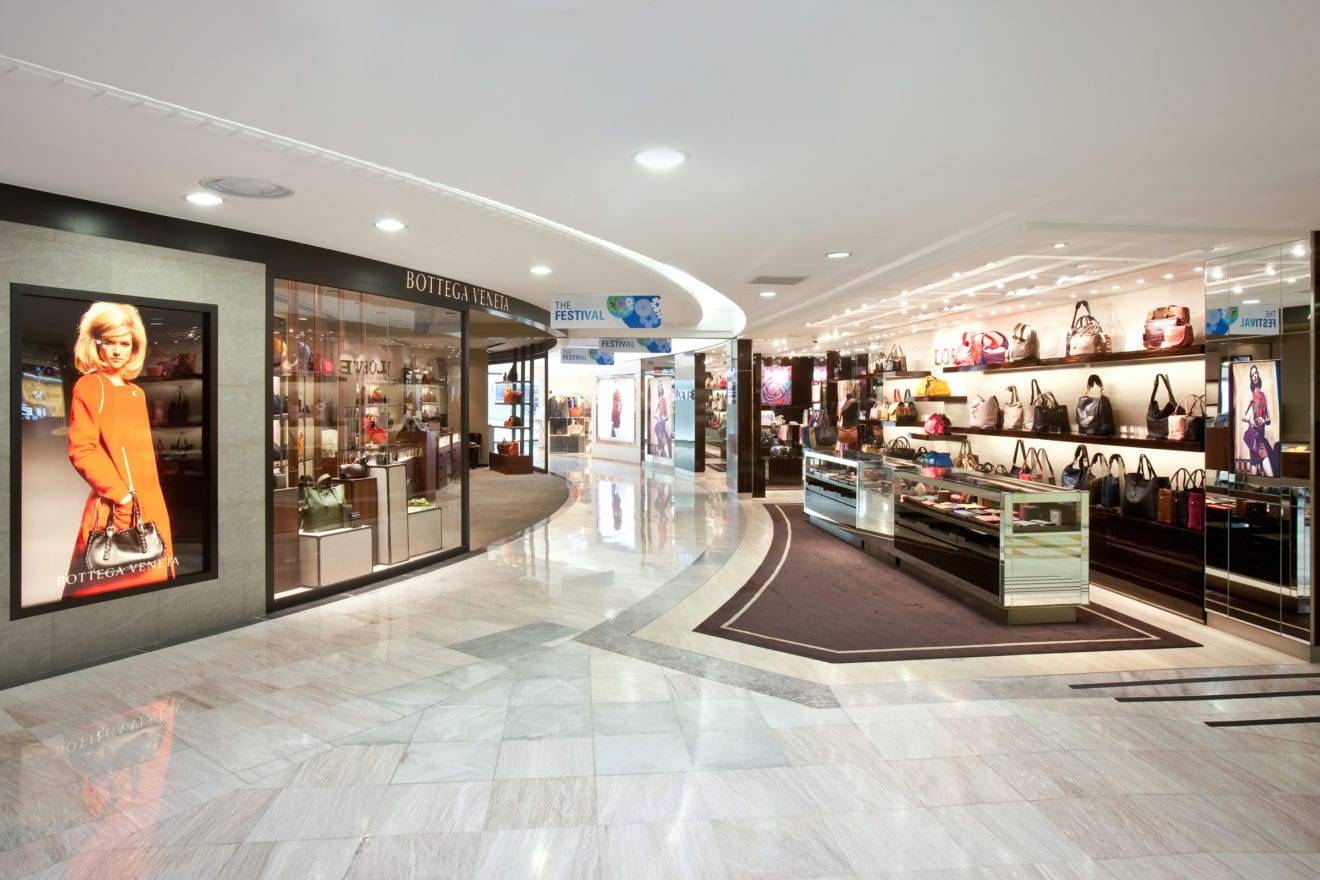
    The retail licences and advertising revenue segment at Hong Kong International Airport (HKIA) rose by a respectable +10.8% to HK$6,820m/$880m in 2014/15, with an upswing that was lower than the year before when it shot up by +23%, largely reflecting a full year of contributions from DFS Group as its anchor tenant.

    The segment now represents 41.7% of turnover – a marginal share increase on the previous year. Retail was a key component that allowed operator Airport Authority Hong Kong (AAHK) to generate record revenue of HK$16,367m/$2,111m (+10.5%) and rocketing profit of HK$7,254/$936m – a rise of +12.4% (see chart below and click to enlarge).

    Retail licences and advertising contributed nearly half of the rise in AAHK’s turnover for the year and the authority specifically highlights higher retail concession revenue as a major contributor to the above figures.

    AAHK does not split out its retail and advertising income, but from its comments it seems that the shopping units – in particular its well-trodden high-end boutiques – have delivered good gains. They have also been more of a focus in FY2014/15.

    STILL SEEING GOOD LUXURY DEMAND
    AAHK says: “This increase (of +10.8%) was a result of the commencement of new luxury retail licences; better sales performance for luxury brands, liquor and tobacco, perfumes and cosmetics, commercial catering and financial services categories; higher advertising revenue from new clients and categories; and joint promotional initiatives with major brands and China UnionPay.”

    Other terminal commercial revenue grew +5.2%, to HK$1,160m/$150m and mainly represents income from leasing offices and airport lounges to airlines and other tenants.

    HKIA enhanced its shopping experience in 2014/15 with the opening of 33 new luxury boutiques, with 10 new brands making an entry at T1.This latest luxury cluster includes the first Harrods store in Hong Kong, plus Balenciaga, Blancpain, Bulgari, Christian Dior, Givenchy, Jaeger Le Coultre, Miu Miu, Moncler and Tory Burch.

    HKIA is still attracting Chinese passengers in big numbers

    With a strong Chinese PRC mix at the airport and numbers in the last fiscal year up +22% (bettered only by passengers from southeast Asia) HKIA has, so far, managed to leverage high-end sales to this group. Whether the authority can maintain that successfully this year, in the light of the luxury downturn being seen in the local Hong Kong market, remains to be seen.

    Looking ahead, AAHK believes that traffic demand will continue to grow, but at a slower pace. “As a result, some of HKIA’s facilities, such as aircraft parking stands and other terminal facilities will soon reach capacity in the existing two-runway system,” it warns.

    MIDFIELD TO THE RESCUE

    To meet immediate needs, the expanded west apron is now fully operational with 28 aircraft parking stands. The Midfield development, which includes a five-level concourse and 20 aircraft parking stands, will provide added capacity when it enters service later this year for up to 10m passengers.

    AAHK expect profits to grow at a slower pace this year largely due to its current capacity constraints. Nevertheless, it has its eye firmly fixed on increasing non-aeronautical revenue “by optimising HKIA’s retail space, revamping the overall retail experience for our passengers, introducing innovative marketing, and supporting our business partners while they expand their operations”.

    HKIA is the world’s third busiest international hub after Dubai International and London Heathrow – and in FY 2014/15 it handled 64.7m passengers, up +6.6%.

  • Walmart Opens the Phase II of Tianjin Distribution Centre

    Walmart Opens the Phase II of Tianjin Distribution Centre

    Walmart, a leading international retailer, held an opening ceremony today where they announced the completion of Phase II of the Walmart Tianjin Distribution Centre in Beichen District, Tianjin.

    This speculative distribution centre of four Grade A logistics warehouses totalling GFA 80,000 sqm (860,800 sqft) is located in the Beichen Hi-Tech Industrial Park of Tianjin’s Binhai New Development Zone, a premises chosen by Walmart based on its strategic location with proximity to the regional seaport, road and rail network.

    Walmart is developing this distribution centre into its largest logistics park in North China with its global supply chain partners including global brands such as Nestle and Unilever having moved in. A few other international companies such as ABB are also planning to relocate to this logistics park in the near future.

    The buildings are equipped with a series of cutting-edge technology and sustainable facilities including highly efficient fluorescent T5 lighting systems in the warehouse and offices, slab under international standards of flatness and levelness, clear floor height of 10m and floor loading capacity of 5T/sqm, etc.

    “As an important part of Walmart China’s long-term strategy, the development of supply chain is given high priority in the business. Walmart has been optimizing and improving its distribution network in China.” said Peter Sharp, Leader of Walmart Asia Realty, “The development of such an international logistics park also mirrors Walmart’s endeavor to achieve win-win for the government, suppliers and retailer by building a strong supply chain network and system, to ultimately achieve our goal of saving people money so they can live better by lowering the cost.”

    The phase II development is managed by IDI Gazeley (Brookfield Logistics Properties), one of the world’s leading investors and developers of logistics warehouses and distribution parks. As Walmart’s long-term strategic partner, IDI Gazeley has successfully delivered 3 major projects in China since 2007.

    Speaking at the opening ceremony, IDI Gazeley China Country Director, Sally Lin commented: “We are delighted to have been chosen by Walmart again to play such a key role in supporting the growth of their fast expanding operations in China. The delivery of Phase II of the Tianjin Distribution Centre represents another significant milestone in IDI Gazeley’s plan to serve a growing base of international companies in China by delivering them a consistent level of excellence across our global platform by leveraging our local market expertise and international best practices to provide a world class logistics facility for our customer in China. We are also committed to growing our presence in the local market as well to serve the growing needs of our customers in China.”

  • Singapore’s Perennial Real Estate expands into healthcare with China venture

    Singapore’s Perennial Real Estate expands into healthcare with China venture

    Singapore’s Perennial Real Estate Holdings said it would expand into healthcare for the first time through a joint venture in China that will buy and develop hospitals as well as medical service businesses.

    Seeking to take advantage of China’s strong demand for healthcare, Perennial said it will buy a 40 percent stake in a venture for about S$63 million ($47 million). The remaining 60 percent will be held by a subsidiary of China Boai Medical Group, a Chinese hospital operator.

    The company also said a mall it was building near the Chengdu East high-speed railway station would now become a healthcare hub in addition to a retail shopping centre. ($1 = 1.3478 Singapore dollars)


  • Orion is out in bidding for Tesco’s Korea operations

    Orion is out in bidding for Tesco’s Korea operations

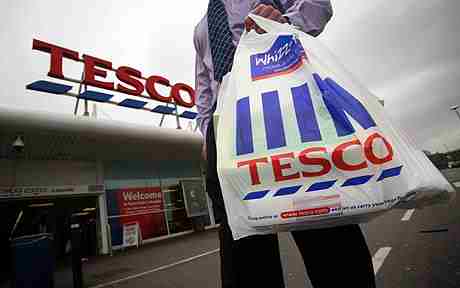
    Private-equity firms such as MBK Partners and the Carlyle Group are among the short-listed bidders for Homeplus, a local discount retailer owned by the U.K. grocery chain Tesco, according to people with knowledge of the matter.

    Affinity Equity Partners and Goldman Sachs’ private equity arm have also been short-listed, while the local snack maker Orion, which had submitted a bid, failed to move to the next round after a bid at the lower end of the bidders’ range. Orion’s bid was said to have been between 4 and 5 trillion won ($3.6 billion to $4.4 billion).

    Orion shares jumped 5.7 percent on Thursday after the news of its withdrawal. “Homeplus was probably too big of a prize for Orion to handle. Its failure has been expected,” a brokerage analyst said.

    Hyundai Department Store, which had earlier shown interest in bidding, decided not to, the retail company said. The chain is currently focused on getting a license for a duty-free business in Seoul.

    The Homeplus sale is expected to fetch around $6 billion for the troubled U.K. grocery chain Tesco, which is dealing globally with massive losses and huge outstanding debts. The sale of its Korean operations is part of its efforts to secure cash as it tries to stay afloat.

    Tesco entered the Korean retail market jointly with Samsung C&T in 1999, initially controlling 81 percent stake in Homeplus but gradually buying out Samsung’s stake.

    Homeplus operates 107 hypermarkets and 828 express stores across Korea, and is the third-largest discount retailer, after E-Mart and Lotte Mart, according to regulatory filings.

    Korea’s discount retailing market is estimated to be worth 34.9 trillion won as of the third quarter of 2014, down from 45.1 trillion won a year earlier. The sector has been hurt by an economic slump and government regulations that restrict operations during weekends to protect mom-and-pop stores.

    Homeplus saw a net loss of 299 billion won last year. Homeplus Tesco reported a net loss of 48.8 billion won and Homeplus Bakery contributed a net loss of 6.7 billion won.

  • Foreign visitors giving Hong Kong’s ‘shopping paradise’ a miss

    Foreign visitors giving Hong Kong’s ‘shopping paradise’ a miss

    The days of double-digit sales growth seem like a mirage now.

    Not long ago retailers were blasé about such numbers when mainland visitor arrivals were at their peak. Now, of the 10-odd shops in a prime stretch of Yee Wo Street in the Causeway Bay shopping district, three premises lie vacant. Prime outlets are also a lot less affordable because of Hong Kong’s rising dollar.

    High-spending tourists are disappearing in droves. Retail bosses and hoteliers are feeling the effects of weak demand and fear the challenging business environment will weigh on them even more in the months ahead.

    Many say that the tourism and retail sectors are affected inevitably by external factors. But few in either industry can predict when the downturn will end. As they wait for the next boom, an increasing number of companies are trying to identify their weaknesses and problems and shift their business focus to adapt to the changing environment.

    Chow Tai Fook Jewellery, the world’s largest jewellery retailer, says in its annual results announcement that relatively weak consumer sentiment in Hong Kong and Macau is reflected in decreasing customer traffic.

    In the financial year ending March 31, customer traffic at its outlets in tourist areas shrank by around one-third year on year.

    It says mainland tourists may be opting for other destinations, and the possible change in inbound tourism from mainlanders “may pose structural changes to the retail industry in Hong Kong and Macau and arouse uncertainty” over its business.

    To adjust to the changes, the retailer will focus on enhancing the operational efficiency of its outlets and consolidate them.

    Cosmetics chain SaSa says the average spending per head mainland tourist customers dropped about 11 per cent in the past fiscal year owing to the weaker purchasing power of tourists from lower-tier cities.

    Another reason was the increasing demand for cheaper products, such as Korean goods, which dilutes sales growth even though it may drive store traffic, the company says.

    It rues the appreciation of the US dollar and the ensuing difference in the relative strength of the yuan and Hong Kong dollar, saying it is encouraging more mainland tourists to travel to markets with weaker currencies, such as Europe and South Korea.

    “The ongoing anti-corruption campaign on the mainland is impacting demand for high-priced items and gift sets,” SaSa adds.

    But the group has identified some new opportunities, such as cross-border e-commerce facilitated by the development of free trade zones on the mainland.

    Oriental Watch, a leading retailer in the city, notes the impact of rising social tensions and conflicts between Hong Kong and mainland China, saying these social events have further dragged down Hong Kong’s sluggish luxury sector.

    The company says it has opted for stringent cost-control measures to prepare itself for the challenges that lie ahead.

    “By closing down non-performing retail stores on their lease expiry, resources could be better allocated in fine-tuning our existing retail network,” says Oriental Watch.

    It points out that the pace of rent increases in Hong Kong has slowed down in the past few months, given the fragile economic outlook.

    “This positive sign suggests a perfect juncture for the group to negotiate for a reasonable rental rate,” it adds. It says rental costs for the year ending March 31 accounted for 39 per cent of the group’s operating expenses.

    Many retailers have long blamed high rents for pushing up the cost of doing business in Hong Kong.

    CBRE, a real estate services company, points out in a research report that Hong Kong was still the world’s most expensive retail market in terms of rent in the first quarter of the year. The average annual rent reached US$4,334 per sq ft. But rents are softening.

    Daniel Wong Hon-shing, chief executive at commercial property agency Midland IC&I, says shop rents are under pressure as sales of consumer goods continue to decline.

    He says rents at prime locations in major shopping districts such as Causeway Bay and Tsim Sha Tsui have fallen as much as 25 per cent year on year.

    “Cosmetics chains and jewellers have started consolidating business and stopped expansion,” Wong says. “The vacancy rates are rising.”

    He says even international brands are less willing to pay a high premium for shops in key retail areas, given the sluggish growth in the number of high-spending mainland visitors coming to the city.

    Neither are Hongkongers in a mood to go shopping.

    Caroline Mak Sui-king, chairwoman of the Retail Management Association, says an increasing number of high-earning Hongkongers are more likely to holiday in cheaper neighbouring destinations, such as Japan and South Korea.

    “It’s good value to travel to such places and have fun as the Hong Kong dollar remains strong,” she explains. “Hong Kong’s reputation as a shopping paradise has been put to the test.”

    CLSA, a brokerage and investment group, says in a research report that shopping is a key reason for mainlanders to visit Hong Kong.

    It believes the mainland’s decision to cut import tariffs will also hit Hong Kong’s retail sector, because the price gap between the two markets is narrowing.

    Its study found that 70 per cent of experienced mainland travellers surveyed said they would prefer to buy domestically if prices were lowered by 25 per cent.

    The firm says import tariffs and consumption taxes on the mainland add up to as much as 40 per cent for cosmetics and 25 per cent for apparel, adding that a reduction of taxes in such times would narrow the price gap between the mainland and Hong Kong markets and discount the city’s price advantage.

    The total value of Hong Kong’s retail sales in May, provisionally estimated at HK$39 billion, was down 0.1 per cent compared with the same month last year. It was the third monthly decline in a row, despite a smaller drop than the revised decrease of 2.1 per cent in April.

    The jewellery, watches and valuable gifts category continued to record a double-digit fall, with sales value declining 14.9 per cent to HK$6.7 billion.

    Mariana Kou, senior investment analyst at CLSA, says the retail sector in Hong Kong is facing “a structural decline”. She says the city lacks new tourist attractions and anti-mainland sentiment is hurting tourist spending.

    “Even luxury brands are struggling,” she says. She expects some retailers to cut costs by closing shops and laying off staff in the coming months.

    Meanwhile, the Hong Kong Tourism Board, in reply to queries from the Post, says it “continues to focus its resources on 20 key markets” in promoting the city as a tourist destination.

    A spokesman says the board “is investing most of its marketing budget in the international markets, especially short-haul ones. One hundred per cent of our marketing budget in international markets is used to draw overnight arrivals”.

    It has joined hands with hotels, airlines and other trade partners to roll out tourism products and accommodation offers.

    For the rest of the year, the board plans to stage a number of mega events to highlight Hong Kong’s tourism strengths. They include the “Hong Kong Wine & Dine Festival” in late October and “Hong Kong WinterFest” in December.

    “Through staging a series of mega events, the [board] hopes to uphold Hong Kong’s image as the events capital of Asia, enrich the visitor experience, and provide a business platform for the travel and related trade,” the spokesman says.

    The numbers will tell soon enough if the strategies work. If not, a rough ride lies ahead for Hong Kong’s much vaunted tourism and retail scene.

    This article appeared in the South China Morning Post print edition as They’re not buying it
  • China dominates global online grocery markets

    China dominates global online grocery markets

    The Chinese online grocery market is set to be worth almost $180 billion by 2020 – nearly five times its current value of $40 billion, according to IGD’s Top 10 Online Grocery Markets report. In other leading markets, online growth is expected to continue at double-digit rates. This makes investment in the channel essential for companies wishing to meet the needs of the rapidly evolving multichannel shopper.

    China’s rapid pace

    Online grocery sales in China are soaring as shopper habits gravitate towards the channel, which is maturing at a much faster rate than we have seen in other markets. Mobile is a key driver of this growth. Most online sales are via digital marketplaces such as Tmall (owned by Alibaba) and JD.com. The scale of these pure-play sites means they can offer an increasingly broad product selection.

    Busy shoppers are increasingly using China’s online marketplaces to seek out imported goods including food, which is seen as an affordable luxury. As more shoppers come online and China’s population increases, we expect this growth to continue.

    New opportunities in leading markets

    Meanwhile, in more mature markets such as the UK (the world’s second-largest online market for grocery), we continue to see strong growth and innovation. The click & collect sub-channel is giving retailers new ways to drive loyalty and reach potential customers on-the-go at remote locations. Last week, Asda opened its first fully automated 24-hour online grocery collection point at Haydock, a concept that is likely to be seen shortly in Walmart’s other markets too.

    Remote collection is also being trialled in Belgium, where Carrefour has introduced an after-work pick-up point for shoppers at an office car park, and Australia, where lockers and drive-thru’ solutions have been introduced by the two major retailers.

    In the UK, 27% of shoppers now shop online on a monthly basis, with 11% citing it as their main way to shop. Loyalty schemes such as delivery passes are helping to drive frequency and overall multichannel spend.

    Maximising opportunities in larger markets

    There are also some exciting developments in larger markets, particularly the US, where Walmart is adding scale to boost online grocery, estimating that online and digital in-store purchases could reach up to 6% of revenue by 2017. Innovation and rapid delivery is a big theme in this market, driving shopper expectations. Here Amazon is particularly active, combining key global growth trends of convenience, mobile and loyalty with new services such as Amazon Prime Now’s one-hour delivery. This is available exclusively on mobile devices to Amazon Prime members in 14 US cities and launched internationally for the first time in London this week. Disruptors such as Instacart and Uber – companies and services innovating across the supply chain or tapping into opportunities created by the increase in the use of technology – are also driving the channel and bridging the gap where retailers are not yet present.

    Meanwhile in Germany, recent research indicates that shoppers are becoming more willing to shop for groceries online and established online retailers such as Rewe are boosting investment in the channel. Discounters Aldi and Lidl are beginning to invest online in specialist areas such as wine and pet food. Together with Amazon, these retailers have the potential to change the German market significantly with their increased investment.

    Where should retailers and suppliers focus their efforts?

    For FMCG retailers and suppliers, the online channel presents many opportunities. In leading markets, retailers are likely to see the majority of growth occurring online over the next five years, so a focus on this fast-moving channel is essential. We can expect new online entries by retailers across the majority of markets, so flexibility will be essential. Understanding sub-channel growth, such as remote click & collect, as well as mobile and wearable technology, will also be key to unlocking new potential.

    Key considerations for retailers and suppliers:

    • What is changing and how will it impact my market/category/shoppers?
    • Do I have the right resource in place?
    • How can I partner with customers on new initiatives / market entries / sub-channel expansion / convenience and personalisation?
    • Which customers / markets present the biggest opportunities for my brand?
    • Is my company adopting a multichannel approach? Does this include mobile?