Blog

  • Phoon Huat on the block

    Phoon Huat on the block

    Personal fairness buyers are already circling well-known Singapore bakery enterprise Phoon Huat & Co.

    The corporate, which sells its well-liked cupcakes from 11 retail shops across the metropolis state, is predicted to draw a sale worth within the neighborhood of S$250 million. Apart from its shops, the enterprise has a central bakery and sells baked merchandise, confectionery, drinks and components, on the wholesale market,

    Based in 1947 by Hainan migrant Wong Tai Fuang, it’s now owned by the Wong household, which based on reviews in Bloomberg, has despatched prospectuses to potential bidders. First spherical bids are anticipated subsequent month.

    The corporate’s belongings embrace property and the manufacturers Purple Man, Bakeway and Gold Tree.

  • Apple re-crowned world’s prime model—however watch Alibaba, Fb

    Apple re-crowned world’s prime model—however watch Alibaba, Fb

    Apple has reclaimed its crown because the world’s most dear model, value a staggering $247 billion, in line with WPP and Millward Brown.

    The tech behemoth triumphed within the promoting businesses’ annual prime 100 most respected international manufacturers report, revealed on Wednesday. The report ranked model worth by taking a look at views of potential and present consumers of a model, plus monetary knowledge.

    “Apple is obvious on what it stands for, and by no means stops refreshing its message to maintain the distinction that makes it so fascinating,” stated Doreen Wang, Millward Brown’s international head of BrandZ, within the report.

    Regardless of the recognition of the Apple Watch, Wang and colleagues stated that the iPhone 6 was the primary driver of Apple’s 67 % year-on-year bounce in model worth.

    “Apple continues to ‘personal’ its class by innovating and main the curve in a method that generates actual advantages for shoppers,” stated Wang.

    Apple’s success pushed Google again into second place, with its model worth rising 9 % over the yr to $174 billion.

    Fb was the fastest-growing model, attaining 99 % progress on account of its success in buying and integrating different platforms corresponding to Instagram and WhatsApp.

    West to East shif

    Chinese language e-commerce chief Alibaba made its first look within the BrandZ rankings, with its model value $66 billion. This put it aboveAmazon, the subsequent most useful retail model, and Walmart.

    Apparently, the world’s two most respected retail manufacturers each lack bodily shops.

    “Europe’s model powerhouses stagnate as Chinese language manufacturers develop and U.S. manufacturers make a comeback,” stated the BrandZ report.

    Learn ExtraThe Shopper Electronics Present heads to Shanghai

    This yr, 14 Chinese language manufacturers ranked within the prime 100, up from only one in 2006. A lot of the manufacturers that have been pushed out the rankings have been from Europe, stated the BrandZ report, with simply 24 European manufacturers remaining.

  • Apple China circumstances not so dangerous, exec says

    Apple China circumstances not so dangerous, exec says

    Apple’s working circumstances in China are enhancing, and have been by no means as dangerous as media studies instructed, in line with senior government Jeff Williams.

    “I could not be prouder of the work the group is doing ensuring individuals who work there are handled pretty,” Williams, a senior vice chairman, stated Wednesday in an on-stage interview on the Code Convention in Rancho Palos Verdes, California. “Individuals are constantly getting paid extra. Yearly gross sales are growing. We pay greater than common charges within the space.”

    Williams stated that Apple’s investigation of suicides through the years at amenities run by Foxconn, its outdoors producer, indicated that they weren’t associated to working circumstances.

    Moreover, he stated there weren’t that many on a relative foundation. When suicide charges have been at their highest, they have been decrease than at any level within the U.S.

    “By that definition, it might be the happiest place on earth,” he stated.

    Apple has for years been underneath hearth for the remedy of manufacturing unit staff in China.

    A string of suicides from 2010 to 2012 caught the eye of mainstream media retailers, and led to tales highlighting the extraordinarily lengthy hours, low pay, tough circumstances and younger age of many guide labourers serving to assemble iPhones and different units.

    Apple co-founder Steve Jobs addressed the difficulty 5 years in the past on the D: All Issues Digital convention, the predecessor to Code.

    As for different merchandise that the world’s most dear firm has within the works, Williams was as cagey as some other Apple when discussing the longer term. Particularly, Williams was requested how the corporate will spend a number of the mountains of money on its stability sheet.

    He provided one trace: “The automotive is the last word cellular gadget.”

    Apple has been rumoured to be within the auto recreation for some time, however the firm hasn’t confirmed that it is engaged on something past the related automotive software CarPlay.

  • Pure & natural cosmetics manufacturers lunch idea shops to boost visibility in Asia

    Pure & natural cosmetics manufacturers lunch idea shops to boost visibility in Asia

    China is the most important marketplace for pure & natural cosmetics in Asia, regardless of of many inexperienced manufacturers boycotting the Chinese language market, in line with a brand new research by Natural Monitor. Excessive-end manufacturers are coming into the Chinese language market, interested in the rising buying energy of its shoppers. Japan has the second largest marketplace for pure & natural cosmetics in Asia.

    Rising shopper consciousness of pure and natural merchandise is fuelling product gross sales throughout the area. Asia has one of many quickest rising markets for pure & natural cosmetics, with gross sales revenues projected to exceed USD1 billion within the coming years.

    Idea shops are an important channel for pure & natural cosmetics. Many manufacturers – Western and Asian – are opening stand-alone shops or salons for his or her manufacturers. The American firm Aveda is the frontrunner, working idea salons throughout Asia. A rising variety of Asian manufacturers, corresponding to Forest Necessities, are additionally investing in idea shops to boost visibility and consciousness of their product ranges, says Natural Monitor.

  • Alfamart Set to Open Up To 120 Shops in Philippines

    Alfamart Set to Open Up To 120 Shops in Philippines

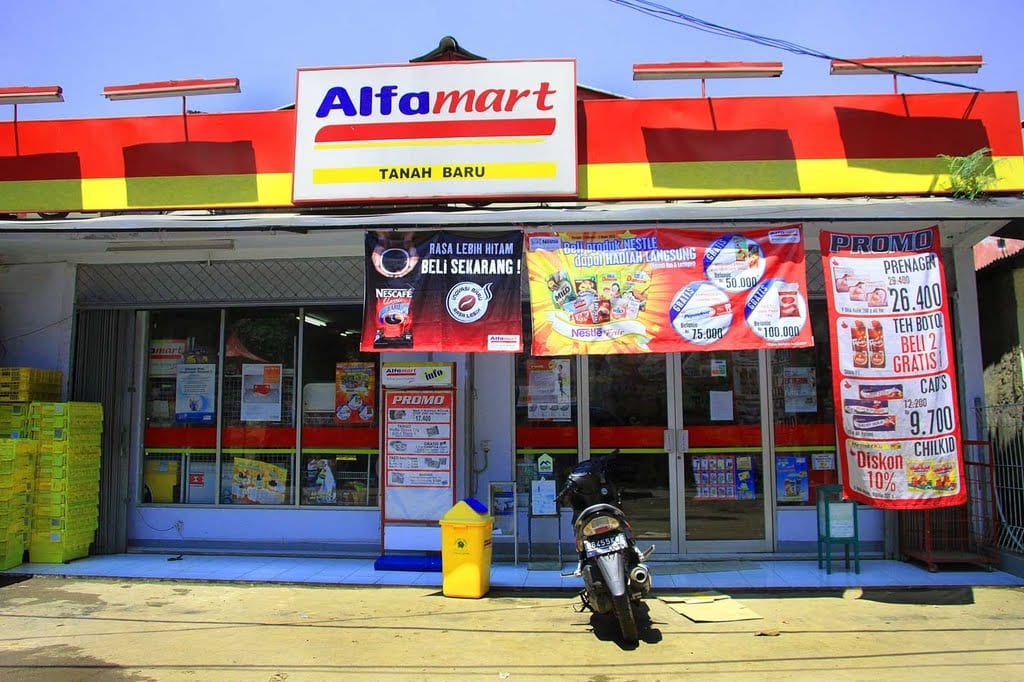
     Sumber Alfaria Trijaya, the operator of the Alfamart comfort retailer chain, plans to open between 100 and 120 new shops within the Philippines via its subsidiary Alfamart Retail Asia, as a part of the corporate’s regional enlargement plan.

    The corporate has estimated the brand new shops will value Rp 50 billion ($three.eight million) and has secured a mortgage from banks within the Philippines to fund the funding.

    The corporate’s Philippines shops are operated as a part of a three way partnership between Alfamart Retail Asia and native retailer SM Retail Grocery store. Alfamart Retail Asia has 35 % fairness within the enterprise.

    Presently the enterprise operates 44 shops.

    Sumber Alfaria Trijaya plans to open 1,200 shops in Indonesia this yr, and has set apart Rp 2 trillion from its inner money fund for the enlargement. The retailer had 10,086 shops in Indonesia on the finish of March, together with 2,958 franchise shops.

  • Walmart launches Hypermarket O2O platform “Walmart To Go” in China

    Walmart launches Hypermarket O2O platform “Walmart To Go” in China

    Walmart launched its hypermarket O2O platform “Walmart To Go” within the Chinese language metropolis of Shenzhen on Tuesday. The platform consists of the newly launched “Walmart” cellular purchasing APP, To Go Service Centre, in shops for self-pickup and a number of on-line & offline e-payment choices.

    Walmart will pilot “Walmart To Go” in Shenzhen (besides Yantian and Dapeng) and supply high quality e-commerce expertise to clients with its community of 23 shops. “Walmart To Go” can be adjusted and upgraded based on clients’ feedbacks and steadily increase its service nationwide.

    By looking for key phrase “Walmart” in each iOS and Android APP shops, clients can simply obtain the APP onto their telephones. Presently the APP presents greater than 10,000 gadgets, with 1000 recent/dairy/frozen SKUs in addition to merchandise overlaying grocery, well being and wonder merchandise and family chemical compounds. Extra gadgets bought in bodily shops can be added to the APP steadily.

    “Walmart To Go” is aimed to offer high quality purchasing expertise to clients. From ordering on the APP, choosing merchandise from the shelf, to residence supply or in retailer self-pick-up, clients will expertise a considerate service by Walmart devoted groups.

    “‘Walmart To Go’ is a vital milestone as it’s an enhancement and extension to our brick and mortar enterprise. We’re uniquely positioned to combine bodily and digital retail seamlessly. Walmart needs to be an actual O2O firm. We’ll proceed to innovate each on-line and offline to satisfy the altering calls for of our clients, and would be the most trusted omni-channel retailer in China,” Sean Clarke, President and CEO of Walmart China spoke on the “Walmart To Go” launch ceremony.

    To offer one of the best supply providers to Chinese language shoppers, Walmart leveraged its expertise within the US, UK, and different comparably more experienced E-Commerce markets. Each bodily retailer acts as an unbiased customer support and operation centre with a devoted group of Walmart employees liable for APP orders. These educated specialists will cowl the order preparation course of from product choosing, packaging, to delivering or handing the merchandise to clients in retailer. For recent meals that require a sure storage temperature, the Walmart supply staff will use particular insulated luggage to ensure the identical off-the-shelf freshness a buyer expects in a Walmart retailer.

    In the meantime, Walmart works with logistics firm to construct supply group solely liable for Walmart orders.

    If clients select home-delivery providers and full an order earlier than 11 am, the merchandise might be delivered on the identical day. Supply charge might be freed from cost if the acquisition is over CNY188. Clients may also determine to select up their order in any retailer they need. The assigned retailer will put together the gadgets inside about four hours in accordance with buyer choice of the pick-up time. After clients obtain the reminder message on their cell phone, they might go to the “To Go Centre” to select up the order by order quantity.

    Merchandise bought on the APP are the identical as those bought in bodily shops. APP customers additionally take pleasure in the identical worth and after gross sales providers as in bodily shops. Walmart’s 100 % Fear Free Recent Assure additionally applies on APP. If APP customers usually are not glad with the recent merchandise they purchased, they might refund inside 14 days of buy.

    Walmart APP offers versatile cost choices for patrons reminiscent of Union Pay, Alipay and E present playing cards. Walmart bodily shops may even have particular e-payment checkouts to simply accept Alipay and different cellular cost strategies. The retail big stated it should add extra e-payments within the shops and on the APP sooner or later to offer extra handy cost providers.

  • MAP Expects Slower Gross sales, to Spin Off Attire Division

    MAP Expects Slower Gross sales, to Spin Off Attire Division

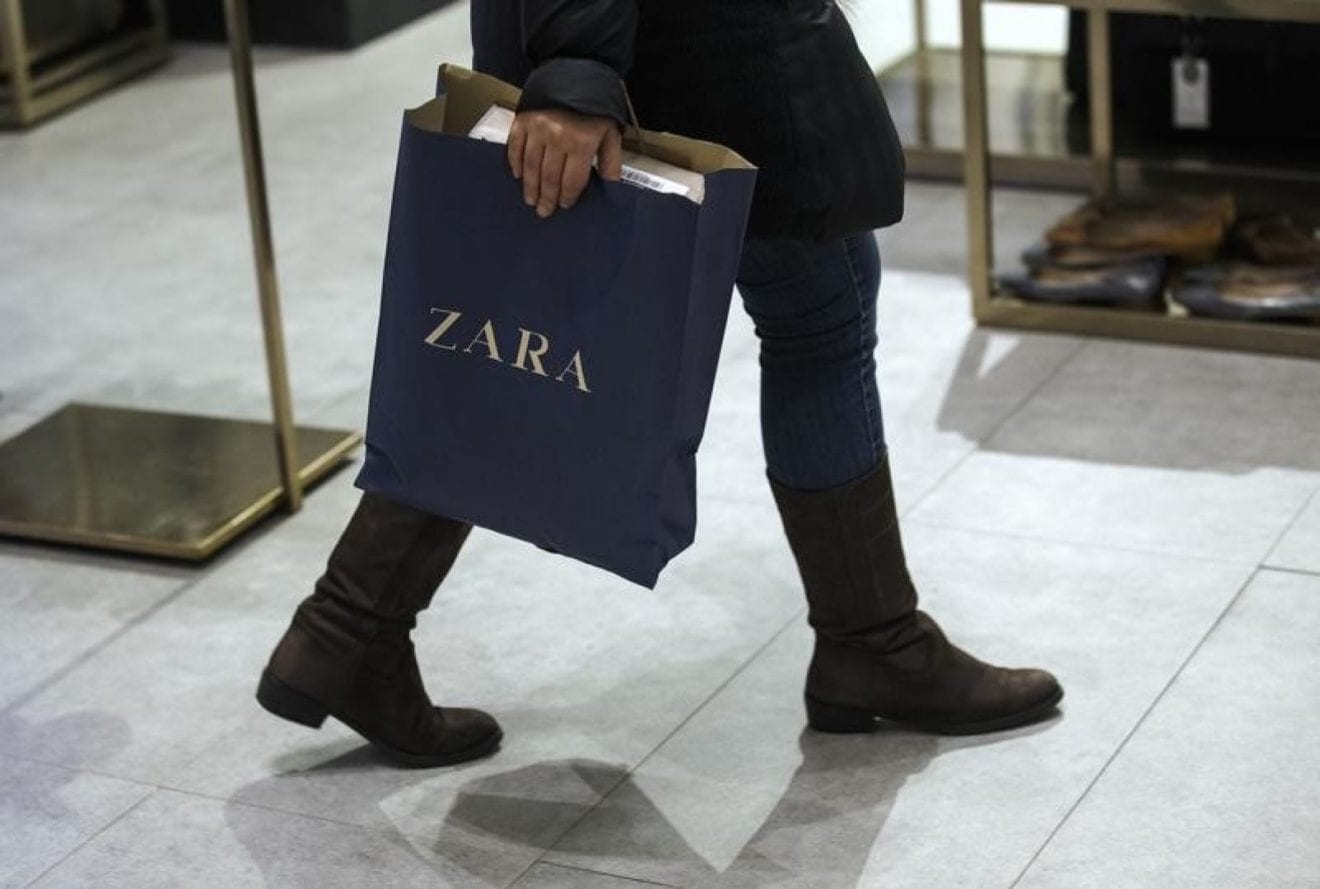
    Mitra Adiperkasa, or MAP, a life-style retailer that holds the licenses for Starbucks, Burger King and Zara in Indonesia, forecasts slower gross sales progress this yr, citing climbing prices and the nation’s financial slowdown.

    Fetty Kwartati, company secretary at MAP, stated that the corporate focused gross sales to develop between 13 % and 15 % this yr. That may be a steep stoop in comparison with final yr’s gross sales that grew 22 % to Rp 11.eight trillion ($895 million).

    “We’re conscious that the state of affairs can be difficult this yr so we’re setting this objective from the very starting,” Fetty stated on Monday. “Hopefully, issues will flip for the higher within the second half of the yr.”

    Revenue for retailers like MAP has declined resulting from Indonesia’s slowing financial system, which grew at its weakest tempo in 5 years at four.7 % within the first quarter, coupled with a weak foreign money that has pushed up the price of import.

    Internet revenue at MAP fell 78 % to Rp 10 billion between January and March from Rp 78 billion final yr, as larger prices reduce the corporate’s year-on-year revenue margin to zero.three % from 1.5 % final yr.

    Beneath such circumstances, the native retailer is setting a extra “prudent” enlargement plan, setting apart as much as Rp 500 billion in capital spending this yr — 17 % decrease than final yr’s Rp 600 billion — stated Virendra Prakash Sharma, vice chairman director at MAP.

    “So far as the enlargement plan goes this yr, we’re going to be very prudent. We’re going to be very selective on the subject of enlargement,” Sharma stated.

    A lot of the spending will go in the direction of the corporate’s plan to confide in 45 new Starbucks branches this yr, he added.

    The retail may also be spinning off its active-lifestyle enterprise division, Mitra Aktif Adiperkasa, this yr in hopes to “unlock the brand new division’s potential,” Sharma stated. The corporate goals to listing Mitra Aktif Adiperkasa on the Indonesia Inventory Change inside the subsequent 4 to 5 years, he stated.

    Beneath Mitra Aktif Adiperkasa, the retailer will consolidate the corporate’s lively attire division with its socks division Putra Agung Lestari and garment enterprise Mitra Garindo Perkasa, working as a lot as 878 retail branches underneath the corporate, the vice chairman director stated.

    The transfer follows Mitra Adiperkasa’s stake sale on two of its meals and drinks manufacturers — Domino’s Pizza and Burger King — final yr.

    The agency bought 51 % of its stake in Domino’s Pizza, in addition to 39.four % of Burger King, to Everstone Capital, a Singapore-based personal fairness agency, final yr.

    MAP will promote one other 11.6 % of Burger King to Everstone Capital later this yr, leaving the native retailer with a 49 % stake on the fast-food model, in accordance with Sharma.

    MAP holds the license to over 150 worldwide manufacturers  — together with Sogo, Zara and Krispy Kreme — with a complete of 1,879 retail outlets throughout 65 cities in Indonesia as of April.

  • 50% tariff reduce to spice up consumption

    50% tariff reduce to spice up consumption

    China will minimize import tariffs by about 50 % for some shopper items in June to spice up home consumption.

    Tariffs for imported skin-care merchandise will probably be slashed from 5 % to 2 %, diapers from 7.5 % to 2 %, leather-based boots from 24 % to 12 %, and woolen fits from 17.5 % to 10 %, the Ministry of Finance stated in a press release yesterday.

    Tariffs for fur clothes, cashmere jumpers and sneakers have additionally been halved to between 7 and 12 %.

    “Chinese language shoppers are very taken with shopping for clothes, footwear, cosmetics and diapers from abroad,” the ministry stated. “Decrease tariffs for such merchandise will assist increase imports, improve home consumption, and meet numerous wants of shoppers.”

    The State Council, China’s Cupboard, determined in late April to chop import tariffs because the nation seeks to spice up home consumption as extra rich Chinese language vacationers store overseas.

    However Zhang Junwei, a researcher with the Improvement Analysis Middle of the State Council, famous that slicing import tariffs alone might solely have restricted impact in bringing consumption house because the tariffs comprise a small half within the remaining costs of merchandise.

    Worth-added tax, consumption tax, distribution prices and the model’s pricing technique play a larger position in costs of imported items, specialists stated.

    China has up to now minimize import tariffs for some toddler meals, drugs and digital camera lens.

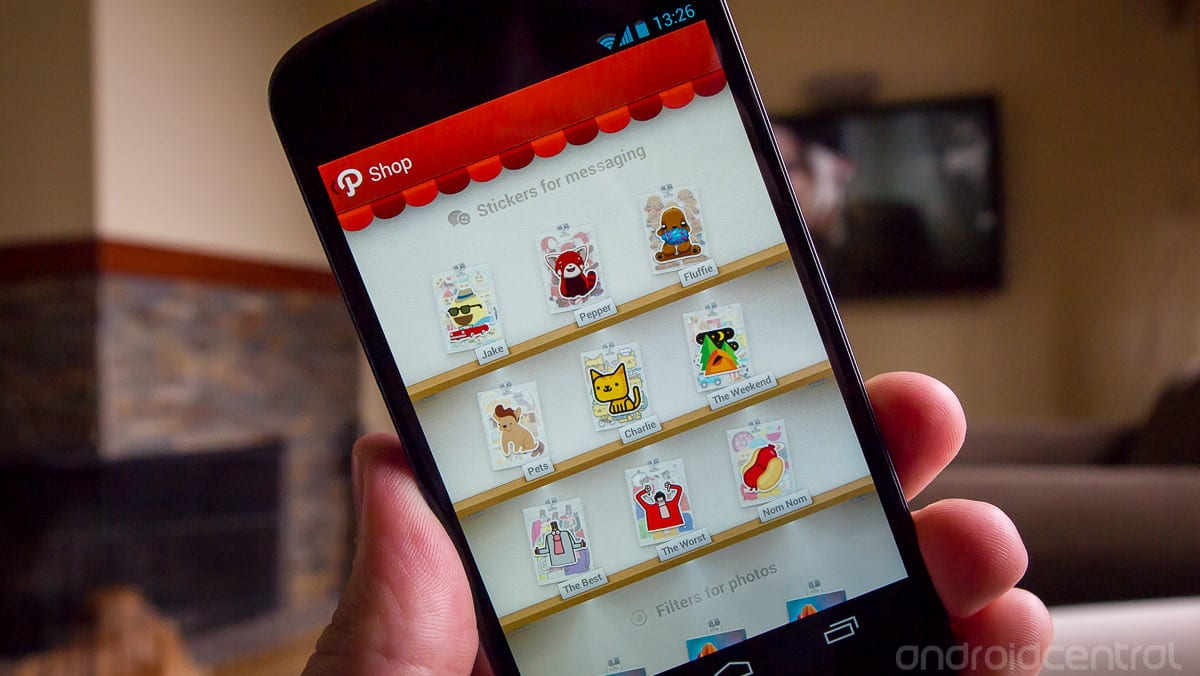
  • Daum Kakao buys Path assets for Indonesia growth

    Daum Kakao buys Path assets for Indonesia growth

    South Korean messaging app operator Daum Kakao Corp said it has acquired social networking assets from U.S.-based Path Inc, giving it a strong presence in Indonesia and sending its shares surging 10 percent on its push to expand globally.While Daum Kakao owns South Korea’s dominant chat app KakaoTalk, investors have been worried that KakaoTalk’s global user base lags far behind rivals like Facebook Inc’s WhatsApp and compatriot Naver Corp’s Line.“This acquisition marks the first of the many global business approaches Daum Kakao will take in the coming years,” the company said in a statement, adding that in addition to acquisitions it would also explore investment and partnership opportunities.Daum Kakao will purchase social networking service Path which has 10 million monthly active users, most of them in Indonesia, making it one of the top three SNS services in the Southeast Asian country. It will also buy messaging app Path Talk.

    Terms of the deal were not disclosed.“This deal establishes a new stronghold country and could generate further growth momentum in nearby countries,” said Kyobo Securities analyst Lee Seong-bin.Efforts by Daum Kakao to date to grow in markets like Indonesia, the Philippines and Malaysia had failed to gain traction.In addition to strong position in Indonesia, Path has also been growing rapidly in Saudi Arabia.Daum Kakao’s shares were trading at 117,700 won in afternoon trade. At one stage, it rose 12 percent to its highest level in more than two months.

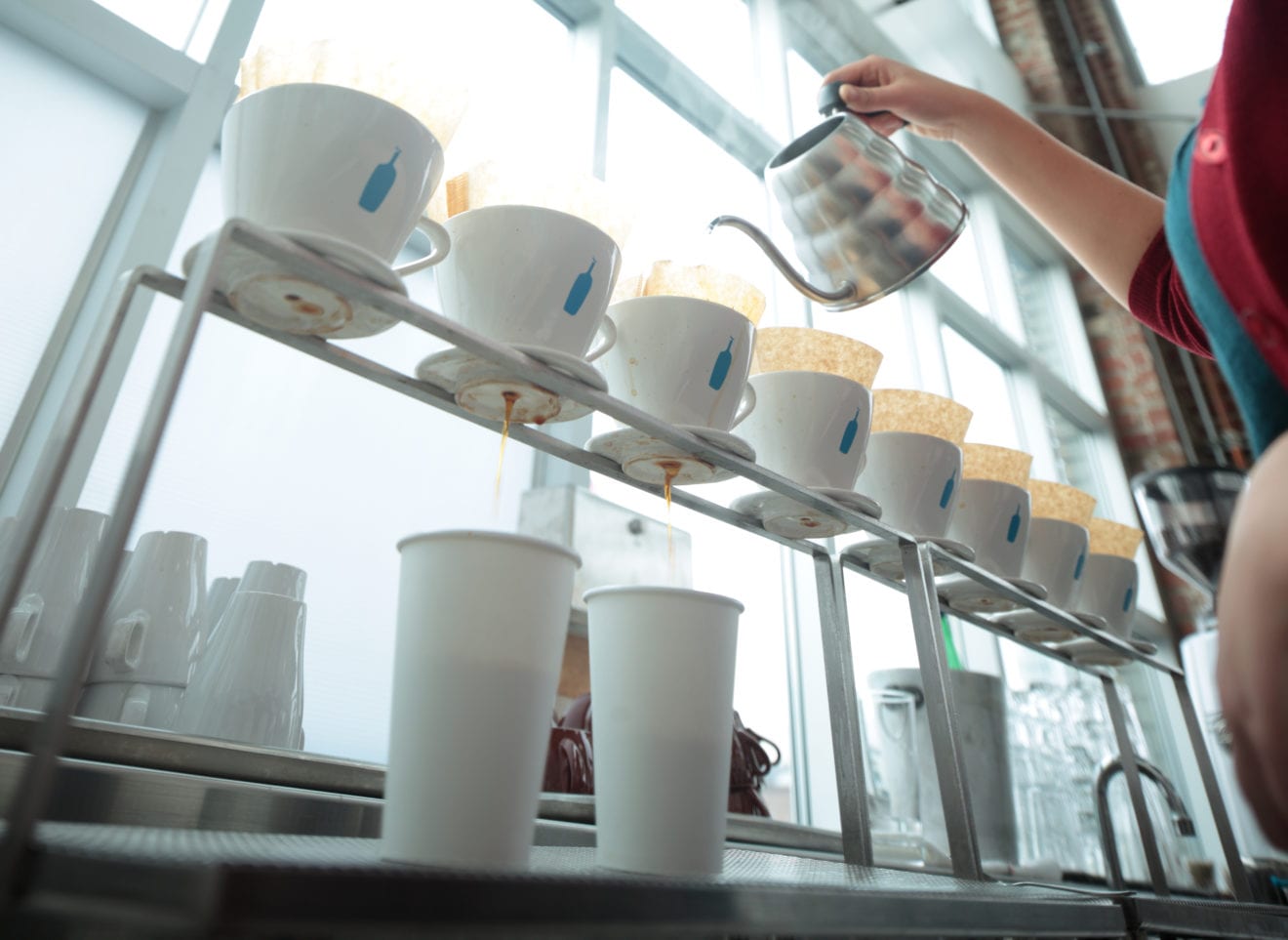
  • Artsy coffee chain Blue Bottle brews long queues in Tokyo

    Artsy coffee chain Blue Bottle brews long queues in Tokyo

    Japan, famous for green tea, is welcoming artisanal American coffee roaster Blue Bottle with long lines that have at times meant a four-hour wait for a cup.

    The company, which began in Oakland, California in 2002, hopes its early popularity is more than a passing fad. Japan’s consumer culture is littered with manias for Western food imports: pancakes, popcorn, doughnuts, even Taco Bell.

    Success in Japan is important for Blue Bottle, which operates 17 cafes in the San Francisco Bay area, New York and Los Angeles. Japan is its first foray outside of the U.S. Blue Bottle raised nearly $26 million last year to invest in expansion, including financing from Silicon Valley executives, setting the stage for a test of whether an artsy gourmet coffee chain can go big.

    Founder James Freeman, a musician, was inspired by Japan’s old-style “kissaten” coffee-shops: tiny dimly-lit establishments, with good music and a barista behind a wooden counter. Think places for quiet serious thinking and real drip coffee, not sweet, frivolous drinks.

    “We care about every part of the coffee. We call it from seed to cup,” said Saki Igawa, the business operations manager for Blue Bottle in Japan.

    Attention to detail that dovetails with aspects of Japanese culture accounts for part of the coffee chain’s early popularity. The spread of Starbucks internationally, which has created a cookie-cutter coffee culture that some people want to trade up from, is another factor. Blue Bottle is also benefiting from the image problems in Japan of fast food chains and highly processed foods.

    “It’s a new era in eating out,” said food industry consultant Jotaro Fujii who contends that Blue Bottle’s arrival and the decline of McDonald’s in Japan is part of a bigger trend of consumer interest in the safety and quality of the entire food supply chain.

    McDonald’s is suffering declining popularity in Japan, a problem exacerbated after plastic pieces, and even a tooth, was found in its food last year, setting off an outrage among consumers.

    Upscale burger chain Shake Shack, which started as a hot dog stand in New York, is expected to arrive in Japan soon, said Fujii.

    Such chains, including Blue Bottle, are likely to aim for 50 or at most 100 outlets in Japan, not the thousands that fast-food eateries, such as McDonald’s, has achieved here, he said.

    Instead, they will focus on fortifying a brand image, which can lead to other kinds of lucrative businesses.

    Although the prevalent image of Japan might be tea, it has long had plenty of affection for coffee.

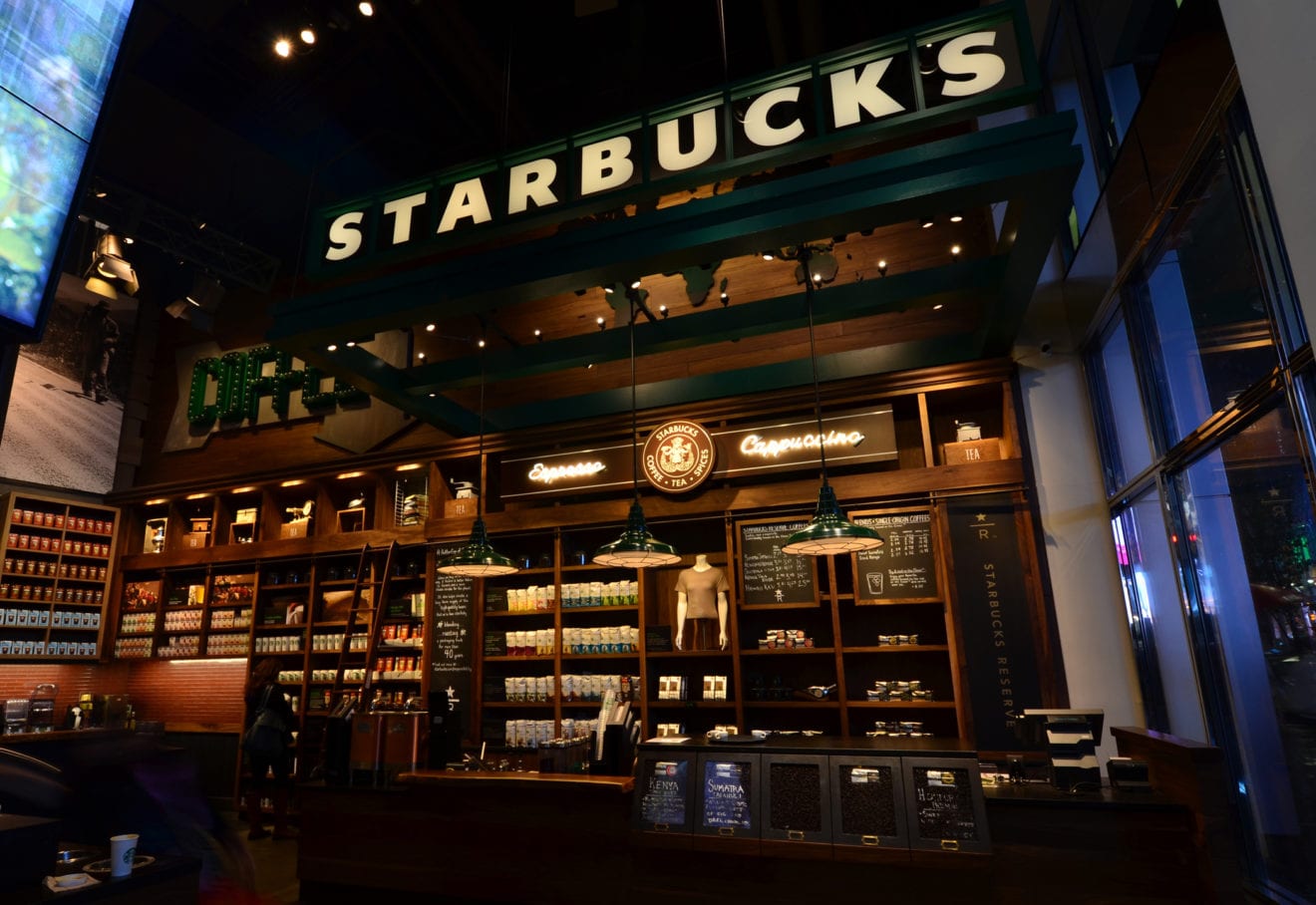
    Starbucks has been a hit since arriving in 1995. It now has more than 1,000 shops in Japan. Not a single prefecture (state) is without a Starbucks with one opening in holdout Tottori Prefecture this month — not surprisingly, welcomed with long lines.

    Even convenience stores are serving freshly brewed coffee. Japan also invented “manga-kissa,” or a cafe-cum-library, where you can curl up with a comic book and sip on coffee for hours.

    Such newcomers have hammered the once omnipresent kissaten. Their numbers have dropped by half from the 1980s, or to 77,000 in 2009, according to a Japanese government study.

    But Blue Bottle’s popularity is part of a rediscovery of cafes serving carefully prepared, quality coffee, a trend already long evident in the U.S.

    Blue Bottle’s first Japan shop, which has a roaster, is in Kiyosumi, an older part of Tokyo, chosen because it reminded Freeman, the founder, of Oakland. It opened in February. The second shop, in a backstreet of Tokyo’s fashionable Omotesando, opened in March.

    A third, likely opening later this year in Tokyo’s Daikanyama shopping area, will feature a menu that reflects Blue Bottle’s recent acquisition of San Francisco-based Tartine Bakery, which serves croissants, sandwiches and pastries.

    Blends such as “Giant Steps,” combining African and Indonesian-grown beans for a chocolate taste, sell for 450 yen ($3.75) a cup. A latte costs 520 yen ($4.30).

    On a recent day, the Blue Bottle shop in Kiyosumi, Tokyo, was filled with sunlight pouring through huge windows, the hum of a giant roaster, the fragrant aroma of fresh coffee and a crowd of people.

    Takuya Nakagawa, a 39-year-old hairdresser, who came all the way from rural Toyama Prefecture (state), was impressed with the coffee’s taste and the store’s stylish stark decor. He bought granola and coffee beans as souvenir gifts.

    “I just love the taste,” he said. “This kind of place doesn’t exist in Toyama.”

    True to its inspiration, Blue Bottle is learning from Japan, said Andrew Smith, 29, of San Francisco, a barista and one of three Americans who came to work for the chain in Japan.

    “People here have different ways of conceptualizing about coffee so they taste things differently,” Smith said.

    “They are looking for different kinds of things in coffee. And that is a fun way to learn how everyone in the world perceives coffee differently.”


  • Consumer confidence dips in Q1: Nielsen

    Consumer confidence in the first quarter dipped one point from a quarter ago with sentiment about employment and personal finance both lowered, a latest study shows.

    The Chinese Consumer Confidence index stood at 106 in the first quarter this year, down from that of 111 points in the same period a year ago, Nielsen China said in a research report today.

    Despite dip in sentiment about employment and personal finance, the willingness to spend showed an overall increase of 2 points to 44 percent.

    “Chinese consumers’ willingness to spend is seeing a recovery especially in lower tier cities and the increasing disposable income, the low inflation level as well as the booming e-commerce development all suggest huge growth potential for consumer spending,” Oliver Rust, Managing Director of Nielsen China, said in a statement.

    Following a historic high of 118 points in the fourth quarter last year, consumer confidence index in first tier cities dropped five points to 113 points this quarter, and Nielsen suggested these are just normal fluctuations.

    The survey covers a total of 3,500 respondents in China. Consumer confidence levels above and below a baseline of 100 indicates degrees of optimism and pessimism, respectively.

    The immediate spending intention in the following 12-month period jumped 8 points to 50 percent among tier four cities’ consumers, as these smaller cities are leading the momentum of overall consumer goods growth in China.

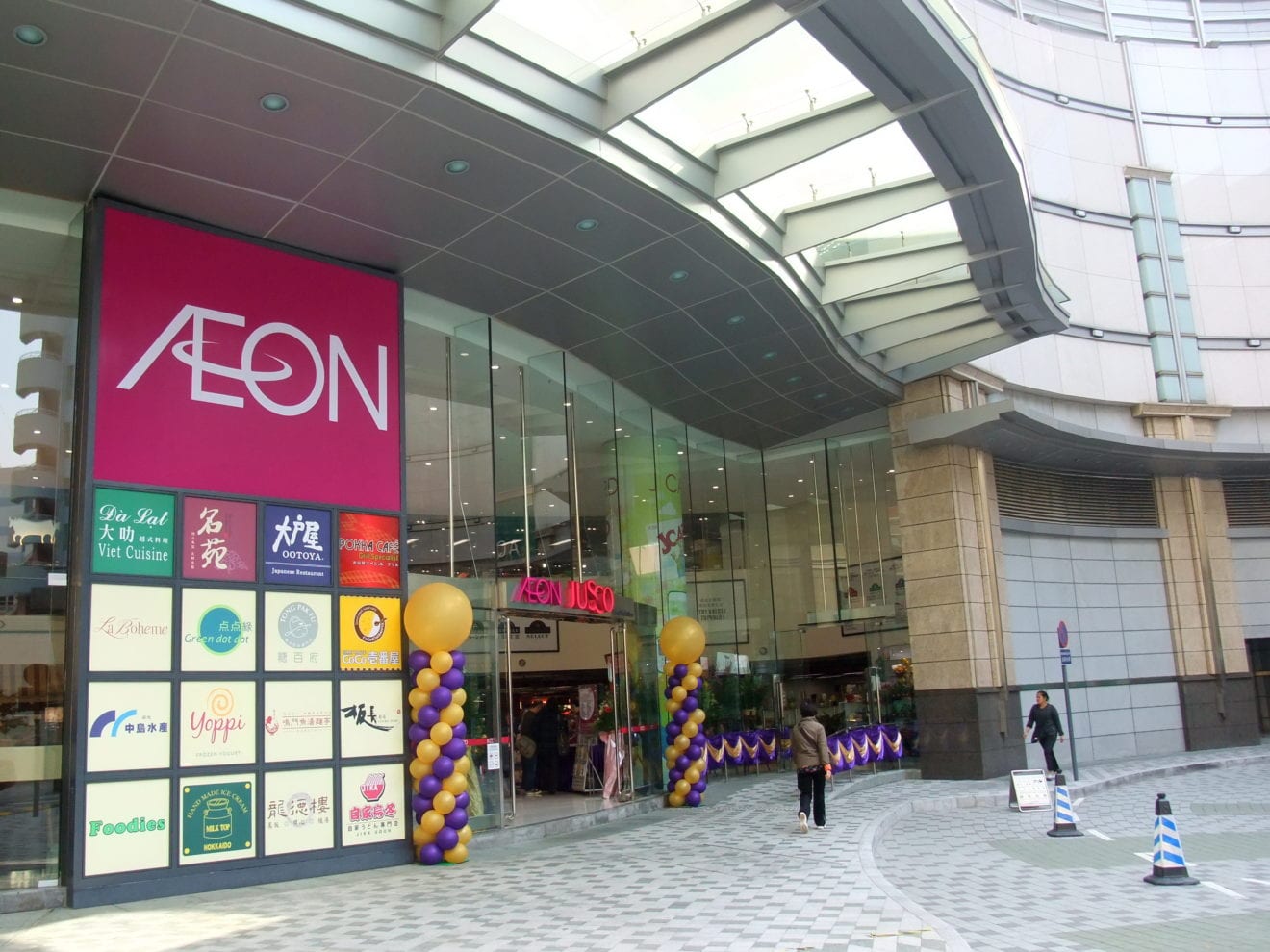
  • Aeon posts 1Q profit growth, sees challenging year

    Aeon posts 1Q profit growth, sees challenging year

    Aeon chairman Datuk Abdullah Mohd Yusof said nevertheless, the group remains confident in meeting the challenges head-on.

    “After consumers get used to the changes in the new tax system, they will start shopping again, especially in the upcoming festive periods,” he told reporters after the group’s annual general meeting yesterday.

    After enjoying four consecutive years of steady growth, Aeon saw its net profit for the financial year ended December 31, 2014 (FY14) drop 7.9% to RM212.71 million from RM230.96 million in FY13.

    However, its net profit rebounded for the first quarter ended March 31, 2015 (1QFY15), growing 5.4% to RM49.4 million or 3.52 sen a share from RM46.88 million or 3.34 sen a share a year ago. Revenue was up by 17.1% to RM1.11 billion from RM945.51 million in 1QFY14.

    Abdullah blamed the net profit decline in FY14 on the rising cost of living and operation costs, as well as an increase in its capital expenditure (capex) for expansion.

    “The [implementation of the] minimum wage also caused [the] costs to go up. The cost of doing business has risen. We have also been accelerating our expansion to have a bigger market share,” said Aeon managing director Nur Qamarina Chew Abdullah.

    Aeon has set aside RM700 million as capex for FY15, an increase from about RM670 million last financial year.

    Abdullah said the budget had been earmarked for the development of upcoming Aeon malls, namely in Shah Alam, Selangor and Klebang, Melaka, which are slated to open in 4Q15.

    The group will also open malls in Kota Baru, Kelantan by 2Q16, and Kuching, Sarawak in 2Q17.

    The overall occupancy rate of its malls currently stands at 93%, a number that Abdullah said is a “fairly good” average.

    Yesterday, Aeon shares closed 0.96% higher at RM3.16, with some 1.77 million shares traded. It closed with a market capitalisation of RM4.39 billion.

  • Tottori Starbucks opening draws 1,000 people

    Tottori Starbucks opening draws 1,000 people

    About 1,000 people lined up Saturday for the opening of the first Starbucks outlet in Tottori Prefecture.

    Japan’s least populated prefecture was the last in which the coffee chain lacked a presence.

    The outlet, near a train station in the city of Tottori, the prefectural capital, started forming lines from around noon Friday. About 150 people had gathered by midnight to camp out for the opening.

    College student Atsushi Miyagawa, 19, was first in line. “It tastes good. It’s unlike any other coffee I know,” he said.

    An established coffee shop nearby, named Sunaba Coffee, gave away free mugs and offered a full refund to any customer who thought that Starbucks coffee tasted better.

    Sunaba Coffee was launched in April last year partly to mock Starbucks and partly to promote Tottori’s famous sand dunes. The Japanese word for sand issuna.

    The nation’s first Starbucks opened in Tokyo’s Ginza district in 1996. Although Starbucks has become a major player in Japan’s coffee market, major convenience store chains recently jumped into the fray by offering improved coffee products.

  • McDonald’s revives free smiles, launches month-to-month occasions

    McDonald’s revives free smiles, launches month-to-month occasions

    McDonald’s Holdings Co. (Japan) on Monday revived its “smile for zero yen” marketing campaign and stated it can designate the 25th day of every month as a “mac smile day.”

    On every “smile day” this yr, McDonalds will maintain occasions in its retailers aimed toward recovering buyer belief, broken by a collection of blunders, together with the invention of overseas objects in its merchandise.

    The corporate held ceremonies for its first smile day at six retailers throughout Japan, together with in Tokyo and Osaka. On the hamburger chain’s Nakano Central Park outlet in Nakano Ward, Tokyo, singers Might J. and Chris Hart carried out a music that includes smiles and have been named honorary store managers for the day.

    McDonald’s additionally revised its menu, providing clients salads as a part of its set menus.

  • BlackBerry lays off employees to be worthwhile

    BlackBerry lays off employees to be worthwhile

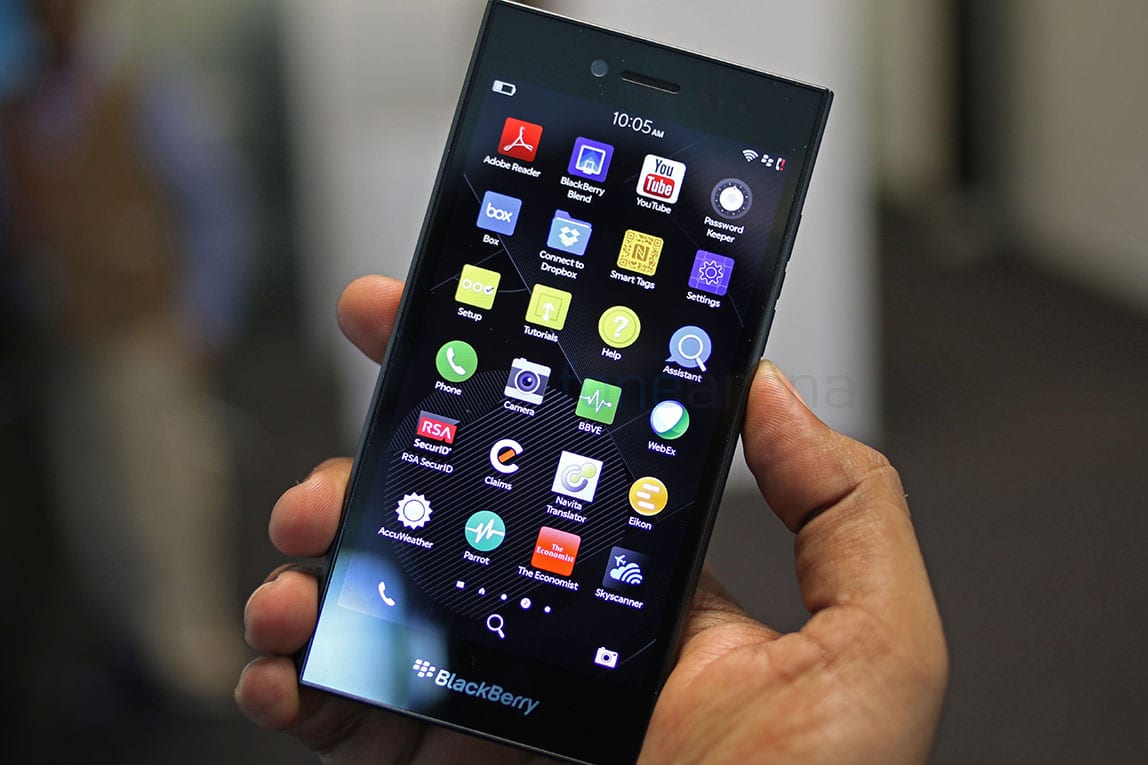
    BLACKBERRY is shedding an unspecified variety of staff around the globe because the struggling smartphone vendor tries to make its gadget enterprise worthwhile.

    The Canadian firm, based mostly in Waterloo, Ontario, stated the cuts will impression these engaged on the software program, hardware and purposes aspect of the enterprise.

    “As the corporate strikes into its subsequent stage of the turnaround, our intention is to reallocate assets in methods that may greatest allow us to capitalize on progress alternatives whereas driving towards sustainable profitability throughout all sides of our enterprise,” BlackBerry stated in a press release on Saturday.

    A spokeswoman declined to offer further details about the cuts.

    BlackBerry employs 7,000 individuals globally.

    BlackBerry, which solely a decade in the past was a titan within the smartphone enterprise, has been pressured into a serious reorganization focusing extra on software program and providers since being overtaken out there for cellular units.

    An IDC survey confirmed BlackBerry took simply zero.four % of worldwide smartphone gross sales in 2014.

    “Certainly one of our priorities is making our system enterprise worthwhile,” BlackBerry stated. “On the similar time, we should develop software program and licensing revenues.