Blog

  • PricePanda, Getprice to merge

    PricePanda, Getprice to merge

    Price comparison site, PricePanda, and Sydney-based, Getprice, will merge to create an online comparison shopping business network across the Asia Pacific.

    The newly created group will operate as Next Commerce and will operate in nine countries across Asia Pacific and reach more than four million unique visitors each month.

    Under the umbrella of Next Commerce, PricePanda and Getprice will continue to operate as standalone brands in their respective markets.

    Jared Oken, Getprice co-founder, will be the new CEO of Next Commerce. Chris Hitchen, also a co-founder of Getprice, will chair the board of directors that will include Oliver Samwer from Rocket Internet.

    As part of this transaction, PricePanda’s existing shareholders including Tengelmann Ventures, subsidiary of the German retail giant, Tengelmann; the Swedish investment company, Kinnevik; and the Asia Pacific, Internet Group, which is Rocket Internet’s joint venture with Ooredoo – formerly Qatar Telecom – in South East Asia, have reinvested in the business to fund its further growth.

    Philip Wegener, MD of PricePanda, said there are tremendous opportunities in the large and rapidly growing Asia Pacific market.

    “We are excited to capitalise on the combined expertise that will enable us to pursue new initiatives in mobile, media, and launching new products and services in the region. We are convinced of the strategic benefits of this alliance, forming a strong market leader with an impressive track record both in technology and operations,” Wegener said.

    Oken said the merger with lifts the growth potential of both businesses to a completely new level.

    “Together we will focus on both extending our lead in the Australian market as well as rapid growth in South East Asia and other emerging markets, including significant investment in scaling our operations team in Manila and our regional sales team.”


  • Retailers urged to do better on big data

    Retailers urged to do better on big data

    Retailers such as Myer and Woolworths have been urged to quiz customers when they leave stores empty-handed and grill shoppers who spend money at rival chains, to achieve better returns on their investment in big data.

    Spending on data analytics is rising by 30 percent a year and is forecast to reach USD114 billion by 2018, according to global consulting firm AT Kearney, but only one in 12 companies is achieving a satisfactory return on its investment.

    “There’s massive investment in analytics, everybody says it’s a strategic imperative, everybody believes it’s something they need to do in order to be competitive, but between 75 percent and 90 percent of people are dissatisfied with the returns they’re getting,” AT Kearney principal and analytics expert Ian St-Maurice said.

  • Amazon China to open Tmall shopfront

    Amazon China to open Tmall shopfront

    Amazon has shocked the online world by announcing a partnership with China archival Tmall.

    Amazon China will open a store on Tmall, the successful Alibaba subsidiary, in April. It will offer a “select range” of about 500 goods in what it stresses is a pilot program.

    Alibaba, with Tmall, Taobao and other portals, account for more than 70 per cent of the online market in China, a market in which Amazon has struggled since 2004 to gain any critical momentum.

    “We welcome Amazon to the Alibaba ecosystem and their presence will further broaden the selection of products and elevate the shopping experience for Chinese consumers on Tmall,” an Alibaba spokeswoman said in a statement.

    Chinese have an insatiable thirst for foreign made and marketed goods, but selling to them through eCommerce platforms other than local ones has proven a virtually impossible challenge for companies outside China. If you don’t open on Tmall, or a smaller rival site, it’s almost impossible to achieve a sustainable volume.

    That reality is well illustrated by the fact that Amazon is the fifth largest player in China’s eCommerce market, yet its market share is a miniscule 1.4 per cent.

    Analysts surmise Amazon’s move is intended to boost visitor numbers to its own site rather than any prelude to a merger, by increasing local brand awareness.

    “China’s e-commerce industry is fast growing and nobody wants to miss it,” said Yang Xiao of eCommerce service provider HC International. “Amazon wants to add an additional distribution channel in China.”

    He suggests the strategy may be aimed more at gaining traffic and volume away from JD.com, a smaller rival to Tmall with a similar business model to Amazon.

    “It’s simple game logic – an enemy’s enemy is a friend,” Yang said. “Amazon is more likely targeting JD.com and it’s a win win situation for Tmall.”

  • New buyer emerges for troubled BHS

    New buyer emerges for troubled BHS

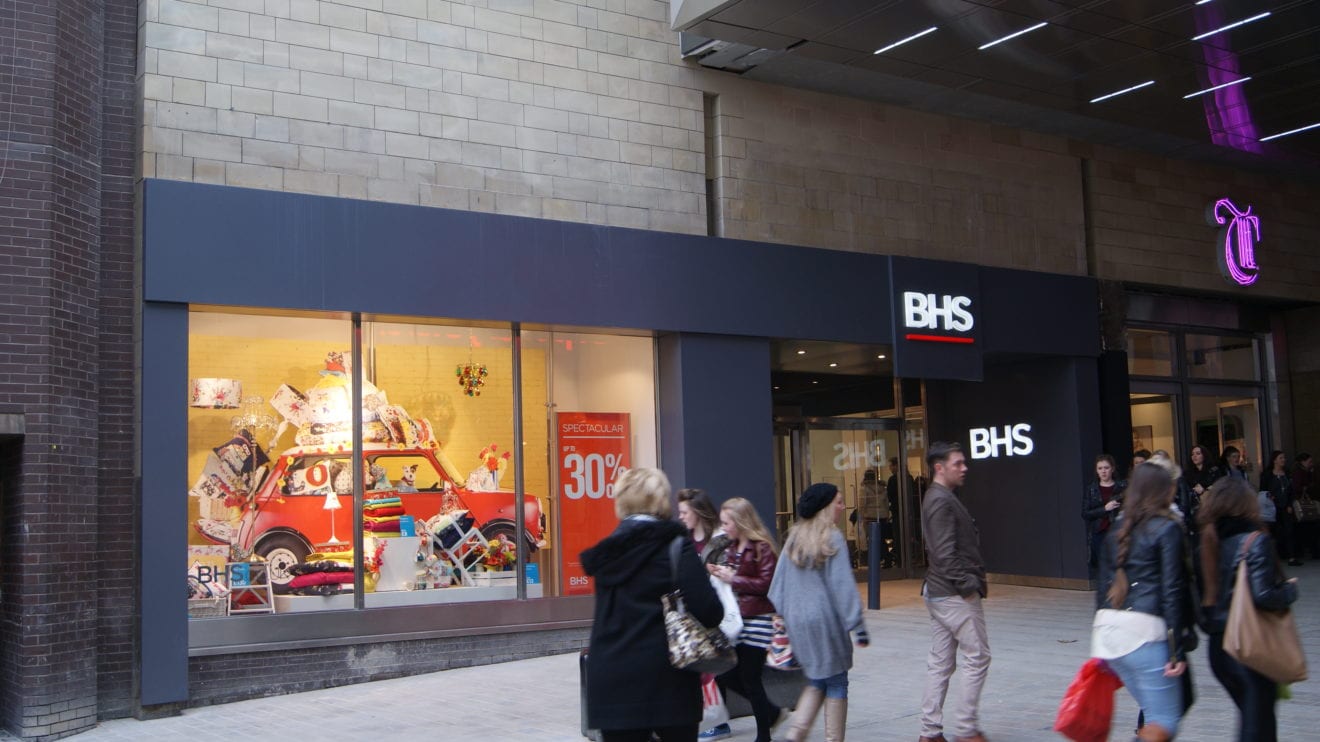
    A former executive of troubled British retailer BHS has emerged as a surprise potential buyer of the business from Sir Philip Green’s Arcadia Group.

    BHS is the only non-performing unit of Arcadia, its widening losses undermining the results from better known chains Topshop, Miss Selfridge, and Dorothy Perkins. Sir Philip announced in January he was looking at selling after receiving several approaches for the business.

    One of those was identified as South African-based Pepkor but that company is believed to have withdrawn from discussions.

    According to a report in The Telegraph, a new bid has been prepared by Tony Brown, a former retail director at BHS, who is working with a private equity fund Alteri Investors, in turn backed by Wall Street fund Apollo.

    Alteri was launched in late 2014 to specialise in turning around struggling retail business, by Gavin George, who specialising in revamping or winding down failing retailers.

    The Telegraph said it understood talks had been ongoing with Alteri and Brown “for some time”, although a deal is likely to still take several weeks and could yet fall apart over price.

    BHS has 180 stores and about 12,000 staff.

    Last year, Arcadia Group said BHS cash losses rose from £19 million to £21 million in the year to August 30.

  • Singapore: world’s most expensive city

    Singapore: world’s most expensive city

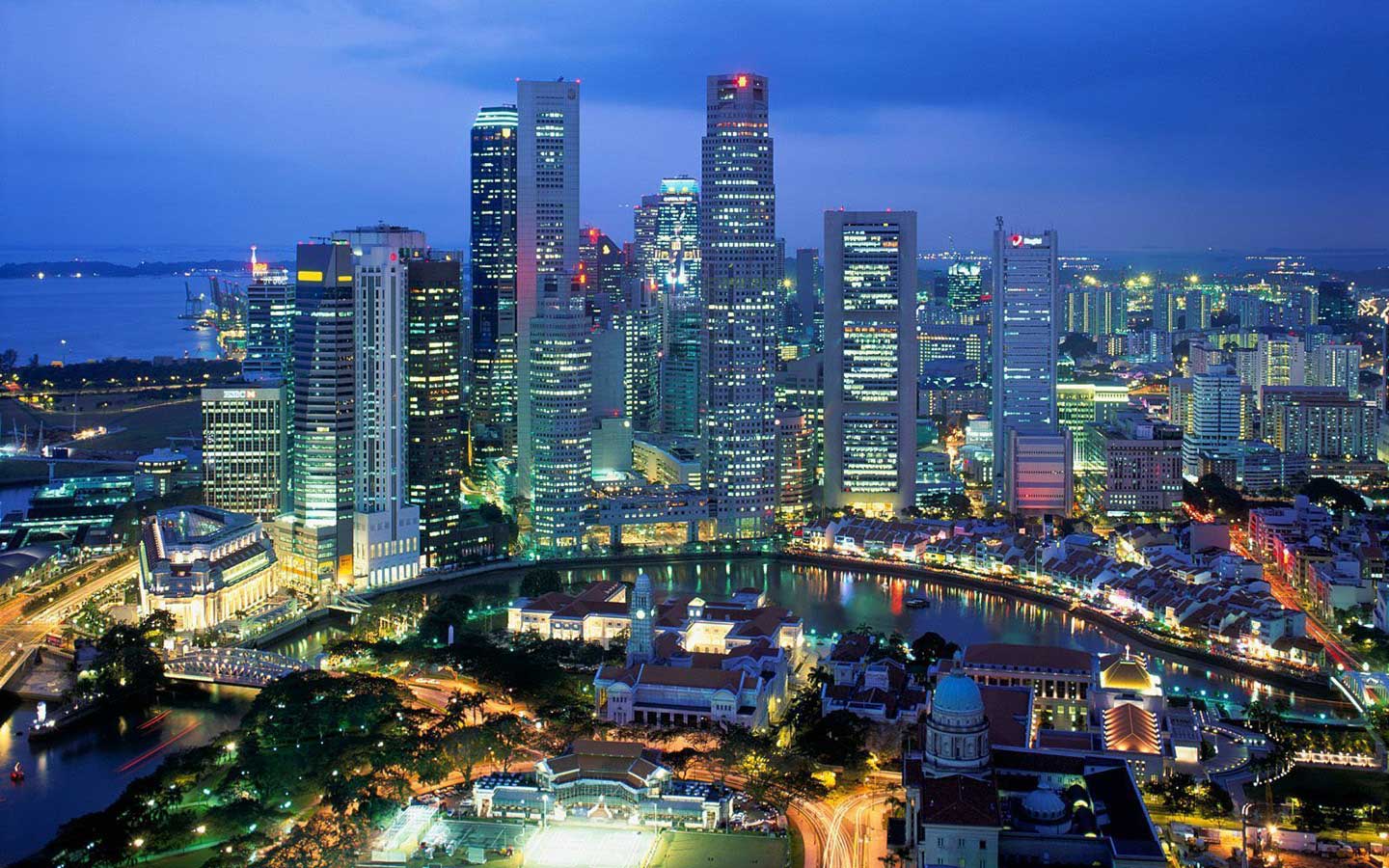
    Singapore has again been ranked the world’s most expensive city to live in, and now the only Asian city in the top five.

    The rankings are contained within The Economist Intelligence Unit’s Worldwide Cost of Living Survey, a relocation tool that compares the cost of living between 133 cities worldwide using New York as a base city.

    Singapore leads for the second year running, the unchanged top five made up by Paris, Oslo, Zurich and Sydney.

    But The EIU says that despite topping the ranking, Singapore still offers relative value in some categories. For basic groceries, Singapore is only 11 per cent more expensive than New York, but it is the joint most expensive place in the world alongside Seoul to buy clothes.

    The malls of Orchard Rd offer a price premium more than 50 per cent higher than New York.

    Most significantly, Singapore’s complex Certificate of Entitlement system makes car prices excessive, with Singaporean and transport costs almost three times higher than in New York.

    Tokyo, which was replaced as the world’s most expensive city only last year, has fallen to 11th place as low inflation and a weak Yen take their toll. Seoul is rising quickly up the rankings: 50th five years ago, it has now made the top 10.

    Karachi in Pakistan and Bangalore in India offer the best value for money. Indian cities make up four of the six cheapest. Structurally low wages and price subsidies on some staples have made for a highly price sensitive market and it seems that falling oil prices will add further weight to this.

    “The situation of an unchanged top five is very rare for the Worldwide Cost of Living Survey and disguises some significant global drivers that are impacting the cost of living everywhere,” said Jon Copestake, chief retail & consumer goods analyst at EIU and editor of the report.

    “In fact, a look at the data six months ago would have shown a different top five, and things are changing quickly, especially with the fall in oil prices. Rebasing the survey to today’s exchange rates would put Zurich top, highlighting how fluid the global cost of living has become.”

  • Samsung Pay launch imminent

    Samsung Pay launch imminent

    Samsung Electronics, the world’s largest smartphone maker, says its new mobile payment platform, Samsung Pay, will be available for use by the second half of this year.

    The South Korean tech giant said it is moving to clinch ties with six local credit card firms by the summer and is aiming to open the service to the public during the second half of 2015.

    It has already joined forces with at least 10 US financial big names, including Visa and MasterCard, as well as US Bank, American Express, Bank of America and Citibank.

    Earlier this week, Samsung said its latest high-end smartphone, the Galaxy S6, which is expected to hit the market in April, will feature its own mobile wallet solution.

    Industry watchers said Samsung Pay stands out from other competitors, such as Apple Pay, as the service supports virtually all forms of payment — Near Field Communication (NFC), Magnetic Secure Transmission (MST) and barcode technologies — which reaches far more registers than that of its rivals.

    The breakthrough was made possible after Samsung decided to buy US mobile technology firm LoopPay, which has patent rights related to MST, a payments solution that works with existing magnetic stripe readers, they said.

    While only 10 per cent of US-based shops and one per cent in South Korea have NFC-based services, more than 90 per cent of shops in both countries support the MST platform, implying Samsung Pay will be able to grab a strong market presence once launched, industry watchers added.

    Samsung, however, has not yet clarified how to generate profits from the new payment platform.

    “In the long run, Samsung Pay will issue gift cards or seek advertisement opportunities,” a Samsung official said. “For now, we plan to focus on the South Korean and US markets rather than the global market.”

    It has not yet come up with a plan to compete against Google’s “Google Wallet,” one of its key rivals. Last month, Google extracted an agreement from three US-based wireless carriers to pre-load Google Wallet on their Android smartphones.

  • CapitaMalls confirms Tropicana purchase

    CapitaMalls confirms Tropicana purchase

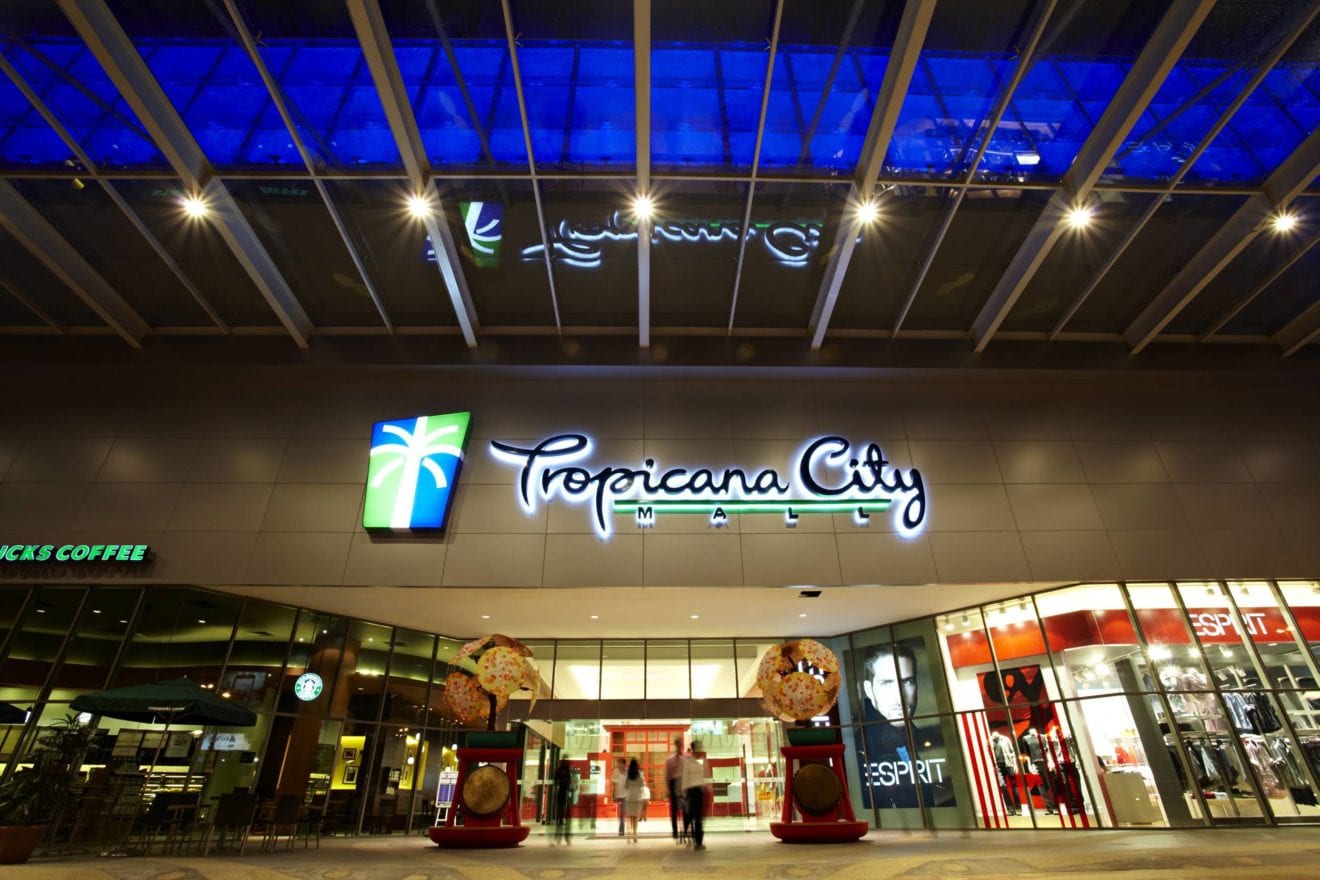
    CapitaMalls has completed due diligence in its bid for Tropicana City Mall and Office Tower in Selangor, Malaysia.

    CapitaMalls will pay RM540 million (US$146.4 million) for the complex through its Malaysian subsidiary CapitaMalls Malaysia Trust (CMMT). Settlement is likely to be completed by July 1.

    CapitaMalls says the property’s Net Property Income is RM33.00 million, which has been derived by annualising the Property’s NPI forecast of RM16.50 million for the six month period to December 31, 2015 (assuming that the Proposed Acquisition is completed on 1 July 2015). This translates into a property yield of about 6.1 per cent.

    The four level Tropicana City Mall opened in 2008 and has a net lettable area of 448,248 sqft and 1759 car park. It is attached to a 12-storey office building.

    As of January 15, the mall had an occupancy rate of 89.2 per cent and the office tower was fully leased. CapitaMalls had previously considered buying the mall in mid 2013, but the negotiations ended after both parties were unable to agree to purchase terms.

    “The proposed acquisition will further strengthen CMMT’s position as a sizeable, well geographically diversified shopping mall real estate investment trust in Malaysia,” CMMT said in an earlier statement.


  • McDonald’s global sales decline

    McDonald’s global sales decline

    Fast food giant McDonald’s says its global same store sales fell 1.7 per cent in February.

    More worryingly, “aggressive competitive activity”, led to sales in its core US home market falling by four per cent.

    Across Asia, the Middle East and Africa, sales fell 4.4 per cent, but in Europe they rose a modest 0.7 per cent.

    McDonald’s is aware it needs to take action to restore its market share in the US. New CEO Steve Easterbrook hosted a “Turnaround Summit” for US franchisees in Las Vegas last week.

  • FashionValet seals cash injection

    FashionValet seals cash injection

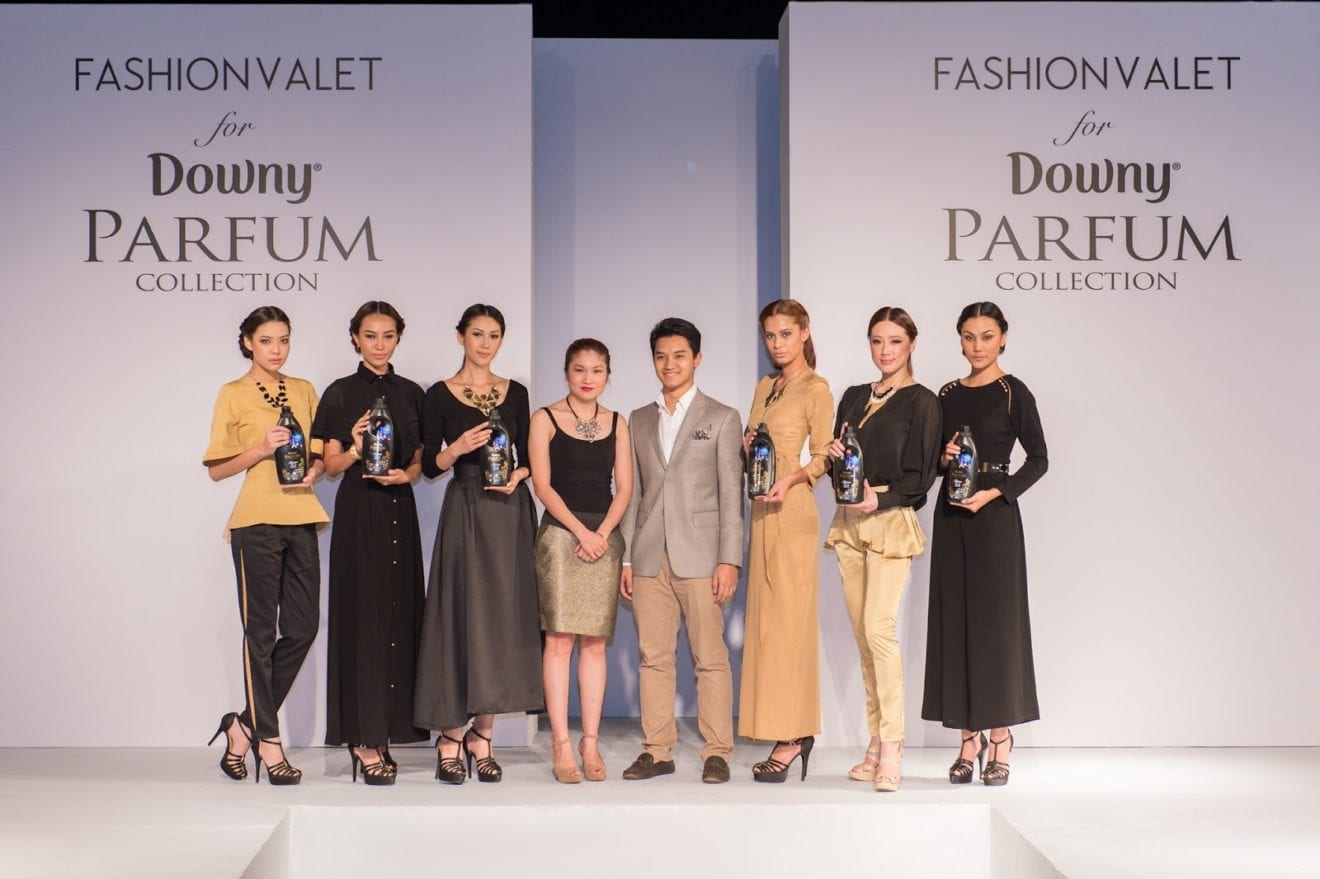
    A Malaysia online fashion destination started by a local married couple has attracted serious capital investment led by US private equity investor Elixir Capital.

    While the exact amount of the investment has not been disclosed by either party, the multimillion dollar injection will allow FashionValet to accelerate the expansion of its online reach through mobile e-commerce, big data strategies and original customer-centric content and to scale its operations into other Asian cities.

    Elixir Capital is a global private equity firm based in Silicon Valley, California.

    “The investment from Elixir Capital marks a significant step for FashionValet as we continue to really develop the brand beyond Malaysia and pave the way for retail e-commerce locally,” said the FashionValet’s co-Founder and CEO, Fadzarudin Anuar.

    “We’ve seen substantial e-commerce growth already, yet there’s room for much more in Malaysia, where there’s less than one percent penetration of sales online, as compared to 10 per cent in China, US and Western Europe, and we want to continue to foster this trend as one of the pioneering brands in the industry.”

    FashionValet tripled its revenue in 2014 on the way to becoming a leader in Malaysia’s online fashion sector. The company has managed to do this while keeping operations lean and reactive to community demand.

    “We were approached to be funded by several other companies, but Elixir Capital shared the same vision we had to grow FashionValet into a multi-million dollar company that champions local designers in Asia – which is what really convinced us to work with them,” added Vivy Yusof, co-Founder and chief creative officer of FashionValet.

    “FashionValet now forms the Southeast Asian centerpiece for Elixir’s multi-market investment platform in digital commerce, with accelerated enterprise growth and regional expansion serving as our investment thesis,” said Arshad Ahmed, MD of Elixir Capital.

    “FashionValet has the makings potentially of a homegrown Malaysian IPO in retail e-commerce.”

    FashionValet’s founders say they want to use the capital to better serve their customers and suppliers alike, and to improve the customer experience and product offering.

    FashionValet offers a wide selection of ready-to-wear garments, including Muslimah attire, with customers throughout Malaysia, Brunei, and Singapore. It stocks homegrown brands and designer products, serving as an outlet for up-and-coming designers across Asia.

  • Mega Home looks to borders in Thailand

    Mega Home looks to borders in Thailand

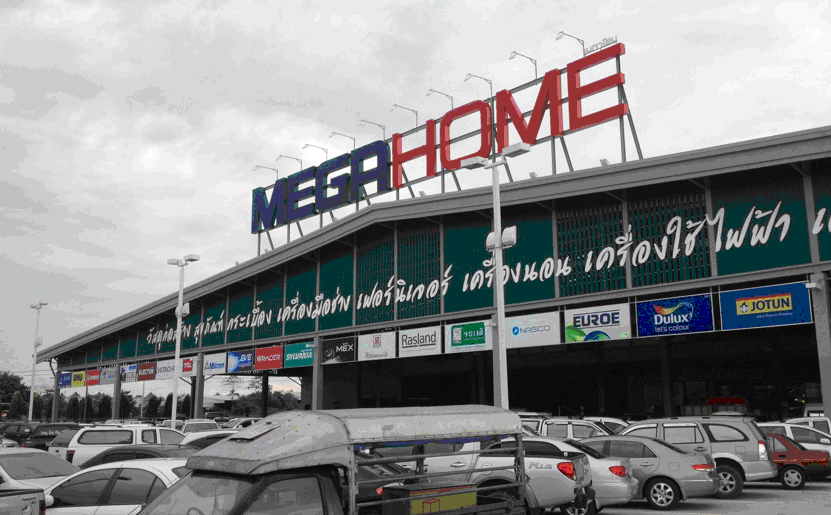
    Thailand’s Mega Home Center Co, the chain seller of home and construction materials, is keen to expand its branches in border provinces to cash in on flourishing border trade and special economic zone activity.

    Supornsri Naktanasukanjn, the company’s chief operating officer, said it aims to open 20 branches by 2018, including four this year with an investment cost of THB400-500 million (USD12.3-15.4 million) per location.

    Founded in late 2013, Mega Home operates four stores in Pathum Thani’s Rangsit, Tak, Nong Khai and Chon Buri. A fifth store in Prachin Buri’s Kabin Buri is scheduled to open in May. New stores in Min Buri, Bangkok and Sa Kaeo’s Aranyaprathet will open in August and October, respectively. The eighth store is being planned.

  • Lotte Vietnam boosts investment

    Lotte Vietnam boosts investment

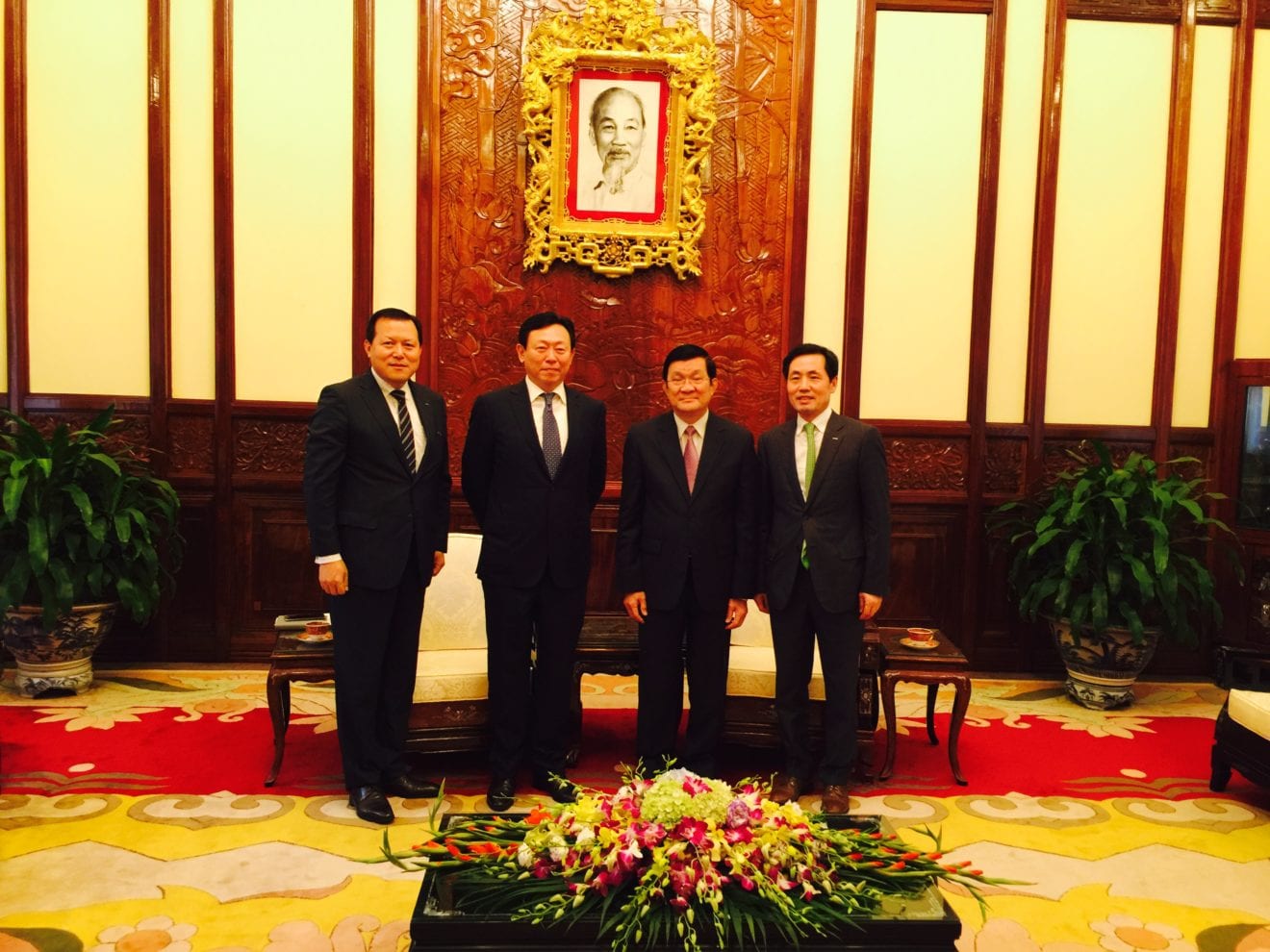
    South Korea’s Lotte has acquired a majority share in a Ho Chi Minh City shopping centre, office and apartment complex as it protects its Vietnam beachhead.

    Lotte Vietnam has bought out another Korean business’ 70 per cent stake in Diamond Plaza, a high profile 20-story tower housing a multi-level department store, foodcourt and other retail facilities, along with offices, a medical centre, cinema and apartments.

    It was one of the first modern era shopping developments in the country’s largest city, although its footprint is dwarfed by more recent developments such as Vincom and Union Square, also in the CBD, and Crescent Mall in the Asian-expatriate hub of District 7.

    Lotte already has extensive investments, and reach, in Vietnam, operating Lotte Mart hypermarkets, cinemas, a hotel on the Saigon riverfront and a chain of Lotteria fast food outlets which was well established before US rival McDonald’s debuted in Vietnam in late 2013.

    Diamond Plaza was opened in August 2000, then valued at US$60 million. It was a joint venture between local developer Construction Corporation No.1 and Korean steel company Posec, a subsidiary of steel maker Posco. Lotte has bought out Posec’s interest for an undisclosed amount.

    In another transaction not officially released, Lotte has purchased two Pico Plaza branded shopping centres in Hanoi and Ho Chi Minh City and rebranded them Lotte after converting supermarkets into Lotte Mart hypermarkets.

  • Burberry Japan opens Osaka flagship

    Burberry Japan opens Osaka flagship

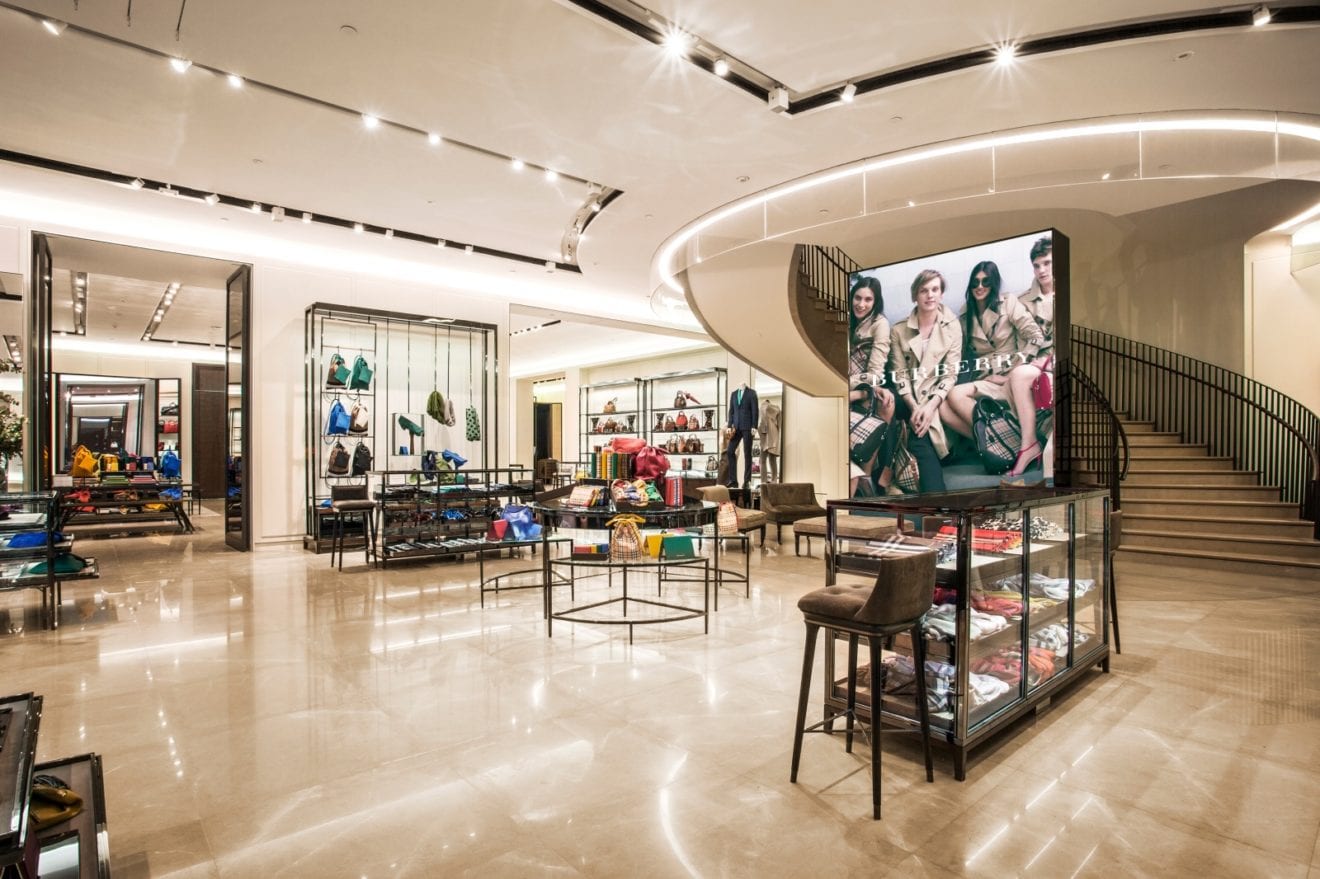
    Burberry has opened its first freestanding store in Shinsaibashi, Osaka.

    Set over two floors, the new flagship store houses the largest Burberry product assortment in Osaka, including the brand’s collection of Made in England trench coats.

    In-store digital screens showcase Burberry content and broadcast live events directly from the brand’s global headquarters in London, enabled by the Burberry retail theatre concept.

    The store showcases the Burberry Prorsum, Burberry London, Burberry Brit, Heritage, Accessories and Burberry Osaka Exclusive Collections and stocks womenswear, menswear, accessories, eyewear and watches.

    Burberry Japan Osaka 315

    To celebrate the opening, an exclusive range of men’s and women’s accessories was designed just for the Burberry Osaka store. This collection includes limited edition versions of key Burberry bag styles – The Mini Bee bag and The Petal bag for women.

    Burberry has a long-term commitment to Japan where it currently has four mainline stores and 13 concessions in locations including Omotesando, Kobe, Ginza Marronnier Dori and Roppongi.

    Burberry says it is beginning “a new chapter in Japan” in 2015. From June, the brand’s licensed products will be replaced with the Burberry global product offering including its British made heritage trench coats manufactured at its facilities in Yorkshire in the North of England and its scarves made in Scotland.

  • Scotts Square Singapore mall ‘exodus’

    Scotts Square Singapore mall ‘exodus’

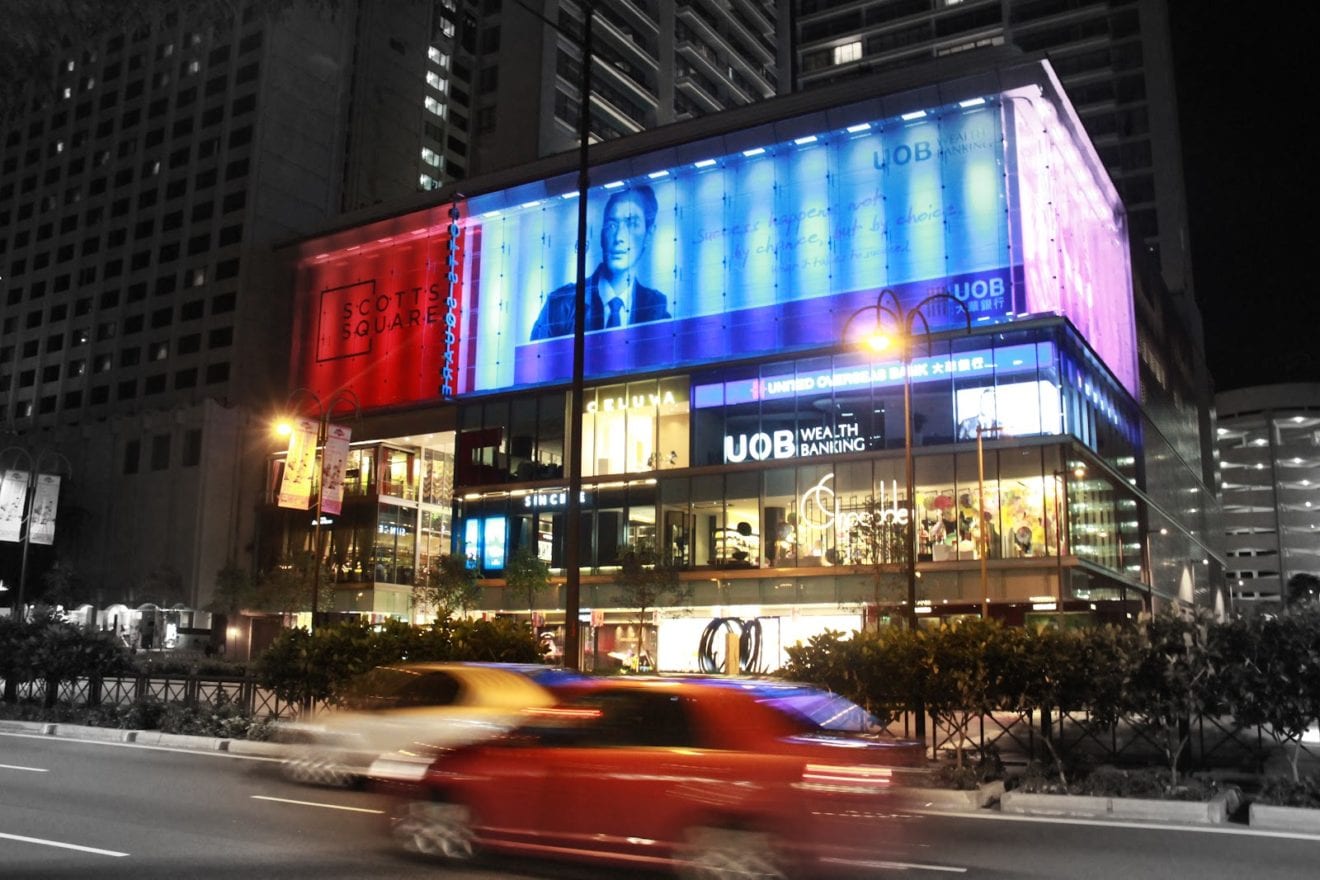
    Just three years after its opening, questions are being asked about the business model of Wheelock Properties’ luxury Scotts Square Singapore shopping centre.

    The compact but glitzy mall opened in 2012 on the site of the demolished Scotts Shopping Centre. It sits off Orchard Rd, between Tangs department store and the Grand Hyatt five-star hotel.

    This week, at least 10 tenancies were vacant, leaving 28 open in the 75,000sqft mall, according to a report in the Straits Times newspaper.

    Luxury watch store Sincere Fine Watches has moved out of its street-front space on the first and second floor, joining Ginza Sushi Ichi and Arossa Wine & Grill, which shut their doors on Jan 31. Apparel chain Bread & Butter and Malaysian cafe Delicious had already moved out. Anne Fontaine, Kiton and Marina Rinaldi will move out this month in what the newspaper described as “an exodus”.

    Wheelock Properties group GM of marketing Stephanie Tay, was trying to put a positive spin on the move, saying some current tenants were due to renew or complete their leasing term. “This gives us the opportunity to tweak our tenant mix and refresh our offerings,” she told the Straits Times.

    However her employer had already publicly conceded the centre was failing to perform. Late last month, Wheelock Properties announced it had written down the book value of the mall by 17 per cent to reflect “poor business conditions” – from S$312 million to $260 million.

    “Scotts Square is operating under very challenging circumstances as a boutique mall,” the listed company said in a stock exchange announcement. “A substantial tenant and trade mix revamp is underway for the mall and reduction of rental revenue is expected for the initial years,” it said.

    The company maintained that at the end of December – before the trickle of exits became an exodus – Scotts Square had an overall occupancy rate of 88 per cent and an average monthly rental of S$16 per square foot.

    The Straits Times quoted a sales assistant at fashion brand Paul & Shark describing the mall as “quite empty”.

    “We get maybe 20 walk-ins a day, but we can sell to about five.”

    Scotts Square Singapore comprises three levels of retailing and a FairPrice Finest supermarket in the basement, largely serving the residents of the 43 storey apartment tower above it.

    The mall’s undoing would appear to be the market positioning of its offer. With neighbouring shopping centres catering for mid-range shoppers – and the largest on Scott Rd best described as an entry level destination – there simply isn’t the foot traffic for a mall with lesser known luxury brand tenants.

    The survivors – for now – include US fashion brand Michael Kors, shoe chain On Pedder and Wild Honey, a restaurant.

  • Kate Spade plans furniture future

    Kate Spade plans furniture future

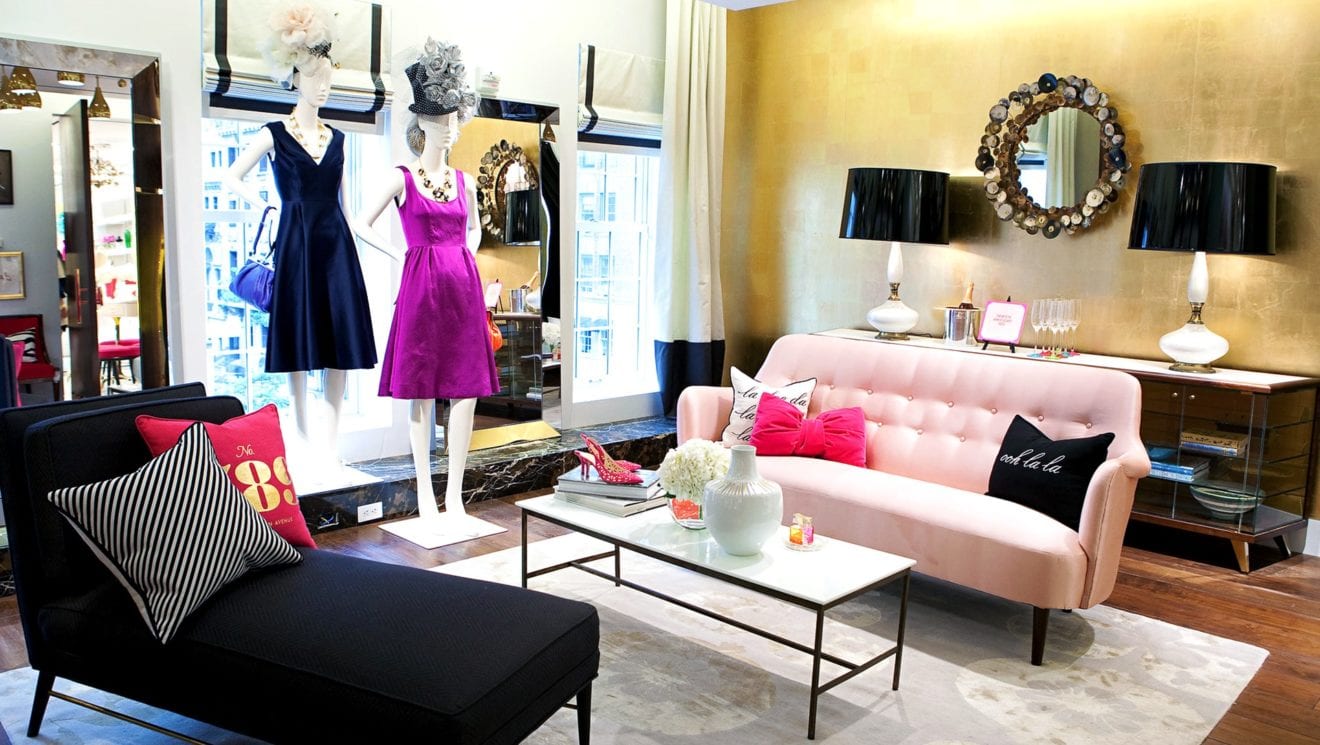
    The luxury apparel retailer has announced four new licensing agreements – for bedding, bath, wallpaper, rugs, furniture and household items, according to a report on Bloomberg.

    In the first year, Kate Spade aims to sell US$100 million to US$150 million worth of the new lines, representing a fraction of its total turnover. But if it makes target in the year it will encourage a broader international rollout of the new categories, and further expansion of the range.

    “The breadth of our home décor line will feature products at all access points in both pricing and distribution from an $8 notebook to an $8000 piece of furniture,” Kate Spade CEO Craig Leavitt said.

    Bloomberg opines the move would make Kate Spade more like Ralph Lauren, and differentiate it from other fashion rivals like Coach, Michael Kors and Tory Burch “which don’t sell couches”.

  • Country Style Cooking focuses on quality

    Country Style Cooking focuses on quality

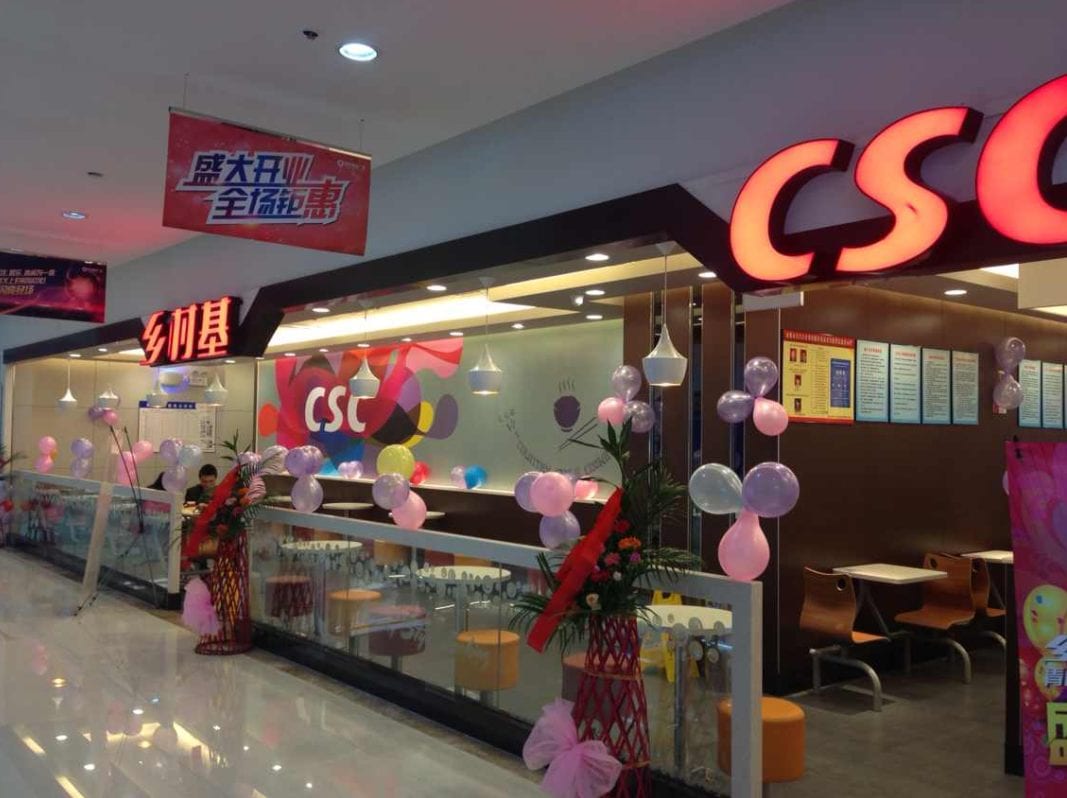
    Fast growing Chinese QSR operator Country Style Cooking Restaurant Chain has reported a decline in same-store sales as it focuses on quality rather than price.

    Total revenue in 2014 rose 7.5 per cent to RMB1.46 billion ($235.7 million), but comparable sales slid 5.3 per cent. The company’s restaurant network grew from 293 outlets to 337 year-on-year, but the same store comparison included 228.

    “The QSR (quick service restaurant) industry in China remains highly competitive and we continue to evaluate opportunities to further improve performance and customer loyalty,” said Xingqiang Zhang, Country Style Cooking CEO.

    “Instead of engaging in intense price wars, we have been focusing on training our cooks and staff, developing new dishes and combo meals, refining our online ordering experience and renovating some of our older stores, upgrading visual identification and interior decoration to improve brand recognition, customers’ dining experience and overall customer satisfaction.

    “We believe this commitment to invest in our future will differentiate us from our competitors and reinforce our leadership in China’s QSR industry, resulting in higher levels of long-term revenue and profit growth.”

    Country Style Cooking said its restaurant operating margin was 13.8 per cent in 2014, down 130 basis points from 2013. Income from operations decreased by 33.3 per cent to RMB22.6 million ($3.6 million). Net income in 2014 was RMB38.0 million ($6.1 million), compared to RMB39.6 million in 2013.

    Fourth quarter revenues rose 7.4%, while comparable restaurant sales decreased by 7.7 per cent, (with 252 restaurants in the comparison). It lost RMB700,000 ($100,000), compared to income from operations of RMB1.7 million in the same quarter of 2013.

    Xingqiang Zhang said the company met both its fourth quarter and full year 2014 financial forecast.

    “Our fourth quarter financial performance showed modest top line growth, primarily supported by our expanding restaurant network. As previously announced, during the fourth quarter of 2014, we signed a strategic cooperation agreement with an e-commerce company, Yimutian, to build a more efficient procurement model. We are firm believers in utilising the technology and leveraging the strengths of our business partners to enhance our operations.”