Blog

  • To Summer Opens Flagship Store In Hong Kong, Fusing Local Tradition With Eastern Ethos

    To Summer Opens Flagship Store In Hong Kong, Fusing Local Tradition With Eastern Ethos

    To Summer, a premier fragrance brand based in Beijing, has broadened its operations beyond China’s mainland by inaugurating its debut store in Hong Kong.

    A Blend of Local Culture and Eastern Spirit

    Situated in Causeway Bay, the new outlet is labeled ‘Made in Hong Kong’ and illustrates an intriguing fusion of local tradition and Eastern ethos. The brand displays its complete array of offerings at this store, encompassing a variety of perfumes, home fragrances, and body care commodities.

    Distinct Features of the Store

    The flagship store stands out with four unique sections, namely The Eastern Ingredients Studio, Changwu Pavilion, Study Room, and Bathroom. Each of these rooms embodies specific aspects of the brand and its character.

    Strengthening Local Market Presence

    Arnold Lau, the spokesperson for To Summer, expressed that their primary focus would be on nurturing the Hong Kong market and catering to local customers. He revealed that the brand intends to use the Causeway Bay store as a strategic base for deploying resources and gradually escalating their operations.

    Lau further emphasized the exceptional status of Hong Kong as a global financial and cultural center. He believes that this provides an unrivaled stage for brands like To Summer to exhibit their products and engage with a diverse international clientele.

    Inspiration Behind the Store

    The design of the store draws its inspiration from historic craftsmanship and the essence of Hong Kong artisans. Various elements reflect the influence of Hakka, the Sham Shui Po fabric market, hand-carved artist Jin Fa Mahjong, and celebrated designer Alan Chan.

    Past Endeavors in Mainland China

    In mainland China, To Summer has demonstrated a commitment to preserving cultural heritage. The brand initiated a project to rehabilitate ancient structures, such as its Kuiyuan residence store in Guangzhou. It also organized a pop-up event in Shenzhen earlier this year.

    Questions & Answers

    What is the range of products offered by To Summer at its Hong Kong store?
    To Summer offers a wide array of products at its Hong Kong store, including perfumes, home fragrances, and body care products.

    What are the unique features of To Summer’s Hong Kong store?
    The To Summer store in Hong Kong has four distinct sections: The Eastern Ingredients Studio, Changwu Pavilion, Study Room, and Bathroom. Each room represents specific aspects of the brand and its offerings.

    What inspired the design of the To Summer store in Hong Kong?
    The store design draws inspiration from historic craftsmanship and the spirit of local Hong Kong artisans, integrating elements from Hakka, the Sham Shui Po fabric market, hand-carved artist Jin Fa Mahjong, and renowned designer Alan Chan.

  • Chipotle Announces Expansion Into Asian Market Starting With South Korea And Singapore

    Chipotle Announces Expansion Into Asian Market Starting With South Korea And Singapore

    Chipotle, a popular American fast-casual restaurant chain, has announced plans to penetrate the Asian market in the coming year. The expansion will begin in South Korea and Singapore, through a strategic collaboration with SPC Group.

    Chipotle’s Asian Debut

    The rapidly growing interest in international food and exceptional culinary experiences among Koreans and Singaporeans makes these two markets the perfect launching pad for Chipotle’s Asian journey. This perspective was shared by Heesoo Hur, the Executive Vice President and Owner of SPC Group, who underscored the familiarity and appreciation for the brand in these countries.

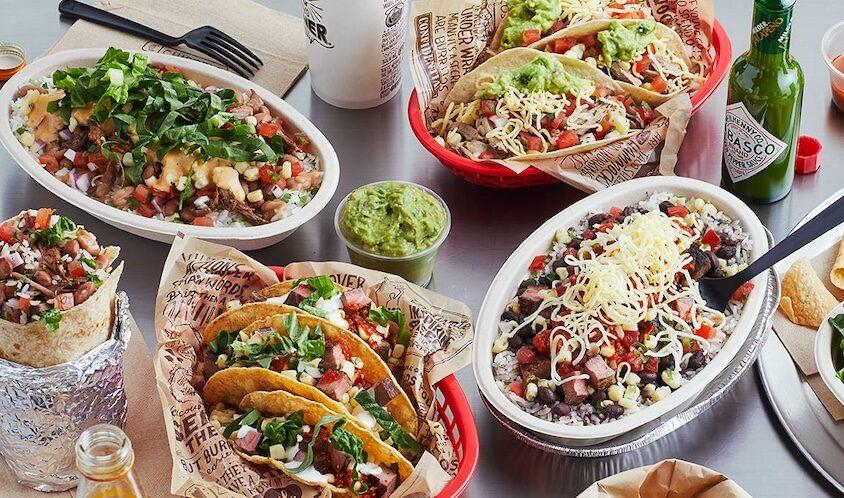
    Chipotle’s reputation for offering personalized meals using fresh ingredients, with an assortment of burritos, bowls, tacos, and salads, resonates well with the evolving food preferences in these markets. Customers can craft their meals from an array of fillings served from an assembly line, making each meal a unique dining experience.

    A Promising Growth Opportunity

    According to Chipotle’s CEO, Scott Boatwright, the move to expand into Asia represents an enormous growth potential for the brand. With the increasing demand for real, fast-prepared food coupled with significant brand recognition among consumers, he anticipates strong adoption rates from the onset.

    This expansion to Asia trails Chipotle’s series of international openings. In 2023, the company started its Middle Eastern operations by signing an agreement with Alshaya Group, resulting in six Chipotle restaurants across Kuwait and the UAE. Furthermore, Chipotle has already announced plans to establish its first eatery in Mexico next year through a deal with Alsea.

    Currently, Chipotle operates over 3,800 restaurants across the globe, with plans to inaugurate up to 345 additional locations this year. The company also aims to reach a long-term target of 7,000 restaurants in the US and Canada.

    Questions & Answers

    Why has Chipotle chosen South Korea and Singapore as its entry points in Asia?
    These markets were selected due to their familiarity with the brand and their evolving interest in international culinary experiences.

    What makes Chipotle’s dining experience unique?
    Chipotle offers customers the opportunity to customize their meals with fresh ingredients, creating a personalized dining experience.

    What are Chipotle’s future expansion plans?
    In addition to its Asian debut, Chipotle aims to open up to 345 new restaurants this year, with a long-term target of 7,000 locations in the US and Canada.

  • Haglofs Unveils Flagship Store In South Korea, Melding Nature And Retail In A Unique Outdoor Experience

    Haglofs Unveils Flagship Store In South Korea, Melding Nature And Retail In A Unique Outdoor Experience

    Swedish outdoors company Haglofs has launched its premier flagship store in South Korea, leveraging a partnership with local distributor Hayl. The store, situated at the base of Dobongsan National Park, spans 421 square meters and houses the brand’s complete lineup of clothing, equipment, and accessories.

    Embracing Seoul’s Outdoor Culture

    According to Ji-Hwan Lee, CEO of Hayl, opening the flagship store at Dobongsan National Park means integrating into Seoul’s thriving outdoor culture, where the bustling cityscape converges with the serenity of the mountains. The park boasts a variety of trails suitable for both novice hikers and seasoned mountaineers, and is accessible throughout the year. This setting mirrors Haglofs’ core belief that nature should be accessible, inviting, and within everyone’s grasp.

    Nature Inside, Life Outdoors

    The store exemplifies the ‘Nature Inside, Life Outdoors’ concept, aiming to spotlight both the human and technical facets of the brand. This approach is designed to offer consumers an engaging and immersive retail experience that transcends traditional shopping.

    Exploring the Korean Frontier

    Daniel Stiller Cohn, head of distribution sales at Haglofs, declared that Korea represents a new and untapped market for the brand. He expressed confidence in their trusted distributor, Hayl, to lay a robust groundwork for the brand in the region. He cited Hayl’s passion and expertise as crucial elements as the brand introduces its focus on innovation and sustainability to the Korean market.

    Questions & Answers

    What is the concept behind Haglofs’ new store in South Korea?
    The store exemplifies the ‘Nature Inside, Life Outdoors’ concept, emphasizing both the human and technical facets of the brand. This approach aims to offer consumers an immersive retail experience.

    What does the location of the store symbolize for the brand?
    The location at the base of Dobongsan National Park, which offers trails for all levels of hikers and is accessible year-round, aligns with Haglofs’ belief that nature should be welcoming and accessible to everyone.

    How does Haglofs view its entry into the South Korean market?
    The brand sees South Korea as a fresh and untapped market. They have expressed confidence in their local distributor, Hayl, to establish a strong presence for the brand in the region, with a particular emphasis on innovation and sustainability.

  • Asia’s Retail Giants Brace For Singles’ Day Shopping Frenzy Amid Rising Online Commerce Trends

    Asia’s Retail Giants Brace For Singles’ Day Shopping Frenzy Amid Rising Online Commerce Trends

    Retailers all over Asia are abuzz with anticipation as they prepare for the biggest shopping event of the year: Singles’ Day on November 11. Originating in China, this day has transformed into a retail phenomenon that now captures the attention of consumers across the continent and beyond. Brands, both local and international, are gearing up for a digital spectacle filled with discounts, flash sales, and interactive experiences designed to entice shoppers.

    The Rise of Online Shopping

    With a significant shift towards e-commerce in recent years, propelled further by the global pandemic, Singles’ Day has cemented itself as a crucial period for online retailers. In 2022, Alibaba reported a staggering $84.5 billion in sales, a clear testament to the event’s enduring popularity. However, it’s not just tech giants stealing the spotlight; small and medium-sized enterprises are also making waves by adopting innovative strategies to capture part of this lucrative market.

    Experiential Marketing Takes Center Stage

    This year, brands are placing a strong emphasis on experiential marketing to create a meaningful connection with consumers. From virtual try-ons to gamified shopping apps, the integration of technology into the shopping experience is set to reach new heights. Retailers are leveraging augmented reality and artificial intelligence to not only enhance user experience but also to make shopping feel more like an adventure. After all, who wouldn’t want to find a hidden treasure among the sea of deals?

    Collaborations and Limited Editions Drive Excitement

    Collaborations are another strategy retailers are employing in the lead-up to November 11. Brands, large and small, are launching limited-edition items and exclusive collections, tantalizing consumers with the idea that they could own something truly unique. This sense of urgency and scarcity fuels the shopping frenzy and keeps consumers returning for more.

    Responsible Consumerism on the Horizon

    Interestingly, there’s a notable shift towards responsible consumerism this year. Many shoppers are not just seeking the best prices, but also looking for brands that prioritize sustainability. Retailers are responding by highlighting eco-friendly practices and supply chain transparency, appealing to a growing demographic of conscious consumers who want their purchases to make a positive impact.

    The Competition Heats Up

    As the clock winds down to November 11, retailers are engaged in an all-out competition to capture consumer attention. Social media platforms are buzzing with teasers and sneak peeks, igniting curiosity among shoppers. In this race, it’s not just about who offers the steepest discounts, but also who can create the most vibrant and engaging marketing campaigns that resonate with consumers’ lifestyles and aspirations.

    Questions & Answers

    What is Singles’ Day, and why is it significant for retailers?
    Singles’ Day, celebrated on November 11, is a massive shopping event that originated in China and has evolved into a global phenomenon, with retailers seeing significant sales spikes during this time, making it crucial for their annual revenue.

    How have small businesses adapted to the Singles’ Day frenzy?
    Small and medium-sized enterprises are adopting innovative marketing strategies, leveraging e-commerce platforms, and focusing on unique offerings to stand out amidst the competitive landscape dominated by larger retailers.

    What trends are shaping consumer behavior this Singles’ Day?
    Shoppers are increasingly prioritizing experiences, sustainability, and unique product offerings, indicating a shift towards responsible consumerism and a desire for meaningful purchases over mere discounts.

  • Hanoi Homeowner Transforms Compact Apartment Into Bubble Tea-inspired Oasis

    Hanoi Homeowner Transforms Compact Apartment Into Bubble Tea-inspired Oasis

    A homeowner in Hanoi has transformed her compact apartment into a tranquil oasis, investing VND160 million (approximately US$6,000) in renovations. Embracing a color scheme reminiscent of bubble tea, she has artfully combined soothing shades of beige and brown, creating an inviting atmosphere that seamlessly blends work and relaxation.

    A Thoughtful Renovation

    Designed and constructed by TG Architects, the apartment has been thoughtfully reimagined to maximize space and functionality while maintaining an aesthetic that encourages calm. The selection of warm, neutral tones not only enhances the ambiance but also evokes a sense of comfort, perfect for both busy workdays and restful evenings.

    Craftsmanship Meets Creativity

    Photography by Humi Studio captures the transformation beautifully, showcasing the harmonious flow of the space. This clever design choice, reminiscent of popular Asian bubble tea drinks, showcases how color can breathe new life into a space, like adding a sprinkle of joy to an otherwise mundane day. It’s proof that even small spaces can hold big dreams when approached with creativity and flair.

    A Harmonious Blend of Life and Work

    The renovation reflects a growing trend among urban dwellers in Asia, where living spaces are becoming multifunctional as people seek to balance their personal and professional lives within the same four walls. The deliberate choice of colors and materials serves not just a visual purpose but also addresses the psychological needs of the homeowner, fostering a serene environment ideally suited for productivity and peace alike.

    Questions & Answers

    What inspired the color choices in the renovation?
    The homeowner drew inspiration from the calming colors associated with bubble tea, opting for beige and brown to create a gentle and inviting atmosphere.

    Who was responsible for the design and construction of the apartment?
    The transformation was guided by TG Architects, who expertly blended function and aesthetics to reimagine the living space.

    What trends does this renovation reflect in urban living spaces?
    The renovation highlights a larger trend in Asia where homeowners are seeking multifunctional spaces that accommodate both work and leisure within their homes.

  • Air France Takes Flight with Superior In-Flight WiFi, Surpassing Swiss Competitors

    Air France Takes Flight with Superior In-Flight WiFi, Surpassing Swiss Competitors

    Air France Takes Off with Complimentary High-Speed WiFi

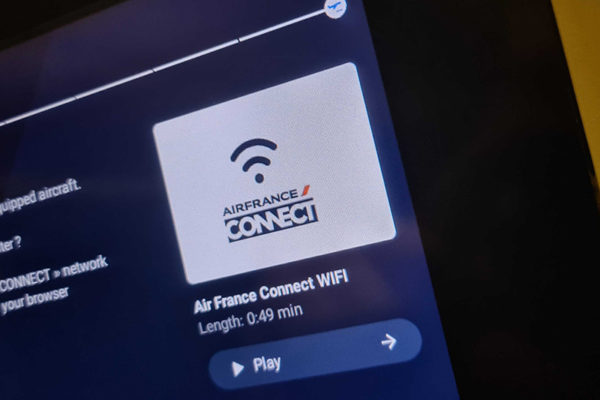
    In a significant move set to enhance the passenger experience, Air France has become the first major European airline to offer complimentary high-speed WiFi on its flights, leaving its Swiss counterpart in the dust.

    While some passengers might enjoy the break from screens during their flights, the announcement of “Free high-speed WiFi now available on Air France flights” certainly raised eyebrows on Tuesday.

    Partnering with Starlink for Connectivity

    This new initiative allows travelers on selected aircraft to enjoy a fast, stable, and secure internet connection, thanks to a collaboration with Elon Musk’s satellite provider, Starlink. Currently, this technology is operational on two Embraer 190s, two Airbus A220s, and one Airbus A350, catering to both short-haul and long-haul routes.

    Aiming for Fleet-Wide Implementation by 2026

    Air France has ambitious plans, targeting to retrofit 30% of its fleet by the end of 2025 and to achieve full fleet implementation by the end of 2026. What’s more, this service is offered free of charge across all travel classes and is accessible via the Flying Blue frequent flyer program. The airline boasts that passengers can stream TV shows, films, and even engage in multiplayer video games — a digital paradise at 30,000 feet!

    Swiss Airline Struggles to Keep Up

    Conversely, Swiss International Airlines, a subsidiary of Lufthansa, lags behind in this competition. Though the airline confirmed to finews.com that its short- and medium-haul fleet possesses onboard internet, it is not yet comprehensive. Passengers can access a free messaging service, but access to streaming or using laptops and tablets comes at an additional price.

    Long-Haul Flights Come with a Price Tag

    Swiss has been equipped with internet since 2016, and since 2023 offers a complementary service for chat applications like WhatsApp, Facebook Messenger, or Signal on long-haul flights. However, for any other online activities, passengers face additional charges, leaving the airline noticeably behind Air France, which is touting its complimentary service as a premium perk.

    Lufthansa’s Centralization Moves Impacting Swiss

    In a strategic shift, Lufthansa has announced plans to centralize some business functions of its Swiss subsidiary in Frankfurt. The implications for the quality of service at Swiss remain uncertain. While WiFi may not be the primary concern for travelers, this issue underscores a recurring criticism: Swiss often offers low-cost quality at premium prices.

    Questions & Answers

    How does Air France’s free WiFi service compare to Swiss International Airlines?
    Air France offers complimentary high-speed WiFi across its fleet, while Swiss International Airlines provides a limited free messaging service and charges for streaming and other internet access.

    What technology is enabling Air France’s WiFi service?
    Air France’s WiFi service is powered by a partnership with Elon Musk’s Starlink satellite provider, ensuring high-speed connectivity for passengers.

    What are Lufthansa’s plans regarding its Swiss subsidiary?
    Lufthansa intends to centralize certain business functions of Swiss in Frankfurt, although it’s unclear how this will affect the overall quality of service.

  • Pepper Exports Soar to $1 Billion, Hitting a Seven-Year High in Global Markets

    Pepper Exports Soar to $1 Billion, Hitting a Seven-Year High in Global Markets

    Vietnam’s pepper industry is experiencing a remarkable resurgence, driven by robust global demand and a tightening supply chain that has propelled export prices to new heights, according to the Vietnam Pepper and Spice Association (VPSA). In August, Vietnam exported 21,464 tons of pepper, generating $139.8 million in revenue. This marked a 2.6% increase in volume and a 1.7% increase in value compared to July.

    Year-on-year comparisons show even stronger growth: export volume surged by 10.6% and earnings soared by 19.5%. From January to August 2023, Vietnam exported a total of 166,510 tons of pepper, comprising 142,627 tons of black pepper and 23,883 tons of white pepper. While overall volume dipped by 9.4% compared to last year, this decline was more than offset by rising prices, with the average export prices reaching $6,666 per ton for black pepper and $8,732 per ton for white pepper—an impressive 41.5% and 38% increase, respectively.

    The United States continues to be the largest market for Vietnamese pepper, despite a 31% decrease in shipments to 35,697 tons, accounting for 21.4% of the country’s total pepper export value. In contrast, exports to China have soared by 58% year-on-year, totaling 13,282 tons. Sales to the UAE and India also showed strong growth, rising by 9.7% and 13.7%, respectively. It’s an impressive balancing act, proving that while some doors may close, others swing wide open.

    On the flip side, Vietnam has ramped up its pepper imports, bringing in 34,524 tons valued at $215.3 million, which represents a staggering 61.7% increase in volume and a striking 143.5% spike in value from the previous year. Brazil remains the top supplier, sending over 17,500 tons, followed by Cambodia and Indonesia.

    Domestically, pepper prices have been on the rise since late August, with farm-gate prices climbing from VND142,000-143,000 (approximately $5.4) per kilogram to VND154,000-155,000 by early September before settling around VND152,000-153,000. VPSA attributes this price rise to dwindling on-farm stocks as the harvest season came to a close and a surge in demand from exporters.

    Looking ahead, industry experts predict that limited supply will sustain high prices in the near term. This is especially pertinent as Vietnamese exporters strategize to cut back on importing raw pepper for processing and re-export to the U.S. in light of the reciprocal tariffs that can reach up to 40% on transshipped goods.

    Questions & Answers

    How did Vietnam’s pepper exports perform in August 2023 compared to previous months?
    In August 2023, Vietnam exported 21,464 tons of pepper worth $139.8 million, reflecting a 2.6% increase in volume and a 1.7% rise in value from July.

    What factors have contributed to the rising prices of Vietnamese pepper?
    Rising prices are attributed to dwindling on-farm stocks after harvest and strong demand from exporters, particularly as global supply tightens.

    Which countries are the primary markets for Vietnam’s pepper exports?
    The United States remains the largest market, despite a 31% drop in shipments, while exports to China surged by 58%, indicating shifting dynamics in the demand for Vietnamese pepper.

  • Globe Business and Blackpanda Unveil Budget-Friendly AI Cybersecurity Solutions for Philippine Enterprises

    Globe Business and Blackpanda Unveil Budget-Friendly AI Cybersecurity Solutions for Philippine Enterprises

    Globe Business has joined forces with Blackpanda, the region’s premier cyber incident response specialist, to provide affordable, enterprise-grade cybersecurity solutions tailored for businesses in the Philippines. Their innovative partnership promises a fixed-cost incident response and digital forensics service designed to help organizations promptly detect, contain, and recover from cyberattacks. This offering, fondly dubbed a “cyber fire department,” includes continuous vulnerability scanning, dark web monitoring, and seamless access to cyber insurance, making it an invaluable resource for local enterprises aiming to neutralize digital threats swiftly.

    KD Dizon, Head of Globe Business, emphasizes the growing urgency of the situation:

    Cyber threats remain a pressing challenge for businesses of all sizes, and AI is amplifying both the sophistication and frequency of these attacks. Our partnership with Blackpanda makes immediate, expert incident response—once prohibitively expensive—accessible to organizations across the Philippines.

    The Rising Tide of Cyber Risks in Southeast Asia

    The threat landscape is escalating in the Philippines and Southeast Asia, fueled by inadequate cybersecurity preparedness, AI-driven vulnerabilities, and skyrocketing costs of attacks. Globe underscores the necessity for robust threat intelligence, skilled incident responders, collaboration, and the latest security technologies. In 2024 alone, 85% of Philippine firms reported AI-related attacks, while 84% faced supply chain breaches, with almost a third unable to detect these intrusions. The cost of breaches across ASEAN averaged an alarming USD 3.23 million last year, with the financial services sector suffering the most, racking up an average cost of USD 5.57 million. The region also witnessed a staggering 29% uptick in cyber incidents, accompanied by a rise in ransomware and phishing activities.

    Transforming Cybersecurity Accessibility with IR-1

    Historically, enterprise-level incident response services have been financially out of reach for many businesses, with hourly rates soaring to USD 500 and annual retainers typically ranging from USD 25,000 to USD 100,000. Blackpanda aims to disrupt this trend with its flagship solution, IR-1, which blends incident response, continuous vulnerability scanning, and cyber insurance support into a budget-friendly subscription model. This transformative approach lowers the financial barriers for firms, enhancing their operational resilience and cybersecurity posture.

    Gene Yu, CEO of Blackpanda, shares the vision behind this collaboration:

    Globe’s reach and trust in the Philippine market make them the ideal partner to scale our IR-1 cyber emergency subscriptions nationwide. By delivering always-on access to expert response through Globe’s trusted network, we’re ensuring that a small manufacturer in Cebu or a growing fintech in Makati can access the same level of cyber emergency support as multinational corporations.

    The IR-1 solution boasts automated access to cyber insurance with coverage up to USD 10 million, continuous monitoring for potential risks, and elite response teams located across Asia—Manila, Singapore, Tokyo, and Hong Kong. Unlike its competitors, IR-1 supports any endpoint detection and response (EDR) solution, offering enterprises maximum freedom and flexibility.

    Questions & Answers

    How will the partnership between Globe Business and Blackpanda benefit Filipino companies?
    The partnership aims to provide accessible, enterprise-grade cybersecurity solutions to Filipino businesses, allowing them to swiftly detect and respond to cyber threats without the prohibitive costs historically associated with such services.

    What are the key features of the IR-1 solution offered by Blackpanda?
    IR-1 includes automated access to cyber insurance, continuous attack surface monitoring, dark web scanning, and support for any endpoint detection and response solution, ensuring comprehensive coverage and flexibility for businesses.

    What trends are driving the increase in cyber incidents in Southeast Asia?
    The rise in cyber incidents is largely attributed to low cybersecurity readiness, the growing number of AI-related threats, and the increasing costs of attacks, necessitating urgent action and investment in cybersecurity measures.

  • APTelecom Revolutionizes Global Connectivity with Resilient Submarine Solutions

    APTelecom Revolutionizes Global Connectivity with Resilient Submarine Solutions

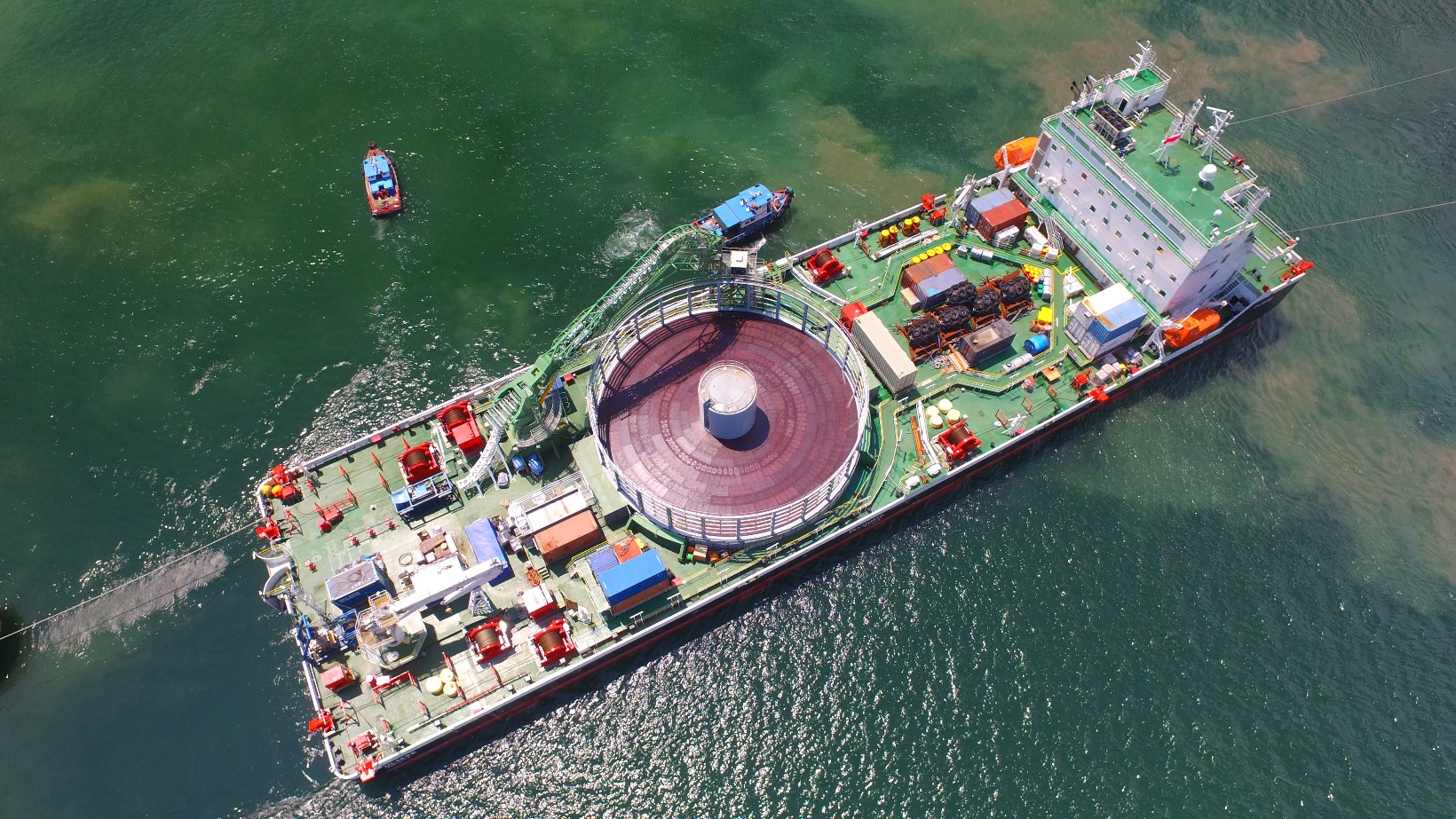
    Submarine cables have become essential arteries for connectivity in the Asia Pacific, managing the surge in data traffic that accompanies the region’s digital revolution. With over half of the globe’s internet users calling this area home, the demand is fuelled by a variety of factors including cloud adoption, e-commerce growth, streaming services, and gaming, along with swift industry digitization.

    The Asia Pacific’s Digital Growth Catalyst

    Navigating this dynamic and complex landscape is no simple task, but APTelecom is leading the charge by executing critical submarine cable projects that focus on resilience and sustainability. In an exclusive interview with Telecom Review Asia, APTelecom President and Co-Founder Sean Bergin offered insights into the challenges and opportunities that are shaping connectivity across the Asia Pacific region.

    The Future of Submarine Cables

    As the epicenter of global data growth, the Asia Pacific region is witnessing an unprecedented demand for new submarine cable systems. “More than half of the world’s internet users live here,” Bergin noted, emphasizing that the appetite for new cables is being driven not just by raw data needs, but by a quest for security and resilience in data infrastructure. Both large-scale regional systems and specialized builds aimed at enhancing redundancy are currently in the pipeline.

    What’s intriguing is that as digital traffic rises, so does the focus on trusted supply chains and dependable routes, both of which have become just as important as sheer capacity. APTelecom is at the crossroads of commercial demand and practical execution, guiding clients through the design and financing of new systems, while addressing local regulatory needs and establishing sustainable partnerships.

    Strategies for Local Success

    APTelecom’s vast experience across diverse markets reveals a critical lesson: the “one size fits all” mentality simply doesn’t apply to digital infrastructure. Each market boasts its unique regulatory landscape and investment climate. Bergin explained that the company merges global best practices with thorough local engagement, fostering trust and understanding with regulators, investors, and customers alike.

    This approach is particularly effective in bridging cultural gaps — whether it’s translating a hyperscaler’s needs to a regional operator or helping a Southeast Asian carrier negotiate with a global buyer. In developed markets, the dialogue often revolves around sustainability and ESG compliance, while emerging markets prioritize bankability and basic infrastructure diversity.

    Powerful Partnerships for Connectivity

    At the heart of APTelecom’s strategy lies collaboration. No single player—be it a carrier, government, or hyperscaler—can realize these complex systems alone. A prime example of this is APTelecom’s recent collaboration with a consortium of regional operators to enhance connectivity linking Vietnam to vital hubs in Thailand, Singapore, and Malaysia. This project not only strengthens Vietnam’s integration into the regional network but also boosts resilience and diversification in critical data routes.

    Involvement with partners in Africa and the Middle East is also on the rise, as Asia’s systems increasingly serve as key connections to Europe and beyond. Such partnerships are more than just ambitious ventures; they generate real benefits, translating into increased capacity, improved reliability, and enhanced service offerings for stakeholders that rely on robust, scalable infrastructure.

    Preparing for Tomorrow’s Connectivity Needs

    Looking ahead, APTelecom’s immediate priorities include supporting projects that balance commercial viability with strategic resilience. For clients, futureproofing involves diversification — ensuring multiple cable routes and a mix of terrestrial and subsea connections. This flexibility extends to contract structures that accommodate scaling capacity, integrating new technologies, and bringing on additional partners.

    Another facet of APTelecom’s mission is addressing workforce development. In many of the markets they serve, talent is in short supply, so equipping local engineers and operators with the necessary skills is a fundamental part of sustaining infrastructure longevity.

    In a fast-evolving sector, embracing technological advancements while mitigating risks is crucial. By helping clients establish dependable partnerships and build infrastructure that earns the trust of carriers and hyperscalers, APTelecom is not just adapting; they are setting the stage for the future of connectivity in Asia. Because let’s face it, in this high-stakes game of digital chess, every move counts.

    Questions & Answers

    How is APTelecom responding to the growing demand for submarine cables?
    APTelecom is actively spearheading new submarine cable projects and enhancing existing ones to address the significant demand driven by factors such as cloud adoption, e-commerce, and digitalization across industries.

    What role does local engagement play in APTelecom’s strategies?
    Local engagement is crucial; APTelecom tailors its approaches to each market’s regulatory and investment climate, building trust with key stakeholders, which ultimately helps in successful project execution.

    Why are partnerships important for APTelecom?
    Partnerships are essential because they combine resources and expertise from various entities to tackle complex connectivity challenges, ensuring that projects deliver real value and enhance regional resilience effectively.

  • Aupen, Singapore’s Buzzing Bag Brand, Faces Trademark Woes with Target: Staff Cuts and Product Withdrawal Announced

    Aupen, Singapore’s Buzzing Bag Brand, Faces Trademark Woes with Target: Staff Cuts and Product Withdrawal Announced

    Aupen, a burgeoning handbag brand founded by former national swimmer Nicholas Tan, announced layoffs on Monday as the company navigates mounting legal challenges. The spokesperson confirmed that staff were informed of the cutbacks, which affect over ten employees in Singapore as of last December.

    Operating solely online with no physical storefronts, Aupen specializes in asymmetrical leather handbags, with most pieces priced under US$600. The brand has gained significant traction since its founding in 2022, quickly capturing the attention of celebrities like Taylor Swift, Beyoncé, and Kylie Jenner. However, it remains unclear if the company will continue its operations amid these turbulent circumstances.

    Legal Showdown with Target

    The layoffs come on the heels of a letter from retail giant Target, opposing Aupen’s attempt to register its trademark internationally, including in the U.S. The communication, shared by Aupen on Instagram last month, raised concerns over “source confusion” due to the phonetic and visual similarities between Aupen and Target’s own label, Auden, which has been utilized since 2019 and was relaunched last July.

    In its letter, Target sought clarification on Aupen’s use of its brand name for products and services, questioning why any confusion is unlikely. With nearly 2,000 stores across the U.S. and recently reporting net sales of US$25.21 billion for the second quarter of 2025, Target’s weight in the retail realm is formidable.

    Aupen’s Climb to Fame

    Aupen’s rapid ascent has been nothing short of impressive. From its inception, the brand has established a cult following and even partnered with LVMH Metiers d’Art, an arm of the esteemed luxury conglomerate LVMH. It’s almost as if the fashion gods conspired for a perfect storm of success—until now.

    The Intellectual Property Office of Singapore (IPOS) has stepped in to support Aupen during this tumultuous time, advising the brand to seek independent legal counsel. Despite Aupen’s characterization of Target’s challenge as a lawsuit, IPOS clarified that they do not recognize it as such, confirming that Aupen’s existing trademark in Singapore remains intact. “IPOS maintains a registration regime that ensures equal and fair access for all companies seeking trademark protection in Singapore,” the agency stated.

    A Personal Plea

    Amid this legal fray, Tan has taken to social media to voice his concerns. He described the situation as a David versus Goliath struggle, stating, “a $100 billion giant is crushing an independent brand.” He highlighted the potential for long, costly court battles that could stifle Aupen’s product launches while allowing larger competitors to mimic designs at a fraction of the cost. “This will erase us. And when we are gone, people may think that Auden is Aupen,” he lamented in an Instagram story. Further complicating matters, he attributed the recent staff layoffs to the overwhelming legal pressures, dedicating himself to honoring the salaries of his team and suppliers amidst the turmoil.

    Questions & Answers

    What triggered Aupen’s layoffs?
    The layoffs at Aupen were driven by ongoing legal challenges with Target, which oppose the brand’s attempt to register its trademark internationally, including in the U.S.

    How has Aupen gained popularity since its inception?
    Founded in 2022, Aupen quickly amassed a following through its unique asymmetrical leather handbags, garnering attention from high-profile celebrities and even collaborating with LVMH Metiers d’Art.

    What is the stance of the Intellectual Property Office of Singapore regarding Aupen’s trademark?
    The IPOS has reached out to Aupen for support and confirmed that, while they are aware of Target’s opposition, Aupen’s existing trademark in Singapore remains valid.

  • Gasoline Prices See End to Nine-Week Rally: What It Means for Consumers

    Gasoline Prices See End to Nine-Week Rally: What It Means for Consumers

    Gasoline prices in Vietnam took a notable dip on Thursday afternoon, marking the end of a nine-week upward trajectory.

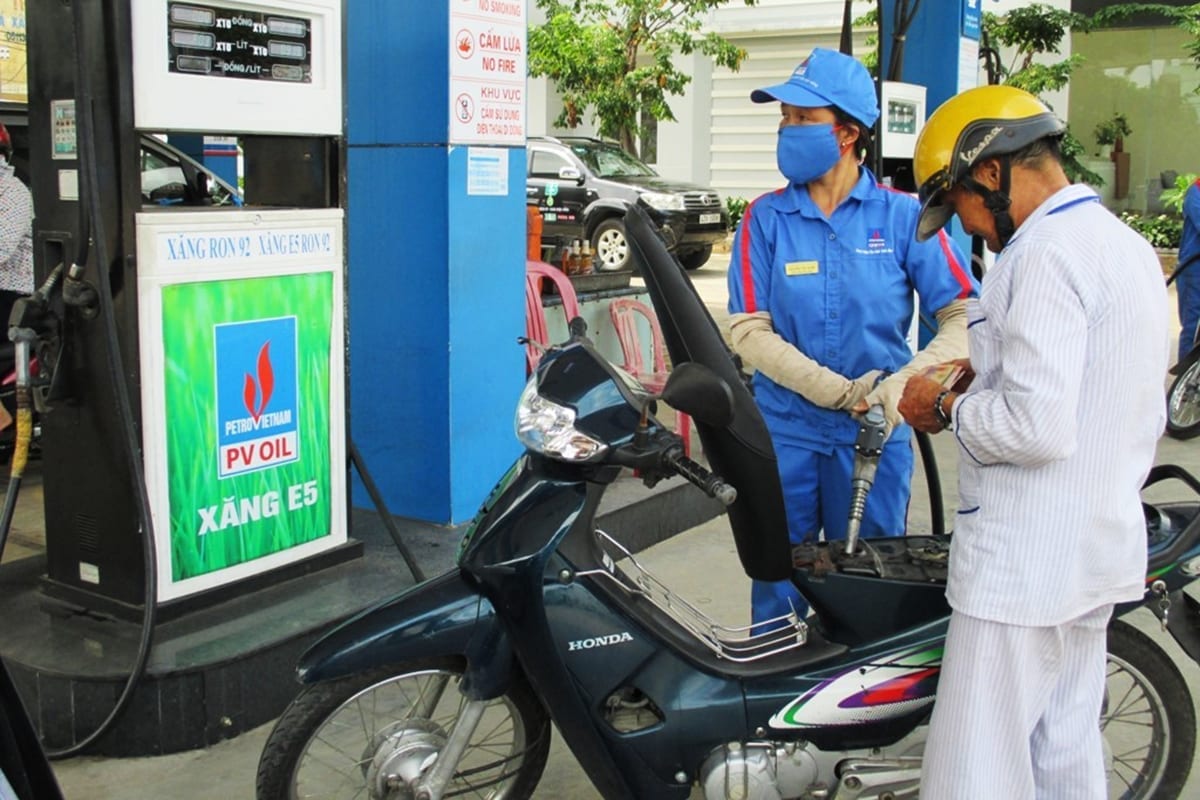
    The widely used fuel RON95 saw a slight decrease of 0.15%, settling at VND20,400 (approximately US$0.77) per liter. Similarly, biofuel E5 RON92 experienced a bigger drop of 0.50%, now priced at VND19,750. While diesel fueled a higher climb, rising by 0.92% to VND18,640.

    This adjustment reflects the recent volatility in the global oil market, influenced by a mix of geopolitical events and economic shifts. Notably, tensions escalated in the Middle East following Israel’s actions targeting Hamas leadership on Qatari territory. At the same time, OPEC+ has ramped up oil production for October, and fluctuations in the value of the US dollar have further complicated the landscape, as highlighted by the Ministry of Industry and Trade.

    In terms of global benchmarks, RON95 dropped by 0.2% to $81.5 per barrel, while diesel ticked up by 1.14%, now valued at $87.64. It’s a bit like watching a tightrope walker; one misstep can send prices plummeting or soaring.

    Questions & Answers

    What trends influenced the recent decline in gasoline prices in Vietnam?
    The decline was largely shaped by geopolitical tensions in the Middle East, OPEC+ increasing oil production, and fluctuations in the value of the US dollar.

    How much did RON95 and biofuel E5 RON92 prices change?
    RON95 fell by 0.15% to VND20,400, while E5 RON92 dropped by 0.50% to VND19,750.

    What impact do global oil prices have on local markets?
    Global oil prices significantly impact local markets, as fluctuations can directly translate into changes in consumer fuel prices, shaping both economic conditions and consumer behavior in the region.

  • Zoho Unveils Comprehensive ERP Solution, Transforming Its Finance Suite into a Complete Business Tool

    Zoho Unveils Comprehensive ERP Solution, Transforming Its Finance Suite into a Complete Business Tool

    In a bold move to redefine its role in the business landscape, Zoho is positioning itself as the “operating system for business,” unveiling an expanded finance and operations suite designed to enhance efficiency for small and medium enterprises (SMEs) aiming for international growth.

    The All-in-One Solution for SMEs

    Sivaramakrishnan Iswaran, Global Head of Zoho Finance and Operations, elaborated, “Zoho is the operating system for business. By this, I mean that any business with software needs can fulfill those requirements solely through Zoho.” The platform aims to provide comprehensive solutions that encompass payroll, accounting, tax management, inventory, commerce, and point-of-sale systems. This extensive toolset has proven particularly valuable for Southeast Asian companies looking to expand beyond their borders.

    Streamlined Tax Solutions for Singaporean Businesses

    Iswaran noted that initial challenges with manually configuring tax systems have been addressed through the launch of new tools tailored for customers in Singapore. “Most of the requirements should be met over the weeks,” he reassured, signaling a smoother experience ahead for local businesses.

    Embracing the Future: AI and Digital Payment Innovations

    Looking towards the future, Zoho is placing a significant emphasis on digital payments and artificial intelligence. “Southeast Asia is at the forefront of digital payment adoption,” Iswaran observed, highlighting the region’s rapid advancements. With AI stepping into the limelight, he remarked, “Many of the mundane tasks in our products can be handed over to agents, freeing up valuable time for more meaningful work.” The promise of AI not only aims to improve operational efficiency but also injects a spark of creativity into daily business functions.

    In an era where even routine tasks face disruption, Zoho is stepping up its game. It’s like giving a business a multi-tool equipped with innovative features, ready for whatever comes next in the bustling Asian retail landscape.

    Questions & Answers

    What is Zoho’s new focus for small and medium enterprises?
    Zoho is expanding its finance and operations suite into a full ERP platform, aiming to serve as the “operating system for business” for SMEs looking to streamline their operations and grow internationally.

    How is Zoho improving tax management for Singaporean businesses?
    Zoho has introduced new tools that automate the configuration of tax systems, allowing businesses in Singapore to address their requirements much more efficiently.

    What role will AI play in Zoho’s future strategy?
    Zoho plans to leverage AI to automate mundane tasks, enabling businesses to focus on more strategic activities, thereby enhancing overall efficiency and productivity.

  • Uniqlo Focuses on Revitalizing Hong Kong Stores Instead of Pursuing Expansion Plans

    Uniqlo Focuses on Revitalizing Hong Kong Stores Instead of Pursuing Expansion Plans

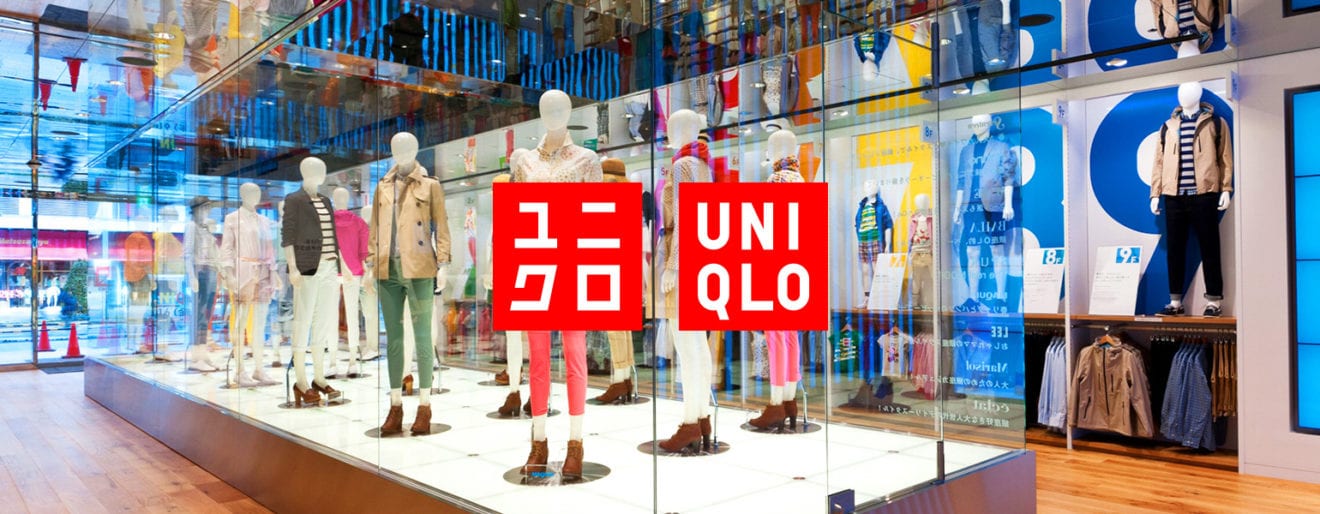
    Uniqlo, the globally recognized Japanese clothing brand, is gearing up for a significant transformation at its Mira Place location, as it embarks on an ambitious expansion project. The store, which first opened its doors in 2005, is set to double its footprint to an impressive 2,500 square meters, with the grand reopening slated for October 17, according to reports from the South China Morning Post.

    Transforming Space for Customers

    This revamped store will hold the title of Uniqlo’s largest outlet in the Kowloon area, reflecting the brand’s commitment to meeting customer needs in Hong Kong. Last November, the retailer similarly redesigned its City Plaza store in Taikoo Shing, expanding across multiple floors, a testament to its evolution in retail strategy.

    Beyond Square Footage: A Focus on Needs

    Tomoyuki Ota, the chief operating officer for Uniqlo in Hong Kong and Macau, highlighted the brand’s focus on understanding what customers genuinely desire rather than merely increasing the number of stores. “The most important thing is what the customer needs and not just the number of stores,” said Ota. This philosophy drives the updates and renovations across its locations.

    Expansion Beyond Borders

    While Uniqlo is enhancing its existing stores in Hong Kong, it is also setting its sights on a bold strategy in India, aiming to more than double its current store count over the next three years. The company marked its foray into southern India with a new store that opened earlier this month.

    Accelerating Presence in the South

    “In the first four years, we focused on north India—that is why our expansion was so fast,” said Kenji Inoue, Uniqlo’s chief financial officer and chief operating officer. “But now we are entering the southern market, which will accelerate our growth going forward.” Since making its debut in India in 2019 with a store in New Delhi, Uniqlo has grown to 16 locations across the country.

    Financial Growth Amid Challenges

    Parent company Fast Retailing reported an 8.4% rise in profit to JPY339 billion (US$2.3 billion) for the nine months ending in May, with Uniqlo International, which includes Hong Kong and other markets, reflecting a robust 12.7% revenue growth to JPY1.45 trillion. However, the company cautioned in July that higher tariffs in the U.S. would impact its operations as the year progresses, especially given that most of Uniqlo’s products sold stateside are manufactured in Southeast Asia and South Asia.

    A Global Perspective: More Than Just a Store

    From its modest beginnings as a single store in Hiroshima 40 years ago, Uniqlo has blossomed into a retail powerhouse with over 2,500 stores worldwide. The brand sells a range of popular products, including affordable fleeces and cotton shirts primarily sourced from China and other Asian manufacturing hubs. As it looks to the future, Uniqlo is also concentrating on expansion in North America and Europe, shifting its focus amid a slowing Chinese economy—the brand’s largest market, where it operates more than 900 stores.

    Questions & Answers

    What is unique about Uniqlo’s expansion strategy in Hong Kong?
    Uniqlo is focusing on renovating existing locations like its Mira Place store to better cater to customer needs, rather than simply increasing the number of stores in the area.

    How many Uniqlo stores are currently operating in India?
    As of now, Uniqlo has expanded to 16 stores in India since its entry into the market in 2019.

    What financial performance did Fast Retailing report recently?
    Fast Retailing posted an 8.4% increase in profit to JPY339 billion (US$2.3 billion) in the nine months ending in May, with Uniqlo International achieving a notable revenue growth of 12.7% during the same period.

  • BlackRock Eyes Growth in Middle East’s Flourishing Millionaire Market

    BlackRock Eyes Growth in Middle East’s Flourishing Millionaire Market

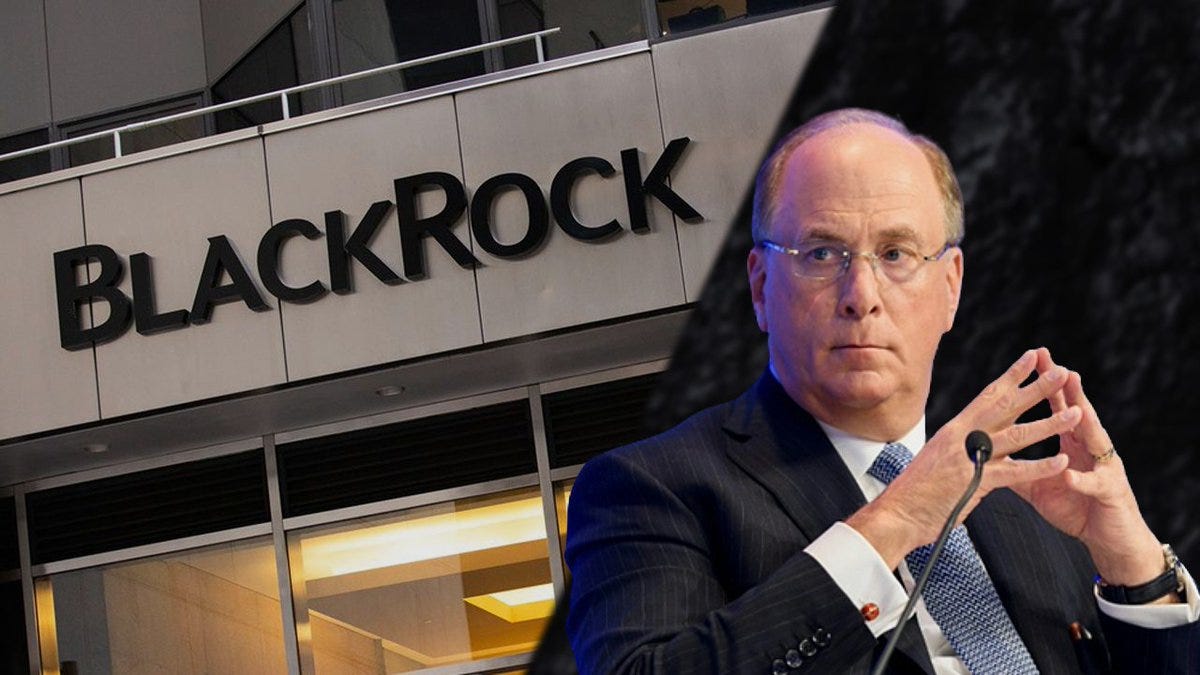
    The world’s largest asset manager, Blackrock, is making a significant move into Kuwait, a nation where around 15 percent of its citizens hold millionaire status. This financial giant is positioning itself in a virtually debt-free state known for its vibrant investment landscape amid a favorable global economic backdrop.

    In a press announcement by the Kuwaiti news agency KUNA, it was revealed that Blackrock has tapped Ali Al-Qadhi to lead its new branch in Kuwait. This announcement follows the Kuwaiti Capital Markets Authority’s recent approval of a license for Blackrock Advisors (UK) Ltd, signaling the firm’s commitment to establishing a stronghold in the region.

    Strategic Partnerships Open Doors

    Blackrock’s ambition in Kuwait was first discussed during a visit from co-founder and CEO Larry Fink to the ruler of Kuwait, Sheikh Mishal Al-Ahmad Al-Jaber Al-Sabah, in February. Fink pledged that Blackrock would back the government’s ambitious “Kuwait Vision 2035,” a strategy aimed at transforming the small oil-rich nation into a global financial and trade hub. With existing offices in Riyadh, Doha, Dubai, and Abu Dhabi, Blackrock’s expansion into Kuwait reflects its strategic focus on the region.

    Managing $12.5 trillion in assets, the firm aims to provide financial consulting to high-net-worth individuals (HNWIs) as well as to state-owned and private investment firms in a country with a population of 5 million. Kuwait ranks third globally for the percentage of millionaires, just behind Switzerland and Hong Kong. The Kuwait Investment Authority (KIA), which boasts a $1 trillion portfolio, holds a 5.57% stake in Mercedes-Benz and has recently supported Blackrock’s initiatives in building global infrastructure for artificial intelligence.

    A Stable Haven amid Global Unrest

    The Gulf’s burgeoning high-net-worth community is reportedly thriving due to rising oil prices, a boom in global stock markets, and a post-pandemic rebound in trade and tourism. Additionally, the relatively weak U.S. dollar is drawing investments from Europe, the UK, and East Asia, while all Gulf currencies are pegged to the dollar—except for Kuwait, whose dinar floats against a basket of currencies. Impressively, Kuwait’s public debt was a mere 3% of GDP in 2024.

    Interestingly, recent geopolitical crises in the region have largely sidestepped Kuwait. In September, credit rating agency Fitch reaffirmed Kuwait’s “AA–” rating with a stable outlook, though analysts are nudging the government to expedite reforms aimed at diversifying the economy beyond oil and enhancing transparency within the financial sector.

    Questions & Answers

    What does Blackrock’s new branch in Kuwait signify for the local market?
    Blackrock’s new branch reflects the growing importance of Kuwait as a financial hub, particularly for high-net-worth individuals and investment opportunities.

    How significant are Kuwait’s high-net-worth individuals in the global context?
    With 15 percent of its population classified as millionaires, Kuwait ranks third in the world for millionaire density, highlighting a lucrative market for strategic financial services.

    What challenges does Kuwait face despite its economic advantages?
    While Kuwait enjoys a stable economy with low public debt, analysts point to the need for reforms to diversify the economy and improve transparency within the financial sector to sustain its growth.

  • Vietnamese Rice Exports Hit a Standstill as Philippines Imposes Import Ban

    Vietnamese Rice Exports Hit a Standstill as Philippines Imposes Import Ban

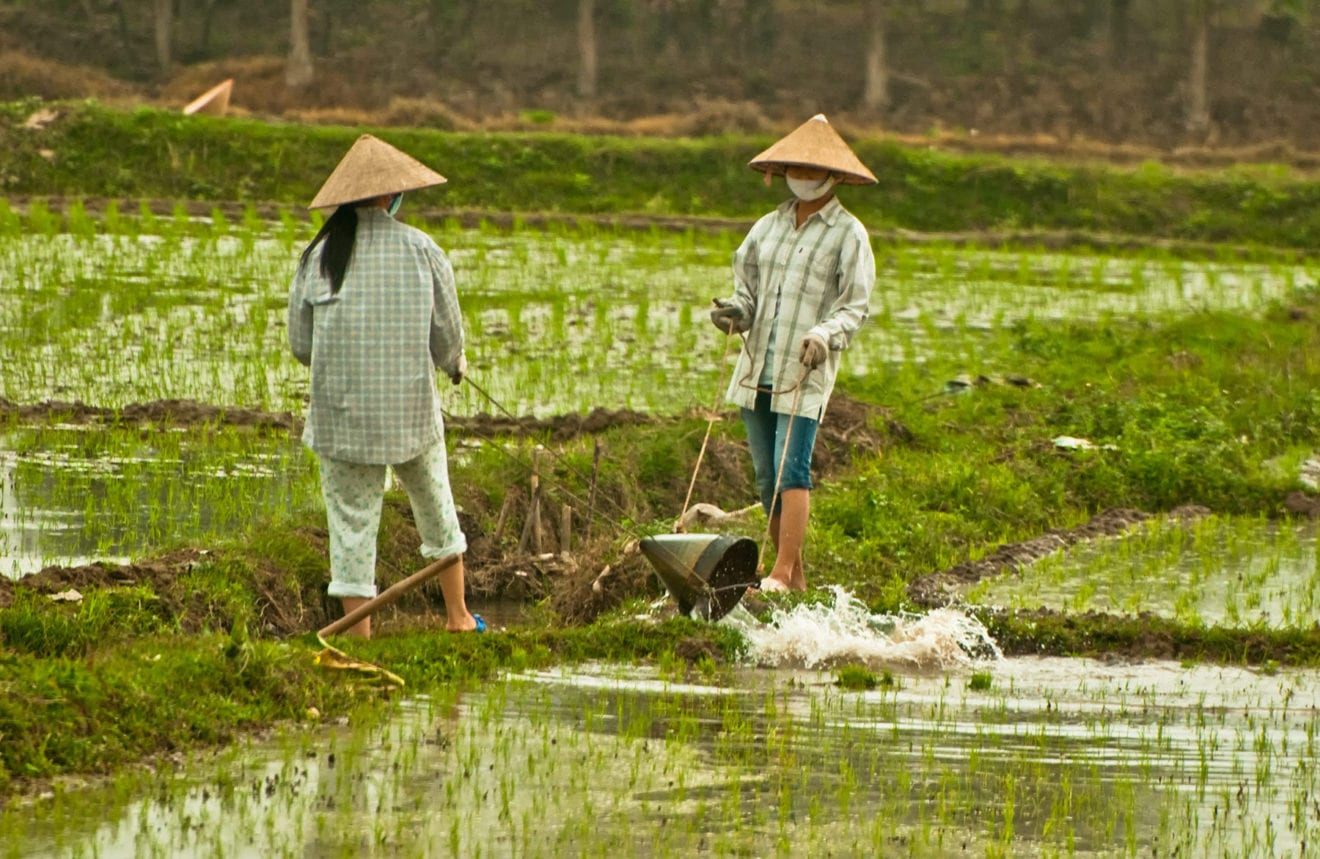
    In the heart of Vietnam’s Mekong Delta, traders like Hang are feeling the pinch. In a region renowned for its rice production, Hang purchased only a few tons last week, a stark contrast to his usual orders of hundreds. Amid this landscape of caution, rice exporters are navigating a murky market, grappling with decisions that could impact their bottom lines.

    Philippine Market Suspension Sends Shockwaves

    Nguyen Chi Thanh, director of the rice division at export company Angimex, captured the mood succinctly: “Prices remain low, but we dare not buy much.” This hesitancy has been exacerbated by the Philippine government’s recent decision to suspend rice imports for 60 days, a move aimed at shielding local farmers. As the Philippines typically accounts for over 40% of Vietnam’s rice export market, this abrupt halt has cast a shadow over procurement practices in the Mekong region.

    Across the globe, the pricing dynamics are shifting. Vietnam’s 5% broken rice is currently priced at $399 per ton, making it more expensive than similar varieties from Thailand and India. As demand falters internationally, buyers are increasingly hunting for cheaper alternatives, intensifying competitive pressure on Vietnamese exporters.

    Local Authorities Urge Caution and Strategy

    Faced with this volatility, local authorities in the Mekong Delta are advising exporters to exercise prudence amidst global uncertainties. The Department of Industry and Trade in Vinh Long, a province that heavily relies on exports to the Philippines, has issued a timely notice urging companies to remain vigilant and patient as market conditions evolve. Diversifying export markets is also touted as a strategy to mitigate risks.

    Despite these challenges, Vietnam exported 6.3 million tons of rice valued at $3.17 billion in the first eight months of the year. However, while export volumes saw a slight uptick, the value plummeted by nearly 18% due to falling prices. The Philippines remains Vietnam’s largest buyer, importing 2.6 million tons.

    Looking Ahead: Diversification is Key

    On September 1st, the Ministry of Industry and Trade emphasized the importance of keeping a close eye on market trends and warned against overreliance on any single buyer. Leaders are advocating for expanded trade relationships with countries such as China, Indonesia, Malaysia, and nations across Africa and the Middle East.

    Prime Minister Pham Minh Chinh has thrown his weight behind the diversification efforts, calling for improved market strategies to ensure food security in light of the fluctuating rice export landscape. He has also directed the State Bank of Vietnam to enhance credit resources for rice production and trading enterprises while urging the Ministry of Industry and Trade to intensify outreach to countries with whom Vietnam has free trade agreements, including the U.S., South Korea, and the E.U.

    Experts remain optimistic; while higher prices compared to competitors like Thailand and India may appear disadvantageous, they have not diminished Vietnam’s market presence. Major clients continue to place orders, attracted by the country’s reputation for quality and reliability. Additionally, analysts point to potential opportunities in Africa and the Middle East as challenges in supply chains from Thailand and India persist.

    Though the Philippine market poses a setback for now, projections suggest that Vietnam’s rice exports could exceed eight million tons this year, reinforcing its status as the world’s second-largest rice exporter, trailing only India. Exporters remain hopeful that prices will rebound as global demand increases and the Philippines resumes imports, making the situation as ripe with potential as the golden fields of rice in An Giang.

    Questions & Answers

    How are Vietnamese exporters responding to the suspension of rice imports by the Philippines?
    Exporters are adopting a cautious approach, limiting their purchases and exploring strategies to diversify markets in response to the suspension.

    What factors are influencing the current pricing of Vietnamese rice on the global market?
    Vietnam’s rice prices are affected by competitive pressures from lower-priced rice from Thailand and India, combined with a decrease in global demand.

    What are the government’s recommendations for Vietnamese rice exporters moving forward?
    The government urges exporters to diversify their market base, expand their reach to new regions, and stay vigilant to market changes to mitigate risks.