Blog

  • Alibaba Leverages Ai To Expand Cloud Business, Despite Falling Short Of Revenue Projections

    Alibaba Leverages Ai To Expand Cloud Business, Despite Falling Short Of Revenue Projections

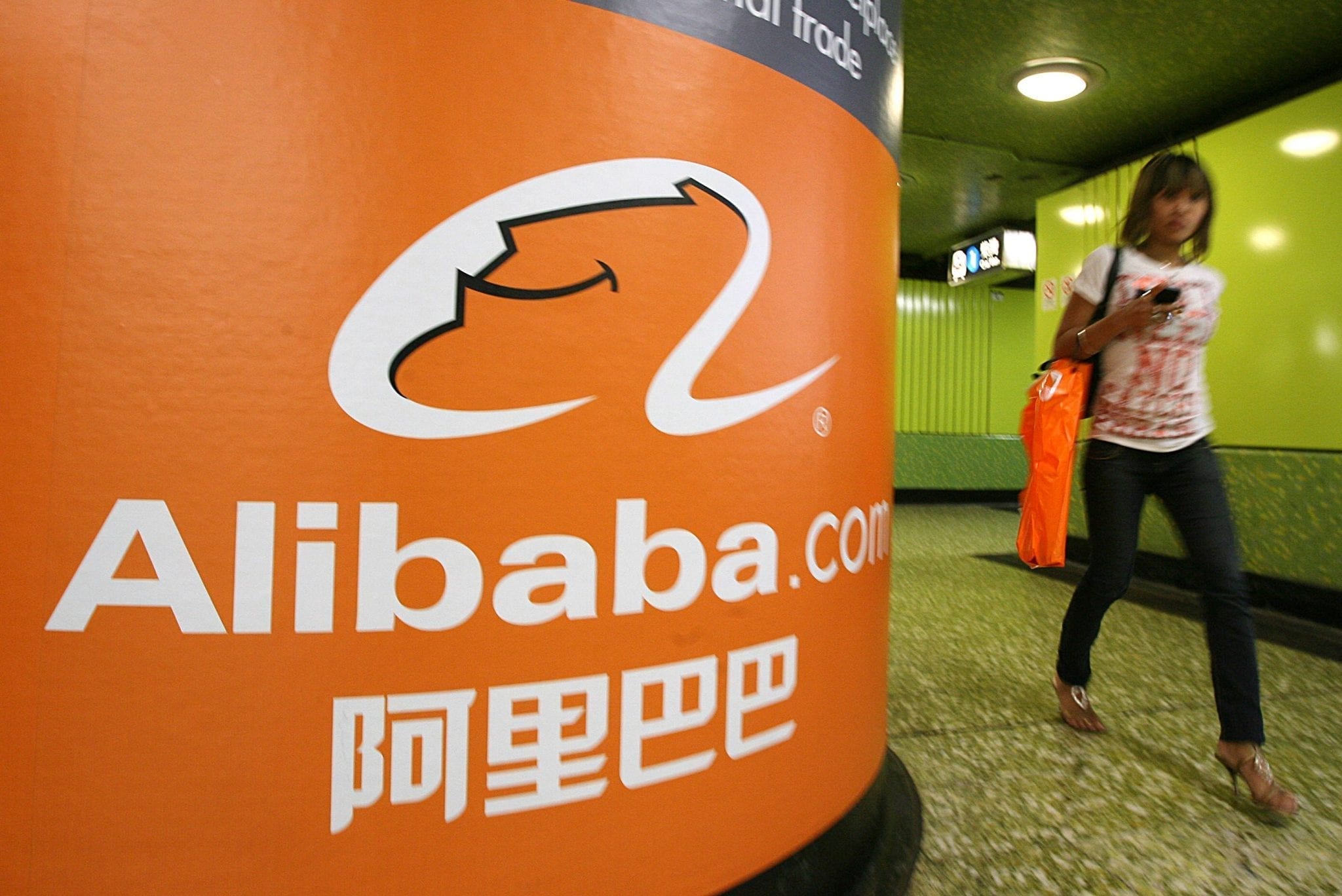
    Alibaba, the Chinese multinational, has highlighted the significance of artificial intelligence (AI) in its plans to broaden its cloud computing business. This comes as the company experienced robust quarterly development in the sector, although its broader operations fell short of revenue projections.

    The Market Reaction

    Alibaba’s shares listed in the U.S. rose by 8% at the opening of the New York market on Friday after the results were announced.

    The revenue for Alibaba’s cloud division experienced a surge of 26% to a total of 33.40 billion yuan (equivalent to US$4.67 billion). This significant increase outpaced the anticipated rise of 18.4%. Yet, the weaker-than-expected progress in its e-commerce business overshadowed this achievement, with the total revenue falling short of estimates by 2%.

    Alibaba’s Position in AI

    Alibaba has emerged as one of the most competitive players in China’s AI sector, frequently introducing updates.

    In the past year, the company has invested over 100 billion yuan in AI infrastructure and product research and development, according to Group CEO, Eddie Wu.

    Wu stated that their investments in AI are beginning to bear fruit. He sees a clear trajectory for AI to power Alibaba’s robust growth in the future.

    Overall Performance and Revenue

    The overall revenue for the company for the quarter ending on June 30 was 247.65 billion yuan. This fell short of the average estimate of 252.92 billion yuan as calculated by LSEG.

    Alibaba reported its revenue from its China E-commerce Group for the first time, which includes platforms like Taobao and Tmall, its new instant commerce business, a food delivery app called Ele.me, and a travel agency called Fliggy. The group reported a revenue growth of 10%.

    On the other hand, Alibaba’s operational income saw a decrease of 3% year on year. The adjusted earnings before interest, tax and amortization dropped 14%, primarily due to investments in the instant commerce sector.

    Response from Rivals and Analysts

    The business rivals of Alibaba, PDD Holdings and Meituan, which are currently vying for market share in the instant retail space, issued warnings that rising investments could impact profits in the upcoming quarters.

    Analysts and executives from both companies have noted that competition has been escalating over the period.

    Analyst Angelo Zino from CFRA commented that while the shift towards quick commerce and AI investments had brought about meaningful operational changes, profitability was affected by growth initiatives such as user acquisition and technology infrastructure expenditure.

    Future Plans for Alibaba

    Alibaba plans to utilize its quick commerce business to broaden its overall e-commerce consumer base. The company aims to target a 30 trillion yuan addressable market. Jiang Fan, the CEO at Alibaba’s e-commerce business group, has projected that the quick commerce segment could contribute 1 trillion yuan in yearly incremental gross merchandise volume over the following three years.

    The revenue from international commerce saw a rise of 19%, propelled by expansion in crucial markets like Europe and the Middle East.

    Alibaba also announced its repurchase of shares in its logistics unit Cainiao from Fosun International. The transaction amounted to $349.8 million.

    Questions & Answers

    What is Alibaba’s recent investment in AI?
    Alibaba has invested over 100 billion yuan in AI infrastructure and product research and development in the past year.

    What is the expected contribution of the quick commerce segment to Alibaba’s revenues?
    The quick commerce segment is projected to contribute 1 trillion yuan in annualized incremental gross merchandise volume over the next three years.

    What was Alibaba’s recent significant transaction?
    Alibaba repurchased shares in its logistics unit Cainiao from Fosun International, amounting to $349.8 million.


  • Chagee’s Revenue Soars Amid Expansion, Despite Significant Profit Dip

    Chagee’s Revenue Soars Amid Expansion, Despite Significant Profit Dip

    The second quarter of the financial year saw Chinese milk tea chain Chagee experiencing a double-digit increase in revenue, largely due to its network expansion. However, this growth was accompanied by a notable drop in profit.

    Financial Highlights

    Chagee, which is listed on Nasdaq, recorded a 10.5 per cent rise in net revenues to RMB3.331 billion (US$465.1 million) for the quarter ending on June 30. The company’s teahouse network witnessed substantial growth of 40 per cent, reaching 7038 locations.

    The total gross merchandise value (GMV) also saw an increase, rising by 15.5 per cent to RMB8.103.1 billion. The GMV in overseas markets experienced a significant surge of 77 per cent. However, the same-store GMV witnessed a downturn, falling by 23 per cent following a 38 per cent growth in the same period last year.

    Chagee’s GAAP net income saw a steep decrease of 87.7 per cent to RMB77.2 million. However, the non-GAAP net income, which factors in share-based compensation expenses amounting to RMB552.5 million, saw a marginal rise of 0.1 per cent to RMB629.8 million.

    Leadership Changes and Future Plans

    During the same quarter, Chagee made key leadership appointments to boost its expansion capabilities in North America. These included the appointment of Emily Chang as the Chief Commercial Officer and Aaron Harris as the Chief Development Officer for the region.

    Company management is optimistic about its comprehensive international expansion strategy. This strategy is expected to set the company on a path of sustainable growth. There are proactive strategies already in place for key regions like Indonesia, Thailand, and North America. Additionally, the company has plans to venture into Japan and Korea in the coming year.

    Questions & Answers

    What changes were observed in Chagee’s revenue and profit in the second quarter?
    Chagee witnessed a double-digit rise in revenue, largely due to the expansion of its network. However, its profit saw a significant drop.

    What significant appointments were made by Chagee in the second quarter?
    Chagee appointed Emily Chang as the Chief Commercial Officer and Aaron Harris as the Chief Development Officer for the North American region.

    What are the company’s future expansion plans?
    Management has comprehensive international expansion strategies in place. There are plans for expansion in key regions including Indonesia, Thailand, and North America, and the company intends to enter the Japanese and Korean markets next year.

  • Lanvin Group Reports 22% Revenue Decline Amid Global Luxury Market Softening

    Lanvin Group Reports 22% Revenue Decline Amid Global Luxury Market Softening

    The luxury fashion conglomerate, Lanvin Group, which houses brands such as Lanvin, Wolford, Sergio Rossi, St John, and Caruso, has reported a decline in first-half revenue to US$155.6 million. This figure represents a 22% decrease compared to the same period last year due to the softening global luxury demand.

    Market Pressures and Cost Management

    The group cited several factors that contributed to the decrease in sales, one of which was weaker wholesale in the EMEA region and Greater China. However, disciplined cost management and efficiency measures have begun to show positive impacts. Despite these challenges, the group’s gross profit stood at $84.2 million, maintaining a margin of 54%, aided by precise inventory management during a challenging period of creative transition.

    Zhen Huang, the chairman of Lanvin Group, stated, “Despite facing a challenging luxury market in the first half, we remained disciplined in cost management and strategic streamlining. With new creative leadership and ongoing investment in product innovation, we are well-positioned to capture opportunities as the market environment improves.”

    Individual Brand Performance

    Lanvin saw the most significant drop in the group, with its revenue down by 42%, as wholesale partners in EMEA were more restrained. The brand noted some resilience in the retail sector in the same region and that its North American e-commerce platform showed strong recovery under a new marketplace model.

    Wolford’s revenue declined by 23%, although its wholesale sales rose by 14%. The brand’s gross margin was affected by lower production utilization and inventory clearance, but the company managed to cut general and administrative expenses by 18% under cost-saving measures.

    Sergio Rossi’s sales fell by 25%, with direct-to-consumer revenue down by 21% and wholesale sliding by 33%. It managed, however, to show some progress in Q2, with retail sales up by 17% and e-commerce climbing 10% from the previous quarter.

    St John maintained a stable performance, with revenues remaining broadly flat. The brand sustained a 69% gross margin and an 11% contribution margin.

    Caruso saw an 11% decline in its revenue, primarily due to a temporary slowdown in its Maisons business.

    Adjusted EBITDA for the period was a negative $60.8 million, reflecting the lower revenue. This figure was less favorable than the negative $49.1 million reported for the previous year.

    Future Plans

    Andy Lew, the group’s executive president, stated that the group plans to refine its retail footprint in the future, strengthen wholesale partnerships, and invest in new creative leadership to drive momentum in the second half of the year. “Our focus in the first half was on operational discipline and laying the foundation for future growth. We expect to build brand momentum and increase consumer engagement in the second half with fresh creative direction across our houses, supported by targeted marketing and refined channel strategies.”

    Questions & Answers

    What factors contributed to Lanvin Group’s decline in revenue?
    Answer: The decline in revenue was primarily due to weaker wholesale in the EMEA region and Greater China, along with general market pressures.

    Which brand in the Lanvin Group saw the most significant drop in revenue?
    Answer: Lanvin reported the most significant drop in revenue, with a decrease of 42%.

    What are Lanvin Group’s plans for the future?
    Answer: The group plans to refine its retail footprint, strengthen wholesale partnerships, and invest in new creative leadership to drive momentum in the second half of the year.

  • UBS Warns: Rising U.S. Tariffs Could Dampen Economic Growth Ahead

    UBS Warns: Rising U.S. Tariffs Could Dampen Economic Growth Ahead

    The Swiss economy faced a notable slowdown in growth during the second quarter of 2025, with the Gross Domestic Product (GDP) nudging up just 0.1 percent quarter-on-quarter. According to the Chief Investment Office Global Wealth Management of UBS, this modest expansion, which appears to contrast significantly with the growth seen in the previous quarter, was largely influenced by a steep drop in exports, particularly in the pharmaceutical sector, where shipments fell after a robust performance earlier this year.

    Consumption: The Unsung Hero

    Despite worries about declining exports, Swiss private consumption has stood firm, contributing significantly to the economy’s resilience. In the second quarter, household consumption saw an increase of 0.3 percent, while government spending surged by 0.9 percent. This uptick has provided a cushion against the slowdown, demonstrating the vital role consumer spending plays in maintaining economic stability.

    Forecasting Future Growth

    Looking ahead, UBS economists have revised their full-year GDP growth forecast to approximately 1.3 percent, a small but encouraging increase from their earlier prediction of 1.0 percent. “While the ongoing tariff disputes with the U.S. will undoubtedly challenge foreign trade, we still expect consumption to buoy the overall economy,” they stated. For 2026, projections suggest a growth of around 0.9 percent, contingent on how tariff negotiations evolve.

    The Tariff Tango: Implications on Employment and Trade

    UBS posits that if the tariff rate remains at a daunting 39 percent, it could lead to a GDP decline as significant as 0.4 percentage points. Furthermore, it might put up to 0.4 percent of jobs at risk. However, analysts believe Switzerland’s proactive short-time work model may mitigate the adverse effects on the labor market and keep unemployment at bay.

    Potential Shifts in Pharmaceutical Exports

    As tariffs put pressure on Swiss trade, the pharmaceutical industry faces a challenging medium-term outlook. UBS experts anticipate that manufacturers may need to establish production facilities within the U.S. to bypass the high tariffs. “The Swiss pharmaceutical sector is likely to adapt by building sufficient capacity in the U.S. over time. While this strategy aims to sidestep tariff penalties, it threatens to diminish Switzerland’s trade surplus, ultimately weighing on economic growth,” they cautioned.

    As Switzerland navigates the complex landscape shaped by U.S. tariffs and global trade dynamics, one thing is clear: the dance of diplomacy and economics will continue to lead the national narrative.

    Questions & Answers

    What are the main factors contributing to the slowdown in Swiss economic growth?
    The slowdown is primarily attributed to a significant decline in exports, particularly in the pharmaceutical sector, following earlier boosts due to pre-emptive stockpiling ahead of U.S. tariffs.

    How has private consumption affected the Swiss economy?
    Private consumption has been a key driver for economic stability, with households increasing spending by 0.3 percent. This consumption rise has helped cushion the impacts of falling exports, allowing for modest overall growth.

    What impact could high U.S. tariffs have on jobs in Switzerland?
    UBS estimates that high tariffs could place up to 0.4 percent of jobs at risk. However, Switzerland’s short-time work model may help alleviate the fallout on the labor market.

  • Uniqlo India Aims for 300% Sales Boost and Plans to Double Store Count!

    Uniqlo India Aims for 300% Sales Boost and Plans to Double Store Count!

    Uniqlo is poised for a dramatic uplift in its Indian operations, aiming for a threefold sales increase by 2028, according to insights shared by the company’s COO with Nikkei Asia. This ambitious goal surfaces amid a backdrop of tepid consumer spending and fierce competition facing many fashion retailers in the region.

    The launch of its 17th Indian store in Bengaluru on August 29 signifies a strategic shift as Uniqlo ventures into new territory, marking its first retail footprint in Southern India. The company’s expansion mirrors its commitment to raise brand awareness and strengthen its presence in major urban centers.

    As consumer habits continue to evolve amid economic pressures, Uniqlo remains undeterred. “We see immense potential in the Indian market, which is largely untapped compared to other regions,” the COO emphasized. With this new store opening, Uniqlo aims not just to sell clothing but also to weave itself into the fabric of the local culture.

    Considering the array of global fashion choices, it seems consumers are craving quality at an accessible price, a sweet spot where Uniqlo excels. Perhaps this strategy will prove to be the fashion equivalent of finding buried treasure in the bustling marketplace.

    This push into Bengaluru is also expected to play a vital role in bolstering Uniqlo’s positioning against its rivals, leveraging its unique brand identity and commitment to innovative fabrics. As they gear up for the store’s launch, the spotlight is firmly on how Uniqlo plans to capture the hearts—and wallets—of another diverse consumer base in India.

    Questions & Answers

    What are Uniqlo’s sales goals in India by 2028?
    Uniqlo aims to achieve a threefold increase in sales in India by 2028.

    What is significant about the upcoming Bengaluru store?
    The Bengaluru store will be Uniqlo’s 17th in India and its first in Southern India, marking a key expansion into new territory.

    How does Uniqlo plan to differentiate itself in the competitive Indian market?
    The company plans to leverage its strong brand identity, innovative fabrics, and the promise of quality apparel at accessible prices to appeal to Indian consumers.

  • Carlsberg Vietnam Boosts Phu Bai Brewery Capacity for a Greener, Sustainable Future

    Carlsberg Vietnam Boosts Phu Bai Brewery Capacity for a Greener, Sustainable Future

    The recent inauguration of Carlsberg Vietnam’s expanded brewery marks a significant leap in the region’s brewing landscape. Andrew Khan, Managing Director of Carlsberg Vietnam, emphasizes that this expansion transcends mere scale; it is a multifaceted endeavor focused on innovation, sustainability, and community impact, fully aligned with Carlsberg’s global Accelerate SAIL strategy.

    What does this expansion signify for your company?

    Khan highlights that the new facility in Phu Bai is now Carlsberg’s largest beer production site in Asia and among the most productive within the Carlsberg Group. Leveraging advanced technology and automation, this site is engineered not only to boost output but also to ensure sustainable growth by enhancing product quality and fortifying the supply chain. “Ultimately, we’re not just increasing volume; we’re creating lasting value for our consumers and the communities we serve,” he explains. The commitment to quality is evident in the accolades won by local brands Huda and Halida, which were awarded Gold Quality Awards from Monde Selection in 2024.

    This expanded facility is well-positioned to satisfy the demand for Carlsberg’s diverse portfolio, which ranges from global premium labels like Carlsberg and 1664 Blanc to beloved local favorites Halida and Huda, the latter of which has been a regional staple for over 35 years.

    What do you hope this expansion will achieve for your business and the community?

    Khan believes this expansion empowers Carlsberg Vietnam to meet the increasing demands of the market while executing their commercial growth strategy with enhanced efficiency and flexibility. More than just a business milestone, he envisions it as a transformative moment—an opportunity to operate with increased innovation and stronger commitments to sustainability and community engagement. “We will measure success not just in production volumes, but in how we lead, engage, and uphold our values,” he asserts.

    What are your next steps for Carlsberg Vietnam in light of this expansion?

    “While the expanded capacity is a significant advantage, what matters most is how we leverage it,” Khan says. Priorities include operating with distinction, maintaining close ties with consumers, and pursuing sustainable, community-oriented growth. This philosophy underlines their mission to “brew for a better today and tomorrow.”

    How does the Phu Bai expansion reflect Carlsberg Vietnam’s environmental commitments?

    Khan emphasizes that sustainability is woven into the very fabric of this new site. The Phu Bai Brewery runs entirely on iREC-certified renewable electricity and utilizes a biomass steam system, effectively eliminating carbon emissions from production. The facility has also implemented state-of-the-art water conservation technologies, achieving a remarkable water usage rate of just 2.09 hl/hl by 2024—one of the lowest in Vietnam. Looking forward, Carlsberg Vietnam aims for zero waste to landfill by 2025, a reduction of water usage to 2.0 hl/hl by 2026, and to achieve net-zero carbon emissions in production by 2028, thus supporting Vietnam’s ambition of net-zero emissions by 2050.

    What role does innovation play in this expansion, beyond the technological aspect?

    Khan asserts that innovation is not confined to tech; it’s about cultivating a mindset that empowers staff. The brewery boasts Vietnam’s fastest packaging lines, enhanced by real-time analytics that boost efficiency. Beyond automated advancements, the new brewing line also conserves water and energy by 20% and 15% respectively. “But the true essence of innovation lies not just in machines; it’s in how people interact with them,” he notes.

    How does Carlsberg ensure that innovation is inclusive and considerate of all staff?

    Khan believes in co-creating the future by engaging employees in the transformation journey early on. Innovations like AI-enabled forklifts and redesigned traffic systems have been developed with input from those directly on the floor. “Our investment in training and health ensures everyone has the support they need to adapt,” he explains.

    How has the expansion enhanced on-site safety and working conditions?

    “Safety has always been our prime directive,” Khan states. With the expansion, new facilities were constructed, complete with modern locker rooms and canteens, while traffic patterns have been redesigned for better pedestrian safety. Their fleet of forklifts is now electric and equipped with AI systems to monitor safety risks in real-time. The commitment to safety is not just regulatory; it’s a cultural mindset, with over 1.4 million recorded safe working hours during construction.

    How do you envision Carlsberg Vietnam’s role in the local economy and community going forward?

    Khan is optimistic about the future, asserting that commercial growth will boost contributions to state revenues and support local socio-economic development. “We aim to grow alongside Vietnam—not just in market share, but by creating shared value with our communities,” he states, highlighting initiatives like the Fresh Water for Beloved Central program that has provided clean water access to thousands over the past seven years.

    As a leader, what does this achievement mean to you personally?

    Reflecting on this milestone, Khan notes a profound sense of pride—not merely for the scale of the achievement, but for how it was accomplished: safely, sustainably, and with a dedicated local workforce at its core. “This journey reminds me that when we lead with purpose and trust our people, extraordinary outcomes become possible,” he concludes.

    Questions & Answers

    What key aspects distinguish Carlsberg Vietnam’s Phu Bai expansion?
    The expansion focuses not only on increasing production capacity but also on fostering sustainable practices, enhancing product quality, and contributing meaningfully to local communities.

    How does the new brewery contribute to environmental sustainability?
    Phu Bai Brewery operates on renewable energy, employs innovative water-saving technologies, and aims for net-zero carbon emissions in production by 2028, underscoring the commitment to environmental stewardship.

    What is the overarching vision for Carlsberg Vietnam post-expansion?
    The company aims to leverage the new facility to enhance operational excellence, strengthen consumer connections, and grow in a way that prioritizes sustainability and community impact.

  • Microsoft Unveils Ambitious Multimodal AI Vision for Windows 2030 Experience

    Microsoft Unveils Ambitious Multimodal AI Vision for Windows 2030 Experience

    Microsoft’s ambitious Windows 2030 Vision unveils a future where artificial intelligence (AI) is woven into the very fabric of its operating system, dramatically reshaping the user experience. Imagine a world where AI agents tackle mundane tasks, freeing users to focus on creativity, innovation, and collaboration—sounds like a sci-fi plot, right? But this is what Microsoft envisions for the coming decade.

    AI: The New Driving Force

    In this forward-thinking landscape, interaction with the operating system will evolve into a seamless, multimodal experience. The OS will not only “see” and “hear” but also respond empathetically to user inputs, making computing more intuitive and human-like. Users will be able to execute complex requests simply by speaking or gesturing, thanks to advanced voice and visual commands.

    Revolutionizing Security

    Security features are also set to see a significant overhaul. Microsoft plans to transition from traditional app and OS-level protection to a more holistic appliance-level security system. Picture this: one-click, comprehensive device security, designed to keep your digital life safe without the usual hassle. This all-encompassing approach promises to redefine how users protect their sensitive information.

    A Blueprint for Tomorrow

    The union of intuitive computing and robust security within the Windows ecosystem highlights Microsoft’s determination to blend human creativity with AI-driven efficiency. As we look ahead to 2030, it’s clear that Microsoft is not just dreaming about the future of work; it’s designing it. With these innovations on the horizon, the way we work, communicate, and safeguard our digital assets will likely be transformed forever.

    Questions & Answers

    What is the primary goal of Microsoft’s Windows 2030 Vision?
    The goal is to integrate artificial intelligence deeply into the operating system to enhance user experience by automating routine tasks and facilitating a more intuitive interaction with technology.

    How will security change with the new Windows vision?
    Windows aims to shift from traditional security measures to a more comprehensive appliance-level protection model, allowing users to secure their devices with a single click.

    What is the anticipated impact of these changes on users?
    Users can expect to have more time for creative and innovative pursuits as AI manages everyday tasks, making computing not only more efficient but also more engaging.

  • Klarna Revives IPO Plans: What to Expect from the Leading Buy Now, Pay Later Giant

    Klarna Revives IPO Plans: What to Expect from the Leading Buy Now, Pay Later Giant

    In a bold resurgence after a period of uncertainty, Swedish fintech giant Klarna is poised to make a fresh bid for a U.S. stock market listing, with plans reportedly set for September. This follows an earlier withdrawal of its IPO ambitions, prompted by turbulent U.S. tariffs that unsettled the financial landscape earlier this year.

    According to sources familiar with the matter, Klarna aims for a valuation between $13 billion and $14 billion as it attempts to capitalize on a more robust IPO environment. The initial pricing of shares is projected to fall between $34 and $36, with the company hoping to raise nearly $1 billion in the process.

    Klarna, famed for its “buy now, pay later” services, had initially aimed for an IPO back in 2021, when its valuation soared to almost $50 billion. The fintech’s ambition was sidelined by market turmoil at that time, but as they say, what goes down must come up — and Klarna seems ready for takeoff.

    Positive Shift in IPO Landscape

    The uptick in market sentiment in recent months has created a more favorable atmosphere for IPOs, especially in the U.S. Following a series of successful launches, companies like design software provider Figma and stablecoin powerhouse Circle have seen their shares skyrocket, with increases of 333 percent and an astonishing 864 percent, respectively, from their issue prices.

    Recent calculations from Reuters indicate that the largest U.S. IPOs this year have averaged a remarkable 36 percent rise on their first trading day, signaling a renewed investor appetite for new ventures.

    Growth Trajectory Amid Financial Struggles

    Despite its ambitious market maneuvers, Klarna’s financials reveal a complex picture. In the second quarter, the company reported a 20 percent year-on-year revenue increase, totaling $823 million, with an adjusted operating profit of $29 million—a modest $1 million increase from the previous year. Customer growth, on the other hand, was impressive, with active users climbing by 31 percent to reach 111 million. However, the clouds remain dark with a reported net loss of $53 million, nearly triple the losses seen in the same quarter of 2024.

    As Klarna sets its sights on the U.S. IPO, the coming months will be crucial in determining if this fintech darling can transform its aspirations into market success.

    Questions & Answers

    What is Klarna’s projected valuation for its upcoming IPO?
    Klarna is targeting a valuation between $13 billion and $14 billion for its upcoming IPO.

    What challenges did Klarna face that led to the postponement of its IPO?
    Klarna’s IPO plans were initially on hold due to sweeping U.S. tariffs that unsettled the global markets.

    How has Klarna’s financial performance changed recently?
    Klarna reported a 20 percent increase in revenue and a significant rise in active customers, but also faced a net loss of $53 million in the second quarter, nearly three times the loss from a year earlier.

  • Booming Secondhand Market In Asia Signals New Era For Sustainable Shopping

    Booming Secondhand Market In Asia Signals New Era For Sustainable Shopping

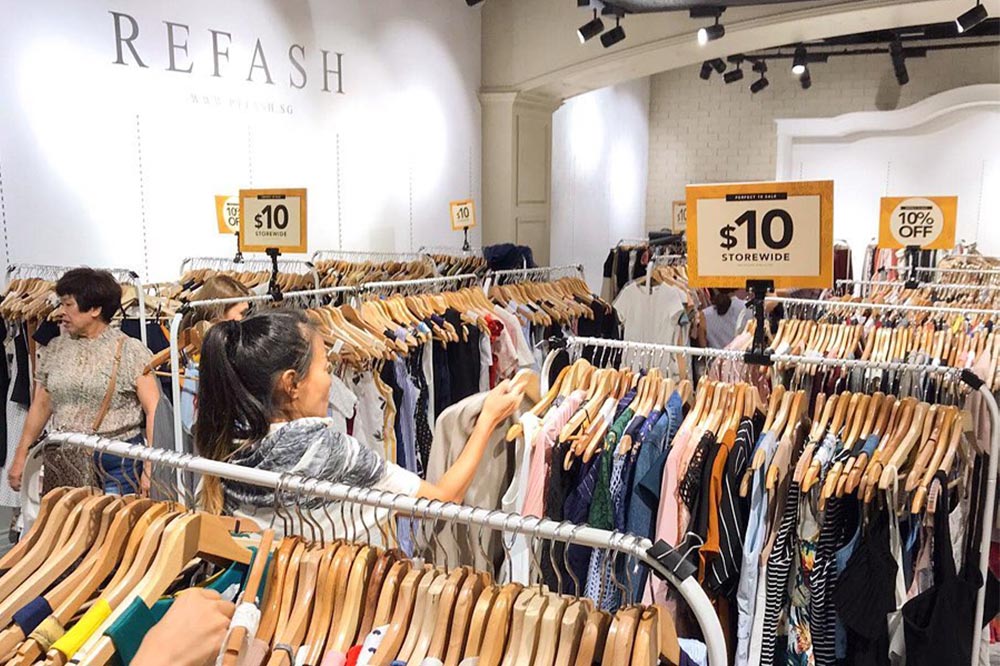
    The ongoing transformation in the retail landscape across Asia takes a tantalizing turn as reports emerge about the booming secondhand clothing market, particularly in countries like South Korea and Japan. This rise, spurred by a growing thrift culture and shifted consumer attitudes, signals a new era in sustainable shopping practices. Shoppers are no longer just looking for bargains; they are becoming increasingly mindful of their consumption habits and the environmental implications of their purchases.

    Secondhand Shopping Takes Center Stage

    The phenomenon of thrifting has captured the hearts of many, with platforms like Carousell, Depop, and Mercari leading the charge. In Japan, where the concept of ‘mottainai’—a term expressing a sense of regret regarding waste—resonates deeply, consumers are diving headfirst into used goods. South Korea is not far behind, with its vibrant “seconhand” market thriving amidst a cultural shift toward sustainable fashion.

    As discussions of environmental impacts become more prevalent, retailers and brands are aligning their values with those of eco-conscious consumers. Notably, this shift has turbocharged sales in thrift stores, which are witnessing a remarkable uptick in foot traffic and online engagement. It’s almost as if shopping for used clothes has become the new black.

    Corporate Moves to Support Sustainability

    Major brands are also recognizing this trend. For instance, companies like Uniqlo are launching recycling programs, encouraging customers to bring in old garments in exchange for store credits. These initiatives not only lower waste but also foster a sense of community as shoppers engage in a circular economy. With reports indicating a 40% increase in secondhand purchases from the previous year, it’s clear that both consumers and businesses are embracing this evolution.

    The Thrifting Experience: More Than Just a Trend

    The allure of secondhand shopping goes beyond mere savings; it’s about the thrill of discovery and the unique stories woven into each vintage piece. It’s not uncommon for shoppers to stumble upon rare finds—from classic designer pieces to quirky local designs—that offer a glimpse into the past and a sustainable future. In the words of one dedicated thrifter, “It feels like a treasure hunt, but with less stress and more style!”

    Challenges Ahead: Bridging Quality and Affordability

    Despite the growth, the secondhand sector faces challenges. Quality control and standardization remain critical as this market expands. Consumers demand not just affordability but reliability; they want to trust that what they’re purchasing meets certain standards. As platforms and retailers grapple with these expectations, innovation will be vital in smoothing the shopping experience while keeping sustainability at the forefront.

    The journey towards a greener retail landscape is undeniably on the upswing in Asia, with secondhand shopping leading the charge. As more consumers opt for sustainable choices, the retail industry is poised for an exciting transformation.

    Questions & Answers

    What factors are driving the growth of the secondhand market in Asia?
    A combination of rising awareness about sustainability, changing consumer behavior, and innovative online platforms has propelled the secondhand market forward, making it a popular choice among eco-conscious shoppers.

    How are major fashion brands responding to this trend?
    Brands like Uniqlo are implementing recycling programs to encourage customers to give back old clothing, thus aligning with the growing consumer demand for sustainable practices and contributing to a circular economy.

    What challenges does the secondhand market face as it continues to expand?
    Quality control and standardization are significant hurdles for the expanding secondhand market as consumers increasingly seek reliable products that provide value and assurance.

  • Porsche Unveils Exciting Exhibition Store at Changi Airport: A New Retail Experience Awaits!

    Porsche Unveils Exciting Exhibition Store at Changi Airport: A New Retail Experience Awaits!

    Porsche is making a bold statement in Singapore with the launch of “Porsche at Jewel,” an innovative exhibition space nestled within the vibrant Changi Airport. This new venture marks a significant expansion for the luxury automotive brand, seamlessly blending its heritage with local culture and modern lifestyle experiences.

    The new location offers more than just a showroom; it features an array of engaging experiences designed to captivate both casual visitors and avid car enthusiasts. Among the highlights is a café that dishes out exclusive menu items, promising to tantalize taste buds while fostering a unique environment for discussion and delight.

    At Porsche at Jewel, customers can explore a curated selection of Porsche-branded apparel and accessories, alongside seasonal collections that reflect the brand’s ethos of luxury and performance. A standout feature is Porsche’s collaboration with local artist Tiffany Lovage, who crafted a limited-edition artwork inspired by Singapore’s beloved kopi (coffee) culture — a nod that adds a touch of local flavor to the brand’s international prestige.

    The exhibition space also showcases a rotating display that reflects the rich history and innovation of the automotive industry, from themed collections to rare vehicle showcases that transport visitors through Porsche’s storied lineage. Visitors can currently admire a striking red Porsche 911 Carrera, dramatically set against the backdrop of Singapore’s iconic shophouses, embodying the city-state’s unique blend of tradition and modernity.

    Looking ahead, Porsche plans to enhance its presence even further with the upcoming Porsche Experience Centre set to open by 2027, adjacent to the Changi Exhibition Centre. This attraction will offer an immersive journey into the world of Porsche, allowing enthusiasts and newcomers alike to experience the dynamic performance of these extraordinary vehicles firsthand.

    Questions & Answers

    What unique offerings can visitors expect at Porsche at Jewel?
    Visitors can enjoy a café with exclusive menu items, browse Porsche-branded apparel, and view a limited-edition artwork inspired by Singapore’s coffee culture, alongside rotating exhibitions of historical and innovative automotive displays.

    What current exhibit is featured at the new location?
    The opening exhibit features a bold red Porsche 911 Carrera, dramatically displayed against the backdrop of Singapore’s iconic shophouses, combining local flavor with automotive excellence.

    What future plans does Porsche have for its presence in Singapore?
    Porsche is set to launch the Porsche Experience Centre in 2027, which will provide an interactive platform for visitors to dive deeper into the performance and engineering of Porsche vehicles.

  • Singapore Seizes 90,000 Vape Products Amid Surge in Violations: What’s Driving the Crackdown?

    Singapore Seizes 90,000 Vape Products Amid Surge in Violations: What’s Driving the Crackdown?

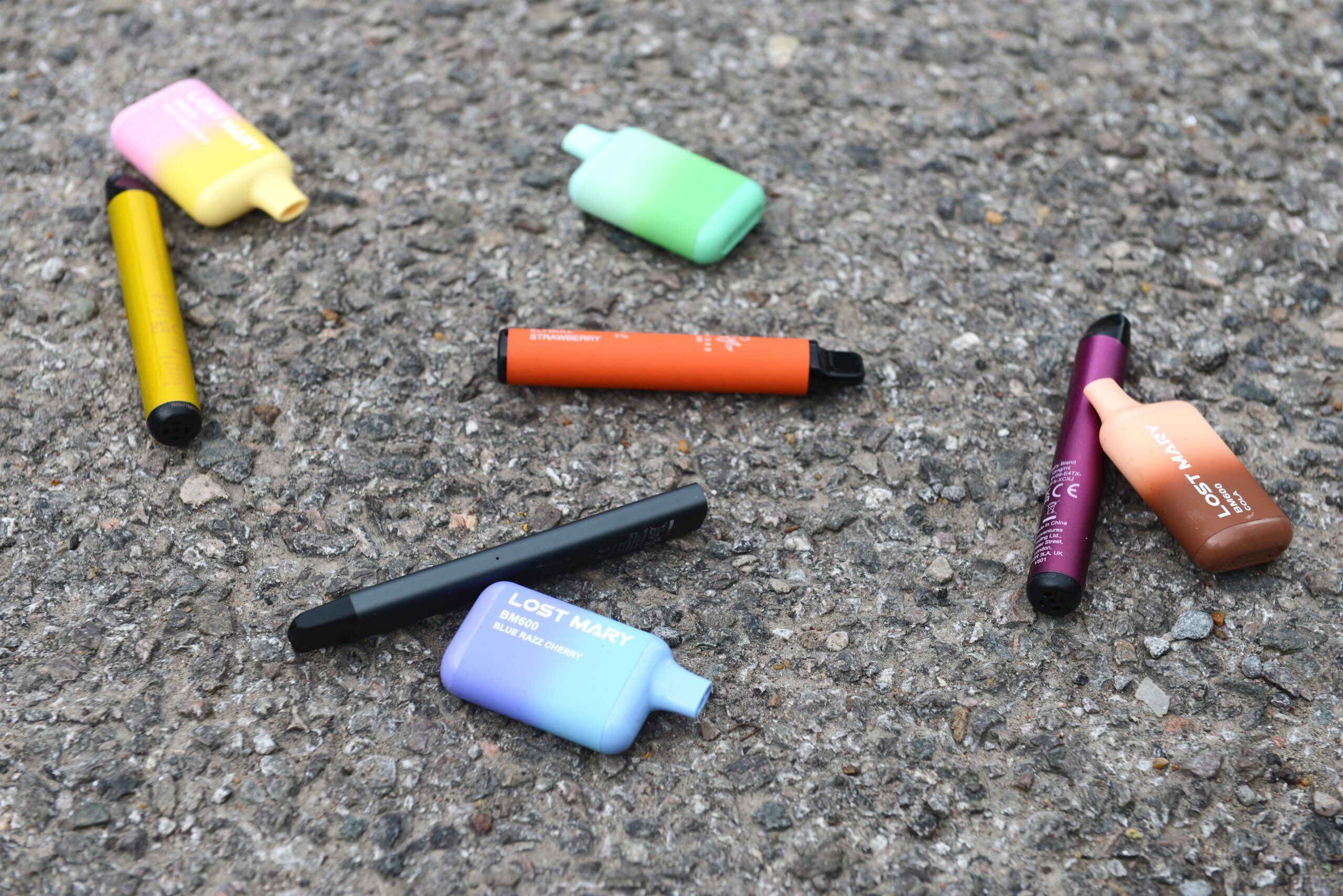
    In a significant crackdown on the illegal vape trade, Singapore authorities confiscated nearly 90,000 vape items during the second quarter of 2025, uncovering 19 major smuggling operations. The enforcement statistics paint a stark picture: over 3,700 individuals were found possessing or using vaping devices, reflecting a sharp 20% increase compared to the previous quarter, as detailed by the Ministry of Health.

    The crackdown isn’t just about confiscation. As of August 12, authorities detected 29 cases of etomidate-laced vapes, colloquially referred to as Kpods. Of these, nine cases were attributed to importation or sales, while the rest involved illegal usage.

    Social Media in the Crosshairs

    In a move to combat vaping culture online, Singapore’s authorities have made headlines by penalizing individuals promoting vaping on social media. Eight individuals faced fines for sharing selfies or videos flaunting their vaping activities, a reminder that in Singapore, even a cheeky photo can lead to serious consequences.

    The government has ramped up its collaboration with e-commerce and social media platforms, resulting in the removal of over 2,000 online listings for vaping products—an impressive fourfold increase from the 408 listings taken down in the first quarter.

    Courts Set a Precedent

    Legal actions are underway as five individuals are facing court charges for their roles in the distribution of Kpods. In a notable case, a man who manufactured Kpods in his Yishun flat was sentenced on August 26 to 16 months in prison and fined $400. This marked Singapore’s first conviction related to Kpods, setting a strong legal precedent against these illicit products.

    Stiff Penalties Reinforced

    Vaping has been illegal in Singapore since February 2018, but the fight against this growing trend shows no signs of slowing down. From January of last year to March this year, authorities confiscated e-vaporizers and components valued at over SGD41 million (US$32 million). Possessing, using, or purchasing e-vaporizers can result in fines up to SGD2,000, while distributing or selling these prohibited items can incur penalties of up to SGD10,000 or even six months imprisonment.

    With such extensive measures in place, it’s clear that Singapore is committed to preserving public health while combating the allure of vaping that seems to have captured the attention of many in the region.

    Questions & Answers

    What prompted the recent crackdown on vaping in Singapore?
    The crackdown was driven by a significant increase in illegal vape possession and usage, revealing a growing trend that authorities felt needed immediate intervention.

    How has the authorities’ approach evolved in dealing with social media promotions of vaping?
    Authorities have taken a proactive stance by issuing fines to individuals promoting vaping on social media and working with platforms to remove illegal listings, showcasing their commitment to reducing vaping visibility online.

    What are the penalties for vaping-related offenses in Singapore?
    Possessing or using e-vaporizers can result in fines of up to SGD2,000, while distributing or selling these products can lead to heavier penalties, including fines up to SGD10,000 or imprisonment for up to six months.

  • JD.com Boosts Ecuadorian Rose Imports to Enhance Supply Chain Resilience and Product Variety

    JD.com Boosts Ecuadorian Rose Imports to Enhance Supply Chain Resilience and Product Variety

    JD Flowers, the floral arm of JD.com, is poised to make a remarkable splash in China’s flower market with ambitious plans to sell over 100 million flowers by 2025. This growth strategy directly taps into the surging demand for high-quality imported flowers, particularly Ecuadorian roses, which are beloved for their striking colors, long stems, and impressive durability.

    Direct Sourcing Drives Expansion

    To meet consumer expectations, JD Flowers is ramping up its direct sourcing from Ecuador, allowing the company to deliver these coveted blooms to Chinese customers in a matter of just 72 hours. Impressively, this nimble logistics system positions JD Flowers to keep retail prices in check, even as they offer an abundance of top-quality options.

    A Favorable Trade Agreement

    The decision to focus on Ecuadorian roses coincides with the recently signed 2024 China-Ecuador Free Trade Agreement, which eliminates import tariffs and has paved the way for JD Flowers to lower prices by approximately 30%. These reductions not only enhance competitiveness but also open the door to even wider consumer access.

    Projecting Growth in a Booming Market

    As China’s floral market is projected to grow at an annual rate of 7%, exceeding RMB250 billion by 2025, JD Flowers is well-positioned to stand out. The company plans to import 50 million blooms from not just Ecuador, but also from renowned floral export countries such as the Netherlands, Japan, and Colombia.

    Streamlined Operations for Quality Assurance

    JD Flowers has partnered with farms like Ceres Farms to streamline export processes, reduce costs, and maintain the quality of its roses. A specialized “Ecuadorian Rose Supply Route” with Emirates Airlines enhances logistics efficiency, slashing transit times down to 40 hours while ensuring freshness through a meticulous three-stage temperature control system and rapid customs clearance. It seems this blooming partnership is designed to keep petals pristine and profits robust.

    Questions & Answers

    What is JD Flowers’ goal for flower sales by 2025?
    JD Flowers aims to sell over 100 million flowers by 2025, significantly tapping into the growing floral market in China.

    How has the China-Ecuador Free Trade Agreement impacted pricing?
    The agreement has removed import tariffs, enabling JD Flowers to lower retail prices of Ecuadorian roses by approximately 30%.

    What unique logistics does JD Flowers employ for importing Ecuadorian roses?
    The company uses a dedicated supply route with Emirates Airlines, ensuring transit times of just 40 hours while implementing a three-stage temperature control process to maintain flower freshness.

  • Alibaba Unveils Bold One-hour Delivery Strategy Amidst Intense E-commerce Competition

    Alibaba Unveils Bold One-hour Delivery Strategy Amidst Intense E-commerce Competition

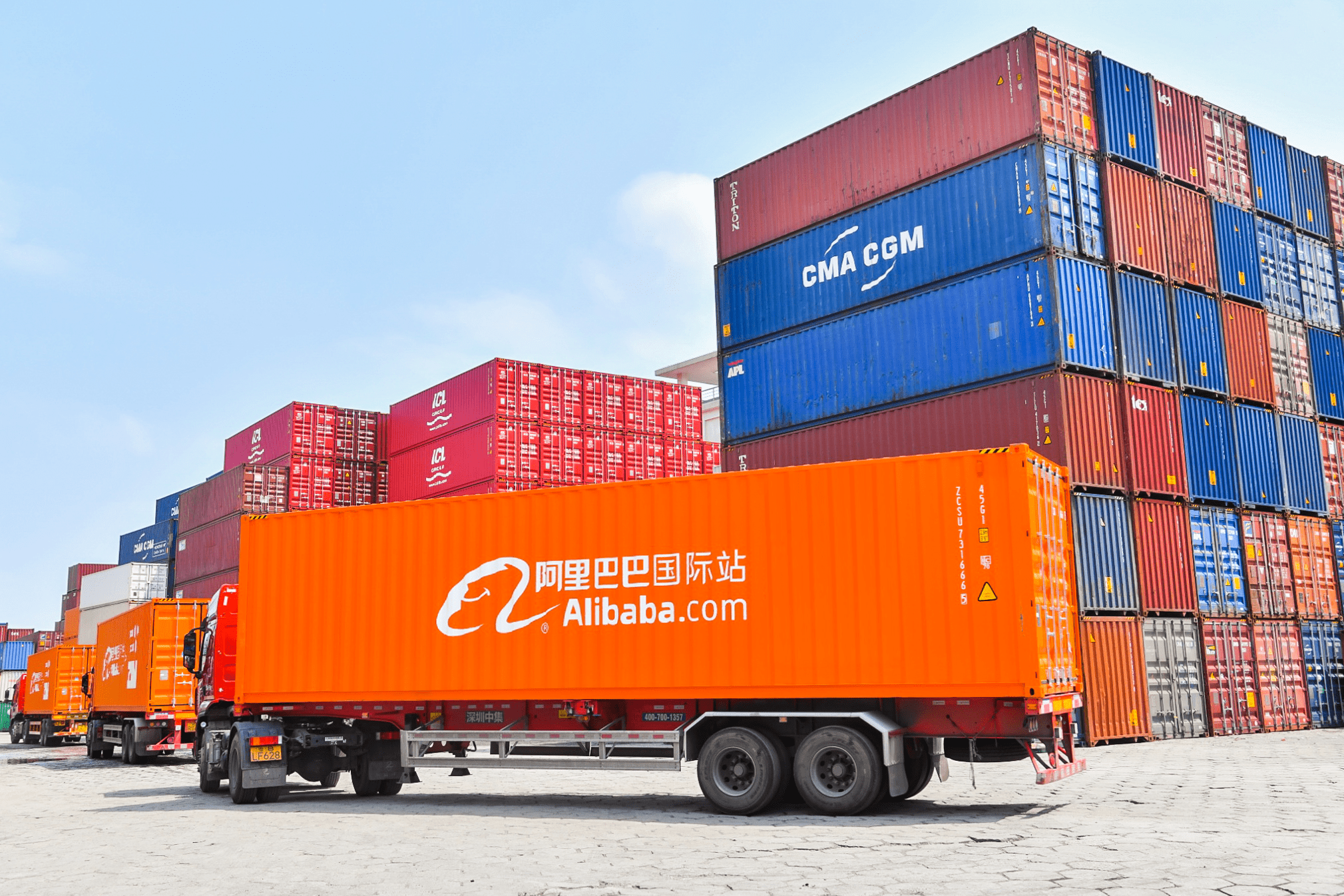
    In a significant shift within the Asian retail landscape, e-commerce giant Alibaba has unveiled an ambitious plan to reshape its supply chain infrastructure. As the competitive landscape intensifies, Alibaba aims to enhance its logistics capabilities and streamline operations, responding to the increasing demand for faster delivery times and improved customer satisfaction.

    Alibaba’s Strategic Goals for Enhanced Logistics

    At the core of this initiative is Alibaba’s commitment to achieving a “one-hour delivery” promise in major urban centers. This bold goal reflects a broader industry trend towards rapid fulfillment and personalized service. The retail behemoth is pouring substantial resources into its logistics arm, Cainiao, which is expected to lead the charge in implementing innovative technologies such as artificial intelligence and data analytics to optimize delivery routes and inventory management.

    “Hurry up and wait” could soon be a phrase of the past for Alibaba shoppers, as the company plans to leverage its extensive network of fulfillment centers and last-mile delivery partners to reduce shipping times to unprecedented levels. With consumers increasingly expecting instant gratification from their online purchases, Alibaba is determined to stay ahead of the curve, and this strategic pivot could make all the difference.

    A Competitive Edge Among Retail Rivals

    Alibaba’s strategy comes at a time when its competitors are also racing to improve their logistics operations. Companies like JD.com and Pinduoduo are enhancing their own supply chains to capture a larger share of this rapidly expanding market. However, with its robust resources and technological prowess, Alibaba is well positioned to maintain its dominance in the e-commerce sector.

    The company also aims to address the growing challenge of sustainability within the logistics space. By implementing greener practices in its supply chain, Alibaba hopes not only to reduce its carbon footprint but also to appeal to a customer base that is increasingly eco-conscious. Amidst frequent reports about the environmental impact of e-commerce, this move could give Alibaba a dual edge — improving both its operational efficiency and public image.

    Collaborations and Innovations on the Horizon

    Key to Alibaba’s logistical overhaul will be strategic partnerships with third-party delivery services and technology firms. This collaborative approach is expected to help the company integrate cutting-edge solutions, thus paving the way for more seamless and efficient retail experiences. With the help of emerging technologies like drone deliveries and automated warehouses, Alibaba is venturing into uncharted territory, raising the stakes in the race for e-commerce supremacy.

    Not to be outdone, Alibaba has also doubled down on social commerce, creating an ecosystem where shopping and social interaction are intertwined. This not only enriches consumer engagement but also allows the company to harness valuable data insights to tailor its offerings more effectively.

    As this logistics game plan unfolds, Alibaba’s commitment to a more responsive and responsible supply chain model could set a new standard in the Asian retail arena.

    Questions & Answers

    What is Alibaba’s primary goal with its new logistics initiative?
    Alibaba aims to achieve “one-hour delivery” in major urban centers, significantly improving delivery times to enhance customer satisfaction.

    How is Alibaba addressing sustainability in its logistics operations?
    The company plans to implement greener practices in its supply chain to reduce its carbon footprint and appeal to environmentally conscious consumers.

    What role do partnerships play in Alibaba’s logistics strategy?
    Strategic partnerships with third-party delivery services and technology firms will help Alibaba integrate innovative solutions, enhancing the efficiency and effectiveness of its retail operations.

  • Honda Unveils Exclusive Naked Bike in Vietnam, Priced at $21,000 – A Must-See for Enthusiasts!

    Honda Unveils Exclusive Naked Bike in Vietnam, Priced at $21,000 – A Must-See for Enthusiasts!

    Four Honda CB1300SF Final Edition motorcycles made in Japan have been imported and are on sale at around VND550 million (US$21,000). In an exciting development for motorbike enthusiasts, four rare Honda CB1300SF Final Edition motorcycles have been imported into Vietnam, each priced at approximately VND550 million (US$21,000). These are part of the final production run, with only 3,400 units crafted in February before Honda concluded the model in response to evolving exhaust regulations.

    A Tribute to a Legend

    The CB1300SF Final Edition pays homage to the revered CB1000SF, a model that played a crucial role in establishing the Honda CB series as a global favorite in the 1990s, earning a devoted following among riders. As if Honda has sent a love letter to its fans, this motorcycle blends nostalgia with modern engineering.

    Timeless Design Meets Modern Performance

    The CB1300SF sports an upgraded design, retaining its iconic look while boasting an engine displacement of 1,300cc. It features a long, streamlined seat and elevated handlebars that ensure a comfortable riding experience. With a 21-liter fuel tank proudly displaying the Final Edition badge, this bike signifies not just closure but also celebration, offering 113 horsepower at 7,250 RPM.

    Riding Dynamics That Cross Generations

    While competitors in the market target younger riders with sporty designs, the CB1300SF speaks to a broader demographic, drawing both younger enthusiasts and seasoned riders with its classic aesthetic and relaxed riding dynamics. It’s a bike that says, “Age is just a number; let’s hit the road together!”

    Questions & Answers

    What makes the Honda CB1300SF Final Edition a special motorcycle?
    The Honda CB1300SF Final Edition is part of the last production run before Honda discontinued the model due to new exhaust regulations, making it a rare collector’s item and a tribute to the beloved CB1000SF.

    What are the key features of the CB1300SF Final Edition?
    This motorcycle features a nostalgic design with modern performance upgrades, including a 1,300cc engine, comfortable seating, and a distinctive Final Edition badge, all contributing to its appeal across different age groups.

    Why did Honda decide to discontinue the CB1300SF model?
    Honda discontinued the CB1300SF as part of its compliance with stricter exhaust regulations, marking the end of an iconic model that has captured the hearts of motorcycle enthusiasts for decades.

  • L’Oréal Invests In Asian Manufacturing For Greener, Localized Beauty Products

    L’Oréal Invests In Asian Manufacturing For Greener, Localized Beauty Products

    As the retail landscape in Asia rapidly evolves, global brands are increasingly eyeing the region for their strategic expansion plans. A striking example is the decision by major cosmetics player L’Oréal to significantly ramp up its investment in local manufacturing capabilities, reflecting an acute understanding of the region’s unique market dynamics and consumer preferences.

    Investing in Local Manufacturing

    L’Oréal recently announced its commitment to invest over €150 million in its manufacturing facilities in various Asian markets, including Vietnam and China. This investment is not just about increasing production capacity; it’s a calculated move aimed at enhancing supply chain efficiency and ensuring that the company can quickly respond to the ever-changing trends that define the beauty industry in Asia. With products flying off the shelves at the speed of light, L’Oréal is positioning itself to capture the hearts—and wallets—of consumers who increasingly crave local and authentic experiences in their beauty regimes.

    What makes this investment even more compelling is L’Oréal’s clear intention to incorporate eco-friendly practices within their production lines. By integrating sustainable technology, the brand is not simply keeping pace with consumer expectations but is actively setting the stage for a greener retail future in a region that is becoming more environmentally conscious.

    Market Trends Fueling Growth

    The move comes amid significant shifts in consumer behavior across Asia. In particular, digital engagement and e-commerce sales are skyrocketing, with beauty products becoming some of the most sought-after items online. L’Oréal’s decision to fortify its manufacturing presence underscores a broader trend among brands aiming to localize their offerings. This not only streamlines operations but also aligns products more closely with local tastes and cultural nuances, providing a personalized shopping experience that many consumers are now demanding.

    Moreover, the beauty market in Asia is projected to grow exponentially in the coming years, bolstered by a diverse demographic and an influx of youthful consumers eager to experiment with new products and trends. With this pivotal investment, L’Oréal is not merely playing catch-up but rather, making a bold statement that it intends to lead in this dynamic marketplace.

    Consumer Engagement at the Forefront

    Brands like L’Oréal are also innovating in how they engage with consumers. Interactive campaigns on social media, coupled with influencer partnerships, are reshaping traditional marketing tactics. Rather than simply advertising products, L’Oréal is entering a dialogue with its consumers, which is often more effective. After all, in a world flooded with choices, who wouldn’t want to be engaged by the brands they love?

    Furthermore, the ability to produce and distribute products locally allows L’Oréal to experiment with limited-edition launches tailored specifically for Asian markets. The idea of creating something exclusive that resonates locally adds not just value but a tantalizing element of desirability—because, let’s face it, who doesn’t love a product that feels tailored just for them?

    A Bright Future Ahead

    With these strategic investments and innovations, L’Oréal is well-positioned to thrive in Asia’s retail sector. By balancing local production with sustainable practices, and by engaging deeply with consumers, the brand is crafting a path that many others may soon follow. As the beauty industry continues to flourish, one thing is clear: the best is yet to come, and the sparkle of local engagement combined with a global brand ethos is set to dazzle Asian consumers.

    Questions & Answers

    How much is L’Oréal investing in its Asian manufacturing capabilities?
    L’Oréal is committing over €150 million to enhance its manufacturing facilities in several Asian markets, including Vietnam and China.

    What impact do local manufacturing investments have on consumer preferences?
    By localizing production, L’Oréal can better cater to regional tastes and preferences, creating a more personalized shopping experience for consumers.

    Why is sustainability important in L’Oréal’s investment strategy?
    Integrating sustainable practices in manufacturing responds to the growing environmental consciousness among consumers, positioning L’Oréal as a responsible leader in the beauty industry.