Blog

  • Pushing Boundaries: Real-World Trials Fuel the Future of 5G and Wi-Fi Innovation

    Pushing Boundaries: Real-World Trials Fuel the Future of 5G and Wi-Fi Innovation

    The telecom industry stands at a crucial crossroads as 2025 approaches. On one side, the demand for faster and more reliable connectivity reaches unprecedented heights. On the other, telecom operators are grappling with escalating financial and operational pressures. Equipment revenues plummeted by approximately 11% in 2024 and are expected to remain stagnant this year, highlighting a slow-down in the initial wave of 5G investments that energized the market.

    Pressure Points in a Growing Market

    Despite these challenges, the adoption of next-generation technology clings to a robust trajectory. Ericsson projects that by the end of 2025, the globe will host nearly 3 billion 5G subscriptions, amounting to about one-third of all mobile users. As we approach 2030, that number could double, with 5G networks projected to carry around 80% of global mobile data traffic. Meanwhile, mobile data consumption continues to climb, showcasing a staggering year-over-year increase of nearly 20% in early 2025. A shining example of this insatiable hunger for speed can be seen in fixed wireless access (FWA), now extended by over 80% of global operators. With more than half offering tiered-speed home plans over 5G, industry experts predict FWA will account for over a third of all new broadband connections by 2030.

    This pull between constricting budgets and soaring demand highlights a new urgency for real-world testing platforms across the sector.

    Operators now need to demonstrate technology performance under real-world conditions, confronting the complexities of dense urban environments and remote rural areas. By doing so, they can not only validate their technical capabilities but also uncover new strategies for monetization in an industry striving to balance investment and returns.

    Pioneering Real-World 5G Trials

    This necessity was particularly evident in the Philippines in August 2025, when Globe Telecom orchestrated the country’s first live pilot of 5G-Advanced in Bonifacio Global City. Unlike sterile lab environments, this trial produced a peak throughput of around 2.5 gigabits per second, showcasing the potential of standalone 5G core technology alongside massive MIMO and the aggregation of three component carriers (3CC), which collectively delivered 210 megahertz of bandwidth.

    The impact on everyday users was immediate—offering faster downloads, seamless cloud gaming, and the capability to run advanced applications such as extended reality (XR) and AI-driven analytics. Not only did this trial amplify performance, but it also positioned the Philippines as a thriving player in the regional telecom scene, joining the ranks of operators like Singtel in Singapore and AIS in Thailand as early adventurers in the 5.5G landscape.

    In Sri Lanka, Dialog Axiata PLC unveiled that the 5G journey isn’t simply about faster data speeds. In a landmark 2025 trial, the operator successfully completed the nation’s first voice over new radio (VoNR) test on a live 5G standalone network, pushing fully-native 5G voice services closer to reality. The trial revealed uninterrupted connectivity and high-definition voice calls, building on a previous proof of concept from 2023.

    “Dialog’s achievements here underscore our commitment to advancing Sri Lanka’s 5G technology,” remarked Ranga Kariyawasam, Group CTO of Dialog Axiata, highlighting that VoNR opens up exciting avenues for enhanced daily communication by embedding video, augmented reality (AR), and advanced messaging into voice services.

    Wi-Fi’s New Wings: The Buzz from South Korea

    While 5G captures the limelight, Wi-Fi also enters a renaissance of performance. In South Korea, SK Telecom has led the charge by being the first operator to deploy Wi-Fi 7 on public transport, outfitting 100 city buses across Seoul and Gyeonggi Province with state-of-the-art wireless access points. Initial tests reveal that average download speeds surged from 429 Mbps on Wi-Fi 6/6E to between 715 and 1,003 Mbps on the new standard—an eye-popping increase of about one and a half times. Commuters can revel in smoother video streaming and faster downloads, a boon on Seoul’s bustling routes, where data usage per device has surged by 20-30%.

    Wi-Fi 7 achieves these remarkable efficiencies by utilizing wider channels and advanced modulation techniques that allow for simultaneous uploads and downloads across various frequency bands.

    By tapping into the 2.4 GHz, 5 GHz, and 6 GHz spectrum concurrently, Wi-Fi 7 minimizes interference and maximizes capacity.

    Satellite Technology Joins the 5G Ensemble

    Testing outcomes extend beyond mere speed improvements; they reflect operators’ newfound abilities to package differentiated service tiers, offering not just “faster internet” but distinct experiences with guaranteed latency or premium speeds. These tangible results form solid foundations for monetization strategies, responding to industry leaders’ calls for innovation and precision.

    However, as terrestrial trials illuminate urban potential, they also push connectivity into uncharted territories. In May 2025, an allied consortium demonstrated the first end-to-end 5G non-terrestrial network transmission at the Singapore Pavilion of World Expo in Osaka. This ambitious project transmitted a 5G signal from Singapore to a geostationary satellite operated by SKY Perfect JSAT, bouncng it back to a ground station in Japan connected to a live 5G base station. This groundbreaking endeavor confirmed the potential for existing satellites to support 3GPP-standard 5G New Radio.

    Engineers also introduced electronically steered antennas designed to maintain connectivity across maritime routes and moving vehicles. With robust digital twin testbeds, the experiment enabled comprehensive modeling of performance and quality of service before committing to costly infrastructure.

    In a world where universal coverage remains elusive, real-world NTN testing paves the way for global hybrid networks, seamlessly blending terrestrial 5G with satellite enhancements, ensuring resilience and reach.

    Emphasizing the Value of Real-World Testing

    These initiatives spotlight why real-world testing platforms are crucial. They provide compelling proof that theoretical advancements can evolve into meaningful user experiences, from uninterrupted streaming to essential connectivity. Operators can explore new business models, such as premium FWA tiers or enterprise-grade private networks, without committing to extensive rollouts. This testing also enables operators to carve out leadership roles in their markets, fostering consumer confidence.

    Yet the road ahead is riddled with challenges. With tightening budgets, operators cannot afford a haphazard approach. Every trial must yield insights that justify targeted investments. Conversely, the opportunities are equally compelling. By 2030, with billions more migrating to 5G and its successors, operators that successfully validate performance in real-world settings will be uniquely positioned to monetize this technology and secure their networks’ future.

    Questions & Answers

    What are the key drivers of 5G adoption by 2025?
    Demand for faster and more reliable connectivity, coupled with increased mobile data consumption rates and fixed wireless access offerings, are driving 5G adoption to nearly 3 billion subscriptions by the end of 2025.

    How does real-world testing impact the telecom industry?
    Real-world testing allows operators to validate performance under actual conditions, providing tangible evidence that can lead to innovative monetization strategies and enhanced user experiences.

    What recent innovations have emerged in satellite connectivity?
    Recent tests demonstrated 5G non-terrestrial network transmission between Singapore and Japan, indicating that existing satellites can support 3GPP-standard 5G New Radio, broadening the scope for communications beyond traditional terrestrial networks.
  • SM Investments Elevates Entertainment Offerings to Captivate the Next Generation of Shoppers

    SM Investments Elevates Entertainment Offerings to Captivate the Next Generation of Shoppers

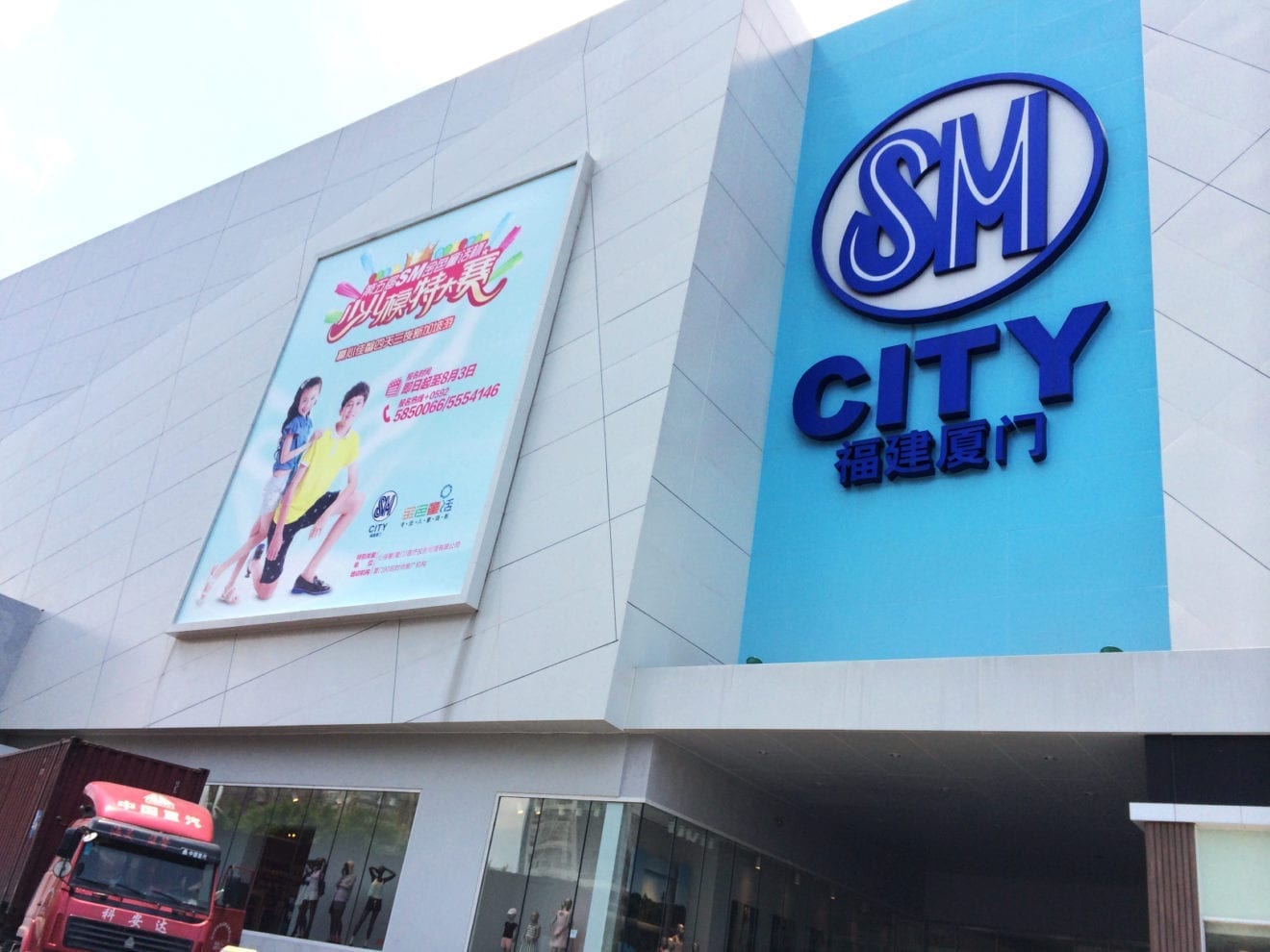
    SM Investments Corporation (SMIC) is on a mission to reshape the retail landscape in the Philippines by transforming malls into vibrant experience hubs. With millennials and Gen Z leading the charge for prioritizing experiential engagement, SMIC is ramping up its entertainment offerings across various sectors, including shopping malls, arenas, logistics, and banking.

    The company has notably invested in Klook, an Asia-based experiences platform, while its 2GO shipping service features innovative karaoke lounges and arcades, proving that who said you can’t sing on the high seas? In addition, BDO Unibank and China Bank are enhancing their lifestyle rewards programs to cater to this experience-hungry demographic. These initiatives strategically position SMIC to tap into the booming ₱1.94-trillion Philippine creative economy, which saw a robust growth of 8.7% in 2024.

    SM is elevating the concept of malls, convention centers, and arenas into immersive experience centers. Today’s consumers are increasingly seeking inclusivity, community, and interactive engagements, prompting a shift from traditional retail spaces to dynamic entertainment venues. Joaquin San Agustin, EVP for marketing at SM Supermalls, emphasizes that this evolution caters to a diverse audience, from gamers to food enthusiasts and pop culture aficionados.

    The Mall of Asia Arena continues to attract global talents and is set to be complemented by an even larger arena in Cebu. Meanwhile, the SMX Convention Center is witnessing a surge in bookings for events such as fan meets, gaming expos, and pop culture conventions, reflecting the growing appetite for interactive experiences.

    By focusing on entertainment, SM not only drives foot traffic but also cultivates valuable partnerships and creates leisure spaces throughout its venues, including a FIFA-grade football pitch at SM MOA Sky.

    Questions & Answers

    What is SMIC’s main strategy in enhancing its retail offerings?
    SMIC is focusing on developing entertainment options throughout its businesses, transforming malls into experience hubs to cater to the growing demand for immersive and interactive experiences among younger consumers.

    How does SMIC’s investment in Klook fit into its broader strategy?
    The investment in Klook aligns with SMIC’s goal of tapping into the creative economy by providing diverse experiential offerings, which appeal particularly to millennials and Gen Z consumers seeking unique adventures.

    What types of events are gaining popularity at SM venues?
    Events like gaming expos, fan meets, and various pop culture gatherings are seeing increased attendance at SM venues, reflecting a shift toward community-focused and interactive experiences.

  • China’s Gen Z Champions a Transformative Shift Towards Emotional and Sustainable Shopping Habits

    China’s Gen Z Champions a Transformative Shift Towards Emotional and Sustainable Shopping Habits

    Generation Z is revolutionizing China’s consumer landscape, prioritizing personal well-being, emotional fulfillment, and sustainability while leaving behind the materialistic pursuits of earlier generations. This cohort, despite representing only 15% of the population, wields an impressive influence on economic trends.

    Instead of hoarding possessions, Gen Z is favoring experiences and wellness investments. From premium skincare lines to spa memberships and limited-edition collectibles, spending for these consumers is more about enhancing happiness than simply acquiring items. This shift prompts local and international brands to swiftly adapt to their new demands.

    A recent report by People’s Daily highlights the pivotal role Gen Z plays, revealing that 64% of Chinese consumers, led by this demographic, prioritize emotional fulfillment in their purchasing decisions. Products like character plushies, themed souvenirs, and blind-box toys have surged in popularity, offering joy while sidestepping the trappings of overconsumption.

    The significance of health and sustainability cannot be overstated in this context. Take Lululemon, which recently reported a remarkable 21% growth in same-store sales in China, a direct reflection of Gen Z’s enthusiasm for fitness and social interaction. Their commitment to these values reinforces the brand’s relevance in a crowded market.

    Alongside wellness, environmental awareness plays a crucial role in shaping purchasing decisions. A study from Daxue Consulting indicates that 40% of Chinese consumers favor eco-friendly products, with a striking 90% of Gen Z actively searching for recyclable options. It seems being “green” is becoming the new chic.

    Furthermore, Gen Z’s demand for transparency and authenticity is redefining the marketplace. E-commerce platforms like Douyin and Taobao are integral to this transformation, where consumers prioritize trustworthy information and tailor-made products over mass-produced alternatives. This trend is urging companies to adopt more responsible and transparent practices in their operations.

    The convergence of these factors is fostering what’s being termed the “emotional economy.” Here, consumer preferences actively shape production and investment strategies, aligning with ethical and societal aspirations. Fund managers are increasingly directing their attention toward youth-centric, socially responsible products and services, crafting a retail environment that merges personal well-being with broader social and environmental goals.

    Questions & Answers

    How is Generation Z changing consumer priorities in China?
    Generation Z is moving away from materialism and instead values personal wellness, emotional fulfillment, and sustainability, significantly influencing purchasing behavior.

    What role do platforms like Douyin and Taobao play for Gen Z consumers?
    These platforms provide reliable information and personalized product recommendations, which resonate with Gen Z’s preference for authenticity and quality over mass production.

    What does the “emotional economy” signify for retailers?
    The “emotional economy” highlights how consumer preferences, especially from Gen Z, are shaping production and investment strategies to align with ethical and societal goals, pushing brands toward more responsible practices.

  • Asia’s Retail Revolution: Embracing Digital, Personalization, Sustainability, And Experiential Shopping

    Asia’s Retail Revolution: Embracing Digital, Personalization, Sustainability, And Experiential Shopping

    As the retail landscape continues to evolve rapidly in Asia, businesses are gearing up for the challenges and opportunities ahead. With consumer behavior shifting toward digital channels and a preference for personalized shopping experiences, retailers are finding innovative ways to adapt and thrive.

    Embracing Digital Transformation

    The COVID-19 pandemic accelerated a digital shift already underway, and now, retailers are fully embracing e-commerce. In 2022, online retail sales in Asia reached an impressive $1.4 trillion, reflecting a rise that even the most optimistic of forecasters couldn’t have predicted. Brands are investing heavily in technology to streamline logistics, improve inventory management, and enhance the online shopping experience.

    The Power of Personalization

    Personalization is becoming a cornerstone of retail strategy. Customers are not just looking for products; they seek experiences that resonate with their individual preferences. Retailers utilizing data analytics are able to provide targeted recommendations and tailored promotions, making shoppers feel special and valued—just like a barista who remembers your usual order.

    Sustainability Takes Center Stage

    Another trend reshaping the retail sector in Asia is the increasing demand for sustainability. Today’s consumers are more conscious of their environmental impact, leading brands to reevaluate their sourcing and production practices. Companies are not only focusing on eco-friendly materials but also on reducing waste across their supply chains. Retailers who embrace this shift stand to capture a growing market segment that prioritizes planet-friendly purchasing.

    The Rise of Experiential Retail

    As online shopping flourishes, brick-and-mortar stores are reimagining their roles to provide unique experiences that cannot be replicated online. By hosting events, interactive displays, and immersive experiences, retailers are enticing customers to step away from their screens and into the store. This approach not only boosts foot traffic but also fosters community connection and brand loyalty.

    Conclusion: A Dynamic Future Awaits

    With technological advancements surging and consumer preferences shifting, the fate of the retail sector in Asia is evolving at breakneck speed. Brands that successfully navigate this landscape will not only survive but thrive, transforming challenges into opportunities for growth. The question remains: who will dance ahead of the retail rhythm, and who will miss the beat?

    Questions & Answers

    How has the pandemic influenced retail trends in Asia?
    The pandemic has significantly accelerated the shift towards e-commerce and digital transformation, prompting retailers to enhance their online presence and customer engagement.

    What role does personalization play in modern retail?
    Personalization fosters a stronger connection between brands and consumers, with retailers leveraging data analytics to provide tailored shopping experiences that resonate with individual preferences.

    Why is sustainability becoming a vital aspect of retail strategy?
    Consumers are increasingly prioritizing environmentally friendly practices in their purchasing decisions, prompting retailers to adopt sustainable sourcing and production methods to meet this demand.

  • Seven & I Holdings CEO Charts Future Of Retail: Digital Innovation, Sustainability, And Customer Engagement

    Seven & I Holdings CEO Charts Future Of Retail: Digital Innovation, Sustainability, And Customer Engagement

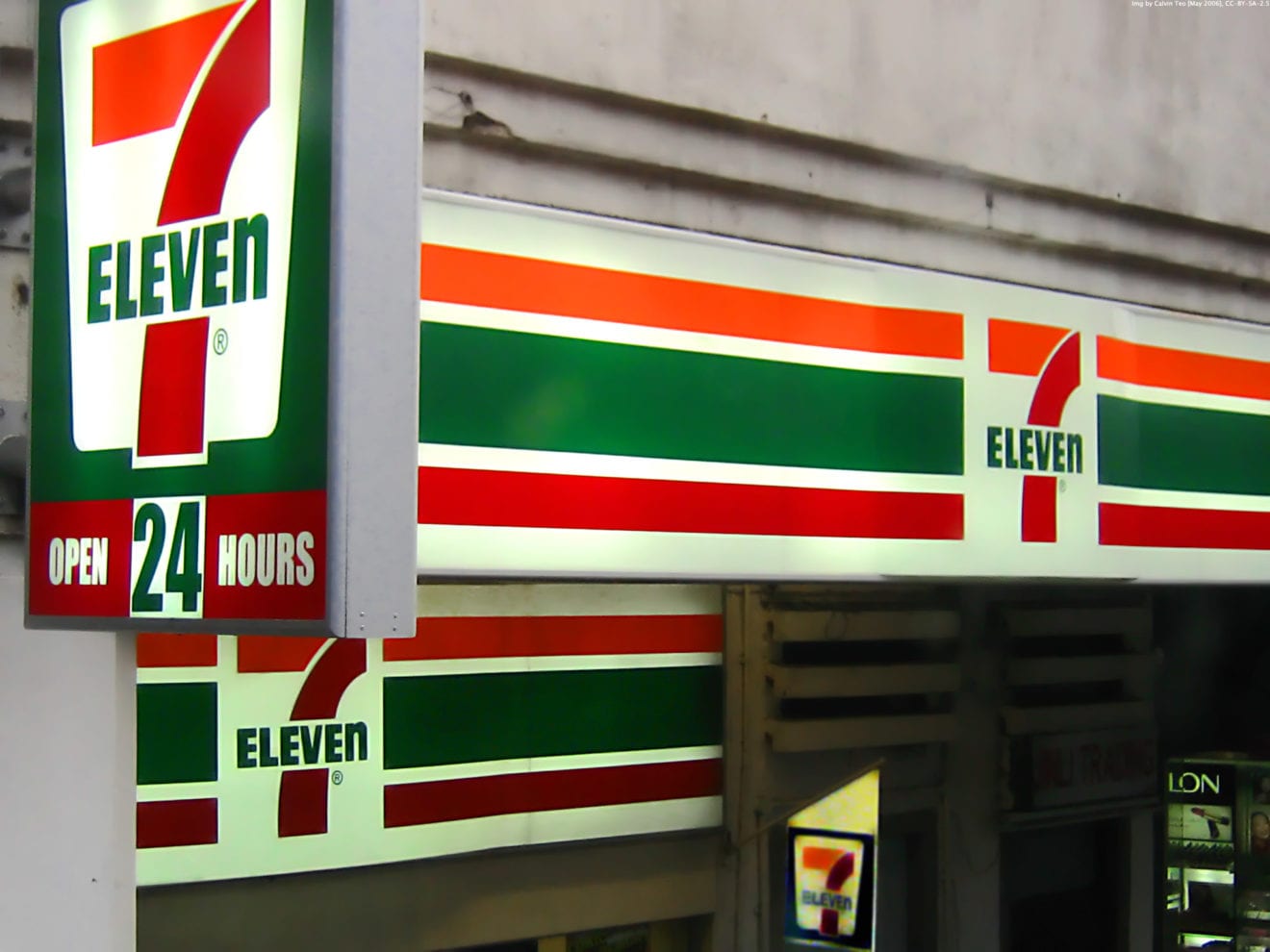
    As major players in the retail industry continue to evolve, insights from leaders such as the CEO of Seven & I Holdings, Ryuichi Isaka, reveal key strategies to thrive in a competitive landscape. At a recent stakeholder meeting, Isaka shared his blueprint for enhancing the company’s performance through innovation and collaboration, aiming to boost revenues across its diverse business segments, which include convenience stores, supermarkets, and department stores.

    Embracing Digital Transformation

    Isaka emphasized the significance of integrating digital technology into everyday operations. This is not just about having a snazzy app; it’s about fundamentally transforming the retail experience. For instance, by leveraging data analytics and AI, Seven & I is aiming to personalize the shopping experience while optimizing supply chain efficiency. Isaka noted that “a customer’s shopping journey needs to be as engaging as their favorite Netflix series,” underscoring the critical role of seamless digital engagement in today’s retail landscape.

    Corporate Culture and Sustainability

    At the heart of Seven & I’s strategy is a commitment to fostering a corporate culture that values sustainability and inclusivity. Isaka pointed out that sustainable practices not only resonate with consumers but also drive operational efficiencies. In a playful nod to consumer preferences, he remarked, “Who knew that a paper straw could lead to a plastic-free ocean and boost our brand image simultaneously?” This lighthearted comment underscored the growing importance of social responsibility in appealing to the modern consumer.

    Focus on Customer Engagement

    Another pivotal aspect of Isaka’s strategy is deepening customer engagement. He highlighted plans to expand loyalty programs that reward shopping behaviors while simultaneously creating a sense of community among shoppers. By offering exclusive deals and personalized shopping experiences, Seven & I aims to foster greater customer loyalty, recognizing that today’s consumer craves connection, not just transactions.

    Looking Ahead

    As Seven & I Holdings sets its sights on the future, its strategies reflect a keen understanding of evolving consumer behaviors and market dynamics in Asia. Isaka’s approach—to blend digital innovation with sustainability and customer engagement—holds promise not only for the company but also for the broader retail landscape. In a world where shopping can often feel impersonal, Isaka’s vision may just provide the spark needed to ignite a new era in retail.

    Questions & Answers

    What key strategy did Ryuichi Isaka highlight for Seven & I Holdings?
    Isaka emphasized the importance of integrating digital technology to enhance the shopping experience and optimize supply chain efficiencies.

    How does Seven & I Holdings plan to engage customers more effectively?
    The company aims to deepen customer engagement through expanded loyalty programs that foster a sense of community and reward shopping behaviors.

    What role does sustainability play in Seven & I’s corporate strategy?
    Sustainability is central to Isaka’s vision, with practices that resonate with consumers while enhancing operational efficiencies, showcasing the dual benefits of responsible retailing.

  • OMG’s Oat Milk Expansion: From 544 To 900 Woolworths Stores By November

    OMG’s Oat Milk Expansion: From 544 To 900 Woolworths Stores By November

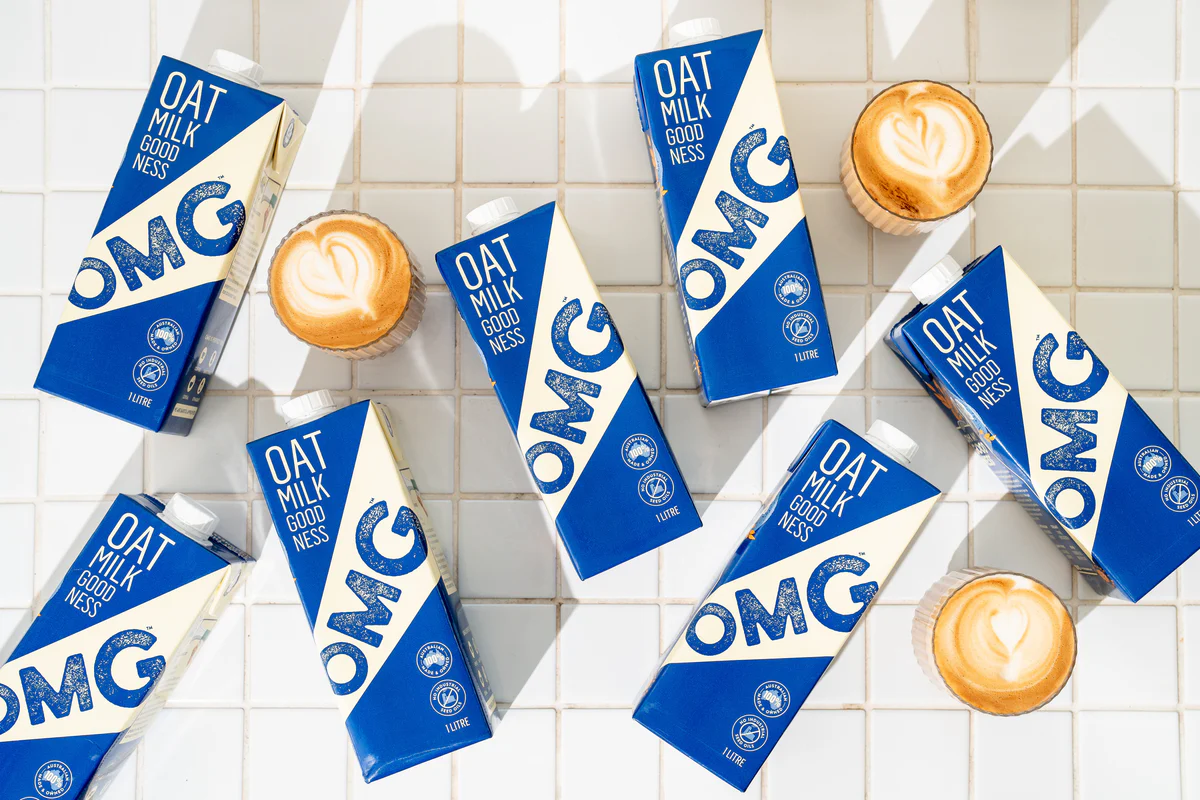
    Oat Milk Goodness (OMG), a renowned Australian plant-based beverage firm, recently announced its plan to extend the reach of its popular 1L Barista Oat Milk to 900 Woolworths outlets across the nation by November. This is a significant increase from the 544 stores currently stocking the product.

    Strengthening Partnerships

    This expansion is set to strengthen the company’s existing collaboration with Woolworths, which already offers the Proatein alt-milk range, another product from OMG, in 466 of its stores throughout Australia.

    OMG’s CEO, Alex Aleksic, expressed his satisfaction with the growth of their multi-channel sales strategy. He said, “The increase in store count marks another pleasing development across our broader multi-channel sales strategy, with momentum through a number of outlets.” Aleksic went on to reveal that the company is in advanced talks with numerous new and existing groups to further extend their reach in the coming months.

    Recent Achievements

    The announcement of expansion into Woolworths stores is the latest in a series of triumphs for OMG. Notably, the company successfully launched its Blue Dinosaur snack range into 750 7-Eleven stores on a national level. Additionally, the firm secured new distribution agreements with Quikstop and Canteen One outlets.

    Established in 2019, Oat Milk Goodness aimed to provide tasty, coffee-friendly options for individuals who cannot or choose not to consume dairy. The company’s flagship brands include Blue Dinosaur and Oat Milk Goodness.

    Questions & Answers

    What is the main product of Oat Milk Goodness?
    Oat Milk Goodness’s primary product is the 1L Barista Oat Milk, a dairy-free alternative that is especially popular among coffee enthusiasts.

    What recent achievements has Oat Milk Goodness made?
    The company has seen a series of successes including the introduction of its Blue Dinosaur snack range into 750 7-Eleven stores and new distribution deals with Quikstop and Canteen One outlets.

    What is the future expansion plan of Oat Milk Goodness?
    Oat Milk Goodness plans to extend its reach by increasing its product presence in 900 Woolworths locations across Australia. The company is also in talks with various new and existing groups for further expansion in the coming months.

  • Keurig Dr Pepper’s $25.9b Acquisition Of Jde Peet’s To Birth Two Global Beverage Titans

    Keurig Dr Pepper’s $25.9b Acquisition Of Jde Peet’s To Birth Two Global Beverage Titans

    Keurig Dr Pepper (KDP) has announced its forthcoming acquisition of JDE Peet’s, the renowned European coffee titan, in a significant deal worth A$25.9 billion (€15.7 billion). This bold strategic move will result in the division of the company into two separately traded entities.

    In the Australian market, JDE Peet’s owns top local coffee brands like Campos Coffee and Piazza D’Oro, in addition to its international brands such as Moccona, L’Or, Jacobs, and Pickwick.

    The Acquisition Deal

    As per the agreement, KDP will buy all the remaining shares of JDE Peet’s, which is listed in Amsterdam, for A$52.55 (€31.85) per share in cash. This represents a 33% premium over the 90-day volume-weighted average price of the company’s shares.

    This agreement will lead to the formation of two independent market leaders: one concentrating on the global coffee sector, while the other will focus on North American beverages.

    Formation of Two Market Leaders

    The first resultant entity, named Global Coffee Company, will combine KDP’s Keurig single-serve platform with the vast coffee portfolio of JDE Peet’s. The newly formed company will have its headquarters in Burlington, Massachusetts, with international headquarters situated in Amsterdam. The current CFO of KDP, Sudhanshu Priyadarshi, will take the reins of this new entity.

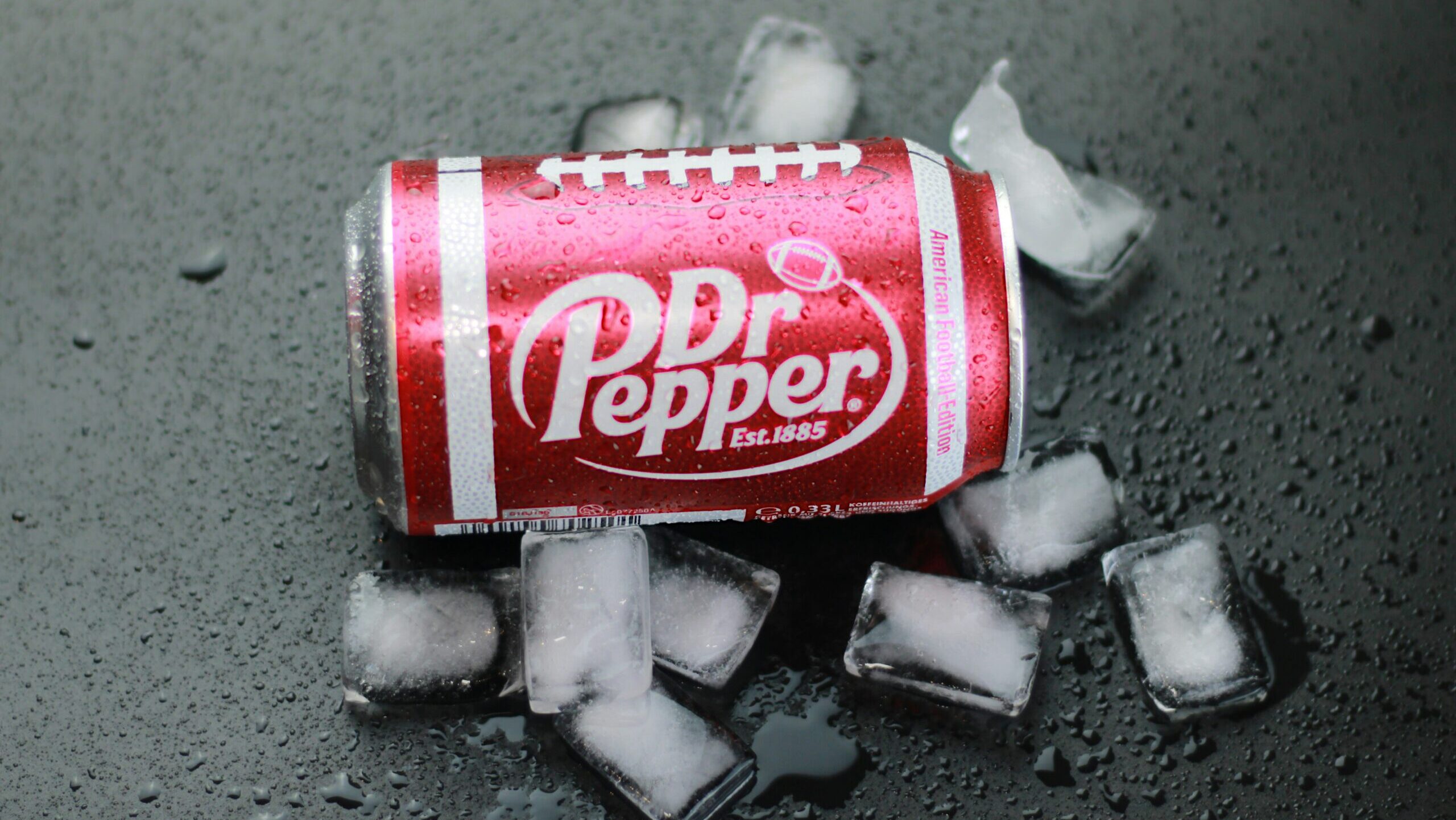
    The second entity, named Beverage Company, will concentrate on KDP’s famous beverage brands, which include Dr Pepper, 7Up, Canada Dry, and Snapple. The company will be based in Frisco, Texas, and will continue to be governed by the current CEO, Tim Cofer.

    KDP anticipates that the acquisition will result in cost savings of approximately A$660 million (€400 million) over three years, and is expected to boost earnings starting from the first year post-acquisition.

    KDP’s CEO, Tim Cofer, expressed his enthusiasm for the merger by noting, “The exceptional combination of Keurig and JDE Peet’s presents a significant opportunity to establish a global coffee giant. The timing of this transaction couldn’t be better, given KDP’s robust operational and financial position, the momentum across our diverse portfolio, and the increasing resilience of the coffee category.”

    The transaction is anticipated to close within the first half of the next year. The subsequent splitting into two distinct companies is planned to occur shortly afterward, subject to final legal and board approvals.

    Questions & Answers

    Who will head the newly formed Global Coffee Company?
    The Global Coffee Company will be led by Sudhanshu Priyadarshi, the current Chief Financial Officer of KDP.

    What will the two new entities be focused on?
    The Global Coffee Company will focus on the international coffee sector, while the Beverage Company will concentrate on North American beverages.

    What are some of the brands owned by JDE Peet’s in Australia?
    JDE Peet’s owns several well-known Australian brands, including Campos Coffee and Piazza D’Oro.

  • Nestlé Expands Maggi Seasonings To Uk And Malaysia Amid Rising Global Air Fryer Trend

    Nestlé Expands Maggi Seasonings To Uk And Malaysia Amid Rising Global Air Fryer Trend

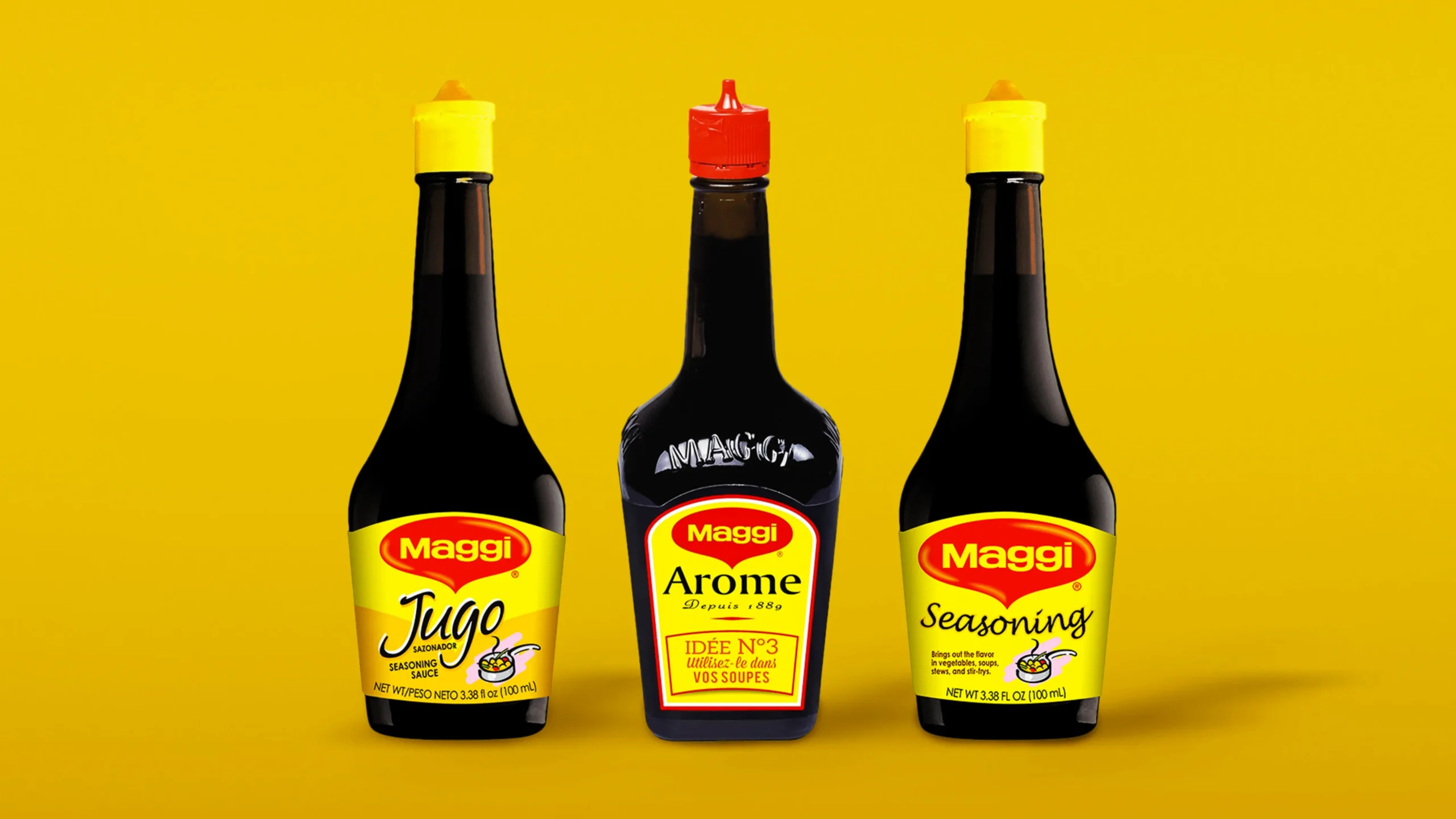
    In a strategic move to capitalize on contemporary culinary trends, global consumer goods conglomerate Nestlé has launched its renowned Maggi seasonings in the United Kingdom and Malaysia this year. This step is part of a wider global expansion strategy for the popular brand.

    Modern Cooking Trends

    Nestlé’s decision to introduce Maggi seasonings to new markets is a calculated response to the rising global popularity of air fryers, particularly in the United States. The company’s CEO, Laurent Freixe, has noted that nearly two-thirds of American households now use air fryers as part of their daily cooking routines. Nestlé’s expansion aims to cater to this shift in consumer lifestyle and preferences.

    New Air-Fryer Range

    The first range of products that Nestlé will bring to these new markets includes air-fryer recipes for chicken and vegetable wraps. These will feature a variety of flavors, such as ‘Cheesy’, ‘Paprika & Garlic’, and ‘Tex Mex’ for the chicken wraps, and ‘Fajita’, ‘Street Taco’, and ‘Kebab’ for the vegetable wraps.

    Prior and Future Launches

    The UK and Malaysia launches follow the brand’s earlier entry into the markets of Mexico and Chile. These new markets will also benefit from Maggi’s online platforms, which offer a range of air-fryer recipes that consumers can easily replicate at home.

    In a previous collaborative effort, Nestlé Professional and the KitKat team launched the first chocolate beverage maker, proving the company’s constant innovation in the food and beverage sector.

    Questions & Answers

    What is Nestlé’s reason for launching Maggi seasonings in the UK and Malaysia?
    The launch is a strategic move by Nestlé to cater to the rising popularity of air fryers in home cooking, particularly in the US.

    What products will Nestlé introduce in these new markets?
    Nestlé will introduce a range of air-fryer recipes for chicken and vegetable wraps with a variety of flavors.

    Has Nestlé launched Maggi seasonings in other markets before?
    Yes, prior to the UK and Malaysia launches, the Maggi brand was introduced in Mexico and Chile.

  • Fonterra Sells Global Consumer Business To Lactalis In $3.48 Billion Deal

    Fonterra Sells Global Consumer Business To Lactalis In $3.48 Billion Deal

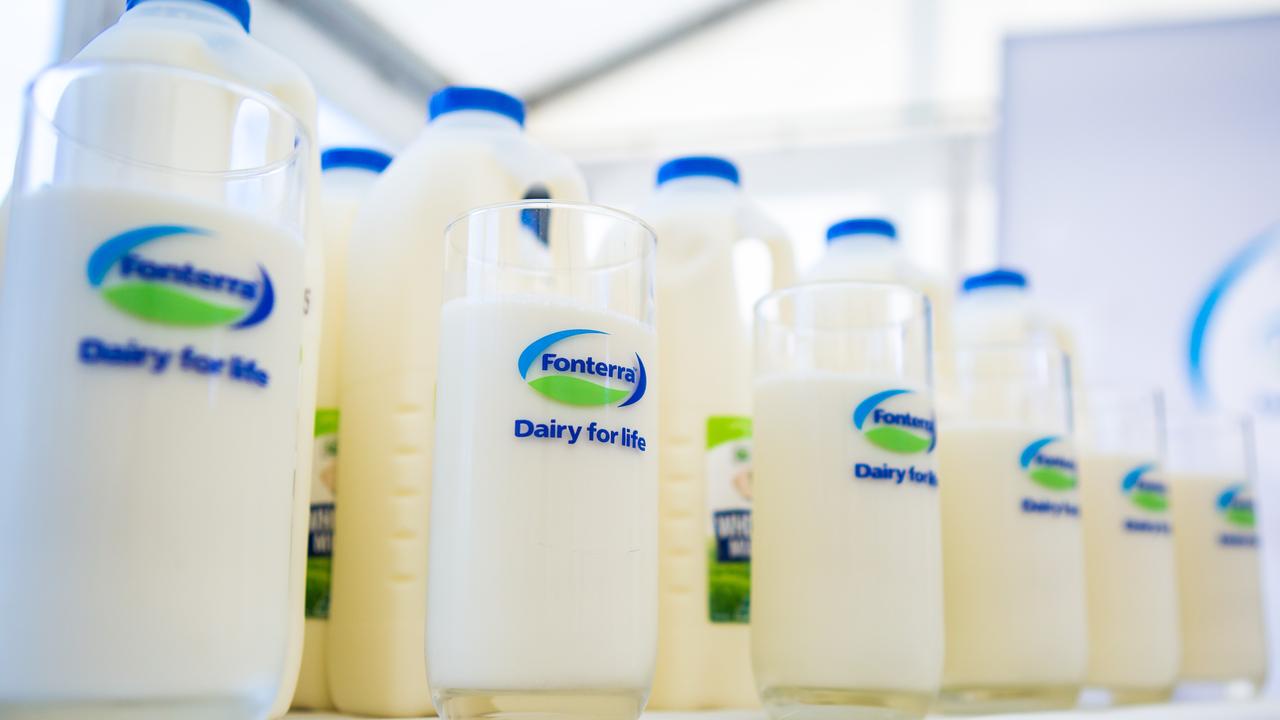
    Fonterra, a leading dairy company, has announced it is selling its global Consumer and associated businesses to French dairy enterprise, Lactalis. The transaction is valued at NZ$3.845 billion ($3.48 billion).

    Details of the Sale

    The sale incorporates Fonterra’s global consumer business (excluding Greater China) and a range of consumer brands such as Mainland, Anchor, Perfect Italiano, and Anmum. Also included are the integrated foodservice and ingredient operations in Oceania, Sri Lanka, the Middle East and Africa.

    Another element of the transaction that could potentially increase the total sale price by another NZ$375 million is the license for Bega Cheese-branded products. Currently held by Fonterra’s Australian business, the inclusion of this license in the sale depends on the resolution of a dispute with Bega Cheese Limited.

    Despite this sale, Fonterra plans to continue providing the divested businesses with milk and other products via long-term agreements. This ensures that dairy brands like Anchor and Mainland will continue to incorporate New Zealand farmers’ milk in their products.

    Justification for the Sale

    Fonterra chairman Peter McBride affirmed the board’s confidence in the transaction, stating that after an extremely competitive sale process involving multiple bidders, they believe the sale to Lactalis offers the highest value option for the cooperative. This decision was influenced not only by the strong valuation of the businesses being sold, but also by the opportunity for a full divestment of the assets and a quicker return of capital to the co-op’s owners, compared to an Initial Public Offering (IPO).

    Several bidders, including Japan’s Meiji and a consortium of the ASX-listed Bega Group and Dutch dairy cooperative FrieslandCampina, had previously shown interest in the businesses.

    Lactalis, an owner of popular brands such as Pauls, Vaalia, Oak and President, received clearance from the Australian Consumer and Competition Commission (ACCC) for the deal last month. Lactalis CEO Emmanuel Besnier expressed that this acquisition will strengthen the company’s strategy across Oceania, Southeast Asia, and the Middle East.

    Finalizing the Sale

    The sale is anticipated to be finalized in the first half of next year, subject to the satisfaction of all conditions. Fonterra will hold a special meeting in late October or early November to seek farmer shareholder approval for the deal.

    Fonterra’s earnings guidance for FY25 remains unchanged, despite the sale.

    Questions & Answers

    What businesses are included in the sale?
    The sale includes Fonterra’s global consumer business (excluding Greater China), several consumer brands and integrated foodservice and ingredient operations in Oceania, Sri Lanka, the Middle East and Africa.

    Will Fonterra continue to supply milk to the divested businesses?
    Yes, Fonterra plans to continue providing the divested businesses with milk and other products via long-term agreements.

    When is the sale expected to be finalized?
    The sale is expected to be completed in the first half of next year, subject to the satisfaction of all conditions.

  • Celsius Celebrates First Aussie Anniversary With New Sparkling Mango Lemonade Flavor

    Celsius Celebrates First Aussie Anniversary With New Sparkling Mango Lemonade Flavor

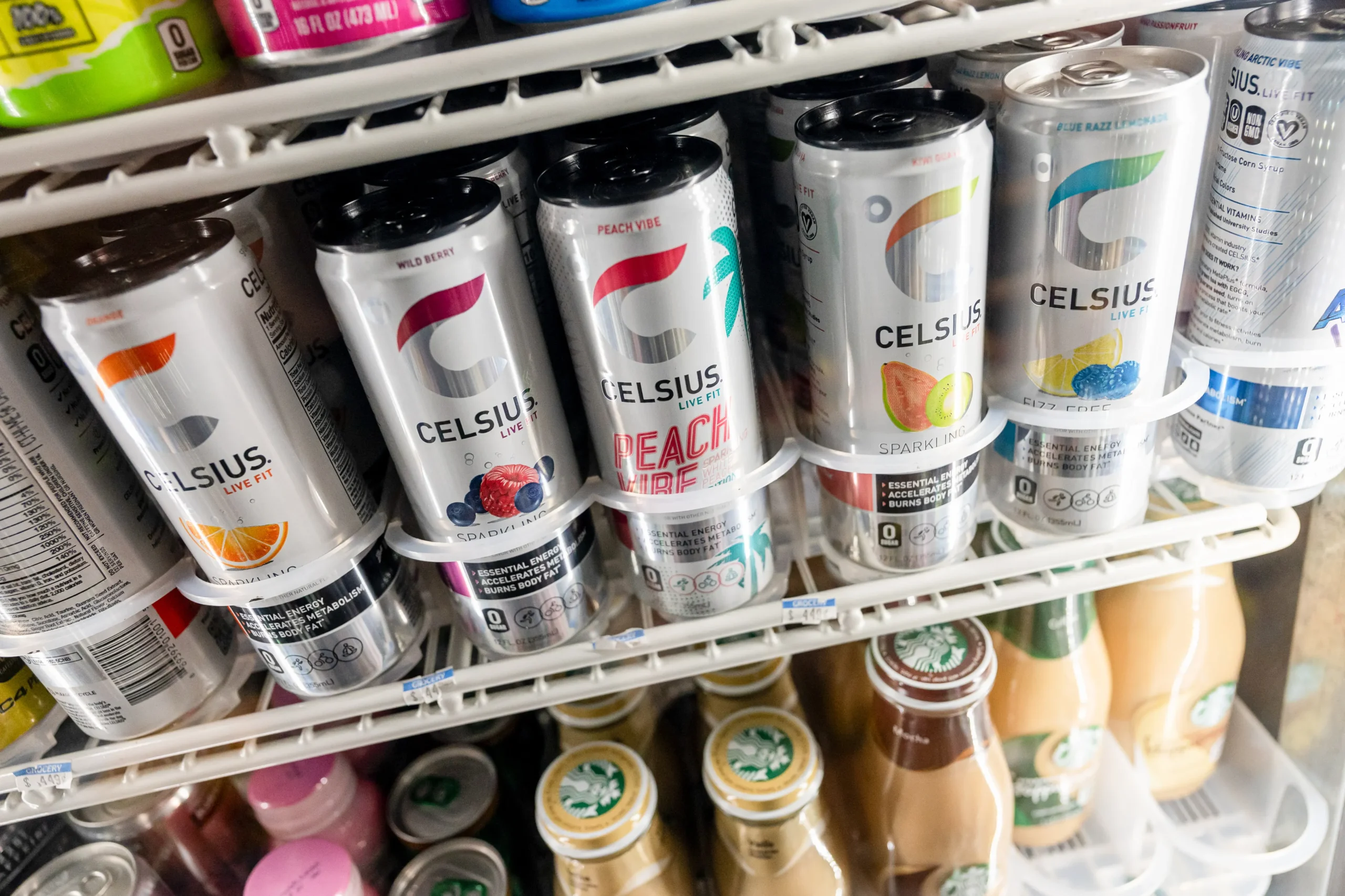
    This year, Celsius, the Swedish energy drink brand, is celebrating its first anniversary in the Australian market by launching a new flavor, Sparkling Mango Lemonade.

    Sparkling Mango Lemonade: A Fusion of Flavors

    The newly introduced Sparkling Mango Lemonade merges the exotic taste of mango with the tanginess of lemonade, resulting in a refreshing and invigorating beverage. As with all Celsius products, this new concoction is not only delicious but also health-conscious, containing B vitamins and being entirely free of sugar.

    As described by Andrew Brooks, the head of marketing for ANZ at Celsius, the Sparkling Mango Lemonade encapsulates the essence of summer. “Whether you’re pursuing the warm sun or in search of a tropical boost, this flavor imbues the vivacity and vitality required to keep moving,” he said.

    Nationwide Availability

    For those eager to try this new offering, the Celsius Sparkling Mango Lemonade is conveniently available in convenience stores, service stations, and Woolworths outlets across Australia. The suggested retail price of this new flavor is $4.

    Questions & Answers

    What is the new flavor introduced by Celsius in Australia?
    The company has launched a new flavor, Sparkling Mango Lemonade, to mark its first anniversary in the Australian market.

    What are the unique features of this new flavor?
    The Sparkling Mango Lemonade combines the taste of mango and lemonade. It also includes B vitamins and is completely sugar-free.

    Where can one buy Celsius Sparkling Mango Lemonade in Australia?
    The drink is available at convenience stores, service stations, and Woolworths stores nationwide.

  • Coles Reports Robust Fiscal Year Results: Supermarket Sales Surge, E-commerce Thrives, Liquor Division Shows Moderate Growth

    Coles Reports Robust Fiscal Year Results: Supermarket Sales Surge, E-commerce Thrives, Liquor Division Shows Moderate Growth

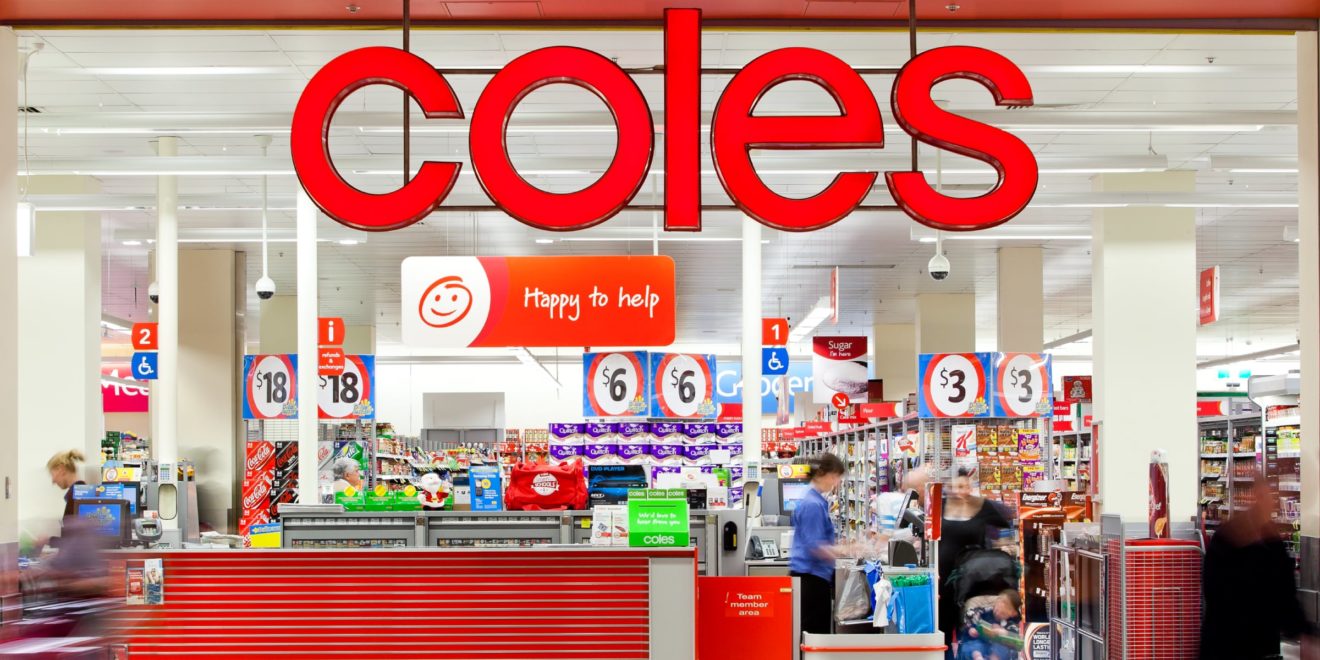
    Coles has announced a 3.6% increase in group sales, reaching $44.3 billion, with an EBITDA rise of 11% to $3.9 billion for the current fiscal year. The group’s net profit after tax also increased, up by 2.4%, yielding a total of $1.07 billion.

    Driving Growth Through Supermarkets

    The company attributes much of its sales growth to its supermarket division, which showed a robust performance, growing by 4.3% and reaching $40 billion. The supermarket division’s EBITDA also rose by 9%, jumping from $2 billion to $2.1 billion. In addition, the division saw a rise in gross margin, from 26.6% to 27.4% on a year-on-year basis.

    This increase in supermarket sales revenue was bolstered by strong volume growth across transactions and basket sizes. Customers reacted positively to the company’s seasonal ‘Great Value, Hands Down’ value campaigns. Notably, the company had strong performance across several special occasions, such as Christmas, Easter, Halloween, and Mother’s Day. The success of collectible and continuity programs, such as the Curtis Stone Glassware and Harry Potter Magical Discs campaigns, played a significant role in bolstering Coles’ supermarket results for this financial year.

    Evolving E-commerce Performance

    Coles’ e-commerce sector within the supermarket division witnessed a rise of 24.4%, reaching $4.5 billion. The increase in penetration to 11.2% was driven by digital campaigns, Black Friday, Coles Fest, and the May Mega Sale.

    However, the group’s liquor division reported a slight increase of 1.1% in sales revenue, amounting to $3.6 billion, with a flat gross margin at 23.5%. The division’s EBITDA saw a decrease of 8.6%, falling from $133 million to $113 million on a year-on-year basis. Despite the decrease, Coles saw positive results in the liquor sales due to new store openings, a Tasmanian acquisition, and the curating of its wine category to meet local customer preferences.

    Liquorland and Future Plans

    Coles’ simplified ‘Simply Liquorland’ banner pilot was well-received in selected stores across South Australia, Victoria, and Queensland. The company plans to complete the ‘Simply Liquorland’ by the third quarter of the next fiscal year at a one-time cost of approximately $20 million. In addition, they plan to open about 19 new liquor stores, close 25 stores, and renew roughly 130 stores.

    Looking forward, Coles’ Chief Executive Officer, Leah Weckert, emphasized that the primary focus for the company will be on cost control and the delivery of the first full year of annualised benefits from its ADC program.

    Questions & Answers

    What drove the growth in Coles’ sales?
    The growth in Coles’ sales was largely driven by a strong performance in its supermarket division and positive customer response to its seasonal value campaigns.

    How did Coles’ e-commerce sector perform?
    Coles’ e-commerce sector within the supermarket division showed a significant rise of 24.4%, reaching $4.5 billion.

    What are the future plans for Coles’ ‘Simply Liquorland’?
    The ‘Simply Liquorland’ is planned to be completed by the third quarter of the next fiscal year, with approximately 19 new liquor stores being opened, 25 stores getting closed, and about 130 stores being renewed.

  • Fonterra Settles Dispute With Bega Group, Proceeds With Nz$4.22 Billion Divestment To Lactalis

    Fonterra Settles Dispute With Bega Group, Proceeds With Nz$4.22 Billion Divestment To Lactalis

    Fonterra has successfully settled its disagreement with the Bega Group over Bega licenses in Australia. This settlement followed Fonterra’s decision to divest its consumer business to Lactalis, a French dairy conglomerate.

    Fonterra’s Divestment to Lactalis

    Just last week, Fonterra, headquartered in New Zealand, decided to offload its consumer and related businesses to Lactalis in a deal worth NZ$3.845 billion ($3.46 billion). These businesses house popular brands like Mainland, Anchor, and Perfect Italiano, and they currently hold the licenses for Bega Cheese-branded products within Australia.

    Fonterra had originally planned to include the Bega licenses in its divestment. However, this necessitated the resolution of an ongoing legal dispute with the Bega Group.

    Resolution of Bega-Fonterra Dispute

    In a recent development, both parties reached a consensus that the deal would not have any impact on the terms of their license agreements. They also agreed to put an end to the legal proceedings.

    Fonterra clarified in a statement that the “sale to Lactalis of Fonterra’s global consumer and related businesses does not constitute a change of control under the Bega licenses.”

    Bega reciprocated in its own statement, “Fonterra intends to structure the sale to Lactalis in a way which will not affect the operation of the Trade Mark License Agreements or trigger the change of control clauses within those agreements.”

    Bega Group also asserted its anticipation for collaboration with Fonterra and Lactalis during the transition period and beyond. It confirmed that the sale to Lactalis would not modify the current contractual arrangements linked with the Bega brand or the benefits the Bega Group gains from such arrangements.

    As a consequence of the resolution, the Bega licenses held by Fonterra’s Australian business will be incorporated into the divestment.

    Financial Details of the Deal

    As previously declared, Lactalis will provide Fonterra an extra NZ$375 million for the licenses on top of the NZ$3.845 billion base enterprise value. This pushes the total proceeds from the sale to NZ$4.22 billion.

    In earlier developments, Bega had presented a bid for Fonterra’s consumer business as part of a consortium with Dutch dairy cooperative FrieslandCampina. Japan’s Meiji was also a contender in the auction.

    Questions & Answers

    What was the dispute between Fonterra and Bega about?
    The dispute was regarding Bega licenses in Australia that Fonterra intended to include in its divestment to Lactalis.

    What resolution was reached between Fonterra and Bega?
    Both companies agreed that the sale of Fonterra’s businesses to Lactalis would not affect their existing license agreements.

    What is the financial value of the Fonterra-Lactalis deal?
    Lactalis will pay Fonterra a total of NZ$4.22 billion, which includes the base enterprise value of NZ$3.845 billion and an additional NZ$375 million for the Bega licenses.

  • Swiss Premium Chocolatier Boosts Global Footprint with Ambitious Expansion Plans

    Swiss Premium Chocolatier Boosts Global Footprint with Ambitious Expansion Plans

    Swiss premium chocolatier Läderach has reached a significant milestone with the grand opening of its 100th store in Europe, located in Hannover. This achievement comes amidst rising U.S. tariffs that are putting pressure on the family-owned company’s operations. CEO Johannes Läderach is leaning into tranquility and innovation amid these turbulent times.

    The newly launched location signifies Läderach’s robust presence, marking the 25th boutique in Germany alone. Globally, the Glarus-based chocolatier boasts over 220 stores, with nearly 60 situated in the United States. Just four years prior, Läderach strategically acquired the lease agreements for all 34 American stores previously managed by Belgian rival Godiva.

    Expanding Horizons: Eyes on Asia

    Läderach’s growth trajectory shows no signs of slowing down, as the company prepares to expand into Asia with new openings planned in Japan, South Korea, the Philippines, and Indonesia. To support this international expansion, they are also commissioning a third production facility in Bilten, nestled in the picturesque canton of Glarus.

    Navigating Tariffs with Grace

    In recent comments on LinkedIn, CEO Johannes Läderach shared insights into the challenges presented by the U.S. tariffs. “I cannot change the tariffs,” he stated candidly. “It’s only human to feel anger or discouragement about them, but lamenting won’t change the situation—I choose to pray for the serenity to accept it.”

    In response to the economic hurdles, Läderach is focusing on enhancing efficiency, optimizing supply chains, and ramping up innovation. “American consumers choose us not for our price but for the uniquely fresh chocolate experience we provide,” he emphasized, showcasing his commitment to delivering quality even in tough times.

    Upholding Swiss Quality in Uncertain Times

    Despite challenging market conditions, Läderach remains steadfast in its dedication to quality, Swiss craftsmanship, and unparalleled customer experience. The company views every crisis as another chance to innovate and improve, underscoring a resilient spirit that permeates its brand ethos.

    Questions & Answers

    What recent milestone has Läderach achieved in Europe?
    Läderach recently celebrated the opening of its 100th store in Europe, located in Hannover, Germany.

    Which Asian markets is Läderach planning to enter?
    The company is set to expand into Japan, South Korea, the Philippines, and Indonesia as part of its ongoing international growth strategy.

    How is Läderach addressing the challenges posed by U.S. tariffs?
    CEO Johannes Läderach emphasizes efficiency gains, supply chain optimizations, and innovation to navigate the challenging landscape of U.S. tariffs.

  • VP Bank Steers Toward Stability with Strategic Growth Initiatives

    VP Bank Steers Toward Stability with Strategic Growth Initiatives

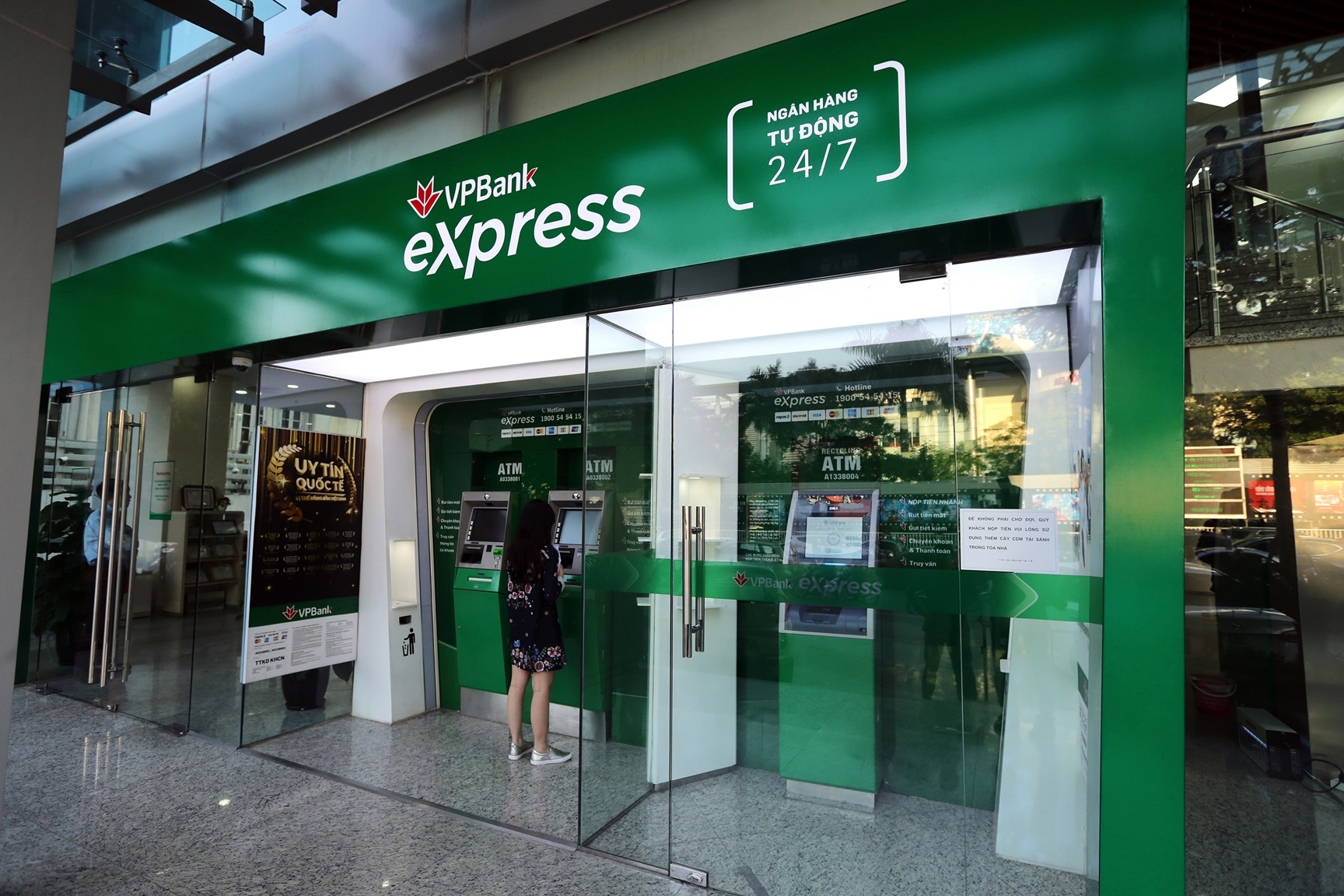
    VP Bank is making headlines with impressive half-year results, showcasing a significant profit increase thanks not only to operational improvements but also one-time special factors. The financial institution reported a healthy net inflow of new funds, all while keeping expenses in check. Yet, amid the encouraging figures, the outlook remains cautiously measured.

    After a tumultuous 2024, characterized by layoffs that sent shockwaves through the banking sector, a thorough cleansing of its client portfolio—including a significant reduction in Russian clientele—VP Bank unveiled its financial figures for the first half of 2025 this week. The bank’s group profit skyrocketed by 150.2 percent year-on-year, reaching 28.8 million Swiss francs. However, if adjusted for a one-off insurance payment of 4.6 million francs, the profit increase would have settled at a more modest 115.1 percent.

    Net New Money Inflows Shine Despite Soft Commission Income

    The bank demonstrated resilience in its interest operations, managing to mitigate losses from falling interest rates. Overall income dipped by 3.6 percent to 73.2 million francs, maintaining a steady loan volume of 5.9 billion francs, consistent with its year-end figures from 2024. In the crucial commission and services sector, income saw a slight uptick of 1.1 percent, reaching 69 million francs. Notably, VP Bank celebrated an impressive net inflow of new money totaling 2.1 billion francs, pushing assets under management up by 2.2 percent to 51.9 billion francs.

    Operational Improvements Yield Lower Expenses

    The bank’s trading operations also showed marked improvement, reporting a 29.5 percent rise in revenue, achieving 29.5 million francs. Operating expenses fell by 4 percent to 142.8 million francs, with personnel costs holding steady at 85.9 million francs. In a trend that delighted stakeholders, general expenses were trimmed by 4.1 percent, landing at 41.9 million francs. Depreciation costs dropped sharply as well, decreasing by 19.7 percent to 15 million francs. These operational upgrades have collectively contributed to a better cost-income ratio, which has improved to 81.5 percent—down from 91.5 percent in the first half of 2024 and 93.3 percent for the full year.

    Commitment to Strategy and Cost Efficiency

    VP Bank’s aggressive strategy to boost efficiency and foster growth is starting to pay off handsomely, reinforcing its commitment to maintaining strict cost discipline moving forward.

    Urs Monstein, Group CEO of VP Bank, offered an optimistic perspective: “The bank was able to significantly improve its results compared to the previous year. Our initiatives are yielding effects, allowing us to grow even under challenging conditions. We remain focused on sustainable profitability, rigorous cost control, and steadfast implementation of our strategy.” Despite the positive momentum, the bank’s outlook for the latter half of the year is tempered. Monstein cautioned that after a strong initial six months, augmented by temporary one-off factors and above-average demand trends, VP Bank anticipates a normalization of business performance in the second half of 2025, influenced by geopolitical uncertainties.

    Questions & Answers

    What were the key factors behind VP Bank’s profit increase?
    The profit surge of 150.2 percent is attributed to both operational improvements and a one-off insurance payment that contributed significantly to the financial results.

    How did VP Bank manage to control its operating expenses?
    VP Bank successfully reduced its operating expenses by 4 percent, primarily through trimming general expenses and a notable decrease in depreciation costs.

    What is VP Bank’s outlook for the second half of 2025?
    The outlook is cautious, with expectations of a return to normalized business development, largely due to geopolitical uncertainties affecting the banking sector.

  • Hong Kong Banks Encouraged to Streamline Hiring Processes to Attract Premier Talent

    Hong Kong Banks Encouraged to Streamline Hiring Processes to Attract Premier Talent

    Banks operating in Hong Kong are urged to rethink their hiring practices if they aspire to attract and retain the best talent, according to insights from recruitment specialists. A recent survey by Asian Banking & Finance revealed that hiring rose by 2.5% across 15 lenders, yet experts caution that more streamlined application processes and relaxed language requirements are crucial in a competitive market.

    Selectivity and Delays Hamper Talent Acquisition

    The hiring landscape has become increasingly selective and convoluted, which is dissuading potential candidates. Robert Sheffield, managing director for China and Hong Kong at Ireland-based recruitment firm Morgan McKinley, remarked that the prolonged hiring timelines are pushing top-tier candidates toward competitors who offer a more efficient process. “We’re seeing a number of those top candidates take opportunities that come with a faster onboarding experience,” he stated in a recent Zoom session.

    Amid an array of hurdles, applicants often face cognitive and personality assessments, alongside an exhaustive need for detailed references. On top of that, hiring managers are scrutinizing soft skills and emotional intelligence to gauge cultural fit, leading to additional rounds of interviews involving compliance and risk departments.

    Regulatory Pressures Add Complexity

    These lengthy procedures are exacerbated by a growing burden of regulatory compliance, especially over the past two years. Sheffield emphasized, “Banks are under an enormous amount of pressure to ensure compliance, with increasingly complex regulations on anti-money laundering, artificial intelligence, KYC protocols, and data privacy.” Consequently, banks are ramping up hiring in areas like KYC, asset liability, and regulatory risk management which encompasses credit, market, operational risks, and tech roles.

    Shifting Employee Mindsets

    The job market is not the only arena experiencing caution; candidates themselves are becoming more selective. Elaine Chu, senior manager of financial services at Robert Walters Hong Kong, highlighted that prospective employees are now placing a premium not just on salary but also on job stability. “Candidates have grown more reserved,” she noted, especially as pay increments have noticeably shrunk.

    In a surprising twist, banks may need to rethink their Mandarin requirements, with Sheffield pointing out that a vast majority of roles primarily necessitate English proficiency. “For many positions, this requirement has made the hiring process unnecessarily prolonged—three or four times longer than what it needs to be,” he explained. Considering that about 70% of Hong Kong’s talent pool hails from Mainland China, flexibility in requirements could tap into broader talent resources.

    Adapting to Change

    Rather than cutting back, most of Hong Kong’s banks are opting to adjust their hiring strategies. Chu noted, “For many institutions, there’s a shift in seniority; if a vice president departs, they might now hire an assistant vice president, or similarly, opt to onboard an associate.” Moreover, there’s a notable increase in internal applicants stepping up to fill gaps.

    Last year, banks collectively hired more employees than they let go, with the latest ranking survey indicating a 2.5% increase in their workforce to a total of 70,611. This growth eclipses the previous year’s 0.16% rise among the same group of banks, excluding Standard Chartered Bank, which did not participate in the latest study.

    Smallest lender Tai Sang Bank and homegrown Hang Seng Bank achieved remarkable growth, with their headcounts increasing by 40% and 19%, respectively. While Hang Seng Bank bolstered its workforce by over 1,300 employees, Tai Sang welcomed 14 new faces, bringing its total to 49.

    The Asia-Pacific division of HSBC Holdings Plc remains the largest player in Hong Kong’s banking sector, employing around 20,000 staff members, a figure unchanged from last year. Five other lenders—Bank of China (Hong Kong), Shanghai Commercial Bank, Chong Hing Bank, CMB Wing Lung Bank, and Public Bank (Hong Kong)—also reported a hiring surge.

    Navigating the IPO Landscape

    Despite the general caution in hiring, there’s a noticeable uptick in demand for roles related to initial public offerings (IPOs) amidst a resurgence in listings. Chen shared that contract hiring is becoming prevalent across various sectors, although pay raises are lagging, generally hovering around 10% to 15%. This is a far cry from the historic 20% increases during a robust market.

    Sheffield pointed out that while the hiring pace for investment bankers is slow due to subdued global deal volumes, demand for elite deal-makers remains. “There will be aggressive hiring spurts on occasion, but these will become less common,” he remarked.

    Reflecting on the IPO landscape, it is fascinating to note that Hong Kong’s projected IPO proceeds for the first half are expected to soar over eightfold to $108.7 billion (US$14 billion) compared to last year. This remarkable growth positions the region as the world leader, bolstered by Mainland Chinese firms seeking growth opportunities through dual listings, according to data from Ernst & Young Global Ltd.

    Questions & Answers

    What factors are influencing banks’ hiring practices in Hong Kong?
    Recruitment experts indicate that banks need to simplify their application processes and relax language requirements, particularly eliminating unnecessary Mandarin mandates for specific roles to attract top talent effectively.

    How are candidates responding to the current job market?
    Candidates are becoming increasingly discerning, factoring in job stability alongside potential salaries, and exhibiting more caution than in previous years, particularly since pay increases have diminished.

    Which banks are leading the hiring trends in Hong Kong?
    Tai Sang Bank and Hang Seng Bank reported the fastest hiring growth at 40% and 19%, respectively, while HSBC remains the largest employer in the sector, maintaining a stable workforce of about 20,000 staff.