Blog

  • V2food Acquires Daring Foods, Forms Alliance With Ajinomoto In Global Expansion Move

    V2food Acquires Daring Foods, Forms Alliance With Ajinomoto In Global Expansion Move

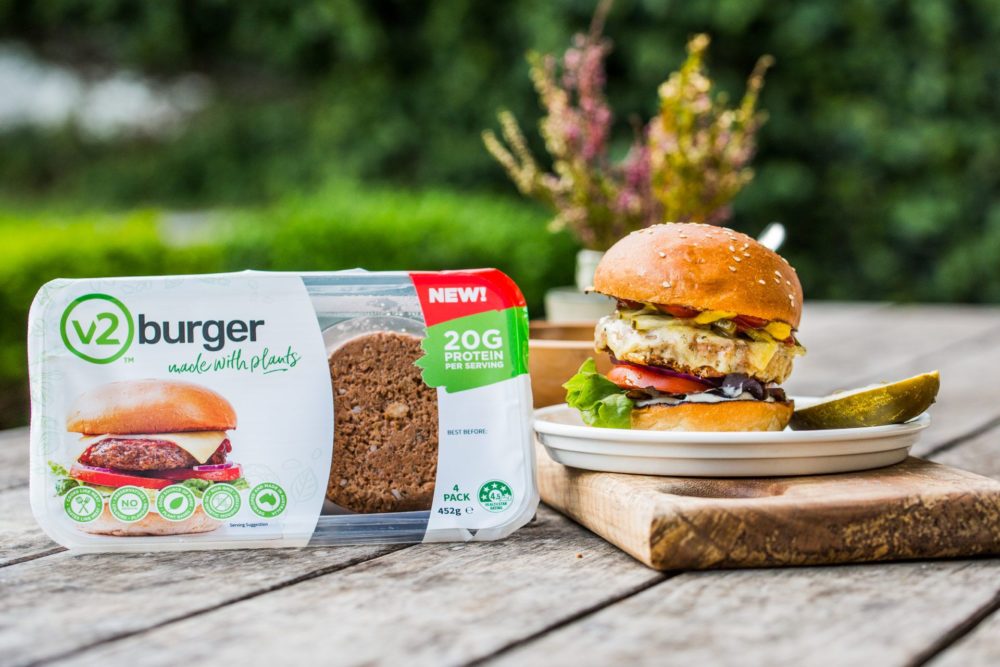
    V2Food, an Australian alternative meat company that emphasizes plant-based products, has made a significant stride in its worldwide expansion by acquiring Daring Foods, a company based in the United States, and forming a strategic alliance with Ajinomoto, a renowned Japanese food conglomerate.

    According to V2Food, this deal integrates its proprietary protein technology with Daring’s robust retail footprint in the U.S. and Ajinomoto’s extensive global reach and food science expertise that spans over a century.

    Merging Technological Capabilities

    Tim York, the CEO of V2Food, commented on the newly formed partnership. He believes that merging their technological prowess with Ajinomoto’s global scale and profound knowledge in food science, as well as Daring’s tested market triumph, will result in an influential platform for sustainable nutrition. This platform will not undermine the taste or quality of the food.

    Daring, which currently ranks as the top unbreaded plant-based chicken brand in the U.S., will maintain its brand name and operations. The acquisition, however, enables the brand to serve as a springboard for the introduction of V2Food’s products to the American market.

    Key Roles of Ajinomoto

    Ajinomoto will play a crucial role in expanding the business on an international scale, concentrating on Asia and Africa. These regions are currently witnessing a surge in demand for accessible and sustainable protein sources.

    Shigeo Nakamura, the president and CEO of Ajinomoto, spoke about the strategic association between Ajinomoto and V2Food. He emphasized the mutual dedication of both companies to revolutionizing the global food system through innovation, sustainability, and co-creation in technology and business development. All these efforts are geared towards contributing to the well-being of individuals, society, and our planet.

    Future Plans

    Both companies plan to introduce clean-label products to the market, including a line of frozen meals. These products are aimed at meeting the consumer demand for healthier, more natural plant-based options. V2Food’s technology features methylcellulose-free formulations and an innovative use of algae for colour.

    Questions & Answers

    What is the significance of V2Food’s acquisition of Daring Foods and partnership with Ajinomoto?
    Answer: These strategic steps mark a major milestone in V2Food’s global expansion, combining V2Food’s protein technology with Daring’s established US market presence and Ajinomoto’s extensive food science expertise and global reach.

    What role will Ajinomoto play in this partnership?
    Answer: Ajinomoto will help scale the business internationally, with a primary focus on Asia and Africa where the demand for accessible and sustainable protein sources is on the rise.

    What future plans do the companies have?
    Answer: The companies plan to launch clean-label products, including a frozen meal line, to meet the consumer demand for healthier, more natural plant-based options. Additionally, they will make use of V2Food’s innovative technology that involves methylcellulose-free formulations and algae-based colouring.
  • Lindt Expands Dubai-styled Chocolate Collection With Two New Middle Eastern-inspired Offerings

    Lindt Expands Dubai-styled Chocolate Collection With Two New Middle Eastern-inspired Offerings

    Lindt, the renowned chocolate maker, has announced its latest additions to the Dubai-styled chocolate collection, introducing two new formats to the market. These new offerings, a nine-piece praline box and a stand-alone chocolate bar, promise to extend the allure of Lindt’s signature blend of Middle Eastern flavors.

    The Middle Eastern Inspired Collection

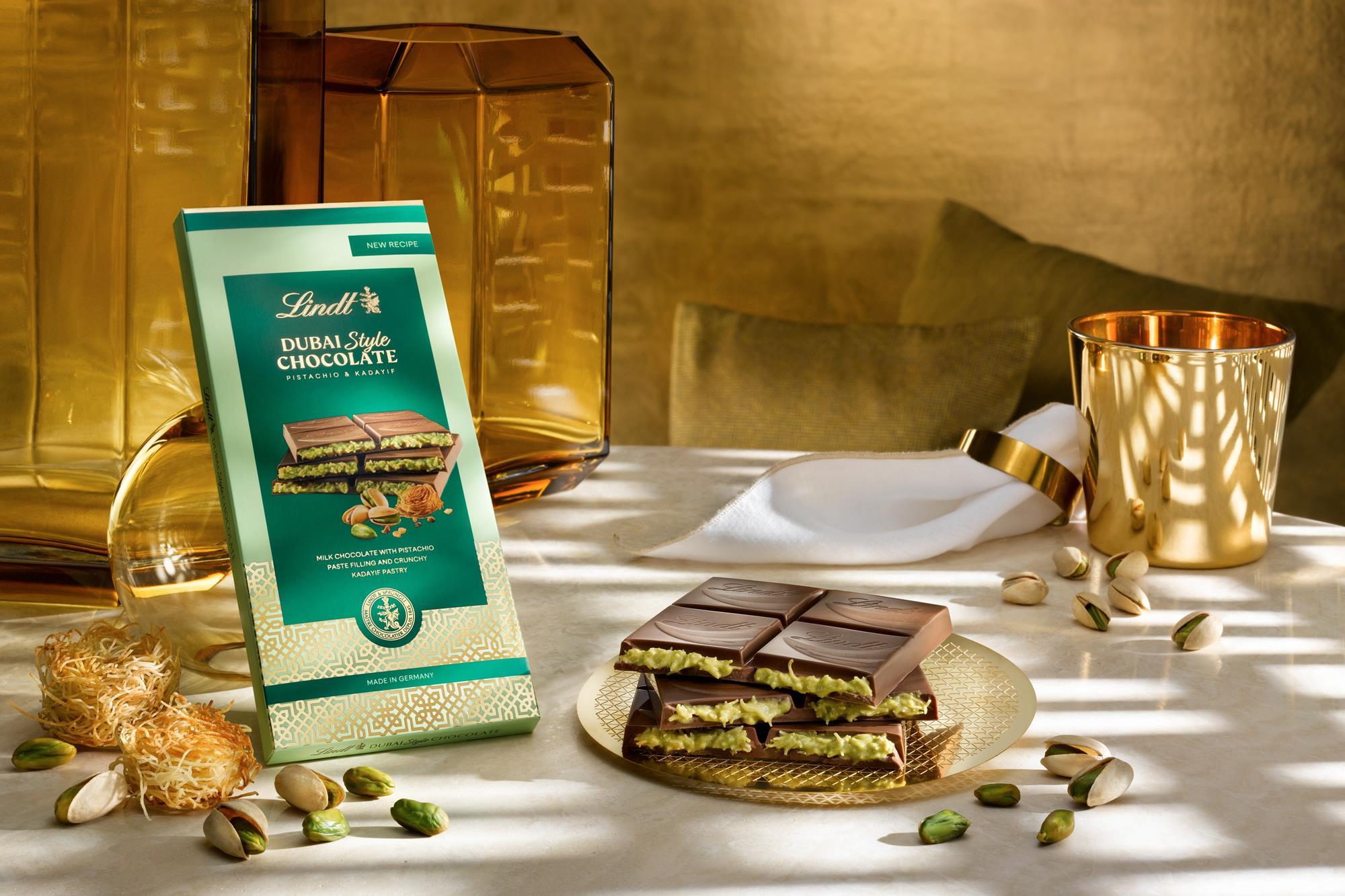
    Drawing inspiration from aromas and tastes of the Middle East, the Dubai-styled collection includes a combination of crunchy Kadayif and rich pistachio cream. The unique blend has been well-received by consumers since its initial introduction, signifying a positive response and preference for these flavorful Middle Eastern infusions.

    The company explained that the intention behind these new additions is to provide chocolate enthusiasts with more opportunities to enjoy this trending taste. The aim is not only to diversify Lindt’s range but also to offer consumers more ways to experience and appreciate the unique blend.

    Product Availability and Pricing

    The newly launched products are available at retail prices of $26 for the nine-piece praline box and $8 for the 100g chocolate bar. Chocolate lovers can purchase these treats at Lindt chocolate stores across the country as well as online.

    Questions & Answers

    What flavors are incorporated in Lindt’s Dubai-styled chocolate collection?
    The Dubai-styled chocolate collection is inspired by Middle Eastern flavors. It includes a unique blend of crunchy Kadayif and rich pistachio cream.

    What are the new additions to the Lindt’s Dubai-styled chocolate collection?
    The latest additions to the Lindt’s Dubai-styled chocolate collection include a nine-piece praline box and a stand-alone chocolate bar.

    Where can these new Lindt products be purchased?
    The newly introduced Lindt products can be purchased at Lindt chocolate stores nationwide and are also available for purchase online.

  • Majans Unveils Veggie Rings: A Vegan-friendly Snack Revolution Under Its Infuzions Brand

    Majans Unveils Veggie Rings: A Vegan-friendly Snack Revolution Under Its Infuzions Brand

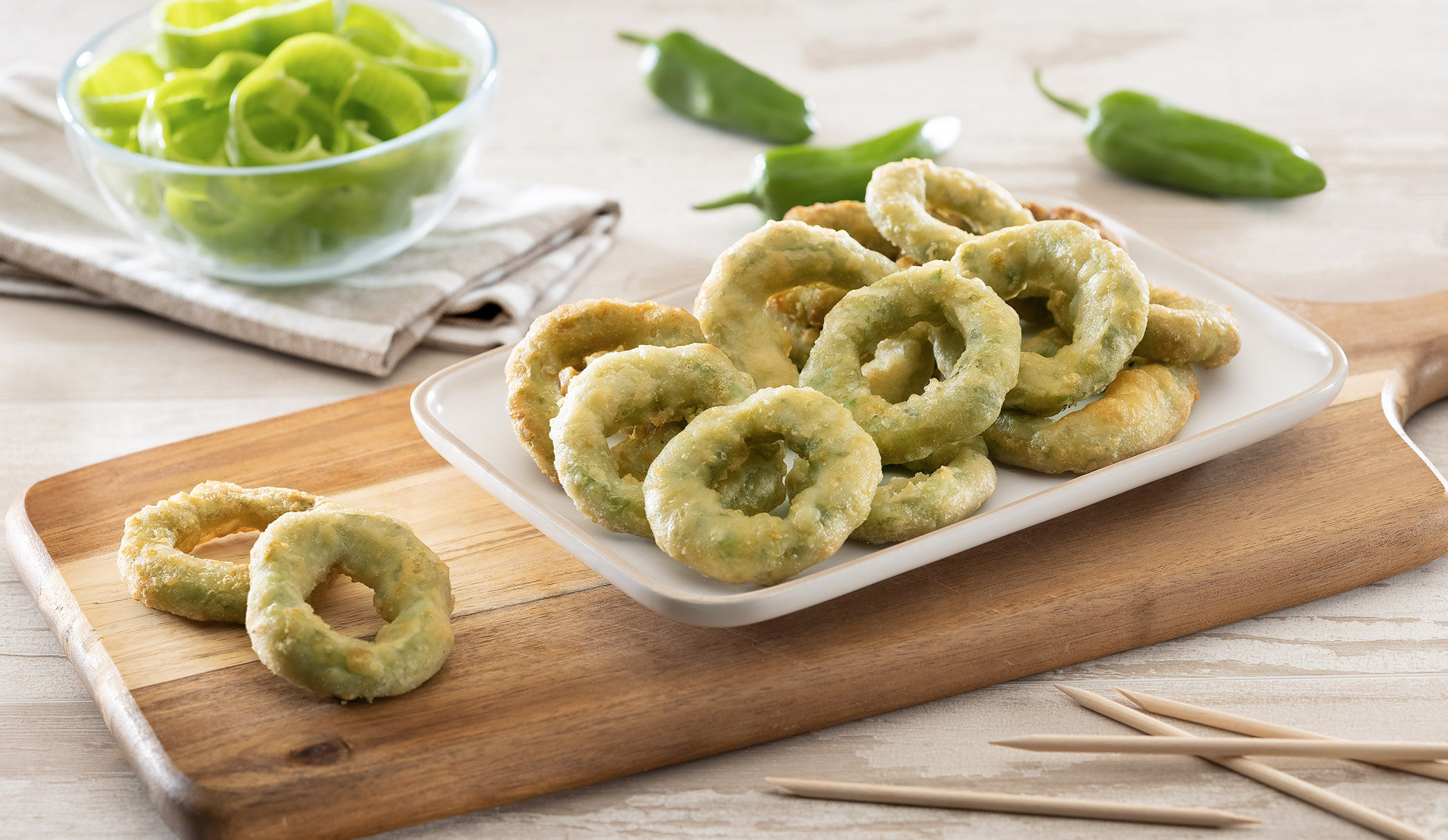
    Majans, a snack retailer based in Brisbane, recently unveiled Veggie Rings, a vegan-friendly snack under its Infuzions brand. This marks the company’s first venture into product development within this brand.

    Healthy Snacking with Veggie Rings

    Veggie Rings is a testament to Majans’ dedication to leading in the realm of healthier snacking options. The vegan-friendly snack is composed of 54% vegetables and locally sourced yellow split peas.

    A New Approach to Chips

    The Infuzions vegan chip, Veggie Rings, boasts a mere 72 calories per serving. The snack is baked rather than fried, representing a healthier alternative to traditional chips. In addition to being lower in calories, the Veggie Rings are based on plant protein, further enhancing their nutritional profile.

    Availability

    Veggie Rings are now available nationwide at Woolworths stores. Consumers can purchase the vegan snack in a five-pack multipack or a larger 90g share pack.

    Prior to the launch of Veggie Rings, Majans undertook a rebranding of the Infuzions line to broaden its product range.

    Questions & Answers

    What is the new product launched by Majans?
    Majans has launched a new vegan-friendly chip named Veggie Rings under its Infuzions brand.

    What makes the Veggie Rings healthier than traditional chips?
    Veggie Rings are baked instead of fried, and they contain 54% vegetables and locally sourced yellow split peas. Plus, they have a plant-protein base and only 72 calories per serving.

    Where can Veggie Rings be purchased?
    Veggie Rings are available nationwide at Woolworths stores. They can be bought in five-pack multipacks or 90g share packs.

  • Heinz And Smoothie King Launch Groundbreaking Tomato Ketchup-based Smoothie In Select Us Markets

    Heinz And Smoothie King Launch Groundbreaking Tomato Ketchup-based Smoothie In Select Us Markets

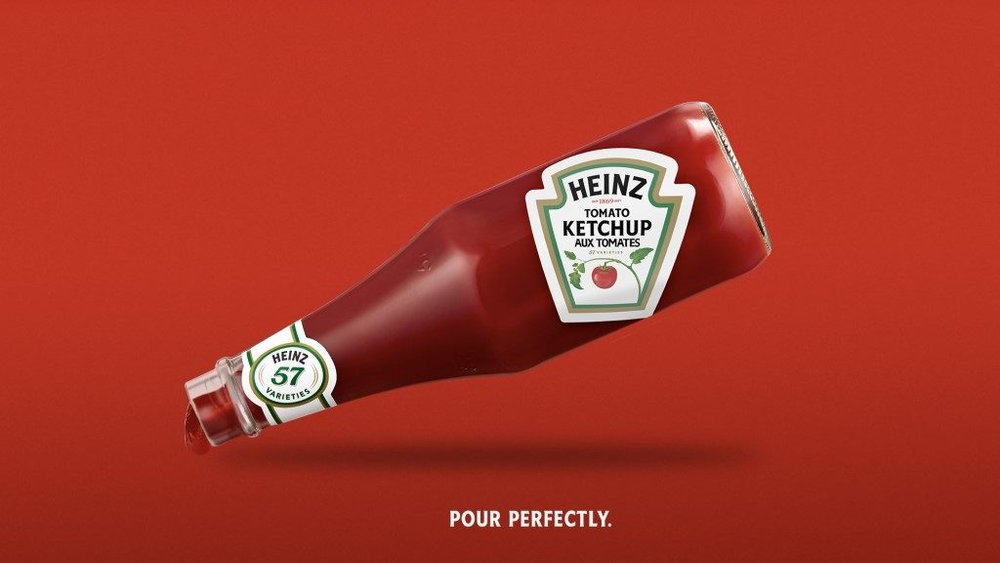
    In an unexpected partnership, famed condiment producer Heinz and beverage giant Smoothie King have come together to introduce a pioneering concept in the beverage industry – a smoothie that is based on ketchup. Drawing inspiration from the viral internet conundrum, ‘If tomatoes are a fruit, can ketchup be seen as a smoothie?’, this unique, limited-edition creation has been christened the Heinz Tomato Ketchup Smoothie.

    A Savoury-Sweet Blend

    This one-of-a-kind smoothie is a blend of Heinz Simply Tomato Ketchup and typical fruit smoothie components like acai sorbet, apple juice, strawberries, and raspberries. The collaboration has resulted in an intriguingly tangy yet sweet beverage that has been described by both companies as an ideal “refreshing summer sip.”

    The Vice President of R&D and product marketing at Smoothie King, Lori Primavera, spoke about the process of creating this innovative smoothie. She said, “After several months of thorough R&D, testing and tasting, we have successfully developed a savoury-sweet blend that honours the versatility of the tomato. Our constant commitment to nutritious ingredients and our Clean Blends promise is evident in every recipe we create, and this daring new blend is no exception!”

    Availability

    The groundbreaking Heinz Tomato Ketchup Smoothie will be available at selected Smoothie King outlets in five US markets. These include Atlanta, Chicago, Denver, Miami, and the Greater New York/New Jersey area. Priced at US$5.70, this unique beverage will be on sale as long as stocks last.

    Earlier this year, Heinz had also collaborated with the Philippine milk tea chain Macao Imperial Tea to create ReMix, an innovative blend of tea and condiments.

    Questions & Answers

    What is the Heinz Tomato Ketchup Smoothie?
    The Heinz Tomato Ketchup Smoothie is a unique, limited-edition beverage developed in collaboration between Heinz and Smoothie King. It blends Heinz Simply Tomato Ketchup with classic fruit smoothie ingredients.

    Where can I purchase the Heinz Tomato Ketchup Smoothie?
    The smoothie will be available at select Smoothie King locations across five US markets: Atlanta, Chicago, Denver, Miami, and the Greater New York/New Jersey area.

    What is the price of the Heinz Tomato Ketchup Smoothie?
    The Heinz Tomato Ketchup Smoothie is priced at US$5.70 and will be available while supplies last.

  • Reimagining Australian Manufacturing: Navigating Challenges And Seizing New Opportunities

    Reimagining Australian Manufacturing: Navigating Challenges And Seizing New Opportunities

    The manufacturing sector in Australia is at a critical juncture, contributing approximately 5.9% to the national GDP and employing over 850,000 people this year. Despite rebounding from disruptions caused by the pandemic, the sector is grappling with new challenges. More than 60% of manufacturers are dealing with delays in receiving essential materials, and escalating energy costs and skill shortages are exacerbating operational hurdles.

    Opportunities Amidst Challenges

    However, this uncertain environment is presenting unexpected opportunities for Fast-Moving Consumer Goods (FMCG) manufacturers who are open to reimagining their sourcing tactics. The government’s $15 billion National Reconstruction Fund demonstrates a revitalized commitment to strengthening local manufacturing capabilities. Consequently, the question FMCG firms are grappling with is no longer whether to manufacture domestically or abroad, but rather how to devise intelligent hybrid models that leverage the benefits of both methods.

    The Relevance of Local Production

    It’s time to reconsider the long-standing belief about Australian customers’ allegiance to locally made products. In low-engagement, processed categories like confectionery and chocolate, the origin of the products usually takes a backseat to taste, brand, and value. In contrast, for fresh foods, the origin continues to be a significant factor influencing purchases. Retail buyers prioritize margin, volume, inventory performance, and innovation.

    Nonetheless, this doesn’t mean the end of local manufacturing. The Australian Government’s Modern Manufacturing Strategy is supporting businesses in repatriating operations and diversifying suppliers, thereby creating fresh opportunities for strategic local production.

    Local Manufacturing Advantages

    The vulnerabilities of supply chains exposed during recent global disruptions have fundamentally shifted the risk-reward equation of sourcing from overseas. What were once clear cost savings now include hidden expenses such as inventory buffers, expedited shipping, and lost sales from stockouts. Local manufacturing presents attractive benefits in this context. Shorter lead times enable quicker responsiveness to demand fluctuations and seasonal changes.

    Environmental Considerations

    When it comes to the environmental impact of local versus offshore manufacturing, the situation is more complex than it often appears. Manufactured inputs often account for 40-70% of a company’s carbon footprint, far outweighing transport. While local production may seem like a sustainability benefit, the impact largely depends on the energy mix.

    A Portfolio Approach to Manufacturing

    The most resilient FMCG firms are moving beyond the binary choice between local and offshore production. Instead, they are devising portfolio-based sourcing strategies, optimizing each product line based on specific needs and market dynamics.

    Future of Australian FMCG Manufacturing

    The progress of Australian FMCG manufacturing reflects larger shifts in how businesses compete in today’s world. It isn’t just about cost anymore. Speed, trust, sustainability, and adaptability have all emerged as critical competitive factors. The companies that will succeed are not those that choose between local or global production, but those that understand when, how, and why to utilize each method.

    Questions & Answers

    What challenges are the Australian manufacturing sector facing?
    The Australian manufacturing sector is experiencing delays in obtaining essential materials. Rising energy prices and a shortage of skilled labor are further compounding these operational challenges.

    What opportunities are emerging for FMCG manufacturers?
    The turbulent landscape is creating unexpected opportunities for FMCG manufacturers who are willing to rethink their sourcing strategies and develop intelligent hybrid models that combine the benefits of both local and offshore manufacturing.

    How is the future of Australian FMCG manufacturing being shaped?
    The future of Australian FMCG manufacturing is being shaped by a range of factors including speed, trust, sustainability, and adaptability. Government initiatives are also playing a significant role, with measures such as the National Reconstruction Fund helping to rebuild manufacturing capability.

  • Yili Group Forecasts Robust Revenue Growth; Investments Boost Dairy Production Capacity

    Yili Group Forecasts Robust Revenue Growth; Investments Boost Dairy Production Capacity

    Yili Group, a leading dairy company based in New Zealand, is predicting a steady increase in revenue for the upcoming year, following impressive growth during the first half of the current year. The company’s subsidiaries, Westland Milk Products and Oceania Dairy, reported a joint unaudited revenue growth of 16% during the first half of this year, compared to the same timeframe in the previous year. In addition, the pre-tax profit experienced a 12% increase.

    Investing in Production Capacity

    Zhiqiang Li, the Executive Director of Yili Group, stated that the companies are in an excellent position for sustained growth due to significant investments in their production capacity at essential sites.

    “Major investments have been made to increase the production capacity of high-demand, high-value products at Westland’s Hokitika and Rolleston sites, as well as ODL’s Glenavy facility. This is in response to the rising global demand for top-quality dairy products,” said Li.

    Among the significant upgrades is an increase in butter production by 10,000 tonnes at the Hokitika site, as well as enlarged skim milk powder output at the Glenavy site.

    Boosting UHT Cream Production and Export

    These enhancements have facilitated a 20% growth in UHT cream production at the Rolleston site. A considerable amount of this production is exported to China, facilitated by the addition of new equipment such as a silo and revamped unloading facilities.

    In the past year, Westland and Oceania have partnered in sales and marketing ventures to offer a wider variety of dairy products.

    “While the profits for the individual companies will experience a period of consolidation, both total revenue and profit margins are projected to continue their healthy growth trend,” added Li.

    Questions & Answers

    **What is the projected growth for Yili Group?**
    Yili Group is anticipating consistent revenue growth in the upcoming year, following a significant increase in the first half of the current year.

    **What key upgrades have been made to increase production?**
    Key upgrades include a 10,000-tonne increase in butter production at the Hokitika site, as well as an expanded skim milk powder output at the Glenavy site.

    **What collaborations have occurred between Westland and Oceania?**
    In the past year, Westland and Oceania have collaborated on sales and marketing to offer a broader range of dairy products.

  • Raw C Launches 1l Chocolate-infused Coconut Water: A Healthier Alternative Now Available At Woolworths

    Raw C Launches 1l Chocolate-infused Coconut Water: A Healthier Alternative Now Available At Woolworths

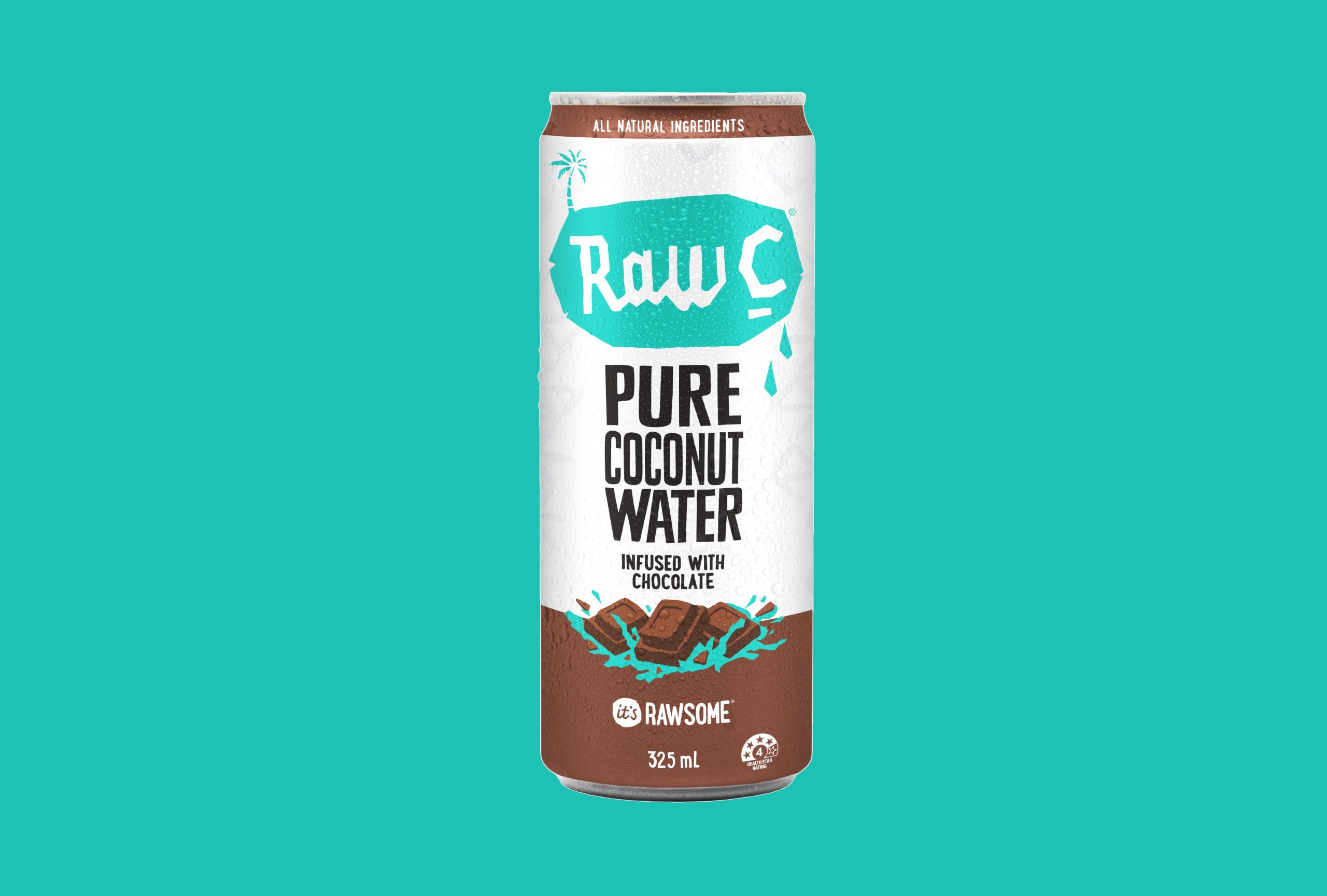
    Raw C, the well-known coconut water brand, has recently introduced a larger 1-litre variant of its Chocolate-Infused Coconut Water, building upon its original 325ml can offering. This innovative product, initially released in April, skillfully combines Raw C’s single-origin coconut water with delectable cocoa and smooth coconut cream.

    Raw C’s decision to introduce the larger format has been driven by an escalating consumer demand for their product. The brand’s Chocolate Coconut Water offers a healthier alternative to regular chocolate milk, with less fat and sugar content. In fact, it boasts up to three times less fat and over 70 per cent less sugar than traditional chocolate milk options.

    Endorsing the brand’s clean-label ethos, the Chocolate Coconut Water is dairy-free, vegan, gluten-free, non-GMO, and free of artificial additives. This ensures that consumers are offered a product that is not only delicious but also aligns with their health and dietary needs.

    In a significant development, the new 1L variant of Raw C’s popular offering is now available for purchase at Woolworths stores across the country.

    Questions & Answers

    What is the new product expansion from Raw C?
    Raw C has introduced a 1-litre version of its Chocolate-Infused Coconut Water, adding to its previous 325ml can offering.

    What makes Raw C’s Chocolate Coconut Water a healthier alternative?
    The brand’s Chocolate Coconut Water contains up to three times less fat and over 70 per cent less sugar than traditional chocolate milk. It is also dairy-free, vegan, gluten-free, non-GMO, and free of artificial additives.

    Where can the new 1L format of Raw C’s Chocolate-Infused Coconut Water be purchased?
    The new larger variant of Raw C’s product is now available nationwide in Woolworths stores.

  • Metcash Reports Robust Financial Growth, Hits $17.3 Billion Group Sales Revenue

    Metcash Reports Robust Financial Growth, Hits $17.3 Billion Group Sales Revenue

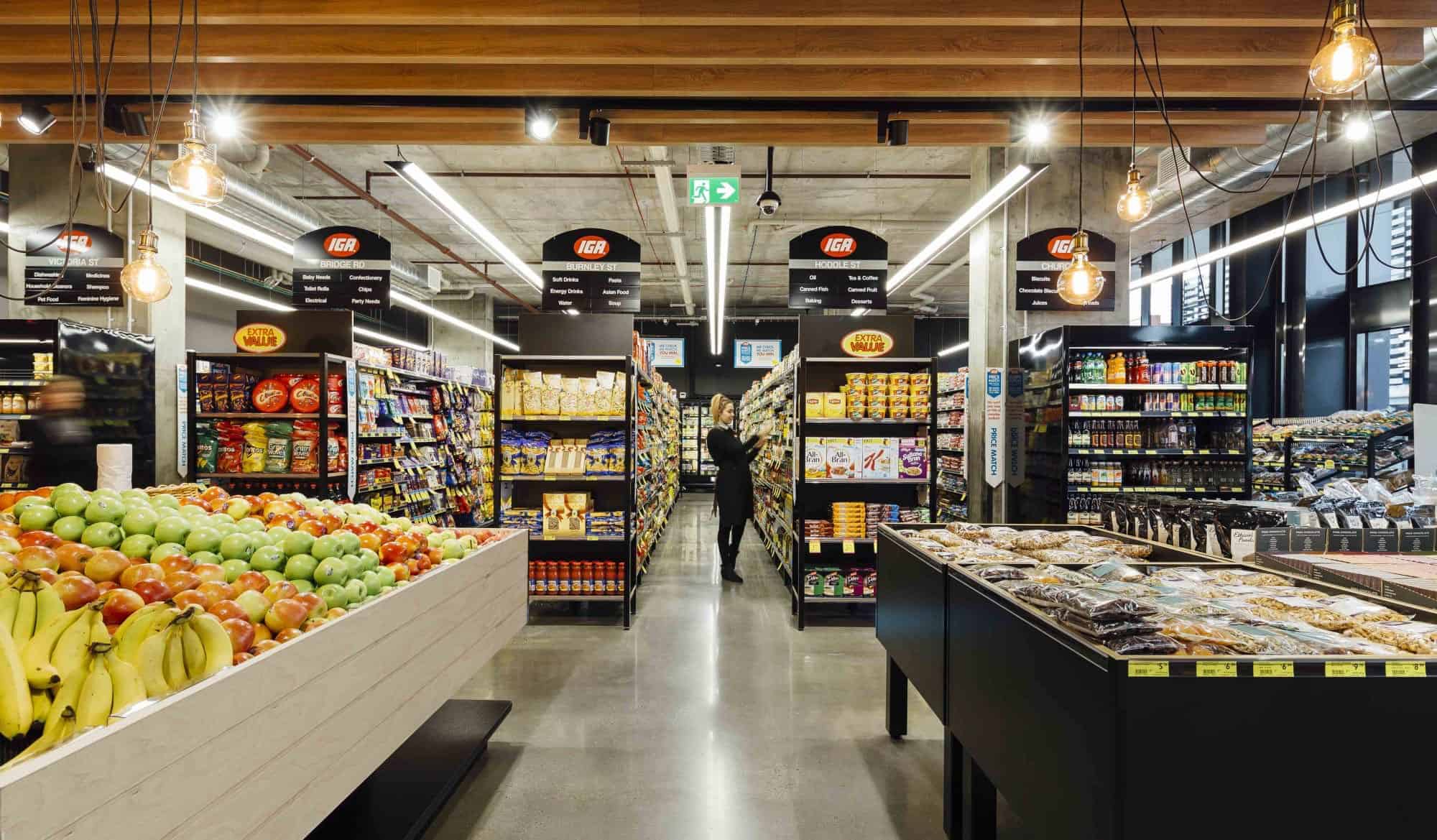
    Metcash, a leading wholesale distribution and marketing company, has recently announced a robust financial performance for the current fiscal year. The company’s group sales revenue reached $17.3 billion, marking a 7.2 per cent growth compared to last year’s figure of $15.9 billion.

    Financial Performance Details

    The company’s underlying group EBITDA (Earnings Before Interest, Taxes, Depreciation, and Amortization) witnessed a considerable rise, going from $688 million to $737.8 million. Further, there was also a 10.1 per cent increase in its reported profit after tax as the figures moved from $257.2 million to $283.3 million.

    In terms of sector-wise performance, Metcash’s food division reported sales revenue of $8.8 billion, excluding tobacco sales. This substantial figure, which is a 20.8 per cent increase year-on-year, has been largely attributed to the growth of supermarkets and convenience stores, along with Metcash’s partnership with Superior Foods beginning this June.

    Sector-wise Breakdown

    Metcash’s liquor division also exhibited growth, with the revenue rising by 3.3 per cent, moving from $5.1 billion to $5.3 billion. This growth has been fuelled by the successful performance of all IBA brands under Metcash, including Cellarbrations, The Bottle-O, IGA Liquor, and Porters. However, this sector did see a minor setback as its liquor EBITDA decreased from $125.7 million to $123.5 million, marking a 1.8 per cent drop.

    Lastly, Metcash’s hardware division reported a revenue of $3.6 billion, indicating a 2.4 per cent increase. This growth can be attributed to Metcash’s acquisition of Total Tools.

    Questions & Answers

    What was the total group sales revenue reported by Metcash for the current fiscal year?
    The company reported a total group sales revenue of $17.3 billion.

    Which division of Metcash recorded the highest increase in sales revenue?
    Metcash’s food division recorded the highest increase in sales revenue, marking a 20.8 per cent growth year-on-year.

    What factors contributed to the growth of Metcash’s hardware division?
    The growth in the hardware division is largely due to the company’s acquisition of Total Tools.

  • Inaba Breaks Into Australian Market With Innovative Cat Treat Range

    Inaba Breaks Into Australian Market With Innovative Cat Treat Range

    Inaba, a renowned Japanese pet food brand, has made its debut in the Australian market with the introduction of its Churu cat treat range.

    The Innovative Inaba Churu Treats

    Inaba Churu treats stand out due to their fresh chicken and seafood ingredients, absence of preservatives, and high moisture content. Their unique texture can be either soft or chewy, and they are also low in calories.

    According to Adam Heelis, Inaba Australia’s Country Manager, the cat treat industry has been lacking in novelty for a long time. The introduction of these innovative products is expected to stimulate the growth of the cat treat sector.

    Product Availability

    The Churu treat range, which includes Puree, Bites, Stew, and Sprinkles flavours, will be made available nationwide in Woolworths and Coles supermarkets from September. Customers will also be able to purchase these treats online.

    The Inaba Brand Legacy

    Inaba was established in 1989 and has its roots in the family tradition of Yoshizo Inaba, who was a seafood harvester. The brand has been selling its cat food lineup in the United States since 2016. In 2020, it introduced sustainable tuna for cats.

    Questions & Answers

    What makes Inaba Churu treats unique?
    The Churu treats are created with fresh chicken and seafood, have no preservatives, and are high in moisture. They can be either soft or chewy and are low in calories.

    Where can customers purchase Inaba Churu cat treats in Australia?
    The Churu cat treat range will be available at Woolworths and Coles supermarkets nationwide. They will also be available for online purchase.

    When did Inaba start selling its cat food lineup in the United States?
    The Inaba cat food lineup has been available in the United States since 2016.

  • Pure Sports Nutrition Revolutionizes Athlete Recovery With New ‘race Recovery’ Product

    Pure Sports Nutrition Revolutionizes Athlete Recovery With New ‘race Recovery’ Product

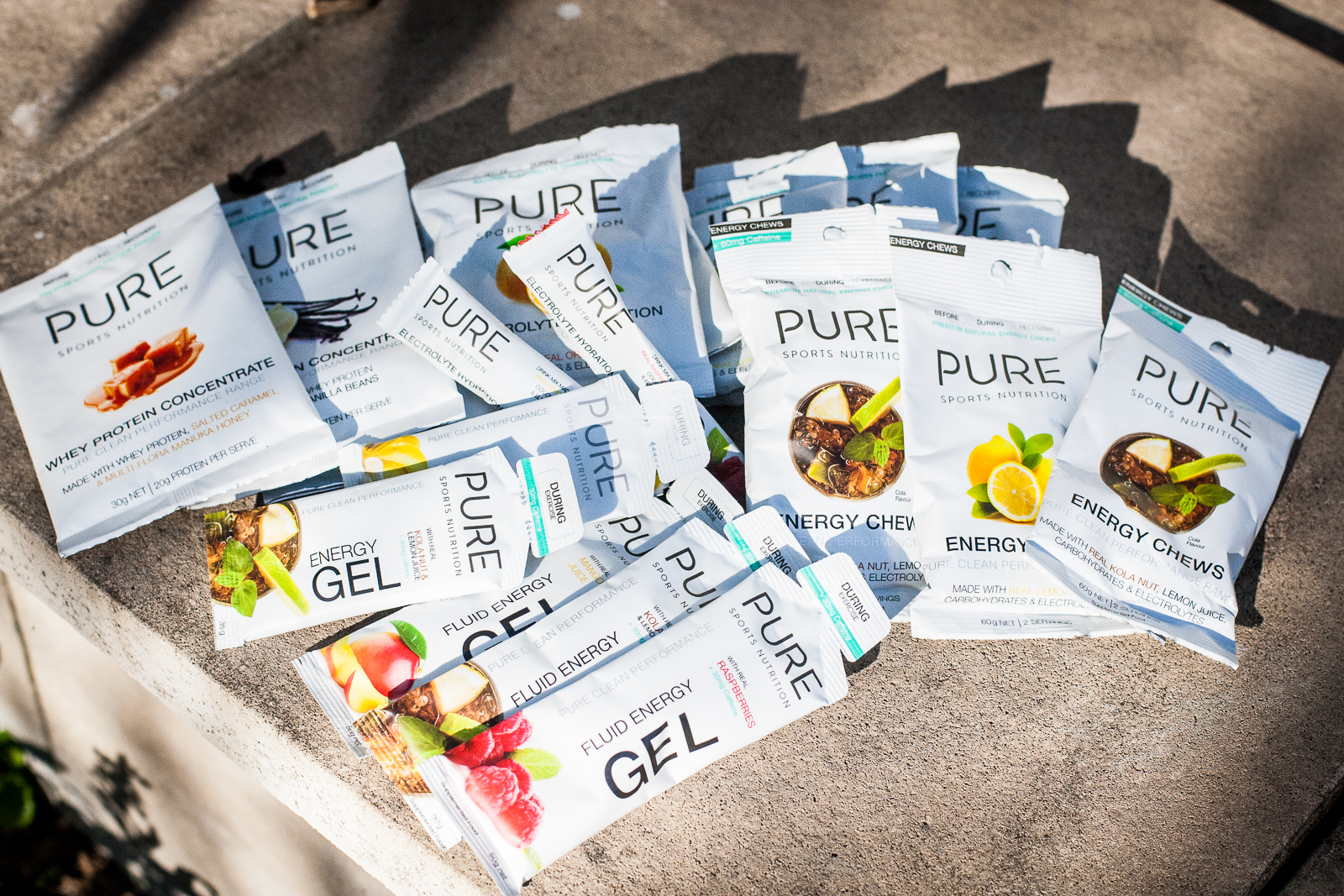
    Pure Sports Nutrition, a New Zealand-based company, has recently extended its Performance+ product line with the introduction of Race Recovery, a product specifically targeted at endurance athletes.

    Boosting Post-Exercise Recovery

    The company asserts that Race Recovery has been carefully designed to provide a comprehensive recovery solution following intense workouts or competitive sporting events. Each serving of Race Recovery boasts 29g of protein and 52g of carbohydrates.

    Marewa Sutherland, the co-founder and sports nutritionist of Pure Sports Nutrition, clarified that the carbohydrate-to-protein ratio in Race Recovery has been deliberately chosen to maximize the benefits during the crucial 30 to 60-minute window following exercise. During this period, recovery nourishment can significantly impact training outcomes.

    According to Sutherland, each component in Race Recovery plays a specific role, from replenishing carbohydrate and fluid levels to promoting gut health and mitochondrial function. She asserts that the formula approaches recovery from multiple angles, thus assisting athletes in becoming stronger, adapting quicker, and enhancing performance.

    About Pure Sports Nutrition

    Pure Sports Nutrition, which was founded in 2012, has made its mark with a variety of products including energy gels, electrolyte hydration powders, and functional foods.

    Race Recovery is now available in a select number of retailers including Aidstation, Active Health Clinic, Sole Motive Mr Vitamins, Nutrition Warehouse, WholeLife Pharmacy, and Healthfoods Pace Athletic. Pricing for Race Recovery is set at $11.99 for individual servings and $79.99 for multi-packs.

    Questions & Answers

    What is the new product launched by Pure Sports Nutrition?
    The new product is called Race Recovery, designed for endurance athletes to aid in their post-exercise recovery.

    What does each serving of Race Recovery contain?
    Each serving of Race Recovery contains 29g of protein and 52g of carbohydrates.

    Where can one purchase Race Recovery?
    Race Recovery is available in select retailers including Aidstation, Active Health Clinic, Sole Motive Mr Vitamins, Nutrition Warehouse, WholeLife Pharmacy, and Healthfoods Pace Athletic.

  • Skechers Reports Strong Q2 Growth Of 13.1%, Bolstered By International Market Success

    Skechers Reports Strong Q2 Growth Of 13.1%, Bolstered By International Market Success

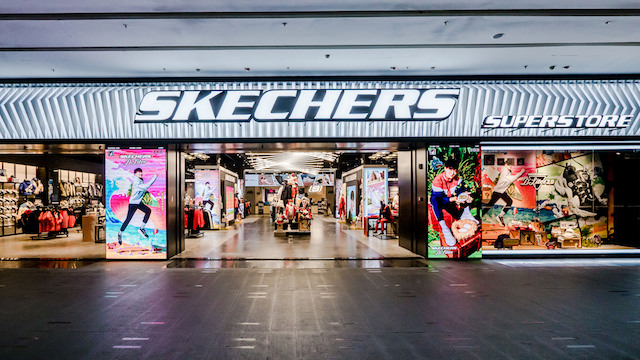
    Skechers, the global footwear leader, reported its financial results for the second quarter of 2025, reflecting an overall positive growth across its various business channels. The company’s total revenue for the quarter was recorded at US$2.44 billion, marking a 13.1% increase compared to the same period in the previous year. This growth is primarily attributed to robust demand in both its wholesale and direct-to-consumer channels.

    A Closer Look at the Financials

    The net income of Skechers witnessed a significant surge of 21.5%, reaching $170.5 million, up from $140.3 million registered in the corresponding period of the previous year. The wholesale revenue for the quarter was also on an upward trajectory, accounting for $1.30 billion, a 15% increase from the prior-year period. Direct-to-consumer sales also followed suit, with an increase of 11% totaling $1.14 billion, compared to $1.03 billion noted a year earlier.

    In terms of domestic sales, the figures remained relatively stable, registering a marginal decrease of 0.2%. While wholesale sales experienced a decline of 7.5%, direct-to-consumer sales offset this with a 7.6% rise.

    International Market – A Strong Growth Driver

    The international market emerged as a key growth driver for Skechers with international sales constituting about 64.6% of the total revenue in Q2, a noticeable increase from approximately 60% a year earlier. This growth was spurred by a significant 29.6% increase in wholesale international sales and a 13.3% rise in direct-to-consumer international revenue.

    Despite a decline in China sales, which dropped 8.2% to $287.2 million, sales in the Asia Pacific region rose by 5.5% to $595.5 million. The Americas division witnessed a slight increase of 1.1% with sales amounting to $1.11 billion. However, the Europe, Middle East & Africa (EMEA) region showed the most robust regional growth, with sales surging 48.5% to $731.5 million.

    Looking Back at the First Half of 2025

    For the first half of 2025, Skechers reported total sales of $4.85 billion, signifying a 10% increase from the previous $4.41 billion in the prior year. The regional growth trends were similar to those of Q2, with EMEA witnessing an increase of 29.4%, Americas growing by 4.6%, and the Asia Pacific region recording a modest growth of 1.4%.

    Currently, Skechers operates over 5200 stores globally, which include both company-owned and third-party-owned locations. The company is confidently marching towards its goal of establishing 10,000 stores across the globe.

    Questions & Answers

    What was the total revenue of Skechers in Q2 2025?
    The total revenue of Skechers in the second quarter of 2025 was US$2.44 billion.

    Which region showed the strongest growth for Skechers?
    The Europe, Middle East & Africa (EMEA) region showed the strongest growth for Skechers, with sales jumping 48.5% to $731.5 million.

    How many stores does Skechers currently operate worldwide?
    Skechers currently operates more than 5200 stores worldwide.

  • Subway Plans Major Expansion In India With 100 New Outlets By Next Year

    Subway Plans Major Expansion In India With 100 New Outlets By Next Year

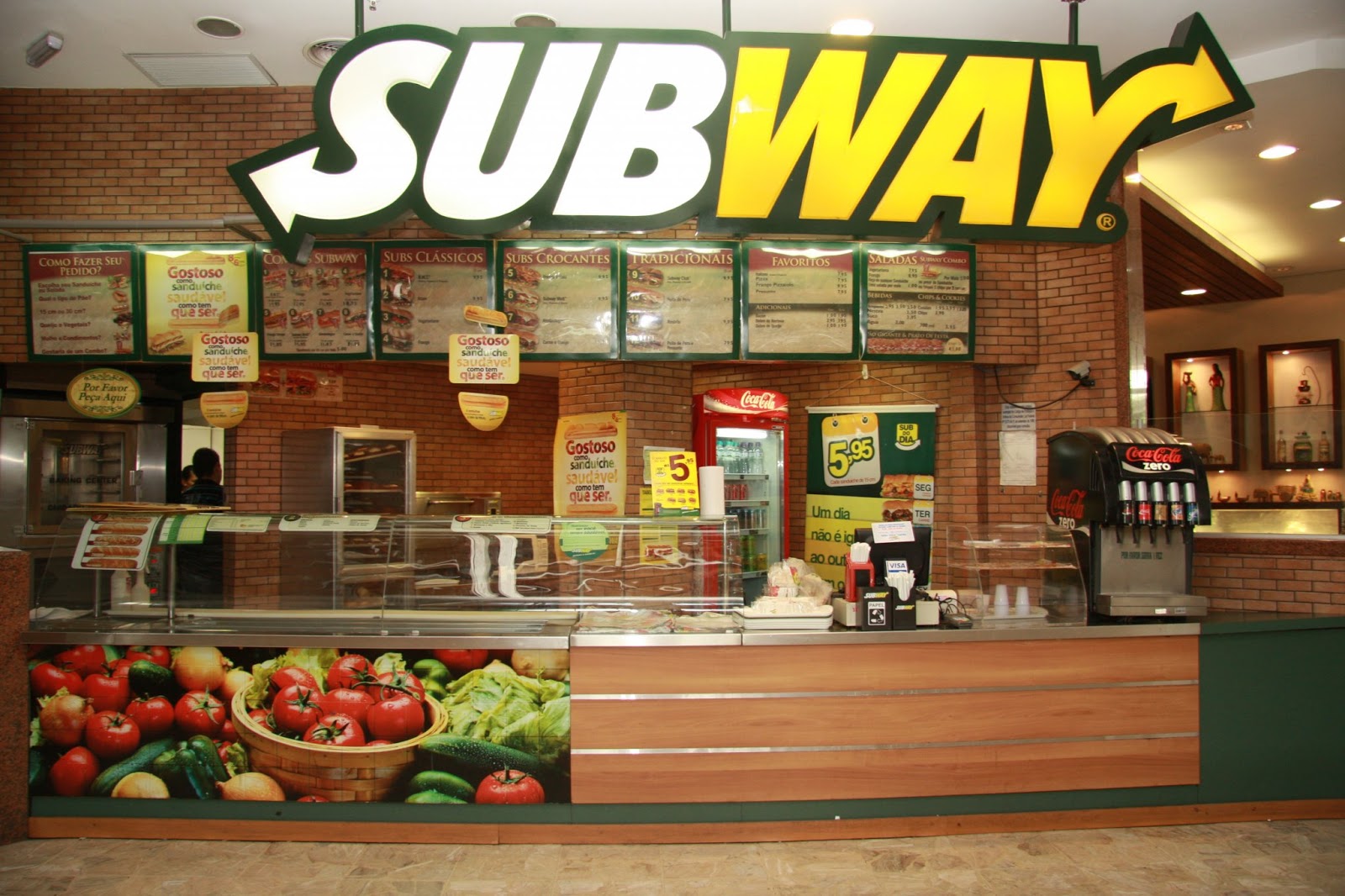
    Subway, the internationally renowned sandwich chain, has announced its plans to increase its footprint in India by establishing 100 new outlets by next year. This expansion will augment Subway’s existing presence in over 160 cities throughout the country, a significant growth since the brand’s inception in the Indian market in 2001.

    Culinary Brands, the retail operator responsible for Subway’s operations in India, affirmed that this move is a continuation of the company’s robust growth observed in the initial quarter of the year. During this period, Subway debuted 33 new outlets spanning across 17 cities.

    Tarun Bhasin, CEO of Culinary Brands, reflected on the importance of India within the framework of Subway’s global operations. He emphasized that the country plays a crucial role in the company’s long-term investment and partnership strategies.

    Further, Bhasin revealed that the forthcoming expansions will not be confined to the existing markets. The sandwich chain intends to penetrate new markets, including those in Tier 2 and Tier 3 cities.

    Bhasin expressed optimism for the future of Subway in India, stating, “With a robust expansion pipeline and continuous product innovation, we’re optimistic about Subway’s growth journey in India.”

    Questions & Answers

    What are the expansion plans of Subway in India?
    Subway aims to set up 100 new outlets in India by next year, extending its reach to more than 160 cities.

    Who operates Subway’s retail operations in India?
    Culinary Brands is responsible for operating Subway’s retail outlets in India.

    What are the future prospects of Subway in India according to Tarun Bhasin, CEO of Culinary Brands?
    Backing the expansion plans with a strong pipeline and continuous product innovation, Bhasin is optimistic about Subway’s growth journey in India.

  • Indian Boycotts Challenge U.S. Giants: A Push For ‘made In India’ Amid Tariff Tensions

    Indian Boycotts Challenge U.S. Giants: A Push For ‘made In India’ Amid Tariff Tensions

    American multinational corporations, including household names such as McDonald’s, Coca-Cola, Amazon, and Apple, are feeling the pressure of increasing calls for boycotts in India. This sentiment has been fueled by business leaders and supporters of Prime Minister Narendra Modi as a form of protest against U.S. tariffs.

    India, known as the world’s most populous nation, presents a significant market for these American brands. With a rapidly expanding base of affluent consumers who view international brands as symbols of societal advancement, many American companies have found success in India.

    For instance, Meta’s WhatsApp counts India as its largest user base and Domino’s boasts more restaurants in India than in any other country. Similarly, beverages such as Pepsi and Coca-Cola often take up prime real estate on store shelves, and there is typically a significant buzz when a new Apple store opens or Starbucks offers discounts.

    Recently, however, there has been growing support for choosing local products over American goods, both on social media and offline. This shift in consumer behavior has been catalyzed by a 50% tariff on Indian goods imposed by former U.S. President Donald Trump, which has unsettled exporters and strained relations between New Delhi and Washington.

    Indian Business Leaders Advocate for ‘Made in India’

    Manish Chowdhary, co-founder of India’s Wow Skin Science, has taken to LinkedIn to voice his support for Indian farmers and start-ups. His goal is to transform ‘Made in India’ into a ‘global obsession’, learning from countries like South Korea, which boasts globally renowned food and beauty products.

    Similarly, Rahm Shastry, CEO of DriveU, an Indian car driver service, wrote on LinkedIn that India should develop its own versions of popular platforms like Twitter, Google, YouTube, WhatsApp, and Facebook, much like China.

    Indian retail companies offer stiff competition to foreign brands like Starbucks in the domestic market, but global expansion remains a challenge. However, Indian IT services firms, such as TCS and Infosys, have integrated deeply into the global economy, providing software solutions to clients around the world.

    In a recent address in Bengaluru, Prime Minister Modi made a “special appeal” for increased self-reliance. He urged Indian technology companies, who have been producing products for global consumption, to prioritize India’s needs.

    Consumer Opinions Differ

    Despite the ongoing anti-American sentiment, the American electric vehicle and clean energy company Tesla recently opened its second showroom in India. The opening event in New Delhi was attended by Indian commerce ministry officials and US embassy officials.

    Simultaneously, the Swadeshi Jagran Manch group, which is associated with Modi’s Bharatiya Janata Party, organized small public rallies across India, encouraging people to boycott American brands.

    However, not all Indian consumers share this sentiment. For instance, a customer named Rajat Gupta, who was dining at a McDonald’s in Lucknow, expressed that he was not concerned with the tariff protests and simply enjoyed the value for money he received from his 49-rupee coffee.

    Questions & Answers

    What has led to the calls for a boycott of American products in India?

    These calls for boycotts have been fueled by the imposition of a 50% tariff on goods from India by former U.S. President Donald Trump, which has created unrest among exporters and strained diplomatic ties between New Delhi and Washington.

    How are Indian business leaders responding to this situation?

    Leaders such as Manish Chowdhary, co-founder of Wow Skin Science, and Rahm Shastry, CEO of DriveU, have been advocating for a focus on “Made in India” products and services, and the development of home-grown alternatives to popular platforms like Twitter, Google, YouTube, WhatsApp, and Facebook.

    Are all Indian consumers supportive of the boycotts?

    No, consumer opinions on the boycotts vary. Some consumers, such as Rajat Gupta, a McDonald’s customer in Lucknow, are not concerned by the tariff protests and continue to enjoy the products and services offered by American brands.

  • Singapore Government Announces Wage Increase For 53,000 Retail Workers Over Next Three Years

    Singapore Government Announces Wage Increase For 53,000 Retail Workers Over Next Three Years

    The government of Singapore has made public plans to elevate the wages of over 53,000 retail workers residing in the country within the forthcoming three years.

    Progressive Wage Model Adoption

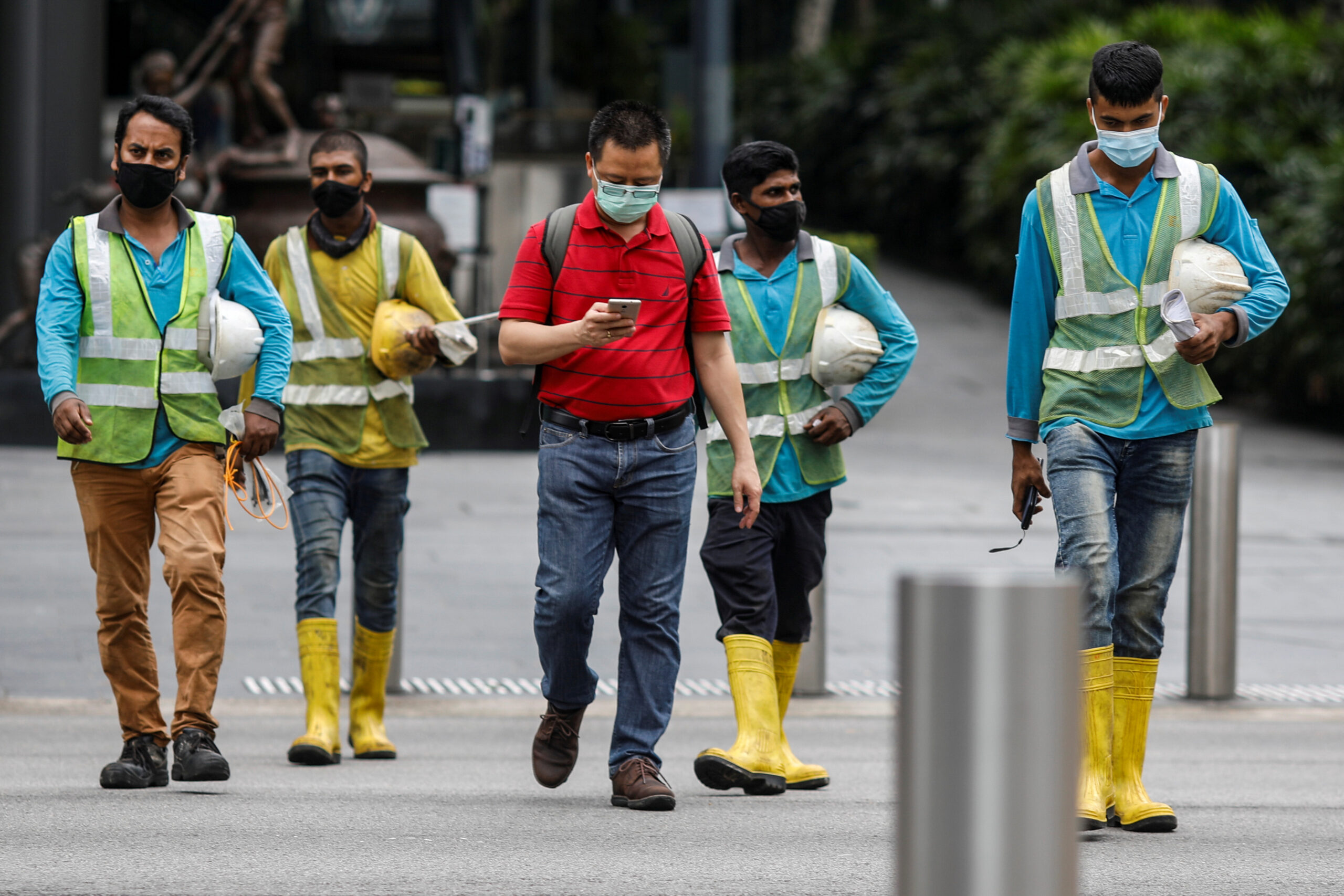
    The Ministry of Manpower revealed their acceptance of the Progressive Wage Model (PWM) on Monday. This model proposes a systematic progression of wages for retail employees based on their levels and the requisite training at each level. Devised by the Tripartite Cluster for Retail Industry (TCR), the PWM aims to ensure that workers’ wages correlate with their skills and productivity.

    As per the PWM, full-time retail assistants and cashiers will see a rise in their baseline monthly gross wages from the current $2175 to $2305 in September. This trend will continue with further increments to $2435 in the subsequent September and $2565 in September 2027.

    Wage Hike for Senior Roles

    There will be similar wage increases for senior retail assistants and cashiers starting from this September. Their wages will increase from the current $2395 to $2535, followed by further increments to $2680 in 2026 and $2820 in 2027.

    The wages of assistant retail supervisors will also be raised from $2635 to $2790 in September, with subsequent increases to $2950 next year and $3100 in 2027. However, the wages of retail supervisors and managers will vary according to market conditions.

    Part-Time Worker Consideration

    Part-time workers who clock in less than 35 hours a week will also benefit from a close to 6% rise in their hourly gross pay from September 1. Further wage increases will continue to be applied in the ensuing years.

    The PWM requirements, which are mandatory, will cover retail employees who are Singapore citizens and permanent residents. A review of the wage schedule will be carried out by the TCR next year.

    Training Requirements

    Employers will have to ensure that their retail workers meet the prescribed training requirements, including the Workforce Skills Qualification module or a relevant qualification from Institute of Higher Learning conferred by MOE-registered educational institutions. Employers will be given a grace period to comply with these training requirements.

    TCR co-chair Ryan Chioh acknowledged the challenges of rising costs and manpower constraints in the industry, but expressed that “the PWM, with structured wage progression and targeted training, helps businesses tackle these pressures while building a skilled and motivated workforce.”

    The PWM recommendations are the result of TCR’s extensive engagement with retail employers, the National Trades Union Congress, and industry associations.

    Singapore Retail Sales Update

    As per the most recent data from the Department of Statistics, retail sales in Singapore (excluding motor vehicles) experienced a modest increase of 0.4% in June, following stagnant growth in May.

    Questions & Answers

    What is the Progressive Wage Model (PWM)?
    The Progressive Wage Model is a wage structure that proposes a systematic progression of wages for retail employees based on their levels and the requisite training at each level.

    Who will be affected by the PWM in Singapore?
    The PWM will impact over 53,000 resident retail workers in Singapore, including full-time and part-time employees who are Singapore citizens and permanent residents.

    What changes will employers need to make in light of the PWM?
    Employers will need to ensure that their retail employees meet training requirements and are paid according to the wage schedule stipulated by the PWM. They will be given a grace period to comply with these changes.

  • M1-Simba Merger: A Groundbreaking Moment for Singapore’s Telco Landscape After Liberalization!

    M1-Simba Merger: A Groundbreaking Moment for Singapore’s Telco Landscape After Liberalization!

    Keppel Ltd. has embarked on a significant shift in Singapore’s telecommunications landscape by announcing its divestment of an 83.9% stake in M1 Ltd. to Simba Telecom. This landmark deal, valued at SGD 1.43 billion (USD 812 million), marks the first telecom consolidation in Singapore’s history. The arrangement involves Keppel selling its stake in M1 for approximately SGD 1.0 billion (USD 778 million) in cash while retaining the company’s ICT business. This move allows Keppel to sharpen its focus on high-growth connectivity sectors like data centers and subsea cables.

    A New Strategic Direction for Keppel

    As a founding shareholder of M1 since 1994, Keppel’s CEO, Loh Chin Hua, views this transaction as part of a broader strategy to transform the company into an asset-light global asset manager and operator. The merger will synergize M1 and Simba, currently positioned as the third and fourth largest telecom operators in Singapore, respectively, placing them in a better position to compete against giants Singtel and StarHub.

    Synergies Galore

    Loh emphasized the benefits of this strategic maneuver, stating that the partnership represents a “strategic path to sustainable growth” for Singapore’s telecom sector. He expressed confidence in the efficiencies the combined entities will achieve, saying:

    M1 and Simba are a highly synergistic combination. Together, they can scale more efficiently, optimize infrastructure, and accelerate 5G and digital investments, greatly enhancing service quality while contributing to a more resilient, future-ready telco industry.

    Competitive Edge and Growth Opportunities

    In a landscape where competition is fierce, Keppel cited Simba, owned by Australia’s Tuas Ltd., as having submitted the best all-cash offer among bidders, which underscores the attractive valuation for the acquisition. Interestingly, the two companies share minimal resource overlap, opening up avenues for new revenue streams and job creation within the industry.

    Enhancing the Consumer Experience

    According to Keppel’s statement, the upcoming transaction will bolster Singapore’s telco sector, delivering advantages to both industry players and consumers alike. The newly combined entity promises to accelerate investments in 5G and digital infrastructure, ultimately enhancing service quality. It’s a tale of merging to thrive, as the collaboration aims to create a resilient digital ecosystem rich in future technology investments, including cybersecurity, artificial intelligence (AI), and sustainability.

    Regulatory Approval in Process

    The Infocomm Media Development Authority (IMDA) has confirmed that both parties have signed the sale and purchase agreement (SPA) and will conduct a thorough assessment under the Telecom and Media Competition Code. This scrutiny is crucial to ensuring the transaction is advantageous for consumers, sustains market competition, and supports ongoing growth in the sector.

    Questions & Answers

    What does Keppel’s divestment of M1 represent for the telecommunications sector in Singapore?
    This divestment marks a historic consolidation in Singapore’s telecom landscape, allowing M1 and Simba to form a powerful entity to compete more effectively against market leaders like Singtel and StarHub.

    How does Keppel plan to benefit from this transaction?
    By restructuring its involvement with M1, Keppel aims to turn into an asset-light global asset manager, concentrating on high-growth sectors like data centers and subsea cables while still retaining a stake in M1’s ICT business.

    What are the potential benefits for consumers following this deal?
    Consumers could see enhanced service quality and a more resilient digital ecosystem, as the merged entity is expected to accelerate investments in 5G technologies and future innovations such as AI and cybersecurity.