Blog

  • China’s Ambitious Hydropower Project: A Key Step Toward Decarbonisation with Significant Risks Ahead

    China’s Ambitious Hydropower Project: A Key Step Toward Decarbonisation with Significant Risks Ahead

    China’s new hydropower project will be the world’s biggest and crucial for energy decarbonisation, but this will be expensive and challenging, S&P Global Ratings said.

    “The project will also be very risky. The geographic challenges will be unprecedented: it will be built in remote Tibet, with little existing infrastructure to move or shelter workers and equipment,” said S&P Global Ratings credit analyst Miranda Wang.

    The project will be completed in 10-15 years and will boost China’s hydropower capacity by 16% and generation by 22% with its 60 gigawatt capacity. It will have almost three times the capacity of the Three Gorges Dam, which generates 15% of Europe’s hydropower output.

    S&P Global Ratings noted that the central government is designating a new state-owned enterprise, China Yajiang Group Co. Ltd., to undertake all risks from this project.

    “We believe the establishment of the new entity isolates all execution risks from the existing rated power producers, which have limited financial headroom,” it said.

    The project will use novel engineering that will channel a river into a tunnel blasted through a mountain, thus spinning turbines and generating electricity. The government estimates construction costs at about $167b.

  • Hong Kong’s Stablecoin Legislation: A New Era for Wealth Management and Payment Innovations!

    Hong Kong’s Stablecoin Legislation: A New Era for Wealth Management and Payment Innovations!

    Hong Kong’s recently enacted stablecoins ordinance is poised to shake up the local banking landscape, particularly in the realm of digital payments. As these digital currencies emerge, they may create fresh competition for banks while simultaneously providing new opportunities in wealth management. “Stablecoins issued in Hong Kong could increase competition for banks, particularly in wholesale payments, due to potential advantages in cost and speed,” stated Phyllis Liu, a credit analyst at S&P Global Ratings.

    Facing this evolving environment, local banks are expected to proactively participate in the market to mitigate the risk of disintermediation. Liu notes, “Hong Kong banks will seek to participate in the market to avoid disintermediation threats.” The new landscape could also bolster their wealth management services, drawing in more clients from mainland China and beyond.

    Michael Huang, another credit analyst for S&P, elaborates on this potential shift, suggesting that by offering stablecoin-linked products or digital assets, Hong Kong banks may appeal to both local and international customers eager for offshore crypto investments. It’s like a retail revival for the financial sector, where traditional banking meets the digital frontier.

    The interest in Hong Kong’s stablecoin market is described as “very strong,” with the Hong Kong Monetary Authority indicating that it plans to issue a limited number of stablecoin licenses. “We anticipate first movers will likely be big tech companies and large banks that have deep resources and technological skills,” remarked S&P, hinting at an exciting intersection of technology and finance in the city’s future.

    Questions & Answers

    How might stablecoins affect traditional banking in Hong Kong?
    Stablecoins could introduce significant competition for banks, particularly in wholesale payments, by offering advantages in cost and speed, prompting banks to adapt to avoid losing their market share.

    What opportunities do stablecoins present for Hong Kong banks?
    Aside from facing competition, banks could enhance their wealth management services and attract mainland Chinese customers by offering stablecoin-linked products and digital assets.

    Who are likely to be the first movers in the stablecoin market?
    Big tech companies and well-established banks with extensive resources and technological prowess are expected to be the early adopters in Hong Kong’s stablecoin landscape.

  • Reborn Coffee Seals $1.3m Licensing Deal For Expansion Into China’s Burgeoning Specialty Market

    Reborn Coffee Seals $1.3m Licensing Deal For Expansion Into China’s Burgeoning Specialty Market

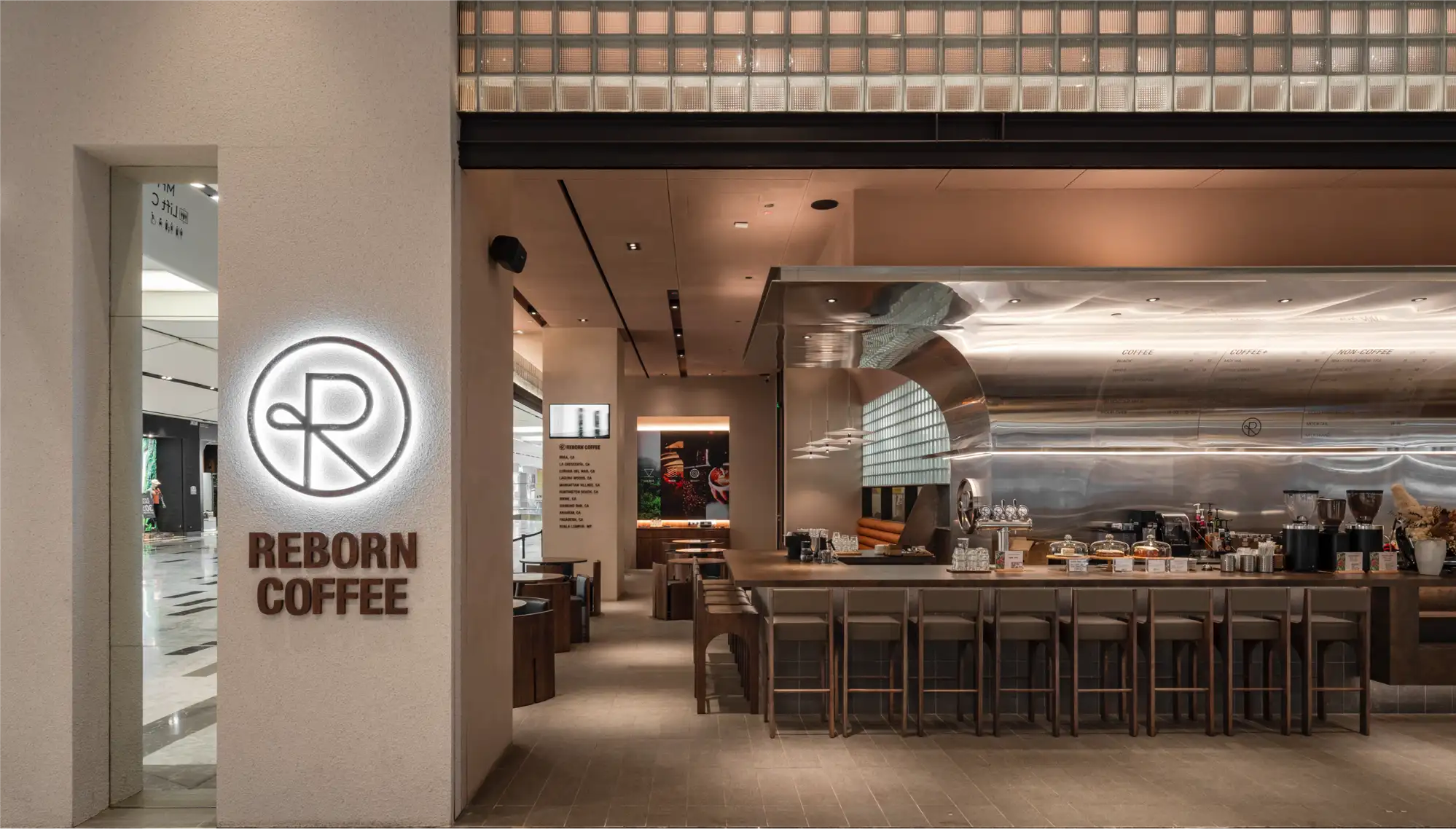
    Reborn Coffee, a specialty coffee retailer based in California, has entered into a licensing agreement valued at $1.3 million with Reborn Health Goods, a corporation situated in China. This alliance will facilitate the specialty coffee retailer’s expansion efforts throughout mainland China.

    Agreement Details

    Under this exclusive master licensing agreement, Reborn Health Goods will be responsible for the national operation and expansion of the Reborn Coffee brand. This includes directing store development activities and coordinating regional sublicensing partnerships, all in tune with the brand’s objectives for growth and maintaining its standards.

    Jay Kim, CEO of Reborn Coffee Inc., believes this agreement lays the groundwork for harmonized growth and consistency in branding across one of the most dynamic consumer markets globally. He said, “Our partner brings the scale, strategy, and operational excellence to lead Reborn’s multi-format rollout across key provinces and cities in China.”

    Reborn Health Goods will also work collaboratively with both existing and future regional licensees—including those in Guangdong and Liaoning provinces—to ensure Reborn Coffee’s branding is executed uniformly throughout the country.

    Strengthening Position in Asia-Pacific

    Asia-Pacific has seen a surge in demand for specialty coffee. By aligning with this trend, Reborn Coffee’s strategic partnership with Reborn Health Goods bolsters its presence in the region, aligning with its wider international vision.

    Questions & Answers

    What is the primary objective of the licensing agreement between Reborn Coffee and Reborn Health Goods?
    The main goal of the agreement is to facilitate the expansion of Reborn Coffee throughout mainland China while ensuring brand consistency.

    Who will be responsible for the national operation and brand expansion of Reborn Coffee in China?
    Reborn Health Goods, under the licensing agreement, will oversee the national operation and expansion of the Reborn Coffee brand in China.

    How does this agreement align with the increase in demand for specialty coffee in the Asia-Pacific region?
    With the rising demand for specialty coffee in the Asia-Pacific region, this agreement helps to solidify Reborn Coffee’s presence and supports its broader international expansion plans.

  • Danish Brand Flying Tiger Copenhagen Debuts In Singapore, Amplifying Asia-pacific Presence

    Danish Brand Flying Tiger Copenhagen Debuts In Singapore, Amplifying Asia-pacific Presence

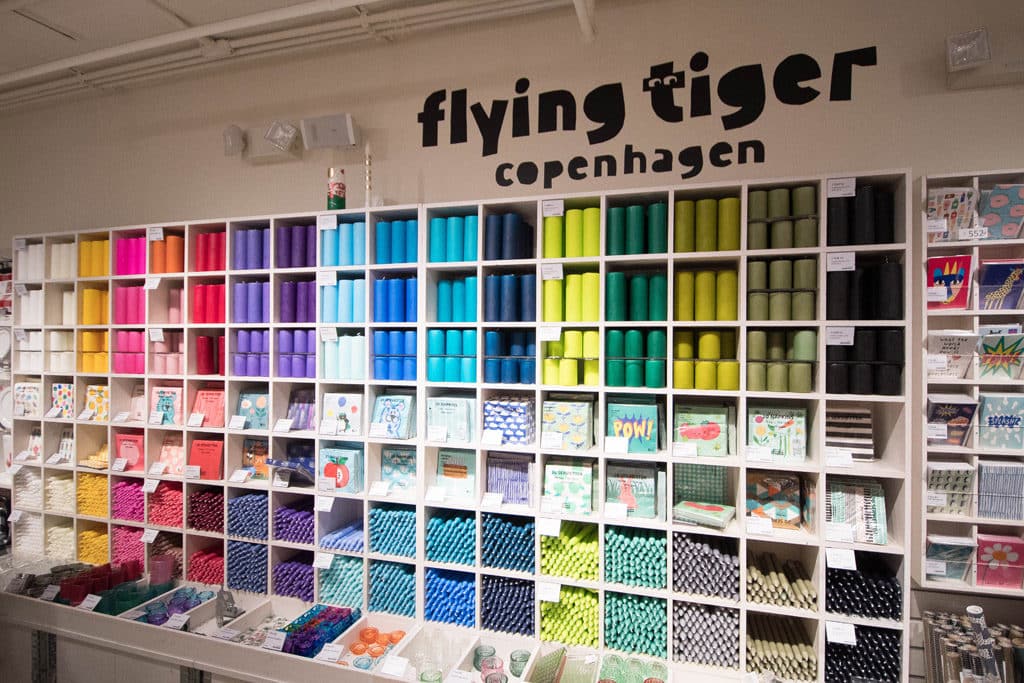
    Flying Tiger Copenhagen, a Danish lifestyle brand, has recently expanded its global footprint with the launch of its first store in Singapore. Situated in Bugis+, the store’s opening signifies the brand’s sustained drive to establish a stronger presence in the Asia-Pacific region.

    The newly unveiled 157sqm store showcases a wide range of products, adhering to the brand’s focus on design-centric and economically priced offerings. The selection includes homeware, stationery, interior decor, and toys, thereby meeting a variety of consumer needs and preferences.

    Singapore represents the latest accomplishment in Flying Tiger Copenhagen’s ambitious regional growth strategy. The brand initiated its Asia-Pacific expansion in 2023 with the inauguration of its stores in Indonesia and the Philippines. This was closely followed by store launches in Australia and Vietnam in the subsequent year.

    The operations in Singapore are steered by PT Mitra Adiperkasa Tbk (MAP), an Indonesian lifestyle retail company. MAP also supervises the brand’s operations in Indonesia and Malaysia, thereby ensuring a cohesive strategy across these markets.

    Established in 1995, Flying Tiger Copenhagen has experienced significant growth and now operates over 1000 stores in 39 global markets. This expansion underscores the brand’s commitment to bringing its unique offerings to a wider international audience.

    Questions & Answers

    What is the Danish lifestyle brand that recently opened its first store in Singapore?
    The brand is Flying Tiger Copenhagen.

    What variety of products does the new Flying Tiger Copenhagen store in Singapore offer?
    The store offers a selection of homeware, stationery, interior decor, and toys.

    Who is managing the operations of Flying Tiger Copenhagen in Singapore?
    The operations are managed by an Indonesian lifestyle retail firm known as PT Mitra Adiperkasa Tbk (MAP).

  • Record Q2 Revenue For Luckin Coffee Amid Global Expansion And Increased Customer Engagement

    Record Q2 Revenue For Luckin Coffee Amid Global Expansion And Increased Customer Engagement

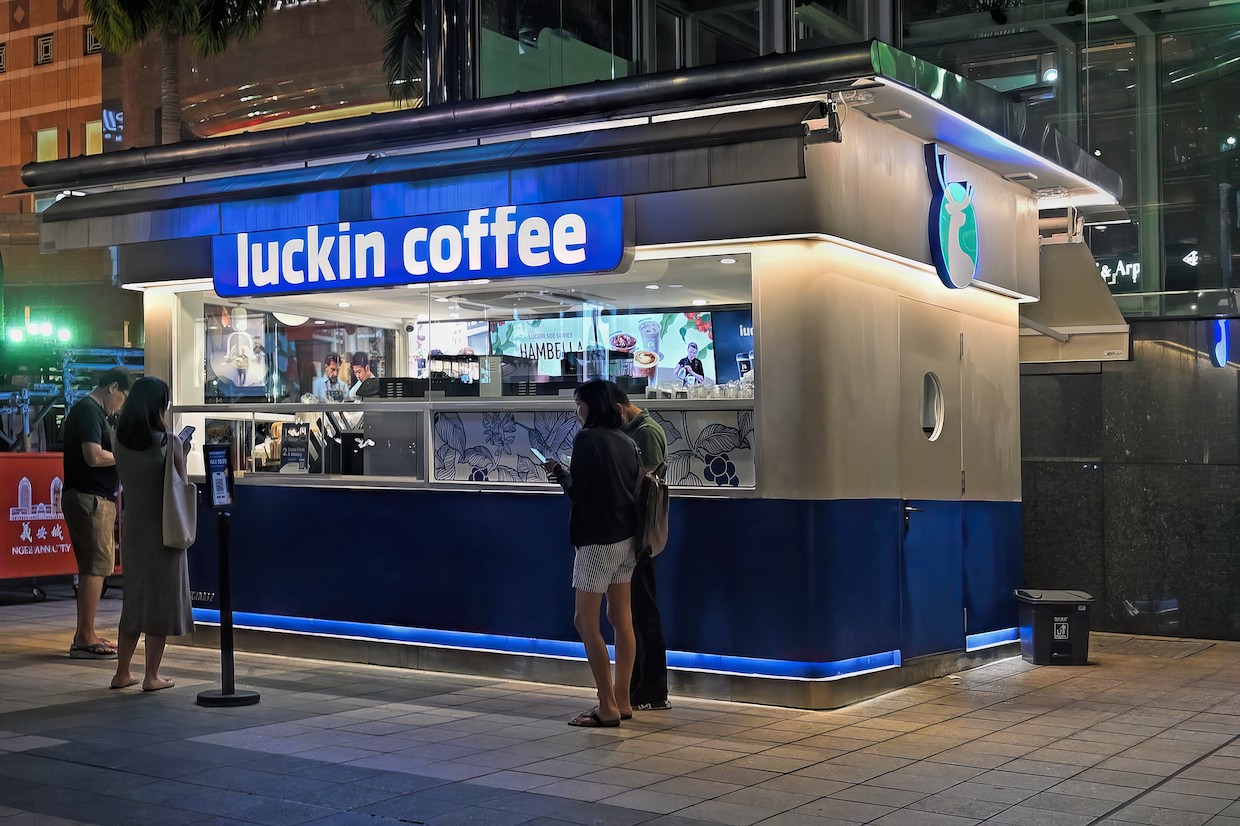
    Luckin Coffee reported an unprecedented revenue of $1.72 billion in the second quarter, representing a 47 percent year-on-year increase. This performance coincides with the expansion of the Chinese coffee chain’s global footprint to 26,206 outlets, including more than 2100 new store openings.

    Global Expansion and Growth in Numbers

    Luckin Coffee expanded its network by adding 2085 stores in mainland China and Hong Kong during the second quarter. Additionally, the company opened six new stores in Singapore, 16 in Malaysia, and two in the United States. Of the total number of stores, 16,968 are directly operated by Luckin Coffee, while 9,238 outlets are run in partnership with other entities.

    The company saw a notable surge in customer engagement, with monthly transaction numbers reaching an all-time high of 91.7 million customers during the quarter, marking a 31.6 percent increase compared to the corresponding period last year.

    Financial Performance and Business Prospects

    Revenue generated from directly operated stores shot up by 45.6 percent to $1.27 billion, propelled by a same-store sales growth of 13.4 percent. This indicates a notable improvement from the 8.1 percent growth recorded in the preceding quarter, and a significant rebound from a 20.9 percent decline experienced a year ago.

    Luckin Coffee’s operating profits at store level surged by 42.3 percent to reach $268 million. Revenue from partnership stores also saw a substantial increase, reaching $399.8 million, which translates to a 55 percent year-on-year increase.

    Jinyi Guo, co-founder and CEO of Luckin Coffee, attributed the robust financial performance to the company’s strategic focus on scalability. He emphasized that by capitalizing on the company’s strengths in areas such as operational efficiency, fulfillment, and supply chain, Luckin Coffee has managed to achieve double-digit same-store sales growth in its directly operated stores.

    As for the future, Guo reaffirms that the company remains resolute in its commitment to expanding its market share.

    Questions & Answers

    What was Luckin Coffee’s recorded revenue for the second quarter?
    The company recorded a revenue of $1.72 billion for the second quarter.

    How many new stores did Luckin Coffee open in the second quarter?
    The coffee chain opened more than 2100 new stores globally in the second quarter.

    What was the growth rate in Luckin Coffee’s same-store sales?
    The company reported a same-store sales growth of 13.4% during the quarter.

  • Swiggy’s Losses Double Amid Marketing Surge And Delivery Challenges

    Swiggy’s Losses Double Amid Marketing Surge And Delivery Challenges

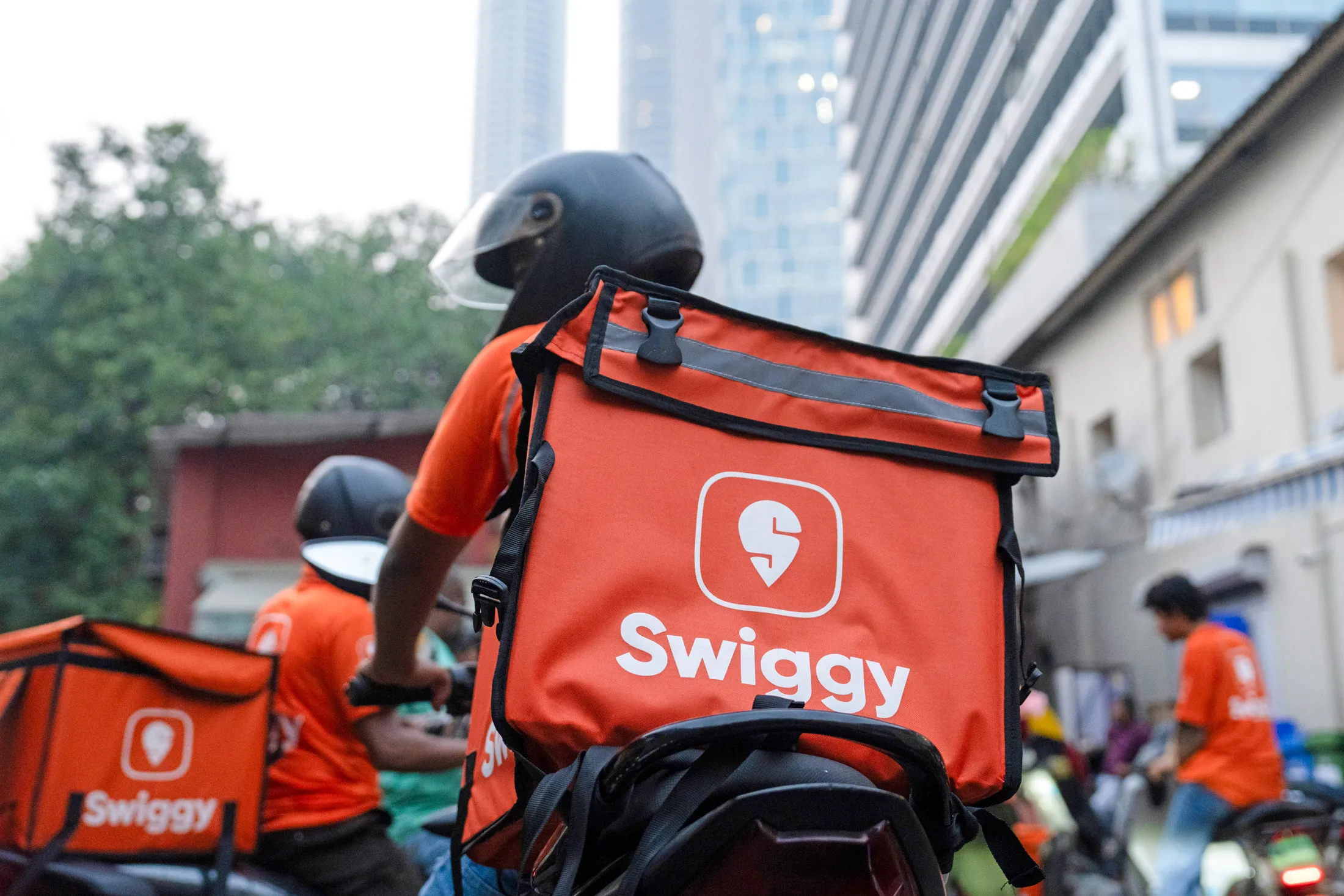
    Swiggy, one of India’s leading online food delivery platforms, has reported a near-doubling of its quarterly loss compared to the same period last year. This increase in losses is attributed to a significant rise in marketing expenditures aimed at securing a larger customer base in an intensely competitive market.

    Growth Strategies and Challenges

    In its decade-long presence in the market, Swiggy has maintained its position among the top contenders in the food delivery industry through continuous investments in marketing, platform enhancements, and customer loyalty programs. The company is also directing funds into its rapid retail division, Instamart, as part of efforts to expand its network of stores, fortify logistics, and provide enticing discounts.

    However, the company’s operations have been affected by issues relating to a shortage of delivery partners, a situation exacerbated by unanticipated monsoon rains in India. Concurrently, the need for sustained, high levels of marketing investments has been necessitated by persistent competition.

    The competition is not just limited to the food delivery sector. The rapid retail sector in India is becoming increasingly crowded, with competitors such as the Tata-backed BigBasket and Amazon vying for market share. Furthermore, Swiggy faces additional competition in the food delivery space from the ride-hailing platform, Rapido, where Swiggy holds a 12 per cent stake.

    Financial Performance

    Despite these challenges, Swiggy’s total revenue for the quarter ending June 30 increased by 54 per cent, amounting to 49.61 billion rupees (US$566.2 million). However, consolidated expenses also saw a significant jump, up by around 60 per cent to 62.44 billion rupees, with sales promotions more than doubling. Consequently, the company’s consolidated net loss for the quarter rose to 11.97 billion rupees, a significant increase from the 6.11 billion rupees loss reported in the same period last year.

    Expansion and Order Value

    Despite these financial setbacks, Swiggy continued to expand its geographical reach, adding three new cities to its network to stand at a total of 127. The company also added 41 stores and increased the size of existing ones. The gross order value from its food delivery segment climbed by approximately 19 per cent to 80.86 billion rupees in the June quarter. Meanwhile, Instamart’s gross order value saw a massive surge of nearly 108 per cent, reaching 56.55 billion rupees.

    Questions & Answers

    What factors contributed to Swiggy’s increased quarterly losses?
    Increased marketing spend to attract customers in a fiercely competitive market, along with the expansion of its quick-commerce arm, Instamart, significantly contributed to Swiggy’s increased losses.

    What challenges did the company face recently?
    Swiggy experienced a shortage of delivery partners due to earlier than anticipated monsoons in India. Additionally, the company faced stiff competition, necessitating high marketing investments.

    Did Swiggy see any growth despite these challenges?
    Yes, Swiggy reported a 54 per cent surge in total revenue for the quarter ending June 30. The company also expanded its services to three new cities, added 41 stores, and saw a substantial rise in gross order value from both its food delivery segment and Instamart.

  • ABC-mart Debuts In Philippines With ‘grand Stage’ Store, Marking New Chapter In Asian Expansion

    ABC-mart Debuts In Philippines With ‘grand Stage’ Store, Marking New Chapter In Asian Expansion

    Japanese retail giant ABC-Mart is set to make its first appearance in the Philippines with the opening of a store in Bonifacio Global City (BGC), Manila, scheduled for September. This marks the corporate expansion of the company into a second market in the region following a successful launch in Vietnam which took place in 2022.

    Overseas Expansion

    ABC-Mart currently operates nearly 400 stores overseas, predominantly in South Korea and Taiwan. The company is also actively investigating opportunities for growth in other Asian countries such as Thailand and Indonesia.

    According to Kabir Buxani, the incoming CEO of Sonak Retail Group – the local partner of ABC-Mart – BGC is an ideal location for the brand’s first store in the Philippines. “BGC has a lively atmosphere and sets the tone for fashion in the region,” Buxani indicated.

    The Grand Stage Store

    The store, dubbed as the “Grand Stage,” will span two levels, covering an area of 750 square meters. It is expected to stock over 1,000 products including limited-edition sneakers, sandals, and clothing from major brands such as Nike, Adidas, Puma, Asics, and New Balance.

    In addition, the store will showcase the company’s first-ever wellness corner worldwide, integrating footwear with lifestyle products.

    Koji Higashimae, CEO of ABC-Mart Sonak Philippines, stated that the company’s aspiration is to achieve a balance between variety and accessibility. “Our belief is that style should not compromise comfort and high-quality fashion should be within everyone’s reach,” Higashimae explained.

    Furthermore, the company has plans to open a second outlet later in the year at Mitsukoshi in BGC.

    Questions & Answers

    What is ABC-Mart’s expansion strategy in Asia?
    ABC-Mart is strategically expanding its retail footprint in Asia, having already established stores in South Korea and Taiwan. The company has now stepped into the Philippines and Vietnam, with future prospects in Thailand and Indonesia.

    What can customers expect at the new ABC-Mart store in BGC, Manila?
    Customers can look forward to a wide variety of over 1,000 products, including clothing, limited-edition sneakers, and sandals from well-known brands like Nike, Adidas, and others. The store will also introduce the company’s first-ever wellness corner, which will blend footwear with lifestyle products.

    What is the philosophy of ABC-Mart when it comes to fashion?
    ABC-Mart believes that style should not compromise comfort. The company aims to provide high-quality, fashionable products that are both diverse in variety and accessible to everyone.

  • Hershey Sales Surge Amidst Slumping Profits: Navigating Rising Cocoa Costs And Supply Chain Challenges

    Hershey Sales Surge Amidst Slumping Profits: Navigating Rising Cocoa Costs And Supply Chain Challenges

    Hershey, the confectionery giant, has registered a significant increase in sales for the second quarter despite a drastic fall in profits. This arises from the escalating costs of cocoa, supply chain, and adverse effects from commodity hedging.

    In the most recent quarter, Hershey reported net sales of US$2.61 billion, a 26 per cent surge compared to the same quarter the previous year. The growth was a result of robust demand for seasonal products, which included popular items tied to the Easter season and early Halloween shipments.

    However, despite the impressive rise in revenue, net income experienced a 65 per cent decrease, landing at $62.7 million.

    Hershey attributed the sharp decline in net income to a significant drop in gross margins, spurred by the rise in input costs and losses from mark-to-market on commodity derivatives. This was despite the strong volume growth, especially in its North American confectionery division.

    Michele Buck, President and CEO of Hershey, commented on the situation. “Our investments in brands and impactful innovation, along with effective execution, have led to solid sales and share gains in both our US confection and salty snacking businesses,” she said.

    She further added, “In the future, we are committed to delivering balanced growth and have already initiated critical steps to offset cocoa inflation through strategic pricing, improved productivity, and the use of technology for efficiency and speed.”

    In other news, Hershey recently announced the appointment of Kirk Tanner as the new President and CEO, effective from August 18, succeeding Buck.

    Questions & Answers

    What led to the growth in Hershey’s net sales?
    The increase in Hershey’s net sales was a result of strong demand for seasonal products, such as those tied to the Easter season and early Halloween shipments.

    Why did Hershey’s net income decrease despite the growth in sales?
    The decrease in net income was due to a significant drop in gross margins, which was caused by the rising input costs and mark-to-market losses on commodity derivatives.

    What measures is Hershey taking to combat cocoa inflation?
    To mitigate cocoa inflation, Hershey is implementing strategic pricing, enhancing productivity, and leveraging technology for increased efficiency and speed.

  • Danone Shares Skyrocket 7% On Back Of Strong Q2 Sales, Chinese Demand For Infant Formula

    Danone Shares Skyrocket 7% On Back Of Strong Q2 Sales, Chinese Demand For Infant Formula

    Shares in Danone, the renowned French consumer goods manufacturer, escalated approximately 7% following the release of second-quarter sales which outperformed predictions. This surge of success is largely attributed to a soaring demand for infant milk formula and medical nutrition products in China.

    Overcoming Challenges

    The impressive surge in demand offset challenges faced in other markets. There were sluggish sales in the water division in Latin America due to unfavourable weather conditions in Mexico, while a highly competitive market in the US resulted in slow coffee creamer sales. Nevertheless, Danone, known for household brands such as Evian water and Activia yoghurt, reported a 4.1% increase in second-quarter sales on a like-for-like basis, outstripping anticipated growth of 3.8%.

    The financials revealed Danone’s recurring operating income for the first half of 2025 to be 1.811 billion euros (US$2.09 billion). This represents a margin of 13.2% of sales, an increase from 12.7% from the previous year. The company also reassured investors by restating its 2025 full-year forecast, in line with its mid-term goal of achieving like-for-like sales growth between 3% and 5%, and a faster growth rate for recurring operating income.

    Strong Portfolio and Future Growth

    Speaking about the company’s performance, CEO Antoine de Saint-Affrique commented, “The first-half performance reflected the strength and resilience of our health-focused portfolio.” The company’s aim, according to de Saint-Affrique, is to consistently perform while transforming and enhancing areas requiring attention. This includes the plant-based business and coffee creamers in the US.

    Sales in China, North Asia and Oceania also had an exceptional quarter, increasing 12.4% on a like-for-like basis. Specialized Nutrition also experienced double-digit growth, fuelled by strong demand in both the Infant Milk Formula and Medical Nutrition segments.

    North America also saw a 2.3% rise in sales for the quarter, bolstered by a surge in protein product sales such as Oikos brand Greek yoghurt. The coffee creamers sector also showed signs of recovery following supply chain issues in the first quarter.

    Danone has also been leveraging its cash reserves for strategic acquisitions to amplify its focus on health and science, and build resilience against market volatility. The company recently acquired the Akkermansia Company, a Belgian biotics firm and also holds a majority stake in Kate Farms, a US-based organic formula and shake manufacturer.

    Questions & Answers

    What contributed to Danone’s surge in shares?
    The surge in shares was primarily due to the impressive second-quarter sales that exceeded expectations, driven by a high demand for infant milk formula and medical nutrition products in China.

    How is Danone planning to boost its focus on health and science?
    Danone has been utilizing its cash for strategic acquisitions that align with the company’s focus on health and science. It has recently acquired a Belgian biotics firm, Akkermansia Company, and also holds a majority stake in Kate Farms, a US-based organic formula and shake manufacturer.

    What was the significance of the first half performance for Danone?
    The first-half performance demonstrated the resilience and strength of Danone’s health-centric portfolio and its ability to perform consistently while transforming and enhancing areas that require attention. This is evidenced by a 4.1% increase in second-quarter sales on a like-for-like basis, which surpassed the anticipated growth of 3.8%.

  • Kitkat Unveils Revolutionary Beverage Machine In Global Collaboration With Nestlé Professional

    Kitkat Unveils Revolutionary Beverage Machine In Global Collaboration With Nestlé Professional

    In a recent collaboration with Nestlé Professional, KitKat has unveiled its inventive beverage machine on a global scale, enriching Nestlé’s vast food and beverage solutions portfolio. This innovative machinery provides an array of cocoa-infused beverage choices, featuring KitKat’s unique blend of crisp wafer and lush cocoa.

    The KitKat Beverage Machine

    The KitKat-themed beverage machine is a noteworthy addition to the Nescafé Fusion system. This comprehensive selection of coffee machines presents an assortment of personalized hot, cold, and iced beverages to cater to diverse customer preferences.

    Joe Aouad, the Global Head of Nestlé Professional’s beverage division, expressed optimism for the new offering. He stated, “The KitKat beverage will empower us to persistently back our operators across the globe, delivering the distinctive KitKat flavour in a convenient cup format.”

    Global Launch and Availability

    The pioneering KitKat Beverage product made its debut in Brazil. It will be accessible globally to Nestlé Professional beverage providers and professionals who supply to out-of-home locations. These locations include convenience stores, bakeries, healthcare facilities, and travel sites.

    KitKat’s Past Endeavors

    KitKat’s past efforts have resulted in an array of products, taking their brand beyond just a chocolate bar. These products range from confectionery items and ice creams to coffee mixes and cereals, all carrying the beloved KitKat taste.

    Questions & Answers

    What is the new KitKat beverage machine?
    The KitKat beverage machine is a result of a collaboration between KitKat and Nestlé Professional. It is designed to create an array of cocoa-infused beverages with components of KitKat’s signature crisp wafer and smooth cocoa.

    Where has the KitKat Beverage product been initially launched?
    The KitKat Beverage product was initially launched in Brazil and is planned for a global rollout.

    What type of locations can use the KitKat beverage machine?
    The KitKat beverage machine is designed for use in out-of-home locations such as convenience stores, bakeries, healthcare facilities, and travel sites.

  • Prada Sees 9% Revenue Boost, Credits Rising Star Miu Miu Amid Tough Luxury Market

    Prada Sees 9% Revenue Boost, Credits Rising Star Miu Miu Amid Tough Luxury Market

    Prada, a family-owned group known for its luxury fashion, recently reported a 9% spike in first-half net revenues at constant currencies. The company’s lesser-known yet rapidly growing Miu Miu brand played a significant role in this upswing, potentially signaling a positive shift in an otherwise sluggish sector.

    In terms of figures, Prada’s net revenue reached a substantial 2.74 billion euros ($3.16 billion), mirroring analysts’ expectations. This growth can be attributed to supportive performance across all regions.

    Brand Performances

    Despite the group’s overall success, the Prada brand experienced a 3.6% drop in retail sales in the second quarter. In contrast, the Miu Miu label saw a remarkable 40% increase in sales, accounting for a quarter of the group’s total revenues last year.

    Prada’s second quarter was adversely affected by reduced tourist influx into Europe and Japan, as well as unfavorable comparisons to last year’s performance. Company executives shared these insights during a conference call held after the results were announced.

    Andrea Guerra, the Chief Executive, informed analysts that he anticipates tourist traffic levels to rebound by the end of August.

    Management Changes

    In a noteworthy development, the Italian firm recently separated from Prada’s brand CEO, Gianfranco D’Attis. Guerra has temporarily assumed the additional responsibilities, with plans to retain them for an extended period. He stated, “If it is an interim (arrangement), it’s a long one.”

    Operating Profit and Future Acquisitions

    The group’s adjusted operating profit climbed 8% to 619 million euros in the first six months, falling slightly short of the 636 million euro operating EBIT projected by analysts.

    Prada Chairman Patrizio Bertelli commented on this solid performance, stating it was achieved amidst a challenging backdrop, somewhat unprecedented in our industry.

    In terms of upcoming developments, the group anticipates finalizing the acquisition of Versace from Capri Holdings between September and November this year.

    Luxury Industry Outlook

    Despite these positive developments for Prada, a robust recovery for the luxury industry remains uncertain. For instance, Gucci’s parent company, Kering, reported a 15% fall in quarterly revenues. Additionally, LVMH recorded a 4% drop in quarterly sales, and Hermes, despite a 9% sales surge, showed signs of being affected by the broader luxury downturn.

    Questions & Answers

    What accounted for Prada’s 9% increase in first-half net revenues?
    Prada’s growth in the first half was largely due to supportive performance across all regions and the exceptional growth of the Miu Miu brand.

    How has Prada’s management changed recently?
    Prada recently parted ways with its brand CEO, Gianfranco D’Attis. The company’s Chief Executive, Andrea Guerra, has taken on these additional responsibilities for the foreseeable future.

    What is the current outlook for the luxury industry?
    The luxury industry faces uncertain times. While some brands like Prada and Hermes have shown growth, others, such as Gucci and LVMH, have reported decreases in revenue. A robust recovery for the industry remains elusive.

  • Mars Wrigley Unveils Snickers Loaded: More Peanuts, More Caramel, Now Available Nationwide

    Mars Wrigley Unveils Snickers Loaded: More Peanuts, More Caramel, Now Available Nationwide

    Mars Wrigley has unveiled a new addition to its product line, Snickers Loaded, in the domestic market. This new variant promises to deliver more peanuts and caramel than the original Snickers bar.

    The Snickers Loaded is manufactured at the company’s Ballarat plant. The revamped chocolate bar boasts up to 10% more peanuts and an impressive 50% more caramel than its predecessor, all enveloped in a rich milk chocolate coating.

    Bianca Werkmeister, the Portfolio Director at Mars Wrigley Bars, commented on the product’s potential appeal to consumers. “Snickers has always been the go-to choice for individuals seeking a satisfying treat,” Werkmeister said. “Now, with Snickers Loaded, we’ve ramped up the texture and flavor, creating a truly indulgent yet fulfilling snack that we believe will resonate with Australians.”

    Snickers Loaded is now available for purchase across the country in supermarkets, gas stations, and convenience stores. The 45g bar is priced at $2.50, while the 66g twin pack retails for $3.

    Questions & Answers

    What is the new product introduced by Mars Wrigley?
    The company has introduced a new chocolate bar called Snickers Loaded.

    What differentiates Snickers Loaded from the original version?
    Snickers Loaded offers up to 10% more peanuts and 50% more caramel than the original Snickers bar.

    Where can consumers purchase Snickers Loaded?
    The product is available nationwide in supermarkets, petrol stations, and convenience stores.

  • Kraft Heinz Reports $8 Billion Loss Amid Rising Costs And Impairment Charge: A Resilient Sales Performance Amid Turbulence

    Kraft Heinz Reports $8 Billion Loss Amid Rising Costs And Impairment Charge: A Resilient Sales Performance Amid Turbulence

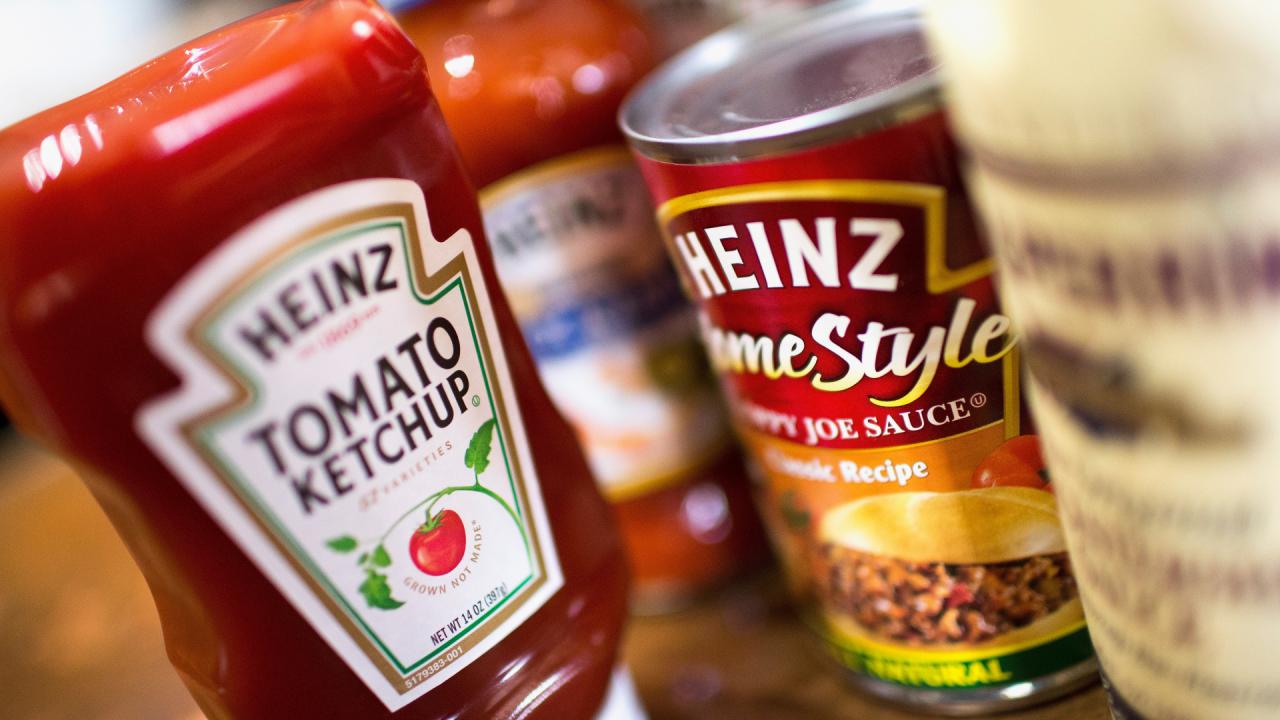
    In the second quarter of 2025, multinational food company Kraft Heinz reported a net loss of $8 billion (AUD$12 billion). This financial downturn was primarily due to a $9.3 billion impairment charge. However, despite significant market challenges, the company’s overall sales exhibited resilience.

    Sales Performance

    Kraft Heinz saw a slight decline in its net sales by 1.9%, dropping to $6.35 billion. Organic sales also fell by 2%, where increased pricing countered a 2.7% volume decrease across various product categories. These categories included cold cuts, coffee, lunchables, frozen snacks, and powdered beverages.

    Operating Loss and Adjusted Income

    Operating income sharply fell into a loss of $8 billion. Similarly, adjusted operating income experienced a 7.5% decrease, landing at $1.3 billion. Kraft Heinz attributed these decreases to rising commodity costs and unfavorable volume and mix. However, these pressures were somewhat alleviated by price increases, reductions in advertising expenditures, and beneficial effects from foreign exchange.

    The company pointed to the impairment charge as the main factor driving their losses. This was largely due to a consistent decrease in share price and market capitalization.

    Strategic Initiatives

    Despite these challenges, Kraft Heinz remains committed to its long-term strategic plans. These include targeted investments in their brands, innovative product development, and improvements in operational efficiency. These initiatives aim to counterbalance the softness in volume and cost inflation.

    Carlos Abrams-Rivera, CEO of Kraft Heinz, commented on the company’s Q2 results, stating, “Our second quarter top-line results reflect this dedication, improving from the first quarter. We are delivering value and driving improvement, underpinned by our Brand Growth System and our Go To Market model.”

    Earlier in the year, it was rumored that Kraft Heinz was considering a spinoff of parts of its grocery division, as it continues to adapt to changing consumer preferences and a general shift away from processed foods.

    Questions & Answers

    What were Kraft Heinz’s net losses in Q2 2025?
    Kraft Heinz reported a net loss of $8 billion (AUD $12 billion) in the second quarter of 2025.

    What factors contributed to the company’s financial downturn?
    The company’s financial downturn was primarily due to a $9.3 billion impairment charge. Other contributors were rising commodity costs and an unfavorable volume and mix.

    What strategic initiatives is Kraft Heinz focusing on to combat these challenges?
    Kraft Heinz is focusing on strategic initiatives like targeted brand investments, product innovation, and operational efficiencies to help counterbalance volume softness and cost inflation.

  • JD.com To Acquire German Retailer Ceconomy In €2.2 Billion Strategic Expansion Move

    JD.com To Acquire German Retailer Ceconomy In €2.2 Billion Strategic Expansion Move

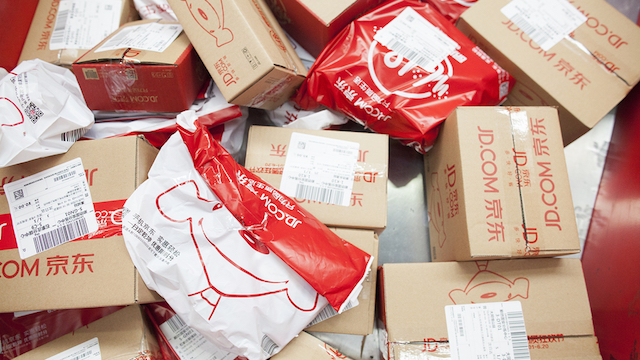
    JD.com, one of China’s leading online retailers, is set to acquire German electronics retailer, Ceconomy. The acquisition deal is worth an estimated 2.2 billion euros (US$2.5 billion). This strategic move signals JD.com’s intentions to expand beyond its domestic market.

    The Details of the Acquisition

    Ceconomy operates under the renowned MediaMarkt and Saturn brands. The acquisition will grant JD.com, a competitor of international giants like Alibaba and Amazon, access to one of Europe’s most extensive online electronic goods platforms, as well as a network of approximately 1000 stores spanning several European nations. The two chains currently employ around 50,000 individuals.

    The deal, announced recently, prices Ceconomy at 4.60 euros per share. CEO Kai-Ulrich Deissner revealed that the deal is expected to be finalized in the first half of the upcoming year.

    According to Deissner, JD.com is the perfect partner at this opportune time. He expressed enthusiasm about the partnership, noting that it would provide them with unrivaled access to cutting-edge technologies, unparalleled retail expertise, and world-leading supply chains.

    Deissner also affirmed that both Ceconomy’s management board and supervisory board would recommend acceptance of the offer to its shareholders. Furthermore, the company’s Duesseldorf headquarters will continue to operate as usual.

    Implications of the Acquisition

    Sandy Xu, CEO of JD.com, has voiced her commitment to working with the team to bolster their capabilities, while also utilizing their advanced technology to expedite Ceconomy’s ongoing transformation.

    Xu added that their objective is to foster Ceconomy’s growth across Europe, thereby creating long-term value for their customers, employees, investors, and local communities.

    The Kellerhals family, Ceconomy’s largest single shareholder, owning just under 30 per cent of the shares, has accepted an offer for 3.81 per cent of its shares. The family intends to retain its investor status, maintaining approximately 25.35 per cent stake.

    Other shareholders, Haniel, Beisheim, BC Equities, and Freenet – who collectively hold about 27.9 per cent of the shares – intend to sell their shares to JD.com.

    Deissner assured that there would be no compulsory redundancies within three years of closing the transaction. He also expressed confidence in avoiding any significant issues from antitrust authorities.

    Impact on Ratings

    Acquiring Ceconomy could potentially fortify JD.com’s presence in Europe significantly. In the wake of the acquisition, JD.com stands to benefit from the more than 1000 stores operating under the MediaMarkt and Saturn brands, not to mention its healthy online presence, which contributes to 24 per cent of sales.

    According to Fitch Ratings, this acquisition could potentially enhance Ceconomy’s credit profile, given JD.com’s strong credit profile. As one of the world’s largest e-commerce platforms, JD.com’s $160 billion revenue from retail, technology, logistics, and healthcare sectors could be a game-changer.

    Questions & Answers

    What is the estimated value of the acquisition deal between JD.com and Ceconomy?
    The acquisition deal is valued at approximately 2.2 billion euros (US$2.5 billion).

    How will the acquisition of Ceconomy benefit JD.com?
    The acquisition will grant JD.com access to one of Europe’s largest online platforms for electronic goods and a network of nearly 1000 stores across several European countries.

    What are the implications of the acquisition deal for Ceconomy’s shareholders?
    The Kellerhals family will sell 3.81 per cent of its shares but intends to remain an investor. Other shareholders, including Haniel, Beisheim, BC Equities, and Freenet, intend to sell their shares to JD.com.


  • Grab Holdings Surpasses Wall Street Expectations With Multi-service Superapp Strategy Amid Global Economic Uncertainties

    Grab Holdings Surpasses Wall Street Expectations With Multi-service Superapp Strategy Amid Global Economic Uncertainties

    Grab Holdings, a Singapore-based tech company, surpassed Wall Street’s revenue expectations in Q2, with a surge in consumption across its ride-hailing and food delivery services, seemingly unaffected by global economic uncertainties.

    Superapp Drive Pays Off

    The company’s robust growth can be attributed to its strategic efforts to transform its platform into a multi-functional, superapp. This expansive integration of various digital services, including ride-hailing, food, and grocery delivery, continues to entice a growing number of users, who are increasingly investing in the offered subscription plans.

    Despite the unease in global economic stability induced by ongoing US trade negotiations, resulting in worries over tariffs and heightened costs, particularly in Southeast Asia, the Singaporean economy remains robust. In Q2, it witnessed a growth rate of 4.3%, successfully averting a technical recession.

    According to Peter Oey, Grab’s CFO, the company’s growth strategy focuses on affordability, which not only encourages growth but also serves as a protective shield against global macroeconomic factors. In a bid to attract price-conscious consumers, the company has been simultaneously working on expanding its driver base to keep up with the rising user demand.

    Financial Performance

    Grab reported an impressive revenue of US$819 million for Q2, surpassing analyst predictions of $811.3 million. The company attributed a significant portion of this success to its robust performance in Indonesia. Previously identified as a market with potential for deeper penetration, the company is now striving to capitalize on the country’s vast population and expand its market share.

    According to Oey, Indonesia has proved to be a profitable market for the company, prompting increased investment efforts in the region.

    Market Consolidation

    The online service market in Southeast Asia is witnessing a phase of consolidation, with larger entities acquiring smaller firms to diversify their service offerings. Though rumors of Grab’s potential acquisition of smaller Indonesian competitor GoTo were circulating earlier this year, Oey confirmed that no such discussions are underway.

    The company’s Q2 financials indicate a remarkable turnaround, with a profit of $20 million, in stark contrast to a $68 million loss in the same period the previous year.

    Questions & Answers

    How has Grab Holdings managed to exceed Wall Street’s revenue expectations in Q2?
    Grab Holdings has successfully surpassed revenue projections by transforming its platform into a superapp, integrating various digital services and appealing to a growing number of users.

    How is the company responding to global economic uncertainties?
    Grab Holdings is focusing on affordability as a protective shield against global macroeconomic factors. It is also endeavoring to keep up with increasing user demand by expanding its driver base.

    What is Grab Holdings’ strategy for the Indonesian market?
    Considering the robust performance and profitability in Indonesia, Grab Holdings is aiming to capitalize on the country’s vast population and increase its market share by investing more in the region.