Blog

  • LVMH Sees Sales Dip: Fashion And Wine Departments Hit Hardest Amid Economic Uncertainty

    LVMH Sees Sales Dip: Fashion And Wine Departments Hit Hardest Amid Economic Uncertainty

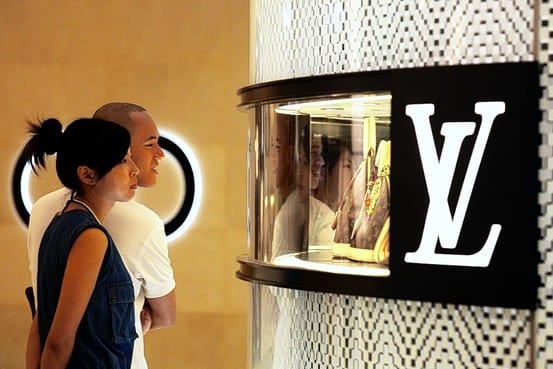
    LVMH Moet Hennessy Louis Vuitton experienced a decrease in sales during the first half of the year, primarily due to weaker performance in its fashion and wine departments.

    Decreased Revenue

    The distinguished luxury conglomerate reported a 4 per cent decline in revenue, which totaled EUR39.8 billion (US$46.7 billion) over a six-month period. This figure represents a 3 per cent decrease in sales on an organic basis, including a 3 per cent decrease in the first quarter and a 4 per cent reduction in the second quarter.

    Impact on Different Divisions

    The major contributors to this decline were an 8 per cent drop in sales in both the fashion and leather goods division and the wine and spirits division. The group attributes the dip in fashion revenue to the strong growth it enjoyed last year, which was largely spurred by increased tourist spending in Japan, owing to a weaker yen. As for the wine segment, it suffered due to the influence of trade tensions impacting the critical markets of the US and China.

    Furthermore, perfume and cosmetics and watches and jewellery departments also reported a 1 per cent decline in sales. In contrast, the selective retailing segment remained flat, a result of continued growth at Sephora and the streamlining of operations at DFS.

    Profit Decline

    In terms of profit, there was a 15 per cent slide in profit from recurring operations which amounted to EUR9 billion, and the net profit was down 22 per cent to EUR5.6 billion.

    Despite these figures, the group maintains its confidence in the prevailing uncertain geopolitical and economic climate. It plans to continue focusing on bolstering the appeal of its brands.

    Questions & Answers

    What were the major contributors to LVMH’s decline in sales?
    The major contributors were an 8 per cent drop in sales in both the fashion and leather goods division and the wine and spirits division.

    What factors affected the fashion and wine segments?
    The dip in fashion revenue can be attributed to the strong growth it experienced last year due to increased tourist spending in Japan, owing to a weaker yen. The wine segment suffered due to trade tensions impacting the crucial markets of the US and China.

    What are LVMH’s plans moving forward amidst the economic downturn?
    The group plans to maintain its focus on enhancing the desirability of its brands, expressing confidence in the prevailing uncertain geopolitical and economic environment.

  • Korean e-commerce firms under fire over hidden review rankings

    Korean e-commerce firms under fire over hidden review rankings

    Approximately 40% of significant online shopping portals in South Korea utilize proprietary algorithms to order product reviews, but the metrics behind these rankings are not publicly disclosed. This lack of transparency has caused some concerns about consumer trust, as per a recent study by the Seoul Metropolitan Government.

    Algorithm-Based Ranking in Online Retail

    The Seoul Electronic Commerce Center’s latest survey, published on Friday, revealed that 66% (33 out of 50) of the country’s top online retail platforms arrange customer feedback using algorithm-based rankings. These kinds of rankings are often labeled as “most popular” or “best”. However, 36% (18 out of 50) of these platforms do not provide any explanation about how these algorithms work.

    The systems used for review rankings can vary across different platforms, but they often prioritize high-star ratings and positive comments. Only a handful of platforms allow visibility for critical yet constructive reviews or let users sort reviews based on their valuable positives and negatives.

    While most platforms offer basic filtering options like “photo/video reviews” or “newest first”, more sophisticated controls are a rarity. Only a single platform allowed users to sort by “most commented”, while merely four platforms provided options to exclude reviews from promotional testers.

    The Importance of Reviews in Online Shopping

    In the report, the city stated, “In online shopping, where consumers cannot inspect the product in person, reviews are a vital factor in the decision-making process. Overemphasis on positive reviews undermines trust and limits informed consumer choice.”

    International platforms such as Costco, Rakuten, Amazon and Sephora have implemented more transparent and user-friendly review systems. For instance, Costco and Rakuten highlight one positive and one critical review deemed most helpful, while Sephora marks incentivised reviews and enables users to filter them out completely. Amazon provides tools to highlight both positive and negative reviews that other consumers have found useful.

    Seoul officials are planning to propose regulatory changes that would require online retailers to reveal their review-sorting algorithms to ensure better oversight.

    Kim Myung-sun, director of Seoul’s Fair Economy Division, commented, “A balanced review policy aids consumers in making quicker decisions and reduces unnecessary returns and disputes. We will continue to advocate for policies that protect consumer rights.”

    Questions & Answers

    What percentage of South Korean online shopping platforms use proprietary algorithms for ranking product reviews?
    Approximately 40% of major online shopping platforms in South Korea employ proprietary algorithms to rank product reviews.

    Why is there a concern about the use of algorithm-based rankings?
    The concern arises from the fact that the criteria behind these algorithm-based rankings are not disclosed to the public, which raises issues about consumer trust and transparency.

    What do Seoul officials plan in response to these findings?
    Seoul officials plan to propose regulatory changes requiring online retailers to disclose their review-sorting algorithms, which aims to strengthen oversight in the online retail sector.

  • McDonald’s to sell Hong Kong retail spaces valued at US$153 million

    McDonald’s to sell Hong Kong retail spaces valued at US$153 million

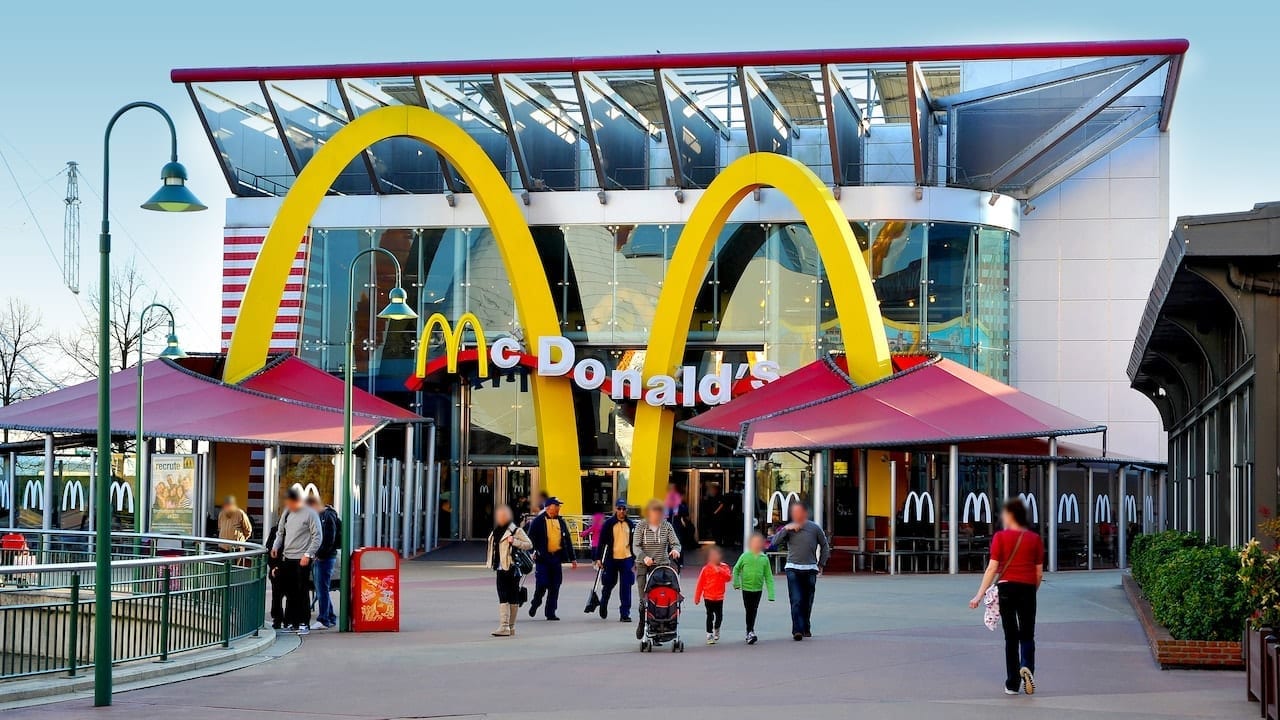
    Fast-food giant McDonald’s has announced plans to sell eight top-tier retail properties in Hong Kong, collectively estimated to be worth HK$1.2 billion (US$152.89 million). Jones Lang LaSalle (JLL), appointed as the exclusive agent for the sale, reported the news earlier this week.

    The properties will be sold via public tender, with the process scheduled to conclude on September 16. Buyers will have the flexibility to purchase the properties either separately or as a comprehensive portfolio. All the properties come with enduring leases with McDonald’s, which adds to their appeal.

    Previously, there had been reports that McDonald’s was considering selling all of its 23 stores in Hong Kong, the total market value of which is roughly HK$3 billion (US$382 million). The current sale of eight stores represents the first phase of this broader asset disposal strategy.

    This move is part of McDonald’s larger efforts to refine its asset base in the region. In 2017, McDonald’s sold its 20-year master franchise rights for China and Hong Kong to a consortium led by Citic Group and private equity firm Carlyle, while maintaining ownership of its real estate portfolio.

    Questions & Answers

    What is the estimated market value of the eight Hong Kong properties that McDonald’s plans to sell?
    The total market value of the eight properties is estimated to be around HK$1.2 billion (US$152.89 million).

    How will the sale of these properties be conducted?
    The sale will occur via public tender and is scheduled to conclude on September 16.

    What is McDonald’s broader strategy for its assets in the region?
    This sale is part of McDonald’s larger efforts to optimize its regional asset base. The company previously sold its 20-year master franchise rights for China and Hong Kong to a consortium, while retaining ownership of its real estate portfolio.

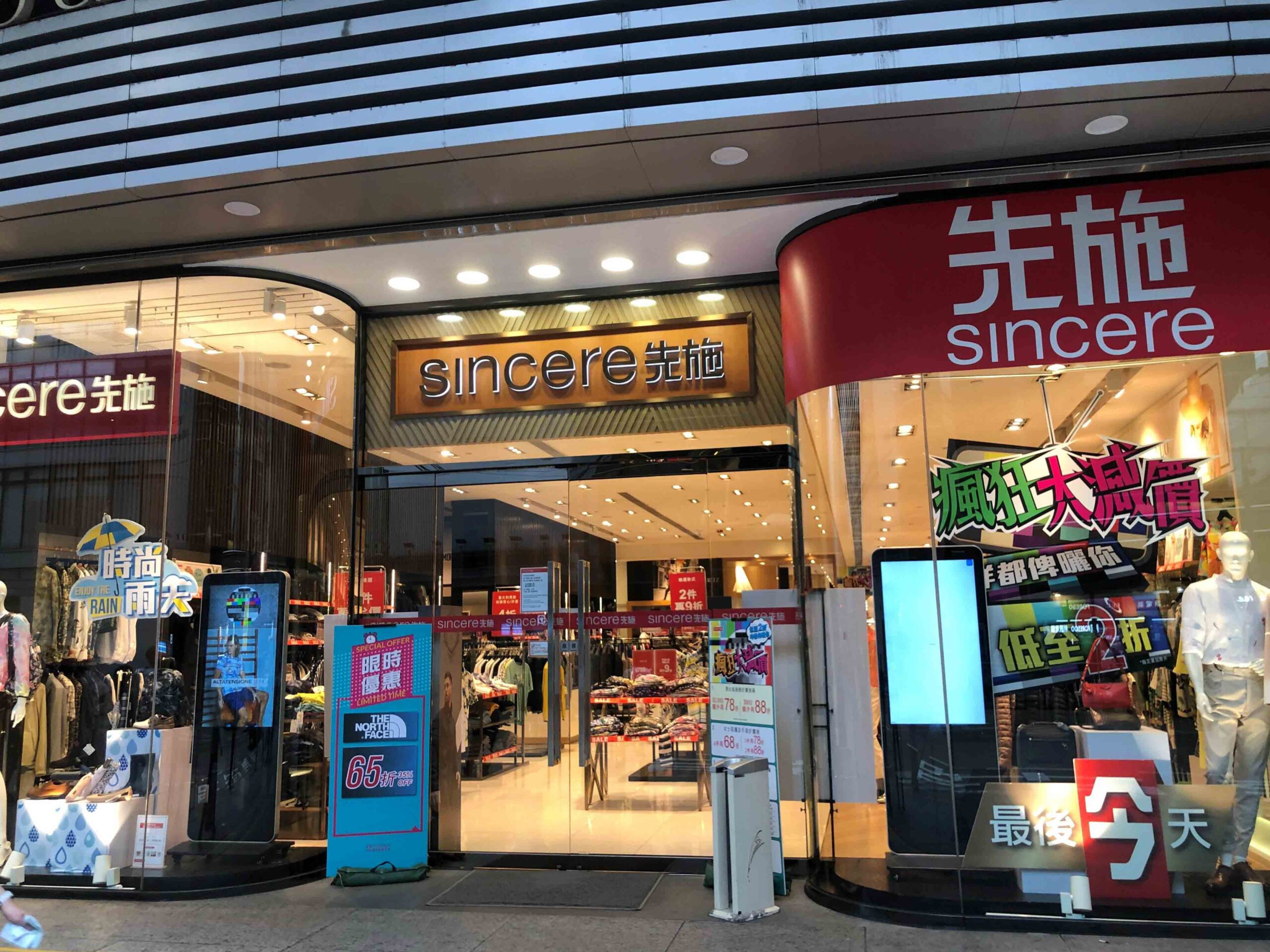
  • Heritage Retailer Sincere Revolutionizes Customer Engagement With Successful Whatsapp Reactivation Campaign

    Heritage Retailer Sincere Revolutionizes Customer Engagement With Successful Whatsapp Reactivation Campaign

    In the face of evolving consumer behaviour and economic instability, traditional department stores such as Sincere, a well-established name since 1900, are required to modernize. Recently, Sincere demonstrated that not only is digital transformation viable for heritage retailers, but it can also be highly lucrative.

    Partnering for Success

    To achieve this, Sincere collaborated with Sanuker, a WhatsApp business solution provider, and Linkage, a retail solution expert, to launch a comprehensive WhatsApp reactivation campaign. This campaign aimed to re-engage inactive customers and increase visitor numbers in physical stores. The results were exceptional, with a 72 per cent coupon redemption rate, a 25 per cent click-through rate, and an incredible 290X return on ad spend – achievements that have since been hailed as a success story.

    The strategy behind the “Sincere Crazy Sale” campaign involved using WhatsApp for message broadcasting and real-time coupon redemption through POS. The campaign harnessed Sincere’s previous customer purchase activity data to distribute highly personalized digital coupons via WhatsApp, which could be redeemed in-store through a QR code system validated by Linkage’s POS. This approach developed a seamless and trackable online-to-offline (O2O) experience, successfully increasing foot traffic back to physical stores.

    David Li, Marketing Manager at Sincere, stated, “We succeeded in effectively re-engaging our inactive and VIP customers. The execution of this campaign significantly improved store visitor numbers and yielded results that greatly surpassed our expectations.”

    The Power of Integration

    Despite its potential, many retailers are still running their business messaging in isolation from their POS or CRM systems, which limits scalability and personalization. In contrast, the solution provided by Sanuker and Linkage enables programmatic audience targeting, campaign automation, and performance feedback loops, transforming WhatsApp into a valuable engagement tool rather than a one-time messaging platform.

    Sanuker and Linkage combined their expertise to offer a fully integrated, scalable solution specifically for Hong Kong retailers. With over three decades of experience in retail systems, Linkage ensures the synchronization of POS and CRM data and campaign logic. This enables precision in programmatic marketing, such as targeting customers who have previously purchased specific product categories, setting up tier-based offers for high-spending members, and providing real-time insights on response rates, redemptions, and even post-campaign purchasing behaviour.

    WhatsApp has proven to be an effective channel for re-engaging inactive customers and reaching high-value segments due to its extensive reach and immediacy. It offers better open rates than other channels such as email or SMS.

    Transforming the Retail Landscape

    In an era where customer loyalty is increasingly hard to secure, providing personalized, timely, and trackable promotions is crucial. Sincere’s campaign has not only proven beneficial for the brand, but it also serves as a template for how traditional retailers can thrive in a digital-first world, placing WhatsApp at the heart of a broader customer strategy.

    Questions & Answers

    What is the significance of Sincere’s recent campaign?
    The campaign demonstrates how traditional retailers can successfully transform digitally without losing their heritage, offering a blueprint for others to follow.

    How does the solution provided by Sanuker and Linkage work?
    By integrating with a retailer’s existing POS and CRM systems, the solution allows businesses to target audiences programmatically, automate campaigns, and receive real-time performance feedback.

    Why is WhatsApp an effective channel for re-engaging customers?
    WhatsApp offers unmatched reach and immediacy, with open rates often surpassing those of email and SMS, making it an effective tool for reconnecting with lapsed customers and activating high-value segments.

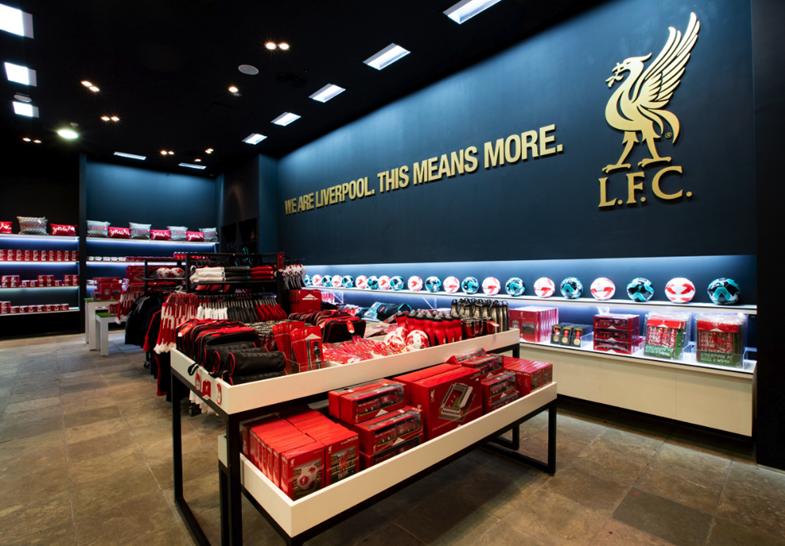
  • Liverpool FC Expands Global Footprint With 20th Standalone Store In Hong Kong

    Liverpool FC Expands Global Footprint With 20th Standalone Store In Hong Kong

    Liverpool Football Club (LFC) recently inaugurated its inaugural standalone store in Hong Kong, marking a significant milestone as its 20th globally. This move is strategically aligned with the five-year extension of the club’s collaboration with All Star Partner, an established sports and e-commerce retailer with a focus on worldwide sports brand merchandizing and licensing.

    Promoting Football Culture in Hong Kong

    The newly launched store, strategically situated in the Kai Tak Sports Park, caters to the club’s burgeoning fan base in the region. It is a one-stop-shop for all official Liverpool FC merchandise, offering a wide spectrum of club-branded attire, exclusive collections, and up-to-the-minute product releases.

    Luo Bin, CEO of All Star Partner, shared his confidence in the standalone store’s ability to not only fulfill the demand for official merchandise from Hong Kong and regional fans but also establish a dedicated space for fan interaction. This will enable fans to fully engage in the distinctive football culture of Liverpool FC.

    On the same note, Lee Dwerryhouse, Senior VP of Merchandising at LFC, reaffirmed that Asia continues to be the club’s strategic priority. This emphasizes the region’s pivotal role in the club’s international retail and fan engagement approach.

    The Growing Presence of LFC in Asia

    The Hong Kong store marks the ninth standalone LFC store in Asia. Besides these standalone outlets, the club also operates over 100 stores within larger establishments, pop-up locations, and an extensive network of e-commerce platforms specifically designed for Asian markets.

    Questions & Answers

    What does the opening of the new standalone store in Hong Kong signify for Liverpool FC?
    The opening of the standalone store in Hong Kong marks Liverpool FC’s 20th such outlet worldwide, highlighting the club’s ongoing expansion and commitment to engaging with its overseas fanbase.

    What is the purpose of the new standalone store in Hong Kong?
    The new store primarily targets Liverpool FC’s growing fanbase in the region by providing a wide range of official merchandise. It also aims to create an exclusive space for fans to interact and immerse themselves in the club’s unique football culture.

    What is the extent of Liverpool FC’s retail presence in Asia?
    With the new addition in Hong Kong, Liverpool FC now operates nine standalone stores in Asia. Additionally, the club runs over 100 stores within larger establishments, pop-up stores, and a robust network of e-commerce platforms across Asian markets.

  • DayOne Breaks Ground on Its First Hyperscale Data Center in Singapore

    DayOne Breaks Ground on Its First Hyperscale Data Center in Singapore

    DayOne has officially broken ground on its inaugural hyperscale data centre in Singapore, marking a significant milestone for the company and the region’s technological landscape. Located in the heart of Singapore, the facility is set to offer a remarkable 20 MW of capacity across a sprawling 40,000 square meters.

    Aiming for 2026: The First Phase Launch

    The first phase of this ambitious project is on track to become operational by 2026, supporting the burgeoning demands of artificial intelligence, cloud computing, and high-density workloads. But this isn’t just about raw capacity; DayOne has firmly committed to sustainability. To power the facility, the company has signed a ten-year Power Purchase Agreement with Sembcorp Power to rely entirely on renewable energy sources. They will utilize bundled Renewable Energy Certificates (RECs) ensuring a green footprint that resonates with today’s eco-conscious business practices.

    Innovating for a Greener Tomorrow

    DayOne has also partnered with the National University of Singapore on a research and development initiative under the Sustainable Tropical Data Centre Testbed Phase 2.0. This collaboration aims to test cutting-edge cooling technologies and Solid Oxide Fuel Cell (SOFC) systems tailored for tropical climates. As if that weren’t ambitious enough, the site will pioneer SOFC power generation methods to harness hydrogen-based energy, reflecting a daring leap toward innovative energy solutions. The facility will support both air and liquid cooling, ensuring optimal performance under various operational conditions.

    Setting the Bar for Sustainability Standards

    With aspirations to earn LEED Platinum and BCA Green Mark Platinum certifications, DayOne is not just looking to build but to set a benchmark for sustainable design in the data centre sector. This project aligns with Singapore’s Digital Connectivity Blueprint, part of its broader initiative to augment 300 MW of capacity in the coming years. Recognized by the Infocomm Media Development Authority (IMDA) and the Singapore Economic Development Board (EDB), the facility came through the Pilot Data Centre Call for Application, emphasizing the country’s commitment to fostering innovation in digital infrastructure.

    Nonetheless, the impact of this development extends beyond Singapore’s borders. DayOne’s operations span across Singapore, Malaysia, Indonesia, Thailand, Japan, and Hong Kong SAR, with the Singapore site poised to be a cornerstone for its regional growth strategy while catering to the increasing demands for AI and high-performance computing workloads. In a region where technology is evolving faster than you can say “hyperscale,” DayOne is certainly setting the pace.

    Questions & Answers

    What is DayOne’s goal for its new data centre in Singapore?
    DayOne aims to deliver 20 MW of capacity across 40,000 square meters, with the first phase expected to be operational by 2026, focusing on AI, cloud computing, and high-density workloads.

    How is DayOne ensuring sustainability at its data centre?
    The company has signed a 10-year Power Purchase Agreement with Sembcorp Power to run the facility entirely on renewable energy, utilizing bundled Renewable Energy Certificates sourced locally or through grid connections.

    What unique technologies will DayOne test at the new facility?
    DayOne will collaborate with the National University of Singapore to test advanced cooling systems and Solid Oxide Fuel Cell (SOFC) technologies aimed at optimizing energy efficiency for tropical climates.

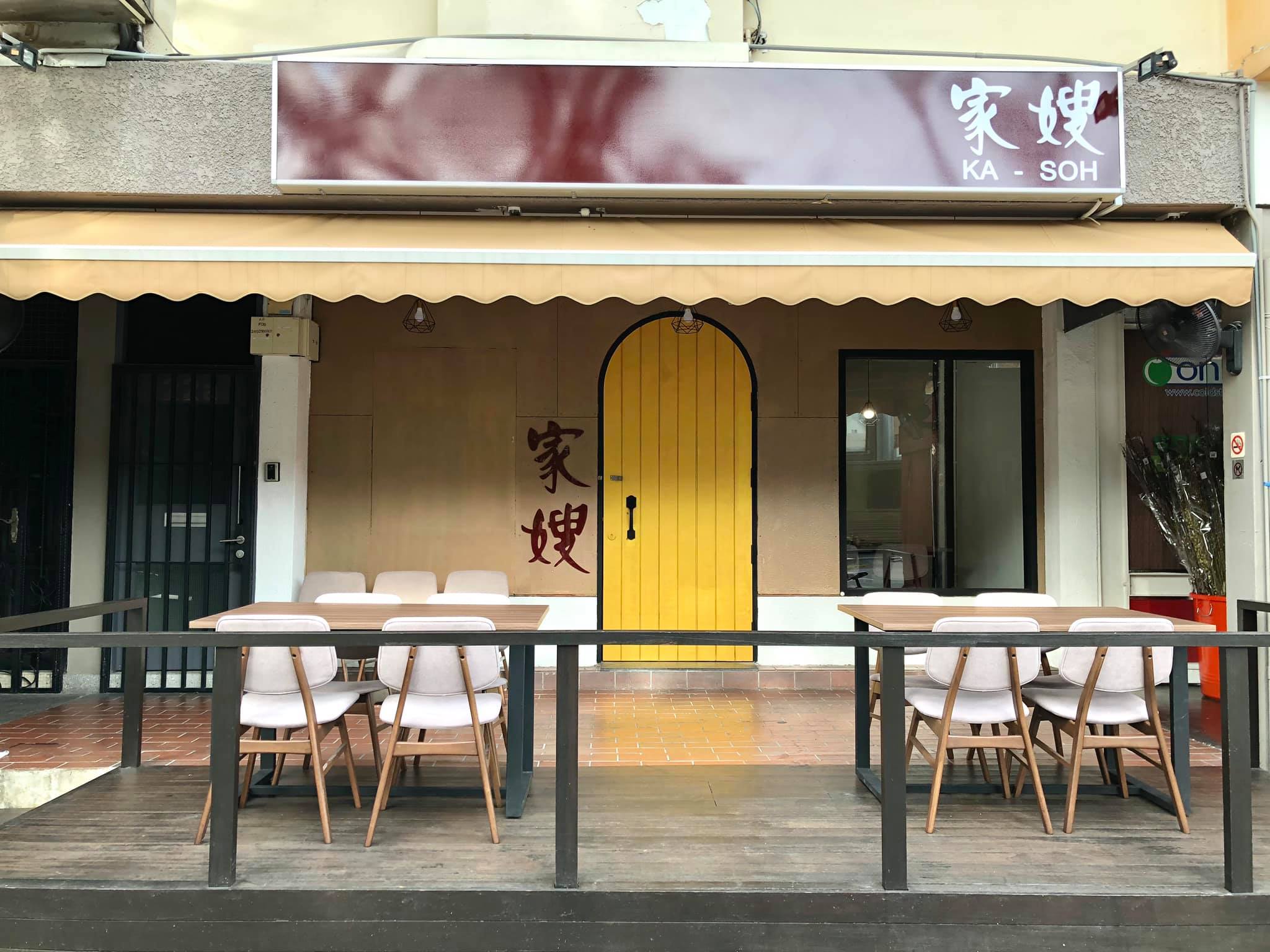
  • Beloved Singaporean Eatery Ka-Soh Bids Farewell After 86 Years of Serving Iconic Cantonese Fish Soup

    Beloved Singaporean Eatery Ka-Soh Bids Farewell After 86 Years of Serving Iconic Cantonese Fish Soup

    In a heartfelt message posted on Facebook, Ka-Soh has announced it will close its Greenwood Avenue location, marking the end of an era come September 28, 2025. This decision comes after years of serving sumptuous Cantonese-style zi char dishes, beloved in both Singapore and Malaysia for their homey appeal and shared dining experience, as recognized by the Michelin Guide.

    Ka-Soh is particularly famous for its signature fish soup, a culinary masterpiece featuring a velvety, milky broth crafted from hours of boiling fish bones. And let’s not forget the prawn paste chicken — a dish that many loyal patrons hail as the best in Singapore, proving that food can inspire both nostalgia and deep cravings.

    In its announcement, Ka-Soh expressed immense gratitude to its loyal customers who have supported the restaurant for generations, moving with it from Chin Chew Street to Amoy and out to Outram before settling in Greenwood.

    Cedric Tang, the third-generation owner at the helm, shared his struggles with survival in today’s competitive food landscape. Just this month, he revealed to The Straits Times that the restaurant has been grappling with slim margins, admitting that he has had to take a salary cut while the earnings have dwindled to barely breaking even, a significant shift from the once-thriving profits of 30-40% seen decades ago.

    The Legacy of 86 Years

    The journey of Ka-Soh began in 1939 when Cedric’s grandfather, Tang Kwong Swee, launched the original eatery, Swee Kee. Following the disruptions of World War II, he reinvented himself as a street hawker along Chin Chew Street before eventually securing a shophouse to reopen his business. As demand grew, he hired a head waitress and her daughter-in-law, who helped shape the restaurant’s character, lending their name to what would become “Ka-Soh,” meaning “daughter-in-law” in Cantonese.

    The restaurant transitioned to Cedric’s father in the 1980s, relocating to Amoy Street in 1996, and saw a new chapter in 2007 with the launch of Ka-Soh as a slightly more upscale offering. At the peak of its popularity, Swee Kee attracted a blend of local patrons and international celebrities, including Hong Kong’s Four Heavenly Kings — Jacky Cheung, Andy Lau, Aaron Kwok, and Leon Lai — who dined there after their performances in Singapore, according to MustShareNews.

    Over the years, Swee Kee operated six outlets, including its flagship location on Amoy Street, earning multiple Michelin Bib Gourmand awards for providing quality food at reasonable prices. Yet, as economic realities set in, including increasing operational costs, Ka-Soh had to make the painful decision to close, nearly all of its outlets falling to the wayside, leaving just one standing.

    In a candid interview with 8days, Cedric articulated the harsh truths faced by traditional eateries in Singapore. Rising costs, persistent staffing challenges, and evolving customer expectations create a perfect storm of difficulties, particularly when price adjustments become necessary. “Being a heritage brand doesn’t pay the bills,” he lamented. Despite the emotional weight of closing the restaurant, Cedric remains hopeful that the spirit of their culinary legacy will endure, acknowledging the hard work he and his brother Gareth have poured into it.

    “Of course, it’s not easy,” he concluded somberly. “But we know we gave it everything we had.”

    Questions & Answers

    What is the significance of Ka-Soh’s closure for the local dining scene?
    Ka-Soh’s closure represents the loss of a beloved heritage brand that has served Singaporeans for decades, highlighting the challenges traditional eateries face in a rapidly changing economic landscape.

    How did Ka-Soh become popular in the first place?
    Ka-Soh became popular due to its authentic Cantonese-style zi char dishes, particularly its acclaimed fish soup and prawn paste chicken, attracting a loyal customer base over its 86-year history.

    What challenges is the restaurant industry facing today?
    The industry is grappling with rising operational costs, staffing issues, and shifting customer expectations, making it tough for heritage brands like Ka-Soh to adapt and thrive.

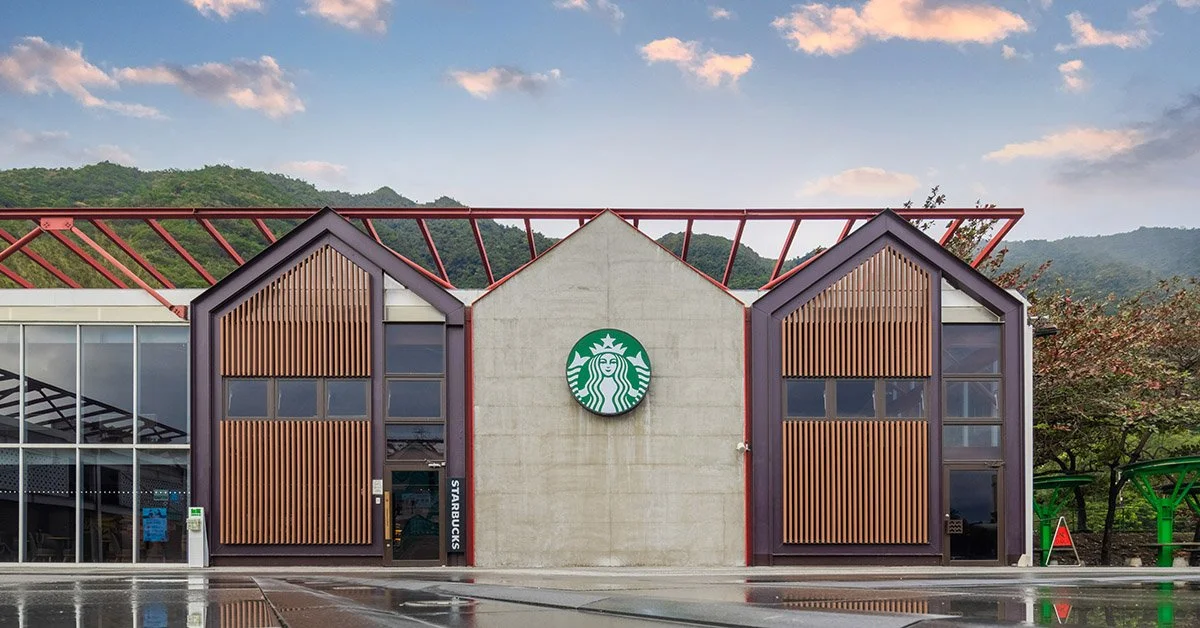
  • Starbucks Unveils Its Grandest Flagship Store Yet in Taiwan

    Starbucks Unveils Its Grandest Flagship Store Yet in Taiwan

    Starbucks has unveiled its grandest flagship store in Taiwan, the Starbucks Reserve Dream Plaza Taipei, an ambitious endeavor nestled in the bustling Xinyi District. Open around the clock, this sprawling 2,000-square-meter venue transforms coffee culture into an immersive experience, featuring exclusive beverages and innovative concepts that are nothing short of a caffeine lover’s paradise.

    A Multifaceted Coffee Oasis

    Visitors can explore several distinct zones within this flagship location, including a Reserve Bar that serves up traditional espresso classics and an enticing bakery. Notably, the Siren’s Lounge®, the first of its kind in the Asia Pacific, offers a reservations-only tasting experience where guests dive into a curated menu crafted by renowned chef André Chiang. This unique dining adventure pairs exquisite food with mocktails and cocktails such as the “VSOP Brandy Espresso Bliss” and the “Reserve Coffee Manhattan,” creating moments that blend taste with artistry.

    Interactive Experiences and Educational Spaces

    The store also boasts new attractions like the Sensory Room and Coffee Experience Room, both designed for tastings, workshops, and events led by Starbucks Coffee Masters and expert roasters. These engaging spaces allow customers to delve deep into the intricacies of coffee’s origins and flavors, making each sip a journey of discovery.

    Introducing Teavana and Artistic Flair

    Excitingly, the store rolls out Taiwan’s first dedicated Teavana® Bar, featuring sparkling tea fusions and seasonal ingredients that reflect local flavors. Artists from both Taiwan and across the globe contribute to the store’s visual identity through a rotating art program themed “Harmony of Nature & Innovation.” The in-store gallery showcases the creativity behind coffee culture, sustainability, and cultural heritage.

    A striking metal sculpture of the iconic Starbucks Siren welcomes patrons at the entrance. Inside, highlights include “Terroir / The Rhythm of Seasons,” crafted by Indigenous Truku artist Labay Eyong, and “The Coffee Dreamscape,” a generative digital artwork by Che-Ye Wu. Tokyo-based artist Yaeko Kurimata adds a beautiful mural titled “Coffee and Biodiversity” in the Siren’s Lounge®, while Canadian designer Ben Johnston’s typographic piece in the Sensory Room conveys the fundamentals of coffee in a captivating visual format.

    A Commitment to Sustainability

    In a notable achievement, this store stands as the largest certified Greener Store in the Asia Pacific, exemplifying Starbucks’ commitment to sustainable design and materials throughout its structure. With an emphasis on eco-friendly practices, this flagship location not only serves coffee but also promotes a conscious approach to its craft.

    Questions & Answers

    What makes the Starbucks Reserve Dream Plaza Taipei unique compared to other Starbucks locations?
    This flagship store features an expansive 2,000-square-meter space with multiple immersive zones, including a dedicated Siren’s Lounge® offering a reservations-only tasting menu, unique to the Asia Pacific region.

    How does the store enhance the customer experience beyond traditional coffee offerings?
    With the introduction of the Sensory Room and Coffee Experience Room, guests can engage in tastings and workshops that delve deeper into coffee’s origins and flavors, guided by experts and Coffee Masters.

    What role does art play in the Starbucks Reserve Dream Plaza Taipei?
    The store showcases a rotating art program focused on “Harmony of Nature & Innovation,” featuring works by both local and international artists, enhancing the ambiance while celebrating coffee culture and sustainability.

  • Ha Long Casino Operator Surges to Profitability After Six Years in the Red

    Ha Long Casino Operator Surges to Profitability After Six Years in the Red

    Royal International Corporation, the force behind the Royal Ha Long Casino in northern Vietnam, is celebrating a crucial turnaround as it recorded its first profit in six years during the second quarter of 2025.

    In a notable revival, the company posted profits of VND10 billion (approximately US$382,500), with revenues soaring 31% year-on-year to reach VND46.9 billion, a peak not seen in over five years. This impressive performance was attributed to the economic rebound, particularly within the service and tourism sectors, which had experienced significant downturns in recent years.

    Last year, the same period saw Royal International grapple with a loss of VND2 billion. It’s worth noting that the firm last enjoyed profitable waters back in the third quarter of 2019, when the cards were evidently in their favor.

    Looking forward, Royal International Corporation sets ambitious targets for the full year, aiming for revenues of VND187 billion and post-tax profits of VND34 billion. To achieve these goals, the company plans to exercise tight control over fixed and financial costs, particularly interest expenses, while also boosting revenues through strategic initiatives.

    Established in 1994, Royal International Corporation comprises a casino, hotel, and luxurious villas in the scenic Ha Long Bay area of Quang Ninh Province, which shares a border with China. Notably, the company made its debut on the Ho Chi Minh Stock Exchange in 2007. However, in May 2022, it faced delisting after three consecutive years of losses, which led to its shift to the Unlisted Public Company Market. Yet, there’s a silver lining: its stock is currently trading at VND5,500, experiencing a remarkable increase of over 57% since the start of the year—employment definitely wasn’t the only thing rising lately.

    Questions & Answers

    What factors contributed to Royal International Corporation’s recent profitability?
    The improved profitability stemmed from a recovery in the service and tourism sectors, which are vital for the company’s operations, alongside a significant increase in revenues by 31% year-on-year.

    What are the future financial targets for Royal International Corporation?
    For the full year 2025, the company aims to achieve revenues of VND187 billion and post-tax profits of VND34 billion, focusing on cost control and increasing revenue streams.

    What challenges has Royal International Corporation faced in recent years?
    The company dealt with six consecutive years of losses, culminating in its stock being delisted in May 2022 after three years of declining performance, before being transferred to the Unlisted Public Company Market.

  • U-Mobile and MICTH Join Forces to Speed Up 5G Expansion Across Malacca

    U-Mobile and MICTH Join Forces to Speed Up 5G Expansion Across Malacca

    U Mobile has officially partnered with Melaka ICT Holdings Sdn Bhd (MICTH) through a memorandum of understanding (MoU) that seeks to accelerate the deployment of U Mobile’s Next Gen 5G network within the region of Malacca. This collaboration is poised to bring faster, more reliable connectivity to consumers and businesses alike.

    Strengthening Infrastructure for a Digital Future

    Under the terms of this agreement, MICTH will provide U Mobile with access to its extensive tower and site infrastructure, along with essential support for site implementations throughout the state. The two organizations plan to leverage their combined expertise to establish an efficient rollout process for 5G technology, enabling a broader and quicker expansion of coverage.

    Woon Ooi Yuen, U Mobile’s Chief Technology Officer, expressed enthusiasm about the collaboration, emphasizing MICTH’s pivotal role in driving rapid deployment in the state. “As Malacca’s state-backed ICT leader, MICTH plays a vital role in accelerating deployment in the state, supporting our ambition to achieve 80% nationwide CoPA by the second half of 2026,” Woon remarked. He added that this partnership will significantly enhance 5G connectivity, propelling both consumer experiences and enterprise capabilities, while also aligning with Malacca’s broader digital transformation strategy to grow its digital economy.

    A Vision for Inclusive Connectivity

    Dr. Nazdiana Ab Wahab, CEO of MICTH, reiterated the organization’s commitment to fostering seamless and inclusive connectivity throughout Malacca. “MICTH remains steadfast in its commitment to ensuring seamless and inclusive connectivity across the state, supporting Malacca’s digital transformation and infrastructure development for the benefit of the economy and the people of Malacca,” she stated, encapsulating the ambition behind the partnership.

    The MoU was formalized during an appreciation ceremony held in Kuala Lumpur, coinciding with the Malacca State Telecommunication Synergy event. Key figures in attendance included U Mobile’s Head of Network Programs and Rollout, Jaime Chee Kar Yean, as well as Datuk Fairul Nizam Roslan, the Malacca Executive Council Member for Science, Technology, Innovation, and Digital Communication. The occasion was graced by the presence of Malacca Chief Minister, Datuk Seri Utama Ab Rauf Yusoh, and State Secretary, Datuk Azhar Arshad.

    Questions & Answers

    What is the primary goal of the MoU between U Mobile and MICTH?
    The main goal of the MoU is to accelerate the rollout of U Mobile’s Next Gen 5G network in Malacca, enhancing connectivity for consumers and businesses across the state.

    How will MICTH support U Mobile in this partnership?
    MICTH will provide U Mobile access to its tower and site infrastructure, along with comprehensive assistance for site implementations to facilitate the deployment of 5G technology.

    Who were the key figures present at the signing of the MoU?
    The signing was attended by notable figures including U Mobile’s Head of Network Programs, Jaime Chee Kar Yean, Malacca Executive Council Member Datuk Fairul Nizam Roslan, and Chief Minister Datuk Seri Utama Ab Rauf Yusoh, among others.

  • Steve Presley Takes Helm As CEO Of Refresco: A Strategic Move For Global Growth

    Steve Presley Takes Helm As CEO Of Refresco: A Strategic Move For Global Growth

    Refresco, a leading independent beverage solutions provider, has announced the appointment of Steve Presley as its new Chief Executive Officer. Presley will assume the role effective from August 4, spearheading the company’s global growth strategy and joining its executive board.

    Experienced Leadership

    Presley, a seasoned veteran in the food and beverage industry, brings nearly three decades of experience to his new role at Refresco. His most recent position was at Nestle, where he served as the executive Vice President and CEO of Zone Americas. His considerable industry experience, along with strong relations with retailers and brands, is expected to be a considerable asset for the company.

    James Cunningham, a partner at KKR and chairman of Refresco’s supervisory board, expressed his confidence in the appointment, remarking on Presley’s entrepreneurial spirit along with his extensive operational and financial expertise. He also highlighted Presley’s deep understanding of customer needs, which are likely to be key assets in Refresco’s mission to continue delivering exceptional beverage solutions globally.

    About Refresco

    As the world’s leading independent beverage solutions provider, Refresco caters to a broad range of clients, including global and national brands, as well as emerging brands and retailers. The company operates production facilities across Europe, North America, and Australia, offering a diverse selection of beverages. These range from soft drinks, juices, ready-to-drink teas, and mineral waters to energy drinks and plant-based beverages.

    Questions & Answers

    Who is the newly appointed CEO of Refresco?
    Steve Presley is the newly appointed CEO of Refresco. He will take on his new role from August 4.

    What experience does Steve Presley bring to Refresco?
    Presley brings nearly 30 years of experience in the food and beverage industry. He previously held the role of executive Vice President and CEO of Zone Americas at Nestle.

    What is Refresco’s area of expertise?
    Refresco is a leading independent beverage solutions provider, offering a wide range of beverages such as soft drinks, juices, ready-to-drink teas, mineral waters, energy drinks, and plant-based beverages. It operates production facilities across multiple continents including Europe, North America, and Australia.

  • TikTok Shop Gains Ground, Closing In on E-commerce Leader Shopee in Retail Competition

    TikTok Shop Gains Ground, Closing In on E-commerce Leader Shopee in Retail Competition

    TikTok Shop is making waves in the Southeast Asian e-commerce landscape, capturing a notable 39% share of gross merchandise value, a substantial increase from 29% in the first half of the previous year, according to data from Metric. In stark contrast, its competitor Shopee has seen a decline, with its market share slipping from 63% to 58%. When it comes to revenue growth, TikTok Shop outpaced Shopee dramatically, reporting a staggering 69% growth compared to Shopee’s more modest 16%.

    Combined, TikTok Shop and Shopee command an impressive 97% of the market, leaving the remaining 3% to Lazada and Tiki, while other players remain too small to feature in Metric’s data. The analytics firm suggests that TikTok Shop’s ascent highlights a significant consumer trend towards platforms that marry entertainment with shopping, a seamless integration some are dubbing “shoppertainment.”

    At the recent TikTok Shop Vietnam Summit, the platform celebrated the remarkable success of this entertaining shopping model. Metrics from 2024 show revenue growth surging by 2.3 times in affiliate marketing and 1.9 times in livestreaming and short videos. However, TikTok Shop is not just riding the wave of entertaining content; official brand stores are emerging as a crucial growth driver. Despite representing only 3.4% of total stores on Shopee and TikTok Shop, these brand malls accounted for an impressive 28.7% of total revenues, reflecting an eye-popping year-on-year growth of 63% and 107% respectively. It seems consumers are becoming increasingly discerning, gravitating towards trusted brands amid the prevalence of low-quality goods.

    As we look ahead to the third quarter, forecasts from Metric indicate a projected gross merchandise value increase of 21.6% among the four major platforms, expected to reach VND122.8 trillion. Key sales events like the Mid-Autumn Festival and the back-to-school season are anticipated to fuel demand for education, gifting, and food products.

    In a recent forum, Nguyen Lam Thanh of TikTok Vietnam emphasized a commitment to optimizing seller operations, enhancing user security, and bolstering community support initiatives within the industry. Meanwhile, rival platforms Shopee and Lazada are ramping up competition by offering free shipping, with Shopee announcing free shipping on all orders, except for bulky items, and Lazada launching similar offers for orders under 15kg from official brand stores.

    Questions & Answers

    What trends are fueling TikTok Shop’s growth in Southeast Asia?
    The growth of TikTok Shop is largely attributed to the blending of entertainment and shopping—termed “shoppertainment”—which is increasingly resonating with consumers, alongside a notable rise in trust for official brand stores amidst a crowded market.

    How is the competition responding to TikTok Shop’s success?
    In response to TikTok Shop’s explosive growth, both Shopee and Lazada are implementing aggressive strategies, including offering free shipping on various orders to attract more customers.

    What does the future look like for e-commerce platforms in the region?
    The outlook for the coming months appears promising, with projections of a 21.6% increase in gross merchandise value across major platforms, driven by key shopping events and seasonal demand for various products.

  • LVMH Explores Sale of Iconic Fashion Brand Marc Jacobs Amid Strategic Refocus

    LVMH Explores Sale of Iconic Fashion Brand Marc Jacobs Amid Strategic Refocus

    Rumors are swirling around LVMH’s Marc Jacobs label, as the luxury giant engages in discussions with interested buyers, including Authentic Brands Group, known for their acquisition of Reebok, and WHP Global. Sources close to the negotiations, who wished to remain anonymous due to the sensitive nature of the talks, suggest that a deal could be on the horizon.

    While Authentic Brands has declined to comment, WHP Global has yet to respond. Adding to the mix, Bluestar Alliance, the current owner of Brookstone, is also vying for the Marc Jacobs brand, which analysts estimate could fetch around $1 billion, according to a recent report by the Wall Street Journal.

    Neither LVMH, Marc Jacobs, nor Bluestar Alliance provided comments regarding the report from the WSJ. Previously, in 2024, Bloomberg revealed that LVMH was looking into strategic options for the Marc Jacobs brand after attracting interest from potential buyers, though the company denied such claims at that time.

    Founded by American designer Marc Jacobs in 1984, the brand is celebrated for its vibrant and eclectic designs that marry high fashion with street style. In a pivotal moment for both parties, LVMH appointed Jacobs to oversee Louis Vuitton in 1997 and subsequently acquired a stake in his own label.

    According to the Journal, a deal might be finalized soon, provided that discussions do not stall. This potential offloading of Marc Jacobs aligns with LVMH’s recent efforts to streamline its brand portfolio. Last year, the luxury conglomerate sold Off-White—initially established by Virgil Abloh—to Bluestar Alliance, although the sale price was not disclosed.

    In another notable move, Stella McCartney, who previously sold a minority stake of her brand to LVMH, reacquired that stake this year, just five years after the luxury group’s investment. McCartney has pledged to continue advising LVMH’s chief executive, Bernard Arnault, on sustainability issues—a topic she passionately champions.

    The luxury retail sector has been a hotbed for dealmaking recently, particularly in Europe. In a significant move, Prada acquired Versace from Capri Holdings in a staggering $1.4 billion deal, highlighting the competitive and dynamic nature of high-end fashion.

    While LVMH’s second-quarter sales, which encompass iconic products like Louis Vuitton handbags and Moët & Chandon champagne, fell slightly short of market expectations, analysts remain optimistic. The group’s shares have risen, buoyed by signs of recovering demand in the critical Chinese market, a beacon of hope amid challenging conditions.

    Analyst Adam Cochrane from Deutsche Bank noted that, despite the second-quarter results lacking brilliance, there were “glimmers of hope” on the revenue horizon. French luxury brands continue to navigate a tricky landscape, grappling with economic downturns and the looming specter of U.S. import tariffs.

    Questions & Answers

    Which companies are interested in acquiring Marc Jacobs?
    Authentic Brands Group and WHP Global are among the potential buyers, with Bluestar Alliance also expressing interest.

    What is the estimated value of the Marc Jacobs brand?
    Analysts estimate the brand could be valued at around $1 billion.

    What recent strategic move did Stella McCartney make concerning her brand?
    Stella McCartney has repurchased the minority stake that LVMH held in her label, five years after LVMH’s initial investment.

  • Onshore Wind Continues to Lead as 2024’s Most Affordable Energy Source

    Onshore Wind Continues to Lead as 2024’s Most Affordable Energy Source

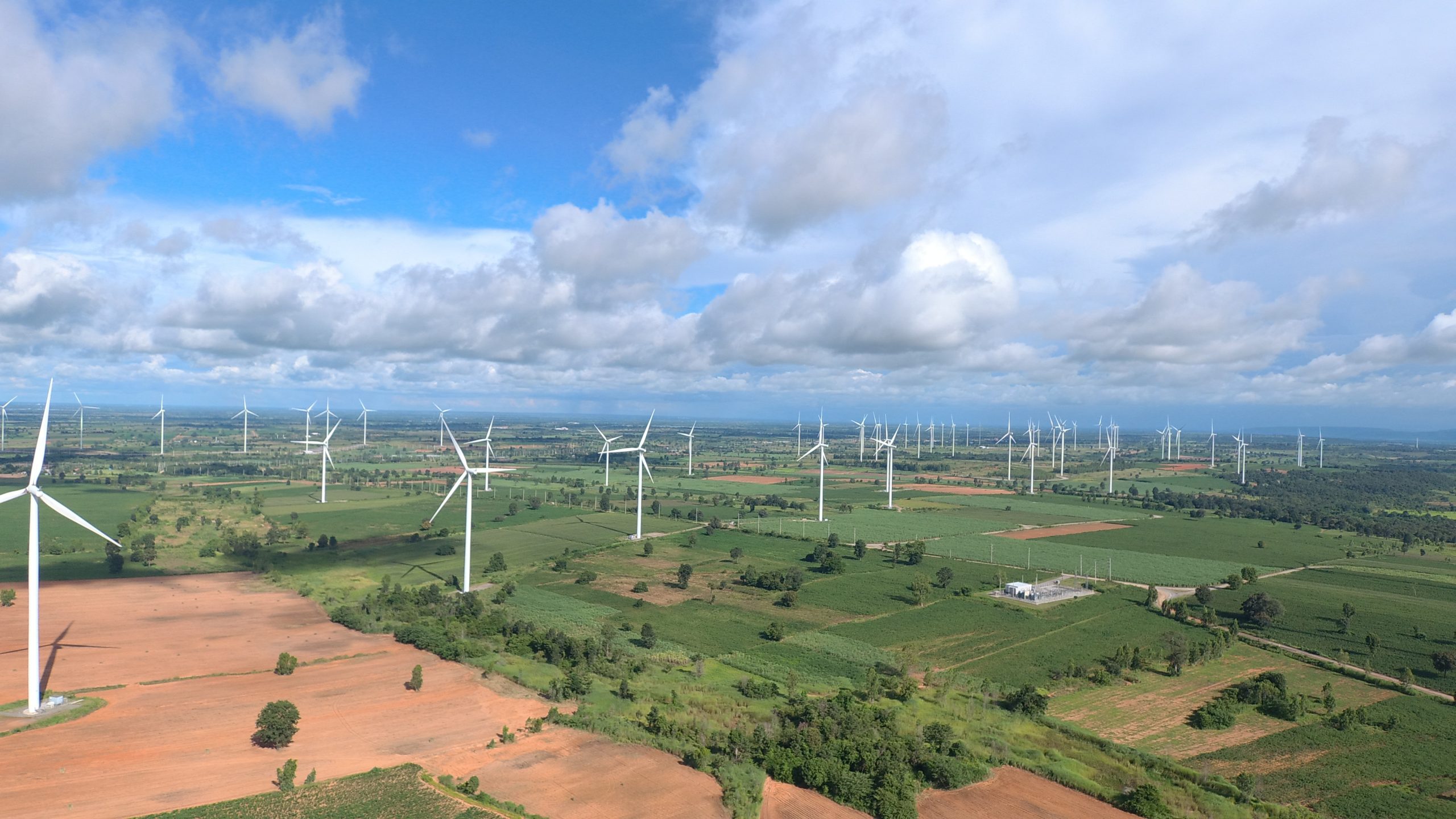
    The remarkable growth of renewable energy in 2024 has a staggering backdrop: an impressive 582 gigawatts of new capacity has been added, significantly staving off fossil fuel consumption worth approximately $57 billion. According to the International Renewable Energy Agency (IRENA), onshore wind is leading the charge as the most economical option, priced at just $0.034 per kilowatt-hour (kWh), making it 53% cheaper than its most affordable fossil fuel counterparts.

    A Solar Surge in Affordability

    In the realm of solar energy, prices hit $0.043/kWh, which reflects an attractive 41% lower cost than fossil fuel alternatives, showcasing the competitive landscape of renewables. IRENA’s report, “Renewable Power Generation Costs in 2024,” emphasizes that a staggering 91% of the newly commissioned renewable projects last year outperformed any newly required fossil fuel options in terms of cost efficiency.

    Imminent Cost Trends Amid Challenges

    While the trend appears promising, the report also points out that technological advancements will likely continue to drive down costs. Yet, external challenges such as trade tariffs, raw material shortages, and shifts in manufacturing, particularly within China, could dampen progress and temporarily inflate prices.

    In Europe and North America, structural hurdles like permitting holdups and constrained grid capabilities are likely to perpetuate higher costs. In contrast, regions like Asia, Africa, and South America stand to benefit from enhanced learning curves and substantial renewable potential, paving the way for more pronounced cost reductions.

    Investment Stability as a Key Factor

    IRENA emphasizes the critical role of stable and predictable revenue frameworks to mitigate investment risks and attract the necessary capital. Despite the declining costs, new challenges have arisen—mainly concerning integration costs for renewable energy systems. Increasingly, wind and solar projects face delays due to bottlenecks in grid connections, sluggish permitting processes, and costly local supply chains.

    Financing remains a pivotal factor influencing project feasibility. In many developing Global South countries, high capital costs, exacerbated by macroeconomic conditions and perceived investment risk, significantly inflate the levelized cost of electricity (LCOE) for renewables.

    Technological Advances Fueling Future Growth

    However, the future looks promising as technological innovations beyond just energy generation continue to enhance the viability of renewables. Battery energy storage systems (BESS) have plummeted in cost by 93% since 2010, now sitting at $192/kWh for utility-scale applications, thanks to improved materials and streamlined manufacturing processes. Who knew that battery prices would fall faster than your last ability to remember your online passwords?

    Moreover, the advent of artificial intelligence (AI) is revolutionizing asset performance and grid responsiveness. Despite these advancements, the digital infrastructure and flexibility required for expansion and modernization present ongoing challenges, particularly in emerging markets where further investment is critical to unlock the full potential of renewable energy.

    Questions & Answers

    What is the significance of the 582 gigawatts of new renewable capacity added in 2024?
    The addition of 582 gigawatts of renewable capacity in 2024 not only avoided fossil fuel consumption valued at approximately $57 billion, but it also marks a significant shift towards more sustainable energy sources that are outperforming traditional fossil fuels economically.

    Which renewable energy source is currently the most affordable?
    Onshore wind is recognized as the most affordable renewable energy source, priced at $0.034 per kilowatt-hour, making it considerably cheaper than its fossil fuel counterparts.

    What challenges could potentially disrupt the decreasing costs of renewables?
    External challenges such as trade tariffs, raw material shortages, and changes in manufacturing practices pose risks that might temporarily elevate costs, particularly in established markets like Europe and North America.

  • Toshin Development Boosts Its Presence with New Strategic Investment in Hanoi

    Toshin Development Boosts Its Presence with New Strategic Investment in Hanoi

    In Vietnam, Toshin Development continues to leave a significant mark on the commercial real estate landscape, with notable projects such as Saigon Centre, AB Tower, The Loop by Takashimaya Group (IPH), and its latest venture, Lancaster Luminaire. With an eye on enriching the retail experience, the company has carved a substantial niche in Ho Chi Minh City and is now setting its sights firmly on Hanoi, responding to a rising demand for premium shopping options.

    A Shift Toward Premium Experiences

    Recent insights from Savills Vietnam reveal a noteworthy resurgence in global retail investment, projected to recover to 12.4% by 2025. Capital flows are steadily rebounding, particularly since the latter half of 2024. Simultaneously, Vietnam’s burgeoning middle class is expanding at an impressive clip of 10–12% annually and is poised to comprise 26% of the population by 2026, as highlighted by the World Bank. This socio-economic landscape is positioning Vietnam as a vital player in the realm of premium consumerism.

    Hanoi’s Retail Market: A High-Stakes Game

    Despite the positive trends, Hanoi is grappling with a constrained retail market. The occupancy rates of shopping centers have climbed to 86%, yet the introduction of new spaces struggles to match the rigorous standards set by international brands. The second quarter of 2025 is on track to welcome a diverse range of entrants, including luxury names like Dior Beauty and Prada Beauty, along with more accessible brands such as Mr. DIY, highlighting Hanoi’s allure for quality retail options.

    Starlake: The Next Retail Hotspot?

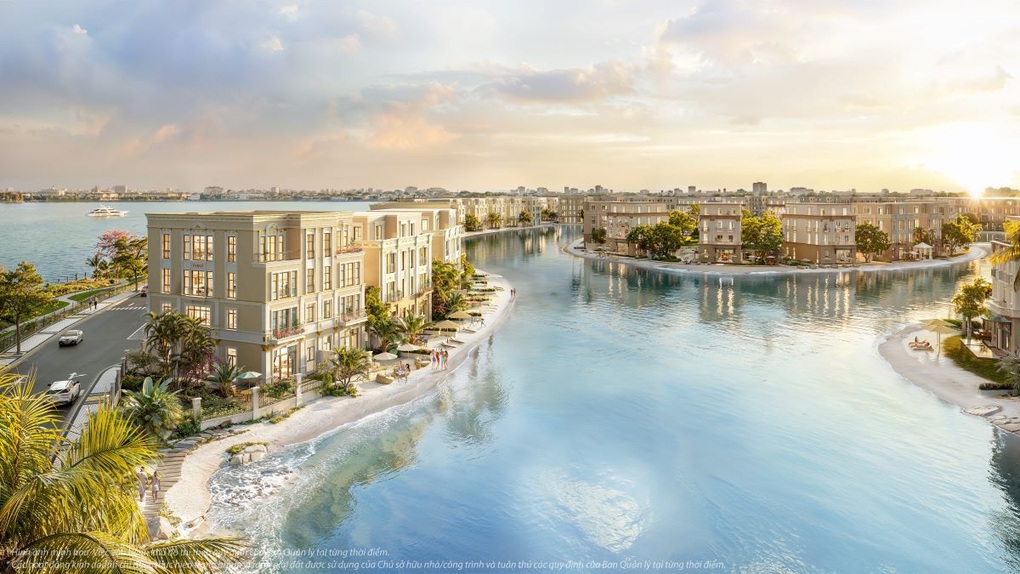
    Experts are increasingly eyeing Starlake, an urban township in Tay Ho Tay, as a burgeoning retail hotspot. Its strategic location, robust infrastructure, and an international residential community make it a magnet for premium offerings. Matthew Powell, Director at Savills Hanoi, notes, “Starlake is gradually taking shape as a strategic destination for international brands,” as many retailers seek to plant their flags in this developing hub.

    Future Prospects: A Major Retail Project on the Horizon

    Forecasts from Savills indicate that Hanoi will see a mere addition of 10,600 square meters of high-quality retail space over the next three years, a striking mismatch with current demand. This discrepancy paves the way for seasoned international developers like Toshin Development to join the fray. Although details remain under wraps, sources suggest that Toshin is laying the groundwork for an expansive retail project in Starlake Tay Ho Tay. Expected to embody Takashimaya’s development ethos, the project promises premium retail venues, exceptional service, and refreshingly designed relaxation areas that will elevate the visitor experience.

    The Future of Luxury Retail in Hanoi

    Emphasizing sustainability, contemporary architecture, and an array of integrated amenities, Toshin Development’s upcoming project is anticipated to adhere to LEED green building standards. These features are not only in line with evolving consumer preferences but also strategically position the project in Hanoi’s bustling retail ecosystem. Real estate experts contend that this development could serve as a pivotal influence on the city’s high-end retail environment, potentially attracting international brands keen to establish flagship locations in the capital.

    Toshin Development’s strategic maneuvers underscore a vibrant shift in Hanoi’s retail narrative, signalling sustained interest from international investors in Vietnam’s market potential. With a groundbreaking ceremony likely slated for early August, the city is on the cusp of a transformative phase for premium retail that may redefine the landscape from 2025 to 2030.

    Questions & Answers

    What is Toshin Development’s investment strategy in Vietnam?
    Toshin Development is focused on creating luxurious retail spaces that enhance customer experiences, having already established a significant presence in Ho Chi Minh City and now expanding into Hanoi with a refreshed investment approach.

    What challenges does the retail market in Hanoi currently face?
    Hanoi’s retail market is experiencing pressure due to limited space and high occupancy rates, with shopping centers reaching an 86% occupancy while new developments fail to meet the leasing demands of international brands.

    What is unique about the upcoming project in Starlake, Tay Ho Tay?
    The new project in Starlake is set to embody sustainable practices and modern design while offering premium retail experiences, including upscale relaxation areas—elements that are increasingly important to today’s discerning consumers.