Blog

  • NEC ANZ Welcomes Keith Morrison as Its New CEO, Marking a Fresh Chapter for the Company

    NEC ANZ Welcomes Keith Morrison as Its New CEO, Marking a Fresh Chapter for the Company

    NEC Australia & New Zealand (ANZ) is set to undergo a leadership change as President and CEO Jason Price announces his resignation effective at the end of July 2025. After nearly three years at the helm, he will hand over the reins to Keith Morrison, whose appointment as CEO will take effect on August 1, 2025.

    Leadership Through Transformation

    During his tenure, Price has been a guiding force in steering NEC ANZ through substantial transformation, enhancing operational efficiencies, emphasizing customer engagement, and laying a strong groundwork for future growth. His leadership has ushered in modernization, setting the stage for the company’s next chapter.

    The Incoming CEO’s Vision

    Morrison joined NEC in 2024 as Senior Vice President and played a key role in developing the organization’s strategy for fiscal years 2025 to 2027. With over 25 years of experience in telecommunications, IT services, and business transformation, he has held senior positions at Datacom and Kinetic IT. His rich background positions him well to lead NEC into a promising future.

    Continuity and Change in Leadership

    Morrison’s promotion signals a commitment to delivering value to customers, strengthening strategic partnerships, and expanding NEC’s footprint across Australia and New Zealand. The transition promises continuity in leadership, facilitated by a collaborative handover process backed by Price and NEC’s regional and global stakeholders.

    A Solid Foundation for Growth

    Reflecting on his time, Price remarked, “It’s been a privilege to lead NEC through a defining period. I’m proud of the progress we’ve made—reshaping the business, strengthening our culture, and setting a clear path for the future. I am confident that Keith is the best person to guide the business through its next phase. He brings the right mix of deep experience, energy, clear vision, and a strong understanding of NEC’s strategy and values.”

    Morrison’s Exciting Challenge

    Morrison is optimistic about the company’s prospects in the region. “This is an exciting time for the business. We’ve laid the groundwork for something significant,” he said, eager to lead NEC’s next chapter. His focus will be on accelerating growth, enhancing value, and building upon the solid foundation established by Price and the team.

    Based in Perth, Western Australia, Morrison’s ascent to CEO emphasizes NEC’s commitment to investing in and growing within this strategically vital region. The company expressed heartfelt gratitude for Price’s leadership and contributions while wishing him every success in his future endeavors. After all, leading a company through transformation can sometimes feel like juggling flaming torches—daring, indeed, but captivating for those who know how to handle it.

    Questions & Answers

    What were some key accomplishments during Jason Price’s tenure?
    During his time as President and CEO, Jason Price guided NEC ANZ through significant transformational changes that improved operations, enhanced customer focus, and set the company up for sustainable growth.

    What experience does Keith Morrison bring to his new role as CEO?
    Keith Morrison has over 25 years of experience in telecommunications, IT services, and business transformation, training his sights on expanding NEC’s presence in Australia and New Zealand since joining the organization as Senior Vice President in 2024.

    How does NEC view the transition in leadership?
    The transition ensures continuity and is supported by both outgoing and incoming leaders, with a shared vision for accelerating growth and enhancing customer value in the region.

  • Hong Kong’s Stablecoins Bill: A Path to Stricter Oversight and New Opportunities in Digital Finance

    Hong Kong’s Stablecoins Bill: A Path to Stricter Oversight and New Opportunities in Digital Finance

    Hong Kong’s newly enacted Stablecoins bill is reshaping the landscape for digital currencies, enhancing transparency and compliance while unlocking avenues for innovation in the digital asset market. This pivotal legislation is drawing considerable attention from industry experts who see it as a catalyst for a more structured approach to stablecoin issuance.

    Transforming Transparency in Digital Assets

    As analysts delve into the implications of the bill, one key takeaway is the necessity for issuers to significantly enhance their treasury transparency. “Issuers will need to overhaul treasury transparency, implement robust real-time reserve attestations, and establish clear redemption mechanisms,” explained Elena Tzvetinova, Chief Operating Officer at Reasoon Ltd., which operates as the AI fintech firm Eunice. Many current stablecoin issuers may struggle to meet these new standards, particularly in regard to internal controls and risk frameworks, according to Tzvetinova. “It’s a bit like asking a toddler to walk before they can even crawl,” she quipped, highlighting the challenges ahead for smaller players in this space.

    A New Era of Licensing and Regulation

    Passed in May 2025, the Stablecoins bill mandates that any entity issuing fiat-referenced stablecoins—digital currencies pegged to traditional currencies such as the US dollar or the Hong Kong dollar—must secure a license from the Hong Kong Monetary Authority. As a result, only licensed issuers are permitted to market stablecoins to retail investors in Hong Kong, enhancing investor protection and fostering public confidence in the digital asset sector.

    Bank Response: A Shift in Strategy

    Local banks are already responding to the regulatory changes. ZA Bank Ltd., recognized as Hong Kong’s first virtual bank, has been providing stablecoin reserve banking services since 2024 and is currently negotiating with various potential issuers. “We are prepared to meet diverse development needs as the market evolves,” stated Calvin Ng, CEO of ZA Bank, reinforcing the institution’s commitment to adapting alongside regulatory shifts.

    Strategic Collaborations and Innovations Ahead

    In a notable move, Standard Chartered Hong Kong has announced plans to introduce a Hong Kong dollar-backed stablecoin in collaboration with Animoca Brands Corp. Ltd. and Hong Kong Telecommunications Ltd. This development signals a strong intention to innovate within the regulatory framework.

    Tzvetinova believes this new law not only positions Hong Kong as a potential springboard for bank-grade, interoperable stablecoins but could also serve as a gateway for regional digital currency initiatives. The synergistic growth of digital services could lead to a broad array of products, from integrating stablecoins into existing banking offerings to collaborative issuance and platform development.

    Potential and Challenges in the Stablecoin Landscape

    Expressing enthusiasm for the future, Cyrus Tong, Chief Compliance Officer at DCS Card Centre Pte. Ltd., emphasized the versatile applications of stablecoins, which could streamline cross-border payments and enhance programmable wallets, smart escrow, and loyalty programs. “This could not only reduce foreign currency friction but also attract institutional investors in search of regulated digital alternatives,” he noted.

    Despite the optimism, Tong also addressed significant challenges, warning that interoperability with different regimes is essential to prevent market fragmentation. He pointed out that emerging risks, particularly around cybersecurity and liquidity mismatches, warrant regulatory consideration. While some existing firms might exit the market, Tzvetinova predicts that those who remain committed will invest in infrastructure and compliance, ultimately fostering a healthier ecosystem.

    Questions & Answers

    What changes does the Stablecoins bill introduce for issuers in Hong Kong?
    The bill requires stablecoin issuers to obtain a license from the Hong Kong Monetary Authority and ensure robust treasury transparency, reserve attestations, and clear redemption mechanisms.

    How are banks responding to the new regulations regarding stablecoins?
    Banks like ZA Bank Ltd. are already adapting by offering stablecoin reserve banking services and engaging with potential issuers to align their strategies with the evolving regulatory landscape.

    What are the potential benefits of stablecoins mentioned in the article?
    Stablecoins could facilitate cross-border payments, programmable wallets, smart escrow, and loyalty programs, potentially attracting institutional investors looking for regulated digital currency options.

  • ANZ Customers Set to Splash $280 Million on European Adventures This Summer!

    ANZ Customers Set to Splash $280 Million on European Adventures This Summer!

    Travel bookings among Australians have witnessed a remarkable upswing, with hotel and airline reservations soaring by 11% between January and May 2025. The Australia and New Zealand Banking Group (ANZ) anticipates that this momentum will lead to a projected $280 million in customer spending across Europe for the coming months of June, July, and August—a healthy 10% increase compared to the previous year.

    “The robust growth in early travel planning indicates that many of our customers are eager to explore Europe this year,” asserted Yiken Yang, ANZ’s managing director of everyday banking. While this spending may not reach the impressive $313 million peak seen in 2023, Yang is optimistic about the travel sector’s vibrant resurgence in 2025.

    As Australians shed the winter chill, they are increasingly gravitating toward exotic destinations, with Japan and Thailand emerging as favorite holiday spots. According to ANZ, there’s also a notable curiosity for travel within Asia and the Pacific, indicating a wider diversification in travel choices. “Aussies continue to switch out their winter with new travel experiences,” Yang remarked, reflecting a shift in traveler priorities.

    Interestingly, while European travel from ANZ customers experienced a dip in 2024, non-European destinations have seen a 3% increase in spending. Regions like Indonesia, New Zealand, Thailand, and Japan have captured the attention of holidaymakers, with Japan reflecting an impressive year-on-year growth of 32.4%. This surge has solidified Japan’s place among the top 10 travel destinations for ANZ customers, positioning it as a key player in the global tourism landscape.

    Questions & Answers

    How much is ANZ predicting for customer spending in Europe this summer?
    ANZ projects that customer spending in Europe will reach $280 million during the months of June, July, and August in 2025, marking a 10% increase from the previous year.

    Which destinations are gaining popularity among Australian travelers?
    Japan and Thailand are emerging as top holiday spots for Australians, with Japan reporting a significant 32.4% growth year-on-year.

    How does the travel spending in 2025 compare to 2024 and 2023?
    While spending in 2025 is expected to increase from 2024, it is not anticipated to surpass the peak of $313 million seen in 2023, indicating a growing optimism for the travel sector’s recovery.

  • Sydney Set for a Housing Surge: 2,554 New Apartments to be Completed by 2025

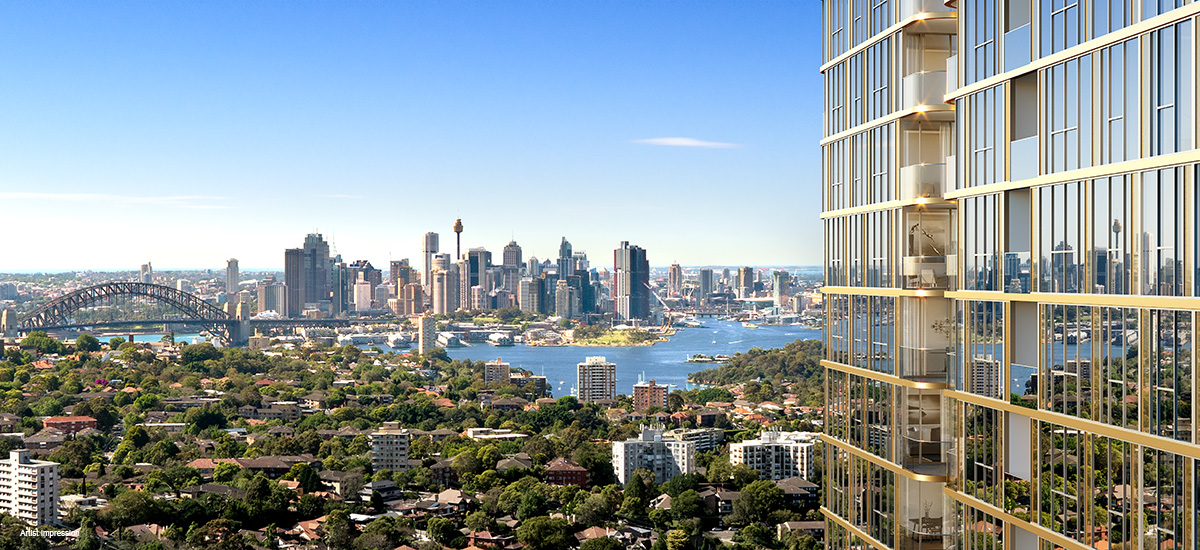
    Sydney Set for a Housing Surge: 2,554 New Apartments to be Completed by 2025

    The apartment market in Sydney’s inner precincts is undergoing a notable slowdown in completions, according to a recent report from JLL. A total of 804 apartments have been completed in the first quarter of this year, and projections indicate that 1,750 more apartments are under construction, scheduled for completion in 2025. If all these projects meet their deadlines, the total number of apartment completions for 2025 could reach 2,554, reflecting a 13% decline compared to 2024 levels.

    Amid these figures, some positive trends emerge. Sydney’s apartment market is experiencing an upward trajectory in both capital values and rental prices. The median unit price has surged by 2.6% year-on-year, now standing at AUD 799,990. Similarly, rents for two-bedroom units have jumped 7.7%, reaching AUD 700 per week. One might say the rental market is dancing to a lively tune, driven by formidable demand and limited supply.

    This strong performance in rents mirrors the pressing demand and constricted supply dynamics within the rental market. However, even with low vacancy rates, affordability challenges are starting to dampen the pace of rent increases.

    Looking ahead, the interplay of supply constraints and growing demand is poised to continue influencing both rents and property prices. Nevertheless, the persistent affordability issues prevalent in capital cities—where soaring detached house prices are beyond the reach of many—are likely to redirect demand toward more affordable housing options. As potential buyers seek lower entry points for homeownership, units may see their rents and prices rise at a pace that moderately outstrips that of detached houses.

    In the ever-evolving landscape of Sydney’s real estate, the struggle between affordability and demand unfolds, painting an intricate picture that both investors and residents must navigate.

    Questions & Answers

    What trends are emerging in Sydney’s apartment market?
    Sydney’s apartment market is witnessing an increase in both capital values and rental prices, with a median unit price of AUD 799,990 and a rise in two-bedroom rents to AUD 700 per week.

    How does the current completion rate compare to last year?
    The completion rate for apartments this year is projected to decline by 13% compared to the previous year, with 2,554 units expected to be completed if current projects stay on track.

    What factors are influencing the rental market in Sydney?
    The rental market is being influenced by strong demand and limited supply, though affordability constraints are starting to limit the pace of rent increases despite low vacancy rates.

  • Bangkok Bank Launches Paybooc QR Payments: A New Era for Cashless Transactions in Thailand

    Bangkok Bank Launches Paybooc QR Payments: A New Era for Cashless Transactions in Thailand

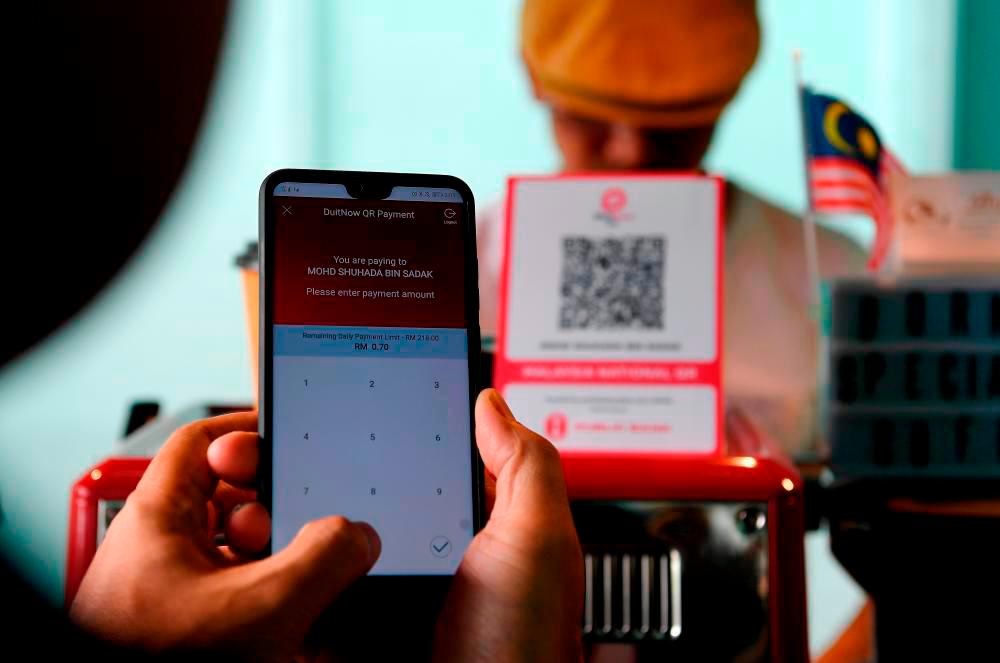
    Korean travelers are set to revolutionize their payment experiences in Thailand, thanks to an innovative collaboration between Bangkok Bank and BC Card, a prominent South Korean payment service provider. The launch of cross-border QR payments through the Paybooc app allows South Koreans to shop and pay with ease while exploring all that Thailand has to offer, utilizing real-time exchange rates for transactions.

    A Gateway for Seamless Travel Peering into 2025

    This partnership does not just stop at providing convenience for travelers from South Korea; it also aims to create a reciprocal system. Soon, Thai customers will be able to scan QR codes in South Korea, making cross-border transactions as effortless as a stroll down a busy street. “It’s like carrying a magic wallet that opens doors in another country,” said one industry insider, capturing the essence of this technology.

    Tourism Expectations and Economic Impact

    Looking ahead, the tourism landscape is set to flourish, with projections estimating around 2 million South Korean tourists will visit Thailand in 2025, according to Chaiyarit, the senior executive vice president at Bangkok Bank. Thai tourists, known for their high spending patterns—averaging THB59,000 per trip—will greatly benefit from the Cross-Border QR Payment service, further boosting the economies of both nations.

    Expanding Horizons—Bangkok Bank’s Wide Reach

    Bangkok Bank is not just focusing on these two markets; it currently operates QR payment services across eight markets, including Vietnam, Indonesia, Malaysia, Singapore, Laos, Hong Kong, South Korea, and Cambodia (inbound service only). This extensive network positions the bank to facilitate seamless transactions and enhance the travel experience for its customers.

    Bridging Borders with Technology

    The integration of QR payment technology not only streamlines financial transactions for tourists but also represents a significant step toward fostering stronger economic ties between South Korea and Thailand. As digital payment options continue to evolve, the two nations are positioning themselves at the forefront of a new era for global travel, where currency exchange headaches may soon become a relic of the past.

    Questions & Answers

    How does the new QR payment system work for South Korean travelers?
    Travelers utilizing the Paybooc app can instantly make QR payments in Thailand at real-time exchange rates.

    What future plans do Bangkok Bank and BC Card have for the QR payment system?
    They plan to allow Thai customers to scan and pay in South Korea, enhancing cross-border financial interactions.

    Why is the influx of South Korean tourists significant for Thailand’s economy?
    With projections of 2 million South Korean visitors by 2025 and their high average expenditure, these tourists are poised to significantly boost Thailand’s tourism revenue.

  • Australian Banks Join Forces to Explore Tokenised Asset Settlement Innovations

    Australian Banks Join Forces to Explore Tokenised Asset Settlement Innovations

    The Reserve Bank of Australia (RBA) and the Digital Finance Cooperative Research Centre (DFCC) have officially unveiled the industry participants for their tokenised asset settlement research initiative, marking a significant step towards modernizing Australia’s financial landscape.

    Leading Banks Join Forces for Project Acacia

    Among the key players in this ambitious endeavor are the ANZ, Commonwealth Bank of Australia (CBA), and Westpac, who will spearhead various use cases as part of Project Acacia. This groundbreaking project is designed to examine how innovative forms of digital money and supportive infrastructure can facilitate the growth of Australia’s wholesale tokenised asset markets, according to a joint statement from the RBA and DFCC.

    A Closer Look at the Use Cases

    The research project is set to explore a total of 24 use cases. Out of these, 19 will pilot real monetary and asset transactions, while the remaining 5 will focus on proof-of-concept scenarios involving simulated transactions. The testing phase is scheduled for the latter half of 2025, leading up to an anticipated report detailing the project’s findings in the first quarter of 2026.

    Innovators on Board

    The initiative will also feature a diverse lineup of other lead participants, including the Australian Bond Exchange, Australian Payments Plus, Canvas, Catena Digital, Fireblocks, Forte, Imperium Markets, Northern Trust, NotCentralized, ProspEx, and Zerocap. With such a medley of innovators, one is left wondering if the future of finance will soon resemble a high-tech chess game, where every move is calculated with precision.

    Regulatory Support Accelerates Progress

    In a move to enhance the feasibility of this project, the Australian Securities and Investments Commission (ASIC) has granted regulatory relief to participating entities. This support aims to streamline the testing of tokenised asset transactions, including those utilizing Central Bank Digital Currencies (CBDCs), among select financial institutions over the coming months.

    Embracing a Digital Future

    As Australia stands on the cusp of a transformative era in its financial markets, the outcomes of Project Acacia could have lasting implications for how assets are traded and settled in the digital age, heralding an exciting new chapter for the retail sector.

    Questions & Answers

    What is the primary goal of Project Acacia?
    The main aim of Project Acacia is to explore how different forms of digital money and infrastructure can enhance Australia’s wholesale tokenised asset markets.

    When will the testing of use cases take place?
    Testing is scheduled for the latter half of 2025, with project findings expected in the first quarter of 2026.

    Which regulatory body is supporting the project?
    The Australian Securities and Investments Commission (ASIC) is providing regulatory relief to facilitate responsible testing of tokenised asset transactions among participants.

  • Construction Begins on Singapore’s Innovative Next-Gen Green Comcentre

    Construction Begins on Singapore’s Innovative Next-Gen Green Comcentre

    Singtel and Lendlease have officially embarked on an ambitious project, breaking ground on the SGD 3-billion Comcentre, which aspires to be Singapore’s first fully carbon-neutral development. This landmark project promises to reshape the urban landscape by incorporating cutting-edge design, construction, and operational practices aimed at sustainability.

    The ceremony marked by the presence of Minister for National Development Mr. Chee Hong Tat and key executives from both firms signals not just a new building, but a potential new chapter in commercial real estate in the Orchard Road area, where available office space has been increasingly scarce.

    A Vision for the Future Workplace

    In an inspiring collaboration, Singtel is transforming its Comcentre headquarters into a state-of-the-art sustainable workplace infused with the latest in smart building technologies. Serving as both a co-developer and anchor tenant, Singtel aims to showcase groundbreaking innovations, not least of which is a dedicated 5G+ network that will redefine connectivity within the development. This ambitious initiative will seamlessly connect innovators, technology and finance leaders, as well as forward-thinking retailers, all while providing ultra-fast speeds and robust security.

    This dedicated 5G+ network is set to bolster technologies such as artificial intelligence (AI), with Singtel harnessing its power not only internally but also offering it to businesses keen on digital transformation. The Comcentre will also feature AI-enabled robotics, adaptive smart building systems, and tech-enhanced environments poised to challenge conventional notions of work and retail.

    Leadership Speaks

    Singtel Group CEO Mr. Yuen Kuan Moon expressed his enthusiasm: “We are remaking Comcentre into a new icon of innovation by integrating world-class 5G+ network slicing technology into the AI-enabled building. It’s designed not just for us, but for businesses to leverage the latest tech in crafting innovative products and solutions.” Moon’s vision captures the essence of a future where connectivity and intelligent systems redefine daily life.

    Lendlease, the development partner, brings its expertise in sustainable construction to the table. The partnership aims for ‘Triple Certification’—a prestigious trio of accolades that includes the Green Mark 2021 Platinum Zero Energy Certification, the WELL v2 Core Platinum Certification from the International WELL Building Institute, and the Zero Carbon Certification from the International Living Future Institute.

    “The new Comcentre is a testament to the transformational placemaking we champion at Lendlease,” stated Mr. Tony Lombardo, Group CEO and Managing Director of Lendlease. “We pride ourselves on combining our sustainable development expertise with a forward-thinking vision for the future of urban living and working.”

    A Green Oasis in the City

    With a total gross floor area exceeding 110,000 square meters, the Comcentre will consist of two 20-story buildings that offer premium Grade A office space. The project isn’t just about office space; it aims to enrich its surroundings with a large, sheltered arcade and vibrant urban areas that forge connections within the neighborhood.

    Expected to be completed in 2028, the new Comcentre promises not only to include Singapore’s largest elevated urban park but also 20,000 square meters dedicated to lifestyle and retail. This space will play host to Singtel’s flagship store, a variety of food and beverage options, medical suites, a gym, and even an auditorium. Furthermore, it strives to meet stringent sustainability standards, aspiring to be the first Green Mark Platinum (Zero Energy) high-rise commercial building in Singapore and aiming to attain all five sustainability badges.

    The innovative design seeks a 70% reduction in energy consumption compared to the Green Mark 2005 baseline, thus setting a new standard for energy efficiency in large-scale, high-rise commercial buildings. The redevelopment will employ integrated digital delivery methods, leveraging advanced technologies to streamline processes and enhance efficiency throughout the building’s lifecycle—who knew that cutting-edge construction could also be a performance art?

    Questions & Answers

    What is the significance of the Comcentre project?
    The Comcentre project signifies Singapore’s commitment to sustainable development, aiming to be the first fully carbon-neutral commercial space in the country while transforming the Orchard Road area into a hub for innovative businesses.

    How will Singtel’s 5G+ network benefit tenants?
    The dedicated 5G+ network will offer ultra-fast speeds, seamless connectivity, and enhanced security, enabling tenants—including innovators and retailers—to leverage advanced technologies for growth and digital transformation.

    What certifications is the Comcentre aiming to achieve?
    The Comcentre seeks ‘Triple Certification’ that includes the Green Mark 2021 Platinum Zero Energy Certification, the WELL v2 Core Platinum Certification, and the Zero Carbon Certification, indicating its commitment to sustainability.

  • Bank of Singapore Launches Innovative Asset Allocation Framework to Enhance Investment Strategies

    Bank of Singapore Launches Innovative Asset Allocation Framework to Enhance Investment Strategies

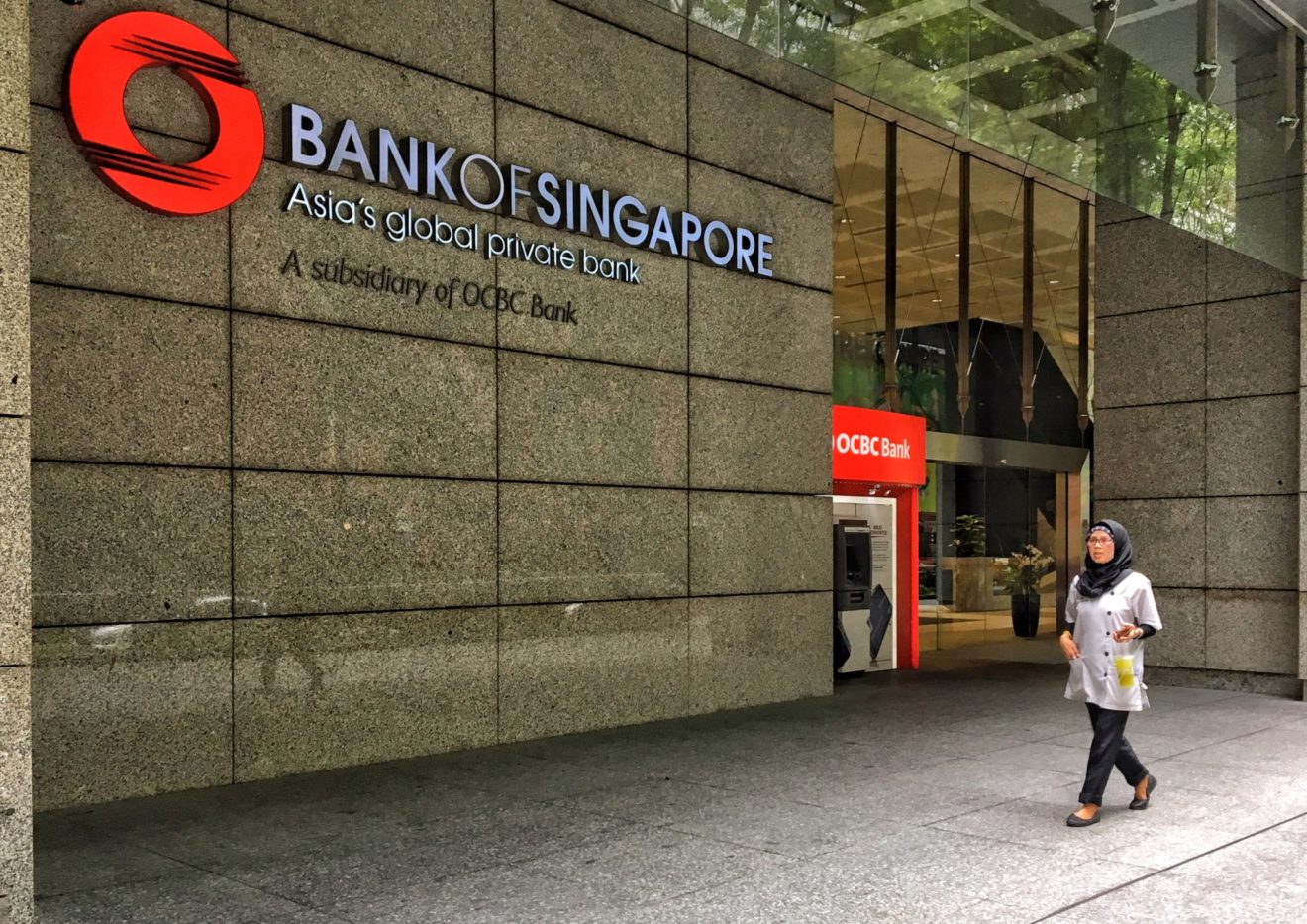
    In an ever-evolving financial landscape, Bank of Singapore (BOS) is making waves with its newly unveiled asset allocation framework, a culmination of rigorous research and stress-testing involving 120,000 portfolios over the past year. This innovative strategic asset allocation (SAA) framework is designed with robust optimisation techniques aimed at crafting investment portfolios that are not only resilient to market fluctuations but also capable of delivering consistent returns.

    Tailored Investment Strategies for All Risk Tolerances

    The SAA framework enhances BOS’s investment offerings across five distinct risk profiles: conservative, moderate, balanced, growth, and aggressive. This tailored approach allows clients to choose investment strategies that align with their risk tolerance while ensuring that their assets are diversified more effectively.

    Breaking New Ground in Portfolio Management

    Dr. Owi Ruivivar, the chief portfolio strategist at BOS, has been at the forefront of this ambitious project. According to BOS, the robust optimisation methodology tackles the shortcomings of conventional approaches like mean-variance optimisation (MVO) and market cap-weighted benchmarks. While MVO typically falters when real-world conditions deviate from predictive models, leading to underperformance, market cap-weighted portfolios often concentrate too heavily on the US market. Such a focus can be precarious, especially amid current global uncertainties.

    Aiming for Stability Amid Market Chaos

    BOS emphasizes that the new framework not only enhances diversification across asset classes but also prioritizes minimizing potential losses during worst-case scenarios. “Our goal is to narrow the performance gap between expected and worst-case outcomes,” the bank stated, underscoring a commitment to delivering peace of mind to investors. After all, in the world of finance, a little precaution can go a long way — think of it as a financial umbrella for unpredictable weather.

    With this innovative framework, Bank of Singapore aims to set a new standard in asset management, providing clients a fortified approach to navigate the complexities of today’s investment environment.

    Questions & Answers

    What is the primary focus of the new asset allocation framework introduced by Bank of Singapore?
    The framework focuses on enhancing diversification across asset classes while minimizing potential losses in worst-case scenarios, aiming for more stable returns amidst market uncertainties.

    Who led the study behind the new strategic asset allocation framework?
    Dr. Owi Ruivivar, the chief portfolio strategist at Bank of Singapore, spearheaded the year-long study and testing of 120,000 portfolios that informed the new framework.

    How does the robust optimisation technique differ from traditional methods like mean-variance optimisation?
    Robust optimisation overcomes the limitations of traditional methods by addressing the unpredictability of actual market conditions, which often leads MVO to underperform, while also avoiding excessive concentration in sectors like the US market through market cap-weighted benchmarks.

  • Global Bunjang Further Expands into Singapore, A Key Market in Asia Growth Strategy

    Global Bunjang Further Expands into Singapore, A Key Market in Asia Growth Strategy

    Bunjang, South Korea’s leading C2C secondhand marketplace platform, reaffirmed its commitment to Singapore as a strategic growth engine in its broader Asia strategy. The company is launching targeted marketing efforts for Singapore users via Global Bunjang – the platform’s global site – positioning the city-state as a critical gateway in its broader push across Asia.

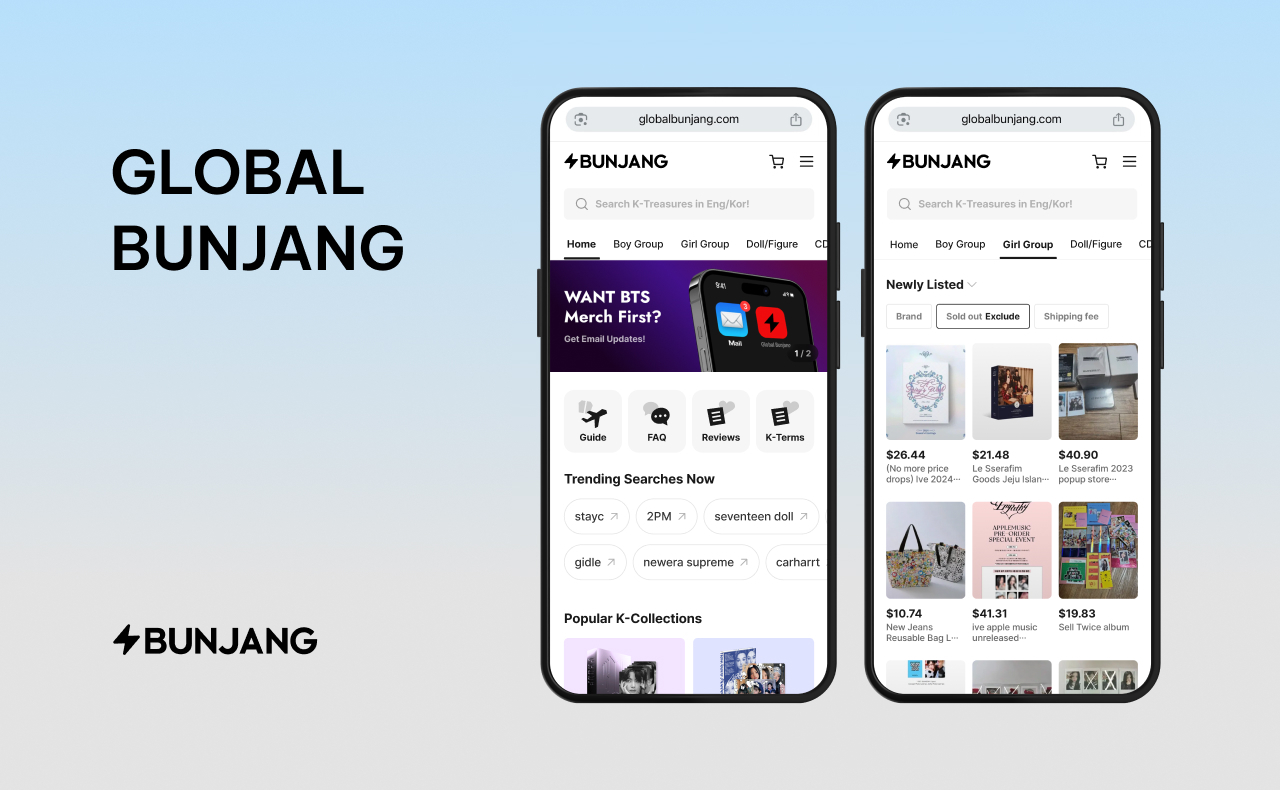
    Launched in July 2023, Global Bunjang is a dedicated mobile site operated by Bunjang to serve users around the world. It offers a wide range of categories, including K-pop merchandise, kidult items, branded fashion, collectibles, and more. Powered by a deep learning-based large language model (LLM) trained on extensive socio-cultural data, Global Bunjang features advanced AI technology capable of understanding and responding to natural languages—making it easy for global users to search, browse, and purchase Korean products without language barriers.

    Importance of Singapore and Why Now

    While Global Bunjang has previously seen Singapore-based users utilizing the platform, the company is now ramping up investment in the market through dedicated marketing initiatives and community engagement efforts, especially as K-wave continues to sweep the streets of Singapore. This includes plans to drive awareness among Singapore’s K-culture fans and value-conscious shoppers.

    In a time when businesses are scaling down on investments, Global Bunjang’s strategic focus comes as Singapore has rapidly emerged as one of the company’s fastest-growing markets outside South Korea. As of June 2025, the cumulative number of users in Singapore has grown by 452% compared to January. Platform engagement continues to show strong momentum, with Singapore-based users showing a strong preference towards high-value categories such as Korean lifestyle and entertainment goods. Among users from over 50 countries accessing Global Bunjang, Singapore ranks 3rd in sales and 10th in overall active users.

    Moreover, the re-commerce market in Singapore is projected to reach US$2.37 billion this year, and projected to grow 14.5% annually, driven by increasing consumer consciousness around sustainability and circular economy principles.

    “Singapore represents the perfect intersection of digital savviness, sustainability values, and a deep affinity for Korean culture. Our goal is to make it easy for users in Singapore and beyond to shop directly from Korean sellers and redefine the cross-border re-commerce experience,” said Jaewha Choi, CEO of Bunjang.

    Tapping into Singapore’s Love for All Things Korean

    Unlike conventional secondhand platforms, Bunjang offers direct access to Korea’s dynamic and trend-driven re-commerce ecosystem. From sold-out K-pop concerts to trending Korean streetwear brands, Singapore continues to lead the region in embracing K-lifestyle trends.

    Global Bunjang taps directly into this demand by offering rare and authentic goods from Korean sellers, especially items that are difficult to find through traditional e-commerce platforms. Through the English-language platform and cross-border logistics support, the global fanbase of K-culture can now tap into Korea’s dynamic secondhand ecosystem more easily than ever.

    This cultural alignment has translated into strong platform engagement and organic growth in Singapore, with metrics such as a repeat purchase rate of over 50% and increasing demand for K-style re-commerce. The most popular items among Singaporean users include K-pop merchandise—such as photocards, albums, and light sticks—and Pokémon trading cards. Fashion items like T1 Esports uniforms, KBO baseball jerseys, and rare apparel and footwear are also seeing steady sales.

    What’s Next for Singapore and Asia     

    Singapore combines deep cultural affinity, digital savviness, and demand for sustainable consumption — making it a natural fit for Bunjang’s global ambitions. Its performance to date reaffirms the market’s importance, not just in numbers, but in its role shaping what re-commerce can look like beyond Korea.

    To build on this strong growth trajectory, Bunjang will also be further reinvesting into its regional offerings such as expanding partnership with local platforms, leveraging data-driven curation of globally popular items, and enhancing buyer protection across Asia. In addition to its Singapore-focused marketing efforts, Bunjang is preparing targeted go-to-market strategies in Hong Kong and Taiwan, where demand for K-culture and sustainable consumption is similarly accelerating.

    These efforts are part of Bunjang’s broader commitment to laying the groundwork for long-term growth in Asia Pacific, positioning Singapore as the launchpad for scaling its cross-border re-commerce model across key markets in the region.

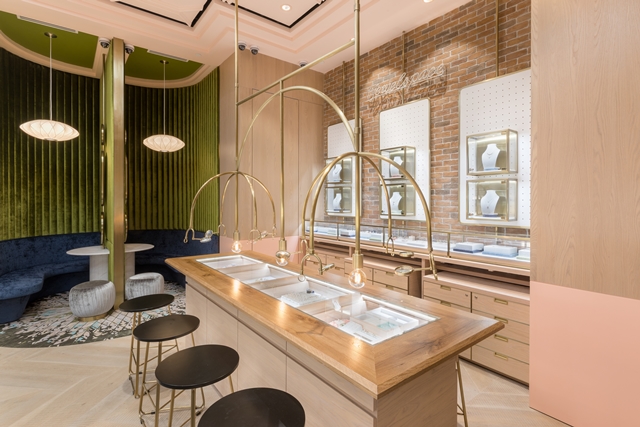
  • South Korean Jewelry Brands Pivot To Lower-karat Gold Amid Rising Prices

    South Korean Jewelry Brands Pivot To Lower-karat Gold Amid Rising Prices

    As gold prices continue to rise, South Korean jewelry brands are increasingly leveraging lower-karat gold and alternative materials to attract younger, budget-aware customers.

    Market Shift to More Affordable Options

    The market, which has traditionally been dominated by 14k and 18k products, is witnessing a surge in the availability of more cost-effective 10k, 9k, and even 5k gold items. These lower purity items, which contain less gold than the 24k gold standard, are assisting brands in maintaining their pricing strategy without compromising on design aesthetics.

    Leading retailers such as Lloyed, managed by E-Land Group’s E-World, have successfully targeted younger consumers by broadening their range of “light gold” products and silver jewelry.

    Since the introduction of 5k gold in late 2023, Lloyed has expanded its collection to include diverse products such as rings, necklaces, earrings, and anklets. This expansion has led to a 27 percent year-over-year increase in sales for its light gold and silver collections in the first half of 2025.

    A representative of Lloyed noted the company’s strategic move towards practical materials in the face of fluctuating gold prices has found favor with younger customers. “Diversifying beyond a product range focused exclusively on 14k and above has allowed us to address the evolving consumer demand effectively,” they said.

    Adapting to Changing Demographics

    Luxury brand Didier Dubot, known for its prominent positioning in high-end department stores, has also made changes to cater to younger demographics. The brand now offers 10k custom-made options in its couple ring line. A representative from Didier Dubot emphasized that their aim was not merely about providing affordable options, but also about introducing new customers to the brand.

    Some brands are exploring the concept of dual series. MiniGold, for instance, offers a premium series composed entirely of 14k gold alongside a “Smart Daily Line.” In the latter, silver pieces are gold-plated with only the earring posts made from 14k gold.

    The price difference between the two lines is significant. One style of 14k earrings is priced at nearly 1.3 million won (US$1,000), while the Smart Daily version is affordably priced under 200,000 won (US$150).

    Industry professionals point out that price-sensitive consumers, particularly those in their twenties and thirties, are the driving force behind this diversification. One executive commented, “While luxury brands have raised prices in line with the increasing gold prices, mass-market jewelry lines are innovating with materials and design to maintain accessibility.”

    With affordability now being considered as crucial as aesthetics, South Korea’s jewelry market is redefining luxury to cater to a generation that values cost-effectiveness over karats.

    Questions & Answers

    Why are South Korean jewelry brands moving towards lower-karat gold?
    Due to rising gold prices, these brands are utilizing lower-karat gold and alternative materials to maintain price points while meeting the demands of young, cost-conscious consumers.

    What changes have brands like Lloyed and Didier Dubot made?
    Retailer Lloyed has expanded its range to include “light gold” products and silver jewelry, while luxury brand Didier Dubot is offering 10k custom-made options in its couple ring line to attract younger customers.

    How is the jewelry market in South Korea evolving?
    The market is moving towards more affordable gold options, with brands creating lines that incorporate lower-karat gold and alternative materials. This shift is largely driven by price-sensitive younger consumers, leading to a redefinition of luxury in the sector.

  • Onitsuka Tiger Unveils Vibrant New Flagship Store In Paris: A Milestone In Brand’s Global Expansion

    Onitsuka Tiger Unveils Vibrant New Flagship Store In Paris: A Milestone In Brand’s Global Expansion

    Onitsuka Tiger, a prominent Japanese fashion and footwear label, has recently inaugurated its latest global flagship store located in Paris. This unveiling is a major milestone in the brand’s continued international growth.

    A New Flagship Store on the Champs-Élysées

    The new two-story storefront, situated at 25 Avenue des Champs-Elysees, nestles at the base of the iconic Hotel de la Paiva. It stretches across 5500 square feet, providing ample space for the brand’s showcase.

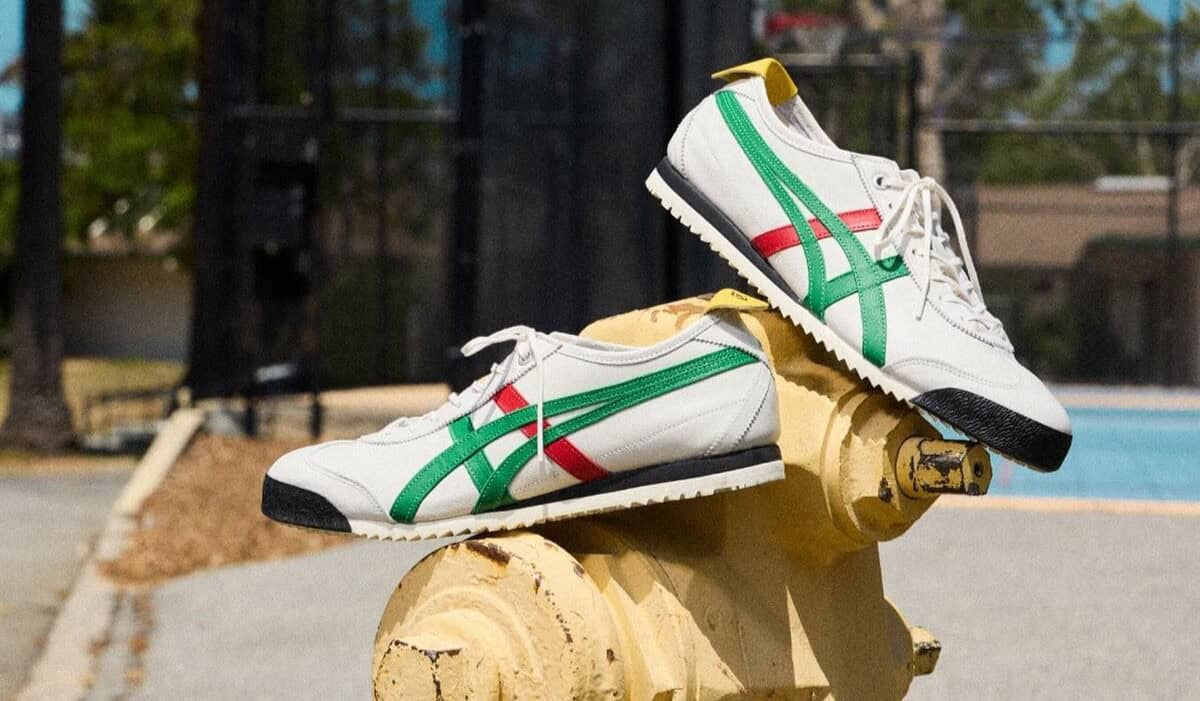
    The store’s interior design revolves around the brand’s vibrant Yellow Concept. It brings to the forefront items from Onitsuka Tiger’s runway collections. Additionally, the store also features the brand’s Japan-manufactured Denivita denim line. Exclusive to the Parisian store is a special edition of the Mexico 6 NM sneaker, adding a unique edge to its product offerings.

    An Integrated Cafe

    In addition to its retail offerings, the flagship store also houses Cafe Onitsuka Tiger on its ground floor. This Cafe offers a blend of Japanese-inspired drinks and Parisian-style snacks, creating a harmonious fusion of the two cultures.

    Ryoji Shoda, the head of Onitsuka Tiger, expressed his excitement regarding the store’s opening. He emphasized the significance and challenge of designing a retail space that marries both the iconic Champs-Élysées streetscape and the historical building’s value to the local community.

    As a brand connecting Japan with the rest of the world, Shoda stated that their aim was to create a store and an environment that respects and embodies the spirit of the Champs-Elysees, co-existing harmoniously with the city’s rich culture.

    Expansion of Global Network

    The Paris store is a noteworthy addition to the international network of Onitsuka Tiger. The brand currently boasts 192 standalone stores worldwide. This includes 48 stores in Japan, 83 in China, 32 in South Korea, 19 in Southeast Asia, seven in Europe, and three in Australia.

    Questions & Answers

    Where is Onitsuka Tiger’s new global flagship store located?
    The new global flagship store is located at 25 Avenue des Champs-Elysees in Paris.

    What unique features does the new flagship store offer?
    The new store houses Cafe Onitsuka Tiger and offers exclusive products like the special edition of the Mexico 6 NM sneaker.

    How many Onitsuka Tiger standalone stores are there worldwide?
    Onitsuka Tiger has 192 standalone stores around the globe.

  • Seasoned Executive Felipe Garcia Alvarez Appointed As New Ceo Of Zalora, Set To Drive Brand Transformation

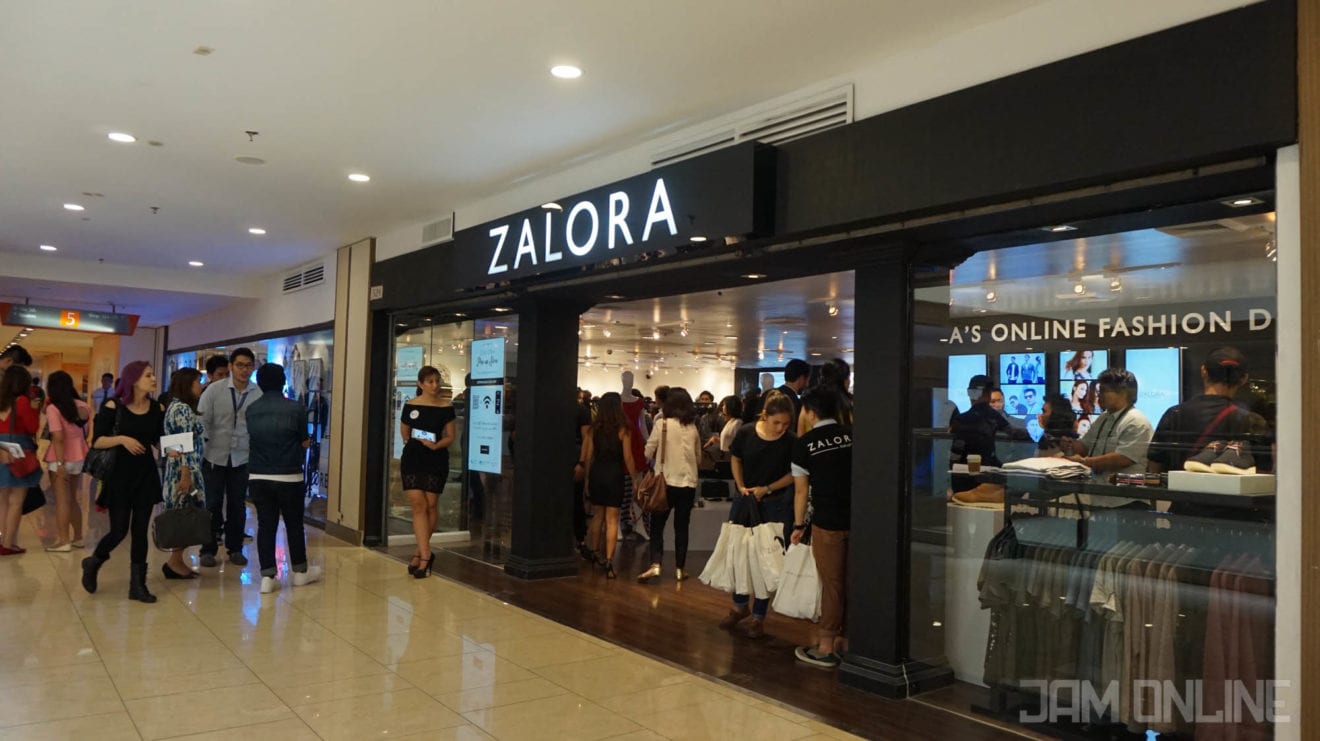
    Seasoned Executive Felipe Garcia Alvarez Appointed As New Ceo Of Zalora, Set To Drive Brand Transformation

    Zalora, an e-commerce fashion firm under the ownership of the Global Fashion Group (GFG), has recently announced the appointment of Felipe Garcia Alvarez as their new Chief Executive Officer (CEO). Alvarez is set to take up his role beginning in September.

    A Seasoned Executive

    Alvarez brings with him a wealth of experience that spans over two decades in the e-commerce fashion industry. His career has seen him hold key executive roles in leading digital brands across regions including Europe, Southeast Asia and the Middle East. Among the prominent digital brands he has served include Amazon UK, Lazada Singapore, and Namshi.

    Driving Transformation

    In his capacity as CEO, Alvarez will be at the helm of Zalora’s transformation journey. His focus areas will include improving product selection, enhancing customer engagement, and refining marketing strategies. He will be tasked with leading an all-encompassing brand transformation to fortify Zalora’s market presence and enhance its competitive edge.

    GFG’s CEO, Christoph Barchewitz, extended a warm welcome to Alvarez, expressing pleasure at his decision to join GFG. Barchewitz expressed strong confidence in Alvarez’s ability to spearhead Zalora’s transformation, considering him instrumental to the brand’s future trajectory.

    Questions & Answers

    Who is the newly appointed CEO of Zalora?
    Felipe Garcia Alvarez has been appointed as the new CEO of Zalora.

    What experience does Alvarez bring to his new role at Zalora?
    Alvarez has over 20 years of experience in the e-commerce fashion industry, with previous executive roles in companies such as Amazon UK, Lazada Singapore, and Namshi.

    What will be the main focus areas for Alvarez as he takes the helm at Zalora?
    Alvarez will focus on enhancing the product mix, improving the customer experience, and refining marketing strategies as he leads Zalora’s transformation.

  • Us Clothing Brands Brace For Impact As Tariffs On Asian Textile Suppliers Soar

    Us Clothing Brands Brace For Impact As Tariffs On Asian Textile Suppliers Soar

    The US retail clothing and footwear industries are contending with increased tariff pressure as the government announced levies on numerous countries, including key Asian textile suppliers such as Vietnam and Indonesia. The tariffs are expected to be between 25 and 40 per cent.

    Impact Analysis on US Brands

    Here’s a look at how these tariffs might affect several key US clothing and footwear companies, based on their manufacturing locations.

    Ralph Lauren

    Ralph Lauren, which sources most of its goods from overseas, gets approximately 19 per cent from Vietnam and 15 per cent from China. Despite potential disruptions, the company remains confident in the diversified nature of its supply chain.

    Nike

    Nike imports about 43 per cent of its goods into the US. Its sports footwear production is split between Vietnam (50 per cent), Indonesia (27 per cent), and China (18 per cent). The brand’s sports apparel production is primarily sourced from Vietnam (28 per cent), China (16 per cent), and Cambodia (15 per cent). Nike plans to reassign its production in response to the new tariffs.

    Skechers

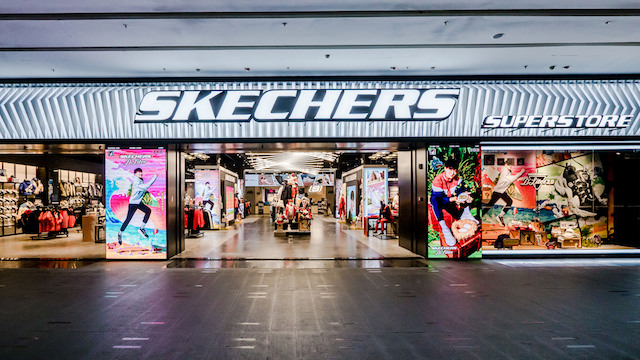
    Skechers sources roughly 40 per cent of its products from both China and Vietnam. The company is shifting its import sources away from China and relocating some of its production bases.

    Capri

    The majority of Capri’s Michael Kors line is produced in Asia, while Italy is the primary production location for Jimmy Choo. The company has been increasing production in Vietnam, Indonesia, and Cambodia.

    Tapestry

    Tapestry primarily manufactures in Vietnam, Cambodia, and the Philippines, which combined account for about 70 per cent of its production.

    American Eagle

    American Eagle primarily sources from Asia and plans to reduce its dependence on China by 2025.

    Abercrombie & Fitch

    Abercrombie & Fitch’s sourcing is split between Vietnam (35 per cent), Cambodia (22 per cent), India (12 per cent), China (7 per cent), and other locations (25 per cent).

    Lululemon

    Lululemon’s fabric sourcing is divided between Taiwan (35 per cent), China (28 per cent), and South Korea (11 per cent). Its manufacturing operations are in Vietnam (40 per cent), Cambodia (17 per cent), Sri Lanka (11 per cent), Indonesia (11 per cent), and Bangladesh (7 per cent).

    Puma

    Puma sources 30 per cent of its goods from China, 26 per cent from Vietnam, 13 per cent from Cambodia, and 12 per cent from Bangladesh.

    Questions & Answers

    What is the potential tariff exposure for US clothing and footwear companies?
    These companies could be exposed to new tariffs ranging from 25 to 40 per cent on imports from numerous countries.

    How are companies like Nike and Ralph Lauren responding to these tariffs?
    Companies are responding by diversifying their supply chains, relocating production, and reassigning production to manage the impact of the tariffs.

    Which countries are major sources for these US companies?
    Vietnam, China, Cambodia, Indonesia, and Taiwan are among the major sources for these US companies.

  • Adidas Revives 90’s Icon With ‘superstar, The Original’ Campaign, Narrated By Samuel L. Jackson

    Adidas Revives 90’s Icon With ‘superstar, The Original’ Campaign, Narrated By Samuel L. Jackson

    Adidas has launched a new campaign entitled “Superstar, The Original,” aimed at rekindling the public’s fascination for its iconic 90s sneaker and Firebird Tracksuit.

    Featuring Prominent Personalities

    The campaign is narrated by renowned actor Samuel L. Jackson and showcases a variety of personalities from the world of art and sports. Noteworthy appearances include Missy Elliott, Jennie, Anthony Edwards, Mark Gonzales, Glorilla, Teezo Touchdown, and Gabbrielle.

    Classic Sneakers with a Modern Twist

    Adidas is bringing back the Superstar sneakers in two of its original color schemes, but with the addition of upgraded padding in the tongue and collar for enhanced comfort.

    A Two-Chapter Narrative

    Directed by Thibaut Grevet, the black-and-white campaign unfolds in two distinct chapters. The first chapter, titled Pyramids, draws an analogy between significant cultural landmarks and the enduring cultural relevance of the Superstar. The second chapter, Clocks, encompasses the entire cast in a visual tale linking the sneaker’s legacy with the innovative spirit of a new generation of creators.

    More Than Just a Sneaker

    Annie Barrett, VP of marketing at Adidas Originals, emphasizes the campaign’s forward-looking perspective. “This campaign isn’t about looking back, it’s about spotlighting a new generation of Originals who are building what’s next, unapologetically,” Barrett said. She further stressed the significance of the Superstar beyond its function as a sneaker. “The Superstar has always been more than just a sneaker. It’s a symbol of originality and a spark for cultural change,” she added.

    Questions & Answers

    What is the objective of Adidas’ “Superstar, The Original” campaign?
    The campaign aims to renew interest in Adidas’ classic 90s sneaker and Firebird Tracksuit.

    Who are some of the personalities featured in the campaign?
    The campaign showcases several artists and athletes, including Missy Elliott, Jennie, Anthony Edwards, Mark Gonzales, Glorilla, Teezo Touchdown, and Gabbrielle.

    What does the Superstar sneaker symbolize according to Annie Barrett, VP of marketing at Adidas Originals?
    Barrett emphasizes that the Superstar is more than just a sneaker. It’s seen as a symbol of originality and a catalyst for cultural change.

  • Starbucks’ China Venture Sparks Interest: Possible $10 Billion Stake Sale On Horizon

    Starbucks’ China Venture Sparks Interest: Possible $10 Billion Stake Sale On Horizon

    Starbucks’ China Business Draws Significant Interest

    Starbucks’ China venture has recently garnered substantial interest for a potential stake sale. The unit is speculated to be worth up to a staggering $10 billion. According to insider information, a multitude of entities is in the race for the stake, including Asian private equity firms Centurium Capital and Hillhouse Capital, as well as American counterparts Carlyle Group and KKR & Co.

    Possible Ownership Structure

    The multinational coffee company may retain a 30% stake in its China business if a deal goes through. The remaining portion would be divided among several investors, each maintaining a stake of less than 30%.

    No Official Comments Yet

    At this point, there has been no official response from Starbucks, Centurium, Hillhouse, Carlyle, or KKR regarding these claims. Until now, this information has not been independently corroborated.

    No Full Sale for Starbucks China

    Despite the current speculation, Starbucks clarified last month that it is not considering a complete sale of its China operations. This announcement followed the initiation of a formal sale process for Starbucks’ China operations that commenced in May.

    Offers Under Evaluation

    Starbucks has received non-binding offers from approximately 30 domestic and foreign private equity firms. The coffee giant is currently assessing these proposals, the proposed deal structures, and the value creation plans presented by the bidders.

    According to sources, the shortlist of potential investors could be ready within the next two months. However, it is unlikely that the transaction will be finalized by the end of this year.

    Questions & Answers

    Who are some of the potential buyers for Starbucks’ China business?

    Potential buyers include Asia-based private equity firms Centurium Capital and Hillhouse Capital, as well as US firms Carlyle Group and KKR & Co.

    What percentage of the Starbucks China business might the company retain after the sale?

    Starbucks may retain a 30% stake in its China operations post-sale.

    When is the deal likely to be finalized?

    While this is subject to change, the deal is currently unlikely to be completed before the end of this year.