Blog

  • Cathay United Bank’s HCMC Branch Champions Sustainability with Insightful ESG Seminar

    Cathay United Bank’s HCMC Branch Champions Sustainability with Insightful ESG Seminar

    Celebrating 20 years of operations in Vietnam, the Ho Chi Minh City branch of Cathay United Bank (CUBHCM) hosted a dynamic ESG seminar titled “ESG: Challenges and Practices for Sustainable Development.” This event reflected the bank’s enduring commitment to innovation and sustainability. In a world where ESG considerations are reshaping business strategies, the seminar provided a crucial platform for industry leaders to delve into emerging trends, regulatory updates, and actionable insights for ESG implementation.

    As a subsidiary of Cathay Financial Holdings, a prominent Asian financial institution, CUB has consistently pushed the boundaries of traditional banking. Notably, in 2015, it became the first Taiwanese bank to adopt the Equator Principles, pledging to uphold internationally recognized environmental and social risk management standards. This pioneering stance has established CUB as a reliable partner for businesses venturing into the realm of sustainability.

    Michael Wen, Executive Vice President of Cathay United Bank, stressed the bank’s pivotal role in guiding clients through the complex ESG landscape. “Vietnam’s rapid economic growth presents both opportunities and sustainability challenges,” he remarked. “Collaboration among businesses, financial institutions, and policymakers is essential for driving meaningful, long-term change.”

    During the seminar, Nguyen Hoang Nam, ESG Leader at PwC Vietnam, highlighted the limited ESG awareness among local businesses, noting that nearly 39% of Vietnamese SMEs have never even heard of the concept. “Over 60% are unaware of the relevant regulations,” Nam explained, adding that financial constraints, vague legal frameworks, and limited capacity are significant barriers to progress.

    He advised businesses to invest in internal ESG education, develop robust data reporting systems, partner with green finance institutions, and engage with industry associations to implement best practices.

    Practical models and best practices

    Despite the hurdles, Vietnam is witnessing a notable surge in ESG implementation. The government has rolled out the Green Growth Strategy for 2021–2030, marking a national commitment to sustainable economic development. The forum also spotlighted enterprises excelling in ESG adoption, including IDICO Industrial Park, Schneider Electric, Ares International Certification, Dan-D Foods, and Micro Electricity.

    IDICO Industrial Park has embraced rooftop solar systems and wastewater reuse in its factories while investing in social housing to attract skilled labor. Schneider Electric is pushing toward net-zero emissions by 2050, focusing on innovations in clean electricity and grid decarbonization to shrink its carbon footprint.

    Partnering for sustainability

    By 2024, Cathay United Bank has garnered nearly 90 prestigious awards for excellence in asset management, digital innovation, and ESG practices, solidifying its reputation as a forward-thinking financial institution. Recently, it ranked in the top 20% of the Financial Supervisory Commission’s sustainable finance ratings.

    In alignment with its vision of Vietnam as a “second home,” CUB has vigorously supported ESG initiatives nationwide. The bank partnered with the Asian Development Bank to finance Vietnam’s largest onshore wind project in Ninh Thuan Province, boasting a total investment of US$107 million.

    Additionally, CUBHCM has unveiled a green CAPEX loan program aimed at funding environmentally friendly development projects. Notably, the first-phase factories financed through this initiative were the first in Northern Vietnam to achieve the LEED international green building certification.

    Lu Wei Chieh, General Manager of CUBHCM, emphasized that the seminar tackled real ESG challenges and provided actionable solutions. “Whether discussing energy transitions, strategic planning, or firsthand business experiences, the message was clear: collaboration is key to long-term change.” This seminar marked the first event in CUBHCM’s 20th-anniversary series, underscoring the bank’s commitment to connecting people, ideas, and solutions for a brighter future. Embracing the theme “Better Together,” CUB highlights that ESG is a collective journey, demanding spirited partnership from businesses, financiers, and communities to foster sustainable progress.

    Questions & Answers

    What are some challenges facing ESG implementation in Vietnam?
    Many local businesses lack awareness of ESG principles and relevant regulations, with significant barriers including financial constraints and vague legal frameworks.

    How is CUB supporting sustainability efforts in Vietnam?
    Cathay United Bank is actively promoting ESG practices and partnering with organizations like the Asian Development Bank to finance large renewable projects, as well as launching green loan programs to support eco-friendly investments.

    What was the main takeaway from the ESG seminar?
    The seminar highlighted the importance of collaboration among businesses, financial institutions, and policymakers to navigate the ESG landscape effectively and drive long-term change in Vietnam’s sustainability journey.
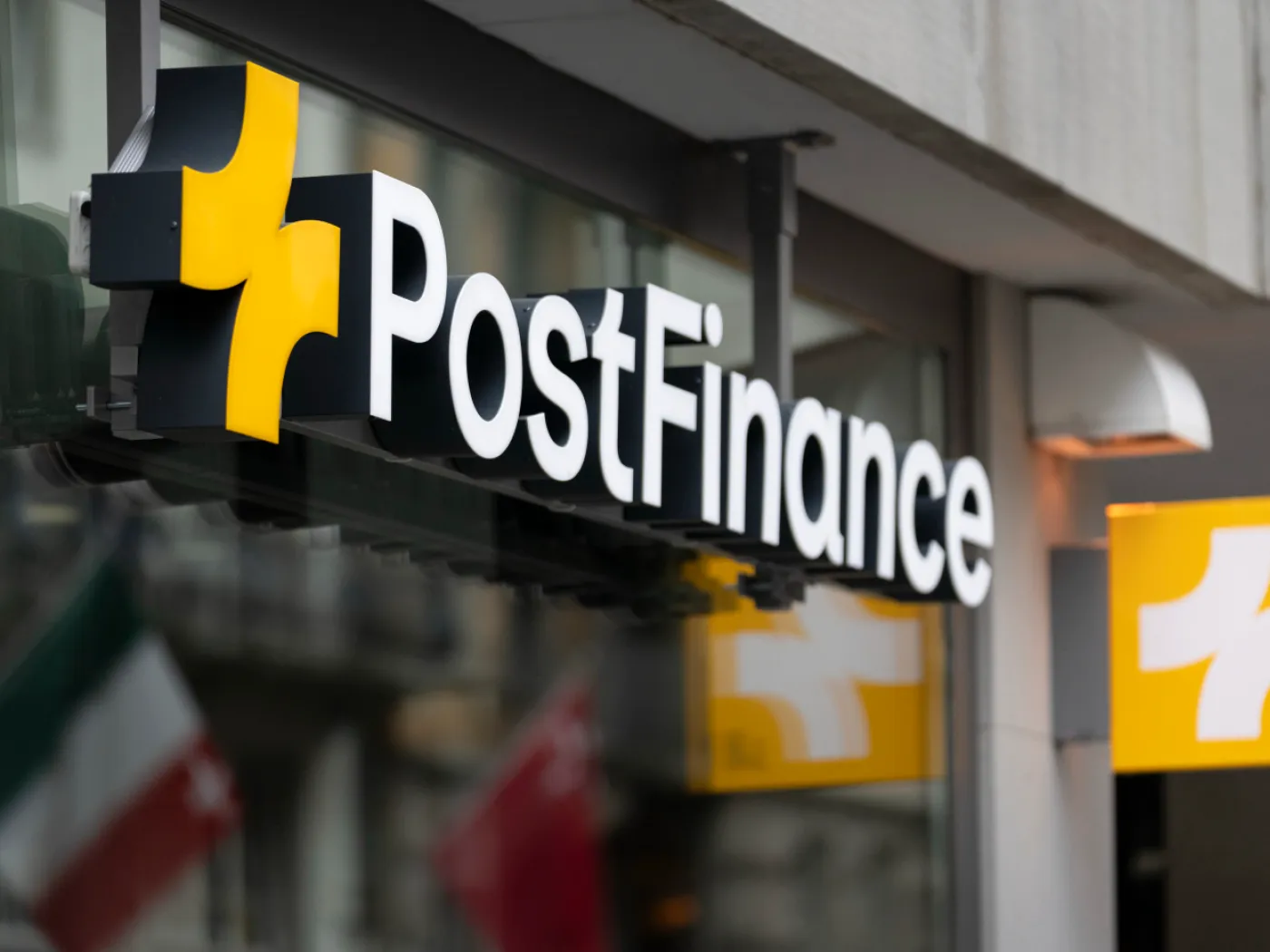

  • PostFinance Unveils Restructuring Plans, Leading to Job Cuts Ahead

    PostFinance Unveils Restructuring Plans, Leading to Job Cuts Ahead

    PostFinance has announced plans to implement job cuts by the end of November 2025, unveiling a consultation procedure aimed at increasing operational efficiency amidst ongoing restructuring efforts.

    Job Cuts Affecting Administrative Roles

    The Swiss financial services provider revealed on Thursday that it intends to eliminate 141 positions, primarily impacting administrative staff in Bern. Furthermore, up to 73 adjustments to contracts are anticipated. This reduction represents about 3.6 percent of its total workforce, which numbers approximately 3,900 employees as of the end of 2024.

    Consultation Process Underway

    In light of the restructuring, PostFinance is initiating a consultation process, allowing affected employees to propose measures to minimize, limit, or prevent layoffs altogether. A final decision from the management board is anticipated in July, leaving a glimmer of hope for those facing uncertainty.

    Aiming for Strategic Growth

    The job cuts stem from changes within PostFinance’s organizational framework, aligning with its Strategy 2025–2028. The goal is to foster moderate growth, enhance market positioning, and improve overall performance. This strategy includes generating additional revenue streams, augmenting non-interest income, and boosting sales. The restructuring aims to optimize resources and foster synergies in crucial areas.

    CEO Beat Röthlisberger acknowledged the distress this announcement may cause, stating, “We are aware that this announcement will be burdensome for many of our employees and may cause uncertainty and concern. We will support them closely during this period.”

    Positive News from the Federal Office of Communications

    On a brighter note, the Federal Office of Communications (BAKOM) reported in its annual review that Swiss Post has exceeded the statutory minimum levels for basic service provision. Impressively, over 90 percent of the population can access cash payment services within a 20-minute journey by foot or public transport.

    Additionally, PostFinance enjoyed good customer ratings; private clients scored the company at 81 out of 100, matching last year’s results, while business clients reported slightly increased satisfaction with a score of 77.

    Questions & Answers

    What is the reason behind PostFinance’s job cuts? The job cuts are part of a restructuring strategy aimed at increasing efficiency and adapting to changes within the organizational model.

    How many jobs will be affected? A total of 141 jobs are set to be eliminated, mainly within administrative roles in Bern, alongside potential adjustments to 73 contracts.

    What did recent reports say about customer satisfaction? According to the Federal Office of Communications, private customers rated PostFinance at 81 out of 100, while business customers scored it 77, indicating stable satisfaction levels.

  • Bank Syz Welcomes Vontobel’s Former Chief Economist in Strategic Move for Economic Insight

    Bank Syz Welcomes Vontobel’s Former Chief Economist in Strategic Move for Economic Insight

    Bank Syz is making waves in the private banking sector with strategic talent acquisitions that promise to bolster its investment leadership team. The family-owned institution recently announced three key appointments, each sourced from prestigious firms like Vontobel and UBS, reflecting a commitment to enhancing expertise in portfolio management, macroeconomic research, and client advisory services.

    Reto Cueni Takes the Helm as Chief Economist

    In a significant move, Reto Cueni has been named Chief Economist at Bank Syz. With an impressive tenure of over a decade at Vontobel, where he spent the last five years in the Chief Economist role, Cueni is well-equipped to steer the bank’s economic insights. His leadership at Vontobel encompassed macroeconomic and monetary policy research, where he routinely advised the executive board and portfolio managers. Cueni’s strengths span economic modeling, policy analysis, and crafting both short- and long-term market forecasts, making him a remarkable addition to the Bank Syz family.

    New Leadership in Advisory Services

    Bank Syz has also welcomed Gianluca Oderda as the new Head of Discretionary Portfolio Management. Bringing over 20 years of expertise in multi-asset portfolio construction and alternative investments, Oderda has held impactful roles at renowned institutions such as Credit Suisse and UBS. His extensive background promises to bolster the bank’s investment strategies significantly.

    Grégory Diche Shines as Head of Advisory

    Another notable addition is Grégory Diche, who steps in as the Head of Advisory. Formerly the Head of Investment Advisory for the Geneva region at UBS, Diche brings more than two decades of experience and deep knowledge in structured products and client relationships within Swiss private banking.

    Nicolas Syz, Head of Wealth Management, expressed his enthusiasm about these appointments: “By attracting top-tier talent, we can further enhance our capabilities and increase the value we deliver to clients across market cycles. We remain focused on expansion and on setting new standards as a pioneering leader in wealth management.” With such daring ambitions, one can’t help but wonder if Bank Syz is preparing for a corporate game of high-stakes chess—where every move counts!

    Questions & Answers

    Who is the new Chief Economist at Bank Syz?
    Reto Cueni has taken on the role of Chief Economist, bringing over a decade of experience from Vontobel.

    What expertise does Gianluca Oderda bring to his new position?
    As the Head of Discretionary Portfolio Management, Oderda is equipped with over 20 years of experience in multi-asset portfolio construction and alternative investments.

    What does Nicolas Syz aim for with these new appointments?
    Syz emphasizes enhancing the bank’s capabilities and value delivery to clients, aiming for expansion and innovation in wealth management.

  • ECB Rate Decision: Key Insights and Implications Captivating Financial Markets Today

    ECB Rate Decision: Key Insights and Implications Captivating Financial Markets Today

    Anticipation is palpable as analysts and economists unite in their predictions for the European Central Bank’s (ECB) upcoming rate decision on Thursday, with a key interest rate cut looming on the horizon. Yet, the conversation branches out when discussing what lies beyond this pivotal moment.

    Inflation Figures Create the Case for a Rate Cut

    Recent inflation data from the eurozone has fueled further arguments in favor of a rate reduction. A preliminary estimate from Eurostat revealed that the inflation rate fell to 1.9 percent year-on-year in May, down from 2.2 percent in April. This marks the lowest inflation rate since September 2024 and nudges it below the ECB’s target of 2 percent, creating a sigh of relief among policymakers.

    Much to everyone’s surprise, the decline was sharper than predicted, with economists anticipating a rate of 2.0 percent. “The ECB will likely be pleased that inflation is now just below its 2 percent target,” remarked Commerzbank Chief Economist Jörg Kramer. While core inflation—excluding energy, food, and tobacco—remains higher at 2.3 percent, expectations are for it to wane in the coming months.

    Future Declines on the Horizon

    An appreciating euro, coupled with a projected influx of goods from China due to ongoing trade tensions with the U.S., is expected to apply downward pressure on European prices. “Thus, the ECB will probably not stop with Thursday’s rate cut. We anticipate another move post-summer break,” Commerzbank added.

    Thomas Gitzel, an economist at VP Bank, echoed this sentiment, stating, “The ECB has the green light for a rate cut next week.” However, the prospect of further cuts remains a question mark. Should the deposit rate dip below the 2 percent threshold (currently at 2.25 percent), it could result in a negative real interest rate—potentially heightening inflation risks in the future.

    A Temporary Pause or the End of the Cutting Cycle?

    According to Tomasz Wieladek, Chief European Economist at T. Rowe Price, a pause is likely in July following this week’s cut. Reaching the so-called “neutral interest rate” of 2 percent, however, does not signal the conclusion of the rate-cutting cycle. “The ECB might hold rates steady in July to monitor the economic impact of U.S. tariffs on Europe and the broader global economy,” he noted, anticipating further unfavorable surprises ahead.

    Wieladek also signaled caution regarding rates below 1 percent, suggesting rates could drop to 1.25 percent later this year, but only if the global economy appears to be edging toward recession.

    Bank of America’s Expectations

    In line with this sentiment, Bank of America predicts a 25 basis point cut this week, maintaining that the ECB’s forward guidance will remain largely unchanged. This forecast aligns with sluggish short-term growth prospects and a consistent undershooting of the inflation target. “Forecast uncertainty is high, especially regarding the implementation of the German fiscal package,” they cautioned.

    Data-Driven Decisions in the Spotlight

    As the meeting approaches, all eyes will be on ECB President Christine Lagarde, who is expected to address three key aspects: inflation, the swirling uncertainty, and a commitment to data-driven decision-making. Rather than making any precise commitments, she will likely emphasize the need for flexibility, keeping the door open for cuts below the 2 percent threshold.

    Whether the rates will dance further downward or find a moment of stillness remains to be seen, but one thing is for sure: the world will be watching closely, perhaps with popcorn in hand.

    Questions & Answers

    What is the expected outcome of the ECB’s upcoming rate decision? Analysts predict a key interest rate cut as inflation figures have dipped below the ECB’s target.

    How might the economic landscape affect future rate decisions? The ECB is likely to remain flexible and data-dependent, assessing impacts from U.S. tariffs and trade policies before making further cuts.

    What are the implications of a negative real interest rate? A drop below 2 percent could result in a negative real interest rate, raising concerns regarding potential inflation risks going forward.

  • Vietnam’s Gold Market Remains Resilient Amid Ongoing Economic Shifts

    Vietnam’s Gold Market Remains Resilient Amid Ongoing Economic Shifts

    Gold jewelry sparkles in Ho Chi Minh City, where the allure of gold remains steadfast even as prices hold steady. On Thursday morning, the gold market saw a slight uptick, influenced by stabilizing global rates.

    Marginal Gains in Local Gold Prices

    The Saigon Jewelry Company reported a 0.43% increase in gold bar prices, bringing them to VND117.7 million (approximately US$4,509.06) per tael. Meanwhile, gold rings rose by 0.35%, now priced at VND114 million per tael. It’s an impressive year for gold, with prices climbing by 39.8% thus far.

    Global Market Trends and Investor Sentiment

    Globally, gold prices remained stable on Thursday as investors mulled over disappointing U.S. economic data and an ongoing climate of uncertainty in both political and economic arenas. Many eyes are also on the upcoming U.S. payroll figures for potential market guidance.

    Spot gold maintained its position at $3,372.91 an ounce, while U.S. gold futures slipped by 0.1%, landing at $3,396.60. According to Matt Simpson, a senior analyst at City Index, “Like most markets at present, gold finds itself in a holding pattern, subject to the unpredictability of trade headlines. It shows support while remaining cautious about breaking above this week’s highs.”

    Simpson adds that volatility remains muted as investors await statements from FOMC members and Friday’s Non-Farm Payroll (NFP) report, which could potentially pressure gold if the jobs data reflects robust growth. The precious metal, often seen as a safe haven in unstable times, tends to flourish when interest rates are low.

    Questions & Answers

    What was the increase in gold prices on Thursday?
    The Saigon Jewelry Company gold bar rose by 0.43% and is now priced at VND117.7 million per tael, while gold rings increased by 0.35%, reaching VND114 million per tael.

    How much have gold prices increased this year?
    Gold prices have surged by 39.8% so far in 2023.

    What factors are influencing global gold prices?
    Global prices are being influenced by weaker-than-expected U.S. economic data and persistent global uncertainties, with investors awaiting upcoming U.S. payroll data for more direction.

  • UBS Dominates Digitalization Rankings, Securing Top Spot Once More

    UBS Dominates Digitalization Rankings, Securing Top Spot Once More

    A recent study has delved into the digital transformation of Swiss retail banks, shedding light on their efforts to enhance digital services. For yet another year, Switzerland’s last major bank, UBS, has maintained its position at the top of the digitalization rankings.

    Groundbreaking Insights from the IFZ Study

    Digital enhancements have long been a cornerstone in the customer service strategies of Swiss banks. The Institute of Financial Services Zug (IFZ), in partnership with Swisscom’s think tank e.foresight, has meticulously assessed 47 banks based on 138 criteria to gauge their digital maturity. The findings produced both unweighted and weighted rankings, giving greater weight to specific key factors.

    Since the annual evaluations kicked off in 2020, UBS has almost consistently held the crown, having narrowly been surpassed by Migros Bank in 2023 but bouncing back to reclaim second place in this year’s rankings.

    Visual representation of the digital retail bank rankings in Switzerland (left: unweighted; right: weighted; chart: IFZ)

    Who Leads the Digital Charge?

    When it comes to evaluating features in e-banking, mobile banking, and websites, Migros Bank still takes the lead over UBS, according to the latest study. Trailing behind are VZ Depotbank and PostFinance, holding high ranks of third and fourth place respectively. PostFinance, in particular, has made impressive strides compared to last year. Interestingly, Credit Suisse, which was ranked fourth in 2024, did not appear in this year’s analysis, while BCV managed to preserve its fifth-place standing.

    Expanding Digital Horizons

    Among the 47 banks under scrutiny, 35 had been part of the previous assessment. On average, these banks are now delivering 9.38 percent more functionalities than before. An encouraging statistic from the study reveals that 28 of the 35 banks analyzed have made improvements over the past year.

    The drive towards innovation reflects a significant emphasis on technology, particularly the effective deployment of artificial intelligence (AI). Strikingly, leading banks in digitalization, including Acrevis, VermögensZentrum, Migros Bank, and UBS, have collectively introduced more than 10 new functions each, demonstrating a robust commitment to investment in digital capabilities.

    Indeed, the array of digital features has expanded notably. Instant payments, AI capabilities, multibanking options, customizable interfaces, and digital saving rules are becoming more commonplace. However, features like voicebots in mobile banking, fractional share trading, and social trading remain elusive treasures within the industry.

    Room for Improvement

    Despite the advancements, the study authors point out that significant disparities persist between different banks in terms of digital feature coverage and overall digital maturity. This is evident in the unweighted scoring, where banks scored between a high of 114.5 and a low of just 9.5 points out of a maximum of 139. Alarmingly, 33 of the 47 banks scored less than half of UBS’s impressive tally.

    As Swiss banks continue to navigate the digital landscape, one thing is clear: the race for the best digital platform is heating up, and the competition is anything but boring!

    Questions & Answers

    Which bank topped the digitalization rankings this year?
    UBS regained its top position in the digitalization rankings for Swiss retail banks.

    What were the criteria used to evaluate the banks?
    The banks were assessed on 138 criteria, covering various aspects of digital maturity including functionalities in e-banking and mobile banking.

    Did all banks show improvement in their digital offerings?
    Yes, 28 out of the 35 banks that were part of the previous study reported improvements in their digital functionalities over the past year.

  • Luxury Market Growth Anticipated to Taper Off in 2025 Amid Economic Shifts

    Luxury Market Growth Anticipated to Taper Off in 2025 Amid Economic Shifts

    The luxury goods sector, a dazzling stalwart of economic growth that typically thrives at about 7% annually, is bracing for a slowdown in 2025, according to insights from Morgan Stanley. This promising world of high-end fashion and lavish accessories is finding itself tangled in a web of challenges—rising macroeconomic pressures, constrained pricing power, and plummeting demand from vital markets threaten its golden sheen.

    Challenges from Major Markets

    After a spectacular sales jump of over 80% between 2019 and 2024—boosted by COVID-era savings, U.S. stimulus, and an influx of new consumers—the luxury market is now facing a more uncertain horizon. Key consumer markets such as China, the U.S., and Europe, which cumulatively represent a staggering 75% of the industry’s spending, are showing signs of weakening demand.

    The Post-Pandemic Reality Check

    The industry is grappling with the normalization of growth post-pandemic, compounded by U.S. tariffs, soaring interest rates in Western nations, and widespread expectations of a slower global economy. “We are in a very different environment today,” asserts Edouard Aubin, Morgan Stanley’s Head of European Luxury Brands Research. “Luxury pricing power has eroded following steep price increases after the pandemic, and Chinese demand is likely to remain stagnant at best this year.”

    Shifting Consumer Sentiment

    The once-vibrant spending habits of Chinese consumers, who are typically the biggest patrons of luxury goods, have significantly dialed back. A recent Morgan Stanley AlphaWise survey of over 2,000 Chinese shoppers conducted in April reveals that 60% plan to cut back on spending in the coming six months due to job instability and income worries stemming from new U.S. tariffs.

    Fading Hopes for Recovery

    The outlook for U.S. consumers stepping in to fill the gap appears dim, with hopes for a 2025 rebound rapidly diminishing after a brief surge in April fueled by seasonal buying and pent-up demand. While some companies managed to evade tariff repercussions by shipping their products early, Morgan Stanley warns that the looming risk of recession and declining consumer confidence is a far greater threat to the sector.

    In the short term, demand is projected to remain lackluster, with a flicker of hope that recovery might materialize if U.S. markets continue their climb or if stability returns to China’s beleaguered real estate sector. As the luxury industry faces these turbulent waters, it’s a reminder that even the glitziest of markets must sometimes contend with unpredictable tides.

    Questions & Answers

    What is Morgan Stanley predicting for the luxury goods industry in 2025? They forecast a slowdown in growth, citing rising macroeconomic pressures and weakened demand from key markets.

    Which markets are contributing to the decline in luxury spending? Major consumer markets such as China, the U.S., and Europe are experiencing softer demand, collectively responsible for 75% of the industry’s spending.

    What factors are affecting consumer behavior, especially in China? According to a survey, 60% of Chinese consumers plan to reduce spending due to concerns about job stability and income levels influenced by new U.S. tariffs.

  • Former UBS Banker Takes the Helm of New Zurich Branch at Multi Family Office

    Former UBS Banker Takes the Helm of New Zurich Branch at Multi Family Office

    Novum Capital Partners has ventured into Zurich, marking a significant expansion of its independent multi-family office framework in Switzerland’s leading wealth management center.

    The Geneva-based wealth manager, recently crowned “Best Wealth Manager in Switzerland” by Euromoney, aims to connect more closely with the German-speaking regions of Switzerland and engage with its vibrant community of entrepreneurial families. The new Zurich office officially opened its doors in early June and will initially be staffed by three dedicated professionals, including Sebastian Jeck, a former UBS banker who will spearhead the local operations as a Partner and member of the Executive Committee.

    Strategic Response

    Founded in 2018 by Gabriele Gallotti, a former J.P. Morgan private banker, Novum Capital Partners has witnessed impressive growth, currently managing over 5 billion Swiss francs in assets. What sets Novum apart is its commitment to providing unbiased advice; the firm avoids retrocessions, never sells proprietary products, and embraces a stringent one-to-one client service model. Clients are charged only a management fee, a refreshing departure from traditional practices.

    Sebastian Jeck with Founder Gabriele Gallotti. (Image: Courtesy)

    “We offer personalized advisory services with bespoke solutions that extend far beyond conventional products,” Jeck explained. “Our clients enjoy unique access to institutional co-investments and benefit from our global expertise in tax structuring, succession planning, and alternative investments.” Notably, Novum is one of the few Swiss multi-family offices with a Finma license for local operations, complemented by an independently managed, U.S. SEC-registered entity, Envisage GmbH, which targets American clients—enhancing both compliance and global outreach.

    Focus on Organic Growth

    When asked about the potential for acquisitions to boost the firm’s growth in Zurich, Jeck maintained a thoughtful perspective. “Our primary focus is on organic growth. We believe in expanding with quality—surrounding ourselves with advisors who align with our values. An acquisition would be contemplated only if it culturally and qualitatively suits us. Many firms operate under a different model, which simply doesn’t fit our vision.” Jeck’s confidence in Zurich and the broader German-speaking Swiss market is palpable. “We see vast potential here. Numerous entrepreneurial families crave a genuine alternative to the traditional banking model. With our specialized approach, we’re perfectly positioned to offer sustainable solutions for multi-generational wealth preservation.” The firm’s ambition is clear: to redefine the wealth management landscape in Switzerland and beyond, proving that financial security can be a delightful adventure.

    Questions & Answers

    What is Novum Capital Partners?
    Novum Capital Partners is a Geneva-based wealth management firm specializing in independent multi-family office services, recently expanding to Zurich.

    Who will lead the new Zurich office?
    Sebastian Jeck, a former UBS banker and Partner at Novum, will lead the Zurich office as part of its strategic expansion into the German-speaking regions of Switzerland.

    What is Novum’s approach to client service?
    Novum Capital Partners prides itself on offering unbiased, personalized advice through a one-to-one service model, ensuring clients enjoy exclusive access to investment opportunities without the conflicts often seen in traditional banking.

  • JD Super Boosts Meat Imports with Dynamic New Global Partnerships

    JD Super Boosts Meat Imports with Dynamic New Global Partnerships

    Bringing Premier International Meat Brands to Chinese Consumers

    JD Super, the supermarket arm of JD.com, is stepping up its game by forming strategic alliances with Argentina’s Beef Promotion Institute (IPCVA) and the influential frozen meat importer, Linking Fresh. This initiative aims to broaden the supply of high-quality imported meat throughout China.

    The partnership with IPCVA will enhance the distribution of Argentine grass-fed beef on JD’s platform, capitalizing on its expansive logistics network and a loyal customer base of over 600 million.

    In addition, JD Super’s collaboration with Linking Fresh, which boasts ties to over 300 global meat suppliers and annual imports surpassing RMB15 billion, will usher in a selection of notable international brands, including Brazil’s BRF and Marfrig, Australia’s Kilcoy, Argentina’s Arre Beef, and Chile’s Agrosuper.

    To raise awareness and stimulate sales, JD Super and Linking Fresh will launch vibrant marketing campaigns, featuring special events like “Argentine Beef Week.” After all, who could resist a week dedicated to delectable beef?

    Questions & Answers

    What is JD Super’s recent initiative focused on?
    JD Super’s initiative is aimed at expanding the supply of high-quality imported meat into China through partnerships with the Argentine Beef Promotion Institute and Linking Fresh.

    What international brands will be introduced to the Chinese market?
    The partnership will bring prominent brands such as BRF and Marfrig from Brazil, Kilcoy from Australia, Arre Beef from Argentina, and Agrosuper from Chile.

    How does JD Super plan to promote these products?
    JD Super will employ targeted marketing campaigns, including themed events like “Argentine Beef Week,” to enhance consumer awareness and drive sales.

  • Dickson Concepts sees profit slide amid lower sales and higher costs

    Dickson Concepts sees profit slide amid lower sales and higher costs

    Dickson Concepts, a luxury retail company listed in Hong Kong, reported a significant decrease in annual profit for the year ending in March. The luxury goods retailer, operating across Hong Kong, Mainland China, and Taiwan, experienced a 43.5% drop in annual profit, which amounted to US$25.4 million (HK$198 million). This was accompanied by a 19.9% decline in revenue, which stood at $246.2 million.

    Reason for Decrease in Profits

    Dickson Concepts attributes this decrease in profitability to a combination of reduced sales turnover in Hong Kong and continued low consumer spending in Taiwan. The company, in its statement, indicated that the rapidly evolving retail landscape and changing consumer spending habits make it difficult for the group to revert to its historic growth rate in terms of sales and profitability.

    Profit and Revenue Figures

    Dickson Concepts’ gross profit fell by 11.7% year on year, amounting to $124.2 million. The operating profit also experienced a significant decrease, dropping by 36.4% to $34.4 million. Hong Kong, which accounts for 63% of the group’s total sales and is its largest market, saw a 29% slump in turnover. Meanwhile, Taiwan’s sales decreased by a slight 0.4%, a sharp contrast to the 10.5% increase experienced the previous year.

    Positive Growth in China

    In contrast to the overall decrease in profitability, the company’s retail and e-commerce businesses in China saw a 9.2% increase in sales in local currency. This growth was driven by Dickson’s strategy to consolidate its wholesale network while simultaneously expanding its retail operations.

    Segment-wise Contribution

    In terms of product categories, watches and jewellery remained the largest contributors to sales, accounting for 49.9% of total sales. This was followed by fashion and accessories at 26.1%, and cosmetics and beauty products, which contributed 18%.

    Future Plans

    Going forward, Dickson Concepts plans to continue its conservative approach in managing its retail network and investment portfolio. The company is committed to maintaining a rigorous cost control across all levels of operation. It also remains dedicated to maintaining its presence in key markets, with five stores in Hong Kong, 32 in China, and 26 in Taiwan.

    Questions & Answers

    What factors contributed to the decrease in Dickson Concepts’ annual profit?
    The decrease in annual profit was due to reduced sales turnover in Hong Kong and continued low consumer spending in Taiwan.

    What strategy led to the increase in sales in Dickson Concepts’ retail and e-commerce businesses in China?
    The growth in China was driven by the company’s strategy to consolidate its wholesale network while expanding its retail operations.

    What measures is Dickson Concepts taking to manage its future operations?
    Dickson Concepts plans to remain conservative in managing its retail network and investment portfolio, and will maintain rigorous cost control at all operational levels.

  • Cartier tells customers some data stolen in cyberattack

    Cartier tells customers some data stolen in cyberattack

    Cartier, the luxury jewellery brand owned by Richemont, recently experienced a cyber attack that led to the theft of some customer data. This information was relayed to clients through an email.

    Cyber Attack on Cartier

    This incident is the latest in a string of cyber attacks on companies, with several retailers, including Marks & Spencer and Victoria’s Secret, reporting similar occurrences. Cartier, known for its watches, necklaces, and bracelets, which have been sported by celebrities like Taylor Swift, Angelina Jolie, and Michelle Obama, stated that an unauthorized party had gained temporary access to their system.

    The compromised data included limited client information, such as names, email addresses, and countries. Cartier reassured customers that more sensitive data, including passwords, credit card details, or other banking information, were not accessed during the breach. The company has since resolved the issue.

    Enhanced Security Measures

    In response to the attack, Cartier has taken measures to strengthen the protection of its systems and data. The company has informed the relevant authorities about the breach and is also collaborating with leading external cybersecurity experts to prevent future incidents.

    Julius Cerniauskas, CEO of web intelligence firm Oxylabs, highlighted that no brand is immune to cybercrime. According to him, cyber criminals are becoming increasingly opportunistic and sophisticated, targeting brands that hold valuable customer data.

    Other Retailers Affected

    Victoria’s Secret, a U.S. lingerie company, also recently reported a security incident related to its information technology systems. This forced the company to temporarily shut down its website for a few days. Victoria’s Secret claimed that the breach did not significantly impact its financial results for the first quarter but warned that its second quarter could be affected by the additional expenses incurred following the incident.

    Last month, British retailer Marks & Spencer revealed that a highly sophisticated and targeted cyber attack in April would cost the company about 300 million pounds (US$405 million) in lost profits.

    Fashion brand The North Face also reported a small-scale attack in April. The hackers used a method known as “credential stuffing,” in which they try usernames and passwords stolen from other data breaches, hoping that customers have reused the credentials across multiple accounts.

    Last month, Harrods, a London department store, reported attempts to infiltrate its systems, following similar incidents at Marks & Spencer and the Co-op Group.

    Questions & Answers

    What type of data was stolen in the cyber attack on Cartier?
    Names, email addresses, and countries of some customers were stolen in the cyber attack on Cartier.

    What measures has Cartier taken in response to the cyber attack?
    Cartier has enhanced the protection of its systems and data, informed the relevant authorities about the breach, and is working with leading external cybersecurity experts.

    Have other retailers been targeted by cyber attacks recently?
    Yes, Victoria’s Secret, Marks & Spencer, The North Face, and Harrods have all reported cyber attacks recently.

  • American man in Bali faces death penalty over drugs

    American man in Bali faces death penalty over drugs

    An American citizen, alongside two individuals from Kazakhstan, are potentially facing the death penalty on accusations of drug-related offenses in the popular Indonesian vacation destination of Bali, according to local authorities. The announcement was made on Thursday, underscoring the severity of Indonesia’s narcotics laws, which are among the harshest globally.

    Although Indonesia is known for its stringent penalties for drug-related crimes, including previously executing foreign nationals, the country has maintained a moratorium on capital punishment since 2017.

    American National Arrested

    William Wallace Molyneaux, an American national, was apprehended on May 23, suspected of possession of seven packages containing a total of 99 amphetamine pills, as informed by Bali’s narcotics agency to media representatives in Denpasar, the provincial capital. Molyneaux is facing several charges, including drug distribution, a crime punishable by death.

    Two men from Kazakhstan were also detained in April, purportedly in possession of approximately 49 grams of crystal methamphetamine. The allegations suggest they planned to deliver the drugs as part of a deal. They were charged with drug trafficking, a crime carrying the death penalty as the harshest possible punishment.

    Neither the American nor the Kazakh embassies in Jakarta responded immediately to requests for comments.

    Increasing Drug Cases in Bali

    The narcotics agency shed light on the discovery of 15 drug cases in Bali between April and May, leading to 21 arrests, five of which involved foreign nationals.

    Other significant cases included an Australian man arrested with nearly 200 grams of hashish and 92 grams of THC in Denpasar, and an Indian man apprehended at Bali’s international airport with 488 grams of marijuana in his possession. Both individuals could face lengthy prison sentences.

    This news follows the commencement of the trial of three British nationals on Tuesday. All three are accused of drug smuggling or involvement in a drug deal, potentially leaving them facing the death penalty as well.

    The Indonesian administration under President Prabowo Subianto has recently initiated efforts to repatriate several high-profile prisoners, all convicted for drug offenses, to their home countries. As per the reports from Indonesia’s Ministry of Immigration and Corrections, over 90 foreign nationals are currently on death row in the country, with all cases being drug-related.

    Questions & Answers

    What are the consequences of drug-related offenses in Indonesia?
    Indonesia has some of the world’s most stringent narcotics laws. The country imposes severe penalties for drug-related crimes, including death by execution.

    Who are the foreign nationals currently facing drug-related charges in Indonesia?
    William Wallace Molyneaux, an American national, and two men from Kazakhstan are facing charges related to drug possession and distribution. Three British nationals are also on trial for alleged involvement in drug smuggling or deals.

    How many foreign nationals are on death row in Indonesia for drug-related crimes?
    According to the Ministry of Immigration and Corrections, over 90 foreigners are on death row in Indonesia, all on drug charges.

  • Huda Beauty Secures Independence, Parting Ways with TSG Partners for Future Growth

    Huda Beauty Secures Independence, Parting Ways with TSG Partners for Future Growth

    Huda Beauty Takes Back Control in a Bold Move

    In a significant development, Huda Kattan, the founder and Co-CEO of Huda Beauty, has bought back the equity held by TSG Consumer Partners. This strategic move marks the end of an eight-year partnership that commenced in 2017, when TSG acquired a minority stake in the beauty brand.

    With this buyback, Huda Beauty is now entirely founder-owned, making it a standout in the beauty industry where few major brands are wholly controlled by their creators. This independence signifies a exciting new chapter for Huda Beauty, emphasizing its commitment to product innovation, authenticity, and deeper engagement with a global audience.

    In line with its founding principle that “Beauty is Self-Made,” Huda Beauty is set to forge ahead, pushing the boundaries in the beauty landscape.

    Questions & Answers

    What prompted Huda Kattan to buy back the equity from TSG Consumers Partners?
    The desire for full control over Huda Beauty’s direction and operations was likely a key motivator for Kattan, allowing her to emphasize innovation and engagement directly.

    What does this buyback signify for Huda Beauty?
    This move signals a new era of independence, where Huda Beauty can fully embody its founding ethos and focus on deepening its global reach.

    How does Huda Beauty differentiate itself in the crowded beauty market?
    The brand’s commitment to being entirely founder-owned allows it to maintain authenticity and innovate in ways that truly reflect Huda’s vision and values. Talk about a glow-up!

  • Gold Prices Steady Amidst Soaring Global Interest Rates

    Gold Prices Steady Amidst Soaring Global Interest Rates

    Vietnam’s gold market showcased resilience on Wednesday morning, with gold bar prices firming up even as global bullion rates experienced an uptick.

    Steady Prices in Vietnam Amid Global Trends

    The Saigon Jewelry Company set its gold bar price at VND 117.2 million (approximately US$4,496.46) per tael, while gold rings were priced at VND 113.5 million per tael. A tael is equivalent to 37.5 grams or about 1.2 ounces—enough to dazzle anyone in the jewelry store!

    Meanwhile, the international scene saw gold prices ascend, driven by a wave of uncertainty surrounding U.S.-China trade relations and broader global economic fears, as reported by Reuters. The price of spot gold climbed 0.3% to reach $3,361.03 an ounce, with U.S. gold futures mirroring this trend, rising 0.2% to $3,384.20.

    Kelvin Wong, a senior market analyst for Asia Pacific at OANDA, noted, “We potentially see dip-buyers coming back into the picture… things remain uncertain, especially concerning the trade relationship between China and the U.S., and even between the EU and the U.S. as well.” Amid these turbulent waters, gold continues to shine as a preferred safe-haven asset.

    The outlook became even murkier when the Organisation for Economic Cooperation and Development (OECD) issued a stark warning earlier this week about an impending sharper economic slowdown, which could be exacerbated by the Trump administration’s trade policies negatively impacting the U.S. economy.

    Wong added, “The OECD report will certainly enhance safe-haven demand from a medium-term perspective.”

    As gold maintains its allure amid uncertainty, could it be the shining light investors need during these rocky economic times?

    Questions & Answers

    What was the price of gold bars in Vietnam on Wednesday?
    The Saigon Jewelry Company priced gold bars at VND 117.2 million (US$4,496.46) per tael.

    How did global gold prices perform on the same day?
    Spot gold increased by 0.3% to $3,361.03 an ounce, while U.S. gold futures rose 0.2% to $3,384.20.

    What economic factors are influencing the gold market?
    Uncertainty in U.S.-China trade relations and warnings from the OECD regarding an economic slowdown are pushing safe-haven demand for gold higher.

  • Over a third of APAC Consumers Use AI to Shop, with adoption across generational groups, Adyen’s Research shows

    Over a third of APAC Consumers Use AI to Shop, with adoption across generational groups, Adyen’s Research shows

    Adyen, the global financial technology platform of choice for leading businesses, today published its 2025 Annual Retail Report which highlights a rising momentum in AI adoption across APAC’s retail landscape. 

    A poll of 41,000 consumers across 28 markets including Singapore, Australia, Hong Kong, India, Japan, and Malaysia reveals that over a third (38%) of APAC consumers now use AI to help them get their shopping done. This is a 39% surge from 2024, with more than one in ten APAC consumers (11%) having used AI for shopping for the first time over the past 12 months.

    The experience for APAC consumers has been positive. 63% say that AI inspires their purchase decisions from outfits to meals, faster than anyone else can. AI also serves as a search tool, with 62% of APAC consumers wanting to find unique brands and shopping experiences using AI, a development that highlights the chance for brands to combine partnerships and cross-selling to drive customer sales. 59% of APAC consumers are now open to making purchases using AI in the future.

    AI Adoption Prevalent Across Generations 

    Generations across APAC are increasingly exploring shopping with AI. It is most popular among Generation Z (ages 16 to 27), especially in places like Malaysia and Hong Kong, where 74% and 64% of Gen Z shoppers use AI, respectively. Older generations are also catching on; in Singapore, Generation X (44 to 59 years) and Millennials (28 to 43 years) recorded the biggest increases1 in their use of AI in shopping over the past 12 months, at 45% and 28% respectively. 30% of those aged 60 and over say they currently use AI to support them in making purchases. 

    “The introduction of AI in shopping has created new shopper journeys that are more exciting than ever. From it, we see an emergence of new consumer behaviors — one characterized by personalization and convenience,” said Warren Hayashi, President, Asia Pacific, Adyen. “For retailers, embracing AI isn’t just about staying current; it’s about meeting evolving consumer expectations and staying competitive in a fast-changing retail landscape.”

    Retailers Look to AI for Growth

    When asked how they plan to boost revenues in 2025, many APAC retailers pointed to AI and emerging technologies as key strategies. More than a third (34%) said they would invest in AI to support business activities across areas like sales and marketing, product innovation, and security and fraud prevention. 

    “Retailers generate vast amounts of payments data through their daily operations, presenting a substantial untapped opportunity,” said Hayashi. “Where AI comes into play is to drive conversions at scale. Building on this potential, we recently launched an AI-powered payment optimization solution called Adyen Uplift. By training AI on all of the transactions Adyen processes, we help retailers identify genuine shoppers at scale, and fly them through checkout securely and with minimal friction.” 

    Enabling Safer Payments Amid the AI boom 

    While AI sparks excitement, 26% of APAC consumers now feel more worried about the possibility of fraud and scams. One in five don’t enable their devices to remember their payment details in anticipation of fraud. 

    “Besides optimizing revenue, AI could aid in the fraud-fighting efforts of retailers,” said Hayashi. “By training AI on the thousands of transaction data retailers process each day, it can spot anomalies, identify patterns, and predict fraud attempts – ultimately ensuring consumer trust and protecting retailers’ hard-earned revenue.”

    Currently, 40% of retailers in APAC use AI to help prevent fraudulent transactions in their stores.

    Beyond AI, Unified Commerce Offering Still Key 

    While investment in new technologies is welcome, less than half (46%) of APAC retailers currently enable customers to shop easily across online and offline channels. Understanding the importance of an omnichannel strategy, a further 19% of business leaders plan to enable this over the next 12 months. 

    Having an online presence creates new channels for brands to connect with customers. In today’s digital world, 46% of APAC consumers expect to be able to easily shop with a business across multiple touch points including social media, apps, and the online store, with the rise of social commerce seeing more than 36% of APAC consumers using social media to shop.

    Despite this, APAC shoppers still have a strong preference for physical stores. 42% of shoppers like both equally, while the remaining shoppers choose brick-and-mortar (35%) over online platforms (22%). Consumers still prefer to see and feel the product (48%) and try on items (41%) before purchasing, and appreciate the immediacy of having their items on hand upon purchase (35%).