Blog

  • Aldi removes single-use plastic straws from its product range

    Aldi removes single-use plastic straws from its product range

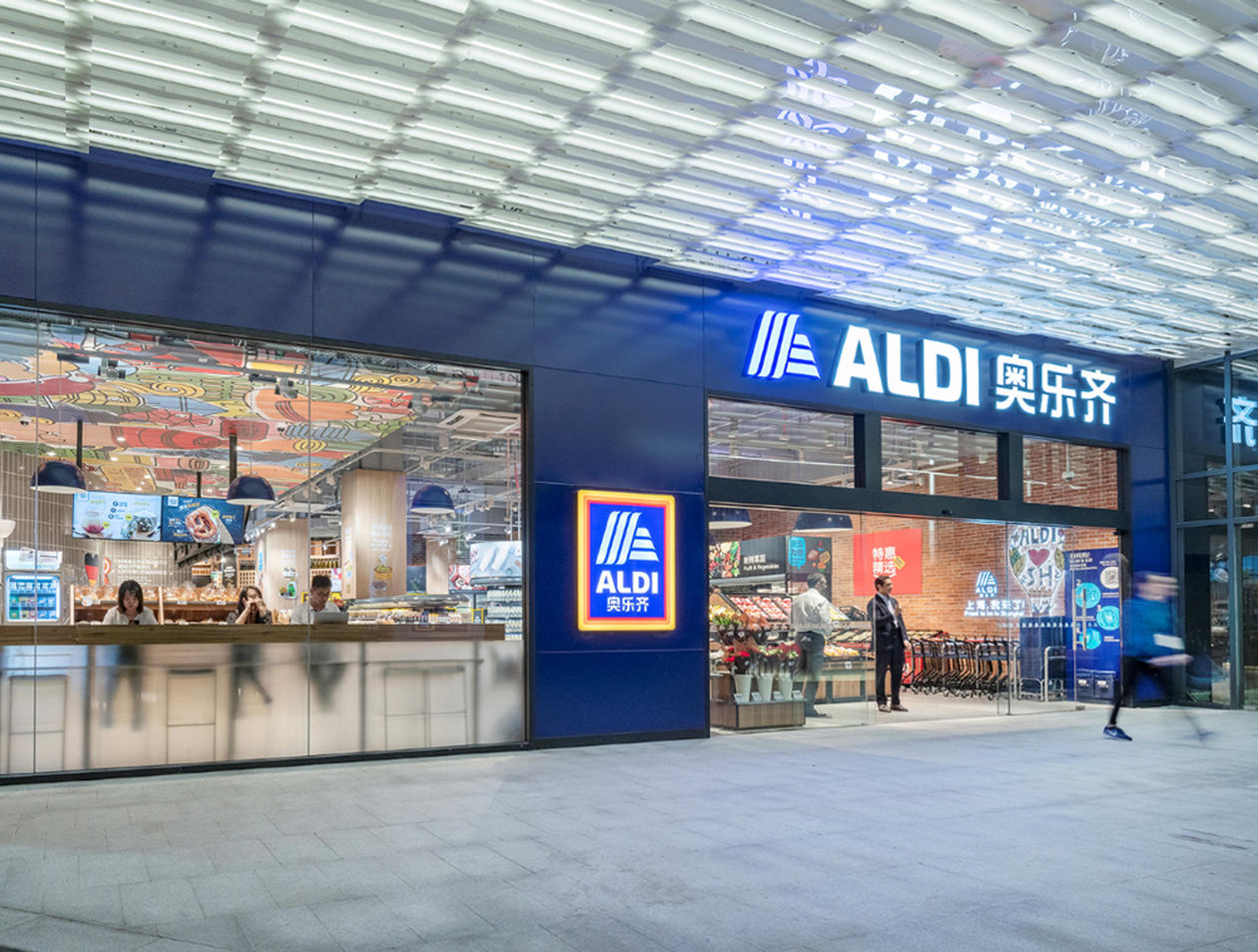
    Aldi, the multinational retail giant, has taken a significant step towards environmental sustainability by eliminating single-use plastic straws from its product line. This move aligns with the recycled soft plastics program led by the Australian Competition and Consumer Commission’s Soft Plastics Taskforce, which is prevalent in many large supermarkets.

    Aldi’s Environmental Commitment

    The decision to phase out single-use plastic straws is expected to prevent millions of these items from contributing to landfill waste and water pollution. Daniel Baker, Aldi Australia’s director of sustainability, voiced the company’s ongoing commitment to making positive changes for the environment. He highlighted how actions such as these serve as a testament to Aldi’s continuous efforts to improve the planet.

    Aldi’s dedication to environmental sustainability extends beyond this recent change. The company has also pledged to replace single-use plastic tableware in its staple and seasonal product offerings with paper alternatives. This strategy will result in an estimated reduction of 46 million plastic items annually.

    Previous Initiatives

    Aldi’s decision to eliminate plastic straws follows a series of eco-friendly initiatives introduced in 2021. Last year, the supermarket chain ceased the use of plastic straws in its juice boxes and popper cartons, substituting them with paper straws. This move led to the elimination of 70 million plastic straws.

    Industry-Wide Changes

    Aldi is not alone in its efforts to promote environmental sustainability in the retail industry. Fellow supermarket chain Coles has also stopped selling single-use plastic tableware products, opting for FSC-certified and reusable alternatives instead.

    Questions & Answers

    **What is Aldi’s latest initiative to reduce plastic waste?**
    Aldi’s most recent effort to decrease plastic waste is the elimination of single-use plastic straws from its product line.

    **What other changes has Aldi made towards environmental sustainability?**
    In addition to removing single-use plastic straws, Aldi has also pledged to replace single-use plastic tableware with paper options in their staple and seasonal product ranges.

    **Are other supermarkets making similar changes?**
    Yes, Coles, another major supermarket chain, has also stopped selling single-use plastic tableware, choosing to use FSC-certified and reusable options instead.

  • Suimin is turning up the heat in the instant noodle category with K-Pow

    Suimin is turning up the heat in the instant noodle category with K-Pow

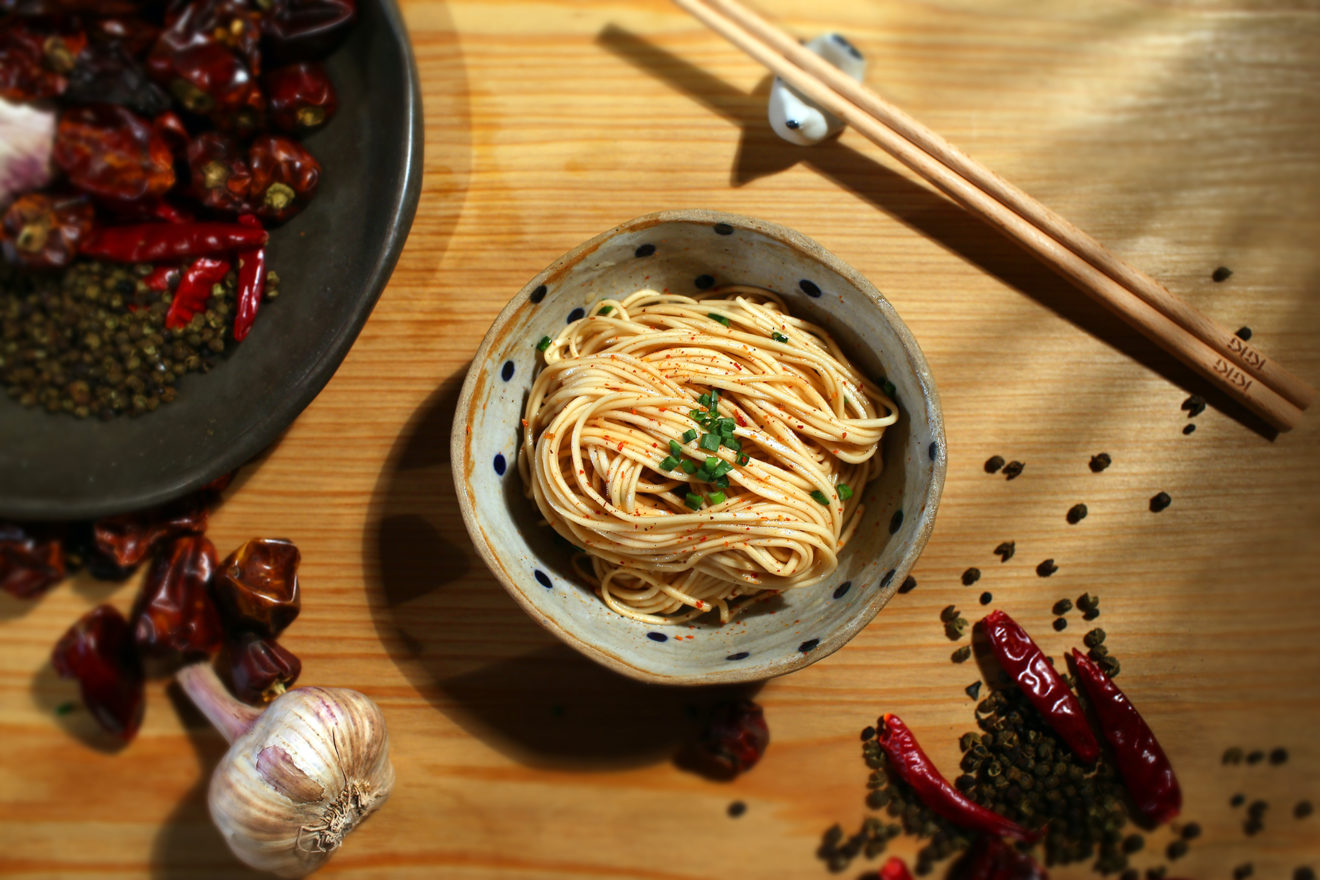
    Research reveals a growing preference for spicy foods among Australians and New Zealanders. In response to this trend, Suimin, a popular convenience food brand, has unveiled a new range of super spicy, Korean-style instant noodle bowls. The products, which fall under the brand name K-Pow!, are set to cater to this increasing demand for heat-infused foods.

    Spice and Heat: Key Market Trends

    Hugh McIntosh, the Marketing Manager at Suimin, states that the company’s market research in Australia and New Zealand supports the idea of spice and heat as emerging, high-growth trends. He remarks that the consumer inclination towards extra spicy noodles, a trend previously predominant in parts of Asia, has now firmly rooted itself in the Australian market.

    Moreover, the popularity of Korean cuisine has fueled the creation of this new locally adapted, spice-driven instant noodle range. Suimin will initially launch this product in Australia, with plans to expand to New Zealand in the near future.

    Targeting a Broad Audience

    Designed to appeal to a wide demographic, K-Pow! is especially aimed at younger customers seeking novel and intriguing flavors in their meals. According to McIntosh, the new range aligns with Suimin’s long-standing reputation of providing convenient access to Asian-inspired dishes.

    Despite a highly competitive instant noodle market, McIntosh is confident that the K-Pow! range will make its mark. The unique blend of chicken and beef broth bases with traditional Korean flavors ensures a distinctive taste.

    Appeal of the K-Wave

    The increasing popularity of Korean culture, known as the K-Wave, has been instrumental in Suimin’s decision to release a Korean-inspired range. The K-Wave, which began with the hit song “Gangnam Style” in 2012, has since expanded to include K-Pop and K-Drama, making Korean culture increasingly appealing worldwide.

    McIntosh cites recent survey data indicating that 37% of Australian respondents have consumed Korean food in the past three months, with an additional 41% expressing interest despite not having tried the cuisine recently.

    The K-Pow! Range

    The K-Pow! range is not solely targeted at fans of Korean culture. Younger shoppers, in particular, are purchasing spicy noodles at a significantly higher rate than other households, making them a key demographic for Suimin.

    The K-Pow! range comprises three flavors: Flaming Cheesy Chicken, Flaming Chicken, and Flaming Beef. Each 105gm bowl is priced at $4 and is available at Coles, Woolworths, and independent retailers nationwide.

    In order to promote the launch, Suimin plans to collaborate with influencers to generate brand awareness and encourage product trials. McIntosh reveals plans to engage with numerous influencers, including two with over 100,000 followers, to create engaging content on platforms like TikTok and Instagram.

    Questions & Answers

    What is the K-Pow! range?
    The K-Pow! range is a new line of super spicy, Korean-style instant noodle bowls from Suimin.

    Who is the target audience for the K-Pow! range?
    While the K-Pow! range aims to appeal to a broad demographic, it specifically targets younger consumers who are seeking unique and exciting flavors.

    How will Suimin promote the K-Pow! range?
    Suimin plans to partner with influencers to generate awareness for the new range and to encourage consumers to trial the product. The promotion will involve creating engaging content on social media platforms like TikTok and Instagram.

  • Kraft Heinz is mulling the sale of brands to ‘unlock shareholder value’

    Kraft Heinz is mulling the sale of brands to ‘unlock shareholder value’

    Kraft Heinz, a leading food and beverage corporation, recently disclosed that it’s considering “potential strategic transactions” as a measure to boost shareholder value.

    Strategic Moves for Value Creation

    According to Kraft Heinz’s CEO, Carlos Abrams-Rivera, the company lays significant emphasis on delivering high-quality, great-tasting food to its consumers. This commitment, he believes, is vital to driving sustainable profitability, growth, and value creation.

    Potential Brand Transactions

    While Kraft Heinz is considering strategic transactions, the company has made it clear that it will not offer a timeline for any such potential deals, nor does it guarantee the sale of any of its brands.

    Kraft Heinz is a global powerhouse with more than 80 brands under its belt. In Australia, it owns Greenseas and Golden Circle; in New Zealand, it owns Watties, Cats Prefer Chef, Food in a Minute, and the Good Taste Company. The company hasn’t specified which markets may be targeted for potential brand transactions.

    Board Reorganization

    In related news, Kraft Heinz also announced that Berkshire Hathaway would no longer maintain its seats on the Heinz board, a decision that aligns with its other non-controlled investments. Consequently, Timothy Kenesey and Alicia Knapp have resigned from the Heinz board due to their affiliations with Berkshire Hathaway as executives, reducing the board’s size to 10 members.

    Questions & Answers

    What strategic transactions is Kraft Heinz considering?
    The specifics of the potential strategic transactions that Kraft Heinz is considering have not been disclosed. However, they are aimed at enhancing shareholder value.

    Will Kraft Heinz sell any of its brands?
    As of now, Kraft Heinz has not guaranteed the sale of any of its brands, nor has it provided a timeline for potential transactions.

    Why have Timothy Kenesey and Alicia Knapp stepped down from the Heinz board?
    Timothy Kenesey and Alicia Knapp have resigned from the Heinz board due to their executive associations with Berkshire Hathaway, which has relinquished its seats on the board.

  • Vietnam’s Nutifood partners with Australia’s Viplus for a new brand

    Vietnam’s Nutifood partners with Australia’s Viplus for a new brand

    Vietnam’s prominent dairy firm, Nutifood, has partnered with Australia’s Viplus Dairy to launch a new international brand known as GippsNature.

    Introducing a New Joint Venture

    This new venture, named Viplus Nutritional Australia, has been established with an aim to develop and market GippsNature as an elite nutritional brand. The brand’s foundation is rooted in Australia’s predominant “nature-first” philosophy.

    Expansive Product Line

    GippsNature is set to offer a vast variety of products for every age group, from children to the elderly. It is scheduled to make its debut in Vietnam in the third quarter of this year, and there are future plans to take the brand global.

    Minh Bao Tran, Vice Chairman of Nutifood, emphasized the company’s objectives aren’t confined to merely producing milk. Instead, they aim to cultivate comprehensive nutritional solutions. GippsNature is the embodiment of a long-term strategy between ViPlus Dairy, boasting a commendable 130-year history, and Nutifood, which adds innovation and in-depth understanding of the Vietnam market to the mix.

    Established Brands Uniting

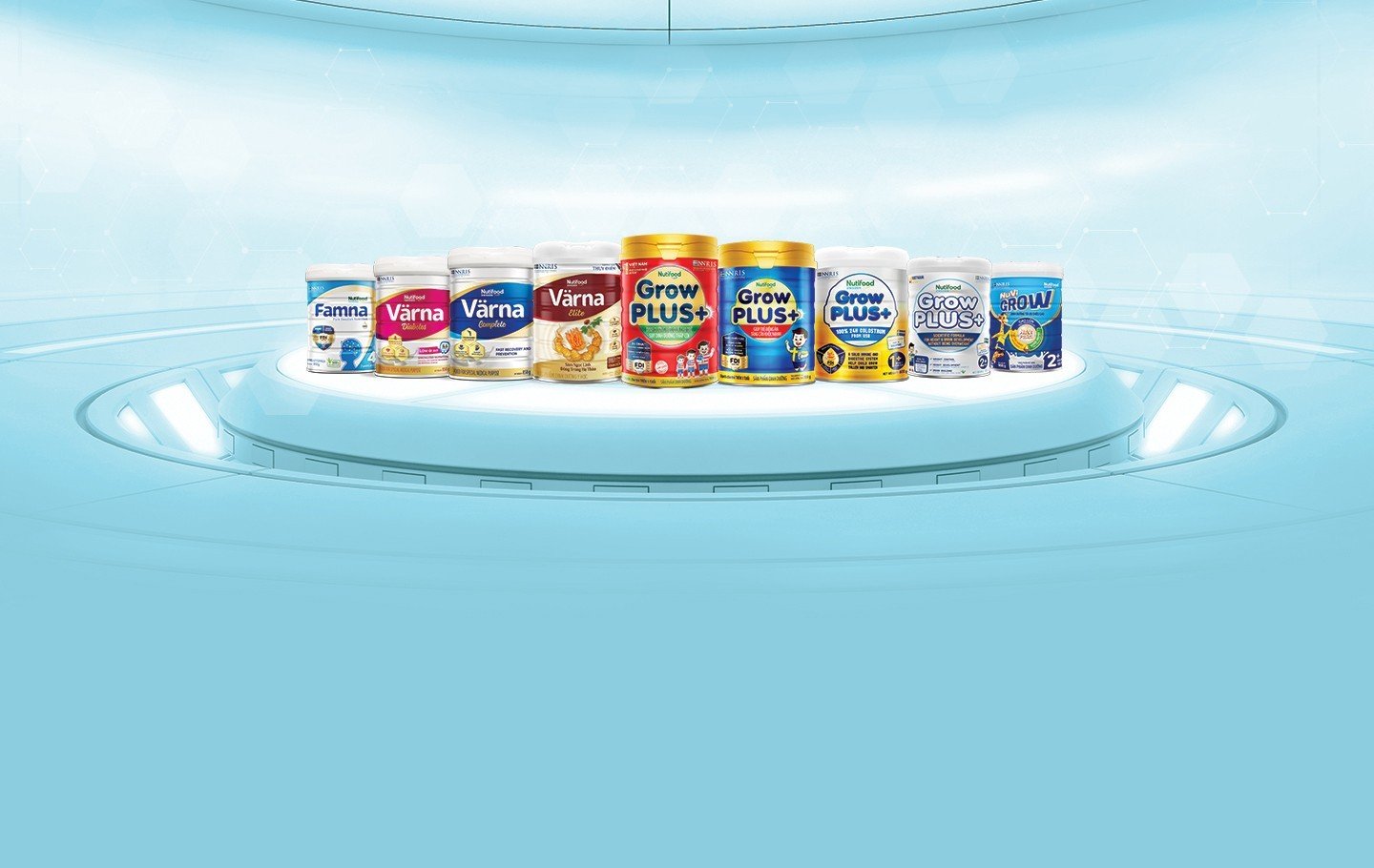
    ViPlus Dairy, situated in Gippsland, has a rich portfolio that includes infant formula, adult nutrition powders, and pregnancy and lactation formulas. Nutifood, on the other hand, was established in 1989 and runs six factories in Vietnam, along with one in Sweden. Nutifood’s renowned brands include Grow Plus+, Nuvi Grow, Ong Bau Cafe, and Nutimilk.

    Questions & Answers

    What is the focus of the new joint venture, Viplus Nutritional Australia?
    The joint venture aims to develop and market GippsNature as a premium nutritional brand, emphasizing Australia’s “nature-first” philosophy.

    When and where is GippsNature set to launch?
    GippsNature is slated to launch in Vietnam in the third quarter of this year, with plans for global expansion in the future.

    What products does GippsNature plan to offer?
    GippsNature will provide a wide range of products catering to all age groups, from children to seniors.

  • Boss Coffee brings back fan-favourite Iced Mocha across Down Under

    Boss Coffee brings back fan-favourite Iced Mocha across Down Under

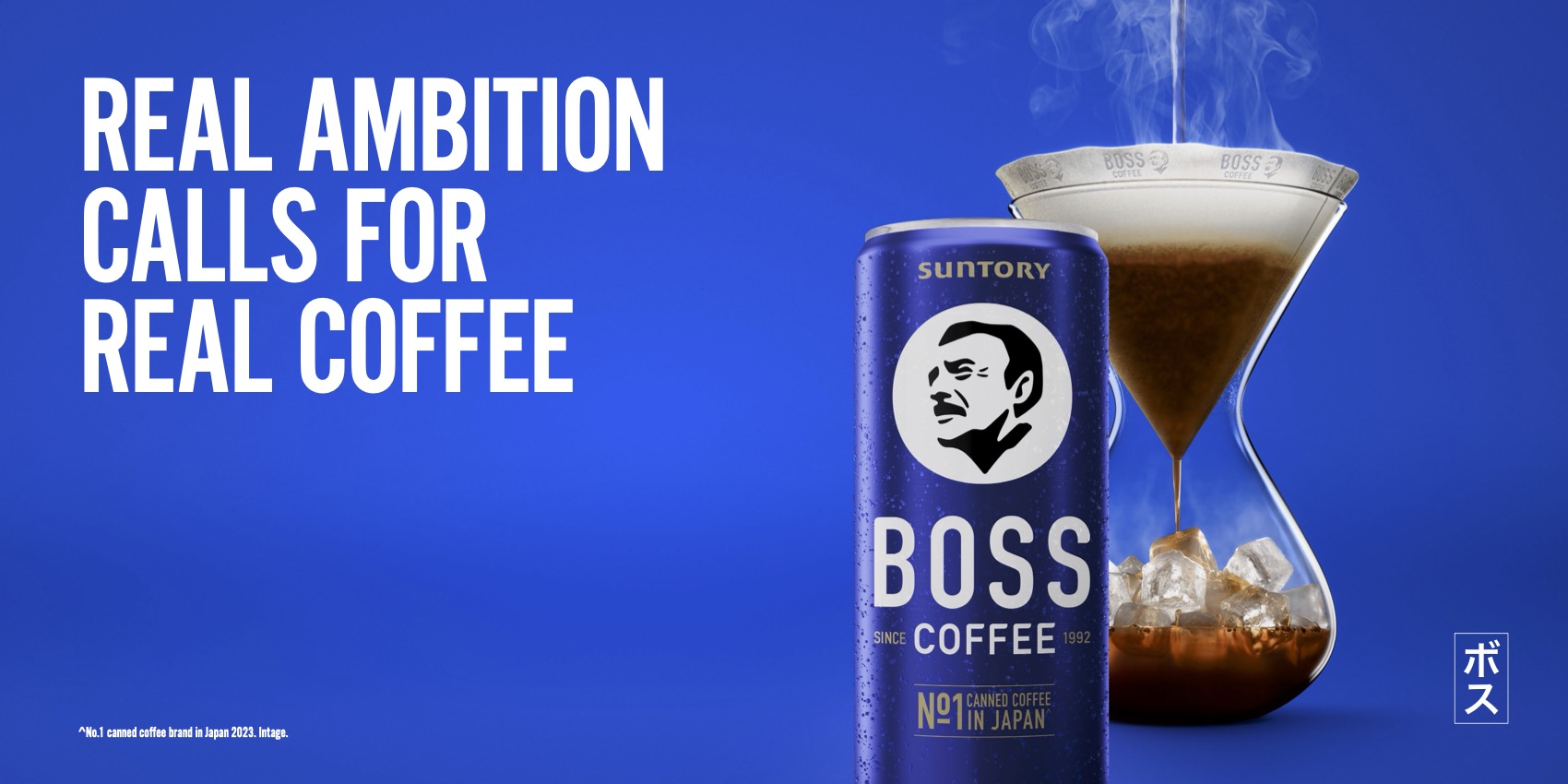
    Suntory Boss Coffee has relaunched its Iced Mocha in Australia and New Zealand, boasting an enhanced recipe that combines flash-brewed coffee and a rich chocolate taste. The drink is designed as a sweet yet invigorating refreshment, targeting busy professionals, students, and any individual in need of a caffeine lift.

    Morgan Loveridge, Head of Market Execution at Suntory Boss Coffee & Future Brands, stated that the revised Iced Mocha has achieved impressive results in taste tests, with a purchase intent of 80%. Consumers have expressed that the addition of Iced Mocha enhances the overall appeal of the Suntory Boss Coffee range.

    Suntory Boss Coffee first entered the Australia and New Zealand market in 2019 and has since secured a significant market share with 52.8% in Australia and 69.5% in New Zealand. The Iced Mocha variety was first introduced to their range in 2023.

    The complete array of Suntory Boss Coffee is accessible in supermarkets, petrol stations, and convenience stores across the two countries.

    Questions & Answers

    What is the revised recipe of Suntory Boss Coffee’s Iced Mocha?
    The improved recipe of Suntory Boss Coffee’s Iced Mocha combines flash-brewed coffee with a rich chocolate flavour.

    Who is the target market for Suntory Boss Coffee’s Iced Mocha?
    The Iced Mocha drink is aimed at busy professionals, students, and anyone needing a caffeine boost.

    Where can customers find the Suntory Boss Coffee range?
    The full range of Suntory Boss Coffee is available in supermarkets, petrol stations, and convenience stores in Australia and New Zealand.

  • Standard Chartered Strengthens UAE Private Banking Team for Enhanced Client Service

    Standard Chartered Strengthens UAE Private Banking Team for Enhanced Client Service

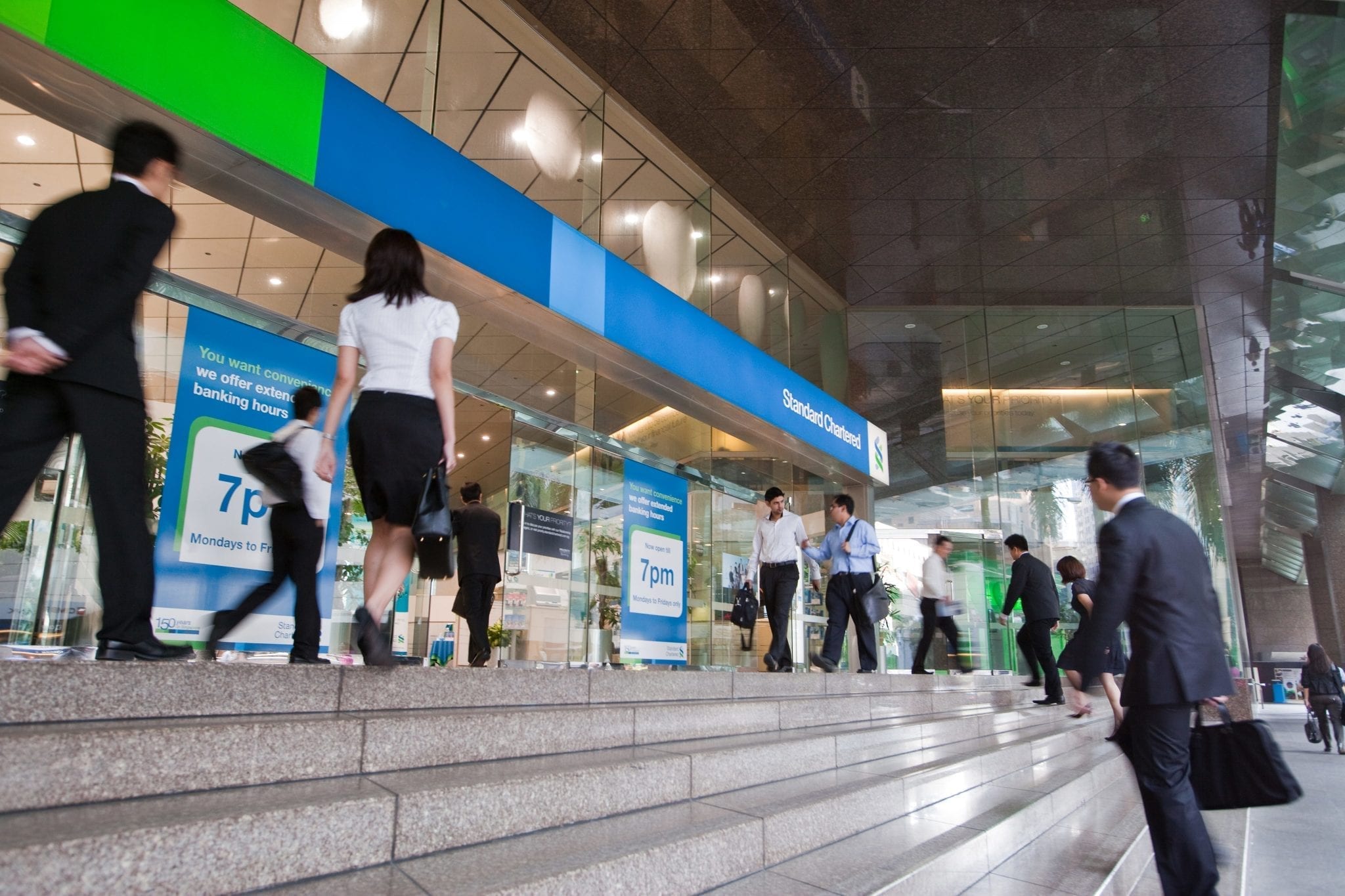
    The private banking division of Standard Chartered is ramping up its presence in the UAE with a series of notable new hires in a move that underscores the region’s burgeoning wealth landscape. The bank has appointed Yahya Ismail as managing director and market head for Europe, the Middle East, and Africa (EMEA). Bringing over 25 years of expertise, Ismail has spent the last two decades immersed in private wealth management roles at prestigious firms like Julius Baer and ABN AMRO.

    Emerging Wealth in the Middle East

    “The Middle East is growing at an extraordinary pace, with the UAE in particular experiencing rapid growth in wealth creation among high-net-worth (HNW) and ultra-high-net-worth (UHNW) individuals who increasingly seek bespoke, cross-border financial solutions for wealth preservation, intergenerational transfers, and sustainable growth,” noted Vinay Gandhi, the global head of the South Asian community and regional head of EMEA at the private bank.

    A Stronger Team for Enhanced Client Care

    Ismail now leads a powerhouse team that includes Laura Haddad, appointed as senior client partner responsible for GCC UHNW clients, alongside Samia Shahnawaz as executive director and relationship manager. Additional key players include Ramla Mansukhani and Lakshmi Menon, who serve as relationship and client service managers, respectively. Haddad brings two decades of experience at firms like Credit Agricole and Citibank, while Shahnawaz boasts a similar wealth of experience in private and institutional banking.

    Investing in Future Growth

    This latest expansion is part of Standard Chartered’s ambitious plan to inject $1.5 billion into its affluent business over the next five years. “As one of the Bank’s wealth hubs, the UAE plays a pivotal role in Standard Chartered’s global strategy. We are dedicated to enhancing our talent pool, providing tailor-made client solutions, and diversifying our product offerings to meet the evolving needs of our HNW and UHNW clients,” Gandhi added, hinting that the private banking sector may soon see a flurry of innovation and bespoke services aimed at high-end clientele.

    In a region known for its luxury lifestyles, can you imagine the tailored experiences these banking professionals will bring to their high-flying clients? The sky is not just the limit; it’s merely a starting point.

    Questions & Answers

    What is the role of Yahya Ismail at Standard Chartered? Ismail is appointed as managing director and market head for EMEA, overseeing the bank’s private banking operations in the region.

    Why is the UAE significant for Standard Chartered’s strategy? The UAE is considered a key wealth hub, prompting Standard Chartered to actively invest in talent and resources to cater to the growing HNW and UHNW client base.

    How much is Standard Chartered investing in its affluent business? The bank plans to invest $1.5 billion in its affluent business over the next five years.

  • Ho Chi Minh City Plans to Transition 80% of Ride-Hailing Motorbikes to Electric in Two Years

    Ho Chi Minh City Plans to Transition 80% of Ride-Hailing Motorbikes to Electric in Two Years

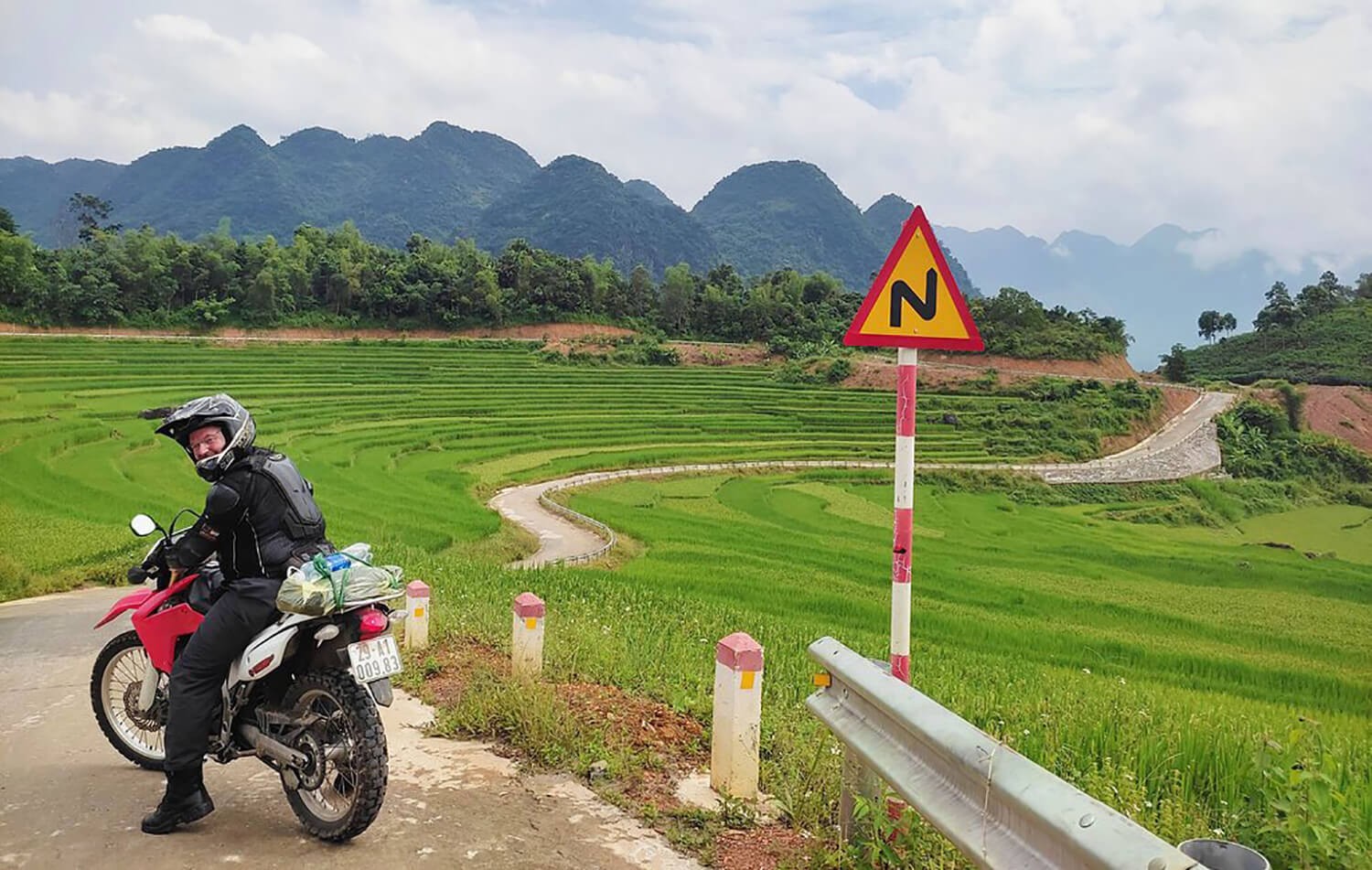
    The ambitious goal of introducing 400,000 electric ride-hailing motorbikes in Ho Chi Minh City (HCMC) is within reach, provided there are financial incentives, tax exemptions, and the establishment of sufficient charging stations. This optimistic outlook comes from Le Thanh Hai, director of the Institute for Development Studies, who underscores the transition’s potential to cut costs for drivers and enhance environmental conditions in the city.

    Recent research by the institute reveals a striking difference in daily expenses for fuel between traditional fuel and electric motorbike drivers. Grab and Be ride-hailing drivers currently fork out VND70,000–100,000 (approximately $3 to $4) each day on gasoline, based on survey feedback from 400 participants. In stark contrast, drivers of Xanh SM electric motorbikes pay only VND20,000 for charging.

    When considering battery degradation, wait times, and charging expenses, electric motorbike riders can pocket between VND40,000 and VND60,000 more each day—translating to a monthly income boost of about VND1 million—in comparison to their gasoline-powered peers. These savings could enable them to pay off their vehicle loans in just two to 2.5 years.

    Yet, the journey towards electric rides isn’t without its bumps. Charging infrastructure poses a significant challenge. Electric bikes from brands like VinFast, Selex Motors, DatBike, and Honda typically need 4-10 hours to charge and offer a range of 100-200 kilometers—meaning drivers must charge daily, incurring a loss of income during that time.

    Nguyen Huu Phuoc Nguyen, CEO of electric scooter startup Selex Motors, believes that energy infrastructure will cease to be an obstacle as soon as charging speeds catch up with refueling gasoline. Selex Motors is pioneering a quick two-minute battery-swapping service compatible with various brands, currently operating 50 stations in HCMC, with plans to expand to 200 next year.

    However, Nguyen points out that the absence of standardized charging infrastructure remains a critical issue, as companies often function independently. He urges local authorities to motivate businesses to expand shared charging and battery-swapping networks, promoting a collaborative growth atmosphere.

    Financial considerations also play a crucial role in this transition, particularly for technology drivers who often experience low and unstable incomes. The Institute for Development Studies has teamed up with banks to craft specialized credit products and has secured promising commitments from electric motorbike manufacturers and distributors.

    Moreover, the city has proposed appealing to the central government for the elimination of registration fees and value-added taxes on new electric vehicles and technology drivers for the initial two years. Currently, Vietnam’s transportation sector emits 32.9 million tons of CO2 equivalents annually, with HCMC responsible for about 13 million tons. To actively support green transportation, the city aims to convert all buses to electric or green-energy vehicles by 2030, alongside a comprehensive Vehicle Emissions Control Plan that encourages incentive creation and transition roadmaps for taxis, tech vehicles, passenger cars, and vehicles utilized by public agencies and businesses.

    The road to an electric future may be paved with challenges, but an electric motorbike revolution along the bustling streets of HCMC promises a more sustainable urban environment for everyone— and perhaps even a newfound love for battery-powered journeys!

    Questions & Answers

    What financial support is being proposed for the transition to electric vehicles in HCMC?
    The city recommends that the central government waive registration fees and value-added taxes for new electric vehicles and technology drivers during their first two years.

    How much can electric motorbike drivers potentially save compared to gasoline-powered counterparts?
    Electric motorbike drivers can save between VND40,000 and VND60,000 each day compared to traditional gasoline users, leading to an additional VND1 million in monthly earnings.

    What plans does HCMC have for public transportation concerning green energy?
    HCMC plans to convert all buses to electric or green-energy vehicles by 2030, supporting a broader goal of reducing emissions in the city’s transportation sector.

  • Vietnam Surpasses Thailand and Australia, Claiming Leading Role in China’s Mango Market

    Vietnam Surpasses Thailand and Australia, Claiming Leading Role in China’s Mango Market

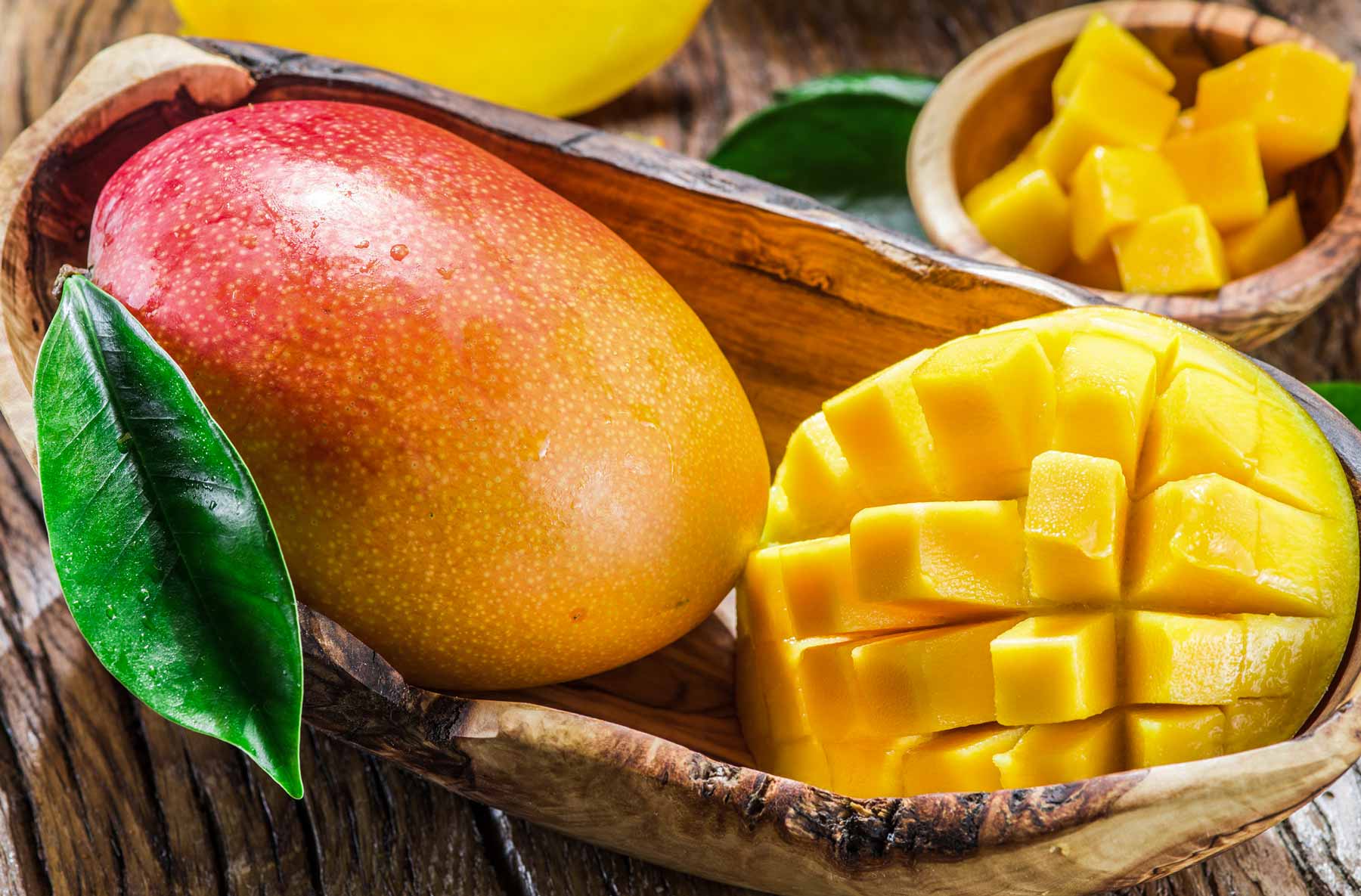
    China has dramatically increased its mango imports, with a staggering year-on-year rise that brought the total to US$29 million, as reported by China customs. This surge is primarily due to the country’s insatiable appetite for tropical fruits, coupled with a domestic supply shortage.

    Mango Import Landscape

    Among the six countries supplying mangoes, Vietnam emerged as the standout performer, enjoying a remarkable growth rate. While Cambodia, Peru, Australia, Thailand, and the Philippines experienced stagnation or decline, Vietnam’s mango exports skyrocketed to around US$28 million—a whopping 145-fold increase from the previous year. The average price per ton also saw a substantial rise of nearly 73%.

    Thailand’s position as a major mango exporter to China has dwindled significantly, dropping to fifth place with a drastic 70% decline in shipments, valued at just US$65,000. This shift highlights Vietnam’s competitive advantage in accessibility, thanks to low logistics costs and its geographical proximity to China.

    Quality and Affordability

    The Vietnam Fruit and Vegetable Association emphasizes that Vietnamese mangoes are distinguished by their quality and affordability, appealing to the modern Chinese consumer. Local varieties like Hoa Loc and Cat Chu are particularly favored for their rich flavors. A spokesperson for the association noted, “These varieties resonate deeply with Chinese tastes.”

    Experts attribute Vietnam’s vibrant market presence to its pricing strategy. Vietnamese mangoes average around $700 per ton, in stark contrast to competitors that charge between $6,000 and $11,000 per ton, such as Thailand, Peru, Australia, and the Philippines.

    Demand and Seasonal Dynamics

    China’s soaring demand for mangoes—both for fresh consumption and processing—has created an essential need for imports, especially during off-seasons. Vietnam, producing about one million tons of mangoes annually, meets not only the needs of China but also markets in the U.S., South Korea, Japan, and the Netherlands.

    The Mekong Delta’s nearly 2,000 hectares of mango orchards certified under global standards are pivotal in fulfilling China’s stringent requirements. Notably, Vietnam’s off-season production from September to March fits perfectly with China’s deficiency during these months, allowing top-grade mangoes to fetch impressive prices, reaching up to VND100,000 per kilogram.

    Yet, as this month marks the onset of China’s domestic mango season, the demand for Vietnamese mangoes has sharply declined, resulting in steep price drops to just a few thousand Vietnamese dong per kilogram (a mere few U.S. cents). One could say, “The mango may be king, but even royalty can face a fall from grace!”

    Questions & Answers

    **Which country significantly increased its mango exports to China?**
    Vietnam has seen its mango exports soar, with a 145-fold increase year-on-year.

    What factors contribute to the popularity of Vietnamese mangoes in China?
    Their high quality, favorable pricing, and the appealing flavors of local varieties make them particularly attractive to Chinese consumers.

    How does the domestic mango season in China affect Vietnamese mango prices?
    As China’s mango season begins, the demand for Vietnamese imports plummets, leading to significant drops in prices.

  • Thailand’s Car Sales Surge Back to Life After Nearly Two-Year Decline

    Thailand’s Car Sales Surge Back to Life After Nearly Two-Year Decline

    Domestic car sales in Thailand experienced a glimmer of hope in April, marking a 1% year-on-year increase—the first boost in nearly two years, as reported by the Federation of Thai Industries (FTI). This slight recovery comes as a welcome surprise amid a string of declines in both vehicle production and exports.

    Ongoing Challenges in Vehicle Production

    Despite the uptick in sales, production figures told a different story. In April, car manufacturing dipped by 0.4% from the previous year, totaling 104,250 units. This marks the 21st consecutive month of declining production, following a relatively steep 6.1% drop in March. Meanwhile, the export of vehicles fell by 6.3% compared to the same period last year, although this decline represents a gentler decrease than the 14.9% seen in the prior month.

    Thailand’s Role in the Automotive Landscape

    As Southeast Asia’s premier auto manufacturing hub, Thailand plays a crucial role as an export base for some of the globe’s leading car manufacturers, including heavyweights like Toyota, Honda, and China’s BYD. While car sales may be on the rise, the industry continues to grapple with production challenges—proving that the road to recovery is still a winding one. Who knew car sales could be just as turbulent as a roller coaster ride!

    Questions & Answers

    What factors contributed to the rise in car sales in Thailand?
    The increase in car sales is attributed to growing consumer demand, providing a much-needed boost after an extended period of decline.

    How has production been affected recently?
    Car production fell by 0.4% in April compared to the same time last year, marking the 21st straight month of decreased output.

    What is Thailand’s position in the automotive sector?
    Thailand remains Southeast Asia’s largest automotive production center and serves as an export base for major car manufacturers like Toyota, Honda, and BYD.

  • Gold Prices Edge Higher Amid Market Shifts and Economic Uncertainty

    Gold Prices Edge Higher Amid Market Shifts and Economic Uncertainty

    Vietnam’s gold market saw a subtle uptick on Saturday morning, buoyed by a surge in global bullion prices.

    Vietnam’s Gold Prices on the Rise

    The Saigon Jewelry Company reported a 0.41% increase in gold bars, pricing them at VND121 million (approximately $4,662.09) per tael. Gold rings also experienced a slight gain of 0.43%, reaching VND116 million per tael. Notably, since the start of the year, gold prices have skyrocketed by 44%.

    On the international scene, gold prices climbed more than 2% on Friday, marking the best weekly performance in six weeks. This surge occurred as investors turned to gold as a safe-haven asset amidst new tariff threats from U.S. President Donald Trump and a weakening dollar, as reported by Reuters. Spot gold jumped 2.1% to $3,362.70 an ounce, and bullion posted a 5.1% weekly increase, hitting its highest point in over two weeks.

    “U.S. President Donald Trump has been on a tear the last 24 hours. Threatening 50% tariffs on the EU as of June 1, biting Apple, and hammering Harvard has stocks in a black mood, which is great for gold,” noted Tai Wong, an independent metals trader. It seems when the stock market frowns, gold shines—truly a case of financial opposites attracting!

    Questions & Answers

    How much has gold increased since the beginning of the year?
    Gold prices have surged by 44% since the start of the year.

    What influence did President Trump have on the gold market recently?
    His recent tariff threats contributed to a decline in investor confidence in stocks, leading many to turn to gold as a safer investment.

    What was the percentage gain for spot gold on Friday?
    Spot gold rose by 2.1% on Friday, marking an impressive increase amidst global market fluctuations.

  • Dollar Dips Against Dong in Thriving Black Market Exchange

    Dollar Dips Against Dong in Thriving Black Market Exchange

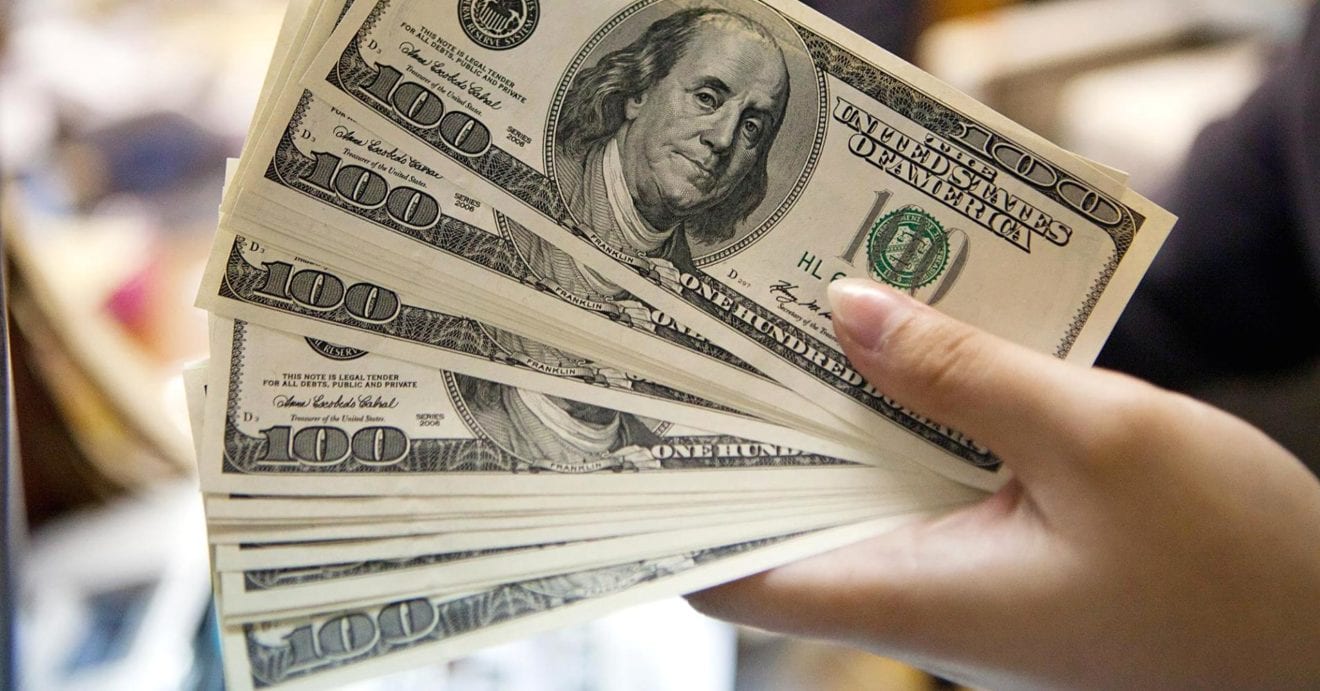
    The U.S. dollar took a hit against the Vietnamese dong in the black market this past Saturday morning, as unofficial exchange points reported a decrease of 0.34%, bringing the dollar’s value to VND 26,340. In contrast, Vietcombank opted to maintain its exchange rate at VND 26,130.

    Globally, the dollar faced a significant decline on Friday, largely fueled by a surge of investor concern as U.S. President Donald Trump escalated trade tensions. His suggestion to impose a 50% tariff on European Union imports beginning June 1 sent investors scrambling, as reported by Reuters. The dollar index, a gauge that measures the greenback against a basket of other currencies, fell by 0.8% to settle at 99.09, marking its lowest point in three weeks.

    Over the course of the week, the dollar slid 1.9%, on track for its most significant weekly percentage drop since early April. Jayati Bharadwaj, a global foreign exchange strategist at TD Securities, noted that the concurrent decline of the dollar and U.S. stocks indicates a noteworthy shift in market dynamics. “The dollar’s correlation with equities is broken,” she stated, adding that this inversion is likely to persist due to the U.S.-specific risks influencing the financial landscape since the year’s beginning.

    In this topsy-turvy market, one might wonder if the dollar’s next move will involve a dramatic dance with tariffs or a quieter retreat into the shadows.

    Questions & Answers

    What was the dollar’s exchange rate against the dong on the black market?
    The U.S. dollar traded at VND 26,340 on the black market, down 0.34%.

    How did the dollar perform globally last Friday?
    The dollar fell by 0.8% in value, hitting its lowest point in three weeks, predominantly due to escalating trade tensions.

    What did the global FX strategist say about the dollar’s performance?
    Jayati Bharadwaj pointed out that the dollar is no longer acting as a safe haven, as its correlation with stock performance has significantly shifted.

  • HCMC Ranked Among Southeast Asia’s Top 5 Most Innovative Startup Ecosystems

    HCMC Ranked Among Southeast Asia’s Top 5 Most Innovative Startup Ecosystems

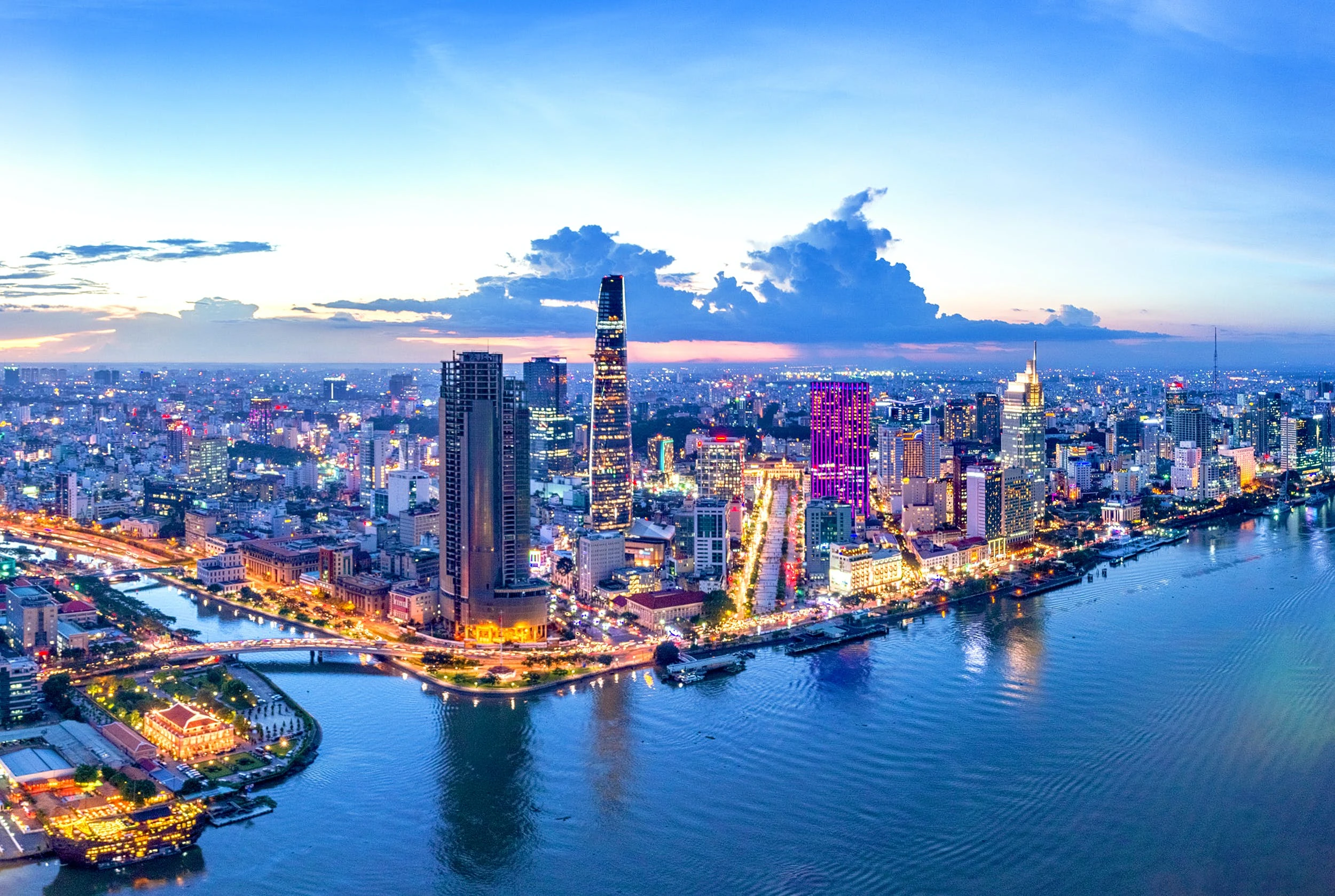
    Ho Chi Minh City is lighting up the entrepreneurial landscape as it secures a spot among the top five leading innovative startup ecosystems in Southeast Asia for the first time. This remarkable achievement highlights the city’s journey into becoming a powerhouse for startups and innovation.

    Rapid Rise in the Rankings

    A recent report from StartupBlink, a globally recognized benchmark for assessing startup ecosystems, reveals that Ho Chi Minh City has steadily climbed the global rankings for four straight years, particularly showing impressive growth in the Fintech sector. The city has now earned a spot in the global Top 30 for Blockchain technology, ranking second in Southeast Asia—a feat that certainly adds a dash of excitement to its entrepreneurial reputation.

    Vibrancy at Its Core

    Known as Vietnam’s most dynamic startup hub, Ho Chi Minh City is enhancing its support infrastructure, fostering creativity, and building a robust startup community. The strong backing from local authorities and a progressively improving business climate have transformed the city into a magnet for innovators and entrepreneurs alike.

    Lam Dinh Thang, Director of the municipal Department of Science and Technology, emphasized that the city’s commendable rise in the StartupBlink rankings is a testament to the collective efforts of its political framework and the innovative spirit of its startup ecosystem. According to him, Ho Chi Minh City aims to place its startup and innovation framework within the Top 100 most dynamic ecosystems globally by 2030. He pointed out that the city is concentrating on key areas such as policy, infrastructure, and human resources to achieve this ambitious goal.

    A Bright Future Ahead

    This year’s rankings not only showcase Ho Chi Minh City’s relentless drive to refine its startup environment but also offer a chance for the metropolis to realign itself within the global startup landscape. Underlining this commitment, the city plans to work with experts to develop a roadmap for advancing its innovation-driven startup ecosystem from 2025 to 2030. This strategic preparation aligns with the targets set by the Politburo, steering Ho Chi Minh City toward its goal of joining the ranks of the Top 100 most dynamic global startup ecosystems.

    Why did the startup cross the road? To get to Ho Chi Minh City, of course!

    Questions & Answers

    What factors contributed to Ho Chi Minh City’s rise in startup rankings?
    The city’s growth can be attributed to its vibrant startup community, strong support from municipal authorities, and improvements in its business environment.

    What sectors are driving Ho Chi Minh City’s startup growth?
    The Fintech sector, particularly in Blockchain technology, is at the forefront of the city’s entrepreneurial boom, propelling it into the global Top 30.

    What are Ho Chi Minh City’s goals for its startup ecosystem by 2030?
    The city aims to be among the Top 100 most dynamic global startup ecosystems by focusing on policy, infrastructure, and human resources development.

  • Vietnam and US Wrap Up Dynamic Second Round of Talks on Reciprocal Trade Agreement

    Vietnam and US Wrap Up Dynamic Second Round of Talks on Reciprocal Trade Agreement

    Vietnam and the United States have taken significant strides forward in their pursuit of a reciprocal trade agreement, following the second round of negotiations held in Washington D.C. from May 19-22. The Vietnamese delegation was led by Minister of Industry and Trade Nguyen Hong Dien, who also heads the government’s negotiation team, accompanied by members from various ministries and the State Bank of Vietnam.

    Cordial Negotiations Yield Positive Outcomes

    The three-day discussions were marked by a spirit of goodwill, transparency, and mutual respect for each other’s institutional frameworks. Both sides sought to align their interests while being mindful of their respective international commitments and development levels. This collaborative atmosphere facilitated fruitful exchanges regarding each country’s policies, enabling them to clarify the draft agreement and explore the essential issues that matter to both nations.

    With an eye towards accelerating the negotiation process, the two delegations outlined areas of consensus and identified topics that still needed further discussion. They also established timelines for providing feedback on the draft, proposed specific wording changes, and arranged for virtual meetings in preparation for the next round of talks.

    Looking Ahead: Building on Agreements

    On the final day of the talks, Minister Dien and U.S. Trade Representative Jamieson Greer held a bilateral meeting to assess the outcomes and set priorities for the next phase of negotiations, which is expected to kick off in early June. Greer praised Vietnam for its commitment to addressing U.S. concerns and expressed optimism that the two nations would continue to deepen their engagement at both technical and ministerial levels in pursuit of an agreement.

    Dien welcomed Greer’s encouraging remarks and reaffirmed Vietnam’s dedication to fostering trade relations with the U.S. in a way that is balanced and sustainable, ultimately benefiting the people and businesses in both countries. He committed to instructing his technical teams to further enhance discussions that lead to a mutually beneficial agreement.

    One could say that when it comes to international trade talks, a sprinkle of goodwill can often go further than a bag of tricks!

    Questions & Answers

    What was the main goal of the recent negotiations between Vietnam and the U.S.?
    The primary aim was to advance discussions on a reciprocal trade agreement while balancing interests and adhering to international commitments.

    Who led the Vietnamese delegation during the talks?
    Minister of Industry and Trade Nguyen Hong Dien led the Vietnamese delegation, which comprised members from various ministries and the State Bank of Vietnam.

    When is the next round of negotiations scheduled to take place?
    The next round of negotiations is set to occur in early June 2025, following the positive progress made during the latest discussions.

  • Gas Prices Plummet: What the Dip Means for Your Wallet and the Economy

    Gas Prices Plummet: What the Dip Means for Your Wallet and the Economy

    Vietnam’s gasoline prices experienced a slight dip on Thursday morning, striking a chord of relief for motorists across the nation. In an environment often marked by volatility, this latest trend brings a momentary sigh of ease.

    Fuel Price Movements

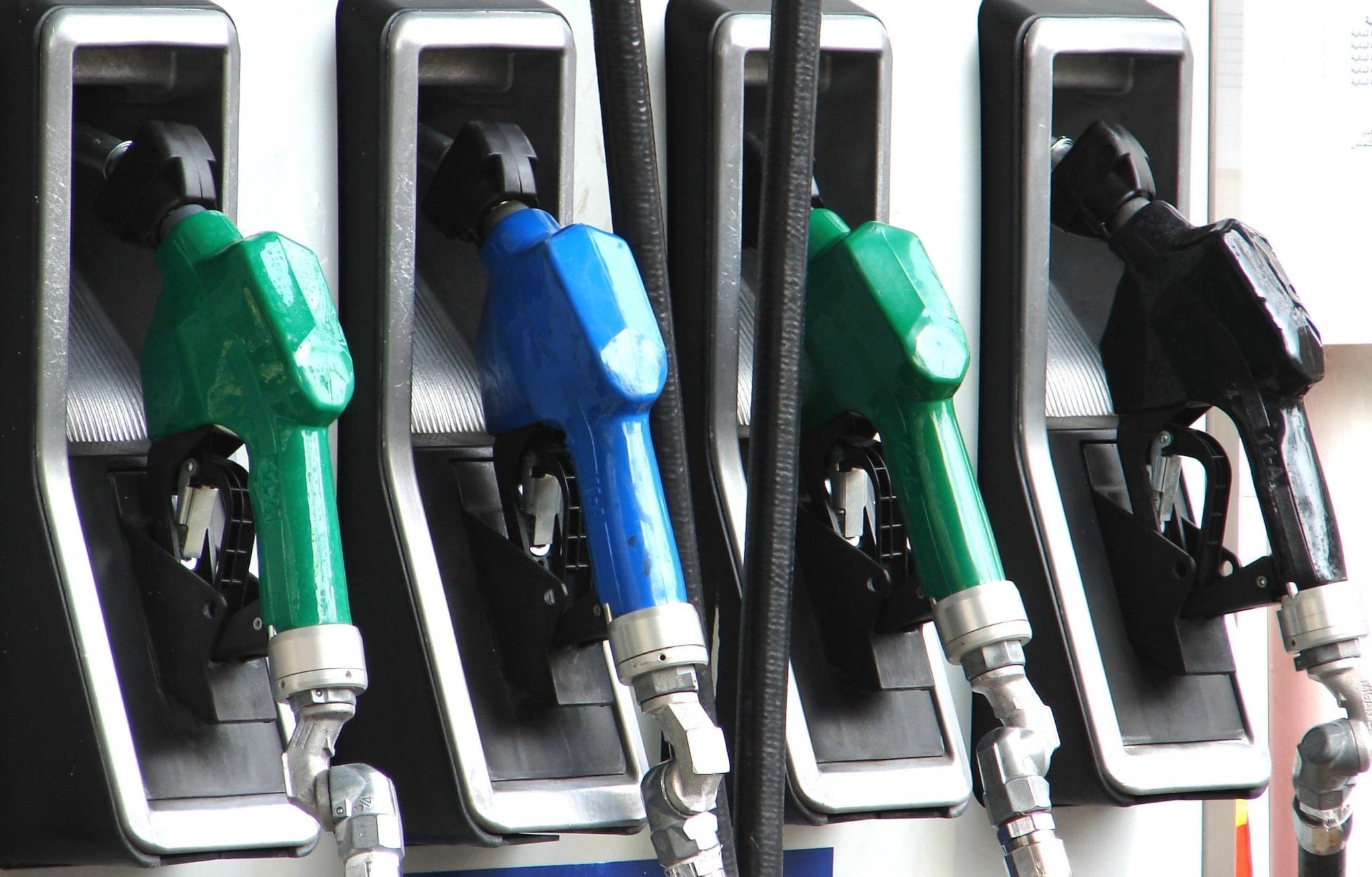
    The price for the popular RON95 fuel fell by 0.31%, now standing at VND19,530 (approximately US$0.75) per liter. Similarly, the biofuel E5 RON92 mirrored this drop, decreasing by 0.31% to VND19,120. On a contrasting note, diesel saw an uptick of 1.05%, reaching VND17,400.

    Global Market Influences

    The global fuel market has been rocked over the past week by a medley of influences. Heightened tensions in the Middle East, increasing U.S. crude oil inventories, and an ongoing stalemate in the conflict between Russia and Ukraine have all contributed to the tumult. These factors have resulted in a mixed bag for global fuel prices, where the average price for a barrel of RON95 gasoline dipped 0.4% to $76.7. Meanwhile, diesel prices experienced a rise of 1.3%, reaching $80.15 per barrel.

    For consumers, fluctuations in fuel prices often feel akin to riding a rollercoaster—stomach-churning, yet exhilarating.

    Questions & Answers

    What are the current prices for RON95 and E5 RON92 in Vietnam?
    Currently, RON95 is priced at VND19,530 per liter, while E5 RON92 stands at VND19,120.

    How have global factors affected fuel prices recently?
    Recent months have seen tensions in the Middle East and rising U.S. crude oil inventories influencing global fuel prices, resulting in mixed fluctuations.

    Is diesel also seeing significant price changes?
    Yes, diesel prices have increased by 1.05%, now priced at VND17,400 per liter.

  • Best Sustainable Brands for Students Who Care

    Best Sustainable Brands for Students Who Care

    Best Sustainable Brands for Eco-Conscious Students

    Sustainability is no longer a niche concern. Today’s students are actively choosing brands that reflect their values, especially when it comes to reducing waste, supporting ethical labor, and minimizing environmental impact. Purchasing decisions, including clothes, notebooks, tech, and personal care, are increasingly influenced by sustainability standards.

    For students juggling academics and tight budgets, choosing ethical products may seem challenging. However, a growing number of brands now combine eco-friendly practices with affordability and student-relevant products. Many also offer discounts, flexible pricing, or subscription models that help students stay consistent in their sustainable choices. As students invest in long-term academic and environmental goals, some also turn to external support, including a service that can help in writing research paper assignments. Making smart, sustainable choices in one area often frees up time and focus for others.

    This guide introduces sustainable brands across several categories. Each one stands out for its clear environmental or social commitments, as well as its usefulness in student life.

    Everyday Essentials That Reduce Waste

    Students often go through single-use products quickly, including notebooks, water bottles, and packaging from frequent deliveries. Fortunately, some brands make it easy to switch to better options without changing routines.

    Notable choices:

    • Final: Specializes in reusable cutlery and straws, designed for students who eat on campus or commute. Their foldable tools fit easily in a backpack.
    • Stasher: Offers reusable silicone storage bags that replace plastic zip bags. Ideal for snacks, cords, toiletries, or lunch storage.
    • Paper Saver: A stationery brand that helps users reuse printed paper by turning it into a refillable notebook. Great for students with print-heavy coursework.

    These small swaps can lead to significant reductions in personal waste over a semester. As habits build, so does awareness of the bigger impact.

    Clothing Brands with Ethics and Longevity

    Fashion is a major driver of pollution, especially fast fashion. For students who want to dress well without supporting wasteful systems, there are several brands that prioritize transparency, ethical sourcing, and durable construction.

    Top picks:

    • Patagonia: Known for its strong environmental stance, repair policies, and lifetime gear support. They also offer a used gear marketplace for lower-cost purchases.
    • Kotn: A Canadian company that uses sustainable cotton and fair labor practices. Their basic apparel is perfect for daily campus wear.
    • ThredUp: An online secondhand marketplace with student-friendly prices. It offers a wide range of name-brand and sustainable clothing options.

    Shopping with these brands helps reduce textile waste and promotes thoughtful consumption habits. As students manage multiple priorities, some use support services to stay balanced, including academic writing platforms where they can request someone to do my paper while focusing on long-term academic or sustainability goals.

    Eco-Friendly Tech and Accessories

    Electronics are difficult to manufacture sustainably, but some brands reduce their footprint through recycled materials, modular design, and repairability.

    Reliable options:

    • Fairphone: Modular smartphones designed for repair and longevity. Ideal for tech-savvy students who care about ethical supply chains.
    • Nimble: Makes tech accessories such as power banks and chargers using recycled plastics and offers e-waste recycling support.
    • Logitech (with their Design for Sustainability line): Offers mice and keyboards made from post-consumer plastics and ships in eco-friendly packaging.

    Opting for sustainable tech is a smart move for students who want quality without contributing to landfill buildup. These brands show that ethics and performance can coexist.

    Personal Care with Minimal Impact

    Sustainable living extends into personal care, where plastic waste, chemical use, and animal testing are major concerns. These student-favorite brands offer accessible, low-impact alternatives.

    Top choices:

    • Ethique: Solid bar shampoos, conditioners, and face washes that eliminate plastic bottles entirely.
    • By Humankind: Offers refillable deodorants and mouthwash tablets in compact containers that reduce shipping waste.
    • Plaine Products: Liquid personal care in aluminum bottles with a return-and-refill system, ideal for dorm settings.

    Most of these brands offer starter kits, travel sizes, or subscriptions suited to student living. With less waste and fewer chemicals, they make self-care easier and more ethical.

    Why Sustainable Choices Matter in Student Life

    Students often feel pulled in multiple directions: academic pressure, financial limits, and the desire to live according to their values. Choosing sustainable brands does not mean sacrificing convenience or quality. It is about making thoughtful switches that align with long-term priorities.

    Many of the brands featured here reduce environmental impact, support ethical labor, or promote durability and reuse. These factors matter just as much as price or appearance, especially when every purchase becomes part of a larger academic and lifestyle strategy.

    Sustainability does not require perfection. It starts with one decision: a better notebook, a smarter water bottle, or a cleaner shampoo. With each change, students shape not only their personal habits but also the demand for better business practices across industries.