Blog

  • CJ Olive Young Boosts Brand Growth with Skin Analyser Service in 100 Stores

    CJ Olive Young Boosts Brand Growth with Skin Analyser Service in 100 Stores

    In an innovative stride toward personalized beauty services, CJ Olive Young is set to dramatically expand its self-operated skin analyser machines across South Korea. By the end of 2025, the popular health and beauty retailer plans to install approximately 100 machines in major cities, catering to the rising consumer demand for customized skincare solutions.

    Expanding Access to Advanced Skin Analysis

    CJ Olive Young’s new initiative offers customers a complimentary service that analyzes scalp and skin conditions. The technology provides insights on hydration and sensitivity, affording personalized skincare advice to meet individual needs. This expansion not only aligns with evolving consumer trends but also strengthens Olive Young’s commitment to offering tailored shopping experiences.

    Leveraging Technology for Customer Engagement

    At the core of this initiative is “SELLY,” an exclusive counseling app used by store staff that suggests products based on each customer’s unique skin type, texture preferences, and ingredient requirements. The app enhances in-store consultations, making it a vital tool in bridging the gap between customers and products.

    Strong Evidence of Consumer Interest

    The significance of this expansion is underscored by recent data from Olive Young’s flagship store in N Seongsu, where customers using the “Skin Scan Pro” service exhibited a purchase conversion rate of 78%. This figure contrasts sharply with the 43% conversion rate observed among non-users, highlighting the effectiveness of personalized engagement strategies in the retail landscape.

    The Shift Toward Discovery-Based Shopping

    This growth strategy comes at an opportune moment. With a marked shift in retail dynamics—from a search-driven approach to one grounded in discovery—CJ Olive Young is poised to lead the way in fulfilling the desires of Gen Z and Millennials for authentic and meaningful shopping experiences.

    As CJ Olive Young expands its personalized beauty services, the impact on the retail sector and consumers is substantial. Enhanced consumer engagement through technology is likely to redefine shopping habits, making personalized beauty advice more accessible and leading to increased customer loyalty across the industry.

    Questions & Answers:

    1. What is CJ Olive Young planning for 2025? CJ Olive Young aims to install approximately 100 self-operated skin analyser machines in major cities across South Korea by the end of 2025.
    2. How does the skin analyser service work? The free service provides customers with scalp and skin condition analysis, offering personalized skincare advice based on metrics like hydration and sensitivity through the use of an exclusive app called “SELLY.”
    3. What impact has this service had on purchase behavior? Customers who engaged with the “Skin Scan Pro” service experienced a 78% purchase conversion rate, compared to 43% for those who did not use it, indicating strong interest in personalized beauty experiences.

  • Retail Sales Surge as Consumer Demand Drives Brand Growth in New Store Openings

    Retail Sales Surge as Consumer Demand Drives Brand Growth in New Store Openings

    As consumer demand surges, brands are seizing the opportunity to escalate their growth strategies and expand their presence in the retail sector. Key players are not only adapting to shifting consumer preferences but also redefining their market strategies to capture a larger share of the evolving landscape.

    Rising Consumer Demand Drives Growth

    Recent reports indicate a notable surge in consumer demand across various sectors, with trends leaning toward online shopping and sustainable products. Retailers are witnessing this transformation first-hand, as customers gravitate towards brands that align with their values and expectations. This shift presents both challenges and opportunities in adapting to shopper behaviors that have been reshaped by the pandemic.

    Strategic Brand Expansion Initiatives

    Leading brands are actively pursuing expansion strategies aimed at reaching untapped markets. For instance, popular names in fashion retail are opening new stores in urban centers while enhancing their digital presence to cater to a diverse audience. By leveraging e-commerce platforms and improving logistics, these companies are well-positioned to respond to consumer trends effectively.

    Innovative Approaches to Sustainability

    As sustainability continues to play a critical role in consumer decision-making, brands are tailoring their practices to incorporate eco-friendly materials and ethical labor practices. Recent initiatives reveal that companies prioritizing sustainability not only meet consumer expectations but also set themselves apart in a competitive marketplace.

    Future Implications for the Retail Sector

    The ongoing shifts in retail dynamics signal a promising future for brands willing to innovate and adapt. As consumer trends evolve, those who embrace flexibility and responsiveness will likely thrive, paving the way for a more exciting retail landscape. This consumer-driven environment enhances the shopping experience and influences purchasing behaviors, ultimately impacting the broader retail sector.

    As brands continue to expand their presence and embrace these consumer trends, the retail landscape is poised for significant transformation, creating new opportunities for both retailers and shoppers alike.

  • HDBank Targets $813M Profit by 2025 Amidst Rising Consumer Demand

    HDBank Targets $813M Profit by 2025 Amidst Rising Consumer Demand

    HDBank celebrated its 35th anniversary during its Annual General Meeting of Shareholders on April 24 at the Galaxy Innovation Hub, attracting hundreds of attendees both in-person and online. In this pivotal event, company leaders reflected on the bank’s impressive performance in 2024 and shared future growth strategies.

    Resilience in the Face of Economic Challenges

    Chairman Kim Byoung Ho highlighted HDBank’s remarkable achievements amid ongoing global economic pressures. The bank reported a consolidated pre-tax profit of VND 16.73 trillion (approximately $642.8 million), marking a 28.5% increase year-over-year and surpassing its target by an impressive 105.5%. The return on equity (ROE) stood at 25.7%, with a return on assets (ROA) of 2.04%, placing HDBank among the top performers in the retail banking sector.

    Credit Growth Outpaces Industry

    HDBank’s total outstanding credit surged by 23.8% to VND 437.7 trillion, significantly outpacing the industry average. Additionally, the bank’s total mobilization reached VND 621.1 trillion, an increase of 16% compared to the previous year. This robust performance reflects the bank’s commitment to ensuring ample liquidity while effectively aligning credit growth with capital mobilization.

    Promoting Financial Inclusion

    Fernanda Lima from Leapfrog Investments commended HDBank for its strides in promoting financial inclusion and enhancing environmental and social practices. In 2024, the bank disbursed approximately VND 4.4 trillion (about $180 million) to support businesses facing challenges in accessing credit within the domestic market.

    Junjie Tong, CEO of Affinity Equity Partners, echoed the sentiment regarding HDBank’s growth potential, comparing its current phase to the early development of bamboo. He expressed optimism for continued financial performance in the next 12-14 months.

    Setting Sights on 2025

    Looking ahead, HDBank is set to officially launch the HDBank Financial Group in 2025, fostering synergies among its subsidiaries—including Vikki Digital Bank and HD Securities. The ambitious targets for 2025 include total assets of VND 890.4 trillion, mobilized capital of VND 792.8 trillion, and outstanding loans of VND 597.9 trillion.

    Commitment to Sustainable Growth

    During the meeting, Vice Chairwoman Dr. Nguyen Thi Phuong Thao acknowledged the unwavering support from investors and partners that has helped the bank flourish over its 35-year journey. Underlining the bank’s commitment to innovative technology and corporate governance, she noted that shareholder value has nearly quadrupled since the IPO.

    Concluding the congress, HDBank signed cooperation agreements with key partners, signaling the start of a new growth phase.

    As HDBank positions itself for further expansion and innovation, these developments not only bolster the bank’s standing in retail news but also highlight evolving consumer trends and the potential for enhanced service offerings in the financial sector.

  • Gas Prices Climb from 5-Year Low, Impacting Retail Sales

    Gas Prices Climb from 5-Year Low, Impacting Retail Sales

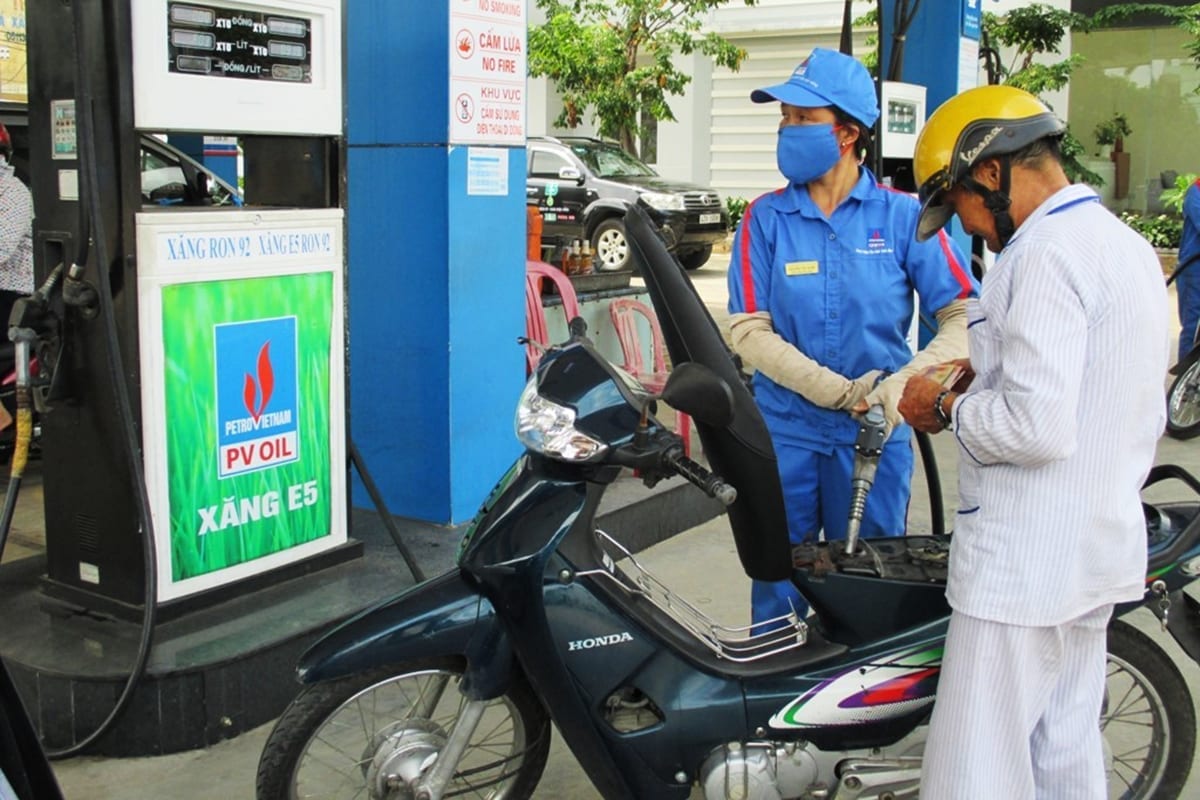
    Gasoline Prices in Vietnam See Modest Recovery After Five-Year Low

    Vietnam’s gasoline prices have marked a slight upward shift, coming off their lowest levels in five years. This change comes as various factors in the global oil market begin to stabilize and reshape consumer trends in fuel purchasing.

    Price Surge for Popular Fuels

    On Thursday afternoon, the fuel landscape in Vietnam experienced an increase:

    • RON95: Up by 4.14%, now priced at VND19,630 per liter.
    • Biofuel E5 RON92: Rose 4% to VND19,230 per liter.
    • Diesel: Increased by 2.88%, reaching VND17,520 per liter.

    These price adjustments reflect surging consumer demand and market corrections following the previous lows.

    Factors Driving the Increase

    The recent fluctuations in gasoline prices can be attributed to multiple catalysts within the global oil market. Key influences include:

    • A recent report from the U.S. Energy Information Administration indicating a rise in U.S. crude oil inventories.
    • Policy changes from the Trump administration affecting goods taxes from trading partners.
    • Anticipated increases in OPEC+ oil production shortly.

    The global benchmark prices have also seen upward movement, with RON95 surging to $77.3 per barrel, up by 5%, while diesel increased by 3% to $80.90 per barrel.

    Impact on the Retail Sector and Consumers

    The recovery in gasoline prices could have significant implications for retail, particularly in sectors relying heavily on transportation and logistics. As fuel prices stabilize, consumers might see a gradual adjustment in product pricing, influencing overall spending behaviors.

    Questions & Answers

    1. What led to the recent increase in gasoline prices in Vietnam? The increase is primarily due to a rise in global oil prices influenced by U.S. crude inventory changes and adjustments in OPEC+ production.
    2. How much have prices changed for popular fuel types in Vietnam? RON95 rose 4.14% to VND19,630, Biofuel E5 RON92 increased 4% to VND19,230, and diesel saw a 2.88% increase to VND17,520.
    3. What might be the impact of rising gasoline prices on consumers and the retail sector Rising gasoline prices could lead to higher transportation costs, potentially resulting in increased prices for consumer goods and altering spending patterns in the retail sector.
  • Pomelo Fashion to Celebrate Exciting Store Opening in Laos

    Pomelo Fashion to Celebrate Exciting Store Opening in Laos

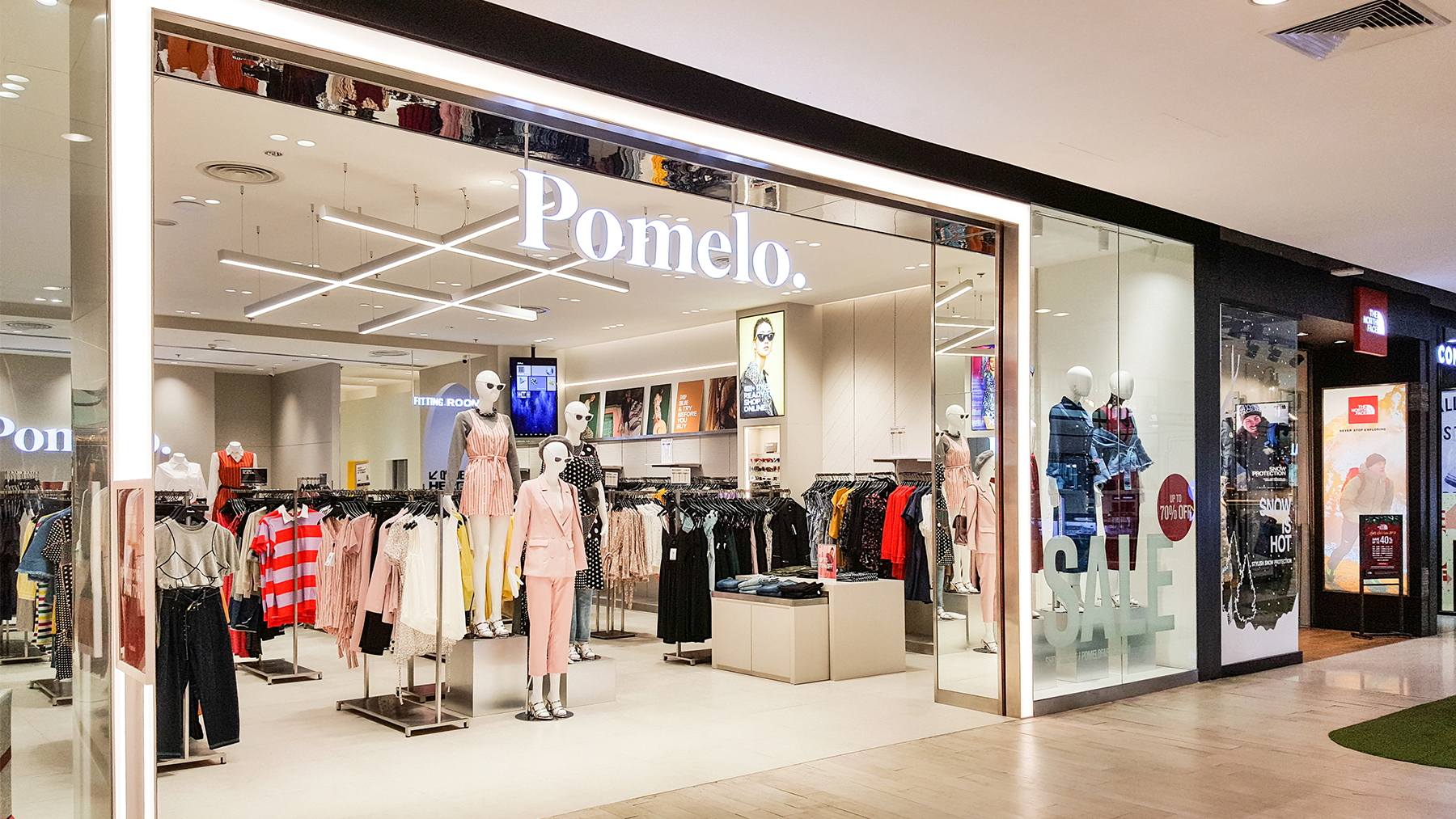
    In the ever-evolving landscape of retail, companies are taking bold steps to expand their footprint in response to surging consumer demand. This trend highlights the dynamic nature of today’s retail environment, where adaptability and innovation are key.

    Strong Growth in Consumer Trends
    Recent industry reports indicate that consumer spending is on the rise, with retail sectors such as e-commerce and health & wellness experiencing particularly robust growth. This surge is prompting brands to rethink their market strategies. Companies like XYZ Retail are leading the charge, implementing new initiatives to cater to this growing appetite.

    Strategic Brand Expansion
    XYZ Retail has announced plans to broaden its geographical presence by opening new stores in key metropolitan areas. This strategic move not only aims to capture a larger market share but also seeks to enhance customer engagement. By aligning their offerings with local preferences, XYZ Retail is poised to strengthen brand loyalty across diverse consumer segments.

    Leveraging Digital Platforms
    Additionally, many brands are recognizing the importance of digital platforms in driving sales. The integration of e-commerce with traditional retail operations is becoming standard practice, enabling companies to reach consumers in more efficient ways. This digital-first approach is expected to revolutionize customer experiences, as brands strive to meet the expectations of tech-savvy shoppers.

    The Impact on the Retail Sector
    The current trajectory of brand expansion and innovation is set to reshape the retail sector significantly. As companies amplify their efforts to meet evolving consumer preferences, shoppers can anticipate an increasingly diverse range of products and services. This transformation has the potential not only to boost the variety available to consumers but also to create a more competitive marketplace.

    Questions & Answers


    1. What are the current trends in consumer spending? Consumer spending is increasing, particularly in sectors like e-commerce and health & wellness, prompting brands to adapt their strategies.

    2. How is XYZ Retail expanding its presence? XYZ Retail is opening new stores in strategic urban locations to better engage with customers and capture more market share.

    3. What role does digital integration play in retail evolution? Brands are increasingly integrating e-commerce with traditional retail to enhance customer experiences and meet the demands of tech-savvy consumers.

  • Retail Stocks Surge to 9-Day High Amid Rising Consumer Demand

    Retail Stocks Surge to 9-Day High Amid Rising Consumer Demand

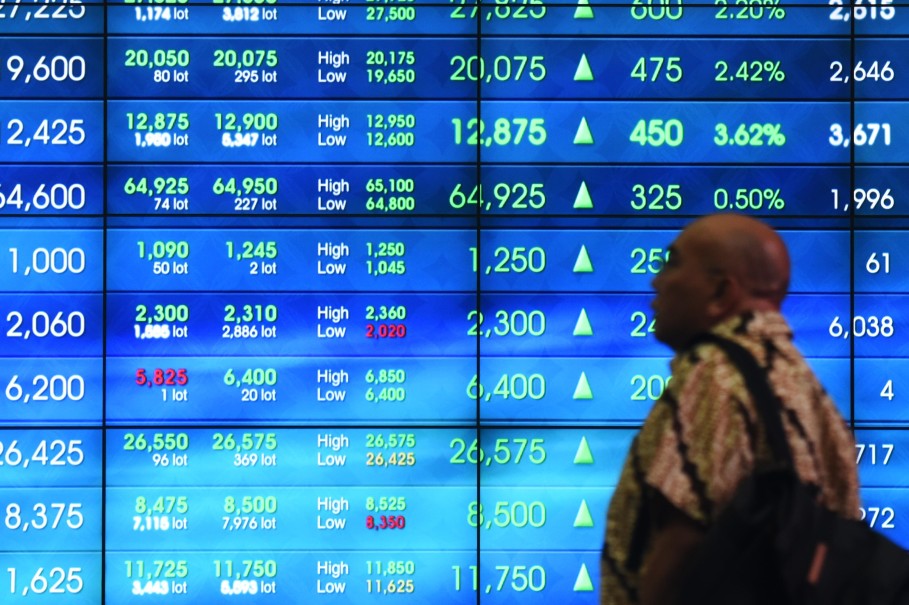
    The VN-Index has made a notable leap, rising by 1.02% to reach 1,223.35 points on Thursday, marking the highest level since April 15. This upward momentum reflects ongoing positive market sentiment and a mix of investor activity across key sectors.

    Market Overview

    The benchmark index ended the trading day up by 12.35 points, building on a gain of 13.87 points from the prior session. Despite the positive performance, trading volume on the Ho Chi Minh Stock Exchange dipped by 7%, totaling VND17.66 trillion (approximately US$679 million).

    Key Performers in the VN-30

    Among the 30 largest capped stocks in the VN-30 basket, a robust majority of 18 stocks closed with gains. Leading the charge was Vingroup’s VIC, which surged by 7%. Also in the spotlight were Bao Viet Holdings’ BVH, up 5.6%, and real estate giant Vinhomes’ VHM, which rose by 4.6%. HDBank’s HDB rounded out the top performers with a 4.4% increase.

    Conversely, eight blue-chip stocks experienced declines. Asia Commercial Bank (ACB) saw a decrease of 1.8%, while Techcombank (TCB) fell by 1.3%.

    Foreign Investment Trends

    Foreign investors remained active participants in the market, concluding the day as net buyers with a total purchase of VND574 billion, primarily focused on Hòa Phát Group’s HPG and the electronics retailer Mobile World (MWG). This trend signals a growing confidence from foreign stakeholders in the Vietnamese market and its expanding opportunities.

    Regional Indices Movement

    In related exchanges, the HNX-Index of the Hanoi Stock Exchange, which features mid and small-cap stocks, ticked down by 0.18%. Meanwhile, the UPCoM-Index for unlisted public companies experienced a modest rise of 0.40%, showcasing a slight differentiation in performance among various market segments.

    In summary, the upward trajectory of the VN-Index and the impressive gains among key stocks reflect a vibrant and dynamic market landscape. As investor confidence grows, particularly with significant foreign engagement, the future looks promising for Vietnam’s retail and broader economic sectors.

    Questions & Answers:

    1. What recent milestone did the VN-Index achieve? The VN-Index rose by 1.02% to 1,223.35 points, reaching its highest level since April 15.

    2. How did foreign investors engage with the market? Foreign investors concluded as net buyers, investing VND574 billion, with a focus on stocks like HPG and MWG.

    3. What was the performance of blue-chip stocks? Out of the VN-30 stocks, 18 showed gains, with VIC and BVH leading, while eight stocks, including ACB and TCB, saw declines.

  • Wolfsberg Group’s Ambitious Quest for Integrity in Banking

    Wolfsberg Group’s Ambitious Quest for Integrity in Banking

    The Wolfsberg estate, a pivotal site in the history of Swiss banking, stands as a testament to a visionary approach towards merging education with the elevated standards of banking excellence. Established amidst social upheaval in the 1970s, this historical estate has evolved into a sophisticated center for financial education and dialogue.

    A Storied History

    From Farm to Financial Institution

    Originally constructed in 1576 as a farm by Wolf Walter von Gryffenberg, the Wolfsberg estate has undergone a series of transformations over the centuries. In 1732, the estate was remodeled into a summer residence by Johannes Zollikofer von Altenklingen and later served as the first guesthouse in Thurgau, adding layers of cultural significance to its legacy.

    By the mid-20th century, the estate fell into disrepair before Swiss banking giant SBG, now UBS, acquired it in 1970, thanks in large part to Robert Holzach, a visionary at SBG who saw the potential for greatness in the estate.

    Pioneering the Banker’s Philosophy

    Under Holzach’s direction, Wolfsberg was envisioned as more than just a training facility; it became a crucible for developing a new breed of banker—one imbued with nobility of mind and spirit. Holzach’s belief in the necessity of a refined banking culture sought to instill high standards in a rapidly evolving financial landscape.

    Transformative Education and Training

    A Banker’s Monastery

    Widely referred to as a “banker’s monastery,” Wolfsberg was meticulously designed to foster rigorous training for emerging banking leaders. The estate was thoughtfully renovated to include classrooms, an auditorium, and living quarters, highlighting a commitment to discipline and excellence.

    The official opening in 1975 set the stage for what would become an elite training ground for those seeking a prominent place in the banking world, emphasizing both specialist skills and comprehensive education in economics, politics, and culture.

    Shaping Future Leaders

    Wolfsberg not only hosted lectures by top-tier global leaders like Mikhail Gorbachev and Helmut Schmidt but also integrated unique training methods, including simulations and role-play, to prepare participants for real-world challenges. The emphasis on pressure-based learning ensured that future executives could effectively navigate the complexities of modern finance.

    Modernization and Global Outreach

    An Evolving Mission

    As the global economic landscape shifted in the 1990s, SBG adapted the Wolfsberg model to align with the new realities of globalization and the Americanization of finance. Significant renovations were implemented between 2005 and 2008, enhancing the facilities while shifting focus from insular training to a broader, international approach.

    Today, the Wolfsberg estate serves as the UBS Center for Education and Dialogue, hosting a variety of events that facilitate networking and thought leadership among clients and organizations. With roughly 30 annual events under the Wolfsberg Dialogue Program, the center emphasizes themes of economics, politics, and passion, providing exclusive opportunities for idea exchange.

    Conclusion: The Broader Implication for Retail and Banking

    As Wolfsberg adapts to the changing tides of the banking industry, its legacy continues to influence how financial institutions approach training, leadership, and innovation. This evolution highlights a pivotal moment for brands striving to maintain relevance in an increasingly dynamic market.

    Questions & Answers:

    1. What is the historical significance of Wolfsberg? Wolfsberg has evolved from a 16th-century farm into an essential training center for bankers, reflecting the changing landscape of the financial industry.

    2. How did Robert Holzach influence the creation of Wolfsberg? Holzach spearheaded the acquisition and transformation of Wolfsberg into a training ground aimed at fostering a new standard of excellence in banking through rigorous education.

    3. What is the current focus of the UBS Center for Education and Dialogue? The center primarily hosts dialogues and events that cater to global clients, shifting from in-house training to a more inclusive platform for networking and idea exchange in economics and politics.

    In this dynamic era of retail and finance, Wolfsberg serves as a poignant reminder of the importance of continuous evolution and the cultivation of elite standards to thrive amidst consumer trends and market demands.

  • Discover Affordable Rolex Daytona: Elevating Your Luxury Watch Collection

    Discover Affordable Rolex Daytona: Elevating Your Luxury Watch Collection

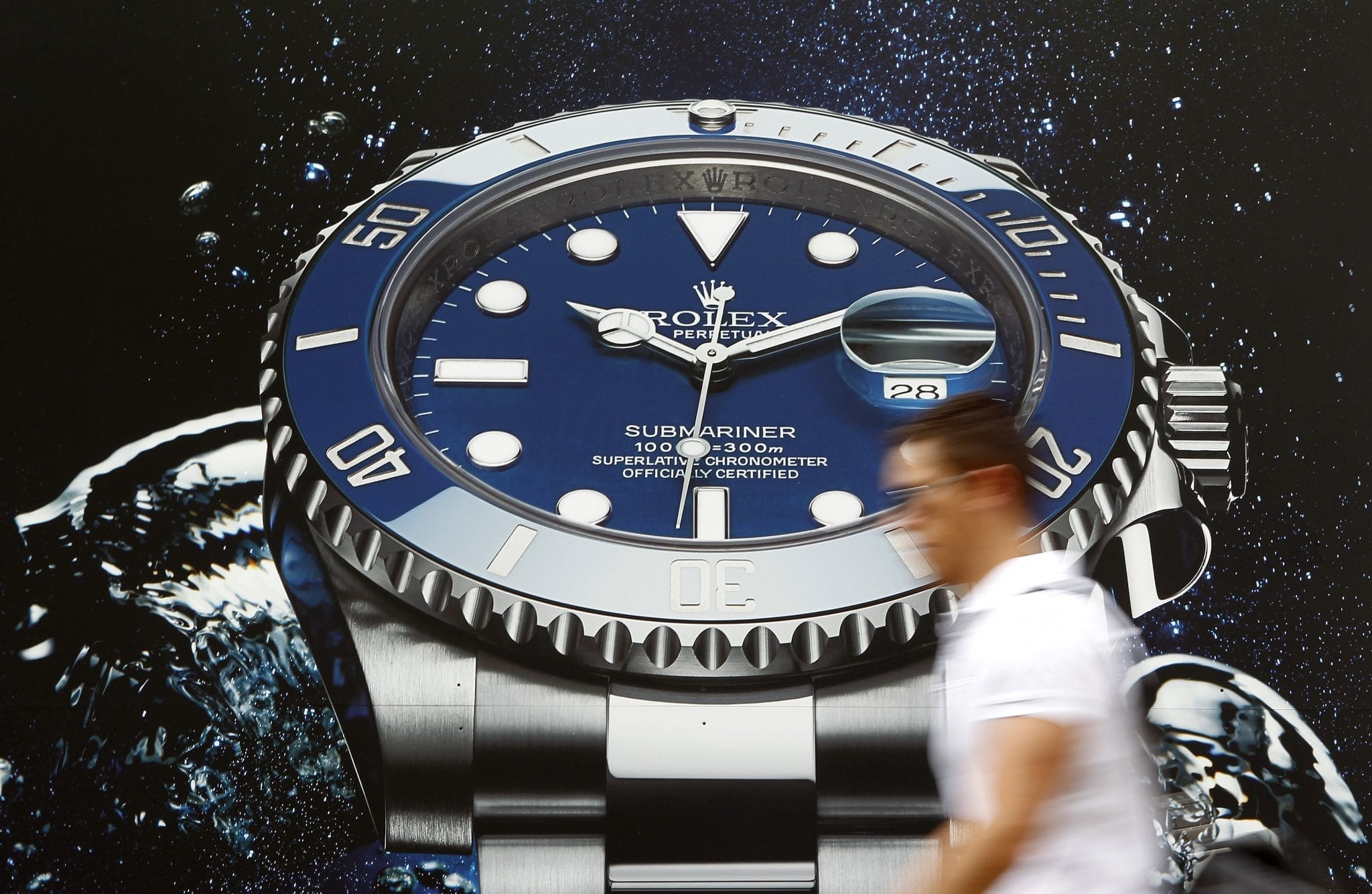
    In the ever-evolving landscape of luxury watches, price discrepancies and investment opportunities abound, especially within the celebrated Rolex Daytona line. While models like the 126500LN and the now-discontinued 116500LN steal the spotlight, savvy collectors are beginning to recognize the exceptional value offered by lesser-known Daytona references.

    A Shift in Market Dynamics

    Notable Price Increases

    The allure of the Rolex Daytona is undeniable, with sales figures reflecting its prestige. The 116500LN, launched in 2016 at a list price of 11,800 francs, saw its valuation soar to 14,100 francs by the time it was retired in early 2023. Meanwhile, its successor, the 126500LN, currently retails at 14,800 francs, underscoring the model’s continued desirability.

    The secondary market has experienced an astonishing transformation, particularly for the 116500LN. In 2018, prices hovered around 16,000 francs, but by 2022, they had reached record highs of over 45,000 francs, only to stabilize as demand dynamics shifted.

    The Neo-Vintage Appeal

    In the world of luxury watches, true value often lies in the “sweet spot” between modern and classic styles. Although prices for the latest Daytona models remain elevated, many collectors are drawn to the “neo-vintage” segment, which ingeniously melds contemporary craftsmanship with vintage aesthetics. These selections, like references 16520 and 116520, provide a unique blend of wearability and style without the worry of historical wear and tear.

    Spotlight on Key Models: Recommendations for Collectors

    16520 – The Zenith Daytona

    First launched in 1988, reference 16520 marked a significant evolution for the Daytona series as it became the first automatic model, powered by a modified Zenith movement. Commanding attention for its blend of practicality and aesthetics, this reference is often referred to as the “Zenith Daytona.” Unavailable since 1999, pre-owned models can now be acquired for around 20,000 francs, making it a valuable opportunity for collectors seeking a piece of horological history.

    116520 – The In-House Chronograph

    The introduction of reference 116520 in 2000 marked Rolex’s first foray into in-house movements, featuring the advanced caliber 4130. Distinct for its steel bezel, instead of ceramic, and its striking white dial variant, this model is available on the pre-owned market starting at under 18,000 francs. This pricing creates an attractive entry point, positioning the 116520 as a hidden gem within the Daytona offerings.

    Finding Value in the Watch Market

    The disparities in pricing between the contemporary 126500LN and historically significant references like the 16520 and 116520 illustrate a fascinating market anomaly. Collectors and enthusiasts alike are encouraged to delve into the nuances of these models to uncover the potential for value appreciation.

    As the retail landscape evolves, the demand for both modern and neo-vintage timepieces is likely to shape the buying behavior of luxury watch enthusiasts and investors alike.

    Questions & Answers

    1. What makes the Rolex Daytona a valuable investment? The Rolex Daytona line is highly sought after, and certain references, particularly those in the neo-vintage category, represent compelling value for collectors looking for timeless pieces at reasonable prices.

    2. What are some recommendations for those looking to invest in a Daytona? References 16520 and 116520 stand out as worthy investments due to their historical significance and attractive pricing on the secondary market.

    3. How has the watch market changed recently? The secondary market for the Daytona has seen significant price fluctuations, with some models reaching record highs, while others have stabilized at lower prices, creating opportunities for collectors and investors.

  • Dollar Hits Two-Week High Against Dong Amid Retail Boost

    Dollar Hits Two-Week High Against Dong Amid Retail Boost

    U.S. Dollar Steady at Two-Week High Against Vietnamese Dong

    In a notable development on Thursday morning, the U.S. dollar has maintained its position at a two-week high against the Vietnamese dong, reflecting ongoing shifts in global financial markets. The exchange rate dynamics highlight the evolving landscape of currency value amidst fluctuating economic indicators.

    Exchange Rates Shift

    Vietcombank has set the selling rate for the dollar at VND26,174, marking a 0.13% increase from the previous day. In a complementary move, the State Bank of Vietnam has raised its reference rate by 0.12% to VND24,928, signaling a proactive stance in managing currency stability.

    On the black market, the dollar’s price eased slightly to VND26,450, down 0.11%. Since the start of 2023, the dollar has appreciated against the dong by approximately 2.44%, underscoring a trend of strengthening demand for the U.S. currency in the Vietnamese market.

    Global Context

    The dollar’s global performance has softened as it takes a breather after recent fluctuations. Following President Donald Trump’s unexpected decision to ease tensions regarding Federal Reserve chair Jerome Powell’s position, the dollar has rebounded from significant lows, now hovering around 143.25 yen, after briefly dipping below 140 yen earlier this week.

    Francesco Pesole, a currency strategist at ING, opines that while the dollar faces potential downhill risks in the near term, a notable decline similar to recent trends is not anticipated. Observations suggest that the EUR/USD exchange rate continues to be influenced predominantly by U.S. dollar movements, with potential for an upward shift above $1.15 if concerns surrounding the Fed’s independence resurface.

    Conclusion: Implications for the Retail Sector

    The recent fluctuations in the dollar’s value against the Vietnamese dong highlight key consumer trends and potential impacts on retail dynamics. As the dollar strengthens, imported goods might become more expensive, potentially affecting consumer purchasing decisions and purchasing power in Vietnam. Conversely, a strong dollar can enhance feelings of economic confidence in consumers looking to invest overseas.

    Questions & Answers

    1. What was the recent exchange rate for the U.S. dollar against the Vietnamese dong? As of Thursday morning, the U.S. dollar is selling at VND26,174 through Vietcombank, reflecting a slight increase.
    2. How has the dollar performed against the dong this year? The U.S. dollar has appreciated by approximately 2.44% against the Vietnamese dong since the beginning of 2023.
    3. What external factors influenced the dollar’s recent performance? The dollar’s performance was influenced by President Trump’s easing of tensions regarding the Federal Reserve chair, contributing to a stronger dollar amidst shifts in global market sentiment.
  • Surge in Suspicious Activity Reports Signals Growing Retail Money Laundering Concerns

    Surge in Suspicious Activity Reports Signals Growing Retail Money Laundering Concerns

    Surge in Suspicious Activity Reports Signals Ongoing Money Laundering Challenges in Switzerland

    The landscape of financial crime prevention in Switzerland continues to evolve, as the Swiss Money Laundering Report Office (MROS) reported a significant rise in suspicious activity reports (SARs) related to money laundering last year. This increase, reflecting robust national and international cooperation, underscores the ongoing efforts to tackle financial crime.

    Noteworthy Increase in Reports

    In its latest annual report, MROS revealed that a staggering 15,141 SARs were submitted, marking a 28 percent increase from the previous year. This trend aligns with long-term growth patterns, especially following a remarkable 56 percent surge in 2022.

    Banks continue to be the primary source of these reports, providing 92.3 percent of all SARs. This statistic is consistent with the long-term average of 90.1 percent for the banking sector from 2015 to 2024.

    Escalation in Overall Reporting Activity

    The adoption of the goAML information system has markedly enhanced reporting capabilities. In 2024 alone, 27,901 entries were logged, reflecting a nearly 30 percent increase from the prior year. This increase has resulted in a threefold rise in reporting volume since the system’s inception in 2020.

    On average, MROS processes around 107 reports daily, which comprise SARs, responses from financial intermediaries, and various international requests, among others.

    Increased Referrals to Law Enforcement

    MROS’s activities have also translated into a 20 percent increase in referrals to law enforcement authorities, which now stands at 1,043. These referrals are bolstered by analytical reports providing crucial insights, including data from both domestic and international sources.

    Notably, SARs accounted for about 55 percent of all entries last year, a decrease from over 90 percent a decade ago. This shift highlights the growing complexity of financial crime and the need for broader investigative collaboration.

    Enhancing Public-Private Partnerships

    The official launch of the Swiss Financial Intelligence Public Private Partnership (Swiss FIPPP) in November 2024 represents a significant advancement in combating financial crime. This initiative unites twelve financial institutions and MROS, aiming to elevate Switzerland’s financial intelligence capabilities to that of other leading global finance hubs.

    Furthermore, MROS is placing increasing emphasis on crypto and virtual assets, areas that are rapidly evolving and require robust regulatory frameworks. The agency hosted a specialized symposium in October 2024 to facilitate dialogue between regulators and industry leaders on these pressing issues.

    Implications for the Retail Sector and Consumers

    The rising tide of suspicious activity reports highlights the growing complexity of financial transactions, particularly within the retail sector. As consumer trends shift and digital transactions become more prevalent, the necessity for enhanced regulatory frameworks and collaboration will become even more critical. This ongoing scrutiny not only signifies a commitment to transparency but also reflects an adaptive retail environment responding to emerging challenges in consumer behavior and financial integrity.

  • World Bank Projects 5.8% GDP Growth for Vietnam by 2025

    World Bank Projects 5.8% GDP Growth for Vietnam by 2025

    Vietnam’s Economic Landscape: Navigating Global Trade Shifts and Strengthening Growth Prospects

    As a trade-dependent economy, Vietnam is significantly influenced by evolving global trade policies. Currently, the U.S. is Vietnam’s largest export market, constituting 30% of its total exports, while China accounts for 38% of its imports. However, uncertainties in the global landscape may pose challenges to consumer confidence and spending, as highlighted by the World Bank (WB).

    Trade Policy Uncertainty and Consumer Confidence

    The World Bank reported that the ongoing shifts in global trade could adversely impact Vietnam’s exports and overall economic growth. Given the country’s high exposure to the international market, any unexpected changes in trade policy could diminish demand, slowing private investments and foreign direct investment (FDI).

    Despite these challenges, consumer spending has not kept pace with GDP growth in recent years. The financial sector shows signs of heightened vulnerability, with the average loan-loss coverage ratio among 26 banks dropping to 83% from 150% in 2022. Although the government has room to bolster demand through fiscal measures, effective execution may be hindered by ongoing issues with public investment disbursement.

    Poverty Trends: A Mixed Bag of Progress

    On a more positive note, Vietnam’s poverty rate is experiencing a decline. The proportion of the population living on less than $3.65 per day is projected to fall from 3.8% in 2024 to 3.6% this year. Nonetheless, sluggish growth in the agriculture sector suggests that the poorest segments may see limited gains.

    Call for Strategic Policy Measures

    Experts advocate for focused policy measures that prioritize public investment, mitigate financial sector risks, and implement structural reforms. While monetary policy interventions are restricted, fiscal strategies can still drive growth, especially through investments aimed at addressing critical infrastructure gaps. Recent reforms, including updates to the Law on Credit Institutions, lay the groundwork for enhancing financial sector stability and resilience.

    Future Growth Outlook: Optimism Amidst Challenges

    Accelerating structural reforms is essential for improving regulatory environments in vital sectors like information technology, electricity, and transportation. Such initiatives will not only green the economy but also build human capital and enhance the business climate, ultimately sustaining long-term economic growth.

    The World Bank forecasts a positive medium-term growth outlook for Vietnam, projecting GDP growth to rebound to 6.1% in 2026 and climb to 6.4% in 2027. To unlock this potential, Vietnam must navigate a more stable international economic landscape while reinforcing domestic reforms aimed at boosting productivity, investing in human capital, and advancing environmental sustainability.

    In conclusion, as Vietnam looks ahead, the interplay of global economic conditions and domestic reform efforts will be critical in shaping the retail sector and consumer experiences in the coming years. The path forward is ripe with opportunities for brand expansion and adaptation to emerging consumer trends.

  • US-Vietnam Trade Talks Fuel Optimism for Retail Sales Growth

    US-Vietnam Trade Talks Fuel Optimism for Retail Sales Growth

    U.S. Trade Office Reports “Productive” Talks with Vietnam on Bilateral Trade Relations

    The U.S. trade office has announced a positive outcome from a recent virtual meeting with Vietnamese authorities, aimed at strengthening the bilateral trade relationship between the two countries.

    Key Discussions Between Trade Representatives

    U.S. Trade Representative Jamieson Greer engaged in dialogue with Vietnam’s Minister of Industry and Trade, Nguyen Hong Dien. This conversation stems from an earlier call between U.S. President Trump and General Secretary of the Communist Party of Vietnam, To Lam, on April 4.

    During the discussions, both parties recognized the necessity of facilitating reciprocal and balanced trade. They agreed to enhance market access and address unfair trade practices through ongoing technical discussions.

    Temporary Tariffs and Strong Commitment from Vietnam

    As negotiations progress, the Trump administration has decided to postpone imposing high retaliatory tariffs on several countries, including Vietnam, for an additional 90 days. Currently, a temporary tariff rate of 10% is in effect.

    Minister Dien reaffirmed Vietnam’s dedication to strengthening its Comprehensive Strategic Partnership with the U.S., emphasizing the country’s desire for economic relations that are balanced, stable, sustainable, and effective. He underscored the readiness of Vietnamese ministries to address concerns from the U.S. and work towards mutually beneficial solutions, guided by the principle of “harmonized benefits and shared risks.”

    Implications for Retail and Consumer Trends

    The outcome of these discussions could significantly influence the retail sector and consumer trends in both countries. As the dialogue progresses, potential tariff reductions may boost trade volumes, enhancing product availability for U.S. consumers and fostering brand expansion opportunities for businesses. The collaborative spirit between the U.S. and Vietnam may not only stabilize their trade relationship but also pave the way for future economic partnerships.

  • Bitcoin Broker Teams Up with Sygnum to Boost Retail Sales

    Bitcoin Broker Teams Up with Sygnum to Boost Retail Sales

    Innovative Offering Provides New Liquidity Options for Investors

    Bitcoin broker Relai has announced a new collaboration with Sygnum Bank to launch Bitcoin-backed Lombard loans. This initiative aims to offer private, qualified investors the ability to leverage their Bitcoin holdings for short- to medium-term liquidity without liquidating their assets.

    Unlocking Financial Flexibility for Wealthy Clients

    The new service allows clients to access liquidity in euros or Swiss francs, enabling them to manage their financial needs while maintaining their Bitcoin investments. This offering positions Relai as the first broker in Europe to facilitate Bitcoin-backed loans, marking a significant development in the intersection of cryptocurrency and traditional finance.

    The startup, founded in 2019, emphasized that the newly introduced loans provide high-net-worth clients and small to medium-sized enterprises (SMEs) with enhanced financial flexibility. While specific loan conditions remain undisclosed, the initiative is designed to help clients capitalize on potential price increases in Bitcoin while avoiding potential tax implications from selling their assets.

    A Milestone for Relai’s Growth

    Julian Liniger, CEO and co-founder of Relai, hailed the partnership with Sygnum Bank as a watershed moment for the young company. “Bitcoin-backed loans are a groundbreaking innovation for our high-net-worth clients, as they give them access to cash without having to sell their Bitcoin,” he stated.

    This pioneering offering not only reflects the growing consumer demand for cryptocurrency-based financial products but also underscores the expanding role of digital assets in mainstream finance.

    As the retail sector continues to evolve, Relai’s foray into Bitcoin-backed loans may set a new standard for financial services, particularly for consumers seeking innovative ways to unlock the value of their digital assets. The potential impact on both high-net-worth individuals and the broader retail market cannot be understated, paving the way for more advancements in the world of cryptocurrency and traditional banking.

  • Thailand Boosts Economy with $15B Investment in Retail Growth

    Thailand Boosts Economy with $15B Investment in Retail Growth

    Thailand Plans $15 Billion Economic Stimulus to Combat GDP Slowdown

    In a strategic move to bolster its economy, Thailand’s Ministry of Finance has unveiled plans to inject over THB 500 billion (approximately $15 billion) aimed at increasing the nation’s GDP growth by more than 1.8%. The initiative focuses on stimulating consumer spending, enhancing investment, and providing soft loans as key drivers for economic recovery.

    Response to IMF’s Downward Revision

    This announcement comes in the wake of the International Monetary Fund (IMF), which has revised Thailand’s GDP growth forecast for 2025 from 2.9% down to 1.8%. This adjustment is largely attributed to the effects of reciprocal tariffs imposed by the United States. Notably, Thailand stands out as the only ASEAN nation with its GDP projection lowered to below 2%, and the IMF anticipates a further decline to 1.6% for 2026.

    Government’s Commitment to Economic Monitoring

    Deputy Prime Minister and Minister of Finance, Pichai Chunhavajira, described the IMF’s forecast as a preliminary evaluation. He acknowledged external challenges, including tariff policies from the U.S., but expressed confidence in the government’s ability to monitor economic conditions and implement timely stimulus measures to cushion any potential slowdown.

    “We are fully committed to maintaining growth at previous levels,” said Chunhavajira. He indicated that discussions are underway regarding appropriate funding sources for the stimulus package, involving collaboration with key agencies like the National Economic and Social Development Council and the Bank of Thailand.

    Strategic Use of Fiscal Resources

    Permanent Secretary of the Finance Ministry, Lavaron Sangsnit, emphasized Thailand’s robust fiscal position while outlining the strategic deployment of the THB 500 billion stimulus package. “Stimulating domestic consumption will generate immediate economic benefits, while investment is crucial for supporting structural reforms,” he noted.

    Funding sources for the initiative remain under consideration, including options for budget reallocation, utilizing THB 150 billion left from previous stimulus efforts, and leveraging state financial institutions for lending purposes. Further details on specific projects linked to the stimulus package are expected to be clarified by next month, depending on global economic trends.

    Implications for the Retail Sector

    This significant economic intervention by the Thai government is poised to have a considerable impact on the retail landscape, igniting consumer trends and brand expansion opportunities. As consumer demand surges in response to increased spending power, retailers may find new avenues to engage with customers, ultimately fostering growth in the domestic economy.

  • Banque Cramer Reduces Operations Amidst Shifting Retail Landscape

    Banque Cramer Reduces Operations Amidst Shifting Retail Landscape

    In a landscape marked by fluctuating market conditions, Banque Cramer, the Geneva-based private bank, reports a decline in net profit for the fiscal year 2024, even as it sees a notable increase in assets under management. Under the leadership of new CEO Thomas Müller, the bank is poised to undertake modernization efforts to streamline its operations.

    Growth in Assets, Downturn in Profit

    The bank’s assets under management grew by an impressive 15%, reaching 3.7 billion Swiss francs. However, this positive development contrasts sharply with the bank’s declining bottom-line results. According to the annual report released this Wednesday, net profit slid from 9.1 million francs the previous year to 7.2 million francs. Additionally, operating profit saw a significant drop from 14.8 million francs to 10.4 million francs.

    Key Factors Behind Profit Dip

    Two primary factors contributed to the downturn: a decrease in income from trading activities, which fell by 3.7 million francs, and a reduction in net interest income of 3.6 million francs. On a brighter note, the bank experienced growth in commission and service income, which increased from 20.6 million francs to 22.3 million francs.

    Despite these challenges, Banque Cramer successfully attracted net new money amounting to 158.2 million francs; however, this is substantially lower than the 398.2 million francs garnered in the previous fiscal year. The bank also effectively managed to reduce operating costs by 1.3 million francs, bringing them down to 32.9 million francs.

    Strong Financial Foundation

    Banque Cramer maintains a robust equity base, with a total equity of 93.4 million francs at the end of 2024. The bank’s Tier 1 capital ratio stood at a strong 31.9%, while the Liquidity Coverage Ratio (LCR) reached an impressive 363.4%.

    As Banque Cramer initiates modernization strategies under its new CEO, the future could signal increased resilience in an evolving financial landscape. The developments at the bank not only reflect current consumer trends but may also influence broader dynamics in the retail banking sector. This strategic pivot could enhance the bank’s competitiveness, benefiting both its clients and the overall market.