Blog

  • Hong Kong Prime Office Rents Outpace New York as Central Vacancy Falls to 7.8 per Cent

    Hong Kong Prime Office Rents Outpace New York as Central Vacancy Falls to 7.8 per Cent

    Morgan Stanley sees stronger upside in Hong Kong prime office towers than in New York. Central district rents rose 7.3 per cent.

    Vacancy in the core financial hub fell to 7.8 per cent in August from 11.2 per cent a year earlier. Prime office vacancy across the wider city dropped to 12.5 per cent from 13.5 per cent over the same period.

    This pattern mirrors shifts in Manhattan, where top properties tighten ahead of secondary districts. Both hubs share monetary conditions. Hong Kong pegs its currency to the US dollar, which forces local borrowing costs to track US Federal Reserve policy.

    Central leads the recovery

    Tenant demand in Hong Kong clusters in core financial quarters. Towers in Central took the bulk of new leasing. That gave landlords room to lift asking rents after years of post-pandemic stagnation.

    A split between premium and secondary districts is widening. Central posted sharp vacancy drops. Outlying hubs like Kowloon East struggle with oversupply, capping rent recovery outside the core.

    Quality and location drive uptake across the market. Financial institutions and global firms use lower baseline rents to upgrade into Grade A assets. They avoid adding space in decentralized areas.

    Manhattan parallels and rate pressures

    Manhattan data reveals a similar divide. Vacancy in Class A office towers fell 2.1 percentage points year on year to 10.6 per cent in the second quarter of 2026. Rents rose 4.3 per cent, returning leasing activity to pre-pandemic volumes.

    Prime Manhattan submarkets operate at 5 to 10 per cent vacancy, while weaker pockets sit in the mid- to high teens. Commercial capitalization rates reached roughly 8.5 per cent in the second quarter. That touches the upper band of the city’s historical range since 2003.

    Land scarcity gives Hong Kong landlords an advantage over US peers. Tight site supply in Central provides floor pricing as space absorbs. This protects prime assets against overbuilding.

    Capital values lag cash flows

    Asset pricing in Hong Kong still lags operating gains. Prime office capital values remain 50 per cent below earlier peaks. That leaves a wide gap between rental yields and transaction prices.

    Cash flows are recovering faster than capital values in both cities. The trend favors established landlords with low debt over developers reliant on quick land sales and rapid project turnarounds.

    “Higher rates transmit differently into these two cities,” said a team of authors led by Praveen Choudhary, head of Hong Kong and India property research at Morgan Stanley. “Scarcity matters more than rates. We prefer Hong Kong landlords over New York City office owners or Hong Kong developers.”

    Kowloon East oversupply risks

    Hong Kong’s primary risk sits outside the main business district. Kowloon East holds a large pipeline of vacant space. Secondary landlords must discount terms and study alternative land uses.

    Divergence between core towers and outer hubs will sharpen as new supply delivers. Landlords in Central retain pricing power, while secondary owners face sustained cash flow pressure.

    Attention turns to fourth-quarter leasing figures and debt refinancings to see if Central holds its sub-8 per cent vacancy into 2027.

  • Better Cotton Farmers Cut Synthetic Nitrogen 69 Percent in Five-Year Audit

    Better Cotton Farmers Cut Synthetic Nitrogen 69 Percent in Five-Year Audit

    Better Cotton member farmers cut synthetic nitrogen use per kilogram of cotton by 69 percent and pesticide volume by 65 percent, according to the group’s five-year impact audit.

    The benchmark covers field-level operations supplying roughly 24 percent of the global raw cotton crop to textile mills and apparel retailers worldwide.

    Researchers drew on more than 20 million annual data points gathered across commercial operations and smallholder plots. Alongside chemical cuts, 54 percent of licensed growers lowered their carbon footprint, while 52 percent of irrigated farms cut water use per kilogram of lint by an average of 29 percent.

    Lower input expenses delivered financial relief across rural growing belts. About 59 percent of participating smallholders lifted net farm income after adopting standard agronomic practices. These practices substitute biological controls and composting for commercial chemical inputs.

    Field Cuts Across Water and Chemicals

    Pest management shifts accounted for much of that cost drop. Across participating networks, 65 percent of growers reduced active synthetic pesticide ingredients per hectare. A network of 11,000 bio-input production and distribution centers established with local program partners supported the shift.

    Irrigation efficiency improved across arid basins through structured water stewardship training. Partner organizations conducted field sessions for 690,000 farmers and 175,000 agricultural workers. That outreach reached 65,000 female farmers and 77,000 female field workers.

    Female representation in administrative roles also rose over the five-year tracking window. Women now occupy 17 percent of field facilitation and producer unit management posts across participating organizations. Five years earlier, that figure was 9 percent.

    Pakistan Smallholders and Yield Economics

    Growers in Asia facing volatile weather and high fertilizer costs provided key proof points for the standard. In Pakistan’s Sanghar district, 37-year-old farmer Samina Khaskheli cut operating costs by 15.6 percent across three seasons. She did so by adopting botanical pest treatments, compost applications, and organic bio-fertilizers.

    Certified volumes give Asian spinning mills and garment exporters verifiable scope-3 carbon and chemical data under tighter brand procurement rules. Operational risks remain concentrated upstream. The main challenge sits with certification integrity at farm aggregators and ginning facilities along fragmented rural supply routes.

    Exporters in Pakistan and regional processing hubs face persistent scrutiny over raw material traceability. Standardized field reporting gives manufacturers defensible documentation when shipping finished textiles to regulated European and North American retail channels.

    Season Results Across Global Acreage

    Data from the single 2024 to 2025 growing season confirmed steady adoption rates. During that twelve-month cycle, 61 percent of participating growers reduced synthetic nitrogen per kilogram compared to the previous crop year. Another 49 percent cut their carbon footprint.

    Pesticide reductions continued across the single-season cohort. The report tracked 40 percent of growers lowering active synthetic pesticide usage per hectare. Meanwhile, 34 percent applied organic fertilizers such as livestock manure across their acreage.

    Local program partners ran at least 19,900 demonstration plots during the season. These trials validated alternative pest control methods before farmers risked seasonal capital on broadfield deployment.

    “BCI is committed to rigorous impact reporting, which gives confidence through diligently collected, interpreted, and disseminated findings drawn from reliable and complete data,” said Iain Gardiner, senior director of impact and development at BCI.

    Soil Health Targets for 2030

    The report represents the organization’s first comprehensive global impact assessment in five years. It follows a baseline cycle focused on expanding grower enrollment across South Asia, Africa, and the Americas.

    Attention now turns to the organization’s binding 2030 target. That benchmark mandates that 100 percent of its licensed cotton farmers document measurable improvements in soil health across their cultivated acreage.

  • Indonesia Passes Labor Law as Unions Hail Victory

    Indonesia Passes Labor Law as Unions Hail Victory

    Indonesia’s parliament passed a new labor law on Oct. 6, 2025. The legislation gives trade unions key statutory protections while raising fresh cost concerns across Southeast Asia’s largest consumer market.

    Union leaders celebrated the vote after years of contentious debate over contract terms and compensation standards.

    Tension Between Payroll Costs and Labor Demands

    The revised statute tightens baseline employment terms across domestic industries. It introduces stronger safeguards around working conditions and job security.

    Corporate employers take a different view. Business groups warn the provisions will elevate direct hiring expenses, reduce workforce flexibility, and complicate compliance during a period of cautious consumer spending.

    Platform Operators and Gig Workers in Focus

    Ride-hailing operators and delivery networks face particular scrutiny under the shifting rules. Jakarta saw street rallies by app-based drivers ahead of the vote. Protesters pushed lawmakers to secure protections for transport and delivery personnel.

    Mandatory increases in driver compensation or formal benefits will alter unit economics for retail logistics networks. Fleet operators must now decide whether to absorb the added expenses. The alternative is passing them to consumers through higher delivery fees.

    Investment Climate Faces Fresh Scrutiny

    Multinational investors view regulatory uncertainty as a persistent headwind in Indonesia. Commercial operators need predictable labor codes when budgeting store expansions, distribution hubs, and fulfillment centres.

    Operational planning poses the immediate challenge for regional enterprises. Human resource divisions across retail, manufacturing, and transport services must recalculate wage structures and contract tenures to align with the statute.

    Next Steps for Implementing Regulations

    Lawmakers continue their push to balance foreign direct investment incentives with domestic labor demands. Previous overhauls sought to streamline hiring rules, sparking sustained pushback from organized labor across industrial zones.

    Attention now shifts to the executive branch. Government ministries must draft implementing regulations to define enforcement dates and specific compliance thresholds across commercial sectors.

  • Armani Group Names Stephanie Wen CEO for Greater China

    Armani Group Names Stephanie Wen CEO for Greater China

    Armani Group appointed Stephanie Wen as chief executive officer for Greater China on October 1. The appointment places a veteran apparel distributor in charge of operations across mainland China and Taiwan.

    In her new role, Wen oversees regional business development, retail networks, marketing agencies and commercial partnerships for the Milan-based fashion house.

    Distribution Background at Carnival Industrial

    Wen previously served as vice general manager of Carnival Industrial Corporation, an apparel manufacturer under Taiwan’s Yulon Group. The company acts as a distribution partner for Giorgio Armani. She concurrently ran Carnival’s Giorgio Armani division, managing wholesale and retail distribution for the Italian label before taking direct regional leadership for the parent group.

    That operational background gives Armani direct experience in Greater China garment distribution, local department store concessions, and joint-venture retail management.

    Navigating Greater China Retail Channels

    Western luxury fashion groups continue adjusting their executive structures in Greater China. They face divergent market conditions between top-tier mainland cities and secondary retail hubs. Direct operational control over local distributors allows luxury houses to align boutique rollouts, pricing strategies and inventory allocations without intermediary delays.

    Hiring directly from a local distribution partner lets Armani maintain continuity in partner relationships. It also consolidates oversight under group headquarters in Milan.

    Expanding Brand Presence

    Founded in Milan in 1975, Armani Group operates a brand portfolio spanning Giorgio Armani, Emporio Armani, and Armani Exchange across major Asian metropolitan centres. Unifying mainland China and Taiwan under one leader coordinates retail expansion across premier department stores, duty-free locations, and standalone flagships.

    Wen will now execute store performance reviews and strengthen partner networks across both territories through the final quarter of the year.

  • Malaysia Allocates RM1 Million to Help Startups Tap Bank Loans with Patents

    Malaysia Allocates RM1 Million to Help Startups Tap Bank Loans with Patents

    Malaysia launched a RM1 million valuation fund on Wednesday. The money will help at least 50 small businesses and startups secure bank loans using intellectual property as collateral.

    The Intellectual Property Corporation of Malaysia will manage the pilot program. It covers upfront valuation costs for patents, trademarks, and proprietary technology required by commercial lenders.

    How the valuation subsidy operates

    Domestic Trade and Cost of Living Minister Datuk Armizan Mohd Ali introduced the facility at the National Intellectual Property Conference and Exhibition in Kuala Lumpur. Tech startups, software developers, and brand creators face frequent loan rejections. Their balance sheets carry intangible property rather than physical land or factory buildings.

    Appraisal fees typically run into thousands of ringgit per filing. By absorbing these costs, the ministry aims to create a pipeline of bank-ready assets. The intervention ties directly into an earlier RM10 million pilot debt scheme established with Malaysian Industrial Development Finance and the World Intellectual Property Organisation.

    “Active participation by commercial banks in adopting this new financial instrument is critical to creating opportunities for more local entrepreneurs. The RM10 million pilot project allows IP to be pledged directly as collateral, providing faster access to financing,” he said.

    Why commercial lenders stay cautious

    Commercial banks across Southeast Asia remain cautious lenders. Most risk models penalize unlisted tech assets. Secondary markets for liquidated software code and regional brand registrations lack clear pricing data.

    To address that structural gap, the government rolled out an accredited training curriculum called the IP Valuation Module. Certified domestic valuers will standardize asset assessments. Over time, that should lower private appraisal fees and reduce credit committee discounts on proprietary commercial assets.

    Mounting cash pressures on local operators

    Local enterprises face severe margin compression across manufacturing, retail, and tech services. Official labor figures recorded 42,000 job losses in the first half of the year, with 17,485 cuts linked directly to corporate downsizing. A Department of Statistics survey showed 68.1 per cent of businesses expect second-half gross revenue to stay flat or contract, squeezed by elevated shipping, energy, raw material, and compliance overheads.

    Retailers and digital brands also contend with steep price competition from cross-border low-value goods entering local marketplaces. Pledging registered intellectual property for working capital offers an alternative to equity dilution or high-interest unsecured borrowing.

    Execution targets under the national plan

    This initiative ties into the 13th Malaysia Plan and the MyIPO NextGen Strategic Transformation Plan through 2030. Both policy roadmaps require state agencies to convert public and private research spending into revenue-generating commercial entities.

    MyIPO closed the two-day conference by signing cooperation agreements with several international agencies to recognize local asset registrations across export destinations. The agency will monitor credit disbursements from the initial RM10 million loan pool through late 2026 before expanding the valuation subsidy to larger enterprise categories.

  • Goodman Faces Community Resistance over 3 Trillion Yen Tsukuba Data Center

    Goodman Faces Community Resistance over 3 Trillion Yen Tsukuba Data Center

    Goodman Group faces local opposition at its 3 trillion yen ($20 billion) data center campus in Tsukuba, Japan. The pushback follows the cancellation of a similar project in Sydney.

    The 45-hectare site in Ibaraki Prefecture will reach an eventual capacity of 1 gigawatt. It ranks among the largest foreign-backed digital infrastructure projects in the country.

    Work began earlier this year on the initial 50-megawatt phase in the Oho district, an area of about 20,000 residents roughly 50 kilometers northeast of Tokyo. The site sits next to a residential neighborhood, a hospital and a nursing home. Heavy construction machinery arrived on location in February. Residents say that gave them their first real indication of the project’s scale.

    Dispute over site purpose and consultation

    Neighborhood representatives say initial planning filings obscured the data facility. Municipal documents in 2023 originally described the project as a logistics warehouse. References to a data center appeared later in the planning process.

    Hiroyuki Yanagimachi, who formed a residents group to challenge the project, gathered roughly 800 signatures demanding a public town hall. His group sent two formal letters to Goodman requesting an open session. Yanagimachi said the group will protest at the Tsukuba site and outside the developer’s Tokyo office if open talks do not happen.

    Goodman said in a statement that its door remains open to meet the neighborhood association head. It plans to hold an information meeting after consulting with local authorities. The developer previously hosted two invitation-only evening dinners in August for several dozen attendees at a local restaurant. Participants said the format felt like promotional hospitality rather than an open public forum.

    Grid demand and foreign capital in Japan

    Foreign property groups are pouring record capital into Japanese digital infrastructure to capture demand for artificial intelligence workloads and cloud capacity. Singapore-based GLP and London-based Colt Data Centre Services are building large campuses across Greater Tokyo and regional hubs. Both frequently buy industrial plots close to existing residential districts.

    Power limits and land scarcity force operators to build closer to population centers where local zoning rules offer few formal hurdles. The friction in Tsukuba exposes an operating vulnerability for international developers. Many rely on standard logistics zoning permits to secure land before converting designs to power-heavy computing hubs.

    The Japan Data Center Council, an industry association that includes Goodman, issued guidance in May calling for genuine consultation. Its guidelines state that operators must treat public engagement as a platform for discussion rather than a one-way notification process.

    Sydney cancellation and project pipeline

    In Australia, the developer recently withdrew plans for a major Sydney data center following sustained resistance from local neighborhood groups. That setback raises the operational stakes for its Japanese pipeline, where land acquisition costs and grid allocations are tied to long-term investment timelines.

    Company officials say Goodman has complied with all legal standards and surpassed baseline regulatory guidelines for the Tsukuba site. The project remains on schedule for its initial phase while the developer coordinates with municipal officials on the format for future public meetings.

  • Direct Asia-Pacific Airfares Return to 18% Premium over Middle East Routes

    Direct Asia-Pacific Airfares Return to 18% Premium over Middle East Routes

    Airfares from the Asia-Pacific region to the West remain elevated due to the persisting conflict in the Middle East, according to a report by Airports Council International Asia-Pacific & Middle East.

    Direct flights from Asia-Pacific to the West have returned to an 18 per cent pricing premium over routes with a stopover in the Middle East, matching the baseline recorded across 2025, according to the ASEAN Airports Economic Impact Study released on Oct 7.

    The study analysed the top 100 passenger routes connecting Asia-Pacific countries to the West. Following the outbreak of conflict on Feb 28, direct airfares were around 30 per cent more expensive in March and almost 50 per cent higher in April, before direct flights became cheaper than stopovers in May and June, said director-general Stefano Baronci.

    Gulf Transit Capacity Recovers Unevenly

    Middle Eastern transit hubs bore the immediate brunt of route diversions and safety restrictions. Eleven major airports across the region operated just 66 per cent of their scheduled flight volumes between March and August. While operational capacity at those hubs climbed back above 80 per cent in August, scheduled seat availability remains tight as carriers reroute flights around sensitive airspace corridors.

    Earlier industry projections pencilled in a normalisation of Asia-West ticket pricing from September 2026 based on assumptions that Gulf hubs would restore full capacity. Those expectations have run straight into operational caution from international airlines.

    “Both direct flights bypassing the Middle East and flights via the Middle East continue to be higher than what they were in 2025, and this will continue to be the case.”

    Regional carriers continue to trim their exposure. Singapore Airlines and its low-cost unit Scoot extended flight cancellations on routes between Singapore and the Middle East through December. Cathay Pacific suspended all flights into the Middle East until late January 2027. American and European carriers have made similar adjustments, eliminating marginal frequencies to conserve fleet hours and manage fuel burn over lengthened detour paths.

    Jet Fuel Swings Lock In Higher Base Fares

    Jet fuel volatility has compounded the pricing pressure for international carriers. Global jet fuel prices surged immediately after hostilities began before dropping toward wartime lows of $2.70 a gallon on the Argus U.S. Jet Fuel Index in June. That price break proved temporary. By Sept 17, the index climbed back to $4.53 a gallon and held near $4.30 a gallon in early October, nearly double the average level logged across 2025.

    Airlines cannot adjust fares instantly when fuel costs spike. Major carriers price forward inventory three to six months ahead, meaning ticket sales locked in during summer were flown against higher autumn operating costs. To protect operating margins, carriers have raised baggage fees, increased surcharges and pulled back capacity on thinner routes rather than discounting unsold seats.

    For corporate travel managers and consumers across Asia, elevated fares mean business travel budgets will stretch over fewer total trips into 2027. High fares also shift leisure passenger volumes toward intra-Asian destinations where regional capacity remains stable and direct routing avoids West Asian airspace.

    Changi Generates 42 Per Cent of ASEAN Aviation GDP

    The ACI study also detailed the direct economic footprint of airport infrastructure across Southeast Asia, where Singapore maintains an outsized lead over regional peers. Singapore Changi Airport generated $7.9 billion in direct gross domestic product in 2025. That single airport exceeded the $3.1 billion direct GDP contribution generated by all airports in Thailand combined, as well as Malaysia’s $3 billion total airport contribution.

    Taking into account trade, investment and productivity spillovers, Singapore’s broader aviation sector delivered $22 billion to the domestic economy. When factoring in the catalytic effect on tourist spending, the sector contributed $47.8 billion to Singapore’s GDP and supported 597,000 jobs. Direct tax revenue collected from Singapore aviation activity reached $3.1 billion in 2025, compared with $1.5 billion in Malaysia and $1.3 billion in Thailand.

    Across Southeast Asia as a whole, the aviation industry supported 23.3 million jobs and contributed $244 billion to total GDP in 2025. Long-term passenger traffic through ASEAN airports is projected to expand from 650 million travellers in 2024 to 2.9 billion by 2056, requiring heavy capital spending on runway and terminal expansions across the ten-nation bloc.

    Winter Scheduling Sets the Pricing Floor

    Airline scheduling teams are now finalising winter timetables and corporate fare contracts through the first quarter of 2027. With major East Asian carriers maintaining flight halts to Middle Eastern points and jet fuel trading well above historical averages, ticket yields on direct long-haul corridors will face little downward pressure over the coming two quarters.

    The critical metric to watch through December will be whether Gulf mega-hubs can restore scheduled transit seat capacity past the 85 per cent mark without triggering fresh route suspensions.

  • Pakistan FBR Drafts Rules for AI Scrutiny of Tax Returns

    Pakistan FBR Drafts Rules for AI Scrutiny of Tax Returns

    Pakistan’s Federal Board of Revenue (FBR) moved in October 2026 to extend the use of artificial intelligence to scrutinise individual tax returns, drafting rules to detect factual and legal errors before initiating penal action.

    Designated as Rule 38-B under proposed amendments to the Income Tax Rules 2002, the draft framework gives stakeholders three days to submit feedback before officials finalise the regulation.

    How Automated Cross-Matching Works

    The automated system compares information declared in income tax returns with other available records held by tax authorities, flagging potential discrepancies directly to taxpayers through the IRIS portal.

    Algorithmic detection does not trigger immediate penalties or legal cases. Filers instead receive an initial window of at least seven days to rectify errors, upload missing records, or clarify mismatched numbers online.

    Taxpayers who miss that initial deadline receive an automated reminder. That notice grants an additional response period of at least seven days.

    Officer Oversight and Final Assessment

    Inland Revenue officers retain jurisdiction over every flagged file. A designated officer reviews the system findings alongside any explanation uploaded by the taxpayer. The officer then decides whether to launch formal assessment proceedings under the Income Tax Ordinance.

    This structure inserts an automated filter between return submission and audit selection. It cuts processing time and reduces direct contact between taxpayers and tax collectors during initial screenings.

    Implications for Retailers and Small Businesses

    Retail operators and sole proprietors across Pakistan face tighter scrutiny as the revenue board cross-references sales data, bank transactions, and import filings with declared revenues. Unreported point-of-sale turnover or mismatched supply-chain invoices will trigger automatic flags under the architecture.

    Businesses must now maintain digital accounting ledgers that match IRIS portal records in real time. Failure to answer the two successive seven-day notices leaves Inland Revenue officers free to proceed with ex-parte legal actions and tax assessments.

    Next Steps for Tax Filers

    Recent revenue drives saw tax authorities deploy lifestyle monitoring units to track undeclared assets and high-value spending across major cities. Automated scrutiny standardises that process across the broader filing base.

    Public consultation closes in three days. Officials will then formally notify Rule 38-B in the official gazette for nationwide deployment.

  • Asian Wealth Advisers Shift to Real Estate as Private Credit Demand Drops to 48%

    Asian Wealth Advisers Shift to Real Estate as Private Credit Demand Drops to 48%

    Asian wealth advisers lifted their allocations to real estate to 52 percent this year. At the same time, they cut private credit interest to 48 percent, according to data from fintech platform iCapital.

    That represents a 23 percentage point drop for private credit. The asset class led regional investment appetite among alternatives at 71 percent in 2025.

    Advisers across Hong Kong and Singapore are redirecting client capital toward tangible property and infrastructure. They want hedges against currency swings, energy price spikes and softer consumer demand across mainland China. Appetite for broader real assets nearly doubled to 31 percent. Meanwhile, intent to boost overall alternative allocations over the next 12 months rose to 28 percent from 5 percent last year.

    Flight to Physical Assets

    This rotation into brick-and-mortar assets signals a defensive posture among private banks and family offices managing regional wealth. Commercial real estate yields and residential assets offer predictable cash flows and physical collateral. Corporate lending margins, meanwhile, face pressure from rising bond yields and geopolitical friction.

    For property developers and retail landlords across Asia-Pacific gateway cities, the capital shift provides a fresh pool of institutional private wealth. Traditional bank lending remains selective. Yet concentration risk shifts directly to real estate valuations, where high borrowing costs challenge refinancing schedules across regional hubs.

    Venture Capital Gains on AI Activity

    Interest in venture capital climbed to 39 percent, posting a double-digit percentage point gain compared to 2025 levels. Wealth managers attributed the rebound to active Asian capital markets. Much of that activity focused on artificial intelligence infrastructure and software companies seeking late-stage growth rounds.

    Broader market dynamics explain that equity focus. Technology equities drove US and regional equity indices to record territory earlier in the week despite soft industrial indicators. While venture funds capture enthusiasm around automation, advisers treat early-stage bets as high-beta satellite positions rather than core income drivers.

    Distribution Bottlenecks and Compliance Hurdle

    Despite expanding interest at the advisory desk, alternative assets reach only a fraction of private individual portfolios across Hong Kong and Singapore. More than half of advisers placing client funds in alternatives reported that over 90 percent of their end clients hold zero exposure.

    Regulatory and compliance frictions have surfaced as the fastest-growing roadblock to wider distribution. Some 59 percent of surveyed intermediaries cited compliance hurdles, up from 44 percent in 2025. Evaluating liquidity constraints and cross-asset risk exposure remained the single biggest structural obstacle, flagged by 62 percent of respondents.

    Macro Headwinds Reshape Allocations

    Adviser economic confidence across Asia fell by roughly half over the past 12 months. Positive sentiment toward local, US and global economies hovered just above 40 percent. The survey gathered responses from 62 wealth managers across multiple channels serving client books where private individuals and families make up at least half of total assets.

    Regional equity markets tracked lower on Wednesday. Hong Kong’s Hang Seng fell 0.5 percent, while Brent crude crossed $101 per barrel as supply worries returned. Markets now look to the release of Federal Reserve policy minutes and upcoming US Treasury debt auctions to gauge borrowing costs heading into the final quarter.

  • Australia Probes Shenzhen Qingcheng over HeyCyan Smart Glasses App

    Australia Probes Shenzhen Qingcheng over HeyCyan Smart Glasses App

    Australia’s privacy regulator announced on Wednesday that it has launched an investigation into Shenzhen Qingcheng Future Technology, the maker of the HeyCyan smart glasses application sold through retailers including Big W Marketplace and Amazon.

    The Office of the Australian Information Commissioner (OAIC) had been monitoring the rollout of smart glasses since early 2026 before receiving a formal request from the Attorney-General in August to examine the privacy implications of the devices.

    Regulator Demands Answers on Recording and Storage

    The OAIC opened the probe after Shenzhen Qingcheng failed to respond to inquiries sent to manufacturers and distributors, including Meta, Google and Kmart, regarding how camera-equipped eyewear records information, who can access it and where data is stored.

    Global tech majors including Meta and Google received the same questions alongside retailer Kmart. Unlike those firms, the China-based software maker did not provide the requested disclosures. Customers must download the software for full functionality across multiple hardware models distributed under varied merchant labels.

    Retailers Face Hardware Supply Chain Pressure

    For department store operators and online marketplaces, the scrutiny exposes the risks of white-label electronics sourcing. Low-cost wearable tech often relies on overseas third-party software vendors operating outside local compliance frameworks. That dynamic leaves local retail brands carrying the reputational fallout when software fails domestic privacy audits.

    Discount retailers expanded into entry-level smart wearables throughout 2026 to compete with premium devices from consumer electronics giants. That margin advantage evaporates if chains must pull non-compliant inventory or rework product software after regulatory intervention.

    Canberra Broadens Workplace and Security Reviews

    Federal scrutiny follows an escalating review of wearable cameras across public and commercial spaces in Australia. Canberra began assessing restrictions in September 2026 on camera-enabled glasses inside government workplaces due to surveillance and data security risks.

    Monitoring originally started in early 2026. The pace accelerated following a formal request from the Attorney-General in August to scrutinise consumer privacy safeguards on optical devices.

    Next Steps for Marketplace Operators

    The OAIC is now determining whether Shenzhen Qingcheng breached Australian privacy laws during the software’s distribution. Retailers selling hardware dependent on the HeyCyan platform must decide whether to suspend device sales as the formal investigation proceeds.

  • Coles and Woolworths Commit $4 Billion to Automated Warehouse Networks

    Coles and Woolworths Commit $4 Billion to Automated Warehouse Networks

    Coles and Woolworths are each investing roughly $2 billion in supply chain infrastructure, automation and warehouse technology through 2030.

    That combined $4 billion outlay targets Australia’s FMCG distribution networks. Supermarkets face higher labour expenses, rising online fulfilment volumes and tighter delivery windows.

    Contrasting national distribution networks

    Australia’s top two grocers are taking opposite paths to handle volume growth. Woolworths built a central national distribution centre in Sydney to funnel selected stock across the country. It also runs secondary state-based distribution hubs for regional replenishment. Coles relies on a decentralised model. It stocks nearly every product line inside regional distribution centres in each state.

    Both approaches use automated systems to accelerate stock handling inside distribution hubs. Automated pallet-building creates denser loads that increase trailer capacity and cut unloading times at supermarket docks. Moving stock faster also trims balance-sheet inventory needed to avoid out-of-stock notices.

    Tighter operational pressure on suppliers

    Speed inside supermarket networks pushes new demands onto packaged goods manufacturers. Food and beverage producers running multi-facility transport routes across Queensland and New South Wales must align truck dispatches with exact dock schedules. Late arrivals or incorrectly built pallets trigger immediate bottlenecks at automated intake systems.

    Smaller suppliers face harsher commercial risks. Lacking the capital to build automated facilities, smaller brands rely on local third-party logistics providers with systems still in early development. To protect shelf space against multinational manufacturers, suppliers must maintain consistent fulfilment rates while defending margins against automated price comparisons.

    Integration delays and capital risks

    Major automation projects carry severe execution risks that inflate operating costs if integration falters. One Australian retailer spent nearly three years linking warehouse management software with multiple hardware vendors. Those delays forced the company to pick online grocery orders directly from store aisles for 12 months. That approach pushed fulfillment costs per order to nearly double the expense of automated distribution.

    Swings in consumer demand and interest rates also threaten capital allocation models. Retailers expanding warehouse footprints during e-commerce spikes risk carrying expensive, unused capacity if shopping volumes soften. Online apparel seller Asos ran into that problem after adding North American distribution sites during earlier e-commerce surges. Holding billions of dollars in debt-financed logistics assets leaves retailers exposed when financing costs climb.

    System integration targets ahead of 2030

    Grocers are testing new hardware iterations and warehouse software across their existing state facilities. Supply chain directors must stress-test intake throughput against volume projections 50 per cent above base targets. They must also ensure operations remain viable if demand drops to half of long-term forecasts.

    The performance split between these two logistics designs will widen as Coles and Woolworths bring additional automated facilities online ahead of their 2030 capital deployment deadlines.

  • Australian Fashion Label Suboo Collapses into Liquidation with $655,000 in Debt

    Australian Fashion Label Suboo Collapses into Liquidation with $655,000 in Debt

    Bondi-founded women’s fashion label Suboo has collapsed into liquidation owing approximately $655,000 to logistics providers, e-commerce vendors and apparel manufacturers.

    Christopher Darin of insolvency firm Worrells was appointed as sole liquidator to wind up the business following a formal creditors meeting on October 1, according to regulatory filings with the Australian Securities and Investments Commission.

    Founder Sue Di Chio started the label in 2008, expanding the brand from Australian coastal apparel into an international boutique network. Suboo distributed garments through more than 300 wholesale stockists across 17 countries, including multi-brand luxury channels such as Farfetch, Saks and Bloomingdales.

    Breakdown of the Unpaid Debts

    Documents show the bulk of the unpaid balances is concentrated among digital infrastructure providers, revenue-based financiers and global logistics carriers. E-commerce platform Shopify is listed as the largest single creditor with an outstanding balance of $140,232.89.

    Revenue-based merchant financier Wayflyer is owed $105,162.50. Shipping operators DHL and FedEx hold unpaid claims of $60,909.41 and $58,299.49 respectively, reflecting the costs of moving inventory across cross-border wholesale channels.

    Supply-chain liabilities extend into international apparel manufacturing, with Dongguan P&J Clothing Co listed for $18,253.25, alongside a debt of $51,840.66 owed to Swell Ltd. Operations ceased as the company entered winding-up proceedings, and the brand website was replaced with a temporary maintenance notice.

    Wholesale Reach and Platform Exposure

    Suboo relied heavily on influencer visibility and high-profile endorsements, dressing personalities including Gigi Hadid, Kendall Jenner, Matilda Djerf and Tash Oakley to drive consumer interest. That marketing reach helped secure presence in major department store groups across North America and Europe alongside its domestic boutique stockists.

    The creditor list illustrates the operational structure of direct-to-consumer fashion brands founded in the late 2000s. High platform fees, financing arrangements tied to projected sales, and rising international courier rates left the business exposed when top-line consumer spending contracted.

    Pressures Across Independent Fashion

    Independent fashion labels across Australia and the wider Asia-Pacific region are confronting tighter discretionary budgets, rising input costs and freight rate increases. When mid-market labels face slowing wholesale orders from overseas department stores, cash flow disruptions quickly transmit down to local suppliers and overseas garment factories.

    For offshore suppliers in hubs like Dongguan, small fashion label failures produce immediate write-downs on completed production runs. Financiers and logistics providers are increasingly taking collateral positions or requiring shorter payment terms from mid-tier apparel exporters navigating volatile consumer demand.

    Liquidator Assessment and Next Steps

    Suboo issued a statement attributing its insolvency to broader market headwinds, stating that

    Many of these factors have been outside our control and are being felt across the industry more broadly

    . The company stated that all pre-existing retail customer orders were fulfilled before operations halted.

    The liquidator is now assessing the remaining company assets, intellectual property rights and debtor books to determine the potential return to unsecured creditors. Creditors will receive a formal statutory report from Worrells detailing asset realizations and potential dividend prospects in the coming weeks.

  • McDonald’s Supplier HyFun Plans USD 208 Million India IPO

    McDonald’s Supplier HyFun Plans USD 208 Million India IPO

    Indian food processor HyFun now plans to raise USD 208 million through an initial public offering in Mumbai. The company supplies french fries and potato products to fast-food chains, including McDonald’s, across domestic and regional markets.

    The listing targets fresh capital to expand processing plants and cold-chain capacity across Indian agricultural hubs. Procurement volumes are climbing. Multinational quick-service operators continue to fuel demand through higher restaurant footfall and rapid menu expansion.

    Capital for food processing scale

    HyFun links contract farming directly with industrial food manufacturing. Supplying high-volume quick-service restaurant networks requires dedicated cold-storage facilities, temperature-controlled logistics, and strict agricultural quality controls. These operations demand heavy upfront capital.

    Equity funding allows food processors to lower borrowing costs while building specialized production lines. Raising public capital also creates a balance-sheet cushion. That financial buffer helps suppliers manage raw material price swings and farm-level supply disruptions.

    Fast-food supply chain pressures

    Quick-service operators in India have accelerated store openings across regional hubs and suburban retail corridors. Chains like McDonald’s depend on local processing partners to protect margins against import tariffs and currency swings.

    A well-funded domestic supplier eliminates procurement bottlenecks and stabilizes ingredient pricing for restaurant chains. It also raises the competitive bar for rival food manufacturers. Unlisted processors now face pressure to secure private equity backing or consolidate operations.

    Shifting risk for food investors

    Raw potato price volatility and agricultural yields remain the primary operating risks. Both depend heavily on seasonal monsoon patterns and regional climate shifts. When harvests falter, processors locked into long-term supply contracts with fast-food brands must absorb the cost spikes.

    Institutional appetite for consumer-facing food supply businesses remains strong in Mumbai. Funds continue to back agricultural supply chain companies that hold multi-year delivery agreements with global restaurant brands.

    Next steps for the listing

    HyFun built its business supplying frozen french fries and potato snacks to quick-service chains, grocery retailers, and export markets. Plant expansions in Gujarat now support international buyers across Southeast Asia and the Middle East alongside domestic accounts.

    Draft red herring prospectus filings with the Securities and Exchange Board of India will detail the final issue size, primary share sales, and secondary promoter stake sales. Market participants will watch the formal filing date and the split between fresh capital expenditure and existing shareholder exits.

  • Thai Floods Hit 4,500 Factories Causing 2.14 Billion Baht in Damage

    Thai Floods Hit 4,500 Factories Causing 2.14 Billion Baht in Damage

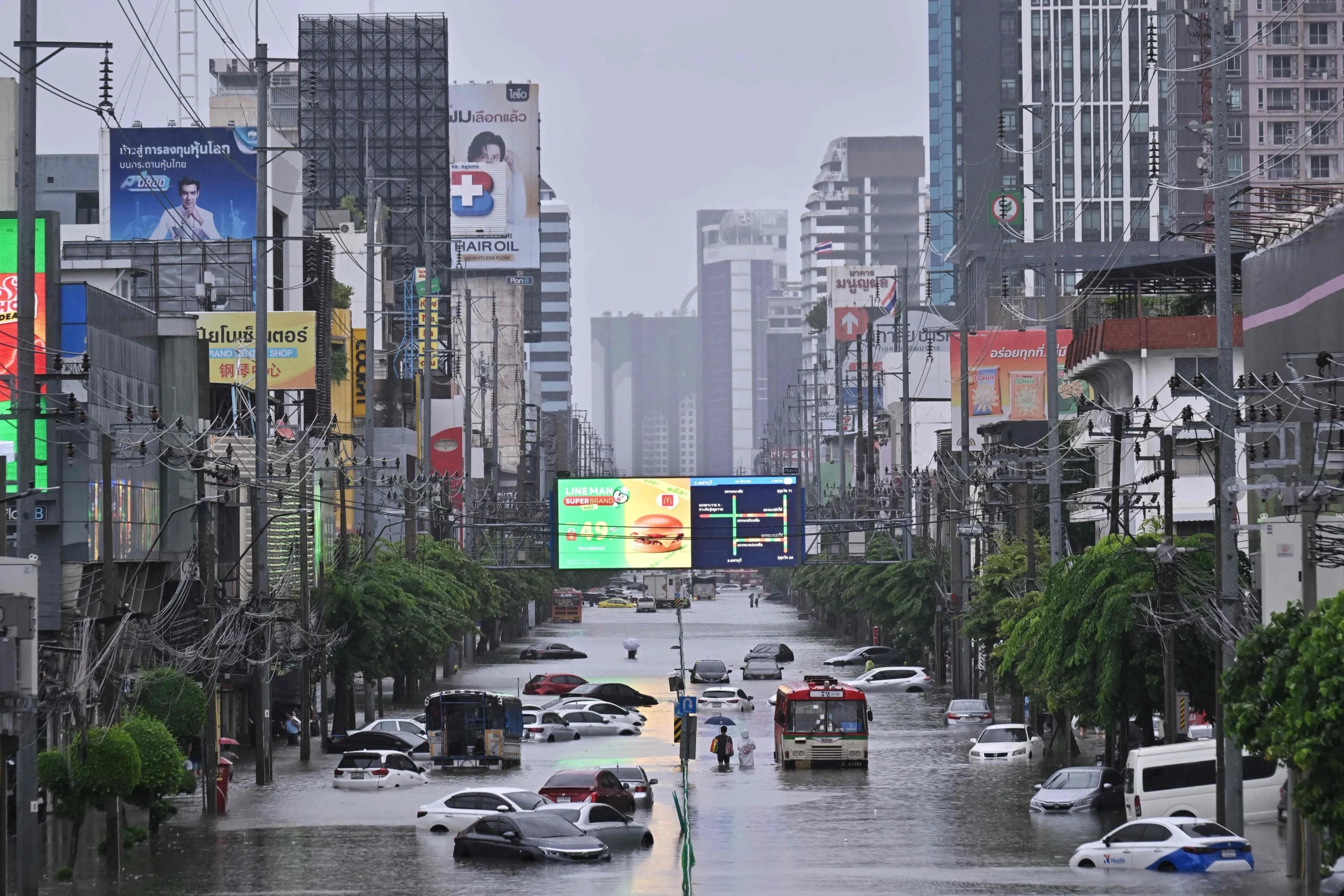
    Floods across Thailand damaged 4,523 factories in 55 provinces, generating an estimated 2.14 billion baht in losses, Industry Minister Varawut Silpa-archa said on Tuesday.

    Small and medium-sized enterprises bore the brunt of the disruptions, accounting for 4,113 of the flooded sites.

    Established industrial operators accounted for 316 damaged plants, while 94 community enterprises also suffered flood losses. The Industrial Estate Authority of Thailand reported that between 180 and 190 plants located within formal industrial estates took hits, accumulating between 1.7 billion and 1.8 billion baht in physical and operational damage.

    Breakdown Across Industrial Zones

    Industrial estate operators absorbed the vast majority of financial losses despite representing a smaller fraction of the total site count. The concentration of high-value machinery and automated production lines inside managed zones drove up the repair bill relative to dispersed workshops.

    For consumer goods manufacturers and regional supply networks, prolonged shutdowns at tier-two and tier-three SME suppliers create immediate component shortages. Production stoppages ripple directly into wholesale distribution channels across Southeast Asia when small packaging, plastic moulding, and parts fabricators go offline simultaneously.

    State Assistance and Debt Relief

    The Industry Ministry is preparing targeted financial relief for affected facilities. Officials plan to approach commercial lenders and state banks to secure debt moratoriums alongside concessional loans dedicated to site rehabilitation and equipment repairs.

    Factories that suffered complete operational shutdowns will receive prioritized state support. Industrial works inspectors are also rolling out mandatory post-flood safety guidelines to evaluate electrical grids and structural integrity before sites resume output.

    Supply Chain Risks and Recovery Steps

    Thailand’s manufacturing base remains vulnerable to seasonal monsoon surges that overwhelm drainage networks outside central industrial corridors. While major multinational plants inside ring-fenced estates have permanent flood barriers, peripheral SME supply clusters often lack dedicated dykes and pumping infrastructure.

    Commercial banks and ministry inspectors are now evaluating the 4,523 damaged facilities to determine exact capital requirements before loan packages roll out to affected operators.

  • Yeo’s Launches Malaysia’s First Canned Teriyaki Tuna

    Yeo’s Launches Malaysia’s First Canned Teriyaki Tuna

    Yeo’s launched Malaysia’s first canned teriyaki tuna product on October 3, 2026, targeting quick-meal grocery shoppers across modern retail aisles.

    The packaged goods manufacturer debuted the line during a promotional activation titled Yeo’s Itadakimasu, staged in the Bukit Bintang retail district of Kuala Lumpur. The launch introduces Japanese-inspired savoury seasoning to ambient seafood shelves historically dominated by chilli, mayonnaise, and brine preparations.

    Expanding canned seafood lines

    Ambient canned proteins serve as high-turnover staples for grocery chains, convenience outlets, and hypermarkets throughout Peninsular and East Malaysia. By packaging cooked tuna in a teriyaki glaze, the brand seeks to capture urban consumers looking for ready-to-eat meal toppings without additional home preparation. The product format matches single-serving pantry demand among desk workers and young households.

    Yeo’s built the public debut around experiential tasting booths to accelerate initial trial rates before stock fills nationwide distribution channels. On-ground samplings in central shopping precincts allow food producers to gauge shopper response directly before committing additional shelf space allocations across hypermarket chains.

    Shifting shelf space in modern trade

    Supermarket operators allocate substantial linear footage to canned fish because of long shelf lives and predictable gross margins. Adding sweet and savoury teriyaki profiles allows retailers to attract younger buyers who routinely consume Japanese cuisine at fast-casual restaurants. Supermarket buyers frequently use such regional flavour extensions to defend centre-store packaged food sales against rising chilled convenience food options.

    For competing shelf brands such as Ayam Brand and TC Boy, the launch intensifies competition for eye-level merchandising in canned fish aisles. Premium flavour variants typically command higher price points per gram than basic tuna flakes in oil, improving basket values for grocery operators when shoppers trade up.

    Flavour diversification across Southeast Asia

    Regional food manufacturers across Southeast Asia are increasingly adapting East Asian sauce profiles to local ambient categories. Soy sauce, teriyaki, and spicy Korean paste formulations now routinely replace or complement traditional spice blends across canned meats, noodles, and ready sauces. Consumers familiar with imported snack formats expect similar recipe variety in basic cooking ingredients.

    Supply chains for canned tuna rely heavily on regional processing hubs in Thailand, Indonesia, and Malaysia. Introducing pre-seasoned teriyaki lines requires minimal equipment overhaul at canning facilities while generating distinct stock-keeping units that command differentiated retail margins.

    Retail distribution targets for grocery aisles

    The Bukit Bintang public activation represents the initial push in a wider national trade rollout. Merchandising teams are now coordinating delivery schedules to secure prime placement in convenience stores, hypermarkets, and independent grocers across major urban centres in Malaysia.

    Inventory checks across mainstream supermarket chains will establish how quickly the teriyaki line secures permanent shelf allocation alongside legacy canned items. Reorder velocity from retail buyers across the fourth quarter will dictate whether the company expands the Japanese recipe concept across additional canned protein categories.