Blog

  • Comparing Malaysia’s Gambling Scene to the Rest of Southeast Asia

    Comparing Malaysia’s Gambling Scene to the Rest of Southeast Asia

    Southeast Asia is home to many traditional, conservative countries, meaning their stances toward gambling are a bit sterner than those of most countries in the Western hemisphere. However, this region is far from homogenous. The situation differs from country to country, while online and offshore gambling are a story of their own.

    Still, where does Malaysia fit into all this? Perhaps even more importantly, how does it fare against some of its neighbors regarding the gambling scene?

    What form of gambling is legal in Malaysia?

    The only legal forms of gambling in Malaysia are betting on horse races (since 1961) and playing lotteries (since 1952). Sports betting, however, is illegal (both retail and online).

    Now, while online sites are illegal as long as they’re hosted in Malaysia, locals are not prohibited from offshore betting. For instance, a Malaysian can choose some of the apps in this list and legally play one of many typical casino games online or bet on their favorite sporting events.

    The same thing goes for the majority of countries in Southeast Asia, with a few exceptions. For instance, in Singapore, there’s a sort of state monopoly on online betting, while in the Philippines, everything is legal.

    Overall, online betting is hard to regulate, so local authorities usually ignore offshore betting, making it a very popular option.

    Casinos

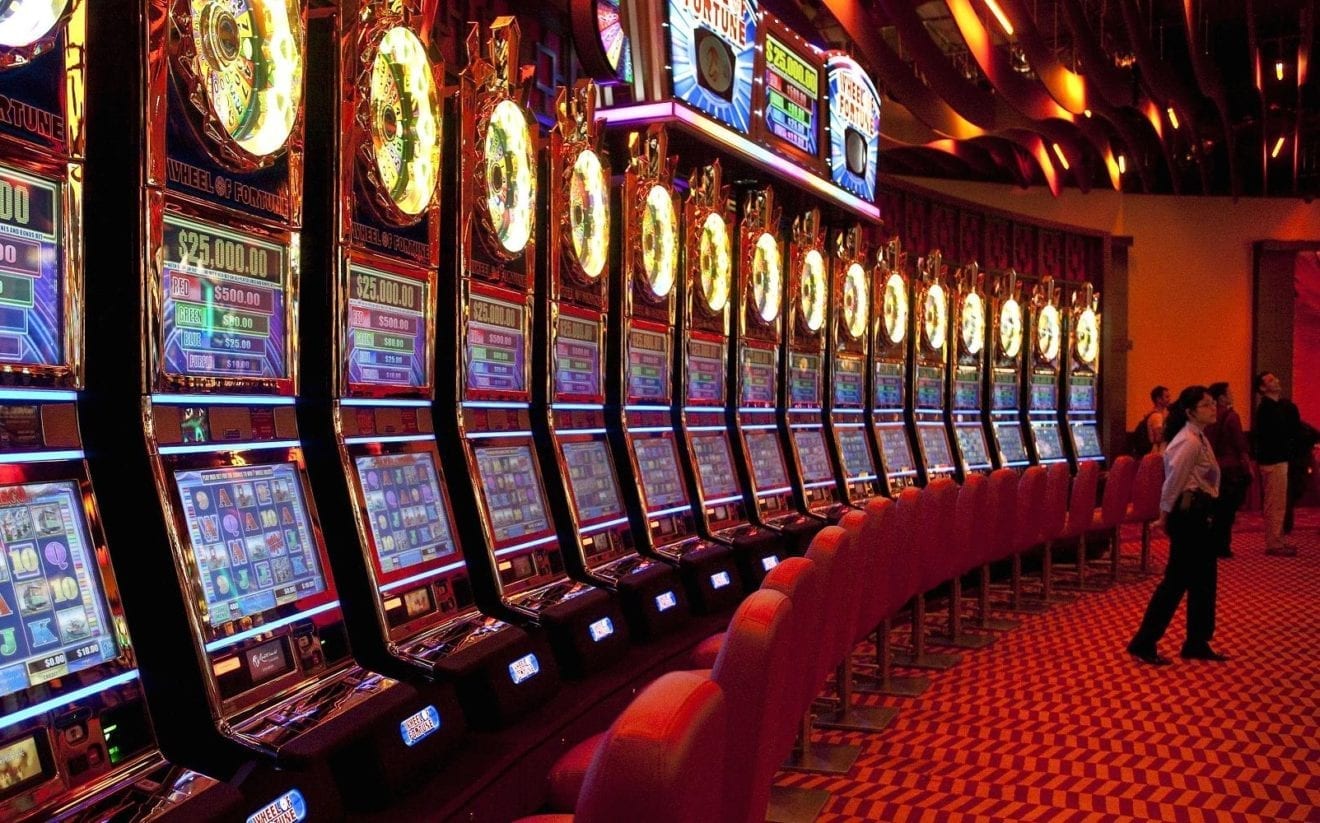
    While betting is mostly illegal in Malaysia, casinos are regulated (under some rules that we’ll discuss later). So, it’s home to Genting Resort Malaysia. Sure, it’s just this one casino, but it’s a behemoth with over 3,000 slot machines and over 400 gaming tables.

    In fact, in the whole of South East Asia, there are only three countries that directly ban casinos:

    • Thailand
    • Indonesia
    • Brunei

    Given the royal family’s proclivity for gambling, some find the last part particularly interesting.

    In Laos, casinos are legal in special economic zones only. Still, locals are not accepted. The same thing goes for betting, in general.

    Also, remember that Southeast Asia is relatively close to Macau (the Vegas of the East). Needless to say, it’s hard for anyone to deal with such competition in gambling.

    Is Malaysia a popular destination for gamblers?

    Not exactly!

    As we’ve already explained, outside of one casino (albeit gigantic) and the national lottery, there’s not much legal gambling in Malaysia.

    Tourists who are interested in gambling destinations in Southeast Asia are more likely to visit:

    • Sihanoukville in Cambodia
    • Entertainment City in the Philippines

    While it’s hard to pinpoint the exact numbers (due to flawed methodology), it’s widely believed that these two countries have the region’s highest number of gamblers per capita. Now, there’s a reason why this is so hard to determine. Namely, in most countries in Southeast Asia, gambling is illegal for locals either way. So, it’s hard to find someone who openly admits (even anonymously) that they’ve partaken in this activity.

    For instance, in Cambodia, while casinos are regulated, all other forms of gambling are illegal. Moreover, betting in these casinos is only legal for visitors, while locals are not accepted.

    Most countries in Southeast Asia have similar rules where they regulate casinos but don’t allow locals. In Malaysia, for instance, while casinos are regulated, Muslims are prohibited from participating. In this scenario, the prohibition is based on one’s religion, not regionality.

     

  • The Most Popular Sports in Malaysia 2023

    The Most Popular Sports in Malaysia 2023

    Malaysia has a diverse sporting culture and decent success in international competition across many sports. Due to this and its great sports infrastructure, the interest in sports in Malaysia is at its all-time-high. Here are five sports that are the most popular in Malaysia.

    1.   Badminton

    Malaysia is probably the second-largest badminton hub in the world in terms of representation. Now, given the fact that the first place goes to China (18%) and Malaysia has 44 times fewer people than China, this goes to show you just how serious Malaysia is about badminton (14%).

    This country is the home of the Malaysian Open, one of the most significant tournaments in this sport.

    This is hardly surprising because just over 12% of the Malaysian population plays badminton, making it the most-participated-in sport in the country.

    2.   Soccer

    Soccer is the most popular sport in the world, and Malaysia is no exception to this rule. When the national football team is playing (Harimau Malaya), the whole country is out to cheer them, but many great local football teams are active there. Most notably, there are:

    • Johor Darul Ta’zim (JDT)
    • Selangor FA
    • Kuala Lumpur City

    There’s no denying that football is fun, whether you’re playing it, watching it, or even betting on it. While it’s illegal for sportsbooks to operate in Malaysia, it’s not illegal for foreigners to bet on Malaysian teams or for locals to bet via sites whose servers are not based in Malaysia, as more and more residents are doing. Fortunately, there’s a long list of betting sites on sportslensmalaysia.com for that very purpose, each offering competitive odds on Malaysian leagues, which just goes to show the popularity of Malaysian soccer leagues both in the country itself and around the world.

    3.   Hockey

    Hockey is a surprisingly popular sport in Malaysia, and the Malaysian men’s team even won a gold medal at the 1966 Asian Games. In 1975, they hosted the Men’s Hockey World Cup.

    The MHL (Malaysian Hockey League) is the premier domestic competition, and it attracts thousands and thousands of local viewers, with a sizable foreign interest, as well.

    Due to this rich history and tradition, it’s no wonder so many Malayans have shown interest in hockey since a young age.

    4.   Cycling

    Cycling is one of the fastest-growing trends in Malaysia. The sport is promoted everywhere, and more than a few government incentives exist to get this wheel rolling, so to speak.

    Another thing to remember is that participation always plays a huge role in the sport’s popularity. Following a bit of a pro cycling scene could help make the sport more interesting. The country has the perfect terrain for mountain biking, which is another pro in its favor.

    5.   Sepak Takraw

    This list wouldn’t be complete without Sepak Takraw, Malaysia’s autochthonous version of kick volleyball. Now, anyone who has already read that soccer and badminton are the two most popular sports in the country should not be surprised to find that a sport embodying the rules of the two is also incredibly popular.

    It’s played in teams of two to four players on a small court with a special traditional ball that’s 5.3 inches in diameter. While the standardized sport is new, everyone agrees that Sepak Takraw amalgamates several traditional, local sports.

  • VietinBank to sell 358 properties to collect debts

    VietinBank to sell 358 properties to collect debts

    State-owned VietinBank is selling 358 foreclosed properties pledged by loan borrowers, including four- and five-star hotels, worth a total of VND8 trillion (US$337.69 million) to realize their debts.

    The properties will be either auctioned or negotiated for sale.

    The bank is also selling 38 vehicles, machines and other equipment.

    The most valuable asset is a five-star hotel in Da Nang City built on a 1,200-square-meter parcel of land with 236 rooms and priced at around VND600 billion.

    The second most expensive are two four-star hotels in Hoi An with around 100 rooms each and priced at VND420 billion apiece.

    The lender is also set to sell nearly 60 other hotels and properties in Hoi An.

    Vietinbank is also selling office buildings, including one worth VND213 billion in Ho Chi Minh City’s District 12, and a water treatment plant worth VND108 billion in Gia Lai Province.

    The bank is also selling 566 consumer loans at 90% of their remaining value.

    Other banks too have been selling off collateral assets this year to restructure their credit portfolio.

    BIDV has been trying to auction a hydropower plant with a reserve price of VND325 billion but 10 attempts have proven unsuccessful.

    Sacombank has been selling bad debts this year.

    Banks saw credit quality deteriorate in the first quarter this year due to the slump in the property and consumer goods markets.

    Bad debts in the sector rose from 2% to 2.91% in the first two months, according to the latest data available from the State Bank of Vietnam.

    VNDirect analysts said in a note that banks’ rising bad debts are driven by the property sector, which accounts for 21% of all credit.

  • South Korean cafe chain Compose Coffee to launch in Singapore

    South Korean cafe chain Compose Coffee to launch in Singapore

    The popular coffee chain from Korea, Compose Coffee, is set to open in Singapore at Suntec City.

    The scaffolding of the number one coffee in Korea can be seen around the shop, showing off the brand with two simple words: “Coming soon”.

    Its menu boasts a wide range of beverages, from its usual coffee to teas, frappés and even milkshakes.

  • Vertu’s first duty-free store opens in Sanya ahead of global roll-out

    Vertu’s first duty-free store opens in Sanya ahead of global roll-out

    VERTU, the world’s premier luxury mobile phone brand, has unveiled its strategic plan to establish duty-free stores worldwide. Following the recent opening of their duty-free store in Sanya, VERTU is set to revolutionize the duty-free shopping experience for global travelers.

    VERTU’s duty-free store, located at Sanya International Duty Free Complex, is scheduled to open its doors on July 1, 2023. Positioned at B Zone, Ground Floor, next to Tiffany, this store will serve as a hallmark destination for discerning travelers seeking the finest in luxury mobile devices.

    In line with their commitment to providing unparalleled service and exclusivity, VERTU offers a range of key features and highlights that make them stand out in the market. Let’s take a closer look:
    VERTU- Brand debuts its pop-up store with CDFG in duty free channel.

    VERTU’s duty-free stores serve as a platform to showcase the brand’s commitment to excellence and luxury as well as cater to the unique needs of luxury travelers.The stores provide a captivating environment for customers to immerse themselves in the world of VERTU, surrounded by the finest craftsmanship and cutting-edge technology.

    VERTU prides itself as the world’s only luxury mobile phone brand to offer a dedicated British private butler concierge service. Customers can enjoy a truly unique experience with their own personal assistant, catering to their every need and ensuring an extraordinary level of service.

    VERTU’s duty-free store introduces the highly anticipated METAVERTU, the world’s first WEB3 phone. Combining the power of blockchain and decentralized applications, this revolutionary device offers unparalleled security, privacy, and connectivity.

    VERTU’s duty-free store presents the exclusive IVERTU collection, a range of limited edition devices available only through duty-free channels. These meticulously crafted phones showcase VERTU’s dedication to creating unique and unforgettable luxury experiences. IVERTU, as the one of the most popular models, has undergone updates in hardware, software, and aesthetics. The metallic V logo has been upgraded to a sleek black finish, enhancing its tactile appeal, and the leather components have been enhanced for a fuller and better feel.

    In a groundbreaking move, VERTU unveils its first AI experience store within the duty-free outlet. Customers can explore the fusion of technology and luxury as they interact with VERTU’s cutting-edge AI assistant V-GPT.Unlike Apple’s App Store version, METAVERTU allows free and unlimited usage of ChatGPT without paying a subscription fee. Accessible via MetaSpace, METAVERTU grants users a comprehensive set of functionalities, including seamless one-click login, unlimited conversations at no cost (in contrast to the paid model on other platforms), and voice input for user queries.

    With its Global Duty-Free And Travel Retail market strategy, VERTU aims to establish a strong presence in key travel hubs worldwide. By offering unparalleled luxury, personalized service, and exclusive products, VERTU continues to redefine the mobile phone industry and elevate the standards of luxury living.

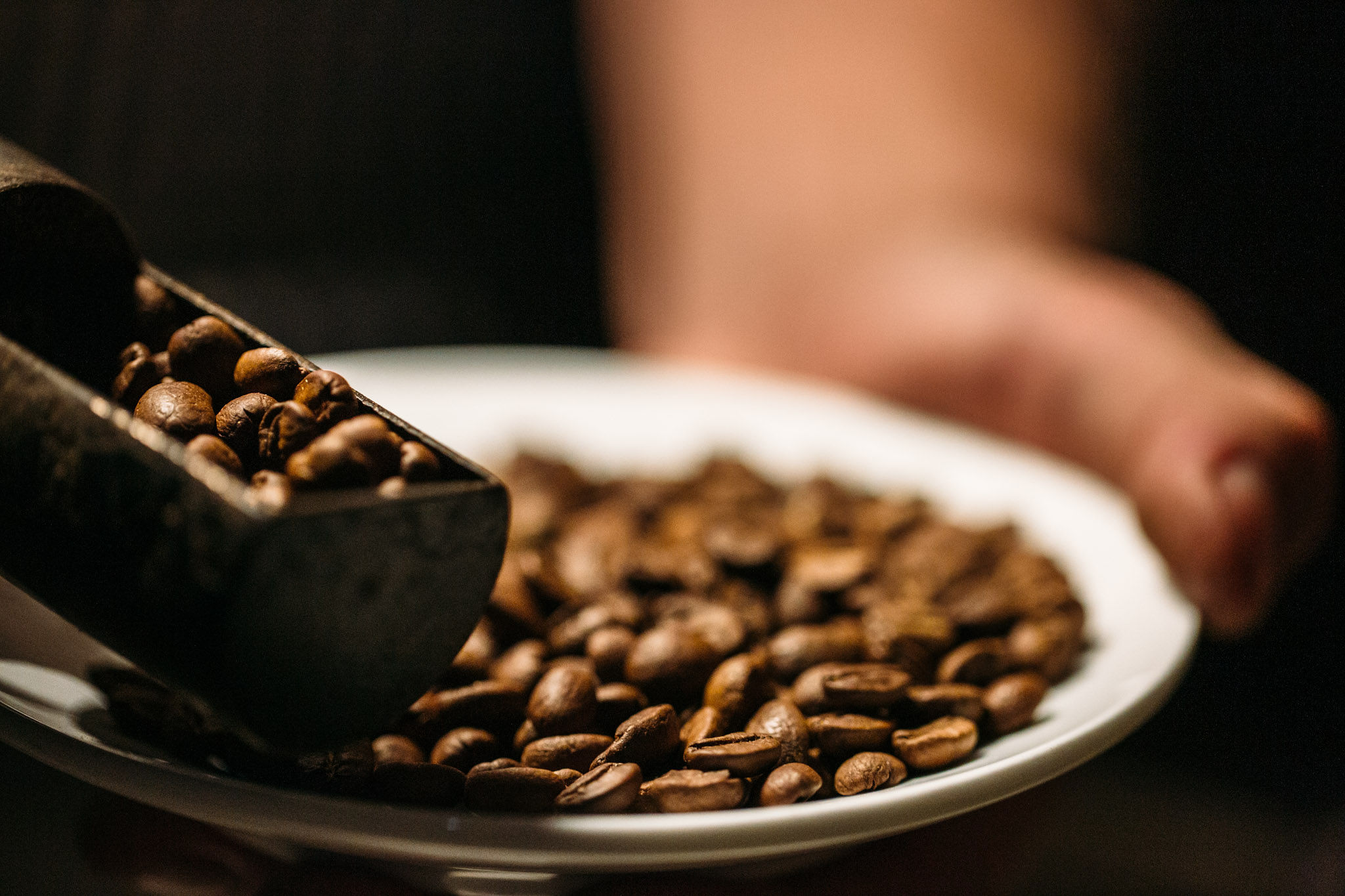
  • Vietnam earns over $2B from coffee exports

    Vietnam earns over $2B from coffee exports

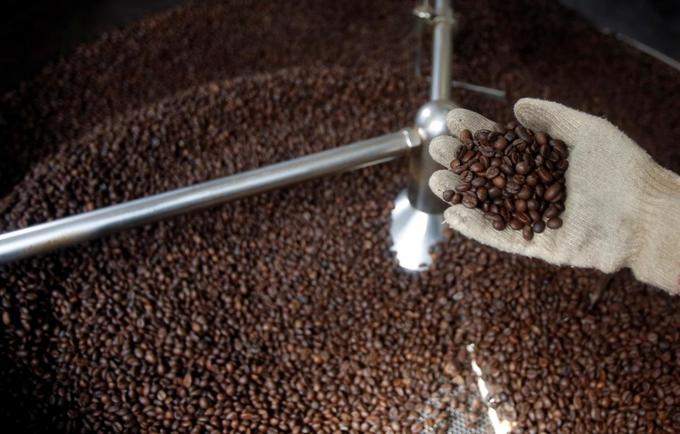
    Coffee is an export highlight of agricultural products in the first half of 2023, as the industry’s export revenue earned $2 billion in the period, the General Department of Customs has announced.

    According to statistics from the department, as of June 15, the country exported 934,900 tonnes of coffee, down 3.7% compared to the same period in 2022 with export prices increasing nearly $2 per tonnes.

    The sector has been listed in “one-billion-USD” club since 2010 and reached its peak of $4.056 billion in 2022. The club includes exports that fetch at least $1 billion a year.

    Vietnamese coffee has been present in 38 markets worldwide, of which it enjoys an export turnover of over 10 million in 25 markets and more than $100 million in six traditional ones.

    If export turnover reaches about $360 million a month from now until end of this year, the sector will set a new record of $4.5 billion in 2023, an increase of 10.9% compared to 2022.

  • DHL Express to build new Helsinki facility

    DHL Express is set to build a logistics center for international air shipments at Helsinki-Vantaa Airport and is allocating around €100 million for the entire lease period for new premises and technology in the Aviapolis area.

    Once operational, the airside access will DHL aircraft parked on the apron to be reached directly from the new building. All incoming and outgoing express shipments in Finland will be handled in the logistics center, which is scheduled to be completed in the second half of 2025.

    DHL said the new facility comes in response to growing shipment volumes in Finland, powered by international e-commerce and remarkable growth in demand in all customer segments.

    “The new state-of-the-art gateway facility will enhance our ability to continue to create reliable and fast transport services that support the competitiveness of Finnish export and import companies,” said Oktay Nuri, Managing Director DHL Express Finland.

    “The new facility will be about 16,000 gross square meters in size, more than double the size of our current gateway in Vantaa. The automated sorting system can handle approximately 6,500 items per hour. 90 direct loading bays enable efficient sorting of shipments directly from the conveyor to the delivery vans. All bays will be equipped with charging stations for e-vehicles, supporting our goal to electrify our entire pick-up and delivery fleet within a few years,” explained Janne Appel, perations director of DHL Express Finland.

    DHL said the new facility will be built by AVIA Real Estate Oy, with Meijou Oy as the main contractor, and has been designed to be carbon neutral. The new Helsinki gateway is part of an extensive network infrastructure improvement program that the group is undertaking, which includes a new Nordic Express opened in Copenhagen a couple of months ago and a similar gateway facility being built in Munich.

    Some 150 employees will be employed at the new gateway with the head office of DHL Express Finland located in separate premises.

  • Brussels Airport wants net zero target by 2030

    Brussels Airport wants net zero target by 2030

    Brussels Airport Company has dramatically accelerated its ambition to achieve net zero carbon and is targeting to achieve it by 2030, which means within under seven years, the airport operator aims to stop emitting all carbon dioxide (scopes 1 to 3).

    The airport group said it has already been carbon neutral for its own emissions as airport operator since 2018. Green energy is used for all buildings and infrastructure managed by Brussels Airport Company, for its own operations as a company and for the fleet of company vehicles. The remaining emissions are offset by supporting green projects in Asia according to international golden standards. Brussels Airport Company had committed within the framework of ACI Europe to become Net Zero Carbon by 2050 at the latest (for scope 1 and 2), but that goal will now be significantly accelerated.

    “I am very happy to announce that we can dramatically accelerate our ambition to become Net Zero Carbon as a company. We had already committed to completely stop emitting carbon dioxide by 2050 at the latest, in line with the Paris agreement, while exploring options to achieve this goal faster. With the new central heating plant that will be ready early 2027 and other planned measures, such as additional investments in green energy production, achieving Net Zero Carbon will already be possible by 2030. An important step for the sustainable future of Brussels Airport,” said Arnaud Feist, CEO of Brussels Airport Company.

    As previously announced, Brussels Airport Company plans to replace its central heating plant with a net zero carbon installation by early 2027, to provide the airport’s terminal buildings with completely CO2-free heating.

    Replacing this installation with an innovative gas-free alternative will lead to a reduction of some 70 percent of its total CO2 emissions. Brussels Airport will also switch to CO2-free energy for its buildings in the airport’s cargo area by 2030.

    Brussels Airport Company said it is committed to accelerate its net zero carbon efforts to make the airport more sustainable and respond to today’s climate challenges.

    “Additional solar panels will be added on the airport grounds and green electricity generated by wind power will be purchased. In combination with the standard use of sustainable fossil-free heating techniques in the construction of new buildings on the airport grounds, the full electrification of the company car fleet by 2026 and the further electrification of the service vehicles, this will ensure that Brussels Airport Company as a company will no longer emit CO2 by 2030 (scope 1 and 2),” the company noted.

  • Vietnamese-American billionaire’s Sriracha sauce sees eightfold price hike

    Vietnamese-American billionaire’s Sriracha sauce sees eightfold price hike

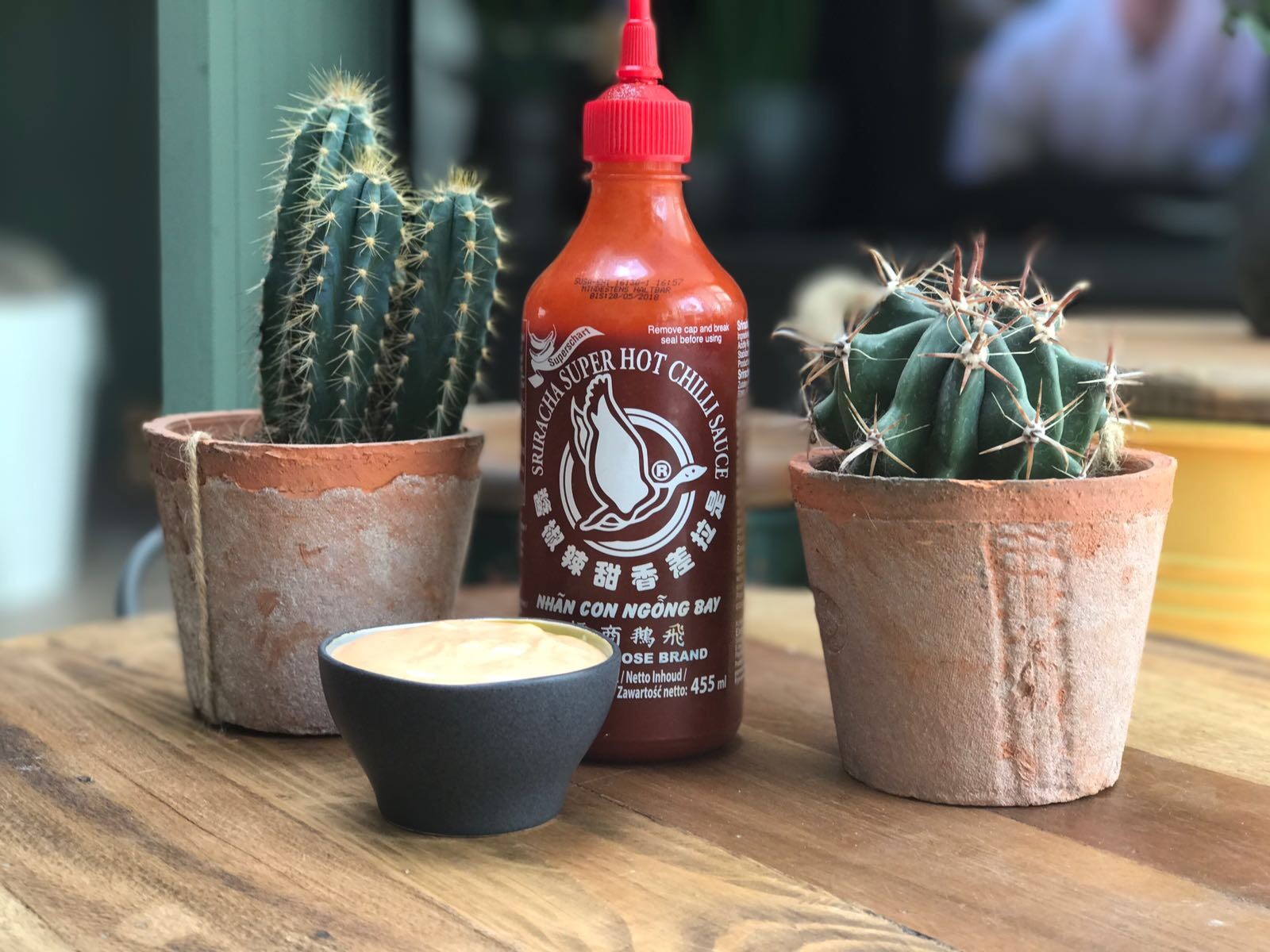
    Prices of the popular hot sauce Sriracha have surged eight times in the U.S. as drought in Mexico leads to a scarcity in the key ingredient, red jalapeños.

    The hot sauce, which is produced by Huy Fong Foods owned by Vietnamese-born billionaire David Tran, is sold at US$40 per bottle of nearly 500 grams on eBay, compared to $5 before.

    A bottle of nearly 800 grams is sold at $60 on the same platform. In Vietnam, a 500-gram bottle is sold at VND89,000 ($3.75) on e-commerce platform Shopee.

    The shop that sells it imports thousands of bottles a year from California, but since April Sriracha prices have risen as its supply become scarce. Huy Fong Foods recently told CNN that it’s still experiencing a shortage of
    raw materials.

    “Although some production did resume this past fall season, we continue to have a limited supply that continues to affect our production. At this time, we have no estimations of when supply will increase,” a Huy Fong spokesperson said.

    There’s been a shortage of the main ingredient, red jalapeños, for the past three years.

    Last year, the company temporarily stopped orders because of the shortage, which also affected its Chili Garlic and Sambal Oelek products.

    Drought in Mexico has resulted in a scarcity of chilli peppers. “It is a challenging crop to grow,” said Stephanie Walker, a plant scientist at the New Mexico State University, who serves on the advisory board of the Chile Pepper Institute.

    “Jalapeños are really labor intensive, requiring people to de-stem them by hand before they go for processing.”
    Huy Fong’s Sriracha, created in 1980 by Chinese immigrant David Tran, is sold in popular retailers like Target and Whole Foods.

  • Coupang launches luxury beauty shopping service Rocket Luxury

    Coupang launches luxury beauty shopping service Rocket Luxury

    South Korea’s top e-commerce retailer Coupang said Monday it has launched a new service allowing customers to buy luxury beauty brands’ products at its platform.

    At Rocket Luxury, customers will be able to purchase products of 16 high-end beauty brands from home and abroad, including Estee Lauder, MAC, Bobby Brown, and Hera, directly bought by Coupang.

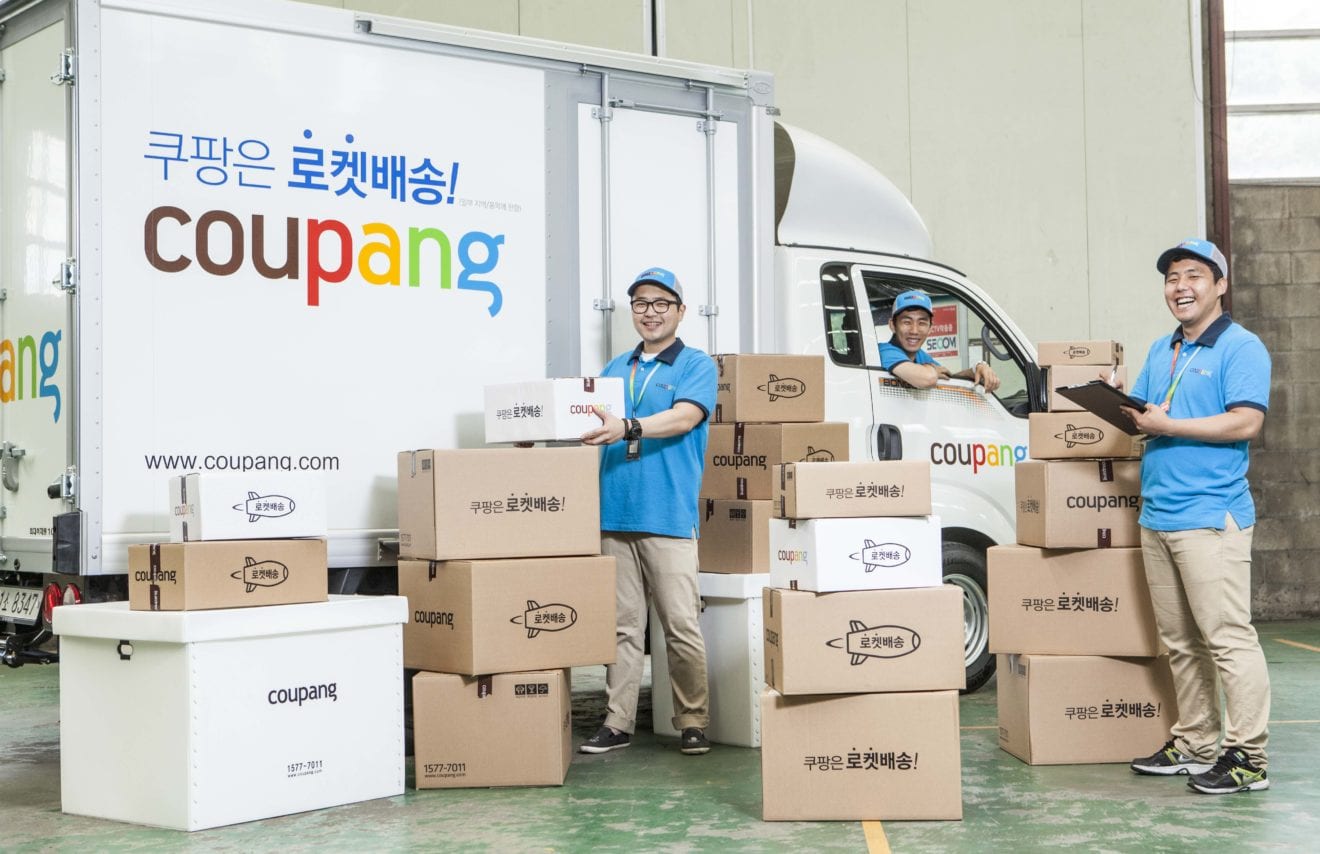
    The products will be delivered through the “rocket delivery” service, which offers delivery service within 24 hours upon order.

    For members of Coupang’s paid subscription service, Wow, the company will provide free delivery and free return service.

    “Customers who use luxury beauty brands will be able to buy at Rocket Luxury with trust as it only provides genuine products certified by Coupang,” Lee Byeong-hee, the head of Coupang’s retail division, said.

  • Property developers sell off assets to pay debts

    Property developers sell off assets to pay debts

    Property developers in southern Vietnam are selling off their assets despite losses to pay debts amid a slump in demand.

    A property developer in District 1, which develops projects in southern Ho Chi Minh City and Binh Duong Province, last month sold off one of its projects for VND300 billion ($12.71 million), 57% lower than its valuation.

    The company leader, who asked to remain anonymous, said that in May the landlord warned the company that it might have to move its headquarters if rents were not paid.

    “I had to mortgage my home and car to pay for the company’s rents and some short-term debts. I also had to reduce the office space to cut costs,” he said.

    Another developer in District 3 in the first quarter had to pay a VND300 billion debt and intended to use dozens of apartments as a mortgage, but the apartments were valued at VND200 billion, one-third less than three years ago.

    “Even though the assets were valued less I had to mortgage them to pay debts amid a cash crunch,” he said.

    In the second quarter, many premium apartments at a high-end project in District 1 were sold at a 40-50% discount, a price reduction of VND6-9 billion per unit.

    Nguyen Van Dat, chairman of Phat Dat Real Estate Development, said at a recent meeting that he had to sell off many of the company’s’ and his own assets to help the company pay debts.

    “I sold a VND3-trillion asset for VND2 trillion. I also sold and mortgaged many family assets to help the business through difficulties,” he said.

    Property developer Quoc Cuong Gia Lai is even considering selling its hydropower power plant in the central highlands province of Gia Lai to pay debts this year, even though the plant is making large profits.

    A recent report by the Vietnam Association of Realtors said that mid-2023 was the peak of difficulties for property developers and they had to sell off many assets for losses to pay debts.

    They either have to do this or sit still and eventually will go under due to the lack of revenue, he added.

    Tran Khanh Quang, CEO of property developer Viet An Hoa, said that the issues in the bond market and lack of access to new loans from banks, combined with declining property prices, have left companies struggling to survive.

    In the last two quarters, the situation might improve if loan interest rates are lowered, he added.

  • VietinBank to sell 358 properties to collect debts

    VietinBank to sell 358 properties to collect debts

    State-owned VietinBank is selling 358 foreclosed properties pledged by loan borrowers, including four- and five-star hotels, worth a total of VND8 trillion (US$337.69 million) to realize their debts.

    The properties will be either auctioned or negotiated for sale.

    The bank is also selling 38 vehicles, machines and other equipment.

    The most valuable asset is a five-star hotel in Da Nang City built on a 1,200-square-meter parcel of land with 236 rooms and priced at around VND600 billion.

    The second most expensive are two four-star hotels in Hoi An with around 100 rooms each and priced at VND420 billion apiece.

    The lender is also set to sell nearly 60 other hotels and properties in Hoi An.

    Vietinbank is also selling office buildings, including one worth VND213 billion in Ho Chi Minh City’s District 12, and a water treatment plant worth VND108 billion in Gia Lai Province.

    The bank is also selling 566 consumer loans at 90% of their remaining value.

    Other banks too have been selling off collateral assets this year to restructure their credit portfolio.

    BIDV has been trying to auction a hydropower plant with a reserve price of VND325 billion but 10 attempts have proven unsuccessful.

    Sacombank has been selling bad debts this year.

    Banks saw credit quality deteriorate in the first quarter this year due to the slump in the property and consumer goods markets.

    Bad debts in the sector rose from 2% to 2.91% in the first two months, according to the latest data available from the State Bank of Vietnam.

    VNDirect analysts said in a note that banks’ rising bad debts are driven by the property sector, which accounts for 21% of all credit.

  • Samsung TV Plus adds seven new channels in the United States

    Samsung TV Plus adds seven new channels in the United States

    Initially launched eight years ago as a video rental service, Samsung TV Plus quickly pivoted to an ad-supported streaming service format. Although it started with a limited number of channels available to watch for free, Samsung TV Plus now provides access to more than 250 channels.

    The most recent additions to the streaming service’s offering include channels from ABC, CBS and other networks. The new channels are already available in the United States, so if you have a compatible Samsung smart TV, Galaxy phone or tablet, you can watch these right now.

    The seven channels that have been added to Samsung TV Plus in June include 6ABC Philadelphia, ABC7 New York, ALLBLK Gems, Billiard TV, CBS News Explore, Get TV, and Vevo 2010s.

    In addition, Samsung TV Plus gained several movies in June and a few others are expected to drop in July: The Tree That Saved Christmas, Songs of Mistletoe, A Christmas Cruise, Angels in the Snow, An En Vogue Christmas, A Holiday for Love, Christmas Comes Home, and A Dogwalker’s Christmas. These movies will be available via the company’s first-party channel, Holiday Movies Channel.

    If you didn’t know, Samsung TV Plus is available for free on 2016 – 2022 Samsung smart TVs and select Galaxy mobile and tablet devices. Simply turn on your Samsung smart TV, open the Samsung TV Plus app, and you can start watching your favorite channels or movies.

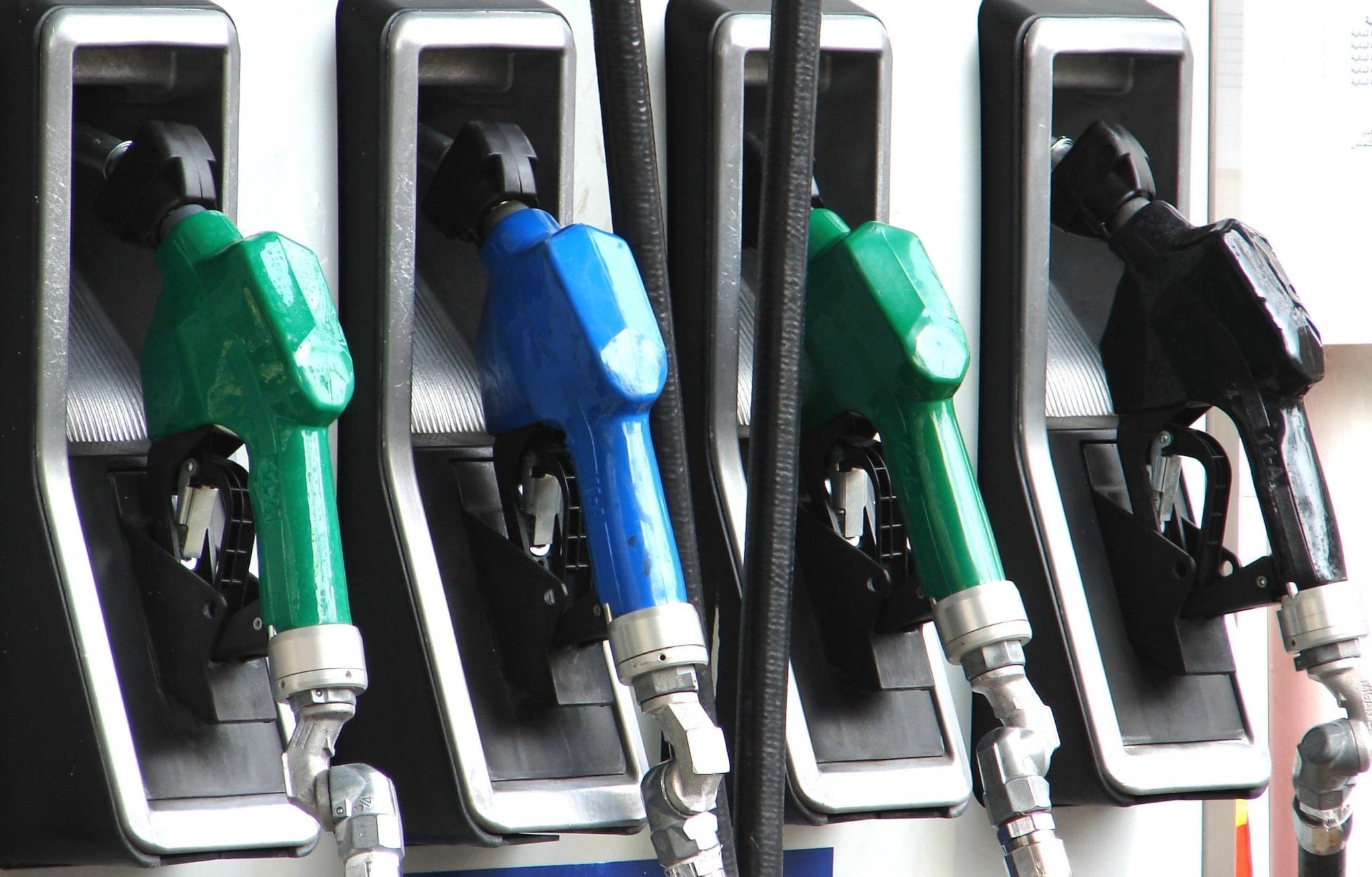
  • Gasoline prices drop

    Gasoline prices drop

    Gasoline and diesel prices declined in Vietnam Monday afternoon, following a similar trend globally.

    The popular RON95 gasoline dropped 2.68% to VND21,420 ($0.91) per litter after staying unchanged in the last two revisions by authorities.

    Biofuel E5 RON92 fell 1.91% to VND20,470 per liter.

    Diesel, after rising two times in a row, was 0.06% lower at VND18,160 per liter.

    Global fuel prices since June 21 have been falling due to a plunge in U.S. fuel reserves and concerns about central banks’ rate hikes, according to the Ministry of Industry and Trade and Ministry of Finance.

    RON92 fell nearly 1.5% to $86.78 per barrel while RON95 dropped 1.8% to $91.59. Diesel declined by 0.5% to $92.16.

  • Indonesia’s Tanamera Coffee launches in Malaysia

    Indonesia’s Tanamera Coffee launches in Malaysia

    Indonesian specialty coffee roaster and café chain Tanamera Coffee has opened its first outlet in Malaysia.

    The Kuala Lumpur outlet marks Tanamera Coffee’s third market after its native Indonesia, where it operates 22 stores, and Singapore, where it has opened eight sites since debuting in 2020.

    “We are thrilled to finally bring Indonesian specialty coffee to Malaysia with the opening of our very first outlet in the exciting and vibrant city of Kuala Lumpur. This is our third country and we can’t wait to serve you, both in this store and other upcoming outlets,” Tanamera Coffee said on social media.

    Founded in 2013 to promote Indonesian specialty coffee, Tanamera Coffee sources its coffee from the Aceh, Sumatra, Toraja, Bali, Java, and Flores regions of Indonesia.

    World Coffee Portal research forecasts the total Malaysian branded coffee shop market will exceed 2,700 outlets by 2025.

    Alongside strong outlet growth for convenience-focused operators, such as ZUS Coffee and Gigi Coffee, a wave of premium coffee chains are seeking to catalyse growing demand for specialty coffee in Malaysia.

    Having opened its first international outlet in Malaysia in October 2022, Indonesia’s Kopi Kenangan is aiming to reach 100 locations in the Southeast Asian country by the end of 2024. Luxury US brand Ralph’s Coffee entered Malaysia in the same month as part of its new flagship retail store in Kuala Lumpur.

    Meanwhile, Seattle-based Starbucks, operated in Malaysia by Berjaya Food Bhd, expects to reach 400 stores in July 2023. Additionally, Taiwanese specialty coffee chain HWC Coffee has grown its Malaysian footprint to 29 outlets and opened a flagship store and coffee academy in Kuala Lumpur in June 2023.