Blog

  • Malaysia to test air cargo community system at KUL

    Malaysia to test air cargo community system at KUL

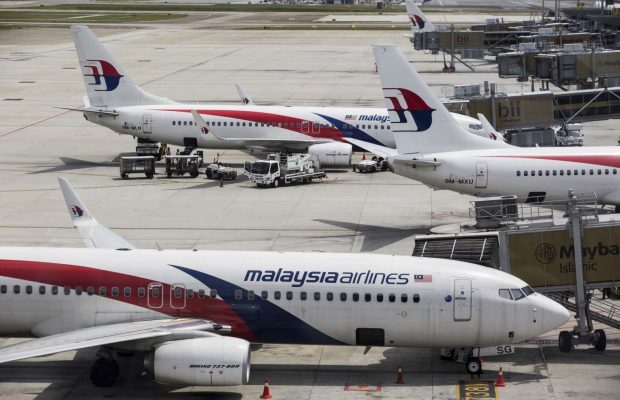
    Efforts are coming in all forms to support Malaysia’s competitiveness in its transport and logistics sectors as plans to introduce a platform that will connect stakeholders of Kuala Lumpur International Airport are underway.

    Air cargo software provider Kale Logistics Solutions and tech company Dagang NeXchange (DNeX), through its subsidiary Dagang Net, have signed a partnership agreement to introduce the Airport Cargo Community System (ACS) platform in Malaysia.

    The ACS is a neutral and open platform, enabling intelligent and secure information exchange between public and private stakeholders and is planned to be integrated with other community systems such as the National Single Window (NSW) and Port Community Systems (PCS) for trade facilitation.

    Vineet Malhotra, co-founder and director at Kale Logistics Solutions, said the latest development presents a powerful case that cargo community platforms need to integrate to bring greater value. And the plan is to create a global network of smart logistics hubs, starting in Malaysia.

    “Our role is to support businesses, especially SMEs, by providing an efficient and comprehensive global logistics network that can serve a larger international customer base and reduce trade barriers.”

    DNeX says the partnership with Kale complements Dagang Net’s capability to grow trade facilitation e-services for air mode through the ACS platform.

    “The ACS enables seamless electronic transactions, equipped with intelligent and secure information exchange among stakeholders to enhance the airport community competitiveness,” commented Tan Sri Syed Zainal Abidin Syed Mohamed Tahir, Group Managing Director.

    “This, in turn, can contribute to efforts in improving Malaysia’s competitiveness in its transport and logistics sectors as well as overall operational efficiency, connectivity, and productivity across the country’s supply chain,” he noted.

    Dagang Net has been using electronic Customs-related services to ease trade facilitation and streamline international trading processes for imports and exports, trade and logistics industries, and this initiative is aligned with the company’s direction, he added.

    Both Kale and Dagang Net are part of the Pan Asia e-Commerce Alliance (PAA), a 16-member regional e-commerce alliance in Asia that aims to promote and provide secure, trusted, reliable and value-adding IT infrastructure and facilities for efficient global trade and logistics.


  • Mango introduces ‘New Med’ concept store to Asia

    Mango introduces ‘New Med’ concept store to Asia

    As part of its new store opening in Singapore, Spanish retailer Mango has debuted its ‘New Med’ concept for the first time in Asia, as it continues to follow through on its international expansion.

    The new 500 square metre space adds to its growth in the region, with it now operating 10 stores in Singapore following a number of openings in April this year.

    It comes as the brand celebrated 30 years of “international expansion” in 2022, as it continued to report on accelerated growth of development abroad.

    In a release, Mango said it will round out the year with around 270 new stores worldwide, bringing its retail network to approximately 2,600 stores across all five continents.

    Speaking on the topic, the company’s expansion director, Daniel López, said: “We are celebrating 30 years of international expansion by strengthening our commitment to Asia, one of the most important markets in the company’s internationalisation strategy and one in which we want to continue growing in the future.”

    Mango initially launched in the continent in 1995 with store openings in Singapore and Taiwan.

    It now currently operates over 450 stores in Asia, including company-owned locations and concessions in department stores.

    Among its presence in the region, Mango counts India as one of its key focuses for international expansion, with it opening 33 stores in the country between 2021 and 2022.

    In Europe, the retailer has also committed to developing in markets such as France, Italy and the UK, while outside its key expansion markets include the US and Canada.

  • Volkswagen Is Developing An Electric Golf Hatchback

    Volkswagen Is Developing An Electric Golf Hatchback

    Many had believed that with Volkswagen doubling down on EVs with the ID brand, it would be the end of the line for the Golf hatchback which is one of the group’s icons. It has been indicated that the current gasoline-based Golf could be the last of its kind. But now, there could be a change of heart.

    In a recent interview, Thomas Schafer of the Volkswagen group revealed, “ We would not let go of the Golf name, no way.”

    “We have iconic brand names, Golf and GTI. It would be crazy to let them die and slip away. We will stick with the ID logic, but iconic models will carry a name,” he added.

    Of course, we have already seen Ford and GM bring out their iconic brands for the electric car age with electric versions of the Mustang, F-150, and Hummer’s return.

    Schafer added that Volkswagen could retool the Golf with the ID brand as they have done so with the ID Buzz model bringing back the iconic van that Volkswagen had sold in the 60s and 70s.

    “We might have ID Golf,” Schafer postulated.

    Schafer also added that the ID brand would never replace Golf.

  • Tesla Recalls 3,21,000 U.S. Vehicles Over Rear Light Issue

    Tesla Recalls 3,21,000 U.S. Vehicles Over Rear Light Issue

    Tesla is recalling more than 321,000 vehicles in the United States because tail lights may intermittently fail to illuminate, the company said in a filing made public Saturday.

    The news follows the company’s recall on Friday of nearly 30,000 Model X cars in the United States over an issue that may cause the front passenger air bag to deploy incorrectly, which sent its shares down almost 3% to a near two-year low.

    In the filing published Saturday to the National Highway Traffic Safety Administration (NHTSA), the electric vehicle manufacturer said the tail light-related recall covers some 2023 Model 3 and 2020-2023 Model Y vehicles.

    Texas-based Tesla said it will deploy an over-the-air update to correct the rear light issue and said it has no reports of any crashes or injuries related to the recall.

    The company said the recall followed customer complaints it became aware of in late October, largely from foreign markets, claiming vehicle tail lights were not illuminating.

    The investigation found in rare cases the lights may intermittently not work due to an anomaly that may cause false fault detections during the vehicle wake-up process. Tesla said it had received three warranty reports over the issue.

    Tesla has reported 19 U.S. recall campaigns in 2022 covering more than 3.7 million vehicles including four callbacks in November, according to NHTSA data.

  • Samsung dominates global Android market this month

    Samsung dominates global Android market this month

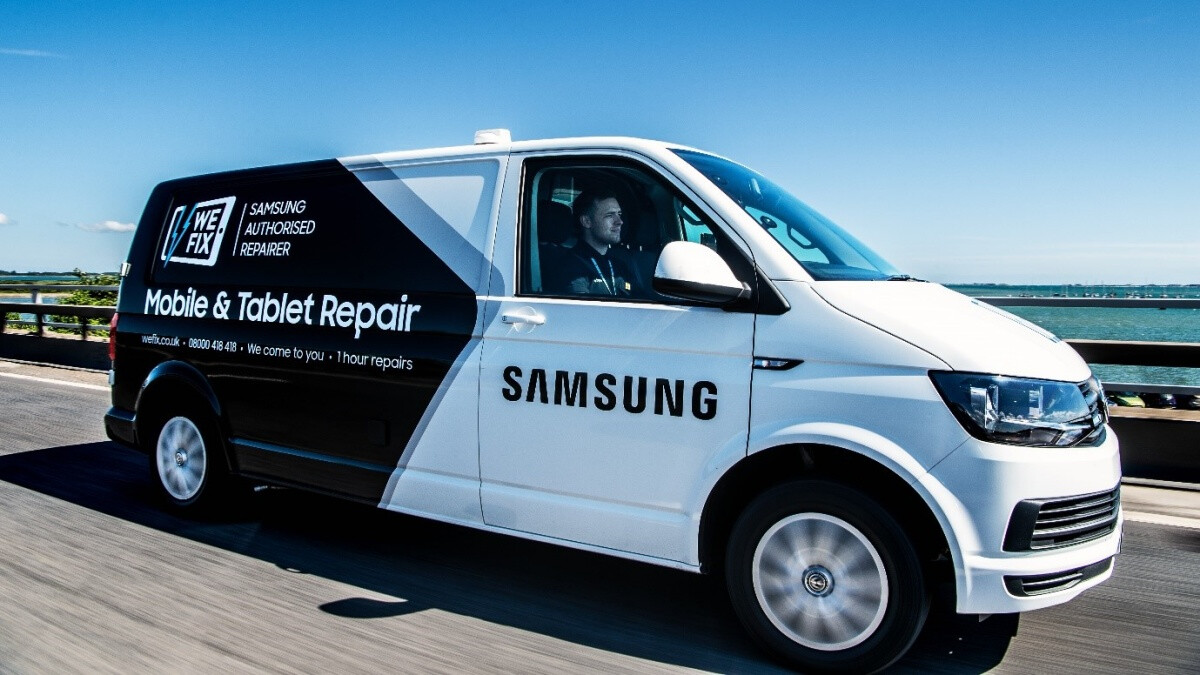
    Worldwide, most people have an Android phone in their hands. According to Statcounter, Android has a 71.3% global share of the smartphone pie this month compared to 71.1% for the same month a year ago. And while more than one billion Android phones were shipped last year, there are a total of 2.8 billion active Android users. Based on a report from SportsLens.com, 7.4% of those handsets are Samsung Galaxy models.
    It probably doesn’t come as a surprise that the Galaxy brand is the world’s most popular line of Android phones. After all, Samsung ships the largest number of smartphones each and every year. Samsung’s Android market dominance was probably one reason why LG dropped out of the business. What about HTC? Let’s say that its problems were from choices that the company made itself along with Samsung’s popularity.
    AppBrain data shows Samsung is responsible for a 34.6% market share of the global Android market this month. Behind the South Korean manufacturer is Xiaomi with a respectable 14.3% followed by Oppo’s 10.3% share. Vivo (9.8%) and Huawei (6.7%) round out the top five. As recently as 2019, Huawei was the second largest smartphone company in the world with a 17.6% share of the global market trailing only Samsung’s 21.8%.

    But in both 2019 and 2020, the U.S. made life difficult for the company by blocking it from obtaining supplies from its U.S. supply chain and preventing the company from obtaining chips produced by foundries using American technology. The company ended up selling off its Honor sub-unit, developing its own HarmonyOS to replace the Google Mobile Services version of Android, and is using Snapdragon 8+ Gen 1 chips designed to work with 4G LTE only.

    So what is the most popular Android device worldwide for the first half of the current month? That would be the mid-range Samsung Galaxy A12 with a 2.1% slice of the Android pie so far this month. The Samsung A21s follow that model with a 1% share, and the Galaxy A10s also with a 1% share. These phones all are part of the mid-range Galaxy A line which includes large screens, viable cameras, and large batteries.
    For example, the Galaxy A12 features a 6.5-inch LCD display with an HD+ resolution of 720 x 1600. It is powered by the 12nm MediaTek Helio P35 and includes 4GB of memory with 64GB of storage (48.2GB available to the user). There is a 1TB capacity microSD slot for additional storage and on the back is a quad-camera setup consisting of a primary 48MP snapper (f/2.0), a 5MP ultra-wide camera, a 2MP Macro camera for close-ups, and a 2MP depth sensor. There is an 8MP front-facing camera for selfies and video chats.
    And it is not surprising, considering it’s a Galaxy A device, that the Galaxy A12 sports a 5000mAh battery that charges up to 15W. Considering that the display is HD+, the battery life on this device should be tremendous.
    Samsung is the leader when it comes to the foldable phone market. Last year, the Galaxy Z Flip 3 was the most popular handset in this category. Earlier this year, the company released the Galaxy Z Fold 4 (which opens to reveal a 7.6-inch tablet-sized display), and the Galaxy Z Flip 4 (a clamshell that flips open to produce a 6.7-inch display).
    It should be noted that while worldwide Android’s market share is about 71%, in countries such as Brazil, India, Indonesia, Turkey, and Vietnam, Android enjoys 85% of the market. As for iOS, its global market share is around 28% leaving it flat on an annual basis. But the longer-term trend seems to favor Apple. Over the last five years, Android’s share of the global market slipped by 1.8 percentage points while iOS has seen an improvement of 8 percentage points over the same time span.


  • UK carrier Vodafone launches new refurbished phone range

    UK carrier Vodafone launches new refurbished phone range

    As many of us know, premium smartphones are powerful and, at least in theory, last longer. But one huge downside is that they also come with a premium price tag, which not everyone can afford. So, if you want an expensive phone but don’t want to spend a lot of money on a handset, and you live in the UK, you can now buy a phone from Vodafone’s latest refurbished range, which the carrier just recently launched. As the mobile operator stated in its announcement, its new offerings can help “price-conscious customers get the phone they want for less.”

    For example, clients can get a refurbished iPhone SE (2022) 64GB for £261 on a 36-month payment contract. The regular price of the phone is £451, so by buying a refurbished model, you are saving £190.

    As for the other phones that Vodafone is currently offering, you can buy a refurbished model of the iPhone 13, the iPhone 12, the iPhone XR, the iPhone 11, the Samsung Galaxy S21, and the Samsung Galaxy S20 FE. Furthermore, the carrier is offering a two-year warranty on every Pay Monthly refurbished phone. According to the announcement, Vodafone is the only major UK mobile operator to offer such a warranty.

    If you hesitate whether to buy a renewed phone or not, Vodafone assures that its refurbished handsets are in “Great” or “Pristine” condition. Also, every phone has passed a visual and diagnostic check, which ensures that all devices work without issue. Vodafone also stated that these phones have been deep cleaned and securely data wiped, and if there is any problem, you can take advantage of Vodafone’s 14-day no-quibble money-back guarantee.

    However, if you want to get a brand new phone with a great discount, you should check out our best Vodafone phone deals. Or, if you are rolling with another carrier, you can visit our top Virgin Media phone deals, best O2 phone deals, three phone deals, and EE phone deals.

  • Gasoline prices drop after 4 consecutive hikes

    Gasoline prices drop after 4 consecutive hikes

    Vietnam’s RON95 gasoline price dropped 0.34% to VND23,780 ($0.96) per liter after rising in the last four adjustments.

    E5 RON92 price fell 0.18% to VND22,670.

    Diesel dropped 0.72% to VND24,800. The Ministry of Finance has acknowledged an updated transportation cost of importing fuel to Vietnam in the Monday adjustment for the second time this month.

    Vietnam’s refined fuel imports in the first 10 months of 2022 rose 22.8% from a year earlier to 7.13 million tonnes, but costs rose 123.8% to $7.37 billion.

  • Gold prices drop

    Gold prices drop

    Prices of gold bars branded SJC on Saturday dropped VND100,000 ($4.03) from the previous day to VND67.6 million per tael.

    Selling prices of gold rings also decreased VND100,000 to VND54.2 million per tael.

    SJC gold prices are higher than the world average by some VND14.9 million per tael.

    Globally, gold prices were bound for a weekly dip following indications from U.S. Federal Reserve officials that more interest rate hikes were due as the bank seeks to lower inflation.

    The slight pullback in gold after the recent rally has been through a technical retracement in the gold market, according to David Meger, director of metals trading at High Ridge Future.

    The pullback could continue going into next week’s December option expiration, which could cause a further consolidation in gold, Meger said, adding the market overall seems focused on interest rate expectations from the Fed.

  • New supplies quench iPhone thirst in Vietnam

    New supplies quench iPhone thirst in Vietnam

    Apple has shipped more iPhone 14 Pro and iPhone 14 Pro Max phones to Vietnam, easing a supply shortage that has lasted a month or so. Local distributors said they received iPhone 14 shipments in the middle of the week, the latest model many Vietnamese consumers were waiting for.

    Phung Phuong, representative of Mobile Vietnam said the latest shipment was enough to deliver to customers who had pre-ordered the phone, more than a month after its release.

    The next batch of the iPhone 14 models is expected to be delivered to Vietnam early January 2023, the peak shopping season because of the Tet (Lunar New Year) holiday.

    Nguyen The Kha, Director of Mobile Telecommunications Division of FPT Shop system, said it would be difficult to predict the price of new shipments amidst constant fluctuations in foreign exchange rates and the supply chain.

    Retail prices of iPhone 14 Pro and Pro Max are in the VND28.9-32.5 million ($1,165-1,310) range. Retailers said sales of the two models account for 90% of total iPhone 14 sales.

    On November 7, Apple had announced on its website that though there was strong demand for iPhone 14 Pro and iPhone 14 Pro Max models, their shipments would be lower than anticipated. It said customers would experience longer wait times to receive their new products.

    According to the U.S. tech giant, Covid-19 restrictions had temporarily impacted its primary phone assembly facility in the Chinese city of Zhengzhou, causing the supply shortage.

  • Google notes changes coming to Google Maps including AR-based “Search with Live View”

    Google notes changes coming to Google Maps including AR-based “Search with Live View”

    On Thursday, Google revealed in a blog post that some changes are coming to Google Maps. One new feature, “Search with Live View,” was unveiled in September and will start rolling out next week on both iOS and Android platforms in London, Los Angeles, New York, Paris, San Francisco, and Tokyo. The feature, which uses augmented reality, requires that you use your phone’s camera. Here’s how it works.

    Remember Live View on Google Maps? If you’re walking, the app will overlay arrows on top of a real-world view from your camera to help you navigate from one place to another. Live View will also show you certain landmarks. Search with Live View helps you find places that are close to your current location in certain cities.

    For example, let’s imagine that you are in New York City and you want to run some errands, do some holiday shopping, and, dine with friends. Thanks to AI, AR, and billions of Street View images, you can find the places you need that are mostly right in front of you. From the Google Maps app, lift your phone and tap on the camera icon in the search bar to see stores that are nearby along with coffee shops, banks, and ATMs.
    The user will see arrows and directions in front of a real-world view thanks to AR. And with all of those aforementioned Street View images available, even stores that are around the corner and not accessible to your phone’s camera can show up. And besides showing you the name of each store, bank, or restaurant, Search with Live View will provide you with other important information such as whether a store is open or closed, how busy it might be, whether its prices are cheap or dear, and how high or low the Google Maps community considers the business.
    The filter can also be used to show charging stations that use plug types compatible with your car. These new features are available right now on iOS and Android devices in countries
    that have EV charging stations.
    Lastly, Google reminds us that it has been two years since it started showing wheelchair accessible places in Australia, Japan, the U.K., and U.S. This feature will let you know when a destination is wheelchair accessible. The good news here is that the feature is now available globally on Google Maps regardless of whether you use the iOS or Android platform. To use it, turn on the “Accessible Places” setting in Google Maps. Here’s what you do:
    Open Google Maps and tap the initials, or profile pix on the right side of the search bar near the top of the display. Tap on Settings > Accessibility settings. Toggle on Accessible places which will “Show if places have wheelchair accessible features like entrances, seating, restrooms, and parking when searching or viewing a place.” Google does warn that accessibility information seen on this feature may differ from conditions in the real world.
  • Lyft, Motional To Launch Robotaxi Service In Los Angeles

    Lyft, Motional To Launch Robotaxi Service In Los Angeles

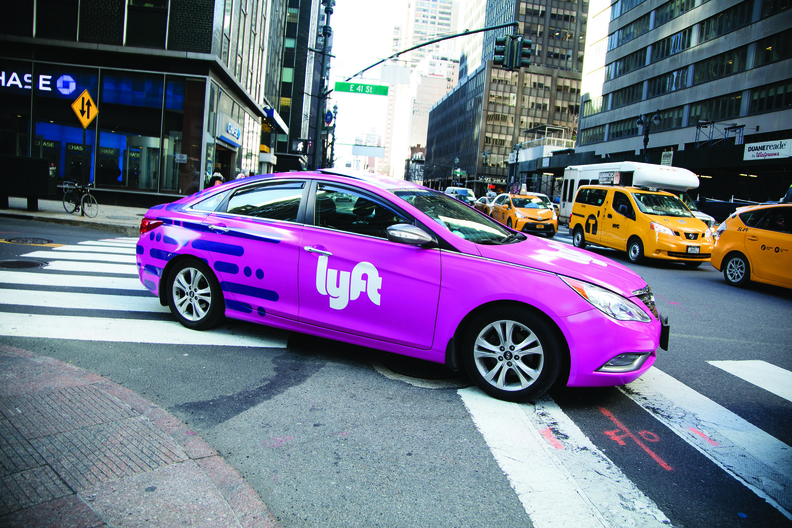
    Lyft and driverless technology firm Motional said on Thursday that residents in Los Angeles will be able to book robotaxis on the ride-hailing company’s app, but did not specify by when the service will be available.

    Tough regulatory scrutiny and delayed commercial adoption of autonomous vehicle technology have delayed deployment of robotaxi services, worrying investors.

    Los Angeles will become the second city where the companies will offer the driverless taxi service after Las Vegas.

    Motional which uses Hyundai Motor Co’s IONIQ5 electric car for the robotaxi service is a joint venture between the South Korean manufacturer and automotive technology company Aptiv.

    The autonomous vehicle technology company also has a 10-year agreement with Uber Technologies Inc for supplying driverless vehicles.

    Competitor Waymo started its autonomous ride-hailing service in Phoenix, Arizona last week.

  • Tim Hortons teams up with Alibaba to woo Chinese coffee drinkers

    Tim Hortons teams up with Alibaba to woo Chinese coffee drinkers

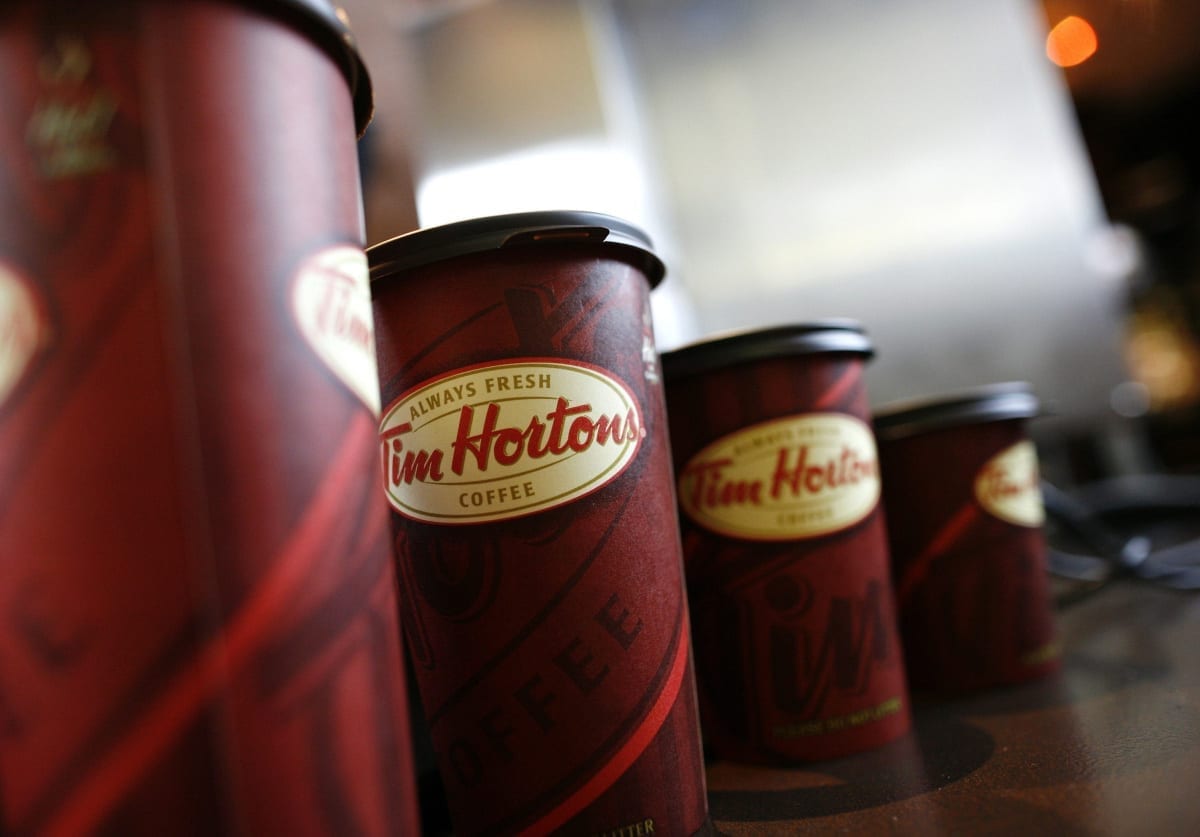
    The operator of Canadian coffee chain Tim Hortons in China said on Thursday it had forged a two-year partnership with Alibaba Group’s grocery chain that will see the two launch co-branded products.

     Freshippo will begin sales next month at its stores, of which it has more than 300, as well as through its official app, it said in a statement. Products will include drinks such as Velvet Cocoa Coffee.

    Tims China, whose backers include Tencent Holdings, opened its 500th outlet in China last month and has set its sights on having a “profitable network” of 2,750 stores in the country by 2026.

    Even so it would still lag Starbucks, the dominant foreign coffee brand in China with 6,000 stores and which also has a wide-ranging partnership with Alibaba.

    Tims China was founded in 2019 by Cartesian Capital Group and Canada’s Restaurant Brands International, which also owns the Burger King and Popeyes brands in addition to Tim Hortons.

  • Indonesia’s GoTo to cut 1300 jobs to step up cost cutting

    Indonesia’s GoTo to cut 1300 jobs to step up cost cutting

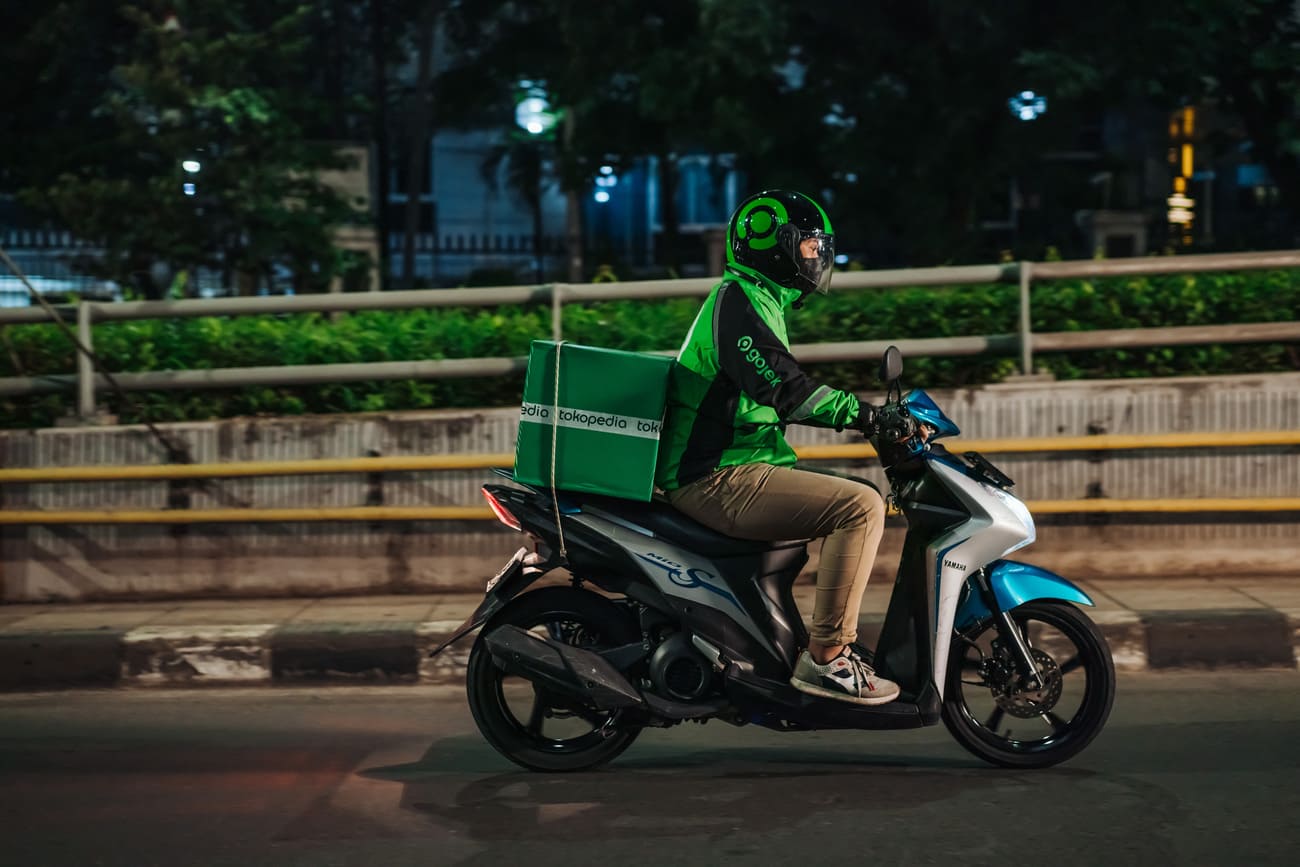
    Indonesia’s biggest tech firm PT GoTo Gojek Tokopedia Tbk said on Friday (Nov 18) it was laying off 1,300 workers, or 12 percent of its workforce, joining a wave of technology firms retrenching after years of rapid hiring due to an uncertain economic outlook.

    “Challenging global macroeconomic conditions are having a significant impact on businesses around the world and GoTo, like other prudent companies, is making adjustments to ensure it can navigate the uncertain road that lies ahead,” it said in a statement.

    GoTo said it has achieved around 800 billion rupiah (US$51 million) in cost savings in the first half of this year through efficiency measures in technology, marketing and outsourcing.

    “However, the company has determined that further measures must be taken to ensure it is equipped to navigate the challenges ahead,” it said about the job cuts.

    Affected employees will receive at least one additional month’s salary on top of what is statutory and full notice in-lieu, GoTo said in a press release.

    They will also get to keep their laptops, access online training resources, and can be added to the GoTo alumni directory through which employees will be recommended to the GoTo business network.

    Psychological, financial and career counseling will be provided to those needing it until May 2023.

    GoTo, which offers ride-hailing and financial services, went public in April with a US$1.1 billion stock sale.

    Its shares are trading 44 percent below its initial public offering price, as investor sentiment on the tech sector sours amid soaring inflation and interest rates.

    The company, backed by SoftBank Group, Alibaba Group, and Singapore sovereign wealth fund GIC, is exploring a coordinated secondary offering of shares held by pre-IPO shareholders after a lock-up period ends on Nov 30.

    It reported in August that its half-year net loss more than doubled to nearly US$1 billion.

    In recent months, Southeast Asia’s largest-e-commerce firm Shopee cut jobs in various countries and shut some overseas operations as parent Sea struggled with losses.

  • Alibaba quarterly revenue misses expectations as spending slows

    Alibaba quarterly revenue misses expectations as spending slows

    Chinese e-commerce giant Alibaba Group Holding Ltd 9988.HK posted a smaller-than-expected rise in quarterly revenue on Thursday as COVID-19 curbs and a worsening economic outlook stifled consumer spending.

    Retail spending in China has sagged this year with consumers frustrated by the government’s strict zero-COVID policies that have led to frequent snap lockdowns and hurt economic activity.

    Alibaba has also had to contend with stiff competition from the likes of Pinduoduo PDD.O and ByteDance’s Douyin – the Chinese version of Tiktok – which have expanded their e-commerce offerings and taken more market share.

    The company has also yet to fully recover from a regulatory crackdown on the tech sector that has curtailed growth opportunities.

    Revenue grew 3% to 207.18 billion yuan ($28.96 billion) in the three months ended Sept. 30, compared with a Refinitiv consensus estimate of 208.62 billion yuan drawn from 25 analysts.

    Alibaba, which runs China’s largest online marketplaces Tmall and Taobao and owns a wide range of businesses from logistics to cloud services, reported net loss attributable to shareholders of 20.56 billion yuan in the quarter.

    Excluding one-off items, Alibaba earned 12.92 yuan per American Depository Share.

  • Bitcoin Suisse Partners With Lukka

    Bitcoin Suisse Partners With Lukka

    Swiss crypto Bitcoin Suisse is partnering with US crypto software and data specialist Lukka to support its middle and back office operations and further improve its systems. Lukka’s data and software are designed specifically for crypto and blockchain data, providing Bitcoin Suisse and its institutional client’s wide-ranging asset coverage and flexible reporting, according to a media release Thursday.

    Bitcoin Suisse is focusing on institutional grading for its professional private and institutional clients to be at the forefront of the growing demand in this client segment, said CEO Dirk Klee. He added, this marks the beginning of an integrated technology partnership that strengthens institutional- crypto asset support in Switzerland’s Crypto Valley.