Blog

  • Gold giant SJC sees sales slump to seven-year low

    Gold giant SJC sees sales slump to seven-year low

    The State-owned Saigon Jewelry Company has reported revenues of VND17.7 trillion ($770.3) in 2021, down 25 percent year-on-year to its lowest since 2014.

    It has attributed the decrease to Covid-19 restrictions and lockdowns last year, which brought sales from VND13 trillion in the first half down to just VND4.7 trillion in the third and fourth quarter, well below its target of VND23.5 trillion.

    The company posted pre-tax profits of VND56 billion last year, down 42.6 percent, and return on equity of 2.8 percent, short of the targeted 5 percent.

    At the end of 2021, the value of its total assets was VND1.7 trillion, 70 percent of it in inventory.

    Established in 1988, SJC is a wholly state-owned enterprise based in Ho Chi Minh City. It has been the sole producer of gold bullion in the country since 2012, and has around 90 percent of the bullion market.

  • Volta Trucks Unveils Two Smaller Truck Models For Urban Markets

    Volta Trucks Unveils Two Smaller Truck Models For Urban Markets

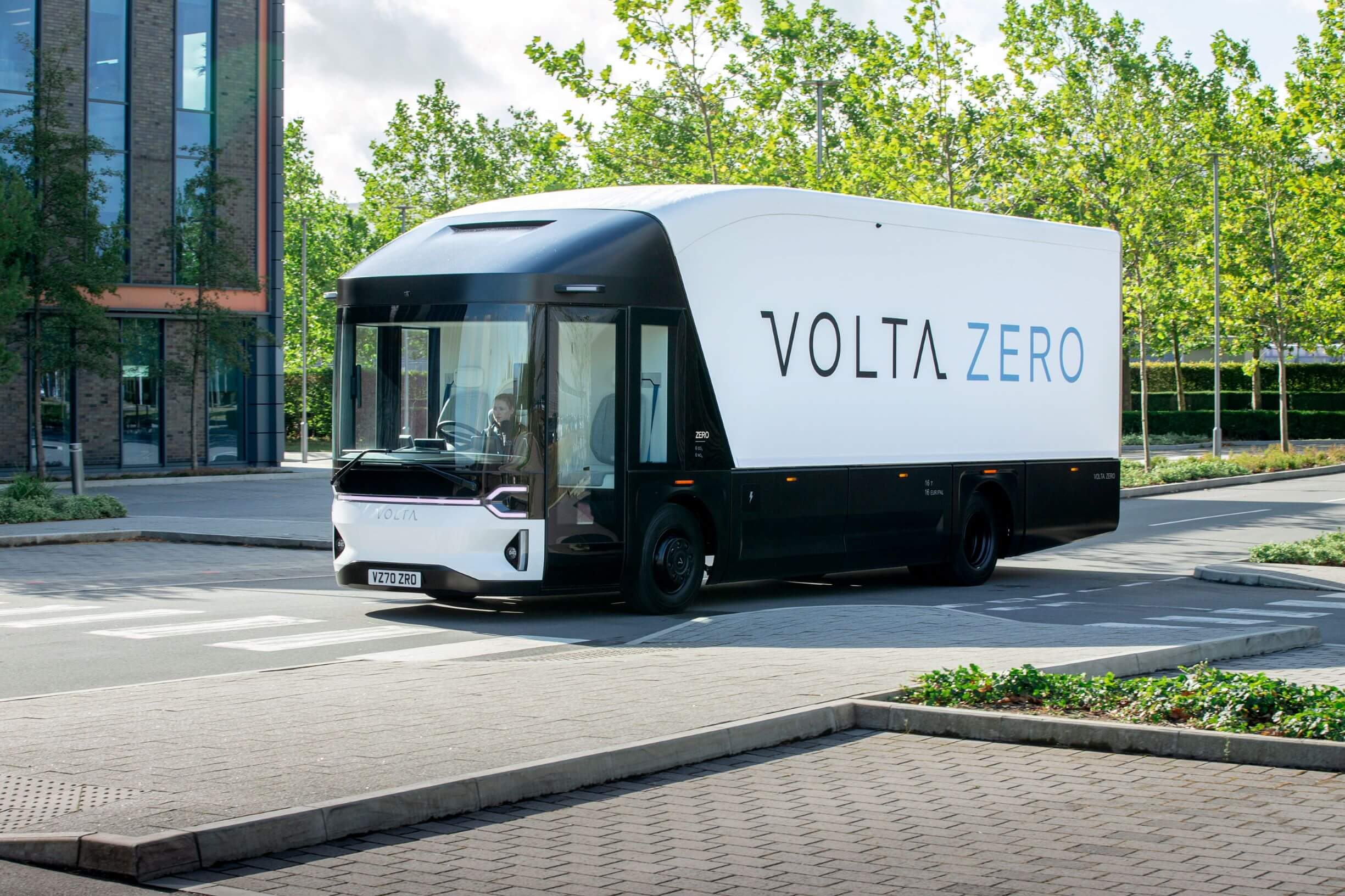
    Commercial electric vehicle (EV) startup Volta Trucks on Tuesday unveiled two smaller zero-emission truck models that will start production in 2025, opening more options for urban deliveries and in EU markets with restrictions for Sunday operations. Stockholm-based Volta Trucks, which also operates in the UK, said it would launch a fleet of test vehicles of its 7.5 tonne and 12 tonne trucks for customers in 2024. The new models will join the startup’s Volta Zero, a 16-tonne fully-electric truck, which is due to start series production later this year, and an 18 tonne model that should go into production in 2023.

    In February, Volta Trucks said it had raised 230 million euros ($247 million) to fund the launch of series production of the Volta Zero in late 2022.

    Some European Union countries have bans on trucks over 7.5 tonnes operating on Sundays or holidays, and cities such as Amsterdam do not allow trucks over that weight to protect old streets and bridges.

    Volta Trucks said it had raised 230 million euros ($247 million) to fund the launch of series production of the Volta Zero in late 2022.

    While some European cities also plan restrictions on diesel commercial vehicles – Paris will ban them in 2024 – and a number of manufacturers are testing prototypes, there are virtually no electric trucks in these weight segments available today. Volta Trucks’ 7.5 tonne and 12 tonne models will be among the first to market.

    “Our customers tell us that they really appreciate the safety and zero-emission attributes of the 16-tonne Volta Zero, but also need smaller 7.5- and 12-tonne vehicles in their operations,” Volta Trucks’ Chief Executive Essa Al-Saleh said in a statement.

    The startup currently has orders for around 6,000 electric trucks, including 1,500 ordered by Deutsche Bahn’s logistics unit Schenker.

    Volta Trucks plans to make 5,000 trucks in 2023 and its annual production should rise to 27,000 by 2025.

  • Amazon tipoff leads to Chinese seizure of counterfeit luxury belts

    Amazon tipoff leads to Chinese seizure of counterfeit luxury belts

    Chinese authorities have seized hundreds of counterfeit belts bearing the Salvatore Ferragamo brand with the aid of Amazon’s Counterfeit Crimes Unit (CCU).

    The belt is one of Ferragamo’s most known accessories – its link-shaped buckle is used by the brand as a logo for many other products – and it sells for more than US$320.

    The investigation was part of a worldwide probe by Amazon and Ferragamo in identifying bad actors who are trying to sell fake products. Amazon bans the sale of fake goods on its platform globally and in 2020 invested more than $700 million to reduce the incidence of it happening.

    The two companies reported the fake vendor to the Market Supervision and Administration (MSA) authority in Yiwu City, located in China’s Zhejiang Province.

    MSA and CCU said they subsequently seized hundreds of counterfeit belts and buckle accessories which may have been sold throughout retail channels around the world.

    Both companies say they will continue to focus on law enforcement and preventing counterfeit products from entering the global supply chain.

    “This should serve as a reminder that bad actors will be held accountable, as Amazon collaborates with both brands and law enforcement agencies around the world to stop inauthentic products from being sold across the retail industry,” said Kebharu Smith, head of Amazon’s CCU.

    Salvatore Ferragamo last year ran a series of offline and online anti-counterfeiting measures to protect its customers and its brand, removing more than 22,000 products and profiles on social media platforms and over 130,000 product listings on online shops.

    In February last year Amazon and Ferragamo jointly filed two lawsuits in the US against manufacturers who had allegedly used Ferragamo’s registered trademarks to deceive customers over the authenticity of the products.

    The Organization for Economic Cooperation and Development has estimated the global trade in counterfeit products was worth as much as $464 billion in 2019 and said a boom in e-commerce in 2020-21 led to massive growth in the supply of counterfeit goods online.

  • AirAsia Resumes Flights Between Kuala Lumpur and Siem Reap, Cambodia

    AirAsia Resumes Flights Between Kuala Lumpur and Siem Reap, Cambodia

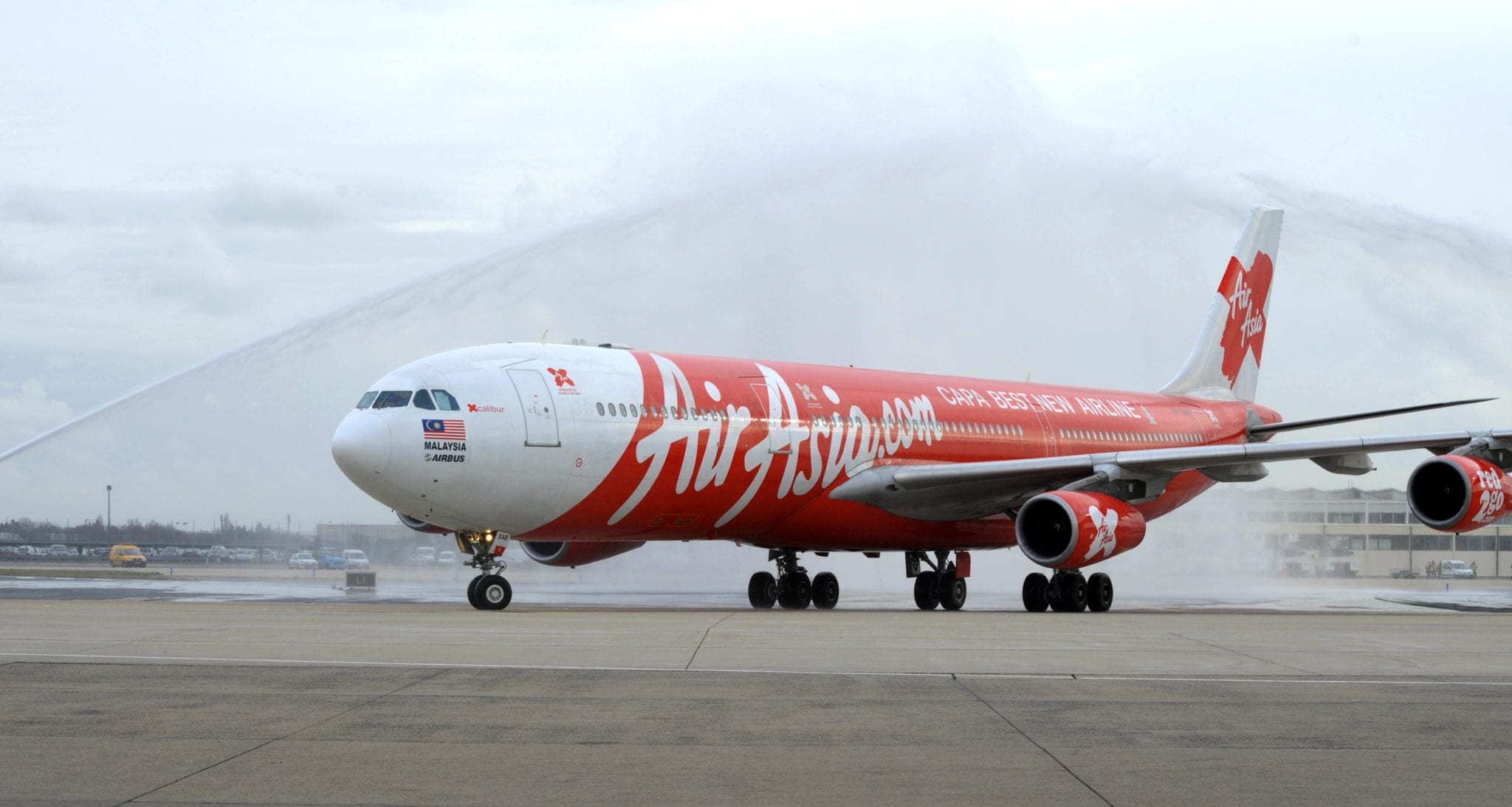
    AirAsia has resumed flights between Kuala Lumpur and Siem Reap, Cambodia. The airline will operate the route with two flights per week on Mondays and Fridays. Flight AK540 is scheduled to depart from Kuala Lumpur International Airport 2 (klia2) at 13:05, arriving in Siem Reap at 14.20. The return flight, AK541, is timed to leave Siem Reap at 14:55, arriving back in Kuala Lumpur at 18:10.

    Cambodia was one of the first countries in the region to relax its entry requirements for foreign travel, reopening the Kingdom to fully vaccinated international travellers without the need for quarantine or COVID19 testing at all international gateways and checkpoints in November 2021.

    HE Thong Khon, Minister of Tourism, Cambodia, said, “Cambodia is now truly open for all vaccinated tourists and we welcome AirAsia guests back to our great country with open arms. Tourism is a significant driver of our economy and social development, we thank AirAsia for their continued support to stimulate and grow air travel to our key leisure destinations. Cambodia, the Kingdom of Wonder, invites travellers from all walks of life to feel its warmth, safely and hygienically.”

    The Siem Reap flights follow AirAsia’s resumption of flights between Kuala Lumpur and Phnom Penh, the Kingdom’s capital city, in January.

    “Prior to COVID19, Siem Reap was one of the most popular destinations in ASEAN as a key tourist hub for globetrotters from all over the world,” said Riad Asmat, CEO AirAsia Malaysia. “AirAsia started the route in 2018 and flew close to 170,000 passengers in 2019. We are confident that these new services will continue to be very popular in the future. In response to strong demand, we are also planning more flights and destinations in Cambodia with services to Sihanoukville scheduled to take flight on 2 June. AirAsia welcomes the initiatives taken by the Cambodian government to ease travel restrictions to allow more seamless travel to Cambodia. We look forward to flying more leisure seekers from near and far to the country soon.”

    For entry into Malaysia, all international tourists and travellers are required to take a pre-departure COVID19 test within 2 days of departure and purchase COVID19 travel insurance (for short-term foreign visitors). Unvaccinated or partially vaccinated travellers are required to spend 5 days in quarantine.

    For entry into Cambodia, there are no pre-departure, post-arrival COVID19 tests or quarantine requirements for fully vaccinated travellers. Travellers are only required to show proof of being fully vaccinated. Fully vaccinated travellers from Malaysia who wish to travel to Cambodia must meet the requirements set by the Cambodian Government prior to purchasing their flights and upon arrival.

  • Facebook-owner Meta to open first physical store in metaverse bet

    Facebook-owner Meta to open first physical store in metaverse bet

    Meta Platforms is set to open its first physical store where shoppers can try out and buy virtual reality headsets and other gadgets as the company plots a course to take its highly touted metaverse mainstream.

    The 1550sqft Meta Store at the company’s Burlingame campus in California opens on May 9, and will feature demos for its Quest 2 VR headset and video calling device Portal as well as Ray-Ban’s augmented reality (AR) glasses, Meta said on Monday.

    The devices, except for the Ray-Ban glasses, will be available for purchase at the store. The products can also be bought online through a new shopping tab on meta.com, the company said.

    Meta is investing heavily in metaverse – a virtual space where people interact, work and play – by adding new features to hardware devices that serve as access points to the virtual world.

    Earlier this month, the Facebook owner said it would start testing tools for selling digital assets and experiences within its virtual reality platform Horizon Worlds, a VR platform Meta launched late last year.

    Meta also said it would charge creators of digital experiences and assets a 47.5 per cent fee, a move that has attracted criticism from some app developers.

    Shoppers tracking the space are awaiting the next version of the Quest 2 VR headset, likely to be released in the second quarter and widely seen by analysts as critical to the company’s metaverse plans.

  • Twitter agrees to go private; Musk to buy the company for $44 billion

    Twitter agrees to go private; Musk to buy the company for $44 billion

    Twitter today agreed to  q be bought out by Elon Musk for $44 billion or $54.20 a share in cash. Musk, in a statement, reiterated his support for free speech and mentioned some of the changes that he wants to bring to the site. “Free speech is the bedrock of a functioning democracy, and Twitter is the digital town square where matters vital to the future of humanity are debated.”
    “I also want to make Twitter better than ever by enhancing the product with new features, making the algorithms open source to increase trust, defeating the spam bots, and authenticating all humans. Twitter has tremendous potential — I look forward to working with the company and the community of users to unlock it,” the multi-billionaire said.
    The richest man in the world with a net worth estimated at approximately $270 billion, Musk had bid $43 billion to buy Twitter and the company decided to fight by having the board issue a poison pill that would have gone into effect once someone purchased 15% of Twitter. Seeking to dilute Musk’s holdings, the poison pill would have allowed the company to sell shares to stockholders at a discount price. Musk owned 9.2% of Twitter’s shares when he first publicly announced his bid.
    Bret Taylor, Twitter’s Independent Board Chair, said, “The Twitter Board conducted a thoughtful and comprehensive process to assess Elon’s proposal with a deliberate focus on value, certainty, and financing. The proposed transaction will deliver a substantial cash premium, and we believe it is the best path forward for Twitter’s stockholders.”
    Twitter’s stock price closed on Monday at $51.70, up $2.77 or 5.66%. Each Twitter stockholder will receive $54.20 in cash as Twitter becomes a private company. Twitter CEO Parag Agarwal stated today, “Twitter has a purpose and relevance that impacts the entire world. Deeply proud of our teams and inspired by the work that has never been more important.”
    The transaction is expected to close sometime this year and stockholders will get to vote on the deal. To finance the purchase of Twitter, Musk arranged $25.5 billion in debt and margin loan financing. He is adding $21 billion in equity financing. Musk himself is one of the most popular figures on Twitter with over 83 million followers.
    Musk has the opportunity to become the new face of Twitter replacing co-founder Jack Dorsey. Dorsey stands to make a ton of money from the deal with his 18,042,428 shares of Twitter bringing him $978 million once the transaction is closed.
    Over the years Twitter has been available over several different mobile platforms including iOS, iPadOS Android, Windows Phone, BlackBerry, and Nokia S40.
    While there was no comment from The White House regarding the deal, spokesperson Jen Psaki said, “No matter who owns or runs Twitter, the president has long been concerned about the power of larger social media platforms.” Lawmakers also have questioned whether legislation is required to keep social media firms like Twitter from spreading fake news and disinformation.
    Back in 2018, when Facebook Chairman and CEO Mark Zuckerberg spent consecutive days testifying before the Senate and the House, the elected representatives in both chambers showed that their knowledge of how tech works is pretty low. For example, one lawmaker couldn’t believe that Facebook is free. So he asked Zuckerberg how his company makes money and with just a hint of an eye roll, Zuckerberg explained that Facebook sells ads.
    Speaking of ads, according to Statista, at the end of the fourth quarter of 2021 Twitter had 217 million daily active monetized viewers. That was up 13% on a year-over-year basis.
  • UBS Weathers First Quarter Headwinds

    UBS Weathers First Quarter Headwinds

    Switzerland’s largest bank UBS has weathered multiple first-quarter headwinds, turning its best first-quarter net profit in over a decade. UBS reported Tuesday a net profit of $2.1 billion in the first quarter, exceeding expectations, showing the bank was able to steer a course through several challenges in the first quarter and posted its best first-quarter results since 2007.

    The result improved on the $1.3 billion reported for the fourth quarter of last year and was better than the $1.8 billion booked during the first three months of 2021.

    Switzerland’s largest bank accomplished this in the face of the Ukraine war, inflation showing no signs of abating anytime soon, and central banks that are tightening the loose-money spigots. «Our strong results today speak to our ability to accomplish our objectives regardless of the backdrop,» said UBS CEO Ralph Hamers.

    UBS said it reduced its Russia exposure early and actively and had a direct country exposure of $400 million as of March 31 of 2022. It expects a firm-wide P&L negative impact of $100 million.

    The bank said it is not conducting any new business in Russia or with Russia-domiciled clients. However, it will continue to monitor settlement risk on certain transactions with Russian bank and non-bank counter parties, which might result in unexpected increases in exposures.

    Pre-tax profit was $2.7 billion, improving by one billion dollars from the fourth quarter result of $1.7 and bettering the comparative year-ago quarter of $2.3 billion.

    Earnings per share were $0.61 in the first quarter, up from $0.38 in the fourth quarter of last year and higher than the $0.49 reported during the first quarter of 2021, the results showed.

    Global wealth management (GWM) booked a pre-tax profit of $1.3 billion, with the unit reporting net new fee-generating assets of $19 billion in the first quarter compared to 36.2 billion in the same year-ago quarter. Total fee-generating assets were $3.1 trillion As of the first quarter of last year, the GWM unit no longer reports net new money every quarter, and will only disclose the figure in its annual report.

    Earlier this month, finews.com reported that 2021 was a bumper year for Swiss banks attracting new money inflows. But this year, wealth and asset managers are facing geopolitical and economic uncertainty resulting from the ongoing war in Ukraine and inflation showing no sign of abating anytime soon. Add to the mix central banks that are starting to close the taps of easy money flowing into financial markets.

    The investment bank’s division’s 126 percent pre-tax profit growth from the comparative quarter was mainly attributable to Archegos-related losses in the same quarter last year. Excluding that loss, revenues increased by 4 percent, or just over $100 million, primarily from increased revenues in equity derivatives, rates, and foreign exchange.

    While the path of economic growth has become much more uncertain, UBS expects growth in economic activity to continue, but increased uncertainty could continue to affect client activity levels and asset prices. However, even as central banks are tightening policy to arrest rising inflation, the banks said that rising interest rates, notably the US dollar, are expected to lead to higher net interest income.

  • Cebu Pacific to resume flights to Bali, Hanoi, Sydney

    Cebu Pacific to resume flights to Bali, Hanoi, Sydney

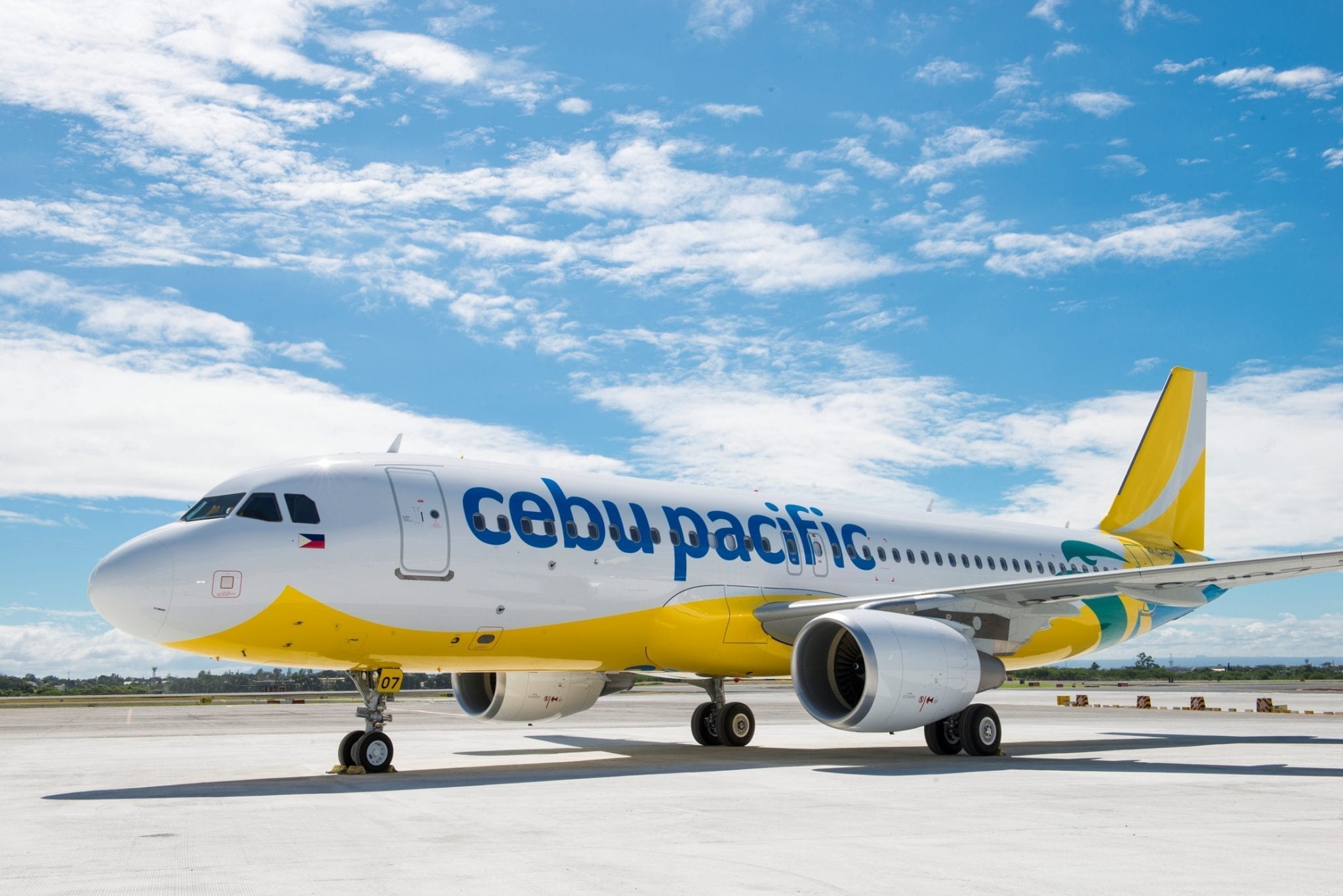
    Budget carrier Cebu Pacific recently announced that it is resuming to key international destinations in a bid to boost its frequencies in overseas routes.

    As more countries ease travel restrictions, the airline said it is resuming flights to Bali, Indonesia; Hanoi, Vietnam and Sydney, Australia to bring the number of its international destinations to 16 by the end of June.

    The carrier said it plans to operate weekly flights on the Manila-Hanoi-Manila and Manila-Bali-Manila routes next month.

    In June, it intends to operate thrice weekly flights to and from Sydney.

    From January to April, Cebu Pacific restarted flights to six international routes namely Bangkok, Thailand; Fukuoka, Japan; Jakarta, Indonesia; Dubai, United Arab Emirates; Hong Kong and Ho Chi Minh also in Vietnam.

    It is also currently operating flights to Kuala Lumpur, Malaysia; Singapore; Seoul (Incheon), Korea; Nagoya and Tokyo (Narita), Osaka, Japan and Guangzhou, China.

    Below appears the flight frequencies of the overseas routes:

    Route Frequency
    Manila – Bangkok – Manila Every Tue / Thu / Sat
    Manila – Dubai – Manila Daily
    Manila – Fukuoka – Manila Every Tue
    Manila – Guangzhou – Manila Every Tue
    Manila – Ho Chi Minh Every Tue
    Ho Chi Minh – Manila Every Wed
    Manila – Hong Kong – Manila Daily
    Manila – Jakarta Every Fri
    Jakarta – Manila Every Sat
    Manila – Kuala Lumpur Every Mon
    Kuala Lumpur – Manila Every Tue
    Manila – Nagoya – Manila Every Tue / Thu / Sat / Sun
    Manila – Osaka – Manila Every Mon / Fri
    Manila – Seoul (Incheon) – Manila Every Thu / Sat
    Manila – Singapore – Manila Daily
    Manila – Tokyo (Narita) – Manila Every Mon / Wed / Fri / Sun
    Manila – Bali – Manila Every Mon / Fri (starting May 2)
    Manila – Hanoi – Manila Every Mon / Fri (starting May 2)
    Manila – Sydney Every Mon / Wed / Fri (starting June 1)
    Sydney – Manila Every Tue / Thu / Sat (starting June 2)

    Early this month, the country started accepting fully vaccinated foreign leisure travelers with the most relaxed entry protocols, including quarantine-free entry. The country also allowed visitors to freely travel to reopened destinations around the country.

    Cebu Pacific’s chief commercial officer Xander Lao said the airline supports the Department of Tourism’s initiatives to restore tourism.

    They invited Filipino and foreign tourists to visit the country.

    “We invite Filipinos and foreign visitors to plan their travels to the Philippines and explore its beauty, or simply visit family and friends. We look forward to welcoming everyone onboard,” Lao said in a press conference at the World Travel and Tourism Council Global Summit in Pasay City last Thursday.

    The carrier is offering flights to 34 domestic destinations which tourists may also visit. It resumed more direct local flights from major hubs Cebu and Davao, as it restored 100% of its pre-pandemic domestic capacity this month.

    “We are happy to keep enabling everyJuan to safely fly across our largest Philippine network. We are hopeful we can continue contributing to the economic and tourism agenda in and out of the Philippines,” Lao said.

    The budget carrier said it would continue to offer low fares to help the COVID-19 pandemic-hit travel and tourism industry recover while maintaining the implementation of health and safety protocols.

    The airline said it employs 100% fully vaccinated crew with 90% of them already boosted.

    Meanwhile, Lao also congratulated the DOT for hosting the 21st edition of the WTTC Global Summit. It was staged at the Marriott Hotel in Pasay City from April 20 to 22, 2022.

    WTTC also commended the country for hosting the tourism event that signified the recovery of international travel.

  • The Russian Bank That Escaped Sanctions So Far

    The Russian Bank That Escaped Sanctions So Far

    Tinkoff Bank has so far avoided being sanctioned as its founder and Putin critic Oleg Tinkov stayed in an orbit neither too close nor far from the Kremlin.

    The Russian bank Tinkoff has avoided being directly caught in sanctions that hit rival banks such as Sberbank and Gazprombank related to Russia’s invasion of Ukraine.

    Founded by Oleg Tinkov 16 years ago, Tinkoff Bank is one of Russia’s largest banks that is not state-run and, in addition to avoiding sanctions, has remained on the all-important Swift global messaging system.

    As a result, the bank has benefitted as people flocked to open accounts at the bank, while others transferred funds from Sberbank and VTB, which together account for nearly half of the banking market.

    Tinkov bristles at being labeled an oligarch, and the son of a coal miner and seamstress prefers being viewed as a self-made businessman who didn’t need a cozy relationship to win big contracts. He is also an outspoken critic of the War in Ukraine.

    In a series of posts on Instagram, he said I don’t see ANY beneficiary of the crazy war! Innocent people and soldiers are dying» he said in one. In another, he wrote How will the army be good, if everything else in the country is shit and mired in nepotism and servility?. That is a pretty clear indication he is attempting to distance himself from Russian President Vladimir Putin.

    While the bank he founded has managed to escape sanctions, Tinkov himself has not. Last month he was put on the sanctions list in the U.K., which means having had his assets frozen, barred from doing business with companies and citizens there, and is prohibited from entering the country.

    The bank, however, said this would not affect it since he no longer holds a majority or controlling interest, having reduced his stake to 35 percent. Moreover, the bank said he no longer works there and is now being run by Oliver Hughes and Pavel Fedorov.

    Tinkov has also tangled with western governments, notably the U.S. where he was accused of under-reporting assets to the Internal Revenue Service (IRS) to the tune of $1 billion after Tinkoff Bank went public.

    Just before the IPO, Tinkov renounced his U.S. citizenship, which is something the IRS views as a big no-no. For people giving up their citizenship having a net worth over of $2 million, an exit tax based on all assets including homes, deferred compensation, and pensions at the time of expatriation is likely to be applied. The case was later settled for just over $500 million, allowing him to avoid extradition to the U.S.

  • Japanese brands top auto imports in Vietnam

    Japanese brands top auto imports in Vietnam

    Japanese brands, including Toyota and Mitsubishi, were the biggest sellers among imported cars in Q1. Toyota sold 11,661 completely built units, while Mitsubishi imported 7,797.

    They were followed by Honda, Mazda and Suzuki. Last year, Toyota, Mitsubishi and Suzuki sold the most imported cars, with Toyota alone selling more than half of all imported cars.

    Fifteen out of 17 models Toyota sells are imported from Indonesia, Thailand and Japan. The sedan Vios and SUV Innova are assembled locally, while the SUV Fortuner is both assembled and imported.

    Mitsubishi also imports most of its models, with the popular MPV Xpander, imported from Indonesia, accounting for 53 percent of its total imports sold last year.

    The remaining models, like the pickup truck Triton and sedan Attrage, are imported from Thailand.

    Suzuki and Isuzu also import from Thailand and Indonesia.

    Nearly 7,000 Mazda cars, distributed by Truong Hai Auto Corporation, were imported from Thailand last year. This accounted for 26 percent of total Mazda sales in Vietnam.

    Honda has its two main models City and CR-V assembled locally and imports the rest.

    Ford has recently started assembling its pickup truck Ranger model in Vietnam while the other models SUV Everest and SUV Explorer are imported from Thailand and the U.S. respectively.

    Some luxury brands like Volkswagen, Audi and BWM only import completely built units.

    Kia, Hyundai and VinFast only assemble.

  • Singtel and Telkom forge deeper ties in regional data centres and fixed broadband

    Singtel and Telkom forge deeper ties in regional data centres and fixed broadband

    Singtel and its Indonesian partner Telkom, the parent company of Singtel’s regional associate Telkomsel, have signed two memoranda of understanding (MOU) which was witnessed by Indonesia’s minister of state-owned enterprises Erick Thohir and vice minister of state-owned enterprises Kartika Wirjoatmodjo. The first of the two MOUs covers collaboration in the area of data centres, which marks a significant step in advancing Singtel’s regional data centre strategy. The second MOU involves a collaboration to support Telkomsel’s transformation into Indonesia’s leading consumer fixed broadband and mobile operator through a fixed mobile convergence strategy with Telkom.

    Expansion of regional data centre footprint to Indonesia

    To capture growth opportunities arising from the unprecedented digitalisation and cloud adoption in ASEAN, Singtel has focused on establishing a data centre platform that will work with partners to build and acquire data centres in the region. ASEAN has been experiencing robust data centre growth and the Singapore and Indonesia markets are projected to more than double in size, accounting for over 60% of regional growth by 2025.

    As strategic partners for over two decades, this move into data centres expands on the close collaboration between Singtel and Telkom to build out Indonesia’s mobile communications and digital infrastructure.

    Singtel Group CEO Yuen Kuan Moon said, “As businesses rapidly digitalise, and with the growing adoption of IoT, artificial intelligence and 5G across the region, demand for high-quality data centres is on the rise. This partnership with Telkom is an important step for our data centre strategy, bringing together the prime assets, expertise and networks of two market leaders in data centre operations in Indonesia and Singapore. As the largest digital economy in ASEAN, Indonesia is a strategic data centre market which expands our platform’s footprint to cover the three fastest-growing locations in the region – Indonesia, Singapore and Thailand. The platform will support the digital transformation needs of customers wanting to deploy into Indonesia, and Indonesian businesses looking to grow beyond the country. We look forward to deepening our longstanding collaboration with Telkom to capitalise on the favourable trends and tremendous market opportunity.”

    Telkom CEO Ririek Adriansyah said, “Telkom Group is currently consolidating our data centre business to answer the challenges of digital transformation. The regional data centre platform is a continuation of this data centre consolidation strategy and demonstrates our commitment to respond to customer needs and capture opportunities that will pave the way for our company to become a data centre player on a global level. These efforts require strategic partnerships with operators who have proven capabilities and track records. With its strengths and experience, Singtel is one of the strategic partners for Telkom in developing this regional data centre business.”

    Singtel is a leading operator of data centres in Singapore and has carved out its top-tier data centres, DC West and Kim Chuan 2, into a separate Singtel-owned entity with approximately 60 MW of capacity. In addition to securing a site in Tuas for a new integrated cable landing and data centre facility which will be ready in three to four years and add 30-40 MW in capacity, Singtel will continue to explore adding further capacity.

    An experienced data centre operator, Telkom has an existing data centre portfolio of 27 data centres in Indonesia and the region. It is also building a hyperscale data centre with 75 MW capacity to serve local and foreign companies and hyperscalers. Selected data centre assets from Telkom will be placed in the data centre platform. The companies will also collaborate on development opportunities and explore bringing third-party investors or partners into the platform.

    Besides Indonesia, Singtel has set its sights on the Thai data centre market. In February, Singtel signed a joint development agreement with Gulf Energy and Singtel’s regional associate AIS to start developing data centres in Thailand, and the new joint venture will be launched soon.

    Fixed mobile convergence strategy

    Singtel and Telkom will also jointly explore a fixed mobile convergence strategy for Telkomsel which will see an integration of its mobile business with Telkom’s consumer fixed broadband business. By combining the strengths of the two companies, Telkomsel will be able to enjoy significant synergies and enhance its leading position in the market with converged solutions that will give customers the best digital experience. This strategy will strengthen customer value proposition, in turn increasing customer lifetime value and household penetration.

  • Samsung seeks to supply Apple with an important part of the latter’s M2 chip series

    Samsung seeks to supply Apple with an important part of the latter’s M2 chip series

    Apple’s initial line of M-series chips includes the M1, M1 Pro, M1 Max, and the M1 Ultra. Built by TSMC using its 5nm process node, these SoCs feature a large number of transistors starting with the M1’s 16 billion and moving ahead to the 33.7 billion on the Pro, 57 billion on the Max, and the whopping 114 billion on the Ultra (which is essentially two M1 Max chips combined.
    The M-series chips are based on Arm’s architecture and the M1 is employed inside the latest versions of the iPad Pro and iPad Air. Apple has finished the M1 series and is now moving on to the M2. One of Apple’s main rivals says that it wants a role in Apple’s M2 supply chain. Samsung, which was involved in the production of the M1 series, wants to continue peddling supplies to Apple for the M2 series.
    According to SamMobile, Samsung supplied Apple with FC-BGA (full-chip ball grid array) substrates that are used by CPUs and GPUs that have a large number of circuit connections. A substrate used in the production of chips is basically a thin copper wire placed in resin that helps transmit user instructions to chips and relay the answers. It is used because the extremely thin wiring attached to chips can’t handle being soldered directly to a circuit board.
    In other words, a substrate helps connect a chip to the motherboard of a device. As important a task as that is, it is not as high tech as other parts of a chipset are and margins are low.
    Last December, Samsung invested 1.3 trillion Korean won ($1.04 billion USD) to build an FC-BGA substrates factory in Vietnam. The company also spent another 300 billion won ($241 million USD) on its existing FC-BGA substrates facility in its home country of South Korea.
    Will Samsung get the job? Considering that there has been under-investment in the production of substrates (typical for such a low-margin business), supplies are tight and Apple has been known to tie up production for years in situations like this. And if Apple doesn’t go with Samsung, there are many chipmakers that need to find a source for advanced substrates.
  • Alibaba’s Freshippo struggles to meet demand during Shanghai lockdown

    Alibaba’s Freshippo struggles to meet demand during Shanghai lockdown

    Alibaba’s supermarket chain Freshippo says it is adding more couriers to meet high demand in Shanghai but this was not yet catching up with the rising needs of locked-down residents as the city battles a surge in Covid-19 cases.

    Shen Li, a vice president at Alibaba Group’s Freshippo, told reporters on Sunday that while the company’s delivery capacity had recovered to about 60-70 per cent of pre-outbreak levels as more couriers were allowed back on the roads, many difficulties remained.

    “The biggest challenge we are facing now is that the demand and numbers of orders from consumers has increased by about two to three times compared with pre-outbreak levels,” she said.

    China’s most important economic hub has locked down most of its 25 million residents for more than three weeks in an effort to stamp out the country’s largest outbreak since the virus first emerged in Wuhan in late 2019.

    After most supermarkets and stores were shut across the city, residents resorted to online buying to procure food and other essentials but have faced difficulties. Shanghai authorities have said they are trying to ease these bottlenecks but it remains a key public frustration.

    Many residents have described waking up as early as 5am to try and grab delivery slots from online grocers such as Freshippo, only to find them sold out in seconds. While Freshippo and other vendors have launched bulk-buying purchase schemes, some people have complained about the inability to reach the volumes needed to guarantee orders.

    Shen said Freshippo as of Sunday had 47 stores open for online deliveries in Shanghai and it also had set up six additional ad hoc warehouses for the city, due to issues with inter-province supply chains.

    About 5000 staff were working in these stores and its warehouses while a further 1000 were working online from home, she added.

  • Hugo Boss the latest lux brand to launch resale offer

    Hugo Boss the latest lux brand to launch resale offer

    Luxury fashion brand Hugo Boss has committed to a premium resale platform, which is set to launch in the third quarter of this year, encouraging customers to buy pre-owned items.

    According to the company, resale is a fast-growing market that helps reduce the fashion industry’s impact on the environment. Hugo Boss expects the initiative to extend its products’ life cycle and help limit its resource consumption.

    The online platform allows customers to return their used items to Hugo Boss in return for a credit that can be spent online on new or pre-owned items, or in-store. After a quality check, the pre-owned products will be sold on Hugo Boss Pre-Loved and ready for their second life in a new wardrobe.

    In addition, Hugo Boss will also launch a care and repair service to help customers cover the repair of their clothes and ensure the items can last longer.

    These are parts of Hugo Boss’s broader strategy unveiled on Earth Day to enhance its circular business model. The German fashion house also reports its circular products must meet three requirements: being made from renewable or recycled materials, being fully recyclable, and designed for longevity.

    “The high quality of our products allows them to have several lives, and our entry into the growing resale market is a natural step for us as a company,” said Heiko Schafer, COO of Hugo Boss.

  • Trivago fined $44.7 million for misleading travellers

    Trivago fined $44.7 million for misleading travellers

    Online travel booking company Trivago has been ordered to pay $44.7 million in penalties by the Australian Federal Court for misleading consumers over hotel prices.

    The court found that in January 2020, the company deceived consumers through misleading misrepresentations of hotel room rates on its website and in television advertisements.

    Trivago had used an algorithm to determine which travel booking site paid the highest cost-per-click fee and highlighted them on its website.

    Between December 2016 and September 2019, the company admitted to receiving $58 million in cost-per-click fees from offers that weren’t the cheapest choice available for a given hotel. This had caused consumers to overpay on hotel booking sites, losing out on almost $38 million dollars.

    Australian Competition and Consumer Commission (ACCC) chair Gina Cass-Gottlieb said this penalty sends a strong message not just to Trivago, but to other comparison websites.

    “The way Trivago displayed its recommendations when consumers were searching for a hotel room, meant consumers were misled into thinking they were getting a great hotel deal when that was not the case.

    “Trivago also misleads consumers by using strike-through prices which gave them the false impression that Trivago’s rates represented a saving when in fact they often compared a standard room with a luxury room at the same hotel,” she said.

    Accommodation Association CEO Richard Munro welcomed the decision of the Federal Court and added: “After surviving Covid and closed borders, the harsh reality is that many of our members rely on a portion of their bookings generated through these platforms, and can find themselves stuck between a rock and a hard place.”

    He further encouraged Australian travellers to book directly with local accommodation providers or through local travel agents.