Blog

  • Court Finds Mazda Australia Misled Customers On Refunds For Faulty Vehicles

    Court Finds Mazda Australia Misled Customers On Refunds For Faulty Vehicles

    An Australian federal court has found that the local unit of Japanese automaker Mazda Motor Corp misled customers over their rights, the country’s competition regulator said on Tuesday.

    The Australian Competition and Consumer Commission started court proceedings against Mazda in October 2019 in a case involving seven different Mazda vehicles and 10 customers.

    It said the court found that Mazda made 49 separate false or misleading representations to nine consumers, who sought refund or replacement after facing serious and recurring faults with their vehicles within a year or two of purchase.

    Mazda either ignored or rejected the claims of the customers and told them that the only available remedy was another repair, the ACCC said.

    “Mazda’s conduct towards these consumers was not just appalling customer service as noted by the judge, it was a serious breach of the law,” ACCC Chair Rod Sims said in a statement.

    Mazda Australia said it was carefully considering the federal court finding, but declined to comment further.

    The court, however, dismissed the regulator’s allegations that Mazda engaged in “unconscionable conduct” in its dealings with these customers. It will decide on penalties and other orders sought by the ACCC at a later date.

  • DB Schenker celebrates 30th anniversary in Vietnam

    DB Schenker celebrates 30th anniversary in Vietnam

    DB Schenker has opened a new office in Vietnam to mark 30 years of orchestrating the logistics industry in the country.

    A ceremony took place on Nov. 23 to celebrate the 30th anniversary of DB Schenker in Vietnam and the opening of its new corporate office at the Viettel Complex Tower A in Cach Mang Thang 8 Street, District 10, Ho Chi Minh City.

    Commenting on the event, Andy Lim, CEO of DB Schenker in Vietnam, said: “We are proud and grateful to be one of the main logistics providers in the country today and to play such an important role during the pandemic when the market conditions we operate in continue to be disruptive and far from normal. Our logistics experts have been working hard to keep the supply chains moving and helping to deliver essential goods across the country via land, air and ocean, as well as by continuing to provide warehousing activities.”

    Josefine Wallat, Consul General of Germany in Ho Chi Minh City, expressed her delight at seeing a German company operating for a long time and constantly growing in Vietnam. “The pandemic has been a challenge worldwide for everyone, including German companies in Vietnam. But I trust that companies in Vietnam will come out of this challenge faster than others. What we are seeing at the moment is just a setback and Vietnam will be back on track very, very quickly,” she said.

    During the pandemic, provinces and cities went into lockdown, air and ocean carriers were restricted to a few cargo freighters a week due to port control and commercial flights ceased operation. Strict preventive and control measures caused delivery delays and cost of shipping increased to historical heights.

    “At first, we thought the pandemic would have a tremendous impact on our business, but things were actually different. Covid-19 has highlighted the urgency of the need for smooth transportation of goods more than ever. It is a challenge but also an opportunity for DB Schenker to showcase our capability and adaptability during such critical times,” said Lim.

    All key services provided by DB Schenker, including Air, Ocean, Contract Logistics and Land Transport, were in full operation during the pandemic.

    Hundreds of warehouse employees have been away from their families for many months. Customer service representatives worked around the clock, including weekends, regardless of time zone differences. Drivers were required to get tested for Covid-19 every 72 hours and had to wear personal protective equipment (PPE) while making deliveries. Most of DB Schenker employees have been working from home during the pandemic. However, there were also colleagues who had to come to the office, spent time on the road for deliveries, or stayed on site in the warehouses.

    To meet customer demand during this critical period, DB Schenker had to adapt and come up with logistics and supply chain alternatives to keep the business of its customers moving. The company also had to manage escalating fuel costs, price increases for Air and Ocean and invest in health and safety measures for the employees.

    In 1991, DB Schenker was one of the first international logistics companies entering Vietnam. From one representative office in Ho Chi Minh City with only three employees, DB Schenker now has over 1,000 employees, more than 100,000 square meters of warehouse space and 21 offices and warehouses across the country with key ground operations at key ports and terminals.

    The company’s growth is in line with the massive expansion of Vietnam’s logistics industry. “Information technology and innovation are the key drivers of the Vietnamese freight and logistics market. Today’s industrial parks have the highest security, environmental and health standards in place. We continue to develop and introduce new technologies to provide the best supply chain experience to our customers and make DB Schenker their first choice,” said Lim.

    After 30 years, DB Schenker has grown to become one of Vietnam’s leading logistics and forwarding service providers and a strategic partner to many air and ocean carriers. The company not only transports goods via air and ocean but also provides domestic land services and offers an efficient LANDbridge cross-border trucking solution connecting Singapore, Malaysia, Thailand, Cambodia, Laos, Myanmar, and China.

    This year, DB Schenker in Vietnam also started offering rail services between Ho Chi Minh City and Hanoi, in addition to the existing EurAsia LANDbridge Rail service. The EurAsia LANDbridge Rail service is an alternative for the transportation of goods between Europe and Southeast Asia.

  • CEO Jack Dorsey leaves Twitter “effective immediately”

    CEO Jack Dorsey leaves Twitter “effective immediately”

    Jack Dorsey, who co-founded the popular Twitter social media site back in 2006, is stepping down as CEO of the company effective immediately. Replacing Dorsey will be Twitter chief technology officer Parag Agrawal.

    In a statement, Dorsey said, “I’ve decided to leave Twitter because I believe the company is ready to move on from its founders. My trust in Parag as Twitter’s CEO is deep. His work over the past 10 years has been transformational. I’m deeply grateful for his skill, heart, and soul. It’s his time to lead.”

    The 45-year-old Dorsey is also CEO of Square, a mobile payments company he co-founded. Dorsey will remain a member of the Twitter board until his current term expires at the  2022 stockholders meeting. Salesforce President and COO Bret Taylor will take over from Patrick Pichette as Chairman of the Board. Pichette will remain on the board as chair of the Audit Committee.

    The controversial social media site hopes to at least double its annual revenue by the end of 2023 while reporting 315 million monetizable daily active users by the end of that year. But these are goals that now are up to Mr. Agrawal to reach. As of last month, Twitter counted 206 million daily active users or 187 million monetizable daily active users worldwide. In the U.S., Twitter has 37 million monetizable daily active users.

    Dorsey had been removed as CEO of Twitter in 2008 before returning in 2015 when Dick Costolo left. Since Dorsey’s return on October 5th, 2015, Twitter shares have risen 85%. Shares of Dorsey’s other public company, Square, have risen 1,566% since the firm went public on Nov. 19, 2015. Investors initially took Twitter shares 11% higher to 52.27. But the stock has given up all of its gains and is now down more than 1% for the day at $46.49.

    Dorsey, as you might expect, took to his @jack Twitter page to confirm the news and to leave a long message to his followers. In it, Dorsey writes, “I want you all to know that this was my decision and I own it. It was a tough one for me, of course. I love this service and company … and all of you so much. I’m really sad … yet really happy. There aren’t many companies that get to this level. And there aren’t many founders that choose their company over their own ego. I know we’ll prove this was the right move.”

    Twitter became known worldwide as the platform used by former President Donald Trump who used the platform to float policy, attack opponents, and comment on the world as he saw it. Using Twitter in this fashion allowed the public to get an unprecedented and transparent look at the thoughts of a president.

    Twitter executive Vijaya Gadde, two months after Trump was inaugurated in 2017, said, “To me, there’s nothing better than having a political discourse in plain and open view and having access to your elected officials and being able to hold them accountable. In that sense, I think it’s a great thing because this wasn’t always possible before.” But Twitter permanently banned Trump on January 8th of this year, two days after the attack on the U.S. Capitol by Trump supporters who believed his lie about the election being stolen.

    At the time, Twitter announced the ban with a statement that read, “After close review of recent Tweets from the @realDonaldTrump account and the context around them — specifically how they are being received and interpreted on and off Twitter — we have permanently suspended the account due to the risk of further incitement of violence.”

  • Truecaller drops the biggest update in a while

    Truecaller drops the biggest update in a while

    Truecaller, one of the older messaging apps for mobile has just received major update that significantly enhances the calling experience. Although the app is available on both iOS and Android platforms, this specific update is aimed at those who use smartphones running Google’s operating system.

    The highlight of the update is the addition of Video Caller ID, which allows users to set up Truecaller to show a video to their contacts whenever they call them. Additionally, the team behind the app announced that Call Recording is making a comeback. More importantly, the feature is now available for free to everyone using Android devices.

    Since users have been asking for it, Truecaller is bringing back separate Calls and Messages tabs in the latest version of the app. Another interesting new feature is reserved to Premium users: the ability to announce your calls. It will allow Truecaller to automatically check whether a call is from a friend or a scammer.

    Last but not least, Truecaller Ghost Call is another feature for Premium users, which allows them to schedule a time for a call. Simply open the Premium tab and choose the Ghost call setting option. Then, set a name and number you want to appear on the screen along with the time.

    Also, you’ll be able to choose an existing contact in your phonebook using the “pick a contact” option. Finally, tap the “schedule call” and at the set time, your phone will ring and show the usual calling screen on your phone. The feature is meant to get you out from weird situations, or you can use it for fun.

  • Linklogis Opens Singapore Office

    Linklogis Opens Singapore Office

    The move advances the firm’s plans to open a digital bank in Singapore in early 2022. Linklogis, a key provider of supply chain finance technology in China with growing operations in Southeast Asia, has established a branch office in Singapore, the company said on Thursday in a statement.

    The company said it is looking forward to working with Singaporean companies to streamline supply chain finance and intends to leverage innovative technology to address the funding gap for SMEs.

    Singapore is a strategic jurisdiction for international trade and a place where we have already created important joint ventures, Charles Song, founder, chairman, and CEO of Linklogis, said.

    Linklogis was awarded a digital banking license by the Monetary Authority of Singapore (MAS) in December 2020, and is currently in the process of establishing a new Singapore-based entity, Olea, its trade finance joint venture with Standard Chartered.

    In April 2021, the company raised HK$8.967 billion ($1.153 billion) in a Hong Kong initial public offering, from investors including BlackRock, EDBI – the investment arm of Singapore’s Economic Development Board – and Fidelity.

  • PPRO Grows in Indonesia

    PPRO Grows in Indonesia

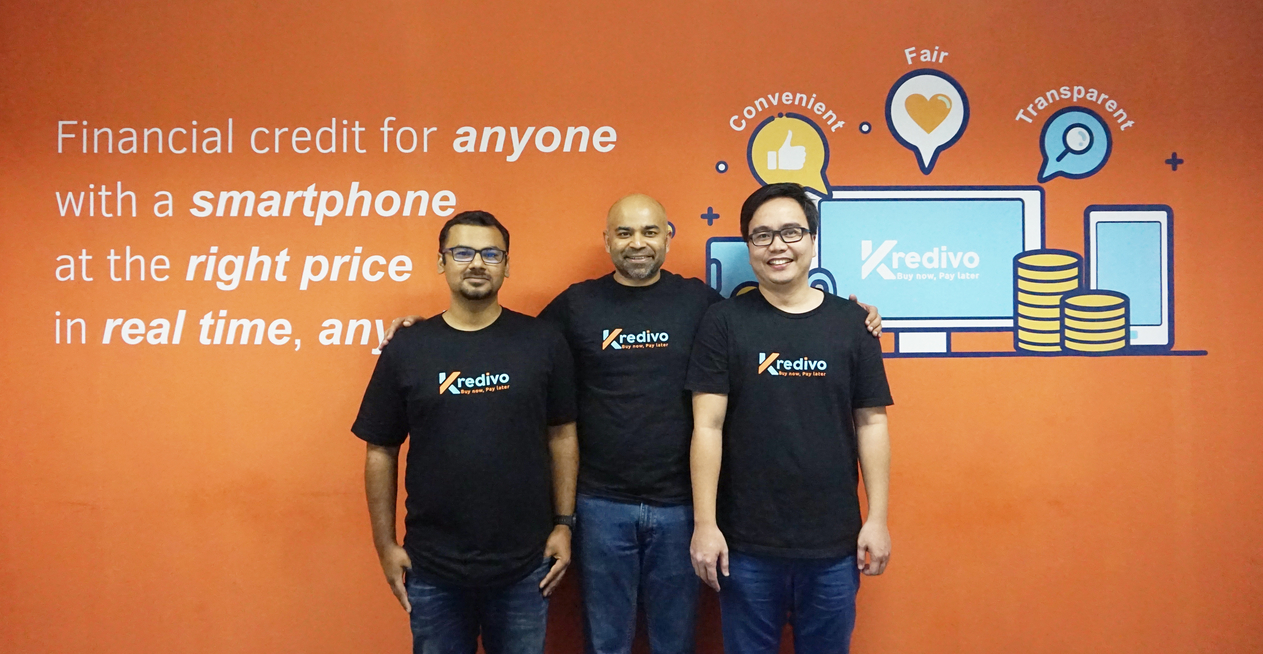
    The payments infrastructure provider has announced the integration of Indonesian «buy now pay later» (BNPL) pioneer Kredivo to its platform.

    PPRO is partnering Kredivo – one of Indonesia’s largest and fastest-growing digital credit platforms – to allow more merchants to reach a large pool of underbanked or unbanked Indonesians.

    The integration is a cooperation between PPRO, Kredivo, and DOKU, a leading payment technology company, and enables PPRO to offer the increasingly popular BNPL payment option, as well as split payment and flexible instant credit offerings via Kredico.

    Indonesia continues to be recognized as the world’s hottest battleground for digital payments. The addition of Kredivo to our platform is a milestone in our Indonesia expansion, Kelvin Phua, PPRO head of global market development, said.

    Kredivo currently has more than 4 million users in Indonesia, representing over 50 percent of the local BNPL market.

    The news follows the recent announcement of the integration of two of the most popular payment methods in Indonesia, Jenius Pay and LinkAja, to the PPRO platform. Other payment methods on PPRO’s wider global network include Alipay, WeChat Pay, GrabPay, Bancontact, iDEAL, BLIK, and Boleto Bancário. PPRO raised $180 million earlier this year, taking the firm’s total value to over $1 billion.

    Kredivo has also been expanding of late – it inked a partnership with Standard Chartered in October to offer BNPL loans to the mass market segment via digital channels. The company also launched in Vietnam in August through a joint venture. FinAccel, Kredivo’s parent company also announced plans to go public via a $2.5 billion SPAC merger. The firm had raised US$90 million in 2019 during a Series C funding round to double down on its Southeast Asian expansion plans.

  • Morgan Stanley Follows Suit with Hong Kong Covid Reimbursement

    Morgan Stanley Follows Suit with Hong Kong Covid Reimbursement

    Morgan Stanley is the latest Wall Street lender to provide reimbursements for Hong Kong staff traveling to visit immediate family, outdoing J.P. Morgan’s recently announced Covid benefits by $100.

    Morgan Stanley will provide a one-time reimbursement to Hong Kong staff of up to HK$40,000 ($5,100) for quarantine stays when returning to the city, according to a report citing an internal memo.

    The reimbursement will apply to those returning from travels to see immediate family between December 1 this year and November 30 next year.

    The reimbursement plans come days after a similar move by Wall Street rival J.P. Morgan announced after a 32-hour visit to Hong Kong by chief executive Jamie Dimon which included a rare exemption from the city’s strict quarantine rules.

    We recognize that the costly quarantine measures in place in Hong Kong associated with Covid-19 have impacted many of you with respect to visiting family and loved ones overseas, according to a memo from J.P. Morgan which offered a one-time reimbursement of up to $4,000 – $100 less than Morgan Stanley.

  • Multi-Currency Wallet YouTrip to Grow B2B Offerings

    Multi-Currency Wallet YouTrip to Grow B2B Offerings

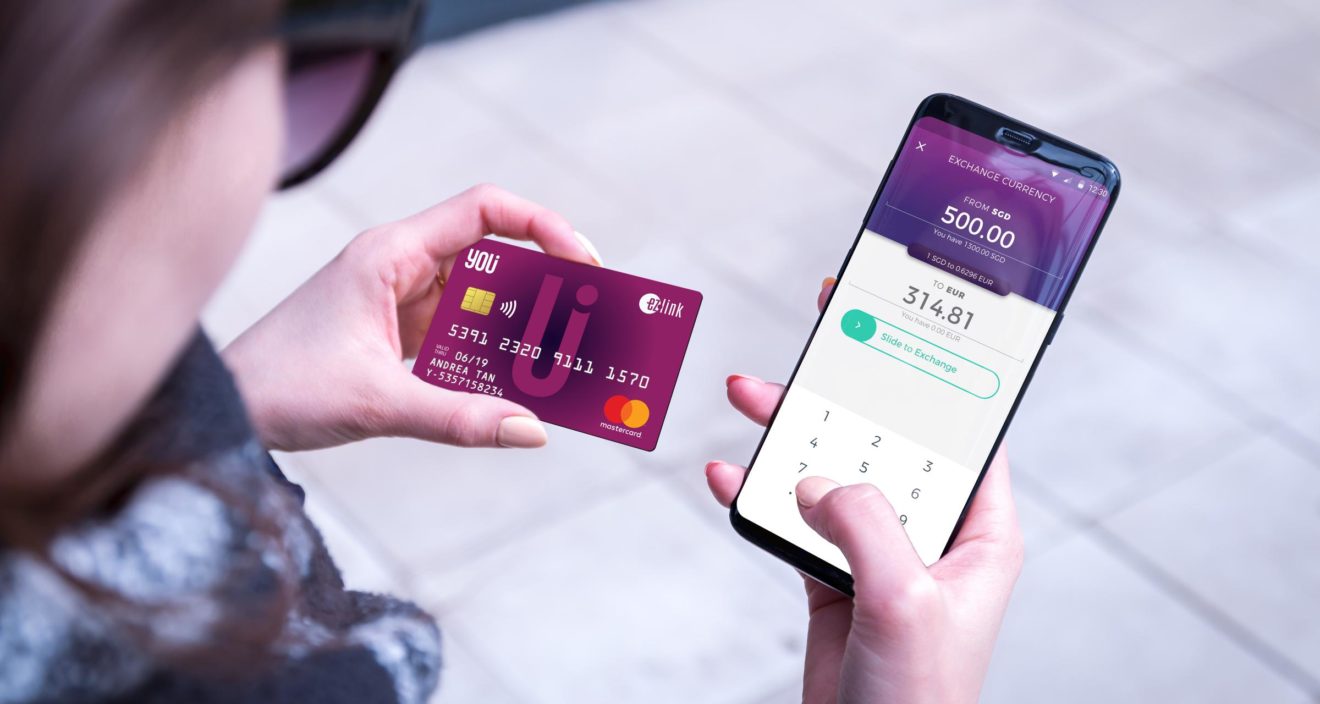
    Singapore-based YouTrip aims to scale its product offerings, including venturing into the B2B payments space, and accelerate its expansion across Southeast Asia.

    YouTrip has raised $30 million in a Series A funding round driven by returning investors from major Asian family offices and prominent financial technology investors, bringing its total funding since launch to $60 million, it said in an announcement on Tuesday.

    The company has set its sights on the growing B2B payments space, as it said SMEs are showing a strong willingness to adopt digital banking services, specifically for cross-border payments. To cater to this segment, it will be rolling out its YouBiz product in Singapore in the first quarter of 2022, and with plans to bring it to five other Southeast Asia countries in the next 12 months. It has already received over 1,000 sign-ups in a beta launch.

    It is a segment with a deep market, as companies increasingly operate in a distributed and borderless manner and we expect their cross-border payment needs to go up, Arthur Mak, co-founder said in the announcement.

    This latest round also gives us the resources to strengthen our multiple growth engines to stay resilient and well-primed for expansion into new vistas, Caecilia Chu, co-founder, said.

    YouTrip said its transaction volume has rebounded to pre-COVID levels, driven by strong traction in cross-border e-commerce transactions and return of travel spending. Exponential growth is expected in the upcoming months following the opening of more Vaccinated Travel Lanes in Singapore and progressive return of regional travel.

    According to YouTrip, it has processed over $800 million in card spending globally, with almost 20 million transactions and over 1.5 million app downloads.

  • AirAsia rebuilds capacity in core Malaysian domestic market

    AirAsia rebuilds capacity in core Malaysian domestic market

    For AirAsia there has been a welcome recovery in Malaysian domestic demand in the last part of 2021 as internal travel restrictions ease in the group’s most important market.

    Third-quarter operating statistics made a fairly grim reading for AirAsia. The effects of the COVID-19 delta variant caused the governments in the group’s major Southeast Asian markets to impose limitations on domestic travel. This was particularly true in Malaysia and Thailand, where the AirAsia units based in those countries had to suspend most of their remaining operations.

    In Malaysia, the number of new daily cases peaked at more than 600 in late Aug-2021, according to the Our World in Data website. However, the daily case count had fallen again to 173 by 24-Nov-2021.

    At the same time, Malaysia’s vaccination rate continues to climb, with 76.3% of the population fully vaccinated as of 25-Nov-2021. The fully vaccinated rate for eligible adults is above 90%.

    These two factors combined – daily case numbers and vaccination rate – prompted the government to lift many of its interstate travel restrictions in the fourth quarter.

    For AirAsia, this means its Malaysian domestic operation can ramp up, which is important, given that the airline’s international operations remain largely halted.

  • Prepare to wait If You Want an Apple mixed reality headset

    Prepare to wait If You Want an Apple mixed reality headset

    Just the other day we told you that reliable TF International analyst Ming-Chi-Kuo told clients to expect Apple’s mixed reality headset to be introduced next year “with the same computing power level as the Mac.” Kuo believes that the device will first see the light of day during the fourth quarter of 2022 and will sport a pair of processors. But even if the device becomes official, you might not be able to buy it immediately.

    When Apple introduces a brand new product, it usually makes eager consumers wait before they can purchase the device. Gurman gives three examples of this. The OG iPhone was unveiled on January 9th, 2007, and released 171 days later on June 29th, 2007.

    The OG iPad was introduced on January 27th, 2010, and released 66 days later on April 3rd, 2010. The longest wait belongs to the OG Apple Watch at 227 days as the timepiece became official on September 9th, 2014, and was released on April 24th, 2015.

    Gurman notes that Steve Jobs has said that he didn’t want the FCC to leak the iPhone during regulatory approval, so he unveiled the smartphone early. But the truth, according to the Bloomberg writer, was that the hardware and software were not ready to be released to the public. Additionally, the iPhone needed to be tested on cell networks.

    The iPad delay was needed to make more e-books ready for the device, and give developers the time needed to optimize their apps for the larger iPad display. Also, Apple needed the time to polish off the tablet’s operating system.

    Apple has some major new devices coming including the mixed reality (AR/VR) headset, the AR glasses, and the self-driving car. Gurman expects the delay between the introduction of the mixed reality headset and the release of the product to challenge the 227 days that Apple Watch buyers had to wait. That’s because the mixed reality headset has a complex design including interchangeable lenses.

    While the mixed reality headset is going to be an interesting product, the AR glasses should be a bigger deal. That’s because Ming-Chi Kuo says that Apple will be looking to kill off its most important product in 10 years and replace it with AR. This looked to be Google’s plan when it released that now-infamous video in April 2012. But Google Glass never replaced the smartphone and anyone wearing the device ended up being called a “glasshole.”

    Google Glass wearers got tossed from theaters (for fear that they were secretly recording the movie being played) and bars (for possibly taking photos of patrons without their permission). If Apple truly sees the iPhone being replaced by AR glasses in a decade, it must be optimistic about wearers not getting the same reaction.

    And Apple might want to get the product out for the public to see before it is handed around to its manufacturing partners and its own employees any of whom might spill the beans about the device. Apple will also need the time to persuade developers to create games for the device. Gurman writes that he can see Apple introducing the product at WWDC 2022 next June with a release date later next year or even into 2023.

    Getting a self-driving car on the streets might be more of an ambitious task for Apple. you can imagine the media sensation any test drive of an Apple Car might produce. After all, testing the car in the U.S. will take years. Using Tesla as an example, Gurman pointed out that the company showed off the Model S in 2009 before it started shipping in 2012. The Model T first saw the light of day in 2016 and was released in mid-2017. And the Model Y was announced in March 2019 and was offered to buyers almost exactly one year later.

    The point is that even if Apple introduces the Apple Car in 2025 as it wants to do, it could still be years before you see the vehicle motoring down the road sans driver.
  • Novartis receives certificate of merit from Vietnam’s Ministry of Health

    Novartis receives certificate of merit from Vietnam’s Ministry of Health

    Novartis has marked its 25 years of development with a certificate of merit from Vietnam’s Ministry of Health for its social commitment during the Covid-19 pandemic.

    “This achievement affirms Novartis’s leading position in the global pharmaceutical market and its long-term commitment to community health support,” a Novartis representative stated.

    Over the past 25 years, Novartis has achieved medical breakthroughs in cancer care, heart disease and the fight against inflammatory conditions. The company uses innovative science and technology to address some of society’s most challenging healthcare issues. It discovers and develops breakthrough treatments and finds new ways to deliver them to as many people as possible.

    Partner of Vietnam’s healthcare

    Novartis began its journey in Vietnam in the 1950s through the presence of Sandoz, Ciba-Geigy, and other partners. Over the past two decades in the country, Novartis Vietnam has cooperated with the Ministry of Health (MoH) and domestic and international organizations to launch several programs to enhance public health awareness, promote training, and strengthen primary healthcare in many cities and provinces.

    In 2008, the representative office of Novartis Pharma Services AG was established in Vietnam to promote and support the supply of medicines, and delivery of drugs to patients, as well as clinical trials of Novartis Group.

    Over the past 13 years, Novartis Vietnam has been focusing on four areas including science-based innovation and clinical trials; scientific and academic cooperation; quality and local manufacturing, along patient access to high-quality, innovative healthcare.

    The company has collaborated with the MoH to develop a strong healthcare system that covers the lowest income segments of the population and to provide the Vietnamese people with high-quality medicines, thus contributing to the MoH’s objective to shape a strong and sustainable healthcare system and achieve universal healthcare coverage.

    A lot of significant programs have been carried out over the past years. In 2014, Novartis and the MoH signed a Memorandum of Understanding (MoU) to enhance the Vietnamese people’s access to essential, affordable generic and innovative medicines, and strengthen the country’s science, medical, and technology capabilities

    It is followed by another MoU inked in December 2019 on raising primary healthcare in Vietnam through activities at commune and district levels from 2019 to 2021, making it a testament to public-private collaboration in this area, aiming to achieve the Universal Healthcare Coverage and United Nations Sustainable Development Goals by 2030.

    2020 marked a special milestone in Novartis Vietnam’s development journey when it inaugurated its new legal entity in the country and became one of the first multinational companies to successfully transform from a representative office to a foreign-invested enterprise importer. Also that year, the company was honored as a pioneer in digital transformation for its efforts and outstanding contributions to the Digital Transformation of the Healthcare Sector at National Digital Transformation Congress.

    Moreover, Novartis Vietnam teamed up with Docquity to offer an exclusive digital network for medical staff. The company has also been named among the top 100 Vietnam Best Places to Work in the country thanks to its appropriate human resource policies and quick response to the Covid-19 pandemic.

    In 2021, the company keeps the momentum of good performance with its recognition as a Global Top Employer for 2021, thus contributing to encouraging Novartis to continue attracting talents and strengthening its offering as a destination for employers in the future.

    Contributions to the Covid-19 fight

    Novartis received the certificate of merit from the MoH for its social commitment during the Covid-19 pandemic and its contributions to the country’s Covid fight, and training of HCPs, among others.

    Novartis supports the initiative of six medical universities in Vietnam to train HCPs to serve Covid-19 prevention and control. At least 1,800 final-year medical students got training from April to July 2020. This effort was in response to the call of the government and the MoH, mobilizing more than 90,000 HCPs for the pandemic fight.

    Moreover, the company has so far donated over $400,000 to the pandemic battle in Vietnam. The company also joined hands with other members of EuroCham Pharma Group to donate an equivalent total of $100,000 to the Vietnam Fatherland Front national campaign on the prevention and treatment of Covid-19, and donate via the HCMC Red Cross Society medical supplies to frontline hospitals, and Covid-19 treatment centers.

    During the pandemic, Novartis has taken effective measures to ensure the continuation of the supply of medicines, as well as promote technology application to maintain regular medical training for HCPs, thus ensuring healthcare access.

    Amitabh Dube, country president, Novartis Vietnam, said: “Vietnam and countries worldwide are still facing pressing health issues that need more innovations to address them. Novartis commits to be a reliable partner in this effort, and will continue the discovery and development of new treatments to help more people.”

    Long-term investment commitments

    Novartis’s strategy is to build a leading, focused pharmaceutical company powered by advanced therapy platforms and data science. Looking at the next 25 years and beyond, the company will continue reimagining medicine to improve and extend people’s lives.

    To implement the strategy, Novartis has five priorities to shape its future and help it continue to create value for the company, its shareholders and society: unleash the power of its people; deliver transformative innovation; embrace operational excellence; go big on data and digital; and build trust with society.

    In Vietnam, the company will continue to collaborate with Vietnamese societies, associations, and health facilities in programs to improve healthcare services for Vietnamese, showing its strong commitment to accompanying the local health sector in future sustainable development.

  • Vietnam’s e-commerce traffic higher than Thailand, Malaysia

    Vietnam’s e-commerce traffic higher than Thailand, Malaysia

    E-commerce web traffic from Vietnam is double that of Thailand and triple that of Malaysia in Q3, showing high demand for online shopping amid the pandemic, a report has found.

    Digital consumption has become a new habit as the number of online vendors increases, with Vietnam becoming “a star” on the Southeast Asian e-commerce market, according to the Q3 market report by iPrice Group.

    Vietnam is set to exceed Thailand by 2025 to become the second-biggest internet economy in Southeast Asia with a scale of $57 billion, behind Indonesia at $146 billion, according to the e-Conomy Southeast Asia 2021 report by Google, Temasek, and Bain & Co.

    However, foreign companies are still dominating Vietnam’s e-commerce market in terms of web traffic.

    Singapore’s Shopee accounted for 57 percent of traffic in the third quarter, followed by another Singaporean company Lazada at 16 percent.

    Vietnamese startup Tiki ranked third with 13 percent of traffic.

    The report also pointed out Vietnamese consumers interact on the social media pages of e-commerce platforms more frequently than Thai but less than Malaysians, showing the importance of Facebook in promoting brands in Vietnam.

  • Japanese retailers expand Vietnam presence

    Japanese retailers expand Vietnam presence

    Japanese retailers have started to expand their business in Vietnam as localities loosen social distancing restrictions and accelerate vaccination against Covid-19.

    Coffee chain %Arabica, which currently has over 100 outlets in 18 countries, has announced it will open its first shop in Vietnam on walking street Nguyen Hue in District 1, HCMC.

    Late last month, casual wear producer and retailer Uniqlo opened a new store in Hanoi’s Ha Dong District, its 10th outlet in Vietnam. In early November, it had inaugurated an online store in the country.

    Beauty brand ReFa has announced it will open three stores in HCMC late this year before expanding to Hanoi by mid-2022.

    Retail group Aeon, which has invested $1.18 billion in Vietnam, plans to double the number of shopping malls across the country in the coming time. It also plans to list shares on the Vietnamese stock market, and facilitate export of Vietnamese seafood, garments and other products to Japan.

    According to the Ministry of Industry and Trade, Vietnam’s total goods retail sales and service revenues in October rose 18.5 percent over the previous month.

    Some Vietnamese securities companies, including VCSC and VNDirect, have predicted that the retail sector would grow late this year, when vaccination is stepped up, more economic activities resume and many festivals take place. The sector’s profit would increase over 20 percent this year.

  • Vietnam Airlines reports $154 mln Q3 loss

    Vietnam Airlines reports $154 mln Q3 loss

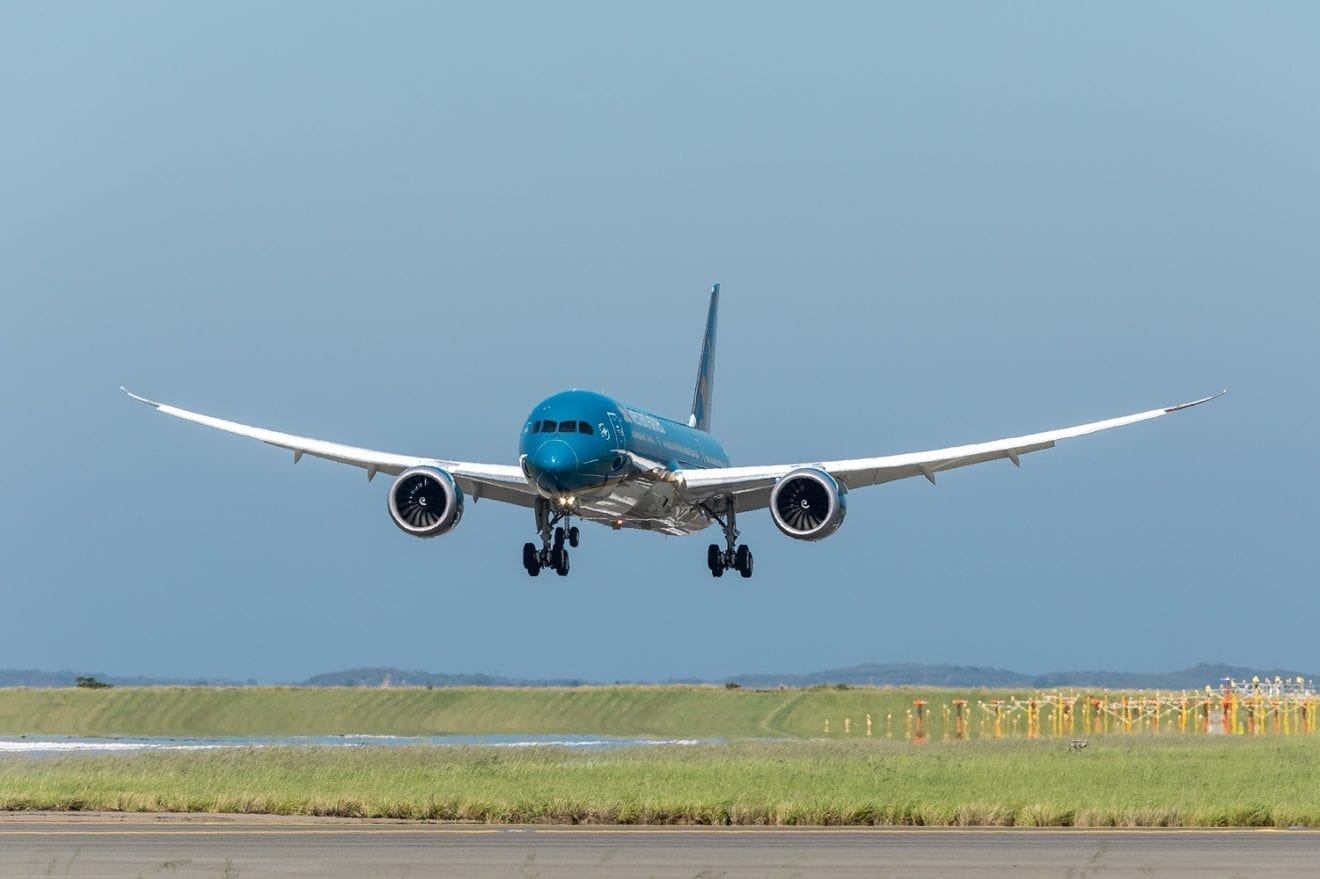
    National flag carrier Vietnam Airlines recorded a net loss of over VND3.5 trillion ($154.3 million) in the third quarter, a sharp decrease compared to the first two quarters.

    According to a summary of consolidated financial statements for the third quarter, Vietnam Airlines earned net revenues of VND4.7 trillion, down 37.6 percent year-on-year.

    The sale of goods dropped 20 percent year on year to VND7.7 trillion.

    The airline reported a total gross loss in the sale of products and services of about VND3 trillion.

    While its financial revenue more than quadrupled over the same period to more than VND560 billion, administrative expenses and costs related to the cost of products increased to more than VND347.5 billion and VND282.2 billion, respectively, resulting in the reported net loss.

    The Q3 loss was less than the losses of VND4.9 trillion and VND4.4 trillion recorded in the first and second quarter, respectively.

    Its loss in the first 9 months of the year has crossed VND12.1 trillion.

    The carrier explained that the sharp drop in consolidated profits in the third quarter was not only due to the decrease in profits of the parent company, but also because the profits of subsidiaries providing aviation services, like Vietnam Airlines Engineering Company (VAECO) and Noi Bai Airport Services Company (NASCO), also decreased sharply.

    Vietnam Airlines said that it has proactively implemented drastic solutions in business operations to minimize the impacts of the Covid-19 pandemic, resulting in a significant drop in Q3 losses compared to the first two quarters.

    As of September 25, the carrier increased its charter capital to VND8 trillion.

    The carrier said business activities have gradually stabilized and it is preparing conditions for the recovery and development phase after domestic flights are allowed to operate normally.

    As of September, Vietnam Airlines’s total assets were valued at more than VND67 trillion, up more than VND4.5 trillion over the beginning of the year.

    The company has posted overdue debts of VND65.5 trillion compared to the beginning of the year, and more than VND1.4 trillion of equity, a decrease of nearly VND4.6 trillion over the same period. Of this, short-term debt is about VND42.2 trillion, up more than VND9.7 trillion.

  • Car registration fee cut by half again

    Car registration fee cut by half again

    A government decree has cut registration fees for locally made cars by 50 percent for six months starting December 1.

    This is the second time in the last two years such a cut is being made to mitigate the difficulties faced by the auto industry due to the Covid-19 pandemic.

    In the first six months of last year, 17,600 cars were bought on average each month. In the second half, when the 50 percent cut took effect, sales doubled.

    The registration fees are calculated based on car prices in each locality.

    The rates are 12 percent in Hanoi and Hai Phong, and 10 percent in HCMC.

    Last year, car sales had fallen by 8 percent to 296,634 units as the Covid-19 pandemic badly affected the economy, hitting people’s incomes and discretionary spending.