Blog

  • Samsung reports record third quarter revenue despite global chip shortage

    Samsung reports record third quarter revenue despite global chip shortage

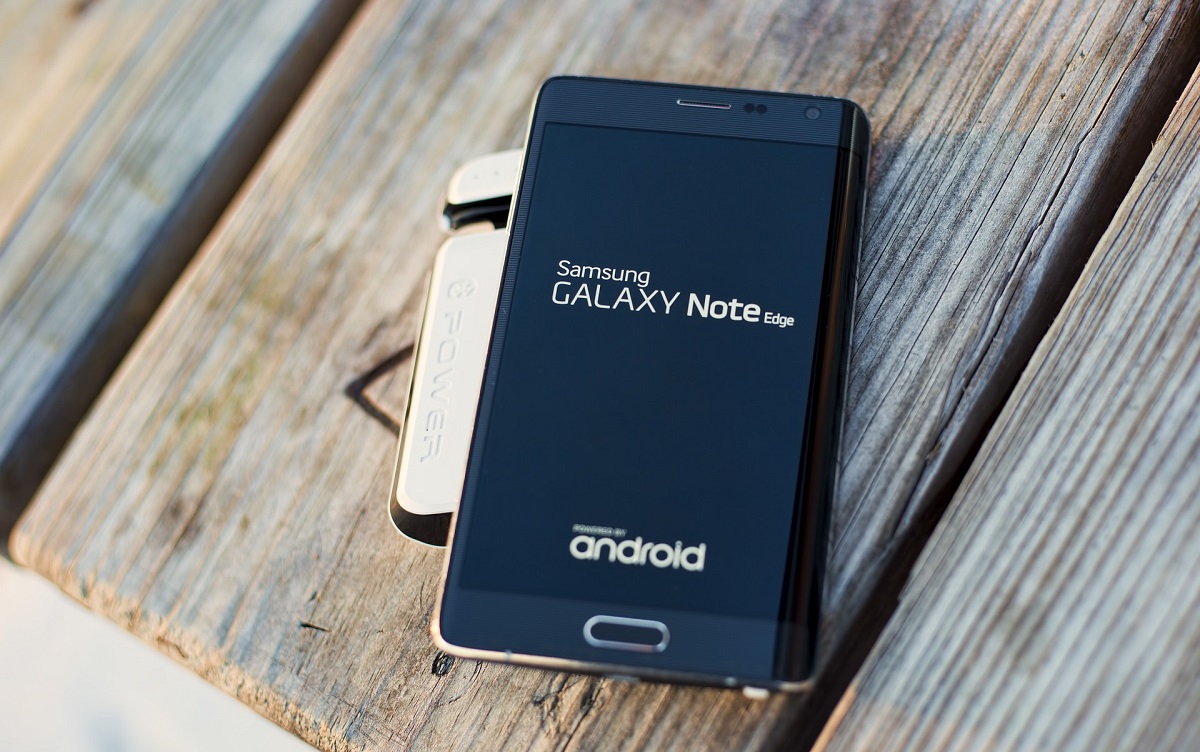
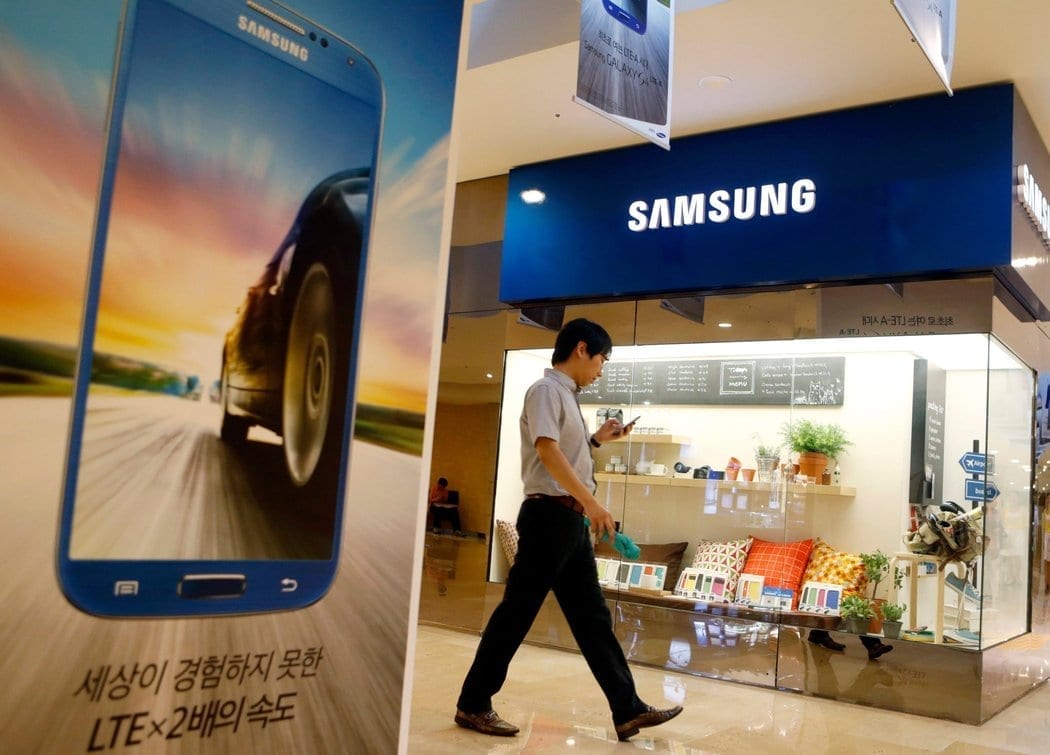
    Samsung had a record third-quarter revenue as it reported the U.S. Dollar equivalent of $63.1 billion for the period. That works out to a 10% increase for the top line while operating profit for the quarter came to $13.5 billion (or 26% higher than the operating profit reported during the previous quarter). $22.6 billion in revenue during the quarter came from Sammy’s semiconductor business.

    Samsung was able to navigate its chip business through the global chip shortage “by flexibly operating its product mix.” Samsung’s mobile business also played a huge role in the company’s record-breaking third-quarter. Thanks to strong sales of its flagship phones including foldable like the Galaxy Z Fold 3 and the Galaxy Z Flip 3, Samsung generated $24.2 billion in revenue during the period from July through September.

    Demand for semiconductors improved thanks to strong sales of computers; the latter benefited from the increased number of people working at home because of the pandemic.

    The company’s profits were impacted by the larger marketing outlays it made for its foldable line. Strong demand for Samsung’s phones also led its display business to deliver $7.5 billion in revenue. Earnings for the display segment were helped by strong demand for small to medium OLED panels. Demand for larger-sized displays was sluggish.

    Samsung is optimistic about Q4 and 2022 results, but cannot estimate results for the chip business because of the supply issues in that market. For the fourth quarter, the company expects to report higher earnings “due to expanded supply of SoCs and related products for launches of new 5G smartphones in 2022.”

    The company expects that the Galaxy S22 series will be its first flagship series of the new year with the Galaxy S22, Galaxy S22+, and the Galaxy S22 Ultra kicking off 2022 in January. Meanwhile, investors were happy with the report as the shares soared 2.28% on Wednesday (or $1.45 USD) to $61.22.

  • Google unveils the developer preview of Android 12L

    Google unveils the developer preview of Android 12L

    The last time there was a dedicated tablet version of Android, it was 2011 and Android 3.0 Honeycomb was running tablets such as the Motorola XOOM. But once Android 4.0 Ice Cream Sandwich was released in October 2011, the days of having a dedicated operating system for Android slates were over. That is, until now.

    You might recall that there was talk about Google releasing Android 12.1 later this year for foldable phones that open to show off large tablet-sized screens. But today, Google introduced the first developer preview of Android 12L (“L” for larger screens) and what was at first thought to be Android 12.1 turns out to actually be Android 12L; the first developer preview of the operating system has been released.

    This build of Android is designed for tablet-sized glass. As Google points out in its release today, “There are over a quarter billion large screen devices running Android across tablets, foldables, and ChromeOS devices. In just the last 12 months we’ve seen nearly 100 million new Android tablet activations—a 20% YoY growth, while ChromeOS, now the fastest growing desktop platform, grew by 92%.”

    Google adds, “We’ve also seen Foldable devices on the rise, with year on year growth of over 265%! All told, there are over 250 million active large screen devices running Android. With all of the momentum, we’re continuing to invest in making Android an even better OS on these devices, for users and developers.”

    One of the hot new features for Android L is a taskbar at the bottom of the screen that can automatically switch to ‘favorite apps.’ And to enter split-screen mode, all you need to do is drag an icon from the taskbar onto either the left or right half of the display. In split-screen mode, the two sides of the display are separated by a divider that can be resized. While the icons on the dock are square, the corners of the app windows are rounded.

    What killed Honeycomb? Some believe that a lack of Android apps created specifically for tablets was the problem; Google failed to inspire third-party developers by creating apps for Android tablets. But if Google can create its own apps for Android 12L, it might inspire third-party developers to spend the time and money on the creation of third-party tablet apps for Android.

    Google says that it expects to release Android 12L “early next year, in time for the next wave of Android 12 tablets and foldable. We’re also offering the features to our OEM partners to bring to their existing large screen devices,” Google says.

    So what’s in Android 12L? Google writes “In 12L we’ve refined the UI to make Android more beautiful and easier to use on screens larger than 600sp — across notifications, quick settings, lock screen, overview, home screen, and more.” According to Google’s Android 12L Timeline, four beta releases of Android 12L will take place in December, January, and February followed by a final release of the operating system in March 2022.

    While Google has talked about eventually releasing Android 12L for regular-sized handsets, right now it’s a no-go because “most of the new features won’t be visible on smaller screens.” The Alphabet subsidiary adds, “Today we’re bringing you a developer preview of 12L, our upcoming feature drop that makes Android 12 even better on large screens. With the preview, you can try the new large screen features, optimize your apps, and let us know your feedback.”

    “In 12L we’ve refined the UI on large screens across notifications, quick settings, lock screen, overview, home screen, and more.” Google continues, “For example, on screens above 600dp, the notification shade, lock screen, and other system surfaces use a new two-column layout to take advantage of the screen area. System apps are also optimized.

  • Singapore Expands Travel Lane Scheme to Switzerland

    Singapore Expands Travel Lane Scheme to Switzerland

    Singapore will be adding two countries to the Vaccinated Travel Lane (VTL) scheme, under which travelers will only need to take a Covid-19 swab test after arrival and before departure in Singapore.

    Vaccinated travelers from Switzerland and Australia will be able to enter Singapore without serving stay-home notices from November 8, the Civil Aviation Authority of Singapore (CAAS) announced on Tuesday evening.

    All Singapore Airlines flights from Switzerland to Singapore will be offered under the VTL program from November 8, with flight SQ345 operating daily between the two financial centers.

    The Alpine nation is among Singapore’s top investment and trading partners, and there are around 1,000 Swiss companies and around 3,000 Swiss expatriates in the city-state, CAAS noted.

    Switzerland’s borders are open to all travellers from Singapore. Australia plans to open its borders to skilled workers and international students by year’s end, authorities said on Wednesday.

    We are in discussions with other partners, including our regional neighbors, to reopen safely to each other, and restore our close connectivity, S. Iswaran, Transport Minister, said.

    The VTL scheme currently includes Germany, Brunei, Canada, Denmark, France, Italy, the Netherlands, Spain, the United Kingdom and the United States, with South Korea to be added on November 15.

    With the announcement of the new VTLs, Singapore will also be expanding its daily quota of VTL arrivals from 3,000 to 4,000,

  • Airbus names new general director for Vietnam

    Airbus names new general director for Vietnam

    Aircraft maker Airbus has appointed Hoang Tri Mai as its new general director for Vietnam.

    Mai will oversee all Airbus operations in Vietnam, including supporting business activities and managing relationships of the firm with the Vietnamese government, the group announced Monday.

    Mai, a Hanoian, was earlier the country director for Rolls Royce in Vietnam, Laos, Cambodia and the Philippines.

    She will work at the Hanoi office, replacing Jean-Michel Caldagues who will retire at the end of this year after 21 years of service for Airbus.

    Anand Stanley, president of Airbus Asia-Pacific, said Vietnam is a key market for Airbus across all business sectors and has important industry partnerships in the country.

  • Electric Vehicle Battery Startup ONE Backed By BMW

    Electric Vehicle Battery Startup ONE Backed By BMW

    Michigan-based Our Next Energy, which is developing an advanced battery for electric vehicles, has raised $25 million from investors ranging from German automaker BMW to a clean technology venture firm headed by Microsoft co-founder Bill Gates, the young company said on Monday.

    Investors in ONE’s Series A round include BMW iVentures, Detroit-based Assembly Ventures and Chicago-based Volta Energy Technologies, which is partnered with Argonne National Laboratories. Another investor is Singapore-based electronics manufacturer Flex Ltd, which is also a strategic partner with ONE.

    The round was led by Breakthrough Energy Ventures, the investment arm of Breakthrough Energy, founded by Gates in 2015 to support and fund innovations to counter climate change. Among the Kirkland, Washington company’s investments: Battery recycler Redwood Materials, electric aircraft maker ZeroAvia and solid-state battery developer QuantumScape.

    ONE, a year-old startup that only recently emerged from stealth mode, is working on a dual battery that combines a structural cell-to-pack design that uses cobalt- and nickel-free cathodes, with a second, high-energy pack that can recharge the first, potentially doubling vehicle range to 750 miles.

    ONE founder and chief executive Mujeeb Ijaz, a battery systems engineer with more than 30 years’ experience at Ford Motor Co, Apple Inc and A123 Systems, said of the financial backers, “We wanted to surround ourselves with people who are in this for the long term. They can help our company grow, and they are also magnets for other technology.”

    The new investment will help fund research and development, ranging from battery software and power electronics to artificial intelligence and machine learning, Ijaz said.

    “We plan to go from raw materials all the way to (battery) cell manufacturing,” he said, adding that ONE may seek additional funding and partners next year to help the company scale-up manufacturing.

  • Elon Musk Shares Secret About CyberTruck Mirrors

    Elon Musk Shares Secret About CyberTruck Mirrors

    When the CyberTruck was unveiled for the first time in 2019 it had these cameras which doubled as side-view mirrors. But at the time many believed that the regulators aren’t going to allow Tesla to pull off this stunt. So more recently, the car was indeed seen with mirrors. But these mirrors ruin the seamless symmetry and the cyberpunk futurism of the car. Now, in a tweet, Elon Musk has revealed that the mirror is required by the law but they have been designed in such a way that they can be removed easily by the owners.

    The side-view mirrors are a requirement of the US Federal Motor Vehicle Safety Standard referred to as Rear Visibility. The side mirrors assure that the driver has a good view of obstacles around the sides and the rear of the truck.

    Tesla strived to remove the mirrors altogether as modern cars also come with blindspot detection cameras as well as rearview cameras which help in reversing. Tesla has always future-proofed its cars with advanced hardware and constant software updates and if and when the regulation is changed Tesla has added the ability for its owners to remove the mirror as the cameras are already baked in.

    Tesla’s vehicles also come with advanced autonomous capability and the Cybertruck will be the first car it releases that will come with a new generation of self-driving chips and cameras. In other words, these cars by the time they come out in 2022 will have the latest hardware and software and an old-school solution like side-view mirrors will be hugely redundant.

  • WhatsApp now lets users transfer chat history from iPhone to Pixel, other Android devices

    WhatsApp now lets users transfer chat history from iPhone to Pixel, other Android devices

    If you switched from an iPhone to a Samsung Galaxy device in the last couple of months, then you shouldn’t have had any issues transferring your WhatsApp chat history from one phone to another. However, this specific feature is limited to Samsung Galaxy devices, or at least it was until recently.

    Google announced that it has finally managed to bring the same feature to Pixel and all other Android 12 smartphones. Starting today, iPhone users can safely transfer their chat history and memories from their WhatsApp account to Android.

    If order to successfully bring your WhatsApp chat history from an iPhone to a compatible Android device, you’ll need a USB-C to Lightning cable. After connecting the two phones, you will be prompted to scan a QR code with your iPhone to open WhatsApp and move all your conversations, media and any other memories to your new Android device.

    As mentioned earlier, this feature is already available on Samsung Galaxy devices, and now it’s fully supported on all Pixel phones. Google also confirmed that the transfer capability it will become available on new smartphones that launch with Android 12 too.

  • Hong Kong’s Retykle opens in Singapore

    Hong Kong’s Retykle opens in Singapore

    Hong Kong kidswear resale platform, Retykle, is set to expand its presence into Singapore, marking the brand’s first foray into an international market.

    The Singapore launch follows Retykle’s latest round of seed funding earlier this year, which will support the retailer’s expansion plan in Singapore and Australia. Shoppers in Singapore now can sell and purchase pre-loved children’s designer clothing, gear and toys, and drop off their outgrown clothes at a physical store.

    “With its growing appetite for eco-conscious fashion and lifestyle choices, Singapore was a natural second market for Retykle,” said founder Sarah Garner. “We are looking forward to empowering parents to conveniently reduce children’s fashion waste by transforming the way they shop.”

    Retykle houses more than 2500 childrenswear brands, including Bonpoint, Jacadi, Petit Bateau, Stella McCartney, Ralph Lauren and Burberry, as well as a selection of maternity wear.

    Since its launch in 2016, more than 150,000 products have been recycled through Retykle. Innately focused on sustainability, Retykle was certified carbon neutral last year and plans to continue to be certified neutral or positive in future years.

  • PayPal says it is not pursuing Pinterest acquisition

    PayPal says it is not pursuing Pinterest acquisition

    PayPal is not pursuing an acquisition of Pinterest at this time, the online payments provider said on Sunday, responding to market rumors.

    Earlier in the week, it was reported that the payments behemoth had offered to buy digital pinboard site Pinterest for US$45 billion, or about $70 per share, mostly in stock.

    Pinterest did not immediately respond to a Reuters request for comment outside of business hours.

  • Auchan set to sell Taiwan business to local rival

    Auchan set to sell Taiwan business to local rival

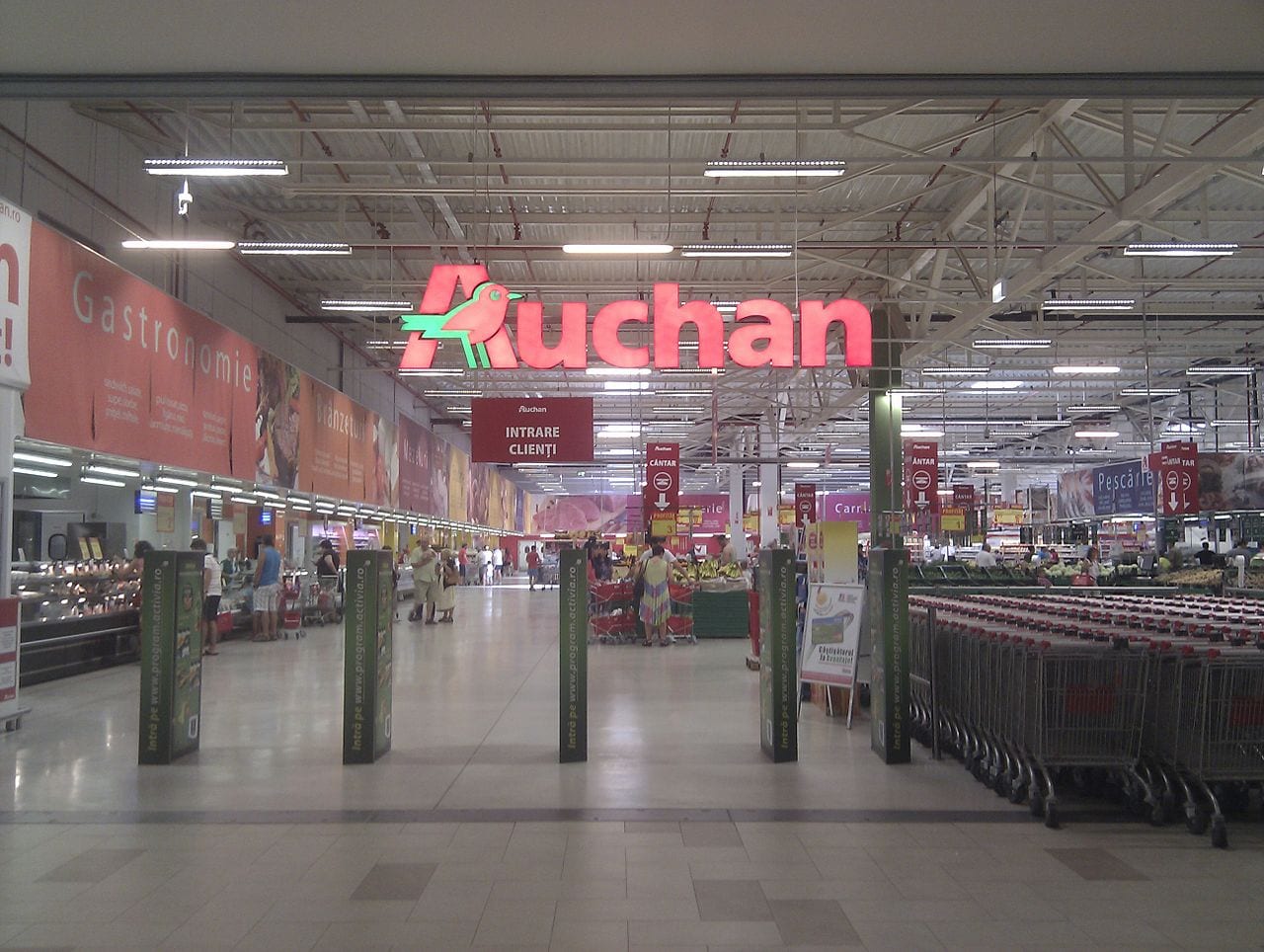
    French supermarket group Auchan is set to quit Taiwan after 24 years in the market, completing its withdrawal from greater Asia.

    Taiwan News has reported that local operator PX Mart will take over the RT-Mart hypermarket joint venture between Auchan and the Ruentex Group by mid-next year. Auchan is the majority partner in the venture, with a 65-per-cent share.

    The company was in May reported by Bloomberg to be in talks over the divestment of its Taiwanese business, said to be seeking somewhere between US$300-400 million.

    According to Taiwan News, PX Mart said it planned to buy buildings, land, distribution rights and the RT-Mart brand. No price was revealed and Auchan has not commented on the report.

    The RT-Mart brand was created by Taiwanese tycoon Samuel Yin’s Ruentex Group, which owns 20 hypermarkets and two convenience stores. PX Mart operates 1056 stores and plans to expand its network to more than 1100 next year.

    The reported deal marks another step in an ongoing reshuffle within Taiwan’s supermarket industry. Last year, French rival Carrefour bought the Wellcome Taiwan business from Singapore-listed Dairy Farm International, including the Jasons Marketplace brand, giving it control of 224 supermarkets. There have since been whispers that Carrefour is considering selling its enlarged Taiwan business.

    Auchan exited Vietnam in 2019 closing some stores and selling the remaining business to local operator Saigon Co-op. Last October it sold its stake in China’s Sun Art Retail Group to Alibaba Group in a transaction valued at $3.6 billion.

  • Facebook criticizes App Tracking Transparency on iPhones

    Facebook criticizes App Tracking Transparency on iPhones

    When Apple introduced App Tracking Transparency back with iOS 14.5, a feature that allows iPhone users to opt-out of ad-related activity tracking on their phones, Facebook was not happy with it. Back then, Facebook criticized the new privacy feature claiming it would hurt small businesses’ advertising. Now, Mark Zuckerberg is at it again.

    On Monday, Facebook reported its third-quarter financial results that showed $29.1 billion in revenue from advertisements. Despite these results though, the company’s CEO Mark Zuckerberg has remained upset about Apple’s privacy changes that prevented ad tracking if the user didn’t want to be tracked. Reportedly, he stated in an investor call that Apple has been hurting not only Facebook but “millions of small businesses” with these changes.

    Zuckerberg stated that Facebook experienced “revenue headwinds” because of Apple’s App Tracking transparency and its impact on the advertising business. He criticized the iOS privacy features stating that they affect small businesses that rely on ad platforms in the “difficult times”.

    He also said that despite the impact these changes had on the social media platform, the company will learn to navigate the “headwinds” over time with investments Facebook is making today.

    Another participant in the investor call was Facebook COO Sheryl Sandberg stated that the iOS privacy changes advantaged Apple’s own advertising business. Additionally, Sandberg stated that now it is more difficult to target an ad or measure campaign results when it comes to iPhone and iPad users.

    Apple’s App Tracking Transparency, which was introduced back in April with iOS 14.5. The feature presented iPhone users with a prompt to opt-out of advertisement tracking on apps. If people wanted, they could click on a button and thus prevent tracking so they won’t receive targeted apps. Understandably, a large number of iPhone users opted out of tracking.

    Companies such as Facebook which rely heavily on advertisements disagreed with the new change ever since it was introduced back in April. Facebook criticized Apple on the move, stating multiple times that this change was hurting small businesses.

    It was not only Facebook complaining though. Last week, Snap’s CEO also stated the company’s revenue from Snapchat was affected by the new App Tracking Transparency technology. However, Snap’s CEO stated that these changes might be positive in the long run.

    By September of this year, according to data from analysis firm Statista, only 21% of iPhone users have decided to opt-in for app tracking and to allow for their activity to be tracked in order to receive targeted ads. The remaining percentage is, understandably, for iPhone users that have opted out and prevented apps from tracking them for ads.

    The App Tracking Transparency feature has now started to change the advertising market across the mobile industry. Right now, many advertisers focus primarily on Android devices, as many iPhone users have decided that they do not wish to be tracked for targeted ads.

    Apparently, it’s not only advertisers like Facebook that are affected by this change. A couple of months ago, we reported that the new App Tracking Transparency feature is also changing the mobile game industry and is influencing the way game makers have to go about in order to advertise in games, as they cannot be targeted to specific users.

    Recently, we reported on another fact: Apple’s in-house advertisement business has been experienced growth since the change. Apple has an ad service named Search Ads and it has grown since App Tracking Transparency was introduced on iOS devices.

  • Apple releases iOS 15.1 with hot new features

    Apple releases iOS 15.1 with hot new features

    Apple has released iOS 15.1 this morning which adds some new features for iPhone users. The first feature is SharePlay which allows users to share experiences with others over FaceTime. You can stream television episodes, movies, and even listen to streaming music while connected over FaceTime with your pals.

    For example, let’s say that you and your friends are big fans of The Voice. You can stream episodes over Hulu, sharing the fun of watching the show together with your friends over FaceTime. You can also share the experience of streaming music via FaceTime as well. Not all streamers are compatible with the feature, but so far Disney+, ESPN+, HBO Max, Hulu, MasterClass, Paramount+, Pluto TV, TikTok, and Twitch will work with the platform.

    With Share Play, which Apple calls a “new way to share synchronized experiences in FaceTime,” each user has controls allowing him/her to pause, play, rewind, or fast forward content. And when someone starts to talk, an electric shock is sent to shut that person up a feature called Smart Volume automatically reduces the volume of the streaming television show, movie, and music.

    The update also adds the ProRes feature to the iPhone 13 Pro and iPhone 13 Pro Max. This is a feature that compresses video into small files without losing much of the image quality. It is used for editing videos and supports video resolution up to 8K. And with iOS 15.1, if you’re among those who don’t like how the ultra-wide cameras on the iPhone 13 Pro models turn Macro Mode on automatically when moving in close to take a photo or shoot a video, the update will allow you to disable this feature.

    With the iOS 15.1 update, you can keep your COVID-19 vaccine card in the wallet app so that it will always be with you (assuming that you always carry your iPhone in your pocket). The devices receiving the update include: iPhone 13, iPhone 13 mini, iPhone 13 Pro, iPhone 13 Pro Max, iPhone 12, iPhone 12 mini, iPhone 12 Pro, iPhone 12 Pro Max, Phone 11, iPhone 11 Pro, iPhone 11 Pro Max, iPhone XS, iPhone XS Max, iPhone XR, iPhone X, iPhone 8, iPhone 8 Plus, iPhone 7, iPhone 7 Plus, iPhone 6s, iPhone 6s Plus, iPhone SE (second-generation) iPhone SE (first-generation) and the iPod touch seventh-generation.

    To update your iPhone to iOS 15.1, go to Settings > General > Software Update. Following those directions will also allow iPad users to update to iPadOS 15.1.

    Apple has also released watchOS 8.1. The update features enhanced algorithms to detect falls during workouts. Following the installation of the update, you’ll also be able to enable fall detection during workouts only. You must have an Apple Watch Series 4 and later to add this health-related feature. With fall detection, the Apple Watch detects when the user has suffered a hard fall and can summon emergency help while leading them directly to your location.

    The Wallet app on your Apple Watch will show proof that you’ve received your COVID-19 vaccination just like the Wallet app on the iPhone will show the same information after you’ve installed the iOS 15.1 update on the handset. WatchOS 8.1 will give Fitness+ subscribers the opportunity to invite up to 32 people to work out together through a FasceTime call using iPhone, iPad, or Apple TV.

    The update also exterminates a bug that caused the Always-On feature to display the wrong time when users’ wrists are down. This bug was found on the Apple Watch Series 5 and later (excluding the Apple Watch SE). To install the update, make sure that the Apple Watch is connected to its charger. It also needs to be in the range of users’ iPhone models. The handsets must also be connected to a Wi-Fi signal.

  • Samsung authorizes Best Buy to provide in-store repairs for Galaxy S and Note series

    Samsung authorizes Best Buy to provide in-store repairs for Galaxy S and Note series

    Samsung announced it has partnered with Best Buy to offer customers the option to have their Galaxy devices repaired at over 100 of the retailer’s stores across the United States. Starting October 26, in-person support is available to all Samsung customers at any of the authorized Best Buy store.

    To benefit from the new service, Galaxy owners must first schedule an appointment with Best Buy’s team of Geek Squad Agents, the only ones certified and trained to repair Samsung Galaxy smartphones.

    Samsung also announced that its care service at Best Buy locations will offer front and back screen replacements, battery replacements, port and camera repairs, and other in- and out-of-warranty support service for Galaxy S series and Galaxy Notes series devices. Those who own any of Samsung’s Galaxy Z foldable phones should be able to benefit from the same care service starting early November.

    In order to find a Best Buy store authorized to perform in-store repairs, customers must check out the store locator on Samsung’s website. To schedule an appointment, you’ll have to visit another Samsung website, but first make sure that your Galaxy smartphone is eligible for this kind of service.

  • Seafood exports edges up to 2,4Bln

    Seafood exports edges up to 2,4Bln

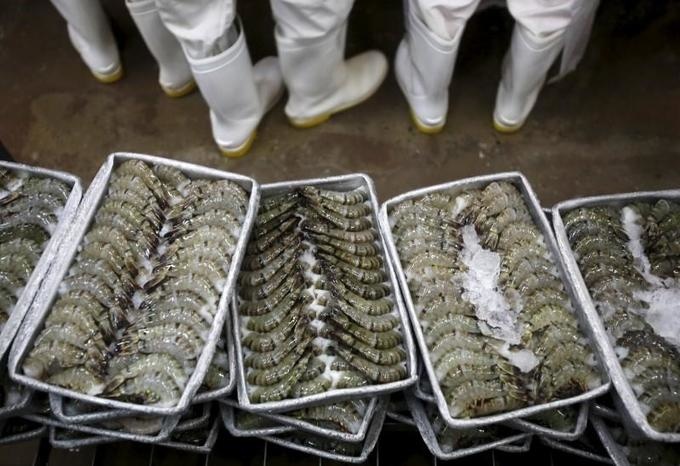
    Seafood exports rose by 2.8 percent year-on-year in the first nine months of the year to US$2.4 billion, according to the Vietnam Association of Seafood Exporters and Producers.

    Tuna, squid and octopus accounted for the highest proportion of the exports.

    Bivalve mollusk exports soared 39 percent to $99.6 million.

    The five biggest markets for squid and octopus were Korea (accounting for 41 percent), 11 member countries of the CPTPP (24 percent), Thailand (11 percent), EU (10 percent), and China (7 percent).

    In September alone, exports fell by 24 percent year-on-year, after falling by 24 percent in August, due to social distancing restrictions.

    VASEP expects the figure to also decline in October.

  • With no Apple shop, mono stores mushroom in Vietnam

    With no Apple shop, mono stores mushroom in Vietnam

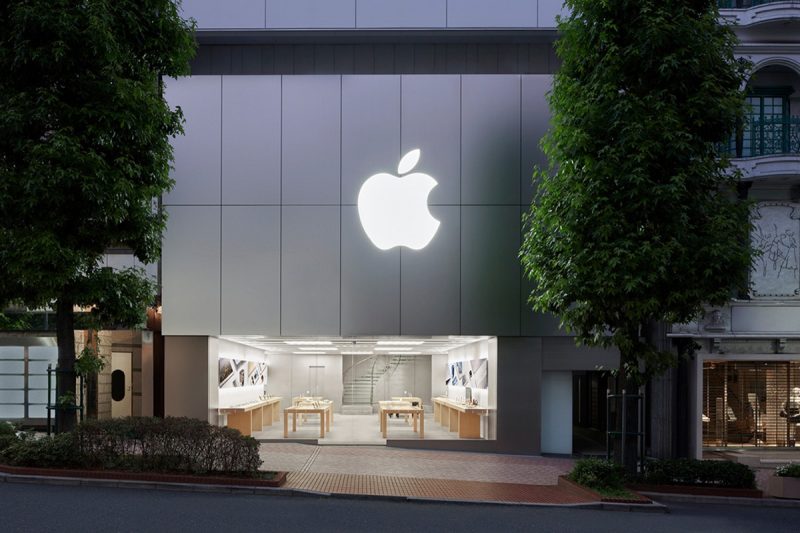
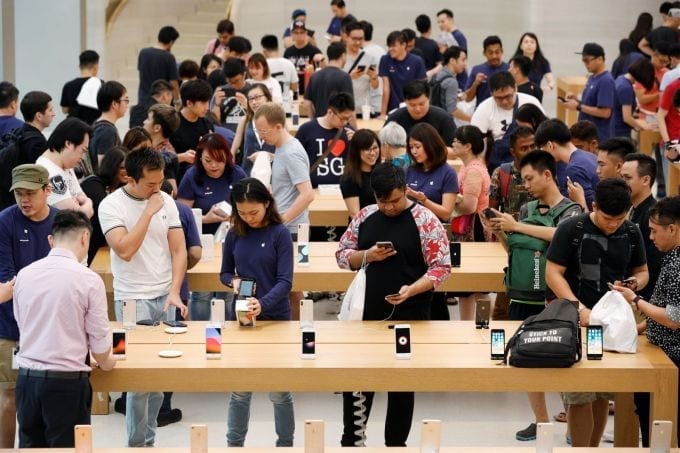
    Vietnam has no Apple store, so resellers are opening mono store chains in the country for consumers to experience an “Apple-standard shopping space.”

    An Apple mono store is a shop that exclusively sells Apple products. There are two kinds of mono stores – the AAR (Apple Authorized Reseller) with a minimum area of 50 sq.m., and APR (Apple Premium Reseller) with an area of 180-220 sq.m.

    “Vietnam and many other Southeast Asian countries are yet to house Apple stores, while the number of Apple users in these countries is getting bigger and bigger. We have opened the TopZone chain (Apple mono stores) for consumers to experience Apple-standard shopping space,” said The Gioi Di Dong (Mobile World) CEO Doan Hieu Em.

    The company will have a total of 50-60 TopZone stores by the first quarter of next year, he said.

    According to FPT Shop, another major electronics retailer that has established 15 Apple mono stores called F.Studio, sales of Apple products in Vietnam have posted two-digit growth rates in recent years. Authorized resellers will establish set up more Apple mono stores in the coming months.

    ShopDunk inaugurated five Apple mono stores on Oct. 22, the day iPhone 13 was launched in Vietnam. It plans to open another 50 stores in the next six months.

    Some other Apple authorized resellers in Vietnam, including CellphoneS and Minh Tuan Mobile, have also said they are planning to set up more Apple mono stores.

    In mid-2020, Apple had posted recruitment notices for many important positions in Vietnam, but it has made no further move since then. Experts have said that relatively small sales in Vietnam was the main factor in the absence of an official Apple store in the country.