Blog

  • Dexus Wholesale Property Fund Returns 9.3 per Cent as Retail Yields Beat Office

    Dexus Wholesale Property Fund Returns 9.3 per Cent as Retail Yields Beat Office

    Dexus Wholesale Property Fund delivered a 9.3 per cent total return in the year to 30 June. It beat its benchmark across an A$13 billion commercial portfolio.

    That performance was the unlisted vehicle’s strongest in four years. Retail rental growth and income yields outpaced the fund’s office and industrial holdings.

    Management resolved a redemption backlog exceeding A$1 billion that had accumulated over the past year. Brad Collier, head of diversified funds at Dexus, told a Sydney industry forum that the fund cleared the queue by selling secondary assets while existing and incoming unitholders bought up liquidity.

    Clearance of Redemptions and Yield Performance

    Capital returned to the fund once asset valuations stabilized after rapid interest rate adjustments across Asia-Pacific property markets. Steady rental increases and high income yields drove performance. Capitalisation rates did not need to compress.

    Sydney premium office space drove much of the return. Assets like Gateway at 1 Macquarie Place held tenant demand as corporate employers paid higher rates for central floorplates to draw staff back into central business districts.

    Retail Outpaces Office on Yields and Sales

    Shopping centres held by the fund delivered income yields above 6 per cent. By comparison, office and logistics assets yielded below 5 per cent. Annual retail tenant turnover grew 5 per cent across the portfolio, giving the landlord pricing power during lease renewals despite subdued consumer sentiment.

    Occupancy across these shopping centres sits above 99 per cent. Collier noted that co-ownership with retail operators like Scentre Group helped maintain tenant retention and rental revenue across major regional destinations.

    Malls as Residential Development Sites

    Large shopping centres with surplus land represent the fund’s primary avenue for value expansion. Dexus is pursuing master-planned rezonings around suburban retail hubs to construct high-density residential towers above and beside existing retail footprints.

    Plans at Westfield Warringah Mall in Sydney’s Northern Beaches call for more than 1,500 apartments across six residential towers on the Scentre co-owned site. The project will double the vehicle’s capital commitment to the property over the long term.

    “They’re seeing returns of 9.3 percent for what is a core portfolio.”

    Institutional landlords across the region are reallocating capital away from standalone department store wings toward housing and health services. This structure generates recurrent residential sales or rental income on owned land. It reduces land acquisition risk while providing built-in foot traffic for ground-floor retailers.

    Divergence Across Sydney, Brisbane and Melbourne

    Performance continues to diverge across Australia’s eastern seaboard capital cities. Brisbane office assets gained institutional investor support after years of restrained construction kept vacancy low. Meanwhile, Melbourne faces high vacancy, landlord leasing incentives, and Victorian state property surcharges.

    The twelve-month campaign of non-core disposals reversed the liquidity freeze that hit unlisted Australian property trusts between 2022 and 2024. That recovery establishes a baseline for institutional capital allocators assessing core real estate entries across Australasia.

    Dexus is advancing planning approvals for the six-tower residential precinct at Warringah Mall while monitoring tenant absorption in Melbourne before lifting its office allocation there.

  • CAAB Issues First Aviation Security Order Ahead of October 26 ICAO Audit

    CAAB Issues First Aviation Security Order Ahead of October 26 ICAO Audit

    The Civil Aviation Authority of Bangladesh has issued the country’s first dedicated Air Navigation Order on aviation security ahead of an International Civil Aviation Organization audit scheduled to begin on October 26.

    Gazetted on September 3 under the Civil Aviation Act, 2017, the order establishes binding rules and procedures for aviation operations, making violations punishable offences under the act.

    Codifying Airport and Passenger Rules

    The new instrument consolidates requirements for airlines, ground handling staff, baggage screening, aircraft access, and cargo processing. It establishes a four-tier classification system for disruptive passenger behavior. That scale extends from verbal threats to attempted cockpit breaches.

    Airlines now hold explicit authority to refuse check-in or offload passengers at boarding gates. Ground handlers must remove hold luggage and de-manifest passengers denied travel before departure.

    Cabin baggage rules formally cap liquid containers at 100ml inside a single one-litre transparent bag. Passengers who decline physical screening or baggage checks face immediate denial of boarding.

    Staffing Gaps and Equipment Upgrades

    Special Branch police vetting is now mandatory for all personnel with unescorted access to security-restricted zones. Meanwhile, the Civil Aviation Authority of Bangladesh continues to rely on the Armed Police Battalion for perimeter and landside security while internal hiring continues.

    Procurement teams have added 25 explosive trace detectors sourced from China, alongside dual-view baggage screening systems and four full-body scanners at Hazrat Shahjalal International Airport in Dhaka.

    If I cannot answer that question, I lose marks, and that affects the overall grading, said Air Commodore Md Asif Iqbal, member for security at the authority.

    Replacing the 1984 Framework

    Dhaka is using the security order to overhaul the Civil Aviation Rules, 1984, which have governed the sector for four decades. The older framework left multiple operational directives without direct statutory backing, a deficiency flagged during previous multilateral oversight rounds.

    For regional airlines and cargo carriers operating into Dhaka, the shift standardizes compliance checks across passenger terminals and freight sheds. Legal clarity reduces operational discretion at checkpoints. However, equipment shortages at secondary hubs remain an active bottleneck for ground operators.

    The International Civil Aviation Organization begins its on-site assessment of Bangladesh’s aviation security systems on October 26.

  • Hang Lung Properties Posts Single-Digit Sales Growth in July

    Hang Lung Properties Posts Single-Digit Sales Growth in July

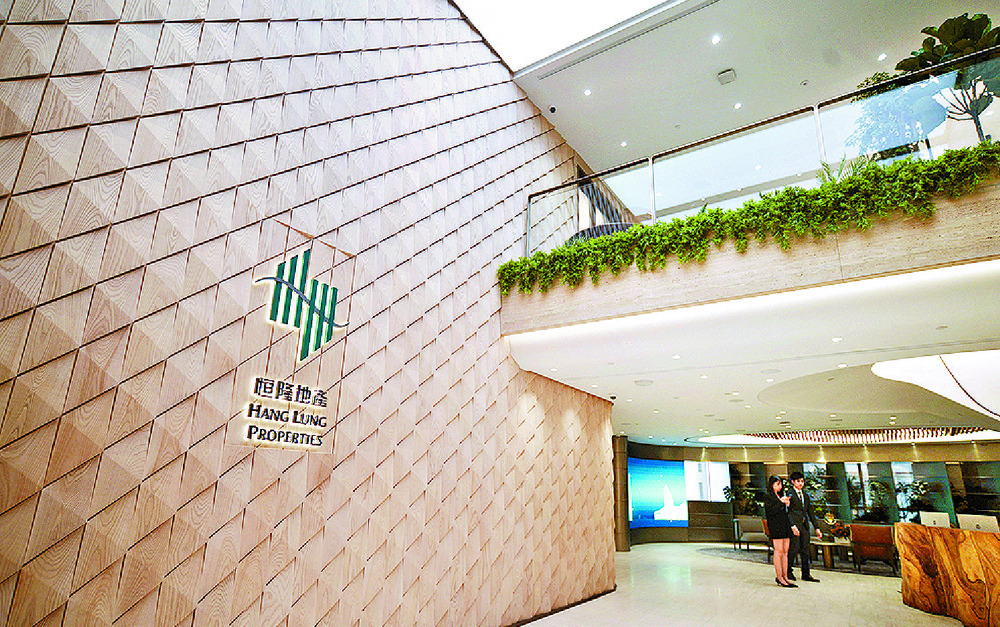
    Hang Lung Properties recorded single-digit sales growth across its Hong Kong shopping centres in July. A pipeline of tenant openings is scheduled for the fourth quarter.

    Chief executive Weber Lo Wai-pak expects the market recovery to gather pace over the next 18 months as newly leased shop units complete fit-out works.

    Carving Up Flagship Floorplates in Causeway Bay

    Leasing demand in Causeway Bay is shifting to smaller formats rather than single-tenant megastores. At Fashion Walk, the landlord broke up the four-level, 4,274-square-metre space at Hang Lung Centre. Swedish fast-fashion retailer H&M previously occupied the site, exiting in late February when its lease expired.

    Local pharmacy operator Lung Fung Group took over the ground floor. Mainland Chinese womenswear label W. Management leased the first and second floors. Upper levels are being converted into food and beverage concepts.

    Hong Kong shopping malls need to focus on getting the fundamentals right and offering the public new products and activities.

    Adriel Chan, chair of Hang Lung Properties, said fresh brand commitments show sustained confidence in local commercial real estate. Chief executive Weber Lo Wai-pak confirmed foot traffic responds when operators refresh tenant rosters and run targeted events.

    Kowloon Bay Footbridge Drives Neighborhood Traffic

    Decentralised retail assets are generating faster occupancy gains than prime tourist high streets. At Amoy Plaza in Kowloon Bay, retail occupancy reached close to 100 per cent. The gains followed the launch of the developer-funded Amoy Footbridge, which connects the mall to residential blocks at Amoy Gardens.

    Pedestrian counts at Amoy Plaza climbed by a single-digit percentage after the bridge opened. The upgrade drew more than 20 new food and beverage tenants to the second floor alone. That gave the landlord room to lift rents on upcoming renewals.

    Landlords Pivot to Defensive Everyday Retail

    The tenant shift inside Hang Lung Centre reflects a structural change across Hong Kong retail property. Landlords can no longer rely on Western fast-fashion chains to anchor multi-storey flagships at peak rents. Instead, they subdivide big boxes between domestic healthcare retailers, regional food concepts, and mainland fashion brands catering directly to residents.

    Subdividing protects baseline rental yields, but it compresses operating margins. Landlords must fund conversion works and manage higher tenant turnover. The primary risk sits in consumer spending leakage to Shenzhen, where cheaper dining and leisure draw local shoppers across the border on weekends.

    Cautious leasing has marked the territory since border restrictions lifted in 2023. Luxury demand remained uneven through early 2026. Everyday retail hubs and neighbourhood malls maintained stable footfall.

    Retailers and property investors are tracking fourth-quarter trading numbers across Causeway Bay and Kowloon Bay. The figures will show whether renovated spaces deliver projected rental revisions into 2027.

  • Daesang Launches Tailored O’Food Sauces for US Supermarkets

    Daesang Launches Tailored O’Food Sauces for US Supermarkets

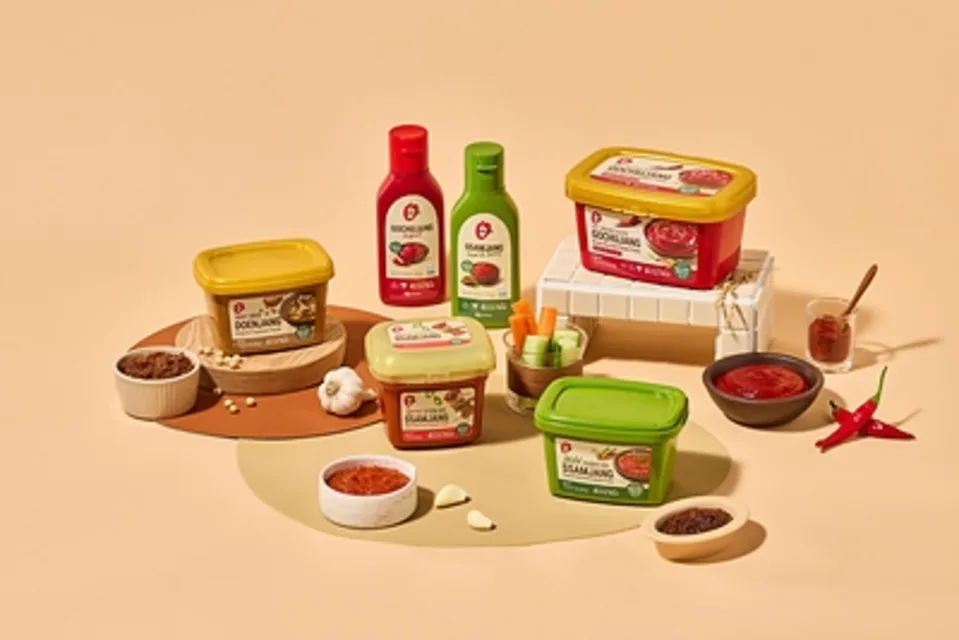
    South Korean food manufacturer Daesang has launched a revamped lineup of O’Food sauces for mainstream US grocery shelves this week.

    The export line modifies traditional Korean fermented recipes for American palates. Formulations feature lower heat levels and familiar condiment textures.

    Adapting Fermented Flavours for Export

    Core adjustments cover two key lines, gochujang and barbecue marinades. Daesang cut pungency and tweaked sweetness ratios to appeal to mainstream chains, where traditional Korean pastes often struggle to win repeat buyers.

    Retail distribution in North America runs through subsidiary Daesang America. The company is targeting broadline supermarkets rather than relying solely on ethnic grocery channels.

    The Mainstream Distribution Hurdle

    Breaking past specialty aisles into center-store condiment bays offers Asian food makers their best margin opportunity. CJ CheilJedang took that route by acquiring Schwan’s for deep US cold-chain access. Daesang chose an asset-light, recipe-first strategy instead.

    Customer retention is the primary operational hurdle. Tweaking authentic profiles risks alienating diaspora shoppers, while established Western brands are rolling out their own Korean-style sauces.

    Earlier Footprint Across North America

    Daesang already produces kimchi at facilities in California to bypass shipping bottlenecks and trim freight overhead. The sauce lineup uses these existing supply chains to build shelf space across major accounts.

    US supermarket buyers will review early velocity data from regional pilots over the coming quarters before committing to national shelf resets.

  • South Korea Partners with Shin-Line on Food Cluster and 70 CU Stores

    South Korea Partners with Shin-Line on Food Cluster and 70 CU Stores

    South Korea’s food cluster agency signed a partnership on Tuesday with Kazakhstan’s Shin-Line Group to build an industrial food hub and expand bilateral market cooperation.

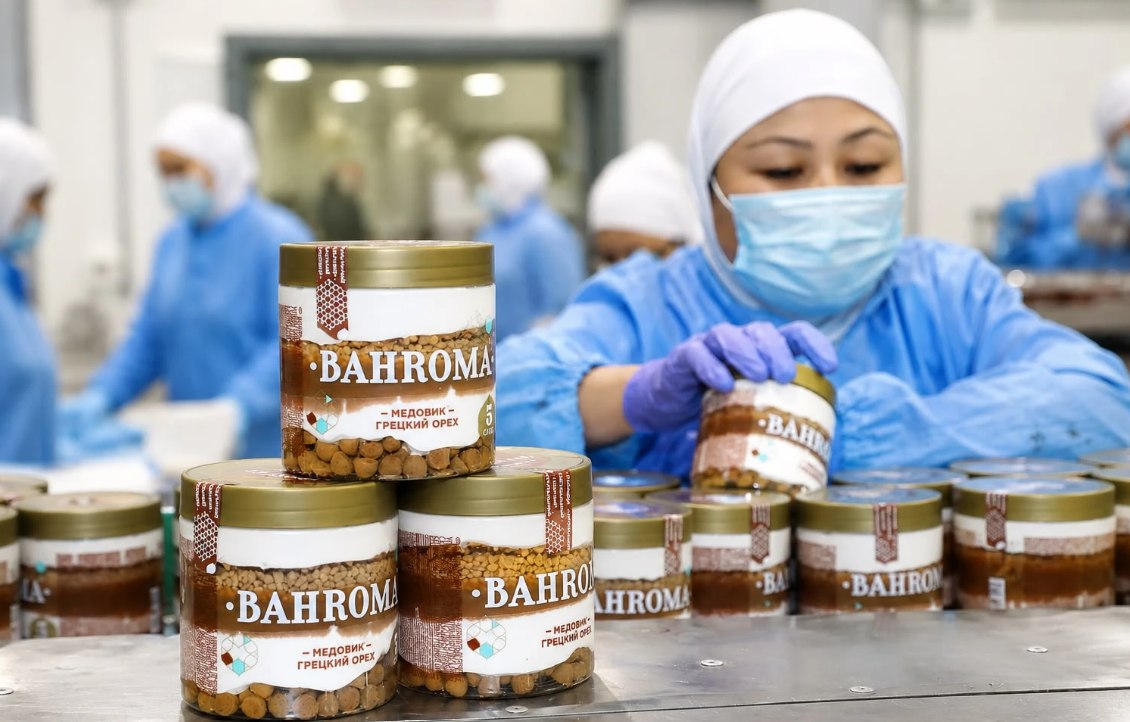
    The agreement opens a pathway for food producers from the National Food Cluster in Iksan to gain access to Central Asia’s largest ice cream manufacturer and its network of about 70 CU convenience stores.

    Advisory terms and network access

    Korea Food Industry Cluster Promotion Agency Chairperson Kim Deok-ho and Shin-Line Group Chairman Andrei Shin signed the memorandum of understanding at the Four Seasons Hotel in Seoul during the Korea-Kazakhstan Business Roundtable. Under the agreement, the Korean agency will consult on operating strategies, infrastructure planning, and enterprise support programs for the planned food cluster.

    Packaged goods made by tenants at South Korea’s National Food Cluster will flow directly into Shin-Line’s retail footprint. The company operates local production plants, cold-chain routes, and roughly 70 CU franchised convenience stores across Kazakhstan.

    Supply chains push into Central Asia

    For Korean packaged food manufacturers, the deal tackles their toughest operational bottleneck in Central Asia: shelf space and cold-chain logistics. Exporters entering Kazakhstan typically face fragmented wholesale channels and unpredictable refrigerated transport. Partnering with Shin-Line gives suppliers an immediate pipeline into modern convenience retail.

    Operational risk centers on product fit and price positioning. Central Asian consumers embrace Korean pop culture, but everyday convenience store spending remains sensitive to freight costs and local purchasing power. Shin-Line must balance higher-margin imported Korean inventory with high-turnover domestic staple foods. That balance keeps store traffic steady.

    Expanding the Iksan blueprint

    In North Jeolla Province, the Korean agency runs the National Food Cluster in Iksan, providing research, development, and pilot production support to domestic food processors. The Kazakhstan project exports that state-managed industrial model. It also secures captive export destinations for cluster tenants.

    This agreement provides an opportunity to expand food industry cooperation with Kazakhstan by drawing on our experience operating the National Food Cluster.

    Store counts and development timeline

    Teams from both sides will now set working schedules for technical consultations on the industrial park and outline vendor requirements for Korean exporters. The key early milestone is tracking how quickly National Food Cluster packaged lines reach shelves across Shin-Line’s 70 CU stores in Kazakhstan.

  • Dollarama Australia Sales Reach $185.7M as Conversion Losses Widen

    Dollarama Australia Sales Reach $185.7M as Conversion Losses Widen

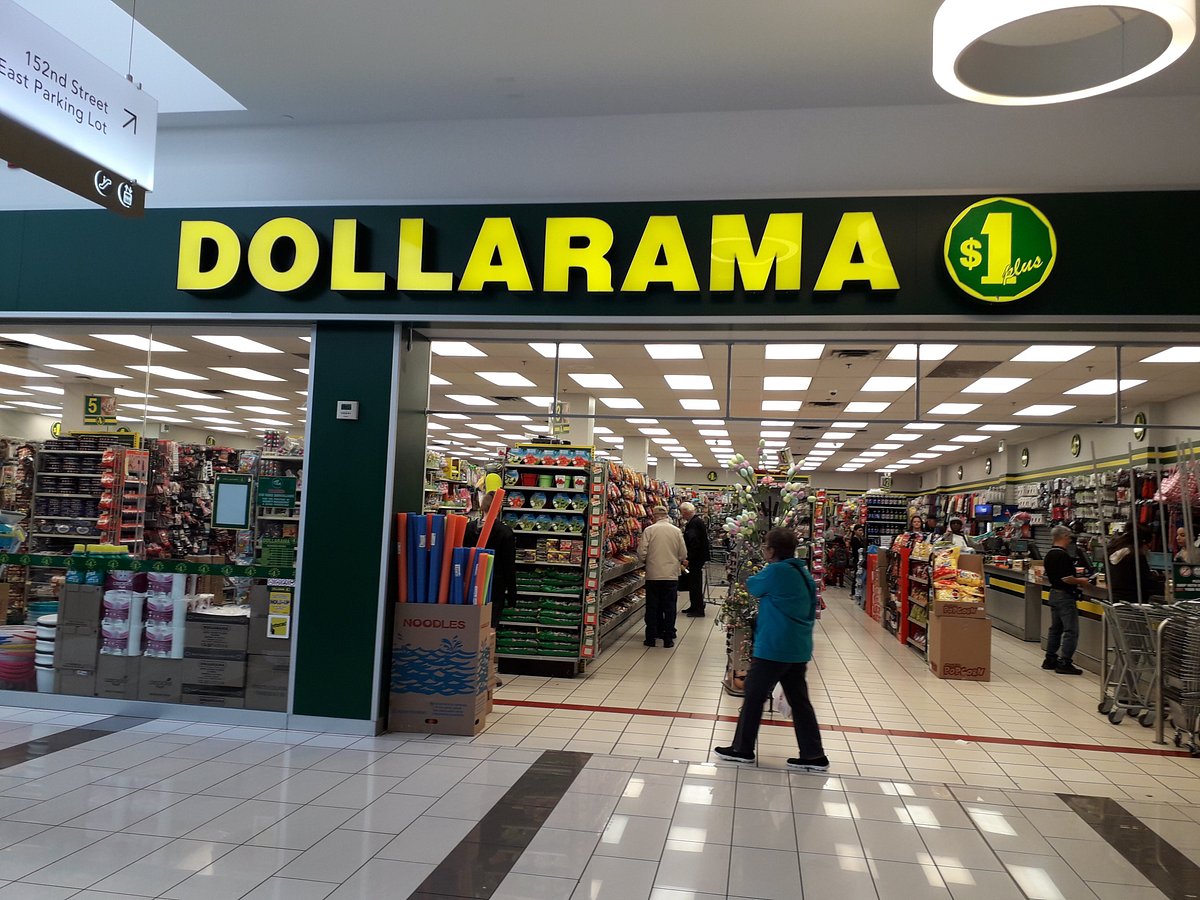
    Dollarama Australia posted a second-quarter net loss of $13.7 million for the period ended August 2 as costs from overhauling its local retail network accelerated.

    Sales rose to $185.7 million across 414 locations, up from $262,400 in net loss and a fraction of revenue a year earlier when accounts reflected only 13 days of ownership.

    Refitting The Reject Shop Network

    The Montreal-based value retailer took full control of The Reject Shop last July to establish a direct operating bridgehead in the Asia-Pacific region. Integrating those assets requires extensive capital work inside existing retail footprints.

    During the quarter, the company renovated 25 stores and opened four net new sites across the country. That pushed the total number of Australian locations operating with Dollarama standard layouts and fixtures to 60.

    Discount Margins Face Upfront Outlays

    Refurbishing discount outlets at speed exposes margins to immediate friction. Fit-out costs, supply chain realignment and temporary store disruption hit operating profit before new merchandising yields higher basket sizes.

    Rival value generalists in Australia operate lean supply chains and defend established suburban leases aggressively. Dollarama is betting that higher product density and proprietary sourcing can offset the conversion drag across its remaining 354 legacy stores.

    Full Year Loss Forecast

    The company acquired The Reject Shop in July 2025 to secure an instant national retail footprint rather than building real estate step by step. That transaction gave the Canadian group 414 operating sites across suburban centres and strip malls.

    Dollarama confirmed it expects the Australian business to remain loss-making for the entire fiscal year as refits continue across the balance of the 414-store fleet.

  • Investa and BGO Expand Australian Office Venture to A$1.8 Billion

    Investa and BGO Expand Australian Office Venture to A$1.8 Billion

    Investa and North American investment giant BGO expanded their Australian commercial property partnership to A$1.8 billion with an agreed A$715 million portfolio purchase across Sydney and Brisbane.

    The acquisition covers 123 Albert Street in Brisbane alongside 30-34 and 36 Hickson Road in Sydney, splitting ownership equally between BGO and the Investa Commercial Property Fund at the Queensland site.

    Alongside the joint portfolio purchase, the A$6 billion Investa Commercial Property Fund agreed last month to sell 1 Market Street in Sydney for A$450 million to the Investa Core Plus Office Partnership. Chief Executive Peter Menegazzo said the sale frees capital from a 30-year-old building to manage fund gearing following recent development outlays.

    “Office is back,” Menegazzo told the Mingtiandi Australia Forum in Sydney. “We operate in a cyclical sector and industry, and we knew it would come. It was just a matter of when.”

    Capital recycling and portfolio reshuffle

    The transaction at 1 Market Street relies on rental growth across roughly 50 tenants rather than cap rate compression, offering frequent windows to reset income to current market levels. Sydney has recorded consecutive quarters of net absorption, underpinning institutional demand for well-located assets with manageable vacancy risks.

    Investa signed 133,000 square metres of leases over the past 12 months. Tenants with lease expiries falling between 2029 and 2031 are already opening renewal negotiations early to lock in prime space ahead of projected shortages.

    Development barriers squeeze prime office supply

    Elevated construction costs and tight capital markets have stalled the supply pipeline across major Australian central business districts. New developments require asking rents between 30 and 50 percent above prevailing levels, alongside lower capitalisation rates, to reach commercial viability.

    Sydney faces a four-to-five-year development cycle, prolonging the shortage of modern office space. Institutional buyers are responding by acquiring standing premium buildings at prices below replacement cost rather than taking on greenfield construction risk.

    Brisbane displaces southern office capital

    Brisbane has emerged as one of the strongest office markets globally for effective rental growth over the past 18 to 24 months. Queensland’s commercial property market is drawing allocations away from Melbourne, supported by Olympic infrastructure preparations and tight physical supply.

    Offshore institutions are widening their presence in Brisbane. Recent transactions include Japanese investment into Central Plaza I, TPG’s venture with GPT on Central Plaza II, and Barings’ A$700 million acquisition of 480 Queen Street.

    Asian institutional backing expands into living sectors

    Japanese capital has expanded beyond traditional commercial towers into Australian living sectors. Daibiru bought 135 King Street in Sydney for A$600 million from Investa’s flagship fund last year, adding an ongoing management mandate.

    Tokyo-based groups JR West Real Estate & Development, Sotetsu Real Estate and Sumitomo Mitsui Trust Bank are financing Investa’s 251-studio co-living project at 140 Elizabeth Street in Sydney. The company is now seeking A$500 million in equity to back a co-living platform with A$1 billion in initial development capacity, with negotiations underway on the capital commitment.

  • When Products Go Viral, Can Your Supply Chain Keep Up?

    When Products Go Viral, Can Your Supply Chain Keep Up?

    For years, retailers have focused on forecasting demand. Today, they’re increasingly trying to keep up with it. Across Southeast Asia, social commerce has fundamentally changed how consumers discover and buy products. Livestream shopping, creator recommendations and short-form video have compressed the traditional purchase journey from days or weeks into minutes. A single piece of content can turn an everyday product into the next bestseller almost overnight.

    The numbers reflect the scale of this shift. According to Cube Asia, combined gross merchandise value (GMV) across Shopee, Lazada and TikTok Shop grew by 22% in 2025, with TikTok Shop recording the fastest growth as social commerce continues to reshape online retail across the region.

    For retailers, however, the challenge isn’t simply handling more online orders, it’s managing a level of demand volatility that traditional retail operations were never designed to accommodate.

    Demand is becoming increasingly unpredictable

    Retail planning has traditionally relied on historical sales data, seasonal patterns and promotional calendars to forecast demand. Social commerce has now completely disrupted that model. Rather than building gradually, demand has the potential to surge within hours of a viral video, influencer endorsement or livestream event. That means products that were moving steadily one day can suddenly attract thousands of orders the next, leaving retailers scrambling to respond.

    It’s not that retailers don’t have enough inventory but it’s that they’re often lacking the visibility to understand where that inventory sits across stores, warehouses and fulfilment partners – or the agility to redirect it quickly enough to meet changing demand.

    Visibility is a competitive advantage

    From a consumer’s perspective, every sales channel should deliver the same experience. Whether they make a purchase on TikTok Shop, Shopee, Lazada or a brand’s own website, they expect accurate stock availability, rapid delivery and clear order updates.

    Meeting those expectations requires retailers to maintain a real-time view of inventory across their entire network. Without that visibility, businesses risk overselling products during periods of high demand, delaying shipments or cancelling orders after customers have already completed their purchase. In an environment where customer experiences are shared instantly across social media, those operational shortcomings can damage brand reputation just as quickly as a successful campaign can build it.

    Fulfilment must become more intelligent

    Visibility is only part of the equation. Once demand spikes, retailers also need to determine the best way to fulfil every order. Modern order orchestration enables businesses to evaluate inventory availability, warehouse capacity, delivery commitments and shipping costs in real time before automatically routing orders to the most appropriate fulfilment location.

    This flexibility allows retailers to balance workloads across stores, distribution centres and logistics partners as demand changes, helping them maintain delivery performance even during sudden sales surges. Rather than reacting to disruption, retailers can make fulfilment decisions dynamically as conditions evolve.

    Social commerce requires connected operations

    One of the biggest misconceptions surrounding social commerce is that it’s simply another sales channel, when in reality, it changes how retailers need to operate. Marketing campaigns, inventory planning, warehouse operations, transportation and customer service can’t function independently when demand can change dramatically within minutes.

    Success increasingly depends on connecting these functions through a unified operational platform, where inventory, orders, fulfilment and logistics share the same real-time information. When every part of the business is working from a single view of operations, retailers can respond faster, make more informed decisions and continue delivering the customer experience consumers expect.

    Turning demand into fulfilment

    Social commerce will continue to reshape retail across Southeast Asia, giving brands more opportunities to connect with customers and drive online sales. But every spike in demand puts pressure on the systems behind the scenes.

    Retailers that can respond quickly to changing order volumes, inventory movements and fulfilment demands will be better placed to take advantage of these opportunities without compromising the customer experience. As social commerce continues to evolve, operational flexibility will become just as important as marketing reach.

    For more information about supply chain solutions, visit https://www.manh.com/

    By Raghav Sibal, Managing Director, Southeast Asia, Manhattan Associates

  • CEVA Logistics Pilots 2 Autonomous Vehicles in Singapore

    CEVA Logistics Pilots 2 Autonomous Vehicles in Singapore

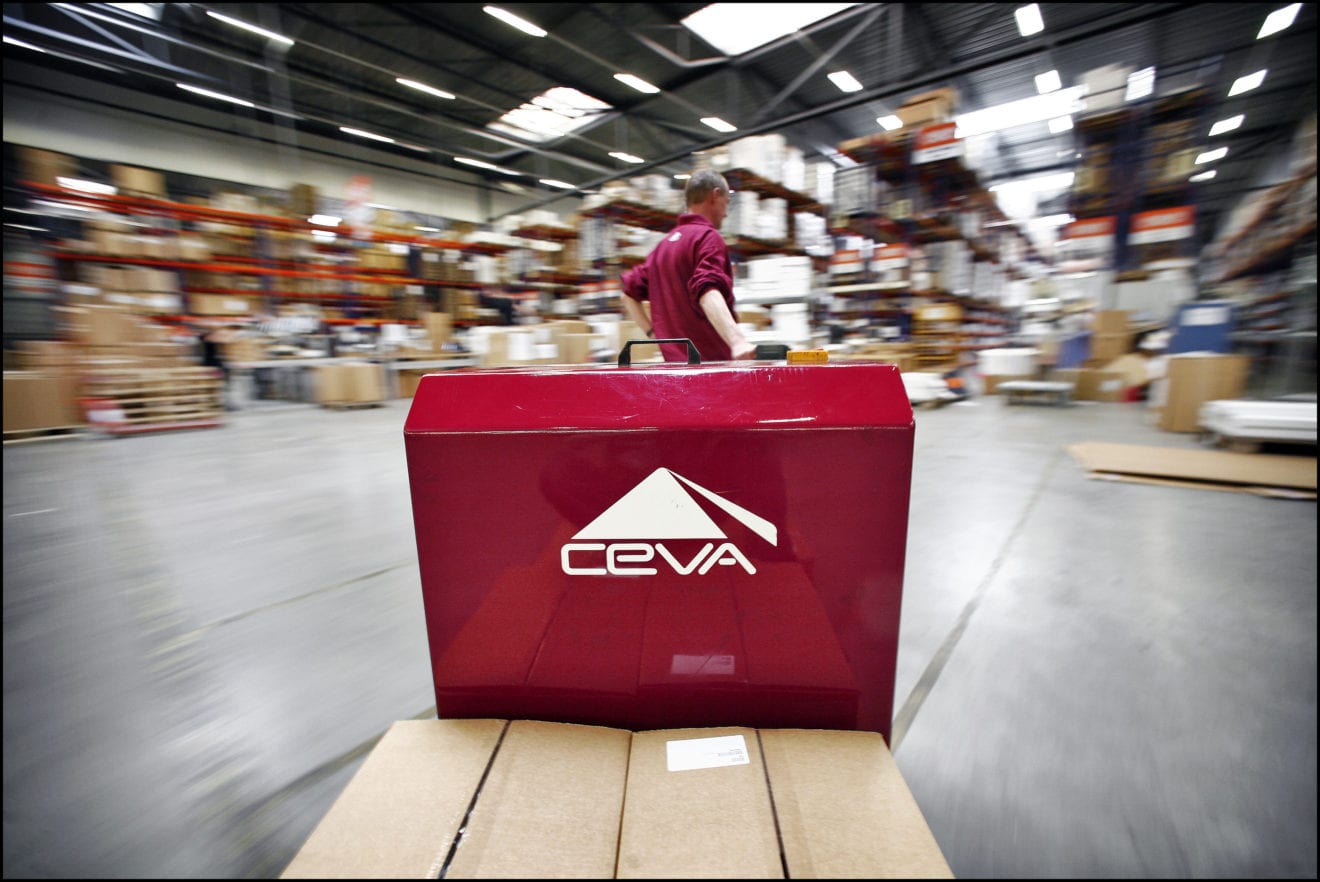
    CEVA Logistics launched a pilot program in September 2026 deploying two Zelostech Z10 autonomous electric vehicles at its Blue Hub facility in Singapore. The trial is expected to cut carbon dioxide emissions by at least 4,600 kilograms annually.

    Conducted at the 50,000-square-meter Blue Hub facility, the test replaces diesel truck trips between floors with automated transport for pallets and totes.

    Ramp Operations Go Driverless

    Two Zelostech Z10 autonomous electric vans now run directly on the building’s internal roadways. They navigate ramps across the eight-story complex independently without human drivers. That setup allows staff to schedule inventory transfers based on floor demand rather than driver availability.

    Operations at Blue Hub cover contract logistics for luxury brands, cosmetics lines, healthcare distributors and general retail accounts. The LEED Gold facility already runs goods-to-person picking systems, automated guided vehicles and robotic sorters.

    Contract Logistics and Autonomous Fleet Integration

    Vertical multi-tier warehouses present constant bottlenecks for third-party logistics operators in land-constrained Asian hubs. Diesel trucks burn fuel inside enclosed spaces. They also tie up labor on repetitive shuttle routes between storage bays and dispatch decks.

    Switching internal truck runs to level-four autonomous vans shifts operating costs from variable driver hours to fixed equipment maintenance. Fleet routing remains the primary operational risk. Map-free navigation software must handle dense traffic mixing with human-operated forklifts and dock workers without stalling warehouse flow.

    From Incubator Funding to Site Deployment

    ZEBOX, the venture accelerator run by CEVA parent firm CMA CGM, provided the springboard for the trial during its 2025 startup awards. Zelostech secured development funding through that competition to build a proof-of-concept logistics system for the French shipping group.

    Globally, Zelostech operates more than 25,000 autonomous delivery vehicles. Marseille-based CEVA recorded 18.3 billion dollars in 2025 revenue across 1,700 sites. The company will review data from the Singapore deployment to evaluate rolling out the Z10 autonomous fleet across its contract logistics facilities worldwide.

  • Onitsuka Tiger, Laneige, Adidas and Lacoste Open Four Asian Flagships

    Onitsuka Tiger, Laneige, Adidas and Lacoste Open Four Asian Flagships

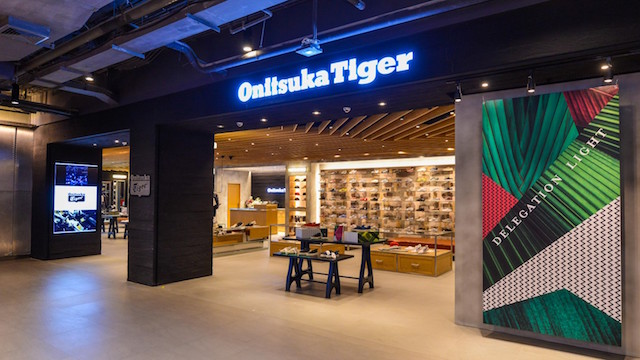
    Four major retail brands, Onitsuka Tiger, Laneige, Adidas Originals, and Lacoste, opened flagship stores across Tokyo, Seoul, Bangkok, and Hong Kong in August 2026 to expand their physical footprints in Asia.

    The rollouts include an 1,837-square-metre store for Onitsuka Tiger in Shinjuku and an 18-month redevelopment for Laneige in Seoul featuring on-site robotic product compounding.

    Automation in Seoul and Scale in Tokyo

    In Tokyo, Onitsuka Tiger opened its largest global flagship across four levels in Shinjuku. Designed with Milan architecture firm Studio Dini Cataldi, the building features a Tiger Yellow concrete facade and houses the label’s complete lineup, including the Heritage, Contemporary, and The Onitsuka formal footwear ranges under a unified roof.

    Laneige reopened its Seoul flagship with automated manufacturing built directly into the sales floor. Shoppers use artificial intelligence diagnostics to generate custom skincare and complexion formulations. A robotic dispenser produces personalized cushion foundation from 150 shades, while custom Cream Skin toners are blended on site from 25 base formulations in roughly 20 minutes.

    Laneige Seoul is our perception of what the future of beauty, technology and design looks like. Every visit is different; every product is yours alone.

    Heritage Streetfronts in Bangkok and Hong Kong

    Adidas Originals took over a two-storey godown on Song Wat Road in Bangkok, creating its first standalone street location in Thailand. The ground floor integrates trading district props such as pushcarts alongside a Maker Lab for apparel customization, while the upper level holds Southeast Asia’s first combined Adidas and % Arabica coffee outlet overlooking the Chao Phraya River.

    Lacoste established a flagship in Hong Kong’s Central district inside the Grade I historic Pedder Building. The interior repurposes the structure’s classic arches into dedicated zones for menswear, womenswear, and sport, incorporating art by Alvin CK Lam and furniture built from recycled tennis balls by Belgian designer Mathilde Wittock.

    The Direct-to-Consumer Calculation

    These large-footprint flagships show operators trading sales floor density for operational theatre. By bundling customization labs, in-store cafes, and robotic assembly lines into physical spaces, brands are treating flagships as media channels rather than simple inventory distribution points. The approach increases fit-out costs and staffing requirements, but it insulates physical locations against pure e-commerce erosion by selling products that cannot be purchased online.

    For landlords across prime Asian high streets, the shift favors tenants that can generate sustained foot traffic without relying entirely on wholesale distribution. The risk rests in long-term maintenance: high-concept production zones and customized hardware require ongoing operational discipline once initial opening publicity fades.

    The Shinjuku opening follows an August restructuring announcement from parent group Asics, which approved a plan to carve out the Onitsuka Tiger business into a wholly owned unit named OT Group. That operational transfer takes effect on January 1, when the brand begins trading under the dedicated subsidiary.

  • Japanese Yen Drops to 156 Against Dollar Following Hawkish Federal Reserve Rate Hike

    Japanese Yen Drops to 156 Against Dollar Following Hawkish Federal Reserve Rate Hike

    The Japanese yen fell past 156 against the US dollar in Tokyo on Thursday morning after the Federal Reserve raised interest rates. Fed officials paired the hike with a hawkish outlook. The US Dollar Index climbed above 100 as Asian currencies retreated.

    This sell-off pushed the currency back toward multi-month lows against the greenback after earlier rallies had lifted it to 152 and 154. The reversal resets the cost floor for Asian supply chains. Most settle energy, raw materials and consumer electronics components in dollars.

    Widening Rate Gap Hits Asian FX

    Washington provided the catalyst. The Federal Reserve confirmed further tightening to curb stubborn inflation. Higher yields on US debt continue to draw capital away from Asian fixed income assets, penalising currencies tied to low or negative real interest rates.

    Consumer brands and retailers importing inventory across Asia face immediate margin hits. Importers of packaged food, apparel and tech hardware face higher wholesale landed costs. Export manufacturers gain a temporary translation boost, but it masks weak domestic consumer sentiment.

    Squeeze on Margins and Import Costs

    Retail operators cannot easily pass currency fluctuations to shoppers without dampening foot traffic. Department stores, specialty chains and supermarket networks across East Asia face a hard choice. They must absorb higher procurement invoices or risk volume drops by raising shelf tags.

    Japan’s Ministry of Finance and corporate treasurers lost the breathing room they had earlier in the week. The market had watched the yen strengthen toward 152. The Federal Reserve quickly extinguished bets on an early monetary pause.

    Bank of Japan Decision in Focus

    Earlier trading saw the yen swing between 152 and 154 to the dollar as desks weighed domestic inflation against global bond yields. Japanese land prices and tourism spending showed resilience. Still, imported input inflation continues to squeeze local business margins.

    Traders now look to the Bank of Japan’s upcoming policy meeting. Officials face rising pressure to consider domestic rate adjustments to arrest further currency depreciation.

  • Anthropic to Open Fifth Asia-Pacific Hub in Singapore in October

    Anthropic to Open Fifth Asia-Pacific Hub in Singapore in October

    Anthropic will open its first Southeast Asian office in Singapore this October, establishing its fifth Asia-Pacific base as enterprise competition with OpenAI escalates across regional markets.

    Singapore ranks second globally out of 121 countries for per-capita usage of the company’s Claude model, trailing only Australia.

    The Singapore hub follows earlier regional openings in Tokyo, Seoul, Bengaluru and Sydney. Dale Finlay, who spent six months leading regional go-to-market operations at OpenAI, will head Anthropic’s Southeast Asian expansion.

    The Race for Regional Enterprise Accounts

    Enterprise demand across Southeast Asia is shifting from experimental trials to operational software integration. By setting up physical operations in Singapore, Anthropic gains direct access to regional corporate headquarters, financial institutions and digital commerce operators evaluating large language model providers.

    OpenAI established its Asia headquarters in Singapore in late 2024 and recently moved to secure 100,000 square feet of office space at Shaw Tower. OpenAI also recruited former Meta South Asia head Sandhya Devanathan to direct its ASEAN and Australian operations, establishing an aggressive commercial baseline that Anthropic must now counter with local technical support and enterprise sales teams.

    Singapore as the AI Gateway

    Singapore has committed more than SG$1 billion ($770 million) to upgrade national artificial intelligence capabilities and infrastructure. That funding and regulatory clarity have attracted a dense cluster of American software developers, including Cognition and Sierra, which chose the city-state for their regional headquarters.

    Hardware developers are following the same path. San Francisco-based note-taker manufacturer Plaud opened its regional base in Singapore, expanding its local team from 10 to 100 staff in nine months while committing SG$20 million ($15.7 million) to local engineering and product development across twelve regional markets.

    Execution and Talent Pressures

    For enterprise software vendors, the primary hurdle in Southeast Asia is localized multilingual workflow deployment rather than raw compute availability. Corporate buyers require models that handle fragmented languages and regional compliance standards without compromising data security.

    The competition between Anthropic and OpenAI will center on poaching senior enterprise sales talent and securing multi-year integration contracts with regional conglomerates before the close of the fiscal year.

  • Malaysia Asks Airlines to Prepare to Absorb AirAsia Routes

    Malaysia Asks Airlines to Prepare to Absorb AirAsia Routes

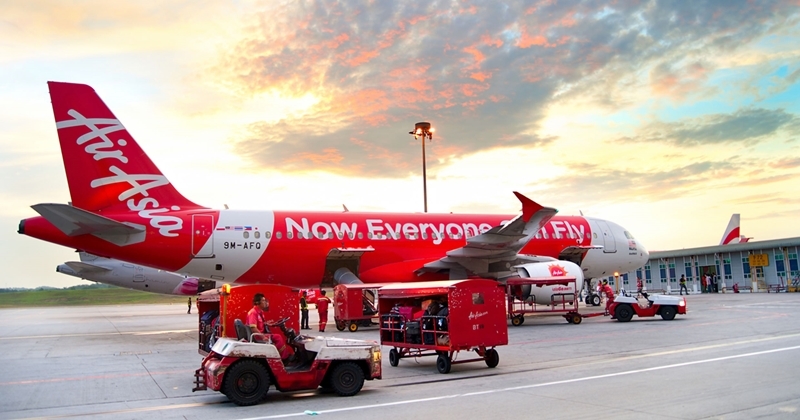
    Malaysia’s government has asked Malaysia Airlines and Batik Air whether they could absorb AirAsia’s domestic routes and passengers if necessary, as authorities carry out contingency planning while monitoring the budget carrier’s financial health.

    The discussions come as the airline, acquired by Tune Air for RM1 (US$0.25) in 2001, faces mounting financial pressure from debt and a sharp rise in fuel costs.

    AirAsia has stated that it remains focused on maintaining stable operations and that underlying travel demand remains strong, while officials noted that no takeover or transfer of operations has been decided.

    Contingency Planning and Operating Pressure

    The carrier’s operating entity, Capital A, faces the combined burden of debt accumulated during the pandemic and high operating expenses. In the second quarter of 2022, the group’s average fuel costs jumped 68 per cent year-on-year to US$151 a barrel, consuming 51 per cent of aviation revenue. Currency weakness across Southeast Asian markets against the US dollar has amplified those costs, particularly for aircraft maintenance and dollar-denominated aircraft leases.

    Both AirAsia X and parent entity Capital A previously fell into Bursa Malaysia’s PN17 classification for financially distressed listed firms. AirAsia X completed a debt restructuring in March 2022, but Capital A remains under requirements to regularise its financial condition to preserve its stock exchange listing.

    Shifting Regional Capacity Dynamics

    For regional travel retail, airport concessionaires, and tourism operators, any capacity reduction from AirAsia would alter passenger footfall patterns overnight. AirAsia built the low-cost model that feeds primary transit hubs like Kuala Lumpur International Airport Terminal 2 and regional secondary airports across Thailand, Indonesia, and the Philippines. If routes are transferred or curtailed, legacy carriers and competing hybrid operators will absorb higher-yielding corporate traffic while budget-sensitive discretionary travel slows down.

    Rival full-service and hybrid carriers stand to gain market share on key domestic trunk routes, yet taking over budget volume presents immediate fleet and staffing hurdles for Malaysia Airlines and Batik Air. Low-cost passenger yields cannot easily support legacy cost structures without state subsidies or substantial fare increases. The direct risk rests with consumer ticket pricing, where reduced seat capacity inevitably pushes up average domestic fares.

    From Token Purchase to Pandemic Shock

    Entrepreneurs Tony Fernandes and Kamarudin Meranun bought AirAsia through Tune Air in September 2001 for a token RM1, absorbing RM40 million in debt. The carrier transformed regional aviation by introducing high-density Airbus A320 fleets, online direct bookings, and low fares, surpassing 500 million passengers carried by 2018.

    Financial strains began surfacing before the global health crisis. AirAsia reported a net loss of approximately RM283 million in 2019 after fuel price increases added RM703 million to its operating costs in 2018. When border closures halted international travel in 2020, group revenue dropped 74 per cent to RM3.1 billion and full-year net losses widened to RM5.9 billion, forcing the shutdown of AirAsia Japan and a retreat from AirAsia India.

    Regulators and investors are tracking Capital A’s submission of a complete regularisation plan to exit PN17 status on Bursa Malaysia, alongside fleet reactivation milestones across its Southeast Asian subsidiaries.

  • Nespresso Pilots $5 Doorstep Capsule Recycling Service in Sydney

    Nespresso Pilots $5 Doorstep Capsule Recycling Service in Sydney

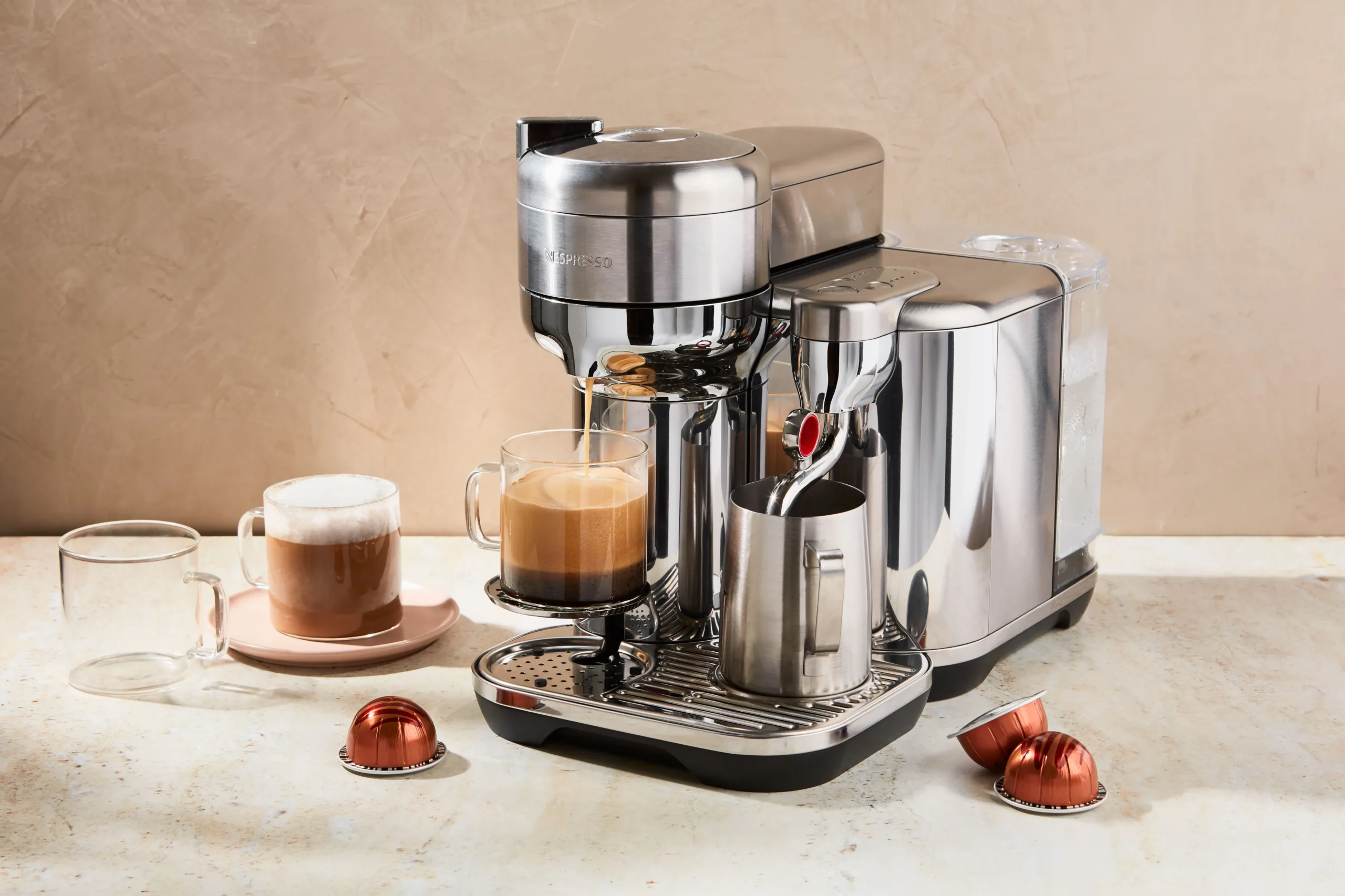
    In September 2026, Nespresso began piloting The Doorstep Collection, a new recycling service across metropolitan Sydney that allows customers to return used coffee capsules directly from their homes for $5.

    Each collection bag holds up to 180 Original capsules or 90 Vertuo capsules. Once filled, users can seal the bag and arrange a collection directly through the Nespresso app.

    How the collection model works

    The pilot tackles the main bottleneck in aluminium capsule recovery. Previously, consumers had to return used pods to brand boutiques or post offices. Folding collection into home delivery channels shifts reverse logistics costs onto willing buyers while defending the closed pod ecosystem.

    Recycling facilities separate the aluminium casings from residual coffee grounds. Smelters reprocess the metal. The organic waste goes to commercial composting facilities.

    Reverse logistics across regional markets

    Single-serve coffee brands across Asia-Pacific face mounting regulatory pressure to fund packaging waste management. In mature consumer markets like Australia, Singapore and Japan, drop-off rates consistently lag behind pod sales volumes without home collection infrastructure.

    Charging five dollars per bag tests how much financial responsibility consumers will shoulder for convenience. Competitors rely on third-party mail-back envelopes or retail bins that place the legwork on the shopper.

    What happens next

    Nespresso previously expanded drop-off points across postal networks and independent grocery stockists in Australia. Sydney now serves as the benchmark trial market ahead of a planned rollout across other Australian metropolitan regions.

  • Global Memory Shortage to Squeeze Device Makers Through 2027

    Global Memory Shortage to Squeeze Device Makers Through 2027

    A global memory chip shortage will squeeze independent phone and laptop makers through 2027, forcing product redesigns and price increases across entry-level consumer electronics.

    Counterpoint Research forecasts worldwide smartphone shipments will drop 13.9 per cent this year to 1.08 billion units, marking the steepest annual decline on record as memory costs make low-cost handsets uneconomical to produce.

    Memory now accounts for almost 60 per cent of the bill of materials on handsets priced around $400, according to Raymond van Eck, chief executive of Dutch repairable-phone maker Fairphone. Component availability rather than unit price has become the primary operational bottleneck for smaller manufacturers.

    Surging Prices and Supply Bottlenecks

    Market researcher TrendForce expects conventional volatile memory (DRAM) contract prices to climb 13 to 18 per cent this quarter, following a 93 to 98 per cent surge in the first quarter. The prolonged imbalance stems from severe production limits at major Asian fabricators.

    In July, the chief executive of South Korea’s SK Hynix warned that 2027 would be the worst year in industry history for supply availability, projecting that demand will exceed fab capacity past 2030.

    If you don’t have allocation, you’re out of the game anyhow.

    Smaller hardware makers are taking defensive operational measures to secure volume. Framework, a US-based modular laptop producer, now submits noncancelable purchase orders without confirmed delivery schedules, prices or volumes to maintain supplier allocation.

    Engineering Workarounds on the Factory Floor

    Hardware teams are altering board layouts to bypass supply chokepoints. Finnish handset maker Jolla created two distinct motherboard configurations so production lines can switch between integrated memory packages and discrete silicon chips.

    Counterfeit risks have mounted alongside component costs. Jolla now runs stress tests on sample components from every incoming batch to confirm shipments contain new silicon rather than recycled parts repackaged as firsthand inventory.

    Retail pricing strategies differ across hardware brands. Framework reprices machines immediately as raw component invoices arrive, Jolla introduced a standalone paid tier for memory upgrades, and Fairphone has held retail prices steady to protect volume.

    Shifting Inventory Dynamics

    Supply hoarding accelerated late last year when hardware makers realised the severity of Asian fabrication deficits. Companies attempted to build inventory buffers simultaneously, pulling forward chip volumes and compounding market tight spots.

    Jolla executives noted that combined storage and DRAM module costs peaked in late March and held flat through summer, averting earlier projections that component prices would double by autumn. Supply parity across mobile and personal computing memory lines is not projected to return until 2028.