Blog

  • Miniso is growing at a speed of one new store a day

    Miniso is growing at a speed of one new store a day

    Miniso, a leading lifestyle product retailer, has opened 364 brick-and-mortar stores globally in the last 12 months, an average pace of one per day – bucking pandemic retail trends.

    The latest was the mid-May new store opening in the cultural hub and university city of Lille, France. It is the country’s third MINISO location, and the 10th opening in Europe this month alone– indicative of both the retailer’s accelerated global expansion and its buildout into smaller cities.

    Fueled by a boom in toy sales and e-commerce in its home market of China, MINISO is looking to replicate and localize these successes overseas.

    “Online business had been accelerated by the pandemic and will be one of the priorities for the future development of MINISO,” said Robin Liu, Chief Marketing Officer and head of e-commerce at MINISO. “In addition to the existing collaborations with all major e-commerce platforms, MINISO is also digitalizing in other ways.”

    Liu pointed to MINISO’s use of social apps to keep closer contact with customers, implementing an advanced membership system, stationing vending machines, and planning to have more shopping live streams in and outside of mainland China.

    “By implementing these digital retail technologies, we are making shopping at MINISO more convenient and with less physical contact required,” said Liu.

    MINISO’s total revenue for Q3 2021 reached US$340.3 million, representing a year-over-year increase of nearly 37%, as posted in the brand’s unaudited financial results for the third quarter of fiscal year 2021, which ended on March 31, 2021. Net profit was US$22.7 million, representing an increase of 77% from the previous quarter – beating Wall Street analysts’ estimates and setting a new high for MINISO since the outbreak of COVID-19.

    The revenue contribution from online channels, including e-commerce and O2O (online to offline) sales, exceeded 10% for the first time this quarter, reflective of MINISO’s continued efforts to further develop its omnichannel marketing. The retailer’s e-commerce business contributed around US$26.1 million in revenue, increasing 86% year-over-year, with a revenue contribution of 7.7%. The O2O business contributed nearly US$10.7 million in revenue, accounting for 3.1% of total sales.

    The toy category became another new growth engine for MINISO. Toy sales in the China market nearly doubled (189%) compared to last year, and the brand is to duplicate that success in overseas markets.

    In response to the strong market demand, MINISO launched its first independent sub-brand called TOP TOY to serve the higher-end collectibles and art toy markets. Since its debut in latest December 2020, TOP TOY has launched over 2,000 products ranging from US$9 to upwards of a thousand dollars, geared for children to adults. TOP TOY is angling to become a leader in China’s booming toy market, and has opened 25 stores in the last five months – breaking its own sales record in each Chinese market in which it opens.

    TOP TOY is poised to make its international debut in the second half of 2021.

    Since the pandemic hit, MINISO has opened 364 stores in the past 12 months – at a pace of nearly one store per day – contributing to its total of 4,587 stores in China and across 94 overseas markets, according to the retailer’s Q3 earnings report.

    MINISO has performed strongest in China, a market that has rebounded rapidly from COVID-19 implications. In a nod to the retailer’s expansion strategy, notably, nearly 70% of MINISO ‘s new stores were opened in Tier 3 and Tier 4 cities in China. MINISO’s domestic business rebounded strongly in Q3, with a physical store and online e-commerce revenue exploding 69% and 86% respectively, compared to the same quarter in 2020.

    Similarly, MINISO continues to explore smaller international markets.

    “We will continue to make efforts in overseas markets, not only to further develop new markets and existing markets, but also to further localize,” said Vincent Huang, MINISO’s Vice President of International Business.

  • Lamborghini Huracan Evo RWD Spyder India Launch Date Revealed

    Lamborghini Huracan Evo RWD Spyder India Launch Date Revealed

    The Lamborghini Huracan Evo RWD Spyder went on sale globally last year and is all set to hit our market on June 8, 2021. The car is powered by the same 5.2 litre V10 motor from the coupe version. It’s also the same engine that powers the regular Huracan but Lamborghini has upgraded the engine with bits like titanium valves, revised intake, and lighter exhaust. This enables the car to churn out a whopping 602 bhp and 560 Nm of peak torque although it is about 28 bhp and 40 Nm lesser than the AWD version. The engine comes mated to a seven-speed dual-clutch transmission then sends power to the rear wheels.

    Despite power and torque figures being almost identical to the RWD Coupe, the Spyder is marginally slower taking 3.5 seconds to clock triple-digit speeds, which is 0.2 seconds slower than the RWD Coupe. Then, it can clock a top speed of 324 kmph while the coupe does 325 kmph for the coupe, which is a minor difference. The Huracan also gets Lamborghini’s Aerodinamica Lamborghini Attiva, a new active aerodynamic tech allowing the car to switch between maximum downforce and low drag setups by adjusting flaps at the front and rear. This helps the car to create maximum vertical downforce. Lamborghini also says that it has specially tuned the car’s Performance Traction Control System for potent torque delivery and traction to maintain maximum agility even around corners. The carmaker claims that dynamic performance will be identical to that of the RWD Coupe.

    Now speaking about its looks, the RWD Spyder gets similar updates we already saw the RWD Coupe which also bagged our sports car of the year award. It gets a new front splitter, bespoke rear diffuser, and a new rear bumper. Compared to the RWD Coupe, the Spyder is about 120 kg heavier due to the structural updates and the mechanism for the folding soft-top roof. It takes 17 seconds to operate the roof and at speeds of up to 50 kmph. The car also sports a rear windscreen that can be raised and lowered individually.

  • Qualcomm’s true Snapdragon 888 sequel is already shaping up as a huge upgrade

    Qualcomm’s true Snapdragon 888 sequel is already shaping up as a huge upgrade

    Smartphone processors don’t typically get the same kind of attention that, well, actual mobile devices do ahead of their official announcements, but while it’s still early to know for sure how the industry will look in 2022, a number of recent rumors and a vague AMD confirmation seem to suggest some big breakthroughs might be right around the corner.

    To fend off Samsung’s high-quality graphics-focused Exynos 2200 chip and whatever A-series monsters Apple has in the pipeline after revolutionizing tablet power with the M1 iPad Pro, Qualcomm is apparently working on a “next-gen premium” SoC carrying model number SM8450.

    Right off the bat, we should mention this thing is different from the oft-rumored and recently benchmarked Snapdragon 888 Plus, aka SM8350+, which is widely expected to follow in the footsteps of the regular SM8350 (better known as the Snapdragon 888) with relatively modest performance gains by the end of 2021.

    Likely to see daylight inside 2022’s first wave of Android flagships, the SM8450 could bring way more than your routine yearly upgrades in CPU and GPU muscle to the table. If the latest information shared by Evan Blass on Twitter proves reliable (which is almost always the case), the unnamed next-gen Snapdragon powerhouse will combine ARM Cortex v9-based Kryo 780 CPU cores with an Adreno 730 graphics processing unit.

    While these types of monikers can certainly be misleading (just think of the Snapdragon 888, which isn’t that much more impressive than the 865), the Adreno 730 name gives us hope for something truly game-changing. We’re talking something a lot better than the Adreno 660-integrating Snapdragon 888, which came after the Adreno 650-packing Snapdragon 865.

    The last jump of a similar magnitude came when the Snapdragon 845 chipset replaced the 835’s Adreno 540 with a 630 model, also upgrading the Kryo 280 CPU cores to 385. The Kryo-replacing branding scheme has actually stayed consistent ever since, so the impending jump from Kryo 680 to 780 may not signal anything groundbreaking… at least at first glance.

    Unsurprisingly, the SM8450 is tipped to come with many other changes and improvements as well, including a key switch from a super-advanced 5nm fabrication process to… even more advanced 4nm technology and a leap from a built-in X60 to an integrated X65 5G modem.

    The rest of the specifications and capabilities seemingly leaked today are just as promising, from the Spectra 680 image signal processor (up from a Spectra 580 on the Snapdragon 888) to an Adreno 665 video processing unit, Adreno 1195 display processing unit, and support for up to 1GHz mmWave downlink and 400MHz Sub-6 D.

    That’s… a lot of numbers you may not know what to make of, and of course, we don’t really know either how they’ll translate into real-world performance. But because we don’t believe in coincidences, it sure looks like Qualcomm is preparing something big on the mobile graphics front to keep the newly formed alliance between Samsung and AMD at bay.

    Previous rumors suggested 2022’s Snapdragon 888 successor will be manufactured by TSMC instead of Samsung, by the way, but something tells us the world’s largest smartphone vendor can’t afford to completely break up with Qualcomm yet.

    Like the vast majority of the overall best phones available in 2021, the Galaxy Note 20 and S21 families still use Snapdragon processors rather than their Exynos counterparts (in some regions), and we fully expect that to be the case for next year’s Galaxy S22 lineup as well.

  • Citi Boosts Wealth Ambitions With Family Office Hire

    Citi Boosts Wealth Ambitions With Family Office Hire

    The wealth planning specialist catering to ultra high net-worth individuals began her career 16 years ago as a wealth management associate at Citi.

    Faye Ong, previously head wealth planning for South Asia at Union Bancaire Privee, has rejoined the bank as head of the family office advisory, private capital group, according to a LinkedIn post on Wednesday.

    Citi has been investing in growing its offerings for family offices, which have proliferated in Singapore in recent years, that reported the news, noted.

    A bank spokesperson confirmed the hire.

    Citi has placed its bets on four wealth hubs, which includes Singapore, as it consolidates its operations globally.

    Citi has previously stated its intentions to double its wealth management market share in Singapore from the current 5 percent, and triple the number of clients by 2025. To achieve this, it is looking to hire over 330 relationship managers.

  • Industry ministry seeks Covid vaccination priority for retail workers

    Industry ministry seeks Covid vaccination priority for retail workers

    The Ministry of Industry and Trade wants employees at retailers selling essential goods to be prioritized for Covid-19 vaccination, saying they face a high risk of infection.

    It has made the proposal to the Government following demands from large retail chains and the Association of Vietnam Retailers.

    It said workers at supermarkets, convenience stores, traditional markets, and grocery stores come in contact with large numbers of customers on a daily basis. Vaccinating them would also ensure supply chains of essential goods are not disrupted.

    It also urged the Ministry of Health to assist retail businesses with sourcing vaccines and immunizing their workers.

    Some retailers have said they will pay for the vaccines.

    Enterprises in some other sectors like textile and garment, footwear, fisheries, and electronics have also called for prioritizing their workers since most work in industrial zones and face great risk.

    Le Tien Truong, chairman of the Vietnam National Textile and Garment Group (Vinatex), said delayed deliveries could result in contract cancellations and penalties running into billions of dollars, and so textile and garment workers should be prioritized for vaccination, especially in pandemic-hit areas like Bac Ninh and Bac Giang Provinces, HCMC and Hanoi.

    “Vinatex is willing to pay for the vaccines.” He said it is prepared to spend VND100-200 billion ($4.3-8.6 million) for the vaccinations.

    The Private Economic Development Research Board has recommended that the government should allow enterprises to directly buy vaccines from suppliers for their employees.

    Vietnam has had 5,008 Covid cases as of Friday morning in 37 cities and provinces since the new wave began on April 27.

  • Pandemic Accelerating Shift to Cashless Society By 4 Years

    Pandemic Accelerating Shift to Cashless Society By 4 Years

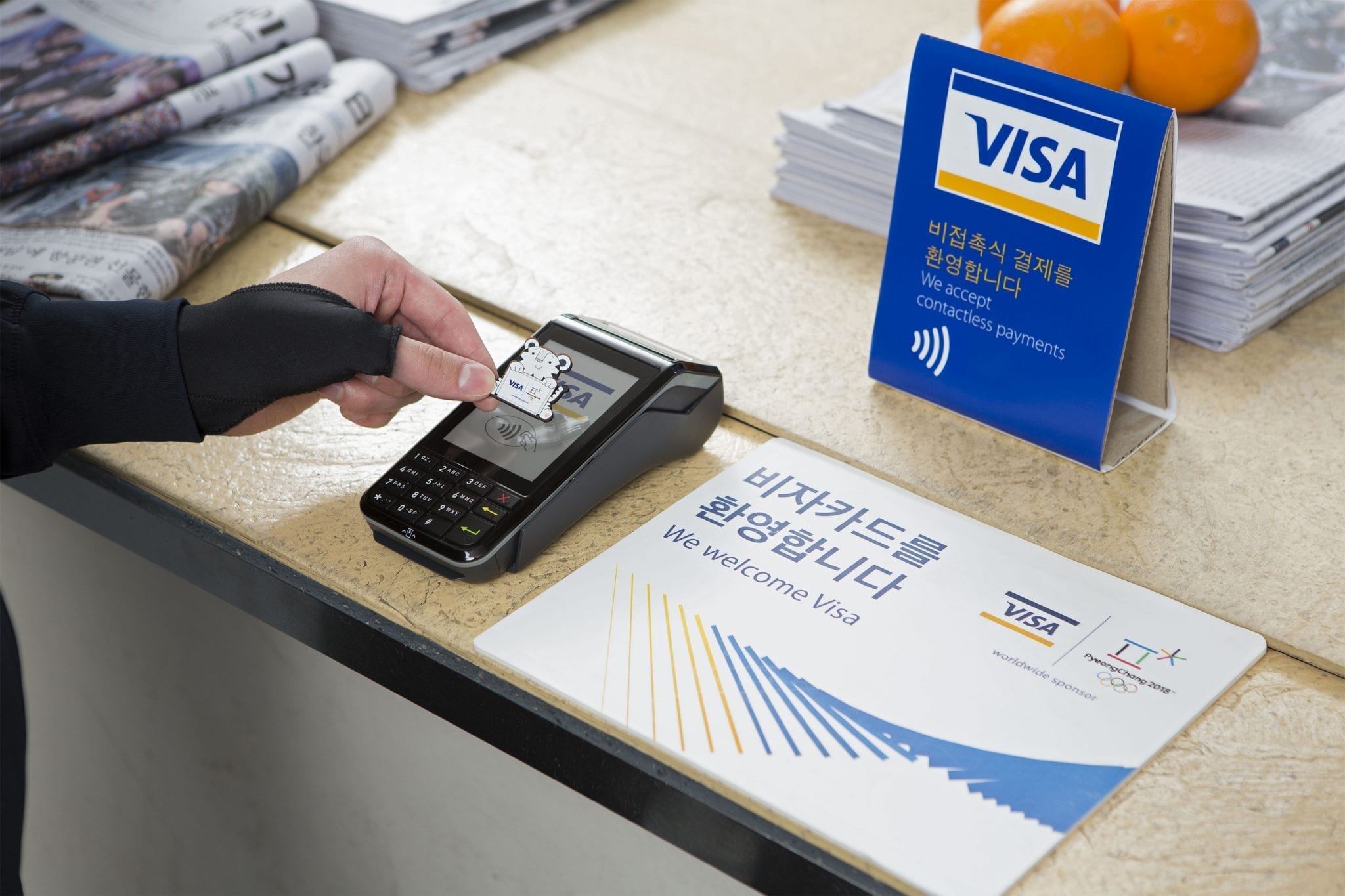
    A new study by the payments giant reveals the growing popularity of digital payment methods such as online wallets, mobile contactless payments and QR code payments among Singaporeans.

    The ongoing Covid-19 pandemic is hastening the demise of cash-based transactions in the city-state by at least four years, Visa said in its Consumer Payment Attitudes Study, published Thursday.

    The survey shows a preference among Singapore consumers for contactless card payments (31 percent), followed by online card payments (23 percent). Visa said that more than 9 in 10 transactions of its transactions by Singapore consumers are contactless – one of the highest in the world.

    Fewer than one in five Singaporean consumers (15 percent) prefer using cash, the survey revealed, noting that its use has fallen by 45 percent for public transport transactions and 42 percent for health and fitness-related transactions. Overall, more than one-third of Singaporean consumers who prefer using cash (35 percent) used this payment method less frequently.

    According to the survey, Singaporean consumers have shown receptiveness to emerging payment trends, including installment payments (87 percent) and real-time bill payments (80 percent).

    The stickiness of new digital payment habits formed during the pandemic cannot be underestimated… With cash usage decreasing, we believe there is a significant opportunity to encourage more usage of digital payments in the country, Kunal Chatterjee, Visa country manager for Singapore and Brunei, said in a statement.

  • Criminals spread malware by getting Android users to install fake versions of popular apps

    Criminals spread malware by getting Android users to install fake versions of popular apps

    Cybersecurity firm Bitdefender points out that one of the things that separate the Google Play Store from the App Store is also a problem for Android users. While both Apple and Google collect as much as a 30% cut of in-app revenue that is run through their respective in-app payment platforms, iOS users are forced to make their in-app purchases through Apple since Apple prevents developers from offering an alternative payment platform.

    Epic offered its customers an alternative payment platform, violating Apple’s rules. This is why Epic’s big hit game Fortnite was kicked out of the App Store.

    Unlike App Store customers, Android users are technically not forced to make in-app purchases through Google. That’s because the Play Store is not a walled garden like the App Store is and Google allows Android users to sideload apps from a third-party app store. However, by tricking Android users to use such third-party app stores, criminals are persuading Android users to install apps that most likely haven’t been properly vetted leading to the spread of malware.

    Bitdefender cites two new banker trojan malware programs called TeaBot and Flubot that help trick Android users into installing what they think are legitimate apps from popular and well-known brands but turn out to be malware-infested. Bitdefender recently found five new malicious Android apps that contain the TeaBot trojan and imitate legitimate Android apps that are popular with at least one app having been installed over 50 million times.

    The cybersecurity firm discovered that the infected TeaBot apps use fake Ad Blocker apps to distribute malware. The fake apps ask permission to display over other apps, show notifications, and install apps outside of the Play Store. Once these apps are installed, their icons are hidden.

    Make no mistake about it, TeaBot has the potential to do some serious damage including “overlay attacks via Android Accessibility Services, intercept messages, perform various keylogging activities, steal Google Authentication codes, and even take full remote control of Android devices.”

    While TeaBot is dropped by an app pretending to be an ad blocker, Flubot is spread through SMS spam and according to Bitdefender, “It steals banking, contact, SMS and other types of private data from infected devices while sporting an arsenal of other commands available, including the ability to send an SMS with content provided by the CnC.”

    Flubot imitates shipping apps like DHL Express Mobile with over 1 million installs from the Google Play Store, Fedex with over 5 million Android installations, and Correos with over 500,000 downloads.

    There is actually a way to protect yourself from having this malware infect your phone. Bitdefender suggests that you never, ever sideload apps on your device, In other words, stick to the App Store and the Google Play Store when installing apps for your iOS and Android devices respectively. Also, you should never tap on links in messages, and “always be mindful of your Android apps’ permissions.”

    The fake apps containing the TeaBot payload are designed to look like the real thing although some of them have small changes in their label name and icon. For example, the real version of streaming television app Pluto TV has a label that reads “Pluto TV-it’s free TV.” The fake and infected version of the app has no space between Pluto and TV and reads “PlutoTV.”

    Nearly 93% of the fake apps trying to distribute TeaBot come from an app called MediaPlayer that tries to imitate one of the most popular titles in the Google Play Store, VLC. The latter is a “free and open source cross-platform multimedia player” with over 100 million installations. Note the big difference in the icon between the clean and infected versions of the app.

    79.5% of Teabot malware has been discovered in Spain with 11.18% disseminated in Italy and 4.6% distributed in the Netherlands.

  • Newbies continue to flock to stock market

    Newbies continue to flock to stock market

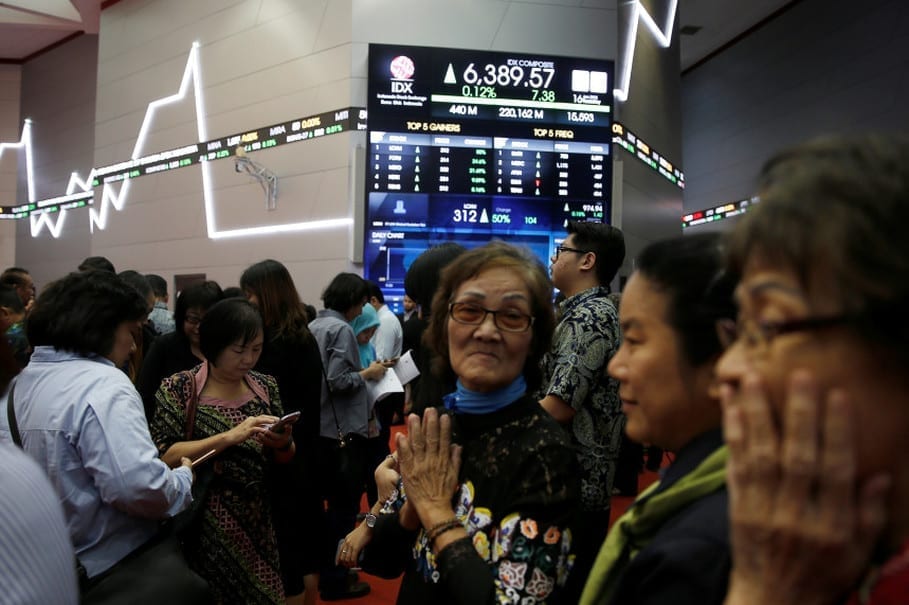
    The number of new stock trading accounts opened by retail investors in May topped 113,670, a new monthly record, according to the Vietnam Securities Depository.

    May was the third month in a row in which more than 100,000 accounts were opened. There were 3.2 million retail accounts and nearly 12,000 belonging to organizations.

    The invasion of the market by new investors took the total trading value on the Ho Chi Minh Stock Exchange (HoSE), Hanoi Stock Exchange, and Unlisted Public Companies Market to over VND531 trillion ($23 billion) in May.

    HoSE accounted for VND448.5 trillion, a 19 percent increase from the previous month.

    The boom has created pressure on the HoSE trading board, which had to shut down for the first time ever on Tuesday after the morning session as a surge in transactions threatened to overwhelm it.

  • Apple updates AirTags to fix major privacy issues

    Apple updates AirTags to fix major privacy issues

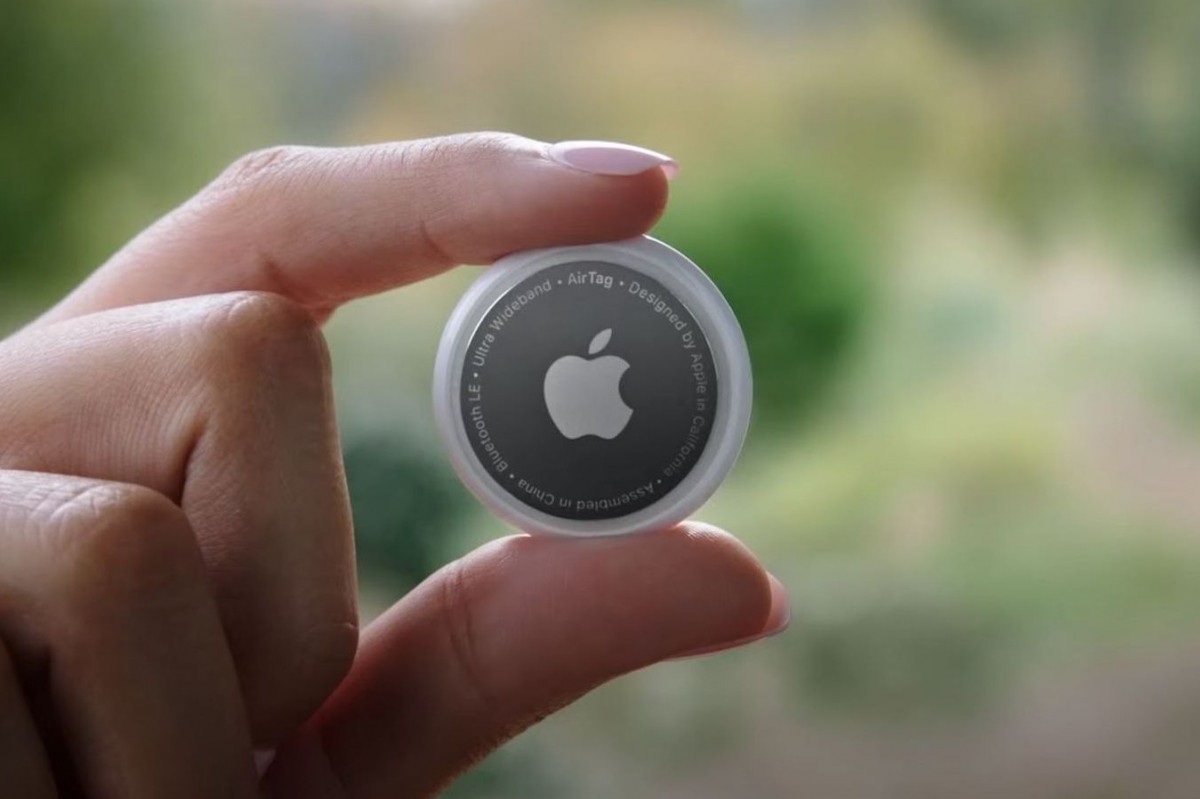
    Apple announced earlier today that an important update is rolling out to its new AirTags, which is meant to address privacy concerns raised by many users soon after the gadget’s market launch.

    It’s enough to slip an AirTag into someone’s backpack and you’ll be able to track the person for as long as it carries it. The privacy issue doesn’t affect iPhone users, since they will be notified if a stranger’s AirTag is moving with them for a certain period of time (usually several hours).

    Until now, Android users would only be notified after three days if they would be stalked/tracked by someone with the help of an AirTag. Thankfully, Apple announced that it’s now rolling out an update that addresses this privacy issue.

    Following up on our commitment to continue to improve AirTag’s privacy and security, starting today we will be updating the time period after which an AirTag that is separated from its owner will play a sound when moved. This time period is changing from three days to a random time between 8 and 24 hours.

    Obviously, Apple is referring to Android users who will now be notified if any AirTags are moving with them for up to 24 hours. In addition to the new update, Apple confirmed that an Android app that will be able to detect AirTags will be released soon.

  • Volvo Cars India To Set Up Digital Technology Hub In Bengaluru

    Volvo Cars India To Set Up Digital Technology Hub In Bengaluru

    Volvo Car India announced that it is expanding its Digital Technology Hub at Bangalore which will help strengthen its digital presence in India. The company has appointed Jonas Olsson as the Head of Digital Technology Hub with effect from June, 1 2021. Olsson comes from Volvo Group India, where he was HR Director Region APAC, and was part of the Group IT Leadership Team. His experience with Volvo Group IT spans over 20 years, with the past 15 years in India, and he has played an instrumental role in leading the set-up of Volvo Group’s IT-delivery center in Bengaluru.

    Volvo Cars India seeks to leverage on the talent available in the country, by being an attractive and inclusive employer and offering the value proposition to contribute to the organization’s journey of creating the cars of tomorrow.

    Jyoti Malhotra, Managing Director, Volvo Car India said, “Olsson’s rich experience will value add and strengthen Volvo Car India’s core strategy of going digital in all its customer offerings in the future. We welcome him in his new assignment and are confident that he will play a key role in strengthening our digital footprint in India”

  • UBS’ Insourcing Revolution Shakes Cognizant

    UBS’ Insourcing Revolution Shakes Cognizant

    Outsourcing giant Cognizant has had to let dozens of staff in Switzerland go as UBS continues its policy under CEO Ralph Hamers of bringing entire IT departments back in-house. Both the major Swiss banks, UBS and Credit Suisse are long-standing Cognizant customers. UBS used to pay Cognizant up to $330 million a year for IT services and business process outsourcing. Credit Suisse spends around $220 million a year with Cognizant Services, $100 million of it in Switzerland.

    The major IT consultancy and outsourcing companies make immense amounts of money from the financial sector, and U.S.-based Cognizant, one of the sector’s top companies globally, has sales of $5.6 billion to the finance sector, a good third of its total turnover.

    However, the relationship between UBS and Cognizant has been turning frosty in recent years, and in Switzerland there has been a falling out. UBS last year elected not to renew a service contract, with effect from the end of April. This meant that at a stroke Cognizant lost half of its business with UBS – around $60 million worth.

    As a result, Cognizant faced making 70 to 80 consultants working for UBS redundant. The company had had up to 200 staff under contract to UBS. The bank took on around a third of them and another third were taken on by other IT services companies such as Epam and Infosys.

    Neither Cognizant nor UBS would comment on the termination of the contract.

    Two separate said there were two reasons for UBS dropping Cognizant. In May 2020 the U.S. company was the victim of a ransomware attack that wrecked its efforts to provide IT services from home offices.

    UBS then canceled its global contract for several years of IT services early, with effect from the end of April this year, on security concerns. The second reason is UBS’s tendency over the last few years to take IT services back in-house.

    In 2018, the bank unilaterally canceled its long-standing partnership with Cognizant in India. UBS sold its «India Service Center» with around 200 staff to Cognizant in 2009 and at the same time signed a contract for several years of services, which was first of all not extended and then canceled entirely.

    Competition between outsourcing vendors is extremely fierce and the pressure on prices is enormous. UBS constantly beat Cognizant and other IT service providers down on price.

    Mike Dargan, who became UBS’s chief information officer in 2016, reversed the bank’s strategy of outsourcing. The massive acceleration in innovation and digitalization in the financial sector forced Dargan to the conclusion that IT development and services should be dealt with by in-house departments in order to keep up.

    Chris Gelvin, a UBS veteran who has been head of group operations since 2018 and was in January this year also appointed chief transformation officer, is responsible for implementing this strategy.

    In the meantime, Dargan has risen within the ranks of top management to become COO as well as chief digital and information officer. The step-by-step ending of the vendor contracts and the in-housing strategy are completely in line with Hamers’ thinking.

  • Deloitte Hands Over 1MDB Settlement to Malaysia

    Deloitte Hands Over 1MDB Settlement to Malaysia

    The latest chapter of the Malaysian government’s asset recovery efforts follows effective settlements recently achieved.

    The Malaysian government has received a remittance from Deloitte totaling RM336 million ($80 million) in relation to 1Malaysia Development (1MDB) matters, the country’s finance ministry said on Thursday.

    The auditor, the first to face penalties related to the scandal-ridden fund, was fined in 2019 for breaches related to a bond issuance by 1MDB.

    To date, the country has received RM16.386 billion of seized and repatriated 1MDB funds into its Trust Account, which is used primarily to repay and service 1MDB and subsidiary SRC’s remaining debts, the statement said.

    It is currently awaiting RM2.83 billion from local lender Ambank, and is currently in settlement negotiations with another auditor, KPMG.

    Last month, the Malaysian government filed civil suits against multiple domestic and global entities including J.P. Morgan, Deutsche Bank and Coutts, with the aim of recovering about RM96.6 billion ($23 billion) that the government says are linked to the fund.

  • HSBC Names Top Investment Banker in Hong Kong

    HSBC Names Top Investment Banker in Hong Kong

    The bank has landed a permanent replacement for Peter Enns, its former co-head of advisory and investment banking and advisory.

    HSBC is hiring veteran banker Matthew Ginsburg as global co-head of its advisory and investment banking business, based in Hong Kong, according to a report on Friday, citing people familiar with the matter

    Ginsburg, who was most recently Asia Pacific chairman for Fitch Ratings, is no stranger to the region, having been based in Hong Kong since 1992. He spent stints at Morgan Stanley and Barclays, where he led the British lender’s investment banking expansion across the region.

    Ginsburg will work closely with co-head Adam Bagshaw in the role. Enns relocated with HSBC to Hong Kong in 2020, but left soon after for Chubb, where he is chief financial officer.

  • Etsy to buy fashion reseller Depop in push for younger consumers

    Etsy to buy fashion reseller Depop in push for younger consumers

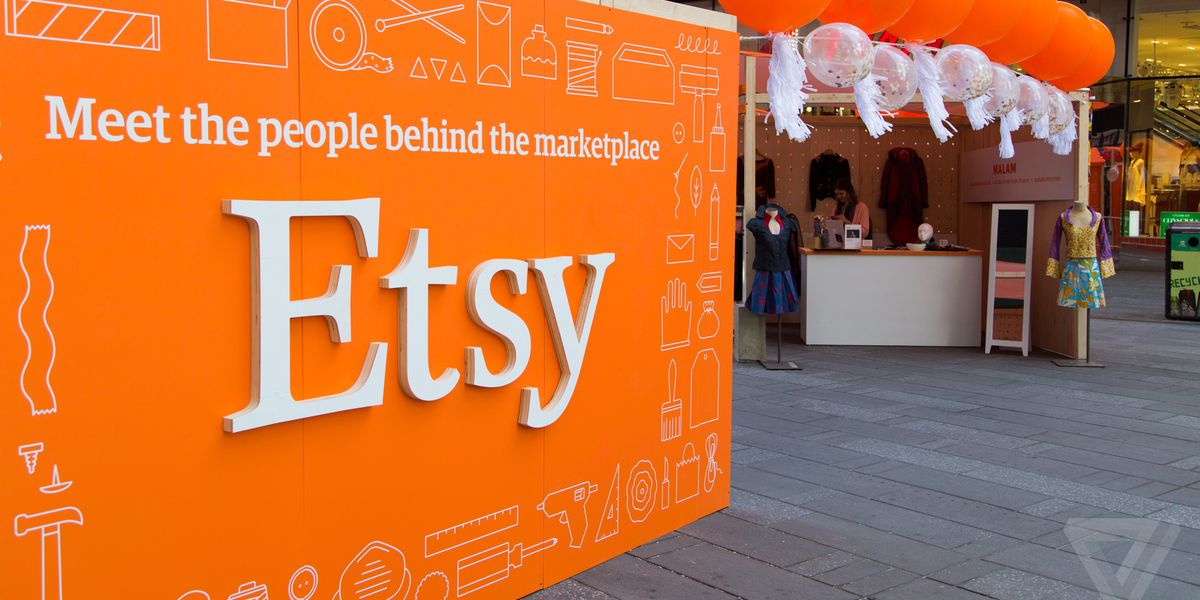
    Etsy said on Wednesday it would buy Generation-Z focused fashion resale company Depop for $1.63 billion, seeking to attract younger shoppers and bolster its position in a booming market in vintage or used clothing.

    After a pandemic-driven surge in sales over the last year, Etsy, among the world’s best-known e-commerce platforms for handmade goods and vintage items, estimates the U.S. second-hand clothing market alone will be worth $64 billion by 2024.

    Chief Executive Officer Josh Silverman said he saw Depop as “the resale home for Gen-Z consumers” and believed there was significant potential to scale up its business as he seeks to offset consumers’ return to the more traditional malls and retail stores over the next year.

    “This (Gen-Z) is an enormous demographic and it’s the trendsetter demographic,” he told analysts on a call to discuss the deal.

    London-based Depop, founded a decade ago by entrepreneur Simon Beckerman for readers of his magazine to purchase featured items, is known for its vintage and street-wear collections and has over 26 million users across more than 147 countries.

    About 90% of its users are under the age of 26 and it is the 10th most visited shopping site among Gen-Z consumers in the United States, according to the company.

    The resale boom has prompted companies including Gap Inc and Vera Bradley to partner with sector players Poshmark and ThredUp.

    Silverman expects Depop to increase Etsy’s footprint in apparel, a growing category as people return to work and school. In 2020, Etsy recorded about $1 billion in apparel gross merchandise sales and its overall revenue doubled.

    Neil Saunders, managing director at retail research firm GlobalData, said the deal should give Etsy a new growth avenue as it comes down from a pandemic-led high.

  • The Body Shop is going full vegan

    The Body Shop is going full vegan

    British cosmetics retailer The Body Shop recently announced that it will solely manufacture and sell vegan products by the year 2023. The beauty company has championed its vegetarian and cruelty-free range of products for years, but finally, the brand decided to go 100 percent vegan. It revealed that its company line will be certified by The Vegan Society, ensuring that its entire formulation portfolio will be completely vegan.

    The Body Shop already offers a large number of vegan products. Even though nearly half of the company’s products are fully vegan, some contain honey, shellac, lanolin, and beeswax, all derived from animals and insects. The company has said before that it plans to move away from animal-derived products, promising to phase out the products that use ingredients such as honey and beeswax. Earlier in 2021, the company’s renowned “White Musk came out with a redesigned vegan recipe, bottled in a recycled container.

    “Our delicious to go 100 vegan is the natural next step for The Body Shop,” The Body Shop’s global brand director Lionel Thoreau told Global Cosmetics News. “Vegan beauty is a critical next step in our sustainability and environmental endeavors. This, along with our global refill and in-store recycling programs makes The Body Shop a destination for ethically-minded customers.”

    Beyond its shift to veganism, the company plans to enhance its recyclable materials and facilities. The chain announced that it wants to establish refill stations for its products later this year. The company wants to begin with 500 stores and then continue with 300 more in 2022. The recycling plan will allow customers to reuse the bottles that they buy from the bottle shop, minimizing the company’s waste footprint. The Body Shop claims that its full range of products will be fully recyclable by 2025, while currently 68 percent of its products come packaged in recyclable containers.

    Founded by Dame Anita Roddick in 1976, The Body Shop launched itself into the beauty and cosmetics industry as one of the few brands that highlighted vegan and cruelty-free products. At the time, the cosmetics industry rarely paid attention to sustainability and animal testing, making consumers unaware of the dangers of the products. The Body Shop, however, jumped into the industry to challenge the market’s status quo. Now decades later, several big cosmetics companies have shifted their policies regarding animal testing. The company’s move to go completely vegan will potentially impact the market further as more companies begin to realize a growing consumer concern regarding sustainability and ethical practices.