Retail News CRM

Tag: 2G

  • China Mobile Hong Kong Set to Phase Out 2G Services in 2026 to Drive Advanced Network Growth

    China Mobile Hong Kong Set to Phase Out 2G Services in 2026 to Drive Advanced Network Growth

    China Mobile Hong Kong Company Limited (CMHK) has publicized its plans to phase out its 2G services by midnight on June 23, 2026. The aim behind this decision is to sharpen its focus on the development of more sophisticated network technologies.

    Decline in 2G Service Demand

    Following a comprehensive analysis of its services, CMHK has chosen to discontinue its 2G services in response to a slump in demand. By November 2025, less than 2.27% of CMHK’s overall mobile customer base was using 2G. This percentage includes those with service plans, prepaid card products, and mobile virtual network operator (MVNO) products.

    Transitioning to Advanced Mobile Services

    In order to facilitate an effortless transition to next-generation mobile services, CMHK has been proactive in reaching out to impacted customers. Since the fourth quarter of 2023, the company has been advising these customers to upgrade their SIM cards and, where necessary, their mobile phones or devices.

    Commitment to High-Quality Communication Services

    CMHK remains committed to delivering superior quality communication services to both domestic residents and business customers in Hong Kong. The company’s focus is on developing future-ready network technologies.

    Questions & Answers

    Why is CMHK discontinuing its 2G services?
    CMHK is discontinuing its 2G services due to a significant decrease in demand. The company aims to concentrate more on developing advanced network technologies.

    Who will be affected by this discontinuation?
    Less than 2.27% of CMHK’s total mobile customer base, which comprises service plan holders, prepaid card users, and mobile virtual network operator product users, will be impacted.

    What is CMHK doing to ensure a smooth transition for customers?
    CMHK has been in contact with affected customers since the fourth quarter of 2023, advising them to upgrade their SIM cards and, if required, their mobile phones or devices.

  • Viettel to gift 4G phones to 700,000 2G subscribers

    Viettel to gift 4G phones to 700,000 2G subscribers

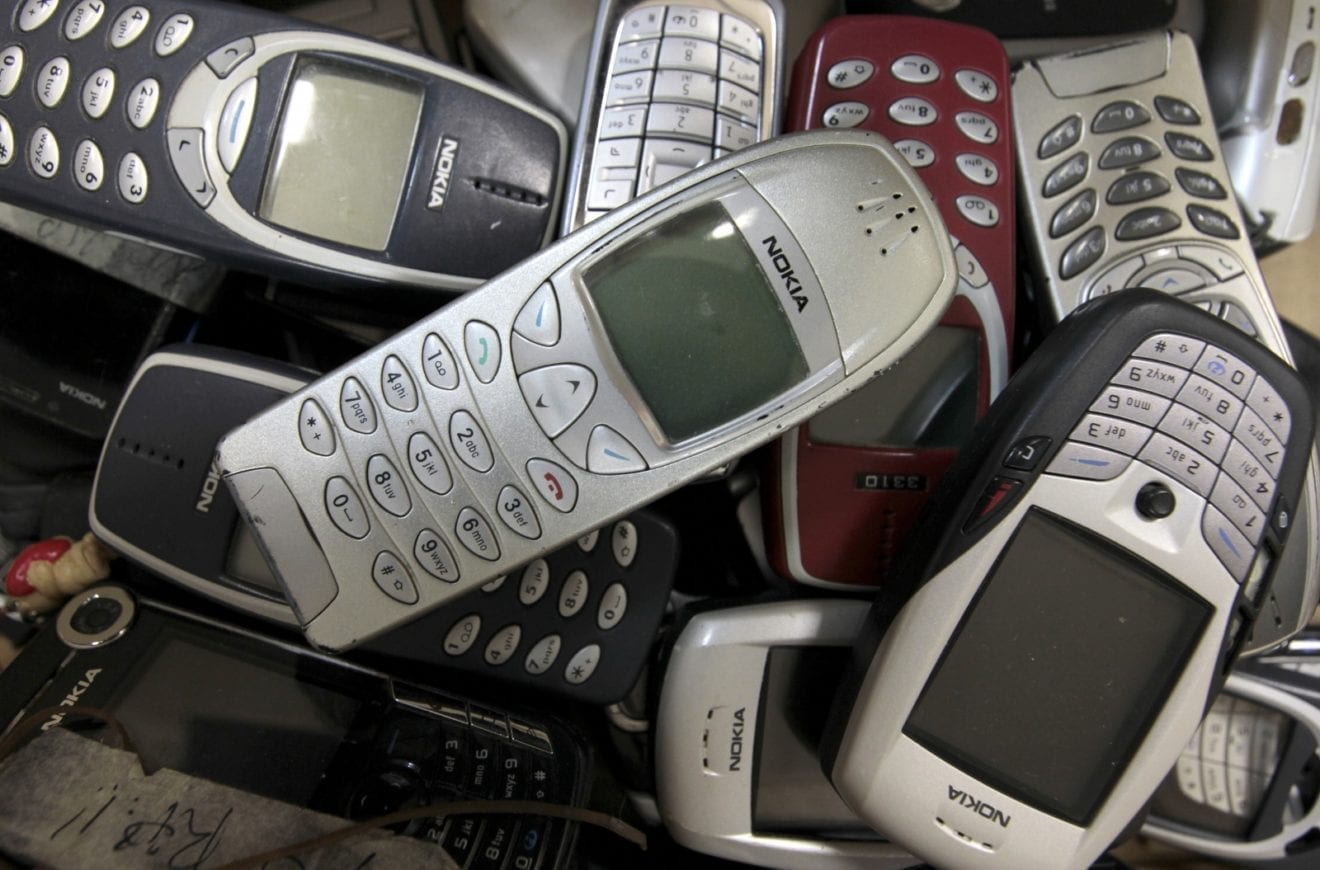
    State-owned telecom giant Viettel will spend VND300 billion (US$12.2 million) to gift 4G phones to 700,000 of its subscribers who still use 2G devices.

    The military-owned company announced Friday that the program, which aims to support a rapid switch to 4G networks, is meant for customers still using 2G phones who lack access to 4G devices due to their remote location or financial status.

    It plans to gift feature phones but with added cloud phone features that allow the use of some OTT apps.

    The program will run from now until the 2G network is shut down on Oct. 15, with eligible users getting a message instructing them to go to the nearest Viettel store or contact its local employees for support.

    Viettel said it would prioritize subscribers in mountainous regions affected by recent storms, like Lao Cai, Yen Bai, Tuyen Quang, Hoa Binh, Bac Kan, Son La, Dien Bien, Lai Chau, Cao Bang, and Ha Giang provinces.

    The Ministry of Information and Communications and telecom firms have been taking a number of measures to promote the shift from 2G. The number of 2G users declined from 11 million in July to three million now.

    Viettel has the most 2G subscribers of any network operator, but has seen over eight million switch to 4G devices this year.

    It recently installed over 6,000 new base stations nationwide to expand its 4G network coverage to 96% of the population, including four million new users in remote and rural areas.

    Pulling the plug on 2G will promote the adoption of 4G, which can help familiarize people with digital and online public services, and free up resources for network providers to focus on developing 5G and 6G technologies.

  • 2G network shutdown postponed to October

    2G network shutdown postponed to October

    The Ministry of Information and Communications has deferred the shutdown of 2G networks to Oct. 15, saying over three million users have yet to upgrade their devices.

    The shutdown had been planned for Sept. 15. The ministry pointed out that subscribers need phones that support 3G or newer technologies to continue using telecom services after the shutdown.

    The Vietnam Telecommunications Authority said at a meeting Friday that over five million subscribers have upgraded in the last two months, bringing the number of 2G users down to 3.4 million as of Sept. 8.

    Authorities have been nudging 2G users to make the switch for months, even rolling out policies to help them buy new devices and shutting down networks in some areas.

    But typhoon Yagi has stymied the process, with people and businesses focused totally on coping with its aftermath.

    There is also a shortage of phones, especially budget devices, making the switch difficult for many.

    Pulling the plug on 2G will promote the adoption of 4G, which can help familiarize people with digital and online public services, and free up resources for network providers to focus on developing 5G and 6G technologies.

  • SmarTone to Terminate 2G Services on October 14

    SmarTone to Terminate 2G Services on October 14

    SmarTone said that it would terminate its 2G services on October 14. This comes after Hong Kong’s Office of the Communications Authority announced the Communications Authority’s decision to grant prior consent to the application by SmarTone to discontinue its 2G services.

    In a press release, the company said that in response to the massive growth of mobile data usage in recent years and the decreasing market demand for 2G services, spectrum resources currently deployed for 2G network will be reallocated efficiently to drive 5G network development, bringing more innovative services and a better network experience to its customers.

    SmarTone said that in entering the 5G era, the need for and usage of mobile data and digitalized services are growing. The number of SmarTone customers upgraded to 5G has been increasing. As of April 2022, the number of SmarTone customers using 2G handsets or devices only accounts for less than 0.1% of its customer base.

    To fully appropriate the existing spectrum resources utilized by the 2G network (i.e. the 900 MHz and 1800 MHz bands of spectrum), the spectrum will be reallocated on October14 to better provide more advanced mobile services to customers using SmarTone’s 4G and 5G networks. SmarTone’s existing 2G network will continue as normal until October 14.

    Norman Tam, Deputy Chief Executive Officer of SmarTone, said, “The value of ‘Building Network with Heart’ has always been at the core of SmarTone’s development, and we will continue to adapt to the ever-changing needs of our customers to deliver the best possible user experience in 5G and beyond.”

    To facilitate a smooth migration from 2G to more advanced mobile networks, SmarTone has been facilitating the affected customers to upgrade their 2G handsets or devices to options that have supported a higher generation mobile network since early 2021.

    SmarTone is also working with a few enterprise customers who are still using 2G devices to ensure their smooth transition to 4G/5G services. SmarTone will continue to assist the affected customers in their upgrade of handsets or devices for the enjoyment of its 4G/5G services, and endeavor to offer proper arrangements to those who do not intend to upgrade from 2G.

  • 2G and 3G Migrations Completed or in the Pipeline

    2G and 3G Migrations Completed or in the Pipeline

    The Global mobile Suppliers Association (GSA) has released the findings of its new report ”2G-3G Switch-off July-2022”. Drawing on information collected by the GSA about the switch-off of 2G and 3G around the world, this report noted that 135 operators have either completed, are planning or are in progress with 2G and 3G technology transitions in 68 countries and territories.

    75 operators in 42 countries and territories have either completed or are planning 2G switch-offs with 23 operators in 14 countries and territories having completed 2G switch-offs.

    For 3G, the report reveals that 75 operators in 40 countries and territories have either completed, are planning or are in progress with network switch-offs, including 26 operators in 15 countries and territories that have completed the move.

    The report observes disparities between regions including the pace of 2G and 3G network switch-offs. Europe has or will be undertaking the largest number of technology migrations,   of the total. Asia will be responsible for 31 (23%), followed by North America, and the Middle East and Africa with 8 (6%) each, and Oceania with 7 (5%). Latin America and the Caribbean have just 2 (1%) 2G and 3G switch-offs.

    “When they were first introduced to the market, 2G and 3G were highly important innovations, but as greater technological advances have emerged, their importance has waned, and usage of both technologies is now diminishing worldwide,” stated Joe Barrett, President of the GSA. “As such, more and more operators and governments are coming to the decision that the older 2G and 3G technologies as well as the spectrum allocated to them should be migrated to faster and more efficient 4G and 5G networks. At the GSA, we are forecasting an increase in the number of operators moving off 2G and 3G networks as the transition to 4G and 5G will fully unfold.”

  • Vietnam to close 2G services by 2022

    Vietnam to close 2G services by 2022

    Vietnam plans to bring the number of 2G subscribers to under 5 percent by 2022 so that it can stop this service and push the development of higher-technology cellular networks.

    There are 24 million 2G subscribers in the country or 18.5 percent of the total, and the Ministry of Information and Communications aims to bring the figure down to 5-7 million, or around 5 percent by early 2022 towards stopping the 2G service by then.

    Closing 2G will leave more bandwidth for 3G, 4G, and the upcoming 5G network and help accelerate the establishment of a digital economy, the ministry said.

    It is working to boost the sales of low-cost smartphones so more people will be familiar with 3G and higher networks, it added.

    Among 24 million 2G subscribers, 12.4 million are using feature phones. Hoang Minh Cuong, head of the telecommunications department under the ministry, said these are the users that telecom operators need to help transition to smartphones.

    The number of 2G subscribers has dropped by 6 million since last year, showing that the goal to bring the ratio to under 5 percent is possible, he added.

    The telecommunications department plans to lower the rates of regular phone calls, which will reduce their revenues to telecom operators and urge them to rely more on data calls.

    It also plans to require all smartphones produced or imported into Vietnam to support 3G network or higher.

    There are 630,000 2G subscribers age 70 or more, and some say this group of people lack the tech-savvy needed to use smartphones.

    However, Cuong said Vietnamese companies were capable of making 4G feature phones for around VND600,000, and these would serve this user group.

  • Taiwan cellcos switch off 2G networks

    Taiwan cellcos switch off 2G networks

    Taiwan’s mobile operators have completed the switch-off of their respective 2G networks.

    The switch-off on Saturday has left the nation’s remaining 2G holdouts unable to place any calls except for emergency calls, or send or receive text messages or use data serices.

    At the time of the shutdown there were an estimated 60,000 2G holdouts on Chunghwa Telecom, 20,000 on Taiwan Mobile and 8,000 on Far EasTone, the report states.

    Remaining 2G customers’ numbers will be reserved until the end of December if they choose to upgrade to 4G.

    Taiwan Mobile is meanwhile redirecting customers attempting to place a call to a customer service center and will agree to temporary restart phone services if customers commit to upgrading to 4G. This redirection will last until July 7.

    With the move, Taiwan has become the latest APAC nation to transition away from 2G services to free up spectrum for 4G and other mobile services. The shutdown was prompted by the expiration of all existing 2G licenses.

  • Singapore operators to switch off 2G from Sunday

    Singapore operators to switch off 2G from Sunday

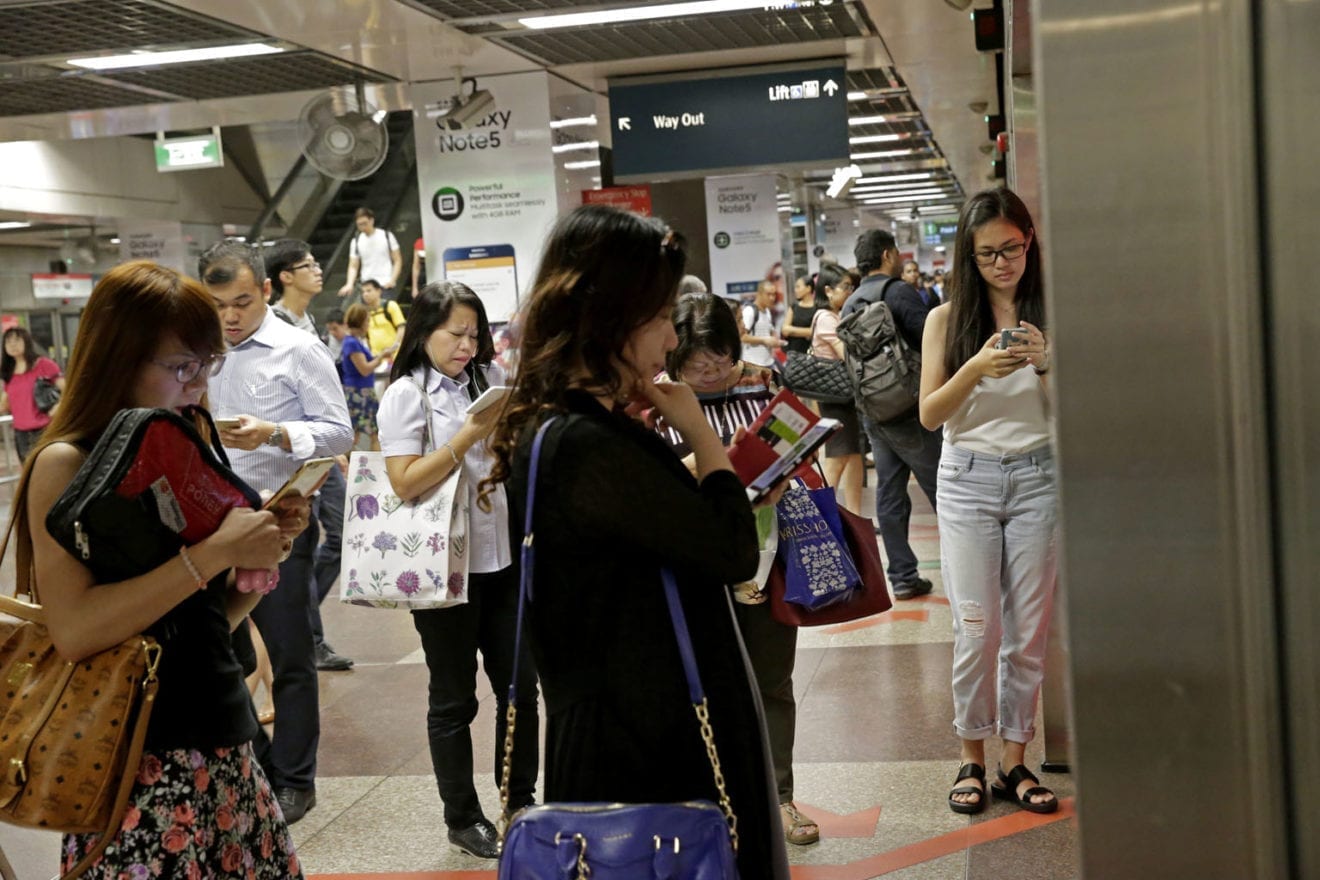
    Singapore’s mobile operators will commence the process of switching off their 2G networks on Sunday as part of a scheduled sunsetting of the aging networking technology.

    Operators M1, Singtel and StarHub plan to conduct the switch-off in stages, and complete the process by April 18Singapore’s mobile operators will commence the process of switching off their 2G networks on Sunday as part of a scheduled sunsetting of the aging networking technology.

    Operators M1, Singtel and StarHub plan to conduct the switch-off in stages, and complete the process by April 18.

    As part of an agreement with regulator the Infocomm Media Development Authority (IMDA), operators are giving 2G users the ability to retain their numbers and subscription plans on 3G and 4G networks at no additional cost or requirement to re-contract.

    The IMDA has urged the nation’s remaining 2G-only users to switch to a 3G or 4G handset by this time.

    The regulator is holding information sessions for seniors wishing to learn how to use smartphones as part of the transition process, and has also worked with the operators to ensure that handset models costing below S$50 ($36) are available for the holdouts.

    The IMDA banned the sale of all 2G-only devices from January as part of the switch-off process, which is aimed at allowing 2G spectrum to be re-allocated for advanced mobile services.

    Singtel’s wholly-owned Australian subsidiary Optus is meanwhile following its parent in switching off 2G. Optus announced it will commence a staggered shutdown process from April 3, starting in the states of the Northern Territory and Western Australia..

    As part of an agreement with regulator the Infocomm Media Development Authority (IMDA), operators are giving 2G users the ability to retain their numbers and subscription plans on 3G and 4G networks at no additional cost or requirement to re-contract.

    The IMDA has urged the nation’s remaining 2G-only users to switch to a 3G or 4G handset by this time.

    The regulator is holding information sessions for seniors wishing to learn how to use smartphones as part of the transition process, and has also worked with the operators to ensure that handset models costing below S$50 ($36) are available for the holdouts.

    The IMDA banned the sale of all 2G-only devices from January as part of the switch-off process, which is aimed at allowing 2G spectrum to be re-allocated for advanced mobile services.

    Singtel’s wholly-owned Australian subsidiary Optus is meanwhile following its parent in switching off 2G. Optus announced it will commence a staggered shutdown process from April 3, starting in the states of the Northern Territory and Western Australia.

  • IMDA to ban 2G-only device sales from Jan 1

    IMDA to ban 2G-only device sales from Jan 1

    Singapore’s Infocomm and Media development Authority (IMDA) has announced it will ban the sale of 2G-only mobile devices from January 1.

    After this time, retailers and equipment suppliers will not be allowed to sell 2G handsets for use in Singapore, the regulator said.

    Suppliers with a dealer’s individual license will be able to continue selling the devices, but only for export purposes or overseas use.

    The order applies to devices in the GSM900 and GSM1800 frequency bands, and covers other cellular devices besides handsets including POS terminals and M2M equipment. Retailers and suppliers found to be in violation of the new rules could face financial penalties.

    Singapore’s mobile operators will shut down their 2G networks from April 1 to allow IMDA to re-allocate spectrum for more advanced mobile services.

    IMDA is working with operators to facilitate the migration of remaining 2G users to 3G or 4G networks, allowing subscribers to upgrade their devices while maintaining their plans and monthly subscription costs.

    Singapore is on track to introducing a fourth mobile network operator. Last month, local fiber ISP MyRepublic and Australian fixed line operator TPG Telecom were pre-qualified to take part in a special auction for the fourth mobile license.

  • Telstra shuts down 2G network

    Telstra shuts down 2G network

    A customer of Australia’s Telstra was given the honor of switching off Telstra’s 2G GSM network last week.

    The customer, Oly Gordon, became a viral sensation after posting to Telstra’s Facebook page that he was still operating a Nokia 3315 2G phone after 13 years.

    In response, Telstra last week invited him to flick the switch on its 2G network, and presented him with a brand new Google Pixel smartphone.

    Telstra announced in 2014 that it planned to decommission its obsolete 2G network by the end of this year.

    The operator has since been busy migrating the last of its 2G customers on to 3G or 4G networks, and has spent the last few months mailing replacement phones to the final few holdouts.

    Gordon’s viral post came just in time to coincide with Nokia’s announcement that it has closed the transactions required for HMD Global to produce new Nokia-branded smartphones, tablets and feature phones under an exclusive 10-year licensing deal.

  • Vodafone Australia to switch off 2G network in a year

    Vodafone Australia to switch off 2G network in a year

    Vodafone Australia has revealed plans to switch off its 2G network in just under a year to free up spectrum for 4G.

    The operator will decommission its legacy 2G GSM network on September 30 2017, following a 12-month campaign to move its remaining 2G users off the network.

    Announcing the decision, Vodafone said its 2G network currently carries less than 1% of the operator’s data traffic and around 2% of its voice traffic. By contrast, Vodadone’s 4G network carries nearly 80% of the company’s total data traffic.

    Vodafone first launched 2G services in Australia in 1993. More than 600,000 customers have been migrated from 2G since January 2013, but the company did not state how many remain.

    “There has been a natural drop-off of 2G traffic as 4G smartphones have become more affordable. This has led to many customers upgrading their phones of their own accord,” Vodafone CTO Kevin Millroy said.

    “We are continuing to enhance our network with features including Voice over 4G which provides clearer voice calls, shorter call connection times and the ability to use 4G data while making or receiving a call. With the IoT on our doorstep, it is paramount we manage spectrum efficiently and reallocate capacity to our more advanced networks to help more of our customers have a better experience.”

    Vodafone will be the last Australian operator to shutter its 2G network – Telstra plans to switch off its own 2G network in December, and Optus plans to follow suit in April 2017.

  • AIS abandons plan to rent TrueMove’s 2G network

    AIS abandons plan to rent TrueMove’s 2G network

    Thailand’s AIS and TrueMove have abandoned plans to enter a mobile network rental agreement after being unable to accept mutually agreed upon terms.

    AIS no longer intends to rent TrueMove’s 900-MHz network to allow it to continue serving its 900-MHz 2G customers in the wake of the expiration of its 900-MHz license, telecoms regulator NBTC’s secretary-general told.

    The two operators had been negotiating a network rental agreement since mid-April, concentrating on network roaming on the 900-MHz spectrum and customer migration between AIS’s and TrueMove’s networks.

    The government had been encouraging AIS to rent True Move’s existing network to allow it to retain some of its existing 2G customers in order to end a dispute over an extension of AIS’s use of its 900-MHz network.

    AIS is reportedly also facing government pressure to hand over 8 million 2G customers to TrueMove to free up the 900-MHz spectrum due to be re-auctioned on May 27.

    But AIS intends to participate in the auction, and may therefore be able to secure the spectrum needed to ensure service continuity.

  • Thailand’s AIS facing 2G switch-off

    Thailand’s AIS facing 2G switch-off

    Subscribers to Thai operator AIS’ 900-MHz 2G service could face having their services disconnected by midnight tonight amid an ongoing dispute over spectrum usage.

    AIS still has around 400,000 2G subscribers left on its 900-MHz 2G network, but spectrum AIS had been using for the service has been reallocated at auction to True Move H Universal Communication.

    True’s 900-MHz license is due to take effect from today, leaving the fate of the remaining subscribers hanging in the balance. According to the report, AIS is expected to announce that its 2G subscribers will not face any disruption as a result of the reallocation, even though the rules stipulate that AIS will have to switch off its 900-MHz service after the spectrum changes hands.

    The NBTC recently held meetings with AIS, state-owned TOT and True over ways to prevent disruption to the remaining customers. But the companies were reportedly unable to reach a mutual agreement.

    True had offered to let AIS use its 900-MHz spectrum in exchange for a usage fee, but AIS has insisted on using the 900-MHz spectrum from the other winner of 900-MHz spectrum, Jas Mobile Broadband. The NBTC has rejected this proposal.

    Meanwhile the regulator has ordered that the applications of around 800,000 2G subscribers of AIS and rival Dtac be port their mobile number to True’s network be expedited.

  • Singapore pulls plug on 2G mobile networks, to reuse airwaves for newer 4G services

    Singapore pulls plug on 2G mobile networks, to reuse airwaves for newer 4G services

    All 2G voice and messaging services will end in Singapore as the airwave-starved island moves to reuse existing 2G airwaves to boost the capacity and speeds of newer 4G services.

    The three local telcos Singtel, StarHub and M1 said in a statement on Monday afternoon that the number of customers affected are an “extremely small percentage” of their current base.

    “Mobile networks have evolved since the launch of 2G services in 1994… Singapore’s extensive modern 3G and 4G mobile networks have led to high smartphone ownership and usage,” the telcos said.

    “To cater for consumers’ increased demand for mobile data and faster access speeds, the spectrum currently used for 2G will be used to provide faster, more advanced 3G and 4G services.”

    The Infocomm Development Authority (IDA) of Singapore said there are some 250,000 2G mobile users today, forming only 3 per cent of the total mobile user base of 8 million subscriptions. The authority expects the proportion of 2G users to taper off in the next two years.

    Customers on 2G-only handsets will only need to place their existing SIM cards into a 3G or 4G handset. Their mobile services will not be disrupted. Those currently using 3G and 4G handsets will also not be affected.

    In the last few years, the three telcos said they have been conducting outreach programmes to encourage customers to migrate to newer networks. They have pledged to continue reaching out to affected 2G users through SMS, calls and posters at their retail outlets in the run-up to the service cessation.

    Singapore is not the first country to end 2G services. Korea and Japan ceased offering 2G services in March 2012. Australia is expected to pull the plug on its 2G networks, starting with Telstra, by the end of next year.