Tag: 313@Somerset

  • Singapore’s Orchard Road gets its own Korean-style store opened

    Singapore’s Orchard Road gets its own Korean-style store opened

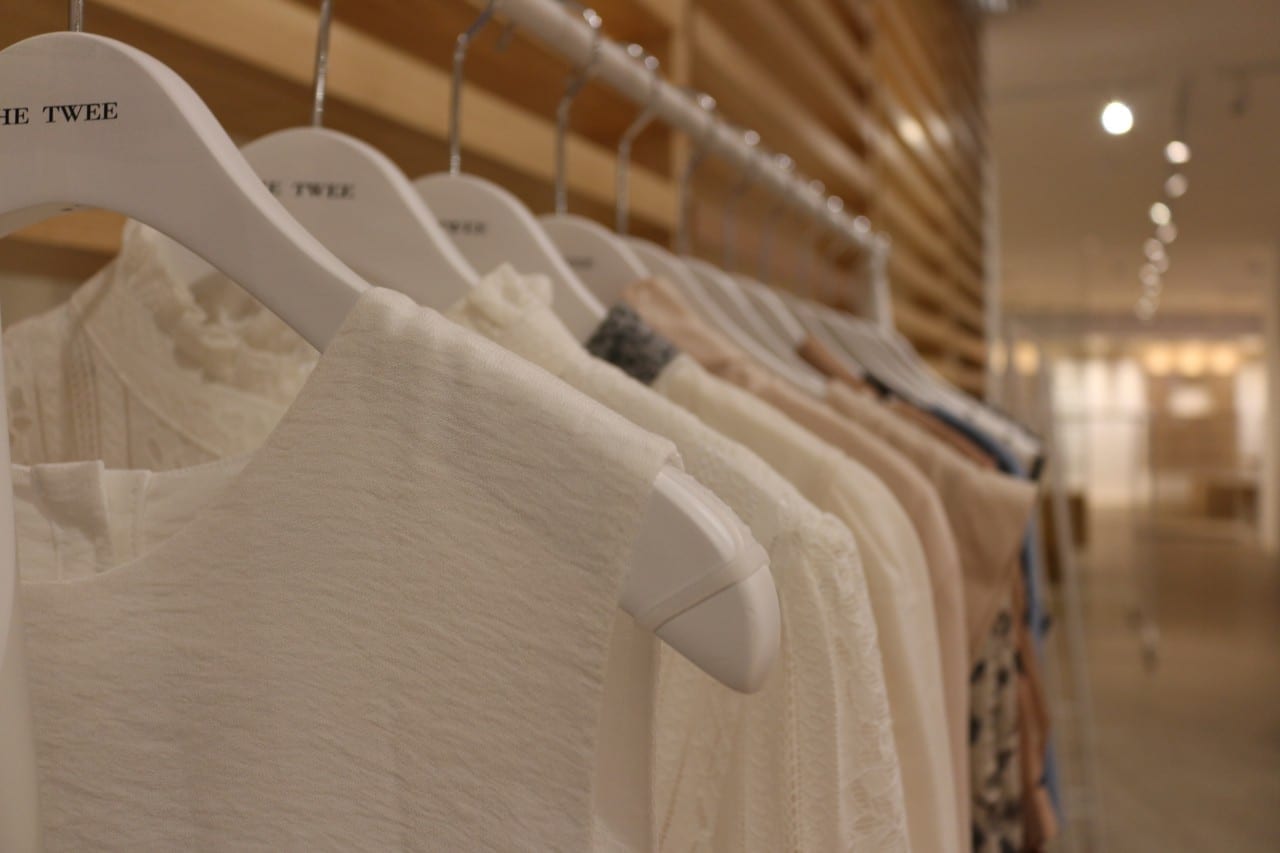
    South Korean fashion brand Twee has opened a flagship store at 313@Somerset on Orchard Road.

    The  4030sqft (374sqm) Twee Singapore store offers an exclusive collection of party dresses as well as Superface beauty products. The store promises to bring in more than 400 new styles for women and men every month.

    Twee has more than 40 stores in South Korea and 11 overseas, including nine in China and one in Malaysia. The brand plans to launch stores in Tokyo and Shanghai this year.

  • Little CNY cheer for retailers as consumers curb their spending

    Little CNY cheer for retailers as consumers curb their spending

    Usually, at this time of the year when Chinese New Year (CNY) is just around the corner, Ms Evelyn Ng, a shop assistant at a candy store, would be very busy at work. These days, however, business has been lukewarm — so much so that the shop will be moving out of 112 Katong in a few days.

    “Look around — does it feel like it’s just days away from CNY?” said Ms Ng, pointing to the mall’s vacant atrium space, which, in better times, would be filled with vendors, especially during the festive period. “I am managing some S$200 worth of sales like I do on usual days,” she said.

    The uncertainty plaguing the economy and the jobs market have dampened shoppers’ mood at malls in the run-up to CNY. Shops in several malls we visited over the past few days reported lower earnings compared with the same period in previous years, and atrium spaces were uncharacteristically empty.

    A cashier at an international fashion store at 313@Somerset, who declined to be named, said that sales are “40 to 50 per cent” lower, compared with the CNY period in the past two years. “We now have two to three assistants per floor, compared with about six last year,” she said.

    Mr Pushpendra Sharma, founder of SpacesGenie.com — an online retail spaces booking and listing platform — said demand for atrium space has been lacklustre amid the slump for brick and mortar retailers.

    Singapore’s traditional retailers have been hit by a double whammy of an economic slowdown and the rise of e-commerce. But those who have adapted to the new landscape are faring better. For example, home decor retailer Crate and Barrel said its business this festive season had improved from the past year. “We are certainly responding to the trend of consumers going digital through our communication efforts,” said Mr Samuel Stephen Wright, brand manager at Crate and Barrel Singapore.

    Some mall owners noted that the unusually short period this time — of about one month — between Christmas and CNY may have resulted in consumers cutting down their spending.

    A City Square Mall spokesperson said the shopping centre has seen “healthy level of footfall and in-mall spending redemptions” during Christmas, which is expected to continue through CNY. Similarly, a Frasers Centrepoint Malls spokesperson said its promotions have been “well-received through Christmas, and we expect it to carry on into the CNY period”. “However, with such a short gap between the celebrations for the two festive periods, there is a higher tendency for shoppers to combine their spending.”

    With the first two days of CNY falling on a weekend, mall managers expect a large number of shops and eateries to be open during the public holidays. Mall owners said there has been no let-up in promotional efforts to spur consumer spending. For example, at Northpoint in Yishun — which is owned by Frasers Centrepoint — there is an ongoing lucky draw promotion that runs until June 30. A lion dance performance and red packet giveaways, among other initiatives, are also on the cards.

    Ms Ameerah Khairudin, 20, who works in the Orchard Road area, said there was “no point spending when it is so tough to find jobs”. She said: “We see so many people losing jobs. It worries me.” Retiree Gloria Leong, 68, noted that the malls are quieter. But with retailers desperate to drive up sales, she said: “I have not seen shops offering such hefty discounts during peak season before. Given the smaller crowd, we find it easier to shop around these days.” Rumi Hardasmalani
  • T2 Singapore launches with kaya toast brew

    T2 Singapore launches with kaya toast brew

    For its first outlet in Asia, Australian tea chain T2 Singapore has launched with a new brew that pays homage to local breakfast staple kaya toast.

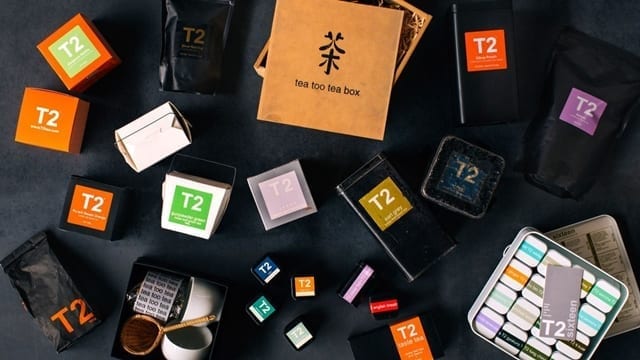
    Its Singapore Breakfast tea is a blend of pu’er (Chinese fermented tea), green tea, coconut flakes and roasted rice. It is among more than 150 types of teas at the new store, in the 313@Somerset mall.

    T2 CEO Nicky Sparshott says Singapore was picked for the company’s Asian debut because of its “strong tea-drinking culture with multicultural influences, from black tea dating back to the colonial period to Asian tea beverages such as teh tarik – Malay for pulled tea – and green tea”.

    Covering 550 sqft (51 sqm), the store offers myriad teas, from black, green and white to rooibos, and herbal and fruit-based tisanes.

    Bestsellers for the company include French Earl Grey, which has bergamot-infused black tea perfumed with rose and sunflower petals and hibiscus; Green Rose, green tea paired with mango, papaya and rose petals; and Fruitalicious tisane, a blend of cranberries, blueberries, dragon fruit and goji berries.

    t2-tea-c

    Singapore has been among T2’s top five markets in online sales over the past two years, and Sparshott hopes the country’s reputation as a tourism hub can expose the tea company to visitors in Asia.

    “Infinite possibilities”

    “Tea has moved from being a beverage for old people to having infinite possibilities … there is an appetite for new invention in teas,” she says.

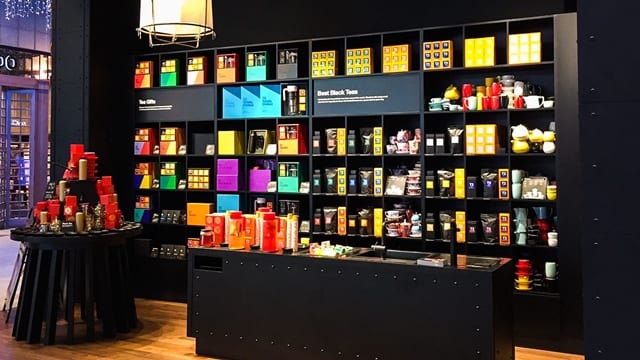
    Like its more than 75 outlets in Australia, New Zealand, the UK and the US, the T2 shop in Singapore has black floor-to-ceiling shelves lined with brightly coloured tea boxes, tea pots, cups and accessories. Taking centre stage is an island brew bar with tea-making apparatus, where six types of hot and iced tea beverages are brewed daily for customers to sample.

    Sparshott says customers can also attend regular tea masterclasses and tea-blending sessions through the tea community group T2 Society, which is free to join.

    She says T2 intends to open another three or four outlets in Singapore in the coming year.

    Started in Melbourne in 1996, T2 was acquired by Unilever in 2013, which owns such tea brands as Lipton.

    Other tea boutiques in Singapore include the TWG Tea chain and The 1872 Clipper Tea Company, which opened a tea retail shop-cum-bar in Ion Orchard last April.

  • Singapore retail chains look to Muslim market

    Singapore retail chains look to Muslim market

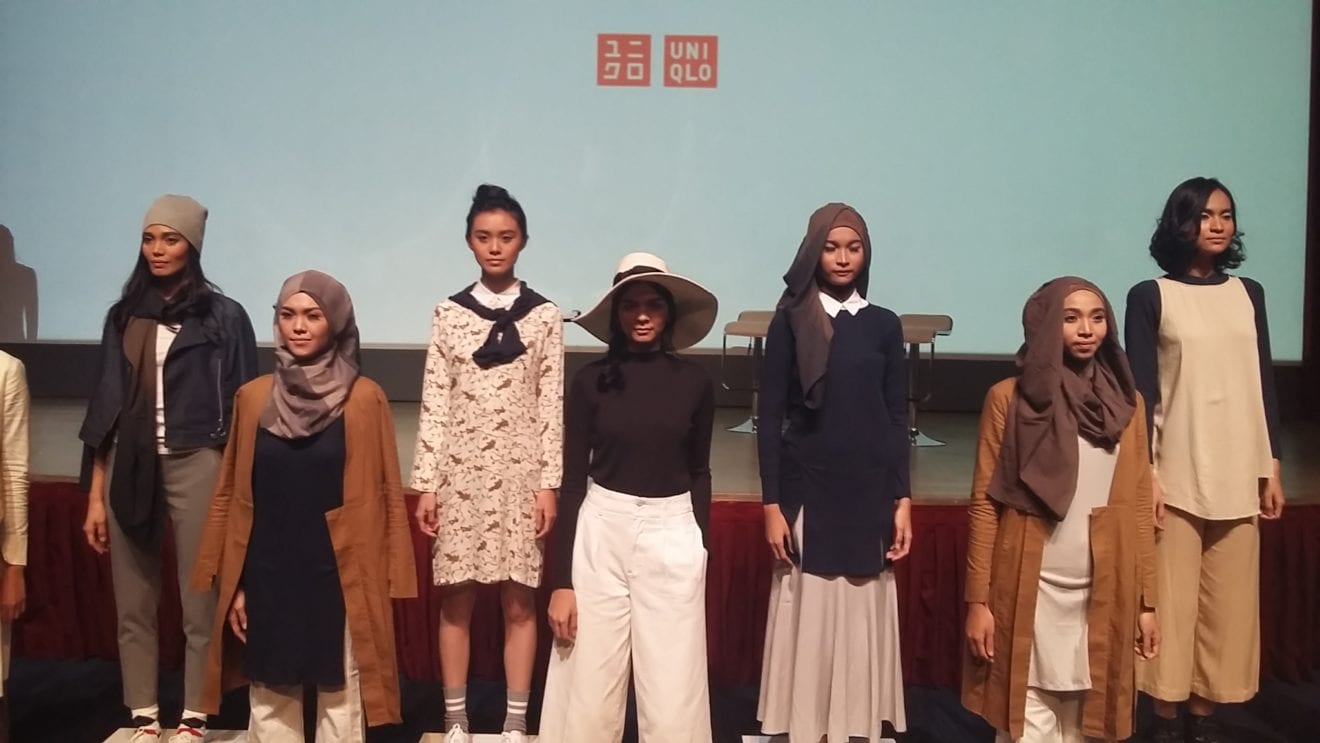
    Amid the rows of blue jeans lining the walls of apparel chain Uniqlo are headscarves, baju kurung and kebaya — part of the Japanese retailer’s new section in Singapore that caters mainly to Muslim shoppers.

    While these garments are usually sold at niche stores in Geylang Serai and Kampong Glam, they can now be found at Uniqlo stores in town or at neighborhood centers.

    Uniqlo is one of the first mainstream retailers in Singapore to turn its focus to the Muslim market.

    The current selection is the second collection launched by Uniqlo following a successful initial run last July. The range is carried at five of its outlets — 313@Somerset, Causeway Point, Jem, One KM and Suntec City Mall — and its website.

    Another retailer that has jumped on the bandwagon is Singapore-based online store Zalora. Each month, it introduces about 50 to 60 products such as long and flowy tops and dresses under its “Zalia” collection. Managing director Dione Song described these as “trendy yet modest” pieces.

    The budding trend here mirrors the global boom in Islamic fashion in recent years. Muslims across the globe spent SG$266 billion (US$188.77 billion) on clothing in 2013 — more than the combined spending in Japan and Italy on fashion. This is set to almost double to SG$484 billion by 2019.

    Observers say the market potential in Singapore is large, with 15 percent of the resident population being Muslims. Also, unlike certain ethnic or cultural wear that is seasonal, such as the cheongsam, this clothing is everyday wear for a substantial proportion of Muslim women.

    Uniqlo said that it is discussing expansion plans for upcoming fashion seasons. It “acknowledges that there is a need among the markets where we are present for stylish and comfortable modest wear.”

    The collection is also retailing in Malaysia, Indonesia and Thailand.

    There is yet to be a major international clothing brand for Muslim wear, but over the past two years brands such as DKNY, Tommy Hilfiger, Zara and Mango have started to offer Muslim-oriented collections in their Middle Eastern stores.

    Major retailers here like H&M, Topshop, Topman and Dorothy Perkins say they have not rolled out any cultural or religious products.

    Although many here have welcomed the greater diversity of choice for consumers, a handful of netizens have voiced their displeasure about Uniqlo’s sale of religious and ethnic wear.

    Associate professor Ang Swee Hoon of the National University of Singapore’s business school said a secular chain offering religious wear could raise eyebrows.

    But Ustaz Firdaus Yahya, manager of an Islamic learning center, said it “reflects their acknowledgement of diversity, and those who do not welcome it may be ignorant or have their own personal bias.”