Retail News CRM

Tag: A320

  • Global Flight Disruptions as Airlines Race to Fix A320 Software Glitch Amid Peak Travel Season

    Global Flight Disruptions as Airlines Race to Fix A320 Software Glitch Amid Peak Travel Season

    A host of global airlines experienced temporary disruptions as they carried out software repairs on a widely utilized commercial aircraft following an analysis that discovered a computer code fault possibly led to an unexpected altitude dip of a JetBlue plane last month.

    Software Issues and Solar Radiation

    Airbus, the aircraft manufacturer, stated on Friday that an investigation into the JetBlue incident exposed that intense solar radiation might tamper with data essential for the operation of flight controls on the A320 aircraft family.

    The Federal Aviation Administration collaborated with the European Union Aviation Safety Agency to mandate airlines to confront this issue through a fresh software update. The update is set to affect more than 500 aircraft registered in the U.S.

    The EU safety agency warned of potential “short-term disruption” to flight schedules due to this problem, which was inadvertently introduced by a previous software update to the plane’s onboard computers.

    A Message from Airbus’ CEO

    Airbus’ CEO, Guillaume Faury, offered an apology to customers as the mandatory fix resulted in “significant logistical challenges and delays.” In a message shared on LinkedIn on Saturday, he said, “Our teams are working around the clock to support our operators and ensure these updates are deployed as swiftly as possible to get planes back in the sky and resume normal operations, with the safety assurance you expect from Airbus.”

    Thanksgiving Disruptions in the U.S.

    In Japan, All Nippon Airways, operator of over 30 planes, cancelled 65 domestic flights scheduled for Saturday, with further cancellations likely for Sunday.

    The software modification coincides with U.S. passengers returning from the Thanksgiving holiday – the busiest travel period in the country.

    American Airlines, which has roughly 480 planes from the A320 family, with 209 affected, anticipates the repair will take about two hours for many aircraft. The airline expects updates to be completed for the vast majority of their fleet by Friday.

    Global Impact of the Software Update

    Air India confirmed that their engineers were in the process of implementing the fix, having completed the reset on more than 40% of aircraft that necessitate it, without any cancellations.

    Delta anticipates the issue to affect fewer than 50 of its A321neo aircraft, while United reports six planes in its fleet are affected, predicting minor disruptions to a handful of flights. Hawaiian Airlines stated it was unaffected by the issue.

    European Flights Normalizing

    In France, Transport Minister Philippe Tabarot confirmed that the situation had stabilized as several software updates had already been installed. He said there was an “almost complete return to normal in French airports.”

    Meanwhile, in the UK, disturbance was minimal. British Airways mentioned only three of its aircraft required the update. Germany’s Lufthansa implemented most software updates during the night and the following morning. Despite minor delays over the weekend, no cancellations were anticipated.

    Scandinavia’s SAS also reported normal operations on Saturday after teams worked overnight to install the necessary software.

    Aircraft Manufacturer Overview

    Airbus, whose main headquarters are in France, is among the world’s largest airplane manufacturers, rivalling Boeing. The A320 model, which is the primary competitor to Boeing’s 737, is the world’s bestselling single-aisle aircraft family.

    Questions & Answers

    What was the cause of the recent software issue affecting the A320 aircraft family?
    The software problem was inadvertently introduced by a previous update to the plane’s onboard computers. An investigation into a JetBlue incident revealed that intense solar radiation might interfere with data critical for the operation of flight controls on the A320 aircraft family.

    How are airlines addressing the software issue?
    The Federal Aviation Administration, alongside the European Union Aviation Safety Agency, is requiring airlines to implement a new software update to address the issue. Airlines around the world are working around the clock to deploy these updates and ensure a swift return to normal operations.

    What impact has the software issue had on global flight operations?
    The software issue has caused short-term disruptions to flight schedules worldwide. While some airlines such as All Nippon Airways in Japan cancelled flights, others like American Airlines and Lufthansa have reported minimal impact with minor delays and no cancellations.
  • Citilink Adds Another A320 to its’ Fleet

    Citilink Adds Another A320 to its’ Fleet

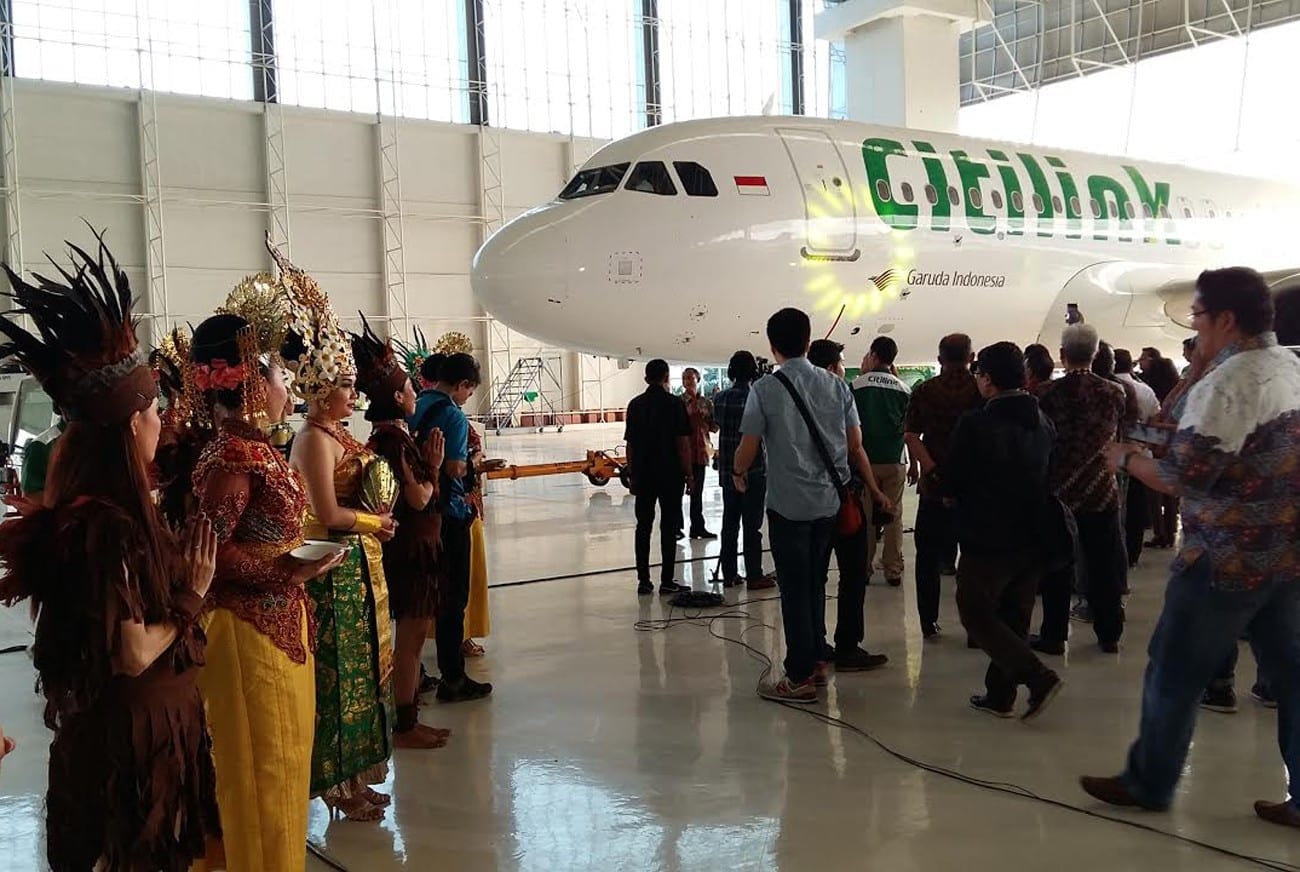
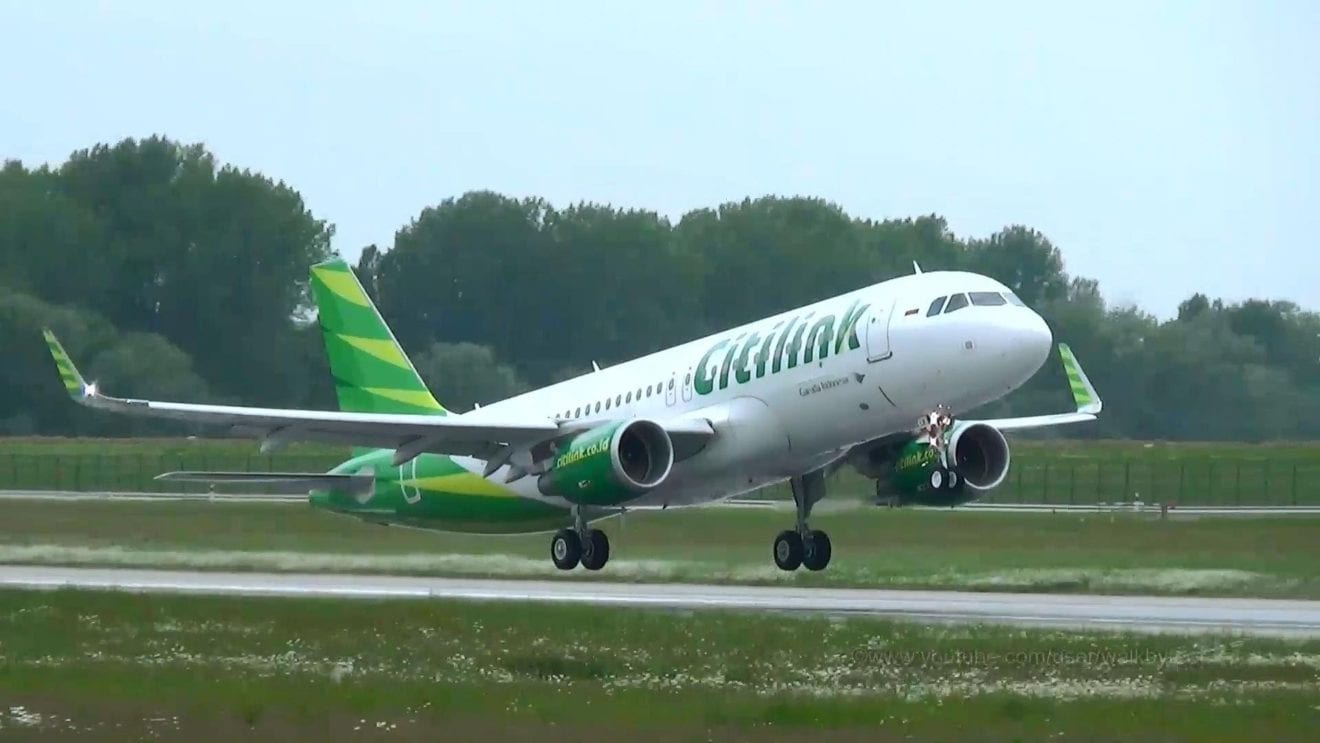
    Indonesia’s flag carrier’s low cost subsidiary, Citilink Indonesia, has acquired a new aircraft that will alow it to operate extra services during the upcoming Eid holiday period.

    The Airbus A320 aircraft, which arrived from Hamburg, Germany on Thursday, is the 35th new aircraft acquired by the airline, said the Executive Director for Citilink Indonesia, Albert Burhan, through a press conference in Jakarta.

    “The addition of the new aircraft is reflective of the company’s growth in the first quarter (Q1) of 2015, which would also support Citilink’s ambition to expand its’ reach and stake in the domestic aviation industry,” said Burhan.

    “The arrival of this aircraft will also enable is to operate more services in light of the upcoming Ramadhan peak season,” said Burhan, before adding that Citilink plans to add up to 16 more flights per day between June 1 to June 15, 2015.

    It is known that extra services will be added to Citilink’s existing services between Jakarta’s Soekarno-Hatta Airport and Jogjakarta, Solo, Malang, Batam, Bali, and Medan’s Kuala Namu airport.

    Burhan explained in the press conference that Citilink needs to have at least 50 aircraft in order to get a bigger chunk of the domestic, low-cost aviation market. Citilink’s fleet, he continued, will grow to around 40 units by the end if the year, which will allow it to meet its’ target of delivering services to 11,2 million passengers annually – up from 7,6 million in 2014.

  • Airlines resume hiring as they embark on recovery

    Airlines resume hiring as they embark on recovery

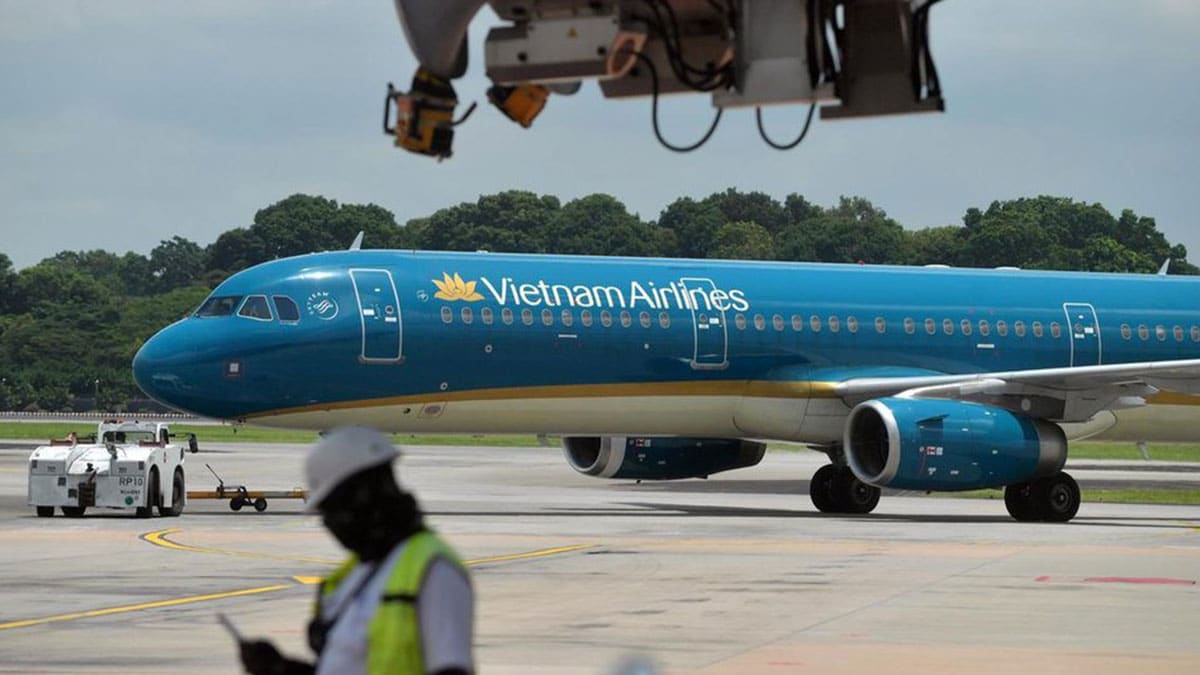
    Bamboo Airways, Vietjet and Vietravel Airlines have started hiring again after an extended recruitment freeze due to Covid-19. Bamboo Airways has posted hiring announcements for many positions, including pilots, flight engineers and cabin crew aid plans to expand its fleet and destinations.

    The airline is offering captains a monthly salary of US$13,300 for flying wide-body Boeing 787s and $10,450 for narrow-body Airbus and Embraer jets, which are higher than pre-pandemic levels. Nguyen Ngoc Trong, its deputy general director, said the carrier is seeking permission to expand its 30-strong fleet by five to 10 aircraft each year.

    It operated at maximum capacity during the nine-day Tet, or Lunar New Year, holidays in early this month, and plans to launch new services to the US and Europe in the second quarter of this year, he added.

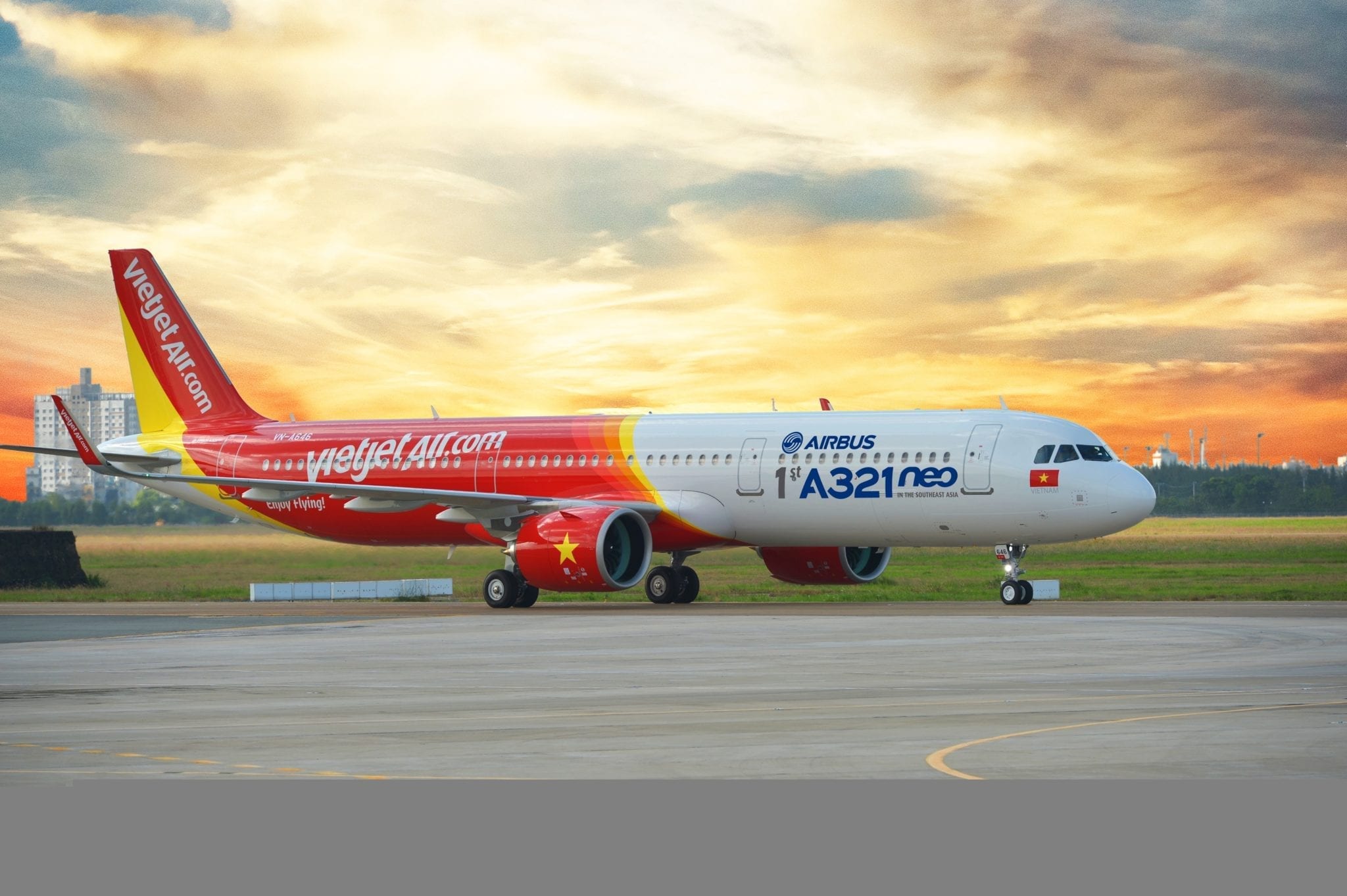
    Budget airlines Vietjet has also posted notices seeking captains and co-pilots for Airbus A320Fs and A330s.

    Vietravel Airlines is hiring pilots for its Airbus A320/A321 fleet as well as cabin crew.

    Representatives of Vietravel Airlines said the recruitment is to “ready for the expansion of the fleet” and “launch new routes to northeast and southeast Asian nations in the third quarter.”

    But human resources could be scarce this year as airlines resume hiring after their Covid-19 woes, they added.

    Vietnam has resumed commercial flights to 20 of 28 countries and territories that it operated direct flights to before the pandemic.

    The country also ended all restrictions on international flights on Feb. 15.

    From March 15, Vietnam will reopen inbound and outbound tourism under new normal conditions, with foreign tourists allowed to visit the country without booking tour packages.

    In the best case scenario, Vietnam’s aviation industry would transport 42-43 million passengers in 2022, or around 50 percent of pre-pandemic numbers, Bui Minh Dang, deputy head of the air transportation department at the Civil Aviation Authority of Vietnam, said.

  • AirAsia Receives Its First Airbus A321neo by

    AirAsia Receives Its First Airbus A321neo by

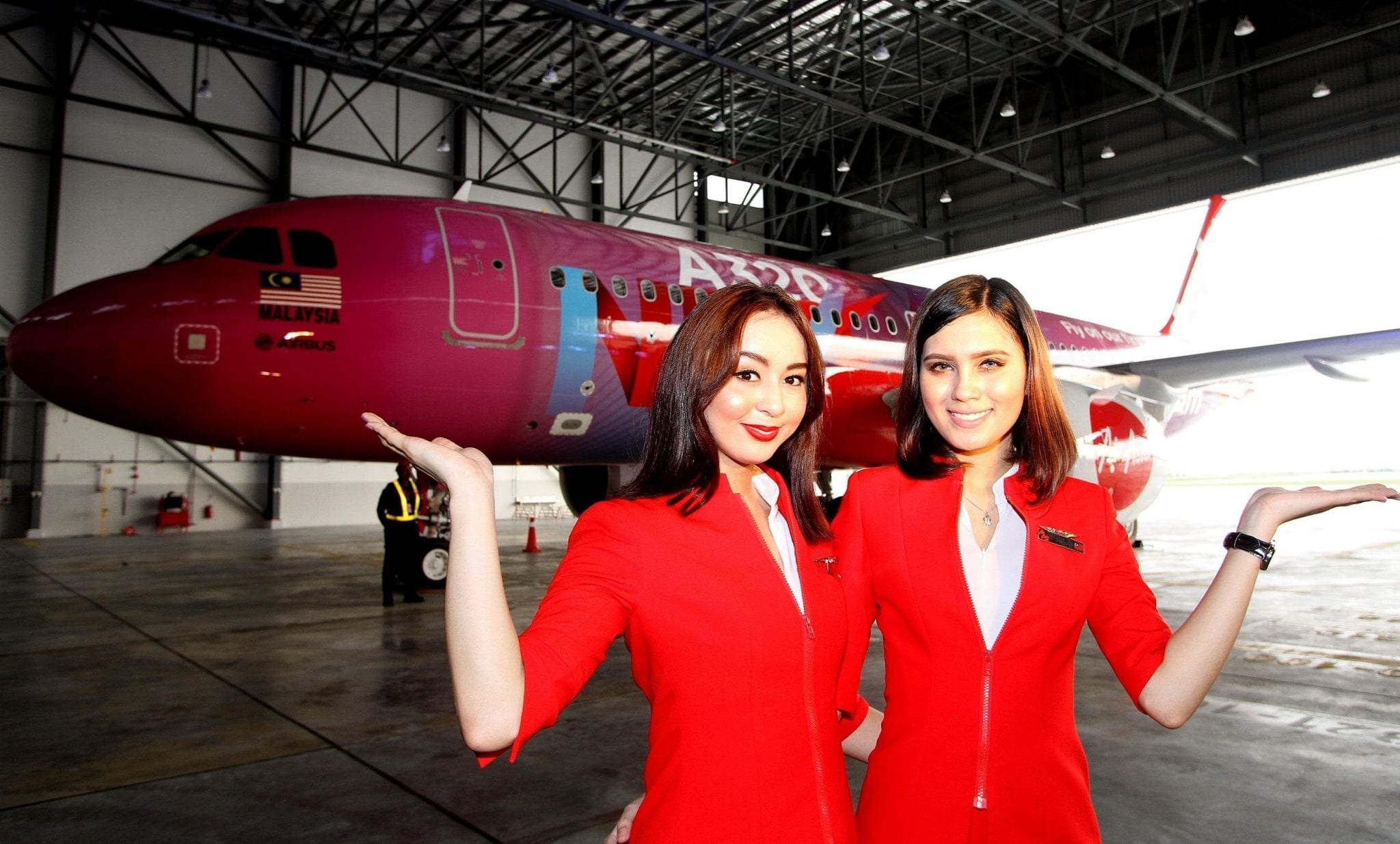
    At a delivery ceremony in Hamburg, Germany, budget airline Air Asia took delivery of its very first Airbus A321neo. The event took place on Wednesday under grey skies and wet conditions. The narrowbody long-haul jet will begin operating this week from AirAsia’s hub in Kuala Lumpur to cities across Asia. Destinations already identified include Kuching and Kota Kinabalu

    The Star also reports that it had its ferry flight back home after the ceremony, with over 30 media personnel from the Southeast Asian region as well as AirAsia staff. According to sources included FlightRadar24 and Planespotters, the airplane has been assigned the registration 9M-VAA and includes a unique and ‘funky’ livery.

    “We could not be more thrilled that it will be the new backbone of our operations across the AirAsia Group. With the 25% increase capacity and 10% reduction in cost per seat, the A321neo will enable us to maintain low fares so ‘Everyone Can Fly!’…This new generation aircraft delivers significant capacity and cost benefits which we can pass on to our guests in the form of great value fares and it also unlocks exciting network expansion opportunities allowing us to fly the aircraft for an additional one and a half hours longer.” -AirAsia Indonesia chief executive officer Veranita Yosephine

    A recent Twitter post about the delivery (shown below) mentions that this is the first aircraft out of the 353 ordered from Airbus. In fact, the delivery of this particular model is part of AirAsia’s plan to move from its existing fleet of A320neo aircraft to the larger A321neo.

    AirAsia revealed the order for the A321neo at the Paris Air Show this year. The airline announced the conversion of 253 A320neos to the larger A321neos. This will make AirAsia the largest customer in the world for this type.

    The larger A321neo offers 50 seats more over the current A320neos. Furthermore, it also provides 40% more cargo space as well as “expanded seating capacity with optimized use of cabin space”.

    The upscaling of the order back in June was welcomed news for Airbus. Although the quantity of aircraft ordered stayed the same, all of them being converted from existing A320 orders marks the biggest order for the larger variant of the narrowbody to date. It also signifies a massive vote of confidence for the type.

    The A321neo is the longest variant of the popular A320 family of aircraft. In fact, with the new improvements of the neo (new engine option), there is an expected 20% increase in fuel efficiency from the A321ceo (conventional engine option). Efficiency features include new generation engines and fuel-saving Sharklets.

  • Cebu Pacific Set To Accelerate Expansion with Neos

    Cebu Pacific Set To Accelerate Expansion with Neos

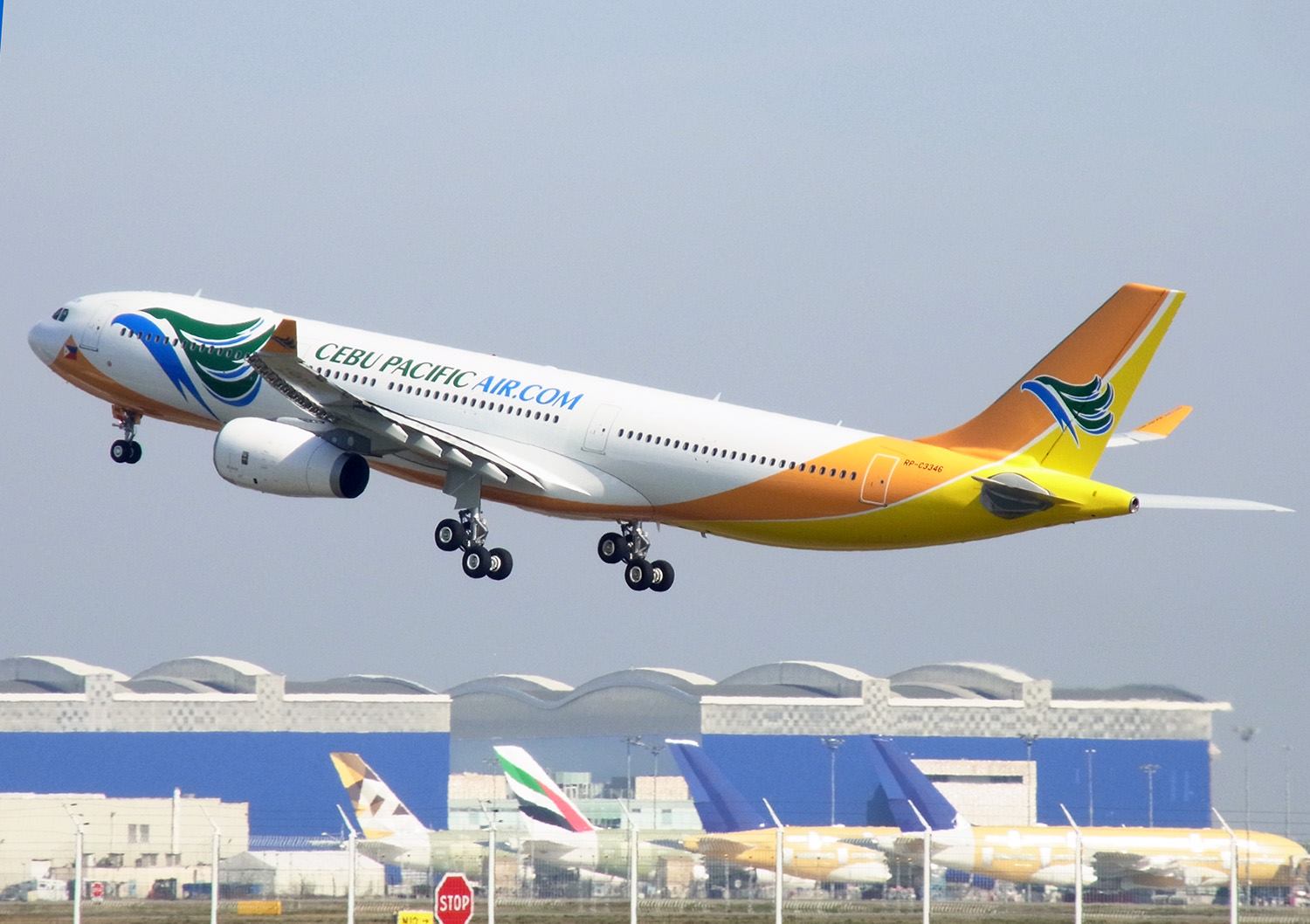
    The Philippines’ Cebu Pacific Air plans to add at least 10 new-generation aircraft to its fleet this year, as it steps up its fleet renewal and expansion plans in a bid to accelerate growth. The country’s largest airline expects to take delivery of five A320neos and five A321neos as part of an ongoing strategy to replace aging aircraft, broaden its network, and up-gauge flights at Manila’s congested Ninoy Aquino International Airport.

    In January, Cebu Pacific took delivery of its first A321neo from Airbus as part of a larger order for 32 of the type. Additional plans call for one ATR 72-600 to arrive sometime this year. The airline now operates a fleet of 35 Airbus A320s, seven A321s, eight ATR 72-500s, 12 ATR 72-600s, and eight A330 widebodies.

    In a securities filing on Monday, the airline announced a 50 percent decline in earnings in 2018, citing challenging market conditions such as high fuel prices, increased competition, the six-month closure of Boracay Airport, and operational limitations at key airports. Net profits fell to $73.8 million from 2017’s $149 million while passenger revenue rose 9 percent year-over-year to $1.4 billion; ancillary revenue grew by 6 percent. The airline generated a 19 percent increase in cargo carried, while passenger numbers rose by 3 percent to 20.3 million.

    “Despite the pressures posed in 2018, we remained resilient,” said Cebu Pacific COO Michael Shau. “We were able to expand our network by up-gauging our flights touching congested airports. 2019 will be a different story though; we have already received the first of our fuel-efficient A321neo orders from Airbus and we expect 10 more new-generation aircraft this year. We also just announced four new domestic routes; 2019 is definitely the year we accelerate our growth.”

    While the airline is planning to add more passenger flights out of its Clark and Cebu hubs, it also sees more opportunity in cargo, reflected in plans to convert two of its ATR 72-500s to large-cargo-door freighters. Once it completes the conversion, Cebu Pacific will become the first low-cost carrier in the world to operate freighters of any type. With operations set for the first quarter of this year, the incoming ATRs will allow the airline to serve smaller airports in the Philippines, thereby allowing for new routes and increased connectivity.

  • AirAsia orders another 14 A320ceo aircraft for regional network

    AirAsia orders another 14 A320ceo aircraft for regional network

    AirAsia has signed an agreement with Airbus to order an additional 14 A320ceo aircraft to meet higher than expected near-term growth on the carrier’s regional network.

    The contract, which is subject to AirAsia board approval, was announced at the “Paris Air Show” on Tuesday.

    The announcement will see the total number of A320 Family aircraft ordered by the Malaysia-based airline rise to 592, reaffirming its position as the largest airline customer for the Airbus single-aisle product line.

    To date, 171 A320ceo and eight A320neo aircraft have been delivered to the airline and are flying with its units in Malaysia, India, Indonesia, Thailand and the Philippines.

    Tony Fernandes, AirAsia Group chief executive officer, said: “Demand is very strong in AirAsia’s traditional countries, but now we have Indonesia, the Philippines and India doing extremely well. The robust demand has led us to expand our fleet, and Airbus has been a great partner in finding us slots.

    “We still need to find more aircraft to expand our regional reach and are actively sourcing from the leasing market. The competitive environment is at its best, coupled with a stable oil price. With the lowest cost in the world, AirAsia is back on aggressive growth.”

    The A320 Family is the world’s best-selling single-aisle product line. It has won over 13,000 orders and more than 7,600 aircraft have been delivered to some 400 customers and operators worldwide.

    With one aircraft in four sizes (A318, A319, A320 and A321), the A320 Family seats from 100 to 240 passengers, and features the widest cabin in the single-aisle market with 18”-wide seats in Economy as standard.

  • Jetstar Pacific to source A320 components from AFI KLM E&M

    Jetstar Pacific to source A320 components from AFI KLM E&M

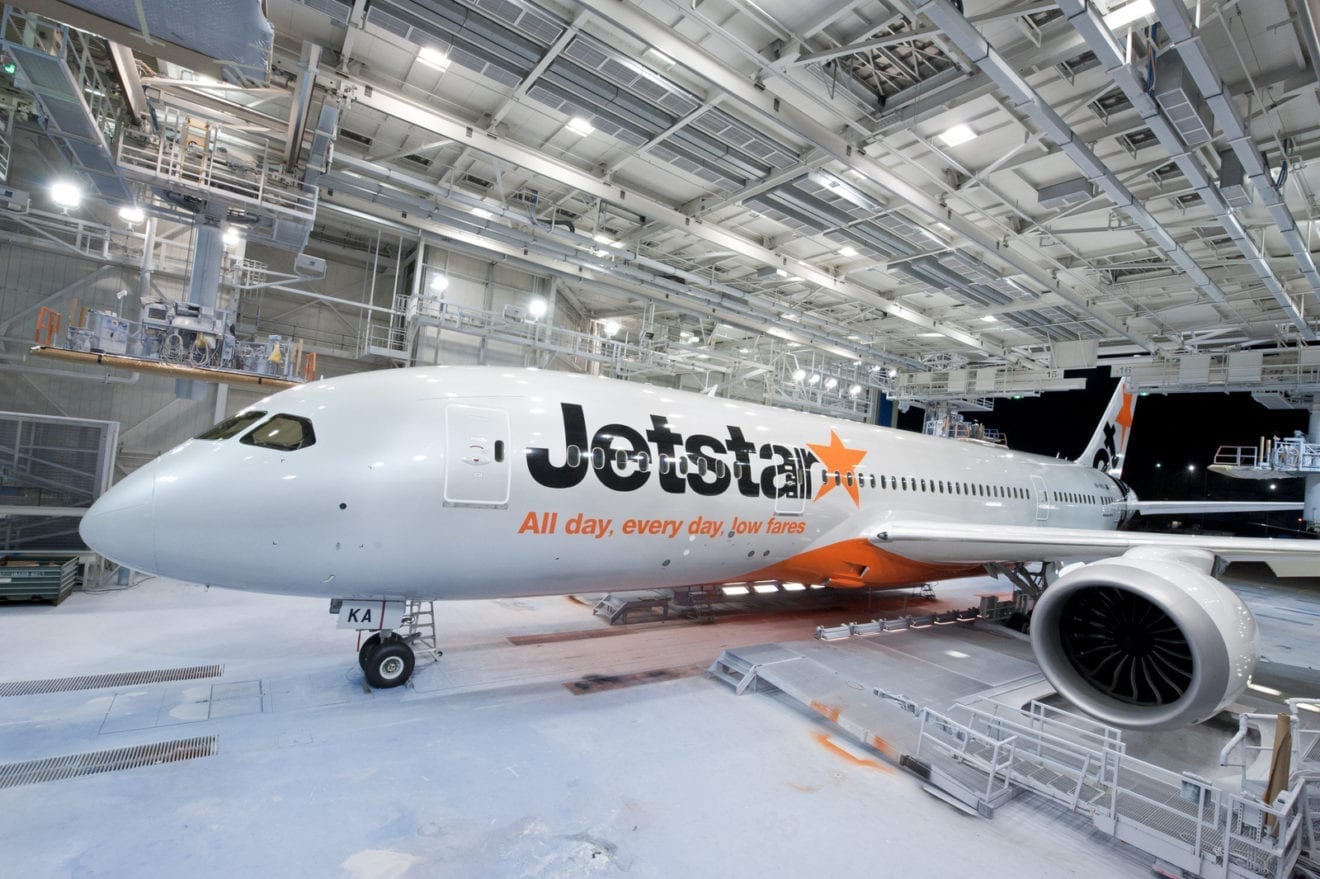
    Low-cost airline Jetstar Pacific has struck a long-term deal with Air France Industries KLM Engineering & Maintenance (AFI KLM E&M) under which the latter will provide component support for Jetstar Pacific’s Airbus A320 aircraft.

    Under the contract, AFI KLM E&M will also provide Jetstar Pacific with repair services and a spares pool to ensure spare parts and necessary materials are ready for maintenance and repair work.

    The deal will take effect this month.

    Speaking at the signing ceremony, Nguyen Quoc Phuong, General Director of Jetstar Pacific, said the cooperation with AFI KLM E&M, a leading partner in the air industry, will bring significant improvements in maintenance costs and duration, thus help the airline create more timely and comfortable flight experience for customers.

    Jetstar Pacific, with two major shareholders of Vietnam Airlines and Qantas of Australia’s Qantas Airway, now has a fleet of 14 Airbus A320 planes, which is expected to increase to 30 by 2021.

    According to Fabrice Defrance, Senior Vice President of AFI KLM E&M, the contract between Jetstar Pacific and AFI KLM E&M marks the beginning of a long-term cooperation between the two sides and affirms the strong presence of the company in Asia.

    AFI KLM E&M has been providing support for nearly 2,000 planes operated by 200 airlines across the world.

  • Citilink’s first new Airbus A320neo arrives in Indonesia

    Citilink’s first new Airbus A320neo arrives in Indonesia

    Garuda Indonesia’s low-cost subsidiary, Citilink, has begun welcoming a new fleet of Airbus A320 new engine option (neo) aircraft from the Airbus factory in Toulouse, France.

    Citilink has ordered 35 aircraft from the European manufacturer since it developed the new version in 2012. The 180-passenger capacity A320neo will join 45 aircraft of the previous model, the A320 current engine option (ceo), which Citilink already owns.

    The delivery will be completed by 2021. This year, Citilink will receive five aircraft.

    “We will use them for medium-length routes like to Eastern Indonesia, to Jeddah, Saudi Arabia, and to Shanghai,” Citilink acting president director and finance director Mega Satria said during the welcome ceremony at the Garuda Maintenance Facility (GMF) AeroAsia Workshop in Cengkareng, Banten, on Friday.

    According to Airbus data, the A320neo features two engine options, Pratt & Whitney’s PurePower PW1100G-JM and CFM International’s LEAP-1A. Citilink’s aircraft use the latter. Along with improvements to airframe and winglets, fuel efficiency has been increased by 15 percent compared to the A320ceo.

    As of January, Airbus had received 5,069 orders of the new aircraft since it began production in January 2016. German airline Lufthansa was the first to receive one on Jan. 20 last year.

  • AirAsia signs component support deal for A320neo jets

    AirAsia signs component support deal for A320neo jets

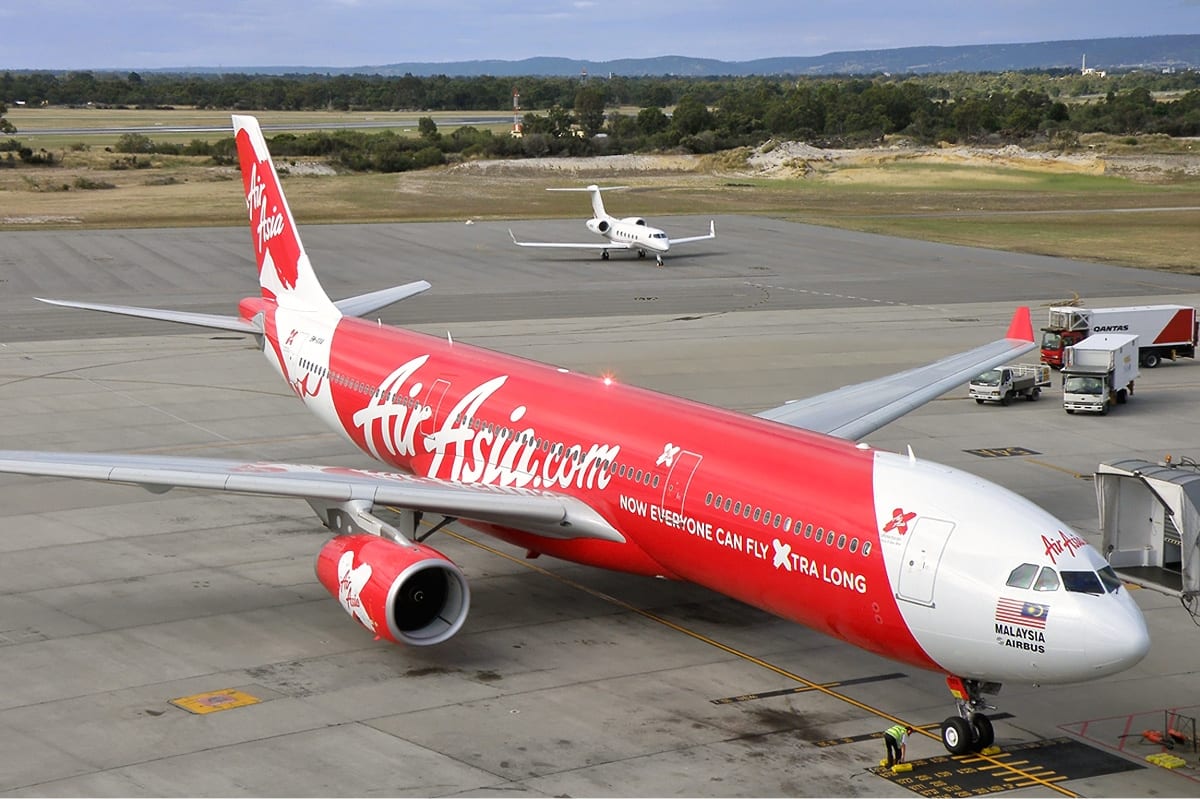
    AirAsia and Air France Industries KLM Engineering & Maintenance (AFI KLM E&M) has inked a component support agreement for the airline’s fleet of Airbus A320neo passenger jets, which is ultimately scheduled to number 304 aircraft.

    AirAsia took delivery of its first A320neo on Sept 7 this year in Hamburg.

    The contract between the two groups includes component repair services and solutions designed to maximise aircraft availability.

    “We are delighted to find a strong partner in AFI KLM E&M and one that is as dynamic as us. Operating a new-generation aircraft at such a large scale requires adaptive, world-class support, and we have the utmost confidence that AFI KLM E&M will be able to provide us with the responsiveness, reliability and performance needed,” said AirAsia Group CEO Tony Fernandes in a statement yesterday.

    AFI KLM E&M came up with an ultra-competitive support offer which is specially tailored for the carrier.

    With its experience of large-scale support, AFI KLM E&M is able to offer maintenance solutions for large fleets like that operated by AirAsia.

    “We are very honoured that AirAsia is extending its trust to us by awarding AFI KLM E&M with the support of its brand new A320neo fleet,” said Air France CEO Franck Terner.

    AFI KLM E&M currently provides component support for AirAsia’s A330 fleet operated by AirAsia X, its budget long-haul subsidiary.

    That support agreement was signed in 2009 and was extended in 2013.

  • AirAsia India mulls A320 aircraft option for UDAN

    AirAsia India mulls A320 aircraft option for UDAN

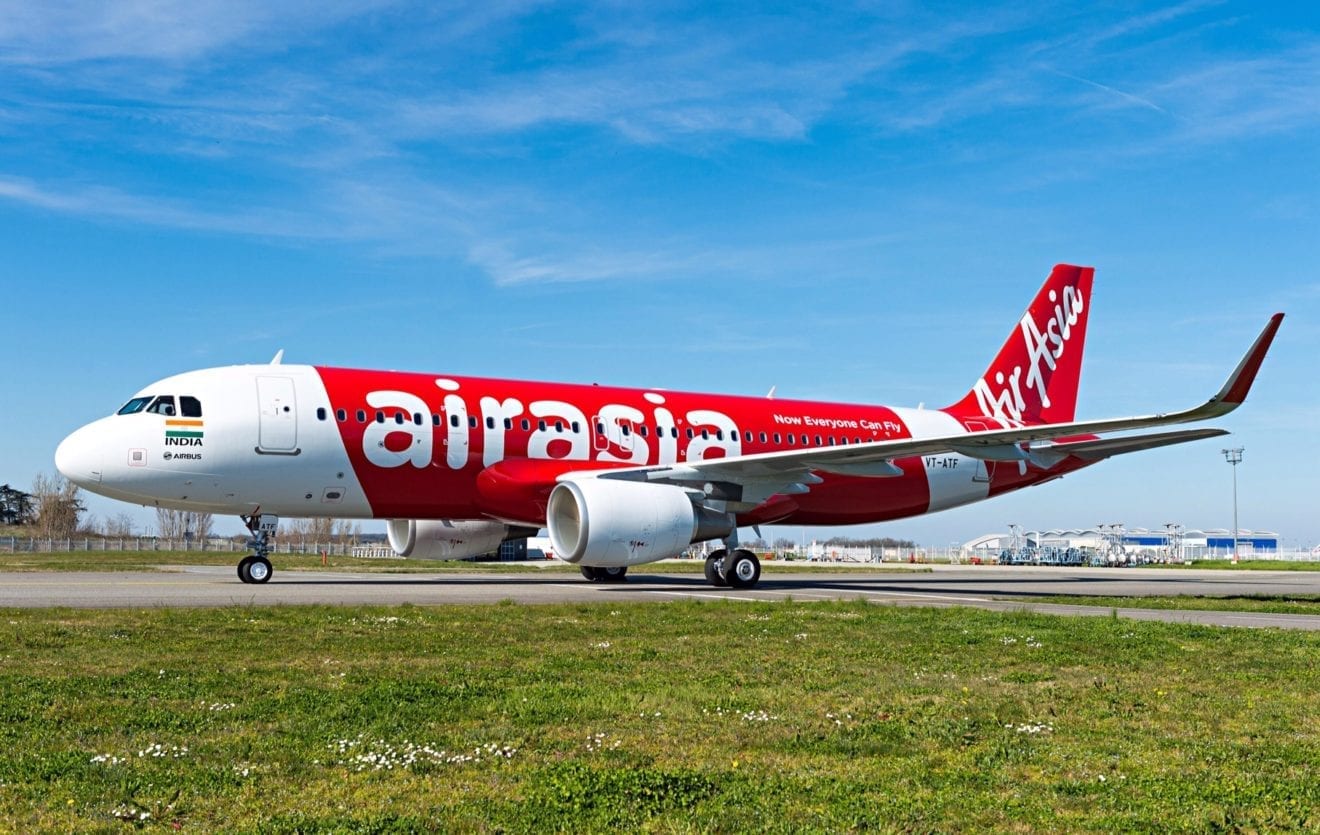
    Keen to expand its domestic presence, AirAsia India is evaluating the proposition of operating regional flights with A320 planes under the government’s UDAN scheme. The ambitious UDAN (Ude Desh Ka Aam Naagrik) scheme aims to connect unserved and under-served airports in the country while participating airlines would get various incentives, including viability gap funding and other financial concessions.

    AirAsia India, which currently has eight A320 planes, expects to have a fleet of 10 aircraft by end of this fiscal. According to a senior airline official, options of participating in UDAN are being evaluated and a decision would be taken depending on the commercial viability of the regional routes.

    “We are evaluating which routes can be served by A320. If it is viable, we will certainly look into it,” the official told PTI. Manufactured by Airbus, A320s are single-aisle planes that can have up to 180 seats depending on the configuration opted for by the carriers.

    Fares would be capped at Rs 2,500 for one-hour flights under UDAN and the first flight under the scheme is expected to take off in January 2017. Along with increasing its fleet size to 10 planes, AirAsia India also expects to have a headcount of around 1,000 by the end of March next year.

    In the three months ended September 2016, the budget carrier saw its loss marginally narrow to Rs 62.18 crore from Rs 63.14 crore in the year-ago period. However, revenues increased 31 per cent to Rs 175.11 crore in the latest September quarter. The same stood at Rs 132.95 crore in the same period a year ago.

    AirAsia India, now a joint venture between Tatas and Malaysia’s AirAsia Berhad, began operations in June 2014. Tata Sons owns 49 per cent stake while two of the airline’s directors — S Ramadorai and R Venkataramanan –have 2 per cent shareholding, and the remaining is with AirAsia Berhad.

    Meanwhile, Malaysia’s AirAsia Berhad has invested additional funds to the tune of Rs 115 crore in AirAsia India.