Tag: accent group

  • Brand Collective Buys Glue Store, the Dom and Running Bare

    Brand Collective Buys Glue Store, the Dom and Running Bare

    Brand Collective bought youth fashion chain Glue Store, online outlet The Dom and activewear label Running Bare to expand its Australian retail footprint.

    The deal adds three distressed apparel brands to a portfolio of more than 30 operating labels owned by billionaire Larry Kestelman.

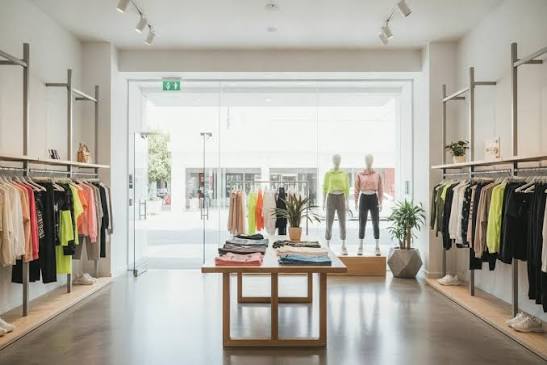
    Under the terms, Brand Collective acquired Glue Store’s intellectual property and customer database from footwear operator Accent Group. Accent shuttered the streetwear chain in mid-June after an 8.4 million dollar loss and multiple store closures. The new owner plans to reopen physical stores targeting Gen Z and millennial shoppers. It will also upgrade the brand’s digital sales platform.

    Building a Discount Marketplace Unit

    The transaction also includes The Dom. That online factory outlet platform folded in April following cash constraints. Brand Collective will use its digital marketplace infrastructure to anchor a broader clearance portal selling apparel, footwear and accessories.

    Running Bare enters the fold after six months out of business. Brand Collective plans a digital overhaul for the activewear label while keeping its design identity intact.

    These acquisitions demonstrate Brand Collective’s ongoing evolution and innovation as a business. Brand Collective has considerable experience in taking brands to new levels of success, and we see enormous potential across all three.

    Picking Through Distressed Inventory

    Buying dormant brand assets allows multi-brand groups to secure established customer databases without taking on legacy lease liabilities. Accent Group offloaded Glue Store after less than five years of ownership. High mall rents and promotional pressure had eroded youth streetwear margins.

    Similar pressures hit Running Bare and The Dom as discretionary fashion spending slowed across Australian metropolitan centers. Folding all three into a single back-end operating unit cuts warehousing, marketing and digital fulfillment costs across the combined group.

    Shifting Channel Exposure

    The strategy mirrors consolidation seen across regional department stores and specialty apparel groups chasing online volume. Traditional storefronts have struggled against direct-to-consumer labels. Discount marketplaces offer an alternative route to clear excess inventory.

    For shopping center landlords, the planned revival of physical Glue Store outlets offers replacement tenancy in youth-focused retail precincts. Those locations lost foot traffic following Accent Group’s June exit.

    Operational Integration Ahead

    Accent Group walked away from Glue Store after restructuring costs failed to stem operating losses across mall locations. The divestment allows Accent to refocus capital entirely on its core footwear chains.

    Chief executive David Thomas said Brand Collective will announce rollout timelines and opening locations for the revitalised brands over the coming months.


  • Frasers Group Extends 65-Cent Takeover Bid for Accent Group to January 2027

    Frasers Group Extends 65-Cent Takeover Bid for Accent Group to January 2027

    Frasers Group extended its hostile on-market takeover bid for Australia’s Accent Group on Friday. Shareholders now have until January 29, 2027 to accept the cash offer of 65 cents per share.

    The London-listed retail conglomerate already controls 22.9 per cent of Accent. It wants to buy every remaining share listed on the Australian Securities Exchange.

    Under the revised schedule announced through broker Barrenjoey Markets, the acceptance deadline shifts from September 30 to 4:00pm Sydney time on January 29. All other financial terms remain unchanged at 65 cents per ordinary share.

    Board Resistance and Turnaround Friction

    Accent’s board has urged shareholders to reject the approach from the start. Directors labelled the 65-cent valuation insufficient and opportunistic. They warned investors that tendering stock forfeits future dividend streams and upside from the retailer’s 2030 strategic growth plan.

    Frasers argues that current leadership broke the business model. Christopher Wootton, a director at Frasers, stated that the group has significant concerns regarding Accent’s strategic direction and performance under chairman Lawrence Myers and the incumbent executive team.

    Ashley’s group has also demanded that Myers step down from the board. Frasers backs the footwear and apparel brands across Accent’s network, but it insists the business needs hands-on operational restructuring rather than standalone turnaround promises.

    Earnings Pressure Across the Australian Footwear Network

    Trading numbers have put Accent under heavy scrutiny. The Melbourne-headquartered retailer recorded $1.64 billion in sales for fiscal 2026, but finished the financial year with a net loss of $13.8 million.

    This playbook matches the standard Frasers takeover blueprint across the Asia-Pacific retail market. The company builds a blocking minority stake, waits for margin compression or losses, and tables a low-premium cash bid to squeeze institutional holders.

    For Australian retail landlords and rival apparel chains, prolonged ownership battles create operational paralysis. Store network optimisation, lease renewals, and capital expenditure decisions slow down while executives defend against board spills and creeping takeovers.

    Timeline of the On-Market Pursuit

    The takeover fight started on June 15, 2026, when Frasers lodged its initial bidder’s statement on the ASX after amassing its 22.9 per cent holding. A supplementary bidder’s statement followed on August 10 to address technical offer disclosures.

    Barrenjoey Markets registered the extension notice with the ASX on September 18. The revision keeps the offer active through holiday trading and forces Accent’s board to defend its interim performance numbers in the middle of the takeover window.

    Shareholders face a four-month wait until the January 29, 2027 closing bell. Market attention now turns to whether Frasers lifts its 65-cent price or attempts a formal boardroom challenge at the upcoming annual general meeting.

  • Over 60 per Cent of Black Friday Shoppers Pre-Plan Holiday Purchases

    Over 60 per Cent of Black Friday Shoppers Pre-Plan Holiday Purchases

    Australian retailers face a structural shift in holiday spending as 57 per cent of shoppers concentrate gift purchases in November after pre-selecting brands in October.

    Data compiled by market research agency Retail Safari and consultancy PwC shows 64 per cent of holiday budgets remain unspent entering November, even as buyers finalise purchase shortlists weeks earlier. Black Friday alone now captures 55 per cent of holiday shoppers, turning the discount window into an execution phase rather than a discovery channel.

    The Split Between Early Planning and Peak Spending

    Consumer research from Mintel indicates more than six in ten Black Friday shoppers choose their target products before promotional events begin. Shoppers use September and October to compare specifications, check customer reviews and track merchant pricing before committing funds. In Australia, research from the Australian Retailers Association and Roy Morgan showed 29 per cent of consumers started browsing earlier in 2025 than the previous year, while only 8 per cent started later.

    The US-based National Retail Federation recorded an identical baseline, with roughly 40 per cent of consumers starting holiday research before November. Shoppers cite three main drivers: managing household budgets over time, avoiding store congestion, and eliminating late delivery risks.

    Big-Ticket Sales Diverge From Headline Retail Growth

    Official figures mask underlying pressure across discretionary categories. Australian Bureau of Statistics data analyzed by investment research firm MST Marquee placed July retail turnover growth at 6.6 per cent year on year, running above the 4.9 per cent historical average. Food services rose 9.3 per cent and clothing gained 7.1 per cent, but major durable goods operators failed to capture that momentum.

    First-quarter trading updates reflect the divide. Online furniture seller Temple & Webster reported sales down 13 per cent across its first seven weeks, department store operator Myer posted a 4 per cent decline, and Accent Group recorded a 2 per cent like-for-like drop. Electronics chain JB Hi-Fi saw comparable sales slip 1.4 per cent, while its home appliance unit The Good Guys declined 1.7 per cent and furniture retailer Nick Scali tracked flat from July 1.

    Household Wealth Pressures Shorten Brand Lists

    For store operators and suppliers, the divergence means consumers are buying smaller items frequently while delaying expensive, considered purchases until deep discounting begins. Retailers that spend their marketing budgets solely on late November discounts risk losing shoppers who eliminated unfamiliar brands during the October evaluation window. Merchant margins face compounding pressure if price cuts merely settle competition among pre-selected names rather than bringing in new foot traffic.

    The shift follows a broader contraction in gift-buying participation. ARA and Roy Morgan figures showed 68 per cent of Australian adults planned holiday gift purchases last year, down 9 per cent from 2024, while average spend per remaining buyer climbed 7.1 per cent to A$757.

    MST Marquee projects household goods demand will soften further through the fourth quarter as property price weakness and potential interest rate hikes from the Reserve Bank of Australia curb discretionary outlays.