Tag: Accessories

  • Furla Opens 75Sqm Boutique at the Venetian Macao

    Furla Opens 75Sqm Boutique at the Venetian Macao

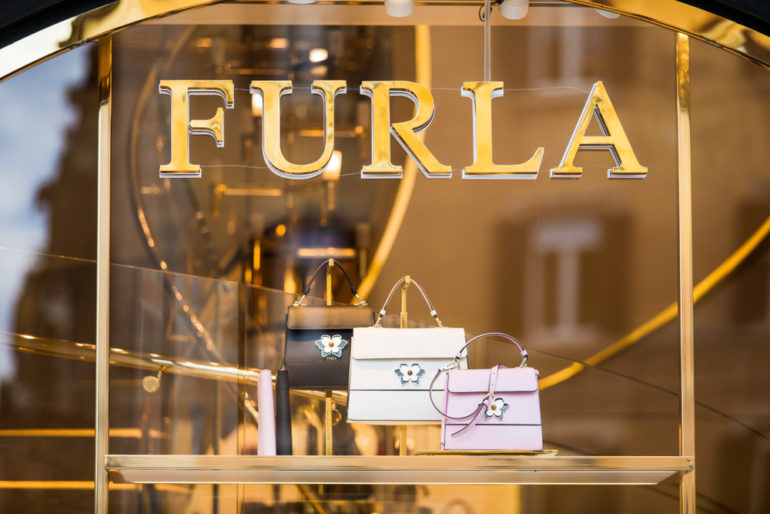
    Italian accessories brand Furla has opened a boutique at Shoppes at The Venetian Macao in September 2026, adding more than 75 square metres of retail space to its Asia-Pacific network.

    It carries the brand’s full range of handbags, small leather goods, eyewear, textiles and charms under an updated store format.

    Modular Layout and Interior Fit-Out

    Inside, the boutique features dedicated product zones and a magnetic display wall for seasonal arrivals. The setup lets staff reconfigure floor layouts without structural work.

    Italian materials anchor the interior, mixing natural oak and painted metal with lacquered surfaces, tiles and light gold accents. A palette of ivory, latte, white, grey, burgundy and aqua green runs across the display fixtures and perimeter shelving.

    Casino Footfall and Regional Push

    Casino mall retail relies heavily on mainland tourist traffic. Leases demand steady transaction velocity from transient shoppers rather than local repeat footfall. In this corridor, premium leather goods makers face direct competition from heritage luxury houses upstairs and accessible fashion labels fighting for discretionary travel spend.

    A compact 75-square-metre footprint keeps operating costs down while the brand tests product turnover along high-density casino walkways. Success at The Venetian will depend on converting foot traffic during peak holiday windows when mainland visitor volumes surge.

    Greater Bay Footprint

    Founded in Bologna in 1927, the company expanded its retail presence earlier in the year with a refreshed store format in Hong Kong. That rollout introduced lighter fixtures and revised zoning across urban locations.

    The Macao opening extends that format across the Pearl River Delta, where retail performance tracks incoming visitor arrivals alongside cross-border ferry and bridge volume.

  • Lovisa Hits $938.8 Million in FY26 Sales on Fast Jewellery Demand

    Lovisa Hits $938.8 Million in FY26 Sales on Fast Jewellery Demand

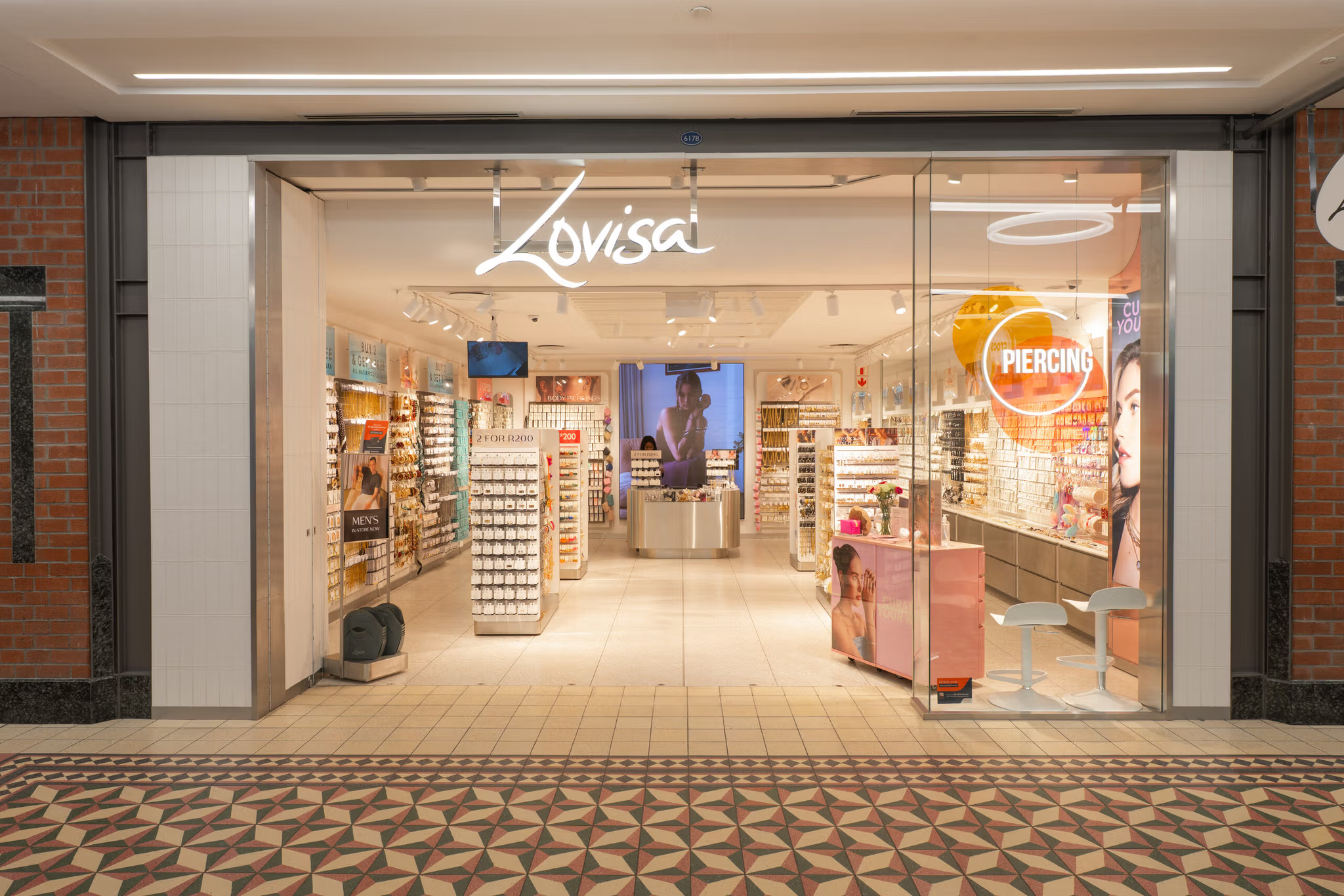
    Lovisa posted double-digit revenue and profit growth for fiscal 2026, generating $938.8 million in total sales across its global store network. The result shows budget-conscious shoppers continued buying affordable accessories despite persistent cost-of-living pressure in Australia and key overseas markets.

    Tightened household budgets did little to slow store turnover. Fast-fashion jewellery continues to capture discretionary spending from consumers who pull back on higher-priced apparel and luxury goods, giving mass-market operators sustained foot traffic across shopping centres.

    Demand across budget accessories

    Lovisa relied on its high-turnover model to drive revenue across its retail footprint. Low price points allowed the brand to maintain transaction volume even as inflation squeezed general consumer spending.

    The performance reflects a broader split in retail spending across the Asia-Pacific region. While big-ticket discretionary categories face softer demand, impulse-driven accessory purchases continue to clear inventory rapidly.

    Market rivals and category pressure

    Competition in the affordable jewellery segment is intensifying across major retail hubs. New challenger brands, including ventures launched by former Lovisa executives, are expanding store networks and targeting the same demographic with rapid product drops.

    Sustaining double-digit expansion will depend on how effectively the chain defends mall real estate and controls store operating costs. Market watchers will track upcoming store rollout milestones and regional trading updates in the next financial reporting cycle.

  • Bogg Moves Production to Vietnam Following 10 Million Dollar Tariff Hit

    Bogg Moves Production to Vietnam Following 10 Million Dollar Tariff Hit

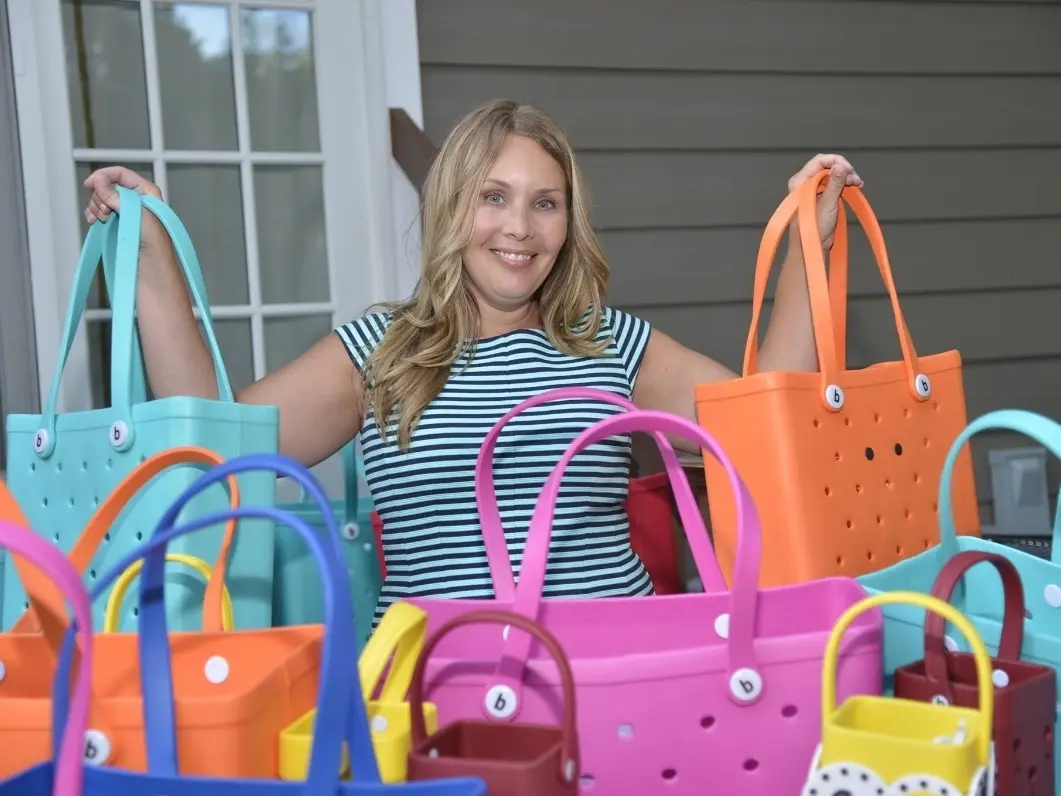
    American bag maker Bogg has begun shifting its manufacturing footprint to Vietnam after absorbing a $10 million tariff penalty on its China-based production lines.

    The move lands as the foam-tote brand surpassed $100 million in annual revenue and crossed $400 million in cumulative lifetime sales. Founder and chief executive Kim Vaccarella built the business around washable EVA foam bags, relying on Chinese factories for more than a decade before import duties forced a supply-chain overhaul.

    Supply chain retooling and raw material costs

    Concentrating production in China left the company exposed when cross-border tariffs surged over the past year. Vaccarella said Bogg started shifting manufacturing orders into Vietnam to reduce that tariff drag, while managing swings in the price of raw EVA polymer across global markets.

    The supply revamp coincided with a broader retail push. Bogg added six retail partners and entered roughly 200 new storefronts across the United States, placing inventory into fashion chains including Anthropologie and Urban Outfitters as well as specialty sellers like The Container Store. Wholesale accounts now generate about 40 per cent of total sales, with direct-to-consumer digital channels and Amazon supplying the balance.

    The factory shift across Southeast Asia

    Bogg is following a path well worn by international footwear and apparel brands that have spent the past five years building secondary production hubs in Southeast Asia. For mid-sized consumer labels, diversifying out of coastal China protects operating margins, but it also creates fresh logistical friction as Vietnamese factories face tighter capacity and fluctuating feedstock costs.

    Vaccarella turned down a nine-figure buyout offer to keep Bogg independent, and the company is now preparing its first proprietary retail stores alongside an eventual international expansion.

  • From Delivery Uniforms to Designer Accessories: DHL and Eric Wongs Eco-Friendly Upcycled Collection Takes Flight

    From Delivery Uniforms to Designer Accessories: DHL and Eric Wongs Eco-Friendly Upcycled Collection Takes Flight

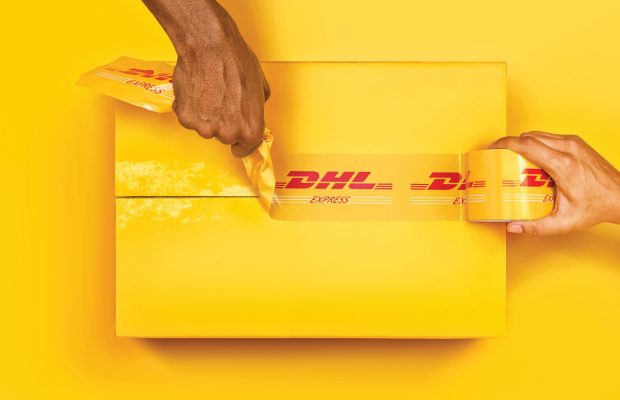
    In a novel sustainability initiative, DHL Express has teamed up with Eric Wong, a renowned Hong Kong-based fashion designer, to create the DHL x Absurd Laboratory BFFS Upcycled Collection. This unique line of accessories is fashioned from old courier uniforms which have been taken out of service.

    Eric Wong, the creative mind behind Absurd Laboratory, earned the DHL GoGreen Plus Alumni Prize at the Redress Design Award held the previous year. His design philosophy is commonly recognized for its utilization of deconstruction and upcycling techniques.

    The Upcycled Collection

    The upcycled collection features an array of items crafted from repurposed DHL polo shirts and cargo trousers. Included in the collection is a multipurpose bucket hat, a sling bag, a pair of clogs, and bear-shaped pendants that boast cartoon-inspired designs.

    The revenue generated from this assortment will be used to fund Redress and its initiatives aiming to help budding designers who are passionate about sustainable and circular fashion.

    A Step Towards Sustainability

    Andy Chiang, Senior Vice President and Managing Director of DHL Express Hong Kong and Macau, expressed that this project aligns with the company’s wider sustainability objectives.

    DHL, being a crucial logistics ally to the fashion industry, will be fulfilling international orders of this collection using its GoGreen Plus service. It is a purposeful move aimed at lowering CO2 emissions by employing Sustainable Aviation Fuel.

    Eric Wong shared that this project was a chance to breathe new life into discarded materials. By reusing old DHL courier uniforms, he endeavored to create modern accessories that tell a tale of sustainability and circular design.

    The DHL x Absurd Laboratory BFFS Upcycled Collection can be purchased from the Absurd Laboratory’s online store, Midwest Vintage stores, and The Redress Closet.

    Questions & Answers

    What is the DHL x Absurd Laboratory BFFS Upcycled Collection?
    It’s a collection of accessories created from old courier uniforms which are no longer in use. The collection includes a convertible bucket hat, sling bag, clogs, and bear-shaped pendants.

    Where will the profits from this collection be directed?
    The revenue generated from the sales will fund Redress, an organization that supports emerging designers with a focus on sustainable and circular fashion.

    How does this project support sustainability?
    This initiative contributes to sustainability in two ways: firstly, it upcycles old courier uniforms into fashionable accessories, reducing waste. Secondly, DHL will be using its GoGreen Plus service, which employs Sustainable Aviation Fuel, to ship international orders of the collection, thereby reducing CO2 emissions.

  • MagSafe Accessories Market Set to Surge to $16.14 Billion by 2031—What’s Driving the Growth?

    MagSafe Accessories Market Set to Surge to $16.14 Billion by 2031—What’s Driving the Growth?

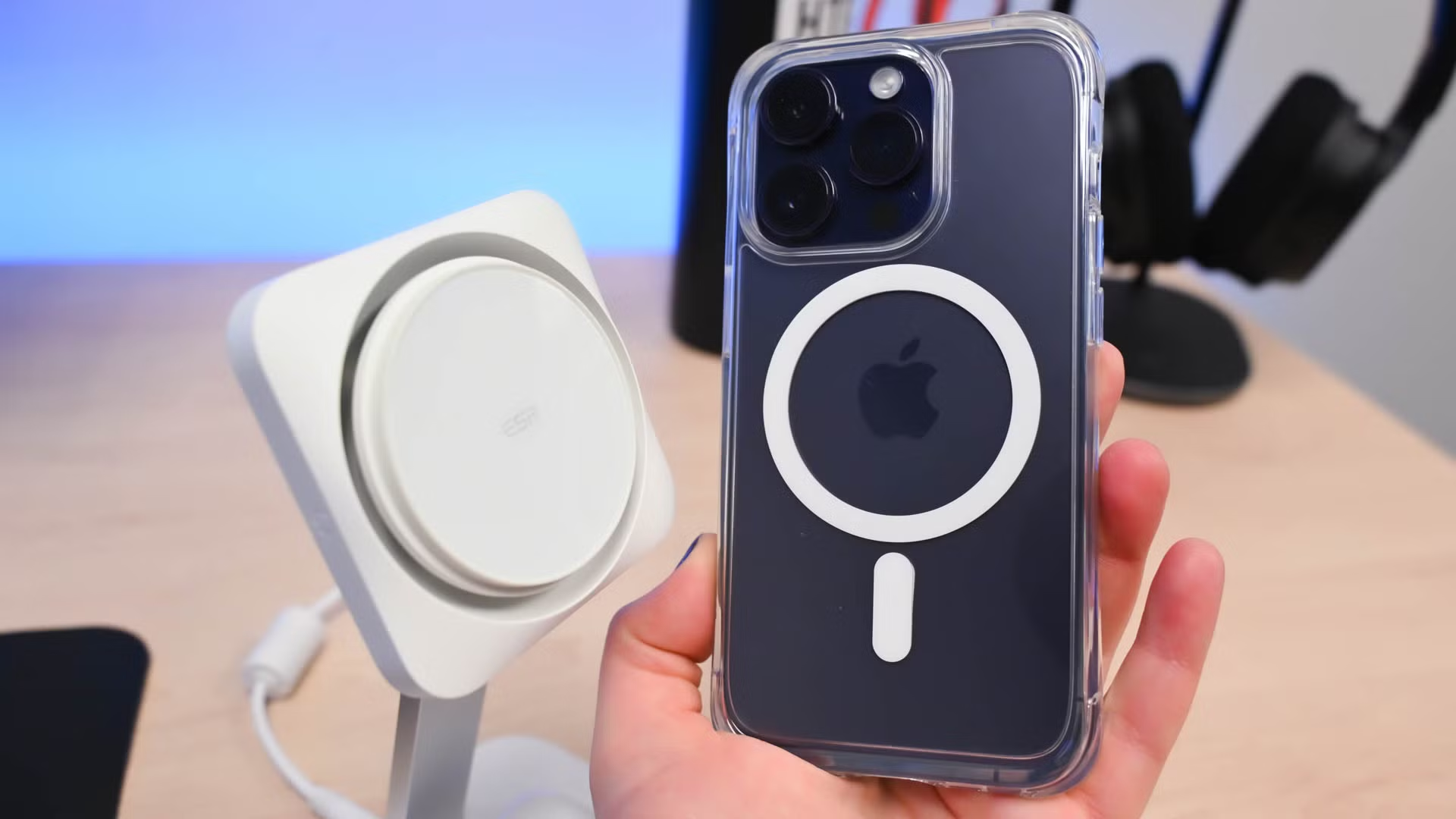
    The global MagSafe accessories market is poised for impressive growth, projected to reach $16.14 billion by 2031, with an annual growth rate of 4.7%, as detailed in a report by Valuates Reports. This expansion is primarily fueled by a rising demand for wireless charging solutions, alongside the allure of minimalist design and seamless integration with Apple products.

    At the forefront of this trend are MagSafe wireless chargers, celebrated for their magnetic alignment that enables faster and more reliable charging. As smartphone usage surges and the need for quick charging solutions intensifies, these chargers stand out as a clean and efficient means of powering devices, catering to users who crave convenience without sacrificing performance.

    In addition, MagSafe phone mounts are becoming increasingly popular for hands-free use in both vehicles and at desks. Their robust magnets ensure devices stay put, allowing for easy adjustments. This capability resonates with a diverse audience, from drivers and content creators to professionals seeking stylish yet practical mounting solutions. Who knew magnets could have such a magnetic allure?

    E-commerce platforms, particularly giants like Amazon and the Apple Store, are integral to this market’s expansion. These online channels provide consumers with global access to product comparisons and user reviews, significantly boosting sales. The shift toward digital shopping has paved the way for easier access to a broad spectrum of MagSafe accessories.

    MagSafe products are intricately designed to pair with Apple devices, including iPhones, AirPods, and Apple Watches, fostering user trust and encouraging ongoing investment in the Apple ecosystem. Their forward and backward compatibility ensures that users can enjoy these accessories over the long haul.

    As more consumers opt for flagship iPhones, their willingness to invest in high-end accessories has grown. MagSafe products not only align with Apple’s distinguished design and performance standards but also cater to a discerning group of premium buyers.

    Further enhancing the market landscape, Apple’s strategic move to open the MagSafe standard to third-party manufacturers has broadened the product range. Brands such as Belkin, Anker, and ESR have stepped in, offering certified accessories at varying price points, sparking healthy competition that drives innovation and increases accessibility.

    With both Apple and third-party brands vying to push the boundaries of what’s possible, the MagSafe accessories market is on a promising trajectory, set to achieve a remarkable $16.14 billion by 2031.

    Questions & Answers

    What are the main drivers of growth in the MagSafe accessories market?
    The growth is largely driven by the increasing demand for wireless charging, minimalist designs, and the seamless integration of these accessories with Apple products, particularly smartphones.

    How has the competitive landscape changed with the introduction of third-party manufacturers?
    Apple’s decision to open the MagSafe standard to third-party manufacturers has led to a wider variety of products on the market, with brands like Belkin and Anker offering certified accessories that are both innovative and affordable.

    What advantages do MagSafe chargers offer over traditional charging methods?
    MagSafe chargers provide faster and more reliable charging due to their magnetic alignment, promoting convenience and efficiency for users in an increasingly fast-paced world.

  • Byredo opening Singapore flagship store

    Byredo opening Singapore flagship store

    Swedish luxury brand Byredo has opened its first flagship store in Singapore.

    Located in Ngee Ann City shopping center, the store offers a wide range of fragrances, leather goods, and accessories.

    The store facade features a gray concrete wall with the brand logo highlighted by white lights. The interior design creates a modern and futuristic vibe by using elements such as metal shelves and metal-framed mirrors. The storehouses three displays in orange, standing out from the plain gray background and carpet.

    Besides launching its first boutique in Singapore, the brand is to launch its first beauty line with makeup artist Isamaya Ffrench next month. The line will include eyeshadow, eyeliner, mascara, lip balm, and lipstick.

    Founded in 2006 by Ben Gorham, Byredo is known for its fragrances, leather goods, and accessories.

  • MCM Japan opens Their Largest Store in Tokyo

    MCM Japan opens Their Largest Store in Tokyo

    MCM Japan has launched its largest flagship yet in Tokyo. The German luxury accessories brand’s new boutique, follows new locations in Berlin and Los Angeles earlier this year, presents a new architectural landmark with a nine-storey, 2880sqm space. Ginza Haus I is located in Tokyo’s tourist district, which plays host to the city’s luxury fashion precinct.

    The store facade features granite grey marble with oversized LED panels displaying the brand’s logo, while the store’s interior features wood and marble fixtures in a fusion classical/modern design aesthetic.

    The flagship’s lower floors are dedicated to seasonal collections, while upper floors include a showroom, a VIP lounge, experience-driven retail installations, and a cafe, as well as a gallery and performance space.

  • Daiso to set up regional distribution centre in Malaysia

    Daiso to set up regional distribution centre in Malaysia

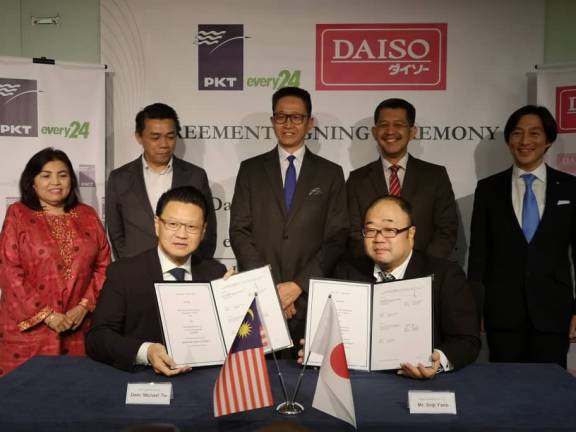
    PKT every24 Logistics Sdn Bhd (PKT) signed a service agreement with Daiso Industries Co Ltd (Daiso) to operate the latter’s regional distribution centre (RDC) located in Port Klang, commencing in the second quarter of this year. PKT is a joint venture company between PKT Logistics Group Sdn Bhd and Daisei every24 Co Ltd. Incorporated in February 2016, it was set up by both parties to explore joint business opportunities in Malaysia.

    PKT said in a statement, in order to serve Daiso in this RDC, it will be constructing a purpose-built warehouse at an estimated investment cost of RM250 million while creating 500 new jobs for the state of Selangor.

    PKT said it shall be providing Daiso haulage, freight forwarding and warehousing services for their transshipment and local cargo, reaching approximately several hundred containers per month.

    Meanwhile, Daiso president Seiji Yano said the group is confident that PKT will be a valuable logistics partner for the group to better serve its outlets and customers across the Middle East and Southeast Asia.

    “We are truly honored by Daiso’s confidence in Malaysia’s logistics capability but most importantly Daiso’s confidence in PKT to deliver quality logistics service to their outlets,” PKT chairman Datuk Wira Jalilah Baba said.

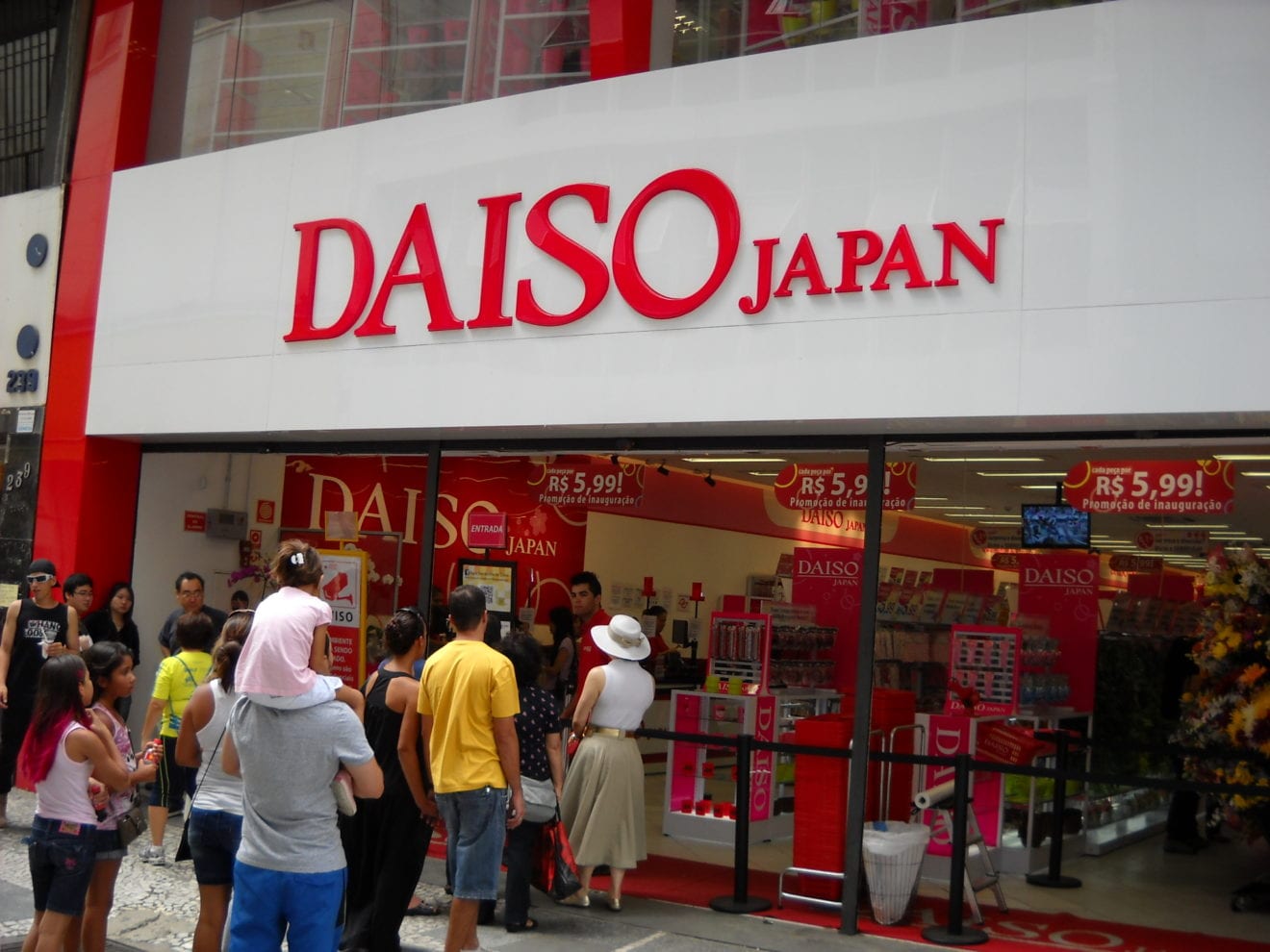
    Daiso is a specialty store retailer of private label products offering a vast lineup of up to 70,000 superior quality products.

    Headquartered in Hiroshima Japan, Daiso has more than 5,270 stores worldwide, served by 17 distribution centers located in Japan, China and Thailand.

  • Cover Story to launch accessories line soon

    Cover Story to launch accessories line soon

    Kishore Biyani-led Future Retail launched fast fashion brand Cover Story almost two-and-half years back with an aim to take international brands like Zara and H&M head on. The company then proceeded to set up a design house based out of London to develop cutting edge fast fashion. This design house was dubbed Future Style Lab, a wholly-owned subsidiary of Future Group, which developed and procured styles for Cover Story. And since then there has been no looking back.

    According to Manjula Tiwari, CEO, Future Style Lab, a fantastic growth has been seen for the brand, in terms of its popularity with customers and retailers alike. “Being just a 2.5 year old brand, Cover Story has established itself as a formidable competitor in the fast fashion space to international players. The brand is among one of the very few Indian brands to be present on ground floor locations across the leading malls in India, a great indication of the journey so far.”

    “We place customers in the centre of all that we do. Our product is a blend of latest trends and suitability in the Indian context and that has struck the right chord with our customers,” she adds.

    Target Audience

    The target audience of the fast-fashion brand is the 23 to 40 year old, financially independent woman with a rising disposable income which she loves to splurge on frequent shopping trips.

    “She thrives on social media, is a traveller in spirit and embraces new experiences. She frequently seeks to refresh her wardrobe. Feminine and eclectic, she switches effortlessly between Indian and western wear. Dressing up for her is a form of self-expression. She is modern but rooted,” says Tiwari.

    Store Design

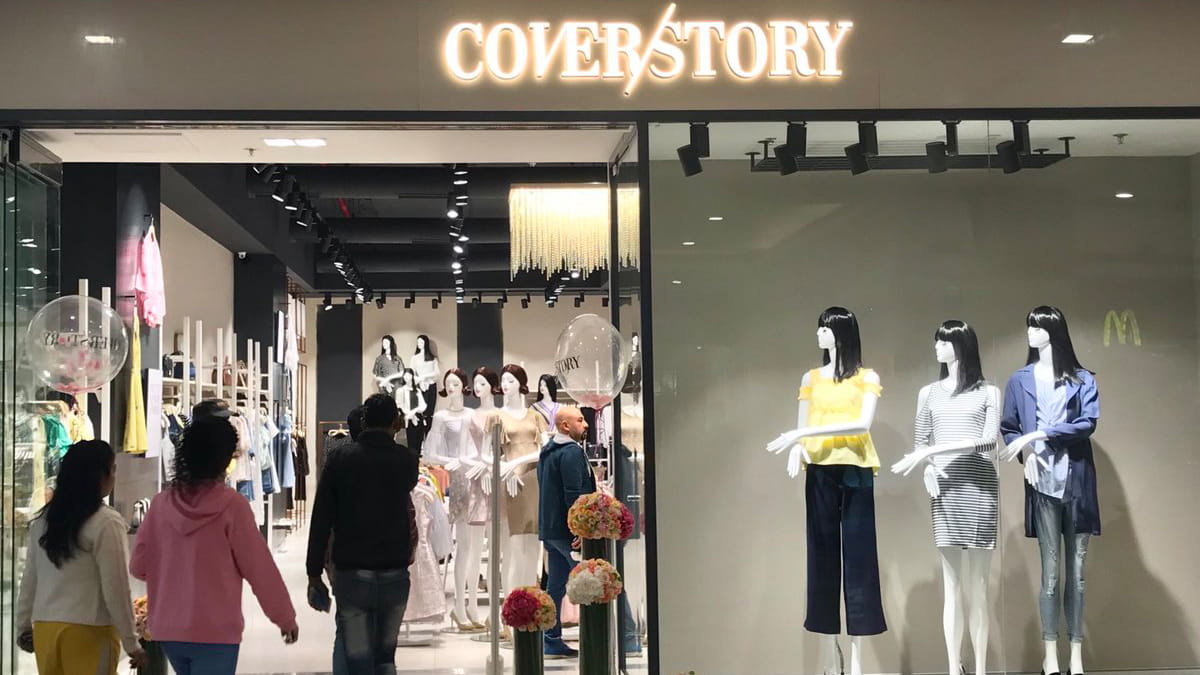
    All Cover Story outlets are designed to recreate the intimate boutique and provide a comfortable shopping experience. The layout is layers of transparency with opacity, which encourages a sense of discovery while shopping.

    “A warm and neutral palette has been chosen for the store as well as all the equipment in it. Colours such as Rose Gold have been opted for, to give the place a feminine touch, to help women identify with the store,” states Tiwari.

    The display panels in the store are designed to look like magazine editorials. Exclusive fashion clusters display merchandise as if they were stories, luring women into reading them.

    Visual merchandising is done by and premium in-store windows are designed by London stylists on the lines of international luxury brands. The cash counter mimics a woman’s vanity bag, while changing rooms have seating for the comfort of waiting friends and family.

    “Customers can browse tablets with fashion content and styling tips. Cover Story’s in-store ‘selfie booths’ are bound to create brand excitement. Consumers can browse through stores and merchandise, share their personal information, and then have their shopping home delivered,” asserts Tiwari.

    Shoppers can even make a request for sizes not currently available at the store. A personal shopper then locates the size from other outlets and delivers it to consumer.

    Product Category

    The brand offers around 450 SKUs per season under the categories like dresses, tops, tees, trousers, skirts, shorts, jackets and sweaters.

    “We also do footwear and bags and are planning to launch a jewellery and accessories line,” reveals Tiwari.

    “Dresses and tops are our fastest moving categories because we provide a wide variety in both categories for all occasions. Also these categories are generally the most sought after categories by women in general,” she adds.

    Marketing Strategy

    The marketing strategy of the brand is a healthy mix of generating brand awareness and driving traffic to the stores to convert to sales.

    According to Tiwari, “We ensure our campaign imagery is of high quality and for that we shoot internationally to bring forth the true image of the brand, being designed in London. Locally, we rely on heavy mall activations and branding to steer the customer to our stores. We also turn to Instagram as a great tool to highlight our fashion authority in the market along with a lot of support from celebs and influencers.”

    “We believe the future of consumer engagement is to get personal – create a connect with the consumer through great experiences. We intend to bring our customers a connect to our London designers with regular events and interaction, and to create constant content around international fashion and style to establish Cover Story as a go to fashion authority for the Indian consumer,” she adds.

    Future Plans

    The brand, which has 23 EBOs, 61 SIS across the country and presence on 5 online channels, will cross 100 doors by the end of this year.

    “We have been more than doubling the turnover every year and same store sales growth has been in the health double digits. Currently online contributes 5 percent to the overall revenue and we see it growing significantly in the times to come,” concludes Tiwari.
  • Mumuso to open 300 stores in India by 2022

    Mumuso to open 300 stores in India by 2022

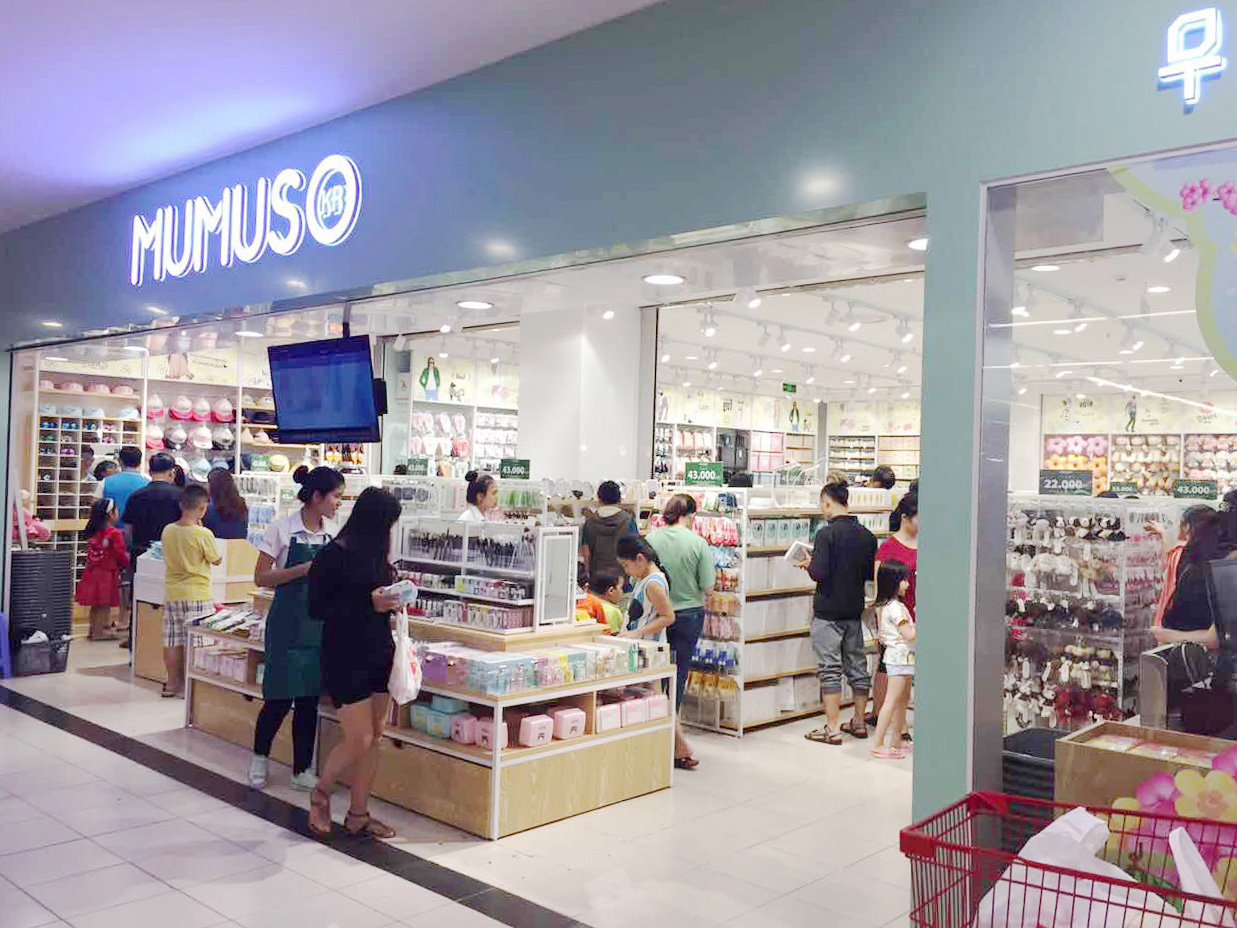
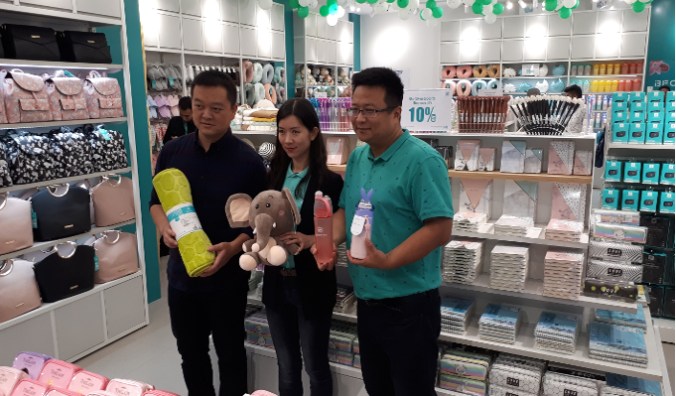
    Korean lifestyle brand Mumuso has announced its plan to open 300 stores across India by 2022. The lifestyle brand, currently present in 30 countries, entered the Indian market in September with a flagship store in Kolkata’s Park Street. “Mumuso is eyeing the Indian market aggressively with new stores in different parts of the country” said Raunak Agarwal, Managing Director of Mumuso India.

    “Mumuso is eyeing the Indian market aggressively with new stores in different parts of the country” said Raunak Agarwal, Managing Director of Mumuso India.

    “India has seen a sharp rise in the demand for lifestyle products in the recent years”, he added.

    Mr. Agarwal said each Mumuso store will offer 1200 unique items across eight categories and there will be an investment of Rs 80 lakh to Rs 1.2 crore in opening the stores.

    The next stores to open will reportedly be in Hyderabad, Siliguri, Bangalore, Delhi, Mumbai, Surat, Durgapur and Chenna.

    Out of the 300 stores planned, 10 are said to be launched in the current calendar year.

    Mr. Agarwal added the company would take the franchisee route to achieve its target of 300 stores, but the tier 1 and tier 2 cities will have at least one flagship Mumuso store.

    Company officials said the brand was expected to grow at a 12 to 13% rate in eastern India in the next four years.

    Mumuso currently has only one warehouse of 50,000 square feet on the Bombay Road in West Bengal but it plans on having more warehouses with future expansions.

  • Beccos plans expansion in India with 50 new stores

    Beccos plans expansion in India with 50 new stores

    Chinese-owned ‘South Korean designer brand’ Beccos says it plans to launch 50 stores in India. Scheduled to be opened by the middle of next year, the stores will require an investment of ₹100 crore (US$13.67 million) and are expected to return a revenue of around ₹200-250 crore ($27.35–34.18 million) in the next financial year based on the potential of the market.

    Like rival chain Mumuso, the store is positioned as Korean and using Korean design influence in its products, but is actually Chinese.

    The Hong Kong-based firm will also be investigating the potential of online sales in the region next year.

    Beccos global CEO Dabin Wang said: “We see tremendous potential in the Indian market… The company would have stores on company-owned-company-operated and franchise patterns. We would have a mix of both franchised and company-operated stores.”

    Beccos has started the expansion by opening its first few stores in Kamala Nagar.

  • Calvin Klein Opens First Accessories Store in Hong Kong at IFC Mall

    Calvin Klein Opens First Accessories Store in Hong Kong at IFC Mall

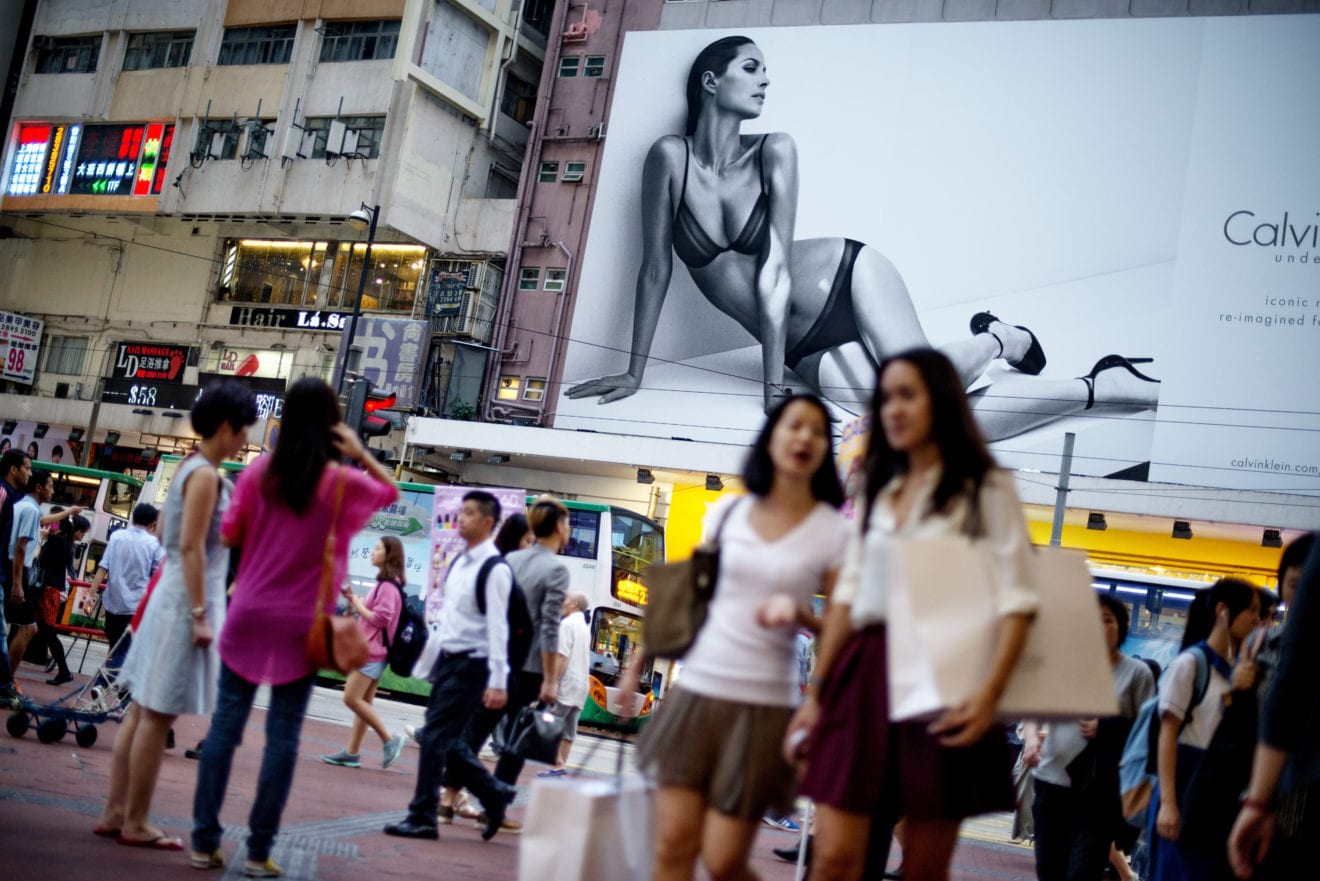
    Calvin Klein, Inc., a wholly owned subsidiary of PVH today announced the opening of the first Calvin Klein accessories store in Hong Kong at ifc mall at Central Waterfront.

    Considered one of the country’s iconic world-class shopping malls, ifc mall is the destination for an extraordinary shopping, dining and entertainment experience. The new Calvin Klein accessories store is located on level 1, and offers both men’s and women’s Calvin Klein Platinum accessories and leather goods.

     The new store’s interior is marked by simple geometric forms that create a strong but neutral framework for product display. The crispness of the store’s geometry contrasts with the muted palette of oiled wood, lustrous rose-toned metal, honed stone and concrete. 

    Calvin Klein, Inc. is one of the leading fashion design and marketing studios in the world. It designs and markets women’s and men’s designer collection apparel and a range of other products that are manufactured and marketed through an extensive network of licensing agreements and other arrangements worldwide. Product lines under the various Calvin Klein brands include women’s dresses and suits, men’s dress furnishings and tailored clothing, men’s and women’s sportswear and bridge and collection apparel, golf apparel, jeanswear, underwear, fragrances, eyewear, women’s performance apparel, hosiery, socks, footwear, swimwear, jewelry, watches, outerwear, handbags, small leather goods, and home furnishings (including furniture). For more information, please visit calvinklein.com. 

    With a heritage going back over 130 years, PVH Corp. has excelled at growing brands and businesses with rich American heritages, becoming one of the largest apparel companies in the world. We have over 30,000 associates operating in over 40 countries with over $8 billion in 2015 revenues. We own the iconic Calvin Klein, Tommy Hilfiger, Van Heusen, IZOD, ARROW, Speedo*, Warner’s and Olga brands and market a variety of goods under these and other nationally and internationally known owned and licensed brands.

  • Ivanka Trump’s Made-In-China Scarves Recalled Over “Burn Risk”

    Ivanka Trump’s Made-In-China Scarves Recalled Over “Burn Risk”

    The latest headline involves eldest Trump daughter Ivanka, whose scarves have been recalled by Global Brands Group Accessories, a Trump licensee, for violating the federal flammability standard.

    According to the Consumer Product Safety Commission, roughly 20,000 scarves sold between October 2014 and January 2016 at retailers including Lord & Taylor, Amazon, TJ Maxx and Century 21 pose a “burn risk” to consumers. The scarves, which are 100 percent rayon, can now be returned for a full refund. Original retail price for the two styles involved — the Beach Wave and Brushstroke Oblong — falls between $12 and $68.

    Of the many scandalous headlines baring the name “Trump,” a generous handful have been related to both Donald and Ivanka’s fashion lines. Specifically, the pair have been criticized because a majority of their products are manufactured outside of the U.S. Of the 838 products under Ivanka’s line, none are made exclusively in America, according to Harvard professor Robert Lawrence. Most are imported, with 354 being produced in China.

    Donald has openly admitted that his neckties are made in China. However, the Republican candidate used this fact to make the point that “it’s very hard to have apparel made in this country,” implying that his reforms — including a tariff as high as 35-45 percent on apparel coming from China and Mexico — would encourage more production on U.S. soil.

    Speaking of Mexico, you may also recall Donald’s drama with Macy’s over his controversial comments regarding Mexican immigrants, another of the magnate/politician’s retail offenses. In July, Macy’s officially severed ties with Donald and phased out his merchandise from shelves. Ivanka’s line, however, continues to be sold at the department store.

  • Billabong kickstarts supply chain transformation

    Billabong kickstarts supply chain transformation

    Global surf brand Billabong and its family of brands is positioning its supply chain to support transformation of its wholesale and retail businesses.

    Billabong said it will connect suppliers and trading partners in a cloud based network using the GT Nexus platform to facilitate and automate processes for supply chain financing, order collaboration, invoice management, in-transit visibility and payment management.

    Billabong International Limited is a global marketer, distributor, wholesaler and retailer of apparel, accessories, eyewear, wetsuits and hardwoods in the boardsports sector under the Billabong, RVCA, Element, Von Zipper, Honolua Surf Company, Kustom, Palmers Surf, Xcel, Sector 9 and Tigerlilly brands.

    Jeff Streader, Chief Operating Officer at Billabong,said making data and capital more accessible to suppliers will remove friction and enable agile delivery of goods. The deployment of GT Nexus is part of a larger global initiative at Billabong to obtain real-time supply chain visibility to drive retail and wholesale business growth.

    “Risk and uncertainty remain prevalent as social, political and economic volatility pose constant threats to supply chains,” said Sean Feeney, CEO of GT Nexus. “The only way to assure undisrupted supply and delivery of goods while preserving margins is end-to-end visibility across all trading partners, brands and business channels. That’s the power of a cloud supply chain operating as a network.”