Retail News CRM

Tag: ACQUISITION

  • Uber’s $14.8 Billion Acquisition of Delivery Hero Bolsters Global Food Delivery Dominance

    Uber’s $14.8 Billion Acquisition of Delivery Hero Bolsters Global Food Delivery Dominance

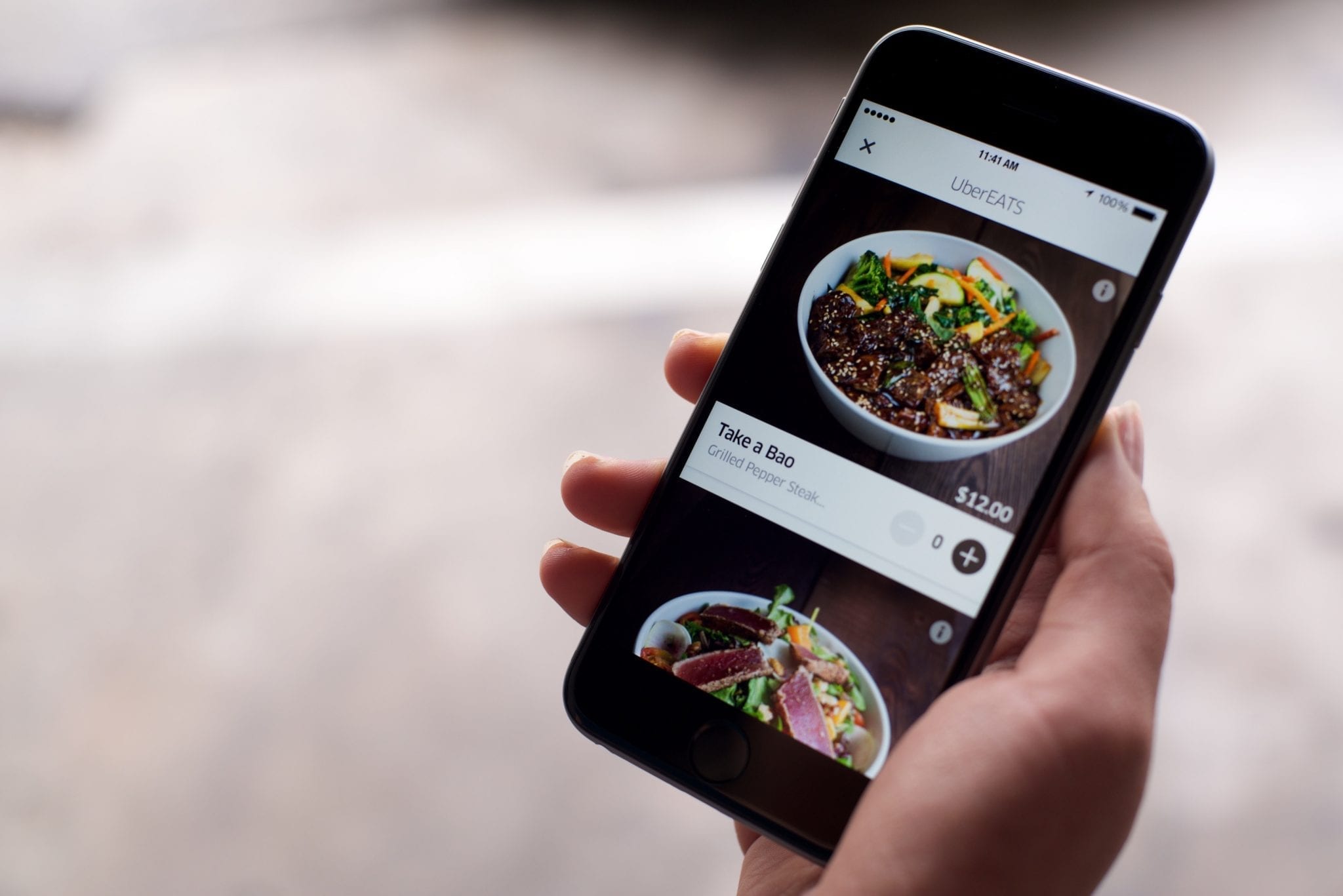
    Uber, one of the leading global mobility and food delivery platforms, has confirmed its decision to acquire another significant player in the industry, Delivery Hero. The agreement, which values Delivery Hero at approximately €13.0 billion (US$14.8 billion), follows earlier disclosures by the latter about being in advanced talks with Uber amidst market rumors of a potential takeover.

    Uber’s proposal outlines a voluntary public takeover offer, which will see it pay Delivery Hero shareholders €41.50 per share in cash. This move will significantly broaden Uber’s global delivery operations through the integration of Delivery Hero’s portfolio of brands. These include Foodpanda, Glovo, Talabat, HungerStation, and PedidosYa. Consequently, the amalgamated businesses will operate in 99 markets, offering services in ride-hailing, food delivery, and quick commerce.

    Future Plans and Investments

    Niklas Östberg, the co-founder and CEO of Delivery Hero, has expressed his confidence in the acquisition. He asserts that the deal, along with Uber’s planned investment in Germany, highlights the appeal of the European tech ecosystem. Furthermore, he expresses the company’s intent to continue contributing to its growth.

    To ensure regulatory approval for the acquisition, Delivery Hero will divest its operations in 14 markets where it overlaps with Uber. The divestment will be done to investment firm SSW Partners before the transaction is finalised.

    Uber, for its part, has pledged to uphold Delivery Hero’s Berlin headquarters and its staff until at least the end of 2029. In addition, the company has promised to invest €2 billion in Germany by 2031.

    The transaction is anticipated to be concluded in the second half of 2027, subject to shareholder acceptance and regulatory approvals.

    Questions & Answers

    What is the value of the proposed acquisition of Delivery Hero by Uber?

    The deal values Delivery Hero at approximately €13.0 billion (US$14.8 billion).

    How will the acquisition expand Uber’s business?

    The acquisition will allow Uber to integrate Delivery Hero’s portfolio of brands, including Foodpanda, Glovo, Talabat, HungerStation, and PedidosYa. This will significantly expand Uber’s operations across 99 global markets.

    What commitments has Uber made towards Delivery Hero’s existing operations and workforce?

    Uber has committed to maintaining Delivery Hero’s Berlin headquarters and workforce until at least the end of 2029. It also plans to invest €2 billion in Germany by 2031.
  • Timex Takes Time to Triumph: Full Acquisition of Daniel Wellington Finalized

    Timex Takes Time to Triumph: Full Acquisition of Daniel Wellington Finalized

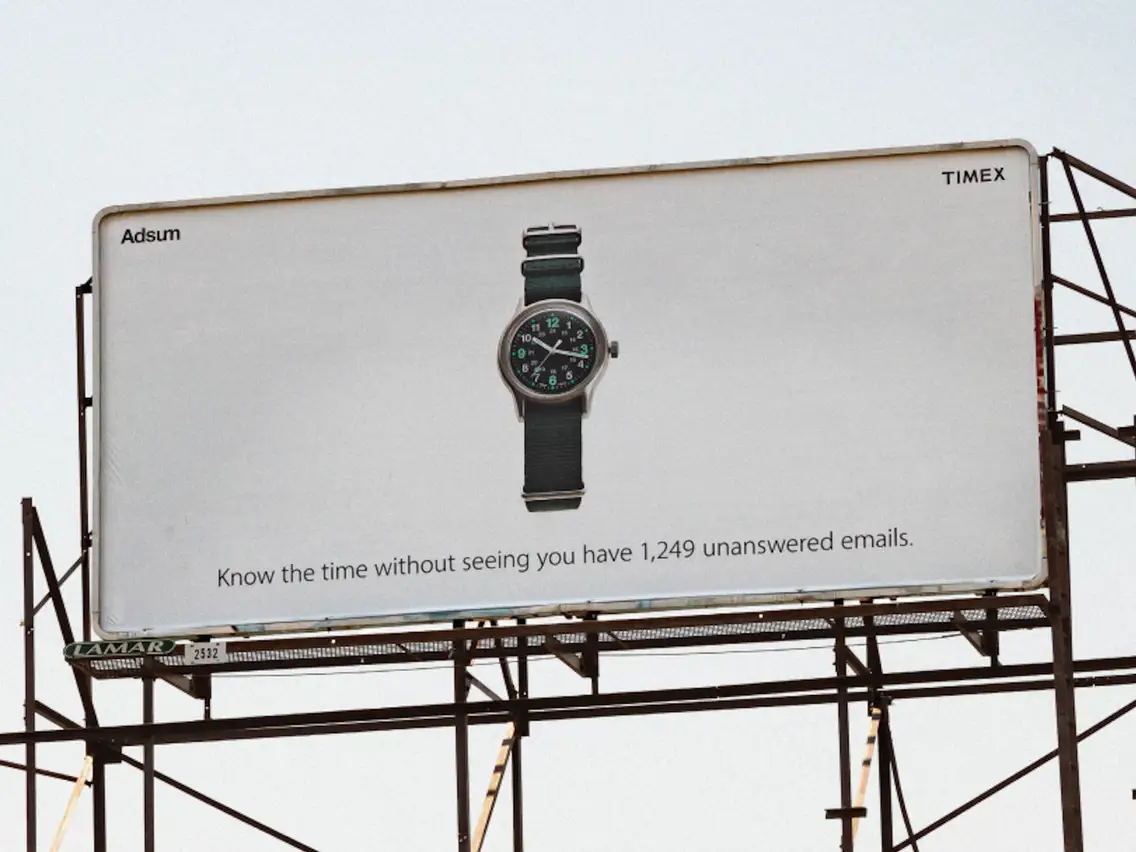
    Timex Group has successfully finalized the acquisition of Daniel Wellington, a distinguished Swedish watch and jewellery brand. This follows an initial 25% investment made by Timex three years prior. Throughout this time, the two entities have collaborated extensively in various areas including product development, sourcing, brand storytelling, and commercial operations.

    As Timex takes over complete ownership, they intend to propel Daniel Wellington’s forthcoming growth phase. The expansion will be achieved through various strategies such as product innovation, brand building, and increased global capabilities.

    Daniel Wellington: A Unique Brand Identity

    Despite the acquisition, Daniel Wellington will maintain its individuality as a unique brand. It will continue to embody its Scandinavian minimalistic design heritage, distinctive style, and a direct connection with its consumer base. The brand is expected to leverage Timex’s expertise in design, product development, sourcing, manufacturing, distribution, and digital engagement to its advantage.

    The acquisition has further solidified Timex’s standing in the realm of design-oriented watches and jewellery. It also aligns with Timex’s strategic plan to build and expand a distinctive global brand portfolio.

    Tobias Reiss-Schmidt, Timex Group’s President and CEO, opined on the acquisition. “Our association with Daniel Wellington over the past three years, and our increasing involvement with the team, has bolstered our belief in the brand’s potential,” he said. He lauded the team’s efforts and the progress they’ve made in reviving Daniel Wellington’s growth.

    Daniel Wellington’s founder, Filip Tysander, acknowledged Timex Group’s respect for the brand’s identity. “They’ve provided the experience and scale needed to facilitate our brand’s continued growth,” he stated. Tysander is proud of his team’s accomplishments and is confident in the brand’s success in the future.

    The financial particulars of the transaction were kept private.

    Questions & Answers

    What does Timex Group’s acquisition of Daniel Wellington signify?
    It indicates Timex’s commitment to building and growing a portfolio of distinctive global brands. It also strengthens its position in the field of design-led watches and jewellery.

    Will Daniel Wellington maintain its brand identity post-acquisition?
    Yes, Daniel Wellington will continue to operate as a distinct brand preserving its Scandinavian minimalistic design heritage, unique style, and direct connection with consumers.

    How is Daniel Wellington expected to benefit from this acquisition?
    The brand is expected to benefit from Timex’s expertise in design, product development, sourcing, manufacturing, distribution, and digital engagement, thereby propelling its growth.

  • OTB Amplifies Luxury Portfolio with Complete Acquisition of Fashion Powerhouse Viktor&Rolf

    OTB Amplifies Luxury Portfolio with Complete Acquisition of Fashion Powerhouse Viktor&Rolf

    OTB Group, a prestigious Italian luxury conglomerate, has recently procured the remaining shares of Dutch fashion house Viktor&Rolf, thereby securing complete ownership of this innovative label. This acquisition comes after OTB’s initial investment in 2008 and two decades of a partnership marked by shared creative vision and commercial growth.

    Strengthening Creative Ties

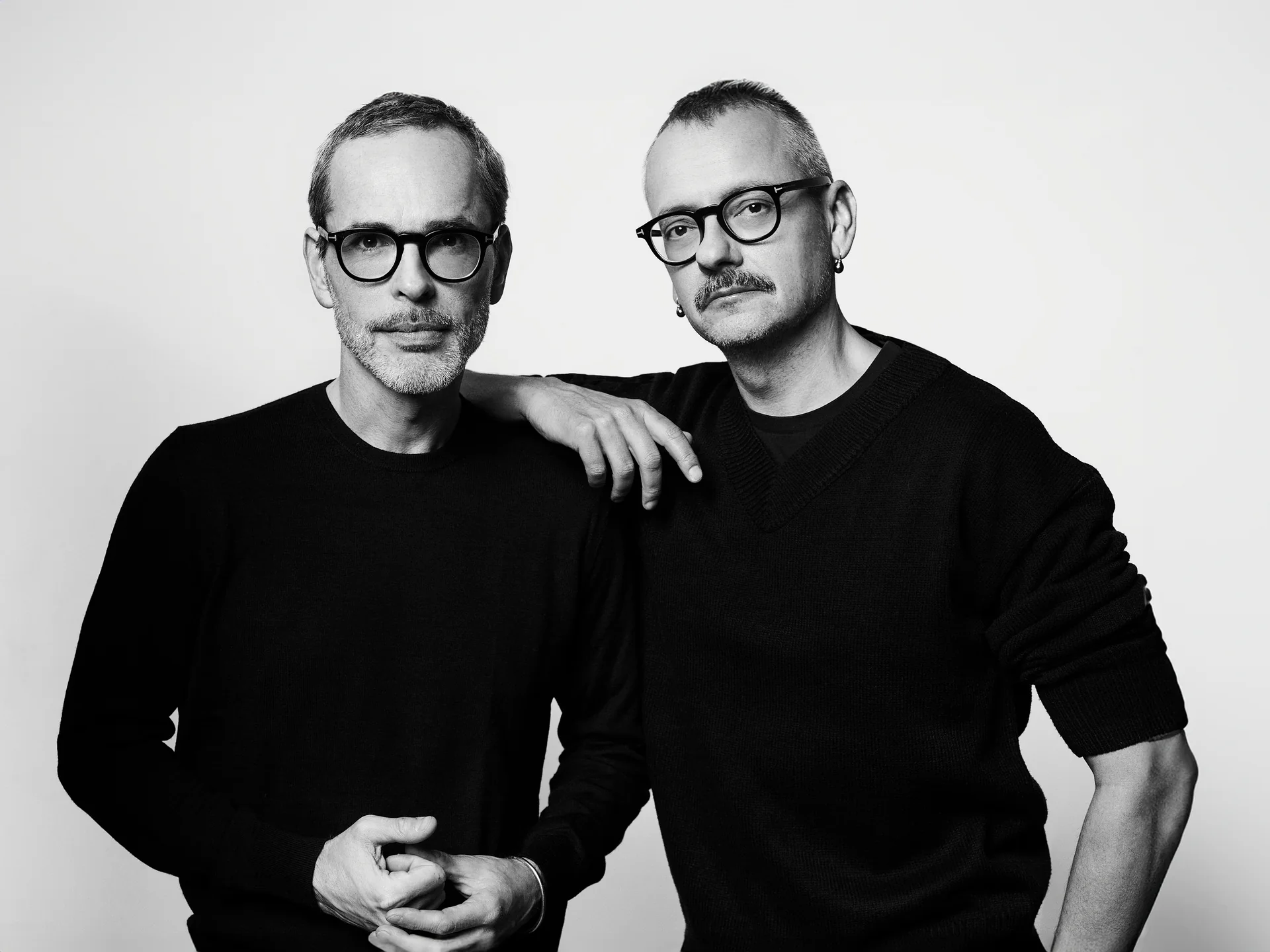
    Originally, OTB increased its stake from an initial 51% to 70%, and now, with full ownership, the partnership between the two entities is set to deepen even further. Viktor&Rolf, established in 1993 by Viktor Horsting and Rolf Snoeren, is celebrated for its unconventionally creative take on haute couture, incorporating elements of art, fashion, and theatrical storytelling. The brand has since diversified, extending its reach into ready-to-wear, bridalwear, eyewear, and fragrances.

    Renzo Rosso, the founder and chairman of OTB Group, expressed his elation over the strengthened partnership. He praised Viktor&Rolf for its unique presence in the international luxury market, known for its emphasis on creativity, artistic research, and cultural relevance, values that accord with OTB Group’s own.

    Securing the Future

    This strategic move follows an agreement signed last year, which confirmed the continuation of Horsting and Snoeren as creative directors for an additional five years. They will continue to shape the creative and strategic direction of Viktor&Rolf, maintaining the brand’s signature innovative style.

    OTB Group, owner of renowned labels including Diesel, Maison Margiela, Marni, and Jil Sander, has progressively concentrated on constructing an assortment of distinctive creative brands. This recent acquisition further solidifies its commitment to fostering creative development and expanding its luxury portfolio.

    Questions & Answers

    What is the significance of OTB’s acquisition of Viktor&Rolf?
    The acquisition represents the strengthening of a long-standing partnership, with OTB taking full ownership of Viktor&Rolf after being a shareholder for nearly two decades. Furthermore, it cements OTB’s commitment to developing a portfolio of distinctive, creative brands.

    Who are the founders of Viktor&Rolf?
    Viktor&Rolf was established in 1993 by designers Viktor Horsting and Rolf Snoeren. The pair will continue to shape the creative and strategic direction of the brand as Creative Directors.

    What is Viktor&Rolf known for within the fashion industry?
    Viktor&Rolf is renowned for its experimental approach to haute couture, blending elements of fashion, art, and theatrical storytelling. It has diversified its offerings into ready-to-wear, bridalwear, eyewear, and fragrances.

  • Chinese E-commerce Titan JD Eyes £2 Billion Acquisition of UKs The Very Group

    Chinese E-commerce Titan JD Eyes £2 Billion Acquisition of UKs The Very Group

    JD, the Chinese e-commerce titan, is reportedly considering a significant expansion within the UK market, with a potential £2 billion ($2.69 billion) acquisition bid for the British online retail platform, The Very Group.

    JD’s Expansive Strategy in the UK

    This move is the latest in a series of attempts by JD to strengthen its foothold in the UK market. Previously, the company had made a failed attempt to acquire the electricals group Currys and, in 2020, had withdrawn from negotiations aimed at acquiring Argos from Sainsbury’s. These activities indicate JD’s strong interest in expanding its operations in the UK, despite previous setbacks.

    Representatives from JD and The Very Group have refrained from commenting on these market speculations.

    The Very Group’s Recent Ownership Changes

    The owner of The Very Group, Carlyle, was reported earlier this year to be planning a £2 billion sale of the enterprise. This news came just a few months after Carlyle assumed ownership from the Barclay family, who had been long-time stakeholders in the business.

    Questions & Answers

    What is the estimated value of the deal between JD and The Very Group?
    The value of the potential deal is speculated to be around £2 billion ($2.69 billion).

    What other UK ventures has JD been involved in?
    In the past, JD has attempted to buy the electricals group Currys and also entered negotiations to acquire Argos from Sainsbury’s.

    Who is the current owner of The Very Group?
    The Very Group is currently owned by Carlyle, which took over from the Barclay family last year.

  • Reliance Retail Ups Beauty Game with Acquisition of Priyanka Chopra Jonas’s Anomaly

    Reliance Retail Ups Beauty Game with Acquisition of Priyanka Chopra Jonas’s Anomaly

    Reliance Retail, the premier retailer in India, has recently added the Anomaly haircare brand, owned by globally renowned actor Priyanka Chopra Jonas, to its portfolio.

    Strategic Acquisition of Anomaly

    Anomaly was established by Chopra Jonas in 2021. It offers a range of affordable vegan haircare products that are sold globally. The brand was acquired from Maesa, a U.S.-based beauty company. The acquisition marks a strategic move for Reliance Retail as it continues to diversify its range of offerings with cutting-edge, fast-growing beauty brands.

    Isha Ambani, Executive Director at Reliance Retail Ventures, commented on the acquisition. She stated that Anomaly’s powerful global presence, commitment to clean formulation, and affordable pricing make it a valuable addition to the company’s ecosystem. Ambani sees substantial potential for growth in a collaborative effort with Chopra Jonas, aiming to expand Anomaly’s market in India by capitalizing on Reliance Retail’s omnichannel capabilities and deep consumer insight, while also increasing the brand’s international footprint.

    Plans for Expansion

    Reliance Retail intends to concentrate on expanding Anomaly’s presence in India. The company will also work towards increasing the brand’s market in North America, the United Kingdom, and the Middle East.

    Chopra Jonas expressed her excitement about the new journey Anomaly embarks on following the acquisition by Reliance Retail. She remarked that what started as a deeply personal endeavor has now evolved into a brand with a significant purpose and global ambitions.

    Questions & Answers

    What is Anomaly and who owns it?
    Anomaly is a vegan haircare brand that was founded in 2021 by the world-renowned actor Priyanka Chopra Jonas.

    Who acquired Anomaly?
    Anomaly was recently acquired by Reliance Retail, the largest retailer in India.

    What are Reliance Retail’s plans for Anomaly?
    Reliance Retail plans to expand Anomaly’s presence in India using its omnichannel capabilities and deep consumer insights. It also aims to increase the brand’s market in North America, the United Kingdom, and the Middle East.

  • Reliance Retail Bolsters Beauty Portfolio with Acquisition of Sustainable Skincare Brand Pahadi Local

    Reliance Retail Bolsters Beauty Portfolio with Acquisition of Sustainable Skincare Brand Pahadi Local

    Reliance Retail, a major Indian retail company, has successfully acquired the skincare and wellness brand, Pahadi Local. Pahadi Local, established in 2018, is well-regarded for its clean ingredient formulations, ethical sourcing practices, and sustainable product offerings. The company is known for its Himalayan ingredients, especially Gutti Ka Tel (Apricot Kernel Oil), which has gained widespread recognition and consumer loyalty.

    The Acquisition & Future Plans

    Reliance Retail’s acquisition of Pahadi Local aligns with its strategic goal to invest in promising Indian brands across multiple sectors, including beauty, wellness, fashion, and lifestyle. The retail giant has plans to foster Pahadi Local’s next growth phase by broadening its retail presence, strengthening its digital footprint, and fast-tracking innovation.

    The founding team of Pahadi Local will remain integral to the company’s operations post-acquisition, playing a crucial role in shaping the brand’s creative direction, product development, and overall philosophy.

    Comment from Reliance Retail

    Isha Ambani, executive director of Reliance Retail Ventures, commented on the acquisition, emphasizing the company’s focus on curating brands that blend authenticity, innovation, and significant consumer relevance. Ambani praised Pahadi Local’s commitment to Himalayan wellness traditions and responsible sourcing, making it a valuable addition to their beauty brand portfolio.

    Reliance Retail is a subsidiary of Reliance Retail Ventures, the umbrella corporation for all retail companies within the Reliance Industries group.

    Questions & Answers

    What is the main product offering of Pahadi Local?
    Pahadi Local is known for its skincare and wellness products primarily made from Himalayan ingredients, with Gutti Ka Tel (Apricot Kernel Oil) as its standout product.

    What are Reliance Retail’s plans for Pahadi Local post-acquisition?
    Reliance Retail plans to expand Pahadi Local’s retail presence, strengthen its digital footprint, and accelerate innovation to foster the brand’s next phase of growth.

    How will the founding team of Pahadi Local be involved in the brand post-acquisition?
    The founding team will continue to play a critical role in shaping the brand’s creative direction, product development, and overall philosophy.

  • Centurium Capital Brews Expansion with Acquisition of Blue Bottle Coffee from Nestlé

    Centurium Capital Brews Expansion with Acquisition of Blue Bottle Coffee from Nestlé

    In a strategic move, Centurium Capital, a private equity firm based in China and a significant investor in Luckin Coffee, has reportedly purchased the specialty coffee chain Blue Bottle Coffee from multi-national conglomerate Nestlé.

    Acquisition Details

    Reportedly, Centurium Capital is set to acquire Blue Bottle’s worldwide cafe operations at a price point under US$400 million. It’s anticipated that Nestlé will maintain ownership of other business components, which include Blue Bottle-branded coffee machines, capsule systems, and packaged coffee products.

    Inside sources have confirmed that an agreement has been signed, although the deal is still in the process of being formally closed.

    Luckin Coffee’s Expansion

    This acquisition occurs as Luckin Coffee continues its swift global expansion, now operating over 30,000 stores worldwide. The purchase of Blue Bottle is expected to bolster Luckin’s efforts to expedite its entry into the premium coffee market segment.

    Established in California in 2002, Blue Bottle has garnered a reputation in the specialty coffee market. Nestlé took a controlling stake in the brand in 2017 for an approximate sum of US$425 million.

    As of now, Blue Bottle oversees more than 100 locations across Asia and the United States.

    Previous Acquisition Considerations

    In the previous year, it was reported that Luckin Coffee was contemplating a bid for Blue Bottle, while Nestlé was reportedly collaborating with Morgan Stanley to evaluate a potential sale of the business.

    Questions & Answers

    What company has Centurium Capital reportedly purchased?
    Centurium Capital has reportedly acquired the specialty coffee chain Blue Bottle Coffee.

    What parts of the business will Nestlé retain?
    Nestlé is expected to retain Blue Bottle-branded coffee machines, capsule systems, and packaged coffee products.

    What effect will this acquisition have on Luckin Coffee’s market position?
    The acquisition of Blue Bottle is expected to support Luckin Coffee’s efforts to expedite its entry into the premium coffee market segment.

  • Jollibee Foods Sizzles up Asian Market with Korean Hot Pot Acquisition and Compose Coffee Expansion

    Jollibee Foods Sizzles up Asian Market with Korean Hot Pot Acquisition and Compose Coffee Expansion

    Jollibee Foods Corporation (JFC), a dominant player in the food service industry, is poised to strengthen its position in Asia through the acquisition of a South Korean hot pot buffet brand, Shabu All Day, and the anticipated introduction of a rapidly-growing Korean coffee brand, Compose Coffee, into the Philippines.

    Amplifying Asian Presence

    Jolli-K Co, a subsidiary of JFC, has acquired All Day Fresh Co, the company behind the operation of Shabu All Day, in a deal worth approximately US$87 million. Shabu All Day, established in 2014, boasts 169 stores distributed across South Korea. In addition to this acquisition, JFC’s South Korean portfolio encompasses the coffee chain, Compose Coffee, ensuring the company has a diverse presence across both full-service dining and beverage-led segments.

    Introducing Compose Coffee to the Philippines

    In a synergistic move, JFC is set to bring the Korean coffee brand, Compose Coffee, to the Filipino market. This will be achieved through a master franchise agreement facilitated by its subsidiary, Fresh N’ Famous Foods. The first Compose Coffee stores are projected to open in the Philippines later this year.

    Established in 2014 in Busan, Compose Coffee has witnessed prolific growth, with around 3000 stores in operation. This growth has positioned it as one of South Korea’s most significant value-driven coffee chains. JFC acquired a 70 per cent stake in Compose Coffee in 2024. This expansion into the Philippines is a testament to JFC’s ongoing commitment to the flourishing coffee and tea sector, where it already operates various brands, including Highlands Coffee, The Coffee Bean & Tea Leaf, and Milksha.

    Unprecedented Network Growth

    These growth strategies were announced against a backdrop of record sales for JFC in the preliminary fourth quarter of 2025. The food service giant reported systemwide sales of ₱122.3 billion (approximately US$2.1 billion), a 12 per cent increase year on year.

    The company’s total store network for the full year expanded by 5.9 per cent to reach 10,341 outlets, the highest level of gross store openings in the company’s history. This network comprises 3504 stores in the Philippines and 6837 international stores, demonstrating JFC’s consistent expansion across key markets. JFC operates 576 stores in China, 348 in North America, and 437 across Europe, Middle East, Asia, and Australia. The growth is largely driven by its diverse portfolio of brands, including Highlands Coffee, The Coffee Bean & Tea Leaf, Milksha, Compose Coffee, and Tim Ho Wan.

    Questions & Answers

    What is Jollibee Foods Corporation’s latest acquisition?
    Jollibee Foods Corporation has recently acquired Shabu All Day, a South Korean hot pot buffet chain, through its subsidiary, Jolli-K Co.

    What new brand is JFC introducing to the Philippines?
    JFC is set to introduce Compose Coffee, a popular and rapidly-growing South Korean coffee brand, to the Philippines.

    What was JFC’s growth rate for their total store network in the last fiscal year?
    JFC’s total store network grew by 5.9 per cent during the last fiscal year, reaching a total of 10,341 outlets.

  • A2 Milk Company Seals $282m Acquisition, Plans Rebranding And Expansion In China

    A2 Milk Company Seals $282m Acquisition, Plans Rebranding And Expansion In China

    New Zealand-based The A2 Milk Company has successfully finalized a $282 million acquisition of Yashili New Zealand’s Pokeno nutritional manufacturing facility. The deal was made with China’s Mengniu Dairy Group.

    Full Ownership and Future Plans

    With this acquisition, The A2 Milk Company now wholly owns the integrated plant. The facility was previously responsible for producing two China label infant milk formula products. Now under new ownership, the company plans to rebrand these products under the A2 Milk brand. This revamp is predicted to be completed within a year and a half, pending necessary regulatory approval.

    Financial Implications and Shareholder Value

    Pip Greenwood, the chairperson of The A2 Milk Company, shared that this purchase ensures greater certainty regarding the company’s capital needs. In addition to this, the acquisition will pave the way towards delivering increased value to the company’s shareholders. It is intended that this will be facilitated through a proposed special dividend of $300 million.

    Potential Expansion and Role in China

    Further benefits of owning the Pokeno facility include the potential for a third registration slot. Recognized as a significant producer of A2 Milk’s English label products, the facility is expected to play an essential role in the company’s expansion plans within the Chinese market.

    David Bortolussi, managing director and CEO, praised the Pokeno facility for its globally respected reputation. He highlighted its consistent production of high-quality infant milk formula, including their English label products, A2 Gentle Gold and A2 Genesis.

    Questions & Answers

    What is the scope of the acquisition of The A2 Milk Company?
    The A2 Milk Company has acquired full ownership of Yashili New Zealand’s Pokeno nutritional manufacturing facility in a $282 million deal with China’s Mengniu Dairy Group.

    What are the future plans for the products of the Pokeno facility?
    The company plans to rebrand the two China label infant milk formula products produced at the Pokeno facility under the A2 Milk brand, subject to regulatory approval.

    How will the acquisition contribute to shareholders’ value?
    The acquisition is expected to provide more certainty regarding the company’s capital needs. It will also potentially return value to shareholders through a planned special dividend of $300 million.

  • Vietravel Airlines Takes Flight: First Aircraft Acquisition Fuels Growth Following Tycoon Do Quang Hien’s Investment

    Vietravel Airlines Takes Flight: First Aircraft Acquisition Fuels Growth Following Tycoon Do Quang Hien’s Investment

    In a significant leap forward, Vietravel Airlines welcomed its first Airbus A321, registered as VN-A129, at Noi Bai International Airport on Saturday afternoon. This delivery marks a pivotal moment for the fledgling carrier, which is poised to add two more Airbus A320 aircraft to its fleet next month.

    Originally operated by U.S.-based Spirit Airlines, the newly acquired A321 received its airworthiness certificate on July 10, 2015. Its arrival comes six months after T&T Group, a consortium of businesses, became Vietravel Airlines’ strategic shareholders, further signaling a robust commitment to the airline’s development.

    A Commitment to Growth

    Ho Minh Tan, deputy director-general of the Civil Aviation Authority of Vietnam, highlighted that this investment is a testament to the conglomerate’s commitment to fortifying the airline’s operational capabilities. With the addition of this aircraft, Vietravel Airlines can regain control over its operations, which faced setbacks when its fleet dwindled to just one plane.

    New Horizons Ahead

    The airline is setting its sights on expanding its flight offerings, enhancing connectivity between Hanoi and Ho Chi Minh City with additional routes to popular domestic destinations such as Da Nang, Phu Quoc, and Quy Nhon. They are also eyeing international locations to broaden their operational scope.

    A Declaration of Strength

    Do Vinh Quang, chairman of Vietravel Airlines and part of a notable family legacy in the industry, stressed that the new plane symbolizes not just progress in fleet modernity but also a declaration of the company’s financial robustness and capability. To bolster its strategic ambitions, the airline is in negotiations with major aircraft manufacturers and international airlines, paving the way for comprehensive partnerships in the aviation sector.

    Capital to Fuel Ambitions

    Established in 2020 with a starting capital of VND700 billion (approximately US$26.8 million), Vietravel Airlines took to the skies for the first time in January 2021, marking its place as the sixth airline in Vietnam and the third privately owned carrier. Recently, shareholders approved a plan to escalate the charter capital to VND2.6 trillion in the first half of 2026, aided by financial backing from SHB Bank. This capital infusion is expected to enhance both fleet and operational capabilities, ultimately securing financial stability.

    Looking ahead, Vietravel Airlines is keen to leverage resources from T&T Group and another major stakeholder, Vietravel Corporation, to expand into the air cargo sector. They are also collaborating with T&T Group to develop subsidiary services such as ground handling, warehousing, and technical support—essential components to constructing a well-rounded aviation ecosystem.

    A Vision for the Future

    The airline aspires to become a comprehensive hub that integrates transportation, tourism, and innovative digital experiences. Aiming to emerge as one of the leading airlines in the region by 2035, Vietravel Airlines is not just about flights; it’s about elevating the entire travel experience.

    Questions & Answers

    How significant is the acquisition of the A321 for Vietravel Airlines?
    Acquiring the A321 represents a crucial step for Vietravel Airlines, enhancing its operational capacity and signaling stronger financial health, especially after challenges led to a reduced fleet size.

    What are the airline’s expansion plans following this acquisition?
    Vietravel Airlines plans to increase its domestic flight routes between major cities and explore international destinations while also expanding into the air cargo sector to diversify operations.

    What financial strategies are in place to support Vietravel Airlines’ growth?
    The airline plans to raise its charter capital to VND2.6 trillion with support from SHB Bank, facilitating fleet expansion and ensuring liquidity. They are also set to leverage partnerships for resource and service development.

  • Grab Aims for Strategic Acquisition of Indonesia’s GoTo by Q2

    Grab Aims for Strategic Acquisition of Indonesia’s GoTo by Q2

    Grab is stepping into the spotlight with plans to acquire GoTo, Indonesia’s dynamic tech giant, in a deal tantalizingly pegged around $7 billion. According to sources, the Singaporean-based company has enlisted advisors to navigate the intricacies of this potentially groundbreaking merger, with financial discussions currently underway with top banks. Both companies, however, have opted for silence amidst the buzz surrounding this significant transaction.

    The market response to GoTo has been notably positive, as its shares surged 20% year-to-date, bringing the company’s market value to approximately $5.8 billion. Meanwhile, Grab, which trades on Nasdaq, is enjoying a recent uptick, with shares climbing 2.4%, resulting in a valuation nearing $20 billion.

    As part of the deal, GoTo plans to divest its international operations in Singapore to Grab, while also transferring its entire Indonesian business to Grab, excluding its finance division. Such a strategic move may reinforce Grab’s position in a competitive landscape.

    Analyst Niko Margaronis from BRI Danareksa Sekuritas, who keeps a close eye on GoTo, hinted that the Indonesian government might take a more lenient stance on this proposed merger. He suggests that regulators could consider the positive implications of strengthening key players, ultimately aiming for long-term economic growth.

    However, potential antitrust concerns loom large against the backdrop of rising living costs stirred by an unpredictable global economy. A recent case that looms in the collective memory was Uber’s aborted $950 million bid for Delivery Hero’s Foodpanda in Taiwan last March, a move quashed by regulatory fears over anti-competitive practices.

    As the market prepares for what could be a transformative shift in the tech landscape of Southeast Asia, all eyes remain fixed on Grab and GoTo. What other surprises might be lurking around the corner?

    Questions & Answers

    **What is Grab looking to acquire from GoTo?**
    Grab is interested in acquiring GoTo’s international unit in Singapore along with its Indonesian operations, excluding its finance arm, for around $7 billion.

    How have GoTo’s shares performed this year?
    GoTo’s shares have risen approximately 20% year-to-date, boosting its market value to about $5.8 billion.

    What might affect the approval of this merger?
    Potential antitrust scrutiny could play a significant role, especially amid increasing concerns over living costs and the impact of market consolidation.

  • Takeover bid lodged for struggling Laura Ashley

    Takeover bid lodged for struggling Laura Ashley

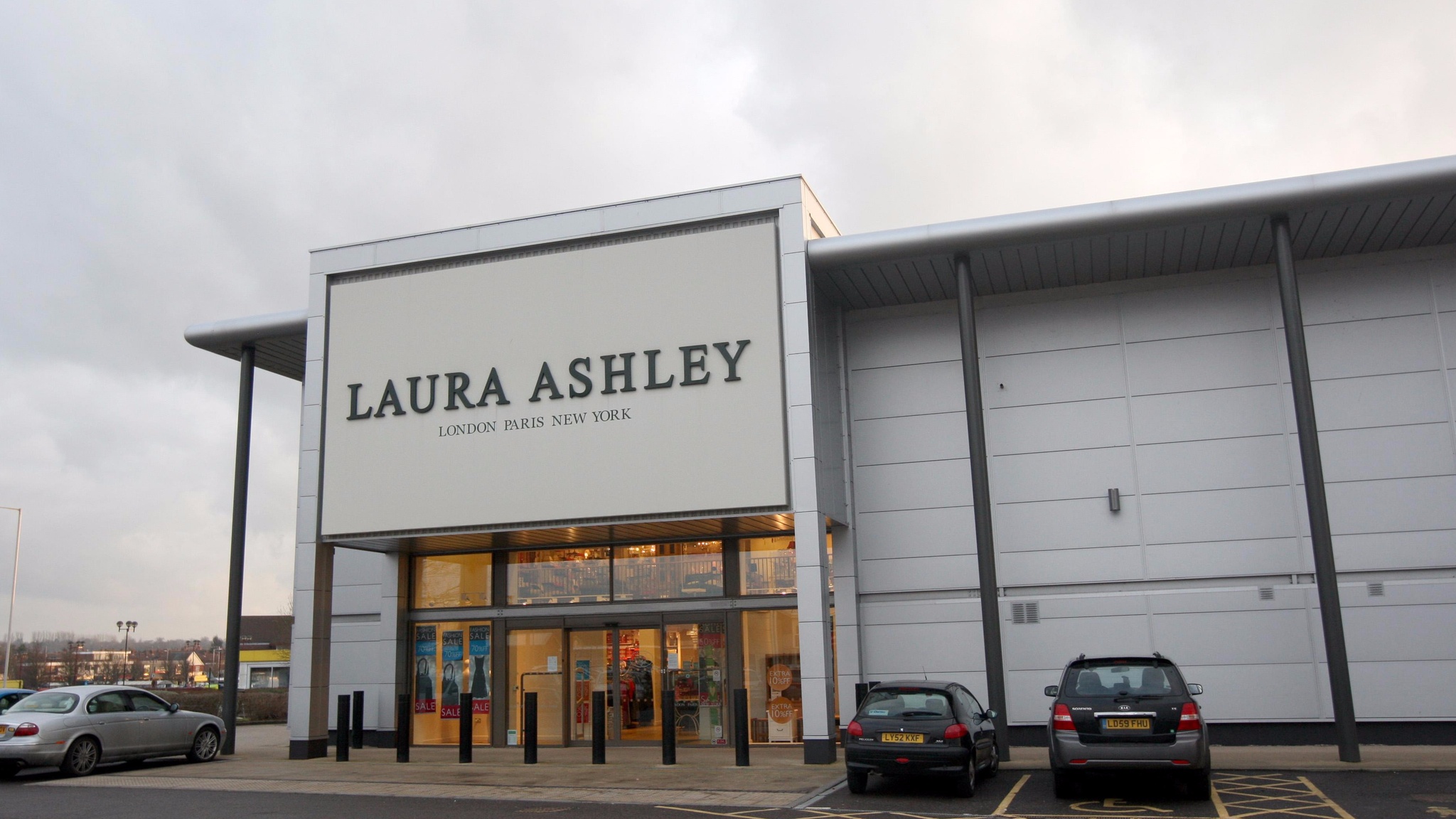
    US investment company Flacks is considering making a bid for Malaysian-owned, British fashion retailer Laura Ashley. The firm is in the “very preliminary stages” of a takeover bid for the brand. Any possible takeover offer will be limited to 2.748p in cash per share, resulting in an overall valuation for the retailer at around £20 million (US$26.38 million), according to an announcement by the firm confirming the details.

    If Flacks buys Laura Ashley, it is expected to primarily focus on the US market and other non-European markets.

    “As far as I am concerned, there is no takeover bid because there has been no approach whatsoever,” Laura Ashley chairman Andrew Khoo told investors on Monday, a day prior to Flacks’ announcement. “If and when an approach is made, the board will discharge its duties as always and assess it on its relative merits.

    “I would, however, like to state for the record that as major shareholders of Laura Ashley, we have no intention of divesting our controlling stake,” he continued. “Whilst I understand why potential parties would think we are significantly undervalued, I have complete confidence that we will be able to grow profitably and in a sustainable manner so as to create long-term value for our shareholders.”

    A recent report issued by the firm warned that its full-year profits would “fall short of market expectations” following announced plans to close around 30 of its remaining 120 stores to control costs in the firm’s competitive and sluggish market. The firm filed a £1.5 million ($1.98 million) loss in the final half of last year.

    Laura Ashley’s Australian business collapsed late last year, but in December Khoo said he believed the brand’s future lied in Asia, where he was planning expansion.

  • Hong Kong’s Link REIT Buys Shenzhen Mall for RMB 6.6B

    Hong Kong’s Link REIT Buys Shenzhen Mall for RMB 6.6B

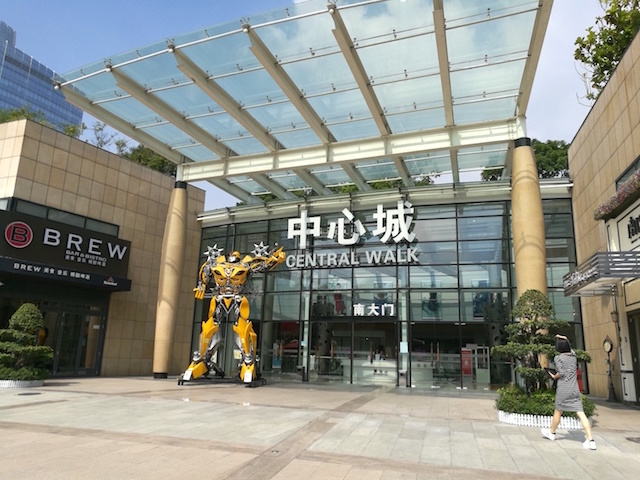
    Link Asset Management has bought the Centralwalk shopping mall in Shenzhen’s CBD via its real estate investment trust. The RMB6.6 billion (US$981.9 million) transaction marks Link REIT’s first acquisition in Shenzhen, the second in the Greater Bay Area and its fifth in Mainland China, all in tier-one cities. Centralwalk is a five-storey retail centre in Shenzhen’s Futian District, home to the South China head offices of Fortune 500 companies, multinational corporations and leading domestic firms. The property sits atop two subway lines, providing a 14-minute link to Hong Kong and less than an hour to most parts of the Pearl River Delta region.

    “The acquisition marks another milestone in our expansion in China,” said Link CEO George Hongchoy.

    “Centralwalk is seated in the heart of the city’s booming commercial hub. It is strategically located at the juncture of two popular subway lines in Shenzhen and within a five-minute walk from the Futian high speed rail station. We see enormous upside potential in this asset as we will apply our expertise in asset enhancement and placemaking to attract footfall to this mall, unleashing its potential as a leisure and entertainment landmark in Shenzhen.”

    Upon settlement of the transaction next month, Link REIT will control approximately 5 million sqft of retail and office space in four tier-one cities on the Mainland: Beijing, Shanghai, Guangzhou and Shenzhen, with Mainland Chinese assets representing about 13.1 per cent of Link’s total asset value.

    “The acquisition will enable us to capture the exponential growth spurred by the high speed rail link and the Greater Bay Area development,” Hongchoy added. “With diversification of markets, we continue to play to our strengths to offer investors steady income and long-term growth opportunities.”

    Centralwalk has a retail floor area of about 903,100sqft, and its retail occupancy currently stands at around 100 per cent. It has a gross monthly passing income of RMB 23.8 million as at December last year.

    The property houses a wide variety of familiar brands and a dynamic mix of retailers, covering food and beverage, fashion, accessories, education, lifestyle, health and beauty, a supermarket and a cinema.

    Link is anticipating the opportunity to enhance the property’s rental reversion and performance through trade-mix and tenant-mix upgrade, given that retail tenancies expiring in 2019, 2020 and 2021 represent approximately 25.5 per cent, 24.8 per cent and 18.0 per cent respectively.

  • BreadTalk buys out joint venture partner in Thailand

    BreadTalk buys out joint venture partner in Thailand

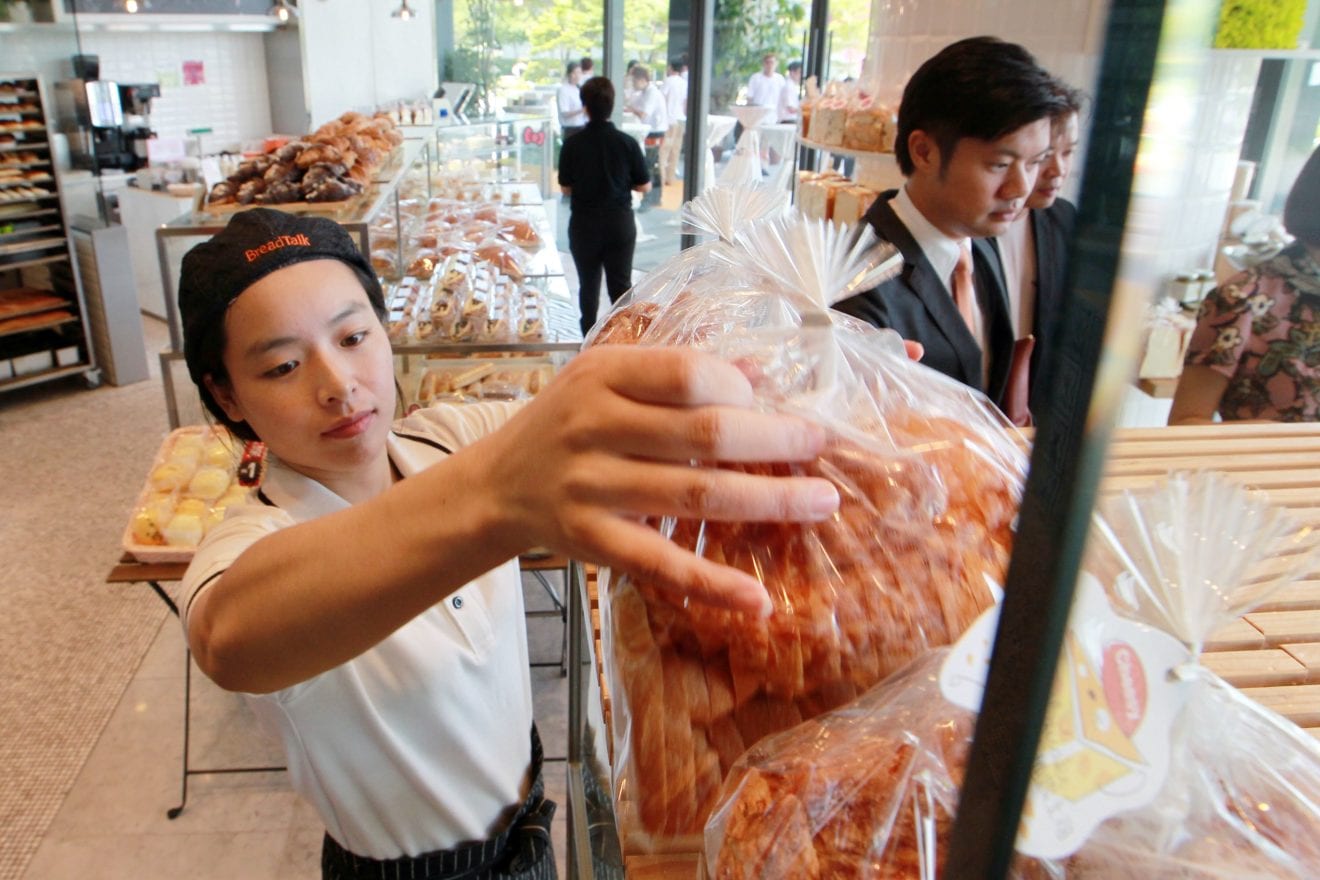
    Minor Group has sold its half share in BreadTalk Thailand to the bakery’s Singapore-listed owner. According to the Straits Times, BreadTalk paid US$5.15 million for the stake, which Minor Group is expected to use to expand its other food and beverage brands in the kingdom, including The Coffee Club.   The BreadTalk Thailand joint venture, called BTM Thailand, was set up in 2014.

    Minor Group’s other brands in Southeast Asia include ThaiExpress, Xin Wang Hong Kong Cafe, Swensens and the Pizza Restaurant Company.

  • PepsiCo franchise rights to be acquired in South, West India

    PepsiCo franchise rights to be acquired in South, West India

    PepsiCo India’s bottling partner Varun Beverages Monday said its board has approved plans to acquire franchise rights of the beverages and snacks major in South and West regions. The board has approved the company’s intent to enter into a binding agreement with PepsiCo India Holdings to acquire franchise rights in the two regions for a national bottling, sales and distribution footprint in seven states and five UTs, Varun Beverages Ltd (VBL) said in a regulatory filing.

    According to a report, upon completion of these acquisitions, VBL will be a franchise of PepsiCo beverages business across 27 states and seven Union Territories (UTs), it added.

    “The proposed acquisitions are in line with the company’s strategy to expand into contiguous territories and will help to acquire greater scale, operational productivity and efficiency leading to higher revenues and profitable growth,” it said.

    VBL, however, did not disclose financial details of the proposed acquisitions.

    The company further said its board will meet on February 26 to consider raising of capital through Qualified Institutions Placement (QIP).

    Last year in January, VBL had entered into a pact with PepsiCo to sell and distribute the latter’s entire Tropicana range of juices along with Gatorade and Quaker Value-Added Dairy in North and East India.

    VBL already held manufacturing, sales and distribution rights for Tropicana Slice and Tropicana Frutz in the two regions.

    PepsiCo had then stated that North and East regions together accounted for 80 percent of the juice market in India and VBL’s contiguous reach would help it more than double the distribution reach in these states.