Retail News CRM

Tag: across

  • Happy Potato Sizzles Across Asia: Malaysian Fries Chain Captures Four New Markets

    Happy Potato Sizzles Across Asia: Malaysian Fries Chain Captures Four New Markets

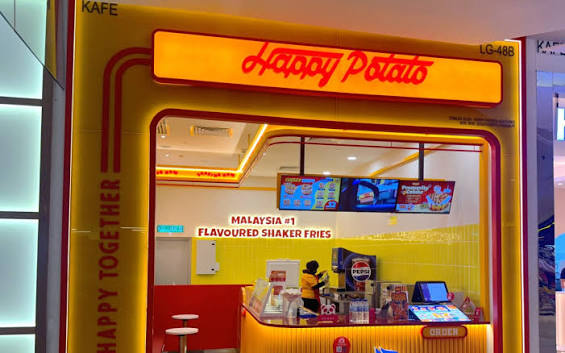
    Happy Potato, a fries chain originally from Malaysia, has successfully extended its operations to four international markets within half a year. The company’s rapid growth has seen it establishing new outlets in Bangladesh, Indonesia, China, and Cambodia as a core component of its aggressive regional expansion strategy.

    This ambitious expansion has boosted Happy Potato’s network to a total of 126 outlets spread across five countries. The majority of the outlets, 117, are located in Malaysia, while Bangladesh hosts three, and Indonesia, China, and Cambodia each accommodate two.

    The origins of Happy Potato trace back to Kota Kinabalu in 2019 where it began with just one outlet. The company opened its initial directly operated store in Peninsular Malaysia in 2023, and has since then been on a fast-paced journey of expansion through its franchising network.

    Between 2024 and 2025, Happy Potato saw a surge in its growth, adding 98 outlets across the nation. This domestic surge set the stage for its current international growth, which began this year.

    Edmund Lim, the CEO and co-founder of Happy Potato, shared that the firm dedicated years to solidifying its franchise model and operational systems before breaking into international markets.

    “Establishing a new outlet is merely one aspect of expansion. The real challenge is ensuring that customers receive the same experience, product quality, and service standards irrespective of the outlet’s location. Achieving this consistency necessitates having robust operational systems, franchise support, and local partners,” he said.

    The international journey for Happy Potato started in February with the first outlets opening their doors in Bangladesh and Indonesia. This was followed by China in May, and Cambodia in July.

    Lim expressed that this recent expansion has bolstered the company’s confidence in scaling its business, while maintaining its commitment to consistent quality across all markets.

    “Happy Potato started as a humble Malaysian fries brand, and now we are catering to customers in five different markets. But this is only the beginning,” he said.

    As part of its 2028 growth plan, Happy Potato has set its sights on expanding its Malaysian network to 200 outlets, while also making its mark in another three to five countries across Asia.

    Questions & Answers

    What are Happy Potato’s plans for future expansion?
    Happy Potato plans to expand its Malaysian network to 200 outlets and enter another three to five countries across Asia by 2028.

    What is noteworthy about Happy Potato’s expansion strategy?
    The company spent years strengthening its franchise model and operating systems before expanding internationally, ensuring that customers receive the same high-quality experience and service at all locations.

    What was the sequence of Happy Potato’s entry into international markets?
    Happy Potato first entered Bangladesh and Indonesia in February, followed by China in May, and Cambodia in July.


  • Starbucks and Jay Chou Ignite the Summer with Fantasy Experience Across Asia-Pacific

    Starbucks and Jay Chou Ignite the Summer with Fantasy Experience Across Asia-Pacific

    In a creative move, Starbucks has teamed up with Mandopop sensation Jay Chou to introduce a unique ‘Fantasy’ Summer Experience throughout the Asia Pacific. This novel initiative includes exclusive beverages, limited-edition merchandise, and music-themed in-store experiences influenced by the superstar’s discography.

    The campaign kicked off in Taiwan on June 20 and will gradually unfold in Hong Kong, Macau, Malaysia, and Singapore at various points during the summer season.

    A Unique Blend of Music and Merchandise

    This one-of-a-kind partnership draws inspiration from Chou’s iconic ‘Fantasy’ musical universe. The collaboration features themed drinkware and lifestyle products, along with personalised beverage recommendations. These drink suggestions are based on the star’s favourite Starbucks drinks, offering customers the option to customize them to their preferences.

    Furthermore, select Starbucks locations will offer immersive experiences, such as music-inspired displays and creatively designed spaces. These interactive elements aim to highlight Chou’s unique artistic style and his enduring bond with his fanbase.

    Nancy Lo, Starbucks Asia Pacific’s VP of Product and Marketing, said, “Music and coffee both have a unique way of connecting people and transporting us to a particular memory in time. With this partnership with Jay Chou, we hope to celebrate those small, yet significant moments in our daily lives – like the pleasure of sipping a favourite drink or listening to a beloved song.”

    In further collaboration news, Starbucks and Jay Chou joined forces earlier in May to unveil a unique partnership in China. This venture introduced exclusive beverages and merchandise across more than 8,000 stores.

    Questions & Answers

    What is the ‘Fantasy’ Summer Experience?
    The ‘Fantasy’ Summer Experience is a unique initiative launched by Starbucks in collaboration with Mandopop star Jay Chou. It features exclusive beverages, limited-edition merchandise and music-themed in-store experiences influenced by Chou’s music.

    Where and when will the ‘Fantasy’ Summer Experience be available?
    The experience kicked off on June 20 in Taiwan and will gradually unfold in Hong Kong, Macau, Malaysia, and Singapore throughout the summer season.

    What does this partnership entail for Starbucks store guests?
    Customers will have access to customized beverages based on Jay Chou’s favorite Starbucks drinks, themed drinkware, lifestyle products, and immersive in-store experiences celebrating Chou’s unique artistic style.

  • Juspay Teams Up With Mastercard to Expand Click to Pay Across Asia (Rewritten)

    Juspay Teams Up With Mastercard to Expand Click to Pay Across Asia (Rewritten)

    Juspay, the unicorn in the payments technology industry, has become a part of Mastercard’s global partner ecosystem, aiming to speed up the adoption of the Click to Pay system. This move comes as merchants throughout Asia are increasingly looking for quicker, more secure digital checkout processes.

    As a Mastercard Engage partner network’s certified third-party partner for Mastercard Click to Pay, Juspay strengthens its position in the rapidly expanding digital payments arena. This collaboration empowers Juspay to assist financial institutions and merchants in hastening the implementation of Click to Pay, a simplified online checkout solution by Mastercard. This enables consumers to finalize card transactions without the need to manually enter payment details.

    This initiative succeeds a triumphant launch in Brazil and represents the company’s drive to boost Click to Pay usage throughout Asia. This region’s e-commerce growth and the ongoing surge in digital payment adoption continue to influence consumer behavior.

    Making Checkout Seamless

    Click to Pay is devised with the aim of minimizing checkout friction and enhancing conversion rates by simplifying the online payment procedure. By integrating with Mastercard, Juspay offers merchants a comprehensive range of advanced payment features. These encompass biometric authentication via passkeys, card tokenisation, and streamlined checkout functionality aimed at reducing cart abandonment.

    Mark Ronayne, Associate Director – International at Juspay, stated that becoming a part of the Mastercard Engage partner network is a vital landmark as they scale Click to Pay globally. He added that Juspay is determined to eradicate checkout friction while maintaining high-security standards, thus helping merchants offer consumers a uniform one-click payment experience.

    Expanding Payments Reach

    This partnership also entails Juspay to collaborate with Mastercard in supporting merchant onboarding and the global implementation of Click to Pay solutions.

    Having been founded in 2012 and based in Bengaluru, India, Juspay has risen to become one of the world’s largest payments infrastructure providers. The company facilitates over 300 million transactions daily and supports an annualised payment volume surpassing $1 trillion.

    Juspay’s clientele includes leading global brands like Amazon, Google, HSBC, Agoda, Swiggy and Zurich Insurance. The company, backed by investors such as SoftBank, Accel, VEF and Wellington Management, employs over 1,500 payment specialists spanning Asia-Pacific, the Middle East, Europe, Latin America, UK and North America. It secured a $50 million Series D follow-on funding round, led by WestBridge Capital earlier this year, valuing the company at around $1.2 billion.

    The recent Mastercard partnership follows in the wake of payment providers stepping up efforts to reduce checkout friction, bolster security, and gain a larger slice of the rapidly growing global e-commerce market.

    Questions & Answers

    What is the aim of the partnership between Juspay and Mastercard?
    The partnership aims to accelerate the adoption and implementation of Mastercard’s Click to Pay system, offering consumers a streamlined online checkout experience.

    What are the features offered to merchants through Juspay’s integration with Mastercard?
    Juspay, by integrating with Mastercard, provides merchants with a suite of advanced payment features. These include biometric authentication through passkeys, card tokenisation, and simplified checkout functionality.

    What has been the impact of Juspay’s collaboration with Mastercard on the company’s valuation?
    While the partnership’s direct impact on Juspay’s valuation is not specified, it is worth noting that the company is valued at approximately $1.2 billion following a $50 million Series D follow-on funding round.

  • Inditex, Zara’s Parent Company, Reports Stellar Sales Boost Across All Brands in Annual Profit Surge

    Inditex, Zara’s Parent Company, Reports Stellar Sales Boost Across All Brands in Annual Profit Surge

    Inditex, the parent company of Zara, has seen considerable increases in its gross and net profits, fueled by robust sales across all its brands.

    The company’s total net revenue for the fiscal year ending January 31, 2025, climbed 3.2 per cent to €39.9 billion (US$46 billion). Taking into account the currency exchange, sales experienced a 7 per cent rise. Over the past three years, Inditex’s sales have surged by 22 per cent, with a concurrent decrease in the number of retail outlets by 6 per cent. This demonstrates the firm’s constant growth despite a decrease in physical retail presence.

    All brands within the Inditex group enjoyed sales growth throughout the fiscal year. The primary Zara enterprise, inclusive of Zara, Zara Home, and Lefties brands, saw a 1 per cent sales increase, reaching €28 billion.

    Profitable Performance By Other Brands

    Among other Inditex brands, Oysho topped the growth chart with a 15 per cent surge, closely trailed by Stradivarius and Bershka, each boasting over a 12 per cent rise. Additionally, Pull&Bear and Massimo Dutti each reported growth rates of 3.1 per cent and 3 per cent respectively.

    Inditex’s gross profit saw a 3.9 per cent increase to €23.2 billion, while the gross margin improved by 42 bps, bringing it to 58.3 per cent. Net income for the same period rose by 6 per cent to €6.2 billion.

    CEO of Inditex, Óscar García Maceiras, praised the company’s teams for their ability to maintain the trust of their customers across their eight commercial formats. He emphasized the importance of connecting with customers, understanding their needs, and providing top-tier products and services in driving long-term growth expectations.

    Positive Outlook

    At the conclusion of FY2025, Inditex managed 5460 stores across 214 markets. The company has continued to perform well into the new fiscal year, recording a 9 per cent increase in store and online sales between February 1 and March 8, after adjusting for the constant currency.

    Questions & Answers

    What was Inditex’s total net revenue for FY25?
    Inditex’s total net revenue for FY25 was €39.9 billion (US$46 billion).

    Which brand under Inditex reported the highest sales growth?
    Oysho, an Inditex brand, reported the highest sales growth with a 15 per cent increase.

    What was the net income for Inditex for the fiscal year ending January 31, 2025?
    Inditex’s net income for the fiscal year ending January 31, 2025, increased 6 per cent to €6.2 billion.

  • Gong Cha Steers Growth With Major Leadership Shake-Up Across Key Global Markets

    Gong Cha Steers Growth With Major Leadership Shake-Up Across Key Global Markets

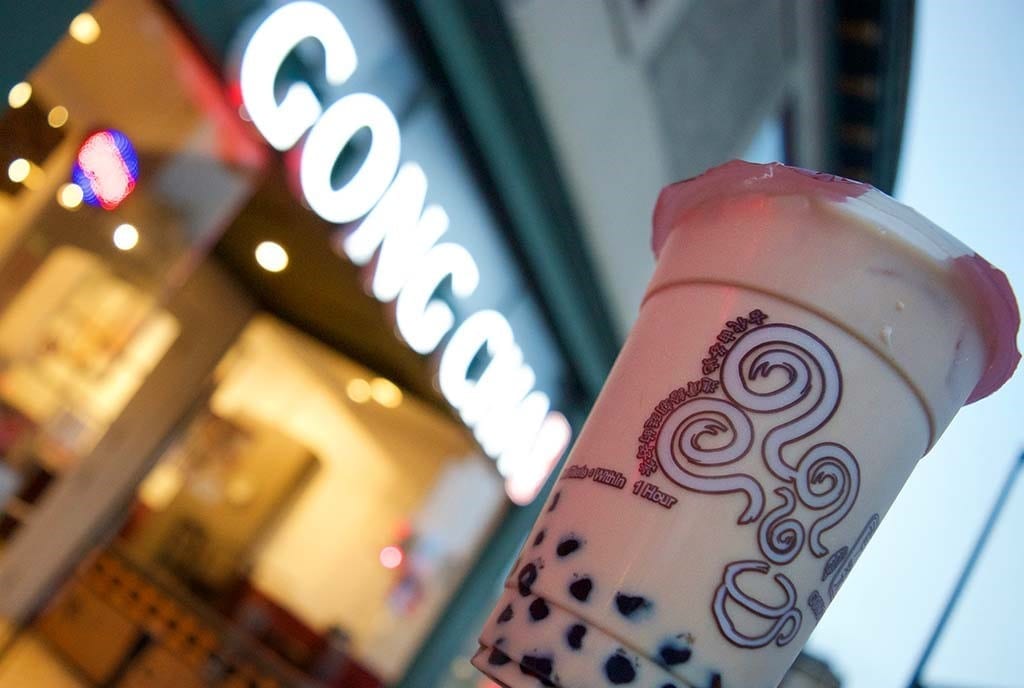
    Popular bubble tea franchise, Gong Cha, has recently undergone a significant restructuring of its top-tier management. This move is intended to bolster the company’s framework, enabling it to better support continued growth across its principal markets.

    New Leadership Assignments

    Keaton Myburgh, who joined Gong Cha in 2023, has been appointed as the new General Manager for the Asia-Pacific region (APAC). In his time with Gong Cha, Myburgh has shown exceptional leadership in assisting franchise partners and managing regional operations. His new role will extend his responsibility to ensuring operational excellence, regional development, and brand consistency across the APAC region.

    For the Europe, Middle East, and Africa (EMEA) region, Gong Cha has appointed Jemma Smoker as the General Manager. Smoker, who also joined the company in 2023, will assume responsibility for overseeing regional operations and the development of the brand within the region.

    Marketing Team Expansion

    On a similar note, Gong Cha has also broadened its marketing team. Sepanta Bagherpour has taken on the role of Chief Marketing Officer for the Americas and EMEA regions. Bagherpour brings to the table over two decades of experience in marketing and communications, working with global brands.

    Moreover, Gong Cha has announced the promotions of Maya Murasawa and Jina Jeeyoung C. Murasawa will now serve as the Head of Marketing in Japan while Jeeyoung C has been named the Chief Marketing Officer for South Korea and APAC. These appointments underscore Gong Cha’s commitment to customer-focused, locally relevant marketing strategies.

    These reshuffles come on the back of the company’s launch of Gong Cha 2.0, a global revamp of the company’s business model. This new model aims to bolster efficiency across its franchise network.

    Questions & Answers

    What is the goal of Gong Cha’s recent leadership restructuring?
    Gong Cha has reshaped its senior leadership team to strengthen its organizational structure and support its growth across key markets.

    Who are the newly appointed leaders in Gong Cha’s team?
    Keaton Myburgh has been appointed as the General Manager for the APAC region and Jemma Smoker for the EMEA region. Sepanta Bagherpour has joined as the Chief Marketing Officer for the Americas and EMEA. Maya Murasawa and Jina Jeeyoung C have been promoted within the marketing department in Japan and South Korea and APAC respectively.

    What is Gong Cha 2.0?
    Gong Cha 2.0 is a global update to the company’s operating model aimed at improving efficiency across its franchise network.

  • Luk Fook Holdings Posts Double-digit Growth In Q2, Eyes Expansion In Mainland China

    Luk Fook Holdings Posts Double-digit Growth In Q2, Eyes Expansion In Mainland China

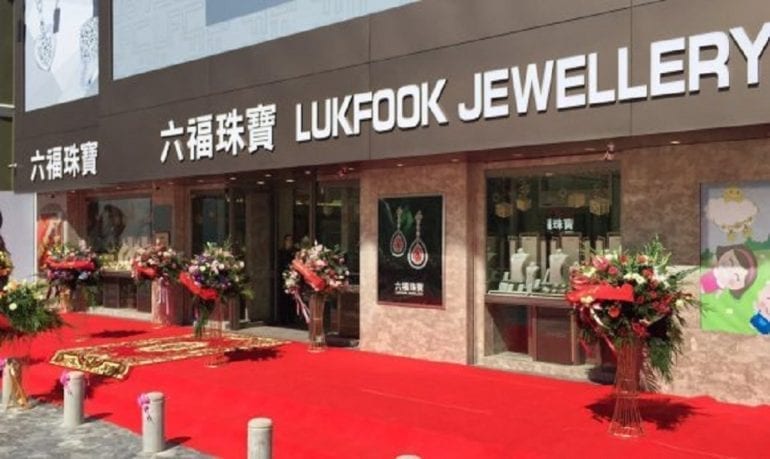
    In the second quarter ending September 30, Luk Fook Holdings, a prominent jewelry group, has revealed impressive double-digit growth in several critical indicators.

    Retail Sales Value on the Rise

    The group recorded an 18% year-on-year increase in Retail Sales Value (RSV) during the quarter. RSV, which encompasses self-operated shops, licensed outlets, and e-commerce ventures, saw a significant upturn.

    Retail revenue, made up of earnings from self-operated stores and e-commerce businesses, escalated by 15%. Concurrently, the group also experienced a 10% rise in same-store sales. The management attributed this robust growth, which surpassed the first quarter’s figures, partly to the low base during the same period the previous year.

    Regional Sales Growth

    In the Hong Kong, Macau, and overseas markets, the group noted a 13% increase in both RSV and retail revenues. Same-store sales grew by 13% in Hong Kong, 15% in Macau, and 13% in overseas markets.

    In Mainland China, the RSV surged by 20%, and retailing revenues swelled by 23%. The increment in same-store sales at company-operated locations was a modest 3%, while licensed shops saw a leap of 27%. Licensed stores constitute approximately 93% of the group’s total shop count in Mainland China.

    Performance by Category

    RSV’s growth varied across different categories. The value rose by 78% for gold and platinum products, increased by 16% for fixed-price gold items, and crept up by 3% for diamonds.

    As of September 30, the group had 3113 shops worldwide. There was a net reduction of 49 shops in the second quarter.

    Future Prospects

    The group maintains a cautiously optimistic outlook on its medium- and long-term business opportunities in Mainland China and plans to continue expanding in the market when the timing is right.

    Despite the ongoing US tariff policies affecting the global economy and the escalating China-US tensions, the Mainland government has implemented a “dual circulation” strategic layout to stimulate domestic demand, as observed by the retailer.

    Questions & Answers

    What was the percentage increase in Luk Fook Holdings’ Retail Sales Value (RSV) in Q2?
    It saw an 18% year-on-year increase in RSV during Q2.

    What contributed to the robust growth Luk Fook Holdings experienced in Q2?
    The growth can be attributed to the low base during the same period the previous year and the increase in both RSV and retail revenues in several markets.

    What is Luk Fook Holdings’ future plan for expansion in Mainland China?
    The group plans to continue expanding in the Mainland China market when the timing is appropriate, with a cautiously optimistic outlook on its medium- and long-term business opportunities.

  • Singapore’s LTA Partners With Nokia, Hitachi To Boost Rail Surveillance And Operational Efficiency

    Singapore’s LTA Partners With Nokia, Hitachi To Boost Rail Surveillance And Operational Efficiency

    The Land Transport Authority (LTA) in Singapore is taking the initiative to upgrade its rail infrastructure’s video transport and CCTV network. The project is being launched in partnership with Nokia and Hitachi Rail, and its primary goal is to boost real-time monitoring, enhance safety for commuters and bolster operational efficiency.

    Impacts of the Upgrade

    The initiative will focus on over 50 train stations, employing Nokia’s fiber-based Optical LAN and IP/MPLS solutions to bolster high-resolution video surveillance across the city’s railway system. The system, which caters to in excess of 3.65 million passengers per day, stands to benefit greatly from the enhanced surveillance capabilities.

    Nokia’s Optical LAN technology features robust optical network units (ONUs) and optical line terminals (OLTs) that can offer speeds up to 25 Gbps. When compared with traditional copper-based LAN infrastructure, this system utilizes about 70% less cabling and approximately 40% less power. These factors contribute to increased efficiency and sustainability. The deployment’s IP/MPLS component will provide dependable backhaul connectivity to the LTA’s centralized Operations Control Center, thus enabling efficient transport of live video data. This will lead to improved network reliability and quicker response capabilities.

    Stuart Hendry, Vice President of Enterprise Sales for Network Infrastructure at Nokia Asia Pacific, highlighted the importance of the project. He noted that fiber is being used to connect critical systems, including those responsible for monitoring transportation hubs worldwide. Ensuring a highly available, reliable, and secure real-time surveillance system is critical to the safety of those utilizing Singapore’s transit lines daily. The partnership with Hitachi Rail allowed Nokia to deliver a comprehensive solution for LTA, ensuring they had the necessary video capacity for their extensive CCTV surveillance and broader network operations for years to come.

    Nokia has stated the upgraded system will enhance the capacity and reliability of the LTA’s surveillance network and allow for future expansion as bandwidth and monitoring needs increase.

    Other Railway Project Improvements in Asia

    In addition to the Singapore project, various other improvements are being made to railway projects across Asia. One major project in Malaysia will see YTL Communications leading a significant fiber optic project. Meanwhile, in Indonesia, another project is being implemented to ensure high-speed railway safety and efficiency.

    Joaquim Santos, Vice President of Integrated Communication and Supervision Solutions (ICS) at Hitachi Rail, expressed satisfaction with the collaboration. He stated that the project is part of Hitachi’s ongoing relationship with the LTA and will play a crucial role in upgrading the transport infrastructure.

    Questions & Answers

    What is the primary goal of this upgrade project?
    The primary goal is to boost real-time monitoring, enhance safety for commuters and bolster operational efficiency.

    What are the technical specifications of the upgrade?
    The upgrade will employ Nokia’s fiber-based Optical LAN and IP/MPLS solutions which can offer speeds up to 25 Gbps. This will allow for efficient transport of live video data and improved network reliability.

    What is the significance of this upgrade for Singapore’s railway network?
    This upgrade will enhance the capacity and reliability of the LTA’s surveillance network and allow for future expansion as bandwidth and monitoring needs increase. This will contribute to the safety and efficiency of the rail network.

  • PetO to cease live animal sales across its network

    PetO to cease live animal sales across its network

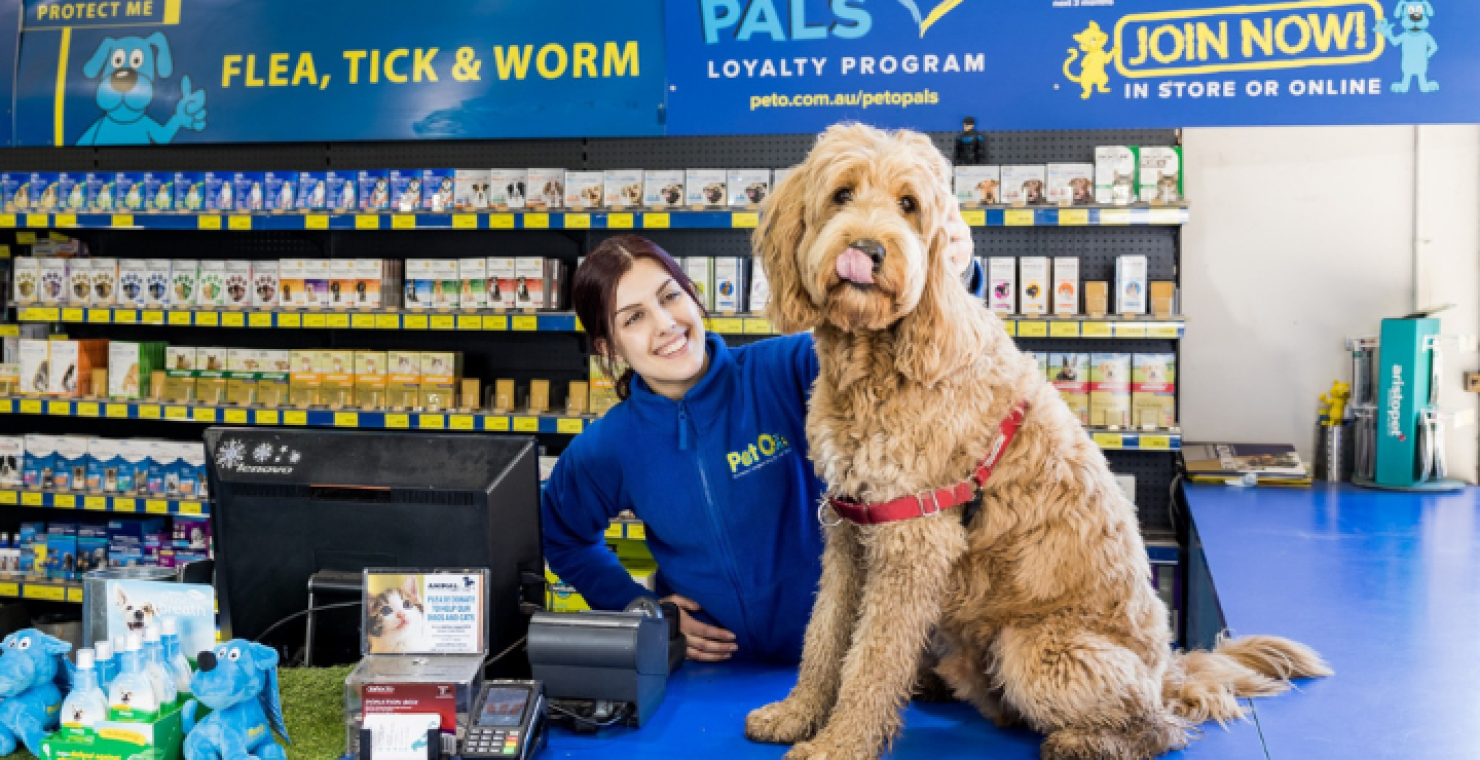
    PetO, a renowned family-owned pet retail company, has made the substantial decision to halt the sale of live animals throughout its 58 nationwide stores. The decision has been driven by mounting concerns about animal welfare and the notable absence of industry regulation.

    The Impetus Behind the Decision

    The decision from PetO comes at a time when the live animal sales sector is under increased scrutiny, particularly in an industry dominated by sizeable chains and multinational corporations. With over two-thirds of Australian households currently owning a pet, PetO posits that current industry practices are falling short of societal expectations.

    PetO’s spokesperson voiced concerns over the handling and sale of pets in pet shops, which presents ethical challenges and potentially leads to issues surrounding animal welfare and irresponsible pet ownership.

    Industry Influence

    In addition to implementing these changes within its own operations, PetO is encouraging other retailers to follow suit, particularly those who hold substantial influence on a national scale. The goal is to elevate the ethical standards across the industry.

    Expansion and Forecasted Growth

    In its recent expansion, PetO absorbed 41 retail stores and 25 veterinary clinics formerly under the ownership of Petstock and Woolworths, raising its total number of stores from 17 to 58. Although this transition may cause short-term commercial effects, the company views it as a strategic move aligned with its long-term growth vision. PetO aims to attain an annual revenue of $250 million by the year 2028.

    Questions & Answers

    Why has PetO chosen to cease the sale of live animals in its stores?
    In response to the growing concerns over animal welfare and the lack of industry regulation, PetO has decided to stop live animal sales in its stores.

    How is PetO encouraging other retailers to change their practices?
    PetO is publicly calling on other retailers, especially those with significant national reach, to follow its example and cease live animal sales, thereby raising the ethical standards of the industry.

    How does PetO’s recent acquisition of 41 retail stores and 25 veterinary clinics align with its long-term business strategy?
    While the acquisition may have some short-term commercial impacts, PetO sees this expansion as part of its long-term plan to achieve an annual revenue of $250 million by 2028.