Retail News CRM

Tag: Addiction

  • Australia Surpasses Who Sugar Guidelines: A Three-decade Journey To Healthier Diets

    Australia Surpasses Who Sugar Guidelines: A Three-decade Journey To Healthier Diets

    Australia has achieved the World Health Organization’s (WHO) sugar guidelines that suggest keeping sugar below 10% of daily energy intake. The Australian Bureau of Statistics (ABS) reveals that the country has reduced its consumption of sugar from food and beverages over the past three decades.

    In 1995, sugar constituted about 12.5% of our daily energy intake. This percentage fell to 10.9% in 2011-12 and further to 8.2% in 2023, even as our overall food and drink energy intake decreased by less than 5%.

    Reducing Sugary Drink Consumption

    Notably, Australians are consuming far fewer sugary drinks than in previous years. This includes beverages sweetened with sugar or artificial sweeteners, or both, such as soft drinks, cordials, fruit juices, and energy drinks.

    In 2011-12, approximately 42% of the population consumed at least one sugary drink daily. By 2023, this percentage had decreased to under 29%.

    In 1995, nearly three-quarters of children (72%) consumed a sugary drink every day. By 2023, this percentage had fallen to a mere 25%.

    Why Is Sugar Reduction Important?

    Consuming high amounts of sugar is detrimental to our health. Sugary foods and beverages are discretionary or occasional foods, offering little nutritional value while adding empty calories to our diet.

    Increased sugar intake can lead to obesity, type 2 diabetes, and tooth decay. Sweet beverages do not satiate us like regular meals do, making it easy to overlook the energy we are consuming.

    Average soft drinks contain about 40 grams (10 teaspoons) of sugar per serve, which is near the daily limit. Energy drinks may contain up to double that amount, while sports drinks may contain slightly less.

    Trends Over Three Decades

    Between 1995 and 2023, there was a 65.28% drop in children consuming sugary drinks. The percentage of adults consuming sugary drinks dropped from 40.2% in 2011-12 to 29.9% in 2023. However, adults still consume about 5% more sugary drinks than children.

    On average, Australians have less sugar in their diet than a decade ago. This shift isn’t just about soft drinks – we’re also reducing the sugar in our tea and coffee, eating fewer candies and desserts, and reaching less often for fruit juice.

    Children have seen the most significant changes. In the mid-1990s, children derived almost one-fifth of their daily energy from sugar. Today, that figure is closer to one-eighth, with our overall energy intake remaining quite similar.

    What’s Driving the Change?

    The new data suggests that efforts by individuals, families, communities, and some food manufacturers to reduce sugar intake over the past few years may be effective.

    A decline in sugary drink consumption may indicate growing awareness of the damaging effects of sugar, possibly due to social media campaigns, improved labelling on food and beverage products, increased public messaging, and industry changes, such as more brands offering lower-sugar alternatives.

    A Segment of the Larger Picture

    Despite a decrease in sugar consumption, obesity rates continue to rise among both children and adults.

    Research suggests that sugar is just one factor and that overall diet quality and broader eating patterns play a significant role in our health.

    Discretionary foods, including snacks, chips, convenience meals, chocolate, and other highly processed foods, still constitute around a third (31.3%) of the average Australian diet.

    This means many individuals are still regularly consuming sweet drinks and highly processed foods, which are sources of added sugars and excess energy, viewed as empty calories that pose their own health risks with little nutritional value.

    What’s Next?

    The new data shows progress in tackling the amount of sugar in our diets, but there’s still work to be done.

    To sustain these positive trends, we need to consider stronger government action to support all communities in addressing broader food system challenges, such as food insecurity and limited access to healthy food, which often results in people consuming more highly processed foods.

    Policies such as sugary drink taxes, restrictions on marketing junk food to children, and clear front-of-pack labels should be considered. Additionally, more incentives for industry to reformulate products to lower-sugar options where possible are needed.

    Education campaigns can help communities and schools where high-sugar habits are common to learn about healthier alternatives without stigma. Furthermore, collecting additional data to understand where dietary sugar comes from, beyond sugary drinks, is also necessary.

    Even though Australia may be shedding its historically high sugar consumption, ensuring a permanent change will require sustained effort.

    Questions & Answers

    What has been the trend in sugar intake in Australia over the past three decades?
    The Australian Bureau of Statistics reports a consistent decrease in sugar intake from food and drinks over the past thirty years in Australia.

    What are the health risks of high sugar intake?
    High sugar intake can increase the risk of obesity, type 2 diabetes, and tooth decay.

    What actions can be taken to sustain the positive trend in reducing sugar consumption?
    Actions that can help sustain the positive trend include stronger government action, implementing policies such as sugary drink taxes, clear labeling, promoting lower-sugar alternatives, educational campaigns, and further data collection.
  • China’s move to fight video game addiction will hurt Apple and Google in their pocketbooks

    China’s move to fight video game addiction will hurt Apple and Google in their pocketbooks

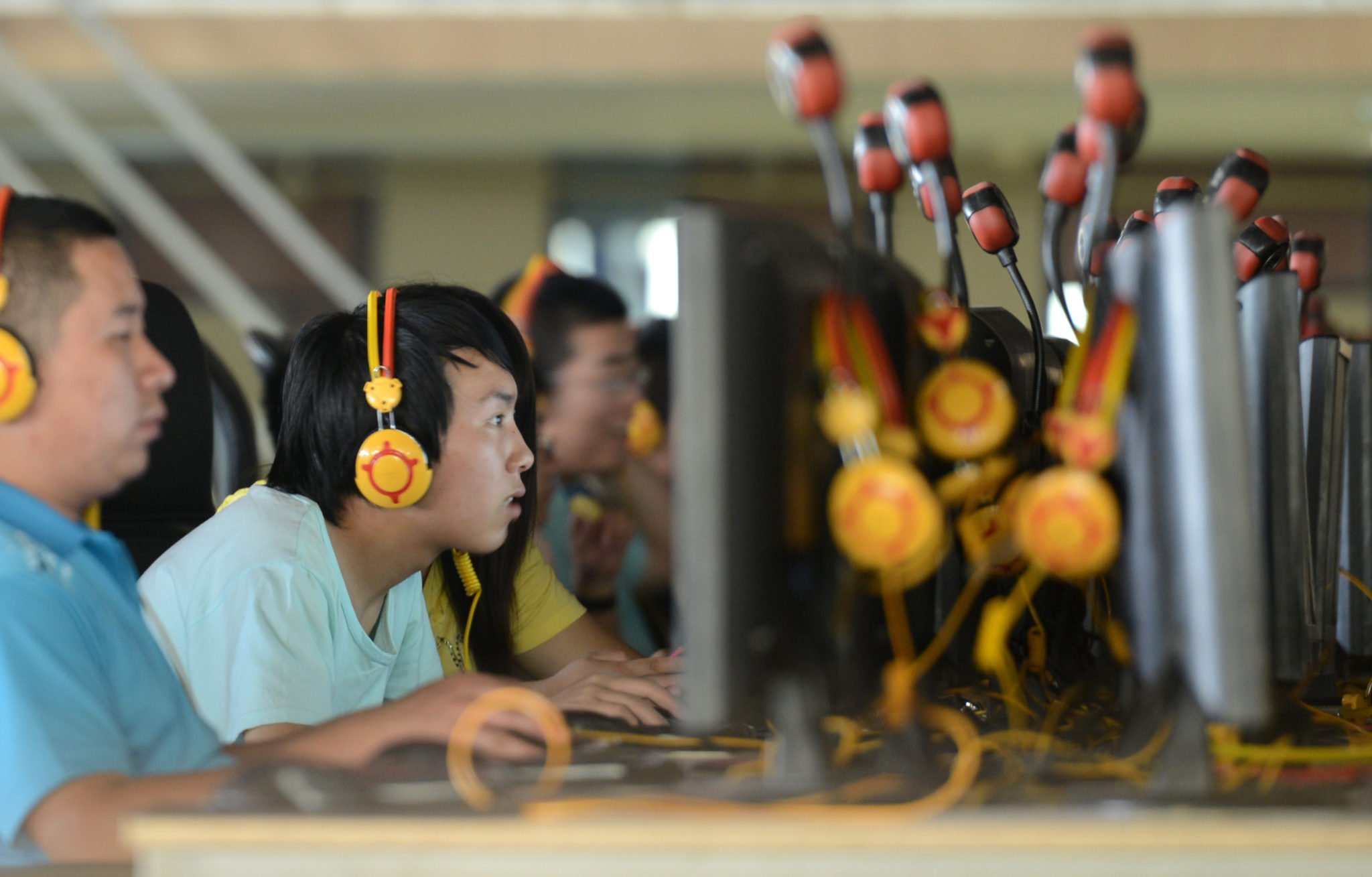
    If you love playing mobile video games, China is not the place to be. At the end of last month, the country issued new Draconian rules that severely limit the amount of playing time that kids and those under 18 can spend each week playing video games. The new rules announced by China’s National Press and Publication Administration limit video gameplay by those under 18 to one hour per day between 8 p.m. and 9 p.m. on weekends and legal holidays.

    This is a huge reduction from the previous rules that were out in place back in 2019 which allowed those under 18 to play video games for an hour on most days. Niko Partners senior analyst Daniel Ahmad said, “There are over 110 million minors that play video games in China today, and we expect the new limits to lead to a decline in the number of players and a reduction in the amount of time and money spent in-game by those under 18.”

    A publication related to the state ran an article with a headline referring to video games as “opium.” This comment was later removed and the article revised. Niko’s Ahmad says that there are 720 million gamers in China with 110 million under the age of 18. “Gaming addiction has affected studies and normal life…and many parents have become miserable,” the National Press and Publication Administration said in a statement.

    China has stopped handing out licenses to video games so that they can be listed online. This includes games available on the App Store. Regulators made the decision to stop issuing the necessary licenses. Sources who were briefed on the meeting said, “everything is on hold.” One source said that regulators halted licensing video games because they felt that approval of new games had been “a bit too aggressive” during the first half of this year.

    While the move is believed to be temporary, one source says that the plan is to keep the new rules in place “for a while.” China is hoping to reduce video game addiction in the country and the state believes that cutting the number of available new games will help it achieve its goal. Another source stated that there were discussions related to delaying the issuance of licenses for video games so that China could undergo “a smooth and successful deployment” of its plans to reduce video game addiction.

    From March 2018 to December 2018, China refused to issue any video gaming license. And again, last month, the country refrained from awarding a license to any video game. While the previous ban on video games lasted 9 months, there has been no time frame announced for the current ban.

    China requires video game developers to have a license issued by the Chinese government. While Android-based app stores like the Google Play Store started checking for the license in 2016, the App Store didn’t require that developers had the license until last year.

    When the country stopped issuing video games licenses for most of 2018, there was some financial impact on App Store earnings according to Apple CEO Tim Cook and CFO Luca Maestri. The executives commented again when China had resumed licensing games and said at the time that the company was having fewer issues with App Store revenue. While Apple and Google will see a decline in revenue for their iOS and Android storefronts respectively, Chinese video game companies like Tencent and NetEase will also be affected financially by China’s crackdown on video game addiction.

    Chinese state-run media have not yet disseminated the news about the country’s latest efforts to keep teens away from what the Chinese see as a highly addictive pastime.

  • Harvey Nichols Hong Kong reopens

    Harvey Nichols Hong Kong reopens

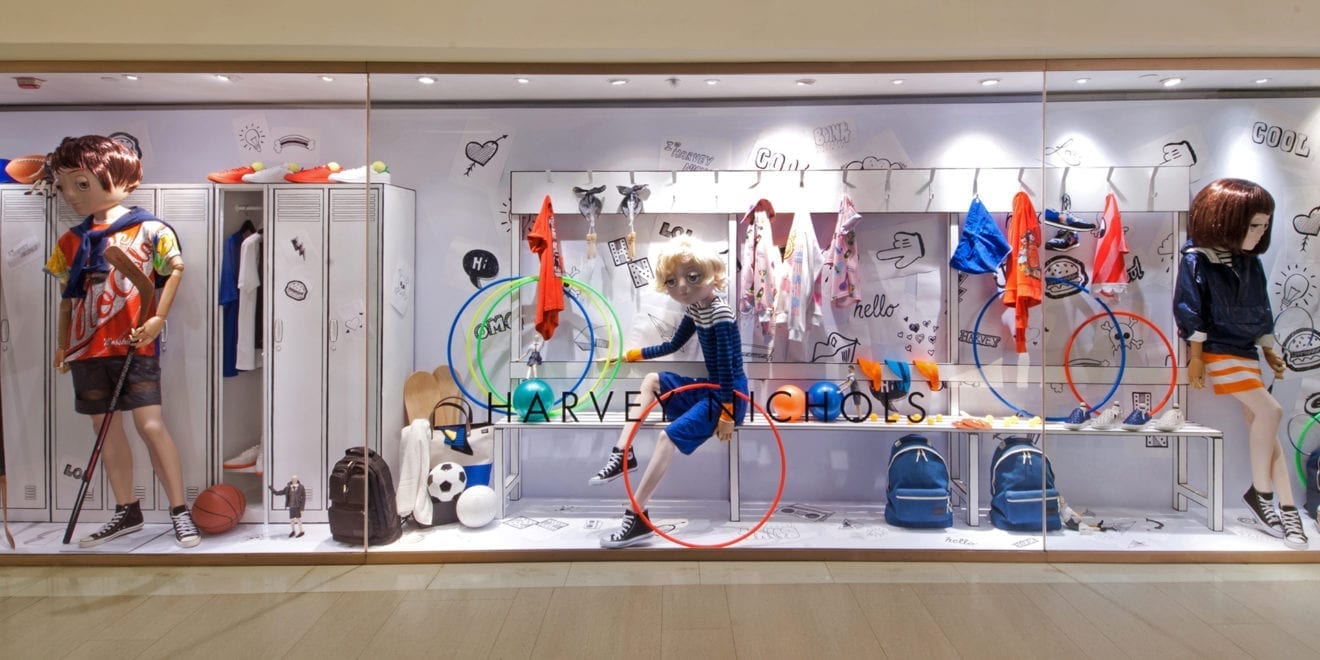
    Harvey Nichols Hong Kong has reopened its store at The Landmark following a three-month renovation.

    Originally opened in 2005, the five-storey store now offers the Style Concierge, a personalised service that helps customers with their wardrobe makeover. It also offers makeovers for every occasion, invitations to events, private sales, special offers, gift suggestions, beauty advice and delivery services.

    Harvey Nichols Hong Kong Landmark

    Also new is Mixology, a permanent pop-up area that features new designer labels and fashion trends. Its first showcase is Korean fashion power houses including Customellow, CY Choi, D-Antidote and Solid Homme.

    Harvey Nichols Hong Kong Landmark 2

    More than 30 makeup and skincare labels have been introduced as well, including Addiction, La Mer, Nail & Lash by Per Face, Tom Ford Beauty and Whoo.

    From Copenhagen Fashion Week, Harvey Nichols has introduced designer labels including Han Kjøbenhavn, Henrik Vibskov and Tonsure. These add to the line-up of labels from other international fashion weeks including Hilfiger Collection, Maison Margiela and Vera Wang for women, and Lavin and Marni for men.

    Harvey Nichols Hong Kong Landmark 3

    The store’s facade is a geometric-faceted floating panel sitting prominently with the inherited adjacent architecture, with the abstracted lines from the “H” and “N” creating a pattern that is illuminated at night.