Tag: adventures

  • Edible Adventures: Pop Marts Toy-Inspired Desserts Invade Singapore in Global Bakery Debut

    Edible Adventures: Pop Marts Toy-Inspired Desserts Invade Singapore in Global Bakery Debut

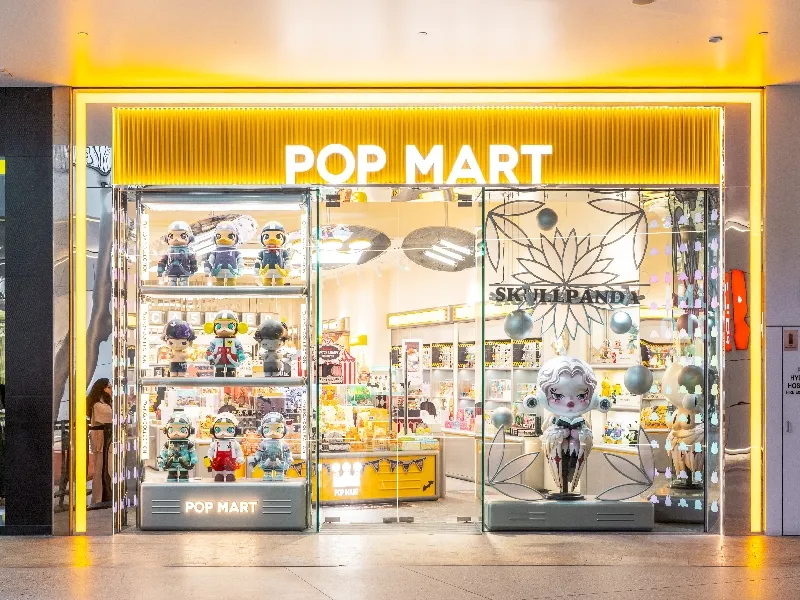
    Beijing-based creator of popular ‘blind box’ toys, Pop Mart, is branching out with a new line of business, launching its premiere international bakery in Singapore. The company is giving a fresh, three-dimensional, and edible spin to its famous characters, such as the wide-eyed Labubu and the adorable Molly. From black sesame Labubu popsicles to double cheesecake Molly, these delightful treats will now take the form of pastries and beverages. The bakery, located opposite Universal Studios Singapore, showcases a line-up of 45 toy-inspired treats with prices ranging from S$5 to S$32 (approx. US$3.87 to US$24.77).

    From Toys to Tasty Treats: Pop Mart Expands

    Singapore is just the beginning for Pop Mart’s global culinary conquest. The company is contemplating setting up bakeries in Europe and the United States, according to Zhang Xiaoyang, the head of Pop Bakery at Pop Mart. However, the company is aware that it will have to navigate complex issues such as establishing local supply chains. The company’s strategy also includes launching dessert shops across Southeast Asia, specifically in Thailand, Indonesia, and Malaysia.

    This move to extend the brand into the bakery business follows the successful launch of Pop Mart’s first bakery in the Chinese coastal city of Qinhuangdao in April. Before this, the company had tested the concept through over 30 dessert truck pop-ups within China.

    A Strategic Move Amidst Challenges

    The foray into the bakery business comes at a time when Pop Mart is grappling with inflated production costs. The company’s business model has recently been met with skepticism from analysts as they have observed the company’s annual sales and earnings growth fall short of expectations in recent quarters.

    “Pop Mart’s diversification into the bakery business is a smart move. There’s only so much a toy company can do, and they’ve likely reached their limit with toy manufacturing,” said Laura Pan, a lecturer at a prominent school of management. However, she notes that the reception of Pop Mart’s bakeries in the United States remains uncertain, considering the waning popularity of the Labubu series.

    In the face of a global surge in demand for its plush toys, bag charms, and collectibles, Pop Mart has been innovatively expanding its business beyond toy selling. The company hopes to emulate Disney’s success in transforming short-term popularity into long-lasting success.

    In line with this strategy, Pop Mart has made notable strides this year. It has announced a collaboration with Sony Pictures to produce a Labubu movie and has expanded its Beijing theme park, Pop Land.

    “We aim to integrate our IP (intellectual property) into all aspects of consumers’ lives, and desserts are one part of this mission,” Zhang said.

    Questions & Answers

    What is Pop Mart’s new business venture?
    Pop Mart has launched its first international bakery in Singapore, featuring pastries and beverages inspired by their popular toy characters.

    Is Pop Mart planning to open bakeries in other countries?
    Yes, the company is considering setting up bakeries in Europe and the United States and also plans to launch dessert shops across Southeast Asia, specifically in Thailand, Indonesia, and Malaysia.

    How is Pop Mart diversifying its business?
    Aside from launching a bakery business, Pop Mart is also developing a Labubu movie in partnership with Sony Pictures and has recently expanded its Beijing theme park, Pop Land.
  • Ant Unveils Innovative AI Travel Companion Integrated into Mobile Wallets for Seamless Adventures

    Ant Unveils Innovative AI Travel Companion Integrated into Mobile Wallets for Seamless Adventures

    Retailing giants in Asia are grappling with the delicate balance of managing supply chain disruptions and keeping pace with ever-changing consumer expectations. As economies rebound from the impacts of the pandemic, retailers are re-evaluating their strategies to navigate an increasingly competitive landscape.

    Adapting to Shifting Consumer Behaviors

    According to recent reports, consumer preferences in Asia are shifting dramatically. In a bid to cater to the growing demand for seamless shopping experiences, retailers are investing heavily in technology. From advanced inventory management systems to mobile payment solutions, the focus is on creating frictionless interactions both online and in-store. “Consumers want convenience; they want it now. If we can’t deliver that, we risk losing their business,” said Mei Chen, a retail analyst in Shanghai.

    Sustainable Practices Take Center Stage

    Another notable trend is the rise of sustainable retail practices. As climate awareness increases among shoppers, brands across Asia are stepping up their efforts to incorporate eco-friendly practices. From sourcing sustainable materials to implementing recycling initiatives, companies such as Tokyo-based Uniqlo are leading the charge toward a greener future. In a surprising twist, some brands are even rewarding consumers for returning items for recycling, turning sustainability into a rewarding experience.

    The E-commerce Boom Continues

    The pandemic may have accelerated the e-commerce boom, but it seems to be here to stay. Data shows that online shopping is now a staple for many consumers in Asia, leading traditional retailers to rethink their brick-and-mortar approaches. As digital giants like Alibaba and JD.com continue to thrive, smaller retailers are also recognizing the need for a robust online presence. “It’s almost as if the physical store has transformed into a showcase, while e-commerce does the heavy lifting,” noted Raj Patel, an analyst based in Mumbai.

    Collaborative Strategies on the Rise

    In a surprising twist on competition, retailers are increasingly collaborating to enhance their offerings. Partnerships between tech firms and retail giants are blossoming, helping both parties tap into new consumer bases. For instance, the collaboration between a leading grocery chain and a digital health startup has resulted in combined rewards programs that benefit customers on multiple fronts. “We’re no longer just competing with one another; we’re finding new ways to grow collectively,” remarked Jaspreet Kaur, head of retail strategy at a major conglomerate in Bangalore.

    Embracing Omnichannel Retailing

    The omnichannel retail strategy has become a buzzword, with companies integrating various platforms to enhance customer experience. This strategy not only streamlines operations but also fosters greater brand loyalty. Retailers are realizing that today’s consumers often blend their shopping experiences, moving seamlessly between online and offline environments. “You can’t just be a one-trick pony anymore,” said Chao Wei, a representative for a major electronics retailer in Beijing.

    Looking Ahead

    As Asia’s retail landscape continues to evolve, industry leaders face the challenge of maintaining relevance while adapting to new paradigms. Those who embrace innovation, prioritize sustainability, and harness collaboration stand to thrive in a dynamic market. With consumer expectations at an all-time high, the race to keep up is not just a sprint; it’s a marathon, filled with opportunities and surprises for those willing to take the leap.

    Questions & Answers

    What strategies are retailers in Asia adopting to meet consumer expectations?
    Retailers are investing in technology for seamless shopping experiences, emphasizing convenience, and focusing on eco-friendly practices to appeal to sustainability-conscious consumers.

    How has e-commerce affected traditional retail in Asia?
    The e-commerce boom has led traditional retailers to adapt their business models, often transforming physical stores into showrooms while boosting their online presence to reach customers more effectively.

    What is the significance of collaboration among retailers in the current market?
    Collaboration allows retailers to leverage each other’s strengths, expand consumer reach, and provide innovative solutions that benefit both businesses and customers, making the retail landscape more dynamic.

  • KTM 125 Duke Bookings Open In India

    KTM 125 Duke Bookings Open In India

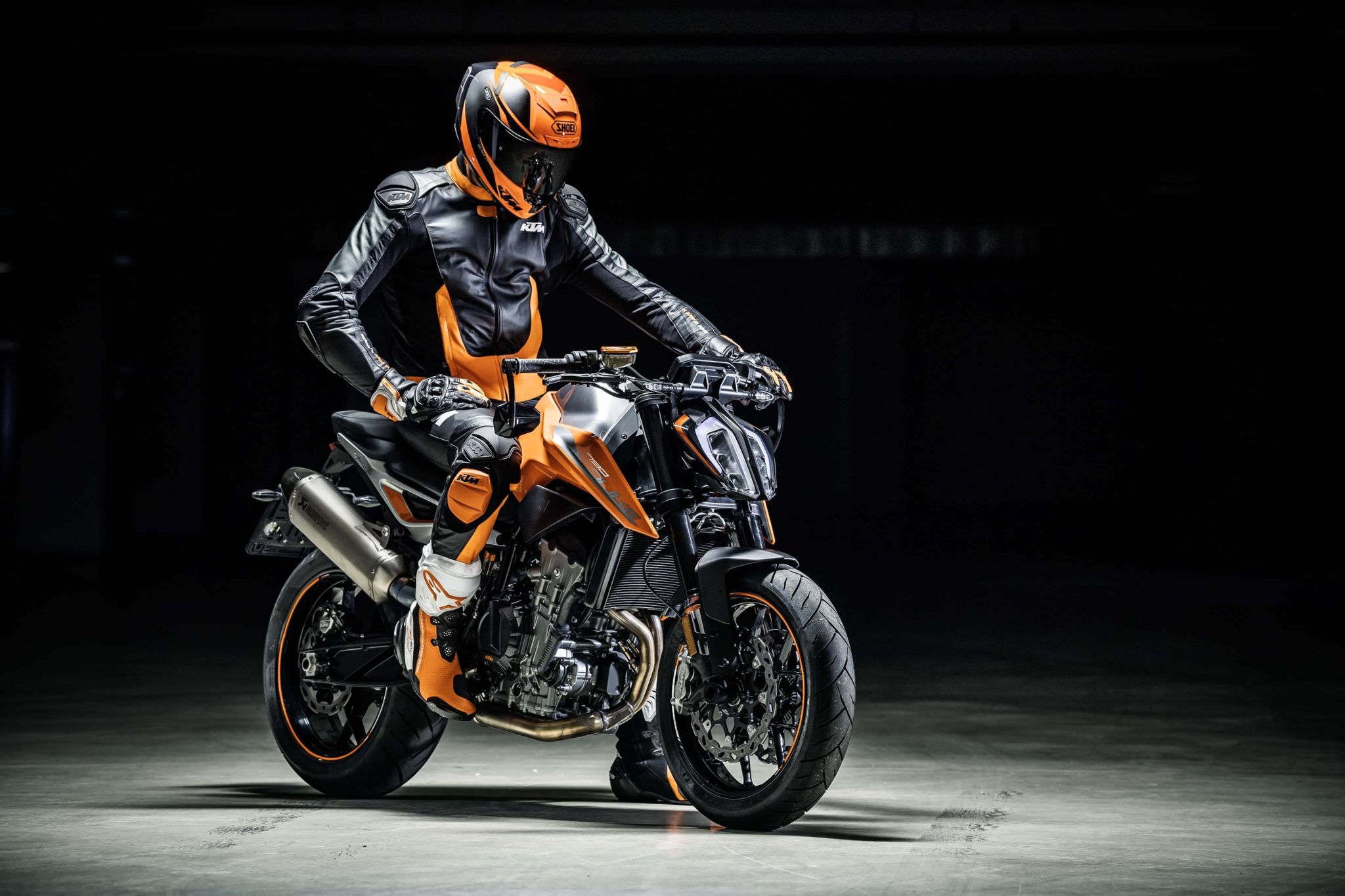
    In a surprising move, KTM India is likely to introduce the 125 Duke in India by the end of the year in the country. KTM dealerships in Mumbai and Pune have confirmed to carandbike that they are accepting bookings for the new entry-level street-fighter at a token amount of ₹ 1000. While the launch date has not been officially announced yet, reports suggest the launch is likely to happen by December 2018. Deliveries will commence soon after the launch. This will be the updated KTM 125 Duke that was revealed at the end of 2016 and shares its styling with the KTM 250 Duke. The naked motorcycle will also be the most expensive 125 cc offering to go on sale in the country.

    Power on the KTM 125 Duke will come from the 124.7 cc single-cylinder, liquid-cooled engine tuned for 15 bhp and 12 Nm of peak torque. The motor is paired with a 6-speed gearbox. The bike comes with USD forks up front and a monoshock suspension setup at the rear, while braking performance comes from a 300 mm front and 230 mm disc at the rear.

    Internationally, the 125 Duke is offered with ABS as standard, which could be skipped on the India-spec model since it is not mandatory for motorcycles below 125 ccc. Moreover, the bike will get a price advantage with the absence of ABS. The bike is likely to get CBS (Combined Braking System) instead, which is a lot cheaper in comparison. The TFT screen that is offered on the KTM 390 Duke is also likely to be given a miss to keep costs in check.

    It is to be noted that the KTM 125 Duke was always intended to be an export-only offering ever since KTM commenced operations in India. While the motorcycle benefits from the same cycle parts as its older siblings, it also emerges as a more expensive offering compared to other “premium” 125 cc motorcycles. In Europe, the 125 Duke is largely targeted at A1 license holders with the government restrictions in place, making it a good-looking, fun-to-ride 125 cc bike for young buyers.

    In India, the 125 cc segment is seen largely as a commuter segment for anyone looking for more power without compromising on efficiency. The KTM 125 Duke clearly does not belong to that segment, but could just be a lucrative choice for those looking at a fun-to-ride urban runabout. In terms of competition, the 125 Duke will compete against the Yamaha YZF-R15 V3, Yamaha FZ 25, Bajaj Pulsar NS 200 and the likes. So, yes, prices are likely to be around ₹ 1.50 lakh (on-road), which will make it about ₹ 20,000-30,000 cheaper than the KTM 200 Duke.