Tag: Adyen

  • Puma and Adyen Showcase the Speed and Flexibility of Unified Commerce

    Puma and Adyen Showcase the Speed and Flexibility of Unified Commerce

    Retail’s Big Show APAC (NRF 2025 APAC), world’s leading sports brand Puma and global financial technology platform Adyen shared how their strategic partnership is transforming retail operations and customer experiences across Asia Pacific and beyond.

    From flagship stores to high-pressure, high-volume environments like Formula 1 events, Puma is leveraging Adyen’s unified commerce platform to deliver fast, frictionless, and flexible customer experiences—online, offline, and everywhere in between.

    Since 2020, Puma has partnered with Adyen to consolidate its previously fragmented payment systems. Before that, multiple providers across different markets led to issues with fraud, reconciliation delays, and inconsistent customer experiences. By migrating to Adyen’s single platform, Puma has streamlined backend operations, improved reporting accuracy, and accelerated store and event rollouts in Singapore, Hong Kong, Malaysia, Australia and New Zealand, the UK, and other European markets.

    This partnership underscores a growing trend among global retailers to consolidate fragmented payment systems into unified platforms—streamlining operations and enhancing the customer journey across every channel.

    Key Highlights:

    • From Fragmented to Unified: Before 2020, Puma operated with a mix of payment providers across different markets, resulting in operational inefficiencies and inconsistent customer experiences as a multinational business when scaling. Adyen’s unified platform now powers both online and in-store payments in a single ecosystem.
    • Accelerated Rollouts: In Australia, Puma deployed Adyen’s POS terminals across 26 stores in under a month—fully remotely, effectively eliminating the cost of in-person deployment in a vast geographic market. Singapore and other markets have since adopted the same agile deployment model.
    • Omnichannel Innovation: Puma is enhancing its omnichannel model to drive conversion rates and ensure seamless transactions, preventing missed sales opportunities by helping customers complete purchases in the moment. Customers can buy online and return in-store, or purchase in-store and receive goods from other store locations or warehouses—eliminating friction and keeping the buying process convenient.
    • Customer-Led Payment Strategy: Puma adapts to local consumer preferences, whether that’s credit cards, e-wallets, or Buy Now, Pay Later (BNPL), Puma can quickly activate local payment methods via Adyen’s platform—meeting regional preferences without technical complexity.
    • F1-Ready Payments: At high-volume events like Formula 1, Puma leverages Adyen’s mobile and scalable solution to process thousands of transactions efficiently—supporting seamless customer journeys in high-pressure environments. This enables high-speed setups and smooth customer flows during major global events.

    “With Adyen, Puma is not only simplifying operations but also enhancing customer experiences on a global scale,” said Ben Wong, General Manager, Southeast Asia & Hong Kong at Adyen. “Retail today is about agility, speed, and personalization. From F1 events to everyday store operations, our partnership with Puma is a clear example of how unified commerce can empower retailers to operate smarter, move faster, and adapt to rapidly changing market conditions. Whether it’s enabling remote rollouts, supporting local payment preferences, or handling massive event transactions, we’re proud to help Puma deliver a seamless experience that puts the customer first.”


  • Over a third of APAC Consumers Use AI to Shop, with adoption across generational groups, Adyen’s Research shows

    Over a third of APAC Consumers Use AI to Shop, with adoption across generational groups, Adyen’s Research shows

    Adyen, the global financial technology platform of choice for leading businesses, today published its 2025 Annual Retail Report which highlights a rising momentum in AI adoption across APAC’s retail landscape. 

    A poll of 41,000 consumers across 28 markets including Singapore, Australia, Hong Kong, India, Japan, and Malaysia reveals that over a third (38%) of APAC consumers now use AI to help them get their shopping done. This is a 39% surge from 2024, with more than one in ten APAC consumers (11%) having used AI for shopping for the first time over the past 12 months.

    The experience for APAC consumers has been positive. 63% say that AI inspires their purchase decisions from outfits to meals, faster than anyone else can. AI also serves as a search tool, with 62% of APAC consumers wanting to find unique brands and shopping experiences using AI, a development that highlights the chance for brands to combine partnerships and cross-selling to drive customer sales. 59% of APAC consumers are now open to making purchases using AI in the future.

    AI Adoption Prevalent Across Generations 

    Generations across APAC are increasingly exploring shopping with AI. It is most popular among Generation Z (ages 16 to 27), especially in places like Malaysia and Hong Kong, where 74% and 64% of Gen Z shoppers use AI, respectively. Older generations are also catching on; in Singapore, Generation X (44 to 59 years) and Millennials (28 to 43 years) recorded the biggest increases1 in their use of AI in shopping over the past 12 months, at 45% and 28% respectively. 30% of those aged 60 and over say they currently use AI to support them in making purchases. 

    “The introduction of AI in shopping has created new shopper journeys that are more exciting than ever. From it, we see an emergence of new consumer behaviors — one characterized by personalization and convenience,” said Warren Hayashi, President, Asia Pacific, Adyen. “For retailers, embracing AI isn’t just about staying current; it’s about meeting evolving consumer expectations and staying competitive in a fast-changing retail landscape.”

    Retailers Look to AI for Growth

    When asked how they plan to boost revenues in 2025, many APAC retailers pointed to AI and emerging technologies as key strategies. More than a third (34%) said they would invest in AI to support business activities across areas like sales and marketing, product innovation, and security and fraud prevention. 

    “Retailers generate vast amounts of payments data through their daily operations, presenting a substantial untapped opportunity,” said Hayashi. “Where AI comes into play is to drive conversions at scale. Building on this potential, we recently launched an AI-powered payment optimization solution called Adyen Uplift. By training AI on all of the transactions Adyen processes, we help retailers identify genuine shoppers at scale, and fly them through checkout securely and with minimal friction.” 

    Enabling Safer Payments Amid the AI boom 

    While AI sparks excitement, 26% of APAC consumers now feel more worried about the possibility of fraud and scams. One in five don’t enable their devices to remember their payment details in anticipation of fraud. 

    “Besides optimizing revenue, AI could aid in the fraud-fighting efforts of retailers,” said Hayashi. “By training AI on the thousands of transaction data retailers process each day, it can spot anomalies, identify patterns, and predict fraud attempts – ultimately ensuring consumer trust and protecting retailers’ hard-earned revenue.”

    Currently, 40% of retailers in APAC use AI to help prevent fraudulent transactions in their stores.

    Beyond AI, Unified Commerce Offering Still Key 

    While investment in new technologies is welcome, less than half (46%) of APAC retailers currently enable customers to shop easily across online and offline channels. Understanding the importance of an omnichannel strategy, a further 19% of business leaders plan to enable this over the next 12 months. 

    Having an online presence creates new channels for brands to connect with customers. In today’s digital world, 46% of APAC consumers expect to be able to easily shop with a business across multiple touch points including social media, apps, and the online store, with the rise of social commerce seeing more than 36% of APAC consumers using social media to shop.

    Despite this, APAC shoppers still have a strong preference for physical stores. 42% of shoppers like both equally, while the remaining shoppers choose brick-and-mortar (35%) over online platforms (22%). Consumers still prefer to see and feel the product (48%) and try on items (41%) before purchasing, and appreciate the immediacy of having their items on hand upon purchase (35%).

  • Adyen and Microsoft Launch Network Token Optimization

    Adyen and Microsoft Launch Network Token Optimization

    Adyen , the global payments platform of choice for many of the world’s leading companies, expands its collaboration with Microsoft to accelerate payments innovation for both companies with the launch of Adyen Network Token Optimization. Adyen is one of the first payment platforms to enable tokenized payments across multiple schemes and to offer automated optimization of the use of tokens to increase authorization rates. By adopting Network Token Optimization, merchants like Microsoft are able to realize significantly more revenue due to increased authorization rates.

    “Customer experience is at the center of everything we do, and when it comes to the payments process it’s about making it faster, simple and secure,” said Matt Rossmeissl, Vice President of Commerce Engineering Operations at Microsoft. “Product innovation is at the core of what we do at Microsoft and Adyen’s Network Token Optimization is a factor in driving better authorization rates and customer satisfaction.”

    Adyen and Microsoft have been working together since July 2015, starting with European acquiring. Today, Adyen processes payments for Microsoft globally, across all Microsoft products and services. Microsoft utilizes multiple Adyen products in addition to Network Token Optimization, including Real-time Account Updater to ensure a seamless consumer shopping experience by always charging the most up to date card. Adyen also supports various local payment methods in a number of countries for Microsoft, including U.S.-based debit networks, a more recent Adyen development.

    “We always build products with a focus on our merchants and their end customers, and Microsoft pushes us to help create better global solutions. We have benefited from Microsoft’s consistent desire to provide better experiences for their customers,” said Kamran Zaki, COO at Adyen. “At the forefront of innovation, the Microsoft team is always willing to act as an early adopter for many of our new products and features. We work together every day to create positive shopping experiences for Microsoft customers, and are excited to see what we will create next.”

  • Merlin Entertainments takes on global digitalisation with Adyen’s payment platform

    Merlin Entertainments takes on global digitalisation with Adyen’s payment platform

     Adyen, the payments platform of choice for many of the world’s leading companies, has partnered with Merlin Entertainments plc a global leader in location-based, family entertainment, to consolidate its payments experience across more than 130 attractions in 25 countries around the world.

    Adopting Adyen’s single payments platform supports Merlin Entertainments’ future expansion globally by transforming payments from a bottleneck into a seamless process that improves the experience for its customers while driving conversion rates.

    Merlin Entertainments is one of the world’s largest attraction operators with global attractions like LEGOLAND Parks and Discovery Centres, Sea Life and Madame Tussauds. Adyen will process payments across all services under Merlin Enterprises, ranging from quick-service restaurants, hotels and accommodation, retail, annual memberships, wearables and ticketing.

    “Given the nature of our business, our brands span across hospitality, restaurants, hotels and theme parks. Adyen’s platform will consolidate our various payment solutions under a single platform across our entire global business. Merlin sees significant opportunity from the increasing importance of digital and technology, allowing for enhanced guest experiences,” Mark Allsop, Chief Digital Marketing and Information Officer at Merlin Entertainments, comments, “With Adyen accepting transactions from all channels, whether that be eCommerce, mobile, Point of Sale (POS), kiosk or wearables, our guests get shorter wait times, faster entry to attractions and convenient payments with a simple tap or swipe. The new payment solutions form part of our wider strategy to improve loyalty, drive revenue and continue to deliver high guest satisfaction across our resorts”

    Customer experience is the central focus for Merlin’s guests. Payments can form a big part of that overall experience, reducing wait times for food, faster admissions to attractions and a range of payment alternatives to suit foreign tourists. Adyen’s global payment platform also helps the company achieve its growth objectives within its existing portfolio, and to support the roll-out of new attractions and accommodation around the world.

    “Merlin Entertainments saw 67 million visitors across its diverse portfolio of attractions last year. The likes of wearable technology and tokenisation are the next step in customer experience and seamless payments and Merlin Entertainments is at the forefront of this deployment across hundreds of different locations” said Roelant Prins, CCO of Adyen. “Merlin can now take full control of its payments architecture across all channels, simplifying a complex challenge faced by many merchants today.”

  • Singapore Airlines Partners With Payments Platform

    Singapore Airlines Partners With Payments Platform

    Singapore Airlines has partnered with an Amsterdam-listed payments provider to optimize its payment processes. Payments platform Adyen will improve the experience of booking tickets online or in-app for Singapore Airlines’ customers. The payment platform also helps its customers improve authorization rates, provide flexibility on fraud risk management and richer data insights.

    «For Singapore Airlines, best-in-class customer service begins with the booking,» said Warren Hayashi, President of Adyen, Asia-Pacific. «At Adyen, we have seen that payments data can be the jet fuel that powers global expansion for airlines.  Payments data remains a valuable resource for companies who seek to understand their customers better and improve revenue,» Hayashi added.

    The partnership will center on Adyen’s solutions to optimize Singapore Airlines’ payments process. This includes the use of Adyen’s direct credit card acquiring capabilities which eliminates the need to run payments across multiple third-party platforms, increasing the airline’s payment authorization rate by leveraging on their solutions.

    Amsterdam-listed Adyen provides a modern end-to-end infrastructure connecting directly to Visa, Mastercard, and consumers’ globally preferred payment methods. It has offices across the world, serving customers such as Facebook, Uber, Spotify, Cathay Pacific, Grab, Klook, Lorna Jane, Freelancer.com, Kogan.com and Showpo.

  • Grab launches ‘Buy Now, Pay Later’ option

    Grab launches ‘Buy Now, Pay Later’ option

    Grab has expanded its fintech offer with “Buy Now Pay Later” facility and an online store check-out plugin.

    Through its joint venture with Credit Saison, the ride-hailing platform offers a post-paid payment facility which allows customers to pay for Grab services at the end of the month, without additional fees.

    This is geared towards consumers who face exceptional expenses, but are keen to avoid being hit with high credit card or personal loan interest payments.

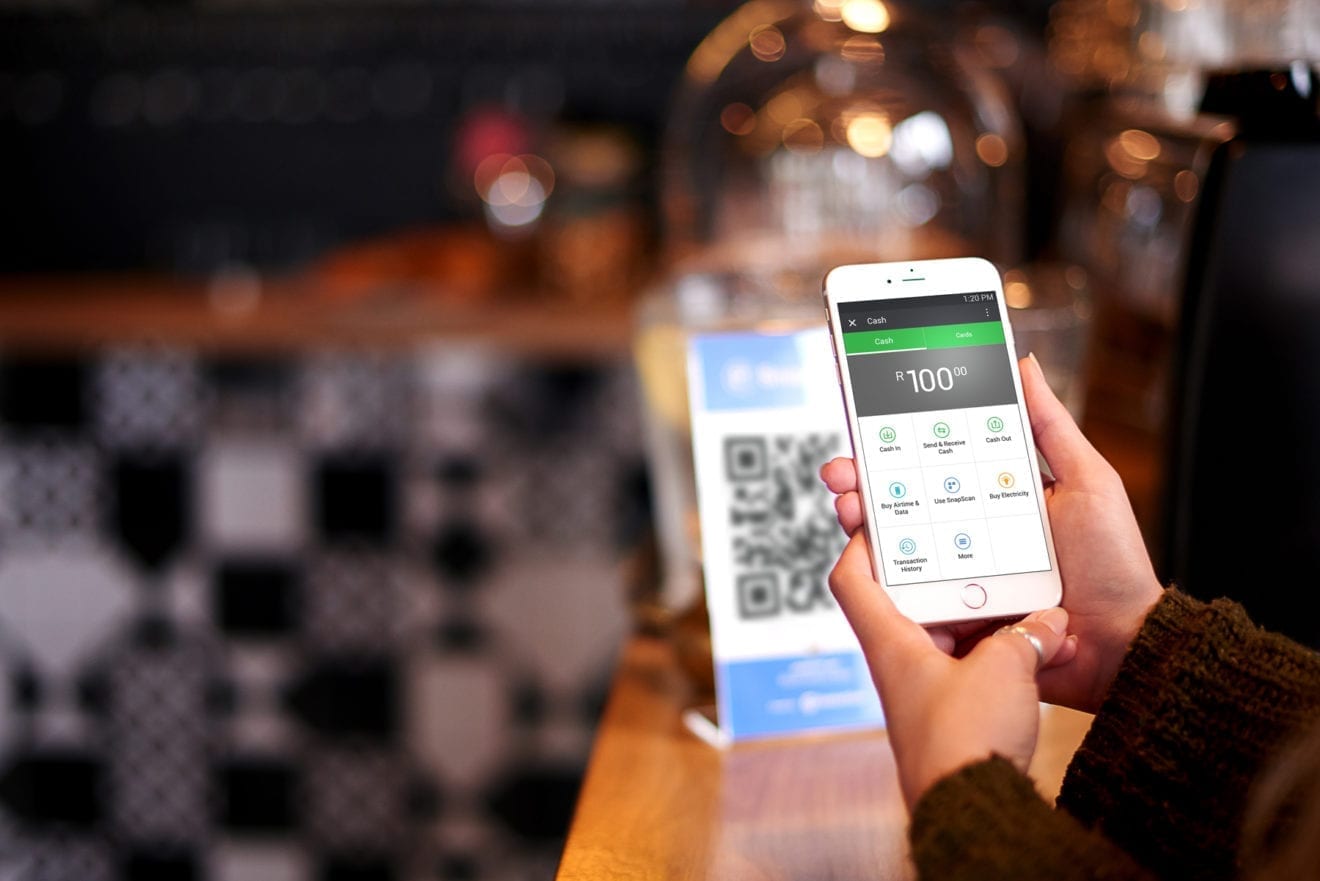
    The platform will also launch another pay-later product, which will allow consumers to shop online immediately, but pay for their purchases in installments.

    Only Grab’s most creditworthy customers can use these two products. Credit risk is based on their tenure on the Grab platform, frequency of use and spending patterns.

    Grab has been boosting its financial services in Southeast Asia in recent years. Its GrabPay service has teamed with e-commerce platforms such as Qoo10 and 11Street.

    It has recently signed with Adyen, Boku, iPay88, Dragonpay, Cathay Cineplexes, and SM Cinema in the Philippines.

  • Adyen First To Launch Real Time Mastercard Account Updater Service Globally

    Adyen First To Launch Real Time Mastercard Account Updater Service Globally

    Adyen, the payments platform of choice for many of the world’s leading companies, today announced its direct API integration with the Mastercard® Account Updater service. Qualified merchants processing with Adyen globally can now increase revenue from card-on-file payments by automatically updating Mastercard accounts in real time.

    The direct API connection helps to prevent card declines due to account changes caused by expiration dates or new replacement card numbers, among other reasons. Microsoft and Twitter are among Adyen’s merchants using the Mastercard Account Updater service.

    “The subscription economy is experiencing massive growth, with 100% increase year-over-year for the last five years. Beyond digital services, Adyen is seeing a strong uptake in physical products like cosmetics, fashion and bicycles now offered as a subscription service. Payments are a critical touchpoint for ensuring uninterrupted service for customers and sustained revenue for merchants,” said Roelant Prins, chief commercial officer at Adyen. “Adyen, together with Mastercard’s Account Updater, is focused on making the highest number of payments succeed by automatically updating card data at the point of transaction, preventing involuntary card declines due to expired or replaced cards.”

    “Today’s consumers have their card information stored at multiple online stores and in the event the card gets replaced, it is an inconvenience to remember and update the card details at all the stores,” said Johan Gerber, executive vice president of security and decision products at Mastercard. “As the first payments platform to use our Account Updater API, Adyen is giving merchants a powerful tool to provide a better, seamless consumer shopping experience by automatically updating the details.”

    Adyen’s use of the Mastercard Account Updater API can be activated instantly with no merchant integration required. Adyen also provides merchants extensive live performance data including authorization rate impact by issuing bank and decline code.

  • Adyen rolls out Alipay to stores worldwide

    Adyen rolls out Alipay to stores worldwide

    Adyen has expanded its partnership with Alipay to allow retailers worldwide to accept non-cash payments from Chinese customers in store.

    The partnership enables retailers using Adyen’s point of sale solution to take payments in store from Chinese consumers paying with their Alipay-enabled mobile device. The Alipay payment option is added as a new option to the existing payment terminal, with no need for additional devices or terminals.

    “Europe and the US are popular destinations for the Chinese tourists, so it’s vital that retailers are able to cater to their needs,” said Souheil Badran, President, Alipay North America.

    “Given the capabilities built into Adyen’s omnichannel service for retailers, as well as Alipay’s included marketing solution, we look forward to enhancing what it means to deliver an integrated retail solution for retailers.”

    Roelant Prins, Chief Commercial Officer at Adyen, added that “Chinese tourists are an important audience for retailers to consider. At Adyen, we’re committed to making payment processes as easy as possible for retailers, while delivering a great experience for customers. Our partnership with Alipay helps retailers unlock an enormous opportunity to grow and gain more revenue. For Chinese customers traveling abroad, they will encounter the payment experience they are used to while at home.”

  • Adyen supports WeChat Pay globally

    Adyen supports WeChat Pay globally

    Global payments technology provider Adyen has added WeChat Pay support to help businesses worldwide sell to customers in China and Hong Kong.

    Adyen provides the payment infrastructure for multiple major internet companies including Uber, Facebook and Neflix. With the agreement, Adyen will be the first payment service provider to support WeChat Pay on a global scale.

    Adyen CCO Roelant Prins said China is at the forefront of the digital payments revolution, with 15% of the total population expected to make a cross-border purchase in 2016.

    “We are very excited to support WeChat Pay. When combined with our existing UnionPay and Alipay integrations, it gives businesses access to the world’s biggest e-commerce market with a single partner,” he said.

    “This is the final key to unlocking full access to the Chinese shopper. This is especially appealing to travel businesses and high-end retailers.”

    According to Adyen data, despite the rapid adoption of digital payments in Hong Kong, credit cards are expected to remain the most popular payment method in the market. Visa has a significant lead over rival MasterCard.

    Because no local entity is required for cross-border transactions it is easy to accept and settle payments in Hong Kong dollars with no impact on currency conversion.

  • Grab adopts Adyen for payment platform

    Grab adopts Adyen for payment platform

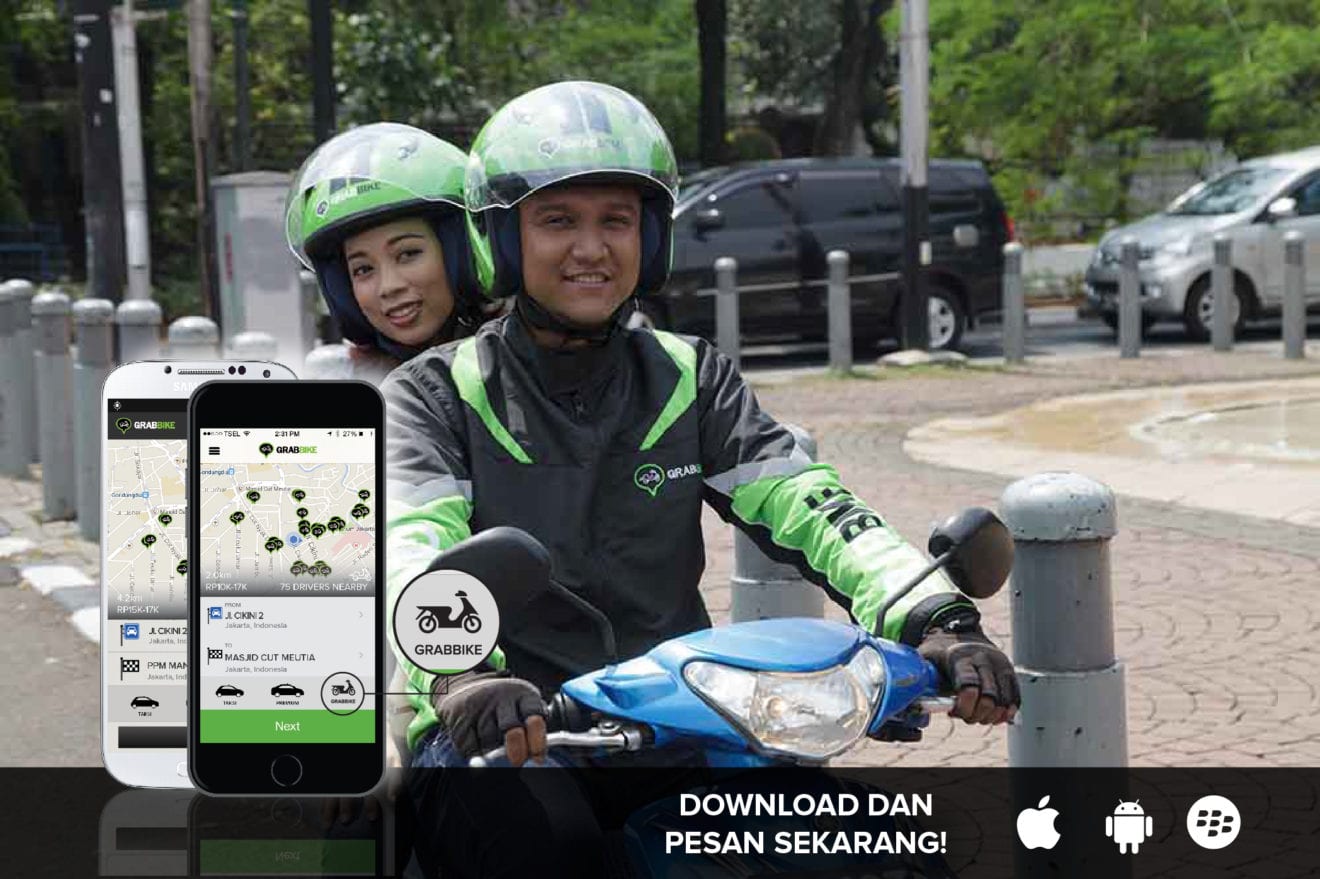
    Ride hailing platform Grab has adopted Adyen to extend the capabilities of its payment platform in Indonesia, Philippines, Thailand and Vietnam.

    The two companies aim to deliver a consistent, frictionless payment experience for customers traveling across markets regardless of device or payment method.

    Grab customers will be offered both traditional cards and, over time, country-specific payment methods, using Adyen’s expertise and data to expand payment options. Adyen supports around 250 payment methods globally.

    “As part of Grab’s drive to make ride-hailing even safer, easier and more accessible to everyone in Southeast Asia, providing trusted, seamless mobile payments is crucial for the overall customer experience. Grab wanted a partner who could support a variety of traditional and alternative payment methods to support our growth across the region,” Grab head of payments and commerce Joel Yarbrough said.

    Business travelers who work within the region can also easily tabulate their business ride spending with Grab through the Grab for Work portal, and companies can automatically pay for their employees’ rides through the use of corporate cards.

    “Southeast Asia is a diverse and highly fragmented region and there is no one preferred method of payment. However, mobile penetration in the region remains high and drives several key trends including the rise of mobile payments and platforms as a service,” Adyen president Warren Hayashi said.

    “Partnering with a fellow innovator and disruptor such as Grab, we are eager to empower commuters in Southeast Asia with the same convenience of hailing a ride seamlessly as paying for their Grab ride with equal ease.”

  • Grab Selects Adyen as Payment Solution Partner in Southeast Asia

    Grab Selects Adyen as Payment Solution Partner in Southeast Asia

    Adyen, the global payments technology company, today announced that Grab, Southeast Asia’s leading ride-hailing platform, has selected Adyen to extend the capabilities of its GrabPay platform in Indonesia, Philippines, Thailand and Vietnam. Grab will partner with Adyen to deliver a consistent, frictionless payment experience for customers traveling across markets regardless of their device or payment method.

    “As part of Grab’s drive to make ride-hailing even safer, easier and more accessible to everyone in Southeast Asia, providing trusted, seamless mobile payments is crucial for the overall customer experience. Grab wanted a partner who could support a variety of traditional and alternative payment methods to support our growth across the region. Adyen fits the bill and we are excited at now being able to offer our passengers even more payment options when they pay through GrabPay,” said Joel Yarbrough, Head of Payments & Commerce Product, Grab.

    With Adyen supporting 250 payments methods around the world, Grab customers will be offered both traditional cards and, over time, country-specific payment methods, using Adyen’s expertise and data to expand payment options.

    Business travelers who work within the region can also easily tabulate their business ride spending with Grab through the Grab for Work portal, and companies can automatically pay for their employees’ rides through the use of corporate cards.

    “Southeast Asia is a diverse and highly fragmented region and there is no one preferred method of payment. However, mobile penetration in the region remains high and drives several key trends including the rise of mobile payments and platforms as a service. Partnering with a fellow innovator and disruptor such as Grab, we are eager to empower commuters in Southeast Asia with the same convenience of hailing a ride seamlessly as paying for their Grab ride with equal ease,” said Warren Hayashi, President, APAC, Adyen.

    This partnership announcement is in conjunction with Adyen’s growth momentum in the region as it expands its presence in Singapore with a new, bigger office. Adyen began operations from its new office in August 2016.

  • Smartphones outpace tablets in Asian eCommerce

    Smartphones outpace tablets in Asian eCommerce

    For the first time, 34 per cent of browser-based online transactions globally are now made on a mobile device, compared to slightly more than 30 per cent last quarter.

    And smartphones are starting to outpace tablets.

    These were key findings of the fourth quarter edition of the Mobile Payments Index by Global payments technology company Adyen, which tracks mobile payment data from browser-based transactions across its client base and monitors Asian eCommerce shopping patterns.

    It also found that many consumers in Asia are increasingly using mobile devices to shop online. This is being driven particularly by such major payments methods as Alipay, JCB and UnionPay. JCB had the highest share (54 per cent) of mobile payments on the Adjen platform, up from 47 per cent the previous quarter. Alipay increased to 44 per cent (up from 35 per cent) while UnionPay reached 31 per cent (from 23 per cent).

    “The checkout stage of the shopper journey is not the end, but the beginning of an on-going relationship with the consumer,” says Adyen Asia Pacific president Warren Hayashi. “Merchants with a frictionless mobile checkout experience are driving repeat traffic, especially in Asia.”

    For the first time, the index shows that smartphones have overtaken tablets as the preferred device for online shopping – 17.5 per cent on smartphone against 16 per cent on tablet, compared to 14 per cent and 17 per cent respectively the previous quarter.

    When it comes to mobile payments globally, the trend to use smartphones rather than tablets continues for the 10th consecutive quarter. Last quarter this share was up 2 per cent to 68 per cent on smartphone versus 32 per cent on tablet.

    Smartphone use far outweighed tablet in Asia, with 29.5 per cent of online payments on a smartphone compared to 4.5 per cent on a tablet.

    In terms of average transaction value, iPad led the way for the first time at $107, edging out not just smartphones but also desktop/laptop, the traditional leader (at $106). Following were Android tablets at $86, iPhone at $83 then Android smartphones at $73.

    Adyen has been tracking the evolution of mobile payments since June 2013. The index is based on its global browser-based mobile payment transaction data. It does not track in-app mobile payments. With its headquarters in Amsterdam and San Francisco, Adyen serves more than 4500 businesses, customers including Airbnb, Booking.com, Crocs, Dropbox, Facebook, KLM, Mango, Netflix, Spotify and Yelp.