Tag: Aerie

  • Aerie powers American Eagle to best first-quarter sales in three years

    Aerie powers American Eagle to best first-quarter sales in three years

    American Eagle Outfitters, Inc. (AEO) reported GAAP operating income of 4 million dollars for the fourth quarter compared to 0.5 million dollars for the same quarter last year. The company’s adjusted operating income was 106 million dollars compared to 77 million dollars in last year’s fourth quarter. Fourth-quarter GAAP EPS was 2 cents compared to 3 cents last year and adjusted EPS reached 39 cents this year compared to 37 cents last year.

    Commenting on the results, Jay Schottenstein, AEO’s Executive Chairman of the board and Chief Executive Officer commented, “After an unprecedented year, we ended 2020 on a positive note, with fourth-quarter adjusted operating income up 38 percent, driven by strong margins across brands.”

    Total net revenue decreased 22 million dollars or 2 percent to 1.29 billion dollars, while comparable sales declined 1 percent. Aerie revenue increased 25 percent to 337 million dollars and comparable sales increased 29 percent, while American Eagle revenue decreased 9 percent to 943 million dollars and comparable sales declined 8 percent. AEO’s digital revenue increased 35 percent and store revenue declined 20 percent. Aerie digital revenue rose 75 percent and AE increased 20 percent.

    The company added that gross profit of 440 million rose 8 percent and gross margin of 34 percent expanded from 31 percent last year.

    AEO’s board of directors has approved reinstating its quarterly cash dividend at 0.1375 cents per share.

  • American Eagle expands Aerie lingerie brand

    American Eagle expands Aerie lingerie brand

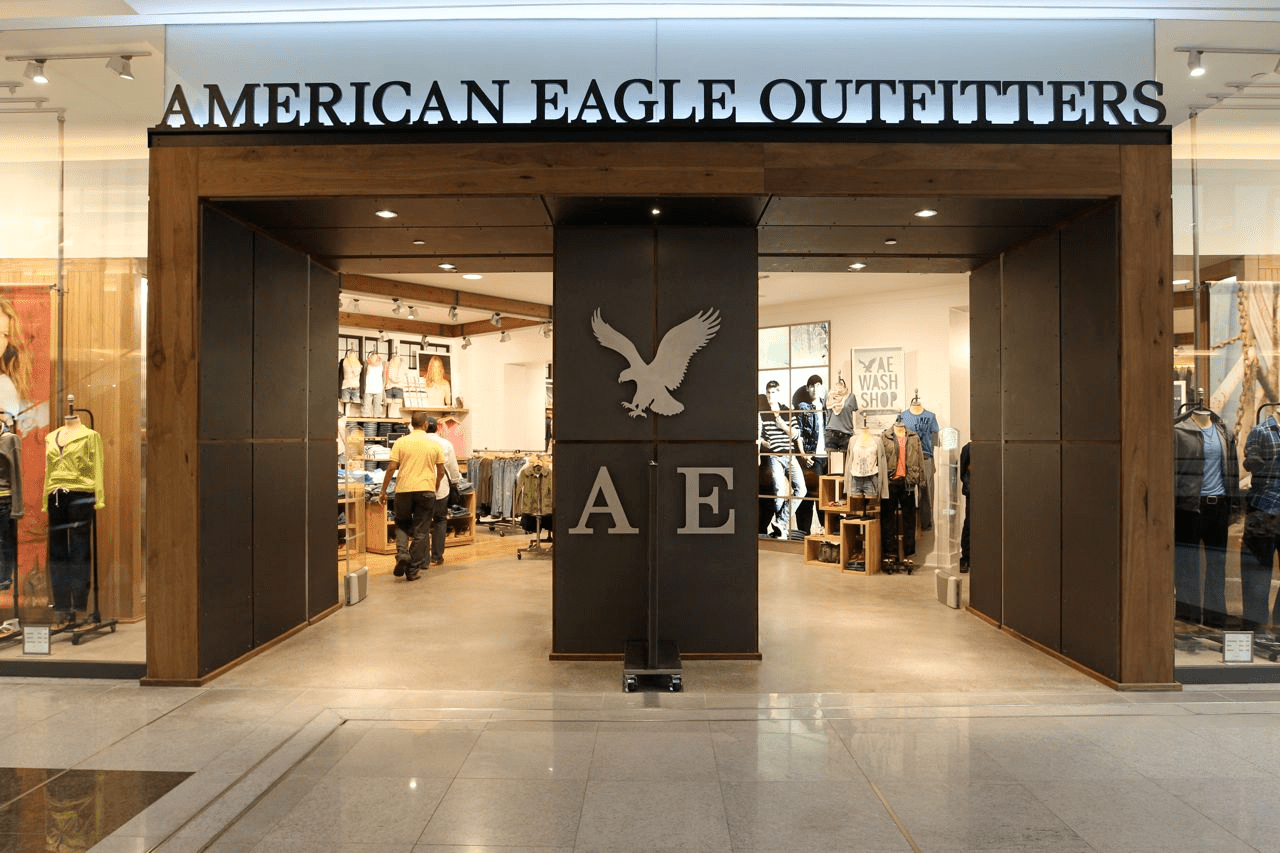
    Global apparel retailer American Eagle is boosting its Aerie lingerie brand, with plans to open 60 to 75 stores this year.

    The strategy, which coincides with rival brand Victoria’s Secret’s declining sales and series of store closures, involves both standalone locations and side-by-sides with American Eagle, predominantly in Texas and California. The company currently operates 1055 stores.

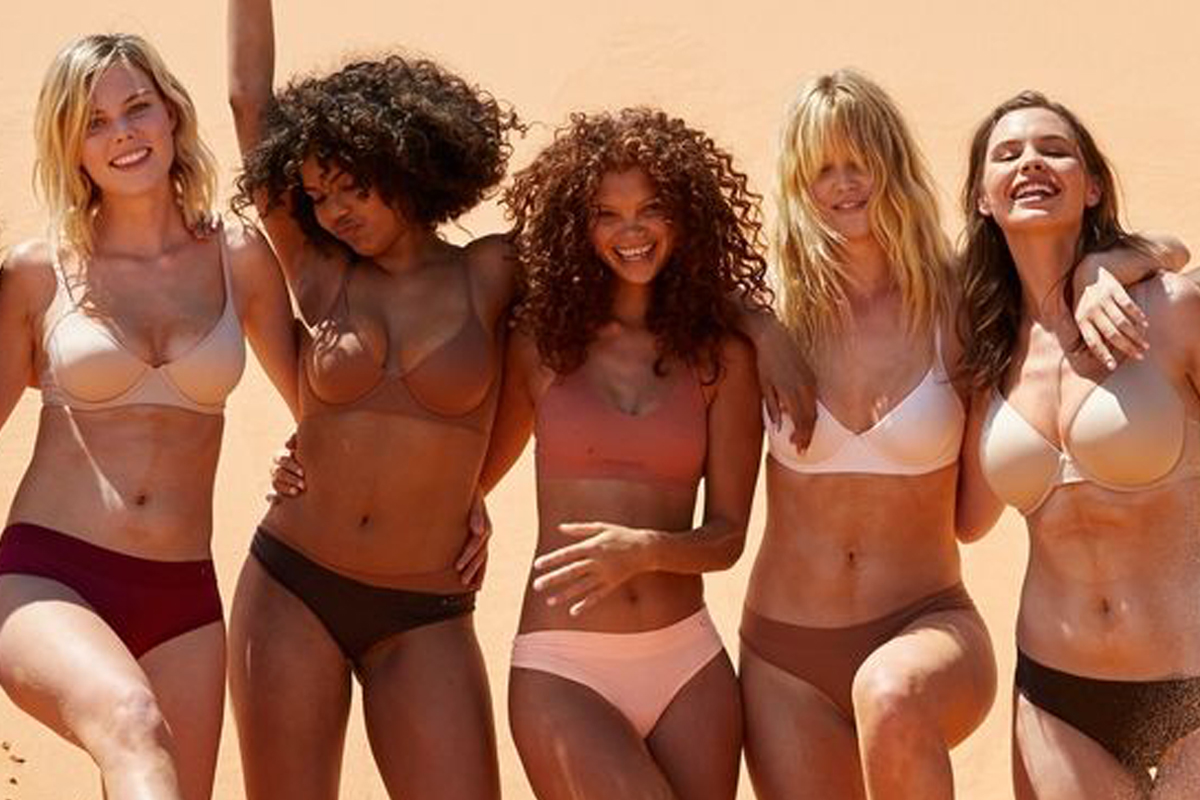
    “Aerie is a game changer by staying at the forefront of body positivity and women’s empowerment,” said Aerie’s global brand president Jennifer Foyle. “Our new cast of role models are even more inspirational. They embrace the Aerie lifestyle and were chosen for their influential voices, unique stories and commitment to increase the power and empowering our community.”

    The firm reported US$431 million in earnings for the last financial quarter, a 1 per cent rise over the previous year’s figures. Its total net sales also rose 1 per cent to $1.24 billion.

    “Strong execution by the teams drove a record fourth quarter and fiscal 2018, as we reached a milestone of $4 billion in annual revenue with increased operating profit,” said American Eagle’s CEO and chairman Jay Schottenstein.

    “Eagle and Aerie continued to deliver consistent performance by combining product innovation and great merchandise with an improved customer experience across channels. As we head into 2019, we will continue to leverage the strength of our brands, selling channels and the team’s commitment to continually raising the bar for our customers. The strength of our balance sheet and free cash flow enables us to make important investments in our business to fuel market share gains, future growth and returns to our shareholders.”

  • L Brands sells La Senza lingerie business

    L Brands sells La Senza lingerie business

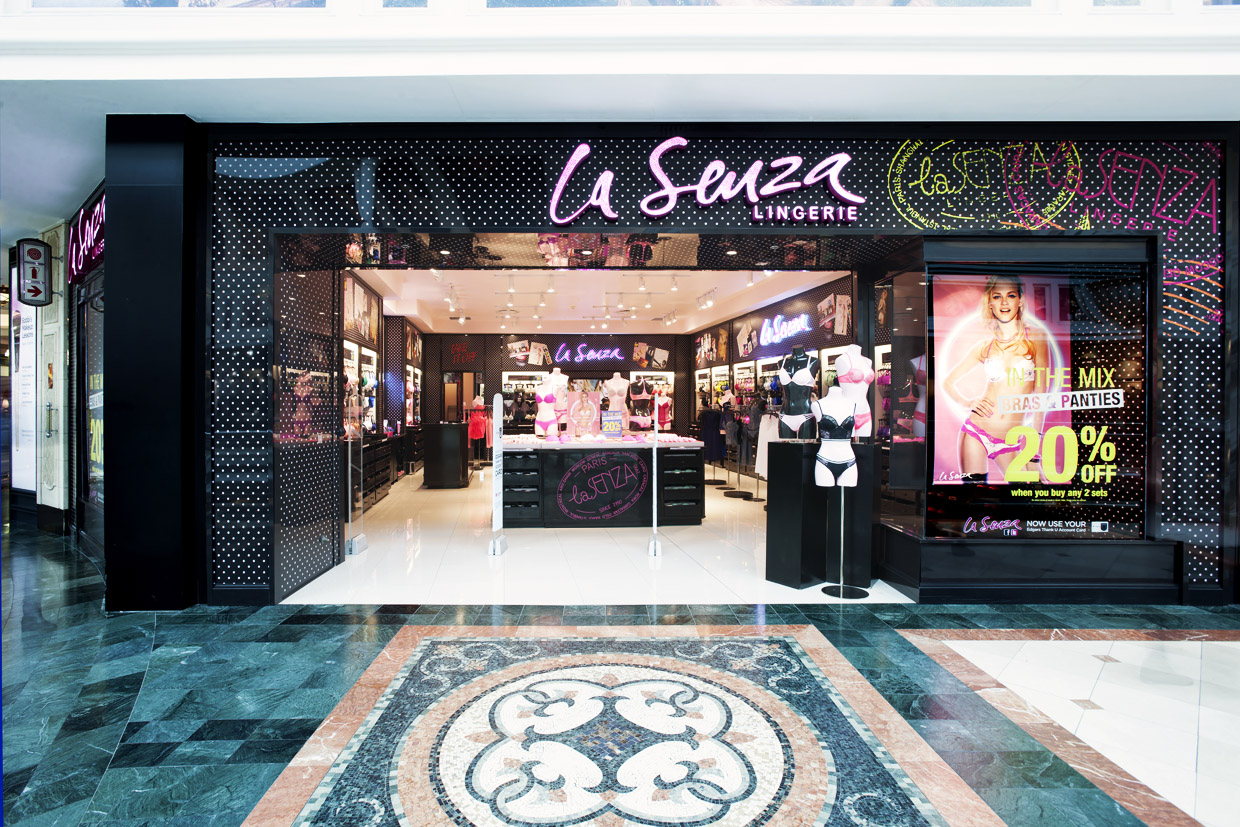
    US retailer L Brands has agreed to transfer full ownership and operations of its Canadian-headquartered La Senza lingerie brand to a Regent LP affiliate. Upon completion, the private equity investor will assume La Senza’s debts and all future considerations for the brand. The deal is part of L Brands’ efforts to focus on its core brands as its flagship label Victoria’s Secret faces challenging shifts in the market.

    L Brands this year closed down its heritage women’s apparel line Henri Bendel after 123 years of trading. The sale of both Henri Bendel and La Senza is expected to encourage investors concerned about Victoria’s Secret’s declining performance as direct-to-consumer startups and the emerging success of rival label Aerie threaten the brand’s market supremacy.

    L Brands expects this year’s sales for La Senza will hit around $250 million with operating losses of about $40 million.

    La Senza was founded in 2006 and at its peak in 2010 had some 800 stores worldwide, 320 of them in Canada. But by 2013 the business was in decline, under competitive pressures from rival brands including Victoria’s Secret. By January last year, the store network had contracted to just 329, including 122 in Canada and four in the US.

    In 2011 a separate company La Senza UK, which held the franchise to the brand in the UK and Ireland, was placed in administration and later acquired by Kuwait-based Alshaya, but despite a further change of ownership, that business was placed in administration again in 2014.

    Other stores using the brand around the world are operating under a franchise agreement.

  • Amazon is preparing its private lingerie label

    Amazon is preparing its private lingerie label

    Inside the Aerie pop-up shop in Soho, the body positive, post-Victoria’s Secret message that has become the brand’s calling card since it released its first photoshop-free campaign in early 2014 is perfectly packaged up and displayed on walls covered in bralettes or one-piece bathing suits. “No Retouching. No Makeup. No Problems,” reads one sign, next to a cushion-covered banquette.

    By the checkout counter, pins reading “Keep it Real!” and “Can’t Retouch This” fill colourful buckets. They are free to shoppers who donate to the National Eating Disorders Association.

    Aerie, just a small slice of parent company American Eagle’s overall business, is resonating with a consumer base that’s growing tired of traditional, sexy lingerie brands like Victoria’s Secret.

    Aerie grew sales revenue by 20 percent year-over-year in 2015 and 23 percent year-over-year in 2016.

    Meanwhile, Victoria’s Secret — the goliath which still dominates the lingerie market, worth at least $12 billion in the US alone — has struggled to maintain momentum.

    Sales decreased 13 percent in March, year-over-year, as the company continues to feel the impact of discontinuing its non-athletic apparel and swimwear ranges in 2016.

    The business has since been reorganised around three buckets — lingerie, the Gen Z-targeted Pink range and beauty — and pulled back on promotions.

    As Victoria’s Secret has stumbled, a series of disruptive niche lingerie brands — such as Lively, Naja, Negative Underwear and Third Love — have also entered the playing field, peddling a new kind of inclusive, female-centric identity that’s more about the wearer and less about who might be looking at her.

    They also offer a broader swath of nude shades — serving a wider range of ethnicities — and aim to undercut competitors on price with direct-to-consumer distribution.

    Mass market brands like Aerie and Madewell, which launched intimates in February, have taken notice.

    In March, Phillips Van Heusen acquired True & Co, a vertically integrated online brand that prides itself on fit, for an undisclosed amount.

    “The category has been so overlooked for so long,” says Michelle Cordeiro Grant, founder of direct-to-consumer niche brand Lively, who previously worked at Victoria’s Secret. “It still is run by old-school retailers.”

    Now, Amazon is entering the market with a private label lingerie brand. The line, called Iris & Lilly has already launched in the UK with a limited assortment of sizes and colours.

    Amazon has several advantages. The sophistication level of its data operation allows the company to birth and swiftly iterate its private labels in response to market feedback. And once a label gets traction, Amazon’s scale means it can negotiate the lowest prices from suppliers.

    The company is already offering bras costing as low as $8 while competitor Target’s offerings average about $15 and Victoria’s Secret’s average around $40.

    Amazon also has an estimated 63 million registered Prime member households, a group dominated by households earning over $112,000 a year meaning its lines have the potential to gain market share fast.

    The question becomes: will Amazon disrupt lingerie’s disruptors before they have a chance to reach significant scale? And what are they doing to defend themselves?

    “It’s something we talk about every day,” says Aerie global brand president Jennifer Foyle. “The Aerie Real platform has certainly set us apart and there are so many ways to utilise that platform.”

    For one, Aerie is doubling down on physical stores, aiming to have a total of 200 standalone locations by the end of the year as a way to further differentiate itself from online-only players — including Amazon.

    Still, 40 percent of Aerie’s sales take place online.

    “I think what’s important today is to really leverage this omni-channel customer… The nice thing about a fit intensive category, like intimates, is that a lot of women do want to go into the store and get the experience,” says Foyle.

    Fit is just one of the many challenges of both making and selling lingerie, specifically bras — the more structured of which can have anywhere from 18 to 25 components.

    “Because lingerie is such a technical product… you can’t just take a mold from a size 36D and scale it up and think that it’s going to hold,” explains explains Catalina Girald, chief executive and co-founder of Naja.

    Predicting demand across the range is another challenge. “We would love to carry a broader range of sizes, but from an inventory management perspective… the capital costs of carrying that much investors at once are prohibitive,” she says.

    The popularity of bralettes has come at a great time for lingerie retailers looking to appease price-conscious shoppers.

    For one, they often come in traditional sizes of small, medium, large, reducing complexity.

    “They are a more value-oriented product, sort of cheap and cheerful, fun fashion,” says Aerie’s Foyle.

    Cordeiro Grant says the bralette category is here to stay, but that current growth will plateau at some point. “Skinny jeans are a mainstay, not a trend,” she says. “I think bralettes are the same way.”

    Amazon has a history of tackling complicated and expensive categories, but will the particular challenges of lingerie prove tricky?

    “People do tend to want a level of service or insight or knowledge or instruction around lingerie,” says Kit Yarrow, a consumer psychologist and professor at Golden Gate University in San Francisco.

    “Women are willing to pay for solutions that are comfortable and are going to last with quality,” says senior vice president of marketing Kimberly Grabel. The retailer, which carried third-party brands and private label, is parent company Chico’s healthiest business.

    “Aerie is a brand that we’re proud of, and when you think about Amazon, they probably couldn’t have an Aerie Real campaign and stand for something,” adds Foyle
  • American Eagle Outfitters Positive Reports Driven by Aerie

    American Eagle Outfitters Positive Reports Driven by Aerie

    One year ago, American Eagle Outfitters sales were flat – and it exited the Singapore market.

    Now the US apparel brand has reported a 14 per cent year-on-year increase in sales in its second quarter to US$965 million, with same-store sales up 9 per cent. New income rose 6.2 per cent to $60.3 million.

    Alas, that wasn’t enough to satisfy shareholders, the company’s stock price falling 8 per cent after the company reduced its projections for the third quarter.

    Aerie, the company’s spinoff lingerie brand targeting young women aged 15 to 22, delivered a 27 per cent increase in sales, the parent brand a more humble 7 per cent.

    The company does not separate out e-commerce sales, but it did say in an earnings release that sales growth online was continuing at a “double-digit pace”.

    Eagle CEO Jay Schottenstein said American Eagle Outfitters sales growth was boosted by the revamp of flagship stores and those of its Aerie brand (which was launched in 2006). Higher customer conversion rates, higher average transaction sales and increased foot traffic, including at mall stores, showed the initiative was working.

    Aerie’s growth has inspired management to open between 50 and 80 stores in the US and selected overseas markets now planned over the next two years. It is also eyeing offshore opportunities for its namesake brand.

  • The Up and Down for American Eagle result

    The Up and Down for American Eagle result

    Third quarter American Eagle results may be mixed, but they point to a company that is holding its own in a challenging market.

    There are, however, some negative numbers, such as the erosion on the bottom line, that signal the company has much more work to do before it can claim to be back to full health.

    American Eagle’s gross margin fell 1.2 percentage points to 39 per cent during the quarter, largely due to higher warehousing and shipping costs on online orders and increased promotional activity. Sales rose 2 per cent to US$960.4 million, but net income fell 16 percent to $63.7 million, partly due to a $14 million one-off charge.

    American Eagle stores posted a comparable sales increase of 1 percent, reversing the declines of the last two quarters which represents a step up on preceding periods when growth was present but anemic. As positive as this is, it is not a cause for unbridled celebration. The uplift was delivered against the backdrop of a stronger period for apparel overall. This raises a question as to how much is down to underlying natural demand, and how much is attributable to the improvements American Eagle has made over the past year.

    In fairness, a mix of both delivered the number. Categories like denim are performing well for American Eagle, with new washes and styles helping to drive sales. GlobalData Retail’s customer data suggests shoppers who visit to buy jeans are now buying more in other categories too – particularly in menswear.

    An increase in cross-category shopping is comforting and partly alleviates concerns that American Eagle was becoming overly reliant on denim. As much as this is currently helping results, it makes the company’s sales growth dependent upon denim remaining in fashion – something that it is unable to control or guarantee. By using denim as a springboard to promote other parts of its offer, American Eagle is on the right track.

    Along with a skew in category performance, American Eagle is also showing a disparity in channel results. The growth in stores is poor while growth online is much stronger. Given the interplay between shops and the website, it is arguably the overall numbers that matter. However, the higher costs associated with online fulfillment contributed to a margin decline this quarter. This was further exacerbated by heavy promotional activity, which was necessary to keep pace with the rest of the market.

    Aerie proves positive

    Away from American Eagle, Aerie continues to be a reliable source of growth. Its robust comparable sales uplift of 19 per cent this quarter was market-beating and underlines that it is still taking the share of other players. Usually, after such a long run of very high sales increases,one would be concerned about a softening as lapping comparatives become tougher. But that’s not the case with Aerie.

    The brand has excellent growth potential from two sources. First, the customer base continues to grow as more shoppers discover and migrate over to the brand. Aerie’s positioning and stance remain aligned with consumer attitudes, and this is helping to enlarge its share of shoppers.

    Second, the category extensions into products like soft knit tops and leggings are helping to increase average transaction values and are giving Aerie access to a more significant share of its shoppers’ overall spending.

    Overall, American Eagle is in a reasonable position and the performance over the holiday quarter should be solid, marking a good end to a respectable year.

  • Slow growth for Victoria’s Secret parent

    Slow growth for Victoria’s Secret parent

    Victoria’s Secret parent L-Brands has kicked off its new fiscal year with a reasonable set of numbers.

    However there is a distinct softness to the total growth rate which is significantly down on the last quarter even against a fairly reasonable prior year comparative. Same store sales growth has also halved since the end of the last fiscal year.

    More worrying is net income, which fell by 39 per cent over the prior year. Although the bulk of this decline is related to the one-off gain from last year when the company sold its interest in a third-party apparel sourcing business, a decline in operating income also contributed to the fall. In essence, cost growth outstripped sales growth during the first quarter.

    The reason for the softness is mostly down to a weaker, though still positive, performance at Victoria’s Secret. Here comparable sales increased by just 2 per cent – an uncharacteristically slow pace, and one significantly down on the 5 per cent attained last quarter. Despite the net addition of a handful of new stores over the past year, total growth from shops was virtually flat, with a comparatively subdued rise of 1 per cent in same store sales. Performance at the direct part of the operation was only somewhat better with a  2 per cent uplift in sales.

    There are a few reasons for the downtick in growth at Victoria’s Secret. The first was an aggressively promotional market, against which despite its usually loyal customers Victoria’s Secret had to work hard to compete. The second was a somewhat less interesting product assortment which, while still reasonable, did not have hits like last year’s Bombshell bra. And the third was a weaker performance from non-core categories like swimwear, which the company has indicated it will cease selling by the year end. Combined, these things helped to erode growth.

    As genuine as these excuses are, there is also a question mark over whether the brand is reaching saturation point, especially within a market that has become more competitive with nimble players like American Eagle Outfitters’ Aerie. Victoria’s Secret still has headroom for growth, but there is no doubt that it is now having to work a lot harder to secure it. Key to achieving better numbers will be a very disciplined approach to categories outside of lingerie – an area where the company has struggled with both apparel and more recently swimwear. By getting rid of these failing areas, a focus on the more logically adjacent activewear category holds better potential.

    Performance at L-Brands’ other main division, Bath & Body Works, was robust with comparable sales up by 6 per cent. Bath & Body Works success is down to a consistently strong product offering, good gifting ideas which boosted performance over Easter, accessible price points, and friendly store environments with good service levels. All of these ‘ticked boxes’ helped the company to do well, in a competitive environment.