Retail News CRM

Tag: africa

  • DHL Aviation Strengthens Economic Growth in Africa with Two New Boeing 737s in Lagos

    DHL Aviation Strengthens Economic Growth in Africa with Two New Boeing 737s in Lagos

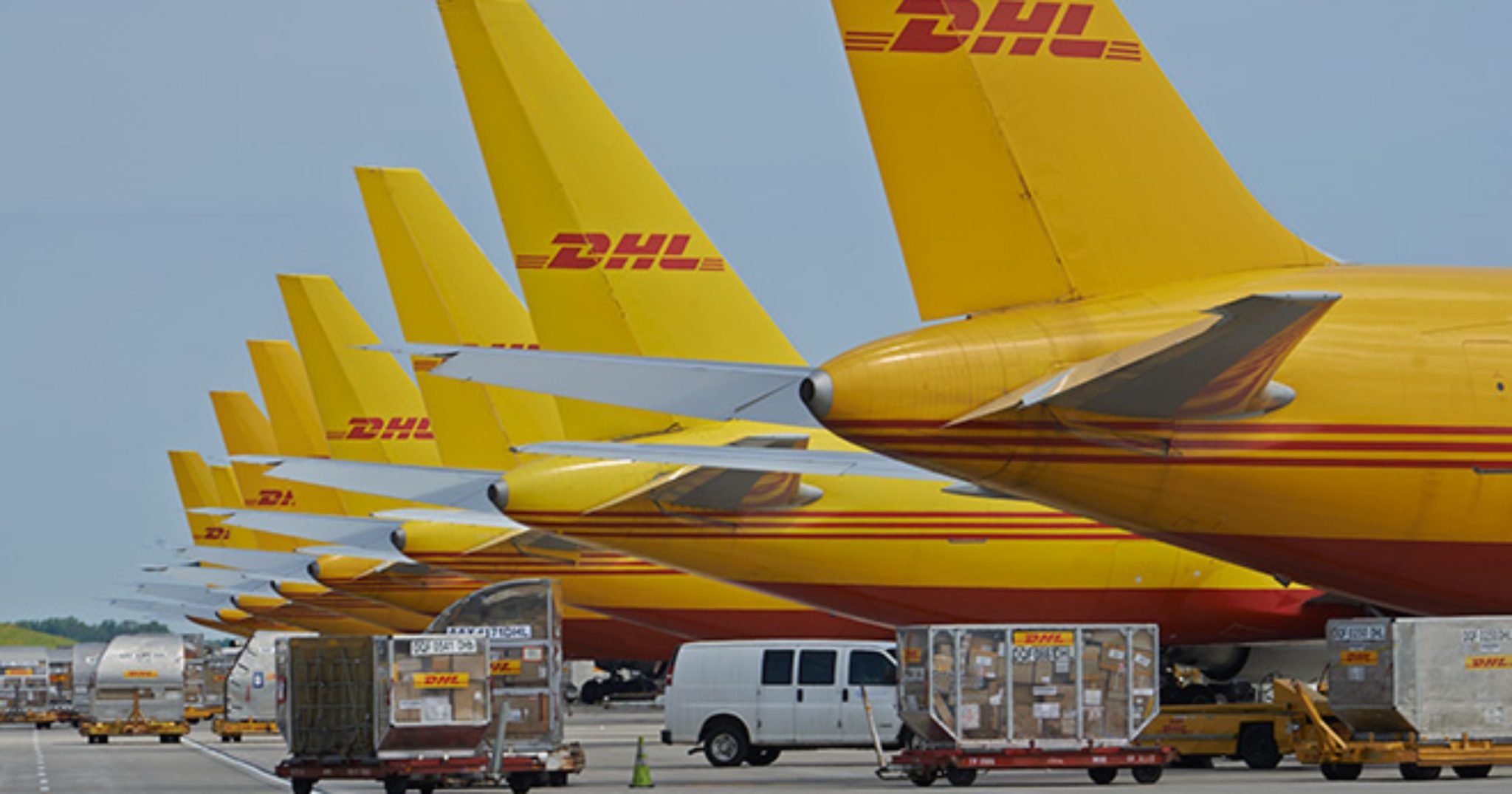
    DHL Aviation recently debuted two fully branded Boeing 737-400 aircraft at Murtala Muhammed International Airport in Lagos, marking a significant step forward in the company’s ongoing enhancement of Sub-Saharan Africa’s (SSA) logistics infrastructure. The increase in air transport capacity is set to bolster transit times, augment delivery predictability, and widen DHL’s scope to support businesses throughout West Africa and beyond.

    Air Network Expansion in Sub-Saharan Africa

    As the sole logistics provider with a dedicated air network in SSA, DHL is persistently extending its aviation uplift capacity to accommodate the increasing demands of West African businesses. The industries driving this growth comprise e-commerce, perishable goods, energy, and life sciences & healthcare.

    The African Continental Free Trade Area has ushered in a period of expanding commerce across the continent. Consequently, businesses are seeking reliable transit times and consistent delivery performance. The two exclusive aircraft will be incorporated into DHL Aviation’s African air network, fortifying connections on pivotal Africa-Europe and Africa-Asia trade lanes, said Anthony Beckley, VP Operations and Aviation at DHL Express SSA.

    Sustainable Growth and Digitalisation

    DHL’s investment in aviation capacity aligns with the company’s wider commitment to sustainable growth. DHL is proactively fostering digitalisation through AI-enhanced route optimisation and digital customs tools. Furthermore, the company is currently trialling renewable energy and alternative fuel projects across its facilities to aid its long-term environmental objectives.

    The latest investment further solidifies DHL Express’s standing as the go-to logistics partner for businesses aiming to expand their footprint in regional and global value chains, commented Riaan Vorster, Aviation Senior Director at DHL Aviation SSA.

    Questions & Answers

    What impact will DHL Aviation’s investment have on Sub-Saharan Africa’s logistics infrastructure?
    The investment, which includes two fully branded Boeing 737-400 aircraft, will improve transit times, enhance delivery predictability, and enable DHL to better support businesses across West Africa and beyond.

    Why is DHL expanding its aviation uplift in Sub-Saharan Africa?
    DHL is responding to the growing demand from West African businesses across key sectors, including e-commerce, perishables, energy, and life sciences & healthcare.

    How does DHL’s latest investment align with its broader commitments?
    By increasing its aviation capacity, DHL is demonstrating its commitment to sustainable growth. The company is also advancing digitalisation efforts through AI-enabled route optimisation and digital customs tools and piloting renewable energy and alternative fuel projects to support long-term environmental goals.

  • Toyota Group Unit Targets Africa’s Gen Z with Innovative Drugstore Partnership

    Toyota Group Unit Targets Africa’s Gen Z with Innovative Drugstore Partnership

    In a bold step toward enhancing its footprint in the African retail landscape, Toyota Tsusho, the trading arm of the Japanese automotive giant, announced its acquisition of Goodlife Pharmacy, East Africa’s largest drugstore chain.

    The move presents Toyota Tsusho with a strategic opportunity to tap directly into the growing middle-class market in Kenya. Operating 150 stores across the country, Goodlife Pharmacy is more than just a retail chain; it is an essential part of daily life for many Kenyans and a gateway for Toyota Tsusho to diversify its portfolio beyond automotive offerings.

    With the demand for pharmaceuticals and health products on the rise, especially among younger, health-conscious consumers, this acquisition could not have come at a better time. As families increasingly seek convenient access to health essentials, Goodlife Pharmacy stands poised to serve this evolving marketplace with its well-established brand.

    In a region where the middle class is rapidly expanding, Toyota Tsusho sees a treasure trove of possibilities. “This investment is about connecting with communities and providing essential products. We believe in the potential of Africa’s consumer market,” a spokesperson for Toyota Tsusho remarked, hinting that, though the company is best known for its automotive business, it has its eyes set on a much broader goal. And who knew that a trading firm would become a pharmacy aficionado?

    The acquisition underscores a broader trend where companies are diversifying their investments to stay relevant in an increasingly competitive global market. As international players scout for opportunities in Africa, Toyota Tsusho’s strategic alignment with Goodlife Pharmacy may serve as a blueprint for future expansions into diverse retail sectors across the continent.

    Questions & Answers

    What prompted Toyota Tsusho to acquire Goodlife Pharmacy?
    Toyota Tsusho is looking to deepen its connection with Africa’s growing middle class, and the acquisition of Goodlife Pharmacy allows it to tap directly into the expanding demand for health products and pharmaceuticals.

    How many stores does Goodlife Pharmacy operate in Kenya?
    Goodlife Pharmacy operates 150 stores across Kenya, making it a significant player in the country’s retail landscape.

    What is the strategic significance of this acquisition for Toyota Tsusho?
    This acquisition not only broadens Toyota Tsusho’s portfolio beyond automotive products but also positions the company to connect with essential consumer needs in a rapidly changing market, highlighting emerging trends toward health and wellness.

  • Giordano opens store in Ghana

    Giordano opens store in Ghana

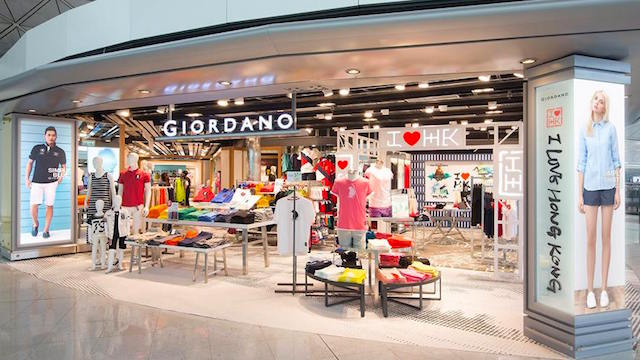
    Hong Kong-headquartered apparel brand Giordano has launched its first store in Ghana, adding to its African footprint, which already includes Kenya, Mauritius, South Africa, and Zambia.

    Partnering with local retail chain Melcom Plus, Giordano is planning to open more stores in the country this year at Achimota, Frafrah, Tema, and Weija – all inside in Melcom Department Stores.

    The first store includes wardrobe essentials and aims to “redefine simplicity” with maximised space for product displays.

    Mark Loynd, executive director and head of overseas market development in Giordano, said that the company is pleased to work with Melcom Plus, having a network of more than 50 wholesale and retail outlets.

    “We pride ourselves on being a ‘world brand’, and our overseas expansion initiative, which commenced several years ago, is now bearing fruit,” he added.

    Ramesh Sadhwani, joint group MD at Melcom, said there is a surge in demand for international fashion labels in Ghana, and they are looking forward to building a new retail landscape in West Africa by bringing in brands like Giordano.

    “With Giordano having over 2200 stores around the world, we are excited to carry the brand.” he said.

  • Michelin To Hike Tyre Prices In India, Africa And Middle East

    Michelin To Hike Tyre Prices In India, Africa And Middle East

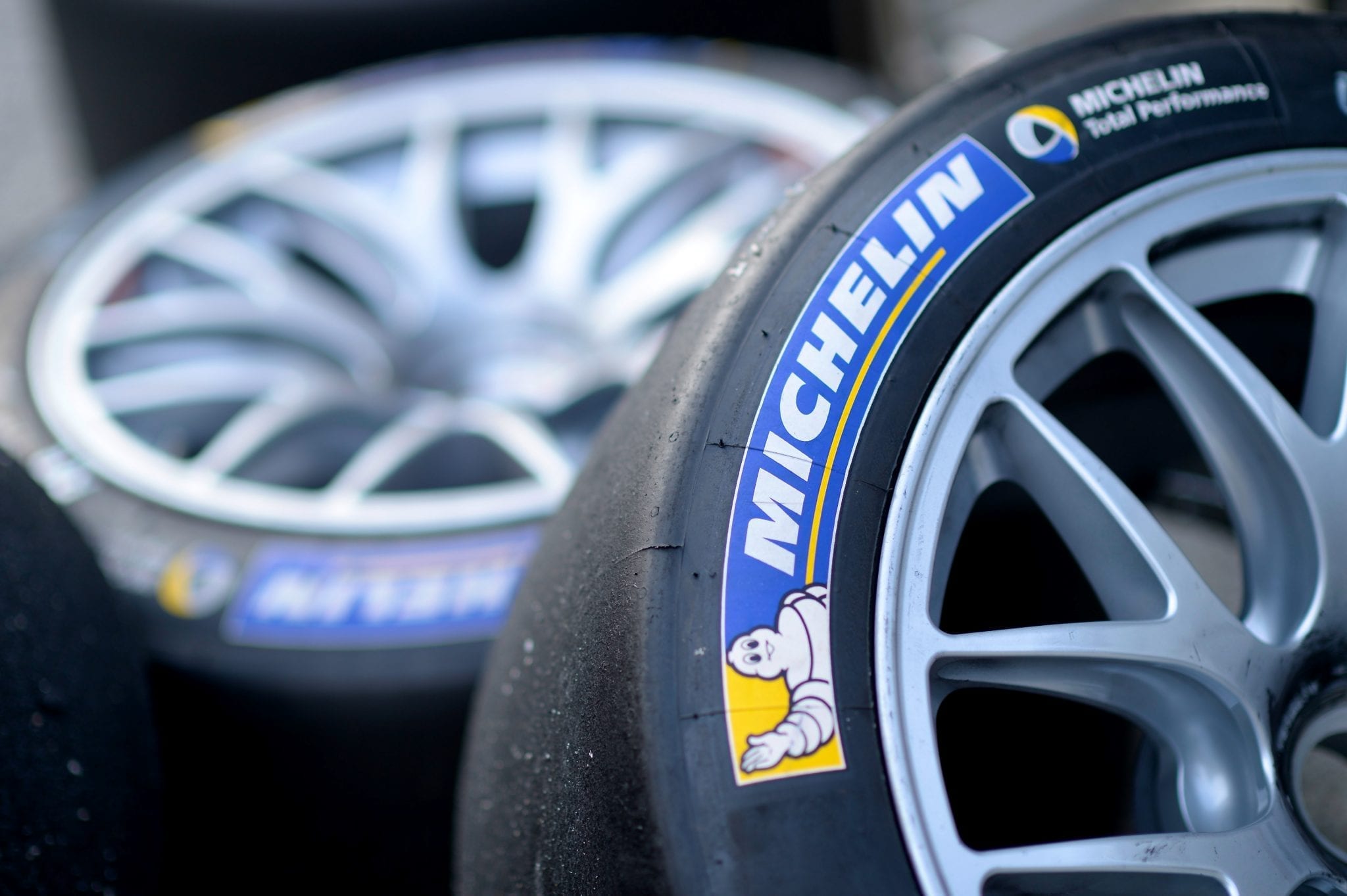
    Michelin today announced that it will be hiking tire prices in India, Africa & the Middle East region. The increase in price is effective from June 18 in India and July 1 for the Middle East region and is applicable to all Michelin Group brands. This is the second price hike this year by Michelin as the first one was made very recently in March 2021, where tire prices were hiked by 8 percent.

    In a statement by the company, it said, that it will increase its tyre prices by up to 6 per cent on passenger car, light truck and motorcycle tyres as well as up to 8 per cent on both on- and off-road commercial tyre. The hike in price has been attributed to the increase of raw material cost, global transportation cost and prevailing market dynamics

    Price changes may vary across specific products within each brand portfolio.

  • Vietnam textile industry orders hit by African competition

    Vietnam textile industry orders hit by African competition

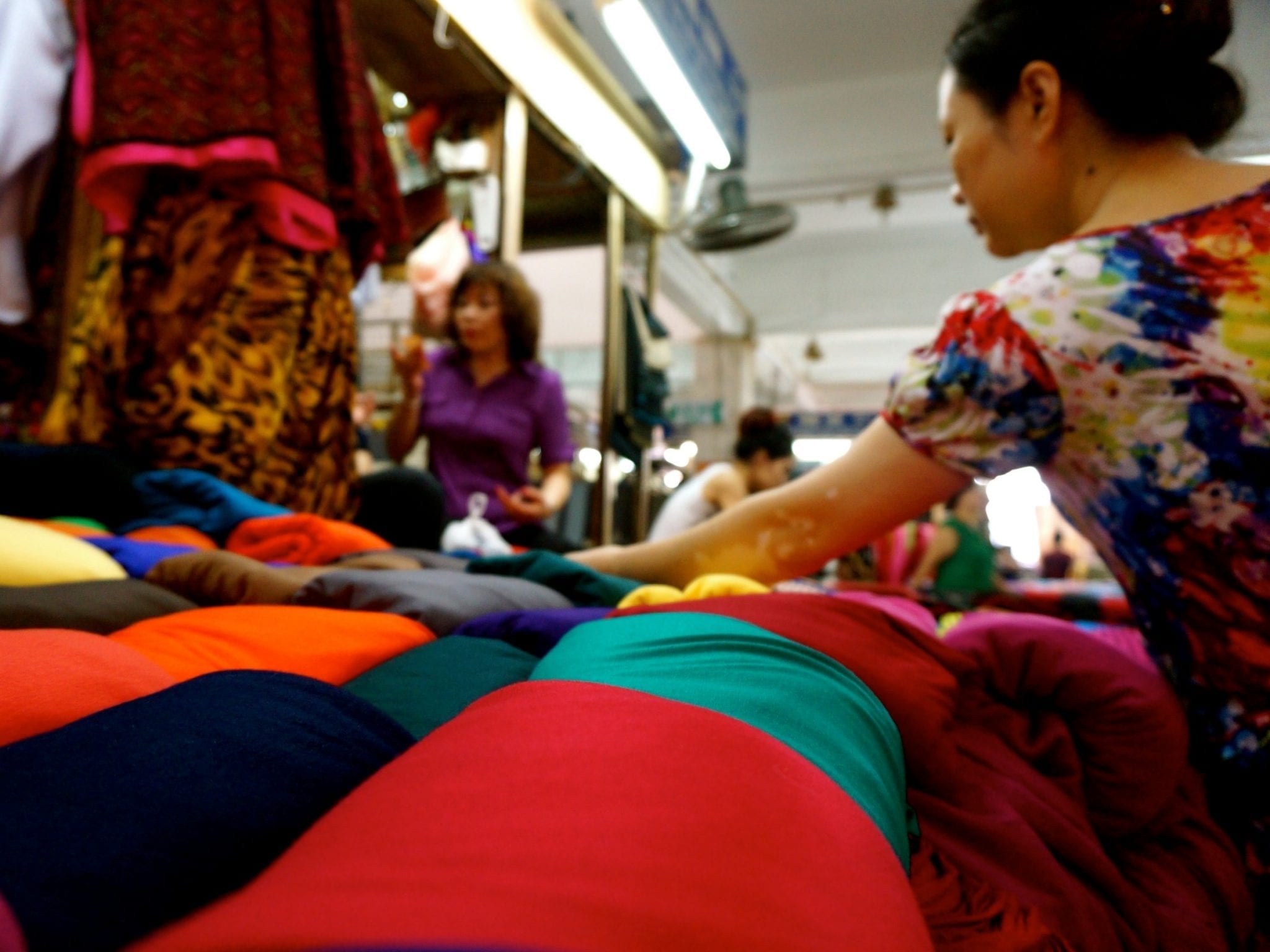
    Vietnamese textile manufacturers are seeing orders decline with buyers moving to others, cheaper developing countries.

    Normally, by the end of a year they would have enough orders for the whole of the following year, Nguyen Van Thoi, chairman of TNG Investment and Trading JSC, which makes garments, said.

    But this year many businesses have said they do not have enough orders for 2020, with some reporting a 20 percent drop in orders from last year. Besides, many have not signed long-term contracts for products, only monthly or quarterly, he said.

    A Vietnam Textile and Apparel Association (VITAS) official, who wished not to be named, said many orders have shifted to emerging countries in Africa, while competition with textiles superpowers like China, India and Bangladesh is becoming increasingly fierce.

    “Even China’s orders are being transferred to countries with preferential tariff rates such as Bangladesh and Cambodia.”

    Not only Vietnamese textile and garment producers, but also its fiber industry is facing increasing competition from foreign businesses and rivals in countries such as India, Thailand and Indonesia, he added.

    Experts had forecast at the beginning of the year that the U.S.-China Trade war and new free trade agreements (FTAs) signed by Vietnam would help it increase textile exports, but had done a U-turn by mid-year to say there would be a lack of orders, VITAS said.

    This is due to a slowdown in the global economy, affecting consumer demand, and failure by Vietnamese enterprises to adopt radical solutions to comply with FTAs’ rules of origin, VITAS explained.

    In June Vietnam signed the Vietnam-EU Trade Agreement (EVFTA), which has strict rules of origin like requiring domestic value to account for at least 42.5 percent of the ex-works price of a final textile product.

    If this condition is met, goods exported from Vietnam to the EU would be tax-free once the EVFTA comes into effect whereas the average tariff levied by the bloc now is 9.6 percent.

    Some 70 percent of the fabric used to produce garments in Vietnam is imported from mainland China or Taiwan, VITAS chairman Vu Duc Giang said.

    Other difficulties being faced by Vietnam’s textile industry include rising costs of raw materials from China and lower prices demanded by foreign buyers.

    Vietnam is losing its low labor cost edge over other countries even as its use of technology in production remains limited, leading to reduced competitiveness, VITAS said.

    Garment exports in the first 11 months of this year were up nearly 8 percent year-on-year to $30 billion, according to figures from the Ministry of Industry and Trade.

  • DHL renews partnership with Africa’s largest e-commerce event

    DHL renews partnership with Africa’s largest e-commerce event

    DHL Express in Sub-Saharan Africa (SSA) has announced that the company has once again signed on as lead sponsor for the 2019 DHL eCommerce Africa Conference and Exhibition, which will be held at the Cape Town International Convention Center on the 19thand 20thof March 2019.

    The eCommerce Africa Conference and Exhibition, delivered by DHL, is hosted by South African conferencing company, Kinetic, and is one of Africa’s biggest opportunities to bring stakeholders in the ecommerce sector together. Later in the year, Kinetic will also bring the conference to Kenya, with the eCommerce East Africa Edition, also delivered by DHL, set to take place in Nairobi on the 12thand 13th of June 2019.

    This year’s event offers participants an opportunity to learn from world-class thought leaders, both from Africa and the rest of the globe, on the innovative strategies that will unlock e-commerce opportunities over the years to come. Delegates from some of the continent’s biggest tech, retail, banking and legal firms will be in attendance to share their experience and engage with attendees to exchange knowledge.

    According to the McKinsey Global Institute’s report, Lions Go Digital, e-commerce and fintech represent two of Africa’s biggest growth opportunities, with the growth of the mobile technology market driving both of these sectors. “More than half of urban African consumers already have Internet-capable devices and this number is increasing. Online shopping in Africa could account for up to $75 billion in retail sales by 2025.”

    Steve Burd, Vice President Sales for DHL Express Sub-Saharan Africa, explains that the ongoing partnership between DHL and eCommerce Africa is a good fit. “As the market leaders in express logistics in Africa, we have extensive first-hand experience of the positive impact that ecommerce has on the continent. The massive growth in cross-border and international ecommerce in Africa sees DHL working with thousands more customers across the continent each year, helping them to expand their brand across borders.”

    He adds that the development of ecommerce in Africa continues to unlock major opportunities for growth. “E-commerce allows entrepreneurs and SMEs to connect with a large customer base and scale up rapidly, which accelerates the need for support services. E-commerce growth therefore has a ripple-effect on many other industries on the continent.”

    “DHL’s partnership with eCommerce Africa provides us with an additional platform to connect with organisations and help them to understand key logistics considerations, and learn how to plan for and overcome any logistical challenges,” adds Burd.

    Terry Southam, Kinetic Managing Director, says that the collection of thought leaders and the topics under discussion this year are aimed at creating an immediate impact for African ecommerce companies.

    “From marketing to fulfilment, the world’s best will be on stage sharing best practice and innovative hacks to drive online growth. It is quite remarkable to have all of these industry leaders on the same stage – not only willing to share but actively working to grow the industry and ensure African customers receive a world-class online shopping experience. This year’s theme for the conference is ‘Conquering Scale’ and we couldn’t be happier to have a market leader like DHL on board, to help us deliver 2 key e-commerce events on the continent this year,” he concludes.

  • The Africa Netpreneur Prize Initiative by jack Ma Foundation calls for applications in March

    The Africa Netpreneur Prize Initiative by jack Ma Foundation calls for applications in March

    The Africa Netpreneur Prize Initiative (ANPI) will officially call for applications starting from the 27th of March 2019. The ANPI is a US$10 million Prize competition for African entrepreneurs, founded by the Jack Ma Foundation. Each year for the next ten years, the Prize will host a pitch competition in Africa where ten finalists from across the continent will compete for US$1 million in total prize money.

    The Prize, which is supported by its continental partner Nailab, is focused on empowering a new generation of entrepreneurs, with a focus on small businesses, grassroots communities and women-founded enterprises.

    “The Netpreneur Prize Initiative has brought together a strong ecosystem of players to support both technology-driven and traditional businesses. We look forward to unveiling the full slate of regional partners and to receiving applications from promising African entrepreneurs in the coming weeks,” said Sam Gichuru, Founder and CEO, Nailab.

    All ten finalists will receive grant funding from the Jack Ma Foundation, as well as access to the Netpreneur community of African business leaders to leverage the community’s shared expertise, best practices, and resources.

    “By 2030, we hope to identify and shine a spotlight on 100 African entrepreneur heroes who will inspire the continent. From day one, our approach has been community-based and focused on inclusiveness; to be truly for Africans and by Africans. To realize these goals, we are excited to work with Nailab as our implementing partner in Africa and multiple African partners across to continent.”

  • Burger King eyes expansion in Africa

    Burger King eyes expansion in Africa

    Burger King, the world’s second-biggest burger chain, is set to launch a string of restaurants in sub-Saharan Africa, including Nigeria, according to a senior executive.

    Daniel Schwartz, chief executive of Burger King’s parent company, Restaurant Brands International, told that the region was seen as a “huge opportunity”.

    Africa has mouth-watering demographics for any fast-food chain, with the United Nations forecasting that it will have ten of the world’s fastest-growing cities between now and 2035.

    And the continent’s population is young, with a median age of just 19. The population is expected to top two billion by 2050, doubling again by the end of the century.

    Burger King is currently undergoing rapid expansion internationally, adding two or three restaurants each day to its global network. But with 17,000 outlets worldwide, it remains far behind rival McDonald’s which claims more than 37,000.

    Asia and Europe are the main focus for Burger King, but, said Schwartz, the brand is “significantly under-penetrated” in Africa.

    “We are so under-penetrated around the world relative to our peers – and ourselves in the US,” he added. “We’re just scratching the surface.”

    José Cil, president of Burger King, told the FT that fast-food restaurants “aren’t really well penetrated yet” in sub-Saharan Africa. “We think Nigeria is an amazing opportunity, we think East Africa as well.”

    Besides Nigeria, Africa’s largest economy, Burger King is reported to be eyeing Kenya and Ivory Coast among other countries in the region.

    But, said Cil, Burger King had “a lot of work to do” in Nigeria “in terms of infrastructure and supply chain”.

    “We want to do it right — and we want to do it in a big way,” he said. “We want to scale quickly. So, we’re excited about the potential.”

    News of Burger King’s latest expansion comes as Nigeria inches its way out of a recession caused by the dramatic fall in oil prices. With a population of 194 million, the country is the continent’s most populous.

  • Rising costs in China make entrepreneurs look to Vietnam

    Rising costs in China make entrepreneurs look to Vietnam

    ‘People are starting to wonder if doing business in China is worth it.’ African nations have been turning to Vietnam as the business environment in China becomes increasingly more difficult. African businesses started flooding to Guangzhou City after China joined the World Trade Organization in 2001.

    Migration from Africa has risen as China “has stepped up its diplomatic links and investments with the continent,” the newspaper explained.

    In 2009, local media put the African population in Guangzhou at 100,000, including those who had overstayed their visas, it said.

    Guangzhou draws merchants who come to buy goods such as jewelry and electronics in bulk, which they ship back to their homelands.

    A part of the city has even been given the name “Little Africa.”

    But things have changed.

    The city’s African population had dropped to 10,344 in February last year, citing the municipal bureau of public security as saying, though Liang Yucheng, a professor of social sciences and humanities at Sun Yat-sen University, told the newspaper that there were still nearly 20,000 African traders in Guangzhou.

    Felly Mwamba, a leader of the Congolese community in Guangzhou, said one of the main reasons for this was rising costs, listing visa fees air tickets and other living expenses.

    “Most African trade with China is basic goods, like clothes, shoes, electrical appliances and low-end smartphones. Prices, logistics and living costs are all soaring in China,” a Kenyan trader identified as Don said.

    “Every day among the African community in Guangzhou, more and more have people started talking about going home or exploring new markets like India, Vietnam and Cambodia,” he said.

    The other reason for the falling African population in Guangzhou, as pointed out by Xinhua news agency in January, is that “police have tightened enforcement on illegal immigration.”

    Long-time African residents told that they have seen their compatriots lapse into “illegal” status after struggling with visa renewal requirements.

    Nigerians must submit criminal record checks for all work and student visas, and no African countries are eligible for 72-hour or 144-hour transit visa exemptions, unlike visitors from many other nations.

    “My friend had to go home to give fingerprints for a criminal record check. A return flight costs $2,000. By the time he got all his documents in order, his visa had expired,” said Akubakarr Sajor Barrie, director of an import-export company.

    “For a small business owner, this is really hard. People are starting to wonder if doing business in China is worth it and they’re going to countries like Turkey and Vietnam instead,” he was quoted as saying.

    Official data from the labor ministry showed the number of foreign workers in Vietnam grew by more than 12,600 in 2004 to 83,500 in 2015, and 93 percent of them are legal.

    Those foreigners come from 110 different markets, and most of them are from China, South Korea, and Taiwan.

    Vietnam was named among the top 10 destinations for expats in a ranking released in March to aim at guiding the world’s rising number of modern nomads.

    The country was placed ninth on the InterNations’ 2018 Expat Insider survey, climbing three spots from last year.

    More than four in five expats, or 81 percent, described the Vietnamese people as welcoming, and 73 percent said it was easy to settle down in the country, the survey found.

    Of the expats questioned, 56 percent said they had found it easy to make friends with locals, and 16 percent said they planned to stay forever.

  • PCCW Global connects to Djibouti Data Center

    PCCW Global connects to Djibouti Data Center

    PCCW Global, the international operating division of Richard Li-owned HKT, has selected Djibouti Data Center (DDC) to facilitate network expansion and the provision of colocation and undersea fiber cable access services in East Africa.

    The Djibouti Data Center has been built to Tier III data center standards and serves as a major meeting point for undersea fiber cable systems including the new Asia-Africa-Europe-1 (AAE-1) submarine cable designed to connect Asia, the Middle East, Africa and Europe.

    The AAE-1 system, of which PCCW Global is a founder consortium member, will employ 100Gbps technology, with a capacity of more than 40 terabits to provide customers with low-latency and direct connectivity around the world.

    The 25,000km-long submarine cable is expected to be ready for service by early 2017, connecting Djibouti with Hong Kong, Vietnam, Cambodia, Malaysia, Singapore, Thailand, Myanmar, India, Pakistan, Oman, UAE, Qatar, Yemen, Saudi Arabia, Egypt, Greece, Italy and France.

    “The addition of AAE-1 to PCCW Global’s existing undersea fiber cable assets in the region will enable us to provide even more robust services, along with lower latency and increased diversity, boosting services levels for our customers,” said Jordick Wong, senior vice president of product and vendor management at PCCW Global.

    Wong said the partnership with DDC is an important element of its wider pan-African development and expansion plans.

    It enables PCCW Global to establish cross-connect and colocation facilities directly adjacent to Djibouti Telecom’s cable landing stations. In addition to supporting AAE-1 in the near future, the DDC provides access to fiber-cable systems such as EIG, EASSy, Aden-Djibouti, and Ethiopia-Djibouti, Wong added.

  • India may import pulses from Myanmar, African nations

    India may import pulses from Myanmar, African nations

    Faced with the highest-ever surge in food prices in the past two years, the NDA government did some brainstorming on Wednesday to devise steps to check prices, especially of pulses.

    At a review meeting convened by Finance Minister Arun Jaitley here, it was decided to boost supply by increasing buffer stocks and imports.

    The Centre may look to Myanmar and Africa to import lentils and pulses, it is learnt. India has already submitted a draft agreement for import of tur from Myanmar via the government route.

    Many African nations have also evinced interest in supplying lentils to India.

    “The Finance Minister said imports via public and private agencies should be strengthened to meet the deficit,” Food Minister Ram Vilas Paswan told newspersons after the meeting. He added that the demand-supply gap of about 7.6 million tonnes of pulses was being met by imports and local procurement to create a buffer stock of 1.5 lakh tonnes this year.

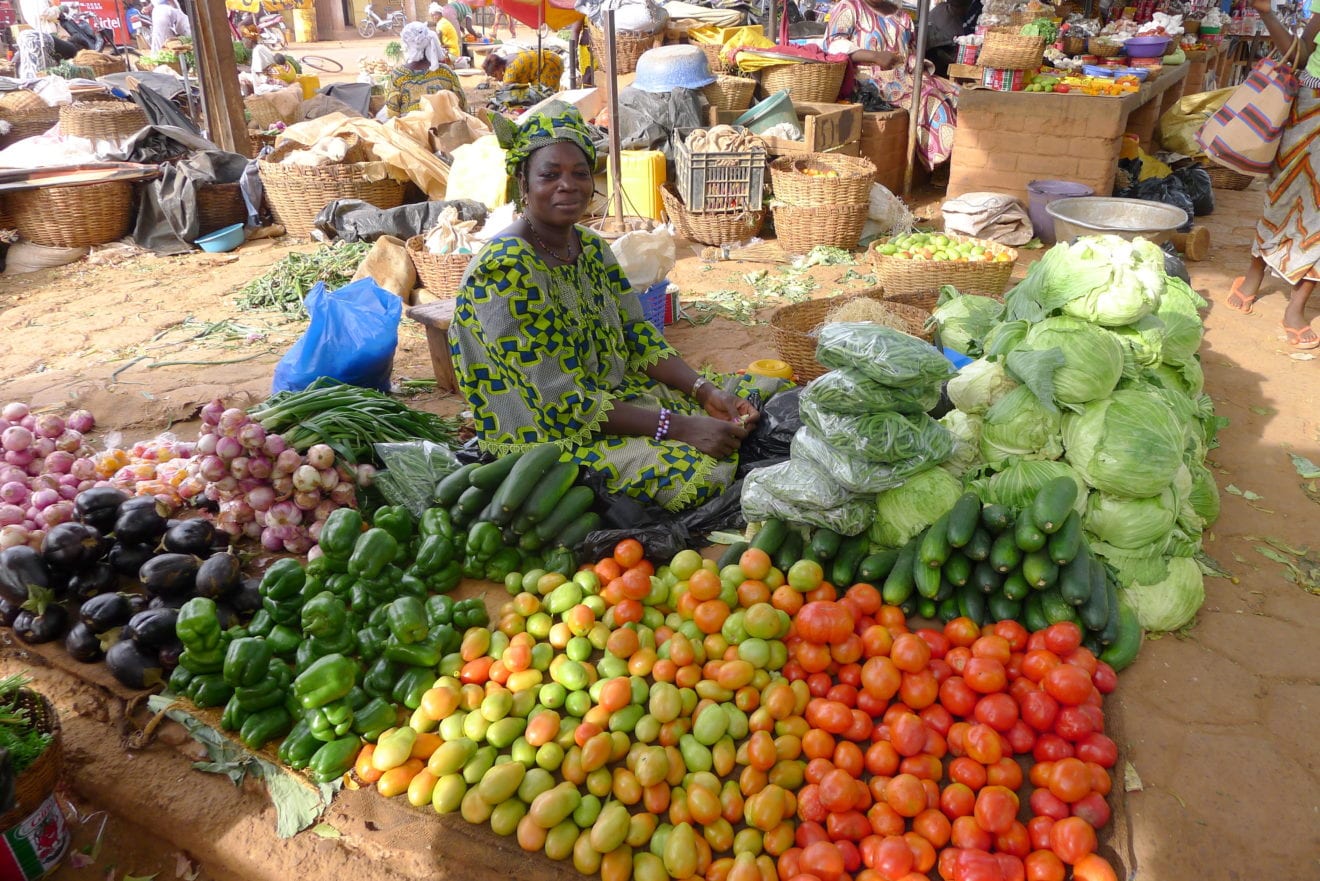
    It is not only the runaway increase in prices of pulses, which have soared to as much as ₹170/kg, that has hurt the aam aadmi; even vegetable prices have shot up in recent weeks.

    Tomato prices in most retail markets have doubled to ₹80-100/kg in the last fortnight due to sluggish supply owing to crop damage. Potato prices have also been on the rise.

    Besides Paswan, the high-level meeting was attended by Agriculture Minister Radha Mohan Singh, Transport Minister Nitin Gadkari, Commerce Minister Nirmala Sitharaman and Urban Development Minister Venkaiah Naidu.

    Discussions involved releasing more pulses from the buffer stock whenever there is a demand from the States. However, Paswan passed some of the blame for high prices to the States.

    “If prices rise despite this move, the Centre is not responsible. In a federal structure, States have equal responsibility in controlling prices,” he said, adding that the Centre had created a buffer stock, but “not many States had shown interest.”

    Against this year’s procurement target of 1.5 lakh tonnes of pulses for buffer stocks, 1.15 lakh tonnes has been purchased, he added.


  • African exports to China descend by 40 percent

    African exports to China descend by 40 percent

    African exports to China fell by 40 percent in 2015, China’s customs office reports. China is Africa’s greatest single trading partner and its interest for African products has fuelled the continent’s recent financial development. The decrease in exports mirrors the recent slowdown in China’s economy. This has, thus, put African economies under weight and to some extent represents the falling estimation of numerous African currencies.

    Exhibiting China’s previous year trading figures, customs representative Huang Songping advised that African exports to China aggregated $67bn (£46.3bn), which was 38% down on the figure for 2014. BBC Africa Business Report editor Matthew Davies says that as China’s economy sets out toward what numerous experts say will be a hard finding, its requirement for African oil, metals and minerals has fallen quickly, taking commodity prices lower.

    There is likewise less funds coming from China to Africa, with direct investment from China into the mainland falling by 40% in the initial six months of 2015, he says. In the mean time, Africa’s interest for Chinese products is rising. In 2015 China sent $102bn worth of products to the mainland, an expansion of 3.6%. A year ago, South Africa facilitated a China-Africa summit amid which President Xi Jinping declared $60bn of aid and loans, symbolizing the nation’s growing part on the Continent.