Tag: after

  • End of an Era: Beloved Singapore Korean Eatery Bigmama Bids Farewell After 16 Flavorful Years

    End of an Era: Beloved Singapore Korean Eatery Bigmama Bids Farewell After 16 Flavorful Years

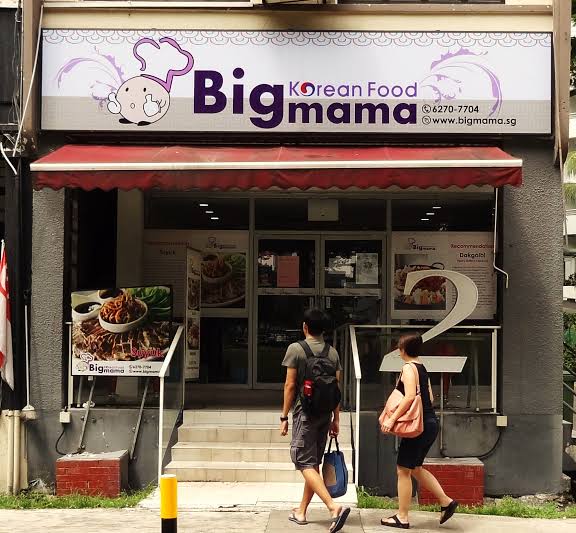
    Bigmama, a beloved Korean eatery in Singapore, has officially closed its doors after a successful run of more than a decade. The owner made the sad announcement in a series of heartfelt social media posts and comments on Monday, revealing that the restaurant had served its final meal the previous day.

    End of an Era

    The proprietor of the popular restaurant, situated on Kim Tian Road, wrote, “After 16 glorious years, it’s time to conclude the beautiful journey of Bigmama.” She also mentioned that she was preparing for her return to South Korea.

    The restaurant was initiated in January 2012 by a former caretaker and tutor who had spent numerous years whipping up meals for her Korean students who were studying in Singapore. Bigmama quickly garnered a reputation for its delicious and authentic Korean dishes, with patrons particularly praising its suyuk (steamed pork belly) and dakgalbi (pan-fried chicken).

    A Heartfelt Farewell

    The posts expressed heartfelt gratitude towards the customers who had supported Bigmama throughout its journey. “Words cannot depict how grateful I am for your consistent love and the cherished memories we’ve created,” the post read. “Thank you for filling a significant chapter of my life with your warm smiles.”

    Questions & Answers

    How long had Bigmama been in business?

    Bigmama had been in business for over a decade, specifically 16 years.

    Who was the founder of Bigmama?

    Bigmama was started by a former caretaker and tutor who used to cook for her Korean students studying in Singapore.

    What were the signature dishes of Bigmama?

    Bigmama was particularly known for its suyuk (steamed pork belly) and dakgalbi (pan-fried chicken).

  • End of an Era: Singapores Iconic Carnivore Brazilian Buffet to Close Doors After Two Decades

    End of an Era: Singapores Iconic Carnivore Brazilian Buffet to Close Doors After Two Decades

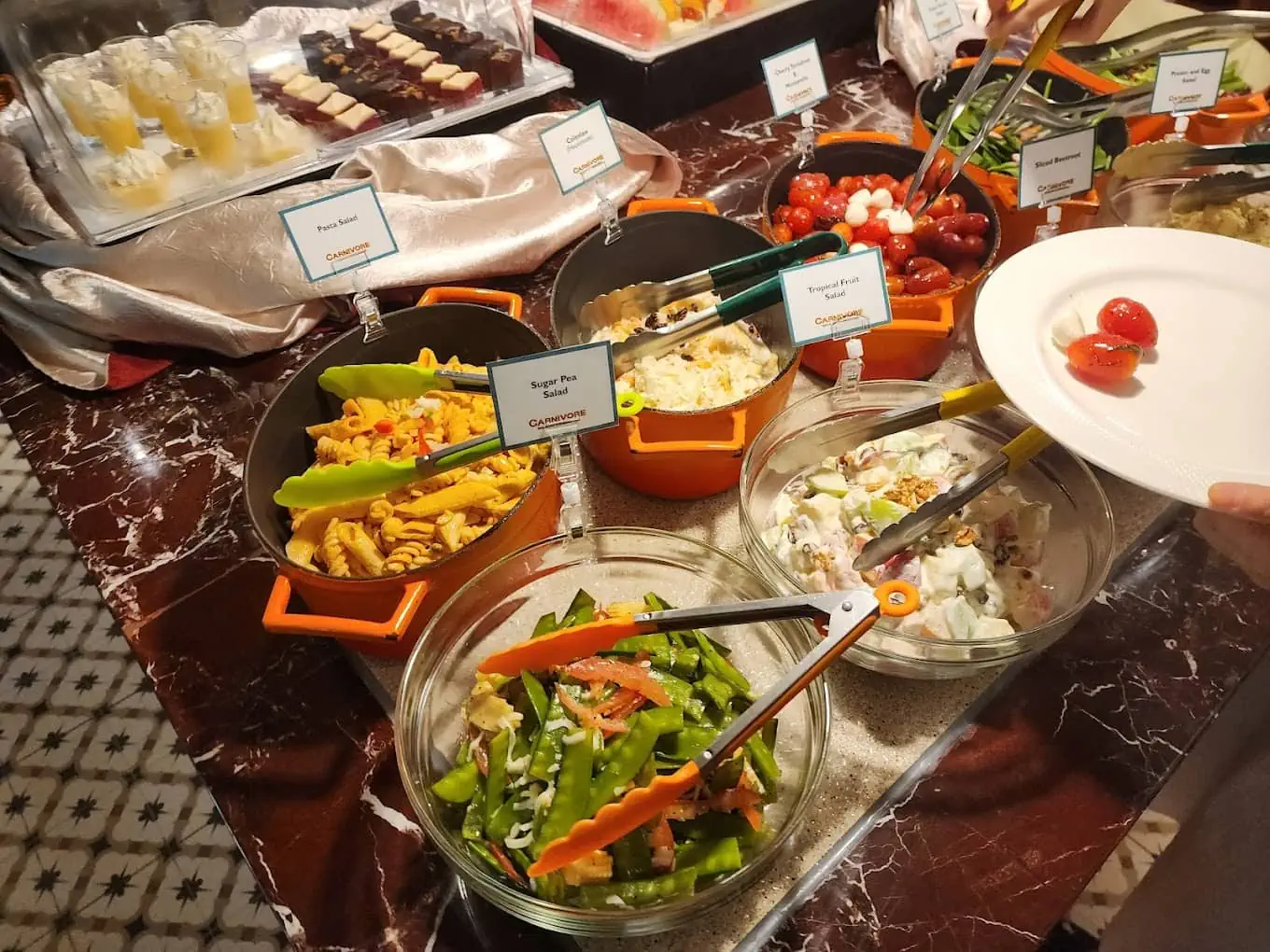
    After two decades of operation, the well-known Singapore buffet restaurant, Carnivore Brazilian Churrascaria, has announced its impending closure at the end of September. The establishment, situated at Riverside View in Robertson Quay, shared the news via social media on Tuesday, expressing gratitude to its patrons for their unwavering support.

    A Farewell to a Beloved Dining Spot

    “We now approach the moment to carve our final slice,” the restaurant shared in its statement. “Over the past 20 years, we’re grateful for the warm acceptance of our passadores and for the opportunity to be a part of your lives.”

    Since its inception in 2005, Carnivore Brazilian Churrascaria has won the hearts of many, gaining popularity for its unique serving style. The restaurant was celebrated for its rotisserie-grilled meats, flawlessly carved at the table by trained servers, known as passadores.

    A Journey Across Iconic Singaporean Locations

    Throughout its tenure, the restaurant has graced six different locations in Singapore. After the closure of its flagship outlet at Chijmes in October 2023, the restaurant relocated to its current locale in Robertson Quay.

    The restaurant’s journey has led it to operate in some of the city’s most renowned locales. From its origins at VivoCity, incredible vistas of Marina Bay Sands, the verdant allure of Dempsey, to lively weekends at The Grandstand, and its unforgettable chapter at Chijmes, the restaurant’s presence has been felt across the city. “Being part of your celebrations has been an absolute honor,” the restaurant added in its farewell message.

    Questions & Answers

    When will Carnivore Brazilian Churrascaria close?
    The restaurant will close at the end of September.

    What is the restaurant known for?
    Carnivore Brazilian Churrascaria is known for its rotisserie-grilled meats served by roaming passadores, trained servers who carve the meats at the table.

    How long has the restaurant been in operation?
    The restaurant has been in operation for 20 years.

  • Starbucks Strikes Success: Turnaround Strategy Brews Positive Sales Growth After Two Years

    Starbucks Strikes Success: Turnaround Strategy Brews Positive Sales Growth After Two Years

    Starbucks has finally shown a surge in comparable sales growth, marking the first increase in nearly two years. This promising development suggests the early success of the renowned coffee company’s turnaround strategy.

    Turnaround Indicators

    The fourth quarter, which ended on September 28, witnessed a 1 per cent increase in global comparable store sales. This significant growth, the first in seven quarters, was mainly due to an increase in comparable transactions.

    In North America, and particularly in the US, comparable store sales remained steady. There was a 1 per cent rise in the average ticket, which was counterbalanced by a 1 per cent drop in comparable transactions. This is a notable improvement from a 2 per cent dip in the third quarter, a change credited to the positive momentum generated by the ‘Back to Starbucks’ initiative. Moreover, the company pointed out that comparable sales in the market began to show positive growth as of September.

    International Growth

    International comparable store sales saw a 3 per cent increase, with China’s comparable store sales experiencing a 2 per cent hike.

    The consolidated net revenues for the quarter grew by 5 per cent, amounting to US$9.6 billion, thus extending the 4 per cent rise witnessed in Q3.

    Brian Niccol, the chairman and CEO, expressed his optimism regarding the progress of the ‘Back to Starbucks’ strategy. He stated, “It’s clear that our turnaround is taking hold. Our return to global comp growth and the momentum we are building give me confidence that we are on the right path to deliver the very best of Starbucks for our customers, partners and shareholders.”

    However, for the entire year, comparable store sales witnessed a 2 per cent fall, with a 2 per cent decline in North America and the US, a flat growth in international markets, and a 1 per cent decrease in China.

    Financial Summary

    On the financial front, net earnings plummeted by 85 per cent to $133 million in the fourth quarter and fell by 50 per cent to $1.8 billion for the entire year.

    Starbucks closed 107 net stores in Q4, including 627 stores, with a majority (90 per cent) being in North America. This aligns with the restructuring plan announced earlier, where Starbucks unveiled its plans to cut its North American store network by approximately 1 per cent and eliminate around 900 non-retail partner roles.

    At the quarter’s end, Starbucks’ global portfolio consisted of 61 per cent of stores located in the US and China, including 16,864 stores in the US and 8,011 outlets in China.

    Questions & Answers

    What is the ‘Back to Starbucks’ strategy?
    The ‘Back to Starbucks’ strategy is a turnaround plan designed to boost the company’s sales growth and profitability.

    How has this strategy impacted Starbucks’ performance?
    The ‘Back to Starbucks’ strategy has positively impacted the company, resulting in a 1 per cent increase in global comparable store sales and a 5 per cent rise in consolidated net revenues in Q4.

    What is the future plan of Starbucks in light of the recent restructuring?
    Starbucks plans to focus more on the US and Chinese markets, which currently comprise 61 per cent of the company’s global portfolio. The company also intends to reduce its North American store network by about 1 per cent and cut 900 non-retail partner roles as a part of its restructuring plan.

  • United Airlines Reconnects US and HCMC: Daily Flights Resume After Eight-Year Break

    United Airlines Reconnects US and HCMC: Daily Flights Resume After Eight-Year Break

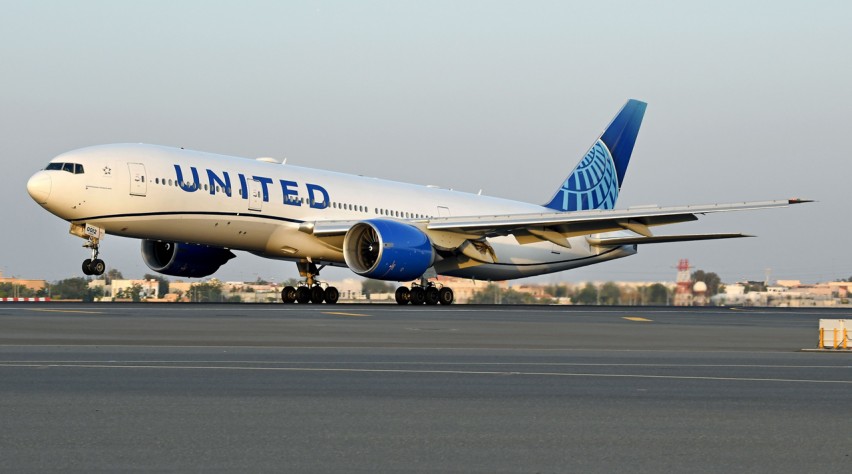
    After an eight-year pause, United Airlines, one of the top three largest American carriers, has restarted its flight operations between two U.S. cities and Ho Chi Minh City (HCMC). As of this week, the airline has begun operating daily flights from HCMC to Hong Kong, which will then connect passengers to Los Angeles or San Francisco, both located in the state of California. For each of these flights, the airline will utilize its wide-body Boeing 787-9 Dreamliner aircraft, which has a seating capacity of 257.

    Historical Precedent

    United Airlines has a distinctive history of being the first U.S. airline to conduct direct flights to Vietnam, following the bilateral air transport agreement in 2003. It maintained its operations between 2007 and 2012, flying to HCMC’s Tan Son Nhat International Airport.

    Fleet and Competition

    Boasting a fleet of over 1,000 aircraft, United Airlines remains a significant player in the American aviation sector, sitting alongside Delta Air Lines and American Airlines in competition for the top spot.

    Up until recently, Vietnam Airlines was the sole carrier providing commercial services between the U.S. and Vietnam. It operated three weekly round-trip flights between HCMC and San Francisco.

    Strategy and Expansion

    In discussing the airline’s decision to resume flights to HCMC, Patrick Quayle, the senior vice president of global network and alliances at United Airlines, stated that this move is a part of the carrier’s expansion strategy in the Pacific region.

    The airline has ambitious plans for growth. By the end of this year, United Airlines expects to serve 32 destinations in the Pacific region. On a worldwide scale, it aims to operate more than 850 daily flights to over 150 international destinations by next year.

    Questions & Answers

    What are United Airlines’ plans for expansion in the Pacific region?
    United Airlines aims to serve 32 destinations in the Pacific region by the end of this year.

    What is the seating capacity of United Airlines’ Boeing 787-9 Dreamliner aircraft used for these flights?
    The Boeing 787-9 Dreamliner aircraft used by United Airlines for these flights has a seating capacity of 257.

    When did United Airlines first operate direct flights to Vietnam?
    United Airlines first operated direct flights to Vietnam following the bilateral air transport agreement in 2003, and continued these operations from 2007 to 2012.

  • Vietnam’s Fuel Prices Rebound Amid Global Market Shifts And Geopolitical Strains

    Vietnam’s Fuel Prices Rebound Amid Global Market Shifts And Geopolitical Strains

    After a three-week decline, Vietnam’s petrol prices began to rebound on Thursday afternoon. The nation’s widely used fuel, RON95, experienced a 0.91% increase, bringing it to VND19,900 (US$0.76) per litre.

    Shifts in Fuel Prices

    Alongside the price increase of RON95, Biofuel E5 RON92 also experienced a slight uptick of 0.47%, settling at VND19,220 per litre. Conversely, the price for diesel dropped by 0.97% to VND18,420 per litre.

    Factors Influencing Fuel Prices

    Several factors have influenced the global petroleum market over the past week. One key element was the announcement by OPEC+ of their plan to increase oil production for the month of November. While the increase was lower than initially expected, it still made significant waves in the market.

    In addition to OPEC+’s decision, weakening worldwide demand for oil and ongoing issues in Ukraine both had an impact on fuel prices. Specifically, the continued escalation of attacks on Russia’s energy infrastructure by Ukraine has added instability to the market.

    Global Price Changes

    On a global scale, RON95 saw an increase of 0.9%, bring its price to $79. Diesel prices, however, went in the opposite direction, falling by 1.4% to a price of $86.5.

    Questions & Answers

    What caused the increase in Vietnam’s fuel prices?
    The rise in prices was influenced by several factors including OPEC+’s announcement of increased oil production for November and ongoing geopolitical issues in Ukraine.

    Did all fuel prices in Vietnam increase?
    No, while the prices for RON95 and Biofuel E5 RON92 increased, the price for diesel actually dropped by 0.97% to VND18,420 per litre.

    How did global oil prices change?
    Globally, the price for RON95 increased by 0.9% to $79, whereas diesel prices fell by 1.4% to $86.5.

  • Google will allow you to hide ads in your search results, but only after scrolling

    Google will allow you to hide ads in your search results, but only after scrolling

    Google is modifying the display and functionality of text advertisements in search results. The biggest development is that Google will now give users the option to hide sponsored search results if they are uninterested. However, there is a small caveat to this new feature.

    Scroll to Hide Sponsored Results

    At present, paid search results on Google are individually tagged as “Sponsored”. Google has revealed that moving forward, text ads in search results will be collectively displayed in a collapsible section at the top of the search page. This section will carry a single, more noticeable label that remains apparent as you scroll through the results.

    Arguably the most significant change is a new feature that allows users to hide all sponsored results with just a single click. This button is located at the base of the text ad section. Once clicked, the advertisements will hide under the sponsored heading. With another tap, users can reveal these ads again if they choose.

    Changes to Search Result Appearance

    Over time, Google has made a series of adjustments to the appearance of paid search results, making them look similar to organic results. While these changes were not always popular among users, the new update is unlikely to elicit negative responses. Google’s aim, it says, is to “make navigation even easier”. However, this goal seems somewhat counterintuitive given the placement of the hide button at the bottom of the sponsored links.

    A constant feature in these developments is the escalating influence of artificial intelligence (AI) in Google Search results. Google has pointed out that the Sponsored results label will now appear above or below the AI Overviews. This means users might have to scroll even further to hide the ads.

    Global Rollout of Google Search Update

    The update to Google Search is already being rolled out worldwide to both desktop and mobile users.

    While hiding ads may improve the scrolling experience in search results, it does not address a central issue some users have: the diminishing usefulness of Google Search. This has led some to experiment with other search engines and AI tools to find the required information.

    Questions & Answers

    What is the main change in Google’s ad display?

    Google is grouping text ads into a collapsible section at the top of the search page with a single, noticeable label. Users can hide or reveal these sponsored results with a single click.

    How is AI affecting Google Search results?

    AI is playing an increasingly important role in Google Search results. The Sponsored results label will now appear above or below the AI Overviews, which may cause users to scroll further to hide ads.

    Are there any concerns with the new update?

    The main concern is that while hiding ads may improve the scrolling experience, it does not enhance the overall usefulness of Google Search, causing some users to explore other search engines and AI tools.

  • After Flipkart, Royal Enfield Begins Selling 350 CC Motorcycles On Amazon

    After Flipkart, Royal Enfield Begins Selling 350 CC Motorcycles On Amazon

    Royal Enfield, a well-known motorcycle manufacturer, has recently made its entry into the online retail sector by offering its motorcycles for sale on Flipkart. Advancing its ventures in the e-commerce domain, the company has now disclosed its collaboration with Amazon India. This partnership expands consumers’ options for purchasing the company’s 350 cc range of motorcycles directly from these platforms.

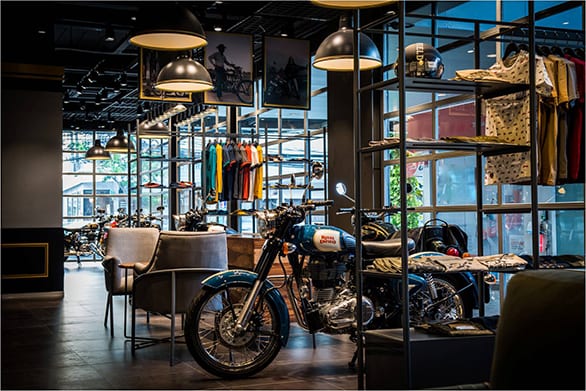
    The array of motorcycles now accessible on Amazon includes the Royal Enfield Classic 350, Hunter 350, Bullet 350, Meteor 350, and Goan Classic 350. This offering mirrors the company’s previous approach with Flipkart, which excluded the more costly and larger models such as the Himalayan 450, Guerrilla 450, Scram 440, and the 650 cc range, including models like the Continental GT650, Interceptor 650, among others.

    Partnership Benefits

    Royal Enfield has communicated that its partnership with Amazon India will yield flexible payment options, thereby simplifying the process for customers to acquire a motorcycle. At present, these models are available in five cities, specifically Ahmedabad, Chennai, Hyderabad, New Delhi, and Pune, via a dedicated Royal Enfield brand store on Amazon.

    The company assures that deliveries and after-sales services will be handled by the dealership chosen by the customer in their city. Besides motorcycles, the online store also presents a range of accessories, riding gear, and merchandise. This step follows the company’s previous collaboration with Flipkart, which catered to customers in Bengaluru, Gurugram, Kolkata, Lucknow, and Mumbai.

    Questions & Answers

    What does Royal Enfield’s partnership with Amazon India entail?
    This collaboration enables the company to offer its 350 cc range of motorcycles directly on the Amazon platform. It also provides flexible payment options for customers.

    Which models are available through this online offering?
    The range includes the Royal Enfield Classic 350, Hunter 350, Bullet 350, Meteor 350, and Goan Classic 350.

    What additional services does Royal Enfield provide to online customers?
    In addition to delivering motorcycles, the company also offers after-sales services to be handled by the chosen dealership in the customers’ city. The online store features a variety of accessories, riding gear, and merchandise.

  • Style Theory Shuts Down: High Operational Costs, Investor Departure Mark End Of Fashion Rental Platform

    Style Theory Shuts Down: High Operational Costs, Investor Departure Mark End Of Fashion Rental Platform

    Style Theory, a Singapore-based online clothing rental platform, has recently ceased operations due to increasing operational costs and the departure of its key investors.

    Established in 2016, Style Theory functioned as an online rental platform that operated on a subscription basis. For monthly fees ranging from $89 to $149, it provided its customers with access to designer clothing and fashionable accessories via its proprietary app.

    The company announced on its online platform that it discontinued its subscription service as of September 30. All related services including rental, delivery, membership, support among others, were also discontinued. Customers were alerted that unused points would not be refunded and they could retain any rented items indefinitely.

    The firm will go into liquidation, and those owed money will be classified as creditors. The economic climate, which the company describes as increasingly challenging, along with rising costs and unforeseen circumstances, including the withdrawal of key investors, were cited as the main factors behind this decision.

    Style Theory was supported by notable investors including Alpha JWC Ventures, Quest Ventures, The Paradise Group, and SoftBank Ventures Asia.

    The decision to shut down was not taken lightly, as stated by the founders. The main mission of Style Theory, since its inception, was to make fashion more sustainable, accessible, and circular. The unexpected discontinuation of services is regrettable, and the company sincerely apologizes for any disappointment caused. The founders assured that every possible alternative was considered before reaching this conclusion.

    This closure follows the shut down of the company’s operations in Indonesia in June. The company stated at that time that it wanted to concentrate its resources on strengthening its foundations in Singapore and Hong Kong.

    Questions & Answers

    Why has Style Theory ceased operations?
    Style Theory has ceased operations due to escalating operational costs and the departure of key investors.

    What happens to the customers who have unused points?
    Customers were informed that their unused points would not be refundable. They can, however, keep any items they have currently rented indefinitely.

    What was the primary mission of Style Theory?
    The primary mission of Style Theory was to make fashion more sustainable, accessible, and circular. The company aimed to achieve this through its online rental platform.

  • Australian Beef Exports Surge Amid Us-china Trade Tensions: A Shift In Global Market Dynamics

    Australian Beef Exports Surge Amid Us-china Trade Tensions: A Shift In Global Market Dynamics

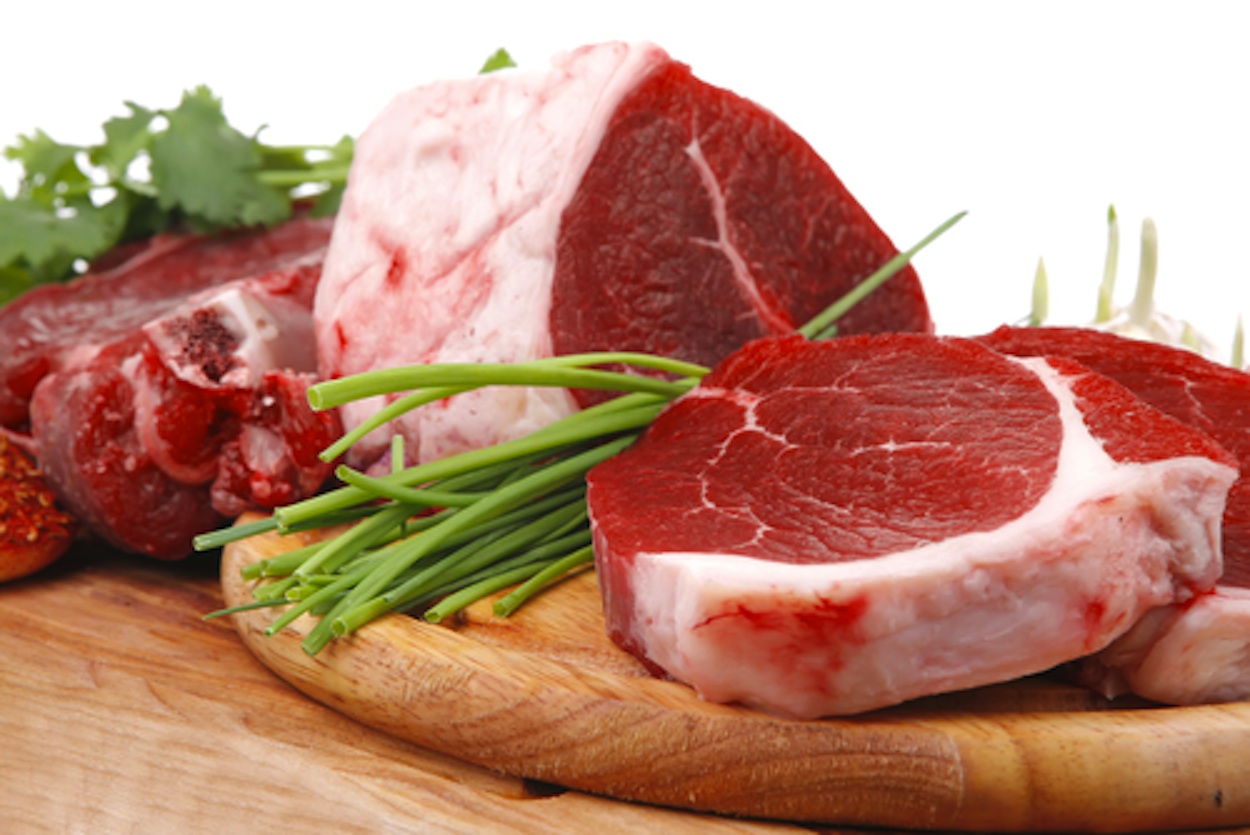
    The Australian beef industry has recently experienced a surge in exports to China, taking market share formerly held by the US. This shift has transpired in the wake of US President Donald Trump’s return to the White House and the ensuing trade tensions between the US and China. The shift of trade from the US to Australia has channelled hundreds of millions of dollars that were once funneled into the US cattle industry into Australian coffers.

    A Shift in Beef Trade

    US beef exports to China, which were valued at approximately A$182 million per month, experienced a significant decline when permits at several American meat facilities were allowed to expire by Beijing in March. This situation was further exacerbated by the trade war initiated by Trump. Other agricultural exports from the US to China have also taken a hit since Trump resumed power. The most notable among these is soybeans, with US farmers missing out on billions of dollars’ worth of exports in the current harvest season.

    In addition to these factors, US beef exports have generally been on a downward trend in recent years due to drought conditions shrinking the national cattle herd, leading to reduced production and record high prices. However, the slump in trade with China has been both more sudden and severe.

    According to Chinese trade data, the value of US beef exports to China dropped dramatically to just $12 million in July and $14 million in August, compared to $179 million and $189 million during the same period a year earlier.

    Australia’s Beef Boom

    Simultaneously, Australia has seen a surge in its beef exports to China. These shipments have soared from $212 million a month in the two years leading up to March to $335 million in July and $342 million in August. From April through August, US beef exports to China were valued at $587 million less than if trade had remained at the average levels from the previous two years. During this same period, Australian shipments were worth $474 million more.

    While Brazil, China’s largest beef supplier, has also increased its exports in recent months, Australia has reaped the most benefits due to its grain-fed beef, which most closely resembles US products.

    Matt Dalgleish, a meat and livestock analyst at Australian consultancy firm Episode 3, noted that this shift has been beneficial for Australia, helping to drive up cattle prices.

    The Future of Beef Trade

    Despite these changes, there is potential for US beef exports to rebound. Trade negotiations between Beijing and Washington could potentially end the current impasse, according to Joe Schuele, a spokesperson for the US Meat Export Federation.

    Even in the case of a trade agreement being reached, it could still take several years for the US to regain its former market share, according to Dalgleish. This is due in part to Australia’s beef production reaching an all-time high and its meat being significantly cheaper than that of the US.

    Adding another layer of complexity to the situation is an ongoing investigation by Beijing into beef imports, which could potentially result in trade restrictions to address a surplus of beef in China. The outcome of this investigation is expected to be released by November 26.

    Questions & Answers

    What caused the shift in beef exports from the US to Australia?
    This shift can be attributed to a combination of expired permits for American meat facilities, initiated trade war by President Donald Trump, and drought conditions in the US which led to reduced beef production.

    How has this shift impacted Australia’s economy?
    This shift has resulted in a boom for the Australian beef industry, driving up cattle prices and channeling hundreds of millions of dollars into the Australian economy.

    What could potentially alter the current state of beef trade?
    Potential changes in the beef trade could be prompted by the ongoing Beijing investigation into beef imports and the outcome of ongoing trade negotiations between the US and China.
  • Dutch Retail Giant Makro Revives Philippine Presence Through Thai-ayala Alliance

    Dutch Retail Giant Makro Revives Philippine Presence Through Thai-ayala Alliance

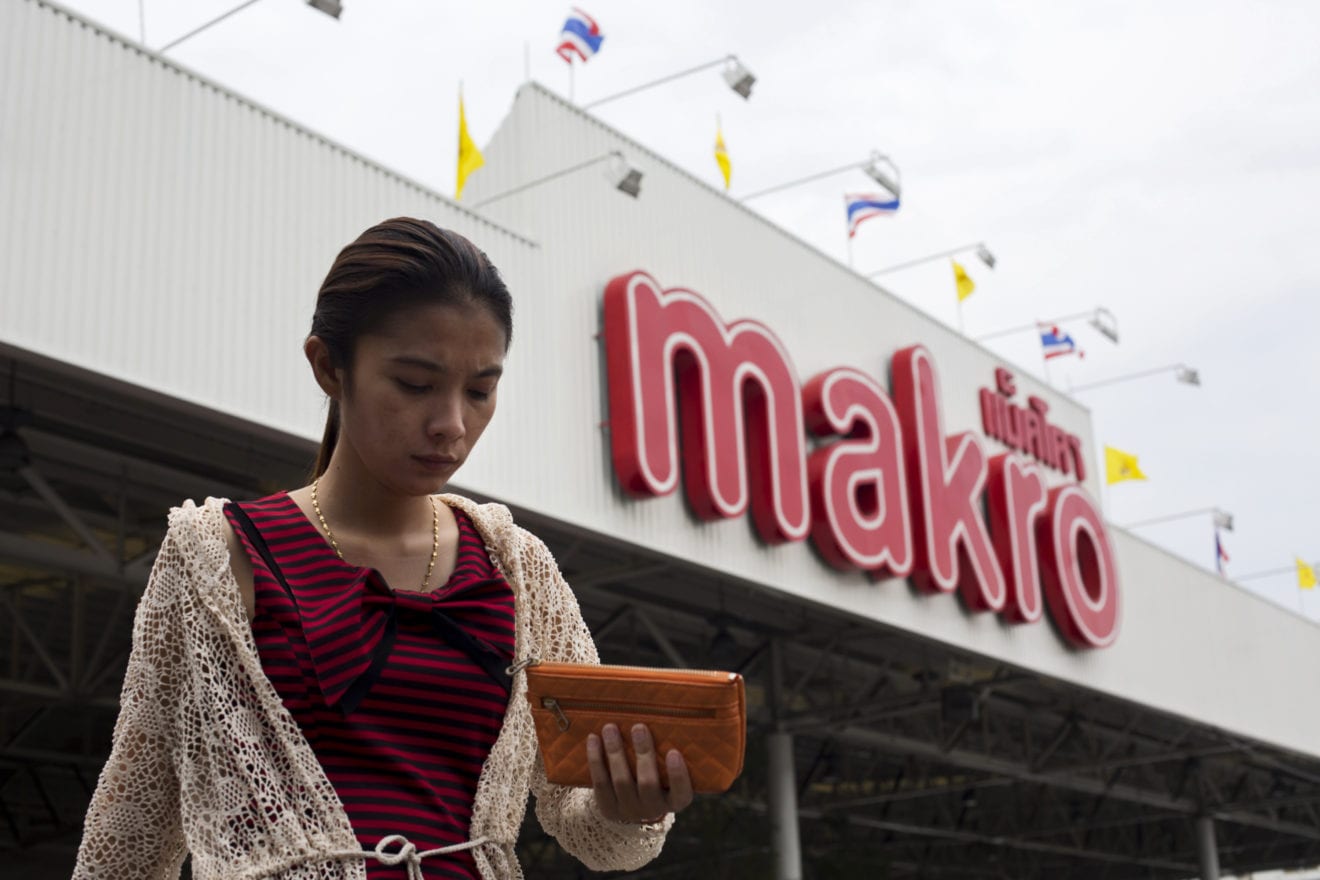
    After more than a decade of absence, Dutch wholesale retailer Makro is poised to make a comeback in the Philippine market. This return is made possible through an alliance between Thailand’s CP Axtra and Ayala Corporation.

    New Business Venture

    The collaboration has led to the creation of a new enterprise named M&Co Corp, which is tasked with running Makro stores throughout the country. The stores’ approach will prioritize offering a broad selection of both food and non-food items, catering to the needs of ordinary consumers and small business operators alike.

    Makro originally made its debut in the Philippines in 1996 through a joint effort involving SHV Holdings, Ayala, and SM Investments. Ayala subsequently sold its 28% stake to the SM Group, which then transformed the Makro outlets into its own hypermarket and supermarket formats in 2009.

    In the years since, SHV has relinquished its Asian Makro operations to CP Axtra, a subsidiary of Thailand’s Charoen Pokphand Group.

    Expansion Strategy

    Tanit Chearavanont, the group chief wholesale business officer at CP Axtra, expressed that this venture aligns with the company’s overarching goal to extend its operations across Southeast Asia. He noted that the Philippines stands as one of the most vibrant and rapidly developing markets within the region.

    Chearavanont elaborated, “Through this partnership, our proficiency in wholesale and retail management merges with Ayala Corp’s robust market presence, well-established customer base, and comprehensive experience in land and mall development.”

    However, further details about this business endeavor, such as its rollout plans, have yet to be revealed.

    Questions & Answers

    What is the new venture that Makro is involved in?
    The Dutch retailer is re-entering the Philippine market through a partnership with Thailand’s CP Axtra and Ayala Corporation, operating under a newly formed entity called M&Co Corp.

    What is the main focus of the Makro stores in the Philippines?
    The stores will focus on providing a wide variety of food and non-food products to meet the needs of both individual consumers and small business operators.

    What is CP Axtra’s broader strategy that this venture aligns with?
    This partnership is part of CP Axtra’s wider strategy to extend its operations across the rapidly growing and dynamic markets of Southeast Asia.

  • Fast Retailing Marks Historic Milestone: First Japanese Retailer To Hit 1 Trillion Yen In Domestic Sales

    Fast Retailing Marks Historic Milestone: First Japanese Retailer To Hit 1 Trillion Yen In Domestic Sales

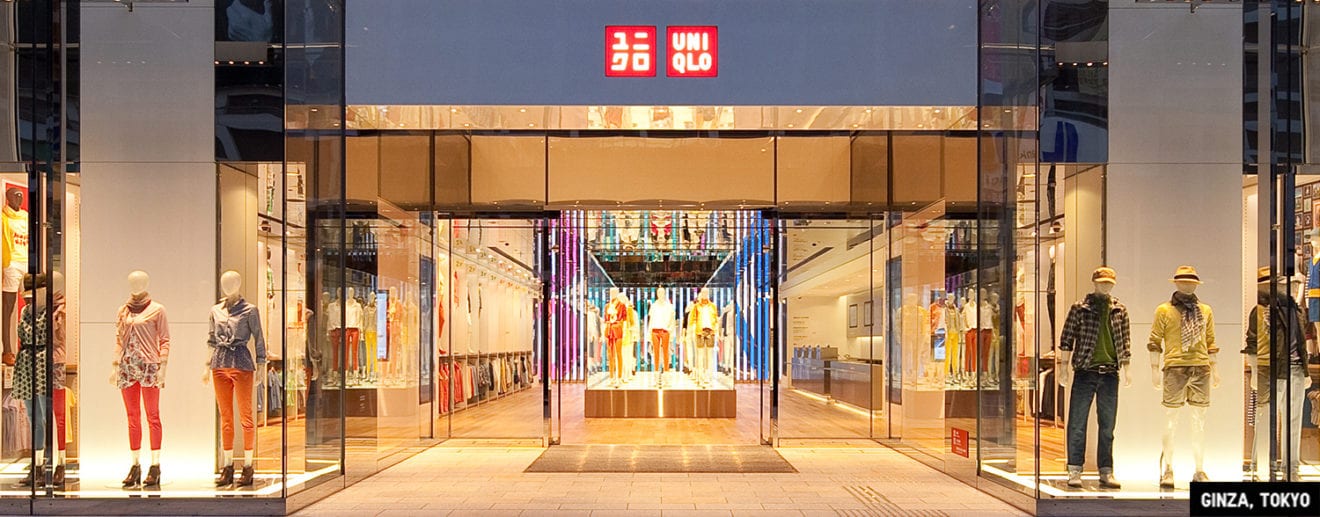
    Fast Retailing, the parent company of Uniqlo, has made history as the first Japanese clothing company to achieve domestic sales of 1 trillion yen. In the fiscal year ending in August, Uniqlo’s domestic sales increased by 10% to approximately 1.03 trillion yen, equivalent to $6.98 billion. By the end of August, Uniqlo had 784 stores in Japan, the first of which opened its doors in Hiroshima 41 years ago. These impressive domestic sales figures encompass revenue from physical stores, online sales from the brand’s e-commerce site, and 10 franchise locations.

    Fast Retailing’s sales have seen a marked uptick since the fiscal year of 2022, thanks to a series of store and product overhauls. Over the past five years, the company has shuttered 30 stores across Japan. At the same time, the average sales floor space per store has been expanded by 10%, allowing for a broader product display and stirring up customer demand. This strategy resulted in a 13% rise in average sales per store.

    Innovative Business Approach

    Among the company’s operational triumphs was the launch of the ‘Management Cockpit’ platform. This platform gathers product reviews from the online store and customer feedback from the support center. This data is then leveraged to enhance existing products, create new merchandise, and generate demand forecasts.

    The introduction of the platform has allowed Fast Retailing to swiftly manufacture in-demand products, consequently reducing the time from production to sale. Additionally, the platform helps to prevent an oversupply of items by cutting production of those with low demand.

    Future Projections

    Looking at the broader picture, Fast Retailing’s consolidated sales revenue is projected to grow by 10% to 3.4 trillion yen by fiscal year 2025. Net profit is also expected to rise by 10%, setting a new record at 410 billion yen.

    Currently, Fast Retailing holds the third position in the global apparel industry in terms of sales, trailing behind H&M in second place and Inditex, the parent company of Zara, in the top spot.

    Questions & Answers

    What sales milestone has Fast Retailing recently achieved?
    Fast Retailing has become the first clothing company in Japan to reach 1 trillion yen in domestic sales.

    What strategies has Fast Retailing used to boost their sales?
    Fast Retailing has increased the average sales floor space in their stores by 10% and introduced the ‘Management Cockpit’ platform to gather data and improve their product offering.

    What are Fast Retailing’s projections for future sales and profits?
    Fast Retailing anticipates its consolidated sales revenue will grow by 10% to 3.4 trillion yen in FY25, with a net profit increase of 10% to a record 410 billion yen.

  • Google Unveils Enhanced Image Editor For Google Photos: A Closer Look At User-friendly Features

    Google Unveils Enhanced Image Editor For Google Photos: A Closer Look At User-friendly Features

    Google has just released a revamped image editor for its Google Photos application on Android. This newly designed feature, which users might find more user-friendly, can be accessed by selecting a photo from your Google Photos gallery and then hitting the Edit option located on the bottom bar of the screen.

    On the lowest part of the screen, a carousel featuring six options is now available: Auto, Actions, Markup, Filters, Lighting, and Color. Each of these options opens up a variety of editing tools that you can utilize to perfect your image.

    Further Editing Options

    Additional editing tools are available above the image preview. Here, you’ll find icons such as Auto frame, a dropdown menu with various aspect ratio choices, an icon to flip the photo, and another to rotate the image. The top left corner of the screen houses the exit button, labeled “X”, while on the right, there’s a Save button and a three-dot icon that opens a pop-up, which can be used to provide feedback to Google.

    Interactive Image Manipulation

    Once a photo is selected for editing, users can tap, brush, or draw a circle around any portion of the image they wish to edit. This action prompts a menu to appear, presenting all the relevant editing options you have at your disposal.

    For instance, after enclosing a squirrel in a photo with a circle, I was provided with options to Erase the squirrel, Move it to a different location within the photo, or use AI to Reimagine the image. After opting for the last choice and indicating my desire for the squirrel to be holding a baseball cap and wearing a hat, the software generated the requested image.

    Availability of the Feature

    This feature is currently being deployed on version 7.44 of the Google Photos app for Android, following a server-side update initiated by Google. If you haven’t received it yet, you can manually update by navigating to Settings > Apps > See all apps and scrolling to Photos. Tap on Photos, and when you see the App info page, press on Force stop.

    Questions & Answers

    What are the new editing options available on the Google Photos app?
    The redesigned Google Photos app offers a variety of editing tools including Auto, Actions, Markup, Filters, Lighting, and Color.

    How can users manipulate a specific part of an image?
    Users can tap, brush, or draw a circle around the part of the photo they wish to edit, prompting a menu with relevant editing options to appear.

    How can users access the redesigned image editor if it hasn’t automatically updated?
    Users can manually update by navigating to Settings > Apps > See all apps and scrolling to Photos. After tapping on Photos, they can press Force stop on the App info page.

  • Kraft Heinz Announces Strategic Split Into Two Independent Companies

    Kraft Heinz Announces Strategic Split Into Two Independent Companies

    The Kraft Heinz Company recently announced its comprehensive strategy to divide its current operations into two independent companies. This decision is aimed at enhancing functionality and reducing operational complexity.

    The Plan for Separation

    The company’s board has given its approval for this plan, which will result in the formation of two separate, publicly traded entities through a tax-free spin-off.

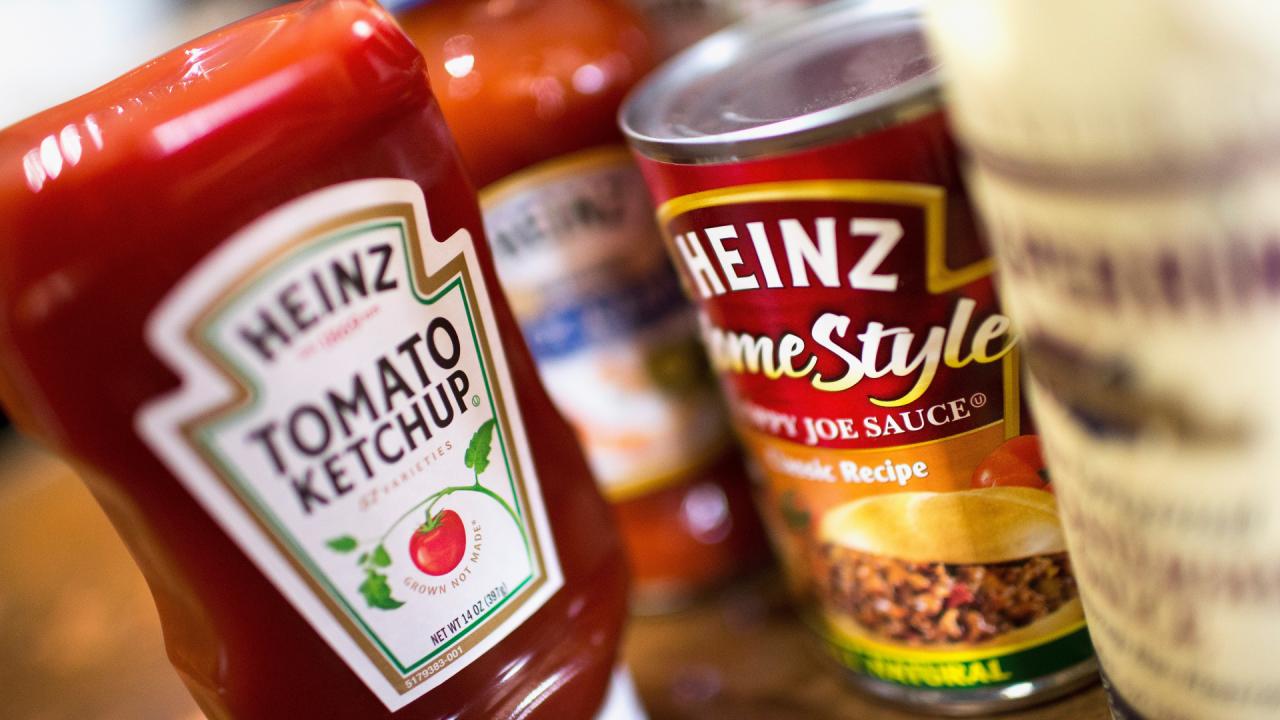
    The first of these entities will be Global Taste Elevation Co. This company will focus on spices and shelf-stable meals, boasting net sales of approximately US$15.4 billion and an adjusted EBITDA of $4 billion in the previous year. Its brand portfolio will include well-known names like Heinz, Philadelphia, and Kraft Mac & Cheese. Notably, sauces, spreads, and seasonings will make up 75% of its sales.

    The second entity, North American Grocery Co, will have net sales of $10.4 billion and an EBITDA of $2.3 billion. This firm will oversee brands such as Oscar Mayer, Kraft Singles, and Lunchables.

    Expected Outcomes

    The division is expected to grant each new company greater strategic and operational focus. This will allow them to allocate resources appropriately, streamline operations, and distribute capital based on their individual strategies.

    Miguel Patricio, the board’s executive chair for Kraft Heinz, noted that while their brands are celebrated and iconic, the current structural complexity impedes effective capital allocation and prioritization of initiatives. The split into two companies will enable the unlocking of each brand’s potential, driving improved performance and long-term shareholder value.

    Carlos Abrams-Rivera will maintain his leadership role at Kraft Heinz during the separation, transitioning to become the CEO of North American Grocery Co once the process is complete. Meanwhile, the board is collaborating with an executive search firm to find suitable CEO candidates for Global Taste Elevation Co.

    Kraft Heinz has no plans to relocate its current headquarters. The board has also created a Separation Committee, led by Vice-Chair John Cahill, to supervise the spin-off’s execution.

    The company expects to finalize the separation by the second half of next year. It also anticipates dis-synergies of up to $300 million, with clear opportunities to offset a significant portion of these in the near term.

    Questions & Answers

    What are the two new companies that will be formed from the Kraft Heinz split?
    The two new companies will be Global Taste Elevation Co and North American Grocery Co, each specializing in different areas of the food industry.

    Who will lead North American Grocery Co?
    Carlos Abrams-Rivera, who currently leads Kraft Heinz, will become the CEO of North American Grocery Co once the separation is complete.

    When is the split expected to be finalized?
    The separation is expected to conclude by the second half of next year.

  • Asics Raises Annual Forecast Following Impressive Half-year Performance Across All Product Lines

    Asics Raises Annual Forecast Following Impressive Half-year Performance Across All Product Lines

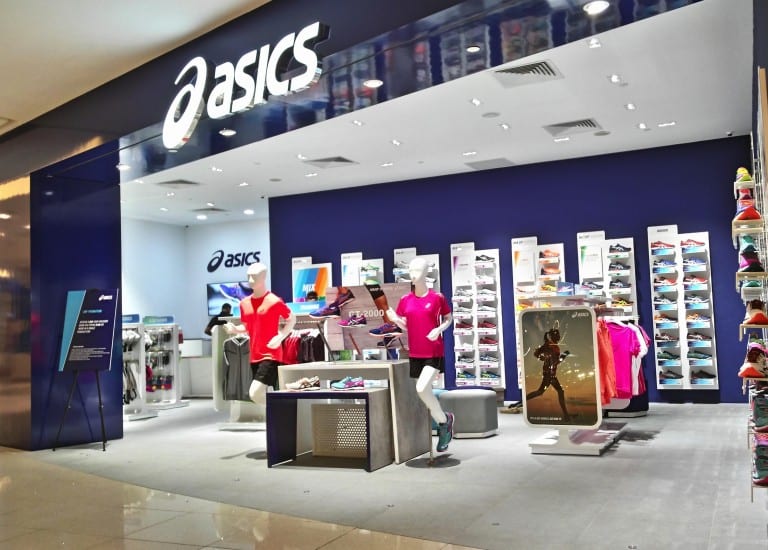
    Leading sportswear brand Asics has adjusted its annual forecast upwards, following an impressive performance in the first half of the year. The company’s exceptional sales growth was seen across all product categories and global regions.

    Asics witnessed a robust 17.7% year-over-year increase in net sales, amounting to $2.74 billion. The operating profit also experienced a significant rise, reaching $551.48 million, with the profit ascribed to owners standing at $364.48 million.

    Segment-Wise Growth

    The company’s performance running segment reported an 8.2% rise in sales, equal to $1.26 billion, with profit experiencing a 13.3% boost. Core performance sports also showed a positive trend, increasing 4.8% to reach $300.02 million, while its profit rose 16.5%.

    Asics’ apparel and equipment segment experienced a 6.9% sales increase, hitting the $136 million mark, while recording a remarkable 45.1% profit surge.

    In terms of lifestyle-oriented segments, SportStyle demonstrated significant growth, with sales skyrocketing by 46.4% to reach $457.71 million, and profit rising by 60.9%. Similarly, the Onitsuka Tiger brand experienced a 50.1% sales increase, reaching $447.98 million, with profit rising by 54.5%.

    Regional Sales Growth

    Asics experienced growth in all its regional markets. Japan’s sales increased by 24.3%, reaching $674.97 million, while North America saw a 9.1% rise, amounting to $502.59 million. Europe’s sales growth stood at 24.2%, reaching $773.64 million, while Greater China reported a 16.9% increase, amounting to $421.76 million.

    In addition to these, substantial gains were reported from Southeast and South Asia, with a growth rate of 33.4%, and Oceania, which increased by 3.8%.

    Leadership Commentary

    Koichiro Kodama, who serves as the President and CEO of Asics North America, expressed confidence in the company’s global performance. He underlined the steady demand for Asics products across various regions as an indicator of the brand’s strong market presence.

    Kodama emphasized the company’s unceasing efforts to develop technologically advanced performance running products. At the same time, he stressed the importance of staying informed about broader cultural and lifestyle trends to support the sportstyle category.

    Questions & Answers

    What were the net sales of Asics for the first half of the year?
    Asics reported net sales of $2.74 billion for the first half of the year.

    Which product segment reported the highest sales growth?
    The SportStyle segment reported the highest sales growth, with a surge of 46.4%.

    Which regions experienced the most significant sales growth?
    Europe and Japan were the regions with the most significant sales growth, reporting increases of 24.2% and 24.3% respectively.

  • Vipshop Experiences Q2 Revenue Decline Amid Strategic Adjustments; Foresees Growth Ahead

    Vipshop Experiences Q2 Revenue Decline Amid Strategic Adjustments; Foresees Growth Ahead

    VIPshop Holdings, a prominent Chinese online discount retailer, has reported a decrease in revenue and profit for the second quarter of the 2025 fiscal year. This decline is part of a broader strategic adjustment that the company is currently undertaking.

    Revenue and Profit Decline

    The company’s total net revenues fell by 4.1 per cent, equating to RMB 25.8 billion (US$3.6 billion), a decrease from RMB 26.9 billion recorded in the second quarter of the 2024 fiscal year. The gross profit for the second quarter stood at RMB 6.1 billion (US$845.2 million), a small drop from RMB 6.3 billion during the same period in the previous year.

    Although the company experienced a reduction in earnings, it noted an increase in customer activity and signs of inherent robustness. The Gross Merchandise Value (GMV), a critical indicator of total sales on the platform, rose 1.7 per cent year-on-year to RMB 51.4 billion (US$7.12 billion). This increase suggests enhanced engagement and transaction volume.

    Business Stability and Growth Plans

    Eric Shen, Chairman and CEO of VIPshop, said, “We managed to stabilize our business trajectory by taking quick measures to boost customer activity and sales momentum. Our vision of discount retail for brands has guided us in implementing internal changes to augment the self-reinforcing flywheel across merchandising, operations, and customer engagement.”

    VIPshop has also seen growth in its high-value customer base. This growth is primarily attributed to the double-digit increases in its Super VIP membership program. The company continues to focus on fashion and lifestyle categories to retain value-conscious shoppers, with apparel remaining a key revenue driver.

    Platform Optimization Efforts

    The company’s current platform optimization strategies, which include more stringent inventory control, more focused brand partnerships, and enhanced personalization, are part of a broader effort to distinguish itself within China’s competitive e-commerce sector.

    Despite persistent revenue pressure, the management expressed cautious optimism that its revised strategy is taking hold. The stable GMV and the growing loyalty segment are seen as early signs of a turnaround.

    Mark Wang, CFO of VIPshop, stated, “We delivered another quarter of healthy profitability, demonstrating our consistent financial discipline in prioritizing growth initiatives and optimizing resource allocation. Looking ahead, our consistent strategy and focused execution position us well to return to sustainable growth.”

    Questions & Answers

    What could be the reasons for the decline in VIPshop’s revenue and profit?
    This decline is part of VIPshop’s ongoing strategic adjustment, which involves a more stringent inventory control and more focused brand partnerships.

    How is VIPshop planning to boost customer activity and sales momentum?
    VIPshop is implementing changes across merchandising, operations, and customer engagement to improve its business trajectory.

    What are the early signs of VIPshop’s strategic realignment taking effect?
    The stability of the Gross Merchandise Value (GMV) and the growth of the loyalty segment are early indicators of a positive turnaround.