Tag: again

  • Haidilao Dives into Burger Biz Again, Boosts Sushi Venture Amid Cooling Hotpot Demand

    Haidilao Dives into Burger Biz Again, Boosts Sushi Venture Amid Cooling Hotpot Demand

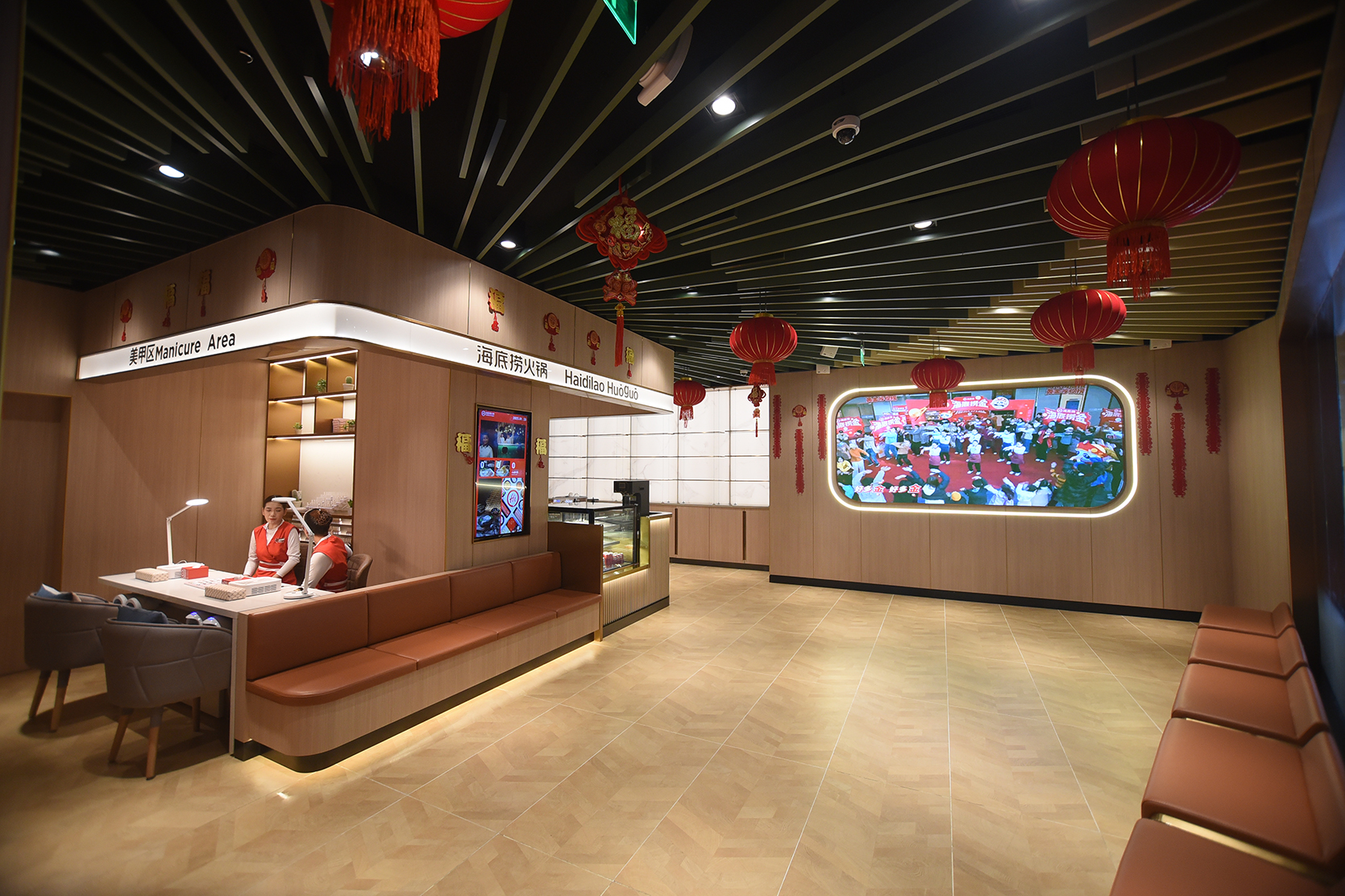
    Chinese hotpot giant Haidilao is making another attempt to break into the burger industry with its new venture, Fresh Burger, while simultaneously growing its budding sushi brand, Nyoisushi. This diversification comes as the company’s main business experiences a slowdown.

    Fresh Burger, Haidilao’s latest venture, was launched in Wuhan last month. The restaurant prides itself on its fresh grilled burgers, a departure from the frozen pre-made patties that many other fast-food chains utilize. Prices at Fresh Burger range from 18.9 yuan (approximately $2.80) to 41.9 yuan, and the menu also includes a variety of other options such as pizza, pasta, coffee, and ice cream.

    Alongside its expansion into the burger market, Haidilao has also been concentrating on growing its sushi brand, Nyoisushi. Following the success of its inaugural store in Hangzhou, the company has opened two additional outlets in Wuhan.

    Financial Situation and Future Plans

    Despite these ambitious expansions, Haidilao recently reported a 14% decrease in net profit for the fiscal year 2025, resulting in a sum of 4.05 billion yuan (about $600 million). Despite the drop, revenues still saw a slight increase of 1.1%, totaling 43.23 billion yuan.

    In light of these financial results, Haidilao announced plans to grow its multi-brand portfolio while focusing on enhancing the customer experience. The company aims to leverage digitalization and strategic acquisitions to achieve this goal. Beyond burgers and sushi, Haidilao also operates several other ventures, including seafood restaurants and Chinese fast-food chains.

    Haidilao’s previous attempt to break into the burger market was with Hiburger, launched in 2024. Despite initial hopes, Hiburger ended operations just a year later in 2025.

    This renewed effort to establish a foothold in the burger market comes as American fast-food chains bolster their presence in China. Notably, Burger chain Five Guys is slated to open its first store in Beijing in August, following its debut in Shanghai in 2021. Other U.S. chains such as Wendy’s and Texas Chicken have also announced their plans to enter the Chinese market, while Popeyes made a comeback in April after a two-decade-long absence since 2003.

    Questions & Answers

    What is the new venture of the Haidilao?
    Haidilao has launched a new burger chain called Fresh Burger and is expanding its sushi brand, Nyoisushi.

    What is the price range of food items at Fresh Burger?
    The prices at Fresh Burger range from 18.9 yuan (approximately $2.80) to 41.9 yuan.

    What are Haidilao’s future plans following its recent financial results?
    Haidilao plans to expand its multi-brand portfolio, improve the customer experience, increase digitalization, and pursue strategic acquisitions.
  • Apple And Microsoft Challenge Chrome’s Dominance: Unveiling The Privacy Controversy

    Apple And Microsoft Challenge Chrome’s Dominance: Unveiling The Privacy Controversy

    Apple has recently cautioned iPhone users against employing the Chrome browser, citing security risks. This situation may remind one of a previous advertising scenario in 2024 where the tech giant, through creative visuals, illustrated Android users exploring the Chrome Browser in public and being surveilled by transforming cameras. These cameras symbolized internet user trackers, which failed when attempting to spy on users of Apple’s own Safari browser. The underlying message being that Safari provides superior protection of users’ personal information than its counterparts, specifically pointing out the Chrome browser.

    Google’s Privacy Sandbox: A Failed Attempt at Privacy

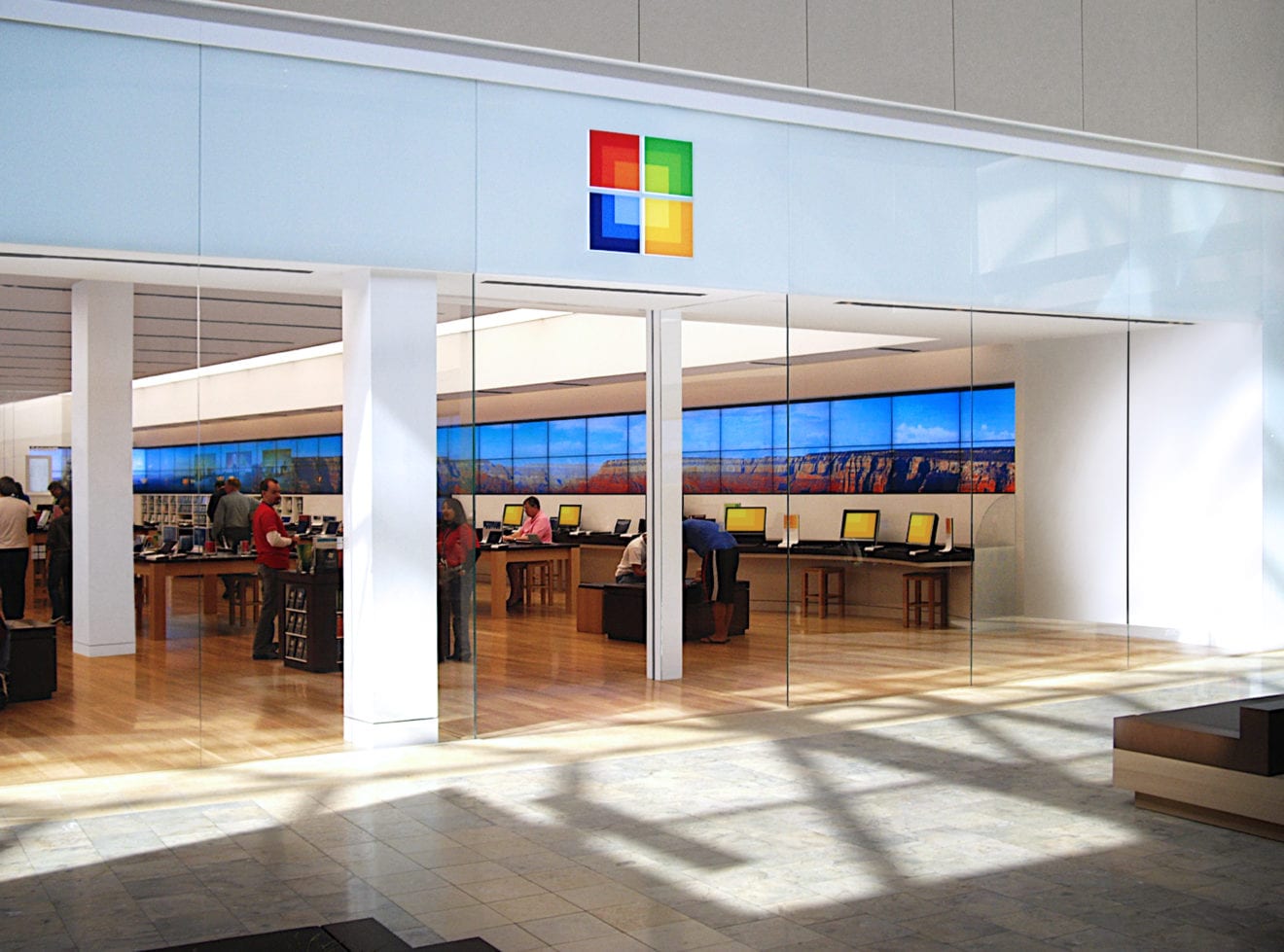
    In a parallel move, Microsoft attempted to dissuade Windows users from using Chrome. They promoted their own browser, Microsoft Edge, as a trustworthy alternative that operates on the same technology as Chrome. Despite these concerted efforts by Microsoft and Apple to dethrone Chrome, the browser boasts a massive user base of over 3 billion worldwide. However, Google recently dropped a bombshell by announcing the end of its Privacy Sandbox project, its proposed alternative to third-party cookies for the web and Android applications.

    Back in January 2024, Google initiated the process of phasing out third-party cookies from Chrome. The agenda was to replace them with the Privacy Sandbox, aiming to gauge a consumer’s interests without resorting to widespread internet tracking to push personalized advertisements. Such targeted ads typically command higher prices from the advertisers due to their increased effectiveness, thereby contributing to Google’s revenue.

    The Privacy Sandbox was intended to shift ad selection and data processing tasks directly to the user’s browser and device, eliminating the need for third-party trackers to transmit individual user data across the web. Despite initial plans, Google resolved not to discontinue the use of third-party cookies last year, culminating in the current halt to the six-year-old Privacy Sandbox initiative.

    The Future of Chrome Amidst Privacy Concerns

    Although Chrome users may once again be subjected to tracking and personalized advertising, Chrome’s substantial market share is anticipated to remain unaffected. Currently, the browser dominates over 70% of the market, both in mobile and desktop segments. However, emerging competition from AI browsers like Perplexity’s Comet and an upcoming AI browser from Open AI’s parent ChatGPT could potentially pose a threat to Chrome.

    The Privacy Sandbox tools that Google has decided to withdraw include a host of features such as Attribution Reporting API for both Chrome and Android, IP Protection, On-Device Personalization, Private Aggregation, and more.

    An API, or Application Programming Interface, serves as an intermediary enabling two distinct software interfaces to communicate and exchange data. This process can be likened to the functioning of a restaurant, where an app seeking data is the customer, the API is the waiter relaying the order to the kitchen (the server), and then serving the prepared food (data) back to the customer.

    Google’s cancellation of the Privacy Sandbox was attributed to its “low levels of adoption”, indicating that it failed to provide sufficient value to its users.

    Questions & Answers

    Why did Apple caution its users against using Chrome?
    Apple cited security risks as the primary reason for advising its users against using the Chrome browser. The company highlighted through a past advertisement that its own Safari browser offers better protection of personal data.

    What was the purpose of Google’s Privacy Sandbox?
    Google’s Privacy Sandbox was intended to replace third-party cookies in Chrome. It sought to understand consumer interests without having to track user behavior across the internet, facilitating the delivery of personalized ads.

    Why did Google decide to cancel the Privacy Sandbox?
    Google stated that the Privacy Sandbox had not been adopted widely and that it wasn’t providing enough value to its users, which led to its decision to discontinue the project.

  • Aldi Crowned Australia’s Top Supermarket For 13th Year In Canstar Survey

    Aldi Crowned Australia’s Top Supermarket For 13th Year In Canstar Survey

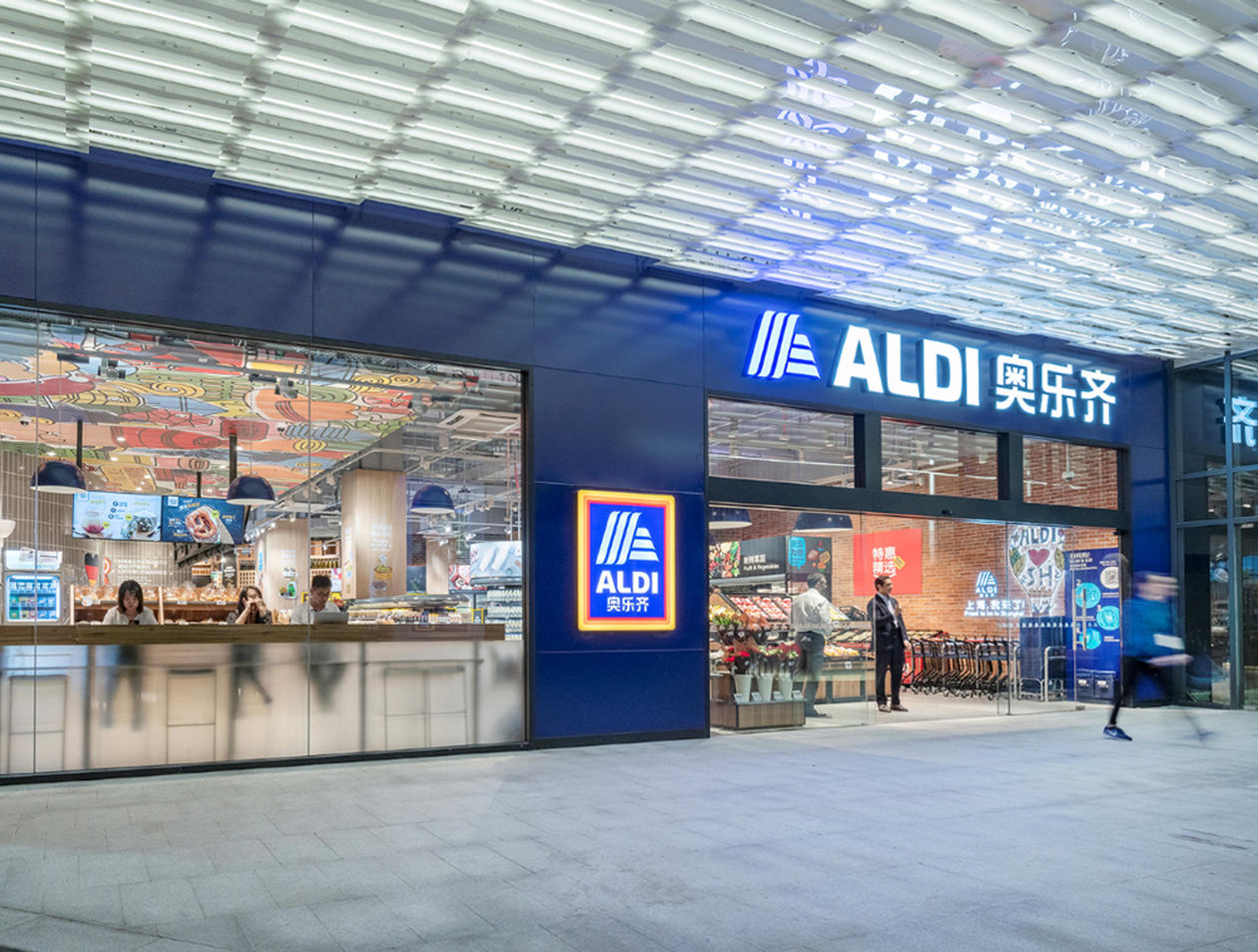
    In a recent survey conducted by Canstar, Aldi has emerged as Australia’s most popular supermarket for the thirteenth consecutive year. The supermarket chain outperformed its competitors, receiving the top rankings for providing excellent value for money, superior product quality, and outstanding service.

    Survey Rankings

    According to the rankings, Coles secured the second position, with IGA and Woolworths following closely. Aldi distinguished itself by receiving a perfect five-star rating in key categories, including value for money, freshness of fruits, vegetables and meats, quality of supermarket-owned branded products, as well as store and website layout and presentation.

    Canstar Blue spokesperson Eden Radford pointed out that customers prioritize low prices across all in-store products, not just those on special offers. Radford added that consumers are becoming more price-savvy, frequently checking unit prices and opting for in-season produce in order to maximize value.

    Comparison With Other Supermarkets

    Coles, however, fell short in terms of customer service and checkout experience, receiving only three stars in these categories. IGA, on the other hand, surpassed Aldi in terms of customer service and checkout experience. However, it could not match Aldi’s ratings in terms of value for money, freshness of produce, and product range.

    Woolworths managed to outshine all competitors in terms of product range, earning a five-star rating in this category. However, they lagged behind in customer service and checkout experience.

    Commenting on the results, Simon Padovani-Ginies, group director at Aldi Australia, stated that customers trust Aldi to consistently offer low prices and good value for their money. He went on to say that customers, both long-term loyalists and newcomers, continue to choose Aldi for their familiar staples as well as the unexpected but delightful finds in their aisles.

    Questions & Answers

    Which supermarket was ranked as Australia’s most popular by Canstar?
    Aldi was ranked as Australia’s most popular supermarket by Canstar.

    What factors led to Aldi’s high ratings?
    Aldi received high ratings due to its value for money, product quality, freshness of its fruits, vegetables and meats, and its store and website layout and presentation.

    How did Coles and Woolworths perform in the survey?
    Coles secured the second position overall, but fell short in terms of customer service and checkout experience. Woolworths outshone all competitors in terms of product range, but lagged behind in customer service and checkout experience.