Tag: agricultural

  • Vietnam’s Agricultural Exports to China Skyrocket by 66%: Exploring the $1.5 Billion Surge in January

    Vietnam’s Agricultural Exports to China Skyrocket by 66%: Exploring the $1.5 Billion Surge in January

    In January, the exports of agricultural, forestry, and fishery products from Vietnam to China saw a significant increase of 66% compared to the previous year, reaching a total value of US$1.5 billion. China established itself as the largest market for these sectors, contributing to 23% of the total $6.5 billion worth of shipments – a 29.5% rise.

    Key Exports to China

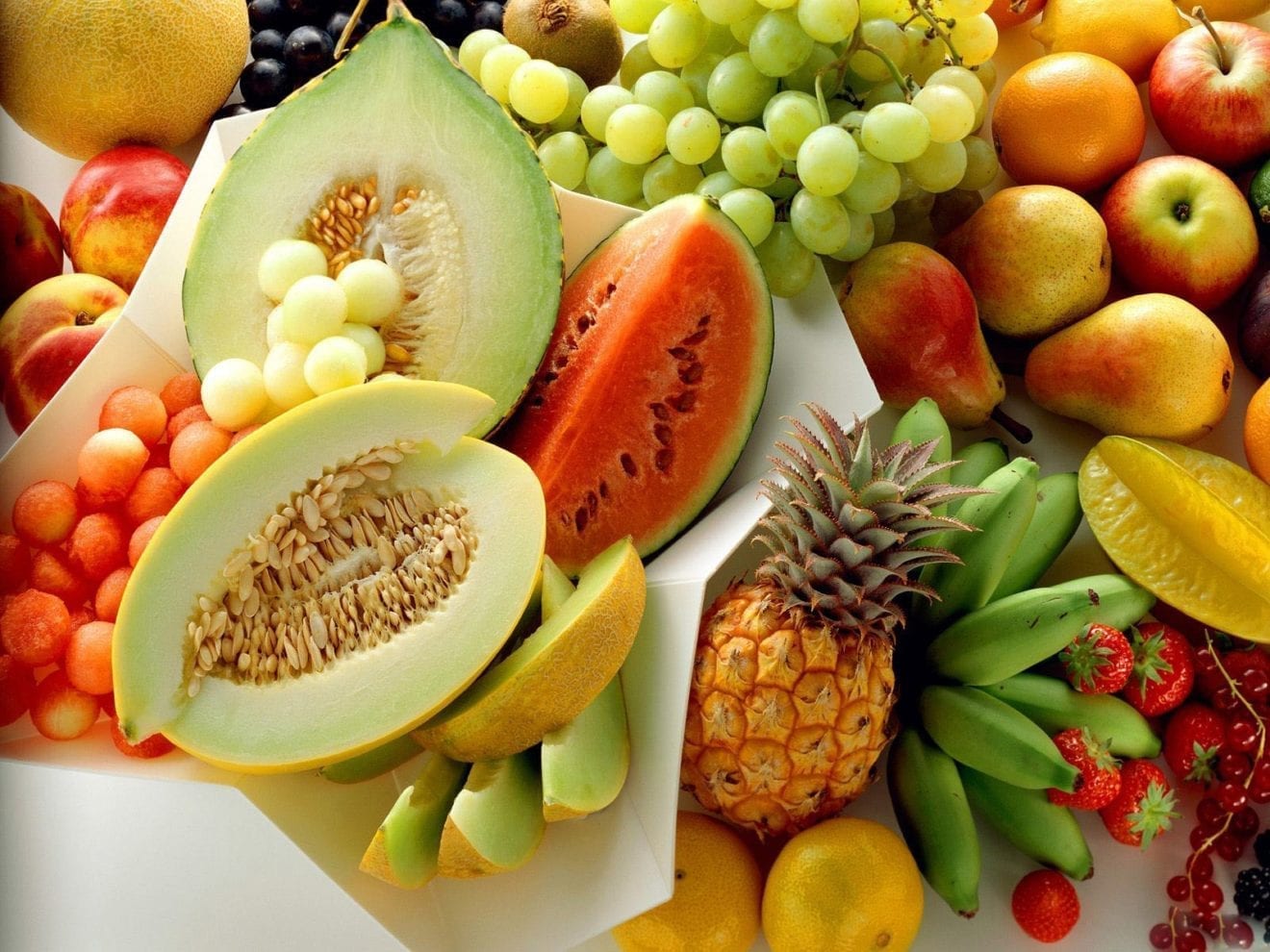
    The primary exports to China included durian, banana, dragon fruit, and jackfruit, with a combined export value of $480 million. China was the leading buyer of Vietnam’s cassava, accounting for 92.6% of purchases. It also purchased 75% of Vietnam’s rubber and 50% of its cashew exports. The country was the third-largest market for Vietnam’s fishery products, following the U.S. and Japan.

    Growth in Fruit and Vegetable Exports

    According to the Ministry of Agriculture and Environment, the highest export growth was seen in the fruits and vegetables sector. The export value of these products doubled to $750 million, with marked increases in shipments going to the U.S. and Malaysia.

    Rise in Cashew and Pepper Exports

    Cashew exports were the second-highest growth category, with an increase of 70% that brought the total export value to $434 million. Pepper exports also saw a significant boost, rising by 53% to reach $133 million.

    Questions & Answers

    What was the percentage increase in Vietnam’s exports to China year-on-year in January?
    The exports of agricultural, forestry, and fishery products from Vietnam to China rose by 66% year-on-year in January.

    Which were the main products exported by Vietnam to China?
    The main exports to China were durian, banana, dragon fruit, and jackfruit, along with cashew, rubber, and cassava.

    Which products saw the highest growth in exports?
    Fruits and vegetables saw the highest export growth, doubling to $750 million. The second-highest growth was seen in cashew exports, which rose by 70% to $434 million.
  • Vietnam’s Agricultural Exports Soar by 12.6%: Thriving Market for Coffee, Fruits, and Vegetables

    Vietnam’s Agricultural Exports Soar by 12.6%: Thriving Market for Coffee, Fruits, and Vegetables

    In the first eleven months of 2025, the exportation of agricultural, forestry, and fisheries products increased by 12.6% on a year-on-year basis, totaling a whopping US$64 billion.

    Breakdown of Agricultural Exports

    The agricultural sector contributed significantly to this figure, accounting for $34.24 billion, representing an increase of 15% over the period. In particular, the average price of coffee exports experienced a significant boost, escalating by 40% to reach $5,667 per ton. Germany, Italy, and Spain emerged as the primary destination markets for these coffee exports.

    Furthermore, exports of fruits and vegetables witnessed a near 20% rise, amounting to $7.91 billion. This surge was primarily driven by robust demand from the Chinese and U.S. markets.

    Challenges in the Export Market

    Despite the general upward trend, not all products enjoyed the same level of success. Cashew and pepper exports did increase; however, some key commodities encountered challenges.

    Rice exports, for instance, took a substantial hit, declining by 27.7% to $3.83 billion due to increased competition. Similarly, exports of tea and rubber suffered a downturn as demand for these products weakened.

    Government’s Future Plans

    Phung Duc Tien, the Deputy Minister of Agriculture and Environment, recently stated that by the close of the year, the export value of agricultural, forestry, and fisheries products could reach an approximate $70 billion.

    In an effort to boost this sector further, the government is focusing on promoting green, organic, and circular agricultural models. These initiatives aim to preserve natural resources and biodiversity. Additionally, the government intends to fortify regional linkages to create a more unified, strong sector.

    Questions & Answers

    What was the total value of agricultural, forestry, and fisheries exports in the first eleven months of 2025?
    The total value was US$64 billion, representing a 12.6% increase year-on-year.

    Which agricultural products saw an increase in export value?
    The price of coffee exports rose by 40%, and there was a nearly 20% increase in the exportation of fruits and vegetables.

    Which agricultural products faced challenges in the export market?
    Rice exports faced a significant decline due to rising competition, and the shipment of tea and rubber products also dropped because of weakened demand.

  • Indonesia sharply increases agricultural imports from Vietnam

    Indonesia sharply increases agricultural imports from Vietnam

    So far this year Indonesia has imported 15 times the rice it did from Vietnam last year and nearly triple the coffee due to unfavorable weather.

    According to Vietnam Customs, it has bought US$181 million worth of rice, accounting for 9.5% of Vietnam’s exports this year and jumping from eight to third place in the list of its biggest rice buyers, behind the Philippines and China.

    Indonesia’s coffee imports from Vietnam have been worth over $76 million, up 185%.

    Its vegetables imports rose by 20% at $2.44 million, and seafood imports by 70% to $7.83 million.

    Indonesia’s Ministry of Agriculture said agricultural imports have shot up due to El Nino, which is causing drought between May and July.

    The government has decided to import two million tons of rice this year.

    The U.S. Department of Agriculture said global coffee, rice and seafood outputs are going flat due to El Nino and there is a risk of further decline, which would cause countries to increase stockpiles.

    The El Nino-Southern Oscillation is a recurring climate pattern caused by changes in water temperature in the central and eastern tropical Pacific Ocean.

  • China no longer ‘easy’ on Vietnamese agricultural produce

    China no longer ‘easy’ on Vietnamese agricultural produce

    Vietnam should expand its agricultural exports to other markets instead of being dependant on China where standards on export items are being tightened, a meeting heard on Tuesday.

    China is now following international practices, tracing food origins and performing quality checks on imported agricultural produce, including those from Vietnam, said Tran Tuan Anh, Minister of Industry and Trade at the National Assembly meeting.

    The northern neighbor used to allow 100 Vietnamese businesses to export rice, but now only 27 of them are permitted, Anh said.

    For years, China’s fluctuating agricultural demand has also been hurting Vietnamese farmers. Many Chinese dealers have cancelled their deals with Vietnamese farmers, resulting in an oversupply of seasonal produce that are often exported to China through informal channels like watermelon and chili.

    Last year, volunteers in Hanoi had to start “rescue campaigns” to sell nearly 300 tons of watermelons which were being left to rot as there was a lack of demand.

    “If we keep focusing on the Chinese market and don’t look for alternatives, the consequences will be grave,” the minister said, adding that Vietnam should have new policies to remove export barriers.

    China is by far the biggest importer of Vietnam’s agricultural produce, accounting for 77 percent of total export turnover in the first four months of this year, whereas the U.S. only made up about 2.8 percent and Japan 2.7 percent.

    Large population, proximity and established trade relations explain China’s dominance. The country is also known to offer Vietnamese farmers attractive incentives.

    Vietnam exported about $36.37 billion worth of agriculture and fisheries products last year, according to the Ministry of Agriculture and Rural Development.