Tag: ai chips

  • Samsung Secures AMD and Nvidia Orders for 2.7 Million-Square-Foot Texas Plant

    Samsung Secures AMD and Nvidia Orders for 2.7 Million-Square-Foot Texas Plant

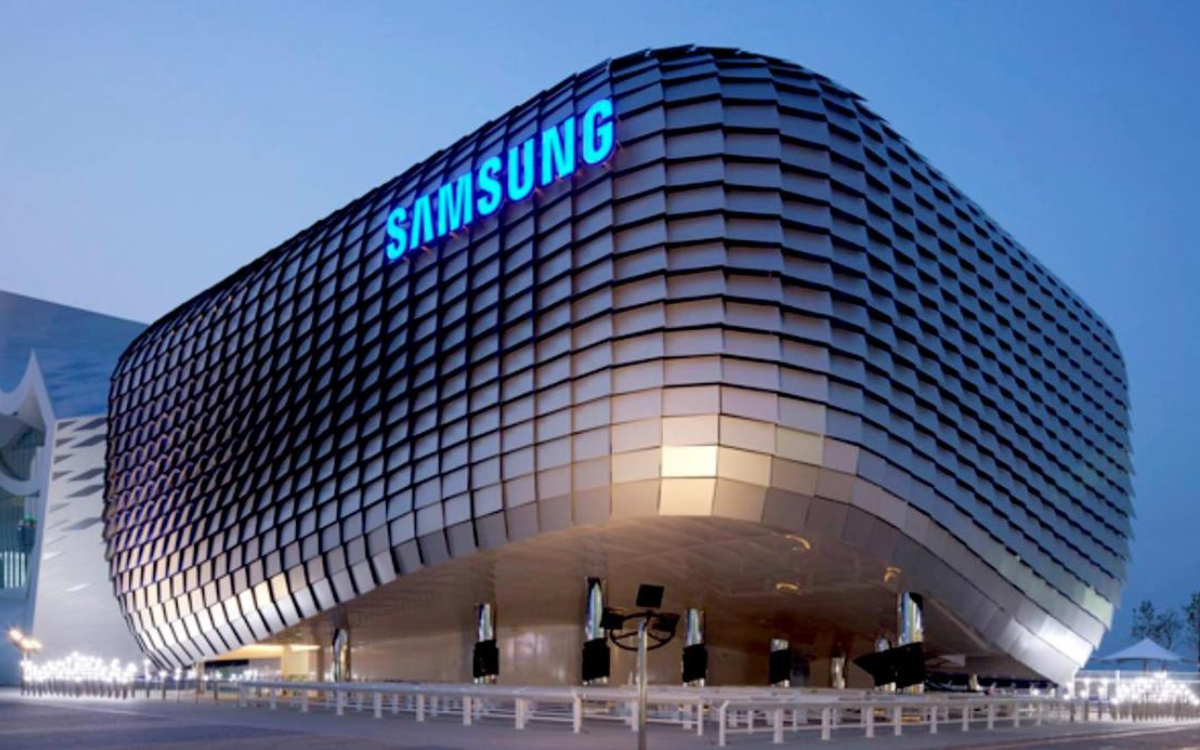
    Samsung Electronics will dedicate its second semiconductor plant in Taylor, Texas, to manufacturing base dies for high-bandwidth memory chips destined for AMD and Nvidia. Industry sources reported this week that the South Korean company has already booked orders covering the facility’s total planned capacity ahead of ground breaking.

    AMD accounts for the majority of the secured volume at the site, where formal construction is scheduled to begin this month.

    The plant will cover about 2.7 million square feet, roughly 1.5 times the size of Samsung’s first Taylor facility, which holds a supply contract with Tesla, and will deploy an advanced 2-nanometre manufacturing node.

    Plant Footprint and Production Schedules

    Equipment installation will start in February 2029. Commercial mass production will follow in 2030.

    Samsung Electronics declined to comment on the customer allocations and production timelines. The company previously dedicated its initial Taylor plant to automotive and computing contracts, including work for Tesla.

    Pressure on the AI Hardware Chain

    Base dies form the foundation of high-bandwidth memory stacks, acting as the logic layer that links dynamic random-access memory directly to high-performance graphic processing units. Securing dedicated foundry capacity for these components removes a critical choke point for server makers, data platform operators and consumer tech hardware vendors that rely on fast graphic processors.

    Committing the plant entirely to external graphic chip designers locks Samsung into heavy capital deployment years before revenue flows. Cleanroom tools and extreme ultraviolet lithography systems must be ordered and amortised on schedules that leave little room for client order cancellations. The operational risk sits squarely on yield rates: running a 2-nanometre node at scale has challenged every major foundry in Asia, and transferring that production overseas amplifies tooling and labour risks.

    Shifting Rivalries and Customer Locks

    Tesla already anchors work at Samsung’s first Texas site, giving the Korean group an industrial base in North America across autonomous transport and machine-learning processors. Expanding in Texas matches broader attempts by Asian hardware giants to build manufacturing capacity inside the United States, positioning supplies closer to American enterprise buyers.

    The Long Run to 2030

    Heavy site preparation in Taylor now shifts to foundation work this month, with cleanroom completion targeted ahead of the February 2029 tool installation date.
  • Tencent-Backed Enflame Draws 4,073 Times Retail Demand in Shanghai IPO

    Tencent-Backed Enflame Draws 4,073 Times Retail Demand in Shanghai IPO

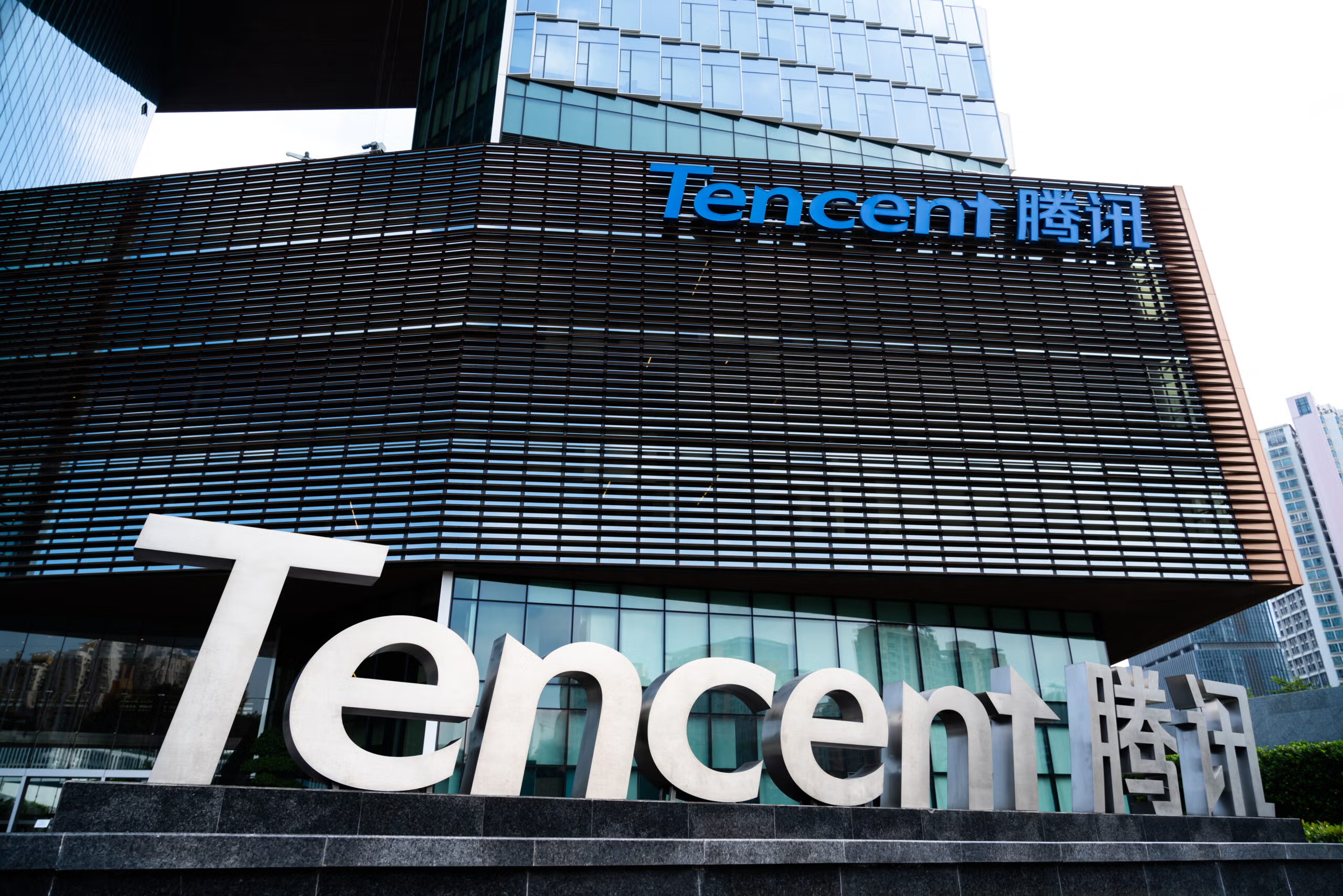
    Shanghai Enflame Technology drew 4,073 times retail subscription for its public offering on Shanghai’s STAR Market, raising 6.12 billion yuan ($860 million) to expand production of domestic artificial intelligence chips.

    Individual buyers lodged seven million orders totaling 5.98 trillion yuan, taking up the retail tranche of an issue priced at 142.18 yuan per share. The sale of 43 million shares represents 10 percent of the company’s enlarged equity base.

    Anchor Customer And Rising Shipments

    Founded in 2018, Enflame develops AI accelerator hardware designed for cloud infrastructure and large data centers. Tencent Holdings owns 20 percent of the business and generated 84 percent of Enflame’s total revenue in 2025, up from roughly 38 percent a year earlier.

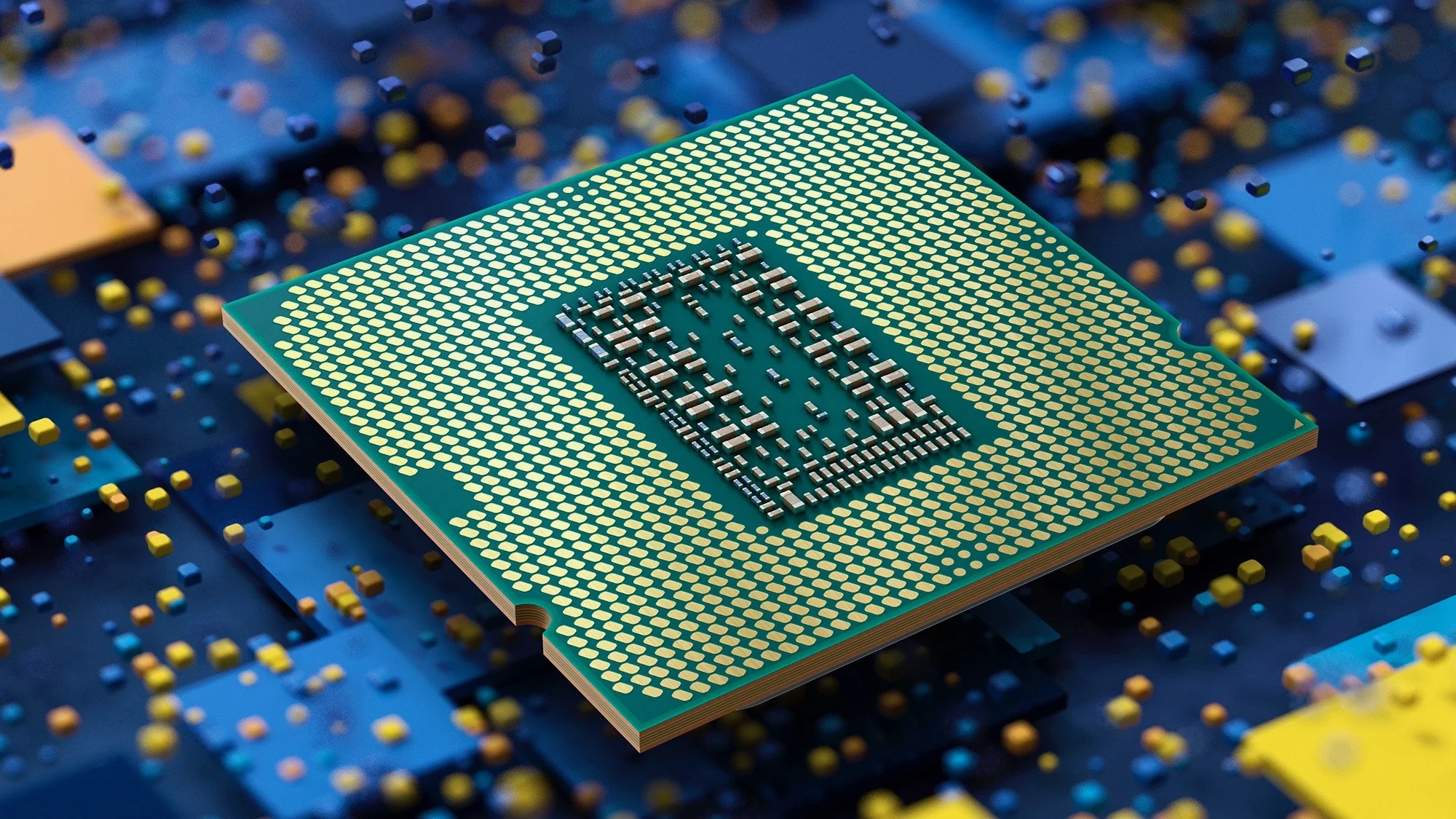
    The company builds processor cards deployed in chatbots, recommendation systems and generative computing workloads. SWS Research estimates Nvidia commanded 55 percent of China’s AI accelerator market in 2025, while Enflame captured 1.7 percent of local shipments.

    The Final Dragon Reaches Public Capital

    Enflame is the last of China’s four emerging AI chip startups, known locally as the four little dragons, to complete a public listing. Peers Moore Threads, Biren Technology and MetaX Integrated Circuits reached the market earlier, with Moore Threads gaining 425 percent on its trading debut last December.

    While local computing platforms continue to substitute imported silicon, profitability remains unproven across the cohort. Enflame cut its net loss to 1.2 billion yuan in 2025 from 1.5 billion yuan in 2024. For the first half, the company projects a loss of 600 million yuan against anticipated revenue between 10.6 billion and 11.5 billion yuan.

  • TSMC’s AI Chip Capacity Challenges Offer Samsung A Pricing Advantage

    TSMC’s AI Chip Capacity Challenges Offer Samsung A Pricing Advantage

    Taiwan Semiconductor Manufacturing Company (TSMC), a global leader in chip manufacturing, is reportedly struggling with production constraints for its advanced AI chips. These bottlenecks are primarily linked to the intricate Chip-on-Wafer-on-Substrate (CoWoS) packaging technology, which is critical for high-performance computing components used in artificial intelligence.

    This production challenge at TSMC presents a strategic advantage for its main competitor, Samsung. With demand for AI chips surging and TSMC’s capacity limited, Samsung finds itself in a stronger position to negotiate higher prices for its competing memory products, particularly High Bandwidth Memory (HBM). HBM is a vital component often bundled with AI chips.

    Market Dynamics and Pricing Power

    The current situation highlights the intense competition and intricate supply chain dynamics within the semiconductor industry. As AI development accelerates, the ability to produce these complex chips and their associated components at scale becomes a major determinant of market leadership. TSMC’s temporary hurdles with CoWoS packaging could give Samsung a window to capture a larger share of the lucrative AI hardware market, at potentially more favourable pricing. This rivalry extends beyond just the foundry business into memory and packaging, where both companies are significant players.

    Implications for Asia’s Electronics Supply Chain

    For Asia’s electronics and consumer tech sectors, this dynamic is crucial. Many consumer devices, from smartphones to smart home hubs, increasingly rely on AI capabilities, which in turn depend on advanced chips and memory. A shift in pricing power or supply availability from major manufacturers like TSMC and Samsung can ripple through the entire supply chain, affecting component costs and product development timelines for brands across the region. RetailNews Asia tracks how such foundational shifts in manufacturing impact the availability and pricing of critical components for major electronics brands and, ultimately, the consumer market.

  • Samsung Eyes over $72 Billion Shareholder Return Amid AI Chip Surge

    Samsung Eyes over $72 Billion Shareholder Return Amid AI Chip Surge

    Seoul, South Korea based Samsung Electronics is expected to announce a substantial new shareholder return policy later this month, reportedly exceeding 100 trillion won (approximately $71.75 billion). This initiative comes as the technology giant seeks to share record profits with investors, largely fueled by the ongoing AI-driven chip supercycle.

    According to media reports, the South Korean memory-chip maker’s board is scheduled to convene at the end of August to approve the new shareholder return plan. Industry sources suggest the program will include a special dividend and allocate 50 percent of the company’s free cash flow to this new scheme.

    Rival Actions and Market Impact

    This anticipated announcement from Samsung follows closely on the heels of a significant move by its local competitor, SK Hynix. On Wednesday, SK Hynix, the world’s second-largest memory-chip producer after Samsung, revealed its own 40 trillion won share buyback and cancellation program. This represents the largest shareholder return initiative ever declared by a publicly listed South Korean company. SK Hynix also committed to dedicating over 50 percent of its free cash flow generated between 2025 and 2027 to shareholder returns.

    Such large-scale financial commitments from key players like Samsung and SK Hynix highlight the robust profitability within the global semiconductor industry, particularly in the memory chip segment. The surge in demand for chips due to advancements in artificial intelligence has created a lucrative environment for these technology powerhouses, allowing them to reward investors handsomely. These moves are likely to influence investor sentiment and financial strategies across Asia’s tech sector, setting a precedent for how major corporations manage their excess capital in times of high growth.

    Rewarding Investors Amid Strong Performance

    The reported shareholder return program from Samsung underscores a period of strong financial performance for the company. The AI-driven surge in demand for high-performance memory chips, essential for AI applications, has significantly boosted revenues and profits for chip manufacturers. By distributing a substantial portion of its free cash flow, Samsung aims to enhance shareholder value and maintain investor confidence. The company has not yet commented on the media reports.