Retail News CRM

Tag: ai-driven

  • Visa and Lianlian Pioneer AI-Driven B2B Payments in Greater China

    Visa and Lianlian Pioneer AI-Driven B2B Payments in Greater China

    In a pioneering move, Visa and Chinese fintech company, Lianlian, have successfully completed the first-ever business-to-business (B2B) transaction facilitated by artificial intelligence (AI) in Greater China. The transaction, which marks significant progress towards a future where AI agents independently facilitate purchases and make payments, was executed using LoopXPay, an AI agent developed by Lianlian.

    In a single workflow, the agent sourced a product sample from a vendor, identified the purchasing requirement, suggested suitable suppliers, compared options, placed the order, and securely executed the payment. This process was conducted within predefined spending limits and approval ranges allowing control over the transaction to be retained, while much of the procurement process was delegated to the AI. The development exemplifies the potential for AI to progress beyond information gathering and assistance to include commercial decision-making and financial transactions.

    Establishing Trust in AI-Mediated Payments

    The progression also raises a fundamental question for Visa: how can merchants and financial institutions verify if an AI agent initiating a transaction is authentic and authorised to spend? In response to this, Lianlian’s LoopXPay has been registered in Visa’s Agentic Directory, a tool that allows businesses and merchants to recognise validated AI agents.

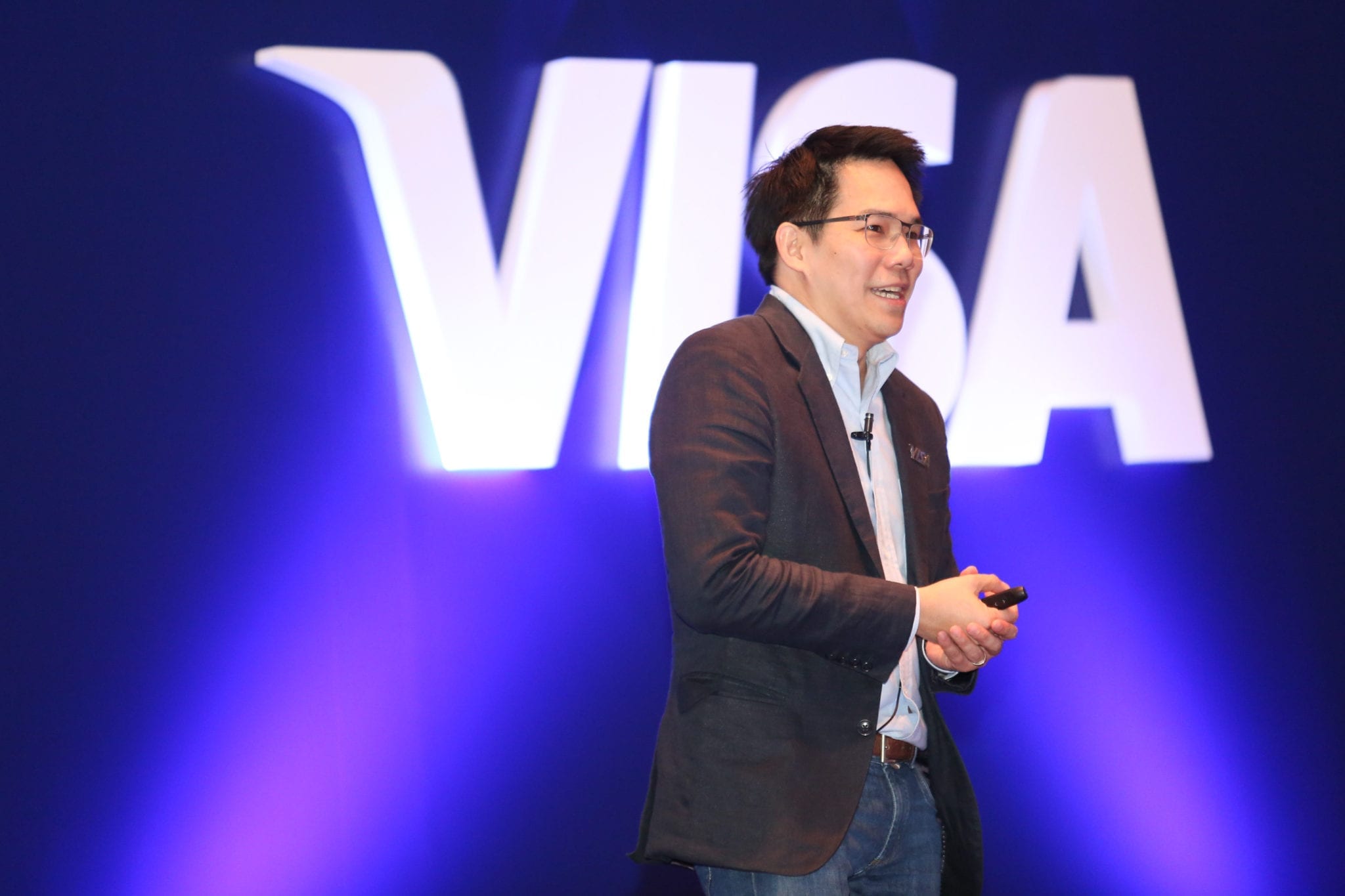
    The infrastructure aids Visa’s Trusted Agent Protocol, built to offer identity, transparency, and controls for agent-facilitated transactions. “As businesses increasingly look to incorporate intelligence into purchasing and payment experiences, trust will become an essential driver of adoption,” stated Darren Parslow, Global Head of Visa Commercial Solutions.

    The initiative intimates a potential new function for payment networks. As autonomous AI systems become capable of commercial decision-making, payment providers will increasingly need to establish rules governing identity, authorisation, and spending controls for machines acting on behalf of businesses.

    Expanding Applications for AI Agents

    Visa and Lianlian are already exploring additional applications for AI agents beyond the first transaction. These include procurement, digital advertising optimisation, and payments on B2B platforms.

    Lianlian views payments as a crucial element of the emerging infrastructure supporting what it refers to as the “Agent Economy.” “AI is transforming the entire commercial value chain, where a growing number of business activities will be independently carried out by AI agents, with payments serving as the critical infrastructure linking them to global commerce,” explained Zhang Zhengyu, founder, chairman, and CEO of Lianlian DigiTech.

    The collaboration between Visa and Lianlian arrives as payment networks, banks, and fintech companies progressively explore how autonomous AI agents could revolutionise commerce. If adoption accelerates, the competition may extend beyond who processes a payment to who provides the identity, trust, and authorisation infrastructure enabling AI agents to transact initially.

    Questions & Answers

    What was the nature of the transaction conducted by Visa and Lianlian?
    The companies completed a B2B transaction driven by an AI agent. This marked a significant step towards autonomous AI systems facilitating purchases and making payments.

    How do Visa and Lianlian ensure that AI-driven transactions are legitimate?
    LoopXPay, the AI agent used for the transactions, is registered in Visa’s Agentic Directory. This tool allows businesses to verify AI agents, ensuring that they are legitimate and authorized to conduct transactions.

    What is Lianlian’s view of the role of payments in the future of commerce?
    Lianlian sees payments as a vital component of the infrastructure supporting the “Agent Economy.” They believe that AI is transforming the commercial value chain, with payments serving as a critical link connecting autonomous business activities to global commerce.


  • L’Oréal Pledges $383M for Indian Beauty Tech Hub: A Leap into AI-Driven Innovation and Job Creation

    L’Oréal Pledges $383M for Indian Beauty Tech Hub: A Leap into AI-Driven Innovation and Job Creation

    L’Oréal, the French cosmetics powerhouse, announced on Wednesday plans to establish a beauty technology hub in Hyderabad, a major city in southern India, supported by an initial investment surpassing 35 billion rupees (approximately US$383.4 million).

    The planned tech hub is anticipated to serve as a global hotbed for AI‑driven beauty innovation. L’Oréal aims to generate 2000 tech employment opportunities by 2030 and expedite the deployment of advanced AI beauty solutions, according to a company statement.

    The agreement detailing this new venture was officially established at the World Economic Forum in Davos by Nicolas Hieronimus, L’Oréal’s CEO, and the state government of Telangana.

    Over recent years, Telangana has swiftly risen to prominence as a crucial investment and technological epicenter in southern India.

    Trade relations between India and France have been steadily strengthening, with bilateral trade reaching $15 billion in 2024. This warming relationship is further evidenced by ongoing discussions between Indian Prime Minister Narendra Modi and French President Emmanuel Macron.

    In addition, both nations have been cooperating since 2024 to revamp their tax treaty. The aim is to modernize the agreement by integrating global standards concerning tax transparency.

    Questions & Answers

    What is the purpose of L’Oréal’s planned tech hub in Hyderabad?
    The tech hub is intended to be a global platform for AI-driven beauty innovation. It is also expected to create 2000 tech jobs by 2030 and facilitate the introduction of advanced AI beauty solutions.

    Who formalized the agreement for this new project?
    The agreement was formalized by Nicolas Hieronimus, L’Oréal’s CEO, and the state government of Telangana at the World Economic Forum in Davos.

    What major economic changes are being pursued by India and France?
    India and France have been collaborating since 2024 to update their tax treaty. This revision aims to modernize the contract by incorporating global standards on tax transparency.

  • Hyundai Duty Free Unveils AI-Driven Personalized Beauty Hub in Seoul: A New Era of Cosmetics Shopping

    Hyundai Duty Free Unveils AI-Driven Personalized Beauty Hub in Seoul: A New Era of Cosmetics Shopping

    Hyundai Duty Free recently announced the launch of an artificial intelligence (AI) powered beauty analysis zone at its Trade Centre location in Seoul, South Korea. The innovative space, known as ‘AI Beauty Trip’, offers customers unique, personalized skincare and makeup advice through cutting-edge digital tools.

    AI Beauty Trip: A Personalized Beauty Experience

    Situated on the ninth floor of the Trade Centre, the AI Beauty Trip will be operational until April 15th. The zone features two AI-powered devices that provide a sophisticated level of personalization for customers.

    The ‘Makeup AI’ device, a standing unit, uses photo imaging technology to analyze a patron’s facial structure, proportions, and individual color tones. Its counterpart, the ‘Skin Pro AI’, is a mirror-style device designed to evaluate skin conditions. It assesses factors such as pore size, oil levels, wrinkles, and signs of skin aging.

    After customers have undergone these detailed assessments, they can access a comprehensive diagnostic report and tailored product suggestions by scanning a QR code displayed on the screen.

    Participating Brands and Incentives

    Hyundai Duty Free has confirmed that 36 beauty brands participating in the store are integrated with this system. This means that customers have access to information on approximately 800 distinct products, helping to generate highly personalized product suggestions.

    In addition, customers spending at least US$50 on beauty products from participating brands at the Trade Centre store will receive a prepaid gift card worth 10,000 won. This gift card can be used immediately, offering an extra incentive for customers to engage with the AI Beauty Trip experience.

    Technology and Retail: A Perfect Blend

    This latest initiative from Hyundai Duty Free highlights the retailer’s commitment to integrating advanced technology with traditional in-store shopping experiences. As competition within the duty-free retail sector intensifies, and consumer preferences continue to evolve, such innovative approaches aim to boost customer engagement and satisfaction levels.

    Questions & Answers

    What is the ‘AI Beauty Trip’ initiative?
    The ‘AI Beauty Trip’ is an AI-powered beauty analysis zone at Hyundai Duty Free’s Trade Centre store in Seoul. It offers customers personalized skincare and makeup advice through innovative digital tools.

    What are the ‘Makeup AI’ and ‘Skin Pro AI’ devices?
    The ‘Makeup AI’ is a stand-type device that uses photo imaging technology to analyze facial structure, proportions, and color tones. The ‘Skin Pro AI’ is a mirror-style device that evaluates skin conditions such as pore size, oil levels, wrinkles, and signs of aging.

    What incentive does Hyundai Duty Free offer customers who engage with the AI Beauty Trip experience?
    Customers spending at least US$50 on beauty products from participating brands at the Trade Centre store will receive a prepaid gift card worth 10,000 won. This gift card can be used immediately.

  • AI-Driven Network Optimization Boosts Indosat Data Traffic, Fuelling Digital Surge across Indonesia

    AI-Driven Network Optimization Boosts Indosat Data Traffic, Fuelling Digital Surge across Indonesia

    Indosat Ooredoo Hutchison (Indosat) saw a significant increase in data traffic throughout 2025, propelled by a rise in digital consumption across Indonesia. From December 21, 2025, to January 1, 2026, national data traffic grew by approximately 15% compared to regular days and by over 20% in comparison to the same period the previous year. This increase showcases the growing scale of digital activities across various regions. With a robust network across thousands of strategic locations and constantly improving infrastructure, Indosat ensured uninterrupted service even during the high-traffic holiday period.

    Optimizing Network Through Digital Intelligence Operations Center (DIOC)

    Indosat’s efforts were enhanced by network optimization through the Digital Intelligence Operations Center (DIOC), an artificial intelligence-based operations center that allows real-time network performance monitoring. The surge in data usage emphasizes Indosat’s dedication to improving customer experience by extending network coverage and enhancing quality, particularly for seamless video streaming and gaming in remote areas and key tourist destinations. This technology allows for adaptive capacity adjustments in areas experiencing traffic growth, ensuring customers have a reliable and high-quality digital experience across Indonesia.

    Desmond Cheung, Director and Chief Technology Officer at Indosat Ooredoo Hutchison, said that data traffic growth is not merely a technical indicator, but a tangible reflection of Indonesia’s digital economic progress. Usage surges are not restricted to major cities, but are also occurring in tourist destinations and emerging economic centers. This demonstrates the expanding impact of Indosat, and with AI-powered technology at DIOC, technical teams can more swiftly respond to potential disruptions, ensuring consistent connectivity for all customers.

    Preparing for the Digital Surge

    In anticipation of the surge in digital activity, Indosat increased network capacity at strategic locations, especially in regions with the highest traffic growth. This period also saw an increased popularity of digital services, with apps like TikTok, WhatsApp, Instagram, Facebook, and YouTube recording the highest usage growth. These efforts are supported by over 208,000 4G BTS and 1,404 5G BTS deployed nationwide, leading to an expanded service coverage for customers across Indonesia.

    Continuing Connectivity Recovery in Disaster-Affected Areas

    Connectivity remains critical for supporting community activities during post-disaster recovery. Indosat is expediting the restoration of telecommunications network services in areas affected by recent disasters. The company’s recovery effort reflects its commitment to supporting communities, ensuring connectivity remains a vital element for coordination, access to information, and daily activities.

    Indosat has also increased the number of technical personnel deployed across affected areas. Working closely with the Ministry of Communications and Digital Affairs, the Indonesian National Board for Disaster Management, and local governments, Indosat is ensuring priority fuel supplies and access to areas previously isolated due to infrastructure damage. Standby teams have been deployed at strategic locations for maximum service quality maintenance.

    Questions & Answers

    What led to the surge in Indosat’s data traffic in 2025?
    The rapid increase in digital consumption across Indonesia throughout 2025 led to a surge in Indosat’s data traffic.

    How is Indosat responding to the growth in data usage?
    Indosat is responding to the growth in data usage by optimizing its network through the AI-based Digital Intelligence Operations Center (DIOC), expanding network coverage, and enhancing service quality.

    What steps is Indosat taking to restore connectivity in disaster-stricken areas?
    Indosat is expediting the restoration of telecommunications network services, deploying more technical personnel, securing priority fuel supplies, and maintaining standby teams at strategic locations.

  • UBS Tech Revolution: COO-designate Takes the Reins as Dargan Exits, Setting Stage for AI-Driven Future

    UBS Tech Revolution: COO-designate Takes the Reins as Dargan Exits, Setting Stage for AI-Driven Future

    UBS, the leading global financial institution, is implementing a strategic restructuring of its executive team, aimed at enhancing oversight of its technology operations. This change comes as a critical phase of operational and technology development begins, with the Group Technology division now falling under the purview of the incoming Group Chief Operating Officer.

    Executive Changes on the Horizon

    Mike Dargan, the current Group Chief Operations and Technology Officer, will be leaving his position at UBS at the end of December 2025 to seize a new opportunity elsewhere. This departure has resulted in an immediate reshuffling of responsibilities within the firm’s operational and technology sectors.

    From the start of January 2026, the Group Technology division will report to Beatriz Martin as she steps into her new role as Group Chief Operating Officer. This shift will consolidate the operational responsibility and technology governance on a day-to-day basis under Martin’s leadership.

    Interim Leadership and Continuity

    In the interim, while a permanent successor is sought, Chris Gelvin will assume the role of acting Head of Group Technology. Gelvin, who currently serves as Chief Operating Officer of Group Technology, will maintain continuity and stability within the operation as UBS finalizes its long-term leadership structure.

    UBS has indicated that this expansion of the Group COO role is designed to support seamless operations from beginning to end, prioritizing technology and artificial intelligence initiatives. Furthermore, it is intended to facilitate the completion of the ongoing technology integration process.

    CEO’s Perspective: Growth, Resilience, and Digitization

    Sergio Ermotti, the Group CEO, has praised Dargan for his role in leveraging technology to enhance the company’s business performance. He stated that Dargan had played a pivotal role in positioning the company’s technology as a key factor in business growth and resilience, and in advancing the firm’s strategic shift towards artificial intelligence and digitization.

    It’s important to note that changes to the Group Executive Board are subject to regulatory approval. Revised reporting lines and interim arrangements are being implemented to ensure stable execution during this transition period.

    Questions & Answers

    Q: Who will assume the role of Group Chief Operating Officer at UBS?
    A: Beatriz Martin will take over as Group Chief Operating Officer from January 1, 2026.

    Q: What will be the role of Chris Gelvin during the transition?
    A: Chris Gelvin will serve as interim Head of Group Technology, maintaining continuity during the transition period until a permanent successor is found.

    Q: What is the main goal of these changes in UBS’s leadership?
    A: The main goal is to enhance oversight of technology operations, support seamless end-to-end operations, prioritize technology and artificial intelligence initiatives, and complete the ongoing technology integration process.

  • UBS Tech Shake-up: Outgoing CTO Paves Way for Incoming COO’s AI-Driven Vision

    UBS Tech Shake-up: Outgoing CTO Paves Way for Incoming COO’s AI-Driven Vision

    UBS Group has announced changes in its executive oversight, particularly in regard to technological advancements and operations. This comes as the company enters a significant phase in executing its operational and technological strategies. To spearhead this pivotal phase, UBS has moved its Group Technology department under the direct supervision of the soon-to-be Group Chief Operating Officer.

    Mike Dargan, the current Group Chief Operations and Technology Officer, is stepping down from his position at the end of December 2025. His departure has set into motion an immediate reshuffling of roles at the top echelons of the company’s operating and technology sections, as stated in a recent press release.

    Restructuring the Leadership

    As of 1st January 2026, the Group Technology department will be reporting to Beatriz Martin, who will be assuming the position of Group Chief Operating Officer. This move is designed to consolidate daily operational accountability with technological governance.

    In the meantime, Chris Gelvin will serve as the interim Head of Group Technology, while also retaining his current role as Chief Operating Officer of Group Technology. This arrangement will ensure continuity as UBS works on finalizing its long-term leadership structure.

    The expanded portfolio of the Group COO is expected to facilitate seamless end-to-end operations, prioritize technological and artificial intelligence initiatives, and aid in completing the remaining technology integration process.

    Emphasizing Growth, Resilience, and Digitization

    Sergio Ermotti, the Group CEO, has praised Dargan’s valuable contributions in positioning technology as a key driver for business growth and resilience. He particularly highlighted Dargan’s role in steering the company’s strategic shift towards AI and digitization.

    The changes to UBS’s Group Executive Board are contingent on regulatory approval. However, the revised reporting lines and interim arrangements have been designed to ensure consistent execution throughout the transition period.

    Questions & Answers

    What is the purpose of the recent changes in UBS’s executive oversight?
    The changes are intended to consolidate daily operational accountability with technological governance as the company enters a critical phase of executing its operational and technological strategies.

    Who will be assuming the role of Group Chief Operating Officer in UBS?
    Beatriz Martin will be assuming the role of Group Chief Operating Officer at UBS starting from 1st January 2026.

    What is the role of technology in UBS’s business strategy?
    Technology is seen as a key driver for business growth and resilience at UBS. The company is strategically shifting towards artificial intelligence and digitization.

  • Samsung and SKT Forge Ahead with Advanced AI-Driven 6G Tech: A New Era in Hyperconnected Telecommunications

    Samsung and SKT Forge Ahead with Advanced AI-Driven 6G Tech: A New Era in Hyperconnected Telecommunications

    Samsung Electronics and SK Telecom (SKT) have recently formalized their cooperation by signing a memorandum of understanding (MoU). The partnership will focus on the development of crucial 6G technologies, with a special focus on artificial intelligence-based radio access network (AI-RAN) technology. The primary aim of the collaboration is to develop and test key technologies for the 6G era, including AI-based channel estimation, distributed multiple-input multiple-output (MIMO) transmission, AI-RAN-based schedulers, and core network architectures.

    Leading the Collaboration

    Samsung Research and SKT’s Network Technology Office will be spearheading the collaboration. AI-based channel estimation technology aims to improve network performance by predicting and correcting signal transmission instantaneously. This allows for quick and accurate data delivery in environments where radio waves face obstructions such as buildings or walls.

    Unlike traditional setups, where a single base station handles data processing, distributed MIMO technology enables multiple base stations or antennas to collaborate in the transmission and reception of data. This innovative approach ensures reliable, ultra-high-speed communication in both urban and rural settings.

    Improving Network Quality

    AI-RAN schedulers and AI-based core networks are crucial for data transmission optimization. They efficiently dictate when, where, and how to send data, ensuring efficient resource allocation even when numerous user devices are connected. These technologies are vital for enhancing network quality and facilitating automation in a future hyperconnected society.

    Under the partnership, Samsung Research will be concentrating on the development of AI-RAN technologies, including AI-based channel estimation models, schedulers, and distributed MIMO. Meanwhile, SKT will be responsible for providing data and setting up test infrastructure based on its nationwide network operations. The companies are also making collaborative efforts as members of the AI-RAN Alliance.

    Future Prospects

    JinGuk Jeong, Executive Vice President and Head of Advanced Communications Research Center (ACRC), Samsung Research at Samsung Electronics, has expressed optimism about the joint venture with SKT. He believes that this field-focused collaboration will enable them to verify the efficacy of AI-based wireless technologies in real-world settings and secure key AI-RAN technologies at an early stage.

    Takki Yu, Vice President of SK Telecom Network Technology Office, emphasized that the fusion of AI and wireless communications will be crucial to 6G competitiveness. Through their partnership with Samsung Electronics, they plan to secure world-class AI-RAN-based 6G technologies and lead the global 6G ecosystem.

    Since 2019, when it established the Advanced Communications Research Center (ACRC), Samsung has been proactively pursuing 6G research, publishing the 6G White Paper and 6G Spectrum White Paper, which outline its vision and direction for next-generation communications.

    Questions & Answers

    What is the main focus of the collaboration between Samsung Electronics and SK Telecom?
    The collaboration aims to develop and test key technologies for the 6G era, particularly artificial intelligence-based radio access network (AI-RAN) technology.

    Who will be leading this collaboration?
    Samsung Research and SKT’s Network Technology Office will be spearheading the partnership.

    What role does AI play in the development of 6G technologies?
    Artificial Intelligence is crucial in enhancing network quality, facilitating automation, and ensuring efficient resource allocation in a future hyperconnected society.

  • Indosat, Nokia, and NVIDIA Unveil AI-RAN Research Center: Pioneering AI-Driven Telecom Networks in Indonesia

    Indosat, Nokia, and NVIDIA Unveil AI-RAN Research Center: Pioneering AI-Driven Telecom Networks in Indonesia

    Indosat Ooredoo Hutchison (IOH), in collaboration with Nokia and NVIDIA, has initiated a research center in Surabaya that concentrates on developing AI-powered radio access networks (RAN). This project marks the first Nokia-NVIDIA AI-RAN research site in Asia and is aimed at fostering AI-integrated telecommunications networks. It aligns with Indonesia’s Golden Indonesia Vision 2045 which is focused on promoting digital transformation and nurturing local AI talent.

    Facility Comprising Advanced RAN Technologies

    The research center comprises Nokia’s advanced RAN technologies, NVIDIA’s accelerated computing platforms, and IOH’s commercial network, creating AI-driven network capabilities. It will also connect to IOH’s current NVIDIA-powered sovereign AI Factory, which acts as a distributed computing hub. This hub will enhance network performance, improve energy efficiency and increase scalability, all while bringing AI closer to users.

    Developing AI-Driven Optimization for Wireless Networks

    The research and development at the center will focus on AI-driven optimization for wireless networks, utilizing AI/ML-powered radio signal processing techniques. It will support AI and RAN workloads on the NVIDIA Aerial RAN Computer 1 (ARC-1). It is expected to prepare the ground for commercial-grade AI-RAN deployment using NVIDIA ARC-Pro and Nokia CUDA-accelerated anyRAN software. These technologies aim to deliver more dynamic, adaptable, and intelligent mobile networks for IOH customers.

    Building an AI Grid

    IOH, Nokia, and NVIDIA are planning to establish an “AI Grid” that connects IOH’s central AI Factory with AI-RAN hubs across Indonesia. The grid is designed to host AI applications from data centers to distributed 5G networks, enabling broader access to AI-powered services for millions of Indonesians.

    Supporting Aivolusi5G Strategy

    IOH’s Aivolusi5G strategy is supported by the AI-RAN Research Center with the aim to provide intelligent connectivity for individuals and businesses. It plans to unlock AI-powered applications across sectors such as education, agriculture, and healthcare, transforming how Indonesians learn, work, and live.

    Nurturing the Next Generation of AI Specialists

    The center will serve as a hub to foster Indonesia’s next generation of AI and telecom specialists through hands-on research, mentorship, and training. This effort aligns with Indonesia’s ambition to become among the top five economies globally by 2045.

    Questions & Answers

    What is the role of the AI-RAN Research Center in Surabaya?
    The AI-RAN Research Center, a collaboration between IOH, Nokia, and NVIDIA, focuses on developing AI-powered radio access networks (RAN). It’s designed to foster AI-integrated telecommunications networks and nurture local AI talent.

    What are the AI-RAN Research Center’s areas of focus?
    The center will focus on developing AI-driven optimization for wireless networks, utilizing AI/ML-powered radio signal processing techniques. The goal is to deliver more dynamic, adaptable, and intelligent mobile networks for IOH customers.

    How does the AI-RAN Research Center align with Indonesia’s future goals?
    The center aligns with Indonesia’s Golden Indonesia Vision 2045, which aims to promote digital transformation and nurture AI talent. It also supports Indonesia’s ambition to become among the top five economies globally by 2045.

  • Revolutionizing Global Commerce: Ant Group’s Vision for AI-Driven Financial Tools for SMEs

    Revolutionizing Global Commerce: Ant Group’s Vision for AI-Driven Financial Tools for SMEs

    Eric Jing, Chairman of Ant Group, recently presented his vision for propelling small-to-medium-sized enterprises (SMEs) into the next level of productivity at the Singapore FinTech Festival. He posited that artificial intelligence (AI)-driven financial tools and tokenised transactions would fundamentally transform how SMEs function and compete on a global scale.

    AI-Driven Transformation for SMEs

    Jing highlighted Ant Group’s dedication to equipping SMEs with AI-driven payment and operational tools. He believes the tools will position companies to reap the rewards of an upcoming global productivity boom. Jing expressed his belief that frontier technology can significantly foster inclusion and support SMEs.

    Singapore: A Global Hub for Growth

    Ant International, which became autonomous in 2024, has its headquarters in Singapore. It collaborates with over 1,400 institutional partners and its global payment and digitalisation network caters to 150 million businesses. The network also links QR-based wallets reaching more than 1.8 billion consumer accounts worldwide.

    Expectations for AI-Driven Finance

    Jing forecasts an increase in personalised AI financial advisors for consumers and an accelerated shift toward agentic commerce for businesses. He predicts the latter will be driven by autonomous systems capable of managing comprehensive payment and operational tasks. Jing believes that AI agents could be instrumental in helping SMEs that struggle with the complexities of the global trade environment.

    AI Tools Enhancing Efficiency for SMEs

    Antom, the merchant services division of Ant International, is already leveraging AI with Antom Copilot. This tool streamlines payment integration, onboarding, risk settings, and chargeback management. According to Ant International, Copilot reduces integration time by over 90%, improves winning rates for chargebacks by three percentage points, and cuts resolution time by 46%.

    Antom also recently launched EPOS360, an integrated application that combines POS systems, payments, banking, lending, and growth support into one platform. This tool is designed to help micro, small, and medium enterprises (MSMEs) expand more efficiently. Jing depicted these AI agents as virtual Chief Operating Officers (COOs) and Chief Financial Officers (CFOs) that serve as planners and implementers for SMEs.

    Emergence of Multi-Agent Systems

    Jing stressed that autonomous multi-agent systems capable of executing complex transactions are not just theoretical but are already becoming a reality. He maintained that these systems will form the backbone of the next phase of global digital commerce, especially for SMEs operating internationally.

    Jing underscored the importance of tokenisation of money as a key facilitator of real-time global transactions, especially for companies engaged in international trade. He also emphasised the importance of policy guidance from regulators.

    Trials in Tokenised Money

    In the context of Project Guardian, Ant International has taken part in pilot programmes involving tokenised money and cross-border transactions. These trials have illustrated how blockchain-based payments can provide real-time transparency and credibility to SMEs operating globally.

    Through the Monetary Authority of Singapore’s (MAS) PathFin.ai initiative, Ant International is also sharing its expertise on AI implementation. Jing highlighted the company’s Falcon Time-Series Transformer, an 8.5-billion-parameter model for FX and liquidity forecasting, which has contributed to significant improvement in cash-flow prediction accuracy and reduced hedging costs for businesses.

    Questions & Answers

    What is Ant Group’s vision for SMEs?
    Ant Group aims to equip SMEs with AI-driven financial tools and other operational aids to boost their productivity and global competitiveness.

    How is Ant International leveraging AI for SMEs?
    Ant International uses AI through tools like Antom Copilot and EPOS360 to streamline payment integration, onboarding, risk settings, and chargeback management, making these processes more efficient for SMEs.

    What are the benefits of tokenised money for SMEs?
    Tokenised money can facilitate real-time global transactions, providing transparency and credibility for SMEs that operate internationally. Through blockchain-based payments, SMEs can gain a competitive edge in the global market.

  • Indosat’s AI-Driven Shield: Blocking 200 Million Spam & Scam Contacts in 90 Days!

    Indosat’s AI-Driven Shield: Blocking 200 Million Spam & Scam Contacts in 90 Days!

    Indosat Ooredoo Hutchison (IOH) has announced significant success in the initial months following the launch of its AI-powered Anti-Spam and Anti-Scam feature. Just three months after its introduction, the feature has blocked hundreds of millions of potential digital fraud attempts. Launched on August 7, 2025, the tool has intercepted more than 200 million potentially harmful calls, flagged over 90 million dubious messages, and safeguarded an average of 11.5 million customers per month from possible scams.

    Artificial Intelligence Meets 5G

    This anti-fraud feature is a key component of Indosat’s AIvolusi5G program, an initiative that combines the power of artificial intelligence with cutting-edge 5G technology to enhance the safety and dependability of the network. This system works automatically on a network level, screening calls and messages for possible fraudulent activities. This does not necessitate the installation of additional applications or the use of specific devices by customers.

    According to the Global Anti-Scam Alliance’s 2025 State of Scams in Indonesia report, 66% of Indonesian adults have been the target of scam attempts in the past year, with 14% suffering financial losses totaling IDR 49 trillion (USD 3.3 billion). The majority of these scams have taken place through direct-messaging channels like SMS and chat platforms.

    Impressive Results

    Indosat’s internal data has revealed that the company’s VoLTE network alone has detected over 290 million spam calls. When expanded to encompass Indosat’s entire customer base, this results in more than 500 million identified scam and spam calls and messages within just two and a half months. Additionally, the system has flagged over 145 million spam and scam messages, which includes 110 million confirmed fraudulent messages.

    Bilal Khazmi, Director and Chief Commercial Officer of Indosat Ooredoo Hutchison, commented on the results, saying: “Our technology is designed to help customers of all age groups navigate the digital world with increased confidence. By offering fast connectivity, accessible products, and robust protection, we remain dedicated to delivering superior digital experiences that connect and empower every Indonesian.”

    While the system has not managed to block all malicious communications, Indosat has noted that its early warning alerts have contributed to reducing financial losses and increasing public awareness of online threats. Customers receive alerts about potentially harmful numbers or messages before they interact with them, enabling them to take preventative measures.

    Indosat’s approach to cybersecurity follows the Zero Trust principle, which emphasizes verification over trust assumptions. This principle forms the foundation of Indosat’s efforts to combine technological safeguards with continuous digital literacy programs.

    Questions & Answers

    What is the AIvolusi5G program?
    The AIvolusi5G program is an initiative by Indosat that merges artificial intelligence with 5G technology to improve the security and reliability of their network.

    What is the primary goal of Indosat’s Anti-Spam and Anti-Scam feature?
    The primary goal of this feature is to protect customers from potential digital fraud attempts by screening calls and messages for suspicious activity.

    How does Indosat’s cybersecurity approach work?
    Indosat follows the Zero Trust principle, prioritizing verification over trust assumptions. This approach underpins their efforts to combine technological safeguards with ongoing digital literacy programs.

  • Revolutionizing Radio Networks: SoftBank and NVIDIA’s Triumph in AI-Driven Massive MIMO

    Revolutionizing Radio Networks: SoftBank and NVIDIA’s Triumph in AI-Driven Massive MIMO

    A successful demonstration recently utilized an AI-RAN (Artificial Intelligence Radio Access Network) that performed radio signal processing entirely on NVIDIA’s graphics processing unit (GPU). This is a major shift from traditional systems that heavily relied on dedicated hardware, specifically field-programmable gate arrays (FPGAs) or application-specific integrated circuits (ASICs), for processing at the Physical Layer (PHY).

    Performance Under Real-World Conditions

    In the outdoor trial, SoftBank exhibited top-tier performance under real-world circumstances. They used a cutting-edge, virtualized RAN (vRAN) structure that performs this processing by using large-scale CUDA-accelerated parallel computation on NVIDIA’s GPU. This architecture also incorporates AI processing.

    Throughout the trial, AITRAS exploited the GPU’s efficient parallel processing skills to carry out extensive matrix computations crucial for Massive MIMO and PHY-layer signal processing. This was achieved entirely in software within the Distributed Unit (DU). Consequently, SoftBank affirmed the stable function of a 16-layer MU-MIMO downlink in outdoor settings. In comparison to the standard four-layer setup, both spectral efficiency and throughput improved by about three times.

    Significant Validation

    This success serves as a substantial validation of the PHY-layer execution on a GPU. It enables stable Massive MIMO operations within the specified processing time of the RAN. This is an important technical milestone that leads the commercialization of AI-RAN.

    In the AITRAS model, the connection between the DU and O-RAN-compliant Radio Unit adheres to O-RAN Split Option 7.2x. While some Massive MIMO implementations transfer parts of the uplink channel estimation and equalization processing from the DU to the O-RU, AITRAS uses a fully software-based approach within the DU. This uses the GPU computing power and aids in creating a Massive MIMO ecosystem using general-purpose O-RUs without needing extra functions.

    Uplink Radio Signals and AI Processing

    By combining uplink radio signals from various O-RUs into a single DU, equipped with an integrated AI processing unit, AI-based coordinated control for radio signal quality can be effectively executed across multiple O-RUs. This improves radio signal quality through uplink channel interpolation and boosts capacity through advanced beamforming techniques.

    The aim with the development of AITRAS is to speed up the practical implementation of AI-RAN, contributing to a more sustainable and flexible next-generation network infrastructure. The plan is to continue field trials and introduce AITRAS into commercial networks by 2026.

    Questions & Answers

    What is the significance of the recent demonstration by SoftBank?
    The demonstration is significant as it showed that radio signal processing can be performed entirely on NVIDIA’s GPU using AI-RAN, shifting away from the traditional reliance on dedicated hardware.

    What is the anticipated impact of AI-RAN in real-world conditions?
    AI-RAN demonstrated high performance under real-world conditions, improving both spectral efficiency and throughput by about three times. This could significantly enhance communication quality and overall capacity of base stations.

    What is the long-term goal for the development of AITRAS?
    The goal is to accelerate the practical implementation of AI-RAN, thereby contributing to the creation of a more sustainable and flexible next-generation network infrastructure. SoftBank plans to introduce AITRAS into its commercial network by 2026.

  • Amazon’s Q3 Profit Skyrockets, Thanks to Cloud Services and AI-Driven Sales Boost

    Amazon’s Q3 Profit Skyrockets, Thanks to Cloud Services and AI-Driven Sales Boost

    Amazon recently announced robust profit growth for the third quarter, showing sustained double-digit growth due to advancements across the company.

    Strong Sales and Revenue Growth

    The net income for the quarter ending on September 30 experienced a 13% increase, reaching a total of $180.2 billion. Sales in North America grew by 11%, while international sales saw a 14% rise. AWS sales also experienced substantial growth, increasing by 20%.

    According to CEO Andy Jassy, Amazon’s sustained momentum and growth during this quarter can be attributed to the meaningful improvements brought about by AI across all aspects of the business. “AWS is growing at a rate we haven’t seen since 2022. We are witnessing strong demand in AI and core infrastructure, and our focus has been on boosting capacity,” Jassy remarked.

    Key Business Developments

    The most notable achievement for Amazon this quarter was its ability to sustain the high momentum from the last reporting period. This was driven by broad developments across all business areas, which included a 16.3% increase in service revenue and a 9.6% rise in product sales.

    Despite a $2.5 billion legal settlement with the FTC and severance fees related to layoffs, net income increased by 38.2% to $21.2 billion. However, these extra costs resulted in flat operating income growth. Excluding these costs, operating income would have seen a 24.6% rise.

    The 30.2% growth in technology and infrastructure costs signified Amazon’s increased investment in areas like fulfillment and technology, despite its current success. While these investments are critical to foster new growth avenues and maintain competitive sharpness, there is a need for increased efficiency, which is being partially achieved through the elimination of certain roles and corporate hierarchy streamlining.

    Robust Retail Business

    Amazon’s retail business continues to exhibit strong growth, fueled by the ongoing expansion of fast delivery services into more rural areas and the competitive pricing and convenience of household essentials.

    Considering the broader Amazon ecosystem, the increasing sophistication of seller services is helping drive fee revenue and push up advertising sales, while also ensuring one of the widest possible selections for shoppers.

    For the fourth quarter, the company projects net sales to grow between 10% and 13%. Operating income is expected to range from $21.0 billion to $26.0 billion, compared to the $21.2 billion from the previous year.

    As Amazon looks to the future, potential for growth remains. The company is well-positioned to leverage AI more effectively to personalize customer journeys and decision making, and to drive efficiency savings in operations and logistics.

    Questions & Answers

    What led to Amazon’s growth in the third quarter?
    Amazon’s growth in the third quarter was primarily due to improvements across the business, driven by AI and broad advances in all business areas.

    What challenges did Amazon face in its operations this quarter?
    Operational challenges for Amazon this quarter included a $2.5 billion legal settlement with the FTC and severance fees related to layoffs, which affected operating income growth.

    What are Amazon’s plans and expectations for the fourth quarter?
    Amazon expects net sales to grow between 10% and 13% in the fourth quarter, with operating income estimated to be between $21.0 billion and $26.0 billion.

  • AI-Driven Defense: Globe Business and Cyble Unite to Reinforce Enterprise Cybersecurity in the Philippines

    AI-Driven Defense: Globe Business and Cyble Unite to Reinforce Enterprise Cybersecurity in the Philippines

    Globe Business has forged a groundbreaking alliance with global cybersecurity powerhouse, Cyble, to launch an innovative AI-focused threat intelligence platform in the Philippines. This collaboration is designed to fortify enterprise cybersecurity and arm organizations with the tools necessary to proactively address emerging cyber threats.

    This strategic partnership emerges amidst an escalating rise in cyberattacks across the nation. During the initial quarter of 2025, it was uncovered that over 1.2 million Filipinos’ credentials had been compromised and found on the dark web. Furthermore, the Philippines continues to grapple with a significant influx of phishing and credential theft incidents, while the evolving use of malware-as-a-service has rendered conventional network defenses increasingly fraught.

    Leveraging AI for Threat Detection

    The partnership leverages Globe Business’s in-depth local enterprise knowledge and Cyble’s cutting-edge AI-driven risk intelligence to enhance early threat detection and response capabilities. The newly introduced platform will collate and scrutinize data from various internet strata, alerting organizations to potential attacks, data breaches, or instances of brand impersonation before they escalate into major crises.

    KD Dizon, the Head of Globe Business, noted:

    “The battle against cybercrime is a contest of intelligence and speed. Our alliance with Cyble is about democratizing that power. It’s about equipping Philippine enterprises with AI-driven foresight, enabling them to transition from merely reacting to breaches to proactively leveraging data-informed resilience.”

    Cyble’s platform employs agentic AI and its unique BlazeAI engine, which continually learns from emerging threat patterns. This system scans over 20 billion pages daily and monitors in excess of 15,000 cybercrime sources in real-time. This robust strategy allows security teams to identify exposed data, fraudulent domains, or network vulnerabilities at an early stage.

    Facilitating Secure Digital Transformation

    Beenu Arora, the Co-founder and CEO of Cyble, remarked:

    “The Philippines confronts some of the world’s rapidly growing cyber risks. By marrying the scale of AI with Globe Business’s local expertise, we aim to help enterprises always maintain a step ahead of attackers.”

    Globe Business emphasizes that this partnership underscores its commitment to facilitating secure digital transformation. It also highlights the increasing demand for AI-driven prevention strategies in cybersecurity, as these strategies offer wide-ranging support for various industries. Banks and financial institutions can identify compromised data early on and halt fraudulent activities, while retail and e-commerce companies can keep an eye on brand misuse and counterfeit products. Additionally, government agencies can also leverage this platform to detect signs of planned breaches or cyberattacks.

    Questions & Answers

    What is the purpose of the partnership between Globe Business and Cyble?
    The partnership seeks to strengthen enterprise cybersecurity in the Philippines by introducing an AI-native threat intelligence platform.

    What capabilities does Cyble’s platform offer to security teams?
    Cyble’s platform uses agentic AI to process over 20 billion pages daily and monitor more than 15,000 cybercrime sources in real time, allowing early identification of exposed data, fraudulent domains, and network vulnerabilities.

    How does this partnership benefit different industries?
    This collaboration supports a variety of sectors. Financial institutions can detect compromised data early on, retail companies can monitor brand misuse, and government agencies can detect signs of planned cyberattacks.

  • Coca-cola Unveils Ai-powered Vending Machine For Enhanced, Personalized Consumer Experience

    Coca-cola Unveils Ai-powered Vending Machine For Enhanced, Personalized Consumer Experience

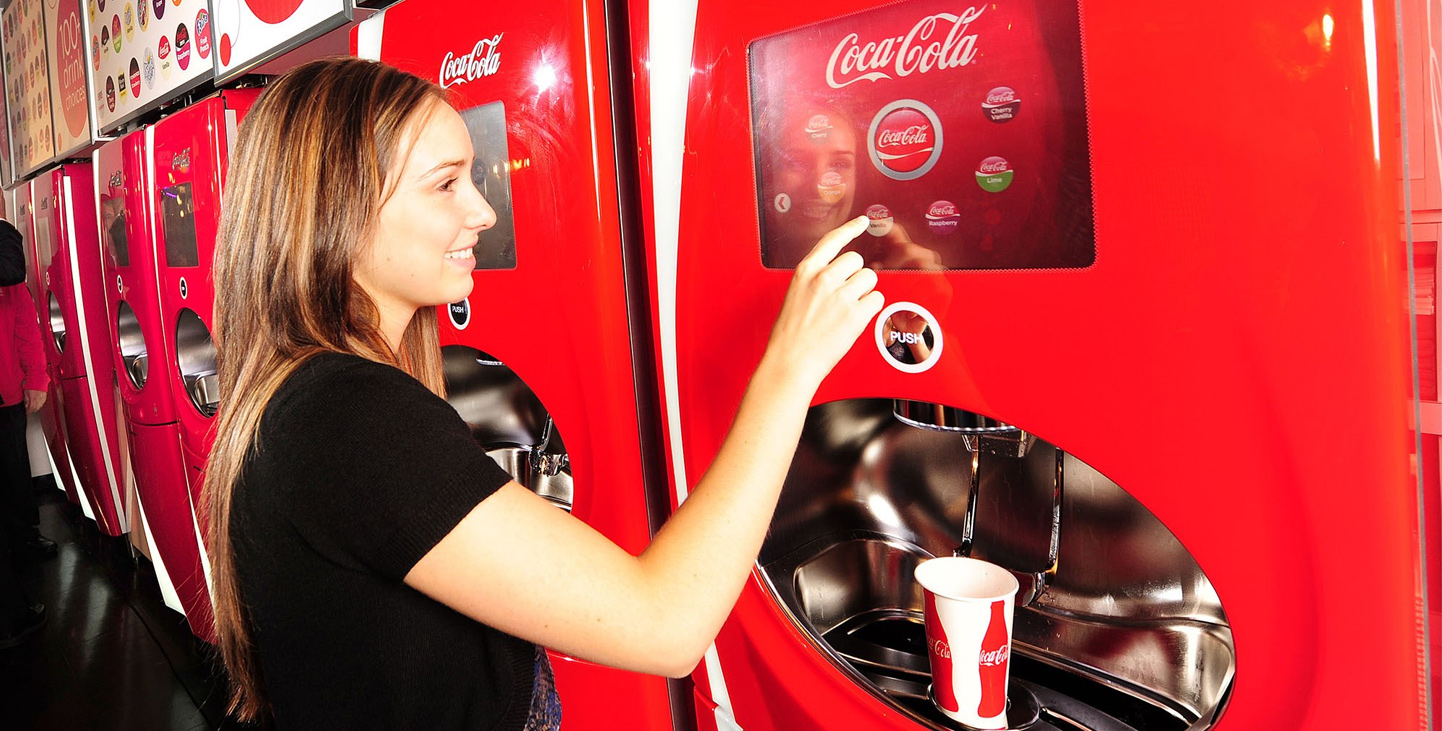
    Coca-Cola has debuted its most recent innovation in the form of a Coke&Go cooler vending machine. This cutting-edge machine is powered by artificial intelligence (AI) and computer vision, creating an upgraded, efficient, and personalized vending experience for consumers.

    Enhanced Consumer Experience

    The Coke&Go cooler vending machine allows consumers to gain access via their smartphones. This can be done by either scanning a QR code or by inputting credit card information, providing a seamless and technologically advanced method of interaction. What sets this vending machine apart is its ability to identify products using a product recognition technology. This means that customers can confirm and complete their purchases through the payment options that they have linked with the system.

    Terry Burbidge, GM of vending at Coca-Cola Europacific Partners New Zealand, underlined that this move aims to align their products more closely with the modern lifestyle of their consumers. He stated, “It’s about making refreshment more intuitive, more accessible, and more aligned with how Kiwis live today.”

    Smart Inventory Tracking

    The latest version of this vending machine also comes equipped with smart inventory tracking. This feature ensures that the cooler vending machines are restocked with the correct beverages at the right time. In doing so, not only does it enhance efficiency, but it also significantly reduces the likelihood of items being out of stock.

    The soft drink behemoth has plans to expand the presence of this innovative vending machine following a successful trial at the Sydney Airport during the previous year. Over the course of the next two years, hundreds of these advanced cooler vending machines will be installed across Australia and New Zealand.

    Questions & Answers

    What is the Coke&Go cooler vending machine?
    The Coke&Go cooler vending machine is a new type of vending machine by Coca-Cola that uses artificial intelligence and computer vision to provide an efficient and personalized experience.

    How do consumers interact with the Coke&Go cooler vending machine?
    Consumers can interact with the machine using their smartphones, either by scanning a QR code or entering their credit card information.

    What are the benefits of the vending machine’s smart inventory tracking feature?
    The smart inventory tracking ensures that the vending machines are consistently stocked with the right beverages, which improves efficiency and reduces the chance of items being out of stock.