Retail News CRM

Tag: ai-powered

  • Sunway Malls Revolutionizes Shopping with Malaysias First AI-Powered Smart Mall

    Sunway Malls Revolutionizes Shopping with Malaysias First AI-Powered Smart Mall

    Sunway Malls, one of Malaysia’s leading shopping center operators, has launched a pioneering artificial intelligence (AI) system designed to transform its locations into the nation’s first “smart malls.”

    The innovative AI network will work in tandem with Sunway’s existing ‘Internet of Things’ (IOT) framework to enhance operational efficiency and productivity while simultaneously enriching the consumer experience. This technological advancement builds on the successful integration of IOT at the Sunway Pyramid shopping center in Subang Jaya last year.

    Embracing Digital Transformation

    HC Chan, Group Managing Director of Sunway Malls, emphasized the growing importance of digital technology in the business landscape. He explained that the precision, timeliness, and relevance provided by this technology facilitates more insightful and strategic responses in an intensely competitive market.

    According to the company, all 16 Sunway Mall locations will be incorporated into a comprehensive IOT network. This integration will facilitate a cohesive management system that relies on automated, data-driven insights for decision-making processes. The company pledged to allocate resources “intelligently,” anticipating and resolving maintenance issues before they become problematic.

    Expanding Technological Features

    The extensive technological upgrade will introduce a range of features, including a 5G network, smart toilets and escalators, AI-enabled CCTV, and digital sustainability initiatives.

    Furthermore, Sunway Malls will launch a new AI customer chatbot and the Sunway Super lifestyle app, designed to enhance the customer experience. These digital services will offer smart parking, in-mall navigation, and a virtual shopping assistant, revolutionizing the shopping experience for customers.

    Questions & Answers

    What is the purpose of Sunway Malls’ new AI ecosystem?
    The AI ecosystem has been developed to enhance operational efficiency and productivity, while also improving the consumer experience at Sunway’s shopping centers.

    What other technological features will be introduced in the smart malls?
    In addition to the AI and IOT systems, the smart malls will feature a 5G network, smart toilets and escalators, AI-enabled CCTV, digital sustainability programs, and a customer chatbot.

    How is the decision-making process influenced by this digital transformation?
    Decision-making at Sunway Malls will be guided by a unified management system that uses automated, data-driven insights, allowing for intelligent resource allocation and proactive maintenance issue resolution.


  • Revolutionizing Beauty: Amorepacific Transforms Seoul Flagship Store into High-Tech, AI-Powered Personalized Cosmetics Lab

    Revolutionizing Beauty: Amorepacific Transforms Seoul Flagship Store into High-Tech, AI-Powered Personalized Cosmetics Lab

    Asia’s leading beauty brand, Amorepacific, has unveiled its rejuvenated flagship retail hub, Amore Yongsan. With a new approach focused on artificial intelligence-powered diagnostics, personalized cosmetic products, and a unique shopping experience, this flagship makeover reflects the current trends in the beauty industry.

    Navigating the New Age of Beauty

    Situated at the company’s headquarters, the refurbished retail space is an innovative blend of shopping, beauty services, and customer-centric research. It is designed to provide a holistic beauty experience to the patrons, right from product discovery to purchase.

    Amore Yongsan, as explained by an Amorepacific representative, is now an interactive platform where customers are invited to partake in a ‘Create New Beauty’ vision. This vision promises an invigorating beauty journey that extends beyond simple purchases to include personalized cosmetology, in-depth skin diagnostics, as well as active participation in the development of new products.

    Innovation at the Heart of the Concept

    Two revolutionary features steal the limelight in this revamp. The first is the ‘Amore Bespoke’ service, a first-of-its-kind on-demand beauty offering. It allows customers to design custom-made products in the makeup, lip, and haircare categories, catering to their individual needs and preferences.

    The second is ‘City Lab’, an AI-assisted skin and scalp diagnostic platform. Utilizing Amorepacific’s historical skin research data, this platform uses predictive technology to forecast potential skin alterations based on various lifestyle factors.

    The decision to relaunch was driven by the increasing demand for personalized, tech-powered beauty experiences. This move also signals Amorepacific’s competitive positioning against other K-beauty brands, as it seeks to attract a younger consumer base and international clientele who crave immersive retail experiences.

    Questions & Answers

    What is the ‘Create New Beauty’ vision?
    It is Amorepacfic’s innovative approach to provide a comprehensive beauty journey to its customers. It includes personalized cosmetics, advanced skin analysis, and active customer participation in product development.

    What is the Amore Bespoke service?
    Amore Bespoke is an on-demand beauty service that allows customers to create custom-made products in makeup, lip, and haircare categories based on their individual needs and preferences.

    What is the function of the ‘City Lab’?
    The City Lab is an AI-powered skin and scalp analysis platform. It uses Amorepacific’s historical skin research data and predictive technology to forecast potential skin changes due to various lifestyle factors.

  • Unleash Your Mood with YouTube Music’s New AI-Powered Playlist Feature

    Unleash Your Mood with YouTube Music’s New AI-Powered Playlist Feature

    Recently, Google announced that a YouTube Music premium subscription is now required for some users to access song lyrics, a feature that was formerly complimentary. While Google classified this development as an “experiment,” it assured users that the majority would not experience any changes to the lyrics feature.

    The Role of Gemini AI in YouTube Music

    Google has always been forthcoming about its operations, but the criteria used to decide which customers now have to pay for formerly free features remains unclear. It has also introduced a new Artificial Intelligence (AI) feature to YouTube Music which requires a premium subscription. This feature, powered by Gemini AI, allows users to create a playlist that matches their current mood, using natural language to communicate with the integrated AI prompt in the YouTube Music app. This feature has started rolling out on both the iOS and Android versions of the app.

    To leverage this feature, users need to open the YouTube Music app and tap the Library tab at the bottom of the screen. Next, they should tap the “New” button that appears in the bottom-right corner of the page. If they have a premium YouTube Music subscription, an ‘AI Playlist’ option will be visible. By tapping on it and describing the mood they wish their music to reflect, users can customize their playlist. They can either use natural language and voice or type in their mood to the prompt.

    It’s important to note that YouTube Music is not unique in utilizing AI to help users curate playlists. Spotify’s Prompted Playlist also leverages natural language to enable users to tailor their playlists based on their current mood and listening history.

    The Cost of a YouTube Music Premium Subscription

    AI-generated playlists on YouTube Music require a premium subscription, which offers ad-free music, background play, and offline downloads. The premium subscription is available at the following rates:

    – Individual: $10.99 per month or $109.99 per year.
    – Family: $16.99 per month (For up to six people per household).
    – Student: $5.49 per month. Annual verification from SheerID is required.

    Purchasing a YouTube premium subscription might be a more value-for-money option as it includes ad-free videos, offline video downloads, and background play for the main YouTube app in addition to the premium YouTube Music subscription.

    Google has incorporated the Gemini AI icon into many of its apps, including the YouTube Floating Action Bar. By tapping on the Gemini icon while watching a video, an “Ask panel” will open on the right side with several preset queries that can be submitted with a simple tap. These questions can ask for a summary of the video, recommended related content, and more. A prompt at the bottom is ready for users to ask anything they wish.

    Questions & Answers

    What is the new feature in YouTube Music?
    The new feature in YouTube Music, powered by Gemini AI, allows users to create customized playlists based on their current mood, using either voice or typed natural language.

    What is the cost of a YouTube Music premium subscription?
    The cost of a YouTube Music premium subscription varies. For individuals, it’s $10.99 per month or $109.99 per year. For families (up to six people), it’s $16.99 per month. Students can avail it at $5.49 per month after annual verification from SheerID.

    What is the Gemini AI icon on YouTube?
    The Gemini AI icon on YouTube opens an “Ask panel” with several preset queries when tapped during a video. These queries can ask for a summary of the video, recommended related content, and more.

  • Take Control of Your Feed: Instagram Empowers Users with AI-Powered Reels Algorithm Customization

    Take Control of Your Feed: Instagram Empowers Users with AI-Powered Reels Algorithm Customization

    The days when Instagram was simply a platform for checking in on friends and family are long gone. Nowadays, user feeds are filled with content that is supposed to align with their interests, however, this is not always the case. Meta, the parent company of Instagram, is aware of this and is providing Instagram users with a solution to optimize their algorithms.

    Controlling the Instagram Reels Algorithm

    Instagram has come out with a new feature that allows users to have a greater control over the type of videos that appear on their Reels feed. Named “Your Algorithm”, this feature provides users with details about the topics Instagram assumes they are interested in based on their past activity.

    The “Your Algorithm” settings can be adjusted by users to either add new topics or remove existing ones. This assists the app in determining the users’ actual video preferences. Instagram has stated that this feature is AI-based, although they have not provided further details about this functionality.

    Using this AI-powered feature, users now have the ability to view, personalize, and shape the topics that form their Reels, thus making the recommendations feel even more customized.

    More Customization Features on the Way

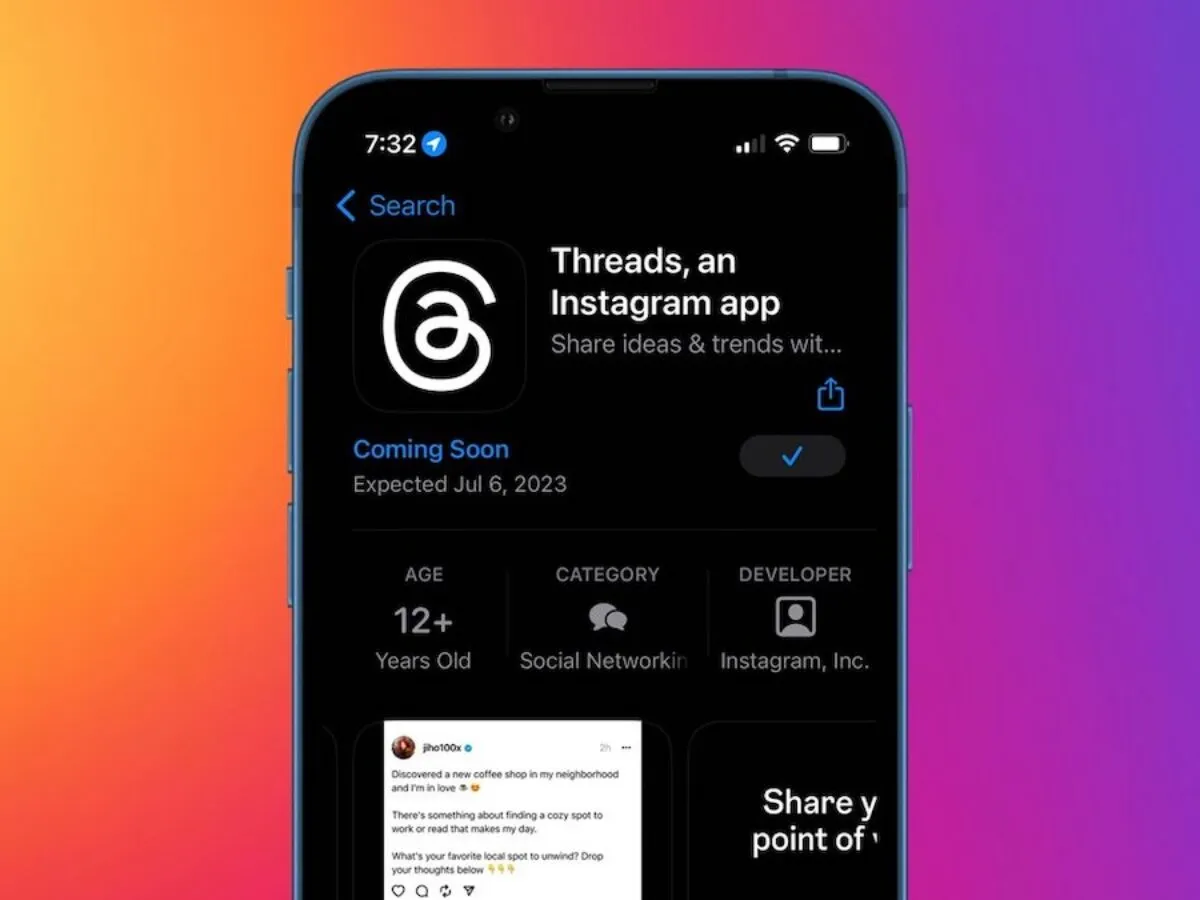
    According to Meta, these customizations are only the initial phase for Instagram. The company has future plans to introduce adjustable algorithms for the Explore tab and other parts of the app. Meta has also recently launched a feature on Threads, another of its platforms, that permits users to adjust the algorithm by tagging their posts with “dear algo”.

    Currently, “Your Algorithm” is available in the US and Meta has stated that it will soon be available worldwide in English. To utilize this feature, users need to:

    – Open a Reel video
    – Click on the icon with two lines and hearts at the top-right corner

    From there, users can view a summary of recommended topics and input the topics they want to see more or less of. They also have the option to share their list of interests via a story.

    While the new customization feature is a welcome addition, some users may desire even more control over their Instagram. For instance, after tailoring their Reels feed, some might prefer to remove them from their main feed and restrict them to the Reels submenu. Reshuffling features such as Direct Messages back to their original place before Instagram’s recent redesign is another potential request. While it may be a tall order, it’s certainly food for thought for the developers at Meta.

    Questions & Answers

    What is the new feature Instagram is rolling out?
    Instagram is launching a feature named “Your Algorithm” that allows users to fine-tune the type of videos that appear in their Reels feed.

    How does “Your Algorithm” work?
    “Your Algorithm” provides users with details about the topics Instagram assumes they are interested in based on their past activity. Users can then add new topics or remove existing ones to enhance their personalization.

    When and where will “Your Algorithm” be available?
    “Your Algorithm” is currently available in the US and will soon be available globally in English.

  • Revolutionize Your Fitness Journey with Fitbit’s Innovative AI-Powered Personal Health Coach

    Revolutionize Your Fitness Journey with Fitbit’s Innovative AI-Powered Personal Health Coach

    Fitbit Introduces Public Preview of Gemini-Powered Personal Health Coach

    The wearable device company, Fitbit, is unveiling a public preview of its new, Gemini-powered personalized health coach. This rollout serves as an intriguing introduction to the future of personalized fitness, and it will be available for eligible users to test from this week.

    The Launch of Fitbit’s AI-Powered Personal Coach

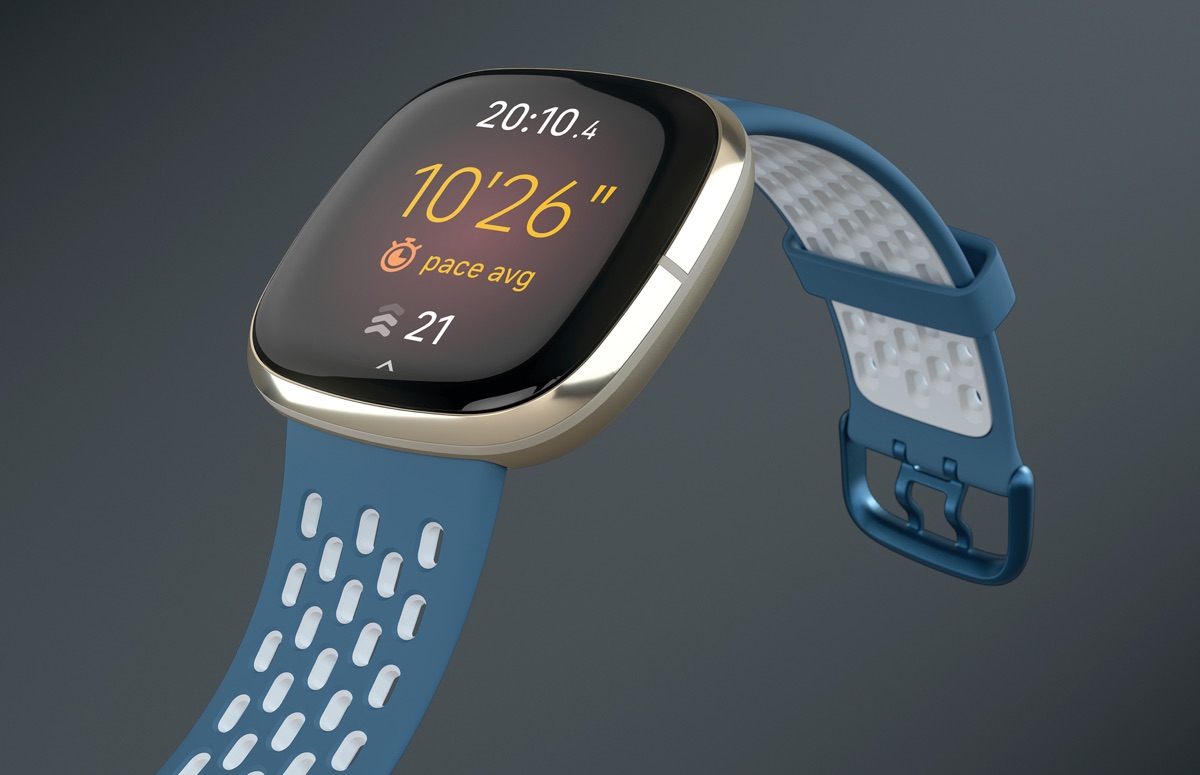
    Fitbit’s new artificial intelligence (AI)-powered coach, developed using Google’s Gemini technology, is set to revolutionize health and wellness practices. This AI coach is designed to function as a comprehensive fitness trainer, sleep counselor, and health advisor. Users can interact with the coach to establish goals or seek advice on their health-related queries. Examples of prompts that can be used include “Devise a 30-minute upper body workout I can do in my hotel room” or “Why did I wake up tired today?”. This AI can even assist you in framing questions for your next doctor’s consultation.

    However, it’s important to note that this AI coach is currently in its “preview” stage. It is being developed and modified based on active public feedback to improve its efficacy and user experience.

    Missing Features and Workarounds

    Since the AI coach is in its preview phase, it currently lacks some features that are standard in the traditional Fitbit app. Important elements such as health logging (including menstrual health, nutrition, and water logging), key metrics (the stress management score and cardio fitness score), and social features (friends, groups, leaderboards, and badges) are not included in the preview version.

    Recognizing these limitations, Google has designed a mechanism that allows users to switch between the new preview and the standard Fitbit app experience, providing the opportunity to test the AI coach while still being able to access the complete features of the traditional app.

    The Future of Health and Wellness

    This preview stands as a significant step towards Google’s grand vision of AI-driven health and wellness. The potential of a Gemini-powered coach to analyze user data and yield profound, actionable insights is phenomenal. Google emphasizes that the development of this AI coach is being conducted responsibly, backed by scientific evidence, and ensuring user data security and personalization. Early access for dedicated Premium users will enable them to test these potent features and provide valuable feedback.

    This development indicates the direction health and fitness technology is taking, with competitors such as Apple also rumored to be heading in a similar direction with their Health application. While it cannot replace professional medical advice or personalized gym training, this technology can assist in addressing quick health-related queries.

    The current version may be lacking some core features, but the objective of this preview is to provide a hands-on experience of the future of fitness technology, inviting users to be part of this exciting journey.

    Fitbit Premium users are encouraged to explore this new feature. Its easily toggled nature means users can try it with no downside. The updated experience will be available for Fitbit tracker and Pixel Watch owners, starting from October 28th.

    Questions & Answers

    What is the new Fitbit AI coach?
    The AI coach is a new personalized health guide developed by Fitbit, powered by Google’s Gemini technology. It acts as a fitness trainer, sleep counselor, and wellness advisor.

    What features are missing in the AI coach’s preview version?
    The preview version currently lacks certain features such as health logging (including menstrual health, nutrition, and water logging), key metrics, and social features.

    When will the updated experience be available?
    The updated experience will be available for Fitbit tracker and Pixel Watch owners from October 28th.

  • Openai’s Atlas: Revolutionizing Browsing With Ai Integration

    Openai’s Atlas: Revolutionizing Browsing With Ai Integration

    OpenAI has escalated its rivalry with Google by launching its inaugural AI-based web browser. The software, termed ChatGPT Atlas, is currently accessible on macOS and is set to extend its support to other platforms in the near future.

    OpenAI’s Internet Ambitions with Atlas

    Atlas, constructed on Chromium, boasts all the conventional features of a contemporary web browser such as tabs, bookmarks, an incognito mode, and a password autofill feature, among others. However, what sets Atlas apart from its counterparts is the integration of ChatGPT into the browsing experience with several unique functionalities.

    One primary feature, dubbed ‘Browser memories’, enables ChatGPT to glean context from your browser history and utilize it when necessary. For instance, users could request the chatbot to recall job listings viewed in the past week or construct a to-do list derived from recent activity. This feature is optional and is designed to delete related memories when the browsing history is cleared.

    Another distinctive attribute of Atlas is the AI ‘agent mode’, which can manipulate a tab and carry out a task independently. In a demonstration previewing the browser, the AI agent successfully compiled a list of ingredients required for a recipe and added them to the checkout page on Instacart.

    A permanent ‘Ask ChatGPT’ button is located in the upper right-hand quadrant of the browser. On activation, it opens a sidebar with the chatbot, facilitating queries about the current webpage without needing to close it or navigate away. The ‘Cursor’ feature is another tool that allows users to edit text using ChatGPT in any text field.

    At present, Atlas is accessible to all ChatGPT users via macOS, with the promise of support for Windows, iOS, and Android on the horizon.

    The Browser Battlefield Heats Up

    OpenAI is the latest player to enter the arena in the struggle for AI supremacy. Google Chrome has maintained its position as the leading web browser for years, but the impending AI revolution is projected to disrupt this status quo. By utilizing chatbots and agents, users’ interaction with apps and websites as well as their approach to work and information search is set to be transformed.

    This anticipated shift is the driving force behind the surge of AI-driven browsers. Despite the recent launch of several AI-based browsers such as Comet by Perplexity, Dia by The Browser Company, and Neon by Opera, along with updates from Google and Microsoft to Chrome and Edge, Apple has refrained from integrating AI into Safari.

    Launching a browser may not be a surprising move for OpenAI, but it will require more than that to sway users. Although it’s likely that many dedicated ChatGPT users may promptly transition to Atlas, achieving mainstream adoption for a new browser is a significant undertaking.

    Personally, I am not yet willing to abandon the horizontal tabs feature of Arc. While the AI-driven features of ChatGPT are intriguing, they don’t present a compelling case for me to break away from my established habits.

    Questions & Answers

    What is the unique feature of OpenAI’s new browser, Atlas?
    Atlas distinguishes itself through the integration of ChatGPT into the browsing experience, offering unique features like ‘Browser memories’ and an AI ‘agent mode’ that can independently carry out tasks.

    Which platforms currently support Atlas?
    Atlas is available on macOS for all ChatGPT users, with plans for support for Windows, iOS, and Android in the works.

    What is the impact of AI on the browsing experience?
    AI is set to transform how users interact with apps and websites as well as their approach to work and information search, driving the current surge of AI-driven browsers.

  • Google’s Ai Age Verification Expands, Sparking Privacy Concerns

    Google’s Ai Age Verification Expands, Sparking Privacy Concerns

    Google expanded its AI verification tool for YouTube users in August to a select few accounts. Recently, the tech giant has started to implement this AI age verification to an increasing number of accounts.

    Google Enforces Age Verification for More Users

    In February, Google declared its intention to trial an AI tool designed to ascertain if YouTube users were under the age of 18. Initially, this tool was intended for a “small group” of users, but the company subsequently announced plans to roll it out more broadly. It appears the time for wider implementation has arrived, as YouTube users with restricted accounts have been congregating on the r/youtube subreddit to voice their objections to being asked to verify their age.

    Subreddit users have posted screenshots of a pop-up alert that appears overlaid on videos on mobile and tablet apps, and the web version of YouTube. The alert informs users that certain account settings have been modified and provides an option for age verification.

    Google’s AI Guesses User Ages

    In a support article, Google clarified that the AI-fueled system employs different signals to assess if a user is younger than 18. Some of the factors the system takes into account include the user’s activity and the duration of the account. Interestingly, some users have reported that the pop-up alert has appeared on accounts older than 18.

    If the AI determines an account is being used by someone under the age of 18, YouTube enforces various restrictions, including blocking access to age-restricted videos, adjusting video recommendations, and only serving non-personalized ads.

    Google states that users have the option to verify their age if the AI’s age estimate is incorrect. Verification methods include producing a government ID or selfie or using a credit card. Currently, users in the US, UK, Australia, and Canada are impacted, but it is expected that Google will expand the system’s coverage to other countries.

    The Privacy Debate

    Most people, particularly those under 18, know how simple it is to create an online account and falsify their age. While children may disagree, there’s a valid reason to limit their access to various online content, including some potentially distressing videos on YouTube. For this reason, the concept of utilizing an AI system to estimate if an account is being used by a child can be seen as a positive move.

    However, online age verification is a controversial topic from a privacy perspective. Anonymity was a fundamental aspect of the early web, but it’s now increasingly challenging to keep one’s real identity separate from their online persona. This is just one of several reasons why individuals may have reservations about sharing their ID with Google or other major tech companies.

    Questions & Answers

    What is the purpose of Google’s new AI tool for YouTube?
    Google’s AI tool was designed to identify whether YouTube users are under the age of 18 and impose appropriate restrictions to protect minors from harmful or inappropriate content.

    How does Google’s AI tool verify a user’s age?
    The tool uses various signals such as user activity and account longevity to determine an estimated age. If the AI’s guess is incorrect, users can verify their age using a government ID, a selfie, or a credit card.

    Does the introduction of this AI tool pose a privacy concern for users?
    Online age verification is a contentious issue from a privacy perspective. It’s becoming increasingly challenging to maintain online anonymity, meaning the requirement to share identification with tech giants like Google is a cause for concern for some users.