
Tag: Aims

  • Google Messages to Unveil AI-Edit Detector, Aims to Curb Fake Photos Spread

    Google Messages to Unveil AI-Edit Detector, Aims to Curb Fake Photos Spread

    Google Messages, the popular messaging app, is in the process of developing a tool that can identify whether an image shared in a conversation has been created or modified by artificial intelligence (AI). Evidence of this feature was uncovered in the app’s source code, indicating that it will take advantage of C2PA content credentials – integral data that can verify the creation and manipulation history of an image file. Regardless of the device used, this feature is expected to be a standard element in the Google Messages application, which is pre-installed on most top-level Android phones.

    Distinguishing the Authentic from the Artificial

    The discovery of this development was made by AssembleDebug, a skilled code investigator who has a history of revealing Google’s yet-to-be-released features. The initial groundwork for this tool has been detected in various recent releases of the app, although it isn’t operational at this time. It should be seen as a significant signal of what’s to come, rather than an available feature.

    The Coalition for Content Provenance and Authenticity (C2PA) is the organization behind the standard that records the creation and editing history of an image. Essentially, this would mean your phone could inform you whether a photo you received was taken with a camera or generated via AI.

    This aligns with Google’s broader strategy of integrating SynthID watermark detection into Google Photos and Gemini, and now extending this into Google Messages. The tool is expected to have around 18 labels, distinguishing between photos taken with cameras, those modified by partial AI edits, and fully AI-generated media, demonstrating Google’s emphasis on nuanced detection.

    Addressing Growing Concerns

    This development comes amidst growing apprehension around the increasing sophistication of AI-generated images. Some fear that even those with technical know-how are starting to fall for these hyper-realistic images, underlining the critical need for such detection tools.

    However, execution is not without potential pitfalls. Meta Platforms, the company behind Facebook, Instagram, and WhatsApp, implemented a similar feature, which encountered issues due to false positives. For instance, genuine photos were incorrectly flagged as AI-generated due to metadata left behind by standard Photoshop edits. Google Messages’ adoption of the C2PA standard might face similar issues.

    The primary beneficiaries of this tool would be users who often receive forwarded images, group-chat memes, and screenshots. A simple tap to verify the image’s provenance would be more efficient than manually scrutinizing the image.

    In terms of accessibility, users would be able to reach this feature by clicking on an image, opening the overflow menu, and selecting “View details”. It’s also worth noting that this feature isn’t live yet, so there’s nothing to test currently.

    Interestingly, Google, which has developed impressive image-generating models like Nano Banana, is now building a tool to detect the products of such models. Despite the seeming contradiction, it’s a necessary step towards ensuring authenticity and transparency in digital communication. If Google’s tool proves more reliable than Meta’s version, it will be a game-changer.

    Questions & Answers

    What is the purpose of the new tool being developed for Google Messages?
    The tool aims to identify whether an image shared in a chat has been created or manipulated by AI, helping users distinguish real photos from AI-generated ones.

    What is the C2PA standard?
    The C2PA (Coalition for Content Provenance and Authenticity) standard records the creation and editing history of an image, allowing verification of whether a photo was captured with a camera or generated by AI.

    What potential issues might arise with this tool?
    Similar to Meta’s implementation, Google’s tool may encounter issues with false positives, where genuine photos are incorrectly flagged as AI-generated due to the metadata left behind by standard editing tools such as Photoshop.

  • Pokemon Centre at Jewel Changi Aims for Localised Transformation – Get Ready for a Cultural Spin and Expanded Merchandise!

    Pokemon Centre at Jewel Changi Aims for Localised Transformation – Get Ready for a Cultural Spin and Expanded Merchandise!

    The Pokémon Centre, located in Jewel Changi Airport in Singapore, has decided to temporarily close its doors starting from April 1. This temporary closure is to allow for renovations aimed at introducing a completely localised store concept.

    Previous Store Offerings

    Ever since the center first opened in 2019, it has been a hub for a wide range of Pokémon-themed products. These products range from video games and trading cards to plush toys and bag charms.

    What to Expect from the Revamped Store

    Upon completion of the renovation, the revamped Pokémon Centre will feature several design elements and installations inspired by Singapore’s rich heritage and culture. Additionally, customers can look forward to an expanded merchandise selection and a host of immersive experiences.

    Temporary Pop-Up Stores

    During the three-month renovation period, Pokémon will set up temporary pop-up stores at Jewel Changi and Plaza Singapura. These stores will continue to cater to the needs of Pokémon fans, ensuring that they can still access their favorite merchandise during the renovation period.

    Shunsuke Sasaki, the Managing Director of Pokémon Singapore, reflected on the brand’s journey. “Over the past seven years, Pokémon has become an increasingly meaningful part of everyday life, and we are proud to have been part of that journey,” he said.

    He also shared a glimpse of what the refreshed store will offer: “The refreshed store will feature curated products, including some limited edition merchandise, and an enhanced interior design concept. We look forward to welcoming everyone soon.”

    The Pokémon Centre at Jewel Changi Airport is set to reopen its doors in the third quarter of the year.

    Questions & Answers

    When will the Pokémon Centre at Jewel Changi Airport be closed for renovations?
    The Pokémon Centre will be temporarily closed starting from April 1.

    What changes can customers expect from the revamped store?
    Customers can expect to see design elements and installations inspired by Singapore’s heritage and culture. The store will also offer an expanded merchandise range and immersive experiences.

    Will there be any temporary stores during the renovation?
    Yes, during the renovation period, Pokémon will open temporary pop-up stores at Jewel Changi and Plaza Singapura.

  • Grab Aims for Strategic Acquisition of Indonesia’s GoTo by Q2

    Grab Aims for Strategic Acquisition of Indonesia’s GoTo by Q2

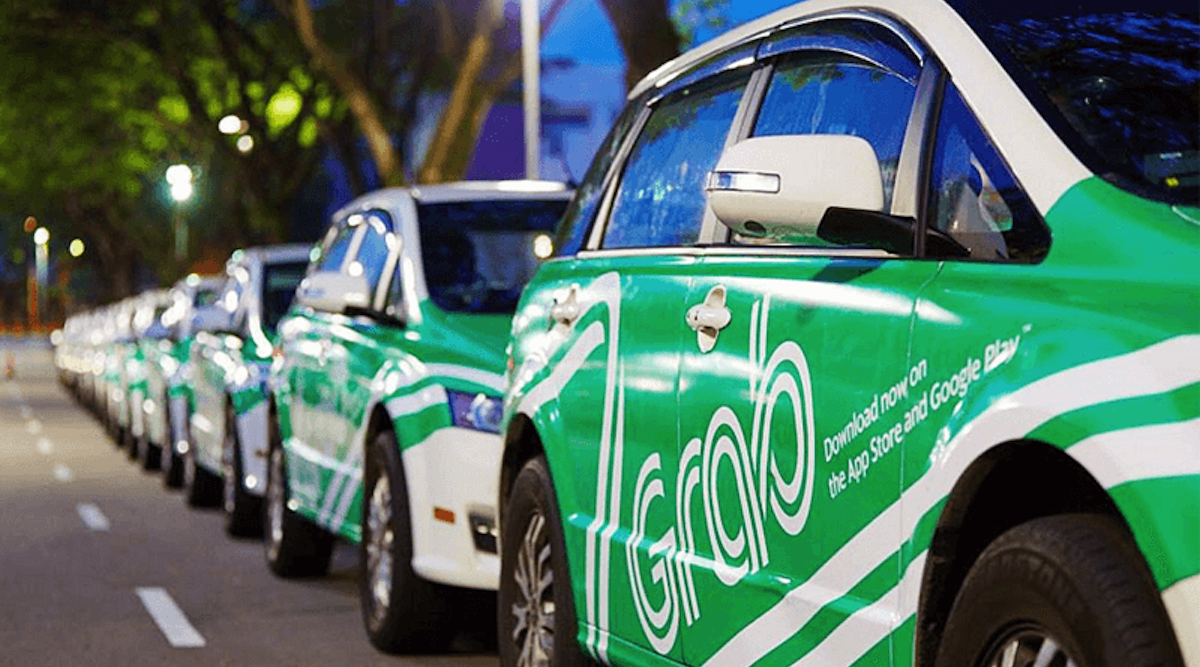
    Grab is stepping into the spotlight with plans to acquire GoTo, Indonesia’s dynamic tech giant, in a deal tantalizingly pegged around $7 billion. According to sources, the Singaporean-based company has enlisted advisors to navigate the intricacies of this potentially groundbreaking merger, with financial discussions currently underway with top banks. Both companies, however, have opted for silence amidst the buzz surrounding this significant transaction.

    The market response to GoTo has been notably positive, as its shares surged 20% year-to-date, bringing the company’s market value to approximately $5.8 billion. Meanwhile, Grab, which trades on Nasdaq, is enjoying a recent uptick, with shares climbing 2.4%, resulting in a valuation nearing $20 billion.

    As part of the deal, GoTo plans to divest its international operations in Singapore to Grab, while also transferring its entire Indonesian business to Grab, excluding its finance division. Such a strategic move may reinforce Grab’s position in a competitive landscape.

    Analyst Niko Margaronis from BRI Danareksa Sekuritas, who keeps a close eye on GoTo, hinted that the Indonesian government might take a more lenient stance on this proposed merger. He suggests that regulators could consider the positive implications of strengthening key players, ultimately aiming for long-term economic growth.

    However, potential antitrust concerns loom large against the backdrop of rising living costs stirred by an unpredictable global economy. A recent case that looms in the collective memory was Uber’s aborted $950 million bid for Delivery Hero’s Foodpanda in Taiwan last March, a move quashed by regulatory fears over anti-competitive practices.

    As the market prepares for what could be a transformative shift in the tech landscape of Southeast Asia, all eyes remain fixed on Grab and GoTo. What other surprises might be lurking around the corner?

    Questions & Answers

    **What is Grab looking to acquire from GoTo?**
    Grab is interested in acquiring GoTo’s international unit in Singapore along with its Indonesian operations, excluding its finance arm, for around $7 billion.

    How have GoTo’s shares performed this year?
    GoTo’s shares have risen approximately 20% year-to-date, boosting its market value to about $5.8 billion.

    What might affect the approval of this merger?
    Potential antitrust scrutiny could play a significant role, especially amid increasing concerns over living costs and the impact of market consolidation.