Tag: air freight

  • Singapore Wholesale Sea Freight Prices Jump 25.4 per Cent

    Singapore Wholesale Sea Freight Prices Jump 25.4 per Cent

    Singapore transport and storage operators pushed wholesale charges higher in the second quarter, led by a 25.4 per cent quarterly surge in sea freight rates.

    Official producer price figures from the Department of Statistics released on Oct 28 confirm that wholesale freight forwarding costs rose 10.2 per cent over the same period, while postal and courier services climbed 7.1 per cent.

    The price increases hit wholesale markets after an index tracking imported fuels, lubricants and related materials spiked by nearly 79 per cent month-on-month in March. That energy shock followed the outbreak of the Iran war on Feb 28 and the effective closure of the Strait of Hormuz, an export channel that handled roughly 20 per cent of global oil and gas output. Although fuel import metrics eased later in the year, they settled well above their baseline levels.

    Uneven Impact Across Shipping Modes

    Liquid bulk and gas transport absorbed the steepest increases because of their structural dependence on Middle East transit lanes. Crude oil and liquefied natural gas carriers faced direct rerouting requirements, while container shipping lines operating predominantly outside the Persian Gulf recorded milder cost adjustments. Container operators still absorbed indirect pressure through pricier bunker fuel and schedule disruption across regional transshipment hubs.

    Air freight forwarding registered the sharpest immediate shock within forwarding segments. Air cargo handlers dealt with route deviations, constricted capacity and jet fuel premiums. Sea freight forwarders absorbed a combination of higher carrier spot rates, emergency bunker additions and war risk insurance surcharges, whereas domestic land freight forwarding pricing held steady through the period.

    Courier Adjustments and Domestic Storage

    International parcel delivery networks responded by adjusting their baseline tariffs. The 7.1 per cent increase in postal and courier indices stemmed entirely from cross-border traffic, while domestic Singapore delivery tariffs softened over the quarter. Global integrators operating regional sorting hubs in the city-state have passed energy expenses directly to corporate shippers.

    DHL Express has scheduled a general rate increase for January 2027, citing global energy costs and local operating conditions. Upstream handling fees in Singapore also crept higher during the second quarter, with cargo handling charges rising 2.7 per cent month-on-month and warehouse storage fees gaining 0.6 per cent.

    Pressure Mounts on Regional Supply Chains

    For consumer brands and cross-border merchants, wholesale transport cost hikes squeeze gross margins at the inbound inventory stage. Retail businesses often absorb wholesale freight spikes during the initial shipping cycle to defend unit volumes, but prolonged upstream inflation forces retail price tags higher once existing inventory depletes.

    Importers across Southeast Asia face two distinct operational choices. They can absorb degraded margins during upcoming peak sales quarters or pass freight surcharges into final shelf prices. E-commerce platforms that rely on international air parcels face the immediate prospect of higher threshold requirements for free shipping programs.

    The Pipeline of Upstream Costs

    Before the conflict escalated in February, liquid bulk freight tariffs fluctuated within narrow bands and container rates trended lower across major Pacific routes. That period of pricing relief ended abruptly once bunker fuel benchmarks tracked global crude upward. By Oct 23, Brent crude touched more than US$117 a barrel, its highest point since April, after strikes hit commercial tankers near the Strait of Hormuz.

    Commercial shippers now look to the third-quarter producer price indices and DHL Express’s scheduled tariff revision in January 2027 to gauge whether logistics operators will levy fresh baseline increases.

  • DHL Global Forwarding Establishes Six Air Cold Chain Corridors to Asia

    DHL Global Forwarding Establishes Six Air Cold Chain Corridors to Asia

    DHL Global Forwarding expanded its cold chain network in October 2026 by launching six dedicated life sciences and healthcare air corridors connecting Europe and North America with Asia.

    The newly established routes connect Liège and Brussels in Europe, along with Cincinnati in the United States, directly to Shanghai, Singapore, Tokyo Narita, and Seoul Incheon.

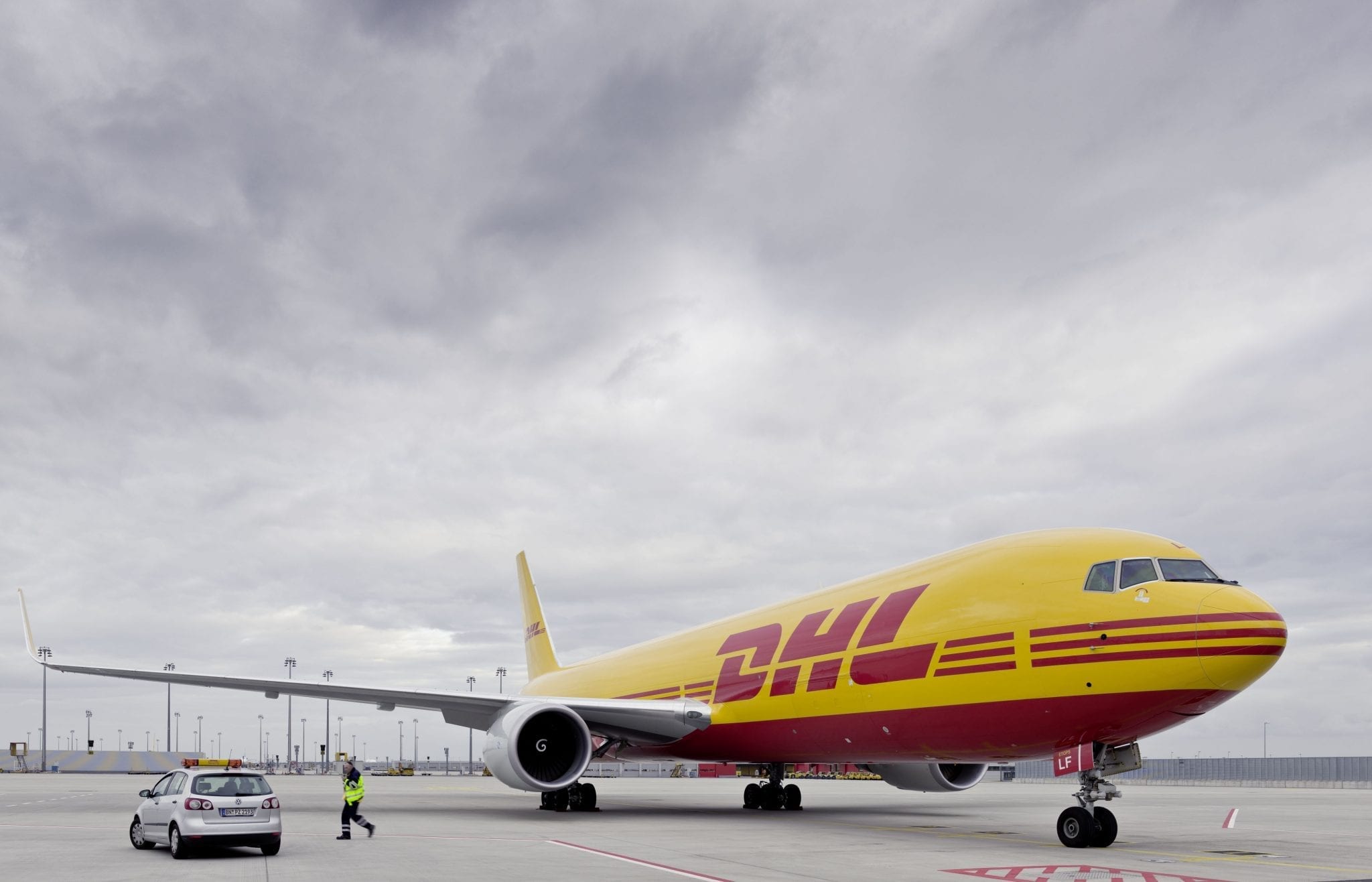
    Operated primarily on DHL Express-branded Boeing 777 freighters, the flights offer three different temperature-controlled compartments to reduce handovers and safeguard temperature-sensitive healthcare shipments.

    The Six Strategic Transcontinental Trade Lanes

    Three corridors run directly from Europe, and three run from the United States. European departures connect Liège to Shanghai, Brussels to Shanghai and Brussels to Singapore. Transatlantic flights leave DHL’s Cincinnati hub for Singapore, Tokyo Narita and Seoul Incheon.

    Each aircraft combines active temperature control with passive packing protections, including thermal blanket systems and phase-change materials. These systems maintain strict limits: 2 to 8 degrees Celsius for refrigerated biologicals, and 15 to 25 degrees Celsius for controlled room-temperature medicines.

    These new corridors further expand our Cold Chain Network into strategically important healthcare markets across Asia. They respond to customer demand for reliable connectivity between major healthcare markets while giving us greater control over critical quality parameters throughout the transportation process. This enables our customers to move critical healthcare products with greater confidence and reliability.

    Control Across Healthcare Supply Chains

    Transfer points create the biggest operational bottleneck in long-haul pharma airfreight. Commercial passenger bellyhold space exposes sensitive cargo to tarmac temperature spikes during layovers or unexpected delays.

    Operating dedicated Boeing 777 freighters across proprietary hubs gives drug makers predictable schedules and uniform standard operating procedures from loading to customs clearance. It also limits reliance on third-party ground handlers who may lack good distribution practice validation.

    Competition is intensifying against rival global integrators and forwarders fighting for high-margin life sciences contracts across Asia-Pacific. Drug manufacturers in Japan, South Korea, China and Southeast Asia demand direct, auditable cold chain links into Western consumer and clinical trial markets.

    Expanding the Global Cold Chain Footprint

    This Asian expansion builds on DHL Group’s February initiative to create an integrated international cold chain network. That rollout started with transatlantic flights between Brussels and Cincinnati before extending into secondary healthcare routes.

    North American drug producers gain direct export lanes from Cincinnati into North Asia and Southeast Asia without routing through intermediate commercial air hubs. European plants around Belgium’s biopharma cluster gain matching outbound capacity into China and distribution nodes in Singapore.

    Changi Logistics Hub Anchors Regional Growth

    Adding the Brussels-Singapore and Cincinnati-Singapore routes fits DHL Global Forwarding’s wider infrastructure spend in Southeast Asia. In September, the group confirmed plans for its upcoming DHL Singapore Cold Chain Hub at Changi Airport.

    The airport facility will provide dedicated 2 to 8 degrees Celsius and 15 to 25 degrees Celsius handling zones linked directly to the airside tarmac. It will process inbound cargo from the new Boeing 777 flights and transfer shipments into regional distribution channels across Southeast Asia.

    Looking ahead, DHL plans to commission the Changi cold store facility and add further network routes across the Middle East and Latin America.

  • Shein Net Profit Drops 67 Percent to 228 Million Dollars as Air Freight Squeezes Margins

    Shein Net Profit Drops 67 Percent to 228 Million Dollars as Air Freight Squeezes Margins

    Shein reported a 66.6 per cent slump in second-quarter adjusted net profit to $228 million, hit by surging air cargo rates and falling revenue in Western markets.

    Net profit margins narrowed to 2.1 per cent from 6.2 per cent a year earlier, even as the platform fulfilled 298 million orders between April and June.

    Group revenue inched up 0.9 per cent year-on-year to $11.08 billion during the period. Active customers climbed to 291 million over the 12 months to June, up from 254 million, but shoppers spent less per order while overhead surged.

    Higher shipping costs hit the bottom line

    Fulfillment costs surged 18.1 per cent during the three-month period. Shein relies on direct air shipments from contract factories in southern China to consumers worldwide, leaving operating margins exposed to sudden swings in aviation fuel and commercial cargo pricing caused by Middle East route disruptions.

    Growth in Latin America compensated for contractions in primary markets, preventing top-line sales from shrinking outright. Total order volume increased by 21 million transactions compared with the second quarter of last year.

    Tariffs and parcel fees bite in the West

    Revenue from Europe fell 13.9 per cent to $3.77 billion as Shein pulled back on digital marketing spend and lifted retail prices ahead of regional regulatory changes. The European Union introduced a flat 3-euro customs fee on low-value e-commerce packages on July 1.

    United States revenue declined 6 per cent to $2.5 billion. Price adjustments followed the removal of de minimis duty exemptions by US authorities, which had previously allowed parcels valued under $800 to enter the country free of import tariffs.

    Warehouses and premium labels

    Cross-border operators in Asia now face the end of the frictionless air-freight model that built ultra-fast fashion. Temu and AliExpress face identical regulatory scrutiny in Brussels and Washington, but Shein carries heavier direct inventory risk as it attempts to reposition itself toward higher-priced apparel categories.

    Shifting higher up the price ladder creates direct competition with established European apparel chains such as Inditex and H&M without guaranteeing the same local store network or brand equity. Shein must absorb heavy fixed property costs across Europe while defending its low-cost apparel base against newer discount apps.

    Hong Kong stock slides

    The company listed in Hong Kong on September 1 at an offer price of HK$48.56 per share. Trading has dropped 27.3 per cent since the debut, reflecting investor concern over margin erosion and sluggish Western revenue.

    To reduce dependence on individual air parcels, the group is expanding land-based logistics hubs inside the European Union. Shein opened a 740,000-square-metre distribution facility in Wroclaw, Poland, in December and leased an additional 66,000 square metres of warehouse space from industrial developer CTP earlier this year.

    Investors now await third-quarter earnings figures in November, which will show the full impact of the European Union’s 3-euro parcel surcharge during the peak autumn trading period.

  • DHL launches air freight service for emergency logistics

    DHL launches air freight service for emergency logistics

    DHL Global Forwarding extends its product portfolio and launches DHL SameDay Speedline. This new air freight product offers forwarding customers a mission critical solution for emergency shipments. Providing a best flight out service at an optimal cost-performance ratio, each unaccompanied shipment will be proactively monitored from origin to destination.

    With benefits such as 24/7/365 pickup and delivery, collection within 120 minutes and quotations within 60 minutes, the DHL SameDay Speedline product will fill the gap for a much needed global expedited solution. This new service covers urgent delivery of spare parts, critical medical supplies or newly launched products.

    Although DHL SameDay Speedline is a multisector product, it‘s especially attractive for aerospace & aviation, automotive, electronics, energy and life sciences industries.

    “The emergency shipment market is growing with just-in-time inventories for industries from aerospace and energy to manufacturing to adapt their supply chains. The need for mission critical shipment delivery to avoid line down situations continues to arise and requires a partner that has the global reach combined with the technology to provide transparency to each sector specific logistical challenge. DHL SameDay Speedline fills this gap and provides added value through its many service features,” states Ingo-Alexander Rahn, Global Head of Air Freight, DHL Global Forwarding.

    The launch of DHL SameDay Speedline’ s global network of 50+ stations will cover the greatest geographical demand for emergency shipments, with the expectation, that the network will grow through customer demand. A core strength of DHL SameDay Speedline are the 24/7/365 SameDay Contact Centers in the US, Singapore and Ireland, where each shipment is proactively monitored from origin to destination.

    Dedicated customer service representatives will handle the majority of quotes and routing option for door-to-door transits in less than 60 minutes. Customers of DHL SameDay Speedline will receive customized milestone updates of their shipments movement after the logistical event. In case of an irregularity, a resolution to the issue is available within minutes.

    Next to specific industry sectors solutions, the scope of DHL SameDay are those customers that need to ship time-critical cargo regularly or experience unplanned emergencies.

    “We see DHL SameDay Speedline as a multi sector product offering that is especially attractive for aerospace & aviation, automotive, technology, energy, marine logistics and life sciences industries, including temperature controlled, dangerous or out-of-gauge goods,” Rahn adds.

    After surveying more than 200 customers from various industry sectors with emergency shipment needs, DHL Global Forwarding saw a need to develop a product utilizing the best of both worlds, the leverage of the DHL relationships in country with the emergency product technology and intelligence of the DHL SameDay team.

    “Our customers will choose DHL SameDay Speedline for the best flight options to meet just-in-time demand at an optimal cost performance ratio,” stresses Ingo-Alexander Rahn.